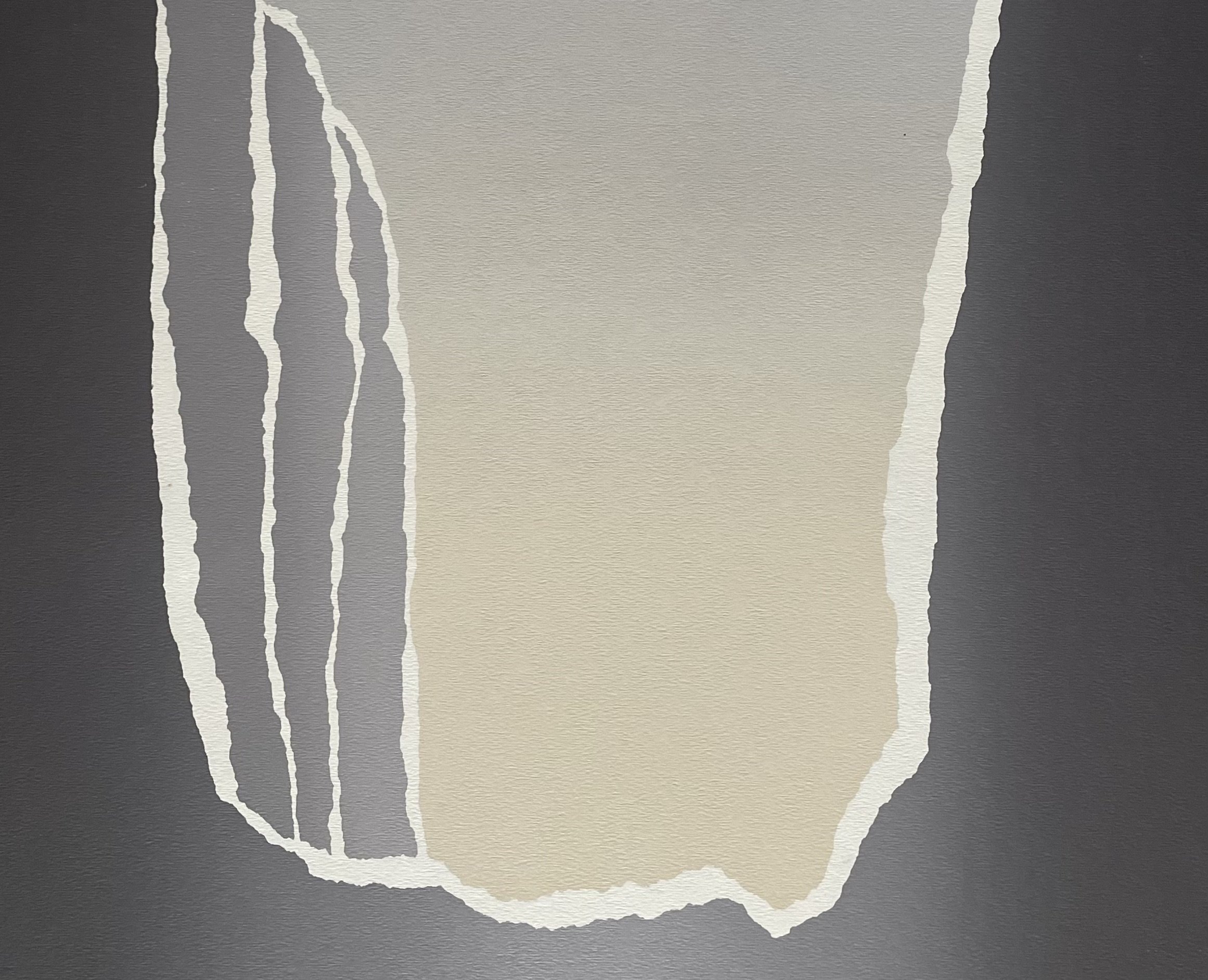
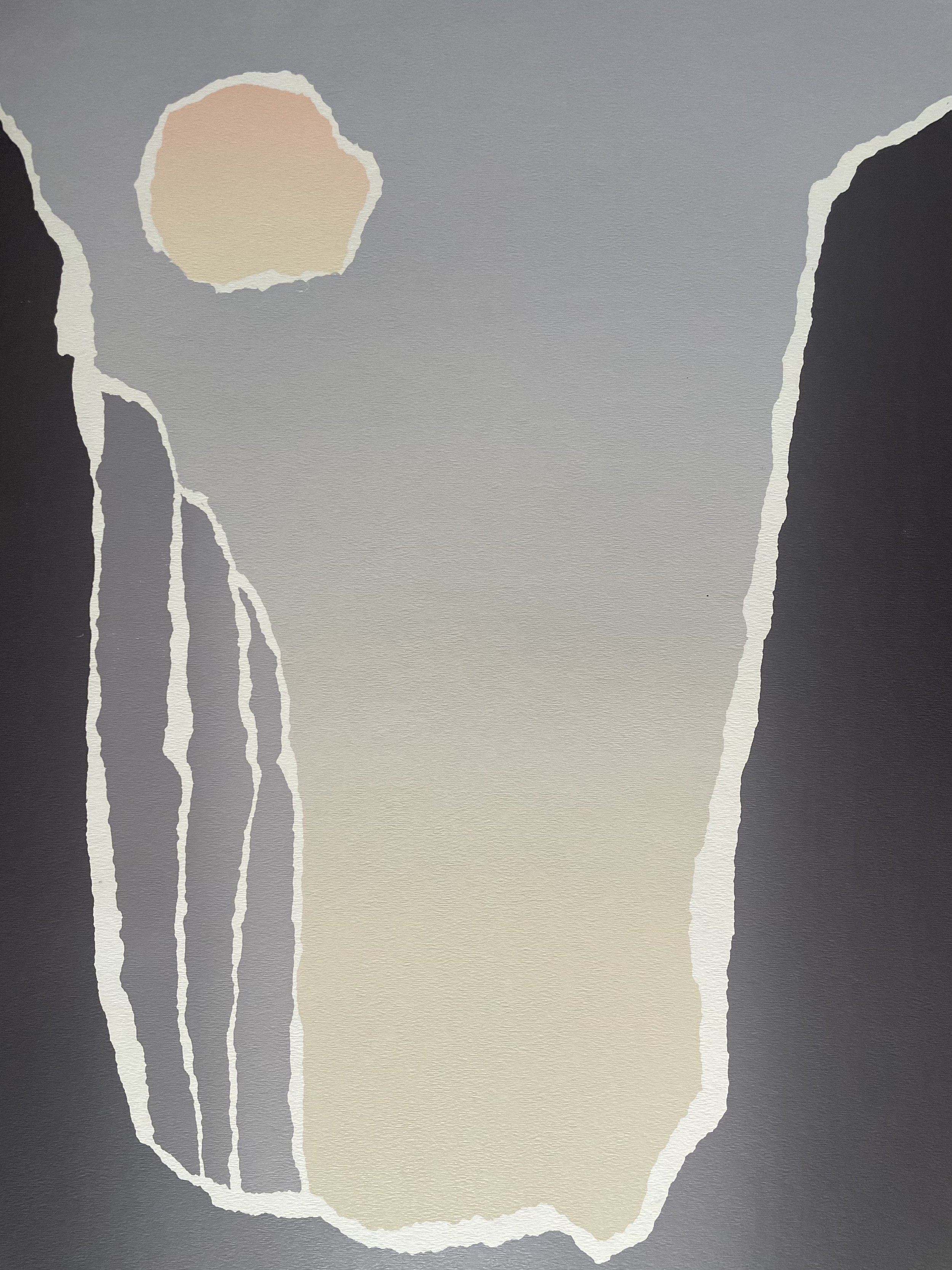
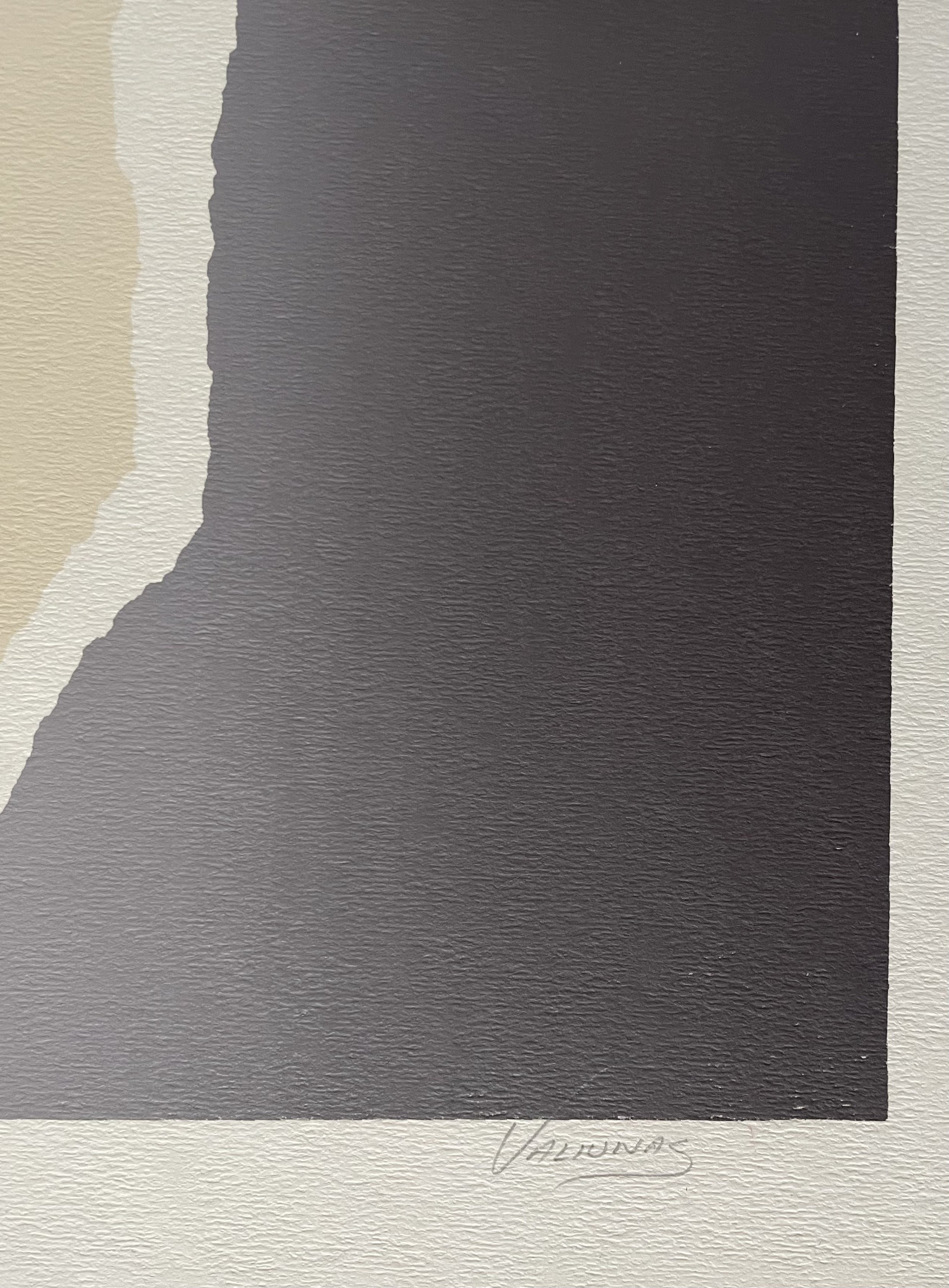
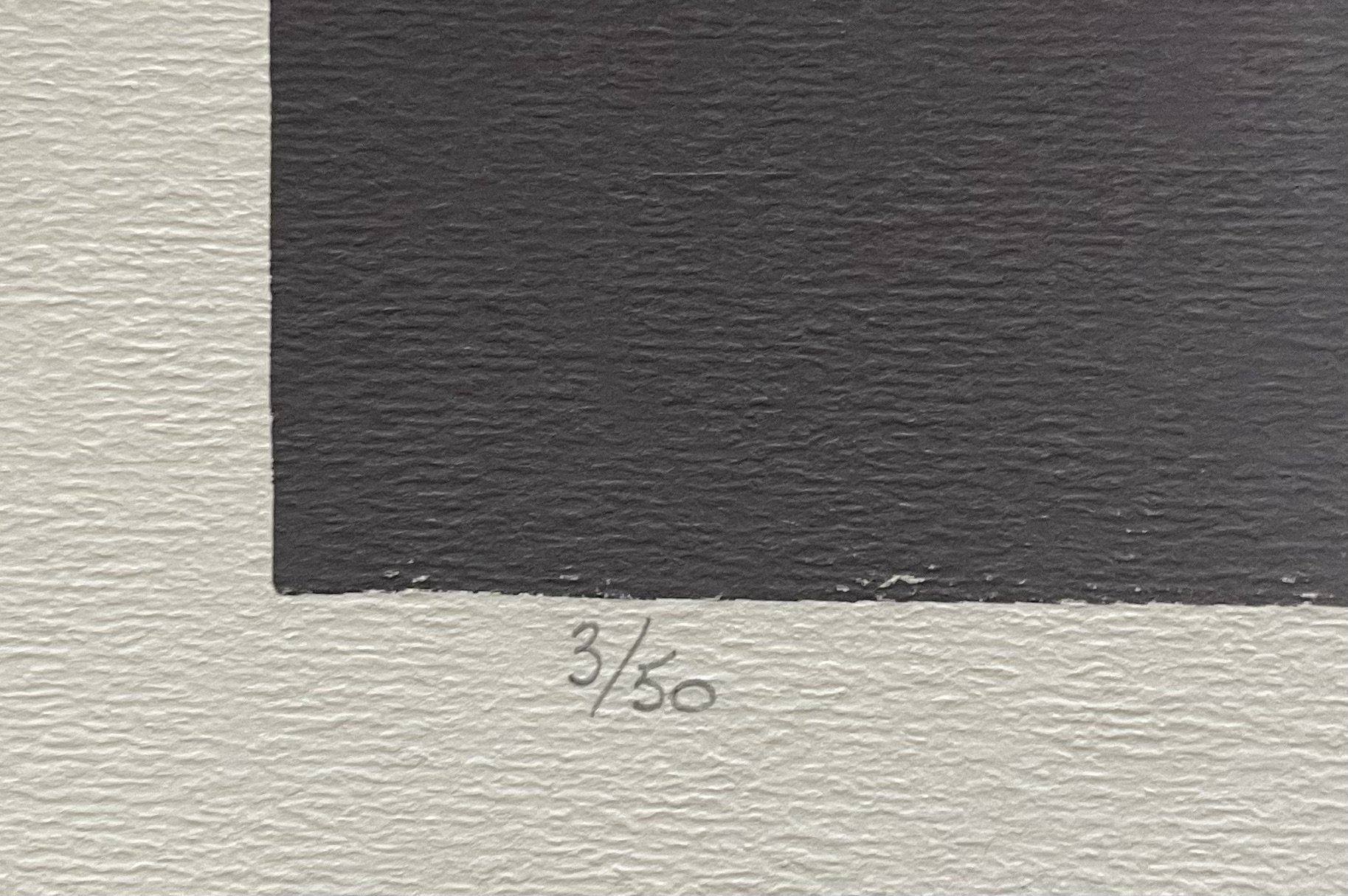
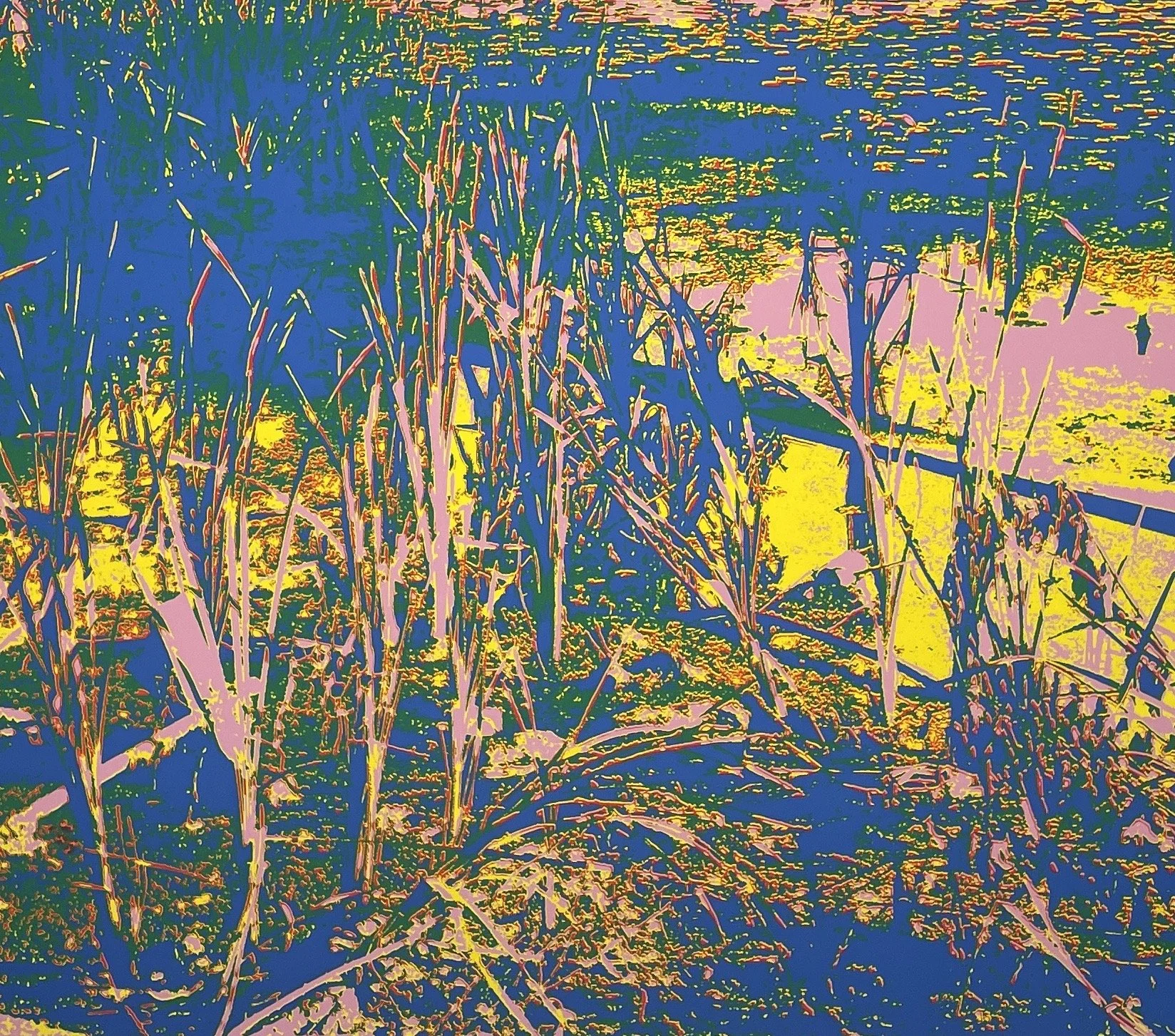
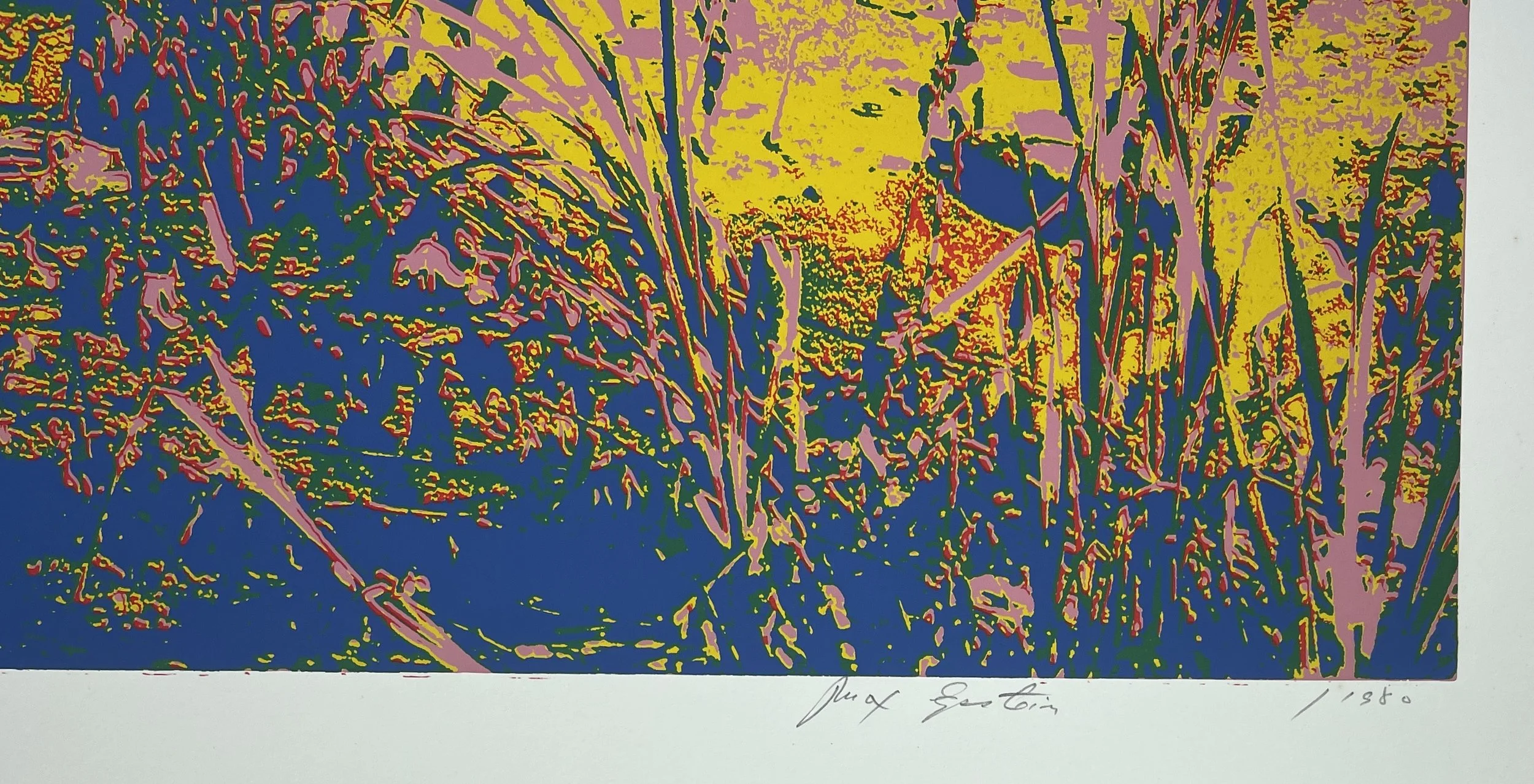
 Image 1 of 6
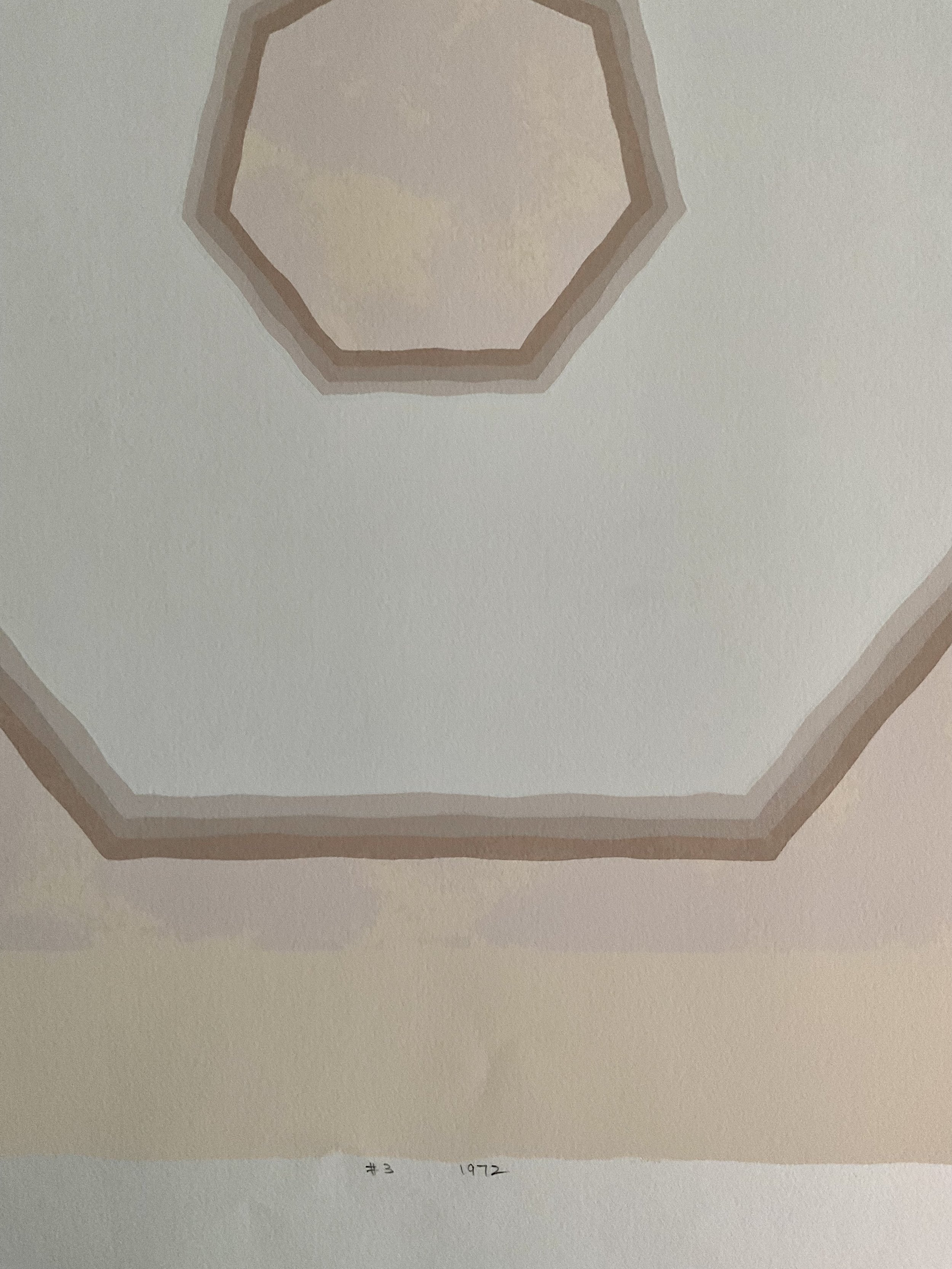
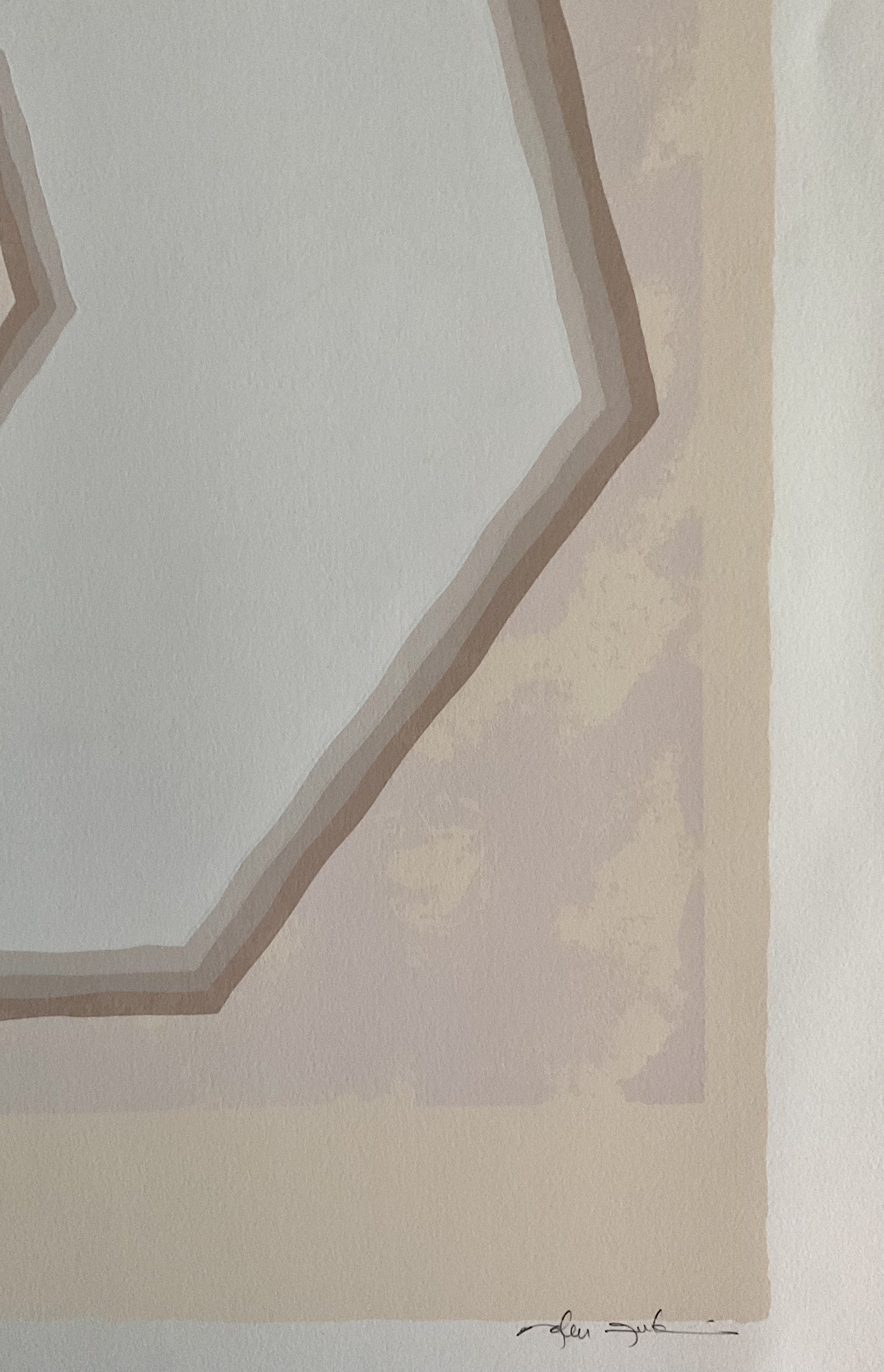 Image 2 of 6
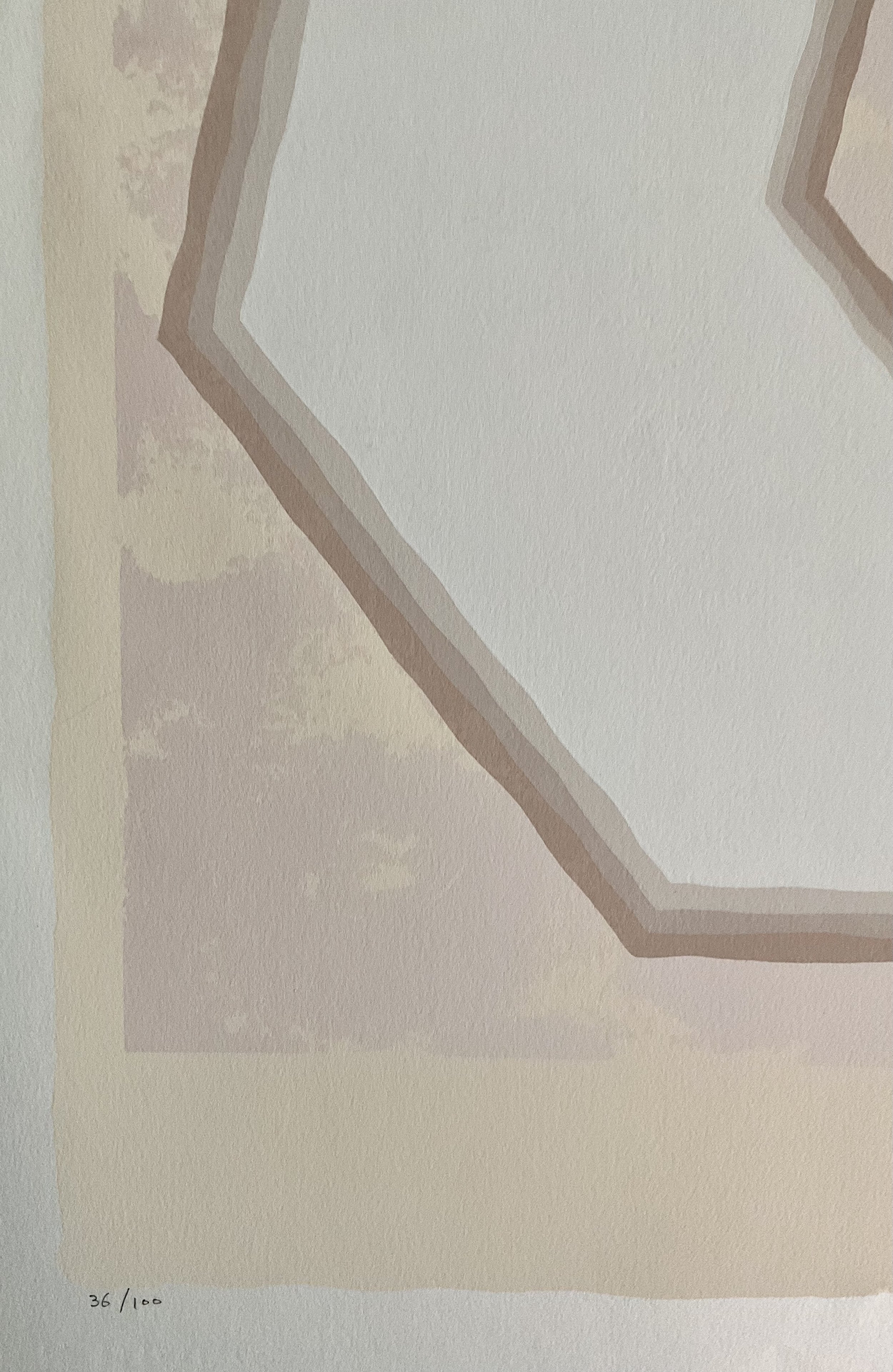 Image 3 of 6
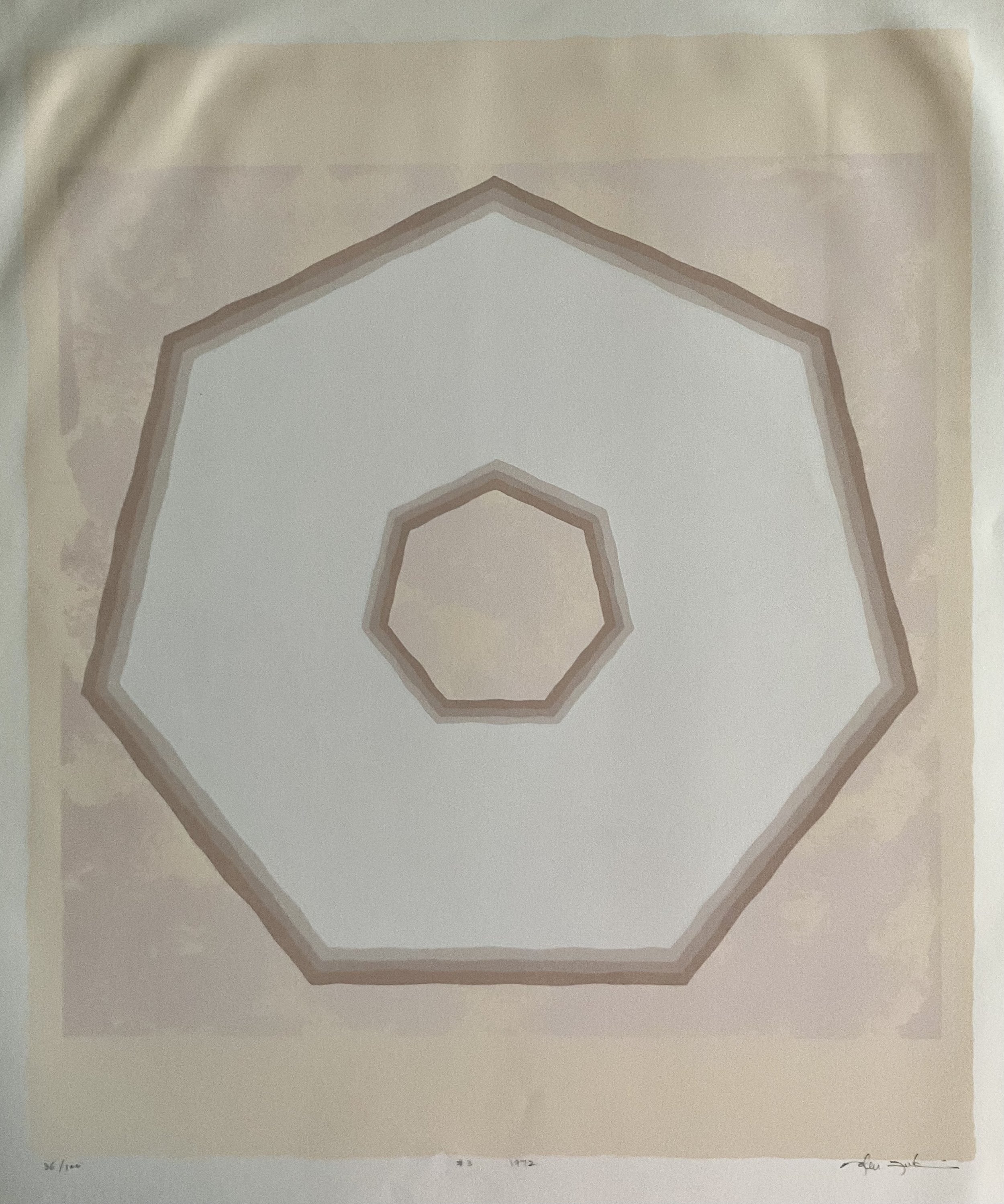 Image 4 of 6
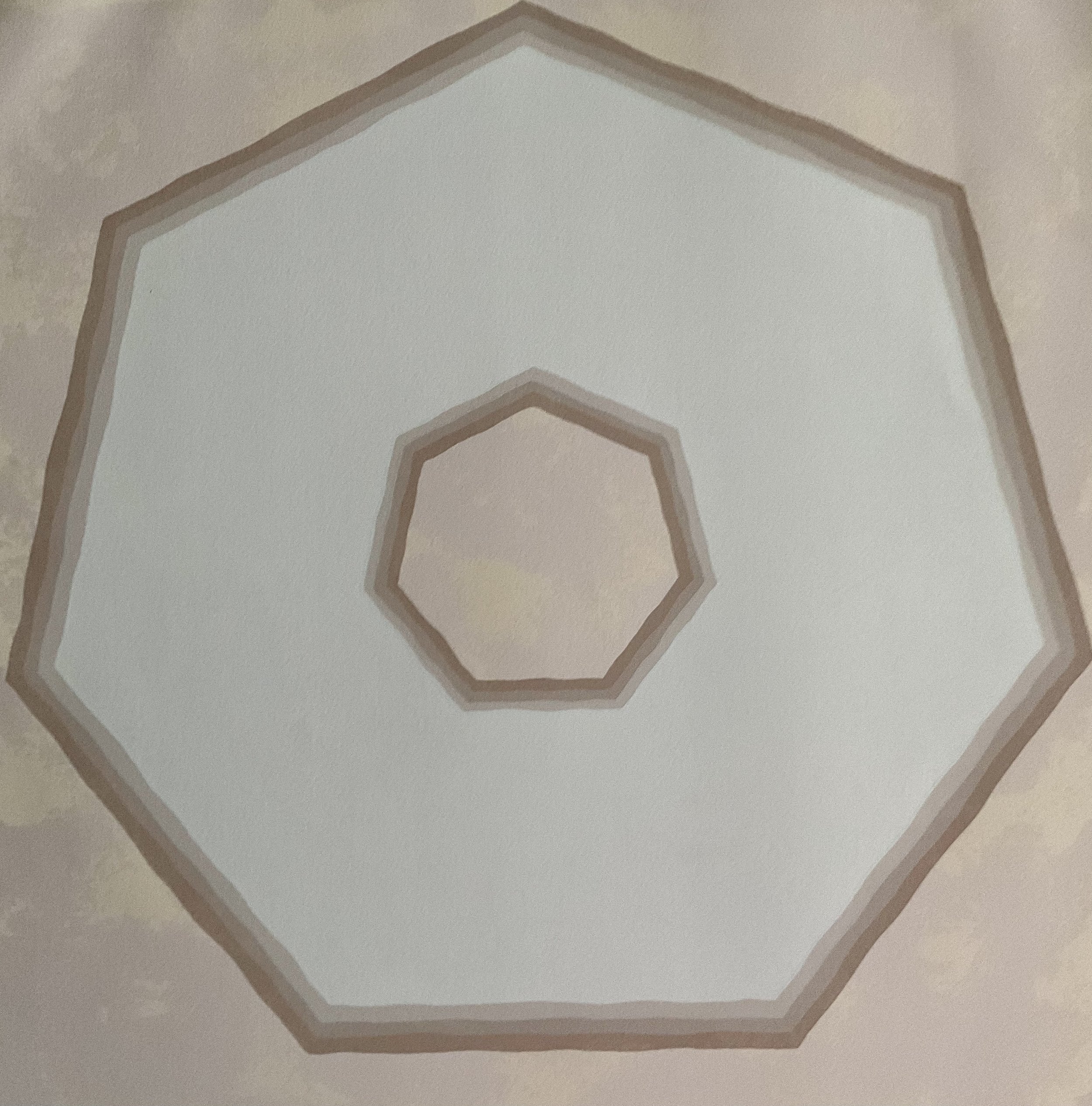 Image 5 of 6
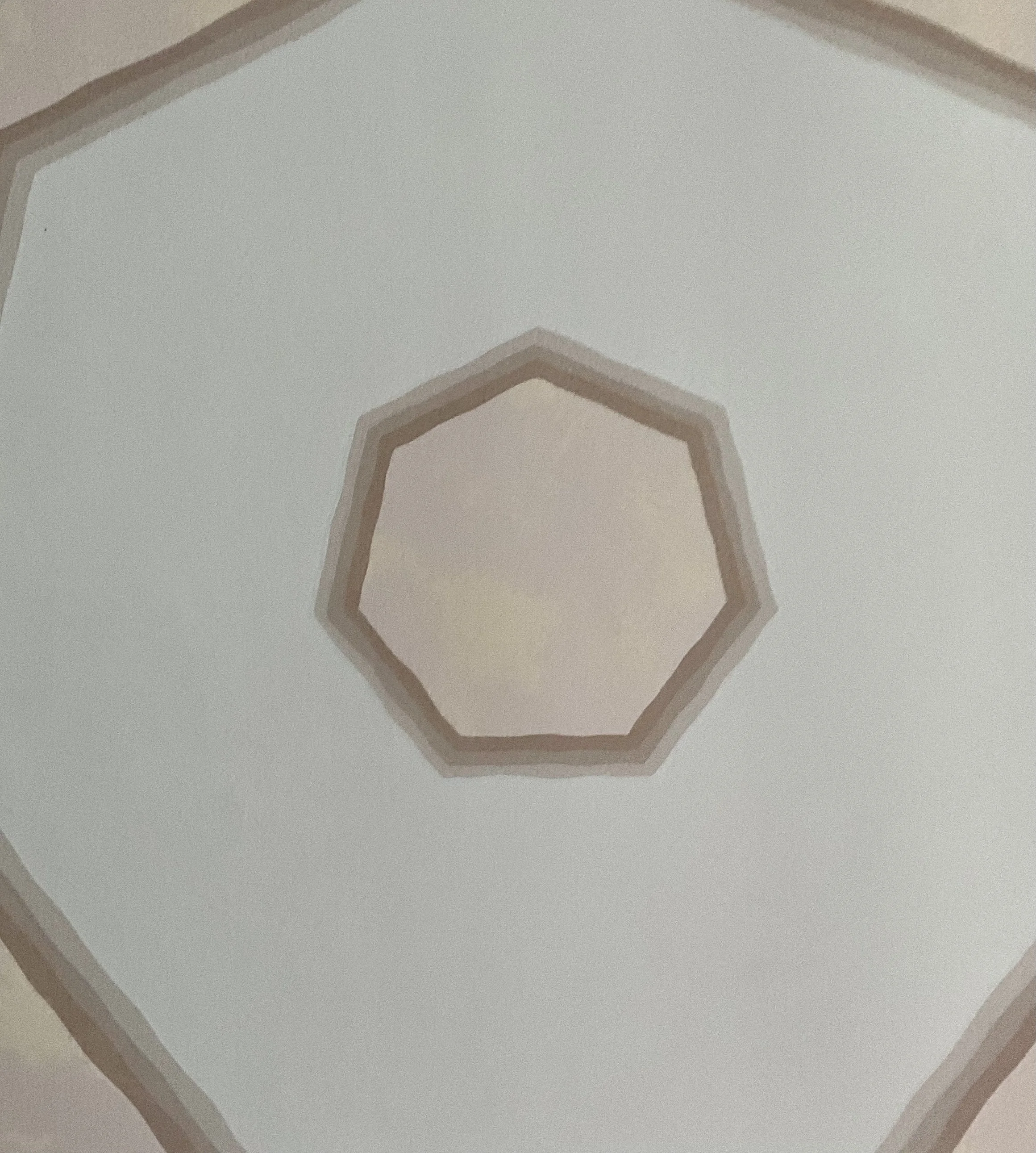 Image 6 of 6
Nobu Fukui
(American/Japanese, born 1942)
Nobu Fukui — Biography
Nobu Fukui (born 1942, Tokyo, Japan) is a Japanese-American artist whose career spans more than six decades of innovation in painting, printmaking, collage, and mixed media. Widely exhibited in the United States and Asia, Fukui is recognized for his dynamic abstract language that bridges Japanese avant-garde sensibilities with post-war American modernism.
Early Life and Education
Nobu Fukui was born in Tokyo, Japan, in 1942. He immigrated to the United States in 1962, arriving first in Chicago before relocating to New York City in 1963, where he would make his creative home and studio for the remainder of his career. Shortly after arriving in New York, Fukui enrolled at the Art Students League of New York, studying there during the mid-1960s, a period of vibrant artistic exchange and experimentation in the city’s galleries and studios.
Artistic Development and Influences
Fukui’s artistic identity is shaped by a rich fusion of cross-cultural influences. Though trained in traditional techniques, he embraced abstraction early in his career, exploring geometry, surface, and spatial relationships through both painting and printmaking. A key influence on Fukui’s early work was the Gutai Art Association, a revolutionary Japanese avant-garde movement founded in 1954 that emphasized originality, material experimentation, and the integration of performance and process into visual art. Fukui himself has acknowledged his connection to Gutai’s expressive ethos even as his personal style evolved into more structural abstraction.
During the 1960s, Fukui operated within the broader context of American avant-garde circles, where the boundaries between painting, printmaking, and conceptual art were actively being tested. His early work reflects the era’s enthusiasm for abstract form and process, while his later work would expand into collage and mixed media. Throughout his career, Fukui maintained a versatile approach, refusing to be confined to a single stylistic category.
Artistic Style and Mediums
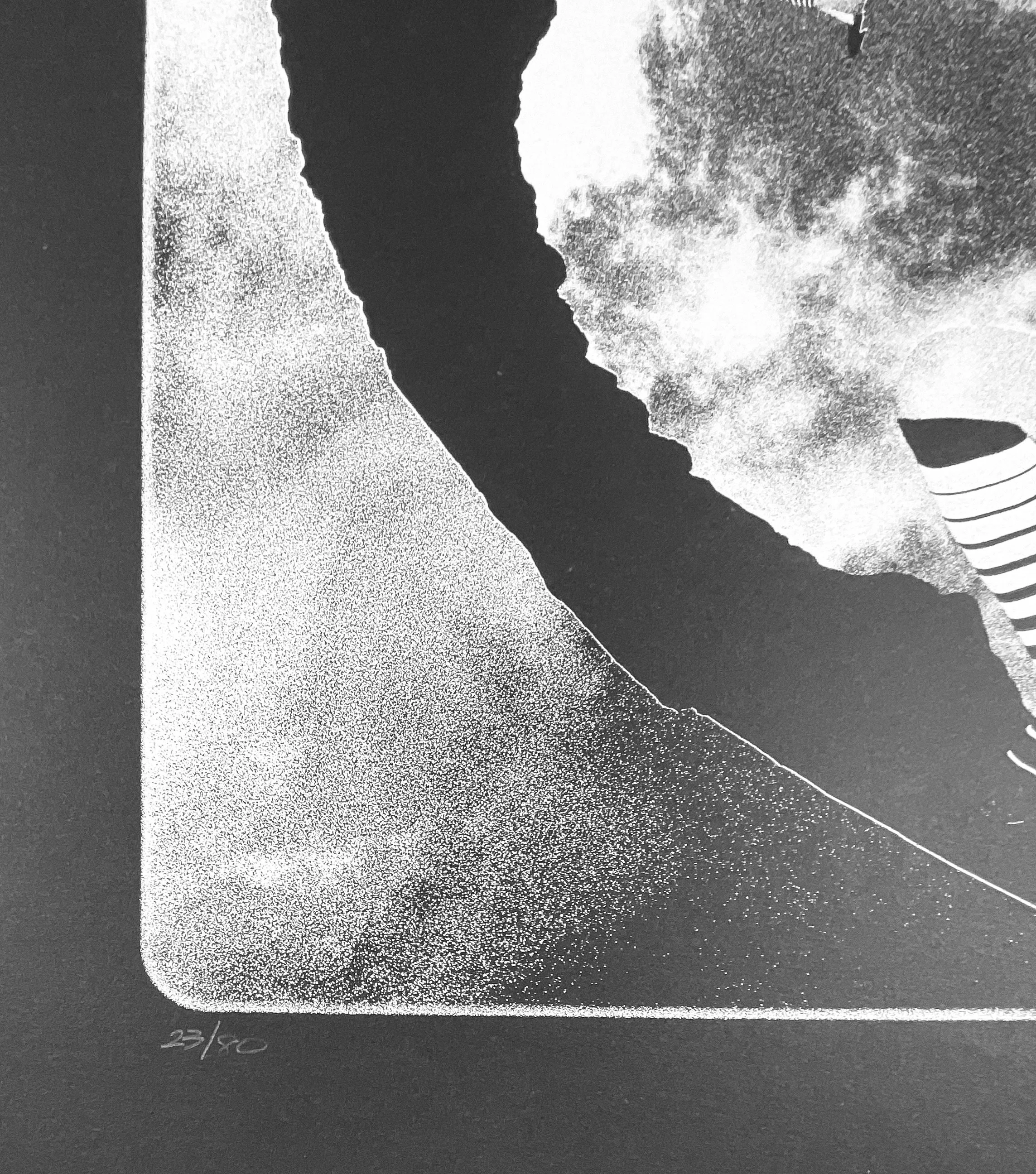
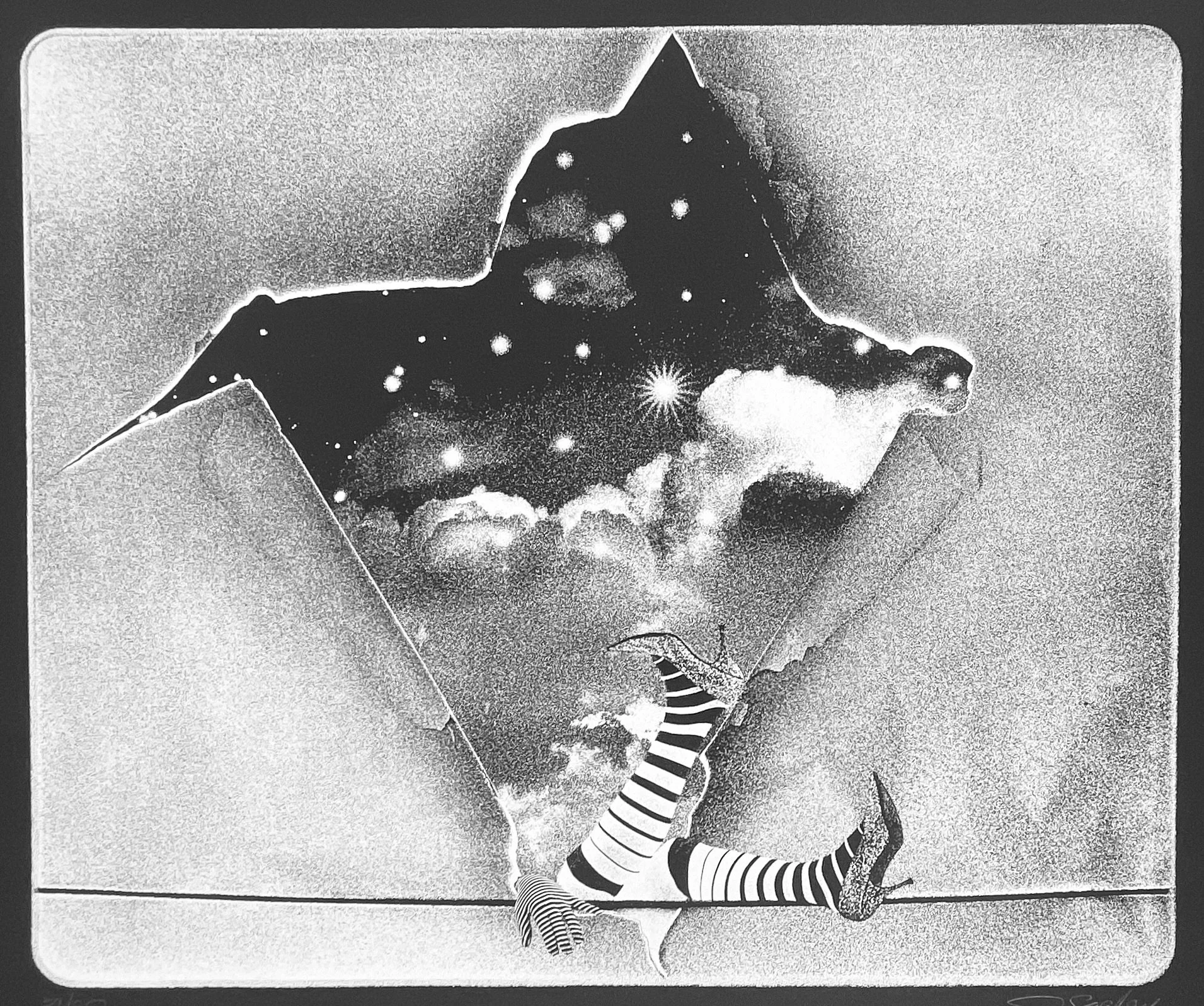
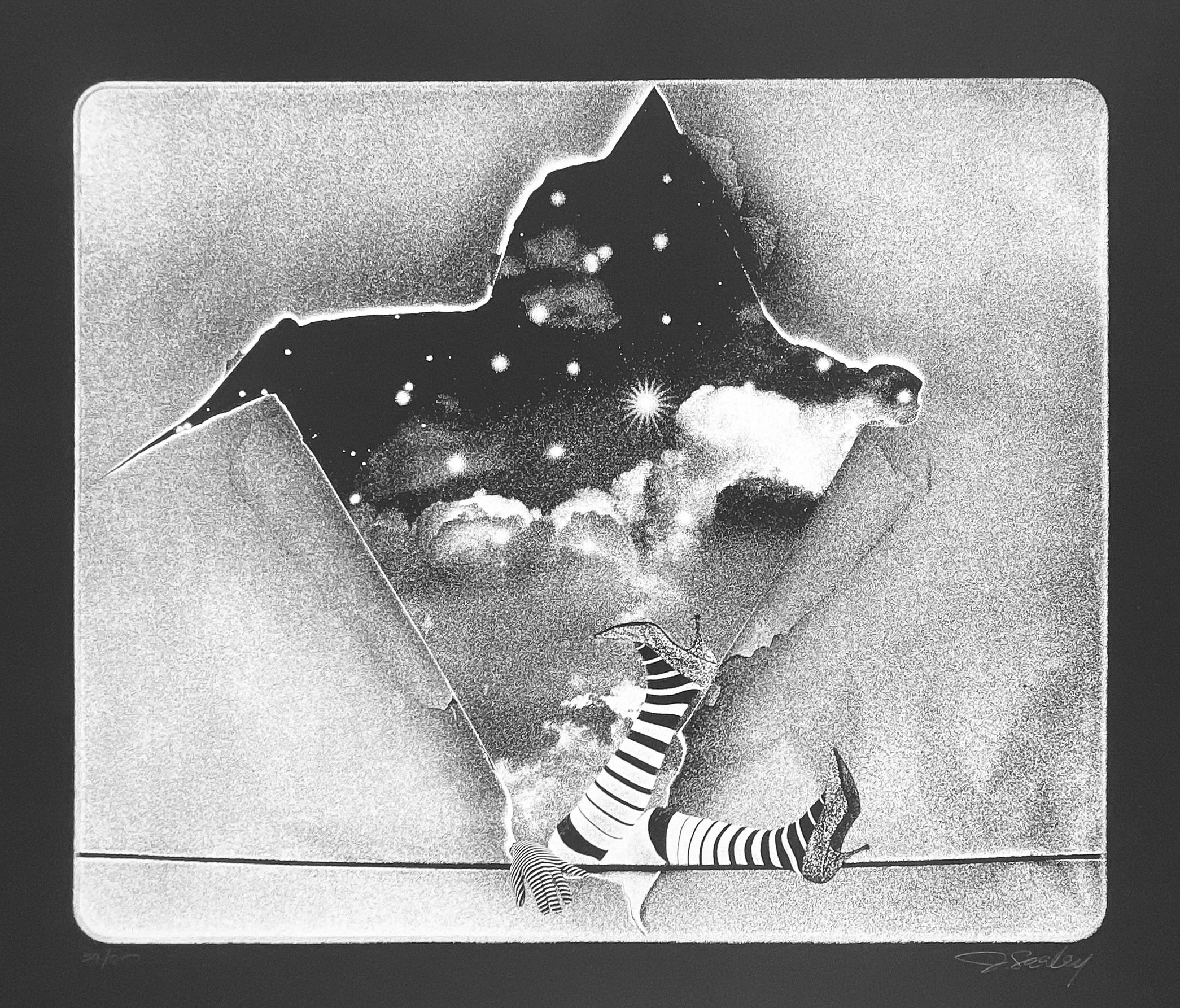
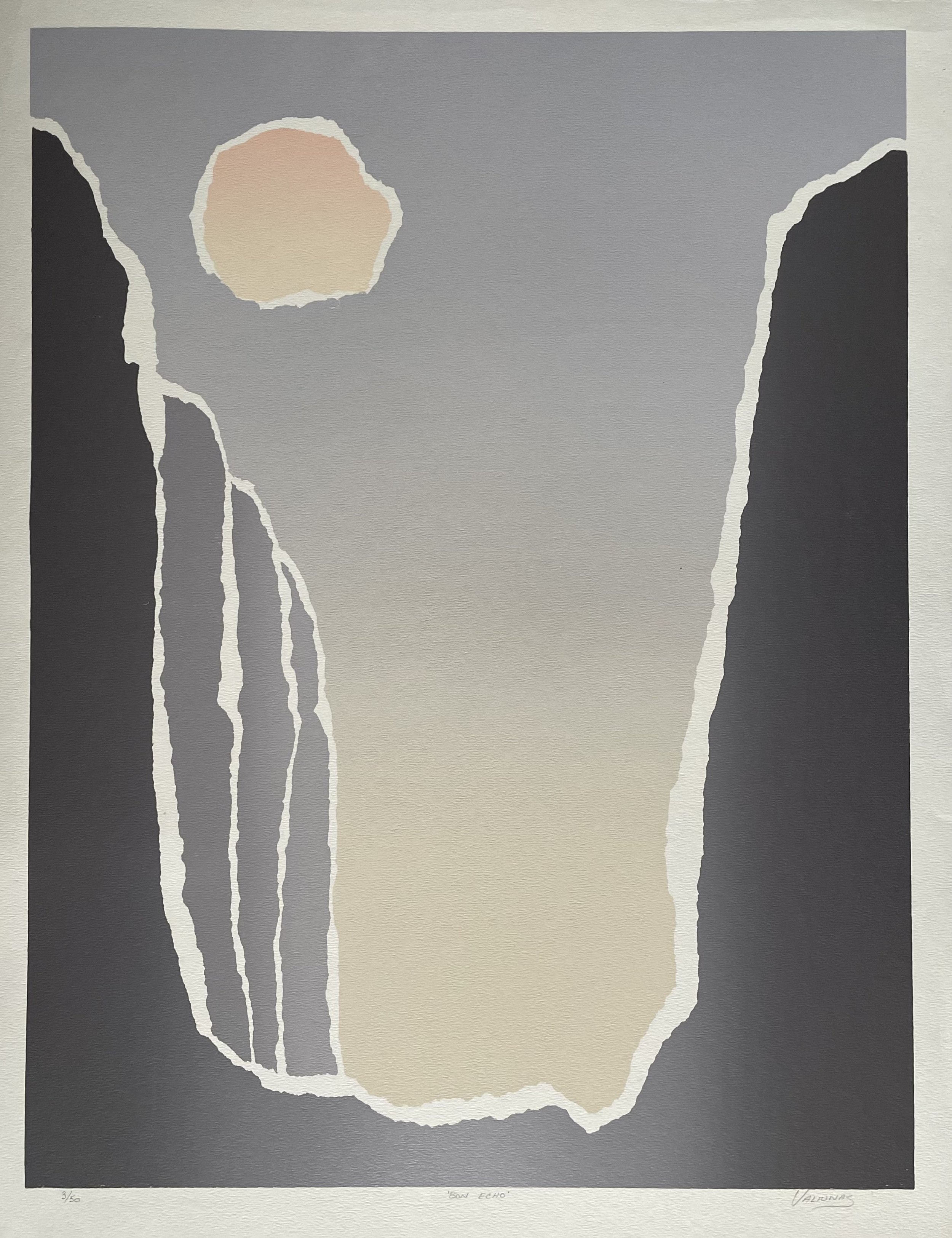
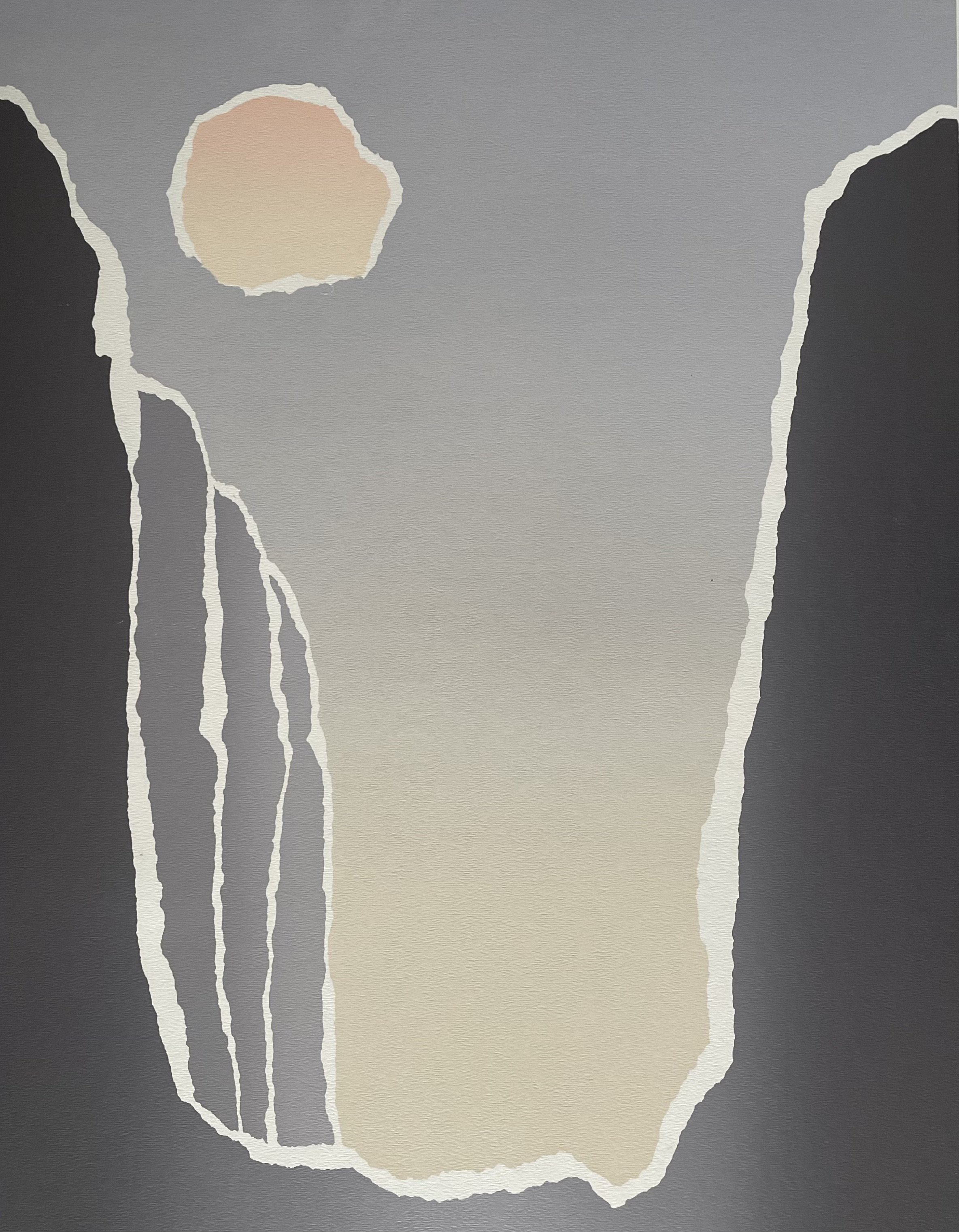
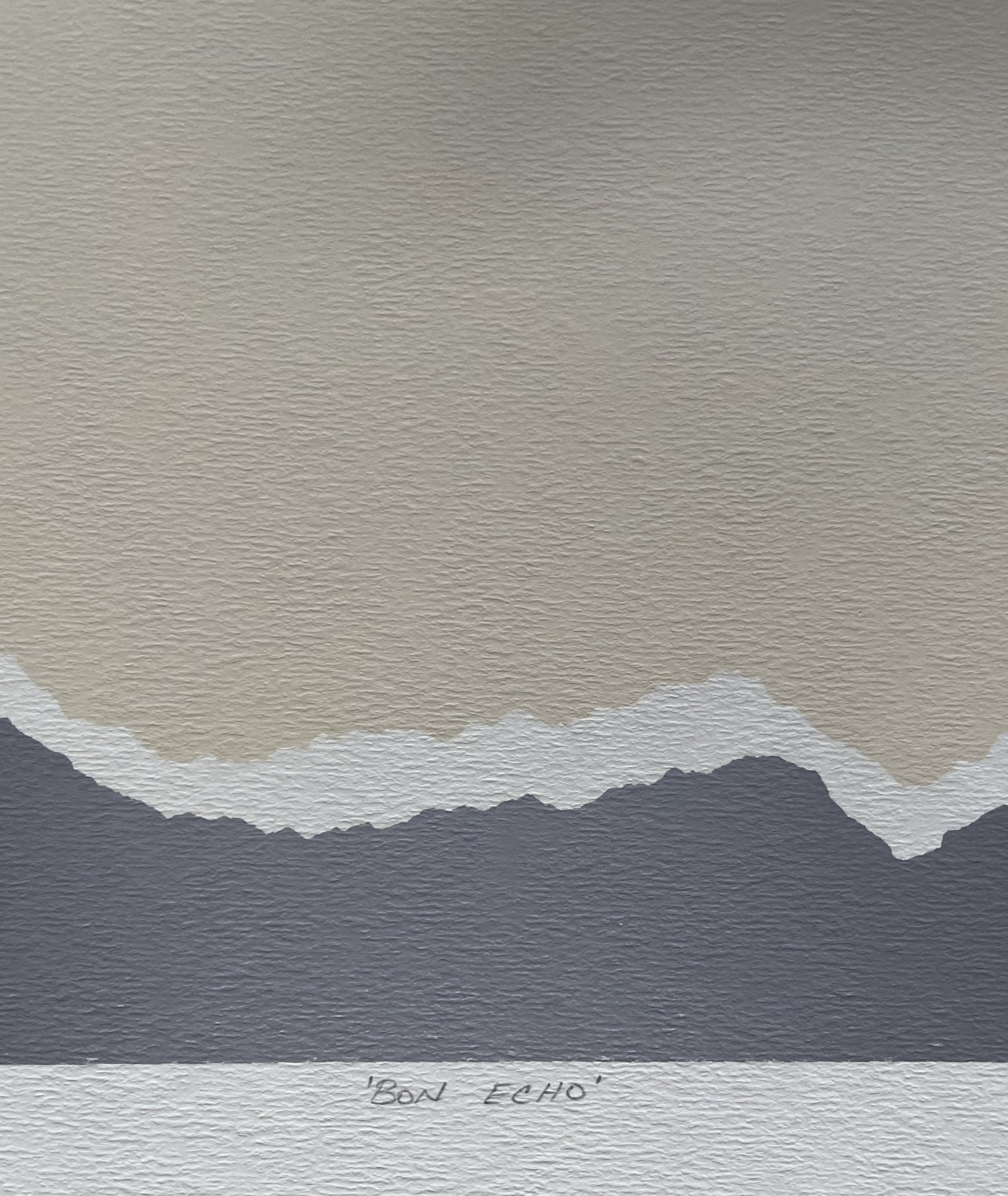
Fukui is perhaps best known for his abstract serigraphs and prints, often limited editions that explore the interplay between geometric structure and color field. Works such as those produced in 1972 (e.g., #3, 1972 and #6, 1972) demonstrate his refined use of layered shapes and muted tones, balancing precision and expressive depth. These serigraphs reflect both mid-century abstraction and a personal visual logic grounded in simplicity and resonance.
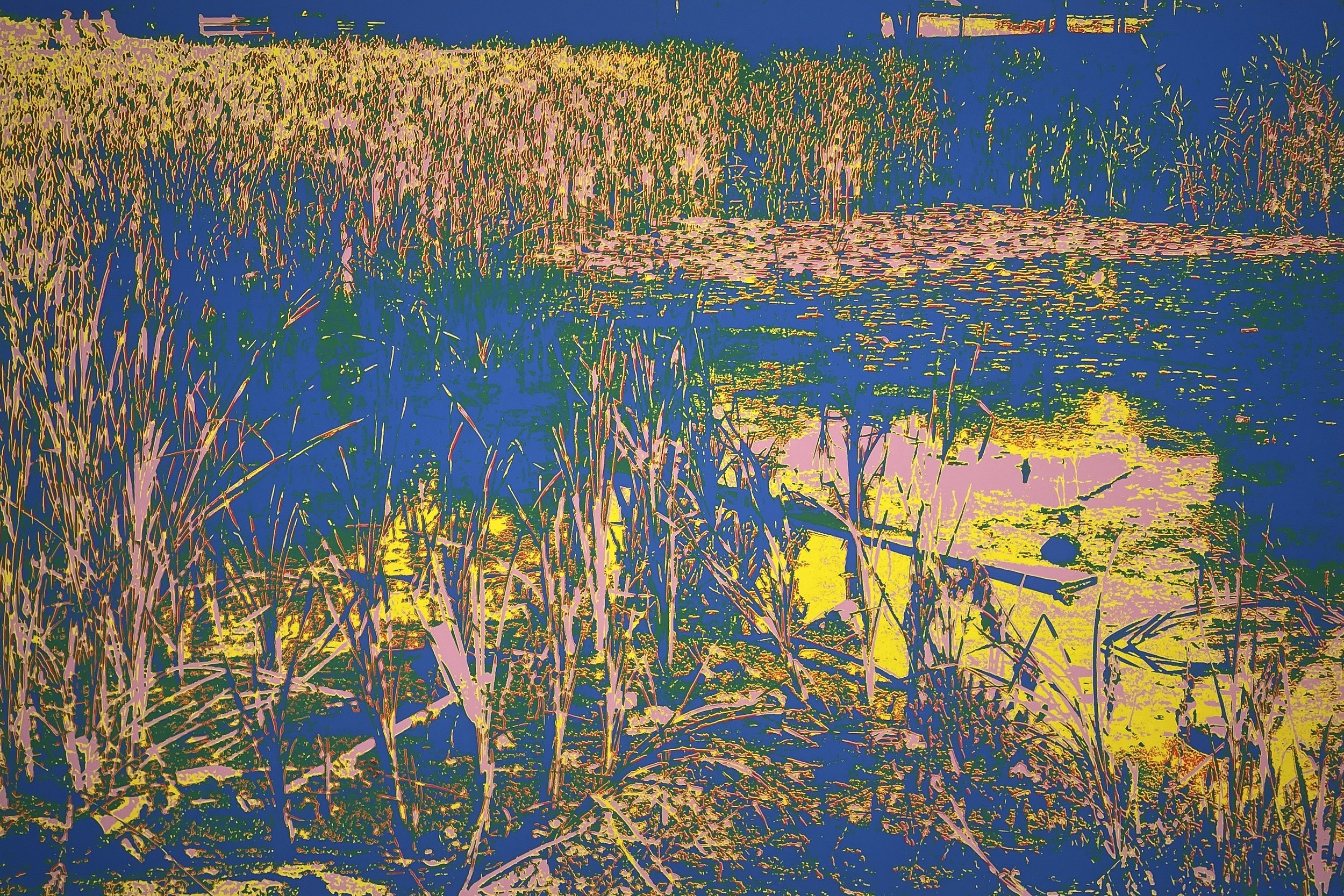
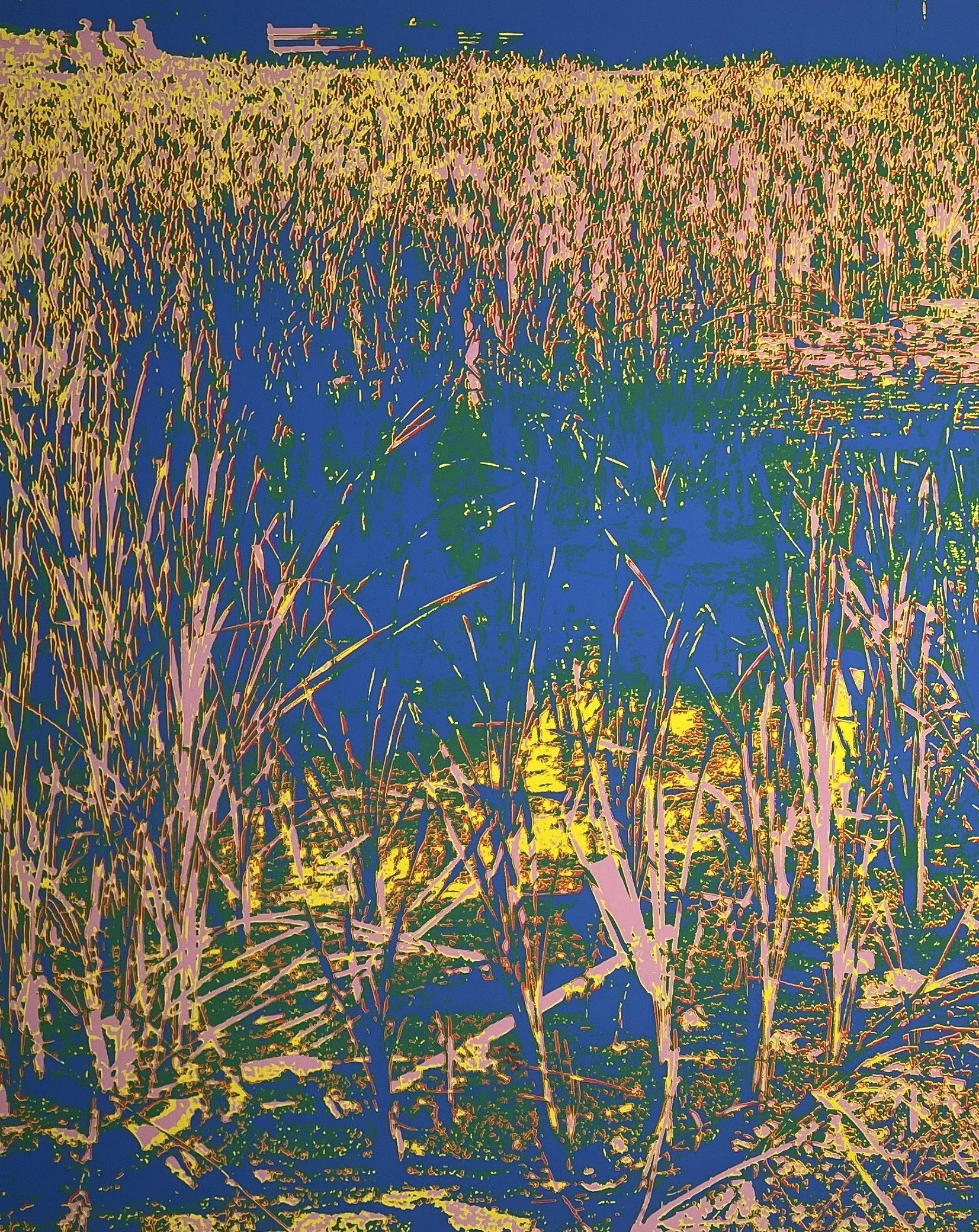
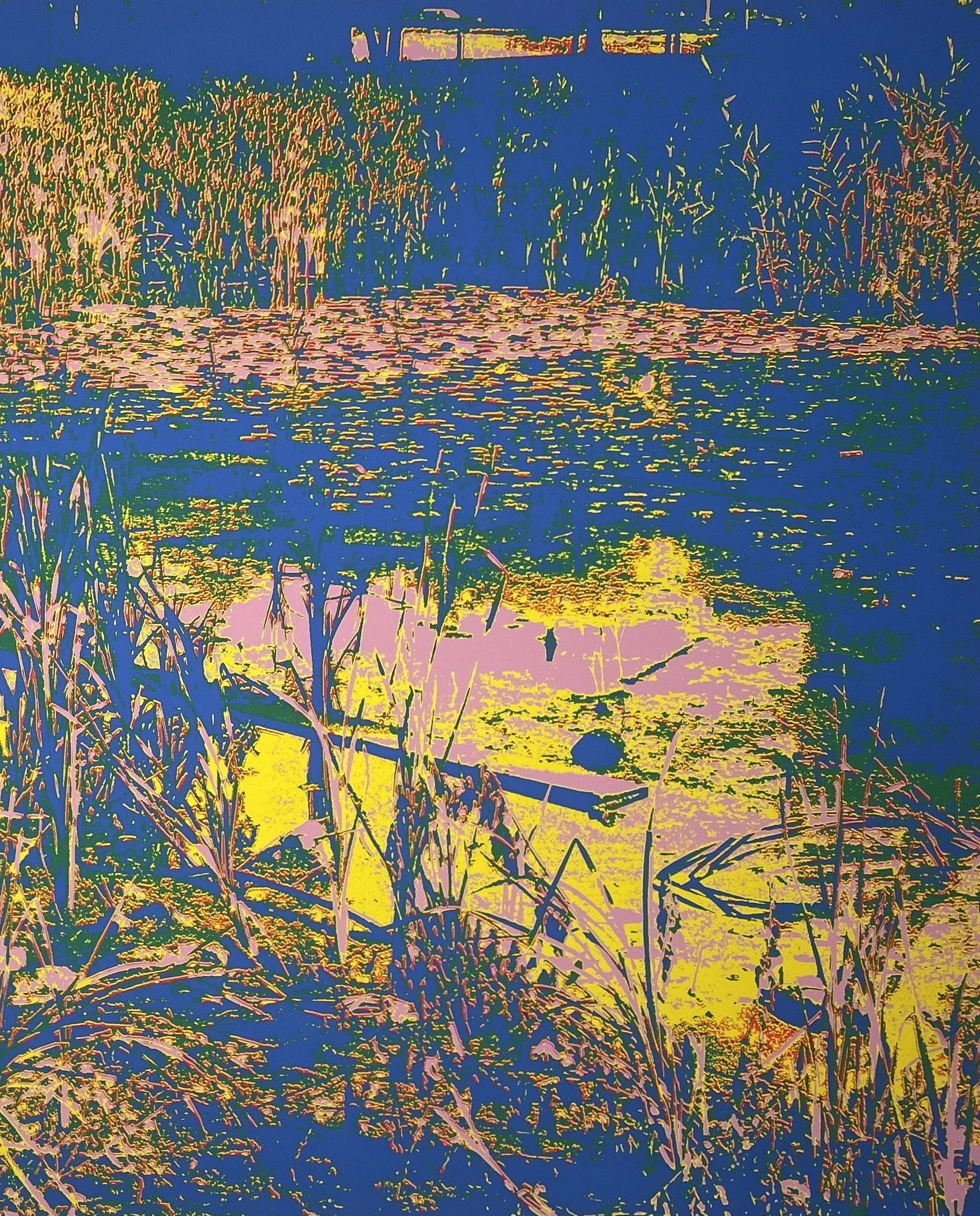
His practice is not limited to printmaking. Fukui also creates paintings, collage works, and mixed media pieces, often utilizing layered surfaces and textured backgrounds. His later works incorporate elements of pop culture, collage techniques, and even influence from anime and manga imagery, expanding his visual vocabulary while maintaining a cohesive abstract sensibility.
Career and Exhibitions
Fukui has exhibited extensively in the United States and internationally. He has been featured in solo and group exhibitions in major New York venues, including Margaret Thatcher Projects and the Stephen Haller Gallery, where his work was shown repeatedly over many years. According to exhibition records, highlights of his show history include:
“Nobu Fukui: New Works and Old Friends,” The Gibson Gallery, SUNY Potsdam (2020)
“Nobu Fukui: Paradise,” Margaret Thatcher Projects, Chelsea, New York (2018)
“Nobu Fukui: I Am the Fire,” Margaret Thatcher Projects, Chelsea, New York (2015)
Multiple exhibitions at Stephen Haller Gallery, Chelsea, New York
His work has been included in group exhibitions spanning several decades and continues to be represented in shows that explore post-war to contemporary abstraction.
Collections and Recognition
Fukui’s work appears in notable public and museum collections. Examples include the New Britain Museum of American Art, the Indianapolis Museum of Art, the Kyoto National Museum of Modern Art, and the Tokyo Museum of Modern Art, among others.
Critics have reviewed his work in respected publications including The New York Times, Art in America, and Art News, among others. His paintings and prints are recognized for their energetic yet disciplined approach, combining abstract visual language with a quiet internal logic.
Legacy and Approach
Fukui’s artistic philosophy emphasizes exploration over categorization. In his own words, his work has evolved without concern for strict stylistic labels—abstract, representational, or conceptual—and instead reflects a lifelong commitment to visual language and creative discovery.
Living and working in New York City, Fukui continues to bridge cultures—drawing on his Japanese roots, his identity as an American artist, and global contemporary art dialogues. His career exemplifies a sustained engagement with modernist abstraction, enriched by a willingness to experiment across media and methods.
Citations
• Artsy — Nobu Fukui artist profile
• Rak Art Foundation — Nobu Fukui collection profile
• First Person: Nobu Fukui, Tilted Arc (artist interview)
• SUNY Potsdam, Gibson Gallery exhibition coverage
• Exhibition histories from Margaret Thatcher Projects and Stephen Haller Gallery
Selected Solo Exhibitions
2020
2018
2015
2014
2013
2008
Selected Group Exhibitions
2024
2023
2021
2019
2017
2016
2015
Art Today: 2000–Present ,New Britain Museum of American Art ,New Britain, Connecticut, USA
H O T S P O T S ,Margaret Thatcher Projects ,Chelsea, New York, USA
Timeline
1964–1965
ART STUDENTS LEAGUE, New York, NY
Exhibitions
2009
CONTINUUM, Stephen Haller Gallery, New York
2008
CONFLUENCE Stephen Haller Gallery, New York, NY
2008
Words Become Pictures (catalogue) Molloy College Art Gallery, Rockville Centre, NY
2008
Constant Aesthetic 2008 Stephen Haller Gallery, New York, NY
2007
ART20 2007 The Park Avenue Armory, New York, NY
2007
Color! Stephen Haller Gallery, New York, NY
2007
Stephen Haller Gallery, New York, NY (solo)
2006
Stephen Haller Gallery, New York, NY (solo)
2006
ART20 2006 The Park Avenue Armory, New York, NY
2006
Solstice Stephen Haller Gallery, New York, NY
2005
Focal Point Stephen Haller Gallery, New York, NY
2005
Asian Fusion Stephen Haller Gallery, New York, NY
2004
Resounding Spirit – Japanese Contemporary Art of the 1960s, Gibson Gallery, Postdam, NY
2004
Stephen Haller Gallery, New York, NY (solo)
2004
Gallery Camino Real, Boca Raton, FL (solo)
1999
Central Fine Arts, Inc. New York, NY (solo)
1995
Barbara Scott Gallery, Bay Harbor Island, FL (solo)
1993
Marisa Del Re Gallery, New York, NY (solo)
1993
Jan Baum Gallery, Los Angeles, CA (solo)
1993
Hokin Gallery, Palm Beach, FL (solo)
1993
David Klein Gallery, Birmingham, MI (solo)
Literature
2008
Catching the Imagination in Language and Imagery, B. Genocchio, New York Times, February 24, 2008
2008
The Eye Can Be Drawn..., Ariella Budick, NEWSDAY, March 14, 2008
2007
Dizzy Superheros, Michael Tyson Murphy, VILLAGE VOICE, June 21, 2007
2007
Nobu Fukui - Looking Forward - at Stephen Haller Gallery, ART KNOWLEDGE NEWS, June 12, 2007
2005
States of Stability, Carter Ratcliff, ART IN AMERICA. May 2005
2004
Nobu Fukui, Grace Glueck, THE NEW YORK TIMES, May 14, 2004
2004
A Man of Spirited Exploration, Priya Malhotra, ASIAN ART NEWS, November/December, 2004
2004
Gallery Going – Nobu Fuki, David Cohen, THE NEW YORK SUN, April 22, 2004
2000
Nobu Fukui at Central Fine Arts, Eleanor Heartney, ART IN AMERICA, February 2000
1993
Nobu Fukui, Henry Geldzahler, Marisa Del Re Gallery exhibition catalog, 1993