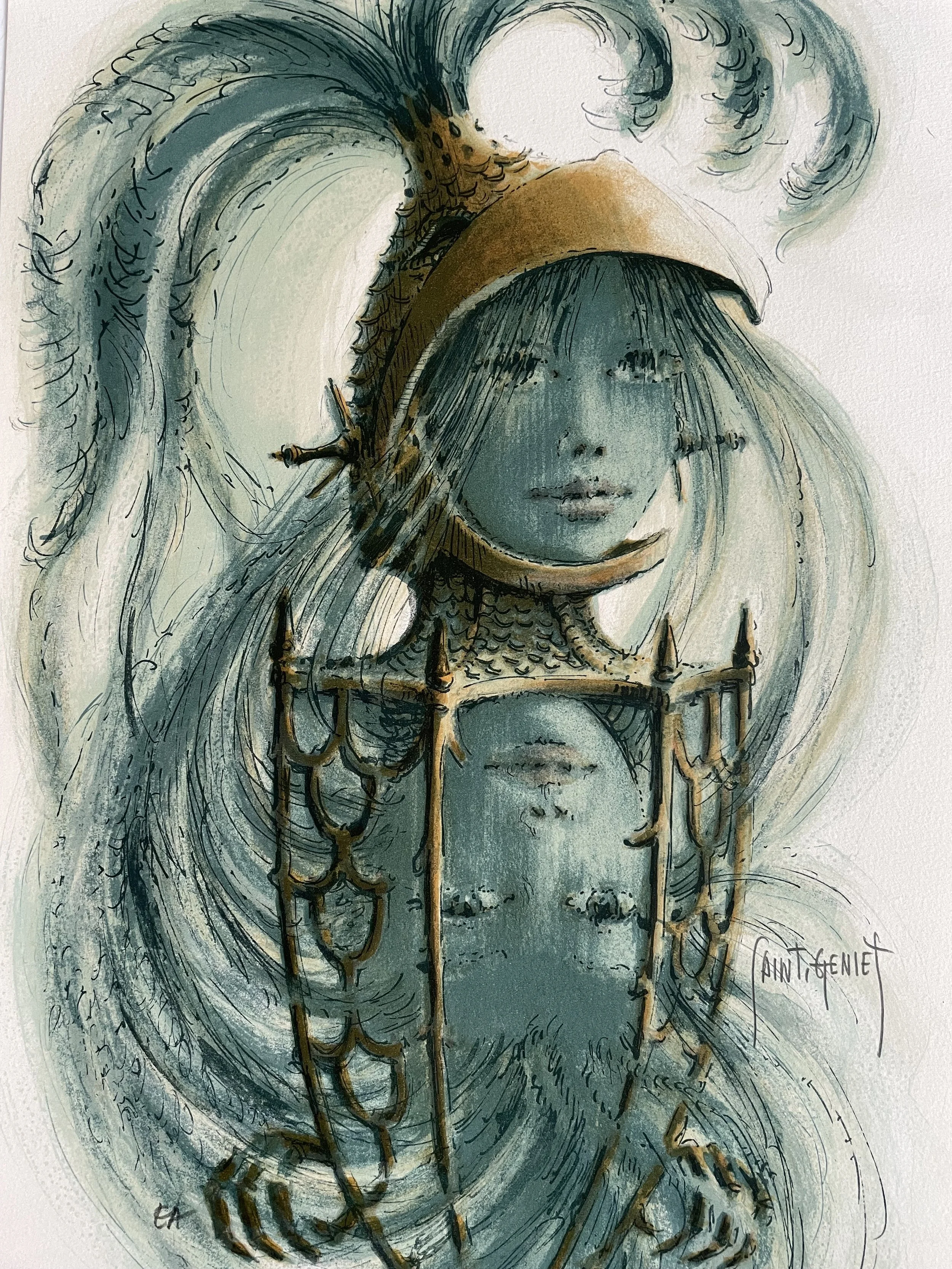
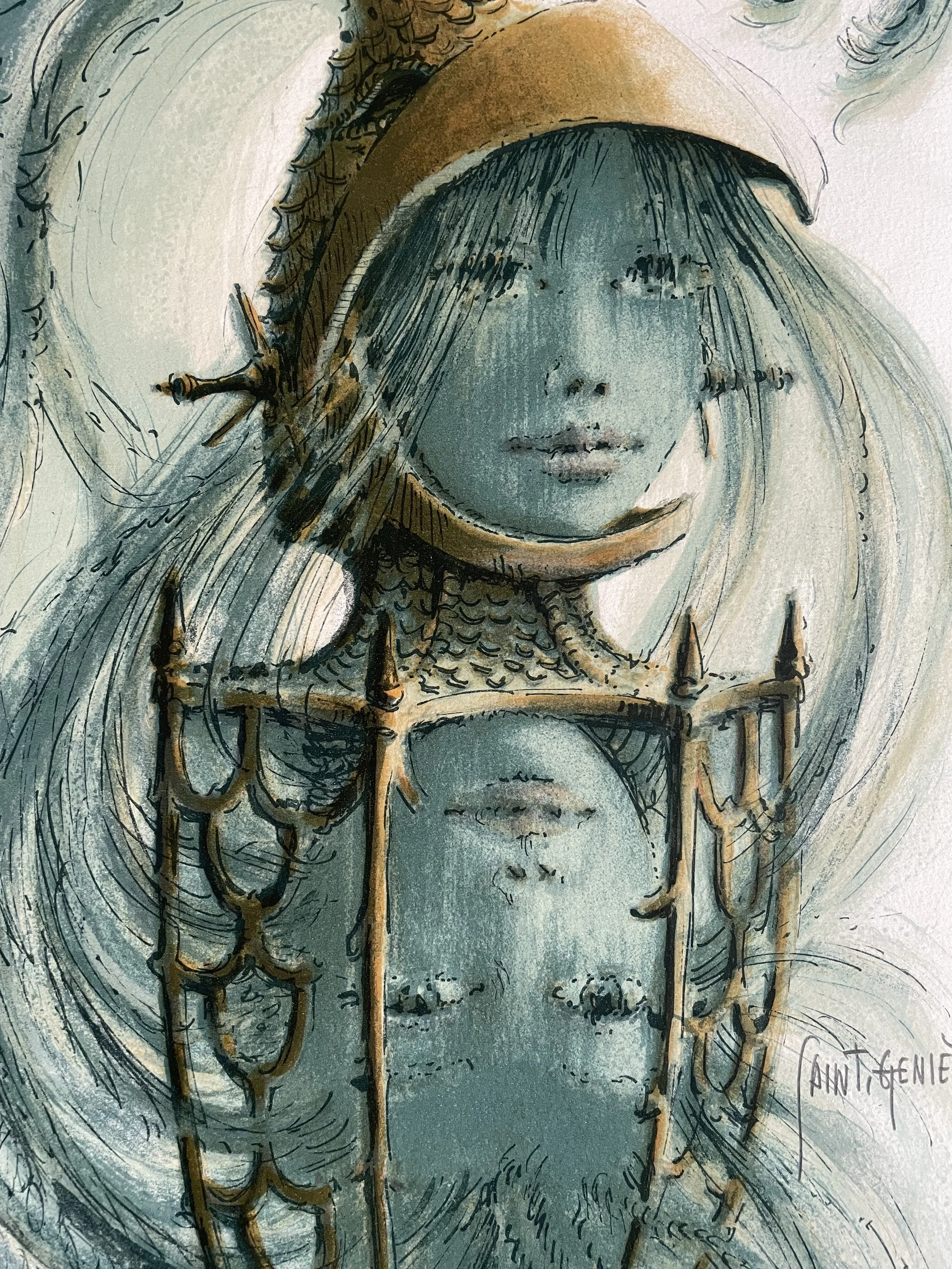
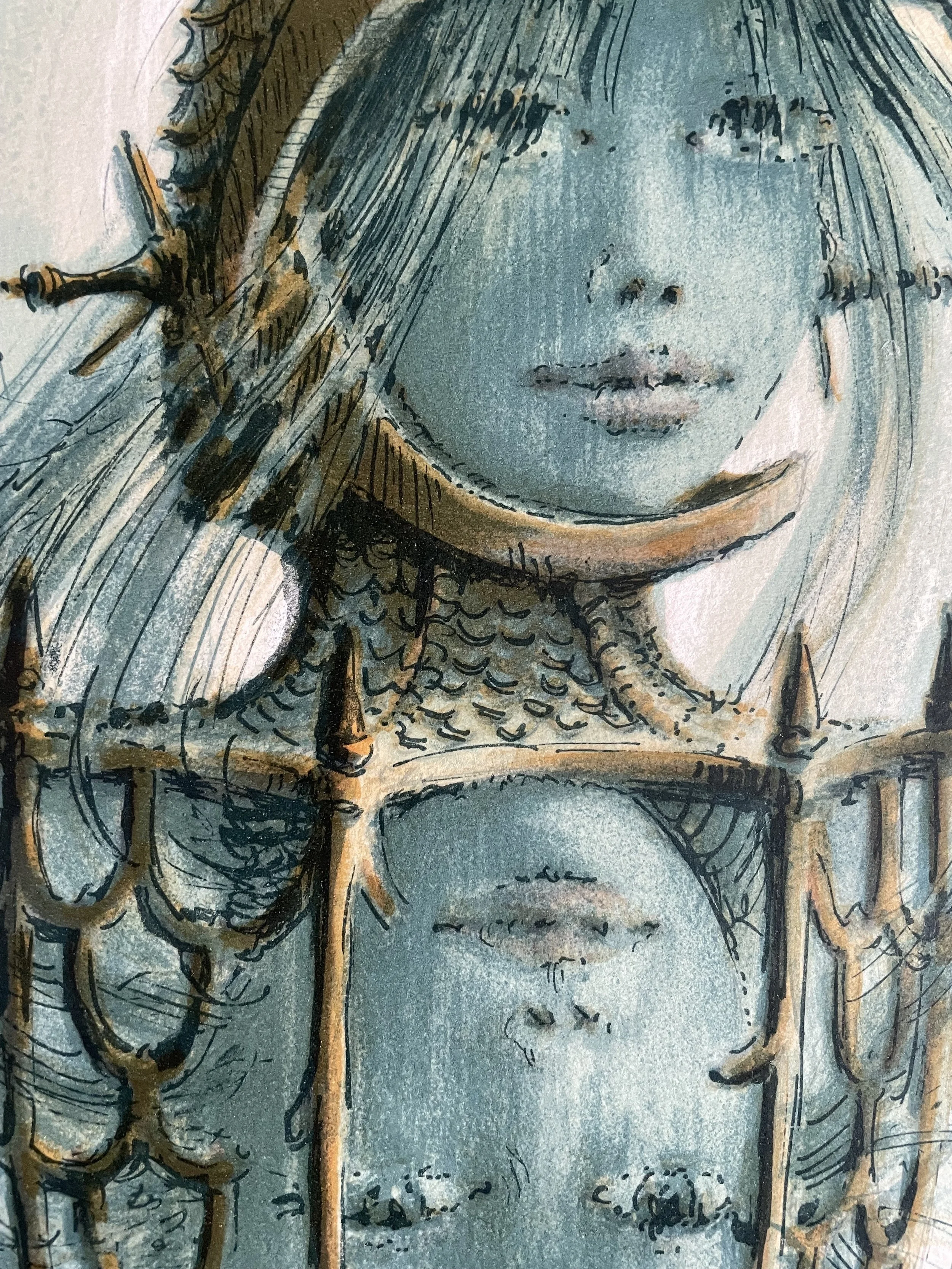
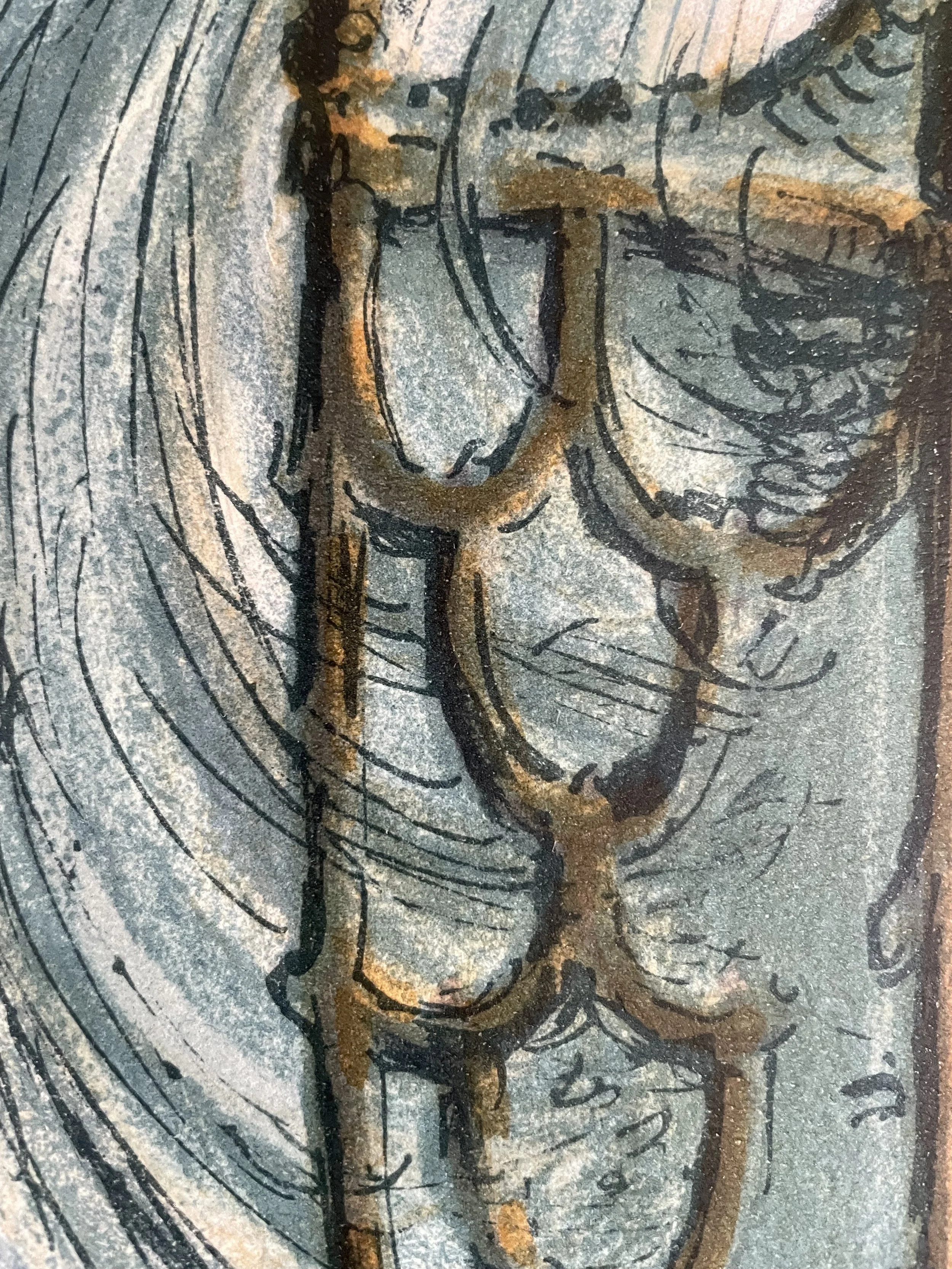
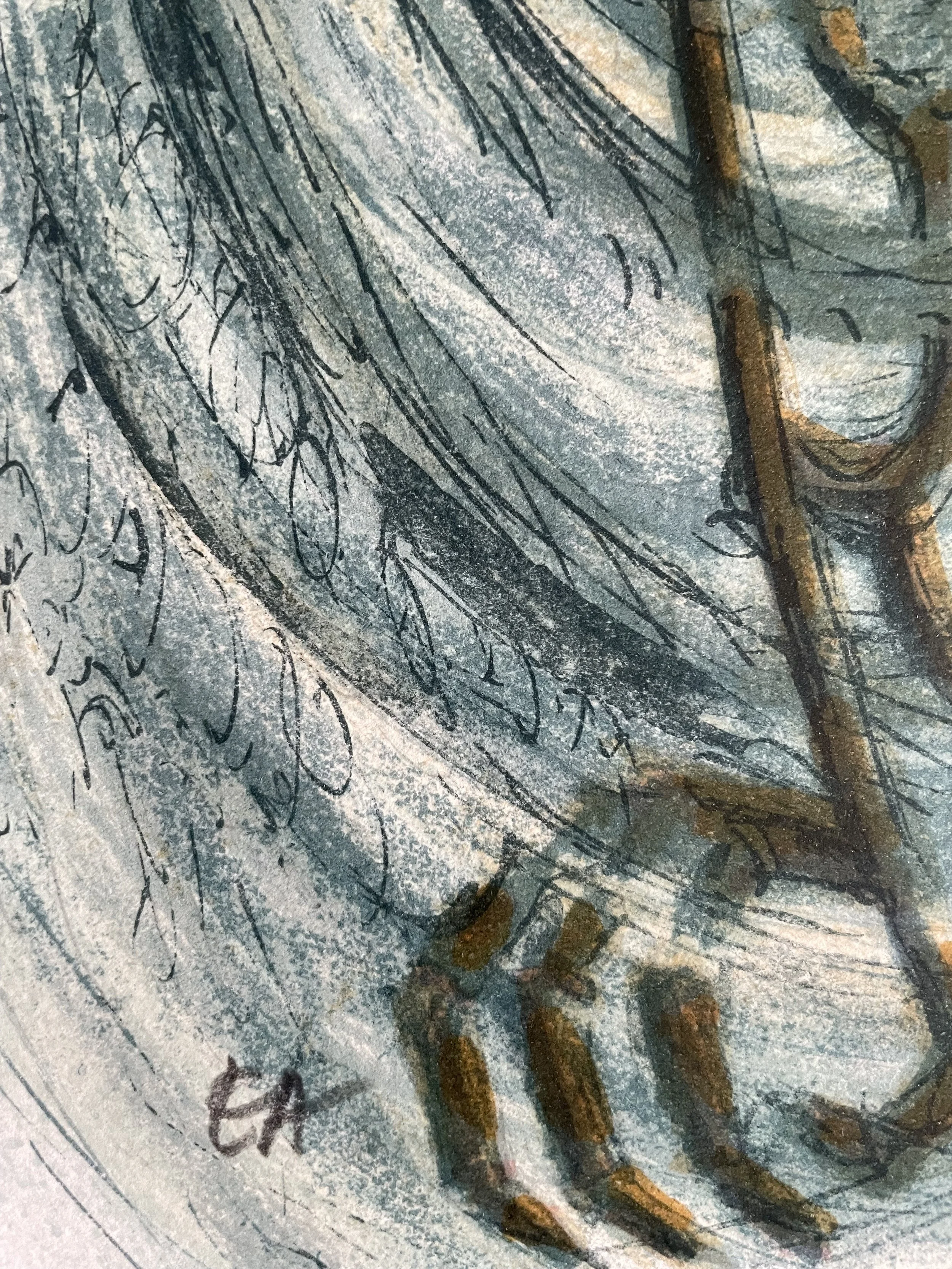
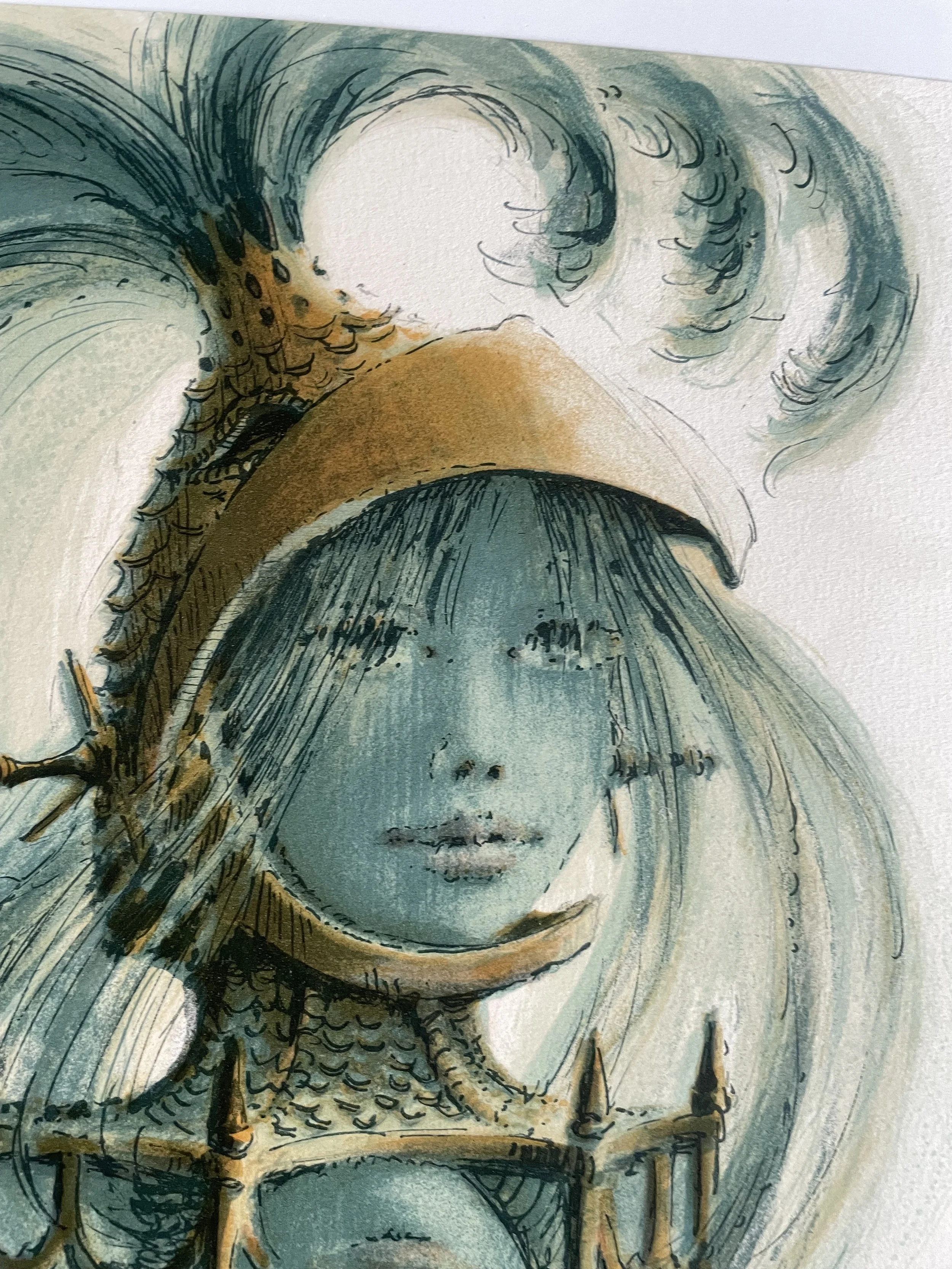
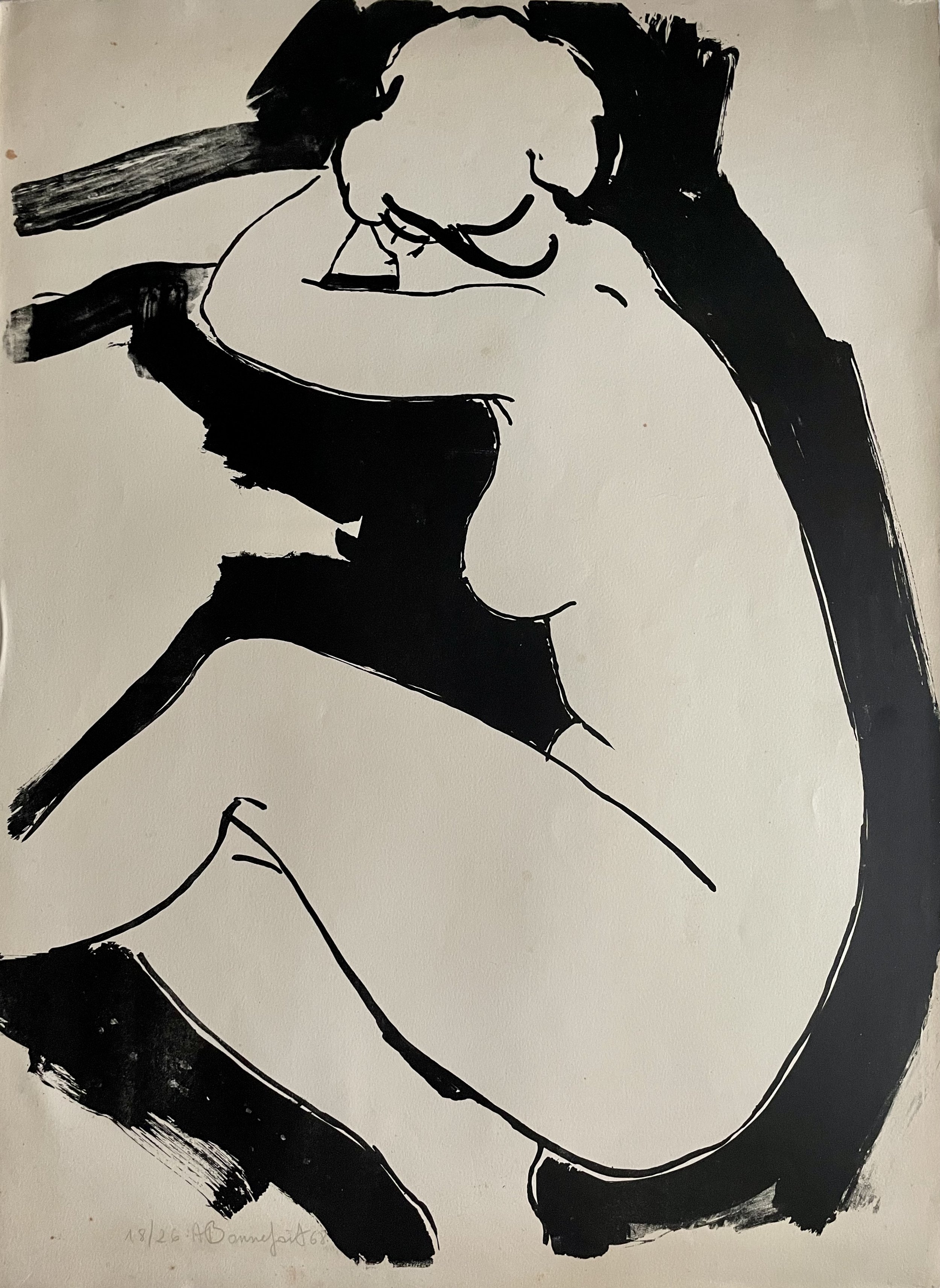
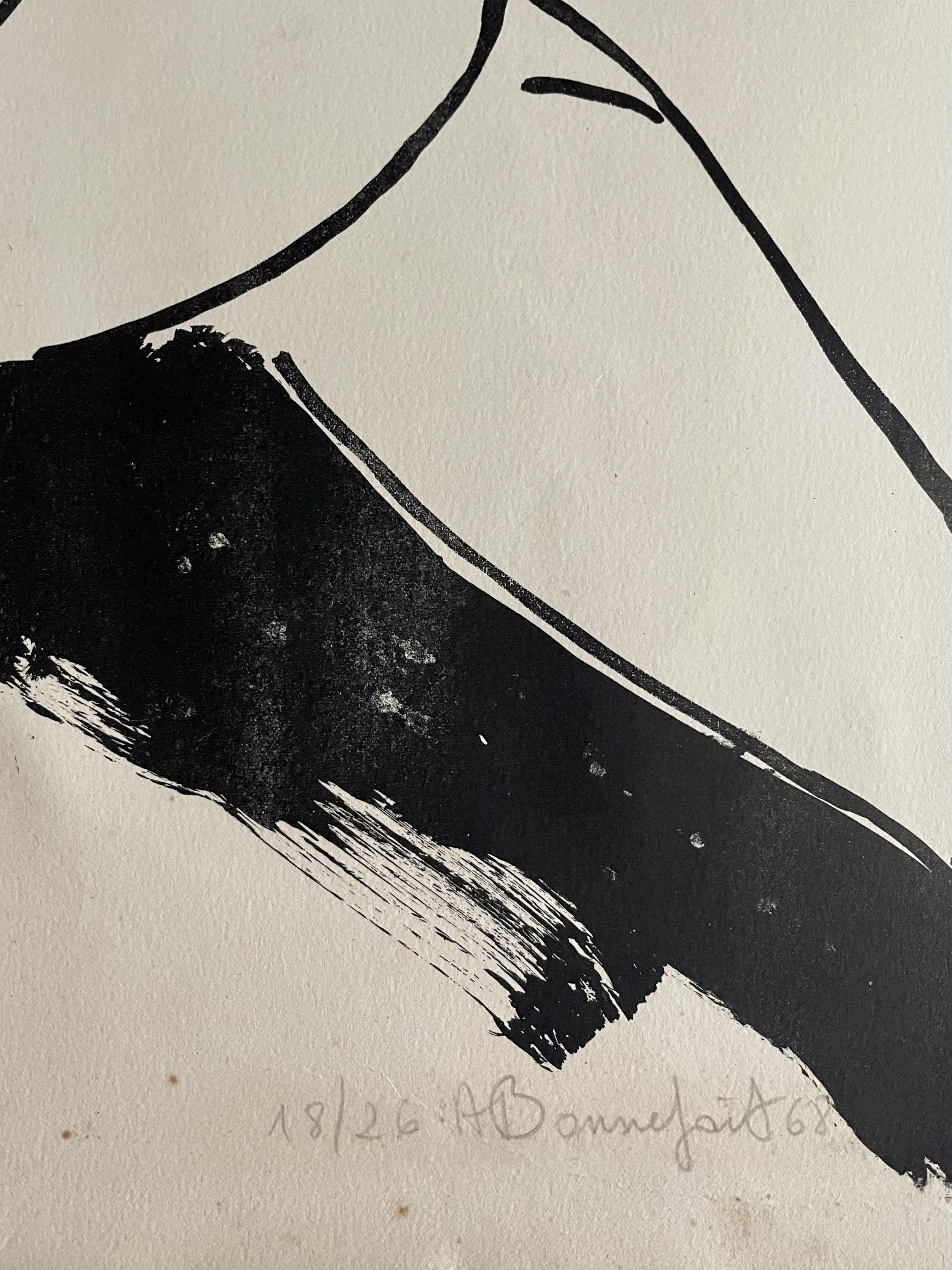
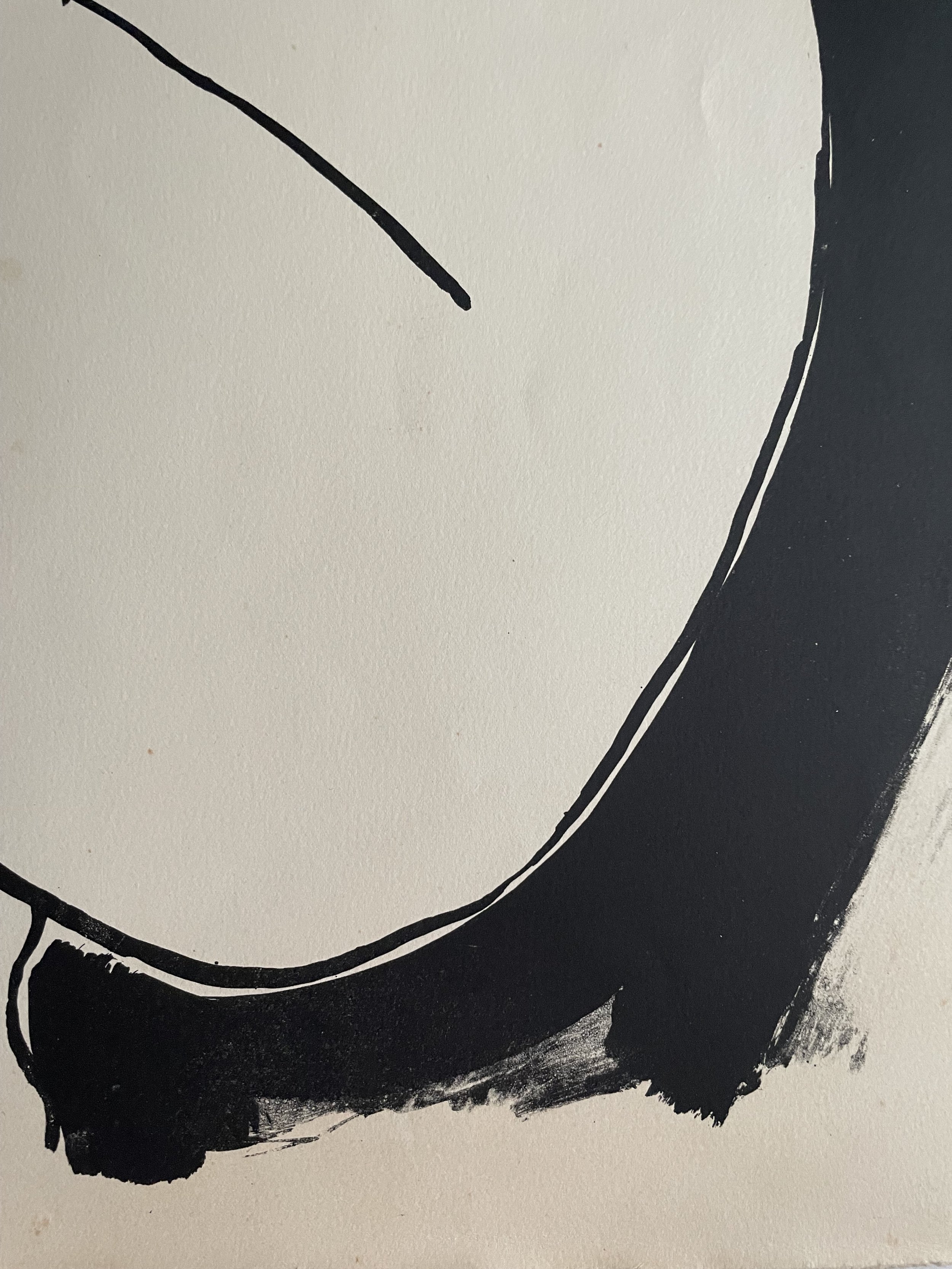
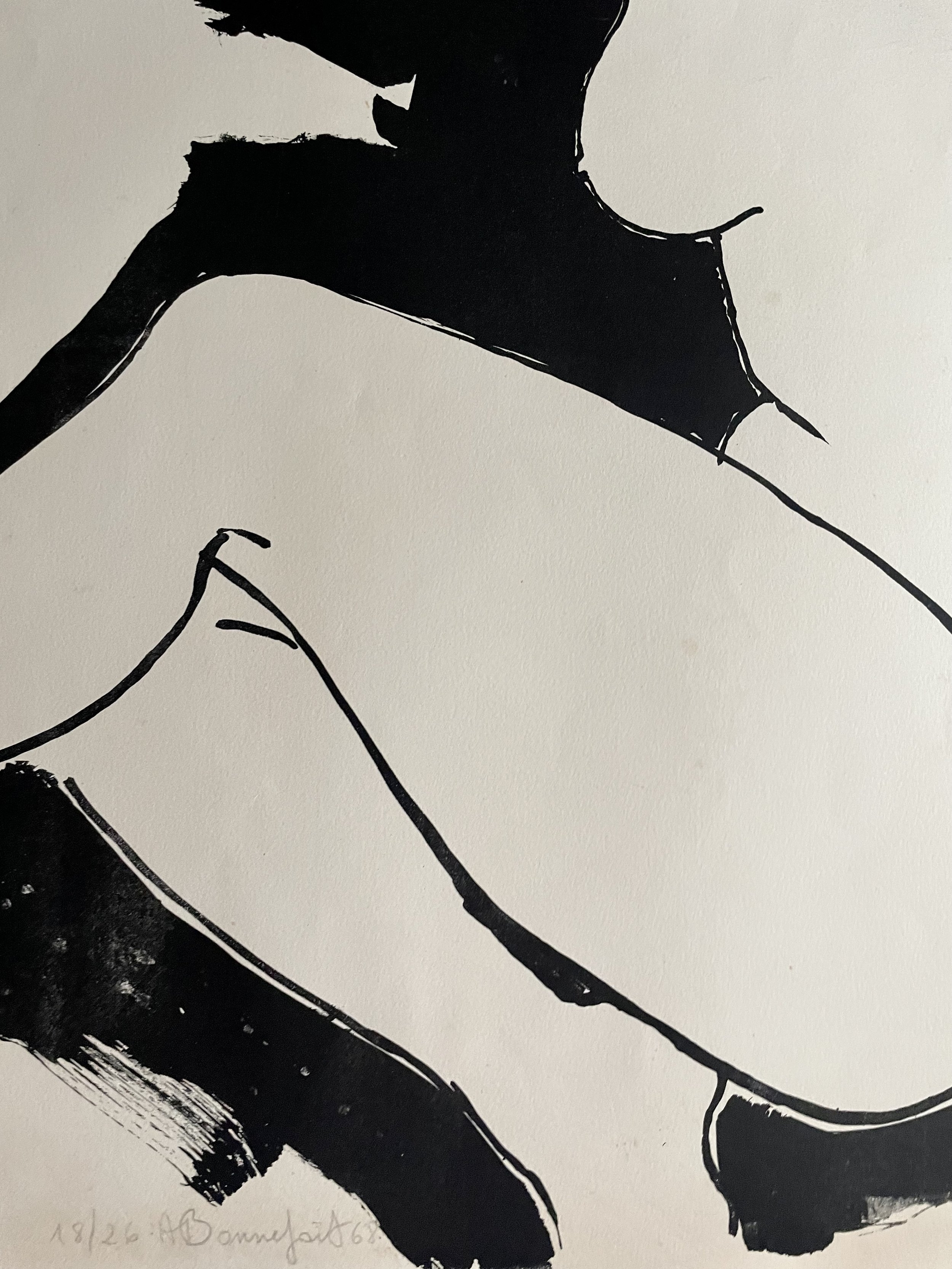
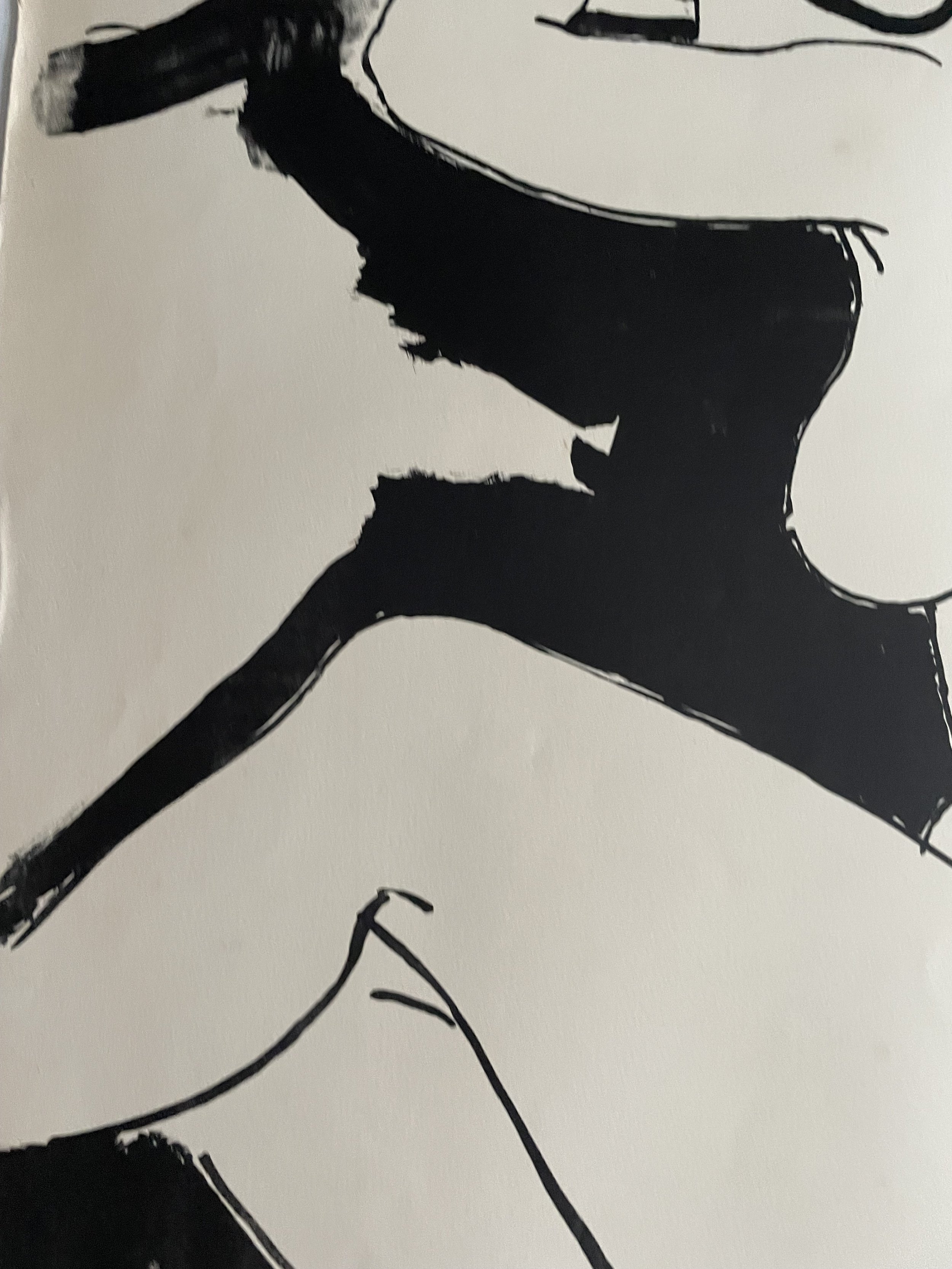
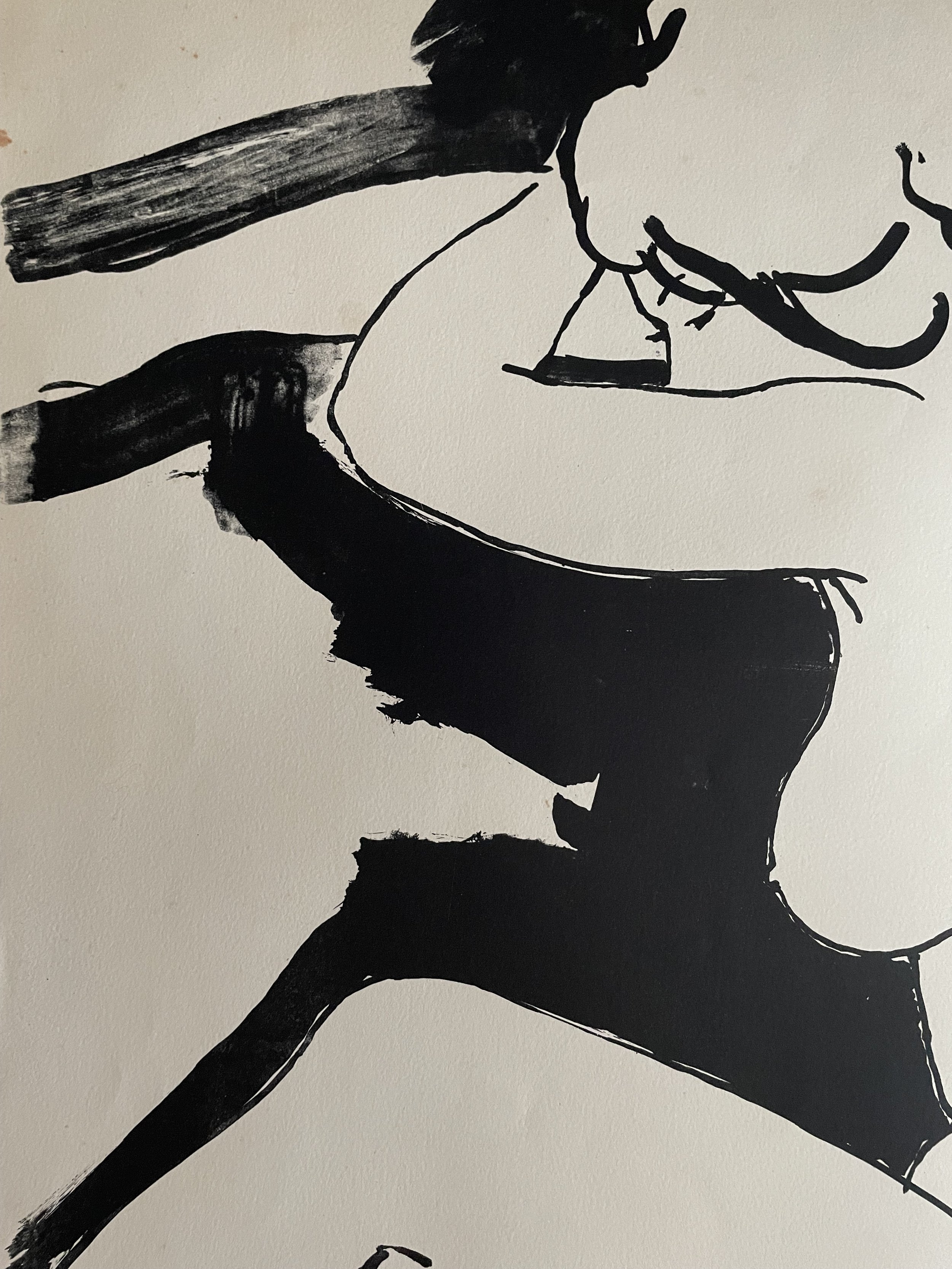
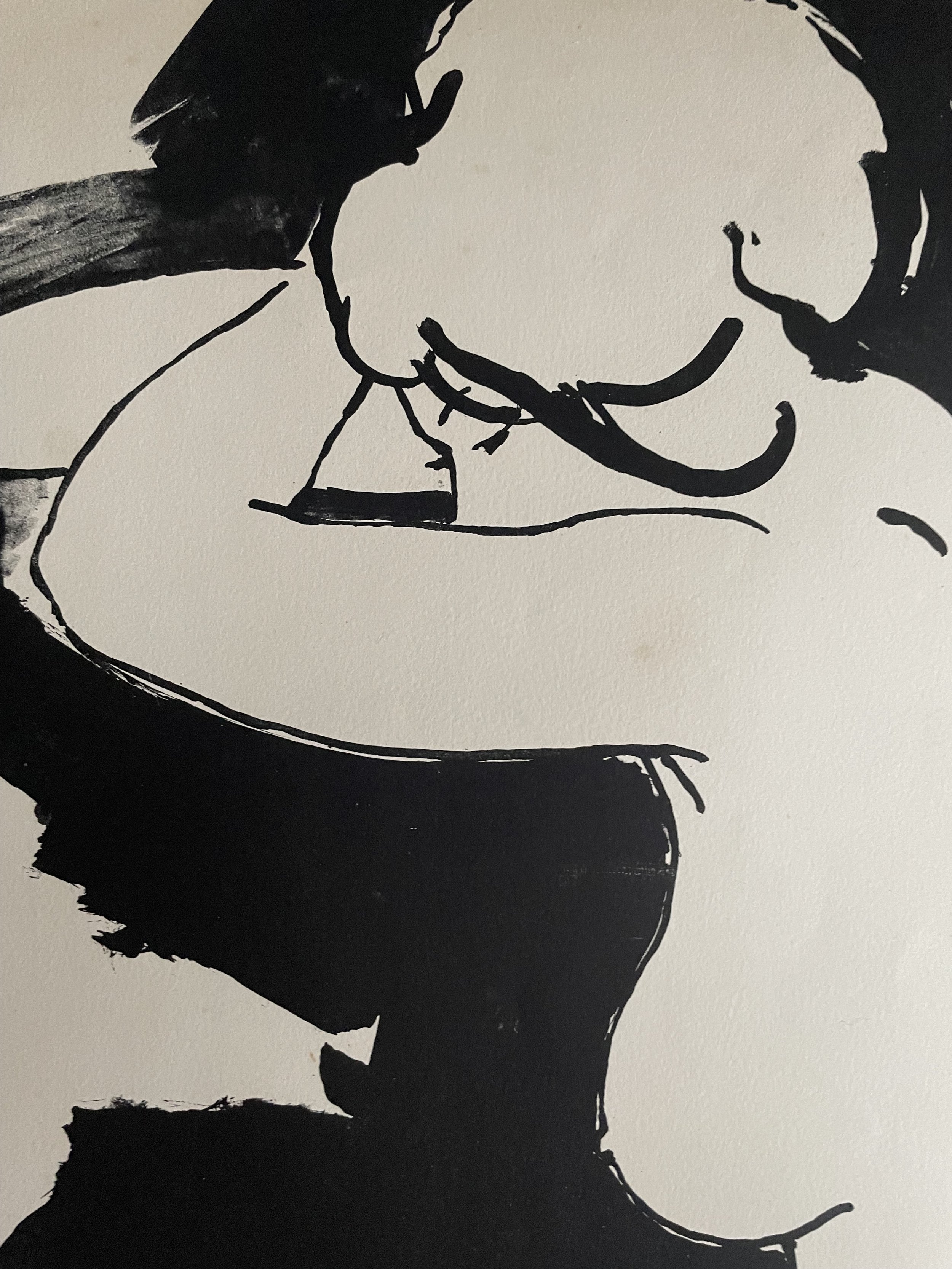
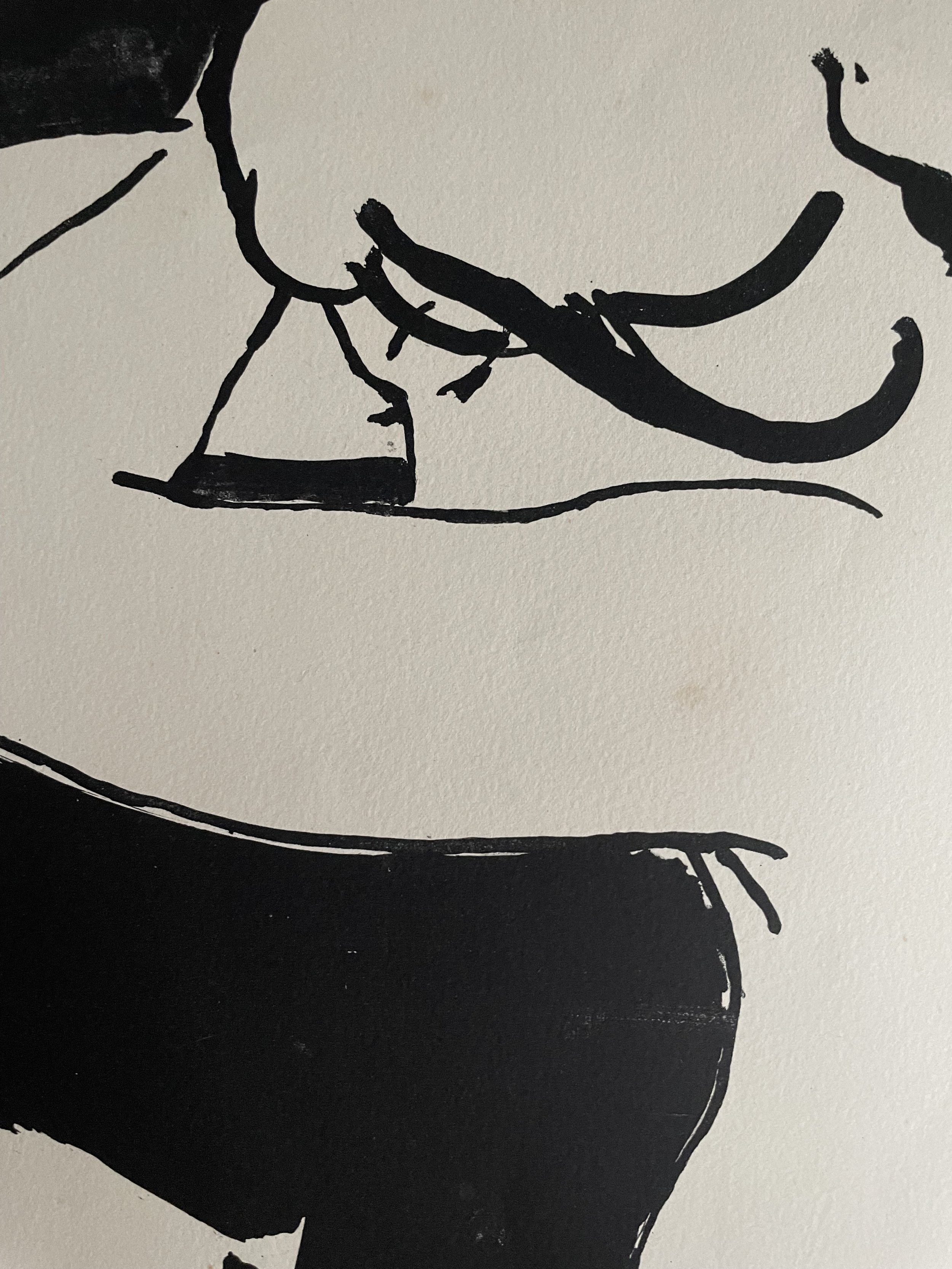
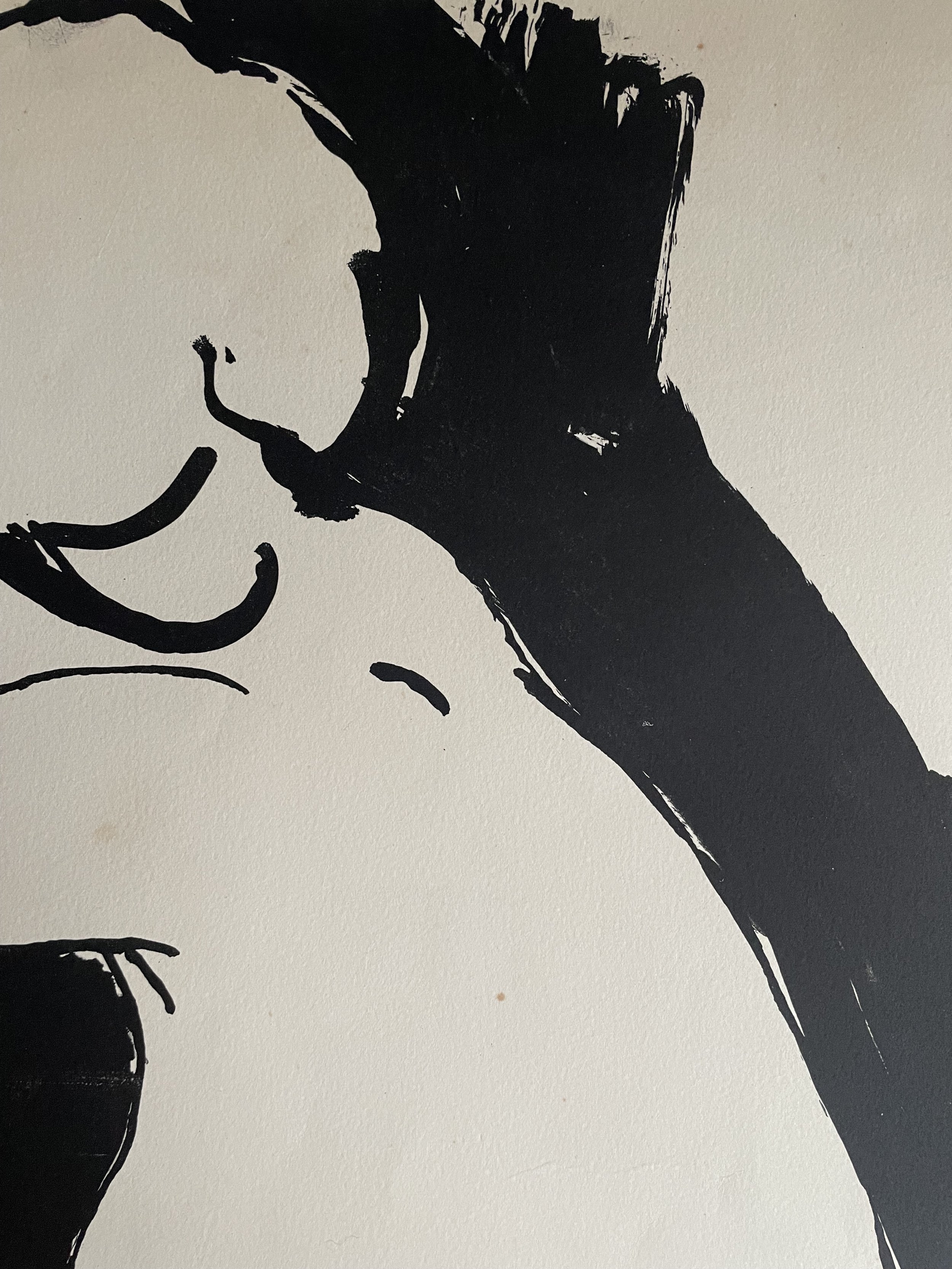
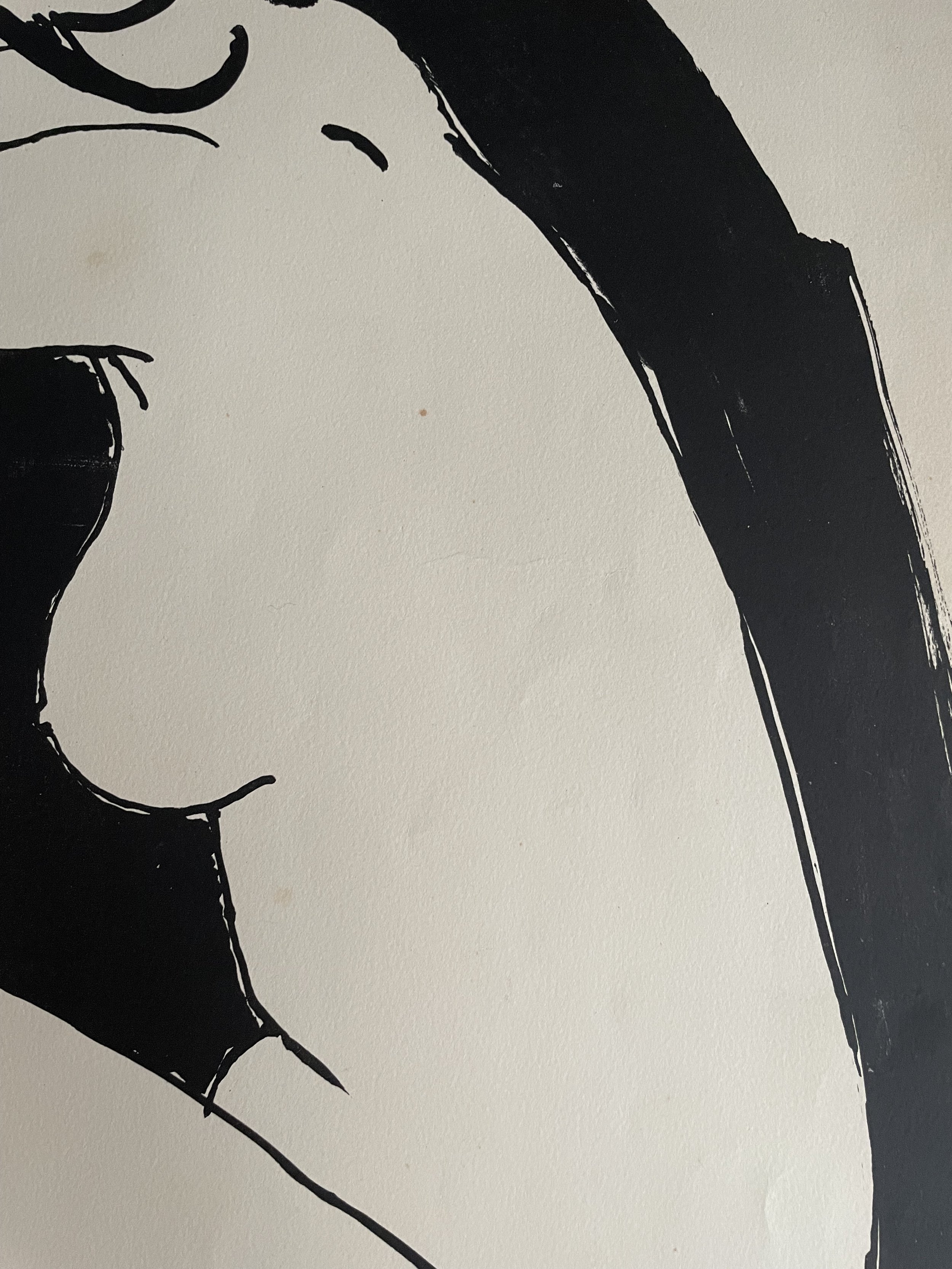
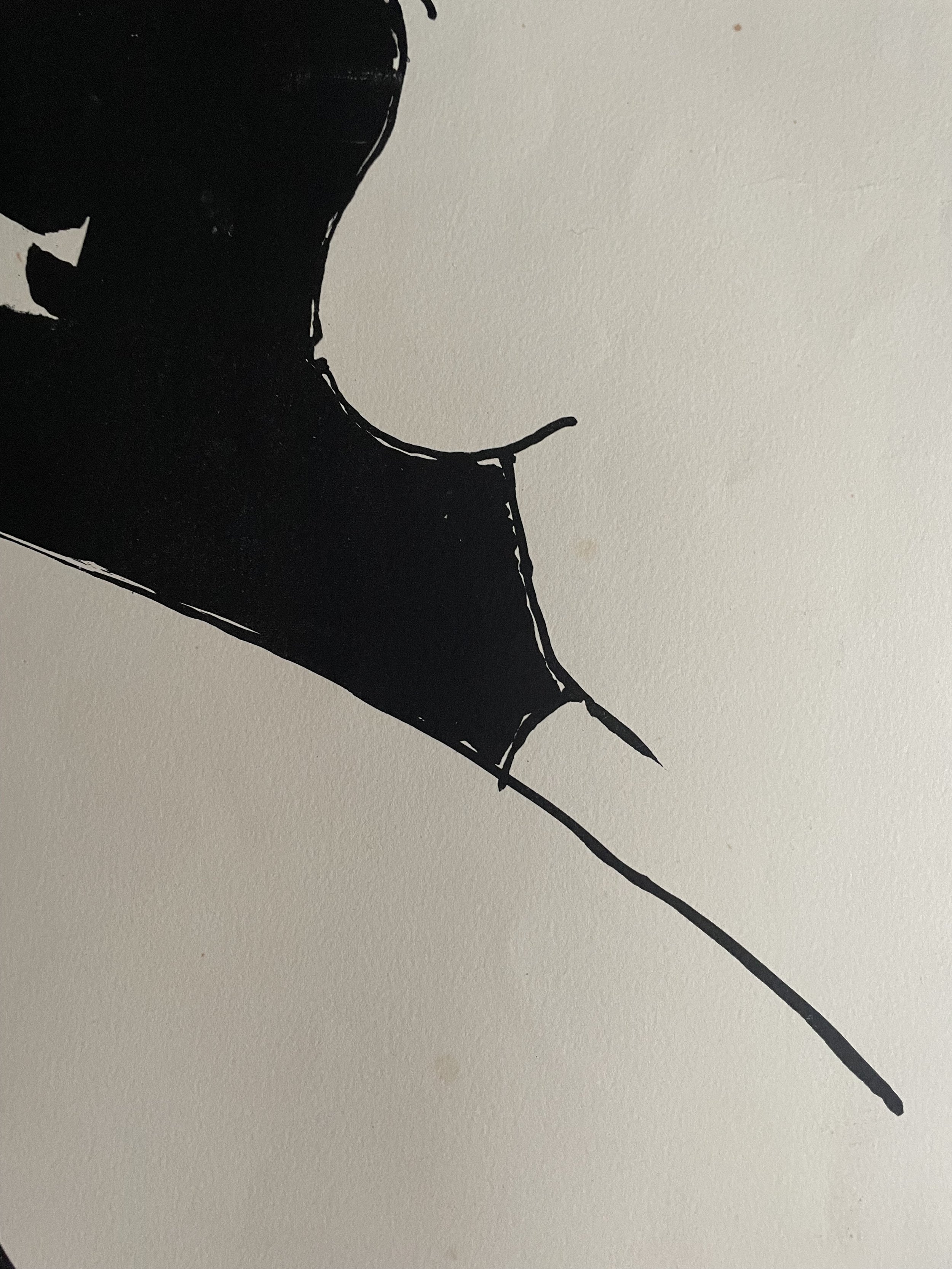
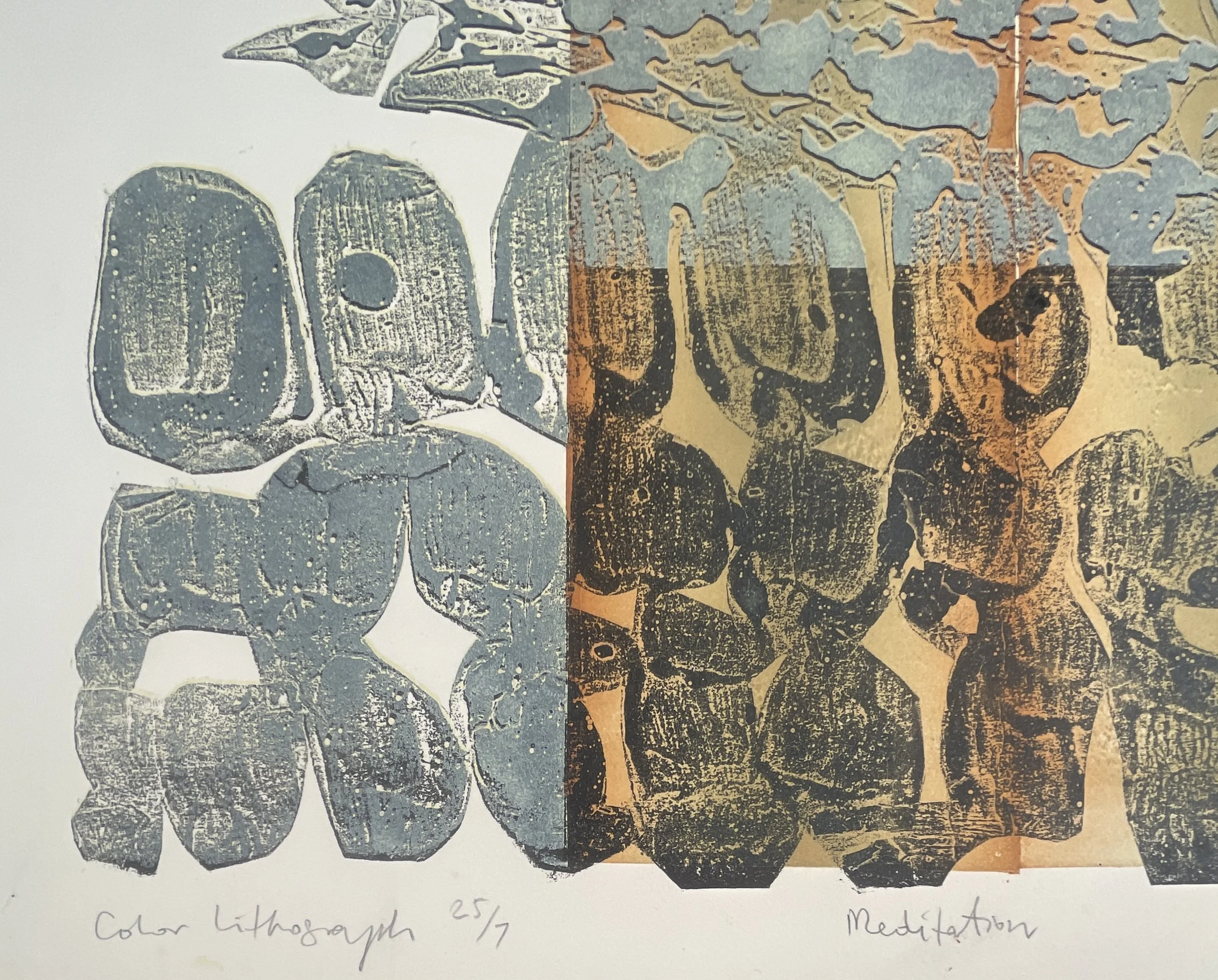
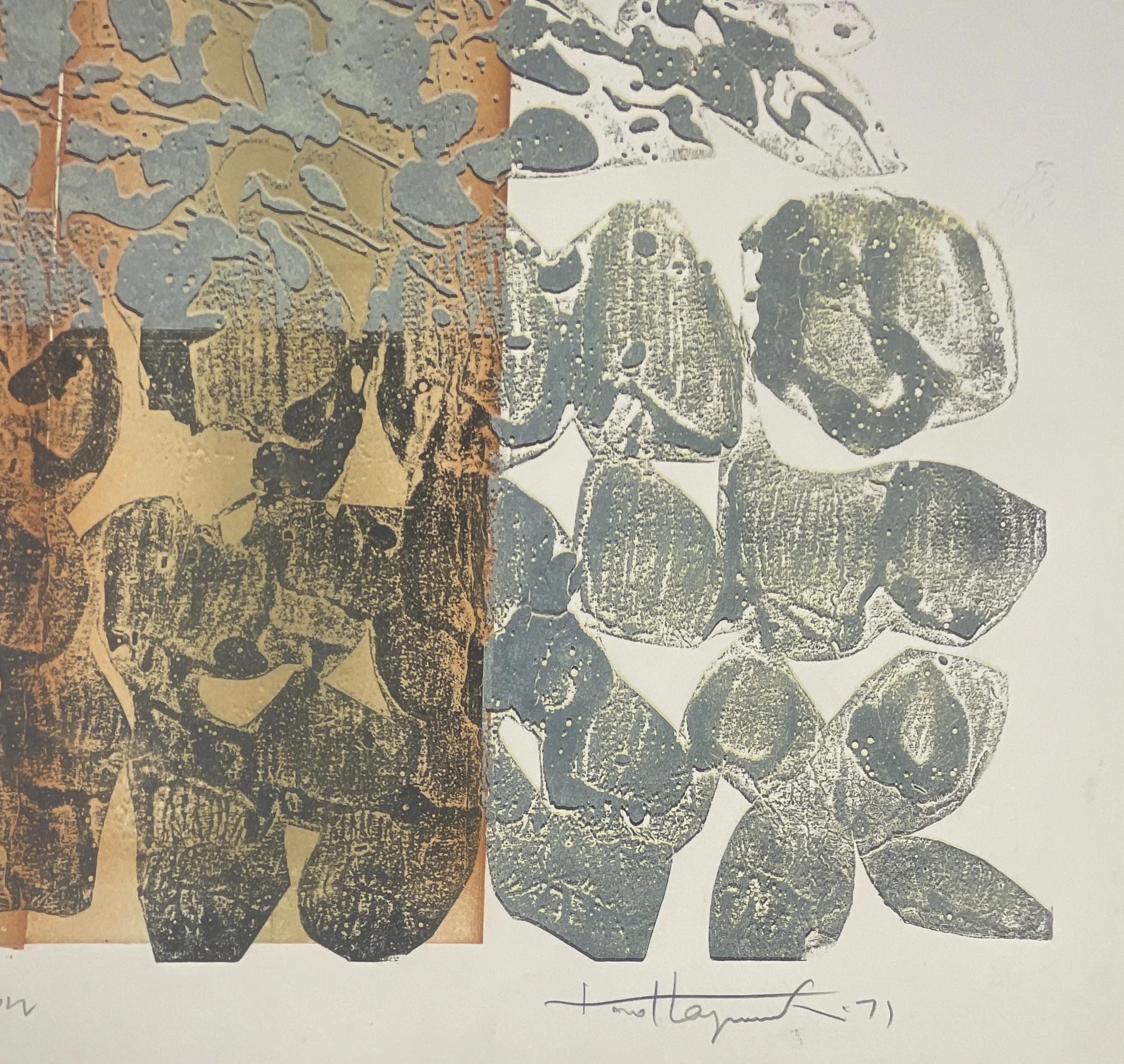
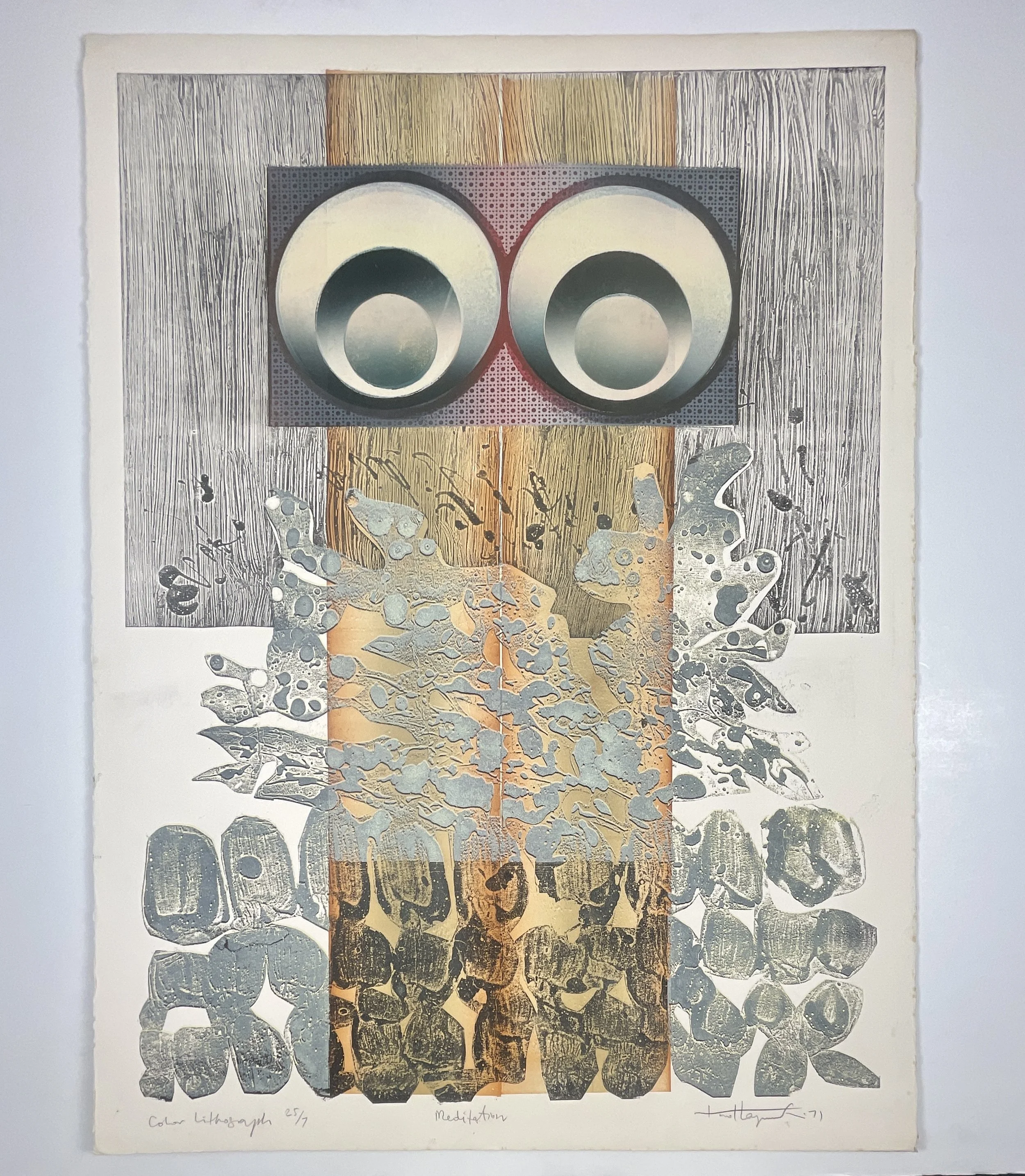
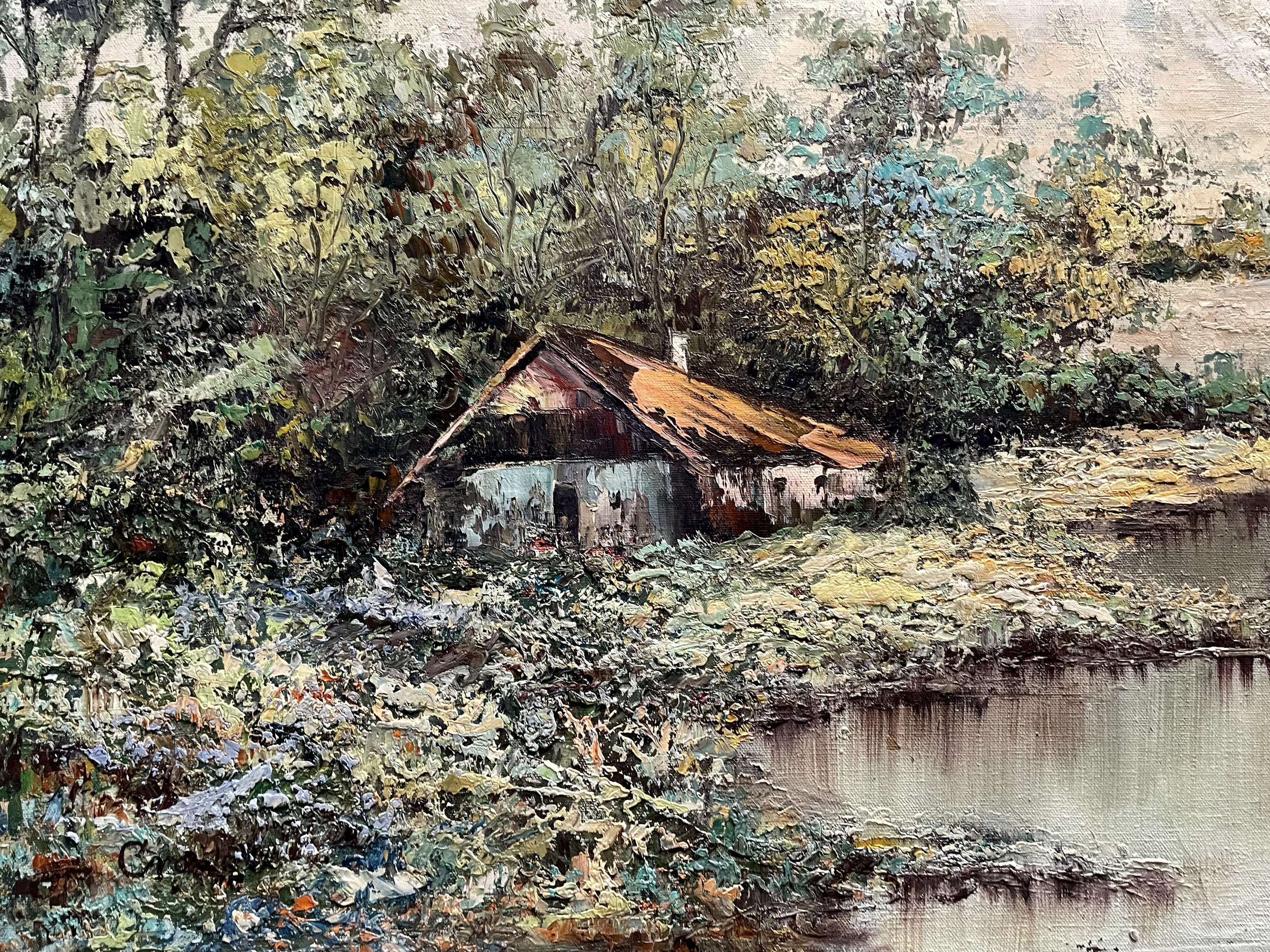
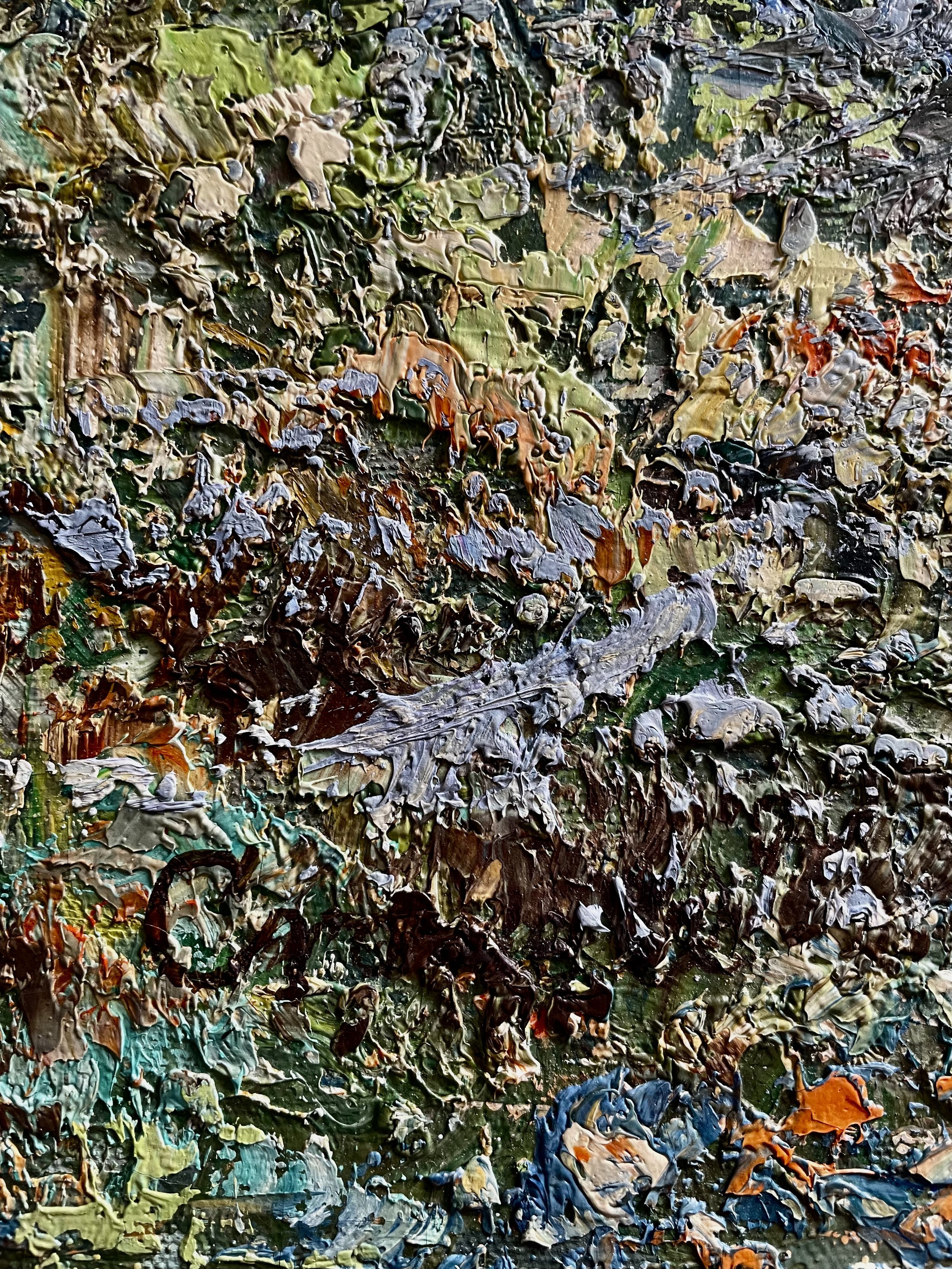
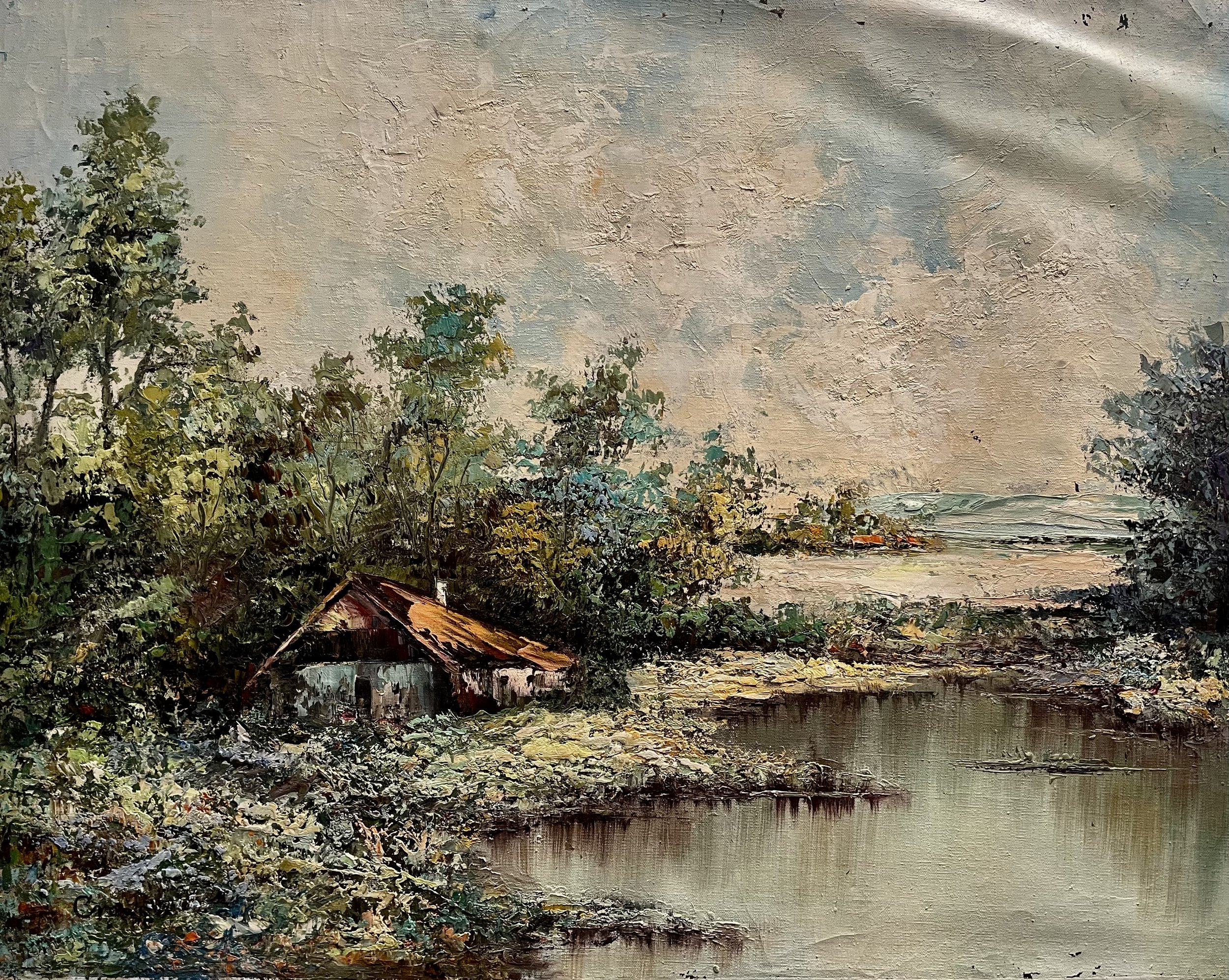
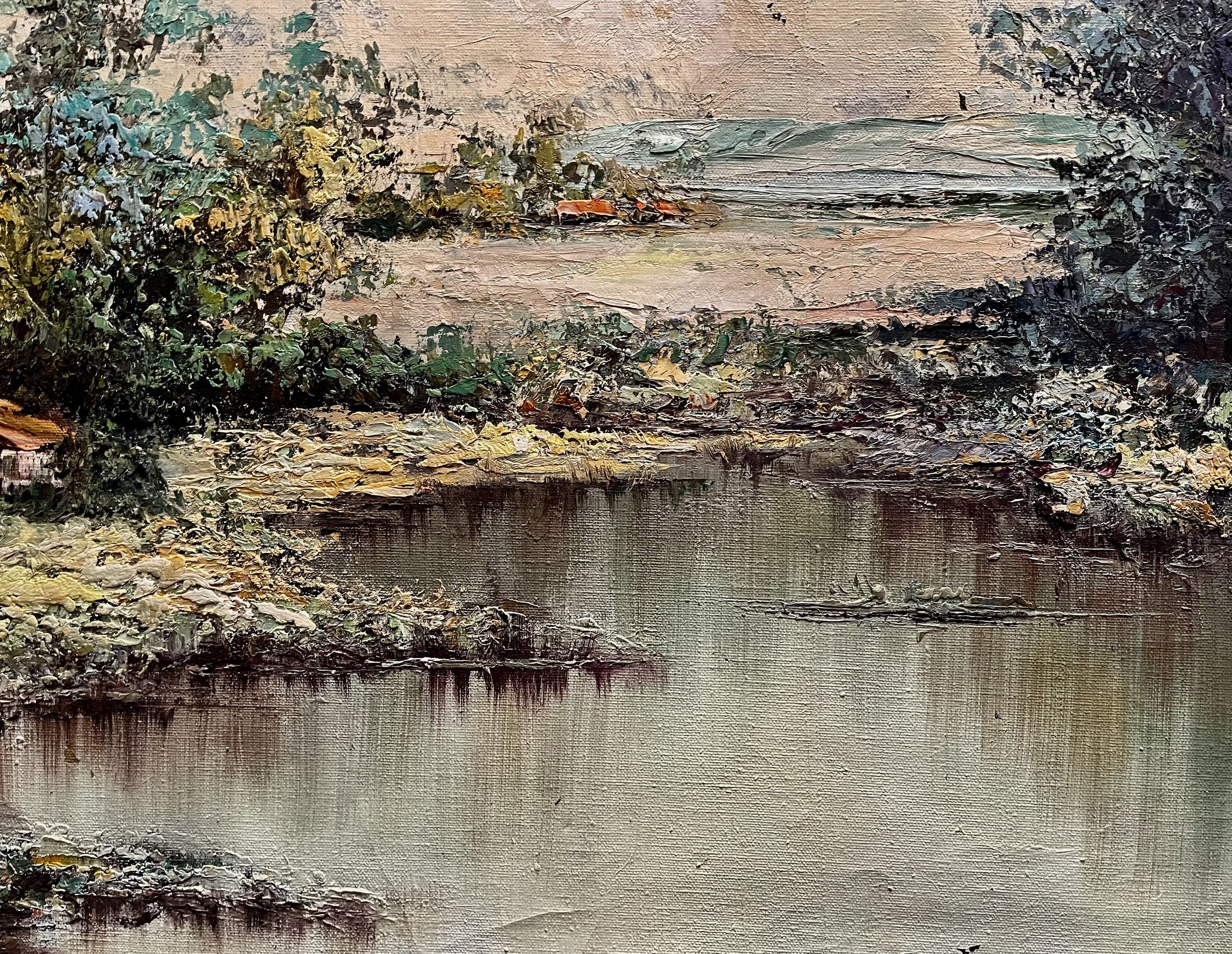
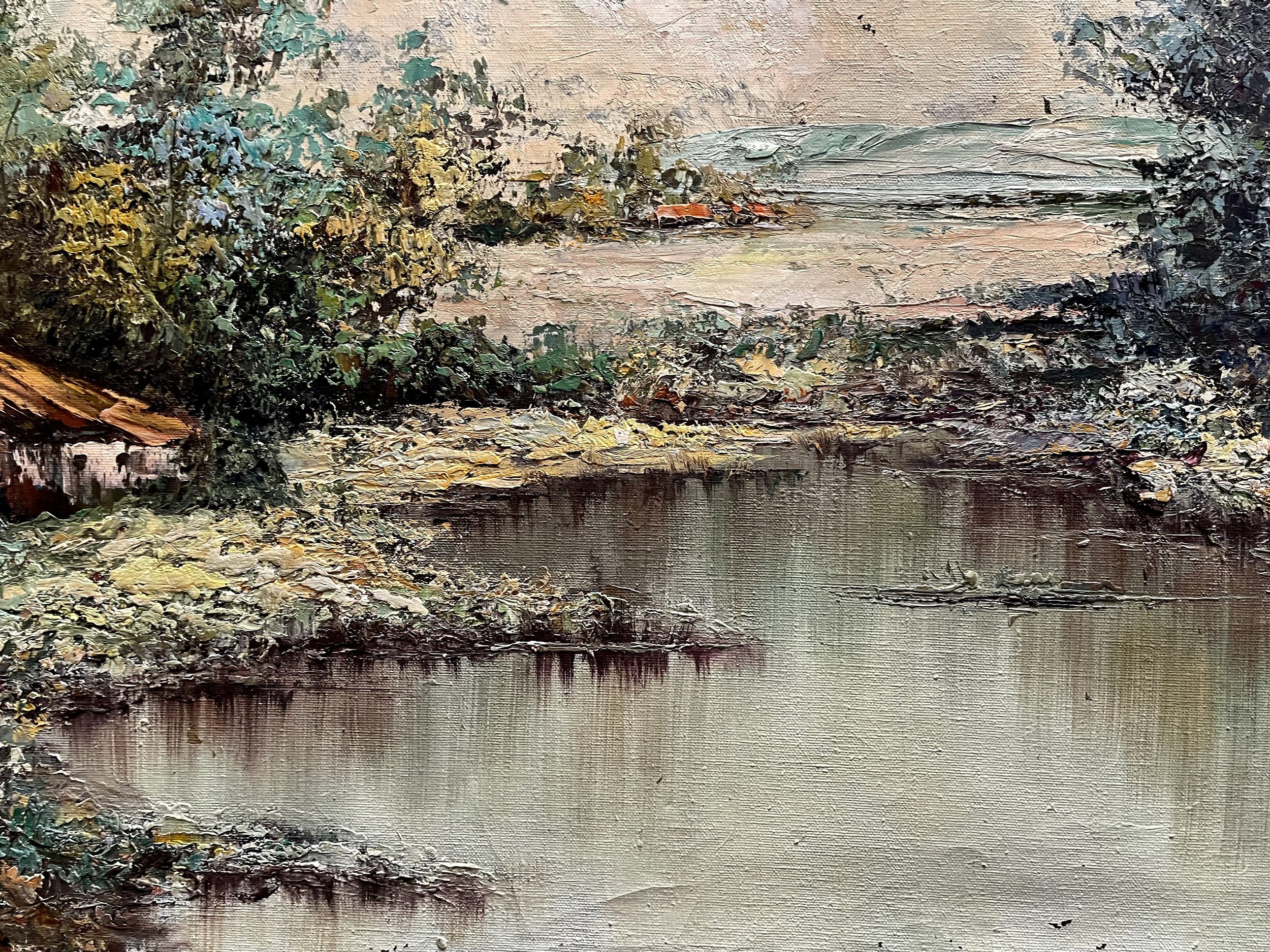
“Abstract,” G. Pugh (20th-c.), 1969 original etching, 15×20 in, signed & numbered 8/50, hand-pulled intaglio with gestural figurative abstraction.
“Abstract” (1969) is an elegant, gestural etching by mid-century printmaker G. Pugh, a rare and collectible work from the late-1960s era of experimental European and American studio printmaking. Rendered in warm ochres and siennas with delicate linear contours, the 15×20 inch etching is a hand-pulled, signed, and numbered impression (8/50), showcasing Pugh’s refined draftsmanship and the expressive abstraction characteristic of postwar intaglio practice. Acquired through the respected Mitch Morse Gallery legacy inventory, this work offers collectors a lyrical, museum-quality example of figurative-abstract etching.
Description of the Artwork
Composition & Imagery
This 1969 etching presents a fluid, semi-figurative abstract composition built from long, continuous contour lines that drift across the plate in looping, overlapping rhythms. The forms suggest reclining or intertwined human figures, yet remain open enough to evoke pure motion, gesture, and emotional resonance. This ambiguity—walking the boundary between figuration and abstraction—reflects a key 1960s postwar printmaking aesthetic influenced by artists such as Marino Marini, Henry Moore, and the Atelier 17 lineage.
Color & Tone
The palette consists of soft washes of pale ochre, beige, and sandstone, subtly modulated through diluted aquatint and tonal wiping. These translucent layers provide atmosphere without overwhelming the delicate linework, producing an image that feels simultaneously intimate and monumental.
Medium & Technique
Although the print is identified as an etching, it displays mixed intaglio characteristics:
Hard-ground line etching for the long, unbroken contour lines
Light aquatint or open-bite tonal washes creating organic fields of pale color
Controlled plate tone that softens the entire composition
Hand-wiping marks used to shape interior shadows around the central reclining form
This approach was common among artists working in the late 1960s, when etchers were increasingly inspired by the gestural ethos of Abstract Expressionism and the expressive line of European modernists.
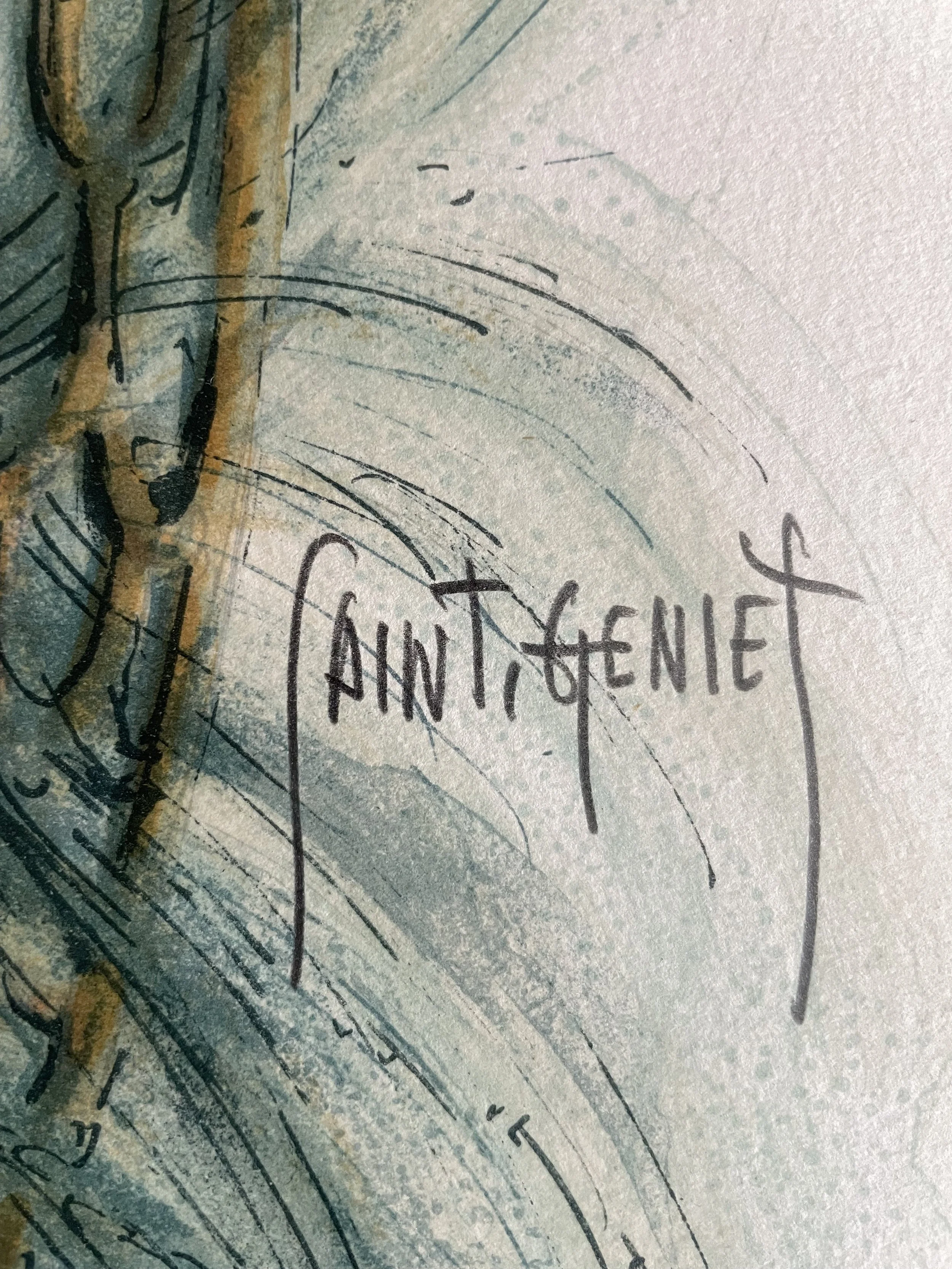
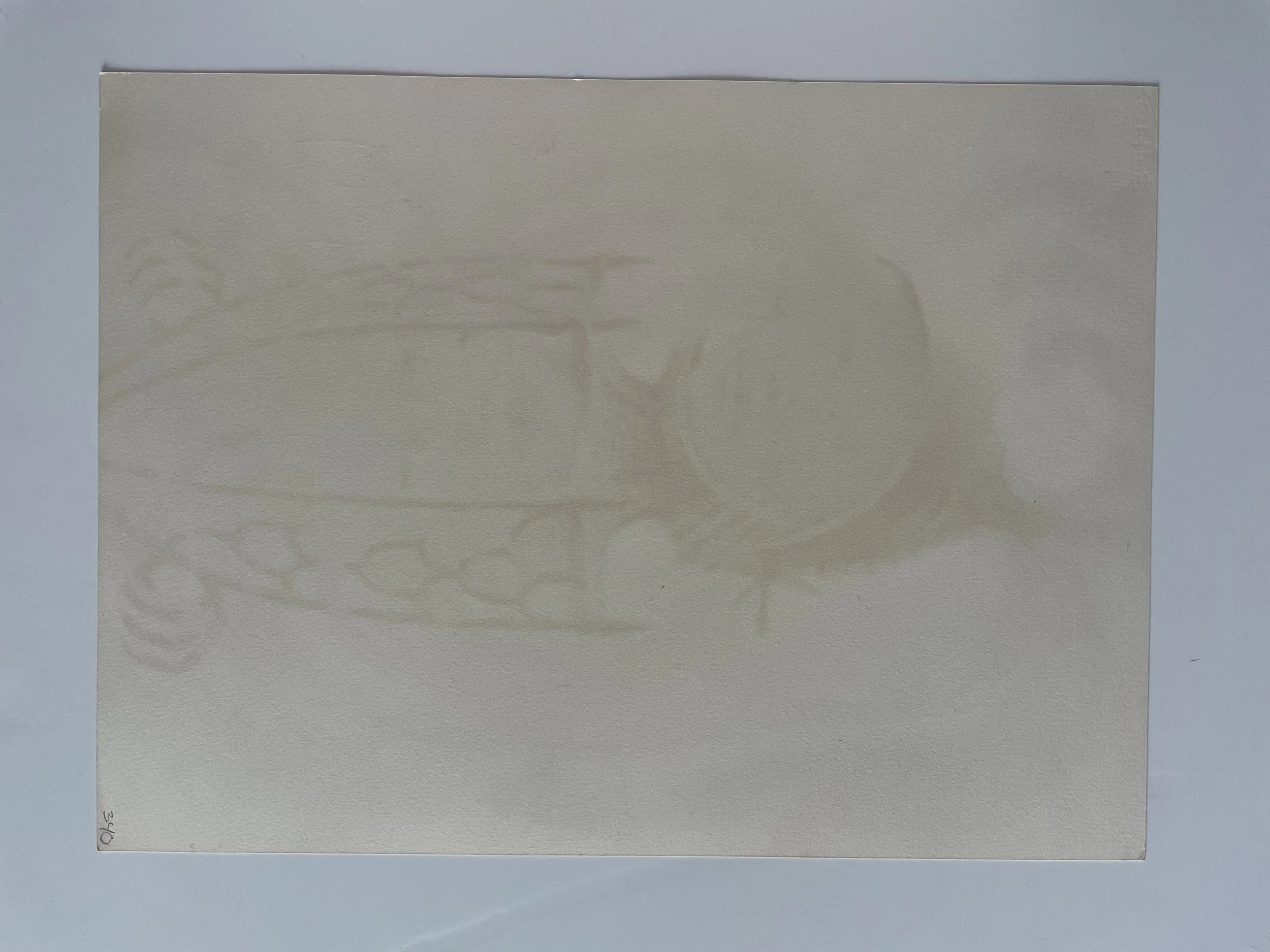
Signature & Edition
The lower margin includes:
The signature and editioning style match other authentic mid-century printmakers distributed through European-to-NYC dealer networks and later represented by Mitch Morse Gallery.
Artistic Intent & Inspiration
While little biographical documentation survives for Pugh, prints attributed to this hand typically show:
A fascination with line as emotional structure
An interest in abstracted human form, echoing both modernist drawing and classical figural study
Influences from European schools of expressive intaglio
Sensitivity to paper, texture, and spatial quietude
This piece reflects the introspective, body-oriented abstraction that proliferated in the late 1960s as artists globally responded to shifting cultural, political, and philosophical landscapes.
Biography of the Artist (G. Pugh)
Early Life & Training
G. Pugh appears to have been active as a printmaker in the 1950s–1970s, a period when many artists trained in European academies (UK, France, Belgium, Germany) or American art schools with robust print departments. Several prints attributed to Pugh exhibit characteristics consistent with:
British and Belgian mid-century figurative abstraction
Continental intaglio techniques (etching + aquatint)
Post-Hayter workshop influences in line, viscosity, and tonal wiping
Given these qualities, it is likely that Pugh studied within a European academy or U.S. college art program with strong printmaking faculty.
Influences
Atelier 17–style gestural intaglio
Figurative abstraction reminiscent of Giacometti-inspired linework
Delicate contour-driven figuration seen in British Modernism
Soft-toned aquatint typical of Northern European presses in the 1960s
These influences suggest that Pugh was engaged with the intellectual lineage of postwar abstraction rather than purely decorative or illustrative traditions.
Career & Practice
Pugh’s prints—most of which date from the 1960s and early 1970s—were circulated through:
European galleries and cooperative print workshops
U.S. print dealers active in New York and Washington, D.C.
Mitch Morse Gallery and its associated distributors, who acquired numerous European intaglio works during that period
The presence of small, controlled editions (such as 50) and consistent pencil signatures indicates a professional art practice rather than amateur production.
Style
Key features across documented works include:
Diaphanous human forms dissolved into abstract gesture
Pale tonal fields resembling wash drawing
Minimalist, spare mark-making
Emphasis on mood, atmosphere, and quiet emotional depth
This aligns with mid-century existential figuration and lyrical abstraction.
Legacy
Though not widely recognized by name today, Pugh’s surviving etchings represent the broader field of semi-forgotten but highly skilled mid-century printmakers—artists whose contributions form the backbone of postwar intaglio’s international evolution. Works like Abstract are increasingly appreciated by collectors seeking academically trained, hand-pulled etchings with modernist resonance.
G. Pugh (20th-cent.)
Abstract, 1969
Original etching with aquatint, 15 × 20 in
Edition: 8/50
Signed “G. Pugh ’69” lower right
Provenance: Mitch Morse Gallery, New York → Artfind Gallery, Washington, DC
Condition: Excellent
Certificate of Value & Authentication
Artwork: Abstract
Artist: G. Pugh (20th century)
Date: 1969
Medium: Etching with aquatint (hand-pulled intaglio)
Sheet Size: 15 × 20 inches
Edition: 8/50
Signature: Pencil-signed “G. Pugh ’69,” numbered
Authenticity Notes:
Editioning and signature consistent with 1960s European and American studio practice
Paper, plate tone, and print method consistent with hand-pulled etching
Provenance from Mitch Morse Gallery confirms legitimate distribution
Provenance:
Artist
Mitch Morse Gallery (NYC & Europe acquisitions)
Artfind Gallery, Washington, DC (current owner)
Provenance Chain
G. Pugh, artist
Mitch Morse Gallery, New York (acquired from European/U.S. print dealers)
Artfind Gallery, Washington, DC — current owner
“Abstract,” G. Pugh (20th-c.), 1969 original etching, 15×20 in, signed & numbered 8/50, hand-pulled intaglio with gestural figurative abstraction.
“Abstract” (1969) is an elegant, gestural etching by mid-century printmaker G. Pugh, a rare and collectible work from the late-1960s era of experimental European and American studio printmaking. Rendered in warm ochres and siennas with delicate linear contours, the 15×20 inch etching is a hand-pulled, signed, and numbered impression (8/50), showcasing Pugh’s refined draftsmanship and the expressive abstraction characteristic of postwar intaglio practice. Acquired through the respected Mitch Morse Gallery legacy inventory, this work offers collectors a lyrical, museum-quality example of figurative-abstract etching.
Description of the Artwork
Composition & Imagery
This 1969 etching presents a fluid, semi-figurative abstract composition built from long, continuous contour lines that drift across the plate in looping, overlapping rhythms. The forms suggest reclining or intertwined human figures, yet remain open enough to evoke pure motion, gesture, and emotional resonance. This ambiguity—walking the boundary between figuration and abstraction—reflects a key 1960s postwar printmaking aesthetic influenced by artists such as Marino Marini, Henry Moore, and the Atelier 17 lineage.
Color & Tone
The palette consists of soft washes of pale ochre, beige, and sandstone, subtly modulated through diluted aquatint and tonal wiping. These translucent layers provide atmosphere without overwhelming the delicate linework, producing an image that feels simultaneously intimate and monumental.
Medium & Technique
Although the print is identified as an etching, it displays mixed intaglio characteristics:
Hard-ground line etching for the long, unbroken contour lines
Light aquatint or open-bite tonal washes creating organic fields of pale color
Controlled plate tone that softens the entire composition
Hand-wiping marks used to shape interior shadows around the central reclining form
This approach was common among artists working in the late 1960s, when etchers were increasingly inspired by the gestural ethos of Abstract Expressionism and the expressive line of European modernists.
Signature & Edition
The lower margin includes:
The signature and editioning style match other authentic mid-century printmakers distributed through European-to-NYC dealer networks and later represented by Mitch Morse Gallery.
Artistic Intent & Inspiration
While little biographical documentation survives for Pugh, prints attributed to this hand typically show:
A fascination with line as emotional structure
An interest in abstracted human form, echoing both modernist drawing and classical figural study
Influences from European schools of expressive intaglio
Sensitivity to paper, texture, and spatial quietude
This piece reflects the introspective, body-oriented abstraction that proliferated in the late 1960s as artists globally responded to shifting cultural, political, and philosophical landscapes.
Biography of the Artist (G. Pugh)
Early Life & Training
G. Pugh appears to have been active as a printmaker in the 1950s–1970s, a period when many artists trained in European academies (UK, France, Belgium, Germany) or American art schools with robust print departments. Several prints attributed to Pugh exhibit characteristics consistent with:
British and Belgian mid-century figurative abstraction
Continental intaglio techniques (etching + aquatint)
Post-Hayter workshop influences in line, viscosity, and tonal wiping
Given these qualities, it is likely that Pugh studied within a European academy or U.S. college art program with strong printmaking faculty.
Influences
Atelier 17–style gestural intaglio
Figurative abstraction reminiscent of Giacometti-inspired linework
Delicate contour-driven figuration seen in British Modernism
Soft-toned aquatint typical of Northern European presses in the 1960s
These influences suggest that Pugh was engaged with the intellectual lineage of postwar abstraction rather than purely decorative or illustrative traditions.
Career & Practice
Pugh’s prints—most of which date from the 1960s and early 1970s—were circulated through:
European galleries and cooperative print workshops
U.S. print dealers active in New York and Washington, D.C.
Mitch Morse Gallery and its associated distributors, who acquired numerous European intaglio works during that period
The presence of small, controlled editions (such as 50) and consistent pencil signatures indicates a professional art practice rather than amateur production.
Style
Key features across documented works include:
Diaphanous human forms dissolved into abstract gesture
Pale tonal fields resembling wash drawing
Minimalist, spare mark-making
Emphasis on mood, atmosphere, and quiet emotional depth
This aligns with mid-century existential figuration and lyrical abstraction.
Legacy
Though not widely recognized by name today, Pugh’s surviving etchings represent the broader field of semi-forgotten but highly skilled mid-century printmakers—artists whose contributions form the backbone of postwar intaglio’s international evolution. Works like Abstract are increasingly appreciated by collectors seeking academically trained, hand-pulled etchings with modernist resonance.
G. Pugh (20th-cent.)
Abstract, 1969
Original etching with aquatint, 15 × 20 in
Edition: 8/50
Signed “G. Pugh ’69” lower right
Provenance: Mitch Morse Gallery, New York → Artfind Gallery, Washington, DC
Condition: Excellent
Certificate of Value & Authentication
Artwork: Abstract
Artist: G. Pugh (20th century)
Date: 1969
Medium: Etching with aquatint (hand-pulled intaglio)
Sheet Size: 15 × 20 inches
Edition: 8/50
Signature: Pencil-signed “G. Pugh ’69,” numbered
Authenticity Notes:
Editioning and signature consistent with 1960s European and American studio practice
Paper, plate tone, and print method consistent with hand-pulled etching
Provenance from Mitch Morse Gallery confirms legitimate distribution
Provenance:
Artist
Mitch Morse Gallery (NYC & Europe acquisitions)
Artfind Gallery, Washington, DC (current owner)
Provenance Chain
G. Pugh, artist
Mitch Morse Gallery, New York (acquired from European/U.S. print dealers)
Artfind Gallery, Washington, DC — current owner
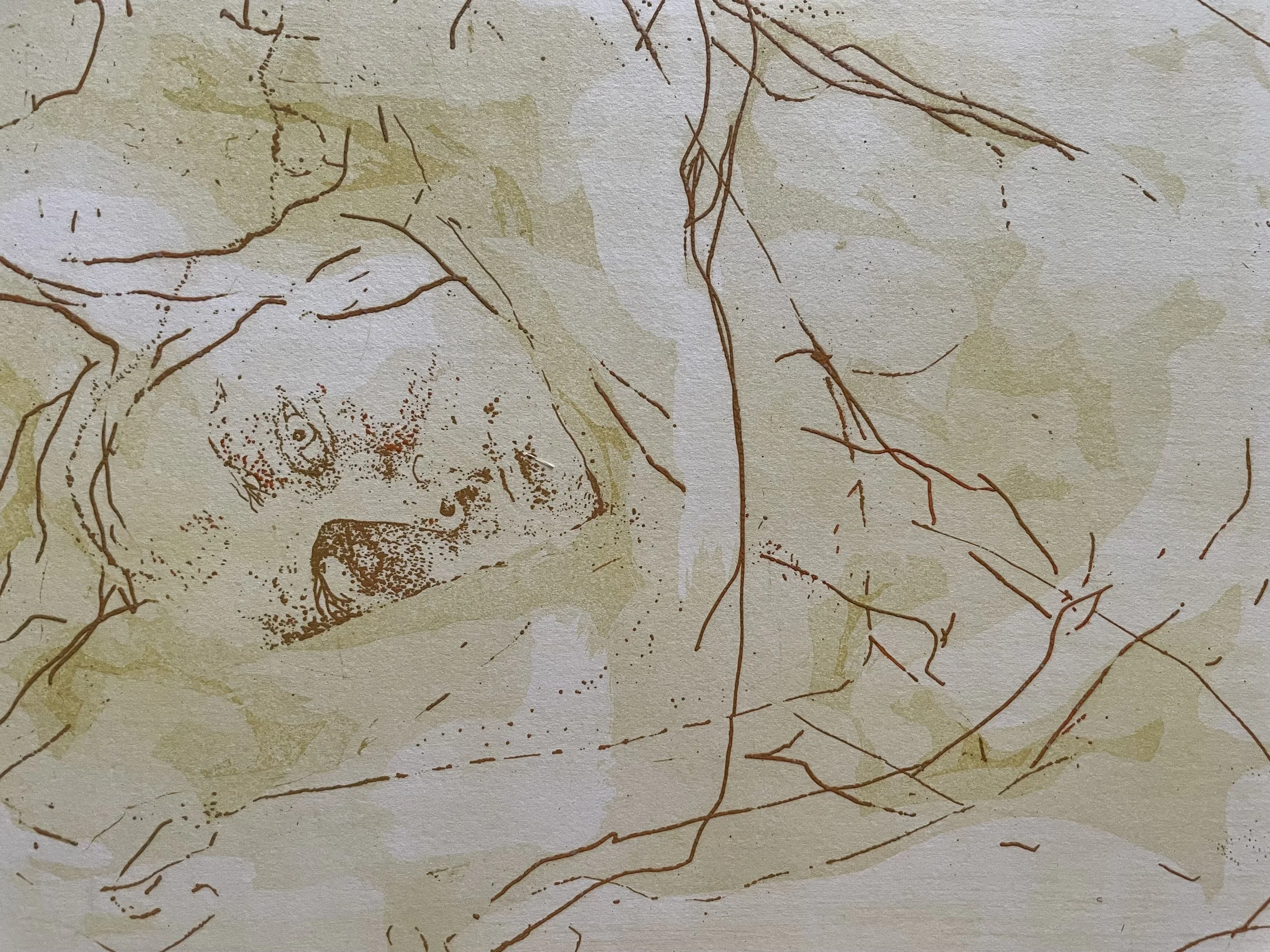 Image 1 of 9
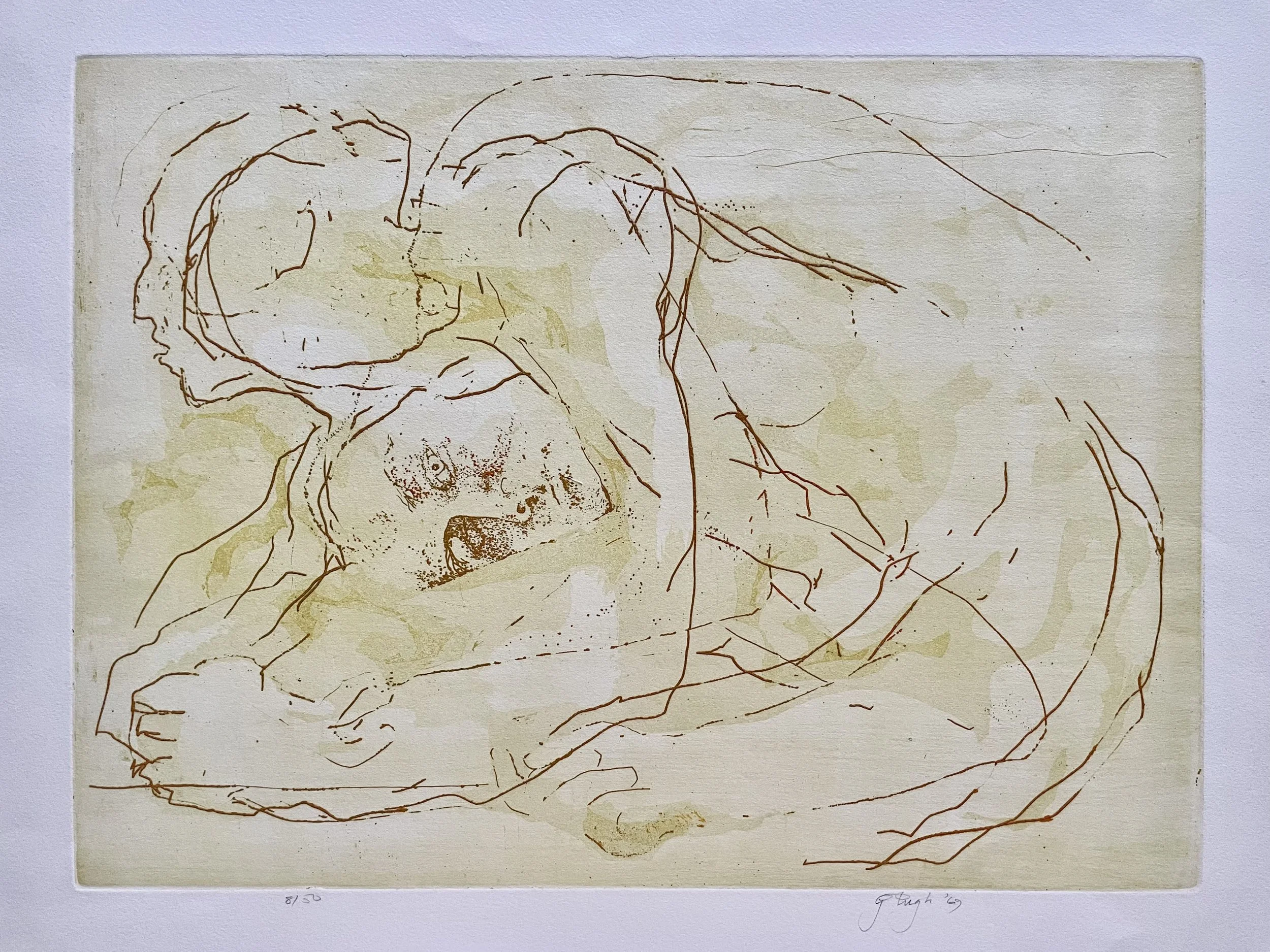 Image 2 of 9
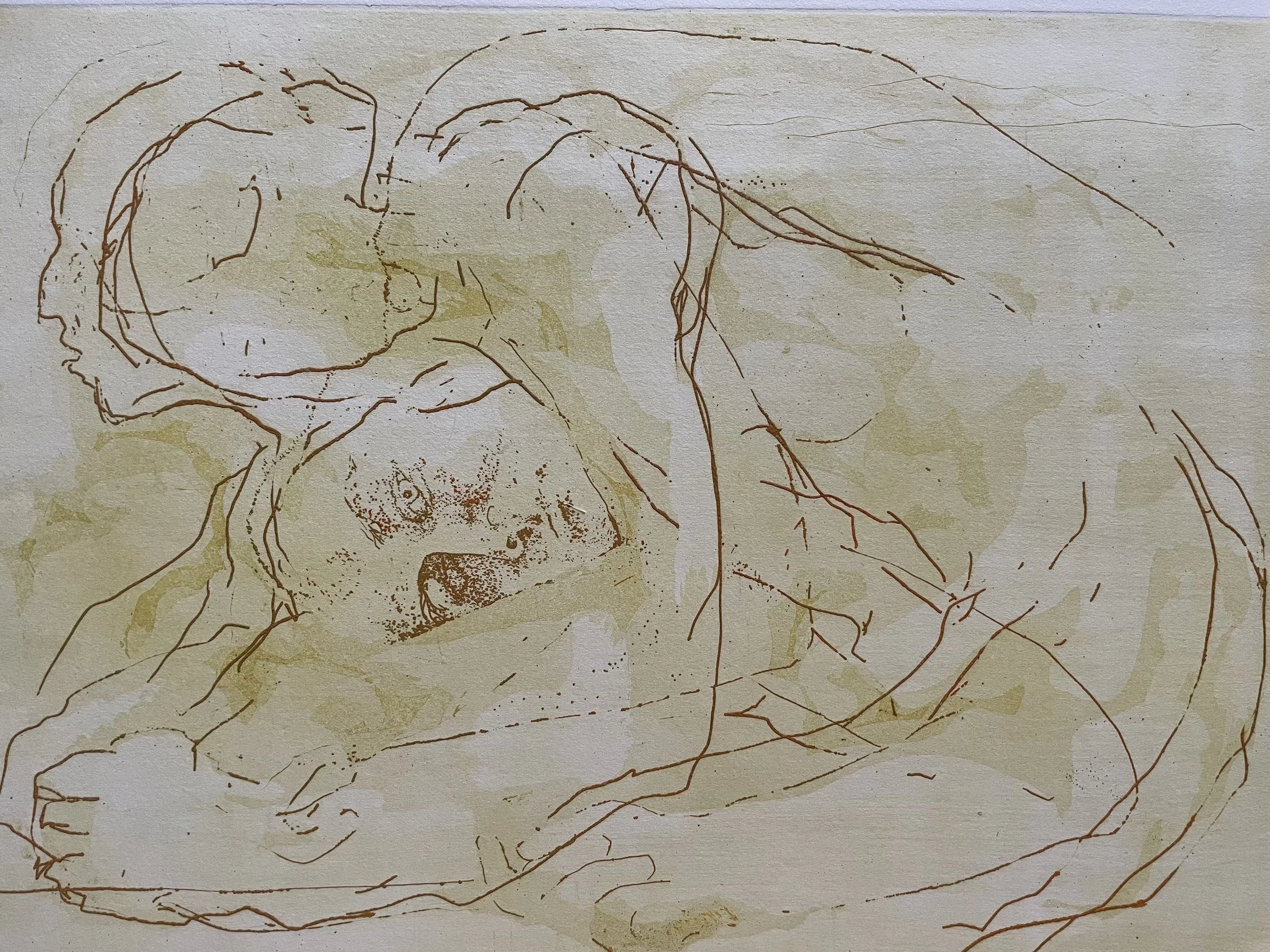 Image 3 of 9
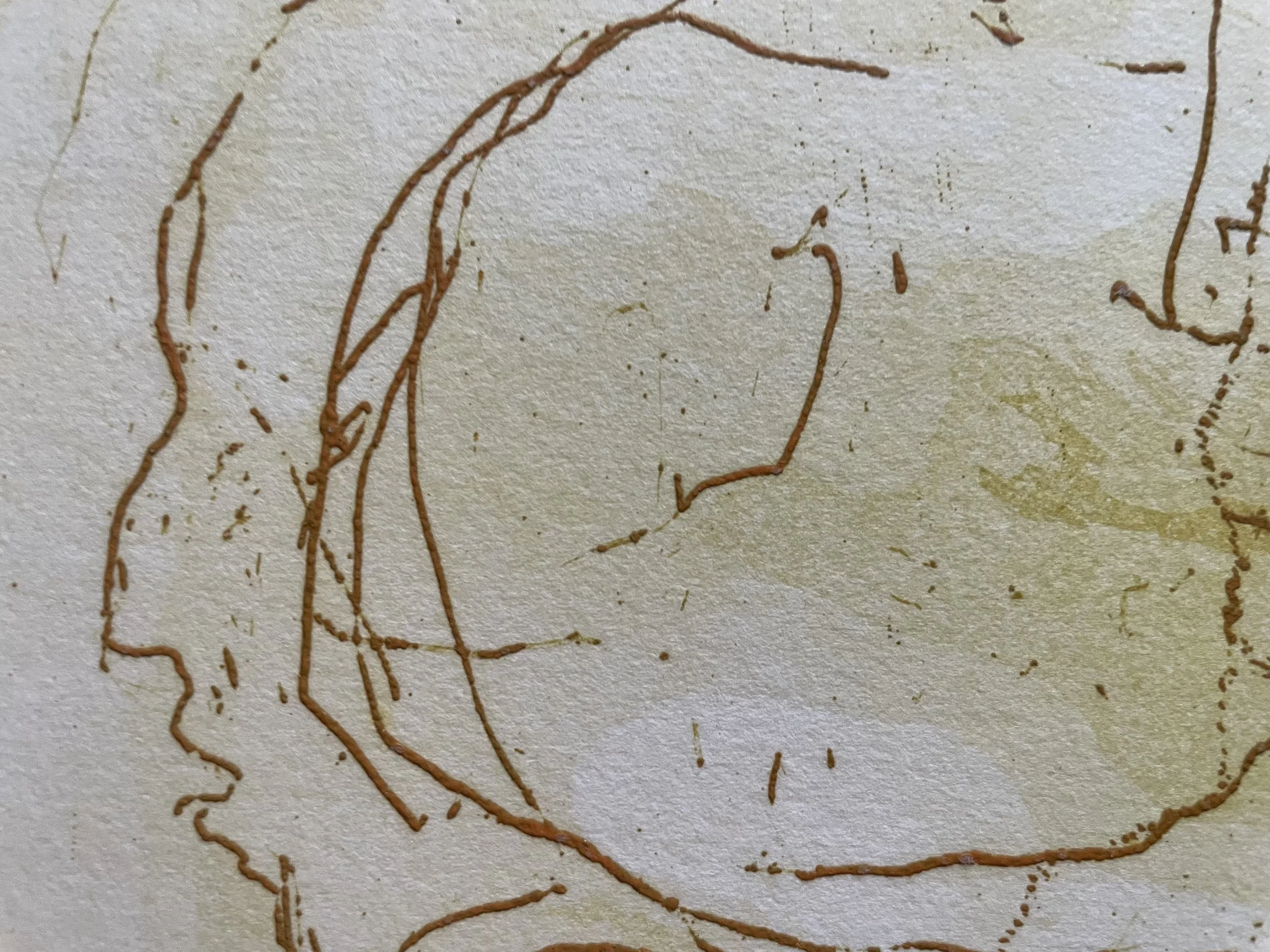 Image 4 of 9
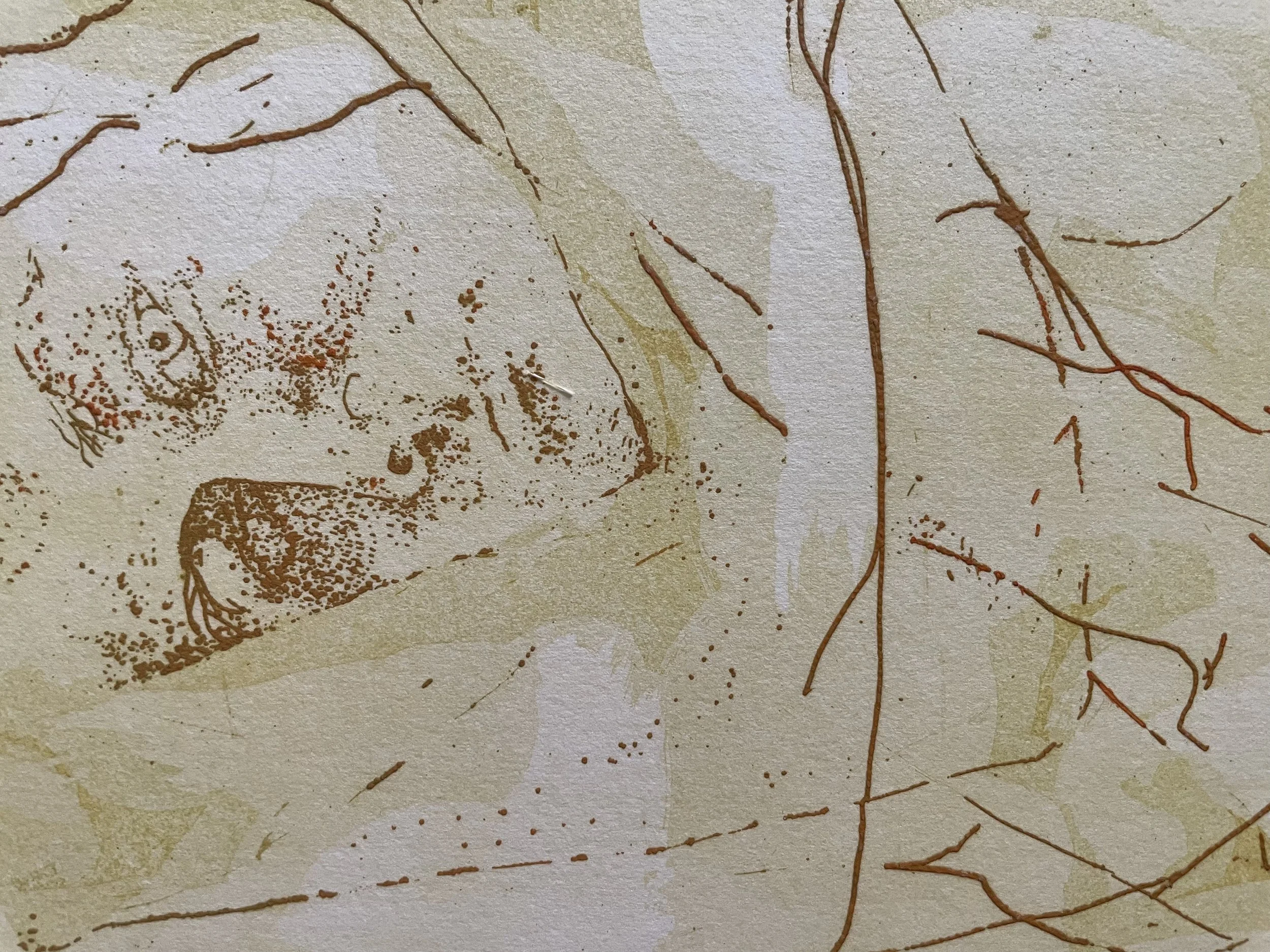 Image 5 of 9
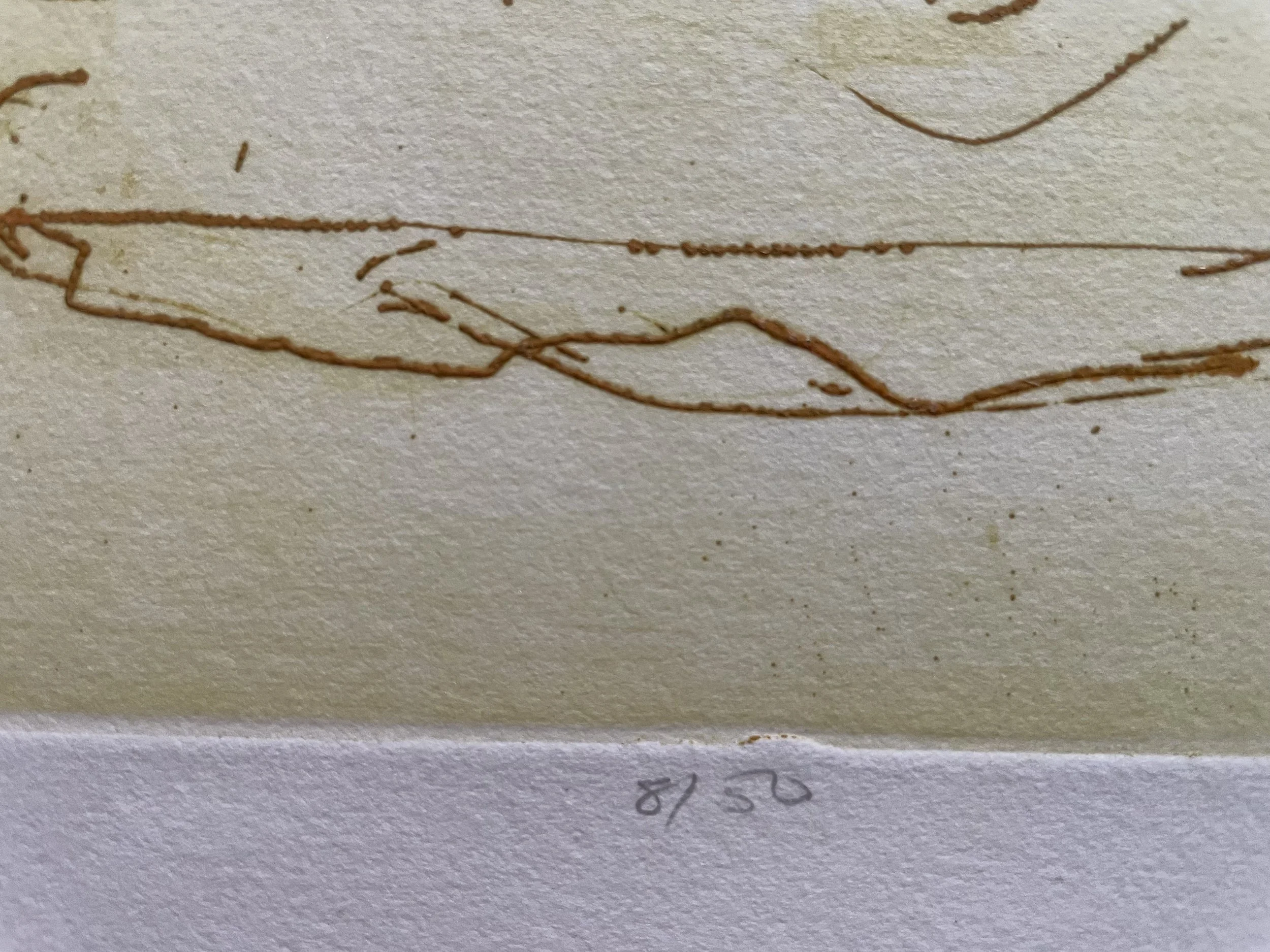 Image 6 of 9
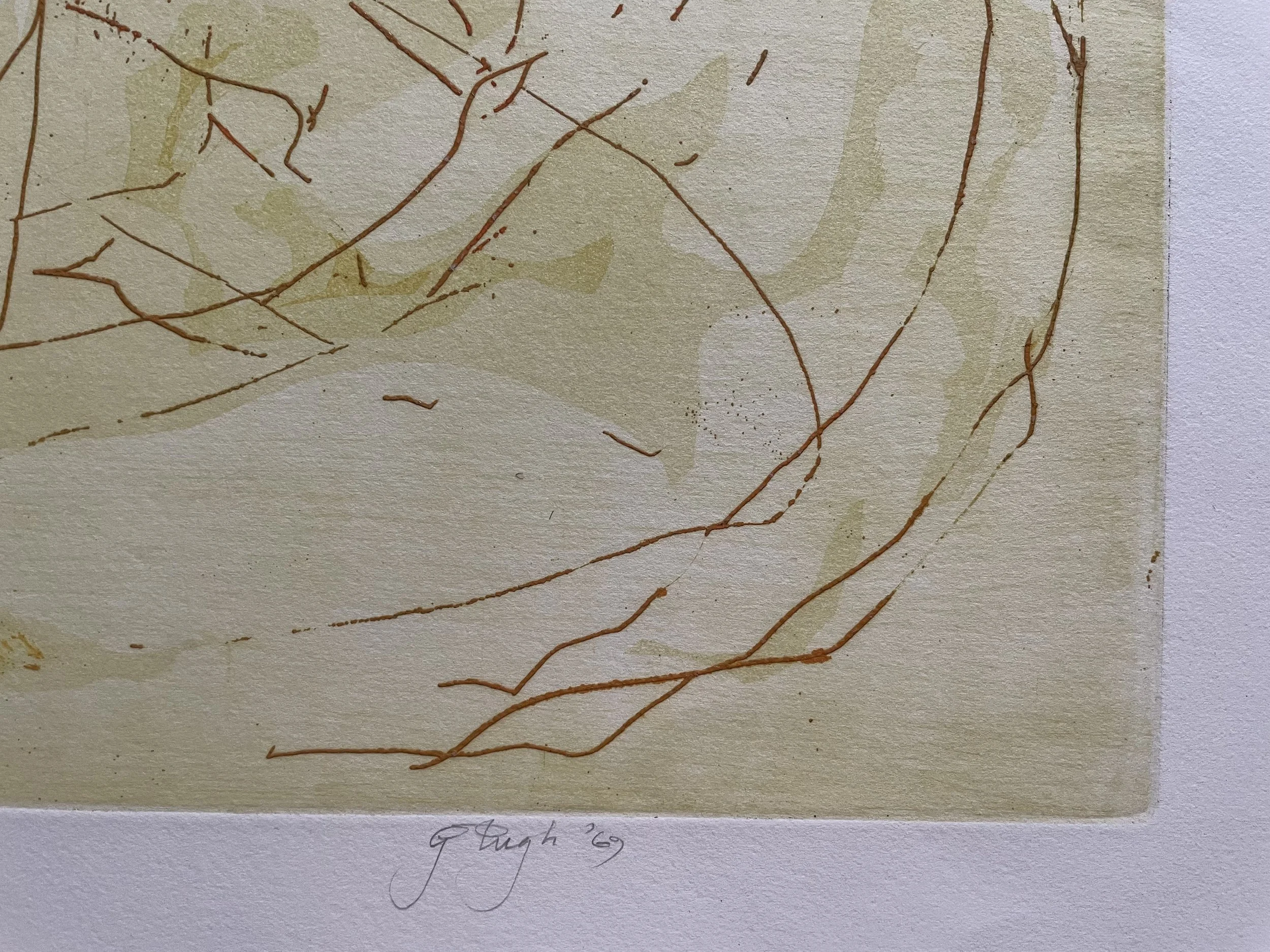 Image 7 of 9
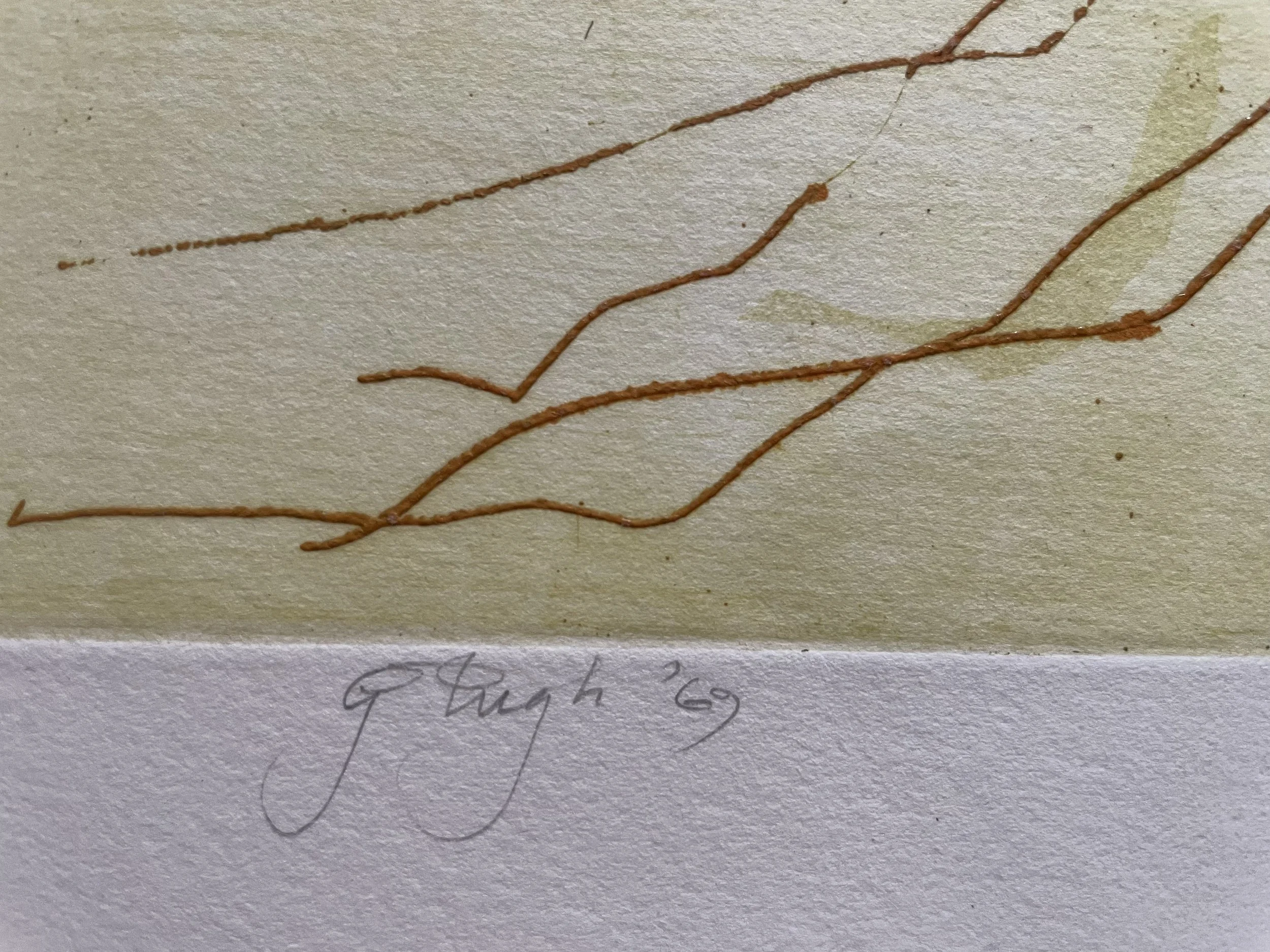 Image 8 of 9
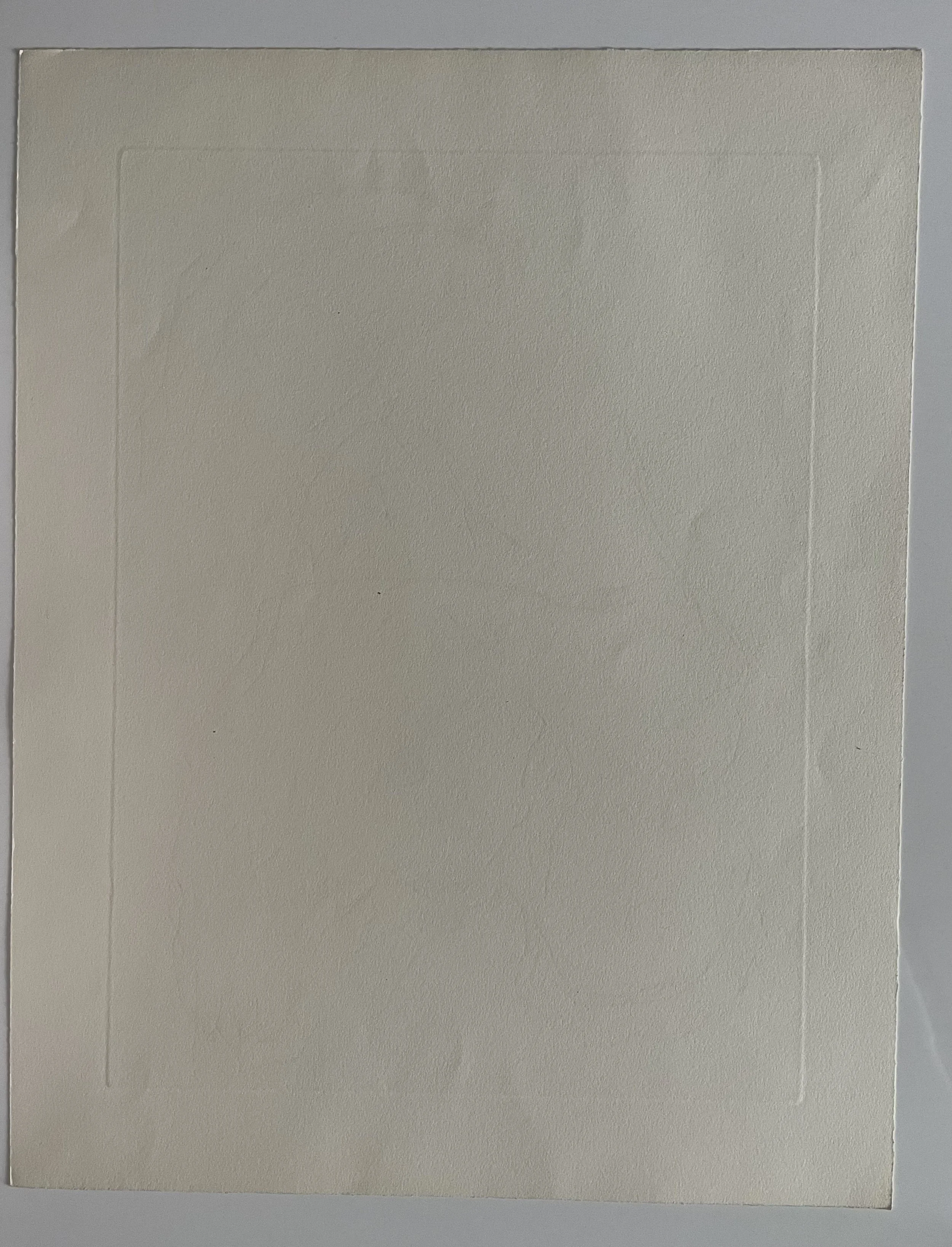 Image 9 of 9