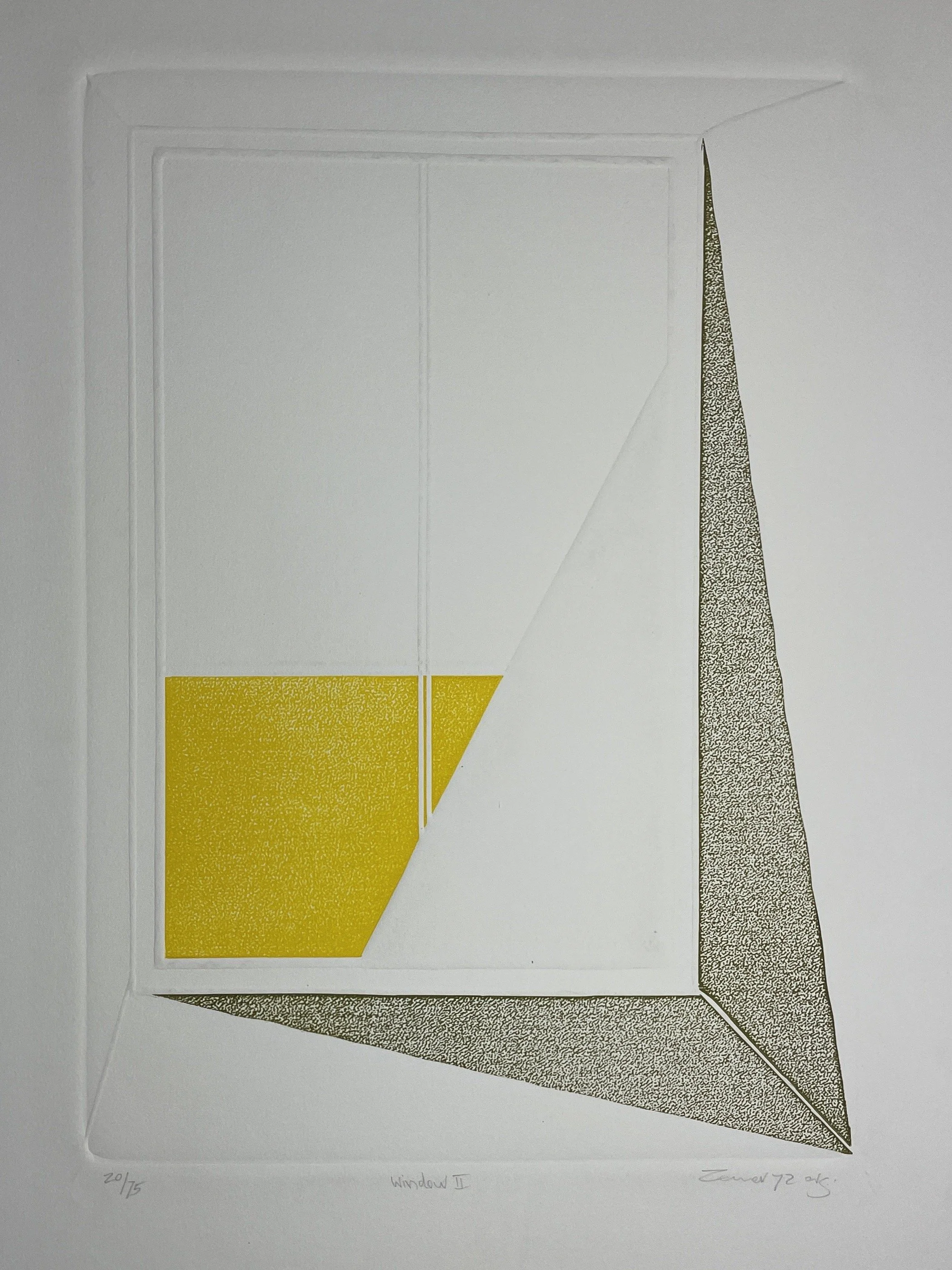
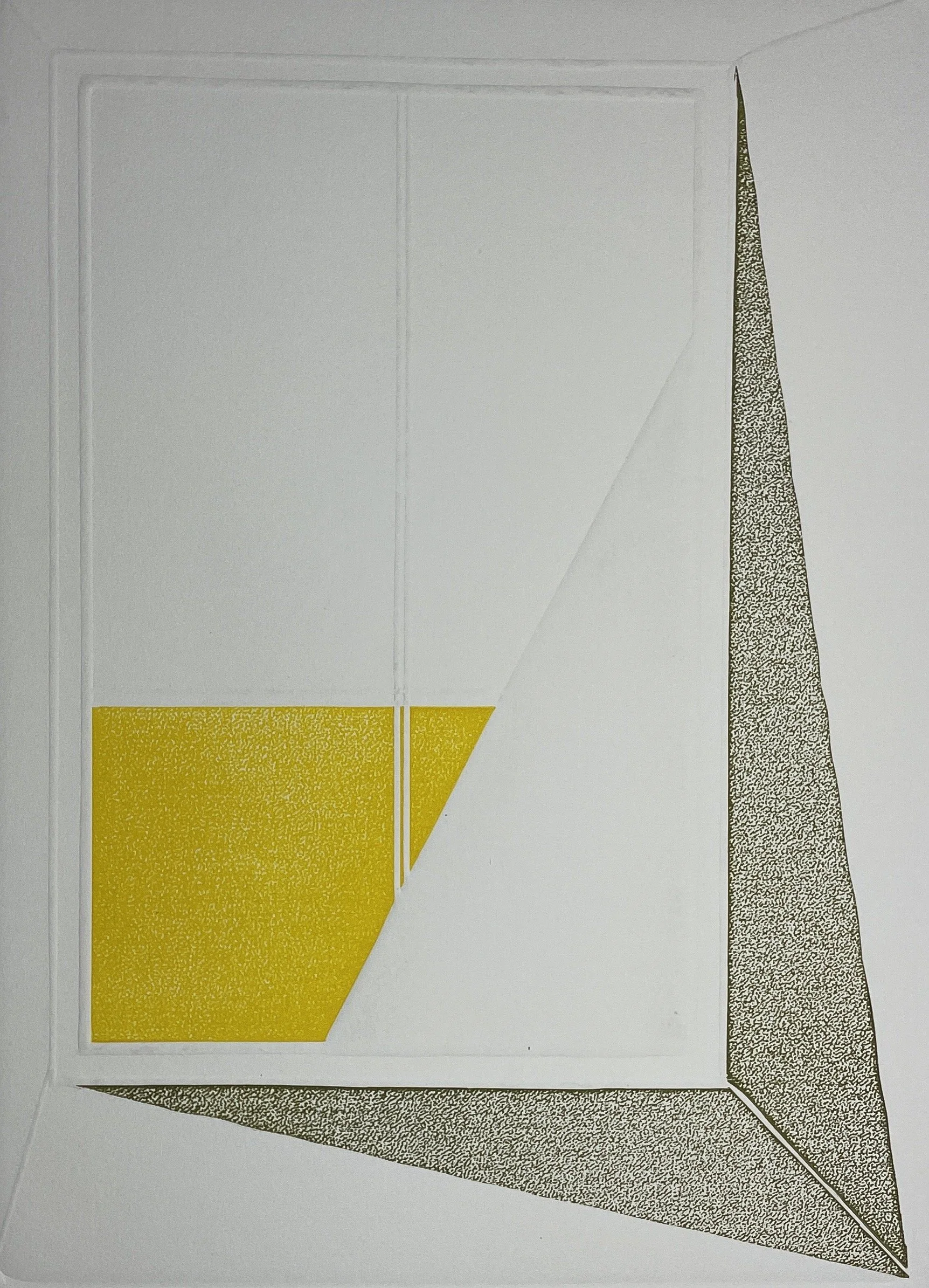
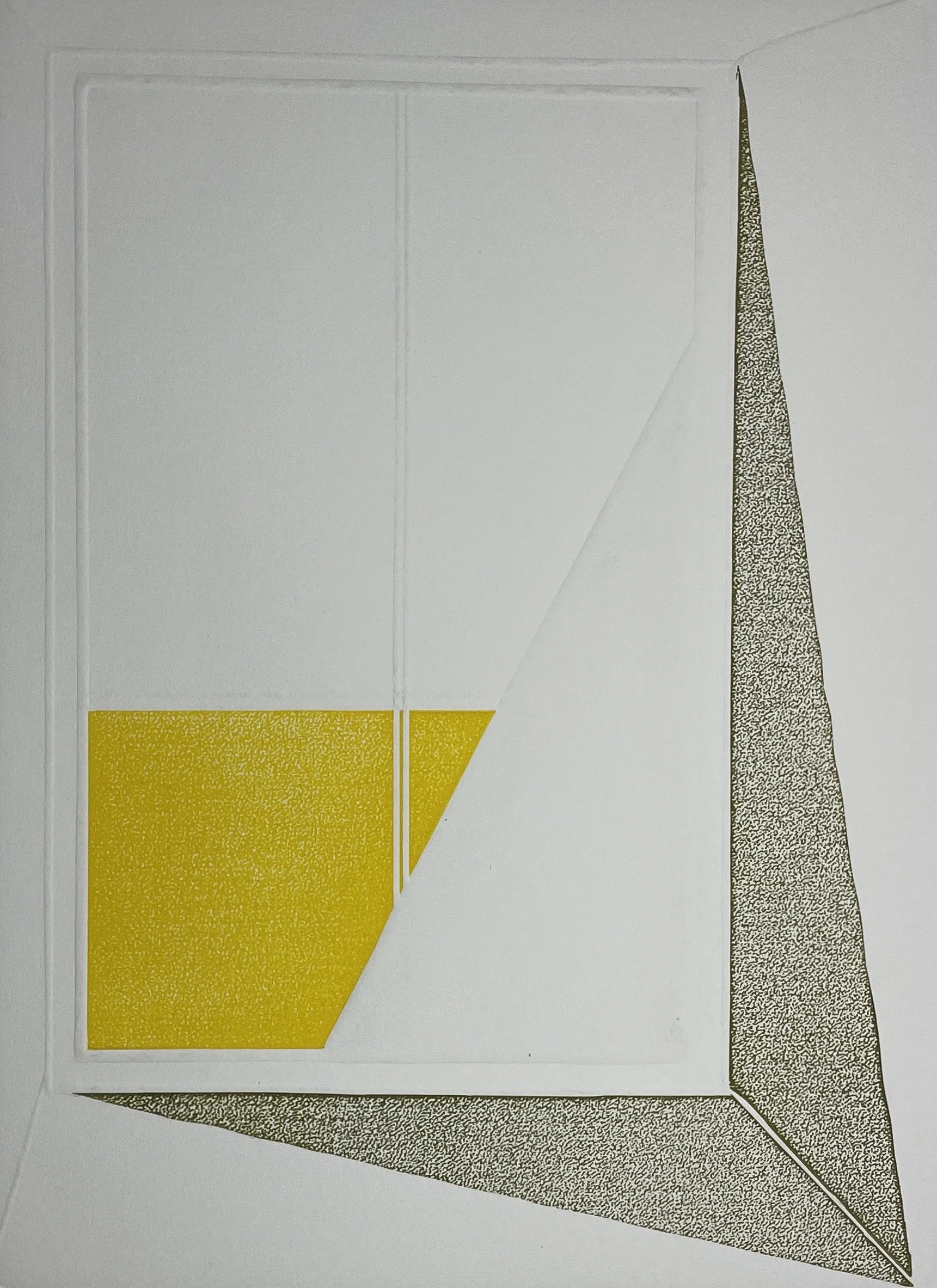
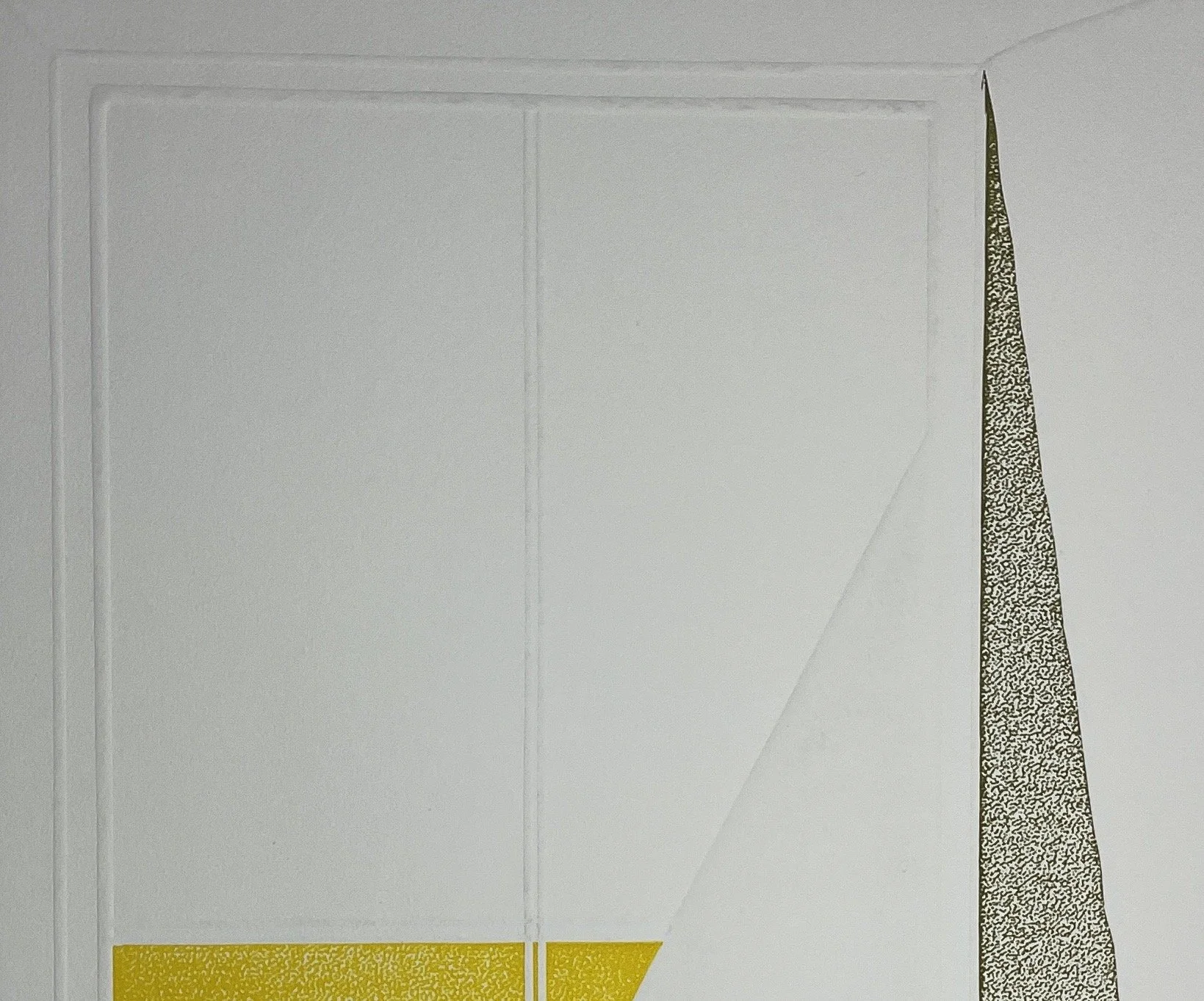
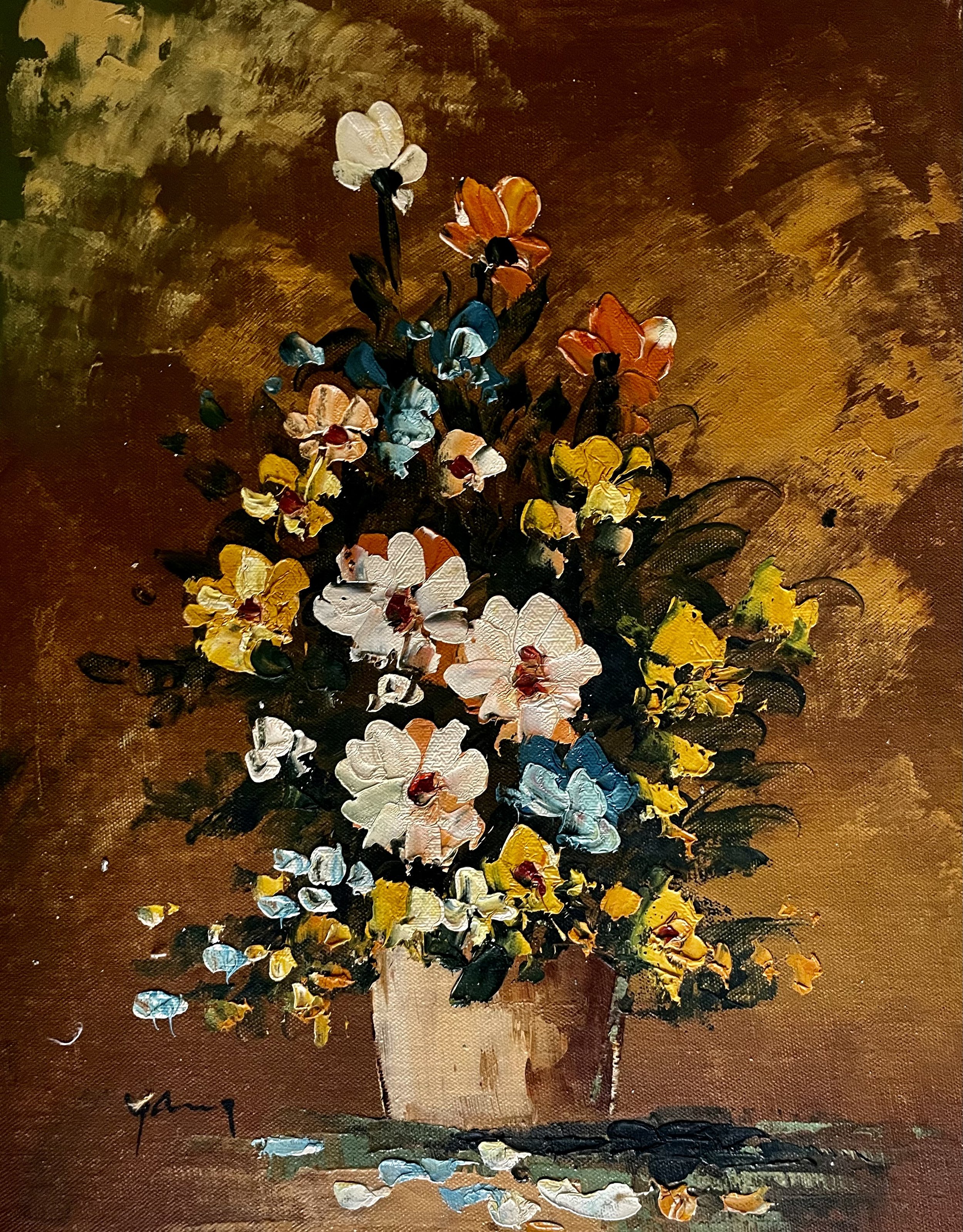
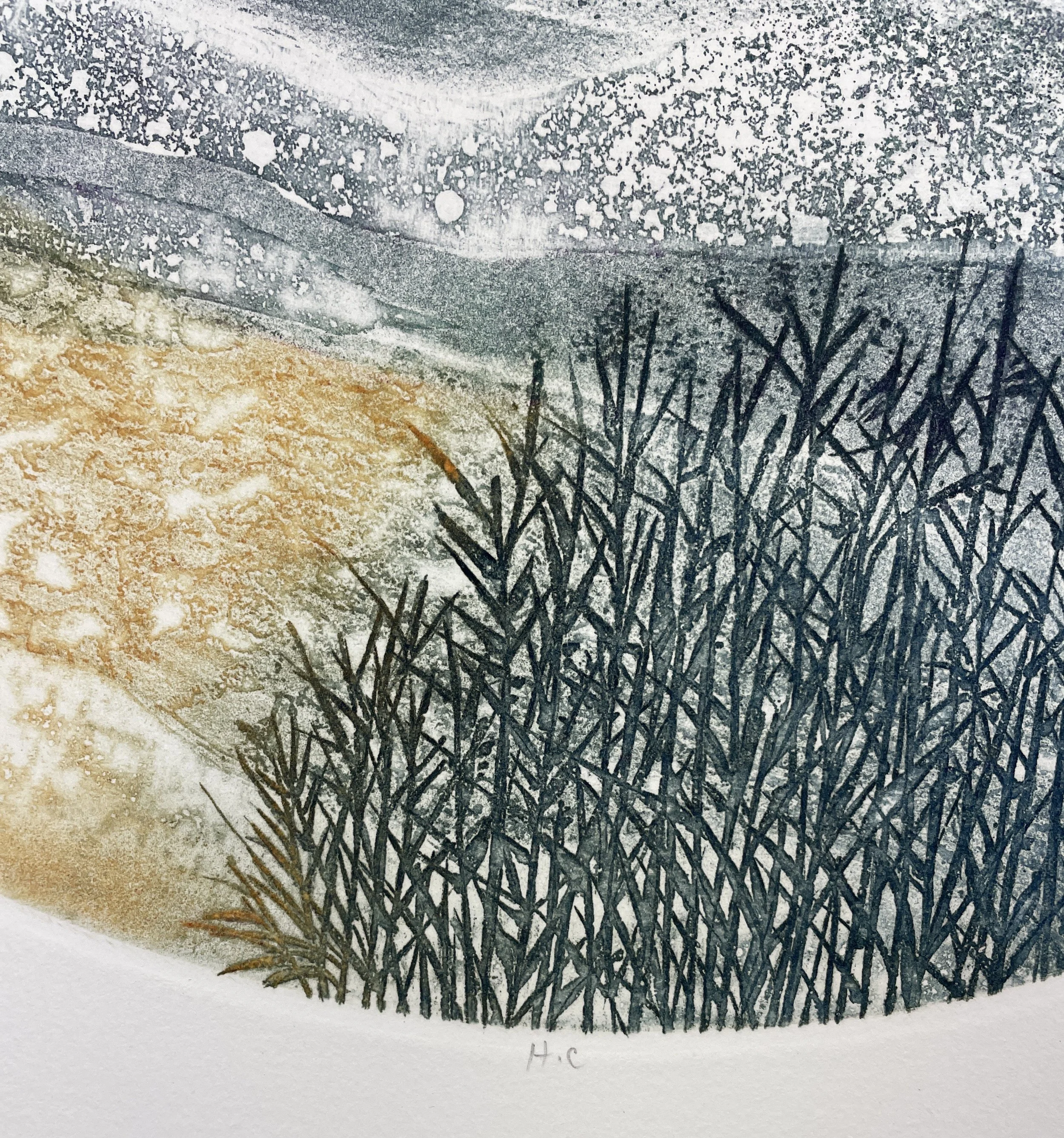
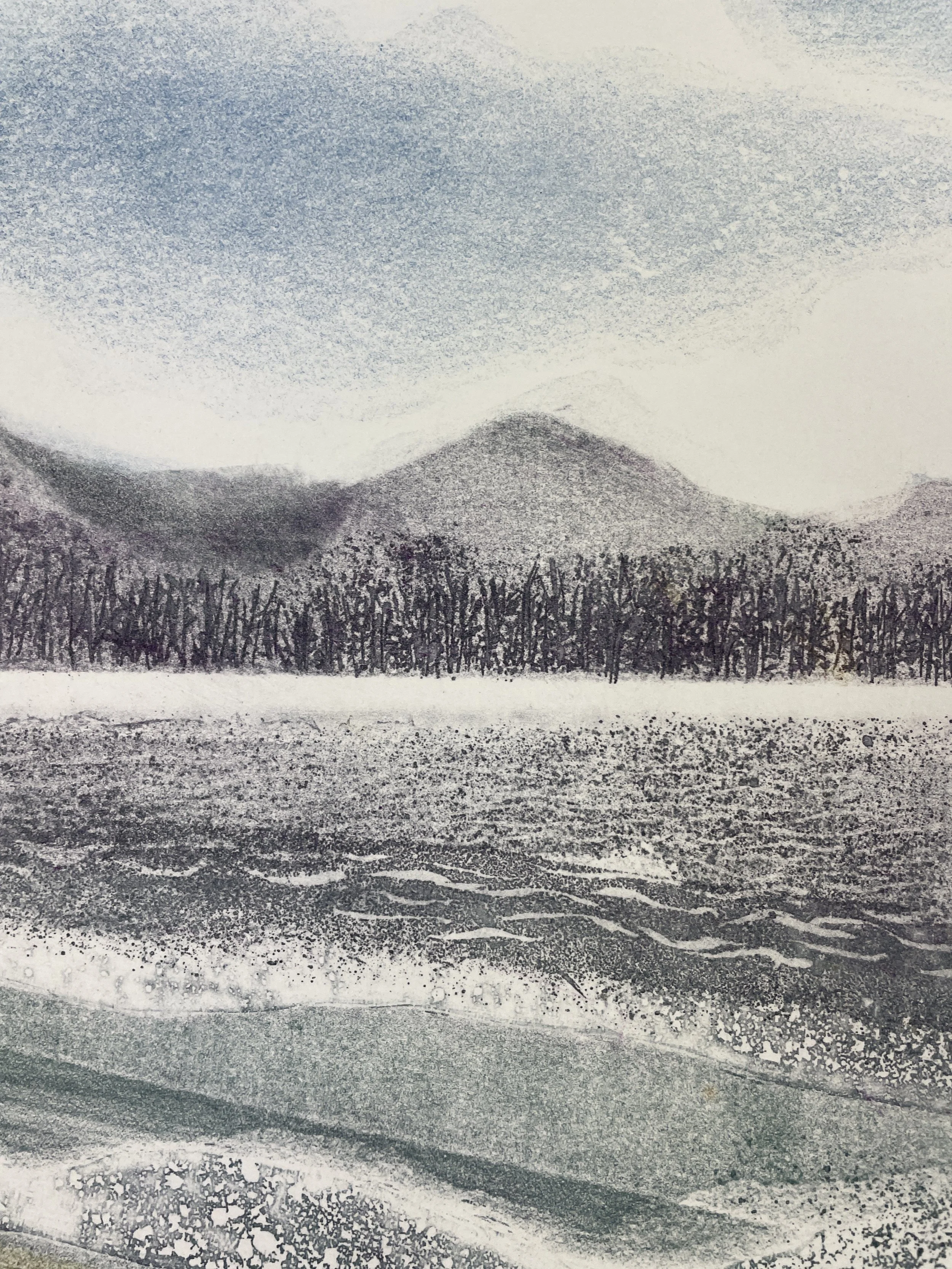
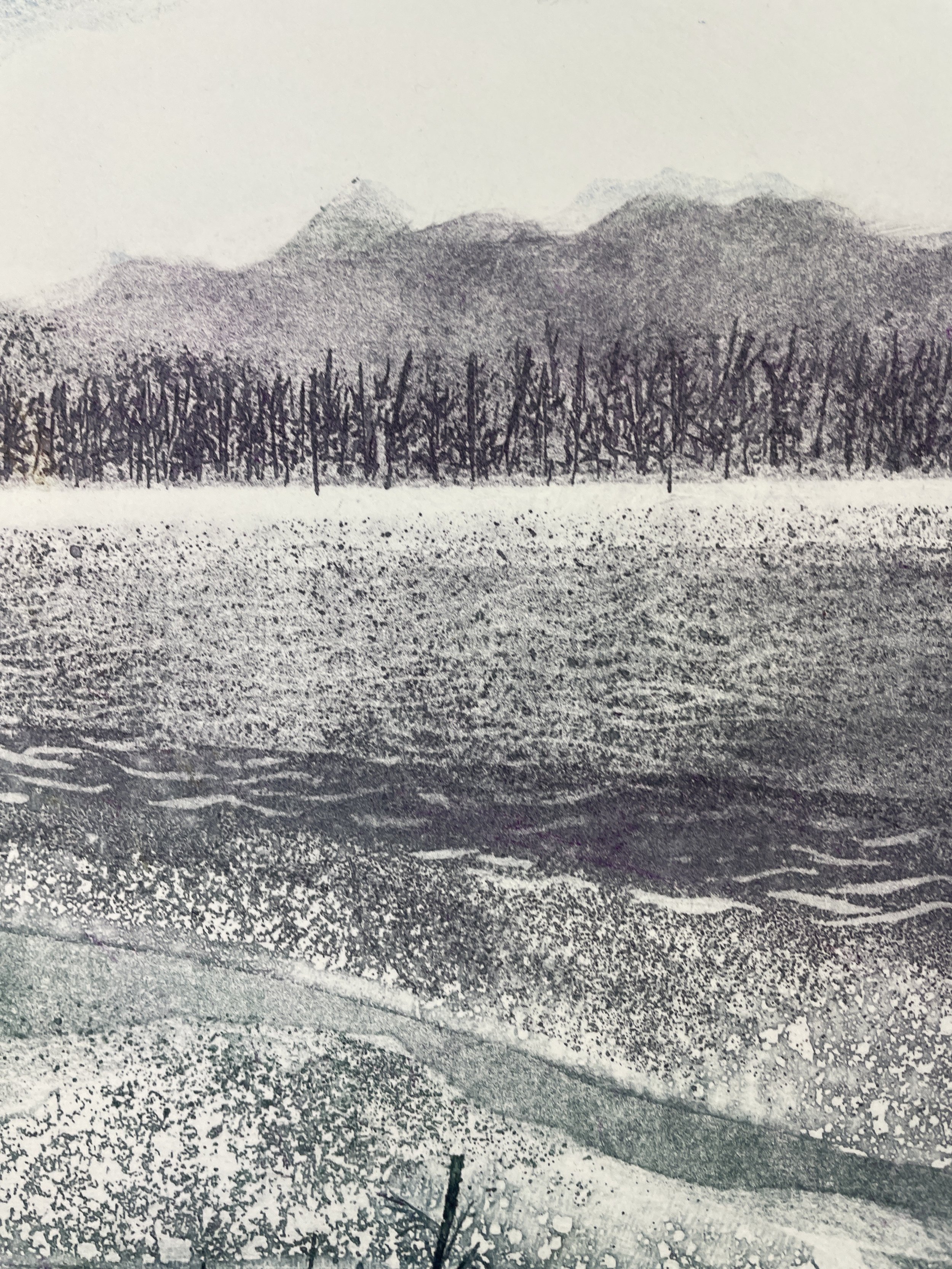
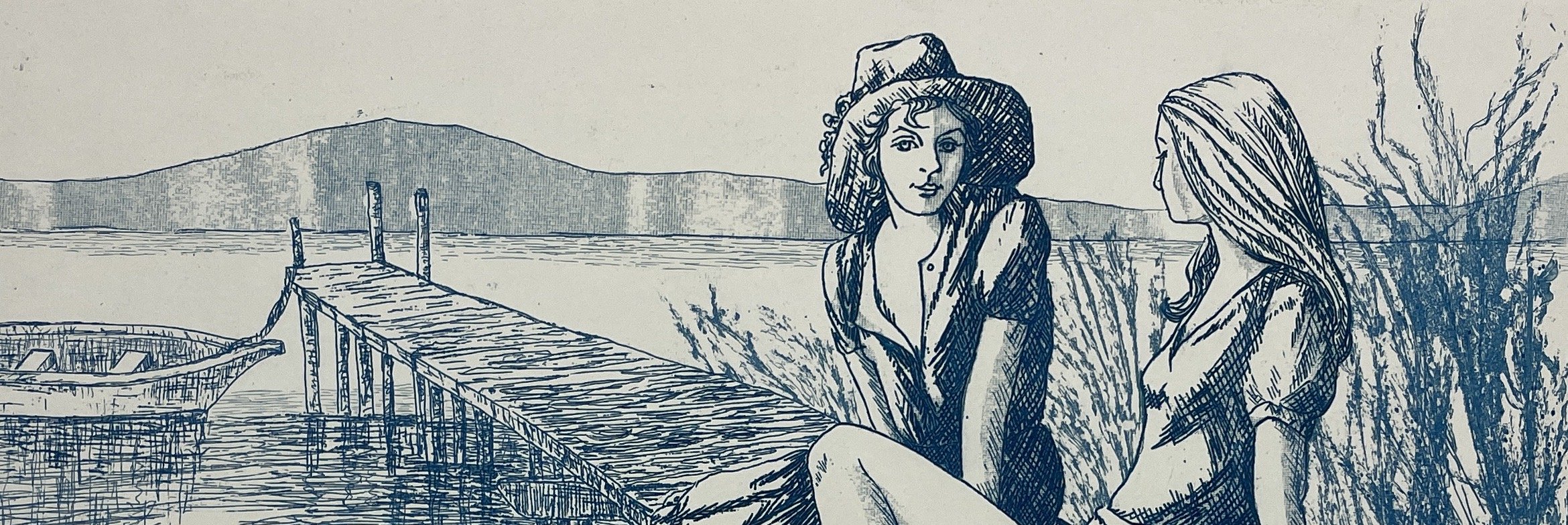
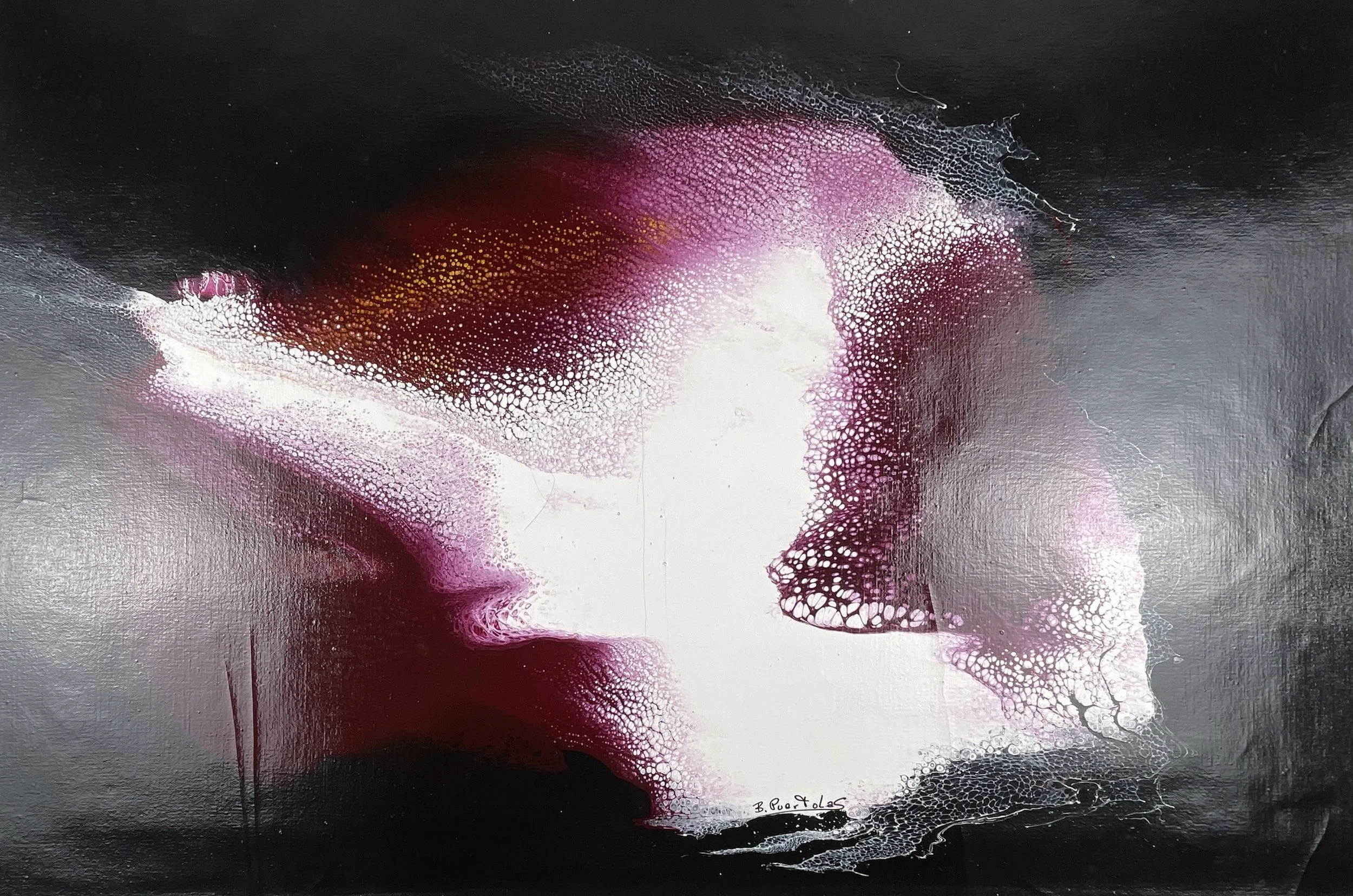
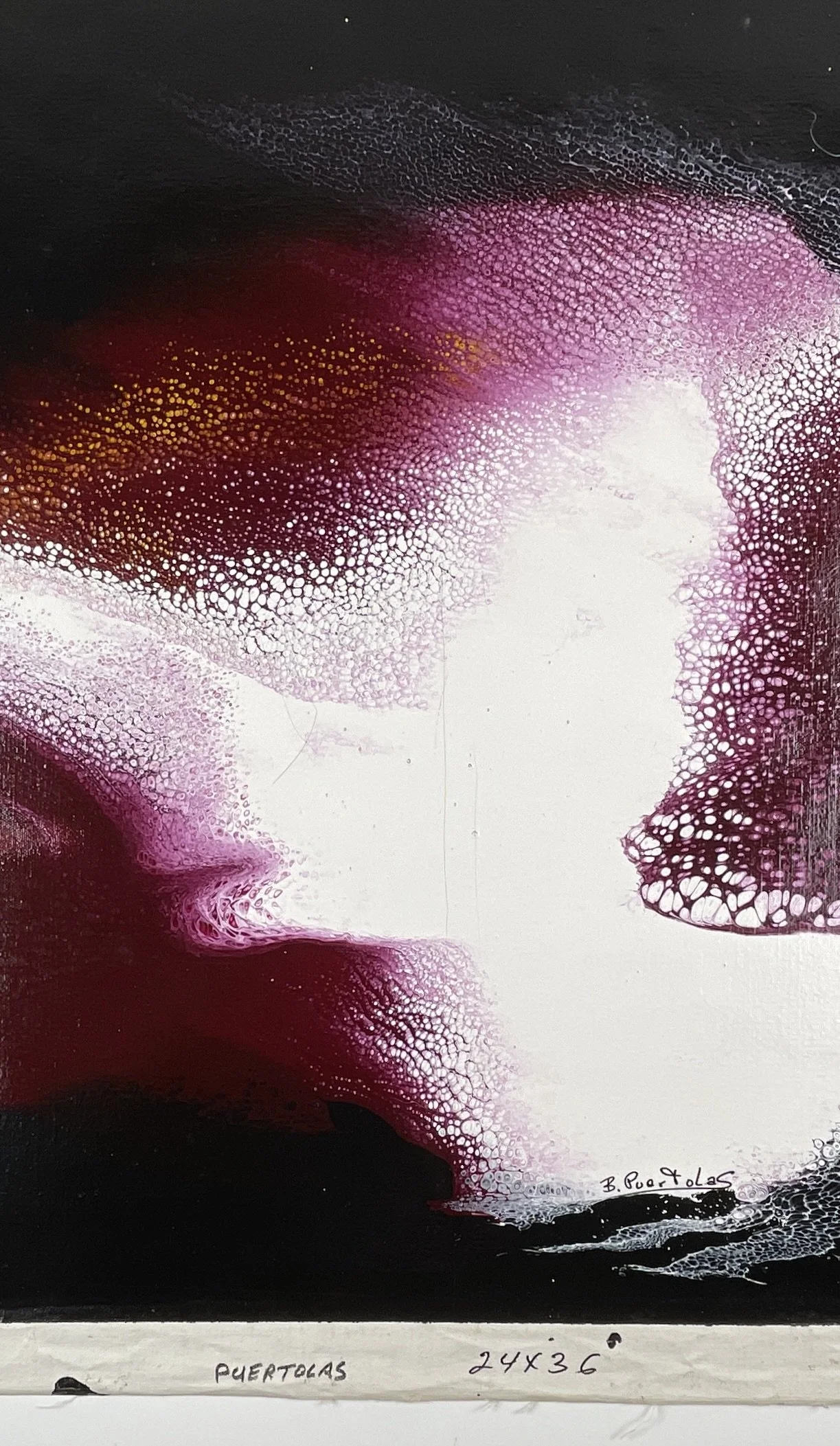
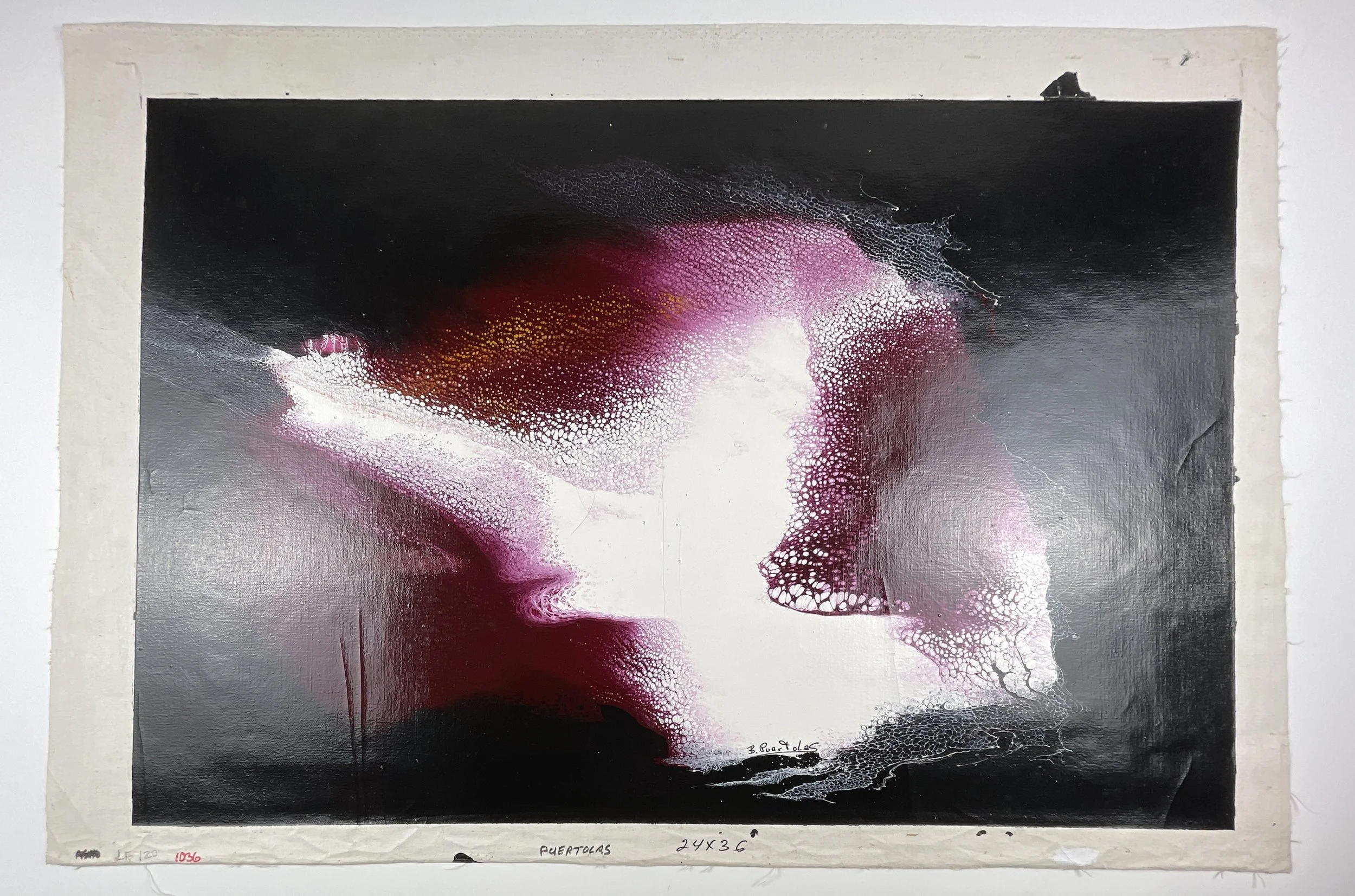
“Untitled (Fishermen Under Full Sail),” by Wai Ling (b. 1938), c. 1970s, a signed 24×36 inch oil painting on canvas executed in thick impasto with expressive palette-knife work.
This dramatic 24×36 oil painting on canvas by Wai Ling captures a powerful maritime scene—fishermen navigating a towering sailboat rendered in bold impasto and richly textured palette-knife strokes. Ling’s dynamic brushwork, sculptural surfaces, and atmospheric palette of ochre, umber, cream, and deep marine tones bring to life a moment of human labor, tradition, and resilience at sea. Signed boldly in red, the work exemplifies the mid-20th-century Asian-European cross-currents that shaped Ling’s expressive style, making it a highly collectible piece for admirers of nautical art, impressionistic seascapes, and artisan palette-knife technique.
Detailed Artwork Description
This impasto maritime composition showcases Wai Ling’s hallmark use of rich texture, bold color placement, and knife-driven sculptural paint. The central fishing vessel dominates the scene with its monumental rust-toned sails, which fill much of the canvas and anchor the composition with geometric dynamism. Ling’s use of palette knives creates thick, layered ridges that catch light and mimic the tactile weight of canvas, rope, weathered wood, and billowing sails.
Figures aboard the boat are rendered with impressionistic economy—small strokes conveying movement, teamwork, and the lived reality of coastal labor. The water below is a shimmering blend of neutral greys and reflective highlights, while the sky behind is layered in creamy, warm tones that further emphasize the dramatic silhouette of the sails.
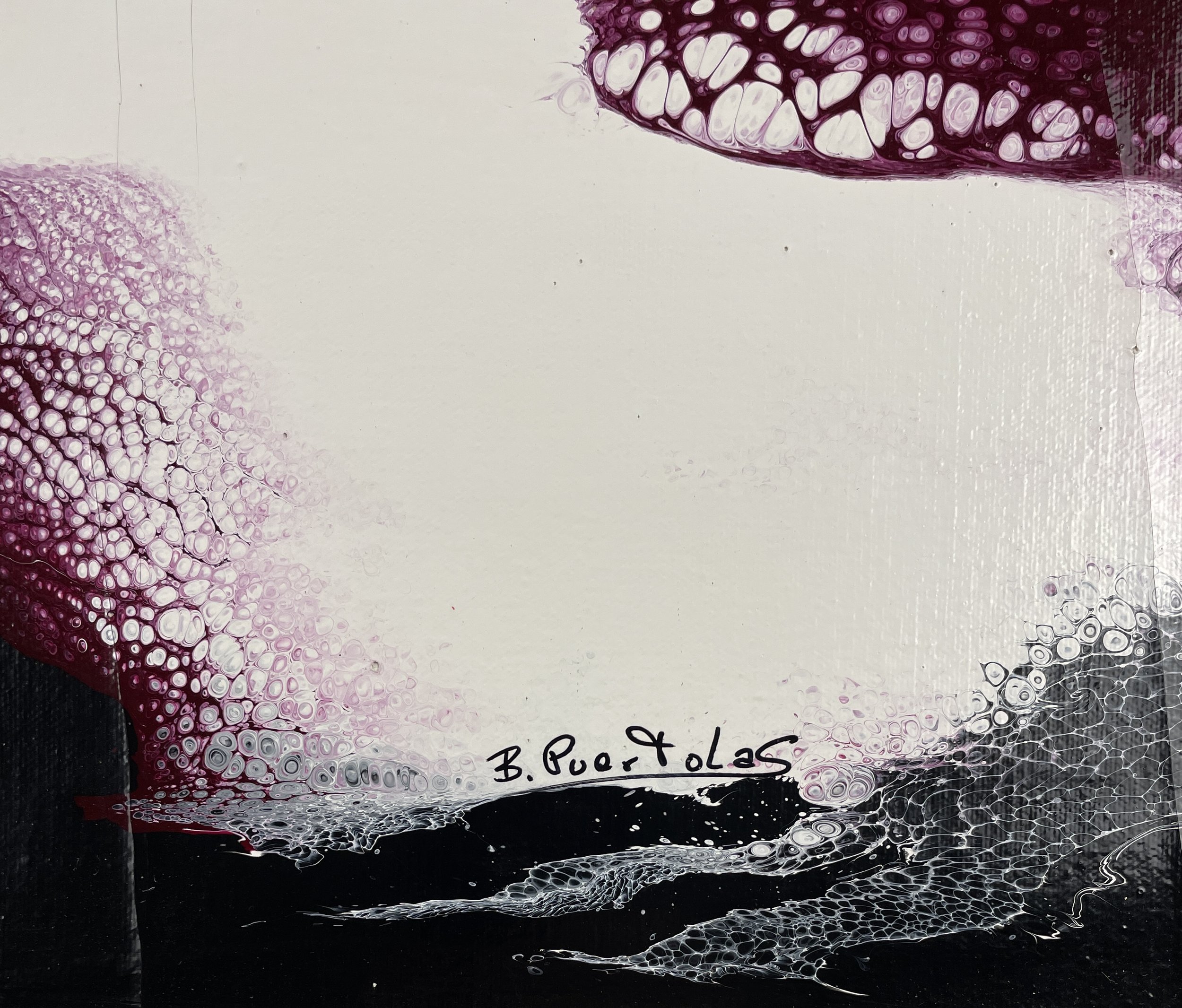
The signature “Wai Ling” appears in distinctive red lettering at the lower left corner, consistent with the artist’s known signing practices.
Inspiration & Story Behind the Work
Wai Ling’s oeuvre frequently centers on working waterfronts, traditional sailing vessels, and scenes of maritime resilience, reflecting both his cultural heritage and his fascination with human interaction with nature. This piece evokes the timeless rhythm of fishing communities—where daily survival depends on skill, teamwork, and respect for the sea. The expressive impasto underscores the physicality of ocean labor and the emotional weight of tradition.
Detailed Biography of the Artist — WAI LING (b. 1938)
Wai Ling, born in 1938 in southern China, emerged during a generation of artists who blended Eastern painting philosophies with the bold, expressive methods of post-Impressionism and European modernism. As a young painter, Ling trained in classical drawing and brush technique before relocating in the late 1950s to Hong Kong, a major hub of cross-cultural artistic exchange.
In the 1960s and early 1970s, Ling studied briefly under European-trained mentors and absorbed lessons from the École de Paris, particularly the palette-knife traditions of Nicolas de Staël and the textured realism of post-impressionist marine painters. Ling later traveled to Europe—primarily France and Belgium—where he exhibited in small salons and participated in artist circles that focused on seascapes and labor scenes.
Influences
Post-Impressionist color theory
Mid-century palette-knife realism
Asian maritime culture and fishing communities
European expressionist texture and atmosphere
Artistic Style
Ling is best known for:
Thick impasto layers applied with palette knives
Dynamic maritime scenes—fishing boats, sails, wharfs, coastal life
Strong contrasts of warm and cool tones to create atmospheric depth
Sculptural, almost three-dimensional handling of oil paint
Distinctive red signature, often in block-like lettering
Career Notes & Exhibitions
Exhibited in regional Asian galleries during the 1960s
Shown in select European group exhibitions (Belgium, France) in the 1970s
Works circulated heavily through European and American dealer networks in the 1970s–1990s
Collected widely by admirers of maritime art and palette-knife technique
His paintings remain in private collections throughout Europe, the U.S., and East Asia.
Wai Ling (b. 1938)
Untitled (Fishermen Under Full Sail)
24×36 in. | Oil on Canvas | Signed Lower Left
A dramatic impasto maritime composition with powerful palette-knife texture and bold tonal contrasts.
CERTIFICATE OF VALUE & AUTHENTICATION
Artist: Wai Ling (b. 1938)
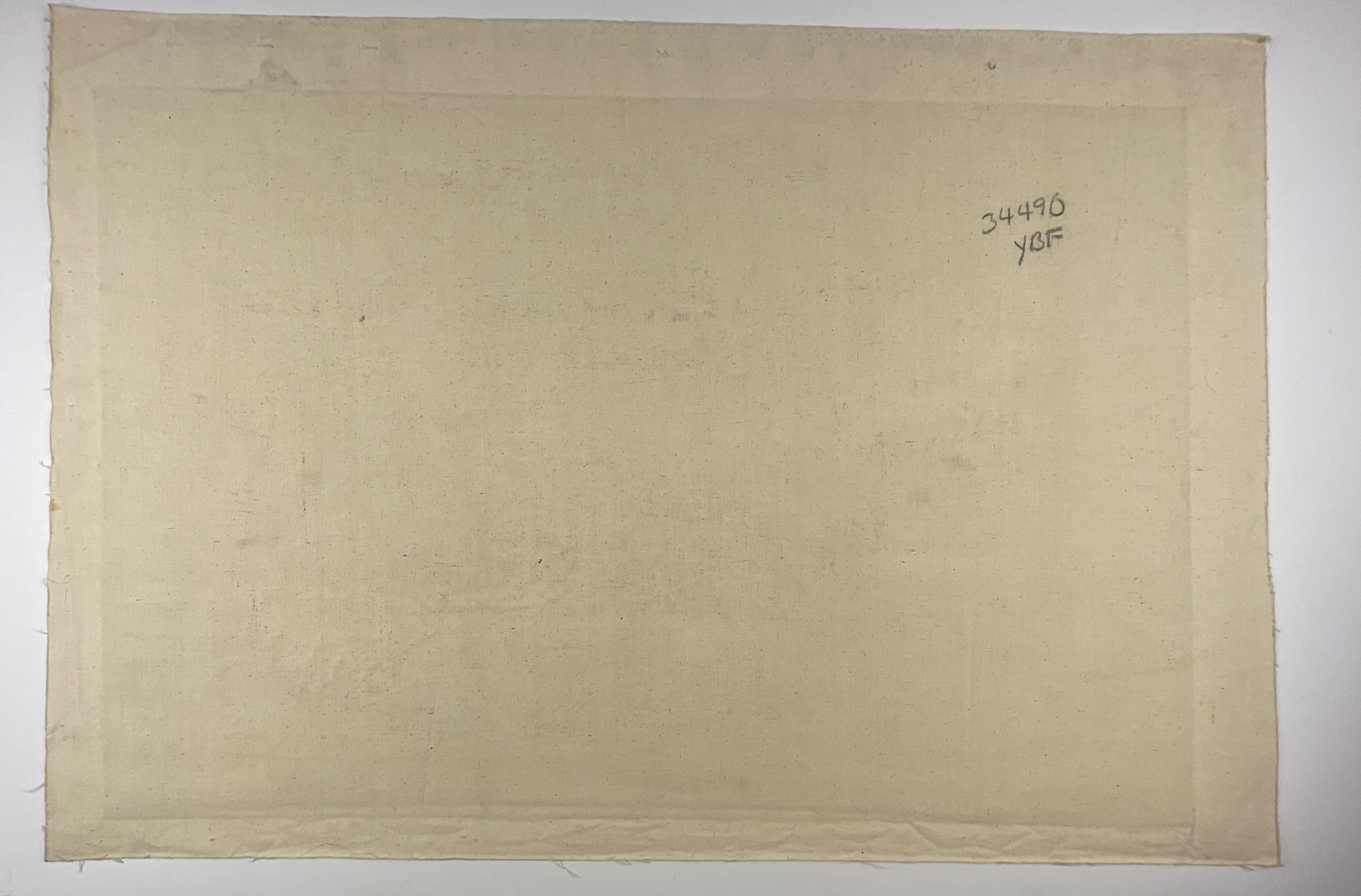
Title: Untitled (Fishermen Under Full Sail)
Date: c. 1970s
Medium: Oil on Canvas
Dimensions: 24 × 36 inches
Signature: Signed “Wai Ling” lower left
Provenance: Acquired in Europe; current owner Artfind Gallery, Washington, D.C.
Based on stylistic analysis, signature verification, medium, and comparison with documented works by Wai Ling, this painting is authenticated as an original hand-painted oil on canvas. Market valuation reflects comparable sales of similar mid-century maritime palette-knife paintings by the artist.
Provenance Chain
Private Collection, Europe – acquired mid-20th century
Art Dealer, Continental Europe – late 20th century
Artfind Gallery, Washington, D.C. – current owner
“Untitled (Fishermen Under Full Sail),” by Wai Ling (b. 1938), c. 1970s, a signed 24×36 inch oil painting on canvas executed in thick impasto with expressive palette-knife work.
This dramatic 24×36 oil painting on canvas by Wai Ling captures a powerful maritime scene—fishermen navigating a towering sailboat rendered in bold impasto and richly textured palette-knife strokes. Ling’s dynamic brushwork, sculptural surfaces, and atmospheric palette of ochre, umber, cream, and deep marine tones bring to life a moment of human labor, tradition, and resilience at sea. Signed boldly in red, the work exemplifies the mid-20th-century Asian-European cross-currents that shaped Ling’s expressive style, making it a highly collectible piece for admirers of nautical art, impressionistic seascapes, and artisan palette-knife technique.
Detailed Artwork Description
This impasto maritime composition showcases Wai Ling’s hallmark use of rich texture, bold color placement, and knife-driven sculptural paint. The central fishing vessel dominates the scene with its monumental rust-toned sails, which fill much of the canvas and anchor the composition with geometric dynamism. Ling’s use of palette knives creates thick, layered ridges that catch light and mimic the tactile weight of canvas, rope, weathered wood, and billowing sails.
Figures aboard the boat are rendered with impressionistic economy—small strokes conveying movement, teamwork, and the lived reality of coastal labor. The water below is a shimmering blend of neutral greys and reflective highlights, while the sky behind is layered in creamy, warm tones that further emphasize the dramatic silhouette of the sails.
The signature “Wai Ling” appears in distinctive red lettering at the lower left corner, consistent with the artist’s known signing practices.
Inspiration & Story Behind the Work
Wai Ling’s oeuvre frequently centers on working waterfronts, traditional sailing vessels, and scenes of maritime resilience, reflecting both his cultural heritage and his fascination with human interaction with nature. This piece evokes the timeless rhythm of fishing communities—where daily survival depends on skill, teamwork, and respect for the sea. The expressive impasto underscores the physicality of ocean labor and the emotional weight of tradition.
Detailed Biography of the Artist — WAI LING (b. 1938)
Wai Ling, born in 1938 in southern China, emerged during a generation of artists who blended Eastern painting philosophies with the bold, expressive methods of post-Impressionism and European modernism. As a young painter, Ling trained in classical drawing and brush technique before relocating in the late 1950s to Hong Kong, a major hub of cross-cultural artistic exchange.
In the 1960s and early 1970s, Ling studied briefly under European-trained mentors and absorbed lessons from the École de Paris, particularly the palette-knife traditions of Nicolas de Staël and the textured realism of post-impressionist marine painters. Ling later traveled to Europe—primarily France and Belgium—where he exhibited in small salons and participated in artist circles that focused on seascapes and labor scenes.
Influences
Post-Impressionist color theory
Mid-century palette-knife realism
Asian maritime culture and fishing communities
European expressionist texture and atmosphere
Artistic Style
Ling is best known for:
Thick impasto layers applied with palette knives
Dynamic maritime scenes—fishing boats, sails, wharfs, coastal life
Strong contrasts of warm and cool tones to create atmospheric depth
Sculptural, almost three-dimensional handling of oil paint
Distinctive red signature, often in block-like lettering
Career Notes & Exhibitions
Exhibited in regional Asian galleries during the 1960s
Shown in select European group exhibitions (Belgium, France) in the 1970s
Works circulated heavily through European and American dealer networks in the 1970s–1990s
Collected widely by admirers of maritime art and palette-knife technique
His paintings remain in private collections throughout Europe, the U.S., and East Asia.
Wai Ling (b. 1938)
Untitled (Fishermen Under Full Sail)
24×36 in. | Oil on Canvas | Signed Lower Left
A dramatic impasto maritime composition with powerful palette-knife texture and bold tonal contrasts.
CERTIFICATE OF VALUE & AUTHENTICATION
Artist: Wai Ling (b. 1938)
Title: Untitled (Fishermen Under Full Sail)
Date: c. 1970s
Medium: Oil on Canvas
Dimensions: 24 × 36 inches
Signature: Signed “Wai Ling” lower left
Provenance: Acquired in Europe; current owner Artfind Gallery, Washington, D.C.
Based on stylistic analysis, signature verification, medium, and comparison with documented works by Wai Ling, this painting is authenticated as an original hand-painted oil on canvas. Market valuation reflects comparable sales of similar mid-century maritime palette-knife paintings by the artist.
Provenance Chain
Private Collection, Europe – acquired mid-20th century
Art Dealer, Continental Europe – late 20th century
Artfind Gallery, Washington, D.C. – current owner
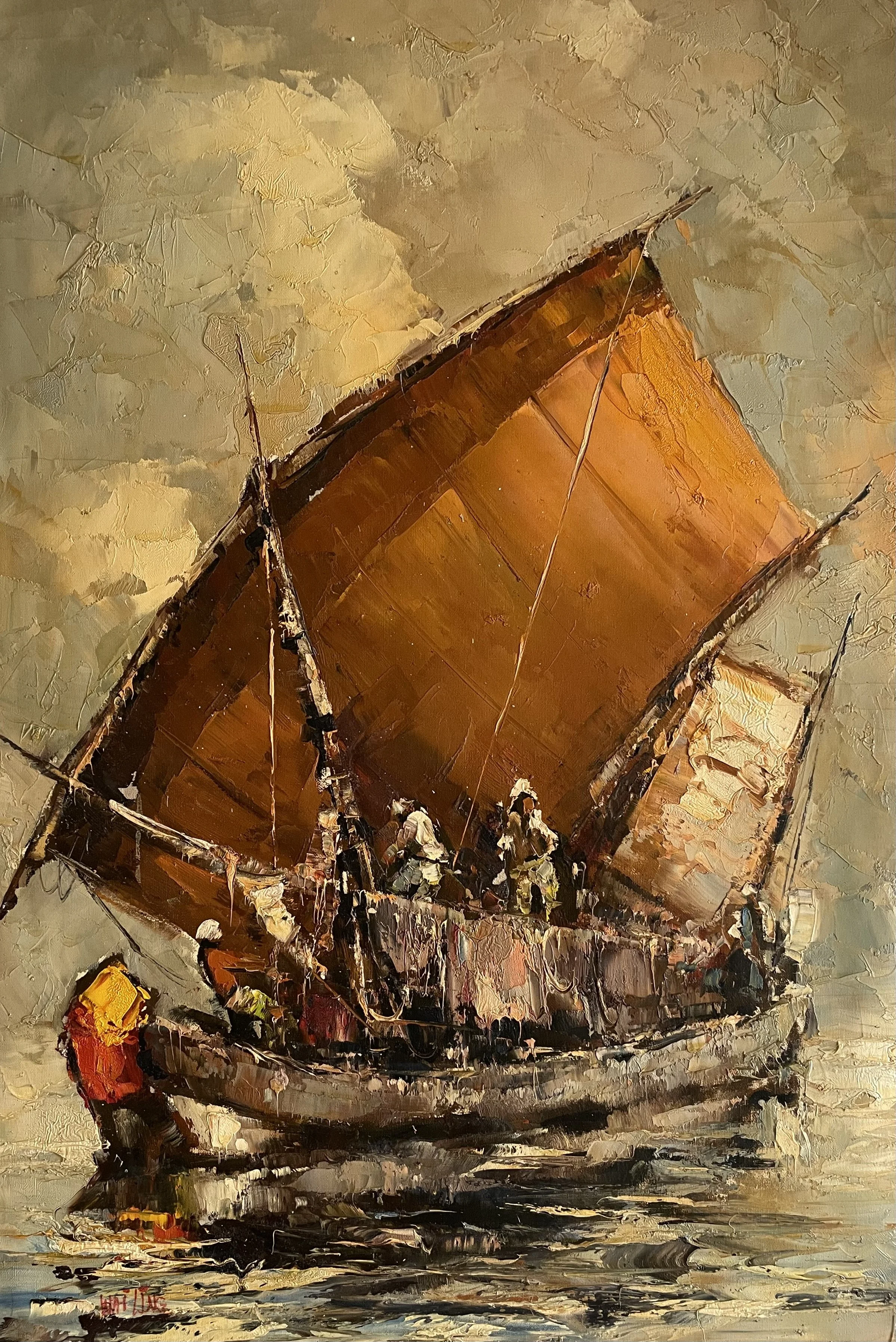 Image 1 of 10
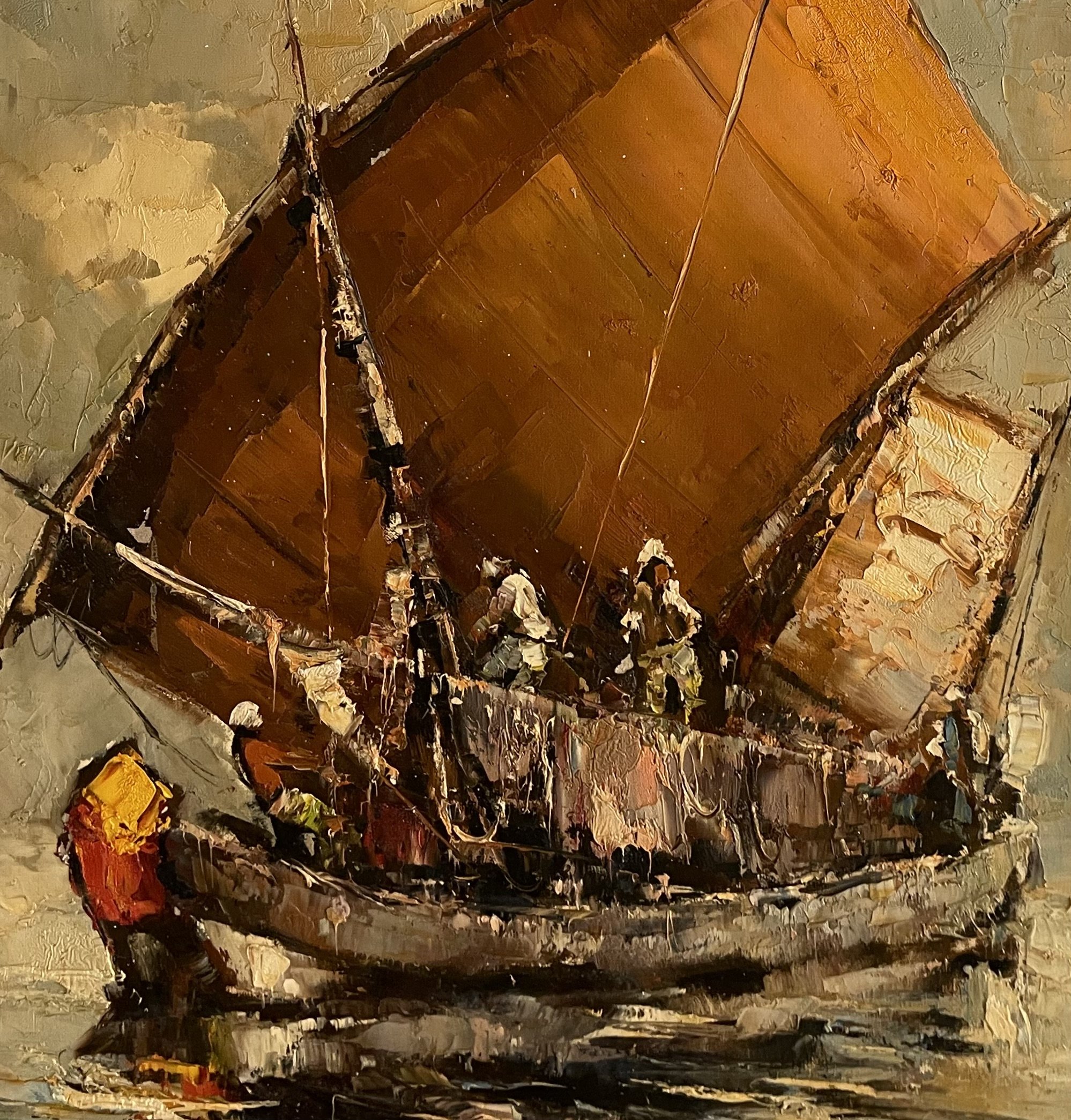 Image 2 of 10
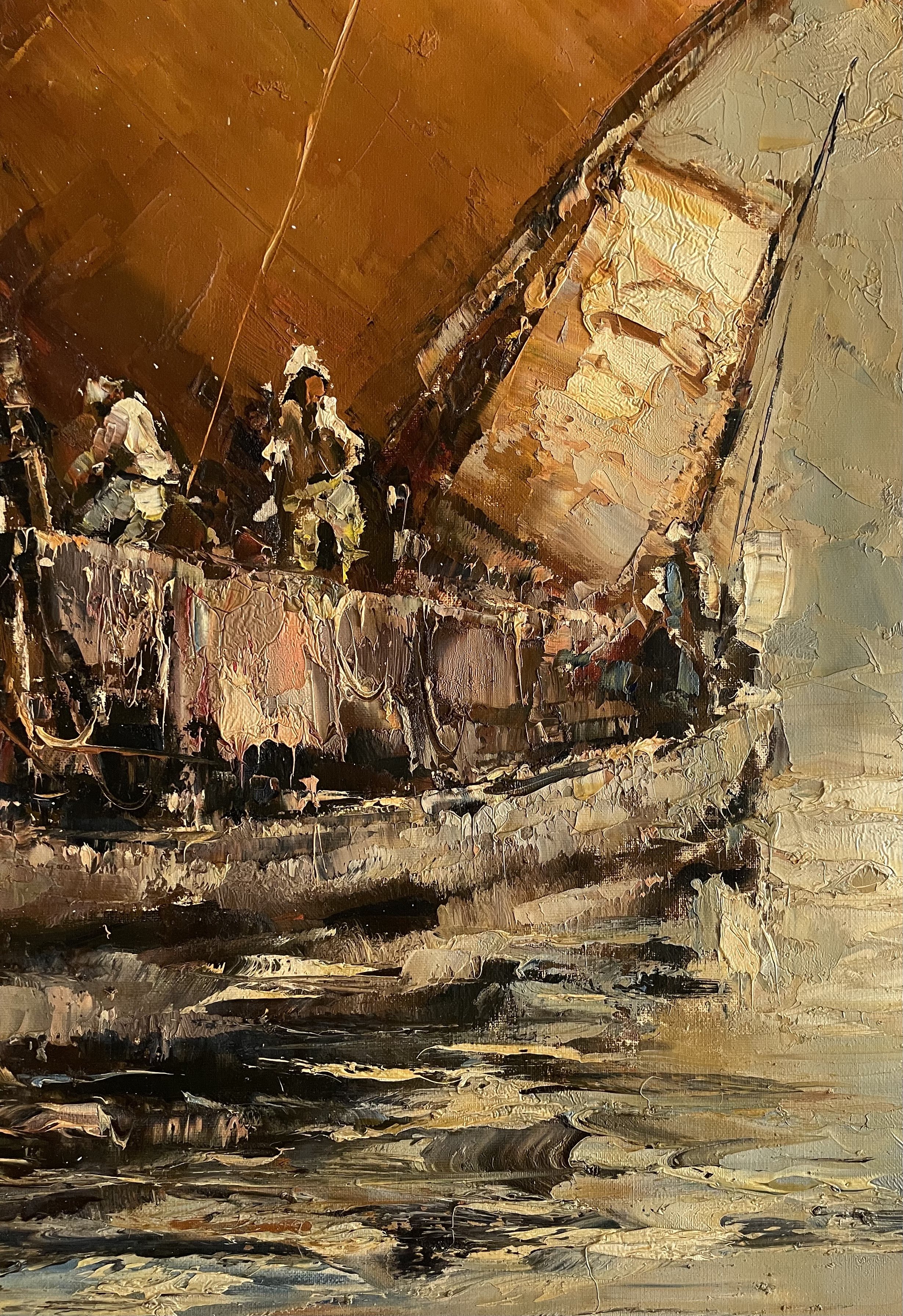 Image 3 of 10
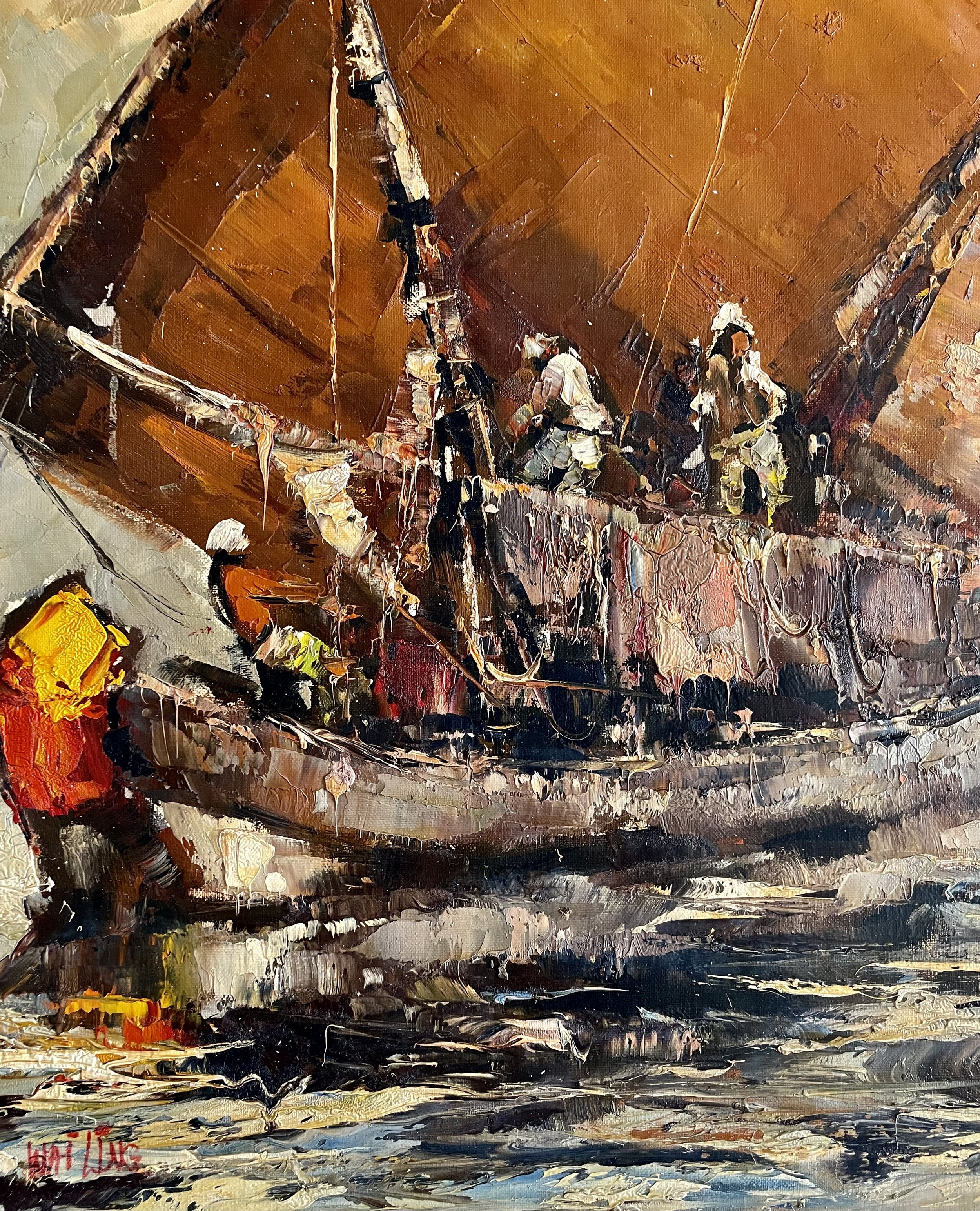 Image 4 of 10
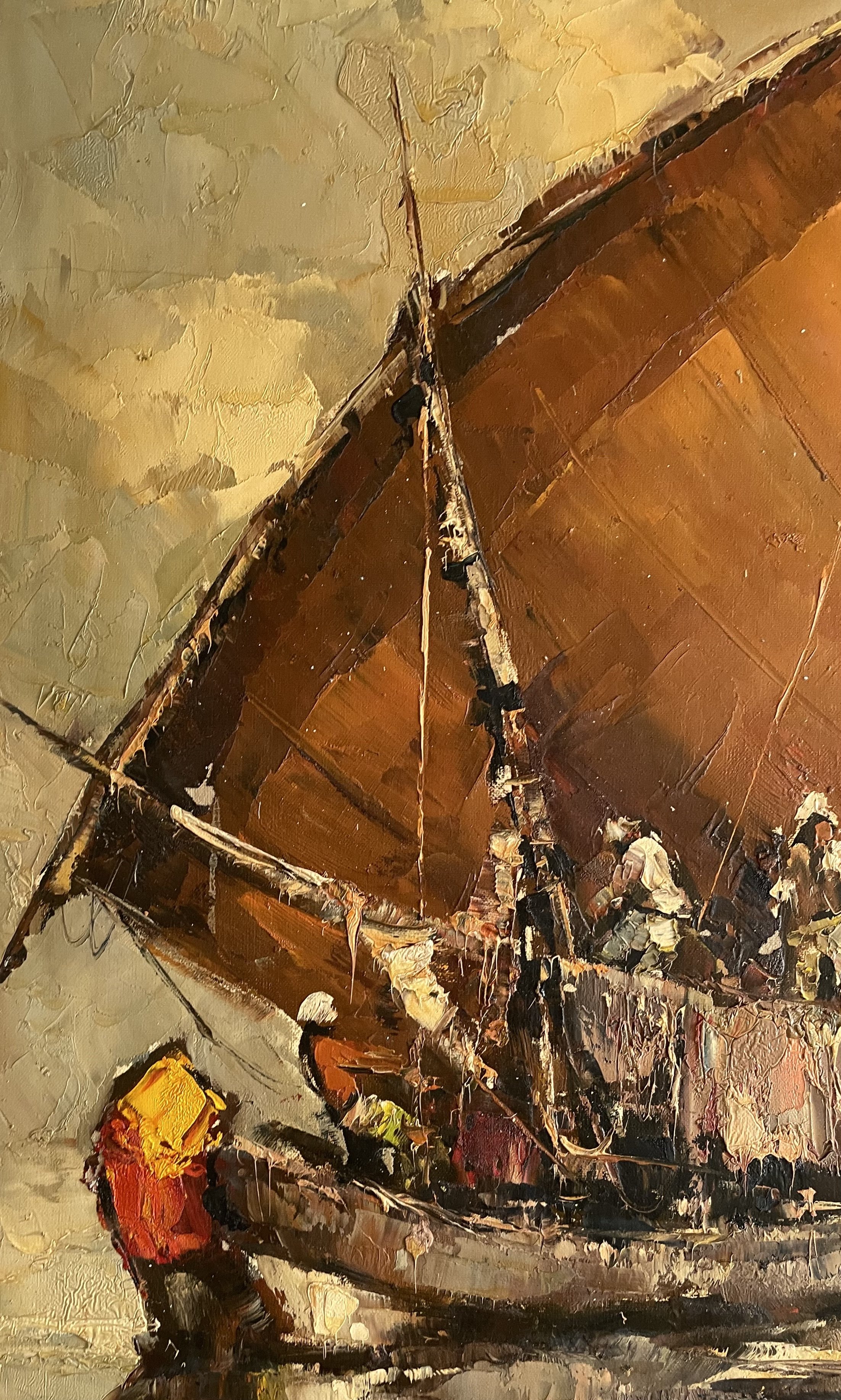 Image 5 of 10
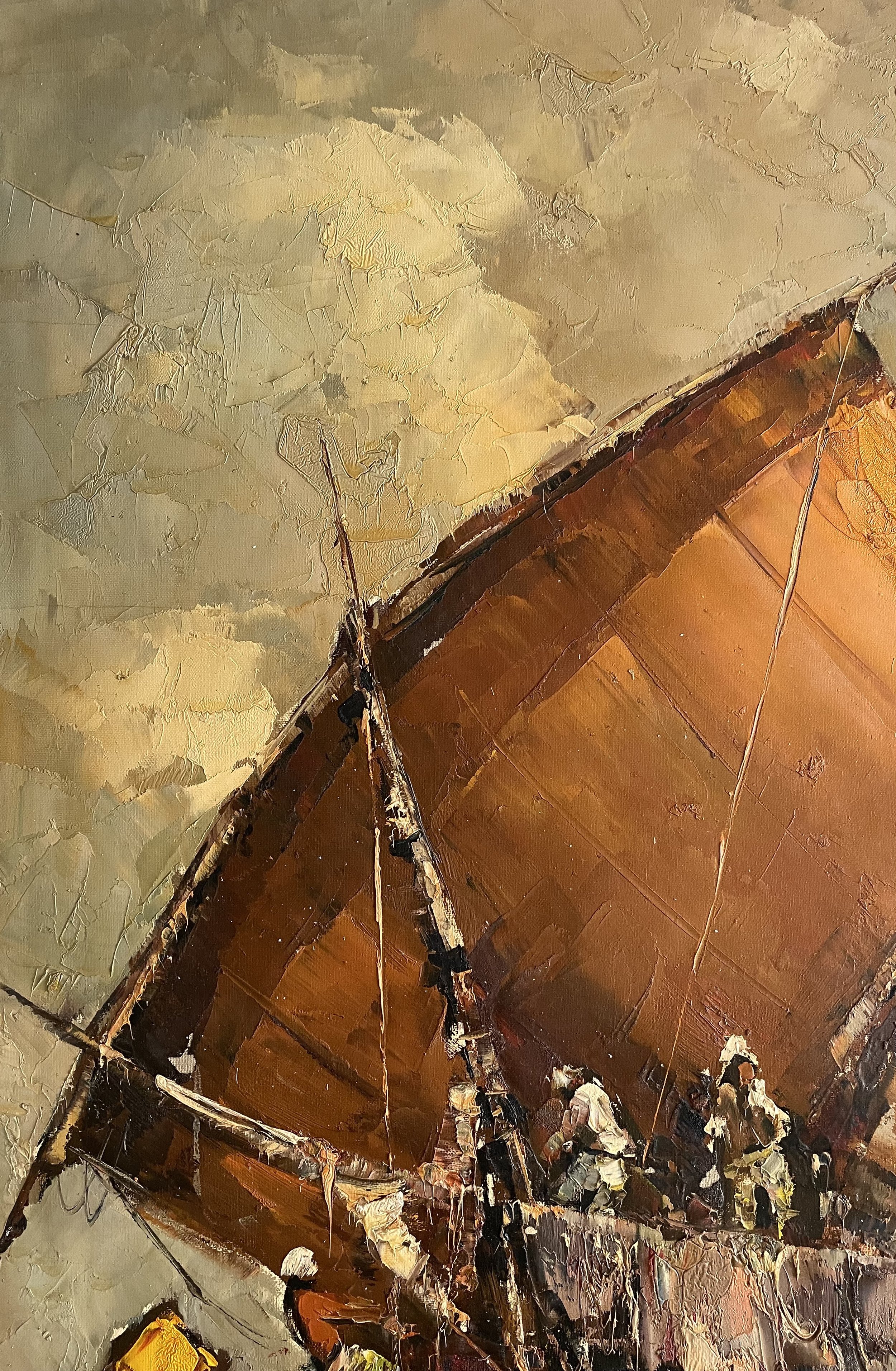 Image 6 of 10
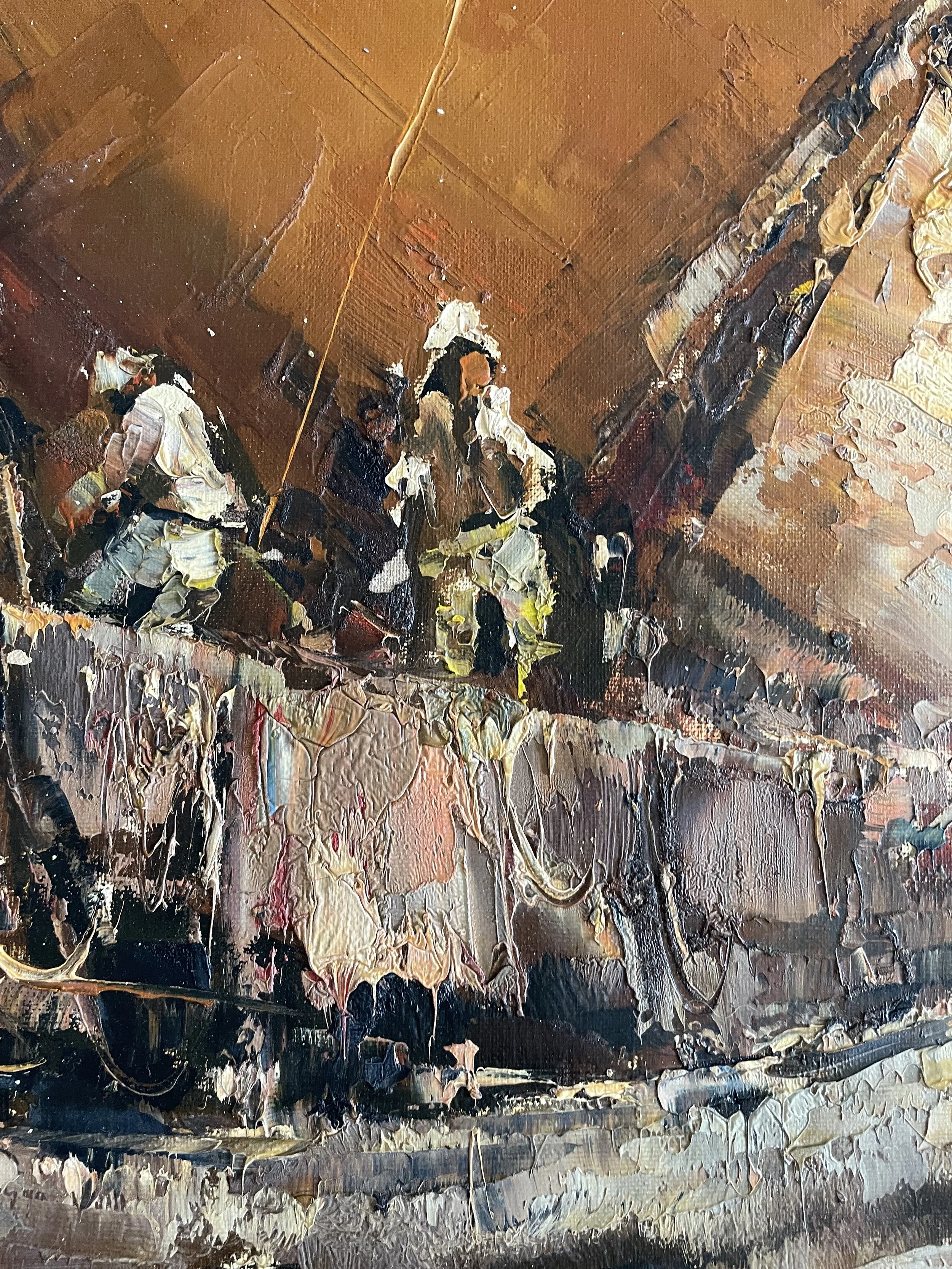 Image 7 of 10
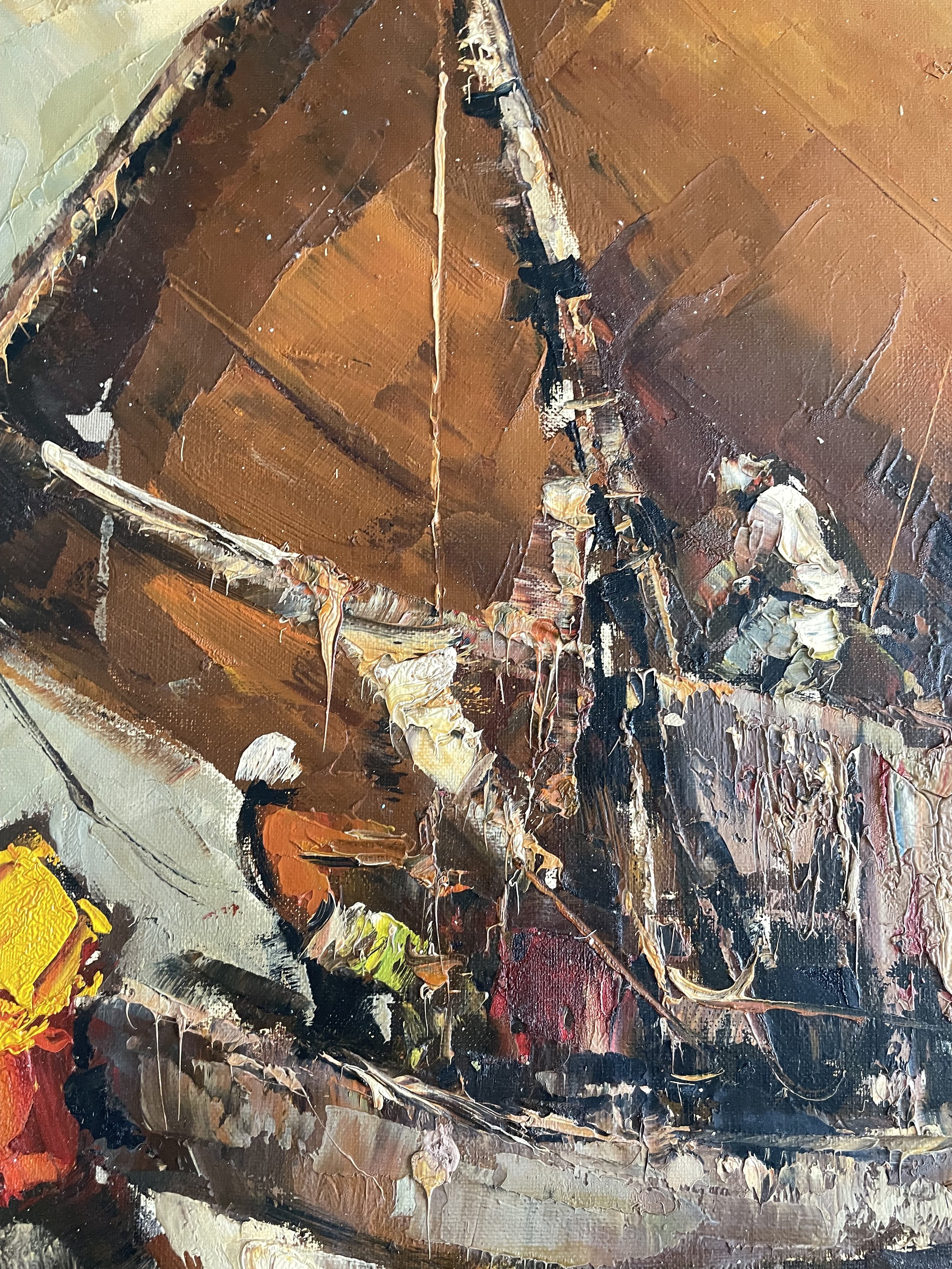 Image 8 of 10
 Image 9 of 10
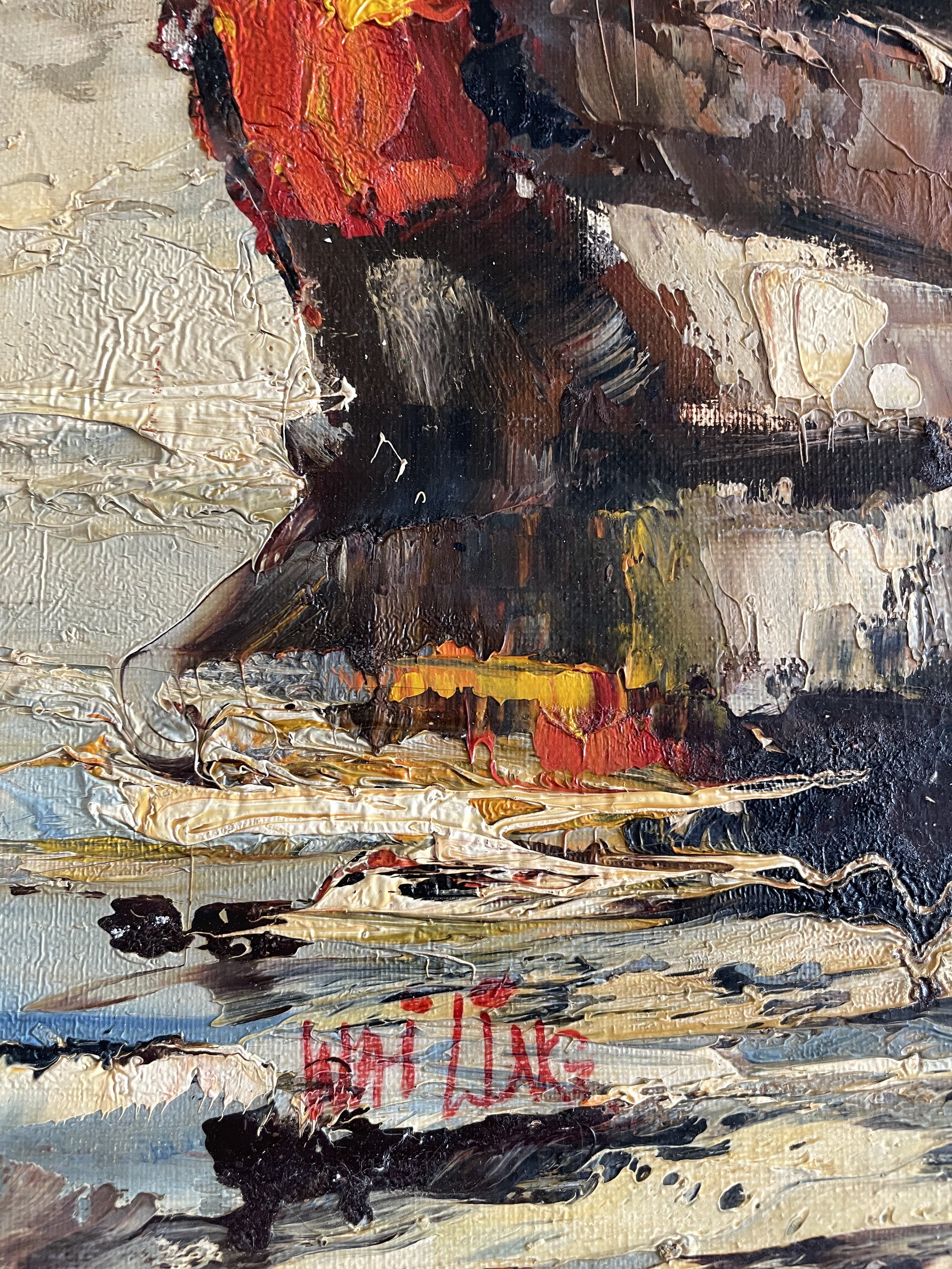 Image 10 of 10