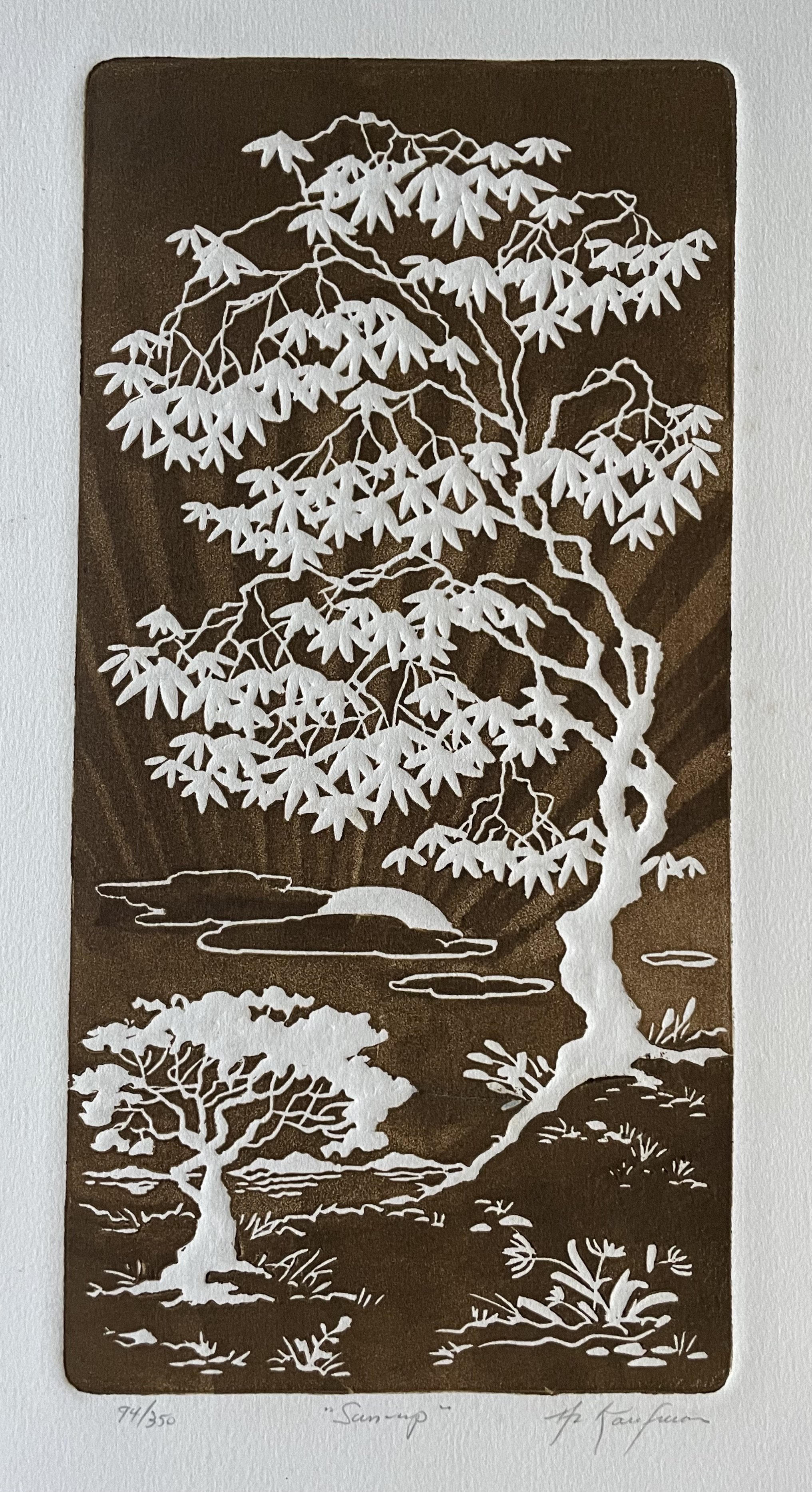
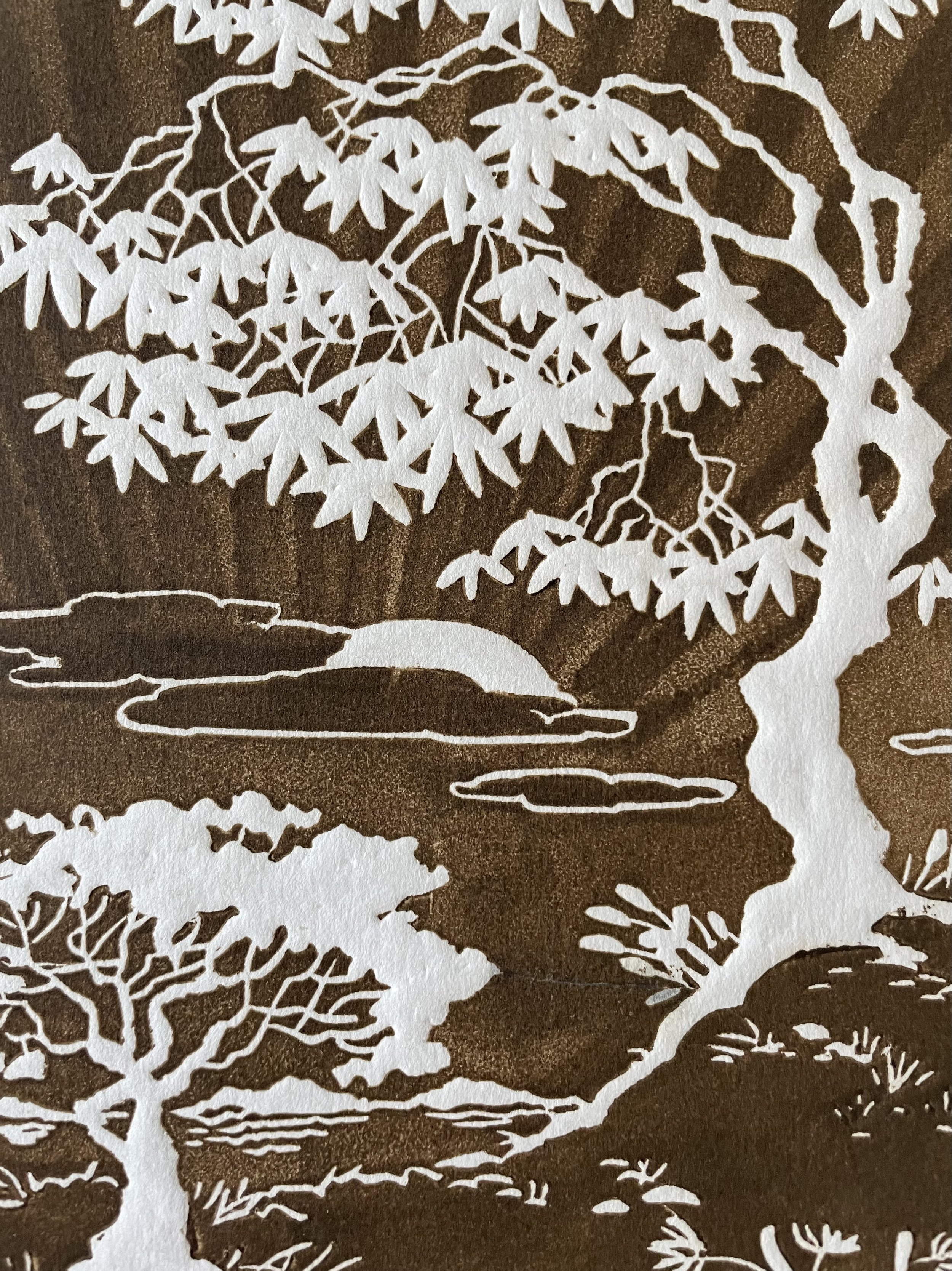
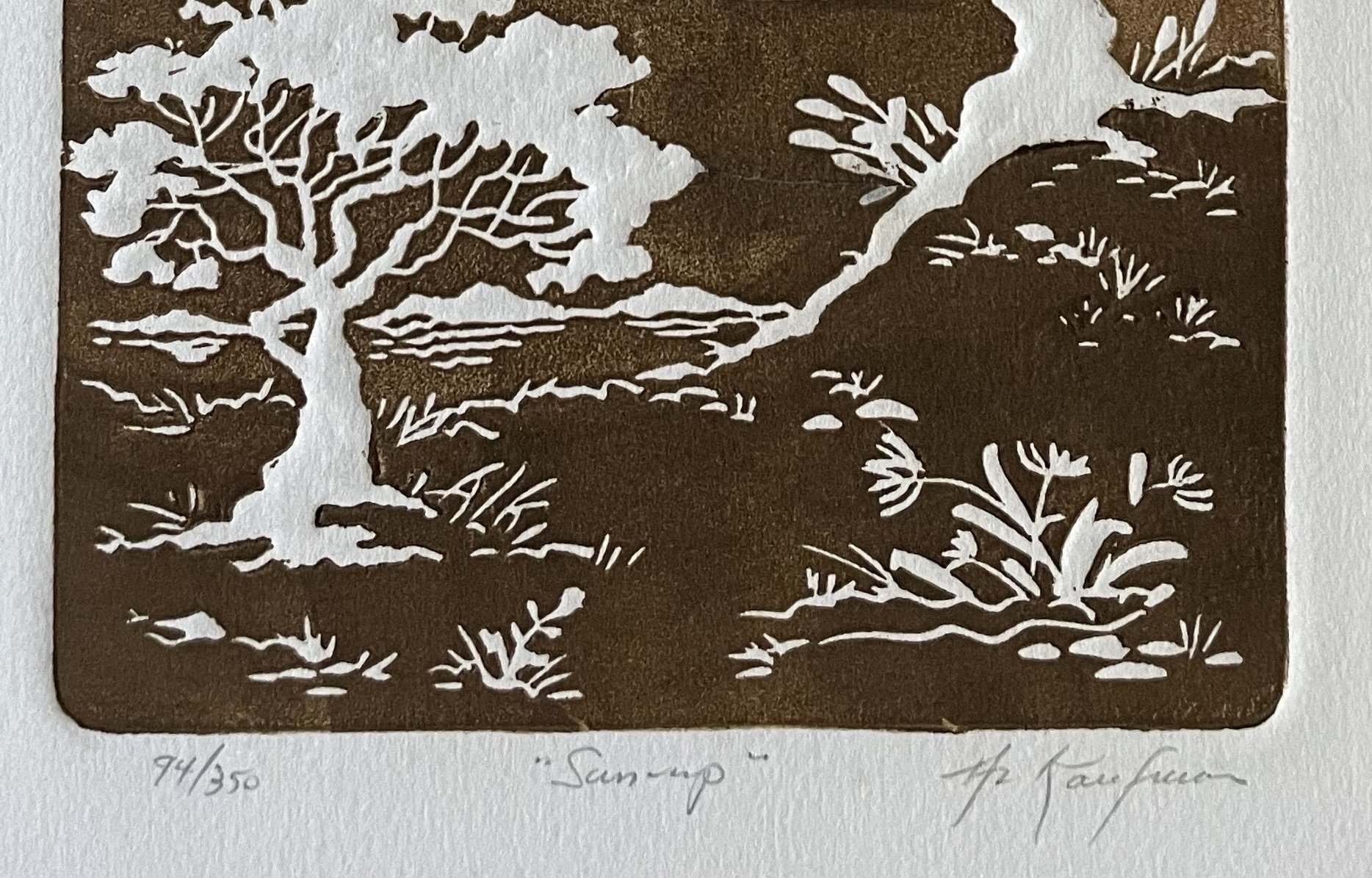
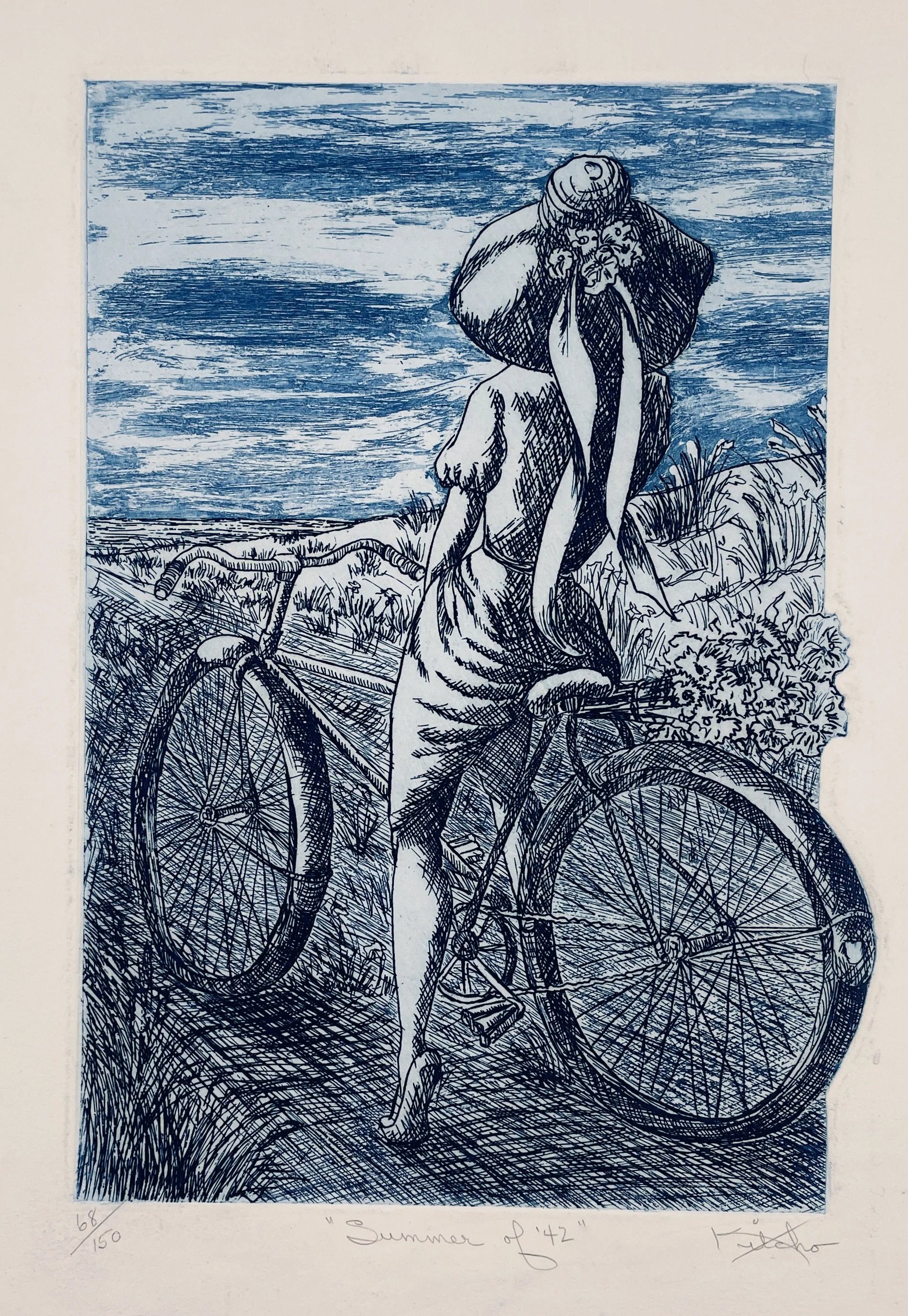
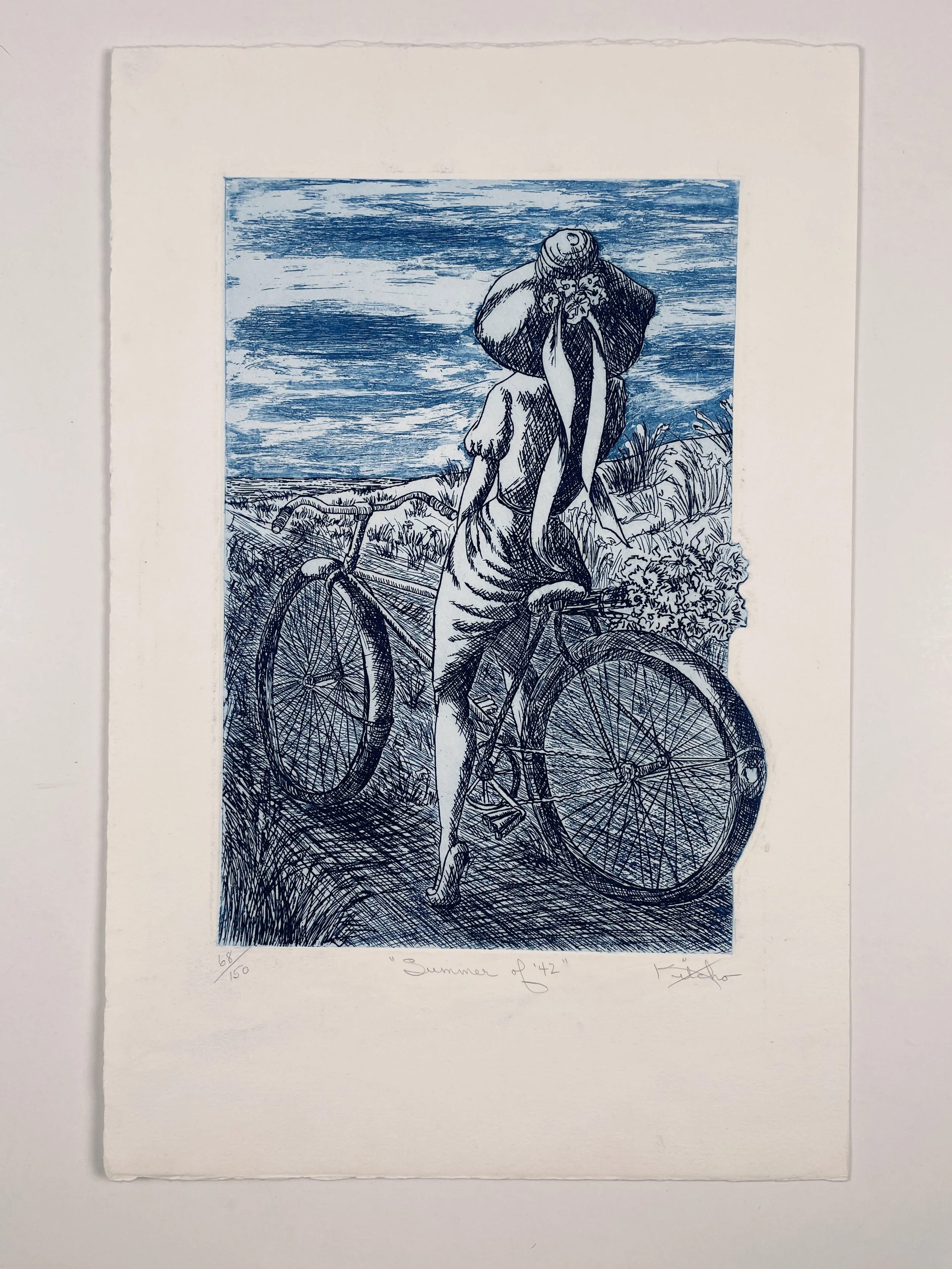
Attributed armorial plate, Dutch School, c.18th century, hand-colored copperplate engraving on laid paper, 12 × 18 in., six labeled family coats of arms, unsigned, unnumbered.
A rare hand-colored Dutch armorial engraving depicting six historic family coats of arms, richly detailed and preserved on original laid paper. An authentic European heraldic document with genealogical and decorative significance.
Artwork Description
This finely executed armorial plate presents six individual coats of arms, each meticulously engraved and hand-colored, and identified by name beneath: De Ceva, Cleveringa, Cramer, Criellaert, Croockewit, and Cruys. The sheet exemplifies the Dutch tradition of heraldic documentation, where lineage, civic identity, and family legacy were formally recorded through engraved imagery.
Produced using copperplate engraving, the work was printed in black ink and later hand-colored with watercolor, a common practice in 17th–18th century armorial books and genealogical registries. The heraldic motifs—helmets, mantling, crests, lions, crosses, stripes, and symbolic charges—reflect established European heraldic conventions rather than decorative invention, confirming the plate’s documentary purpose.
The paper shows natural age toning and light foxing, consistent with an authentic antique work. The reverse is blank, indicating it was likely removed from a bound armorial or genealogical volume. This piece functions both as a historical artifact and a refined decorative object suitable for framing in traditional or contemporary interiors.
Artist / Maker Biography
Dutch School (Armorial Engraver), 18th Century
While the individual engraver is unidentified, the work belongs to the long tradition of Dutch heraldic engraving, a specialized field practiced by skilled printmakers working for publishers, civic institutions, and genealogical compilers. During the 17th and 18th centuries, the Netherlands maintained detailed armorial records documenting patrician, mercantile, and minor noble families rather than purely aristocratic lineages.
Engravers producing these plates were trained in copperplate techniques, precise line work, and heraldic accuracy. Their work often appeared in wapenboeken (armorial books), legal registries, and family histories commissioned by municipalities, guilds, or private patrons. The emphasis was accuracy and legibility rather than artistic flourish, lending these works enduring authority and historical value.
Such engravings were produced primarily in cultural centers including Amsterdam, Leiden, Haarlem, and The Hague, and many survive today as standalone sheets following the disbinding of historical volumes.
Dutch School, 18th c.
Hand-colored armorial engraving depicting six family coats of arms
Copperplate engraving on laid paper
12 × 18 inches
Condition: age-appropriate toning and foxing
Provenance: Mitch Morse Gallery; Artfind Gallery, Washington DC
Certificate of Value & Authentication
This certifies that the accompanying work is an authentic 18th-century Dutch hand-colored armorial engraving, produced using copperplate printing on period laid paper. Based on stylistic analysis, materials, and historical context, the work is consistent with European heraldic plates issued for genealogical and civic documentation.
Provenance
Private European collection
→ Mitch Morse Gallery, New York City (acquired in NYC and Europe)
→ Artfind Gallery, Washington DC (current owner)
Attributed armorial plate, Dutch School, c.18th century, hand-colored copperplate engraving on laid paper, 12 × 18 in., six labeled family coats of arms, unsigned, unnumbered.
A rare hand-colored Dutch armorial engraving depicting six historic family coats of arms, richly detailed and preserved on original laid paper. An authentic European heraldic document with genealogical and decorative significance.
Artwork Description
This finely executed armorial plate presents six individual coats of arms, each meticulously engraved and hand-colored, and identified by name beneath: De Ceva, Cleveringa, Cramer, Criellaert, Croockewit, and Cruys. The sheet exemplifies the Dutch tradition of heraldic documentation, where lineage, civic identity, and family legacy were formally recorded through engraved imagery.
Produced using copperplate engraving, the work was printed in black ink and later hand-colored with watercolor, a common practice in 17th–18th century armorial books and genealogical registries. The heraldic motifs—helmets, mantling, crests, lions, crosses, stripes, and symbolic charges—reflect established European heraldic conventions rather than decorative invention, confirming the plate’s documentary purpose.
The paper shows natural age toning and light foxing, consistent with an authentic antique work. The reverse is blank, indicating it was likely removed from a bound armorial or genealogical volume. This piece functions both as a historical artifact and a refined decorative object suitable for framing in traditional or contemporary interiors.
Artist / Maker Biography
Dutch School (Armorial Engraver), 18th Century
While the individual engraver is unidentified, the work belongs to the long tradition of Dutch heraldic engraving, a specialized field practiced by skilled printmakers working for publishers, civic institutions, and genealogical compilers. During the 17th and 18th centuries, the Netherlands maintained detailed armorial records documenting patrician, mercantile, and minor noble families rather than purely aristocratic lineages.
Engravers producing these plates were trained in copperplate techniques, precise line work, and heraldic accuracy. Their work often appeared in wapenboeken (armorial books), legal registries, and family histories commissioned by municipalities, guilds, or private patrons. The emphasis was accuracy and legibility rather than artistic flourish, lending these works enduring authority and historical value.
Such engravings were produced primarily in cultural centers including Amsterdam, Leiden, Haarlem, and The Hague, and many survive today as standalone sheets following the disbinding of historical volumes.
Dutch School, 18th c.
Hand-colored armorial engraving depicting six family coats of arms
Copperplate engraving on laid paper
12 × 18 inches
Condition: age-appropriate toning and foxing
Provenance: Mitch Morse Gallery; Artfind Gallery, Washington DC
Certificate of Value & Authentication
This certifies that the accompanying work is an authentic 18th-century Dutch hand-colored armorial engraving, produced using copperplate printing on period laid paper. Based on stylistic analysis, materials, and historical context, the work is consistent with European heraldic plates issued for genealogical and civic documentation.
Provenance
Private European collection
→ Mitch Morse Gallery, New York City (acquired in NYC and Europe)
→ Artfind Gallery, Washington DC (current owner)
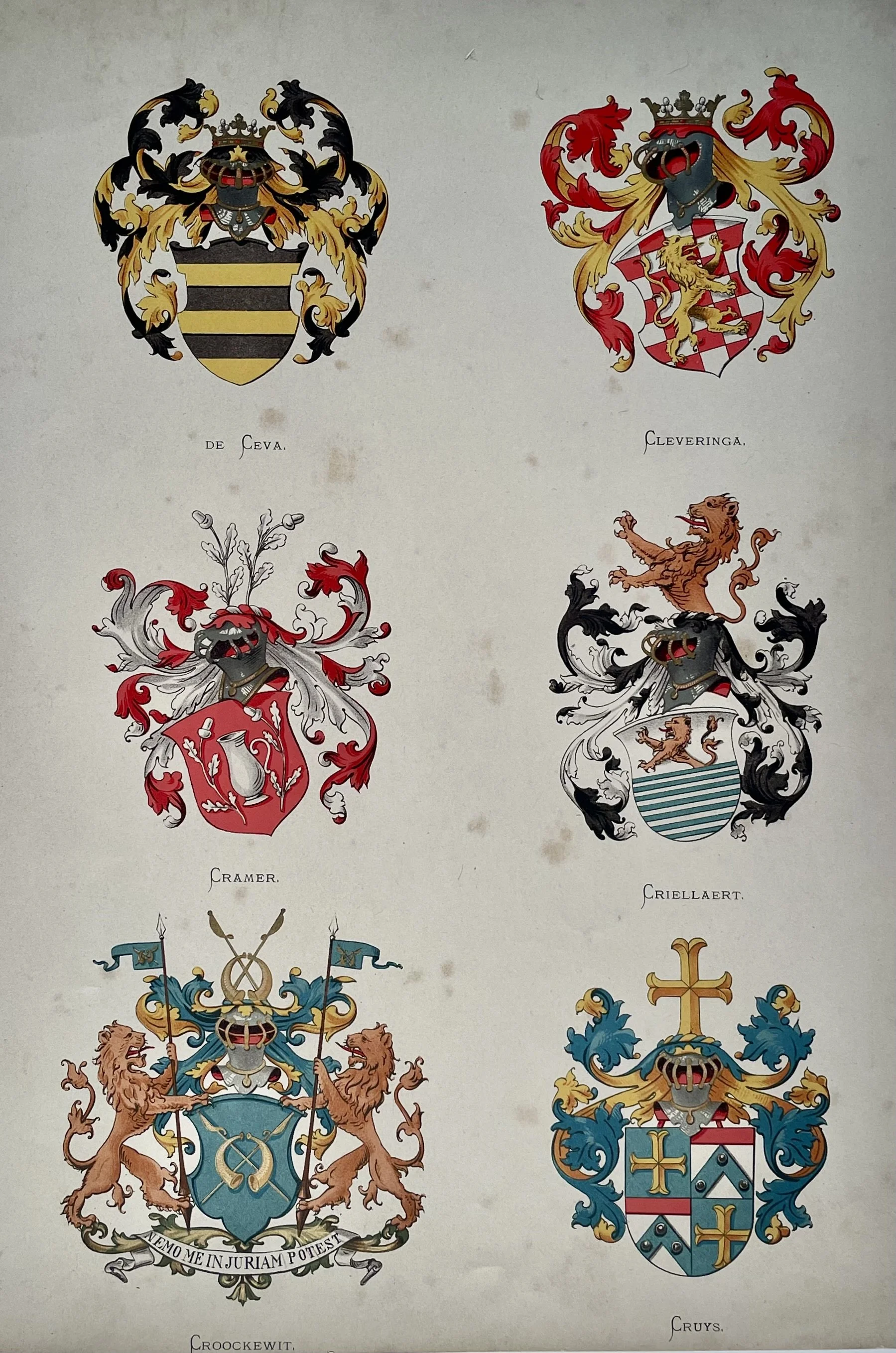 Image 1 of 8
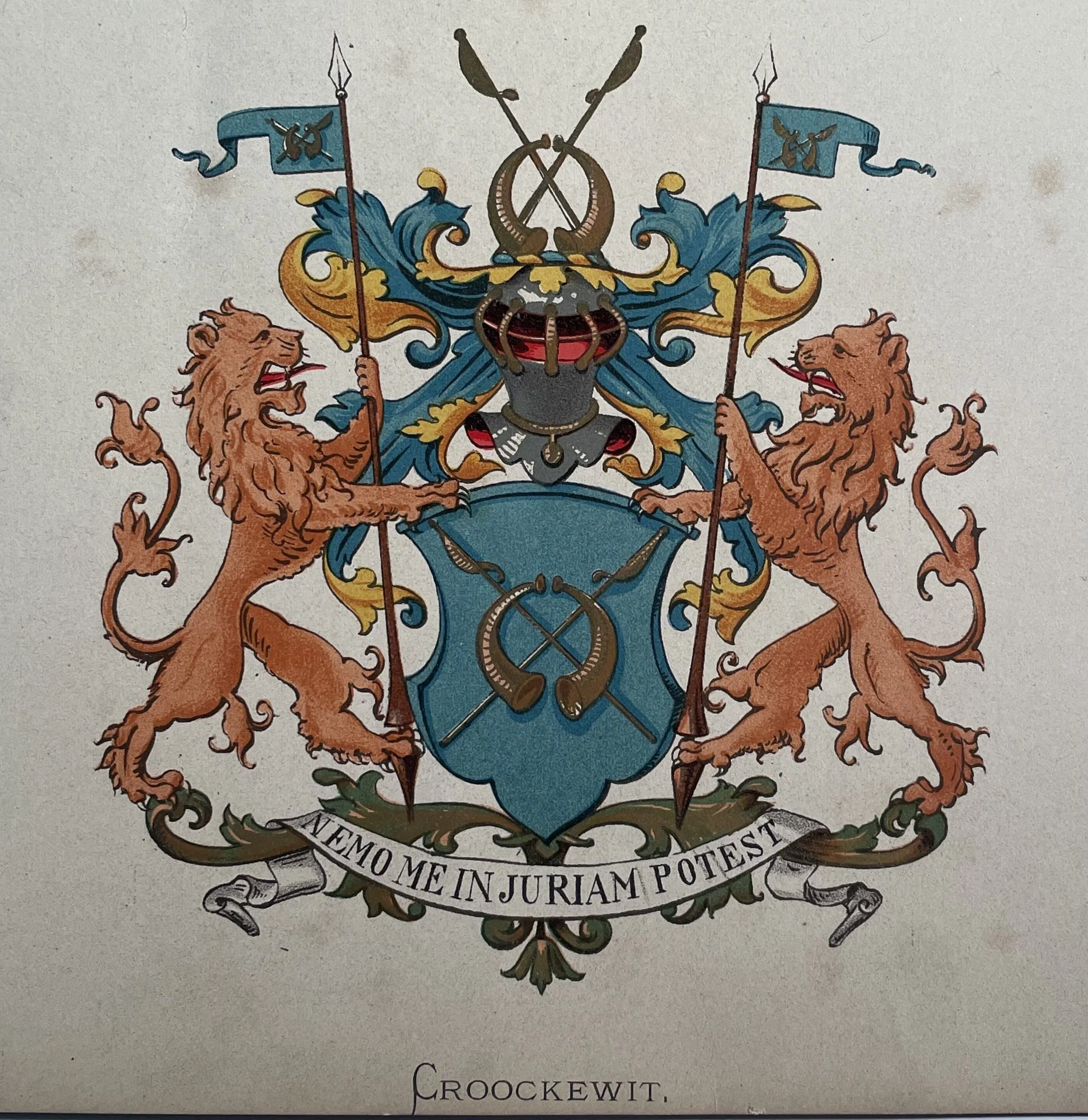 Image 2 of 8
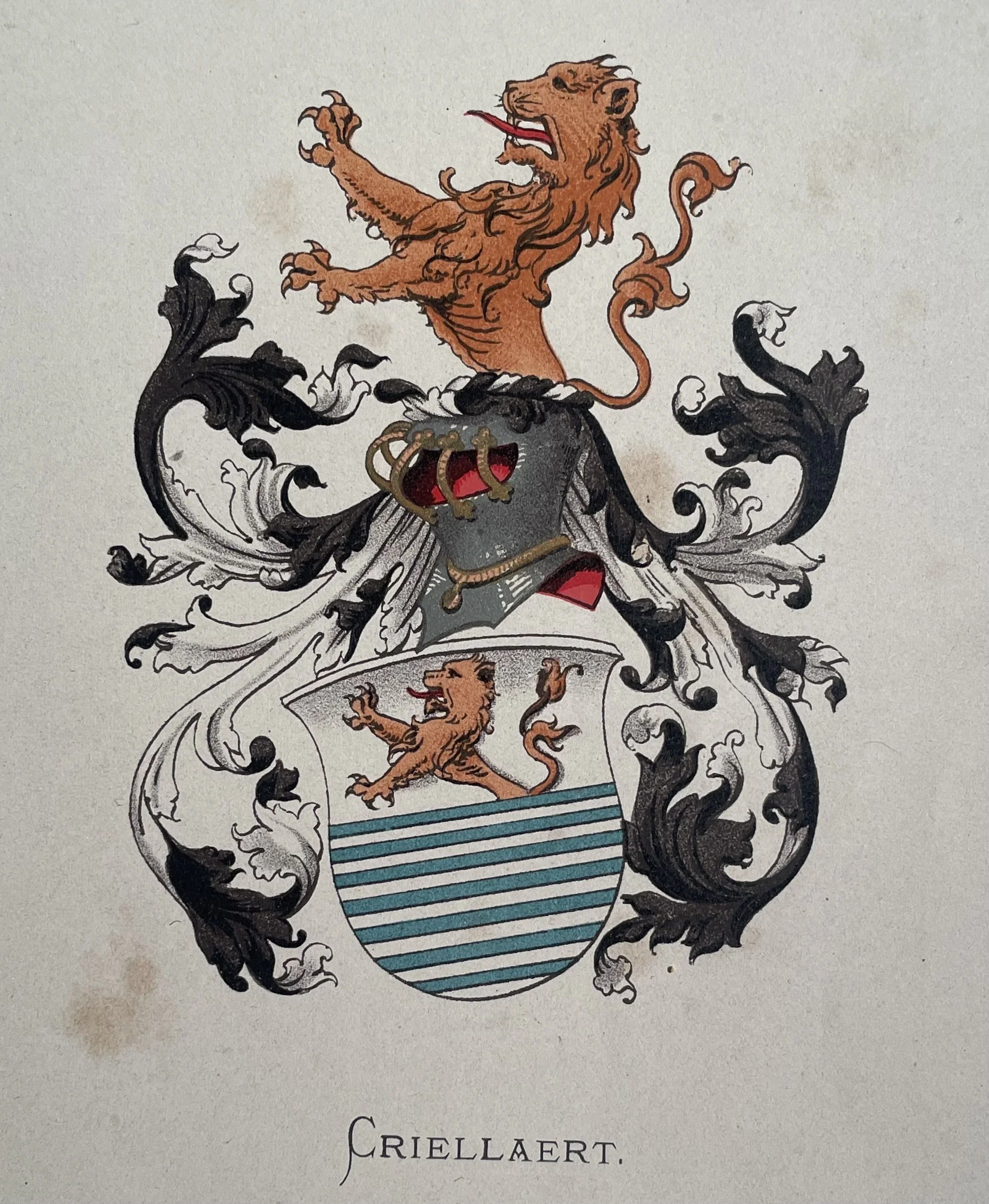 Image 3 of 8
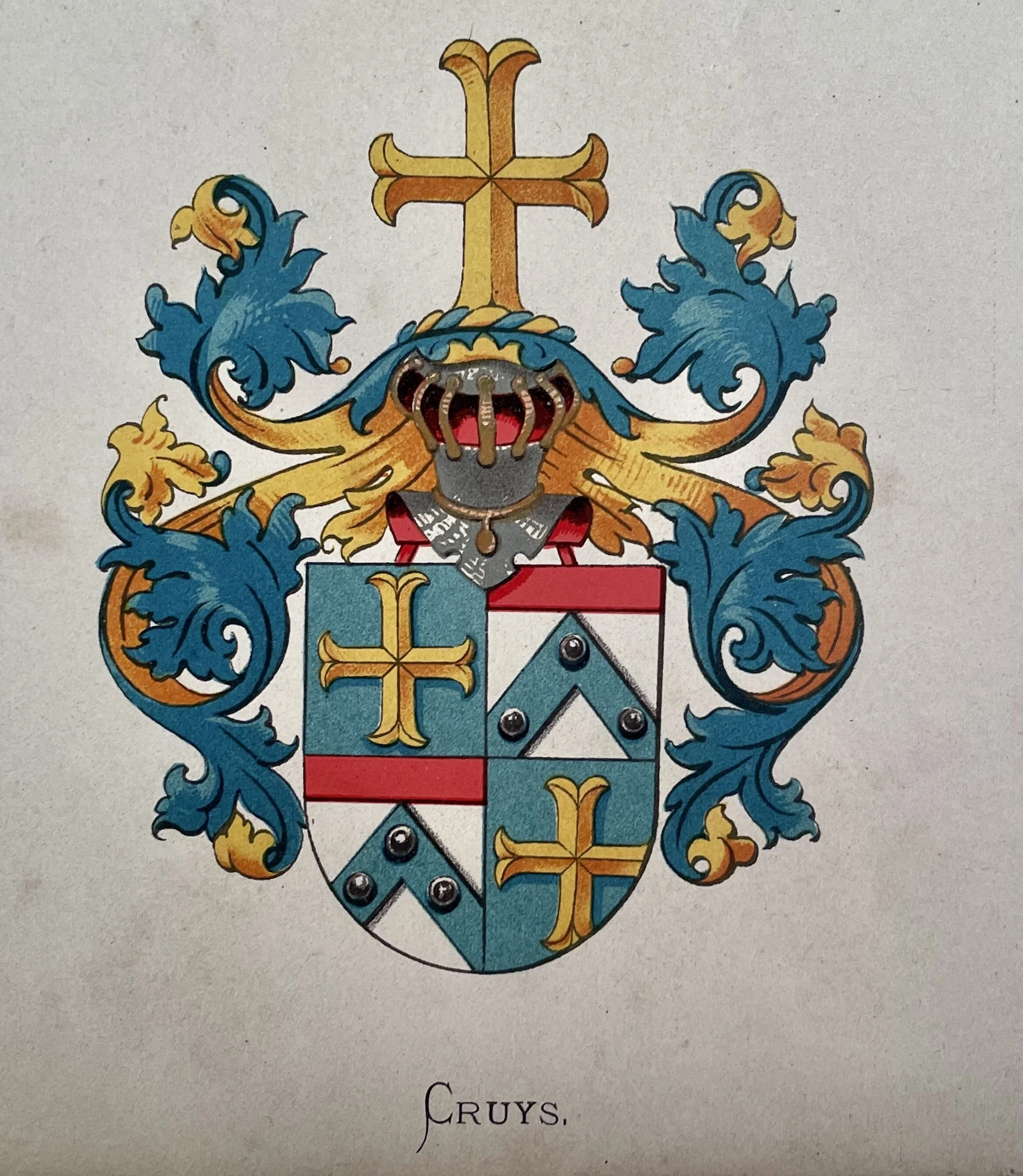 Image 4 of 8
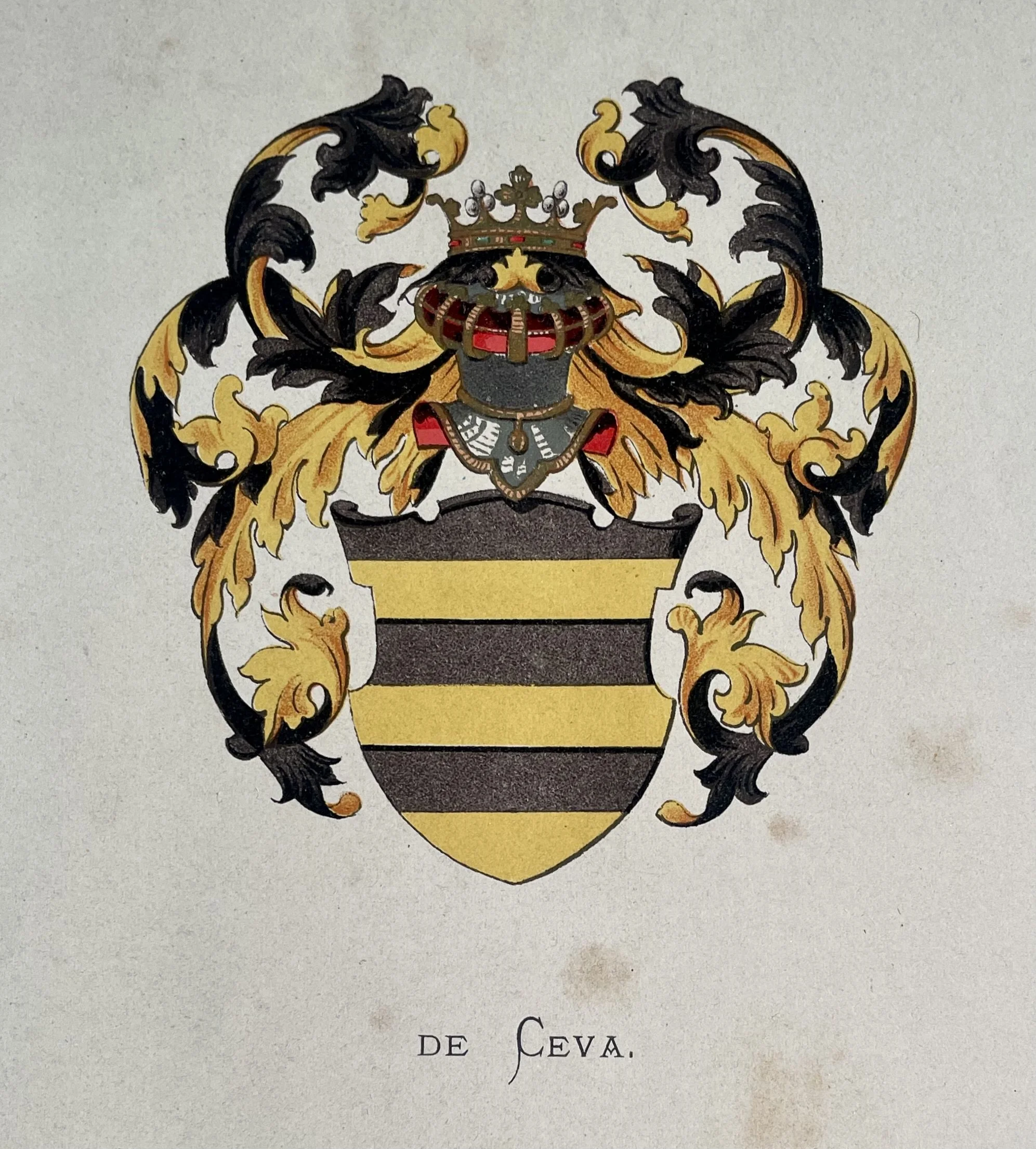 Image 5 of 8
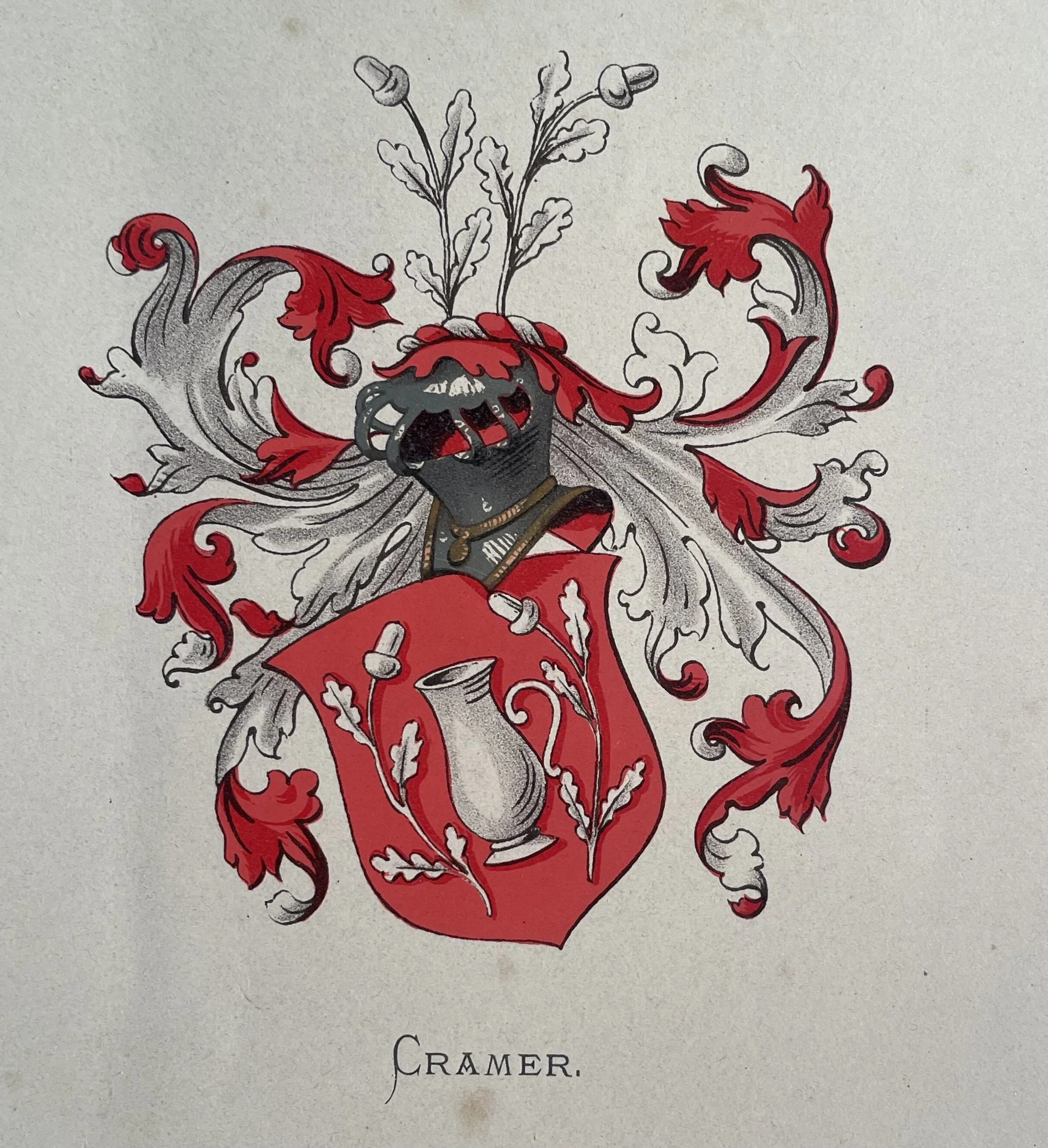 Image 6 of 8
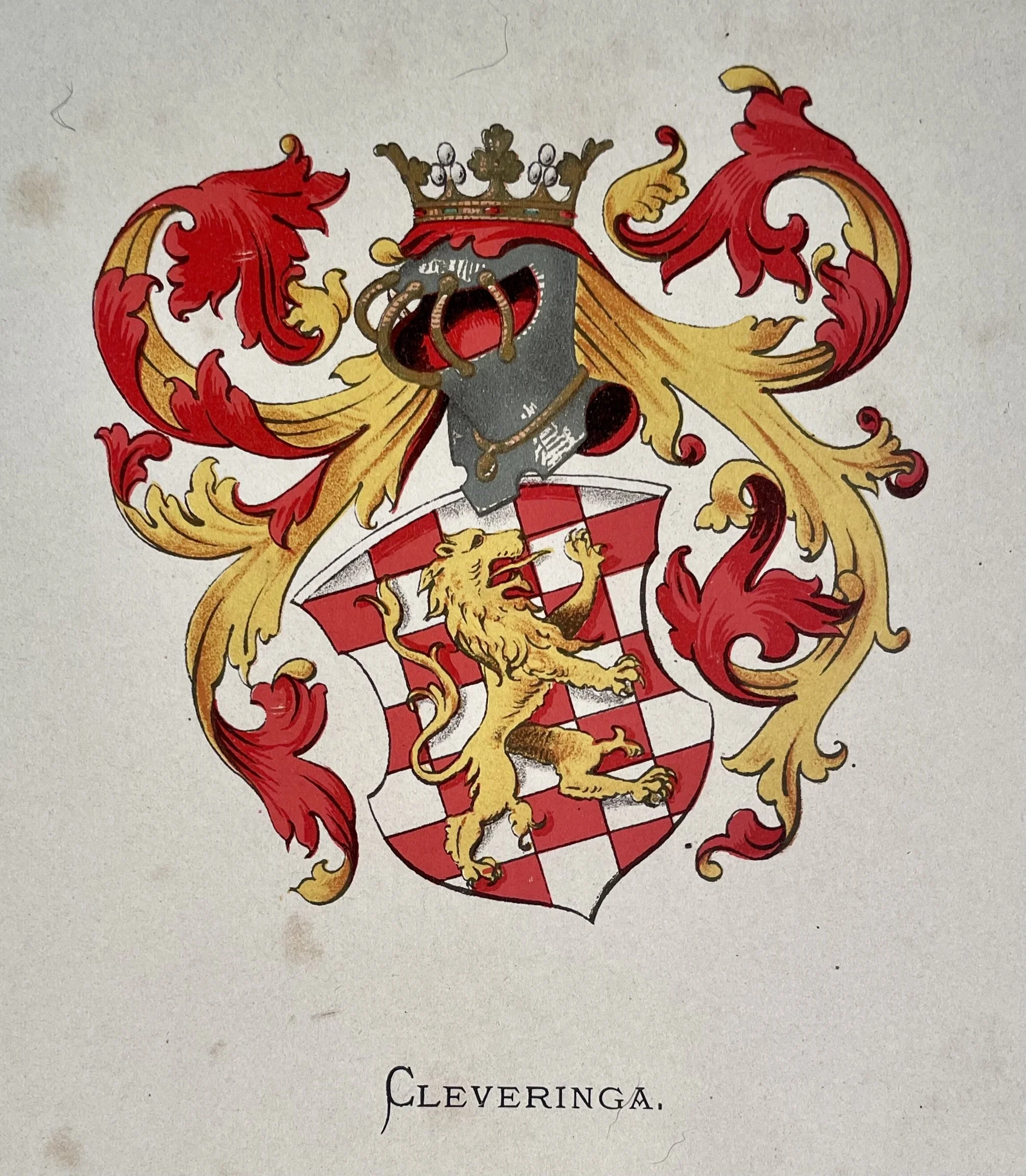 Image 7 of 8
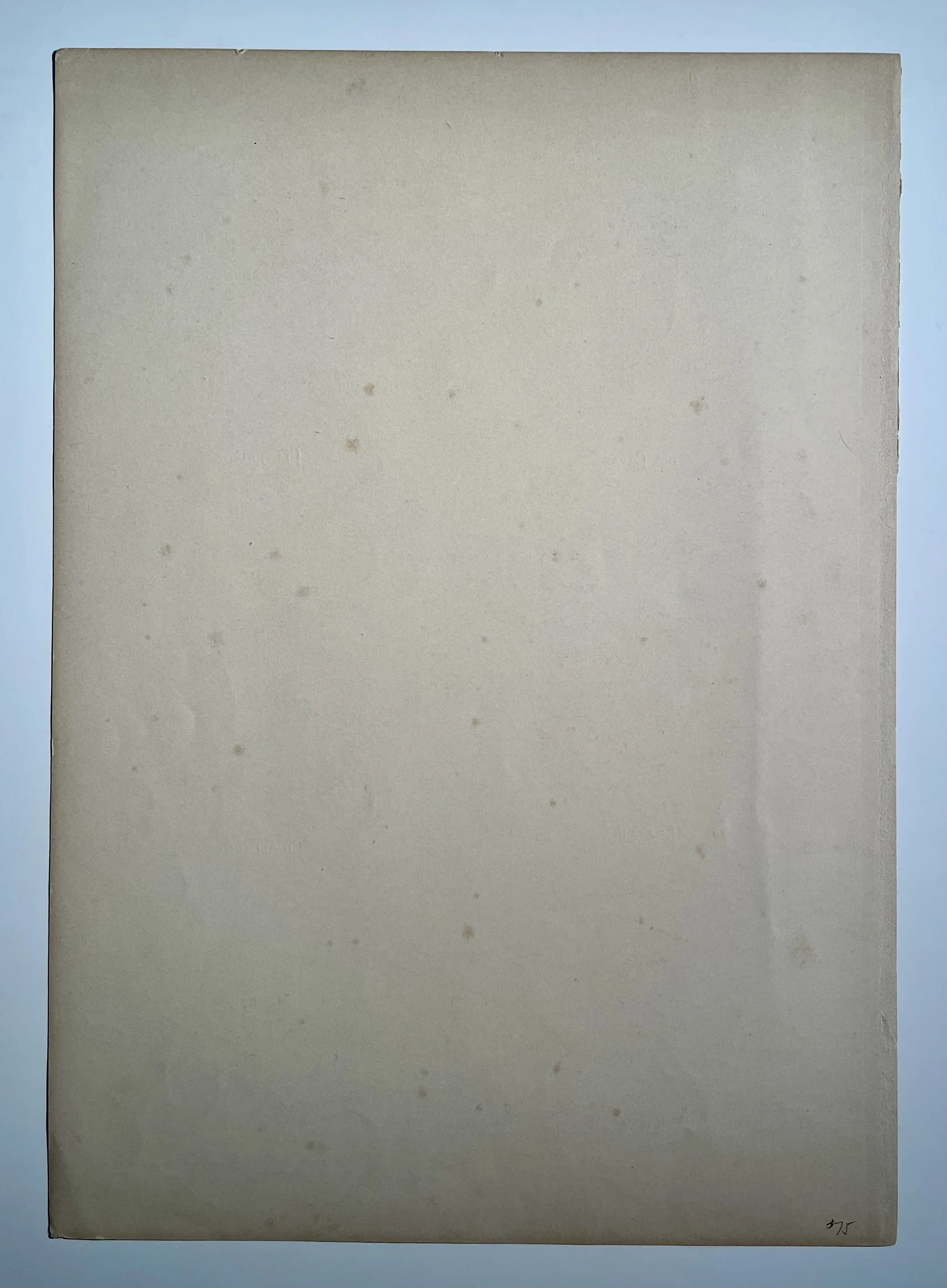 Image 8 of 8