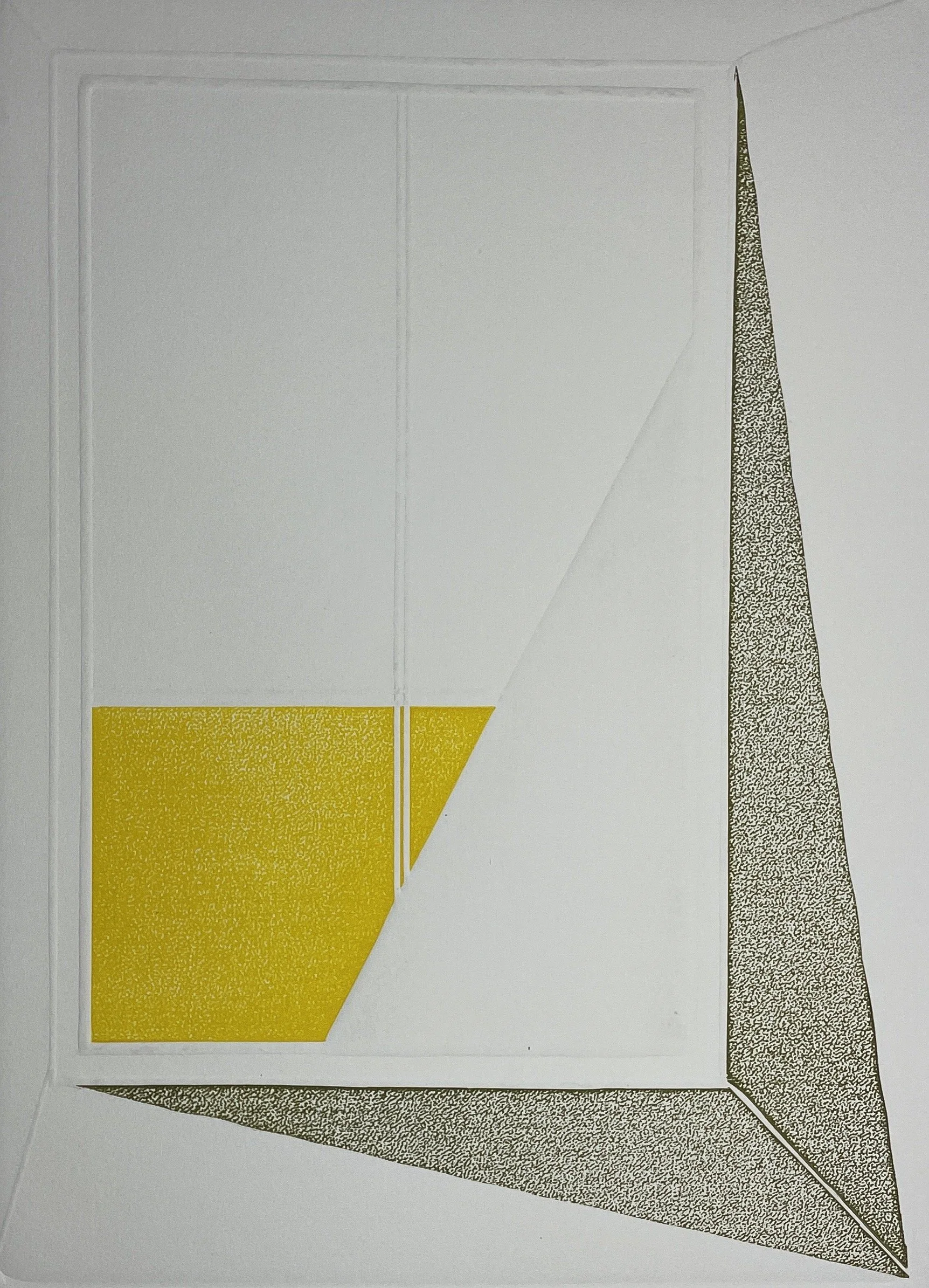
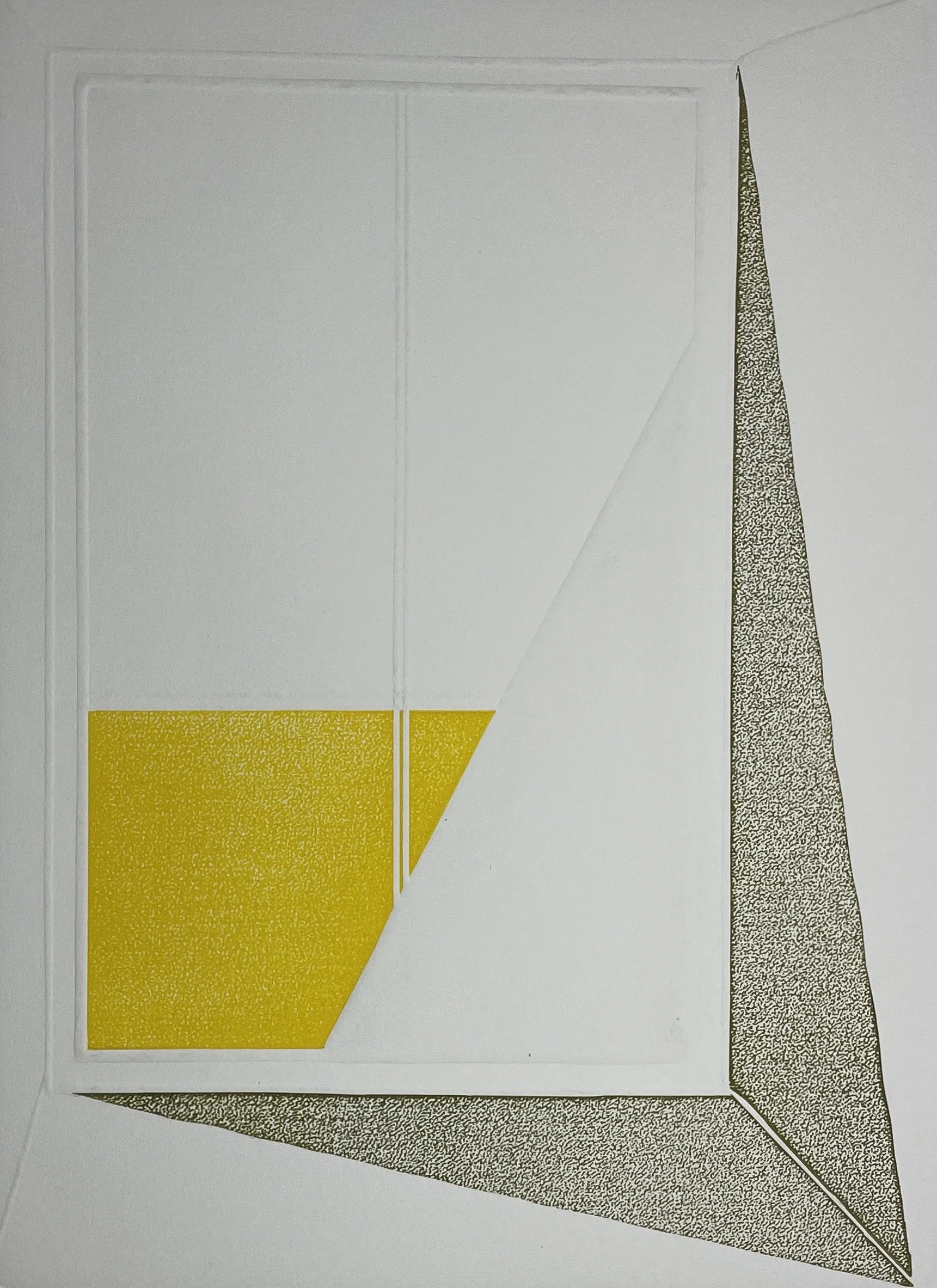
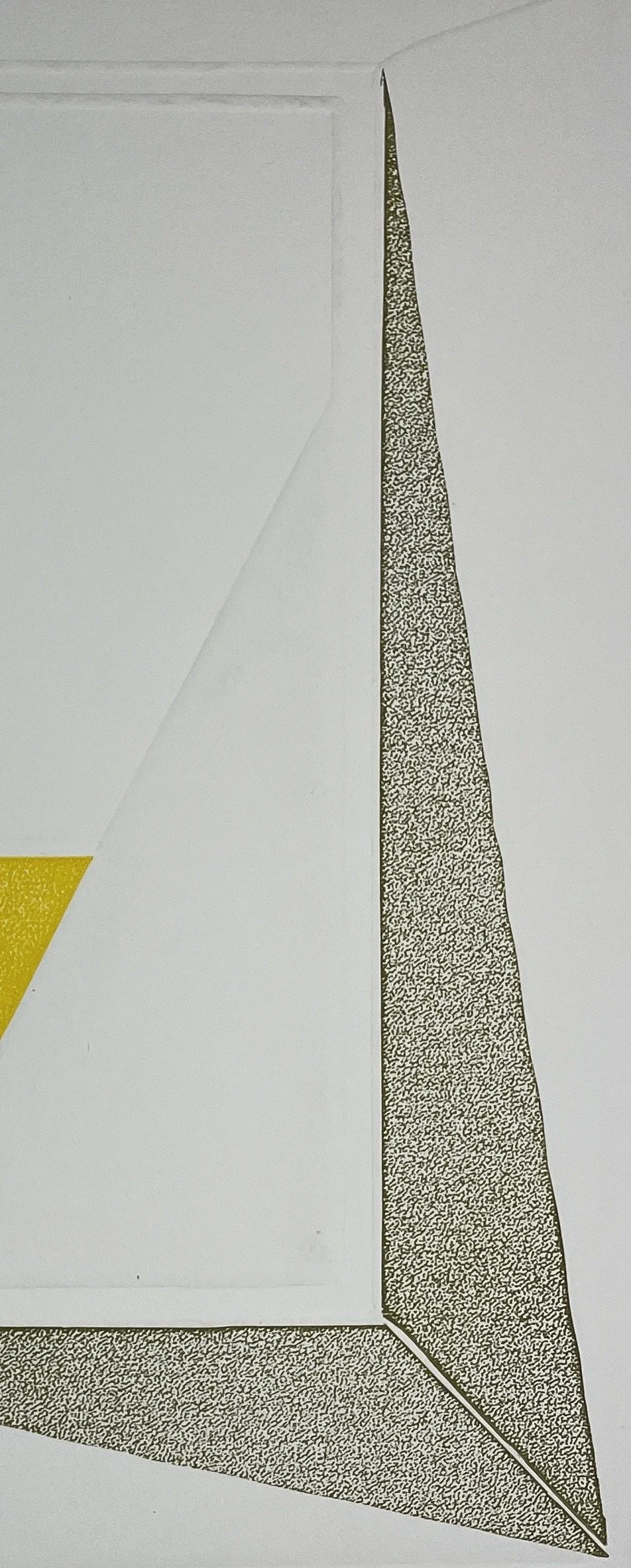
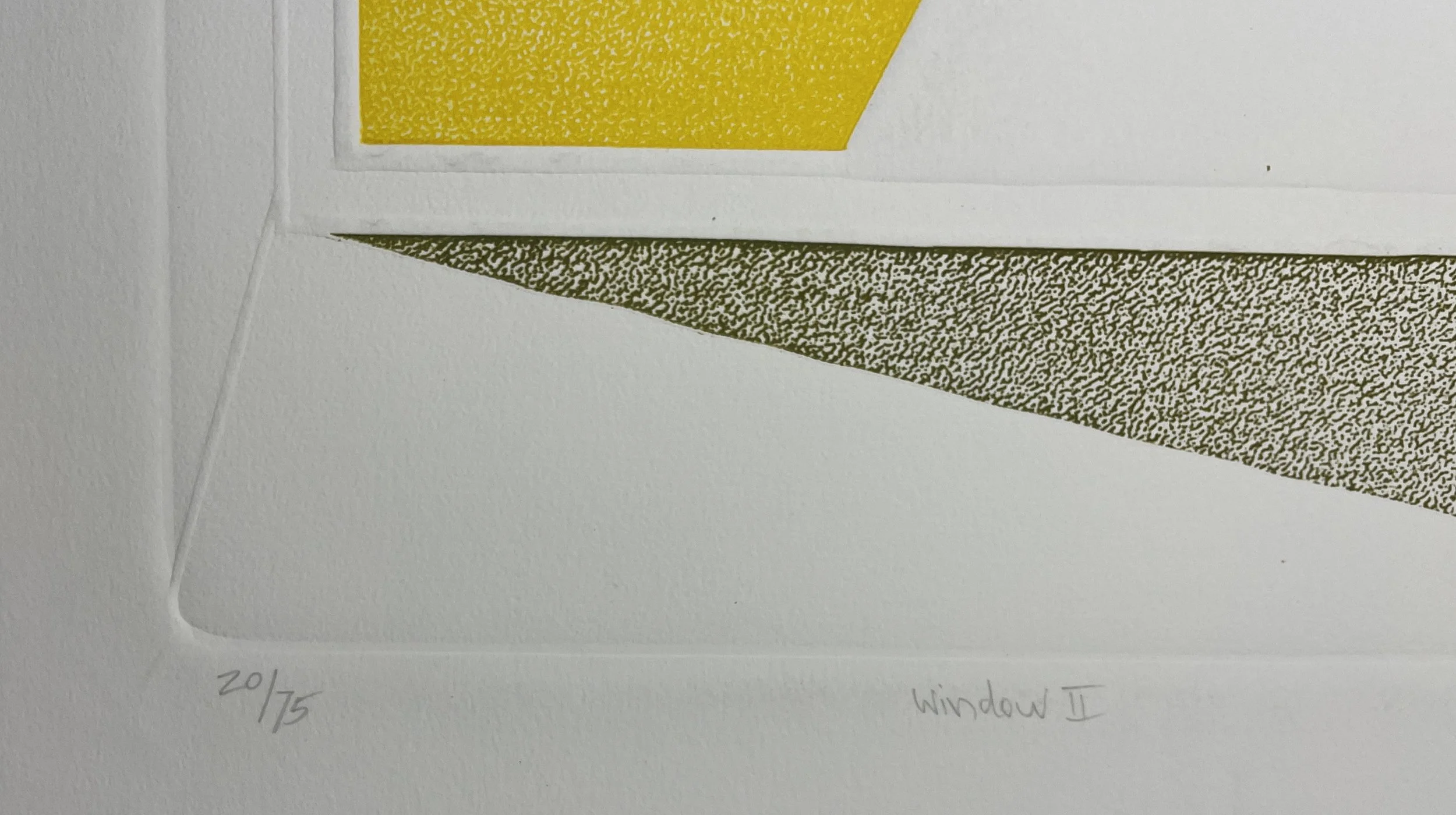
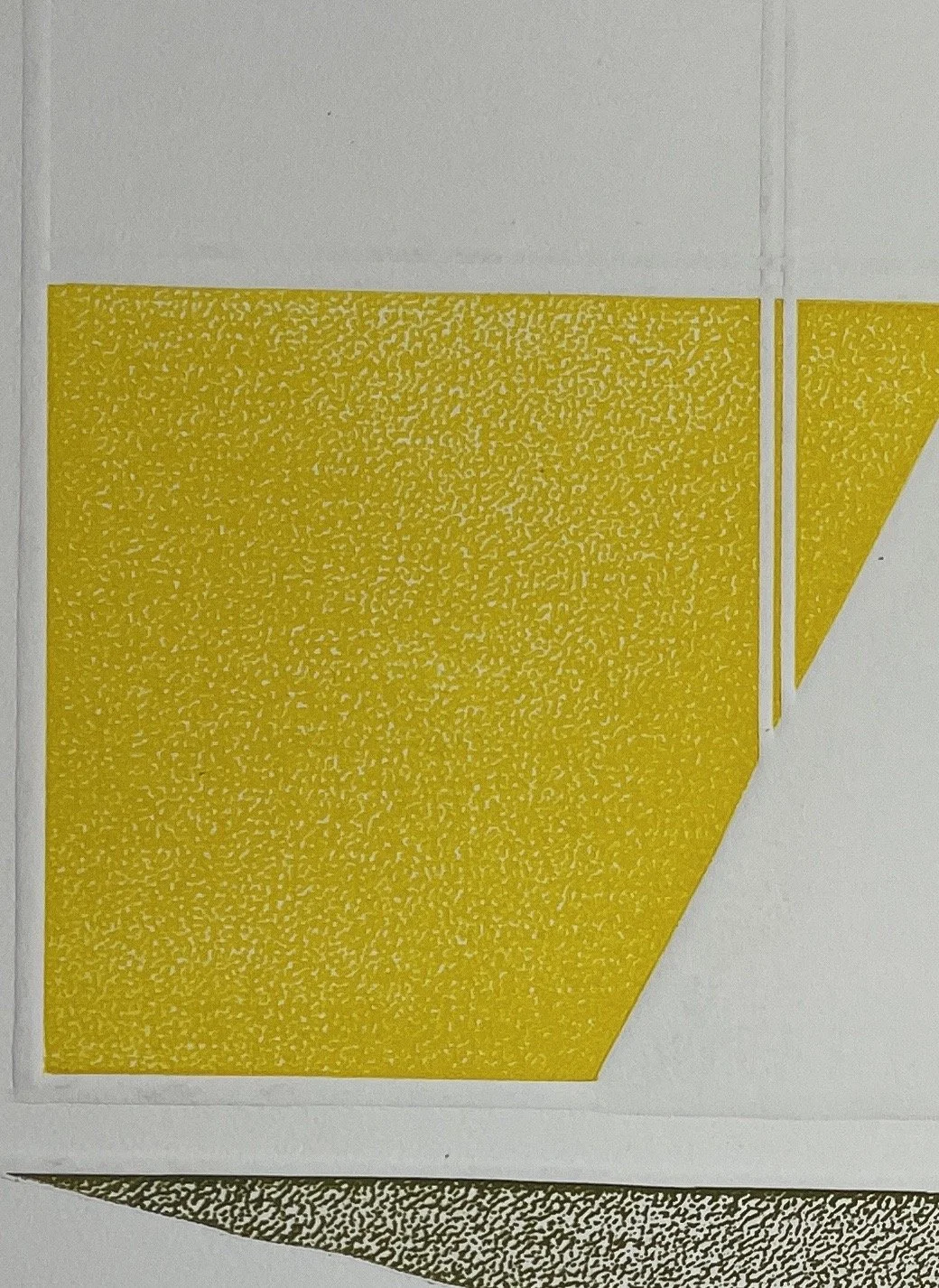
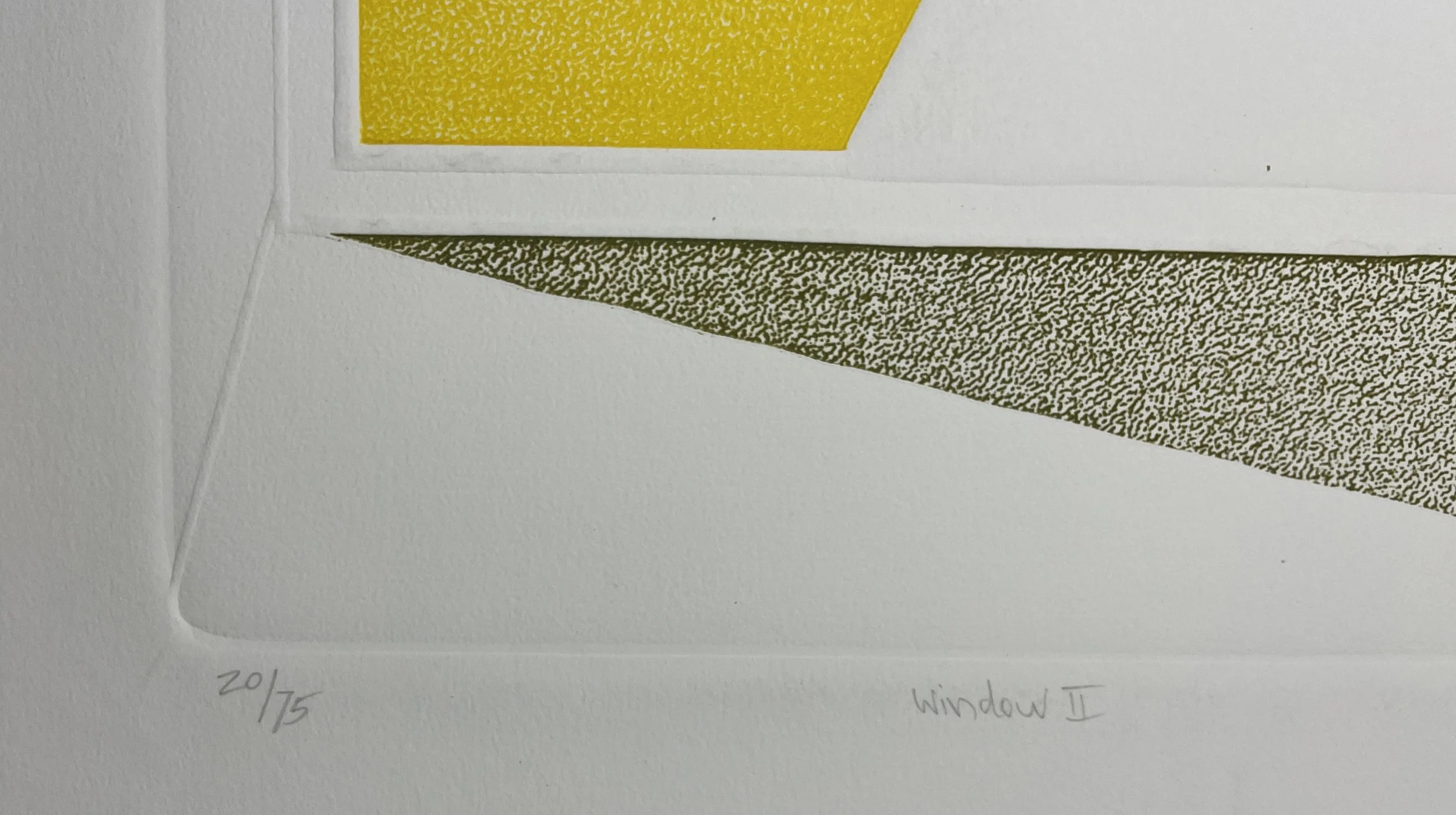
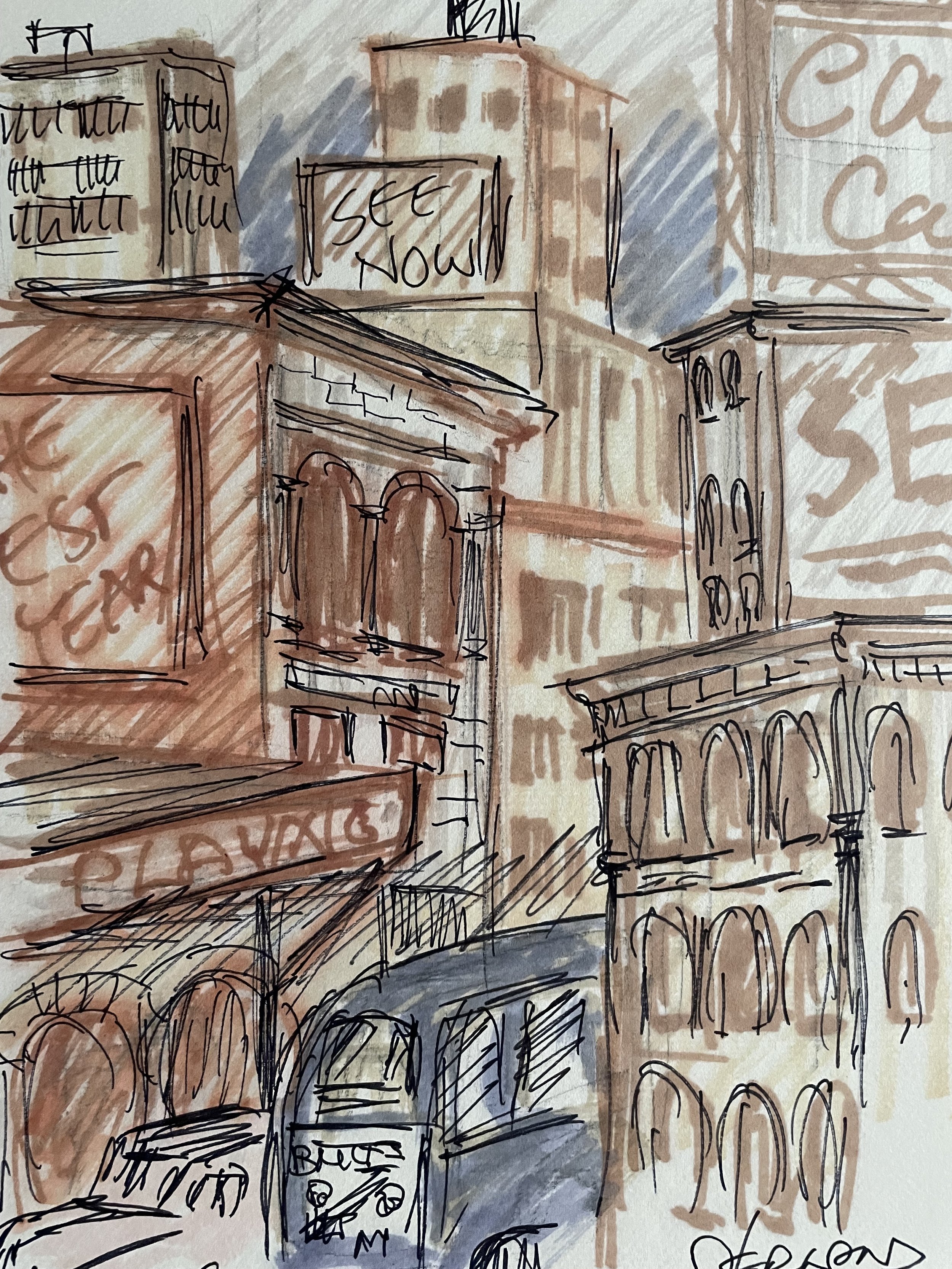
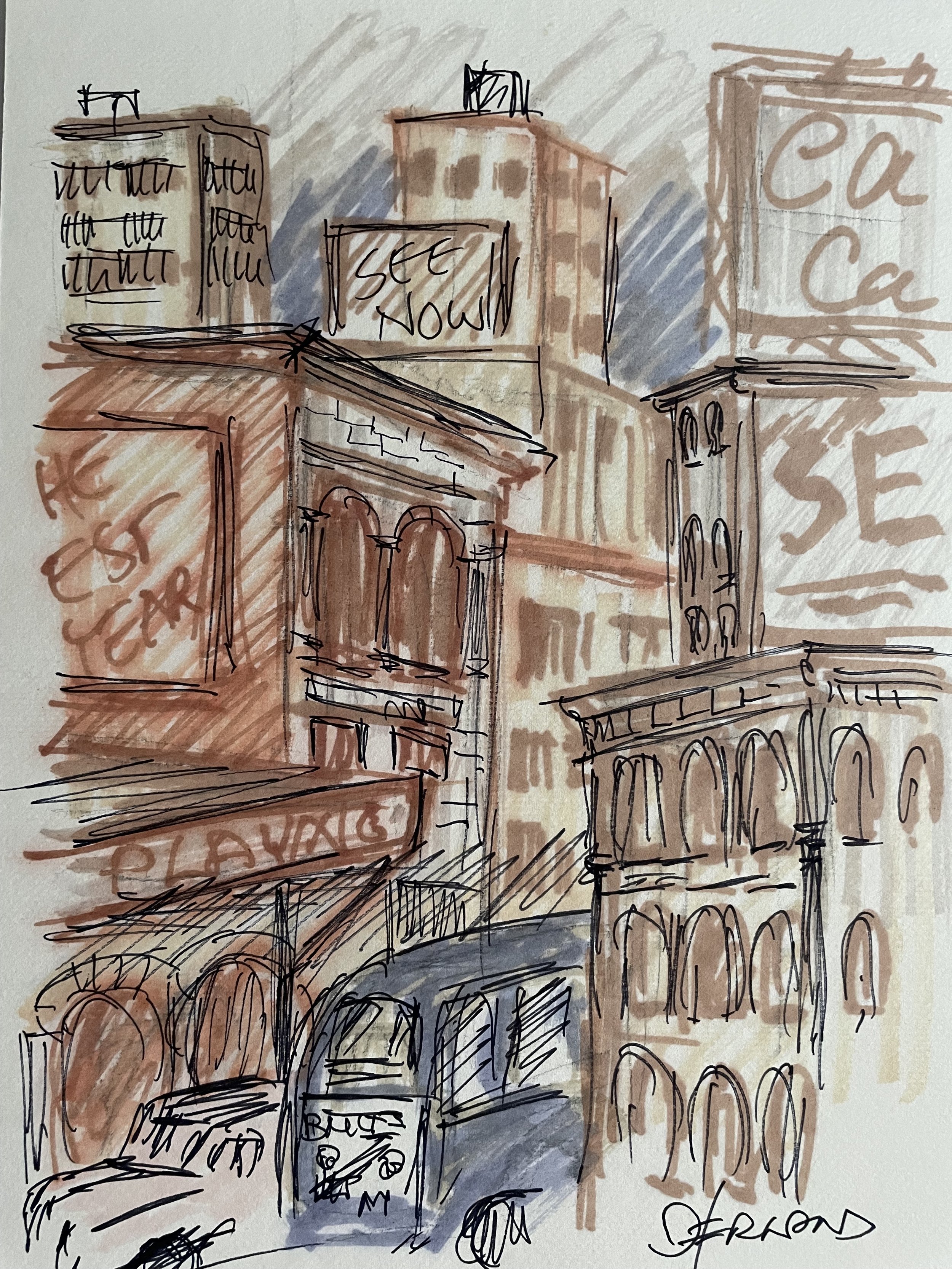
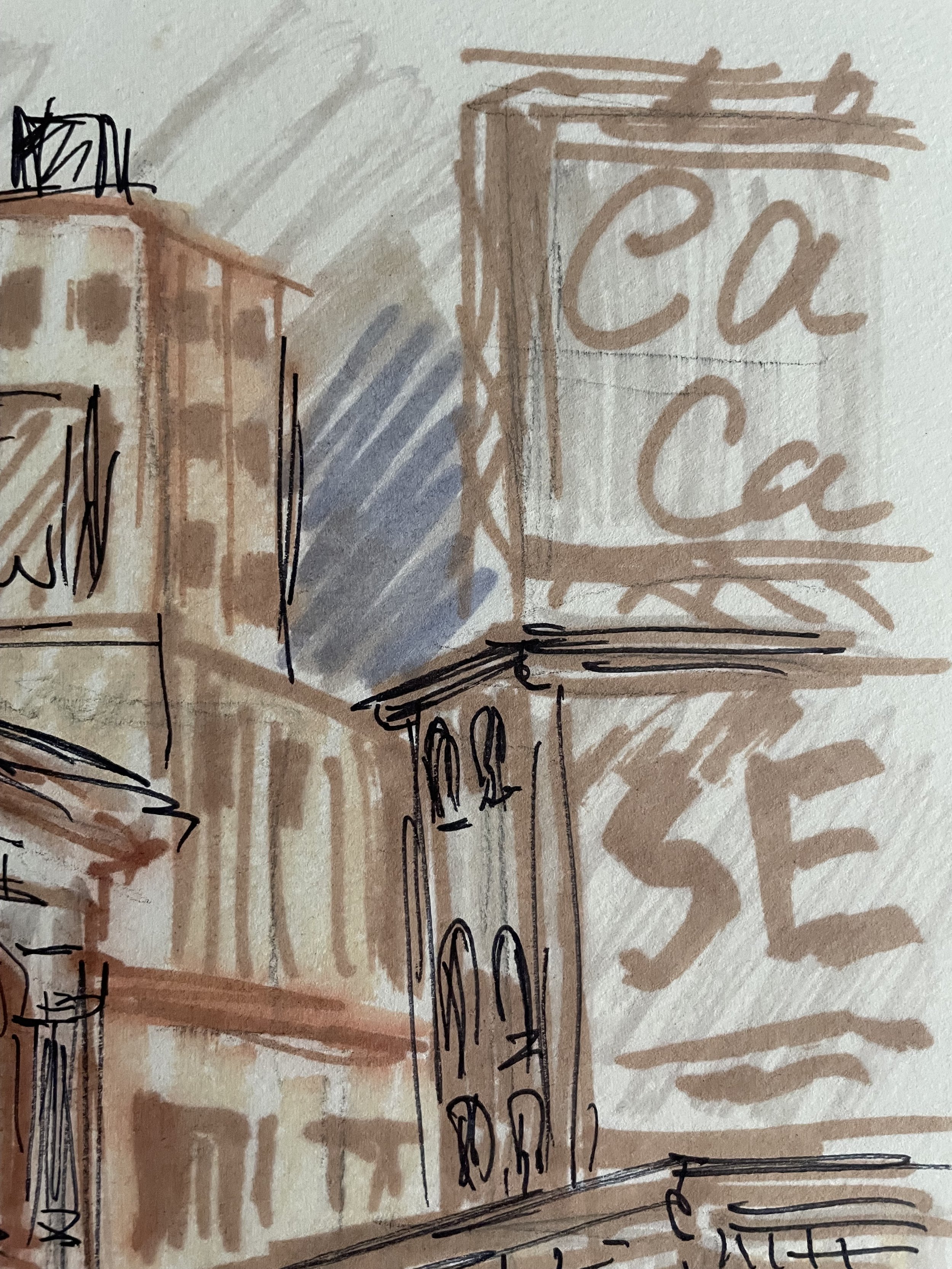
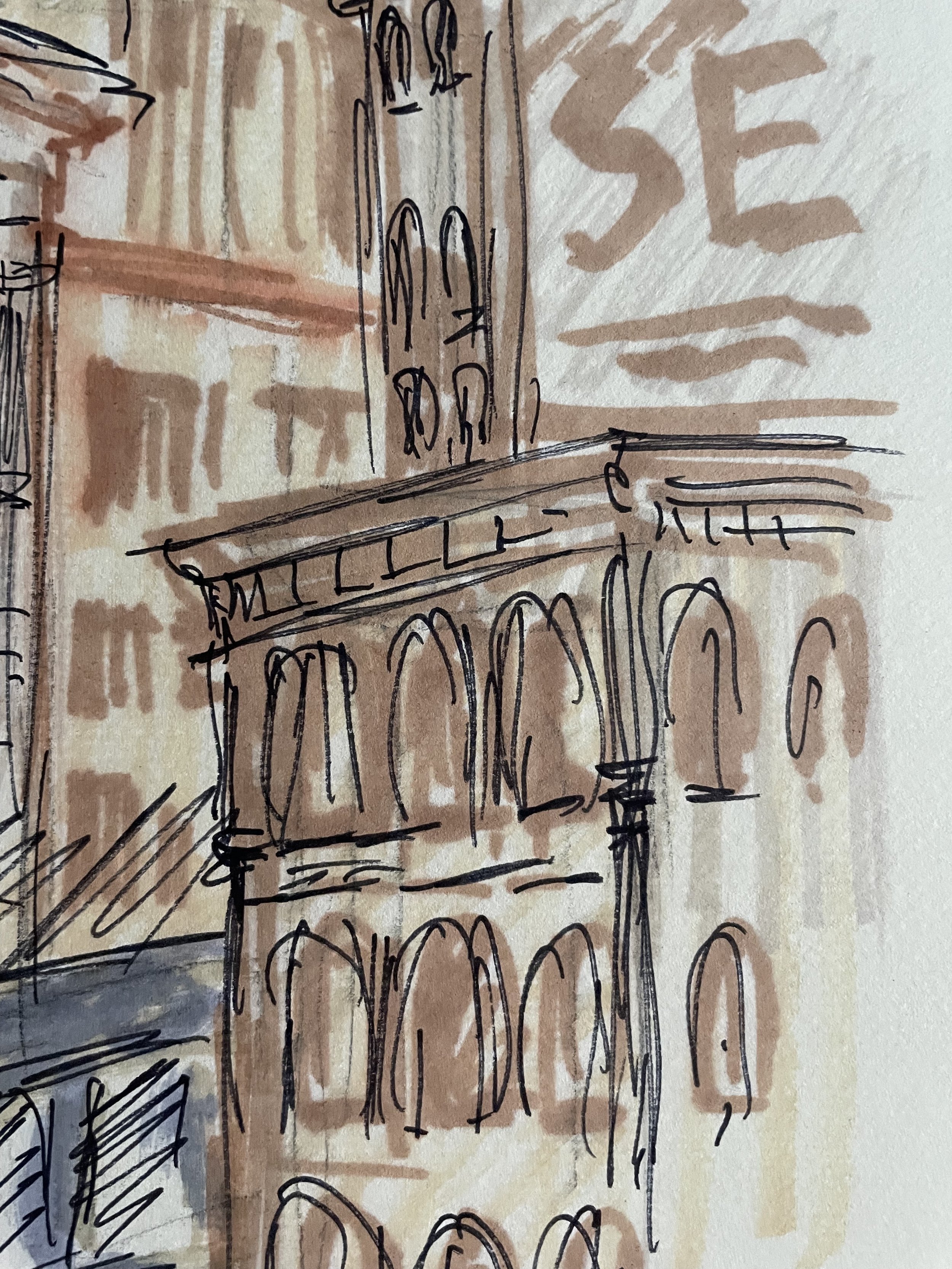
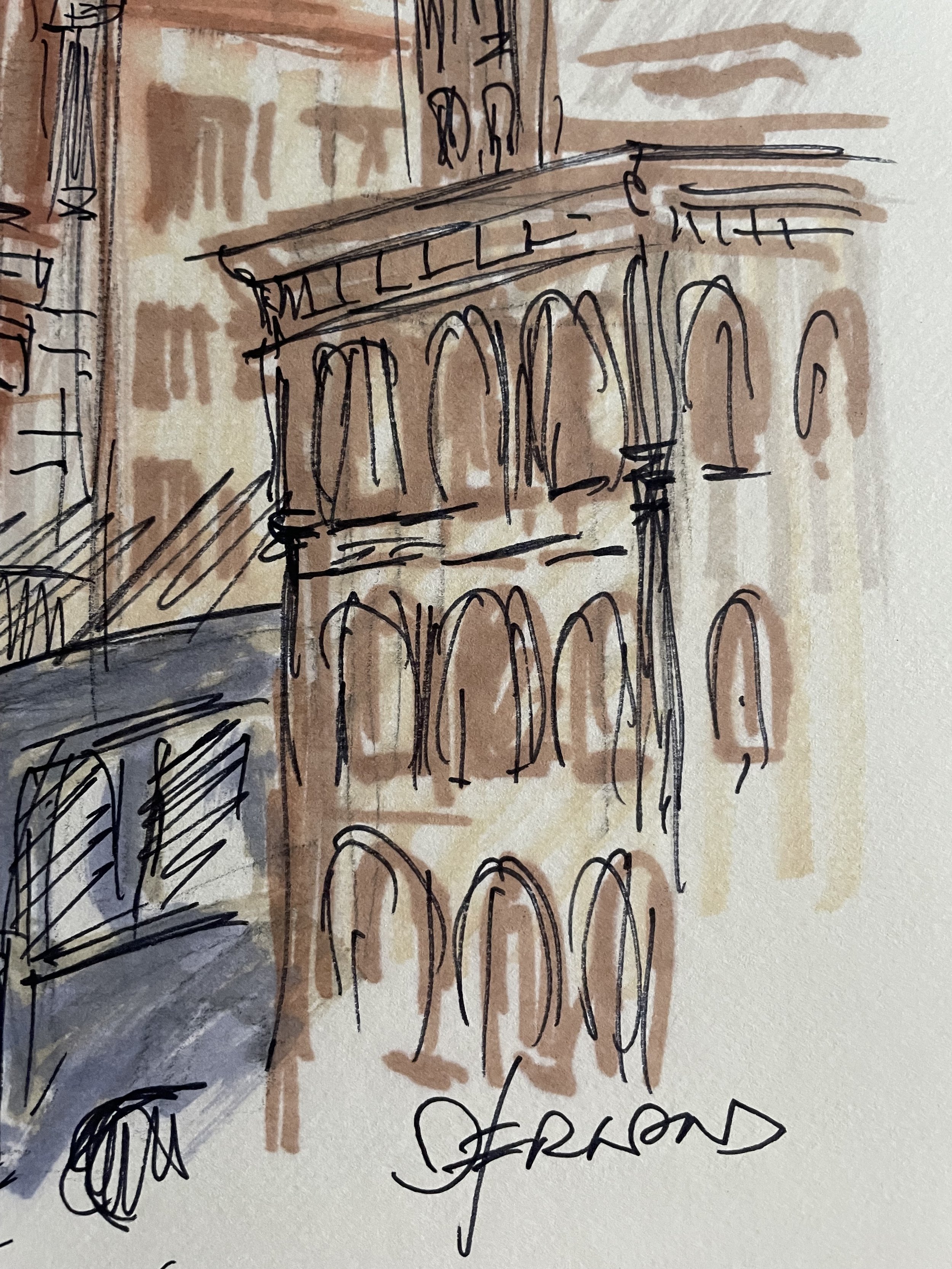
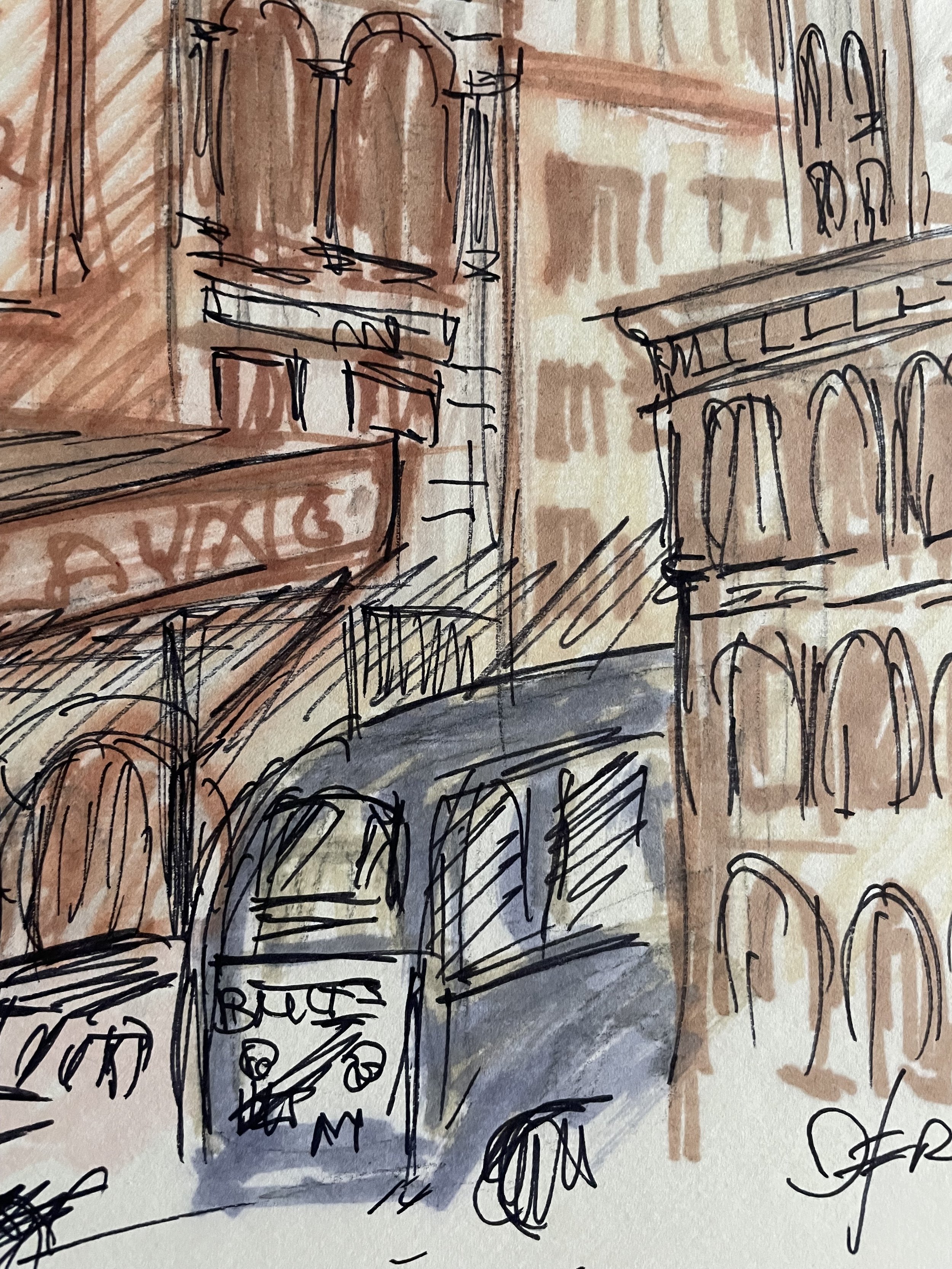
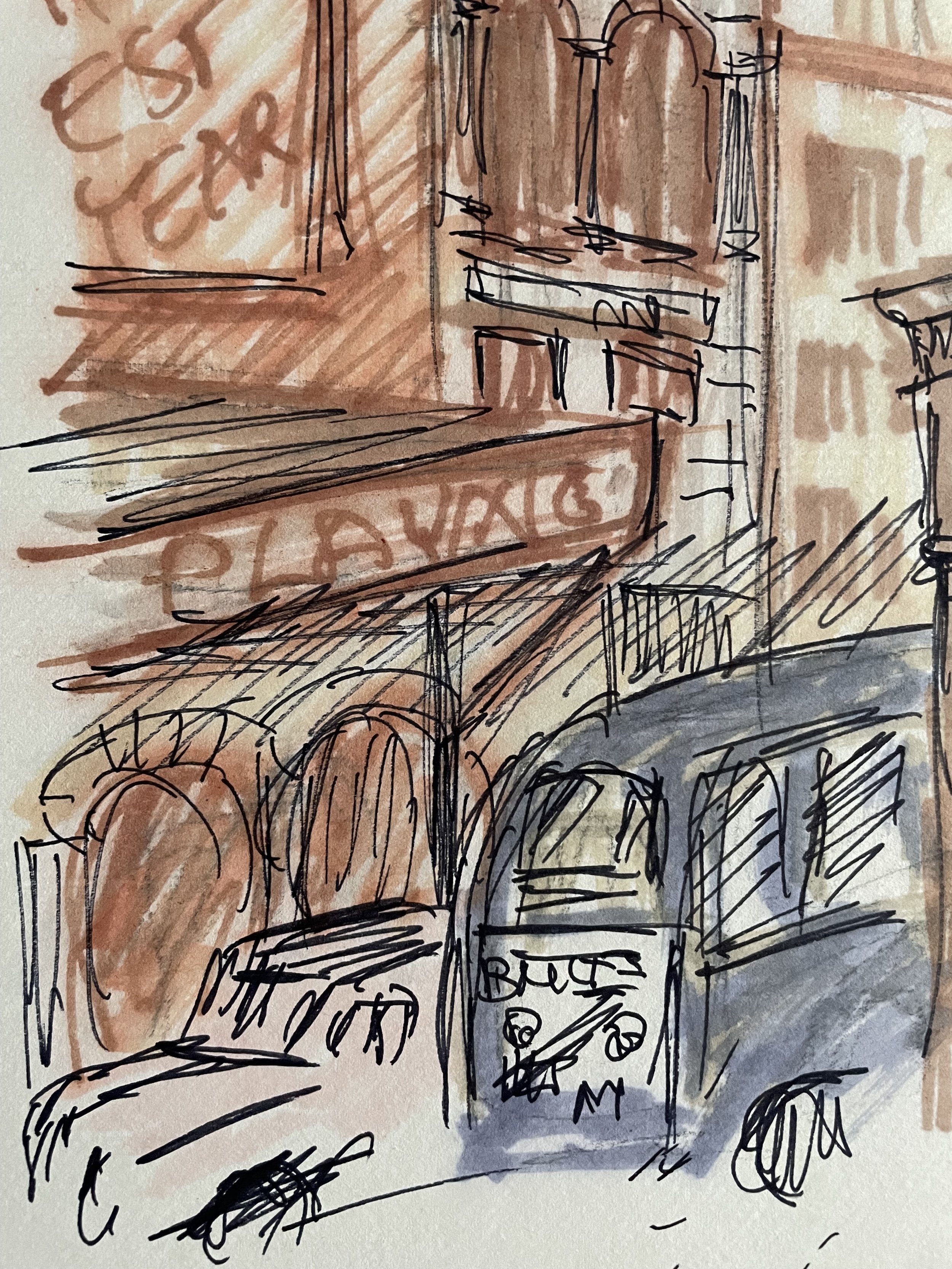
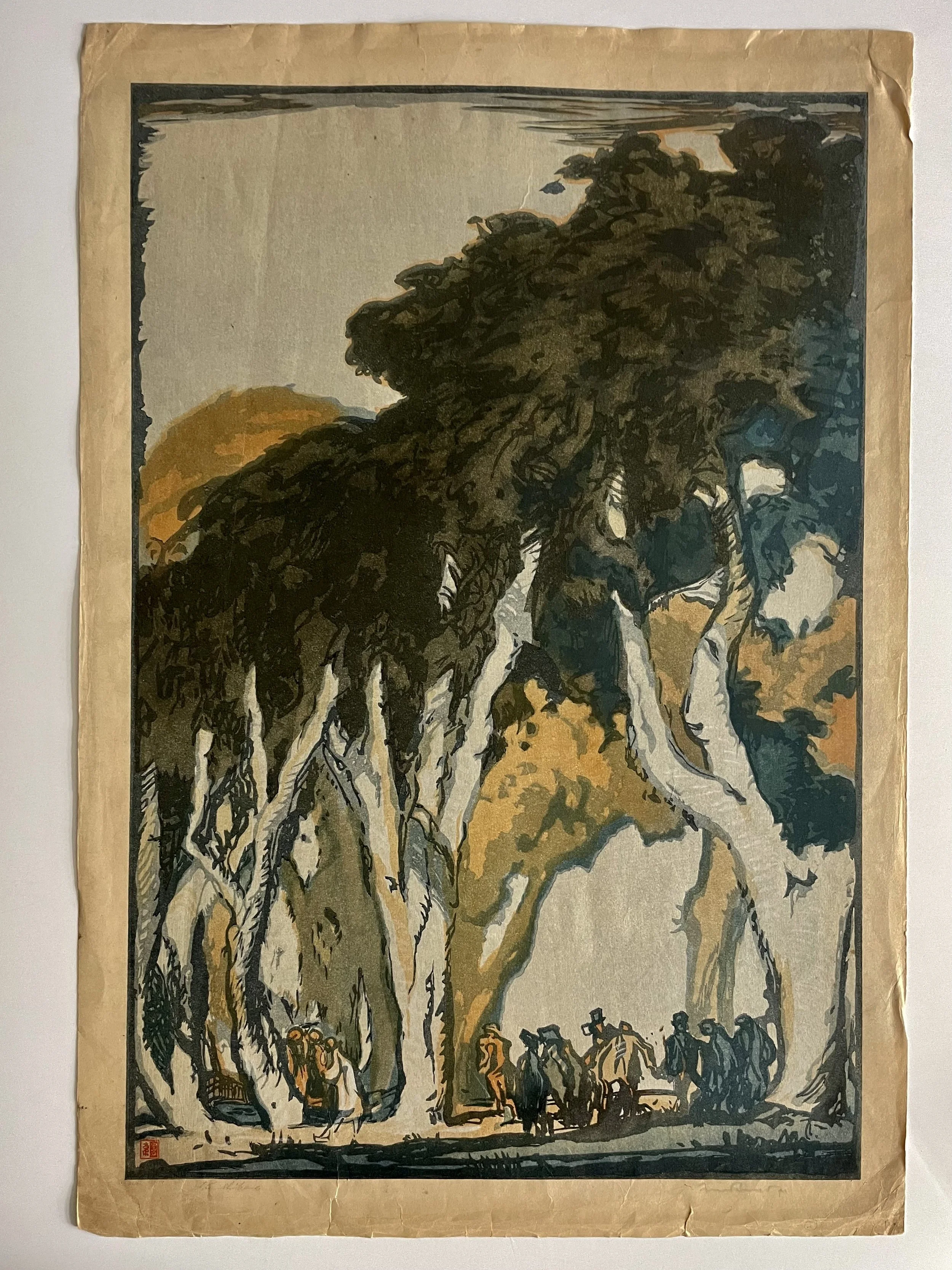
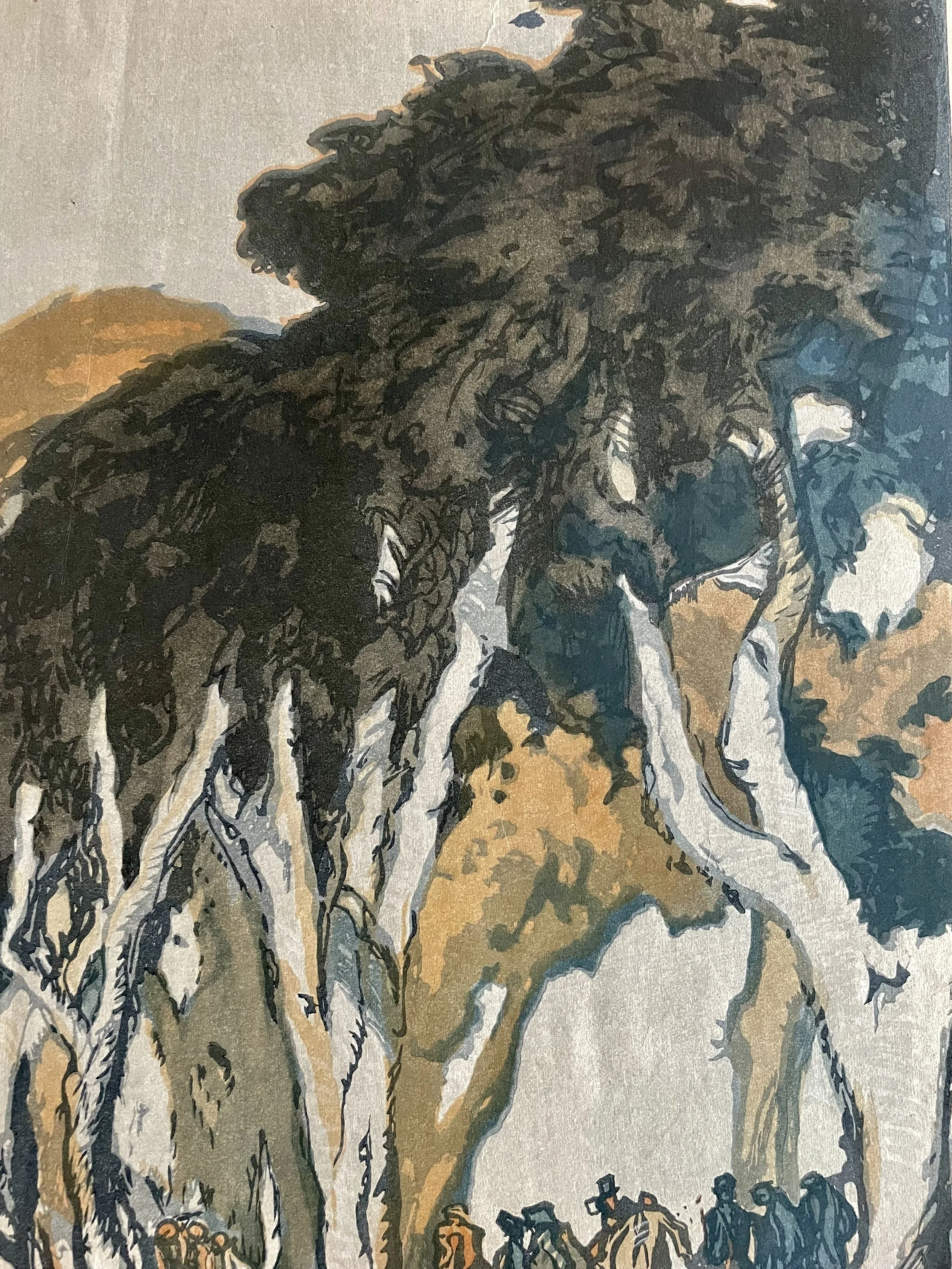
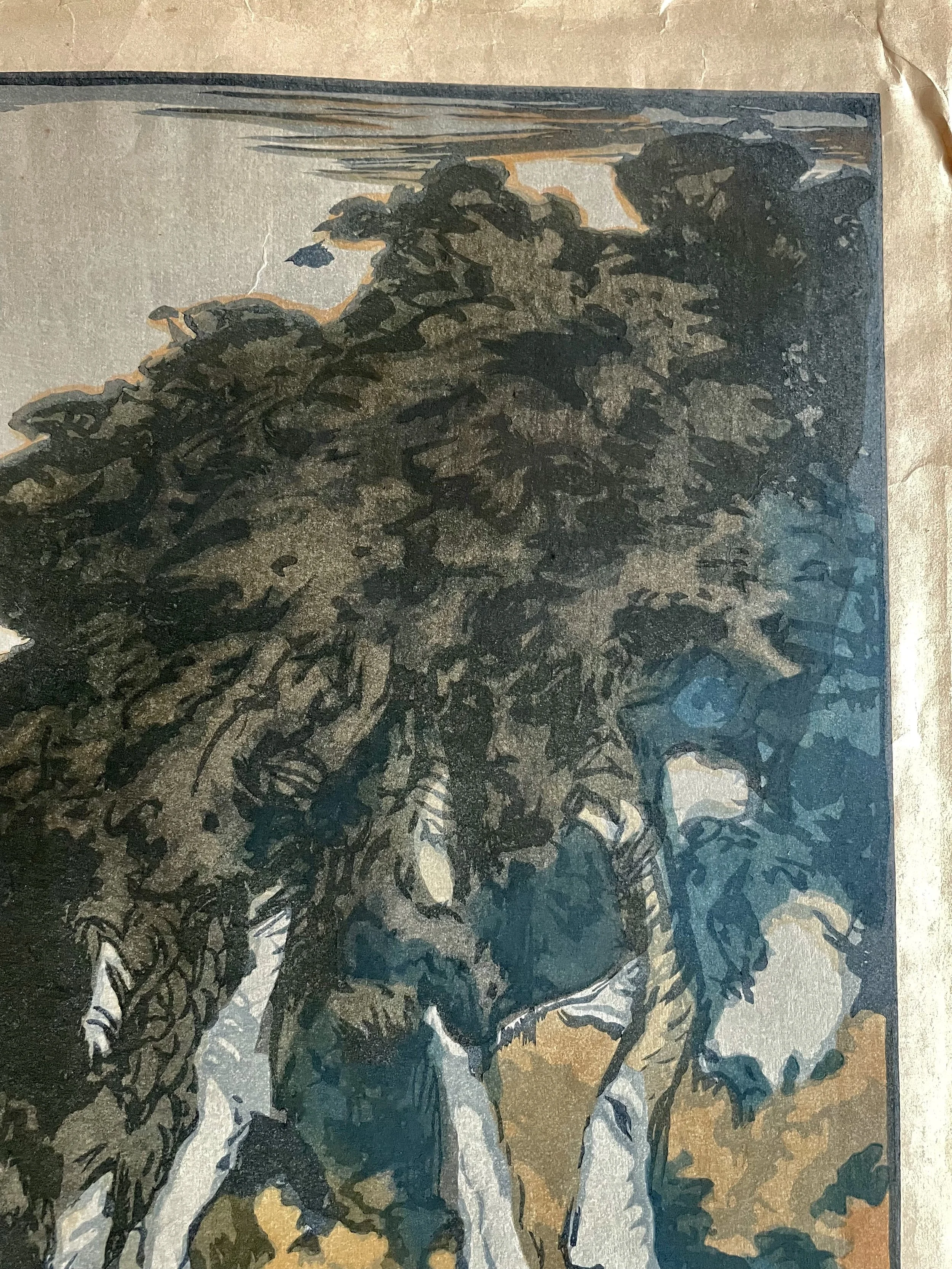
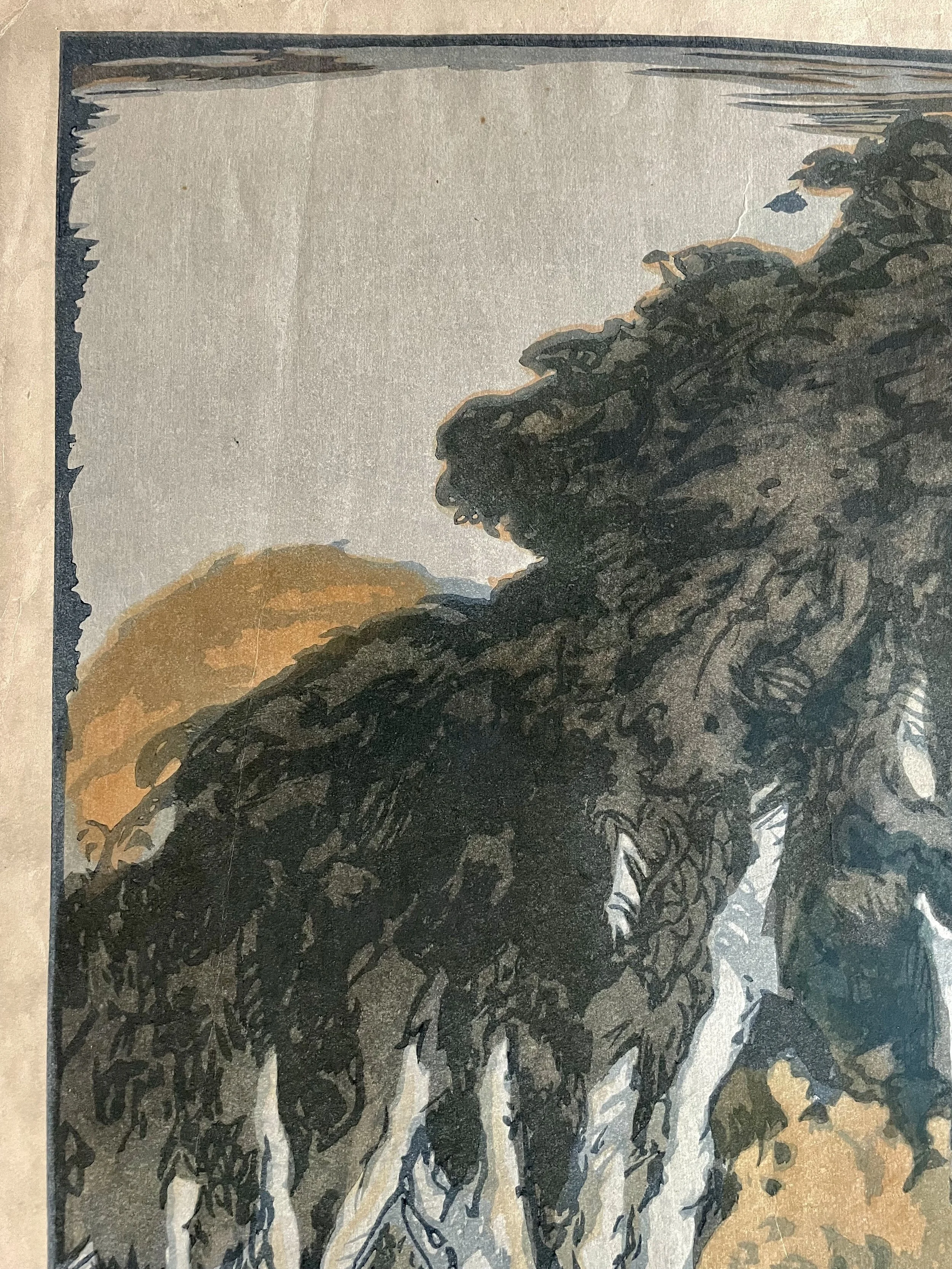
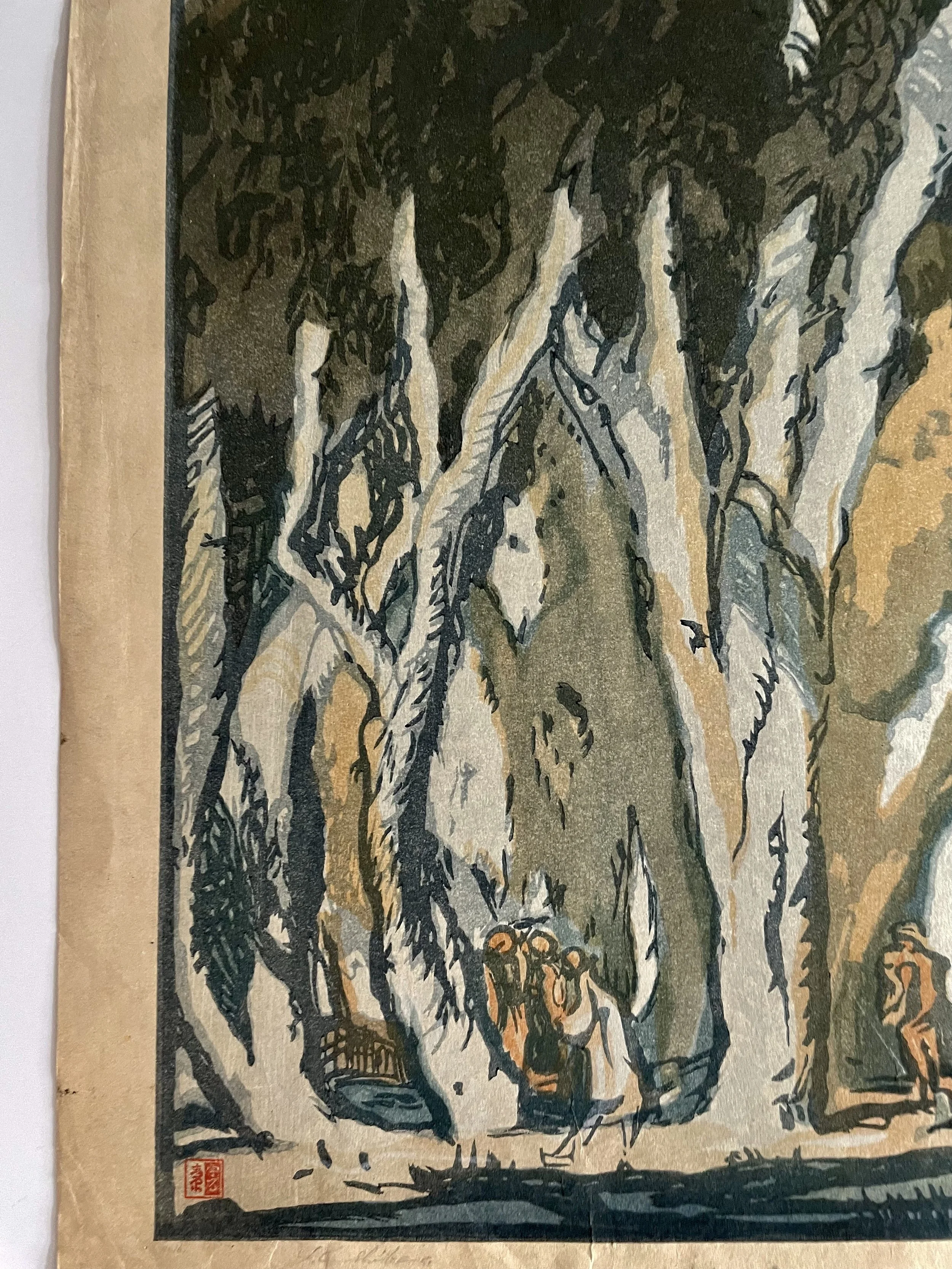
“Boston Streetfront at Night,” Margaret Layton (American, 20th c.), c.1960s, hand-colored offset lithograph, 15×33 in, signed lower right.
“Boston Streetfront at Night” by mid-century American printmaker Margaret Layton is a tall, atmospheric Boston cityscape rendered as a hand-colored offset lithograph. Measuring 15 × 33 inches, this vintage print captures the charm of an old neighborhood block—shopfronts, hotel, restaurant, music school, and glowing windows stacked beneath a moonlit sky. Layton’s distinctive mix of architectural detail, graphic line, and soft painterly color makes the work a quintessential example of mid-century American urban art and a perfect statement piece for lovers of Boston history, vintage street scenes, and modernist design.
Artwork description
This vertical composition presents a narrow Boston street façade rising several stories against a deep blue night sky, punctuated by a small yellow moon. The central building, with its arched transom and ornate iron balcony, is flanked by neighboring storefronts: a hotel, restaurant, music school, and café whose signs—“Do Not Enter,” “Revere Restaurant,” “Lobban Apartments,” “Music School”—add narrative and period flavor.
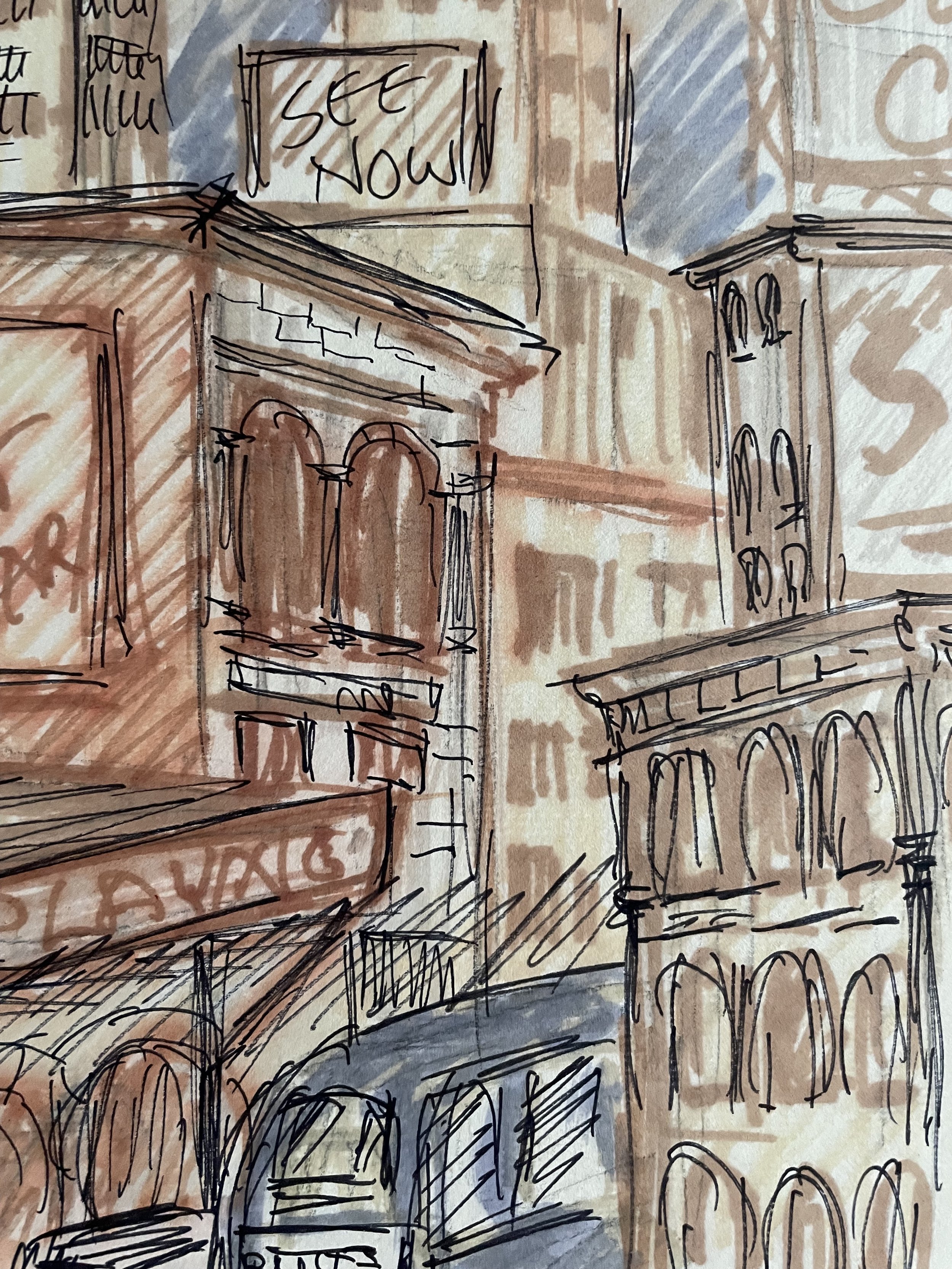
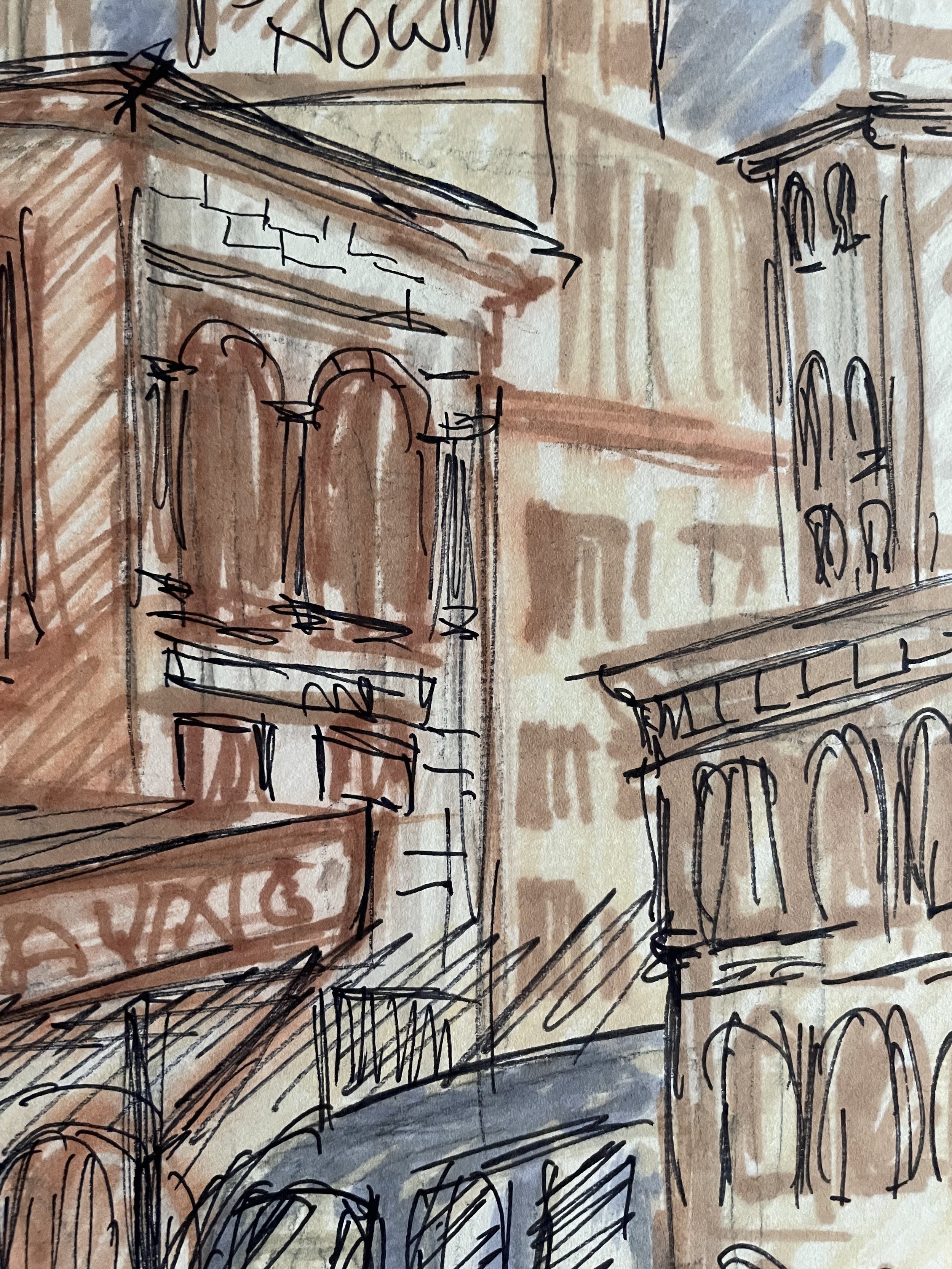
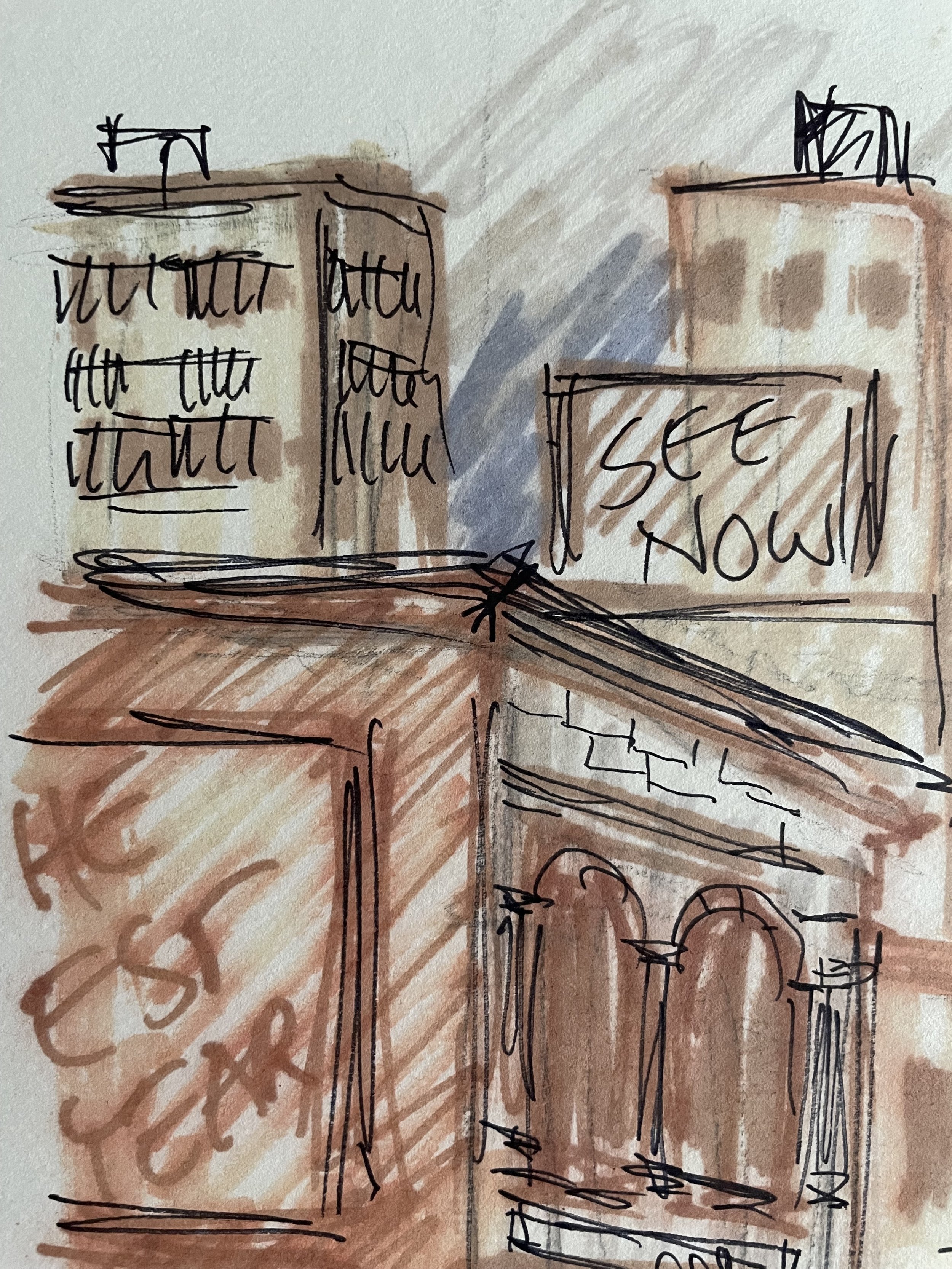
Layton structures the scene with crisp, screen-print-like blocks of color—cool greys, creams, brick reds, and mustard yellows—then softens them with hand-applied paint, visible in the textured sidewalks, uneven brickwork, and glowing interiors. The windows are alive with suggestion: curtains, bottle silhouettes, and warm interior light hint at the lives unfolding inside. The perspective is slightly flattened and decorative, emphasizing pattern over strict realism, a hallmark of mid-century modern graphic design.
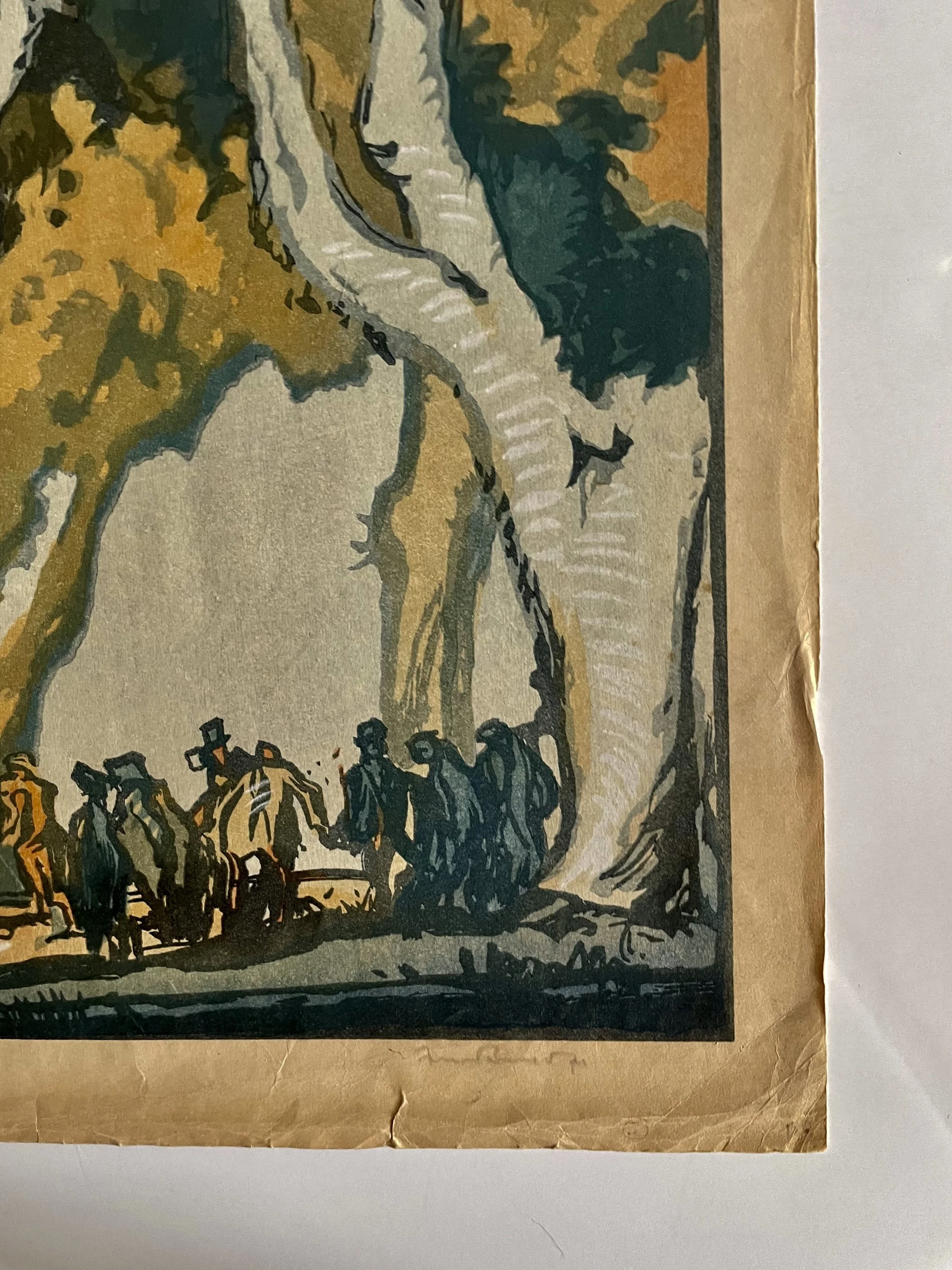
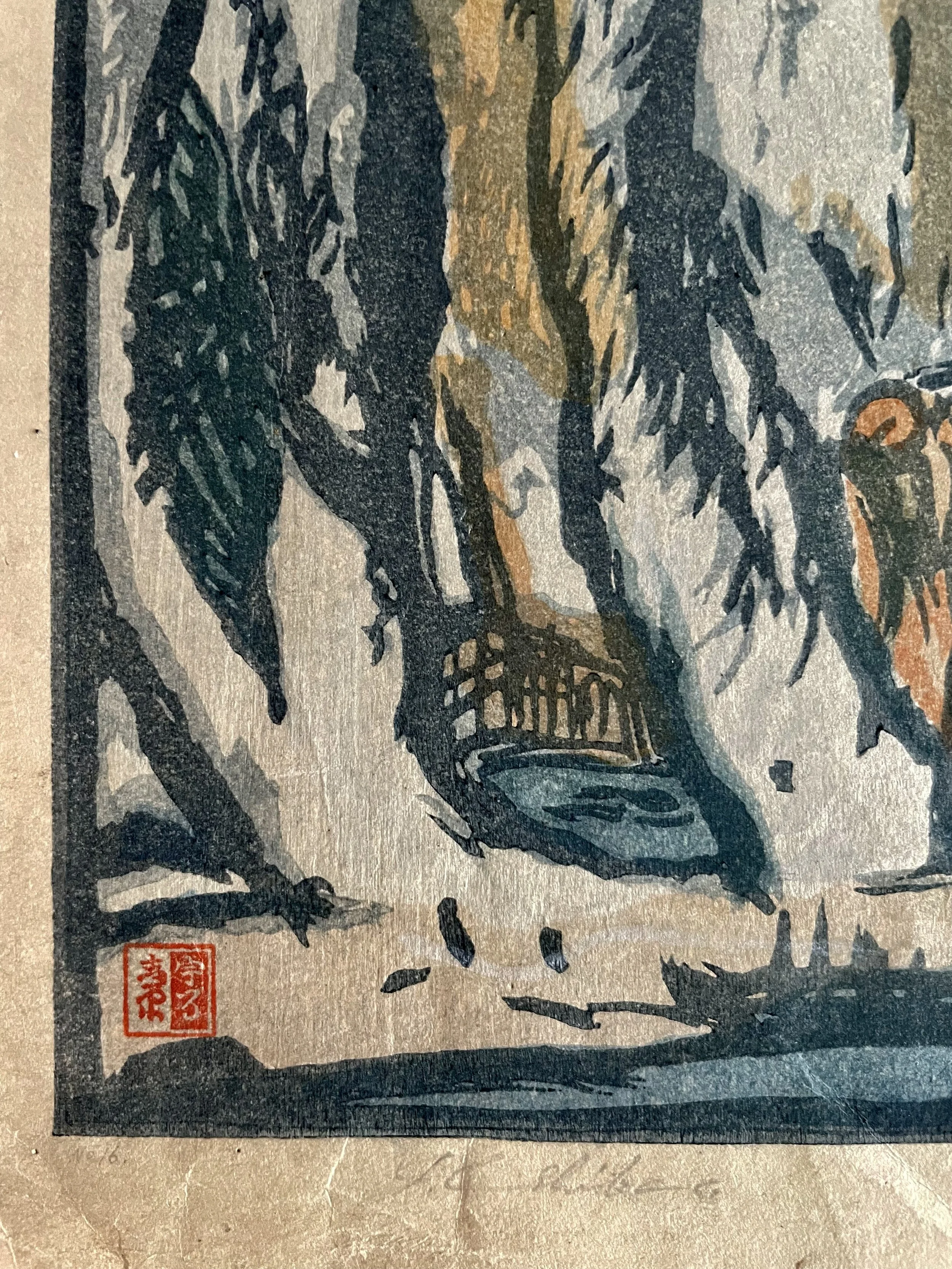
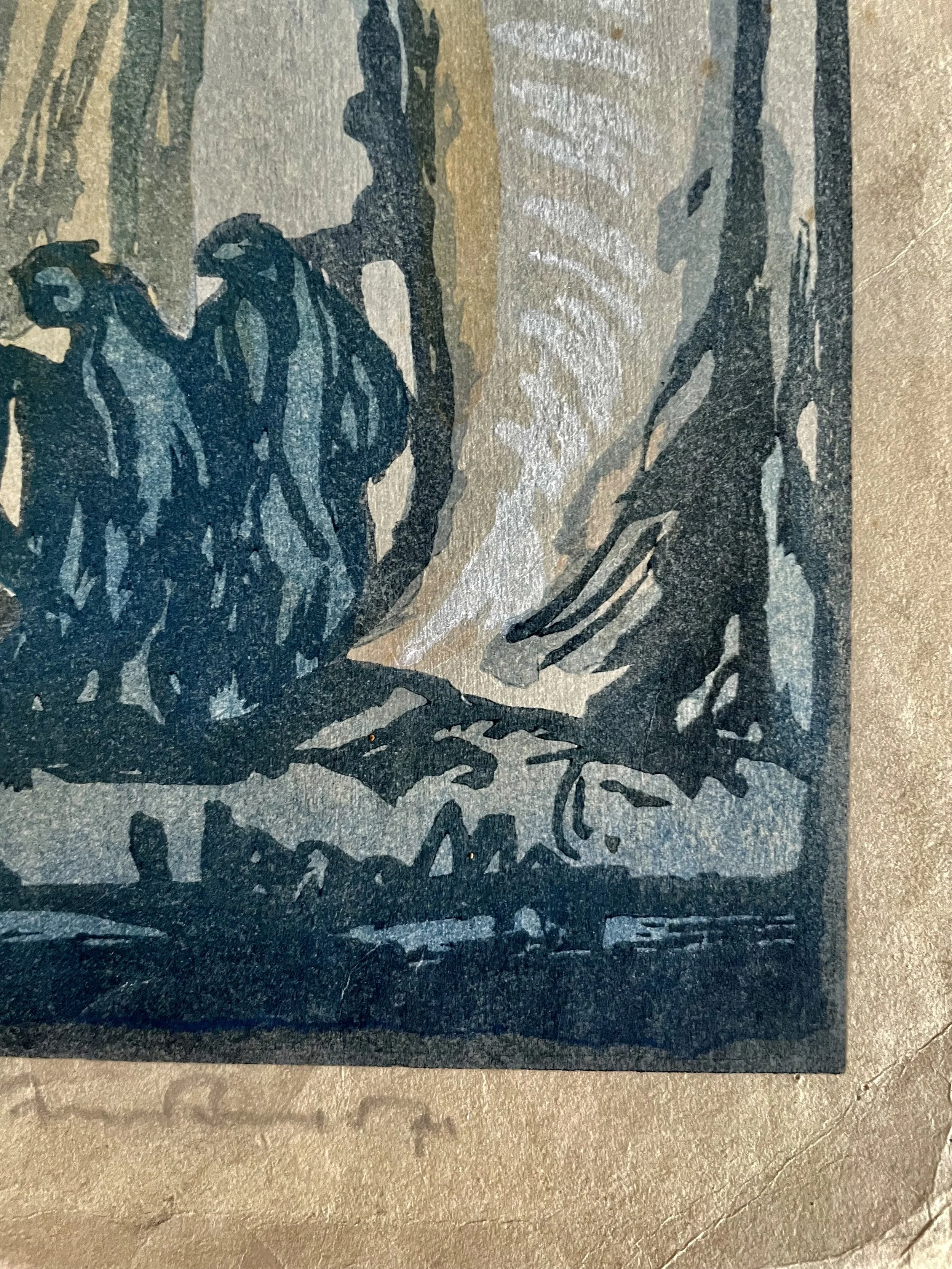
Executed as an offset lithograph (serigraph-style color print) with hand coloring, the work likely dates from the 1960s, when Layton was producing colorful street-scene screenprints and serigraphs of American cities such as New York and Boston. The print is signed “Layton” at the lower right and printed to the paper edges without a visible edition number, consistent with her commercially distributed but artist-designed cityscape prints.
Thematically, the piece celebrates urban neighborhood life—small businesses, apartments, and late-night lights—rather than grand monuments. The tall narrow format echoes the architecture itself, turning the building into a totem of mid-century Boston. The restrained palette and graphic clarity make it easy to integrate into contemporary interiors while still retaining a charming period feel.
Biography of Margaret Layton
Margaret Layton is an American mid-20th-century printmaker and painter, associated with the postwar boom in affordable, decorative serigraphs and lithographs for the home. While detailed personal records of her life—such as birth and death dates or formal schooling—are scarce in standard art-historical references, her career can be traced through copyright entries, museum holdings, and auction records.
By the 1950s, Layton was producing color screenprints (serigraphs) that were distributed by commercial print publishers such as Aaron Ashley, Inc., and documented in the U.S. Copyright Office catalogues as multicolor serigraphs reproduced from her original designs. These prints were often created in collaboration with Berrien Studio, a well-known mid-century print and framing studio, and were marketed widely as high-quality decorative art for American homes.
Layton’s work typically focuses on urban and small-town scenes, storefronts, cafés, and architectural views, as well as stylized animals such as cats and owls. Auction records show titles like 12th Step Café and Mal’s Restaurant and Bar, which depict lively city streets and neighborhood landmarks in a tall vertical format very similar to your Boston streetscape. Another well-known work, Fruit Cart (c.1950), a screenprint now in the National Gallery of Art, Washington, D.C., confirms both her authorship and her recognition in serious print collections.
Stylistically, Layton combines clean, graphic shapes and flat color planes—inherited from commercial illustration and modernist design—with whimsical hand-drawn detail. Her streets are filled with readable signage, windows, and architectural quirks that give each scene a narrative quality. Many prints are described in auction catalogues as screenprints or serigraphs, sometimes enhanced with gouache or hand coloring, blurring the line between editioned print and unique work.
Layton is generally classified as a Postwar & Contemporary American artist, with works appearing in North American auctions from modest local houses to larger platforms. Price databases show her prints consistently traded on the secondary market, with realized prices typically in the low- to mid-hundreds of dollars, reflecting a strong niche interest in mid-century graphic art and vintage cityscapes. Although she has not been the subject of major monographs, her presence in institutional collections and ongoing collector demand underscore her importance among mid-century American printmakers who brought modern design into everyday interiors.
Margaret Layton (American, 20th c.)
Boston Streetfront at Night (also known as Boston Street Scape), c.1960s
Hand-colored offset lithograph on paper
Image/Sheet: 33 × 15 in (83.8 × 38.1 cm)
Signed “Layton” lower right.
Condition: Very good vintage condition; strong color, minor handling wear consistent with age.
Provenance: Mitch Morse Gallery, New York; private collection; Artfind Gallery, Washington, D.C.
Certificate of Value & Authentication
Artist: Margaret Layton (American, 20th century)
Title: Boston Streetfront at Night (attributed; also known as Boston Street Scape)
Date: circa 1960s
Medium: Hand-colored offset lithograph on paper
Dimensions: 33 × 15 inches (image/sheet)
Signature: Signed “Layton” at lower right.
Edition: Unnumbered, from a small commercial edition produced for a mid-century print publisher.
I certify that, to the best of my research and expertise, this work is an authentic vintage hand-colored offset lithographafter an original design by Margaret Layton, consistent in style, technique, and signature with documented examples of her mid-century cityscape prints, including works held in public and private collections.
Provenance chain (collector-formatted)
Margaret Layton, artist (c.1960s) – creation of original design and publication of hand-colored offset lithograph.
Mid-century print publisher / distributor, New York – initial commercial distribution of the edition.
Mitch Morse Gallery, New York, NY – acquired directly from publisher/wholesaler and retailed to collectors.
Private collection(s), United States – held in one or more private collections.
Artfind Gallery, Washington, D.C. – current owner and representative for sale.
“Boston Streetfront at Night,” Margaret Layton (American, 20th c.), c.1960s, hand-colored offset lithograph, 15×33 in, signed lower right.
“Boston Streetfront at Night” by mid-century American printmaker Margaret Layton is a tall, atmospheric Boston cityscape rendered as a hand-colored offset lithograph. Measuring 15 × 33 inches, this vintage print captures the charm of an old neighborhood block—shopfronts, hotel, restaurant, music school, and glowing windows stacked beneath a moonlit sky. Layton’s distinctive mix of architectural detail, graphic line, and soft painterly color makes the work a quintessential example of mid-century American urban art and a perfect statement piece for lovers of Boston history, vintage street scenes, and modernist design.
Artwork description
This vertical composition presents a narrow Boston street façade rising several stories against a deep blue night sky, punctuated by a small yellow moon. The central building, with its arched transom and ornate iron balcony, is flanked by neighboring storefronts: a hotel, restaurant, music school, and café whose signs—“Do Not Enter,” “Revere Restaurant,” “Lobban Apartments,” “Music School”—add narrative and period flavor.
Layton structures the scene with crisp, screen-print-like blocks of color—cool greys, creams, brick reds, and mustard yellows—then softens them with hand-applied paint, visible in the textured sidewalks, uneven brickwork, and glowing interiors. The windows are alive with suggestion: curtains, bottle silhouettes, and warm interior light hint at the lives unfolding inside. The perspective is slightly flattened and decorative, emphasizing pattern over strict realism, a hallmark of mid-century modern graphic design.
Executed as an offset lithograph (serigraph-style color print) with hand coloring, the work likely dates from the 1960s, when Layton was producing colorful street-scene screenprints and serigraphs of American cities such as New York and Boston. The print is signed “Layton” at the lower right and printed to the paper edges without a visible edition number, consistent with her commercially distributed but artist-designed cityscape prints.
Thematically, the piece celebrates urban neighborhood life—small businesses, apartments, and late-night lights—rather than grand monuments. The tall narrow format echoes the architecture itself, turning the building into a totem of mid-century Boston. The restrained palette and graphic clarity make it easy to integrate into contemporary interiors while still retaining a charming period feel.
Biography of Margaret Layton
Margaret Layton is an American mid-20th-century printmaker and painter, associated with the postwar boom in affordable, decorative serigraphs and lithographs for the home. While detailed personal records of her life—such as birth and death dates or formal schooling—are scarce in standard art-historical references, her career can be traced through copyright entries, museum holdings, and auction records.
By the 1950s, Layton was producing color screenprints (serigraphs) that were distributed by commercial print publishers such as Aaron Ashley, Inc., and documented in the U.S. Copyright Office catalogues as multicolor serigraphs reproduced from her original designs. These prints were often created in collaboration with Berrien Studio, a well-known mid-century print and framing studio, and were marketed widely as high-quality decorative art for American homes.
Layton’s work typically focuses on urban and small-town scenes, storefronts, cafés, and architectural views, as well as stylized animals such as cats and owls. Auction records show titles like 12th Step Café and Mal’s Restaurant and Bar, which depict lively city streets and neighborhood landmarks in a tall vertical format very similar to your Boston streetscape. Another well-known work, Fruit Cart (c.1950), a screenprint now in the National Gallery of Art, Washington, D.C., confirms both her authorship and her recognition in serious print collections.
Stylistically, Layton combines clean, graphic shapes and flat color planes—inherited from commercial illustration and modernist design—with whimsical hand-drawn detail. Her streets are filled with readable signage, windows, and architectural quirks that give each scene a narrative quality. Many prints are described in auction catalogues as screenprints or serigraphs, sometimes enhanced with gouache or hand coloring, blurring the line between editioned print and unique work.
Layton is generally classified as a Postwar & Contemporary American artist, with works appearing in North American auctions from modest local houses to larger platforms. Price databases show her prints consistently traded on the secondary market, with realized prices typically in the low- to mid-hundreds of dollars, reflecting a strong niche interest in mid-century graphic art and vintage cityscapes. Although she has not been the subject of major monographs, her presence in institutional collections and ongoing collector demand underscore her importance among mid-century American printmakers who brought modern design into everyday interiors.
Margaret Layton (American, 20th c.)
Boston Streetfront at Night (also known as Boston Street Scape), c.1960s
Hand-colored offset lithograph on paper
Image/Sheet: 33 × 15 in (83.8 × 38.1 cm)
Signed “Layton” lower right.
Condition: Very good vintage condition; strong color, minor handling wear consistent with age.
Provenance: Mitch Morse Gallery, New York; private collection; Artfind Gallery, Washington, D.C.
Certificate of Value & Authentication
Artist: Margaret Layton (American, 20th century)
Title: Boston Streetfront at Night (attributed; also known as Boston Street Scape)
Date: circa 1960s
Medium: Hand-colored offset lithograph on paper
Dimensions: 33 × 15 inches (image/sheet)
Signature: Signed “Layton” at lower right.
Edition: Unnumbered, from a small commercial edition produced for a mid-century print publisher.
I certify that, to the best of my research and expertise, this work is an authentic vintage hand-colored offset lithographafter an original design by Margaret Layton, consistent in style, technique, and signature with documented examples of her mid-century cityscape prints, including works held in public and private collections.
Provenance chain (collector-formatted)
Margaret Layton, artist (c.1960s) – creation of original design and publication of hand-colored offset lithograph.
Mid-century print publisher / distributor, New York – initial commercial distribution of the edition.
Mitch Morse Gallery, New York, NY – acquired directly from publisher/wholesaler and retailed to collectors.
Private collection(s), United States – held in one or more private collections.
Artfind Gallery, Washington, D.C. – current owner and representative for sale.
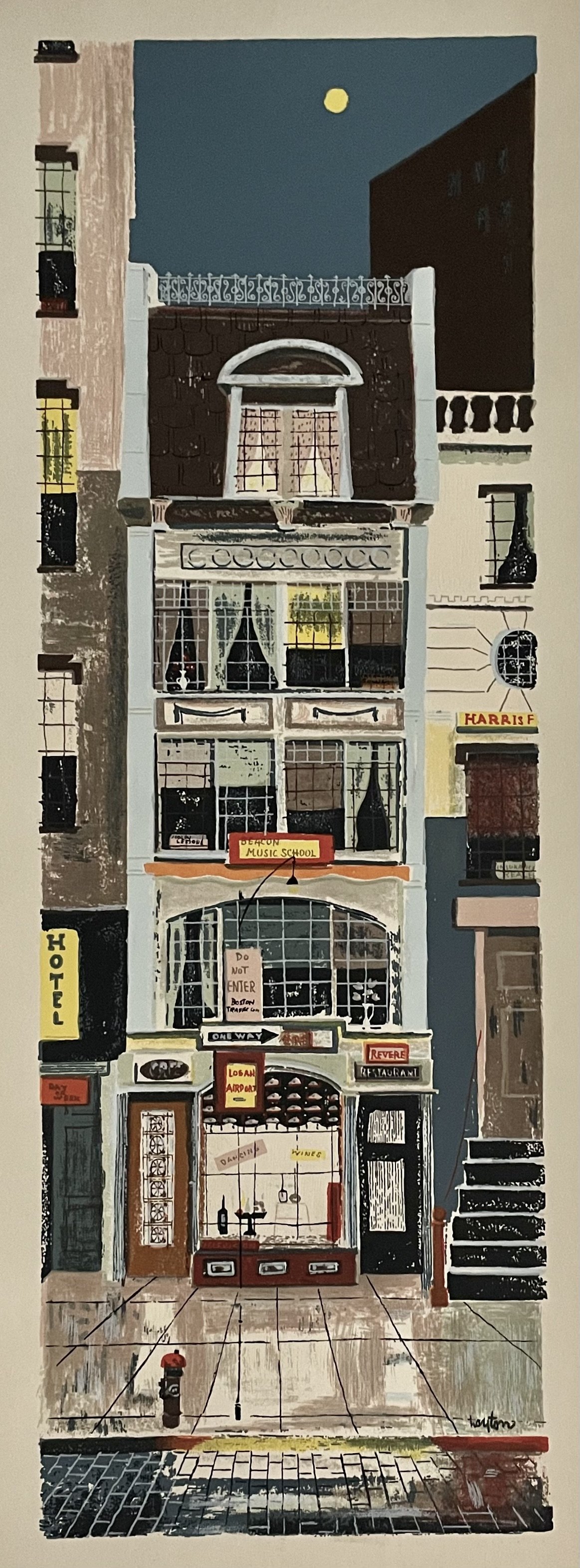 Image 1 of 7
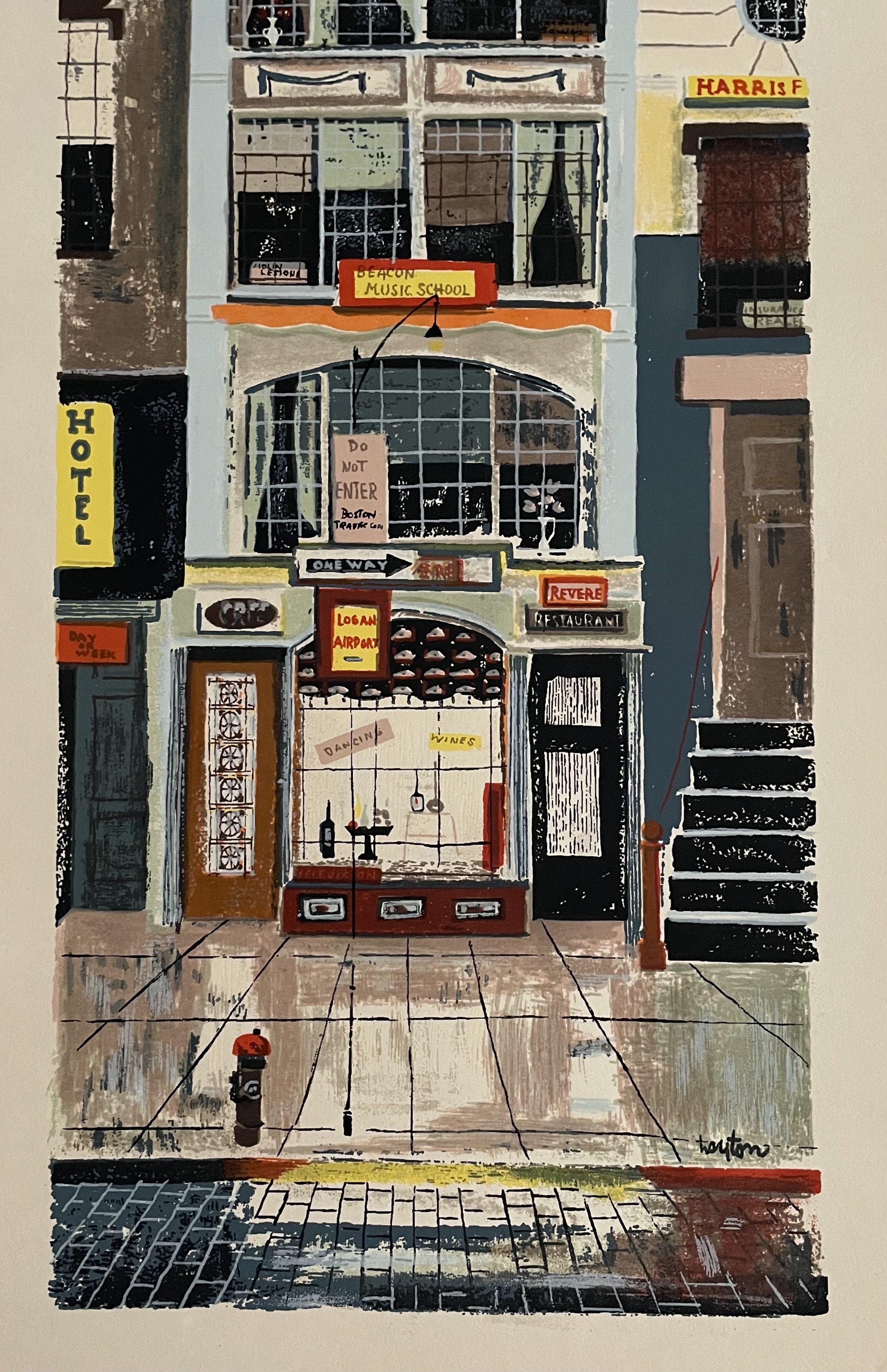 Image 2 of 7
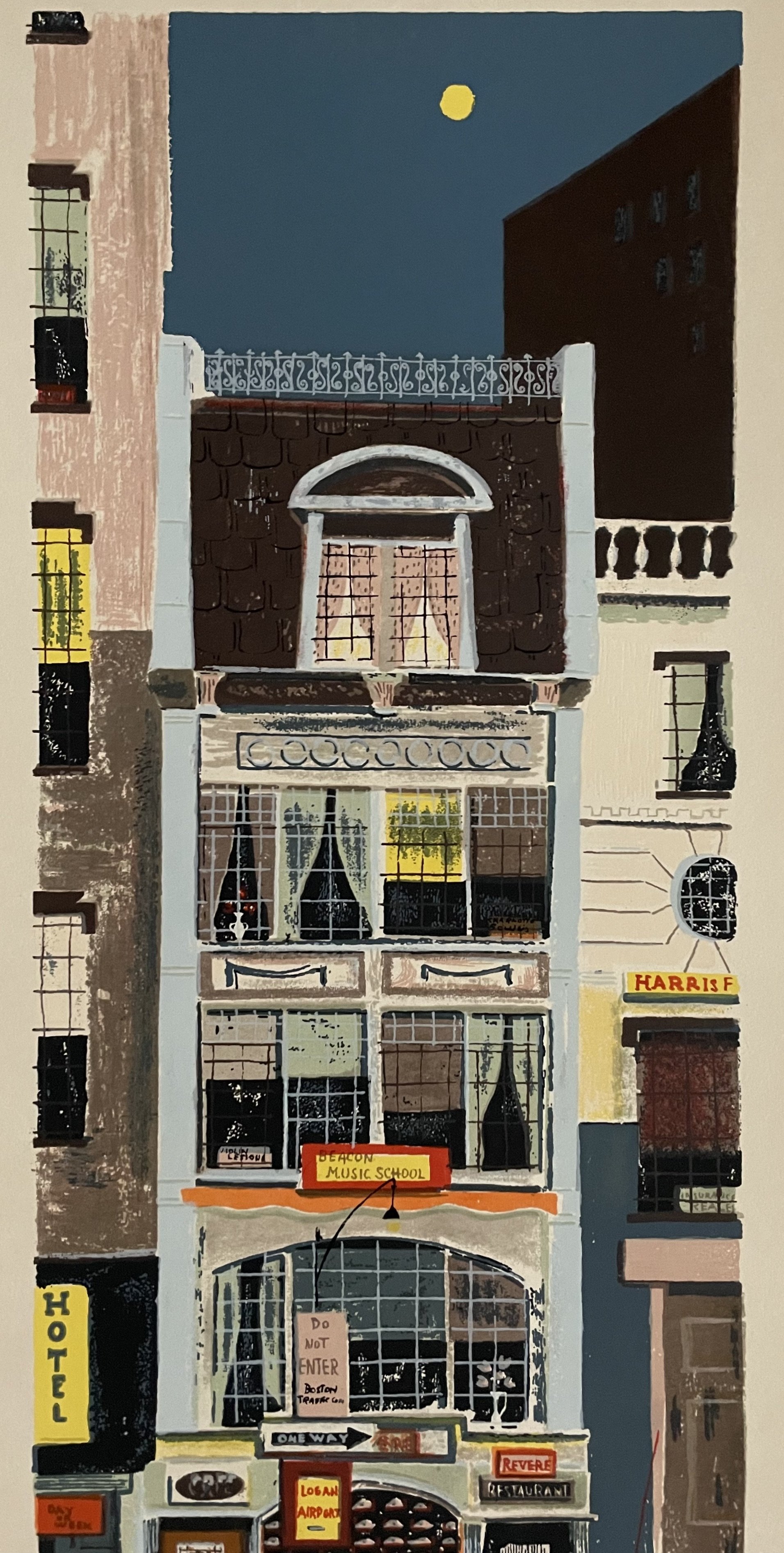 Image 3 of 7
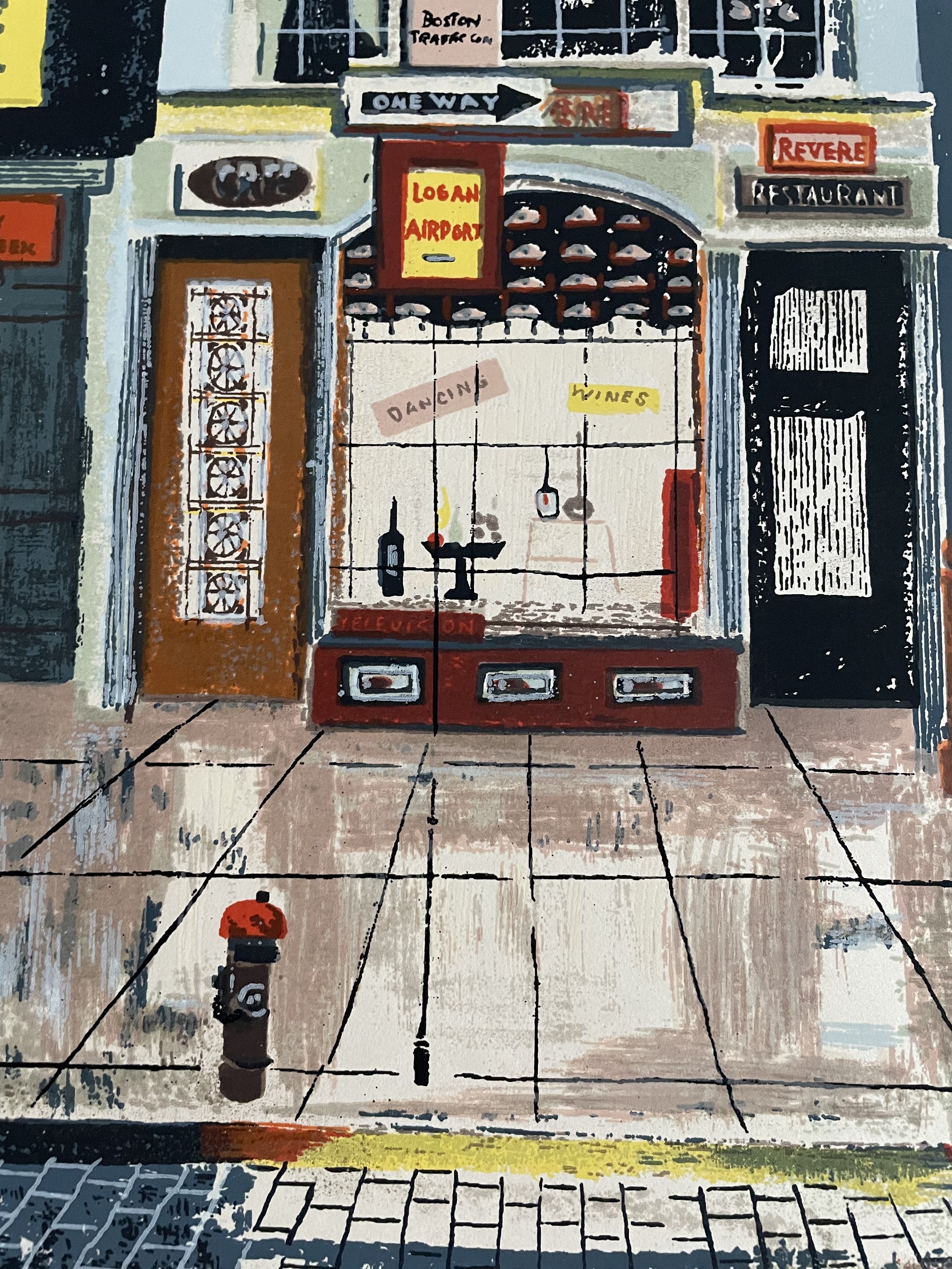 Image 4 of 7
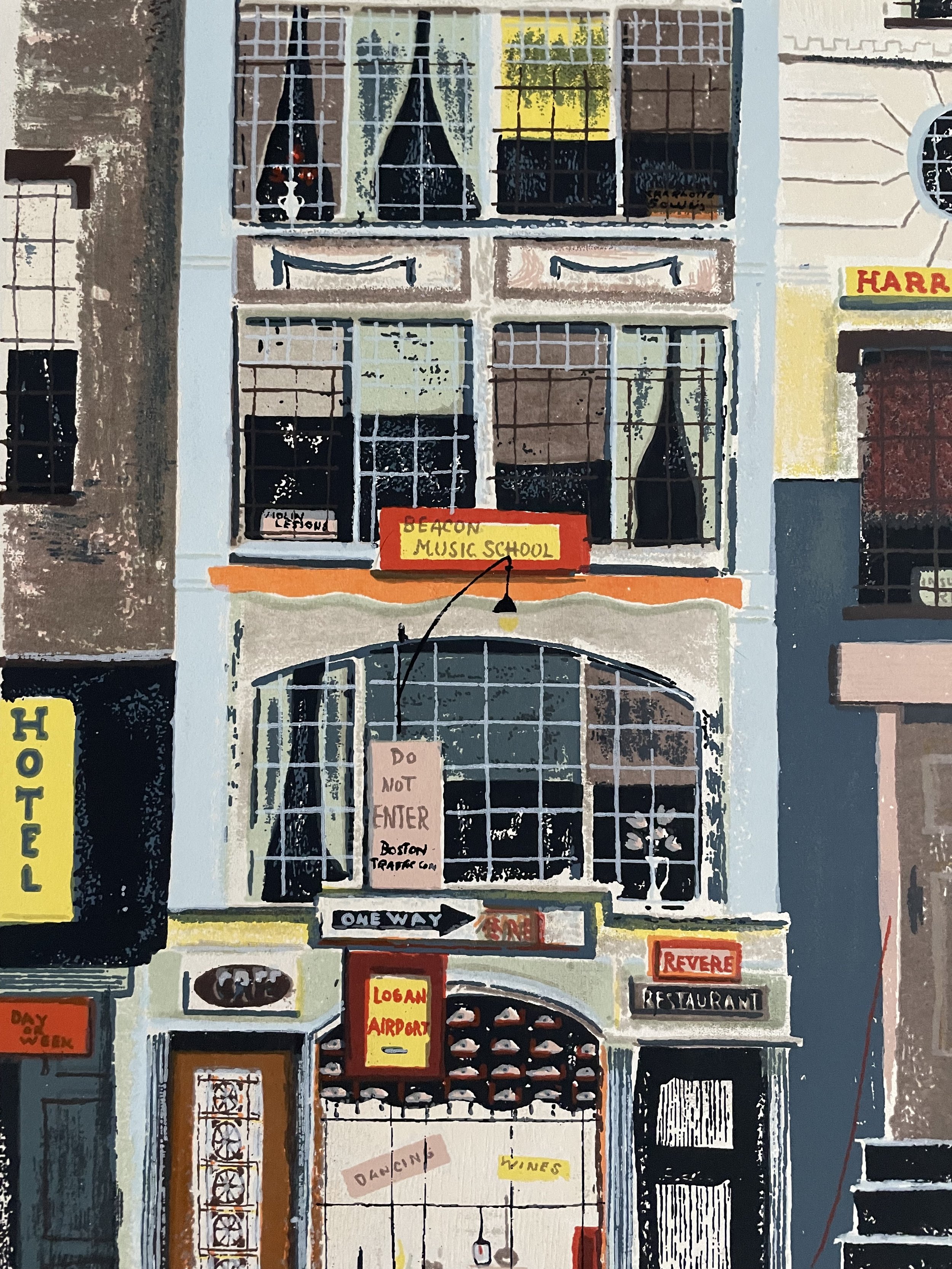 Image 5 of 7
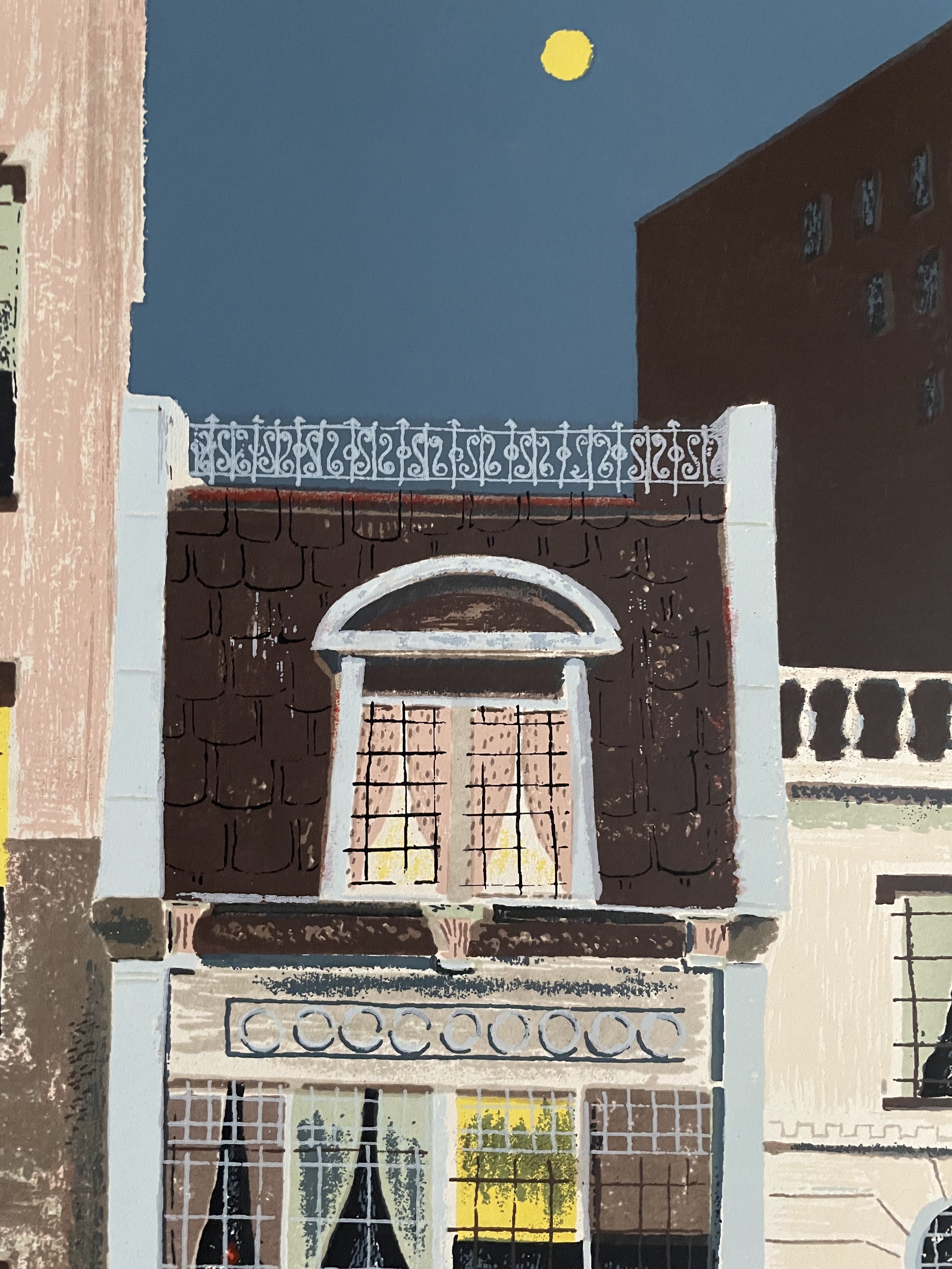 Image 6 of 7
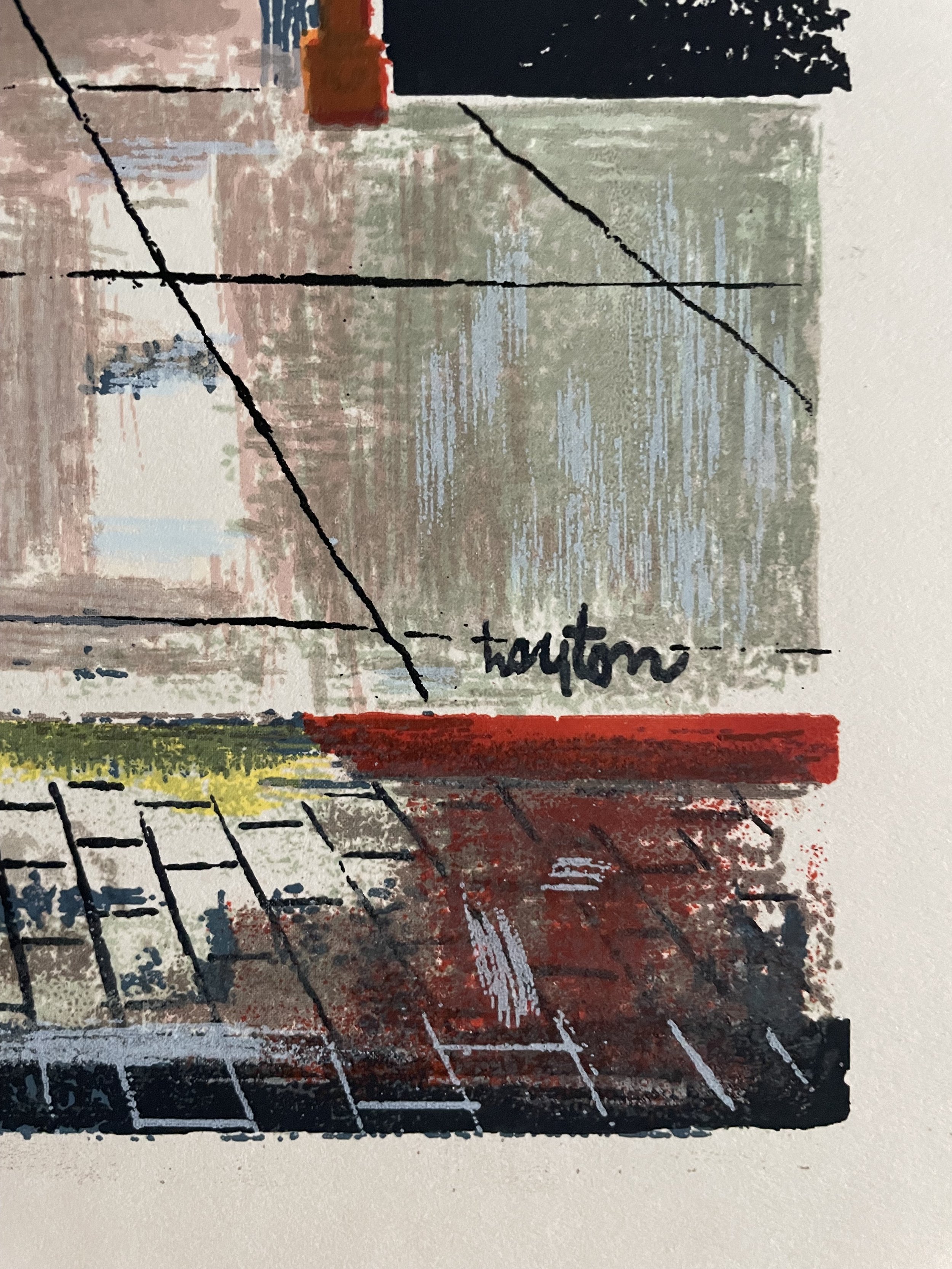 Image 7 of 7