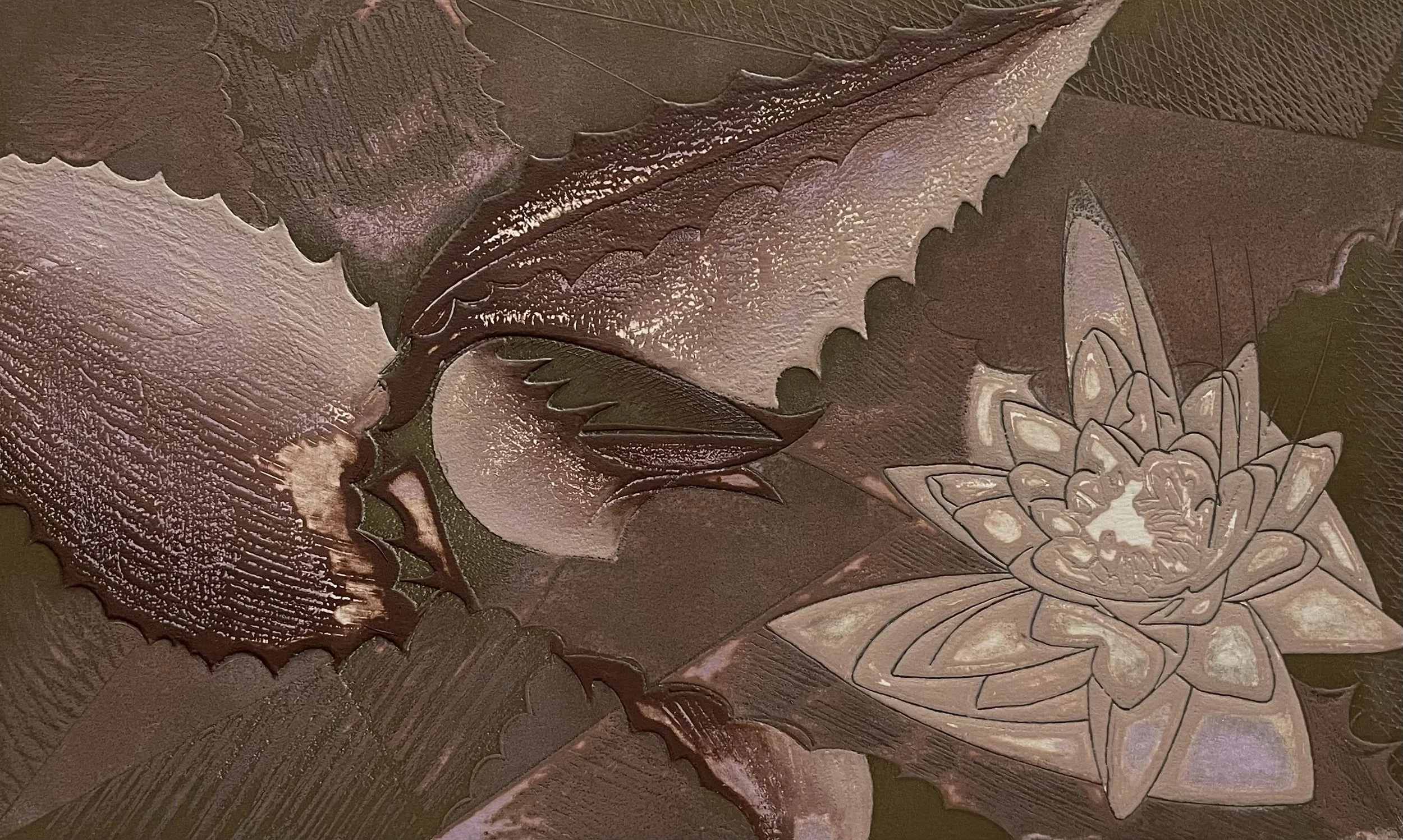
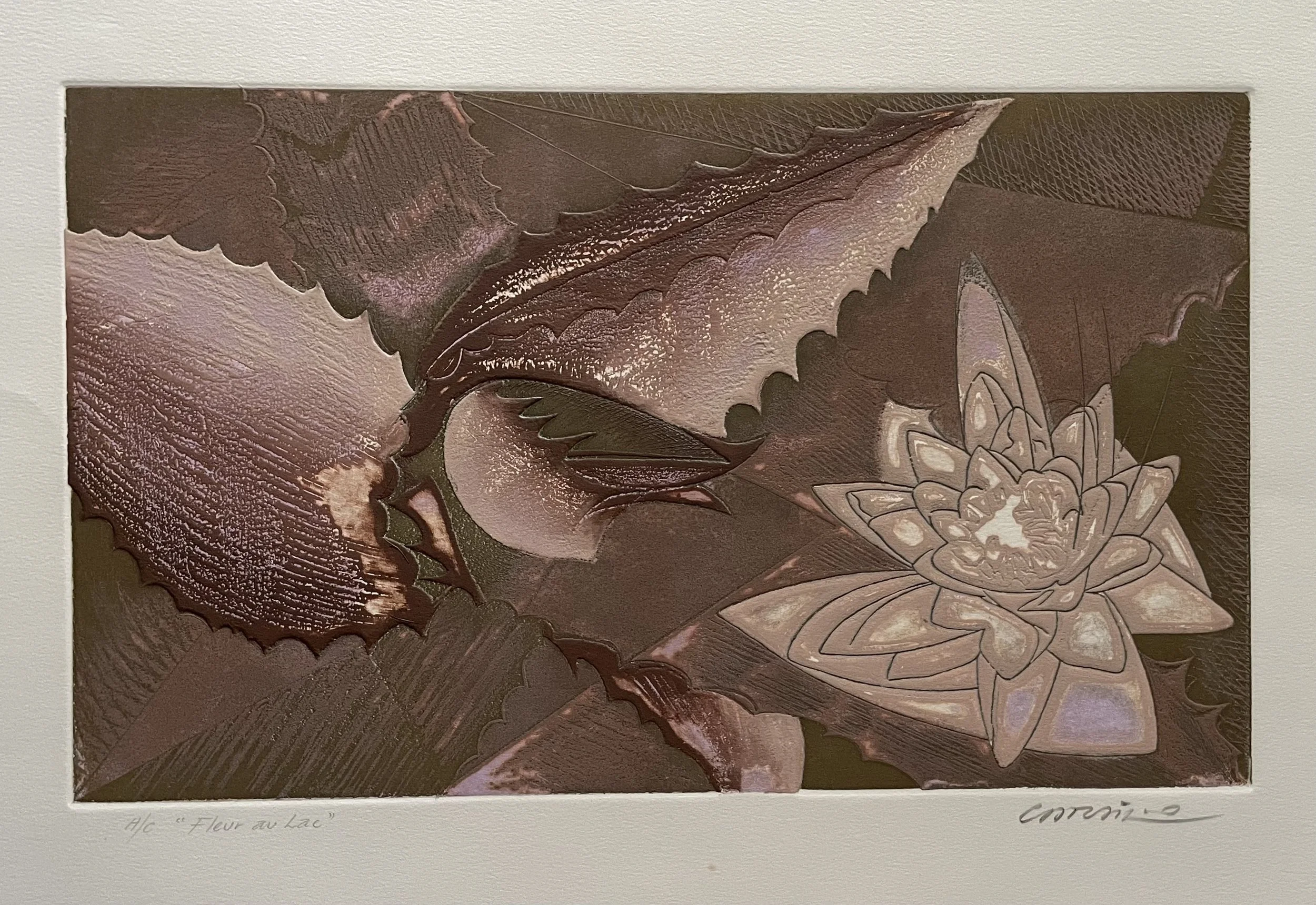
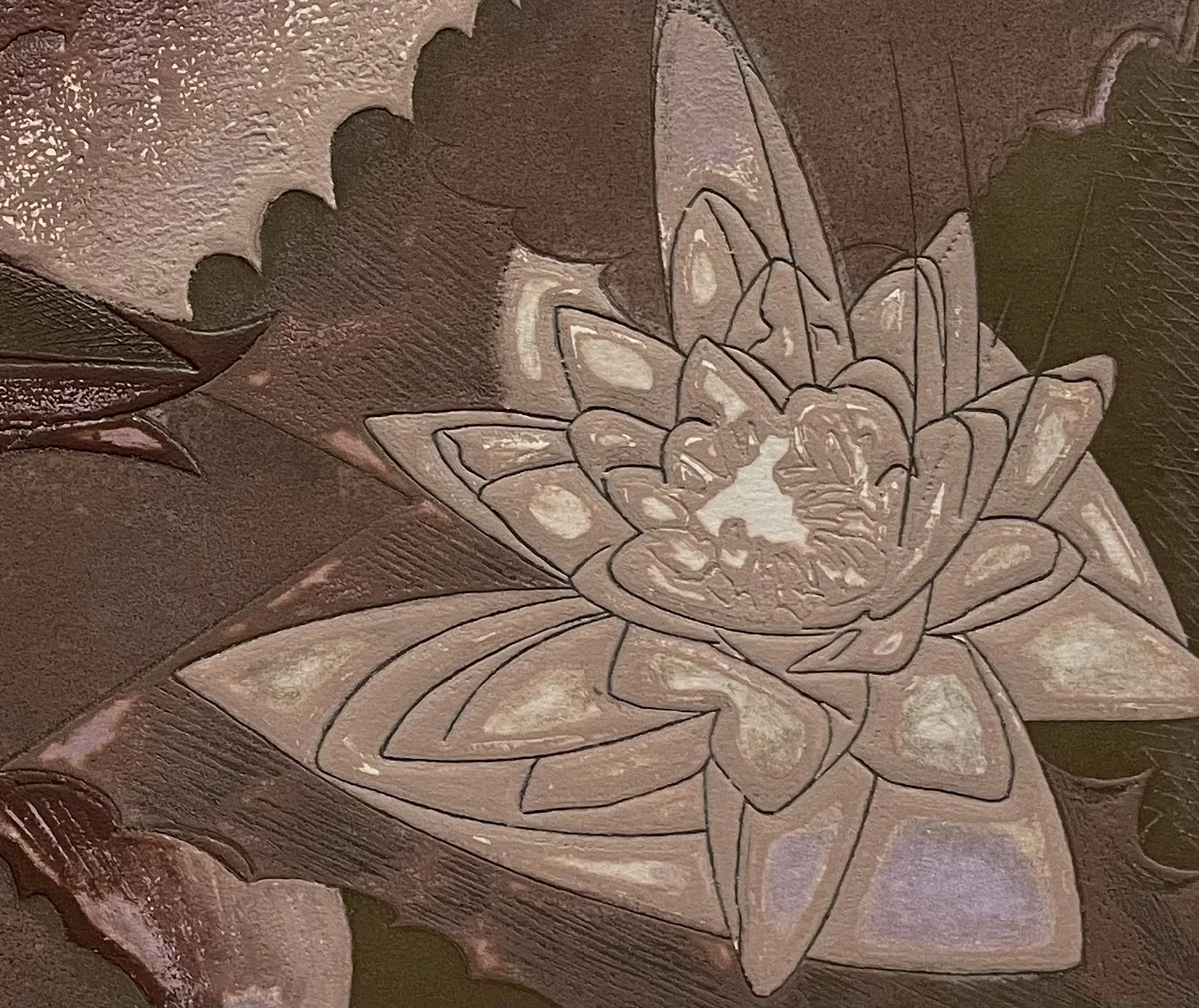
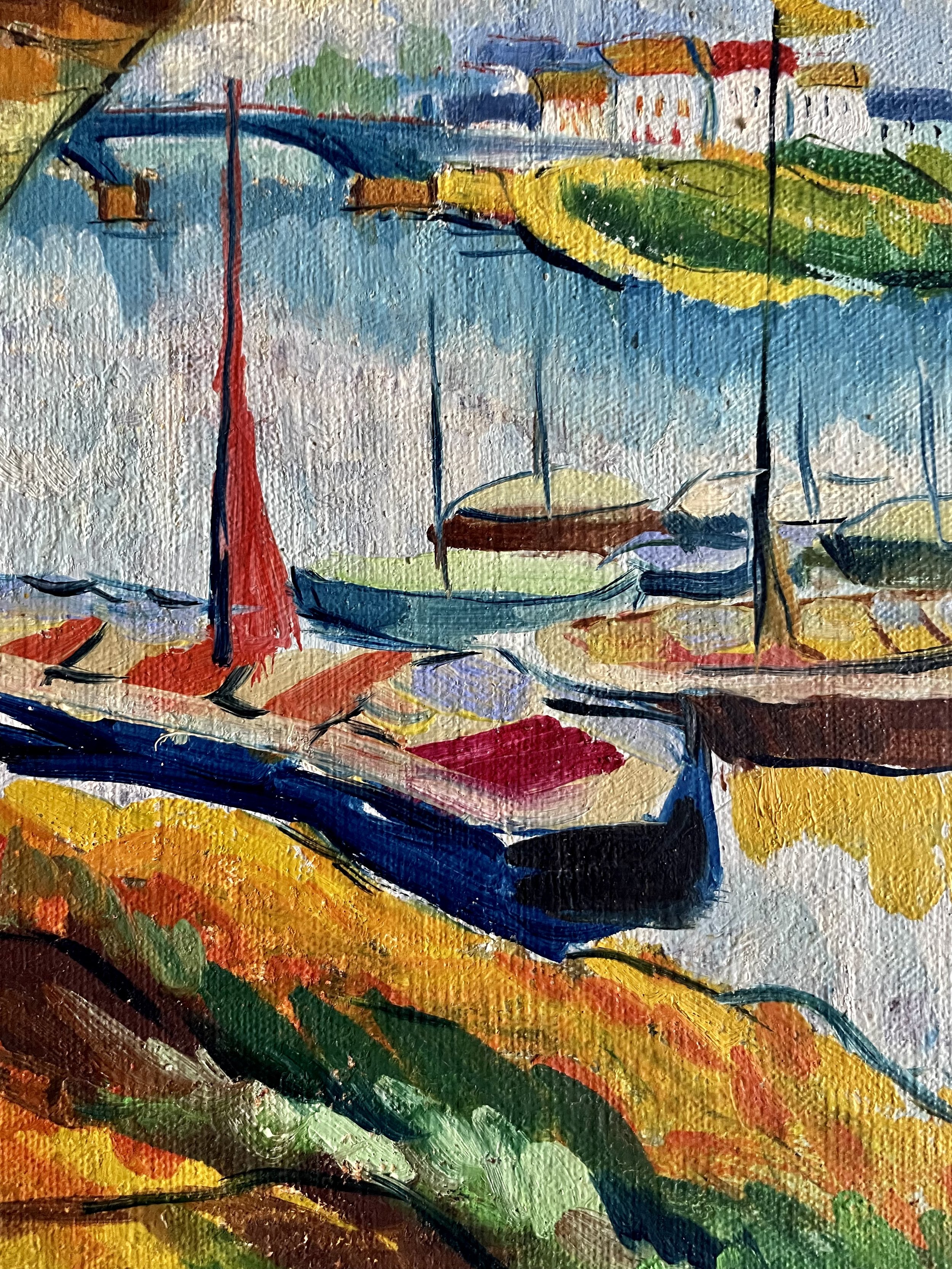
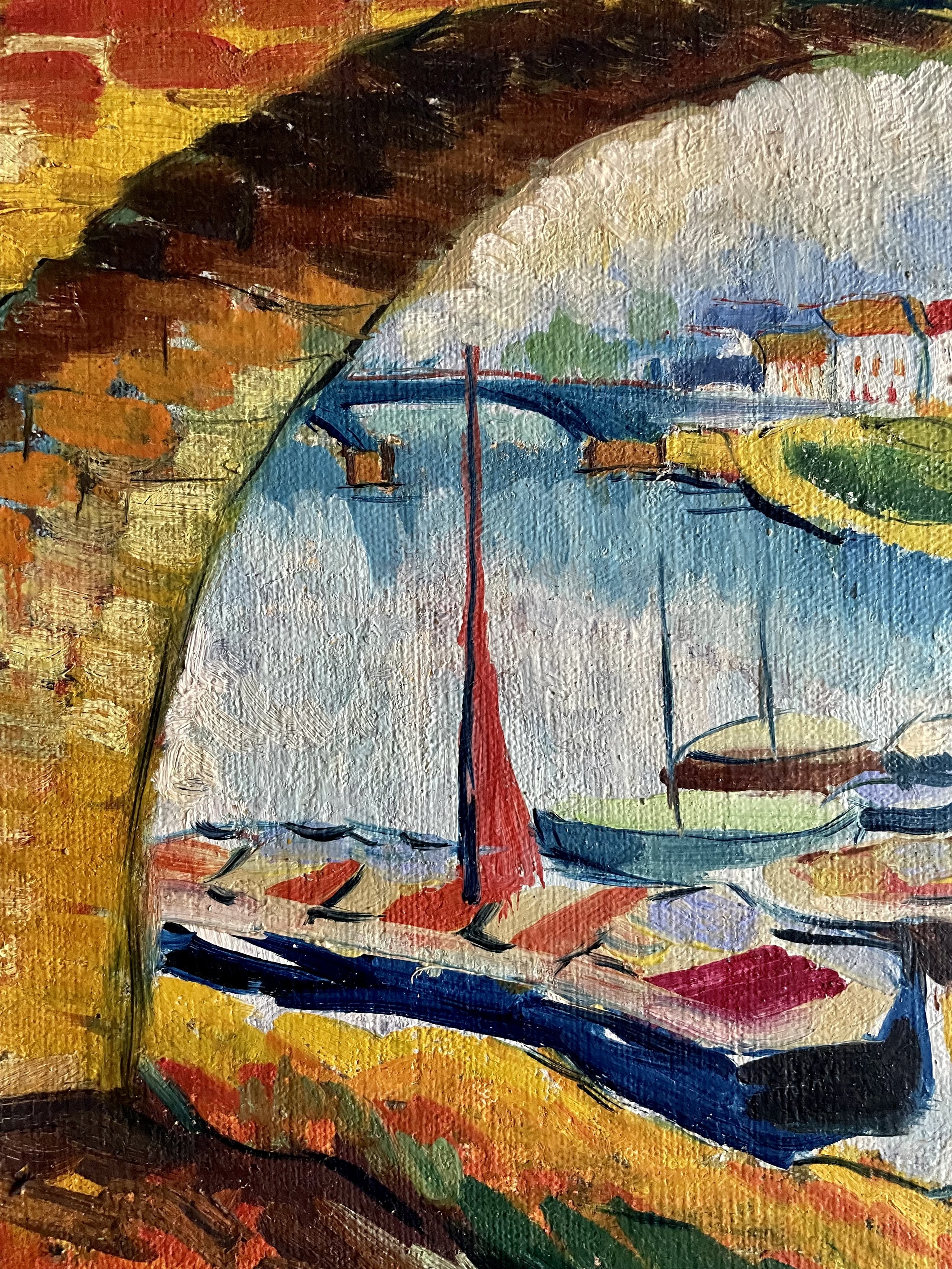
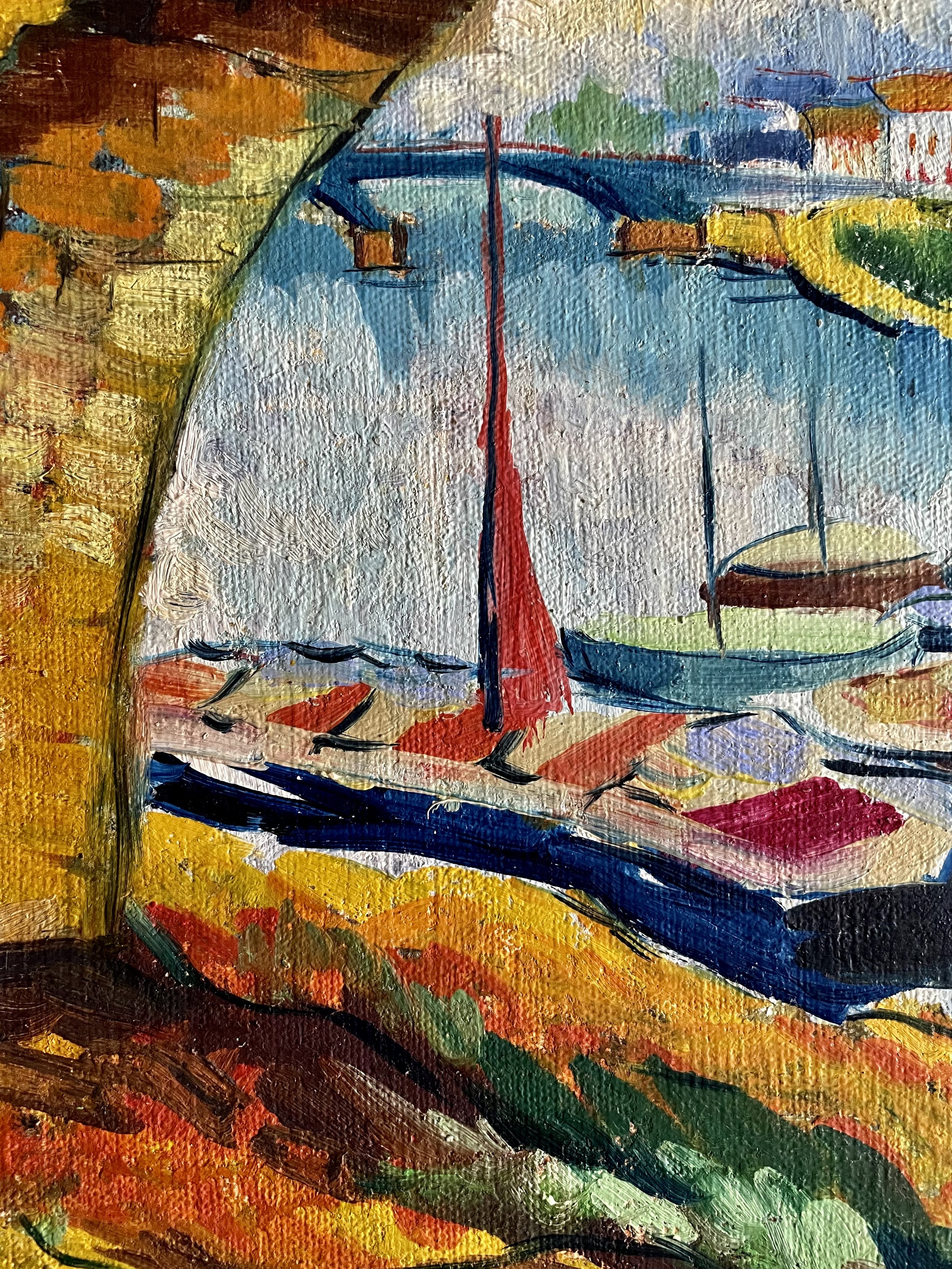
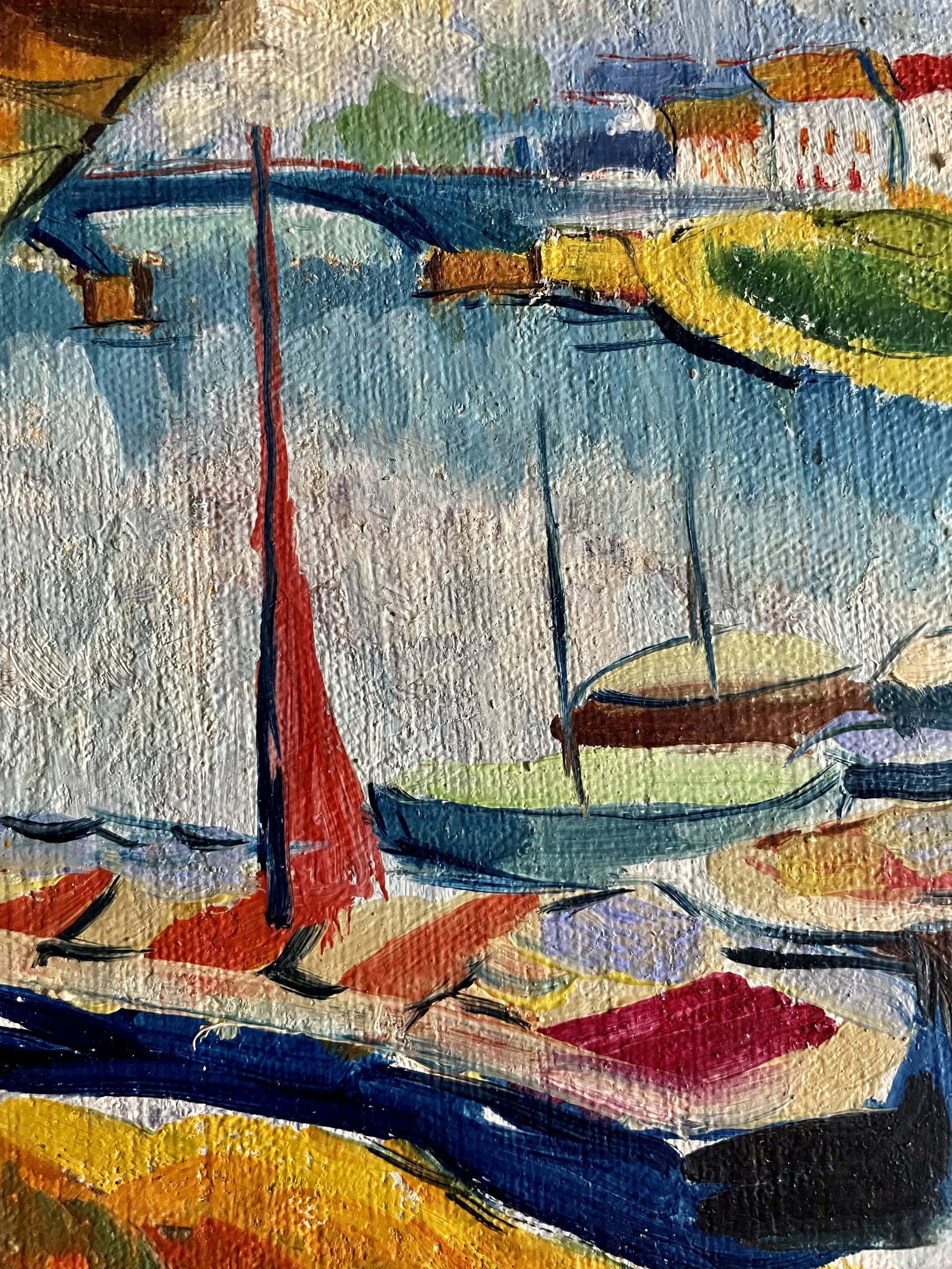
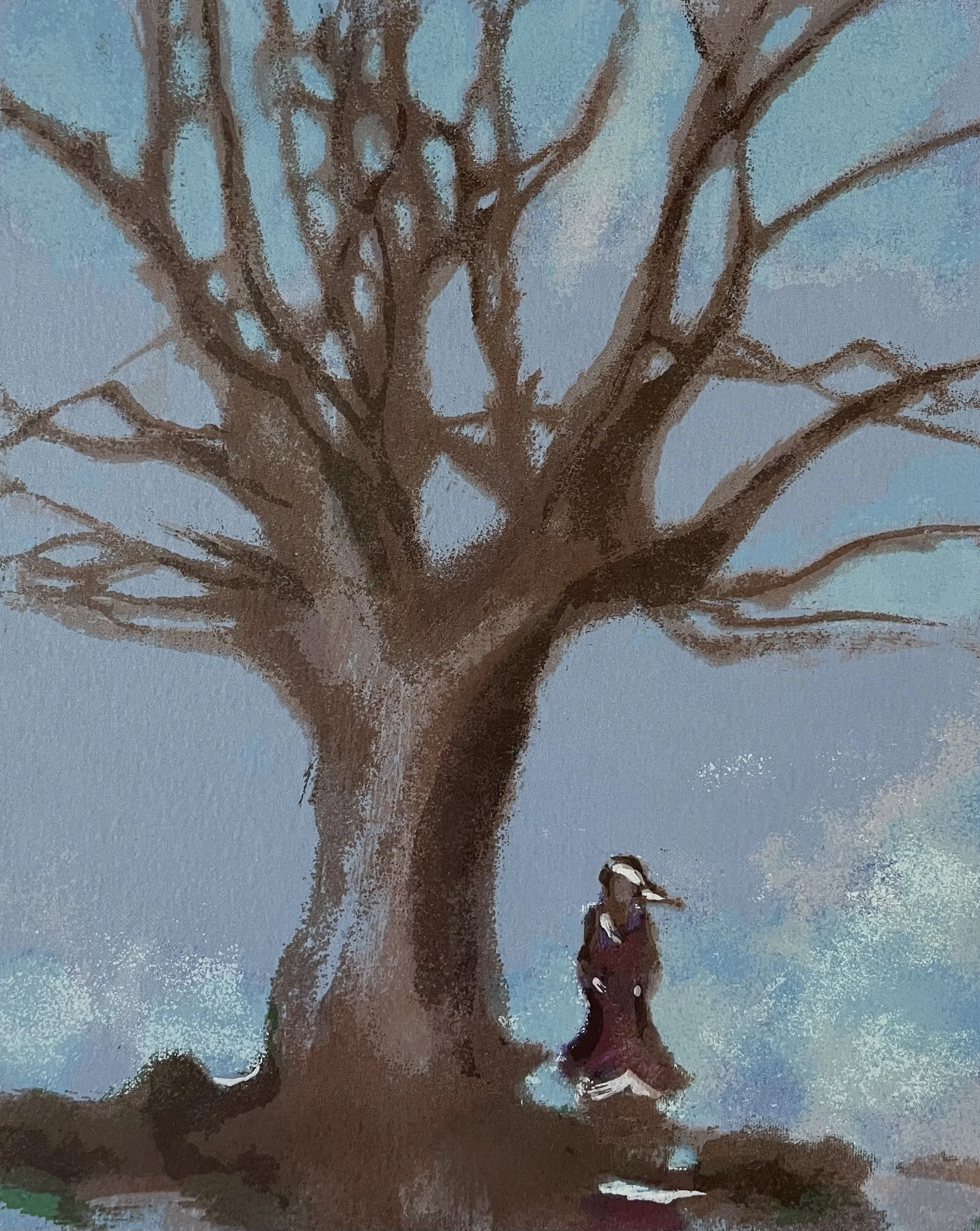
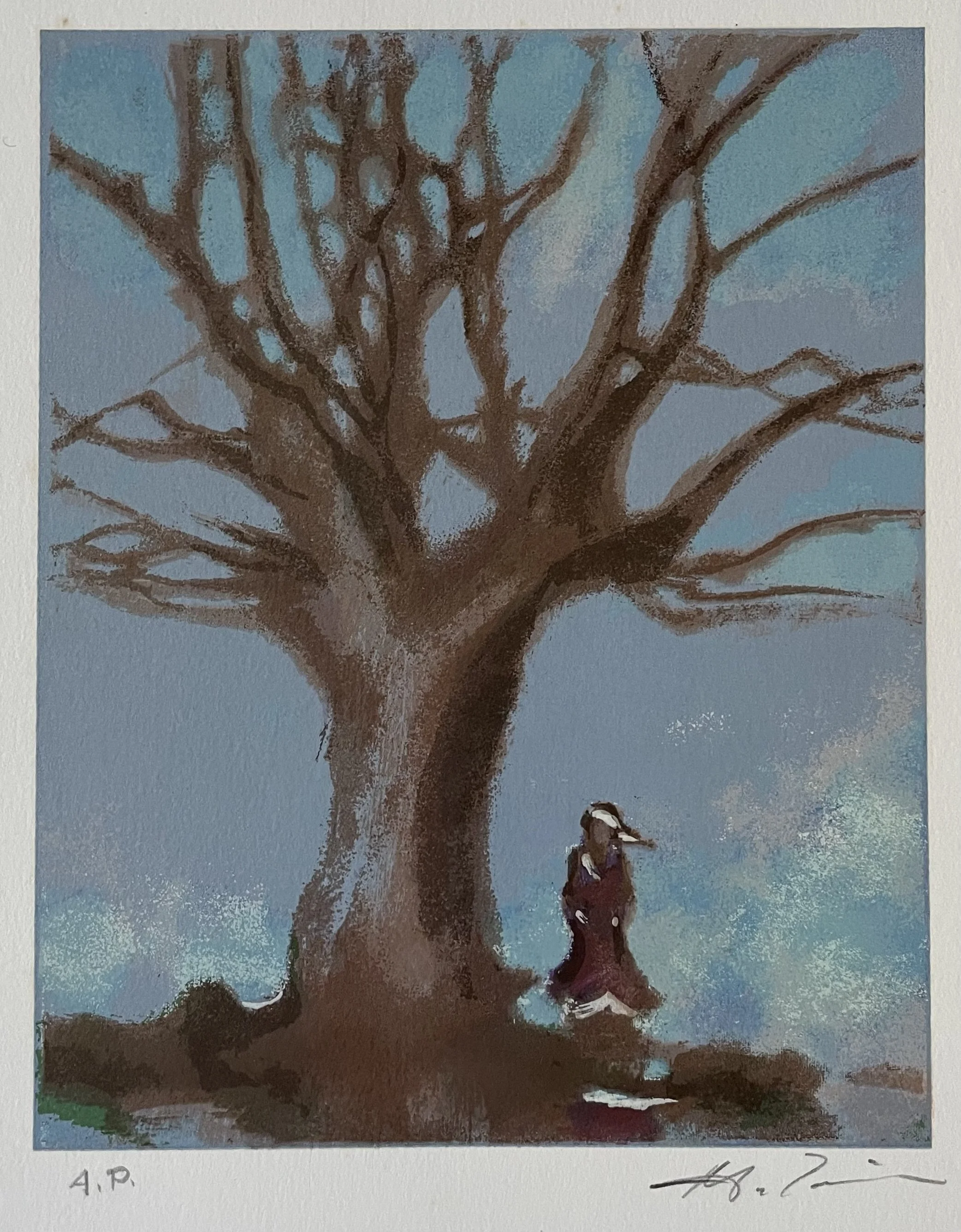
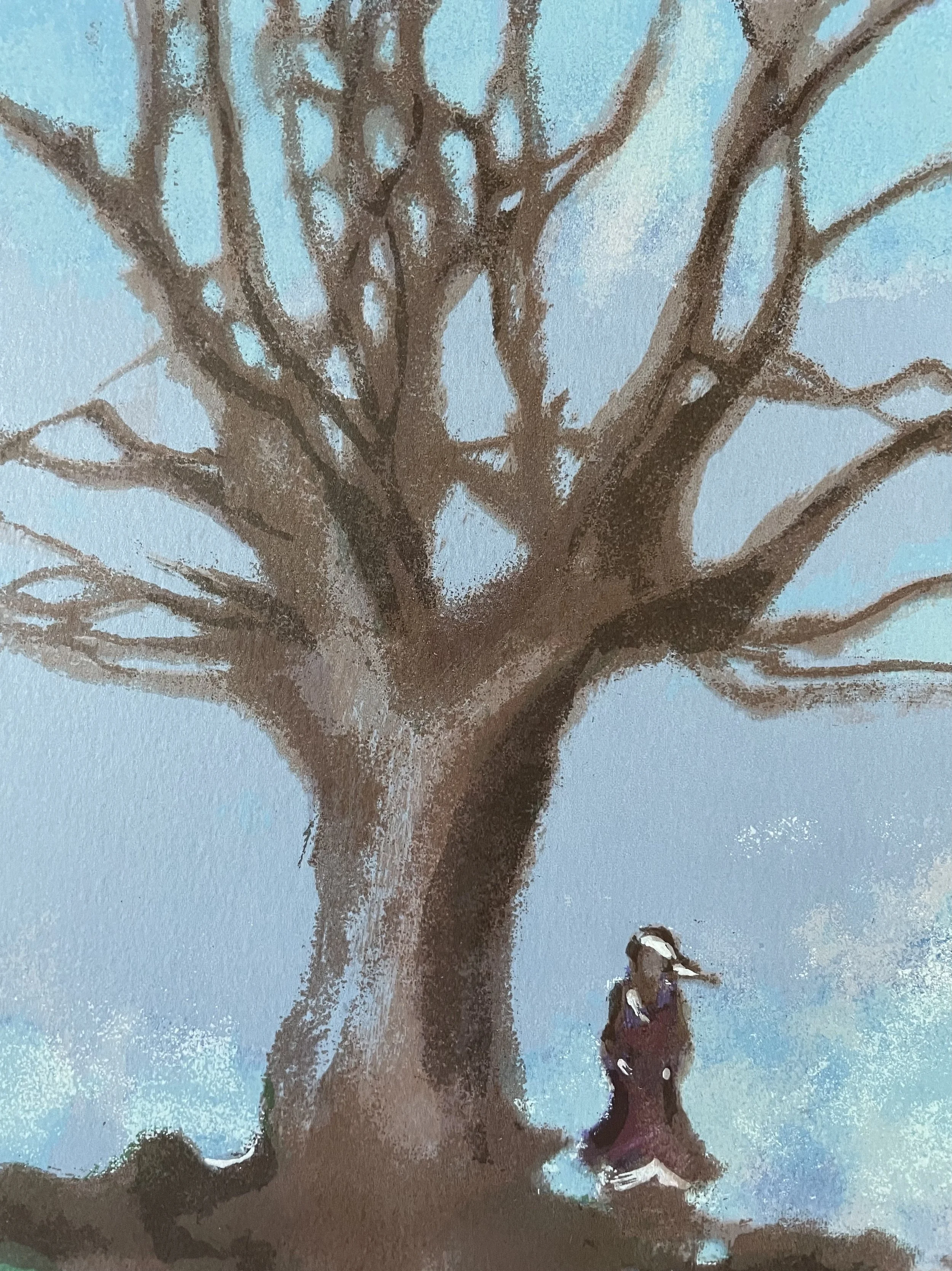
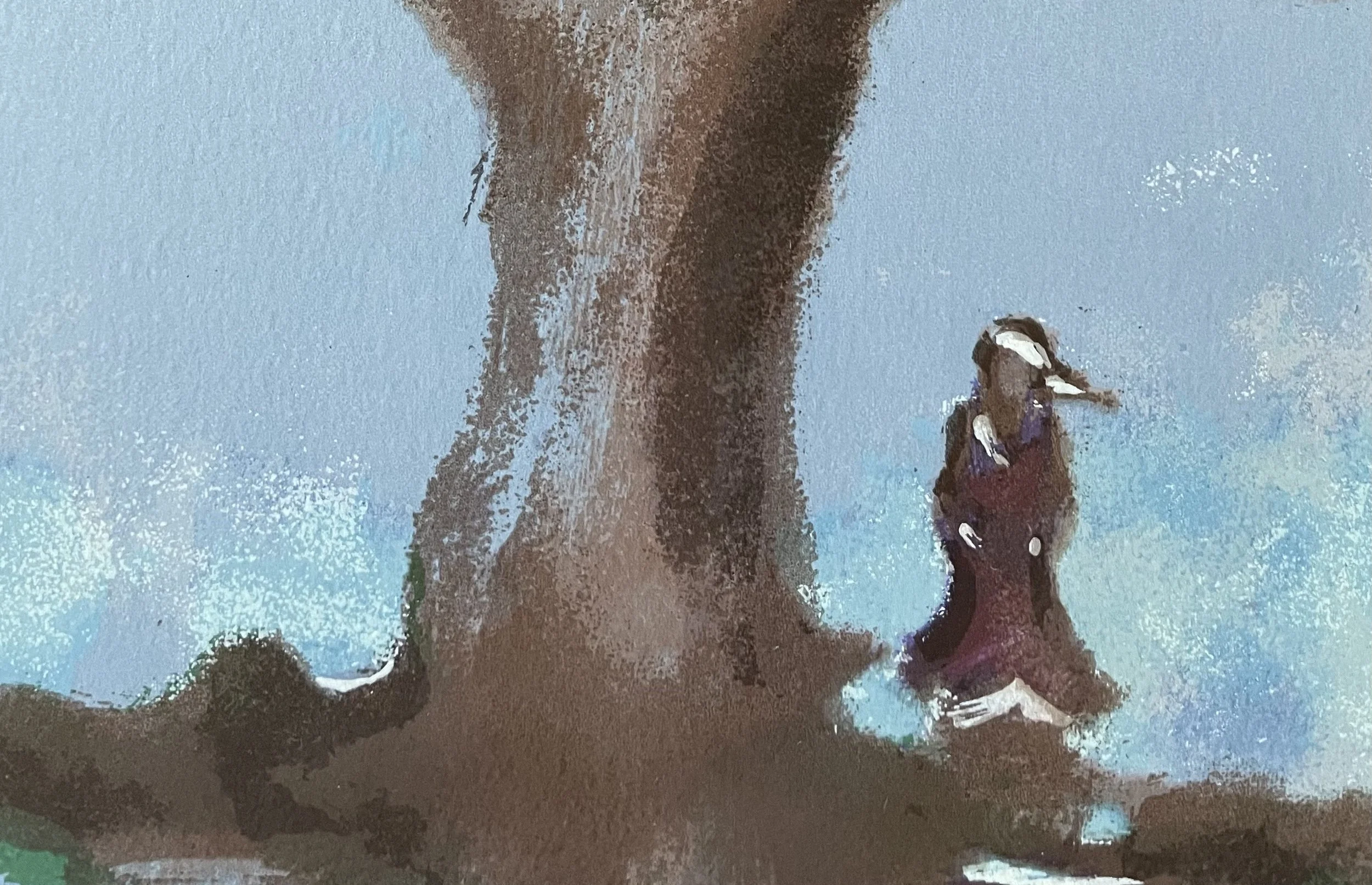
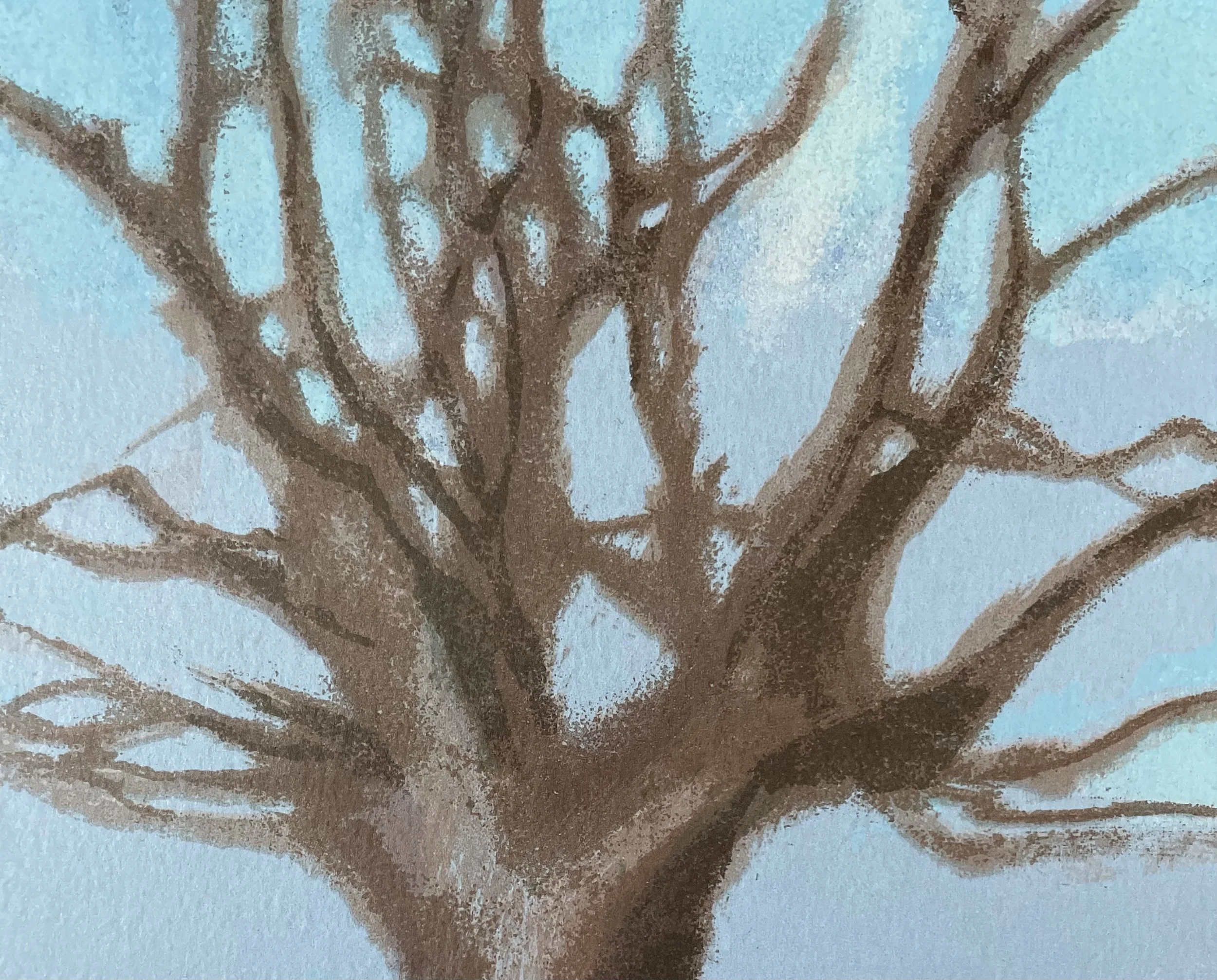
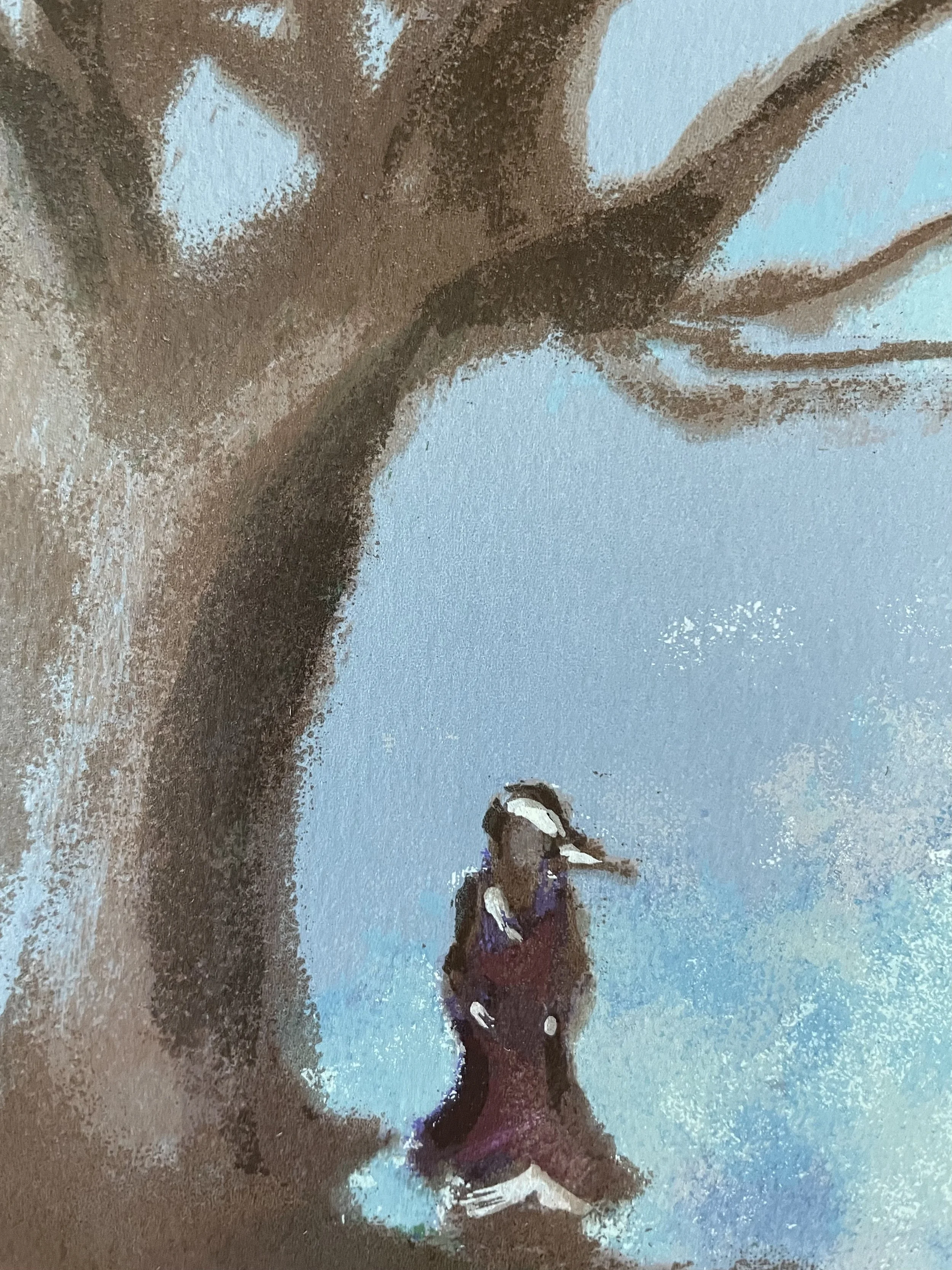
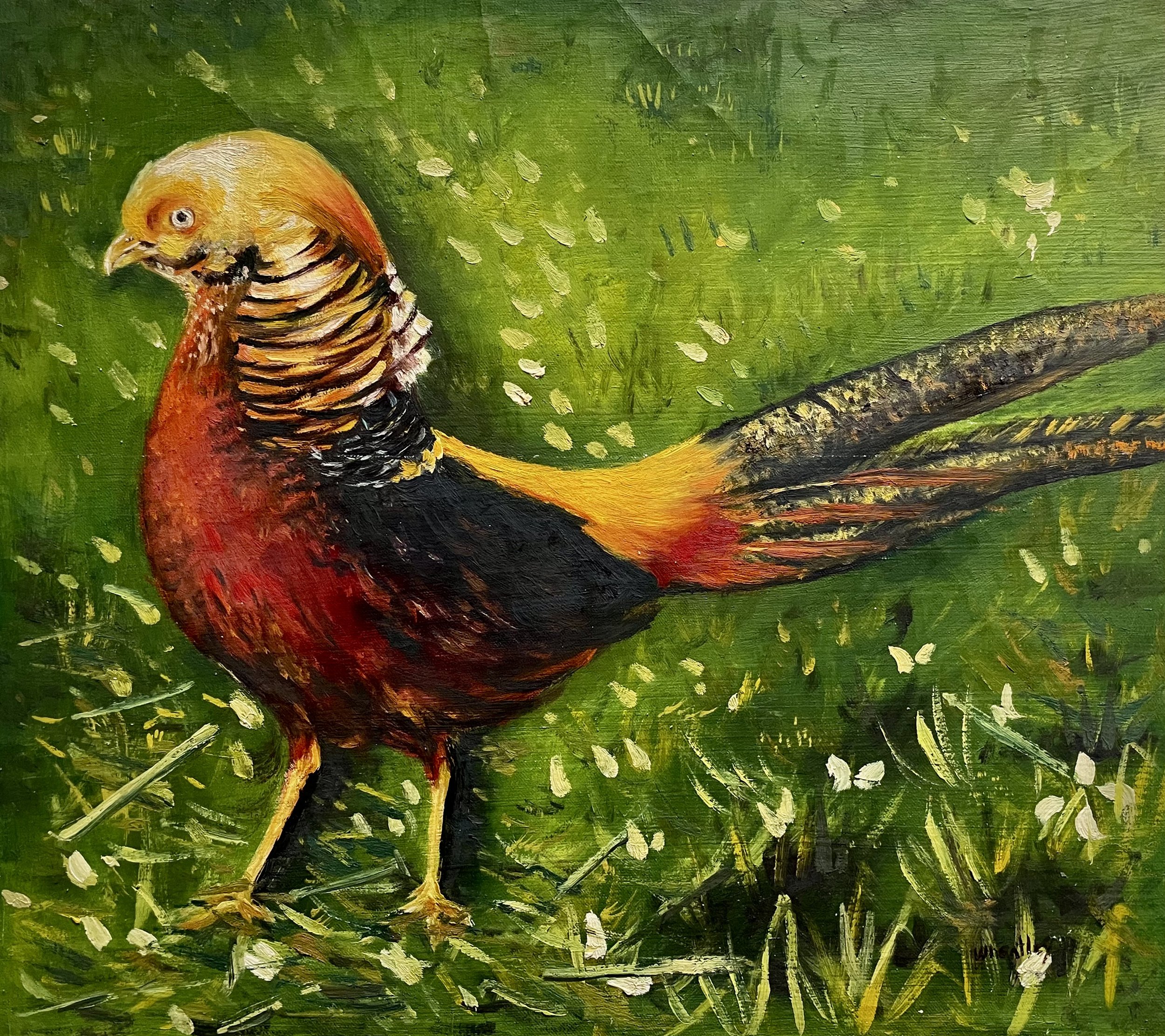
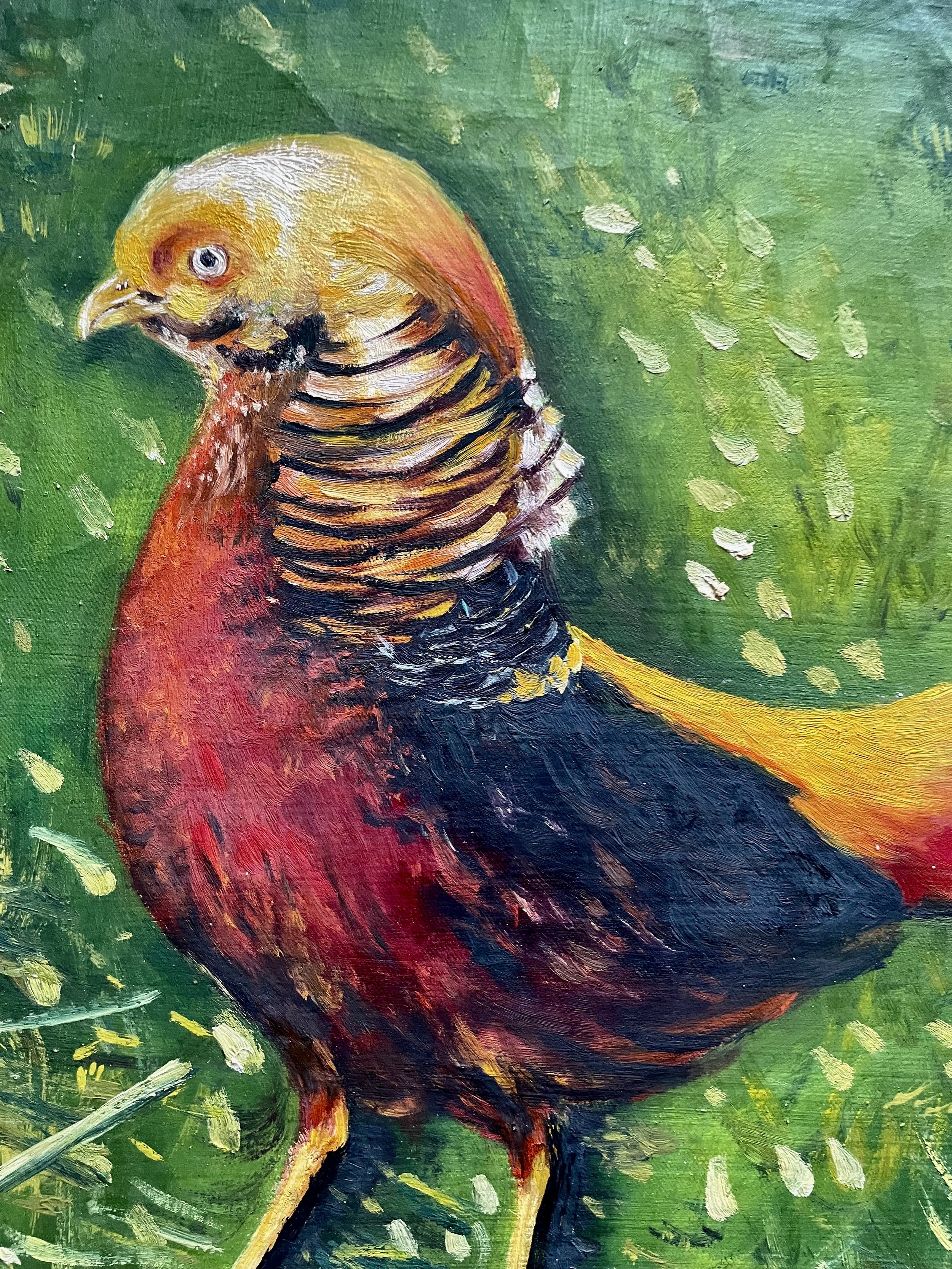
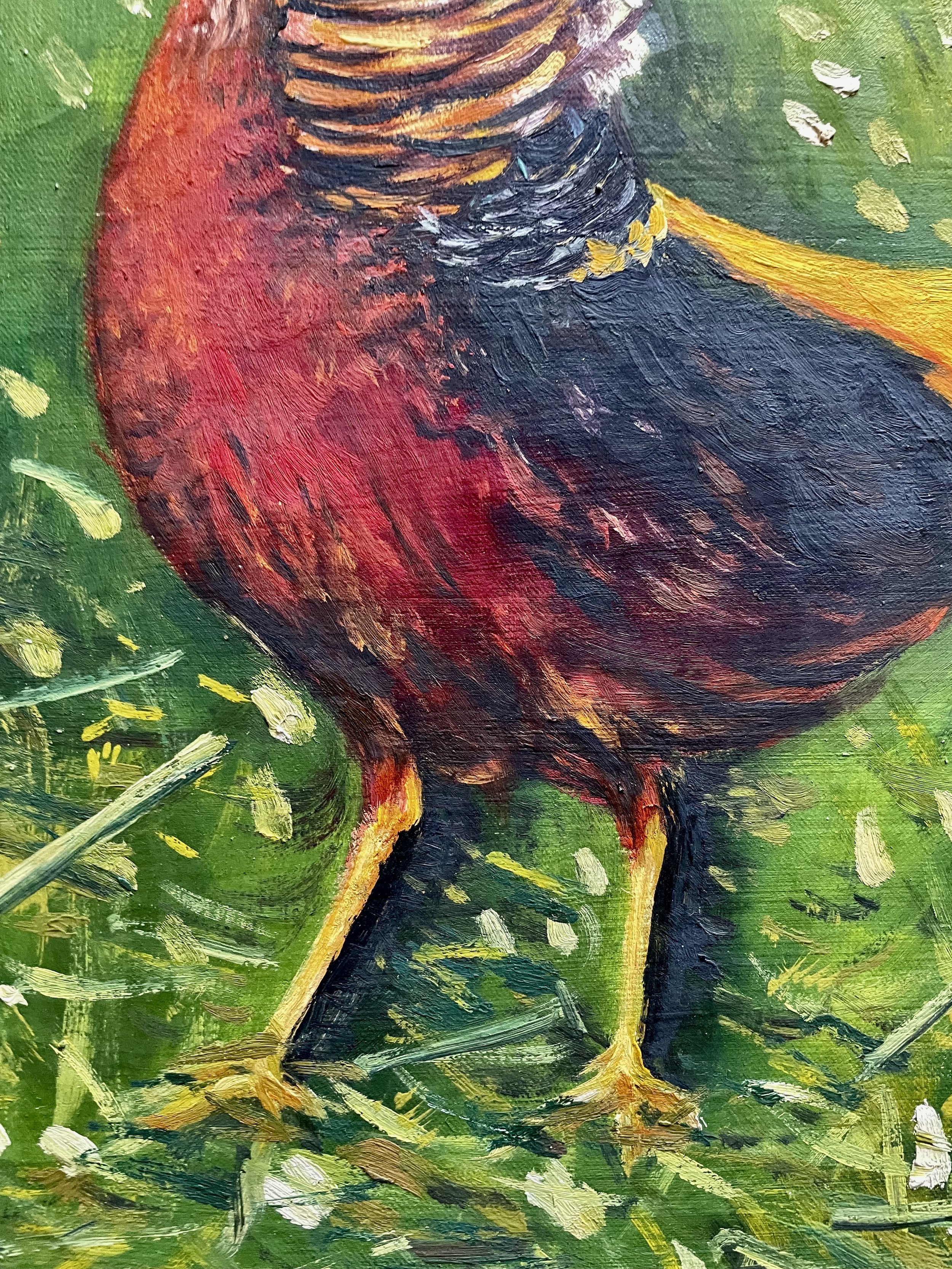
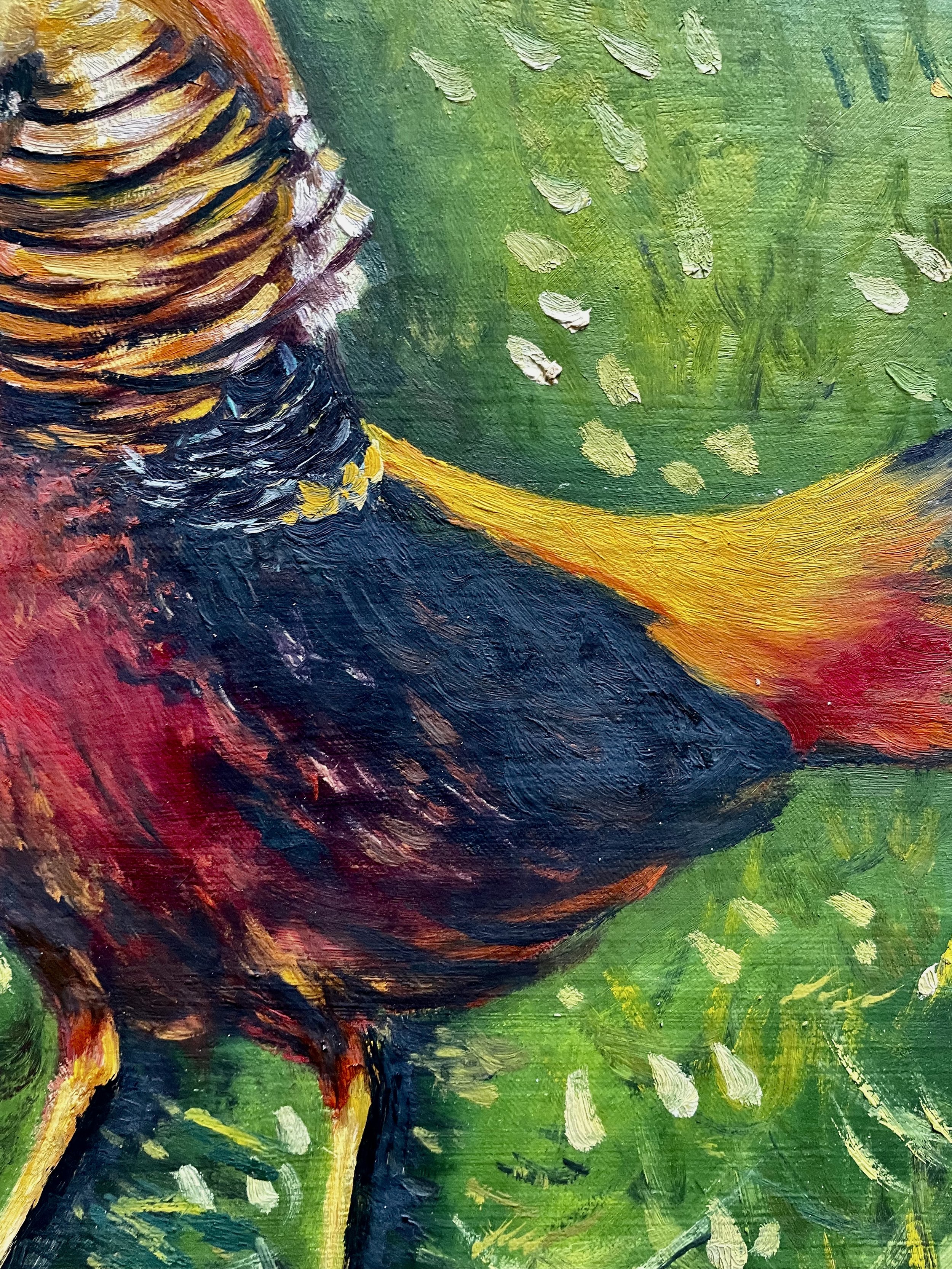
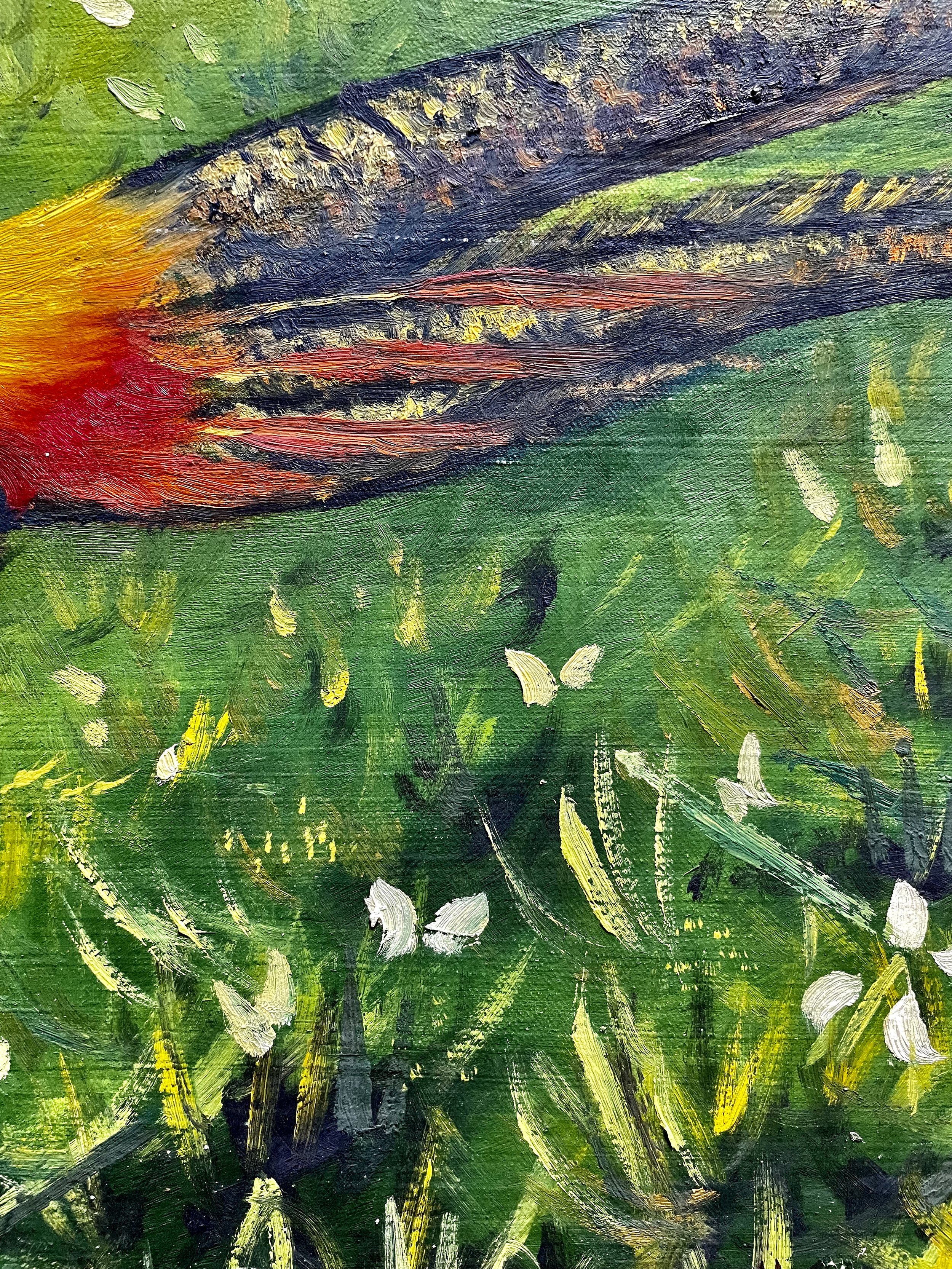
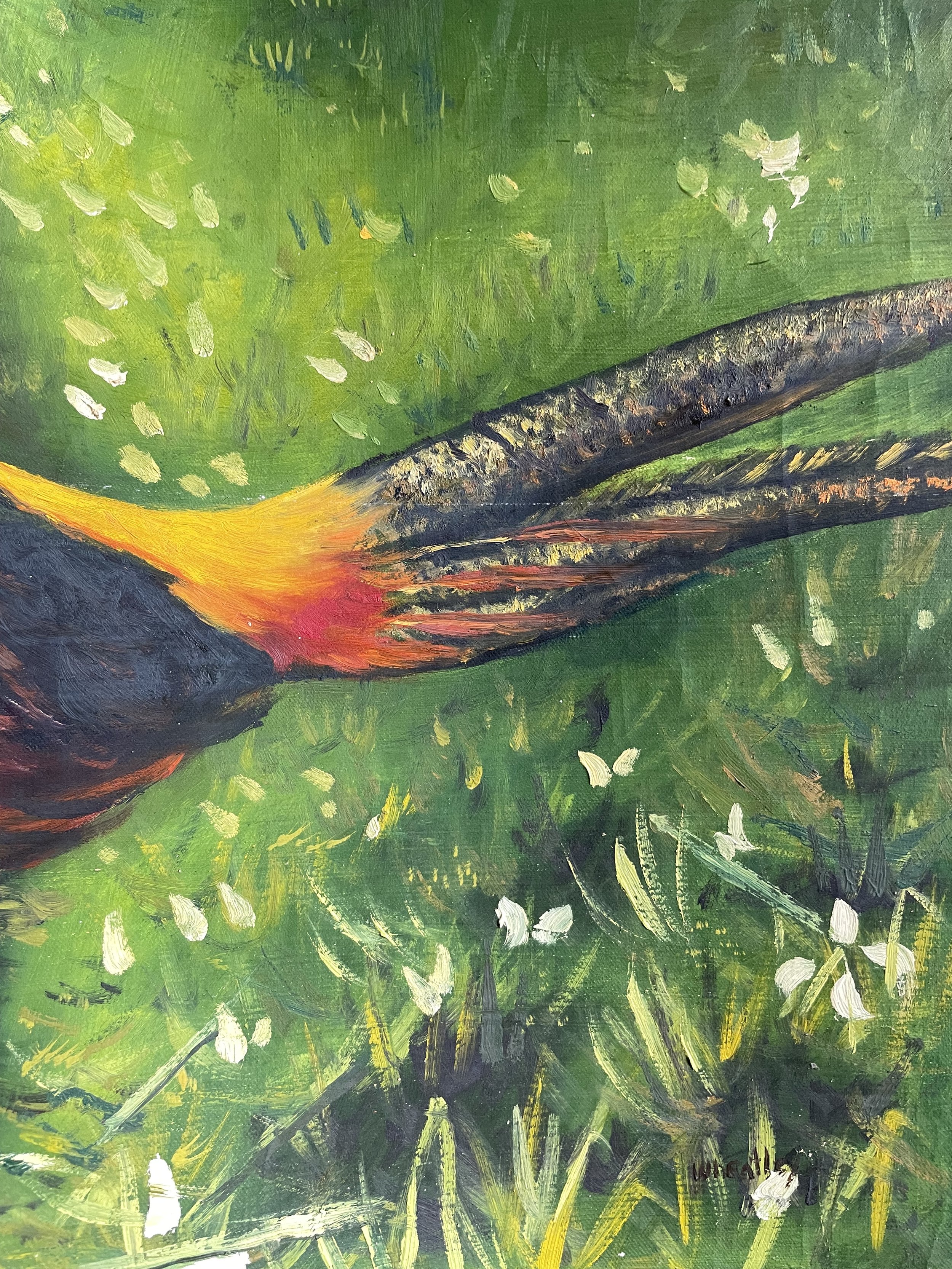
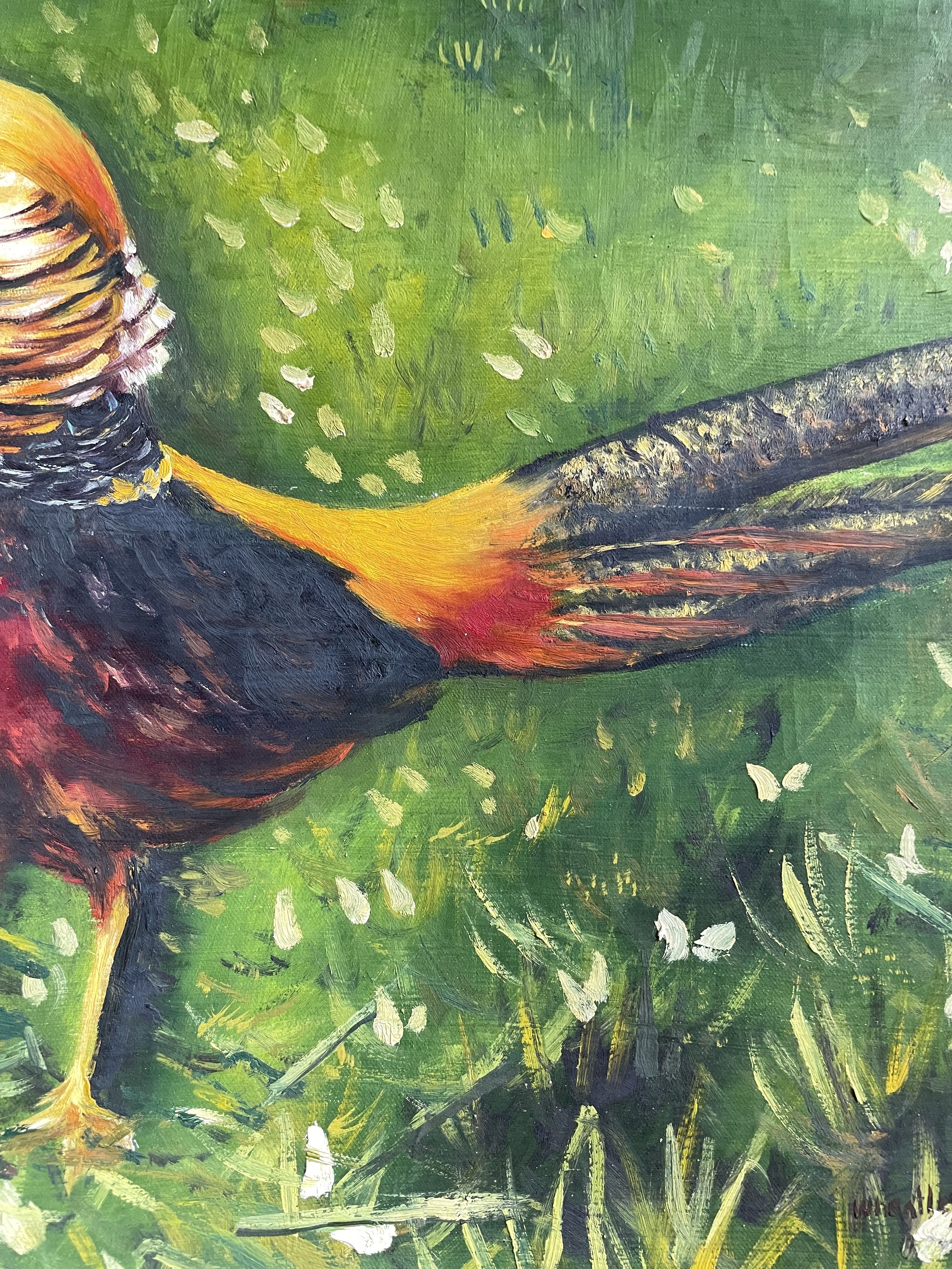
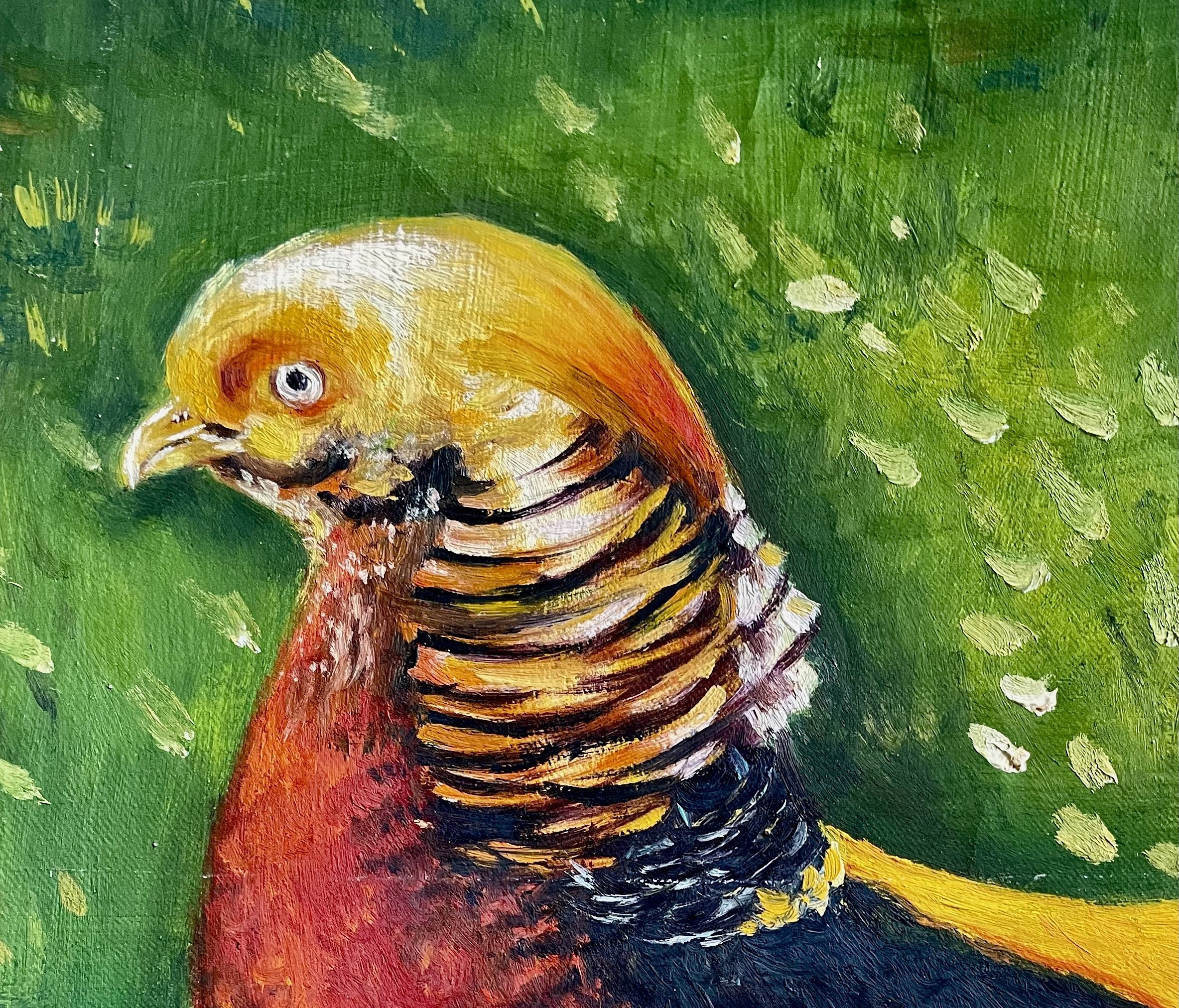
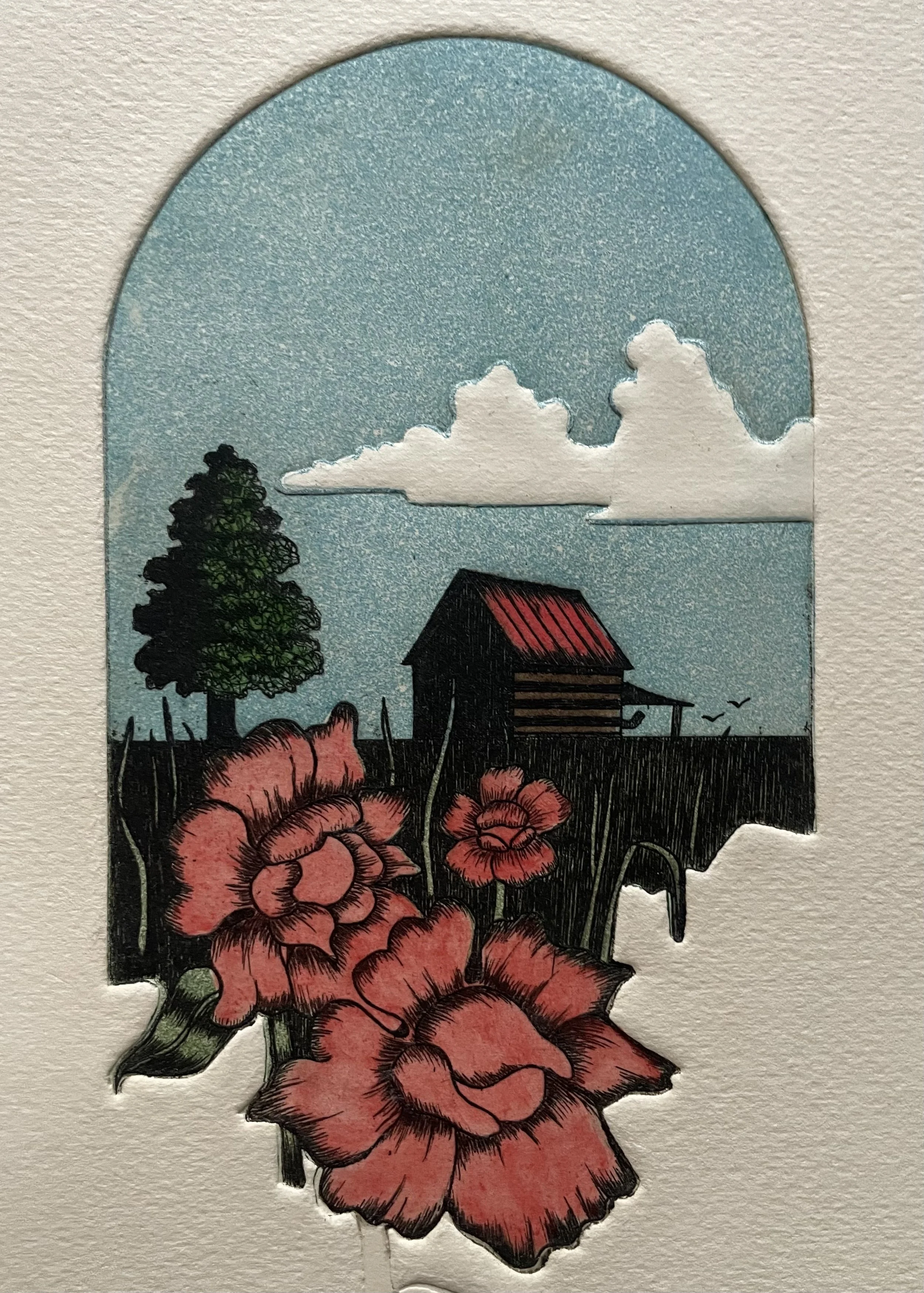
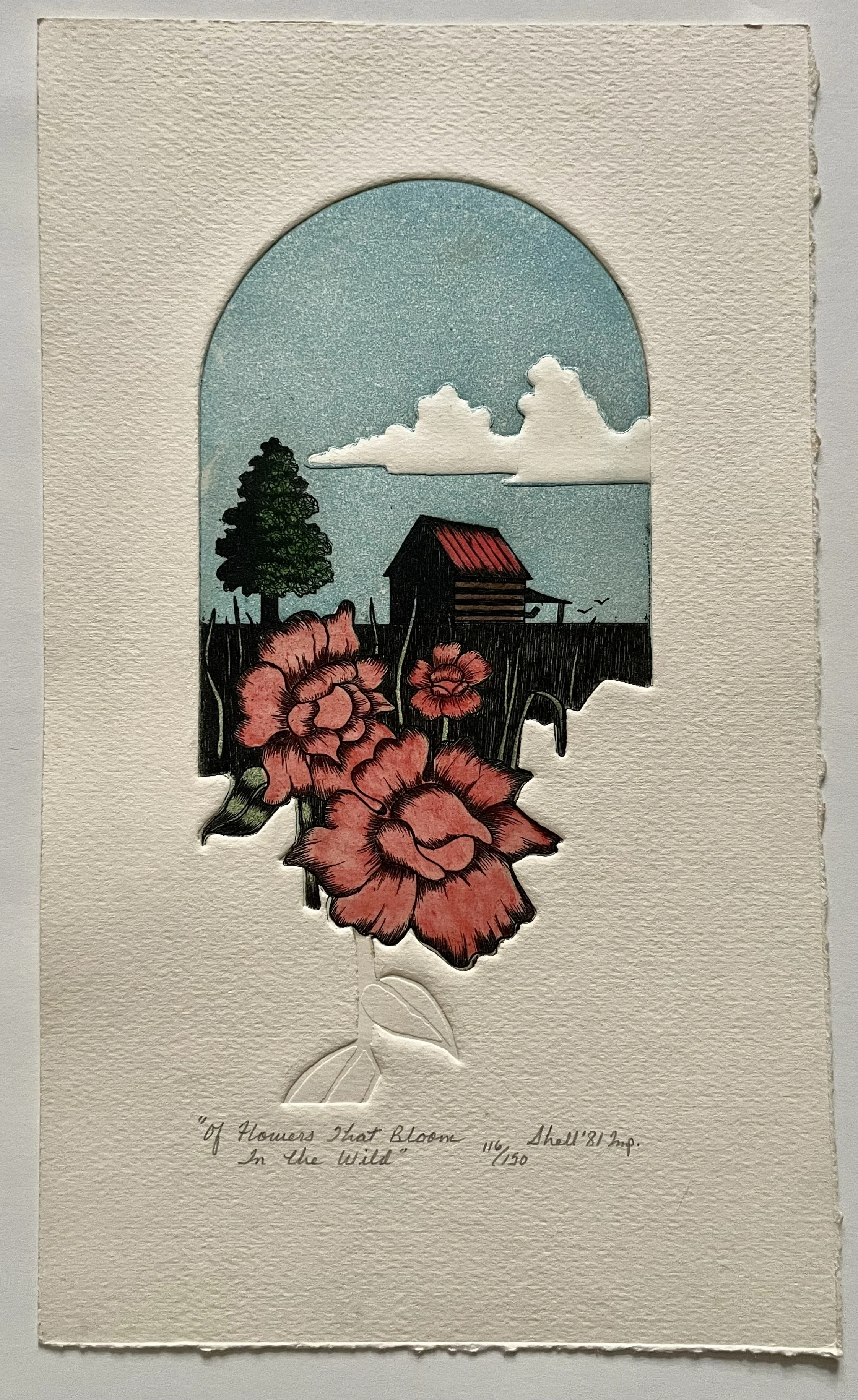
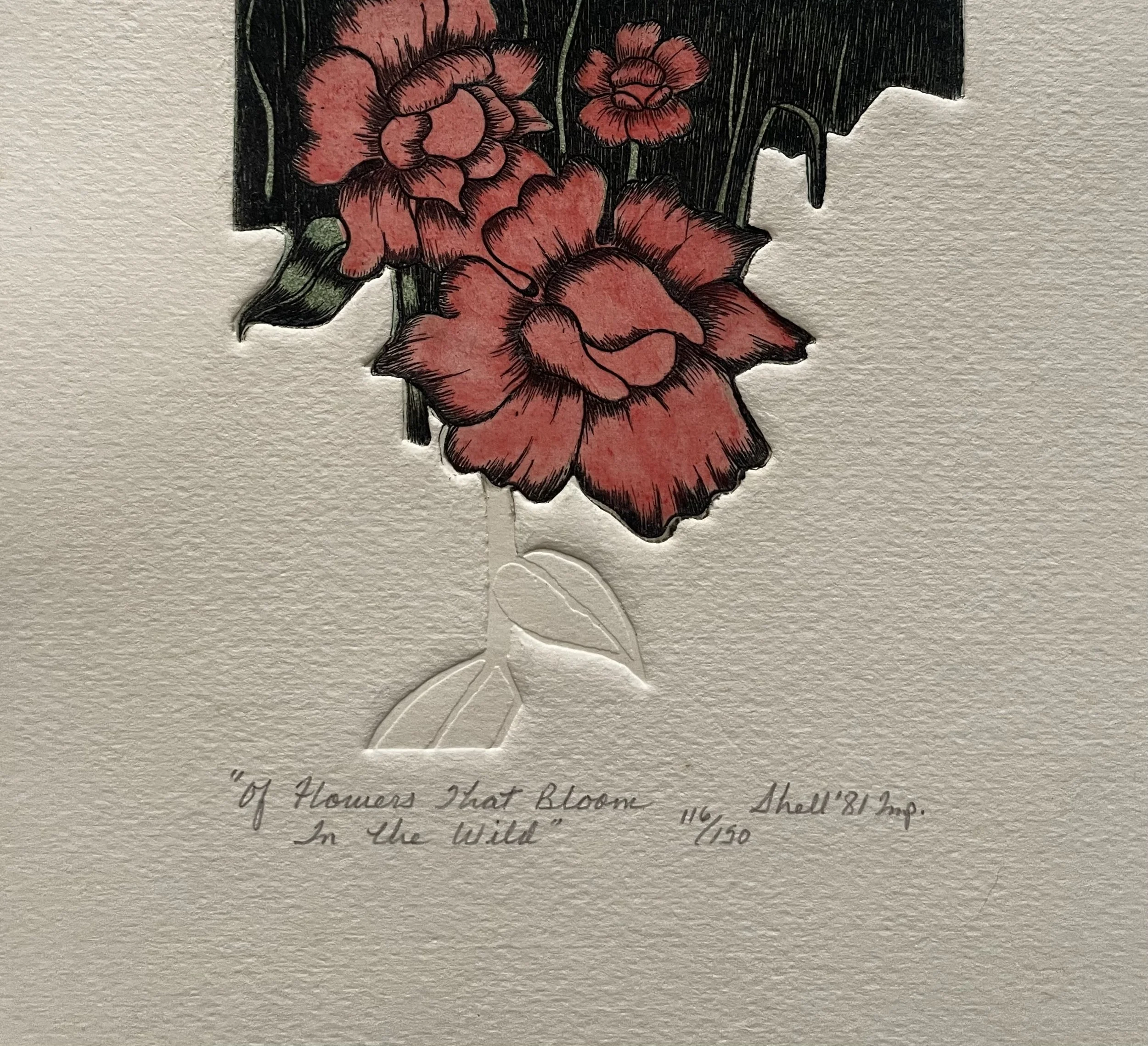
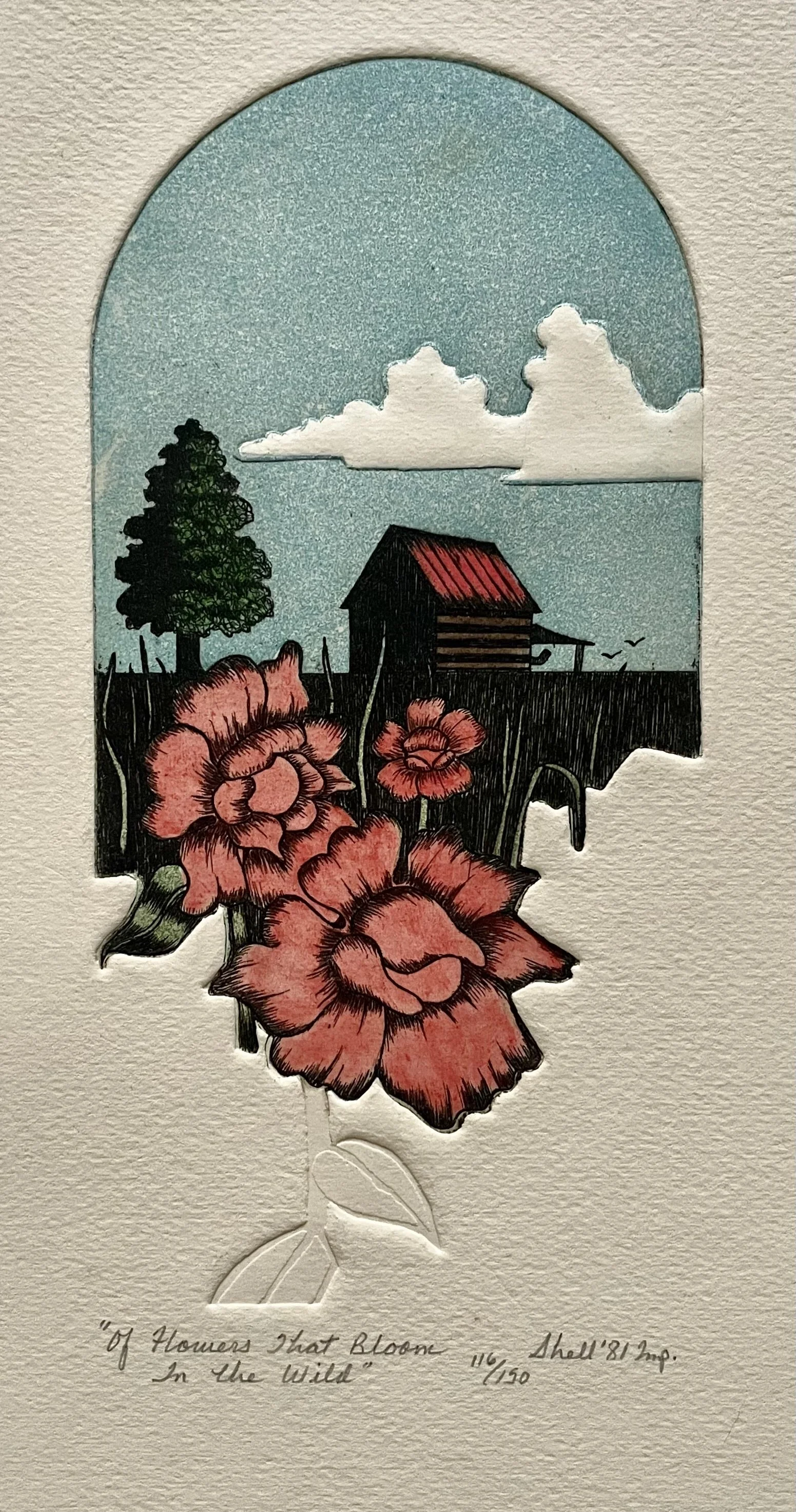
“Ciel Arable,” René Mels (Belgian, 1909–1986), c.1950s état proof etching, 20×26 in sheet, signed & inscribed épreuve d’état.
“Ciel Arable” is a rare épreuve d’état (state proof) etching by Belgian printmaker René Mels, a pioneering figure of mid-century European abstraction trained at the Academy of Fine Arts in Louvain, La Cambre in Brussels, and the legendary avant-garde atelier Hayter’s Atelier 17 in Paris. Created during the transformative 1950s, this richly textured 20×26 inch work reveals Mels’ shift from figurative expressionism to the bold, architectonic abstraction that earned him recognition alongside great postwar printmakers such as Friedlaender and Matta. A masterwork of gestural color fields, engraved geometry, and experimental inking, Ciel Arable stands among the most desirable examples of Mels’ innovative studio practice.
Artwork Description
“Ciel Arable” (literally “plowable sky”) is an intensely atmospheric abstract etching that showcases René Mels’ mature mid-century vocabulary: rugged textures, earthen tones offset by deep blacks, and layered, geometric divisions that evoke landscapes, architectural remnants, or aerial fields seen from above.
Composition & Color
The image is arranged into three dominant zones:
A green vertical band, pocked with drilled or engraved dots, suggesting both surface erosion and rhythmic structural intervention;
A triangular brown quadrant, richly worked with relief-like textures;
A dark, velvety black field, where etched marks dissolve into an atmospheric void.
The composition appears at once deliberate and geological, referencing both agricultural land and cosmological abstraction—perfectly aligned with the title Ciel Arable, which merges earth and sky.
Medium & Technique
This is a complex, multi-process intaglio work from Mels’ Atelier 17 period, likely employing:
Etching (acid-bitten lines)
Engraving (sharp, direct incisions)
Soft-ground textures drawn from natural or industrial materials
Open-bite aquatint or plate corrosion to achieve cratered surfaces
Experimental inking typical of Hayter’s workshop, including viscosity color techniques
The irregular, hand-torn edges of the plate and the deep plate tone indicate that this is not a commercial edition print, but rather a state proof (épreuve d’état)—a working trial pulled during the development of the plate. State proofs are highly prized because they capture the artist’s process and often contain unique surface treatments.
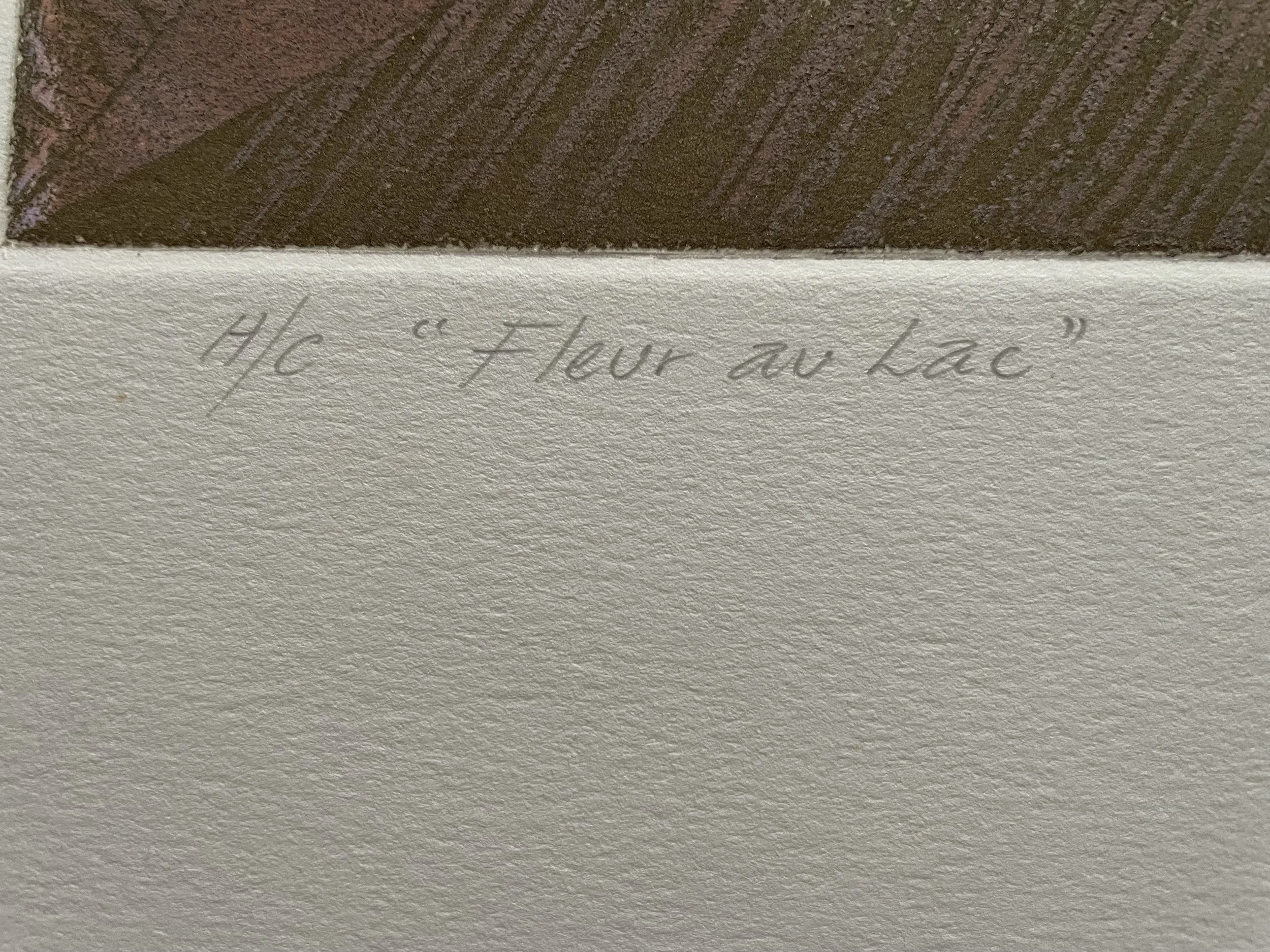
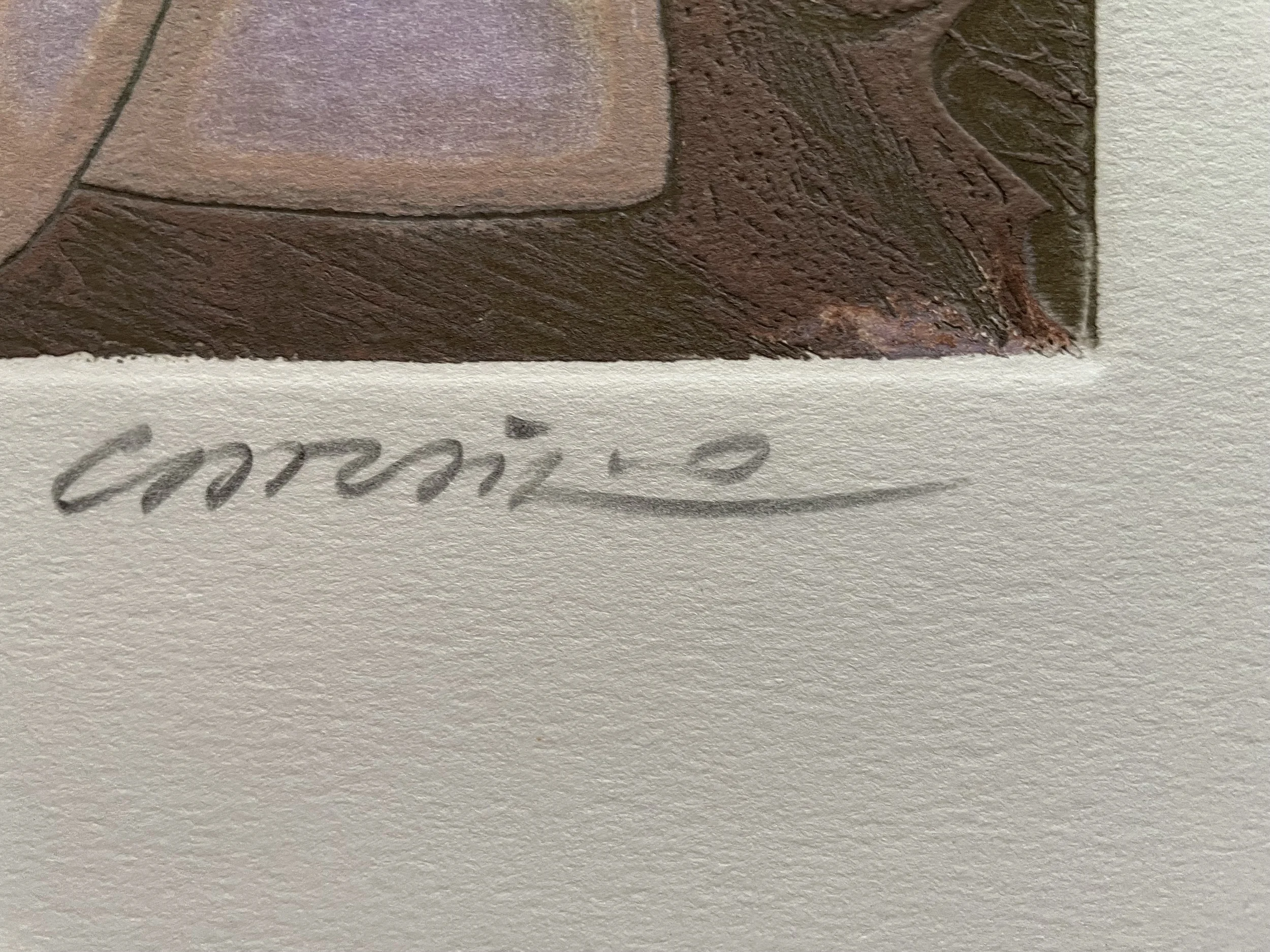
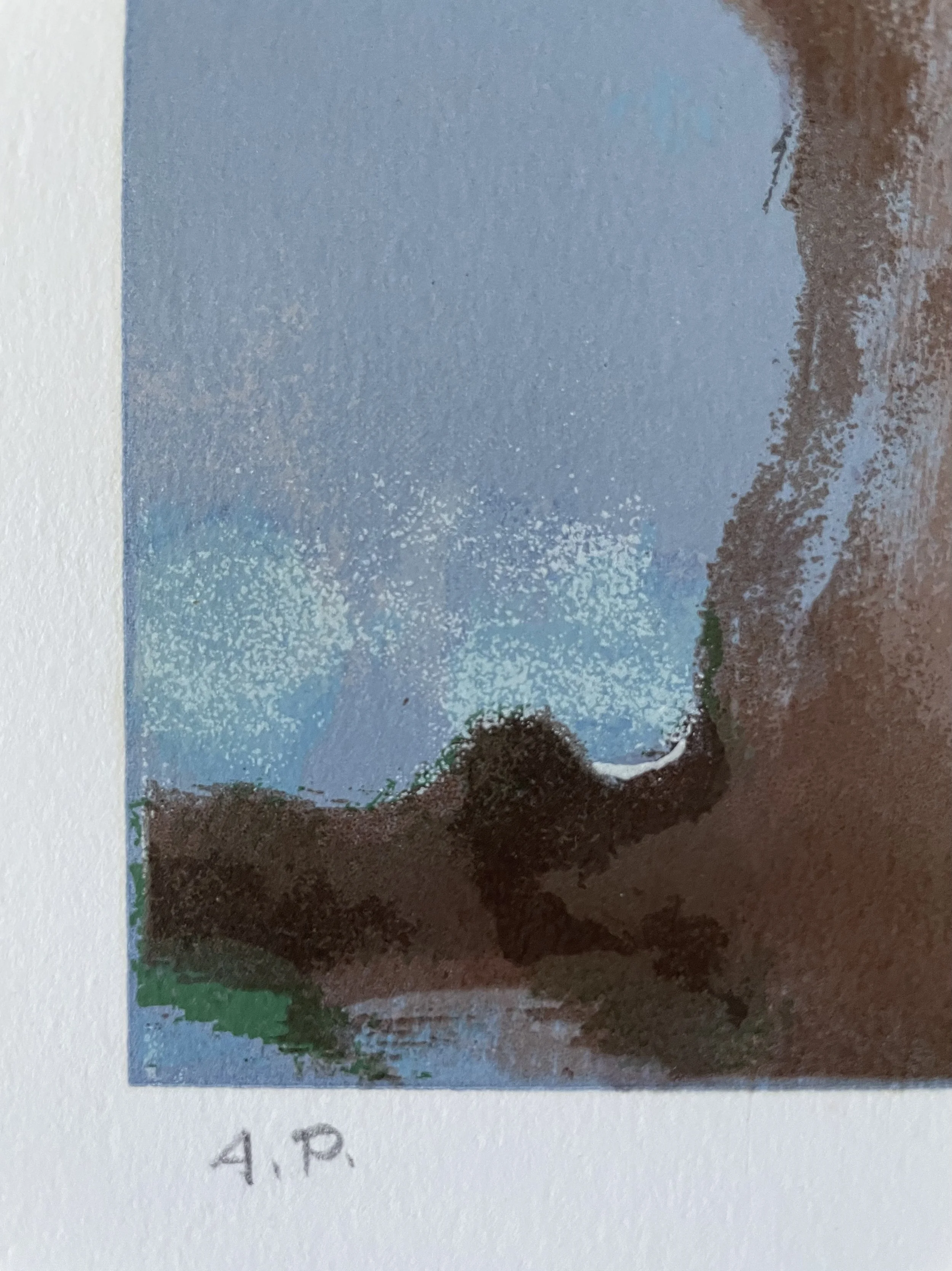
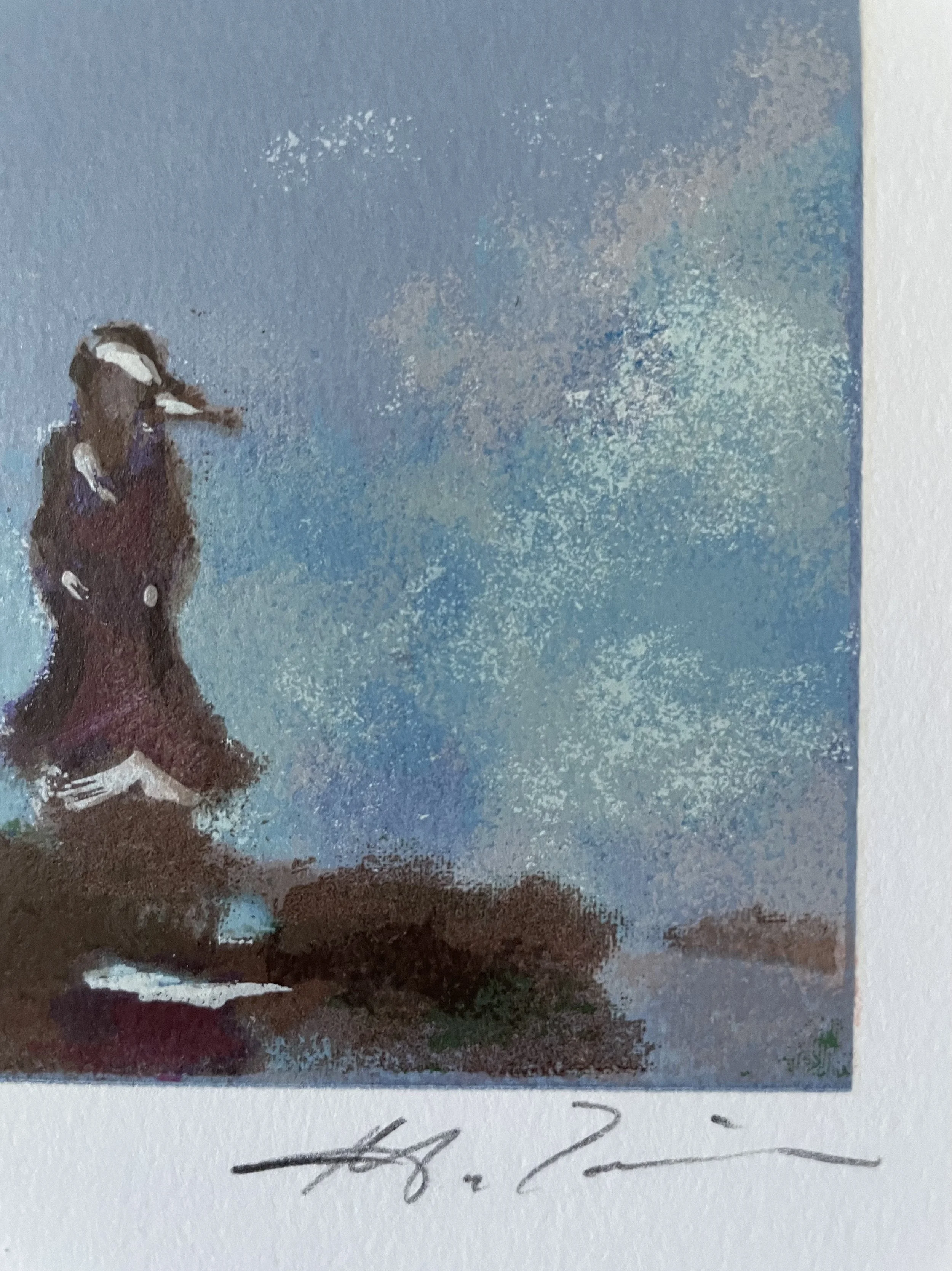
Signature & Inscription
The lower margin includes:
This designation makes the print rarer and typically more valuable than open-edition works.
Artistic Context
Created during Mels’ transition from figurative expressionism to full abstraction, the work echoes the material language of Atelier 17—a center of experimentation where artists treated the plate as both a sculptural object and a painterly field. The richly crusted surfaces and organic geometries align closely with the international postwar search for new forms capable of expressing reconstruction, memory, and renewal.
Biography of René Mels (1909–1986)
René Mels was born in Herent, Belgium, in 1909, and became one of the most intriguing abstract printmakers of the mid-20th century. His career bridges Belgium’s classical training traditions with the radical experimentation of postwar European modernism.
Education & Training
Mels received formal instruction at:
The Academy of Fine Arts in Louvain – grounding him in academic drawing, composition, and classical engraving techniques;
La Cambre (École nationale supérieure des arts visuels), Brussels – Belgium’s leading Bauhaus-influenced design school, where he encountered modernist graphics, abstraction, and experimental design approaches.
This combination of traditional craft and modernist theory laid the foundation for his later breakthroughs.
Atelier 17 – Paris (1950)
In 1950, Mels studied at Atelier 17, the revolutionary printmaking studio founded by Stanley William Hayter, a crucible for artists such as Miró, Picasso, Chagall, Nevelson, Rothko, Matta, and Friedlaender.
Atelier 17 was the birthplace of:
Viscosity printing
Experimental color intaglio
Radical plate manipulation
Surrealist and expressionist technique hybrids
Under Hayter’s mentorship, Mels absorbed the studio’s ethos of process-driven experimentation and material invention, which became central to his artistic identity.
Artistic Evolution & Style
Mels began in figurative expressionism, but by the mid-1950s he transitioned to a unique form of abstract expressionism characterized by:
Quadrangular, architectonic structures
Deeply textured surfaces
Dominant monochromatic color fields (green, ochre, black, umber)
Embedded plates, rivets, and tool marks
Dialogues between order and erosion
Critics admired him for his ability to merge painterly emotion with engraver’s precision, referring to him as an “authentic lord of art”—a reflection of the respect he commanded among peers such as Johnny Friedlaender, Roberto Matta, and other European abstractionists.
Professional Recognition
Mels’ work was exhibited widely across Belgium, France, and broader Europe during the 1950s–1970s, aligning him with postwar reconstruction-era artists searching for new symbolic languages beyond figuration. His prints were praised for their powerful materiality and harmonic balance, and he became a respected figure in Belgium’s abstract printmaking movement.
Later Years & Legacy
René Mels continued producing engravings, abstract paintings, and structural prints until his death in 1986. His works remain prized among collectors of Atelier 17 printmaking, European abstraction, and mid-century experimental intaglio.
René Mels (Belgian, 1909–1986)
Ciel Arable, c.1950s
Épreuve d’état (state proof) etching with mixed intaglio techniques
Sheet approx. 20 × 26 in
Signed, titled, and inscribed “ép. d’état” in pencil
Condition: Excellent; strong plate relief and rich surface tone
Provenance: Mitch Morse Gallery, NYC → Artfind Gallery, Washington, DC
Certificate of Value & Authentication
Artist: René Mels
Title: Ciel Arable
Date: c.1950s
Medium: Etching with engraving, soft-ground textures, plate tone; état proof
Dimensions: 20 × 26 in (sheet)
Edition Status: Épreuve d'état (state proof) – unique or extremely limited
Signature: Signed “R. Mels,” titled, and inscribed “ép. d’état”
Authenticity:
Marginal inscriptions match Mels’ known signature conventions.
Technical features correspond to Atelier 17-era experimentation.
Provenance from Mitch Morse Gallery ensures legitimate acquisition chain.
Provenance:
Artist
Mitch Morse Gallery, New York
Artfind Gallery, Washington, DC
Provenance Chain
René Mels, Herent, Belgium – artist
Mitch Morse Gallery, New York – acquired from European dealer/estate
Artfind Gallery, Washington, DC – current owner
“Ciel Arable,” René Mels (Belgian, 1909–1986), c.1950s état proof etching, 20×26 in sheet, signed & inscribed épreuve d’état.
“Ciel Arable” is a rare épreuve d’état (state proof) etching by Belgian printmaker René Mels, a pioneering figure of mid-century European abstraction trained at the Academy of Fine Arts in Louvain, La Cambre in Brussels, and the legendary avant-garde atelier Hayter’s Atelier 17 in Paris. Created during the transformative 1950s, this richly textured 20×26 inch work reveals Mels’ shift from figurative expressionism to the bold, architectonic abstraction that earned him recognition alongside great postwar printmakers such as Friedlaender and Matta. A masterwork of gestural color fields, engraved geometry, and experimental inking, Ciel Arable stands among the most desirable examples of Mels’ innovative studio practice.
Artwork Description
“Ciel Arable” (literally “plowable sky”) is an intensely atmospheric abstract etching that showcases René Mels’ mature mid-century vocabulary: rugged textures, earthen tones offset by deep blacks, and layered, geometric divisions that evoke landscapes, architectural remnants, or aerial fields seen from above.
Composition & Color
The image is arranged into three dominant zones:
A green vertical band, pocked with drilled or engraved dots, suggesting both surface erosion and rhythmic structural intervention;
A triangular brown quadrant, richly worked with relief-like textures;
A dark, velvety black field, where etched marks dissolve into an atmospheric void.
The composition appears at once deliberate and geological, referencing both agricultural land and cosmological abstraction—perfectly aligned with the title Ciel Arable, which merges earth and sky.
Medium & Technique
This is a complex, multi-process intaglio work from Mels’ Atelier 17 period, likely employing:
Etching (acid-bitten lines)
Engraving (sharp, direct incisions)
Soft-ground textures drawn from natural or industrial materials
Open-bite aquatint or plate corrosion to achieve cratered surfaces
Experimental inking typical of Hayter’s workshop, including viscosity color techniques
The irregular, hand-torn edges of the plate and the deep plate tone indicate that this is not a commercial edition print, but rather a state proof (épreuve d’état)—a working trial pulled during the development of the plate. State proofs are highly prized because they capture the artist’s process and often contain unique surface treatments.
Signature & Inscription
The lower margin includes:
This designation makes the print rarer and typically more valuable than open-edition works.
Artistic Context
Created during Mels’ transition from figurative expressionism to full abstraction, the work echoes the material language of Atelier 17—a center of experimentation where artists treated the plate as both a sculptural object and a painterly field. The richly crusted surfaces and organic geometries align closely with the international postwar search for new forms capable of expressing reconstruction, memory, and renewal.
Biography of René Mels (1909–1986)
René Mels was born in Herent, Belgium, in 1909, and became one of the most intriguing abstract printmakers of the mid-20th century. His career bridges Belgium’s classical training traditions with the radical experimentation of postwar European modernism.
Education & Training
Mels received formal instruction at:
The Academy of Fine Arts in Louvain – grounding him in academic drawing, composition, and classical engraving techniques;
La Cambre (École nationale supérieure des arts visuels), Brussels – Belgium’s leading Bauhaus-influenced design school, where he encountered modernist graphics, abstraction, and experimental design approaches.
This combination of traditional craft and modernist theory laid the foundation for his later breakthroughs.
Atelier 17 – Paris (1950)
In 1950, Mels studied at Atelier 17, the revolutionary printmaking studio founded by Stanley William Hayter, a crucible for artists such as Miró, Picasso, Chagall, Nevelson, Rothko, Matta, and Friedlaender.
Atelier 17 was the birthplace of:
Viscosity printing
Experimental color intaglio
Radical plate manipulation
Surrealist and expressionist technique hybrids
Under Hayter’s mentorship, Mels absorbed the studio’s ethos of process-driven experimentation and material invention, which became central to his artistic identity.
Artistic Evolution & Style
Mels began in figurative expressionism, but by the mid-1950s he transitioned to a unique form of abstract expressionism characterized by:
Quadrangular, architectonic structures
Deeply textured surfaces
Dominant monochromatic color fields (green, ochre, black, umber)
Embedded plates, rivets, and tool marks
Dialogues between order and erosion
Critics admired him for his ability to merge painterly emotion with engraver’s precision, referring to him as an “authentic lord of art”—a reflection of the respect he commanded among peers such as Johnny Friedlaender, Roberto Matta, and other European abstractionists.
Professional Recognition
Mels’ work was exhibited widely across Belgium, France, and broader Europe during the 1950s–1970s, aligning him with postwar reconstruction-era artists searching for new symbolic languages beyond figuration. His prints were praised for their powerful materiality and harmonic balance, and he became a respected figure in Belgium’s abstract printmaking movement.
Later Years & Legacy
René Mels continued producing engravings, abstract paintings, and structural prints until his death in 1986. His works remain prized among collectors of Atelier 17 printmaking, European abstraction, and mid-century experimental intaglio.
René Mels (Belgian, 1909–1986)
Ciel Arable, c.1950s
Épreuve d’état (state proof) etching with mixed intaglio techniques
Sheet approx. 20 × 26 in
Signed, titled, and inscribed “ép. d’état” in pencil
Condition: Excellent; strong plate relief and rich surface tone
Provenance: Mitch Morse Gallery, NYC → Artfind Gallery, Washington, DC
Certificate of Value & Authentication
Artist: René Mels
Title: Ciel Arable
Date: c.1950s
Medium: Etching with engraving, soft-ground textures, plate tone; état proof
Dimensions: 20 × 26 in (sheet)
Edition Status: Épreuve d'état (state proof) – unique or extremely limited
Signature: Signed “R. Mels,” titled, and inscribed “ép. d’état”
Authenticity:
Marginal inscriptions match Mels’ known signature conventions.
Technical features correspond to Atelier 17-era experimentation.
Provenance from Mitch Morse Gallery ensures legitimate acquisition chain.
Provenance:
Artist
Mitch Morse Gallery, New York
Artfind Gallery, Washington, DC
Provenance Chain
René Mels, Herent, Belgium – artist
Mitch Morse Gallery, New York – acquired from European dealer/estate
Artfind Gallery, Washington, DC – current owner
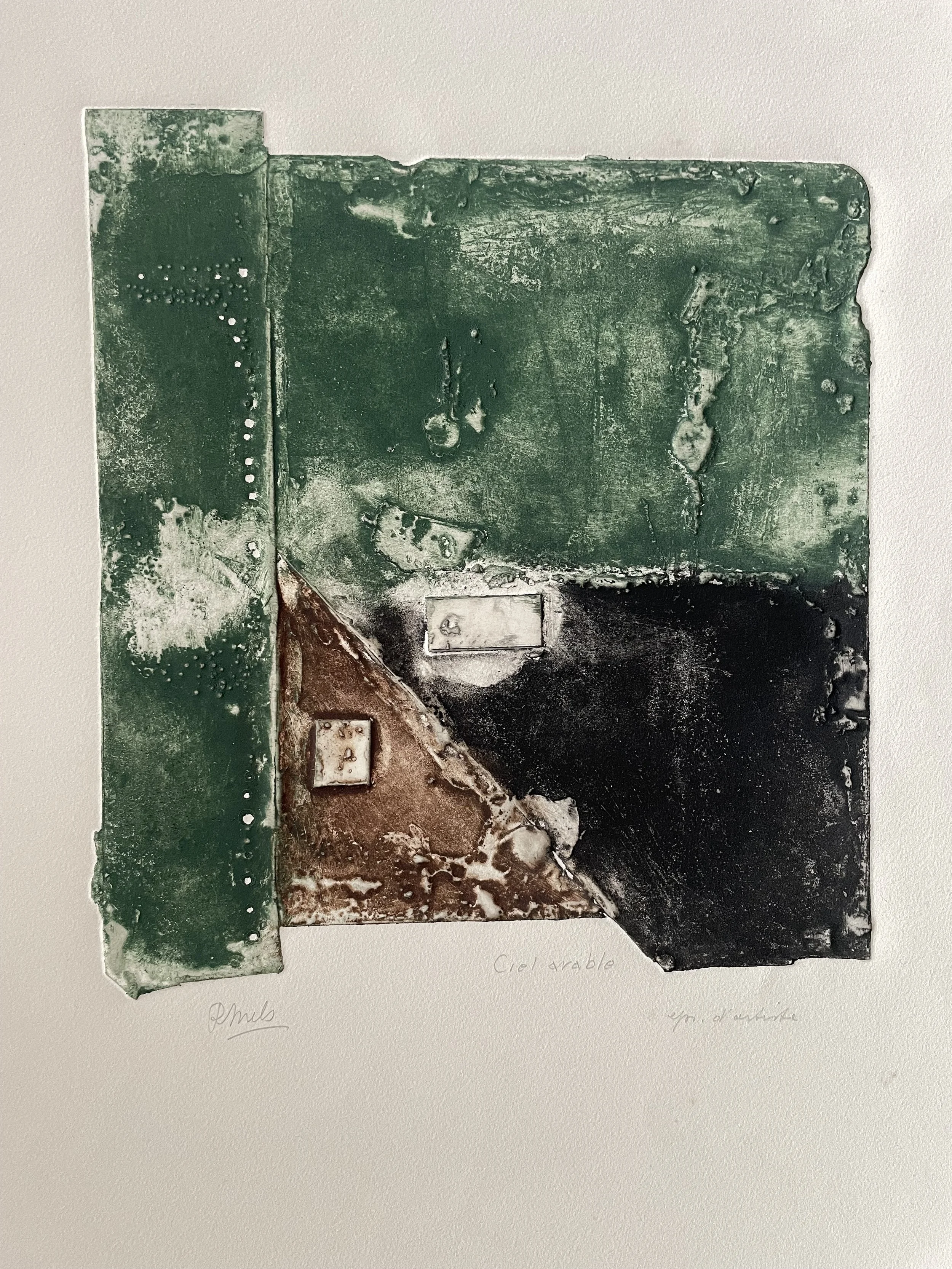 Image 1 of 6
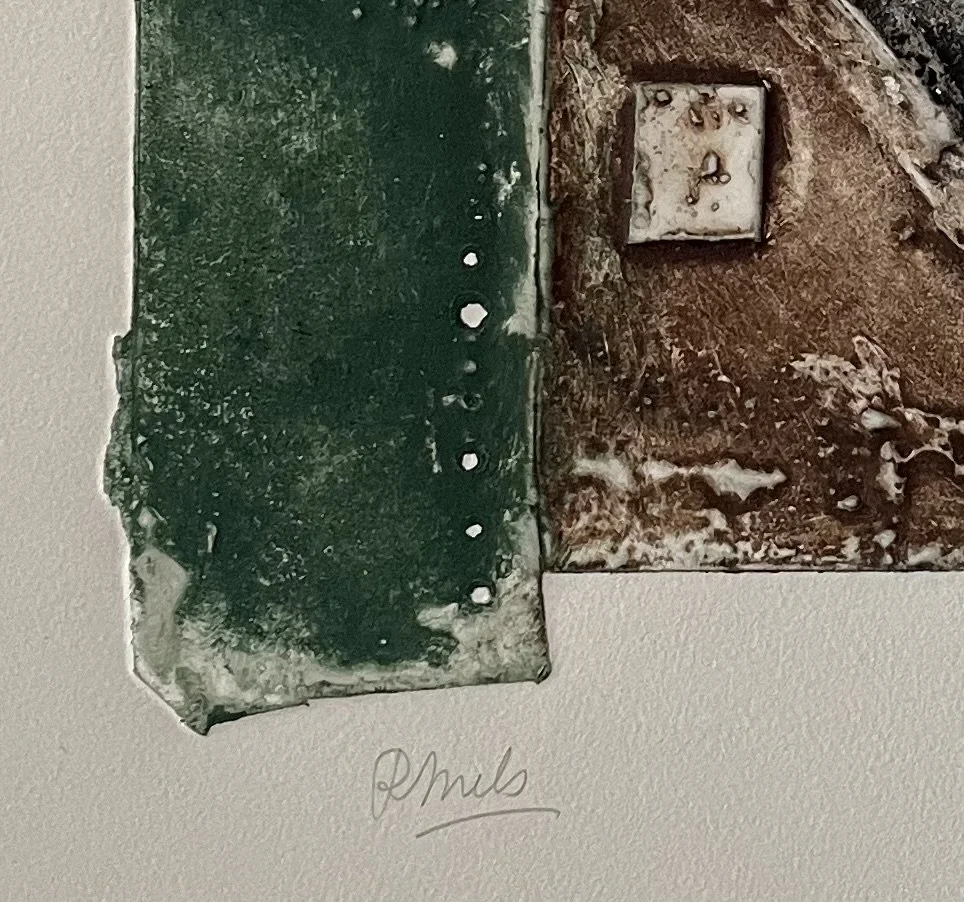 Image 2 of 6
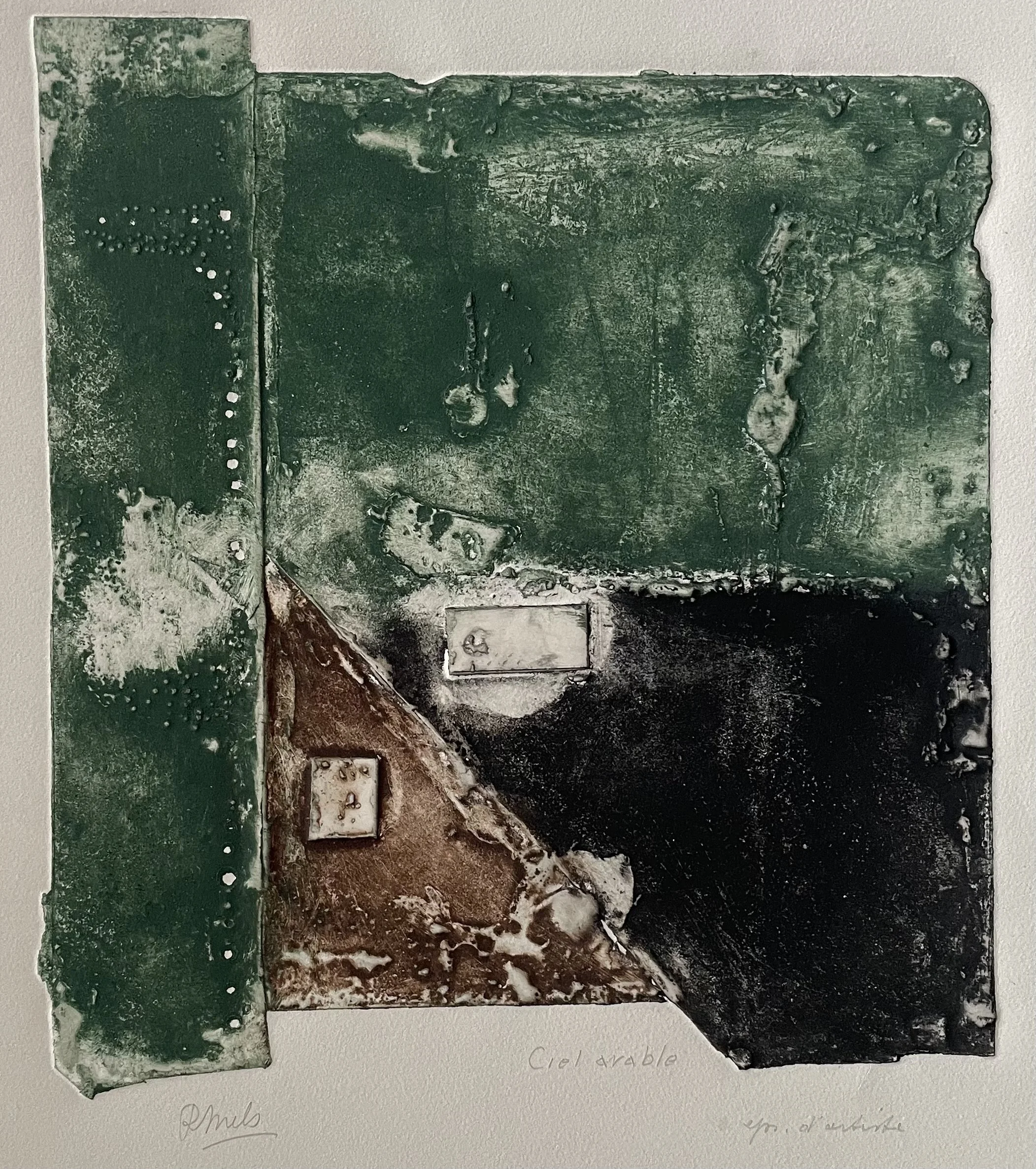 Image 3 of 6
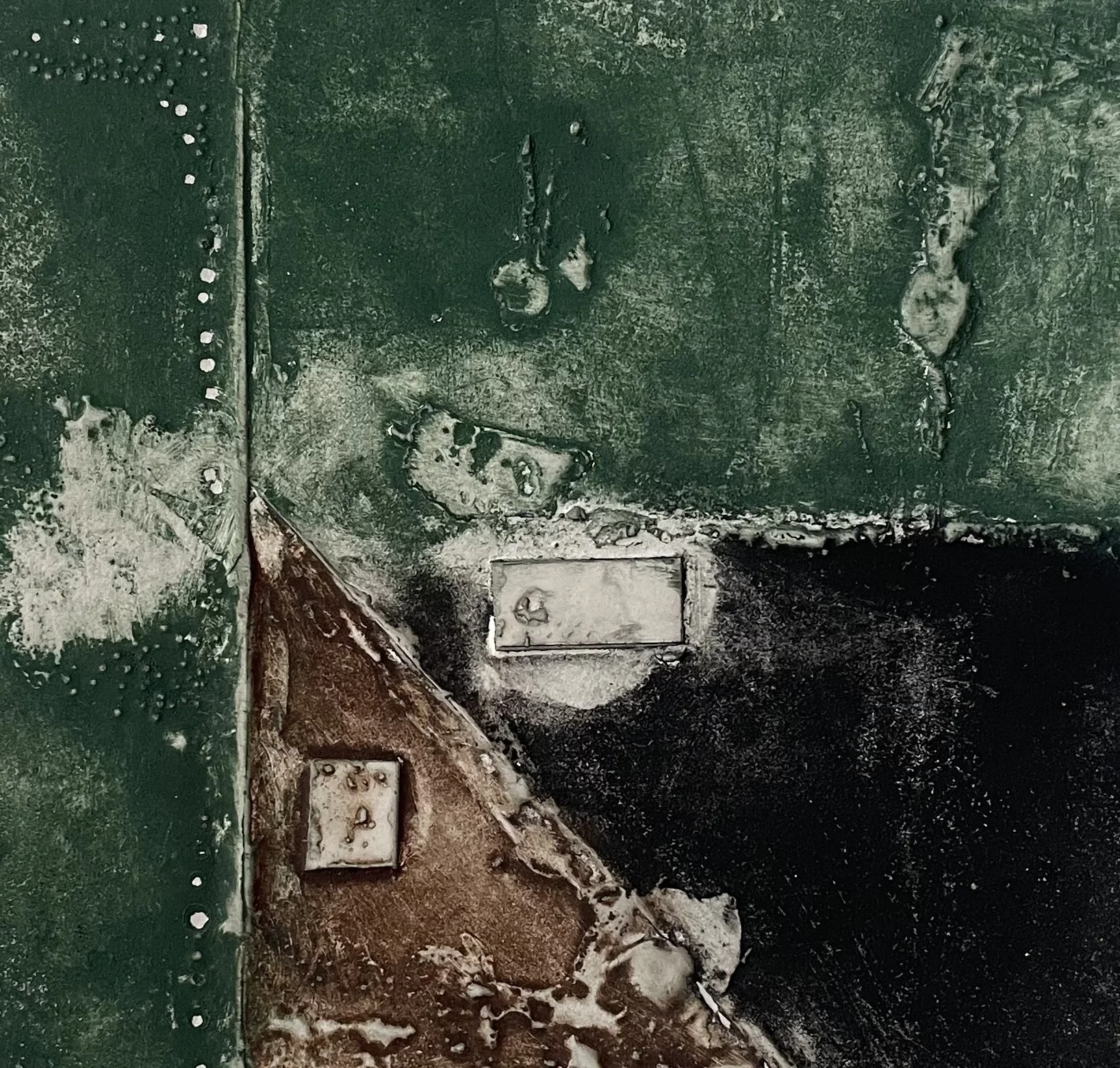 Image 4 of 6
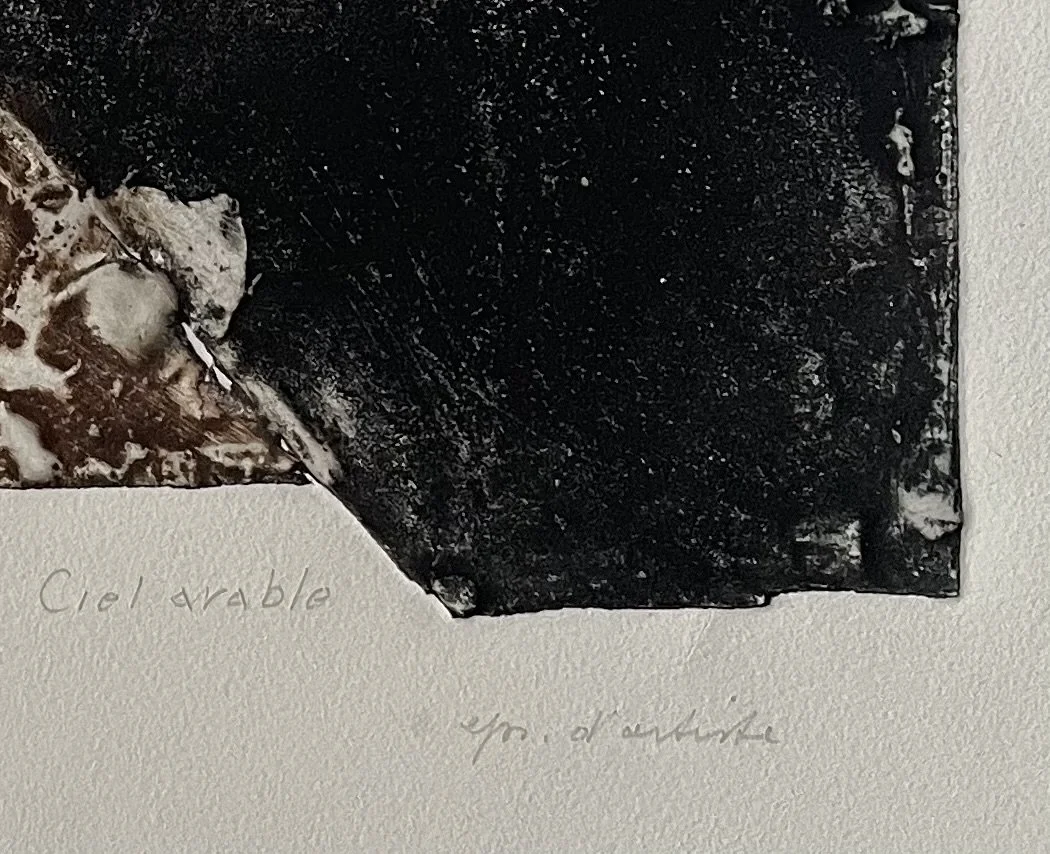 Image 5 of 6
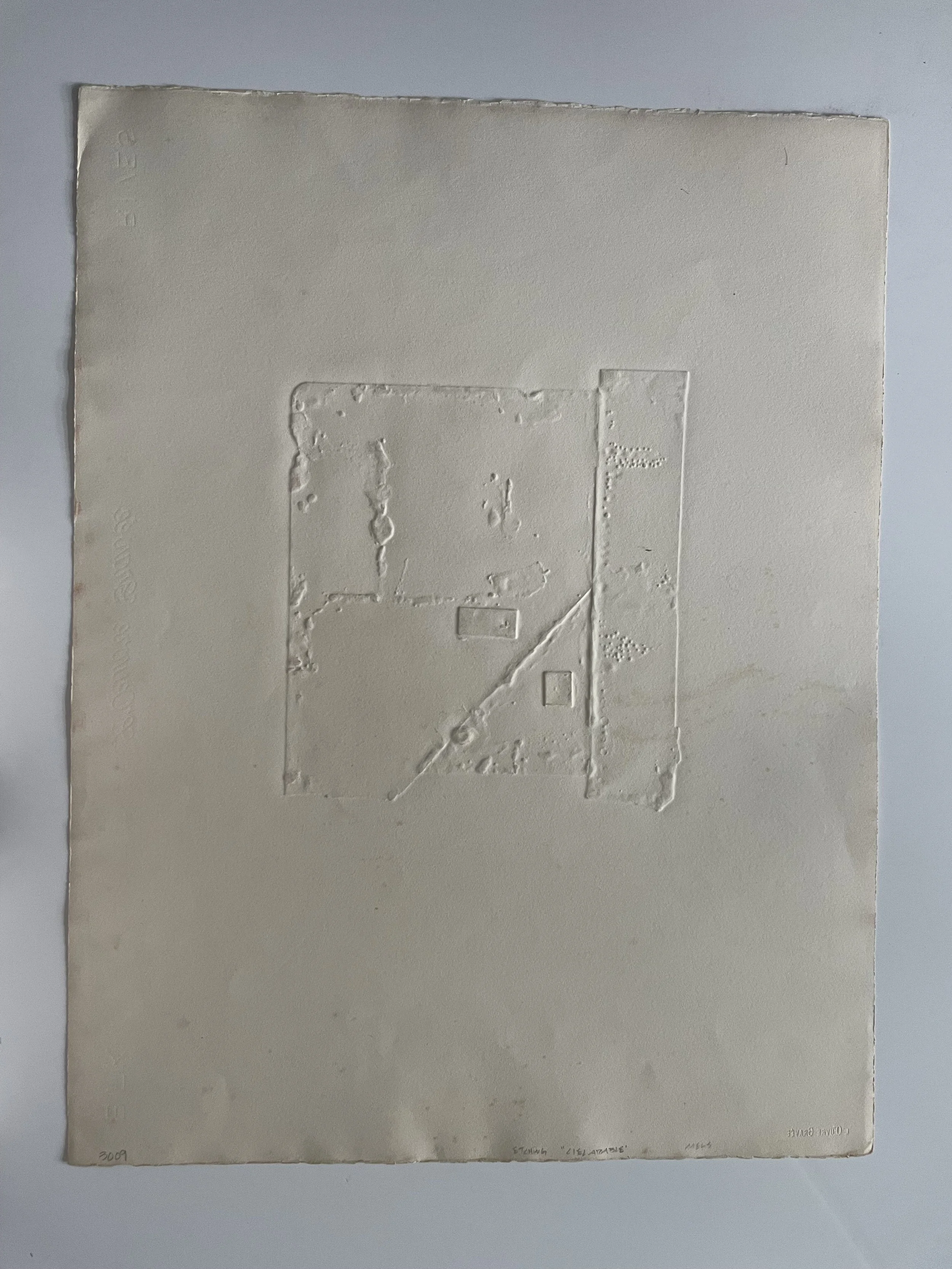 Image 6 of 6