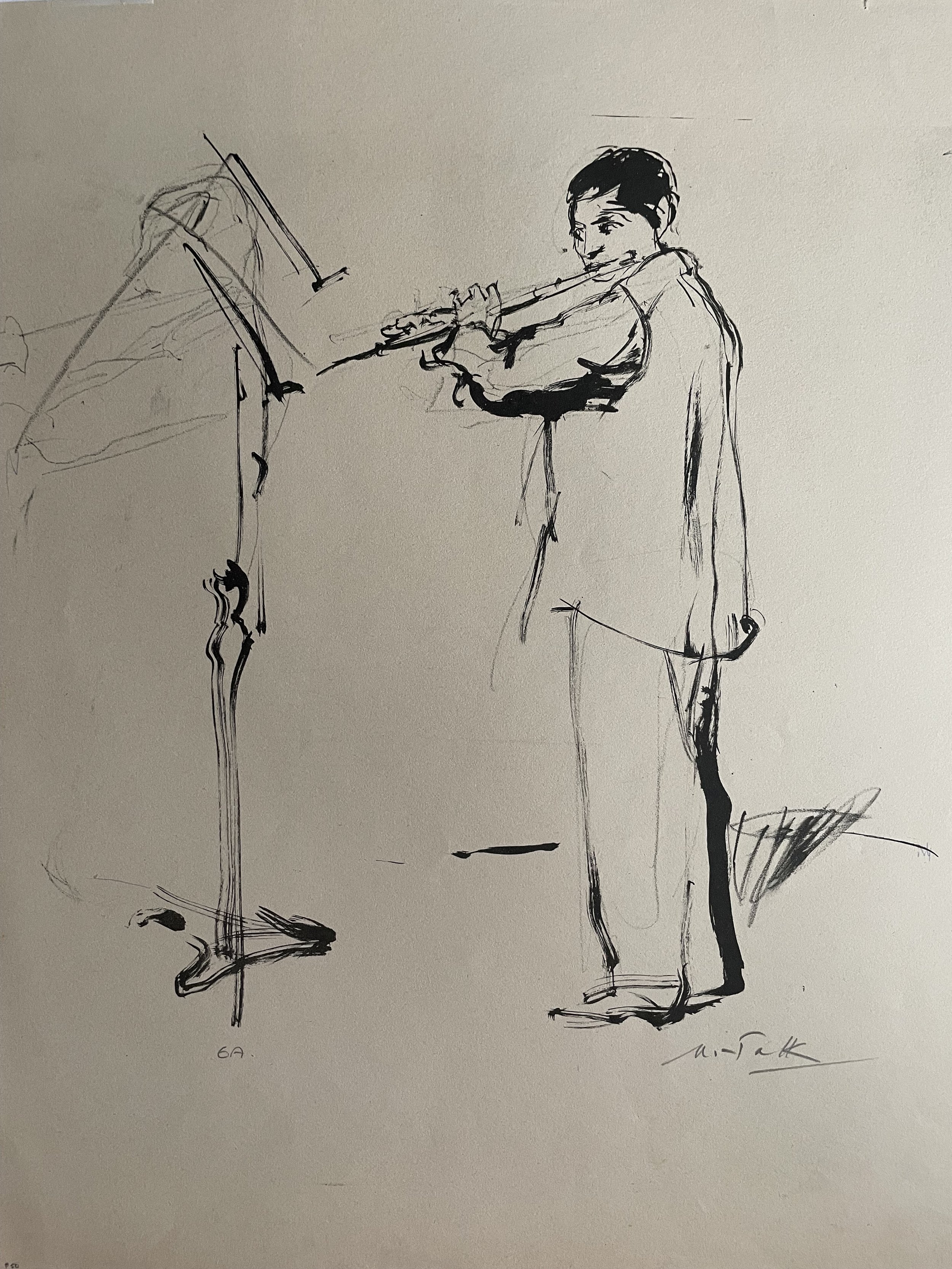
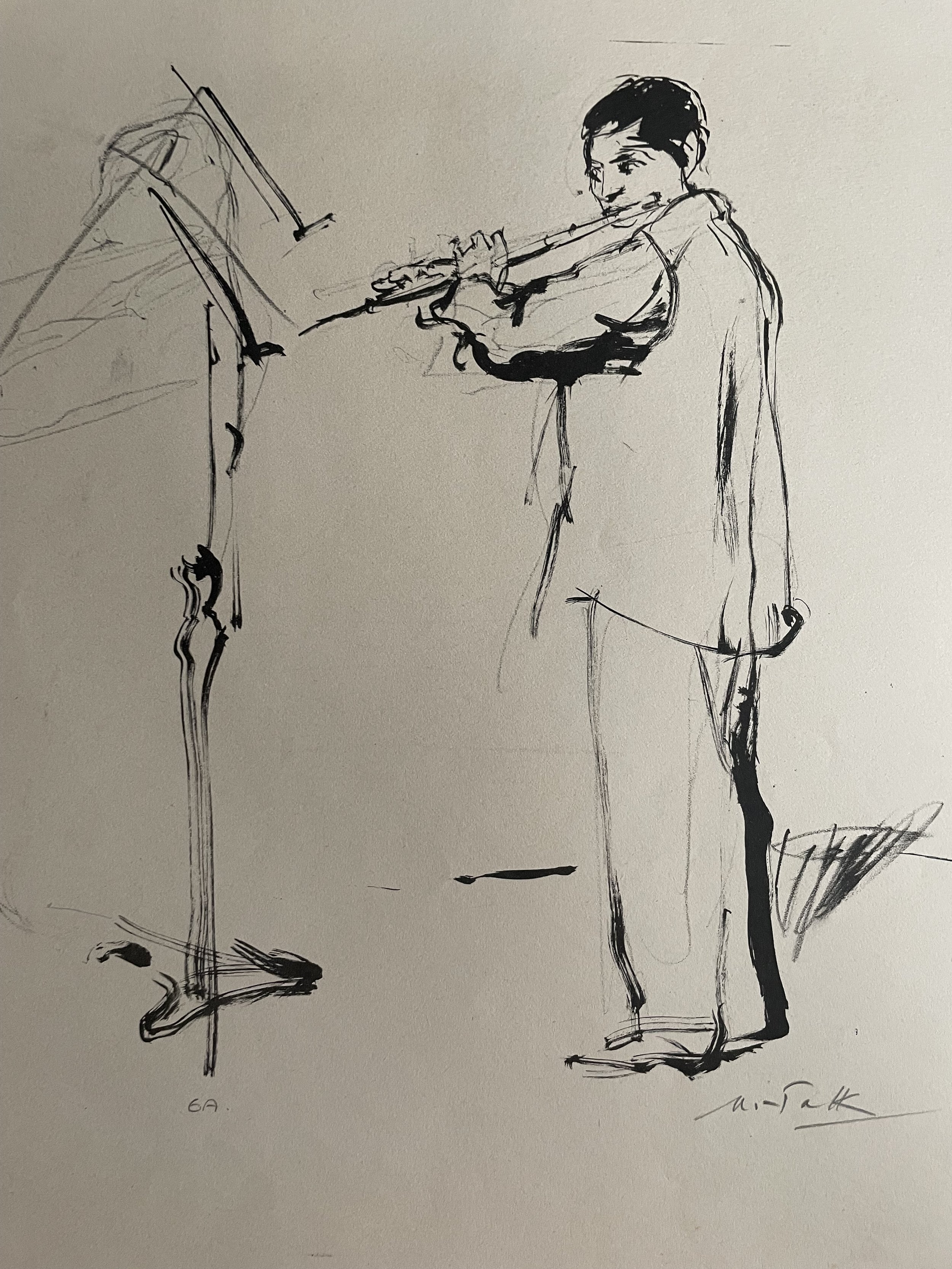
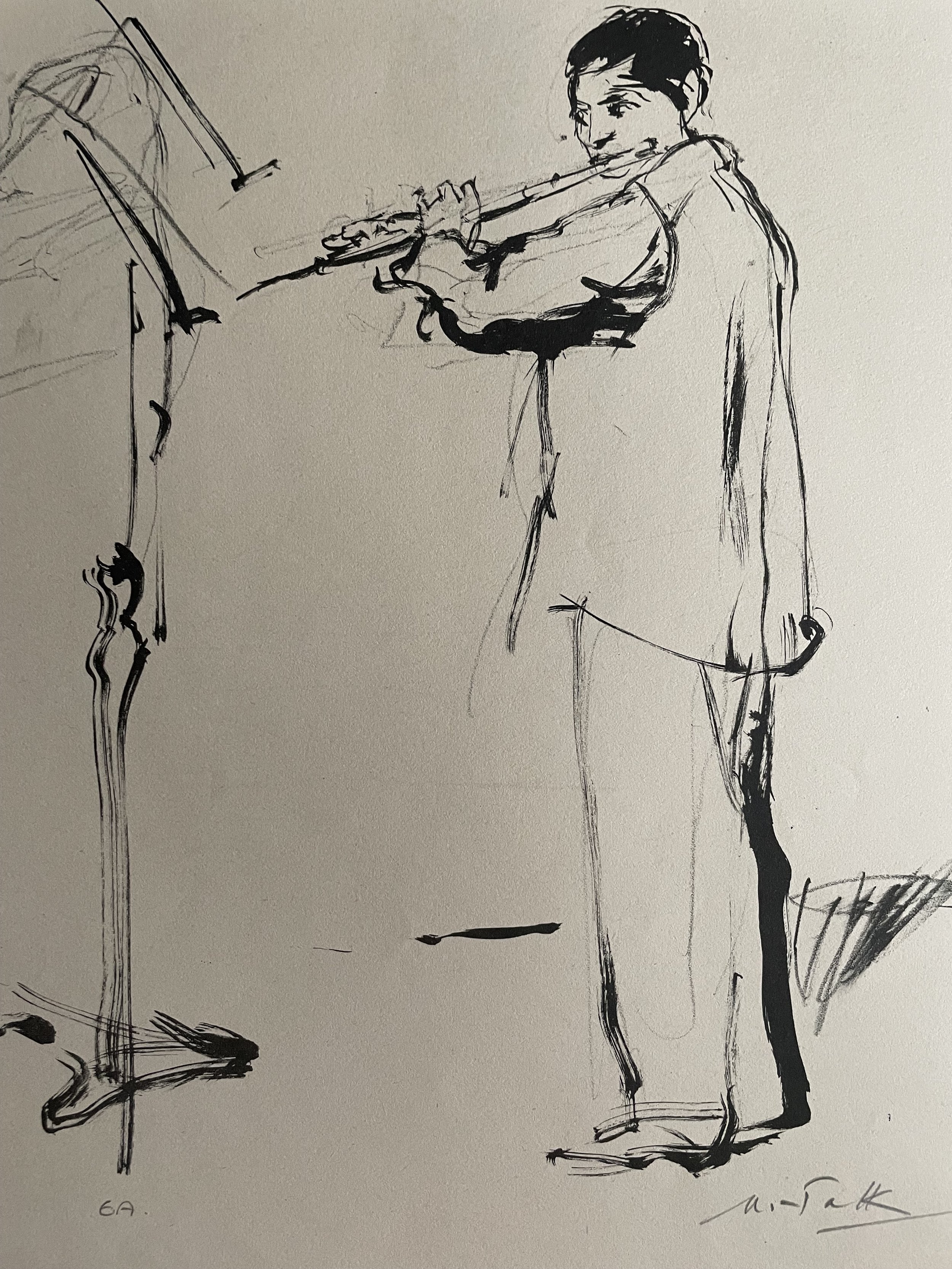
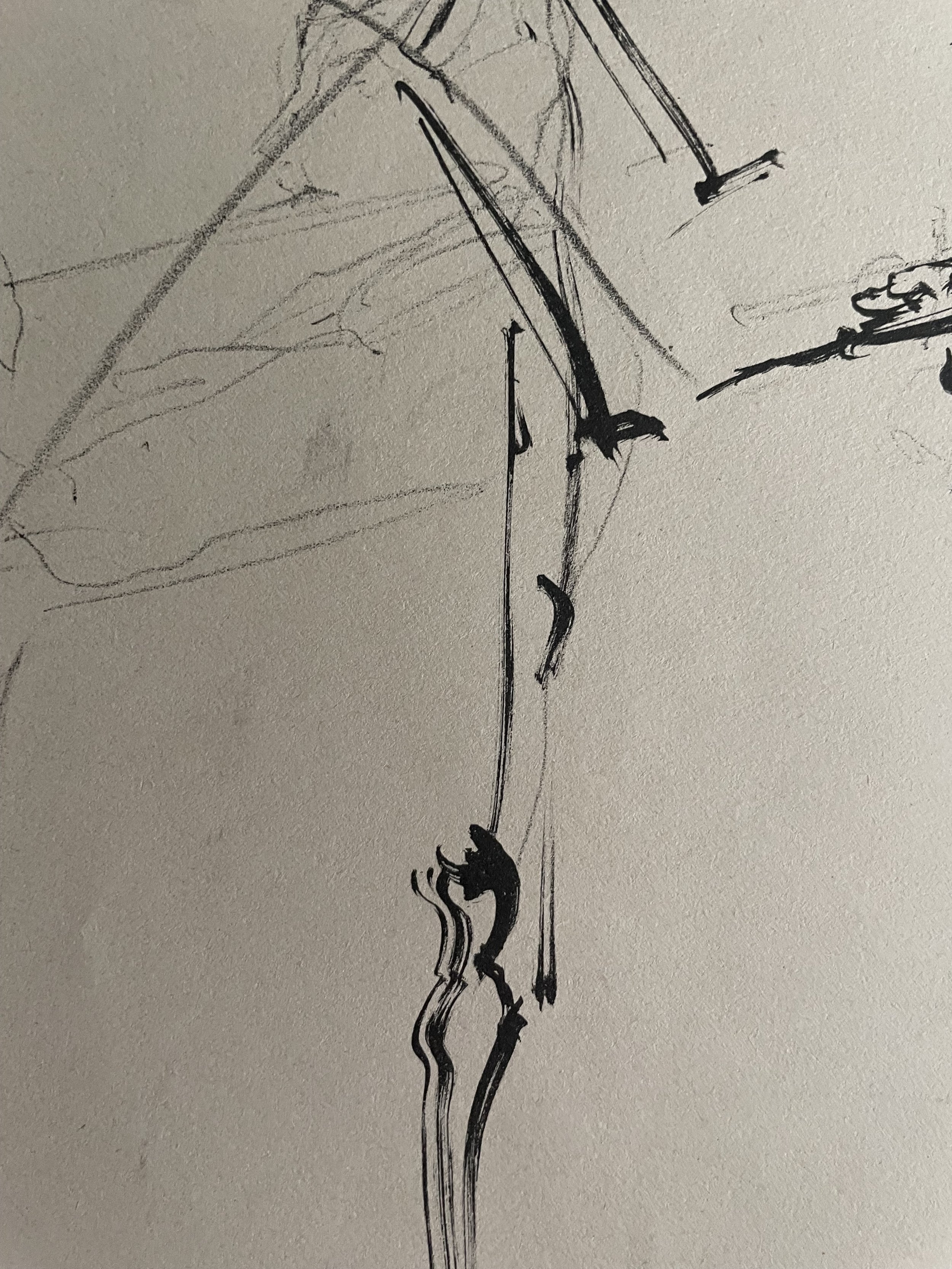
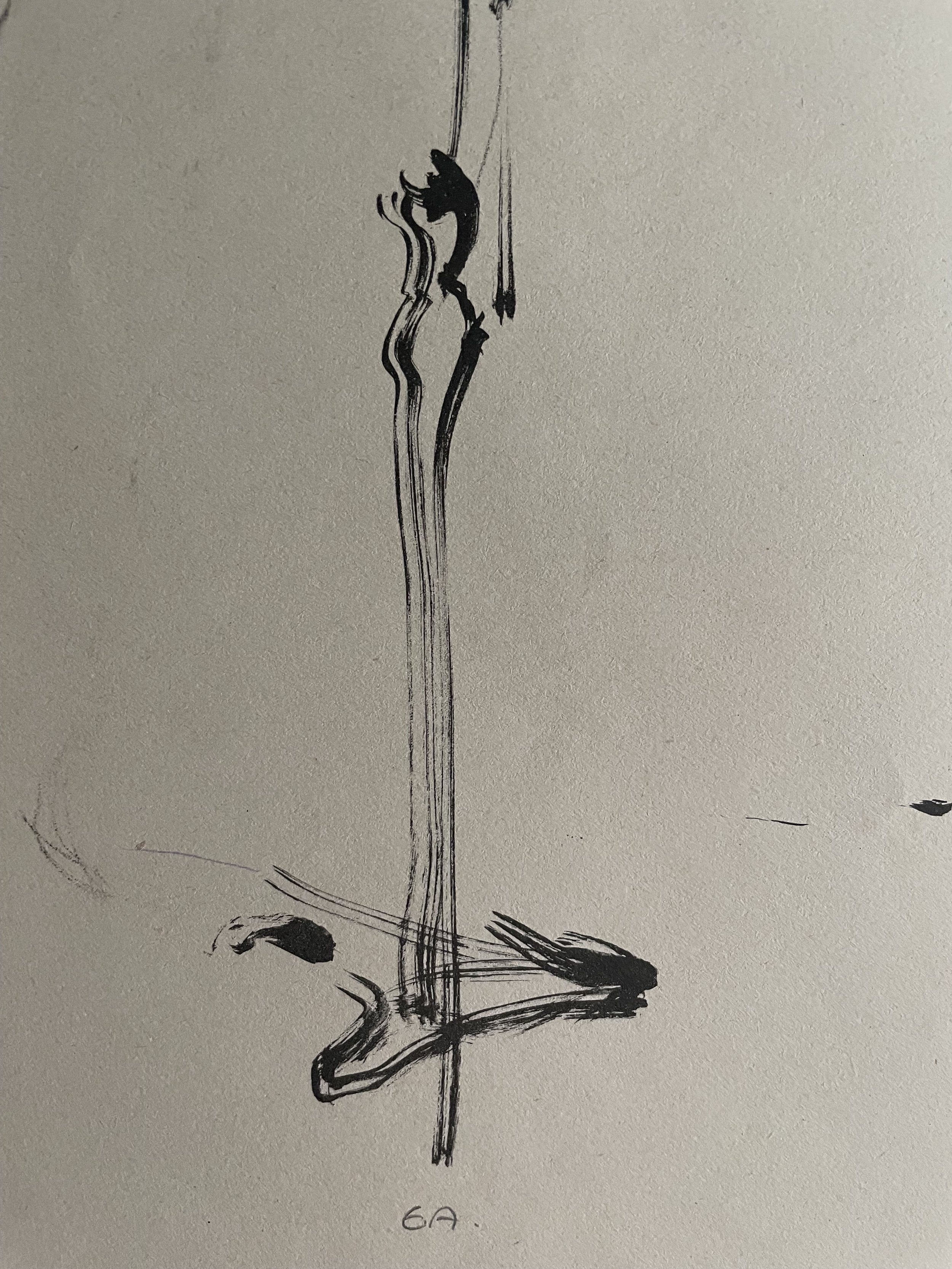
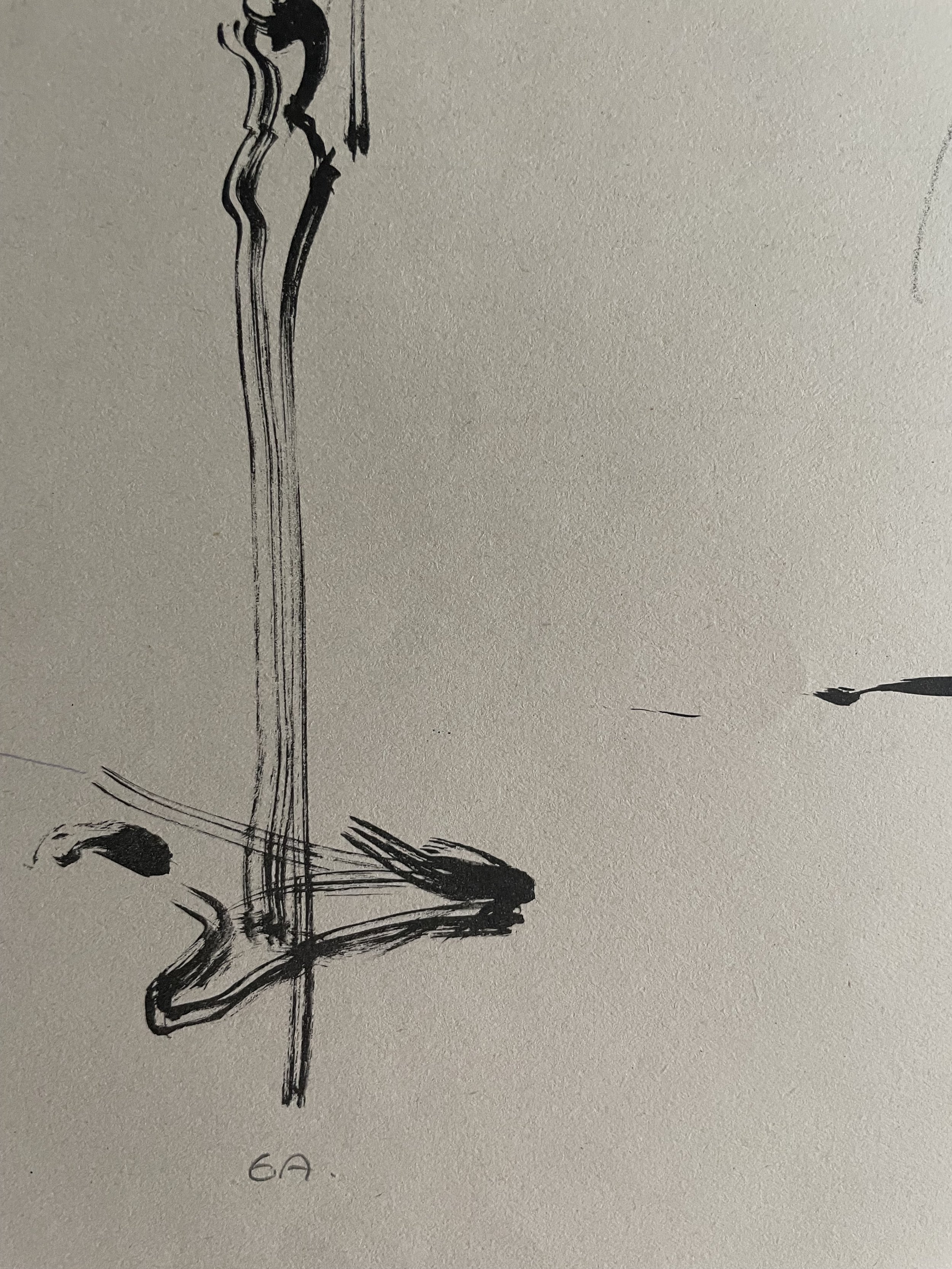
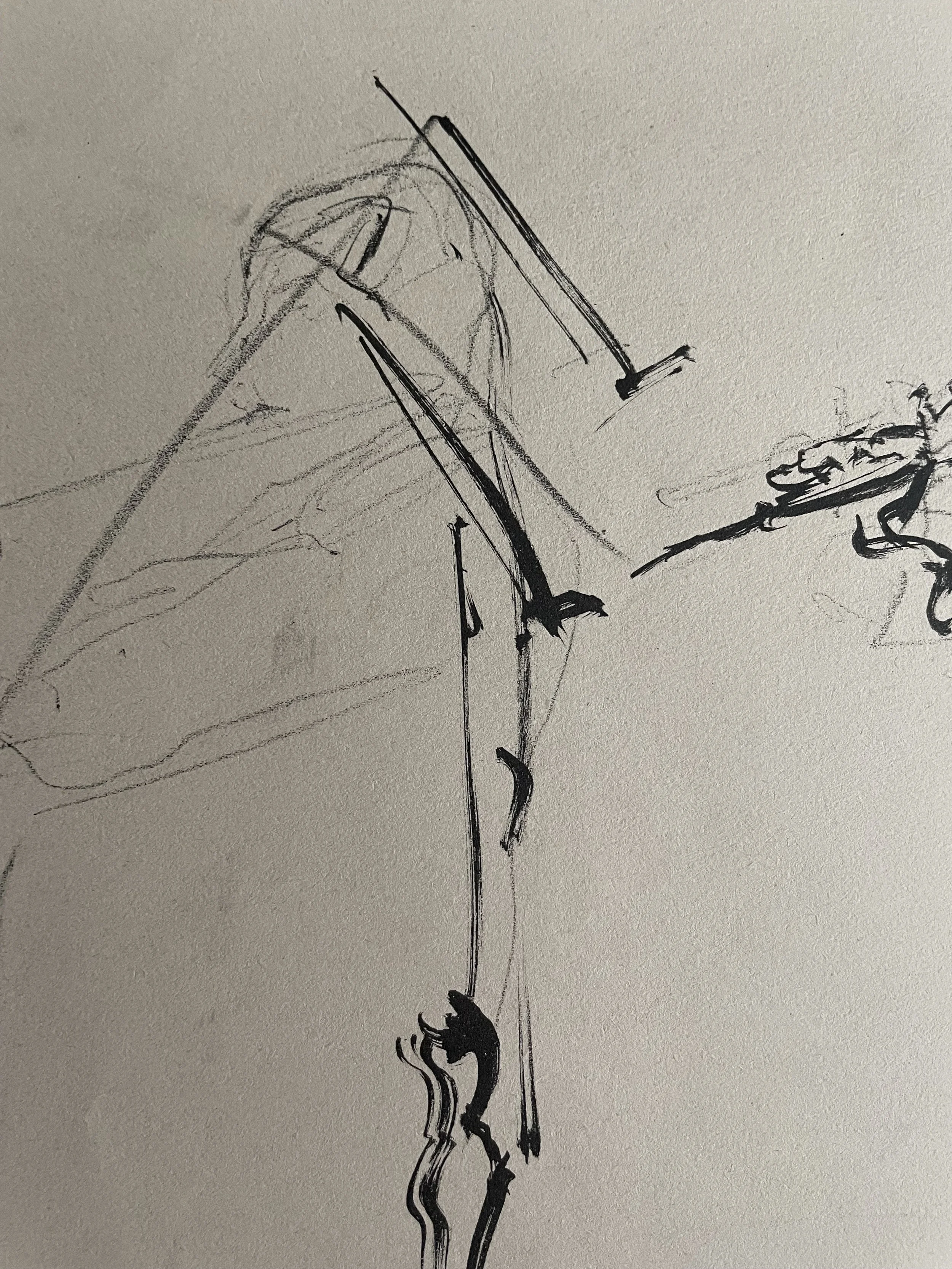
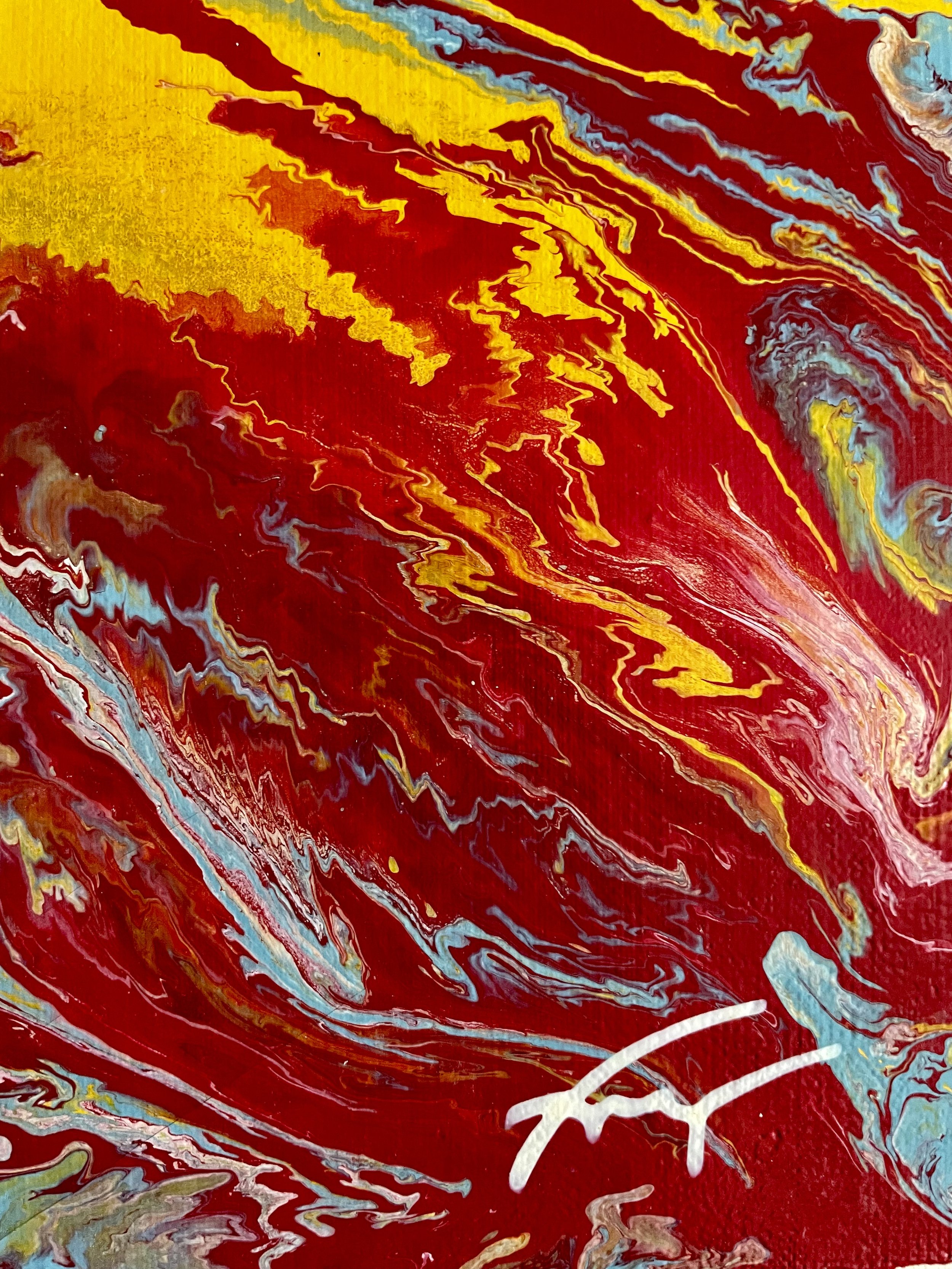
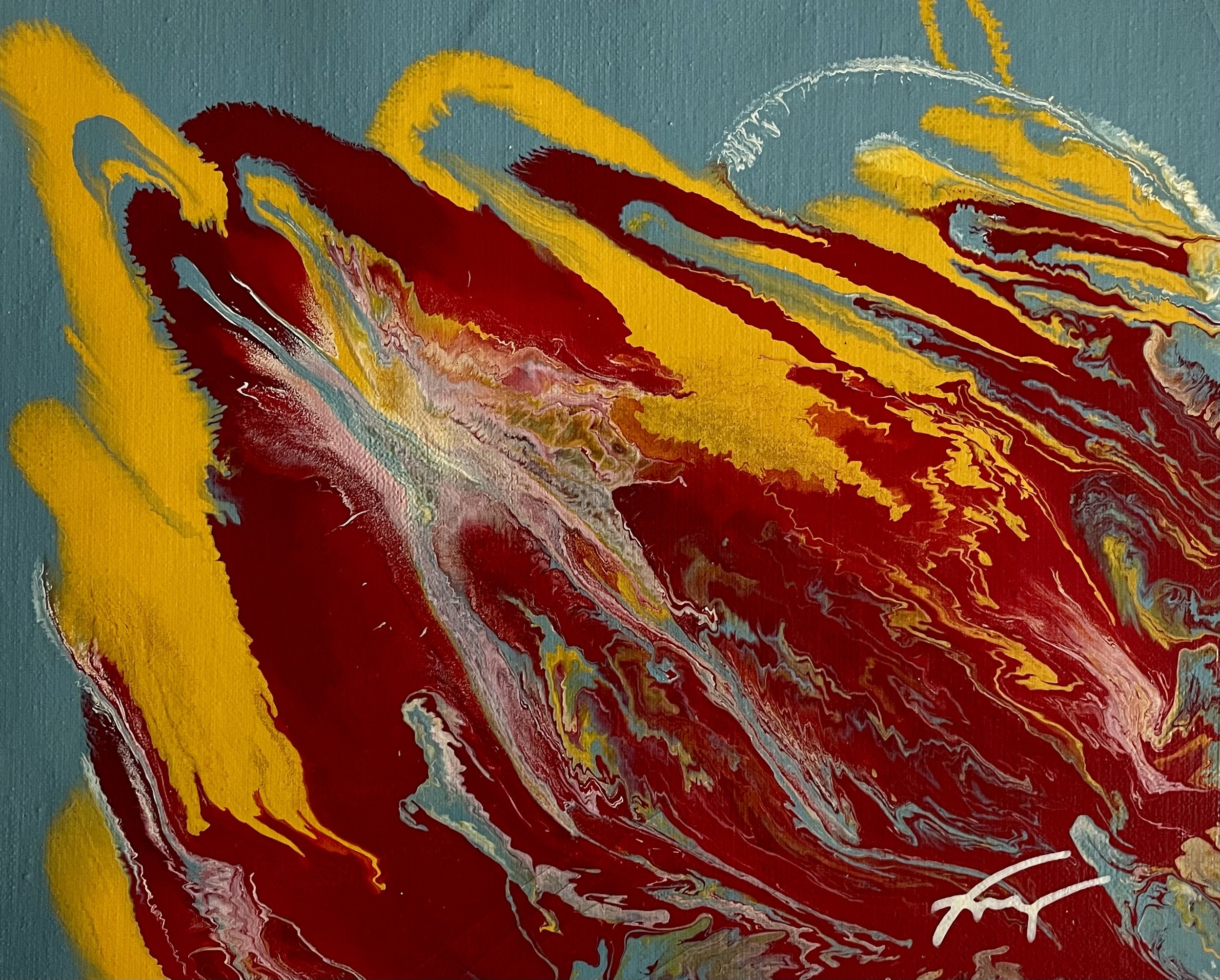
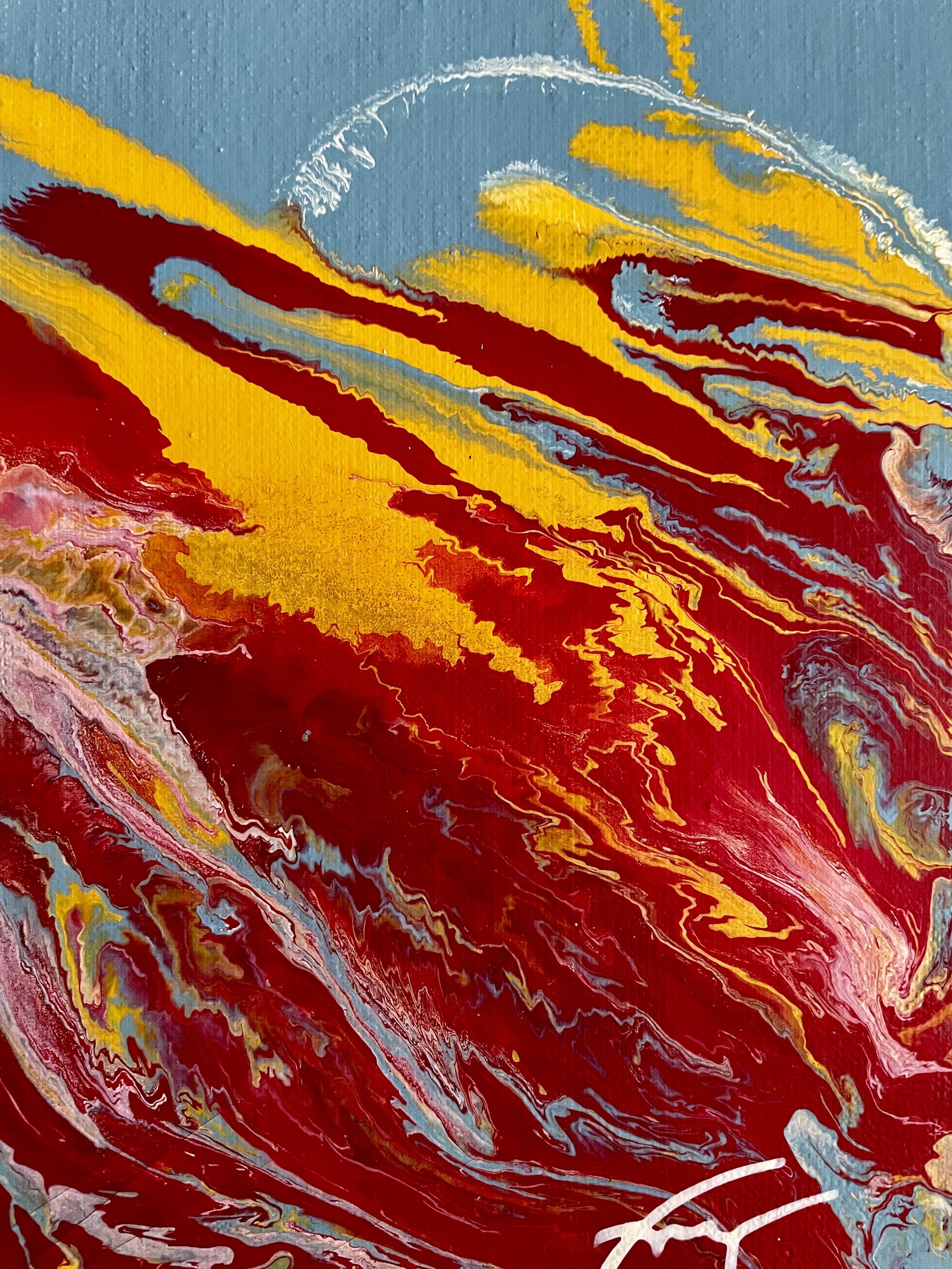
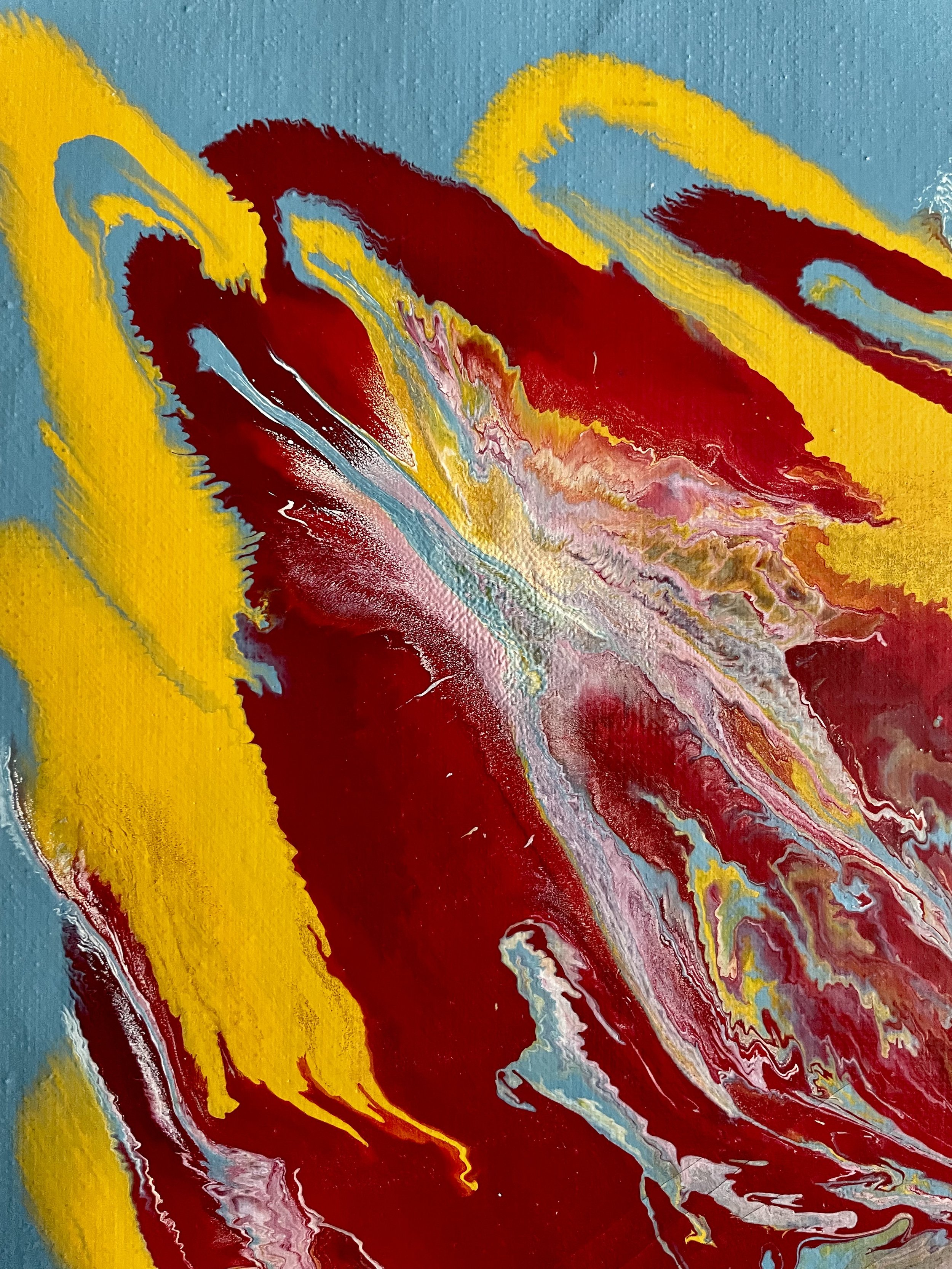
“Jack Herland (1919–2005) ‘See Now’ -attributed - NYC Billboard Scene — Original 11x14 Ink & Watercolor”
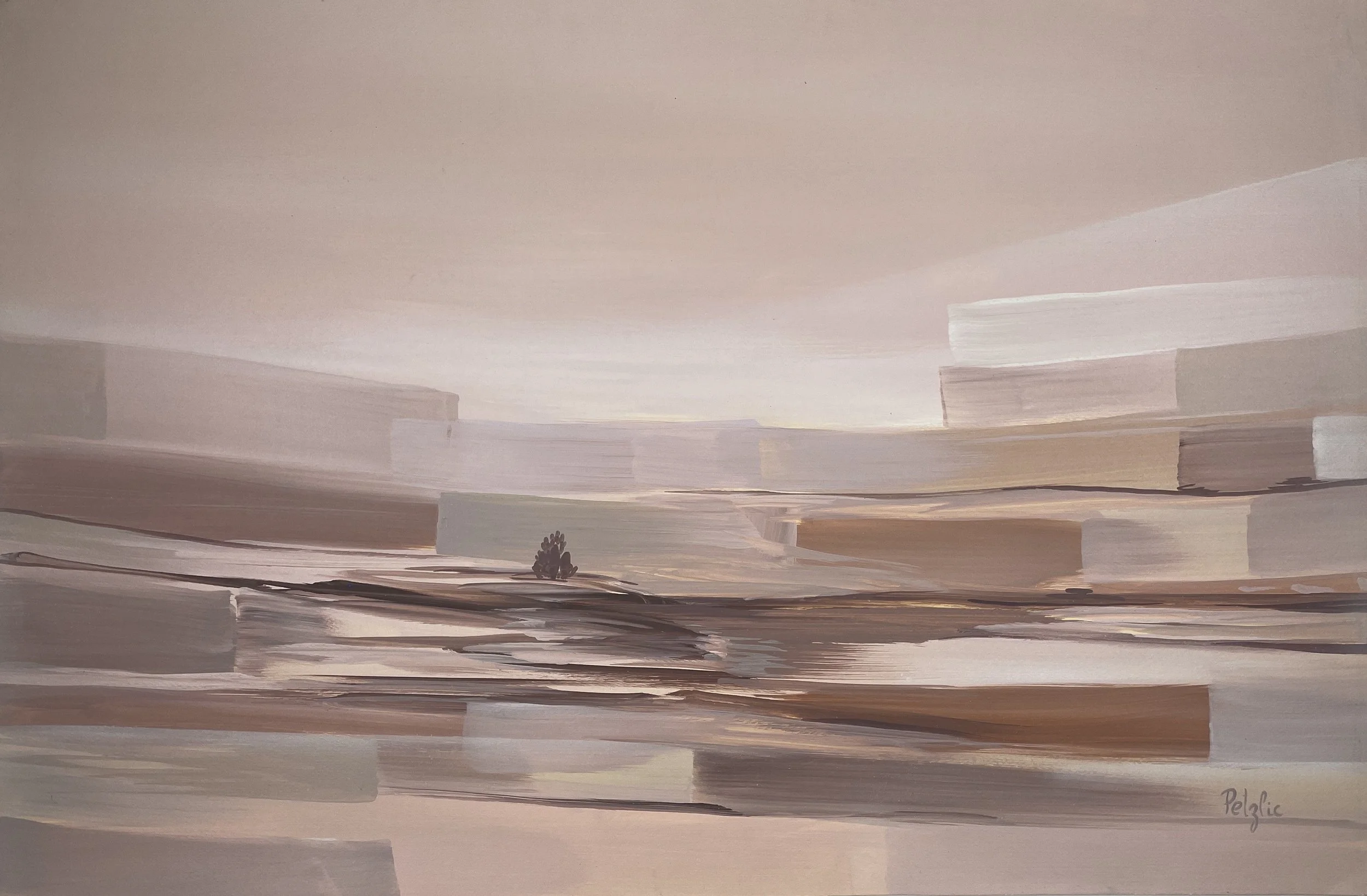
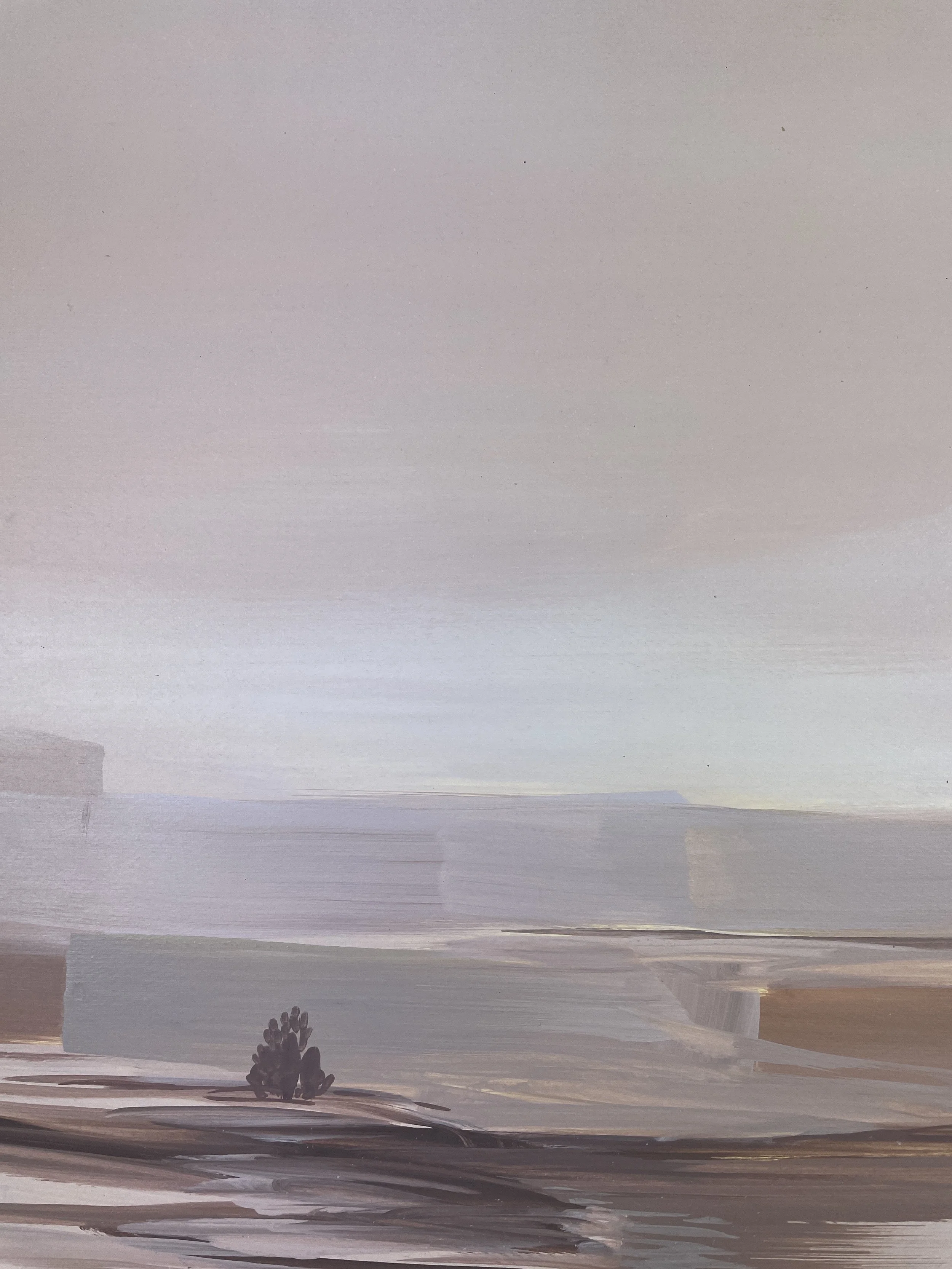
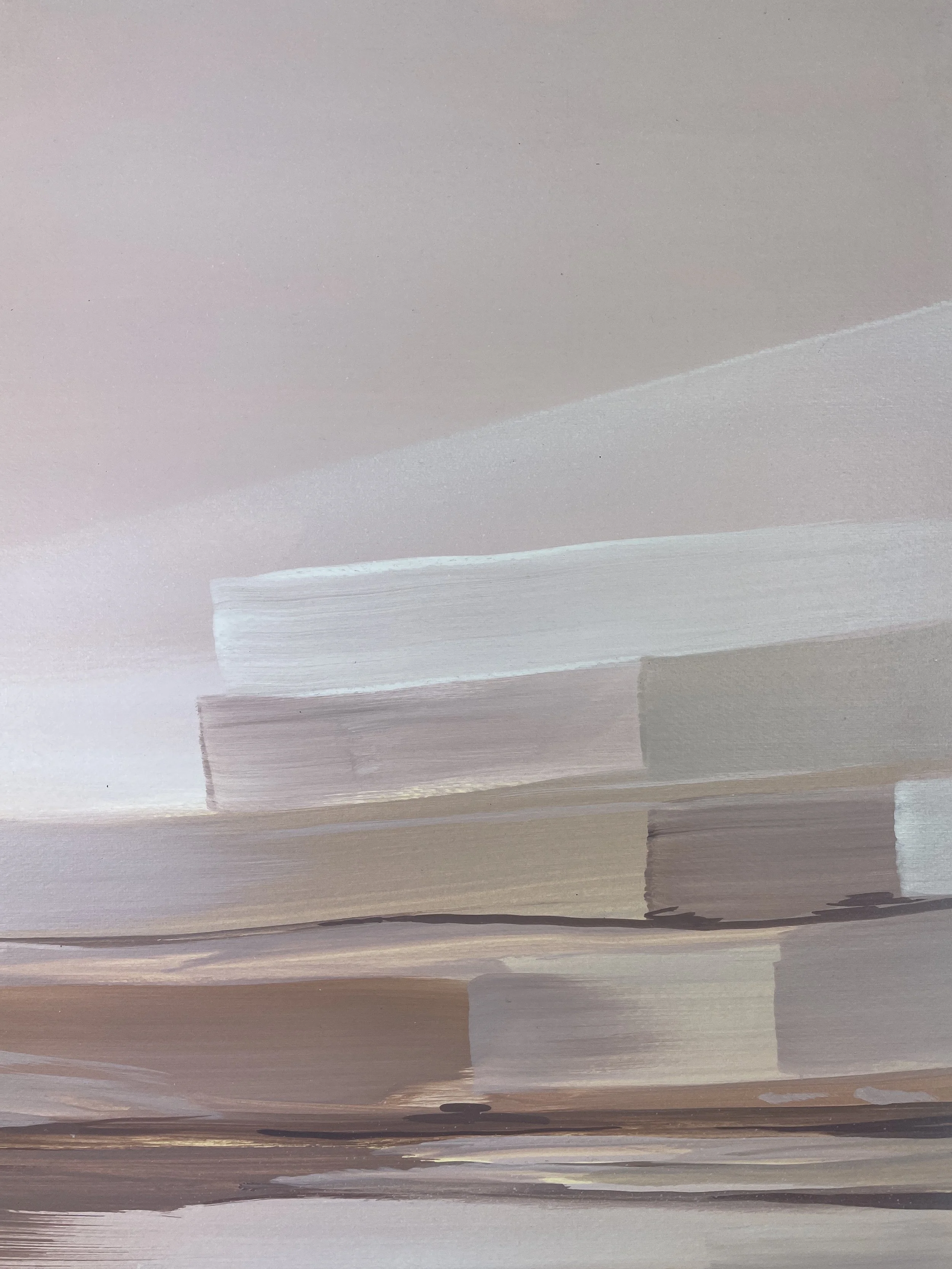
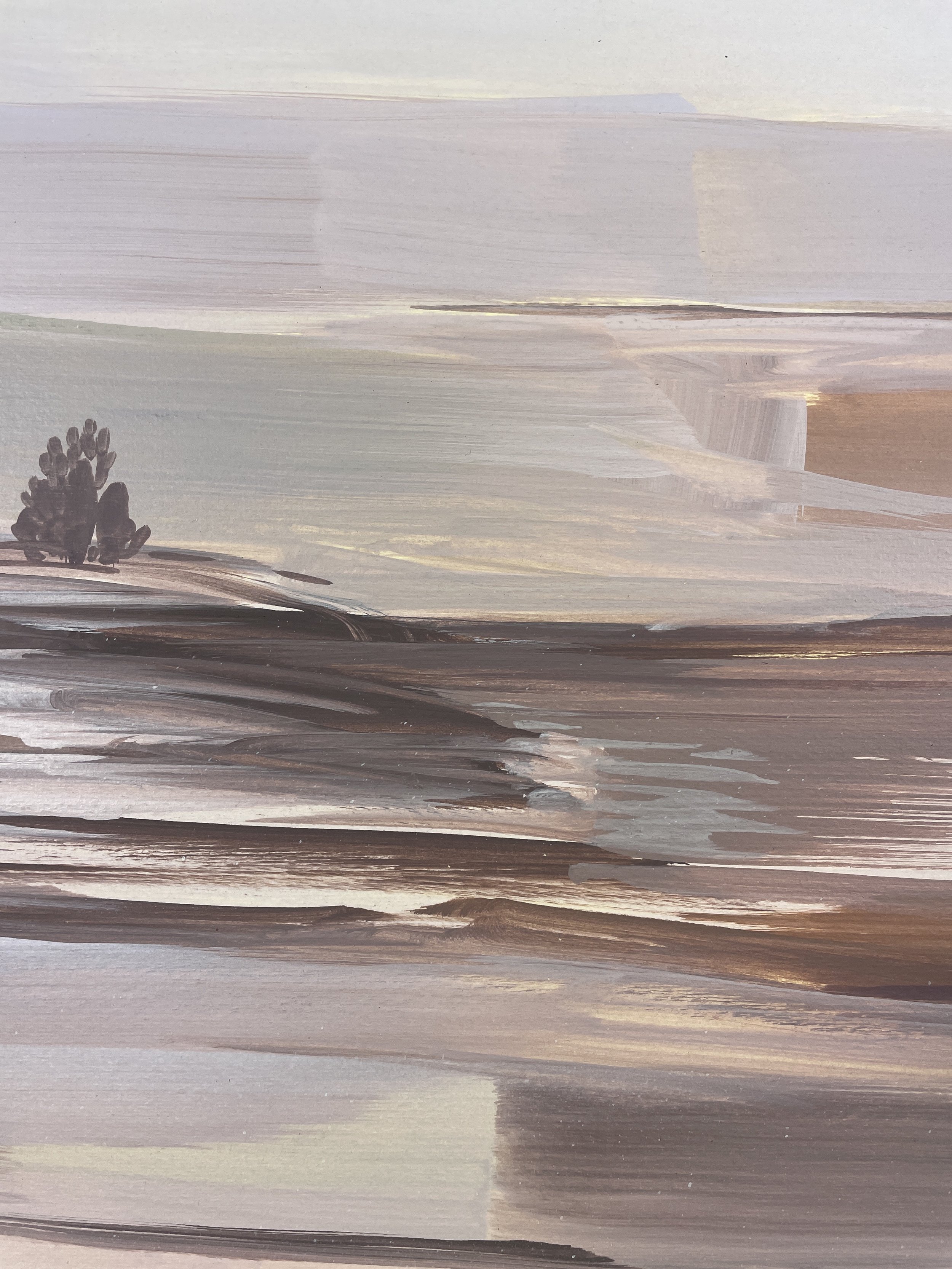
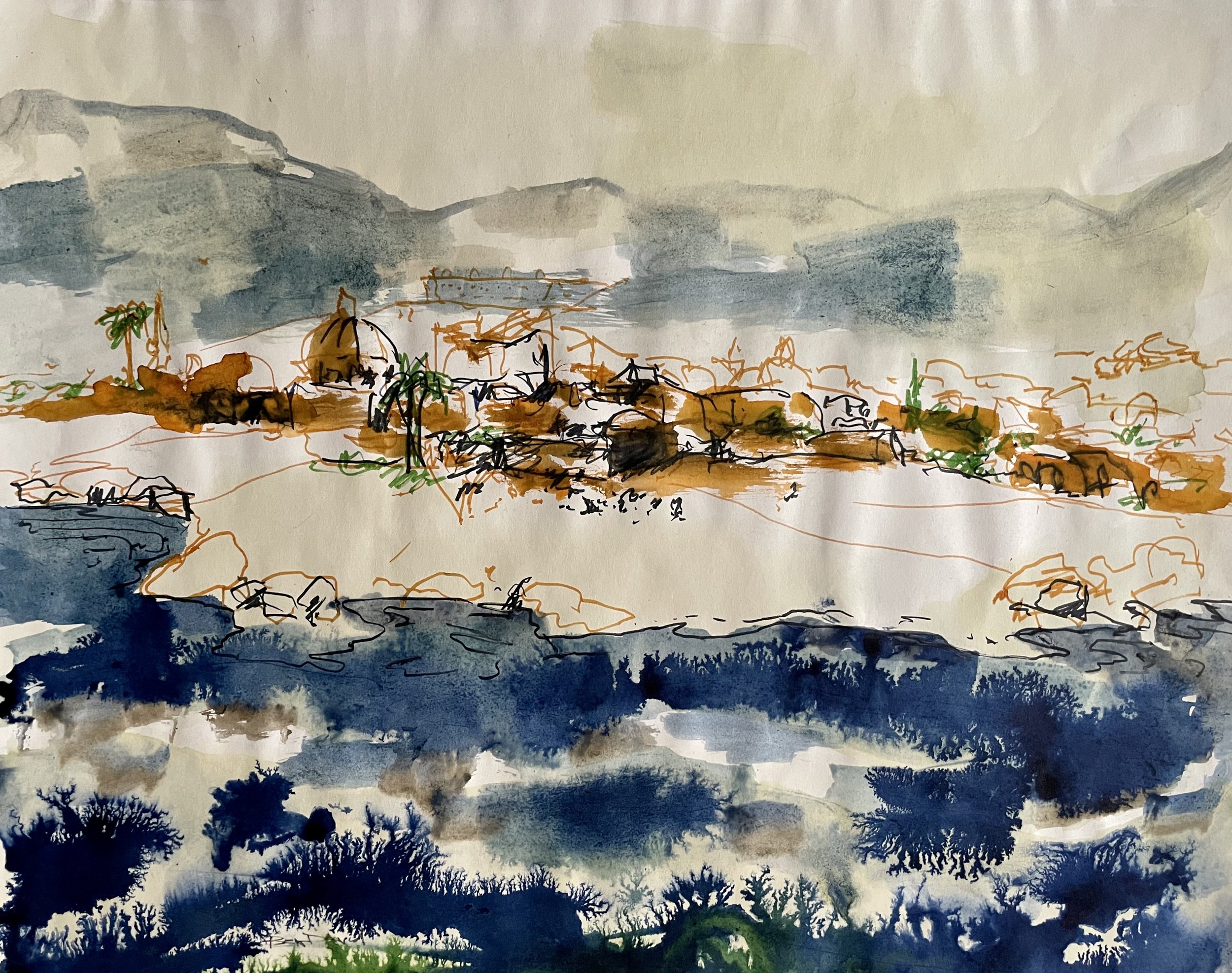
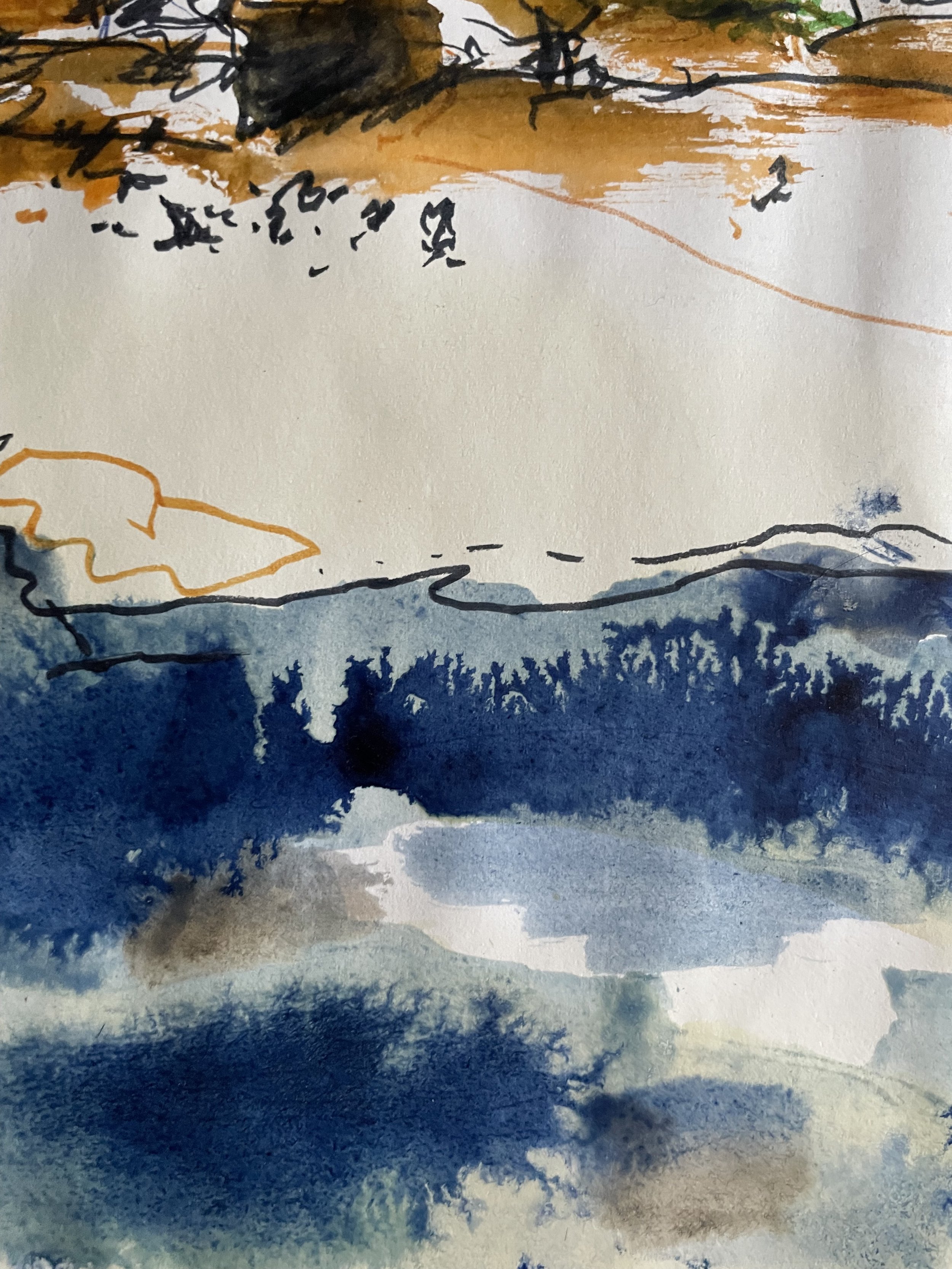
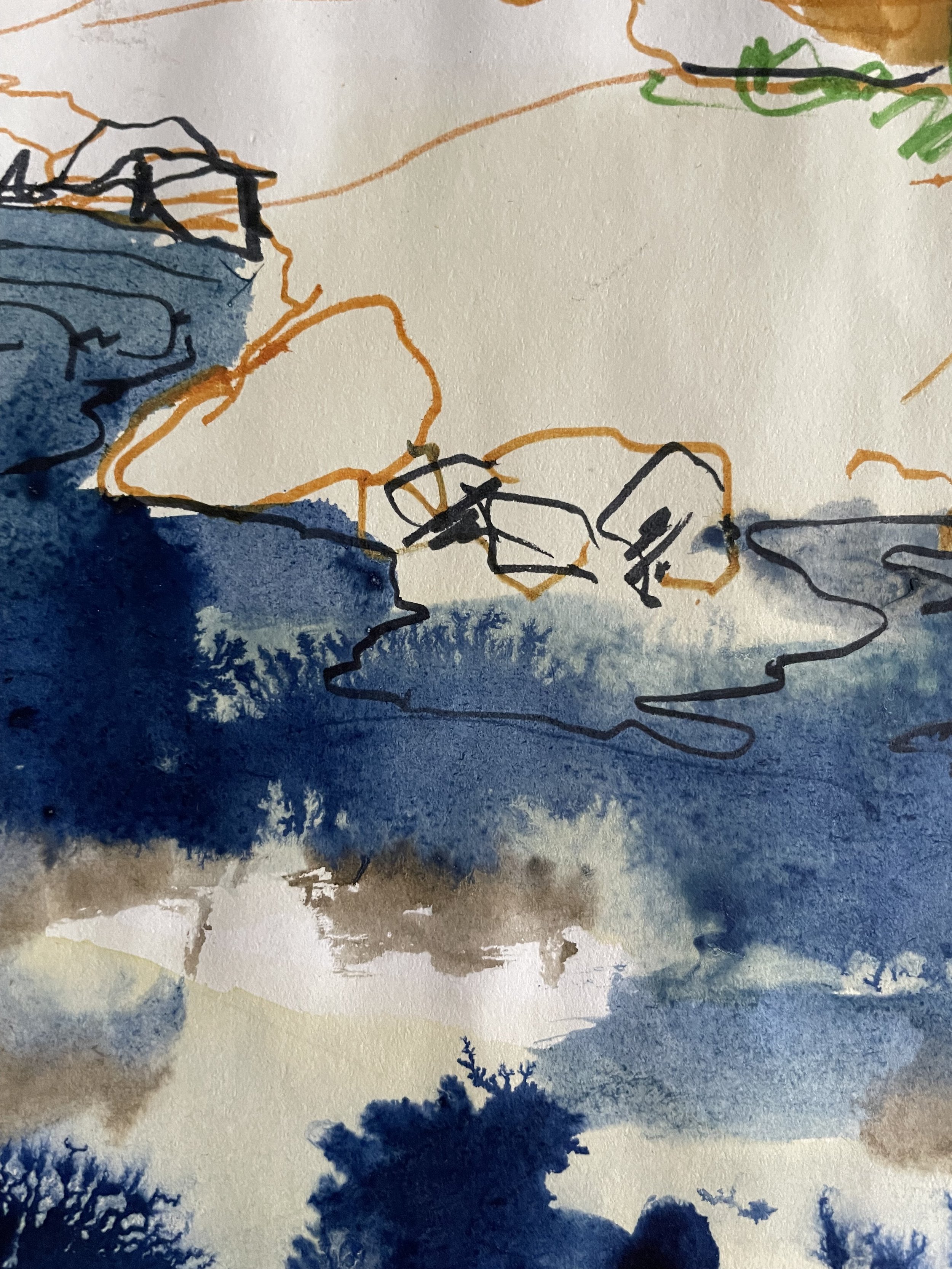
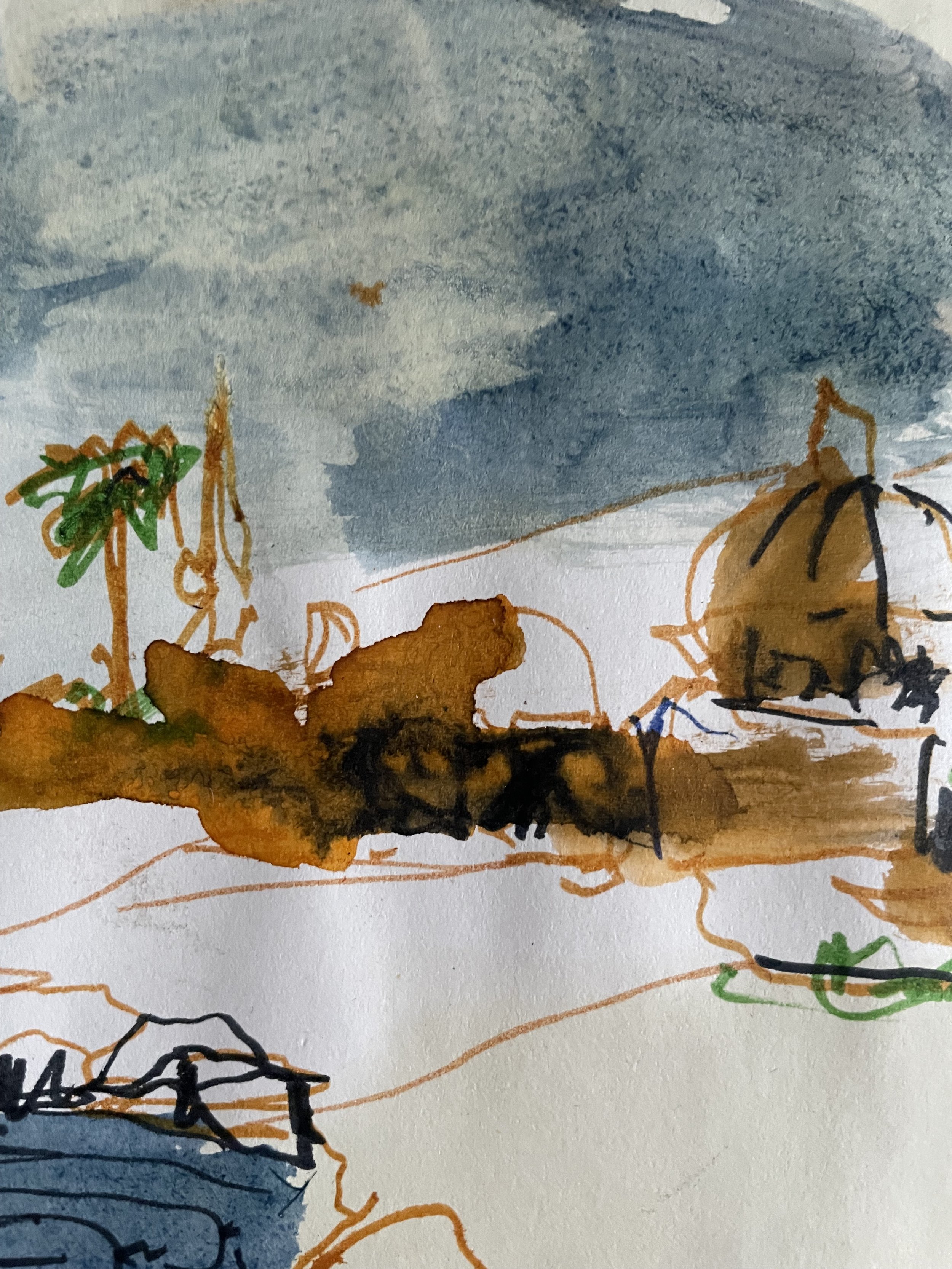
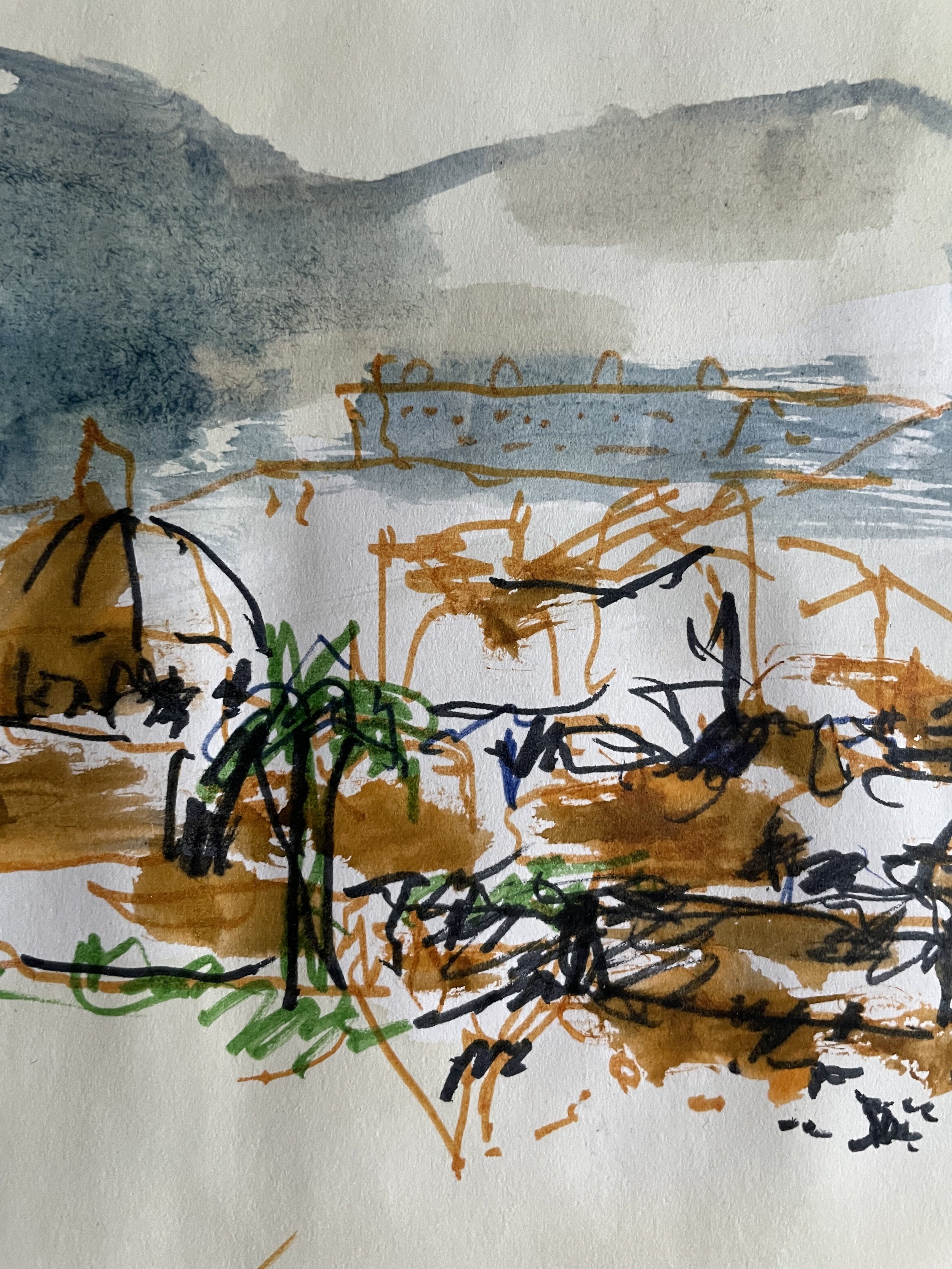
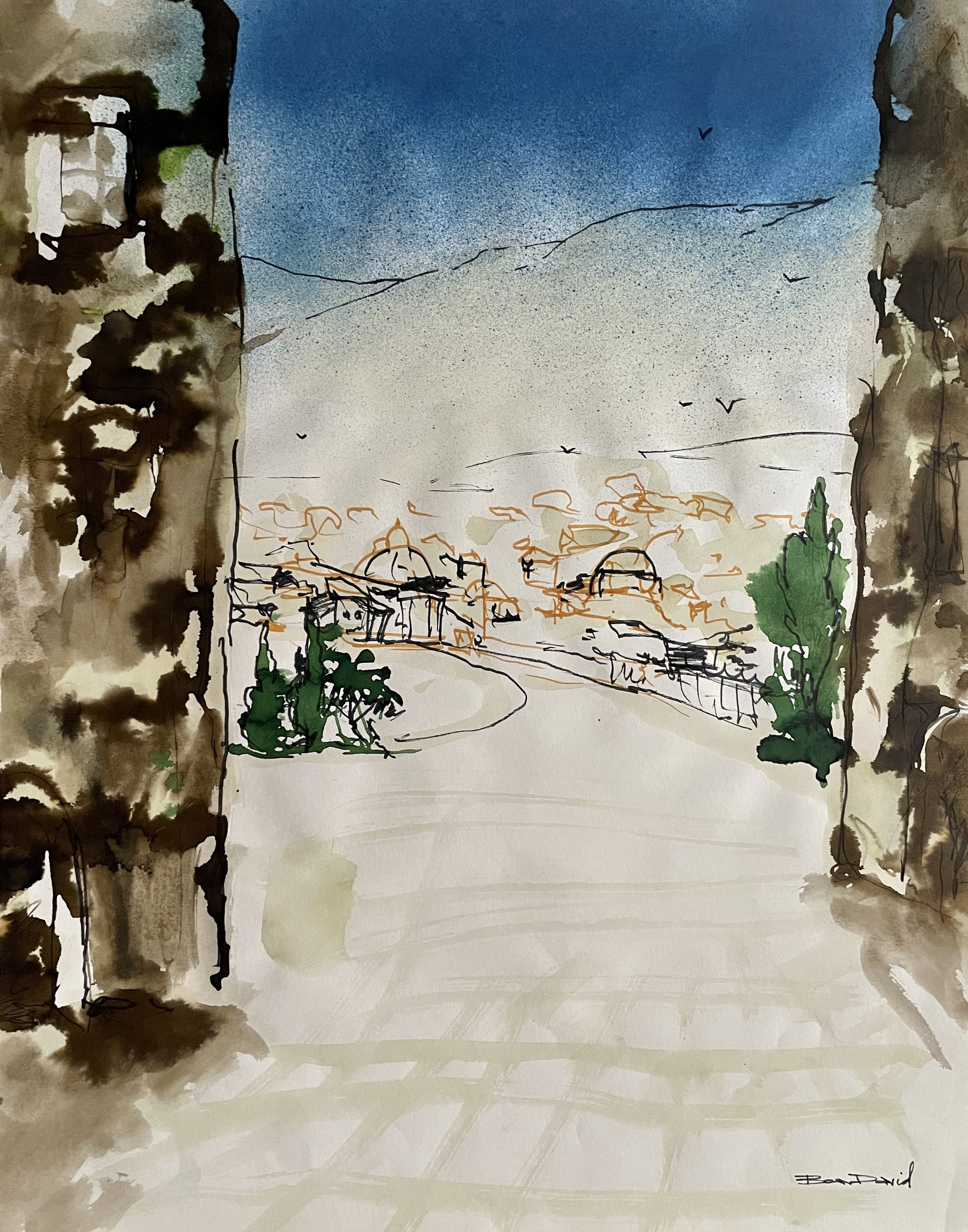
This original 11x14 ink and watercolor by Jack Herland (1919–2005) offers a vibrant, stylized take on New York’s billboard-filled commercial districts of the mid-20th century. Herland captures the energy of stacked signage, tall facades, and street traffic with his iconic brisk ink contour and expressive watercolor shading.
Born in Germany and trained in New York under John Groth, Stuart Davis, and Wang Chi Yuan, Herland developed a distinctive urban-reportage style blending modernist architecture, Chinese brushwork, and commercial illustration techniques. His works have been exhibited at the National Arts Club, the China Institute, the Hudson Museum, and more.
This signed artwork, acquired in NYC, is offered from Artfind Gallery, Washington, DC, and represents a strong, cinematic example of Herland’s urban sketch tradition.
DETAILED ARTWORK DESCRIPTION
Title:Untitled “See Now” City Billboard Scene
Artist:Jack Herland (1919–2005)
Medium: Ink & Watercolor on Paper
Size: 11 x 14 inches
Location Acquired: New York City
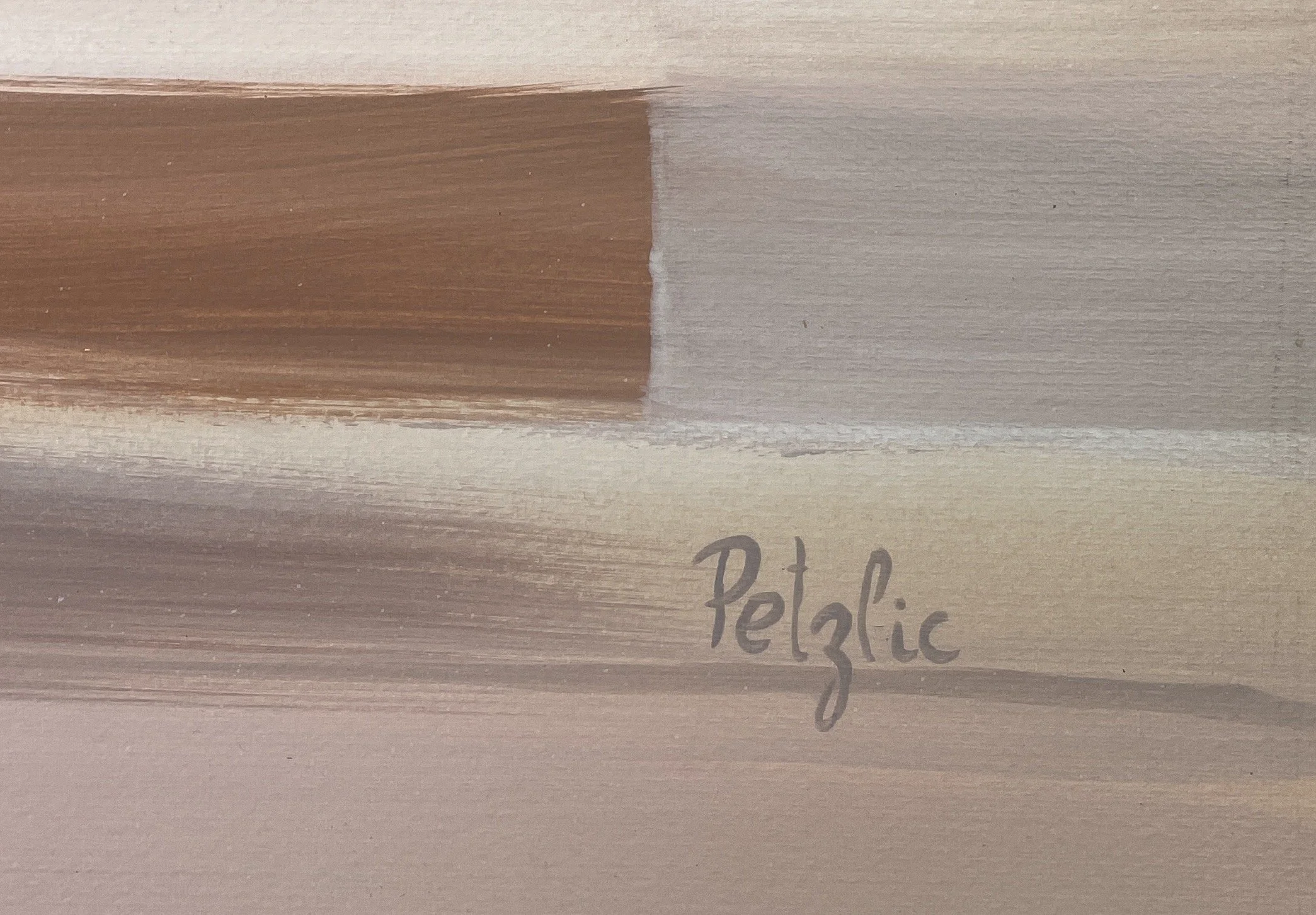
Signature: Signed “Herland” lower right
Period: Mid-20th Century
Style: Urban Sketch • Expressionistic Illustration • Architectural Draftsmanship
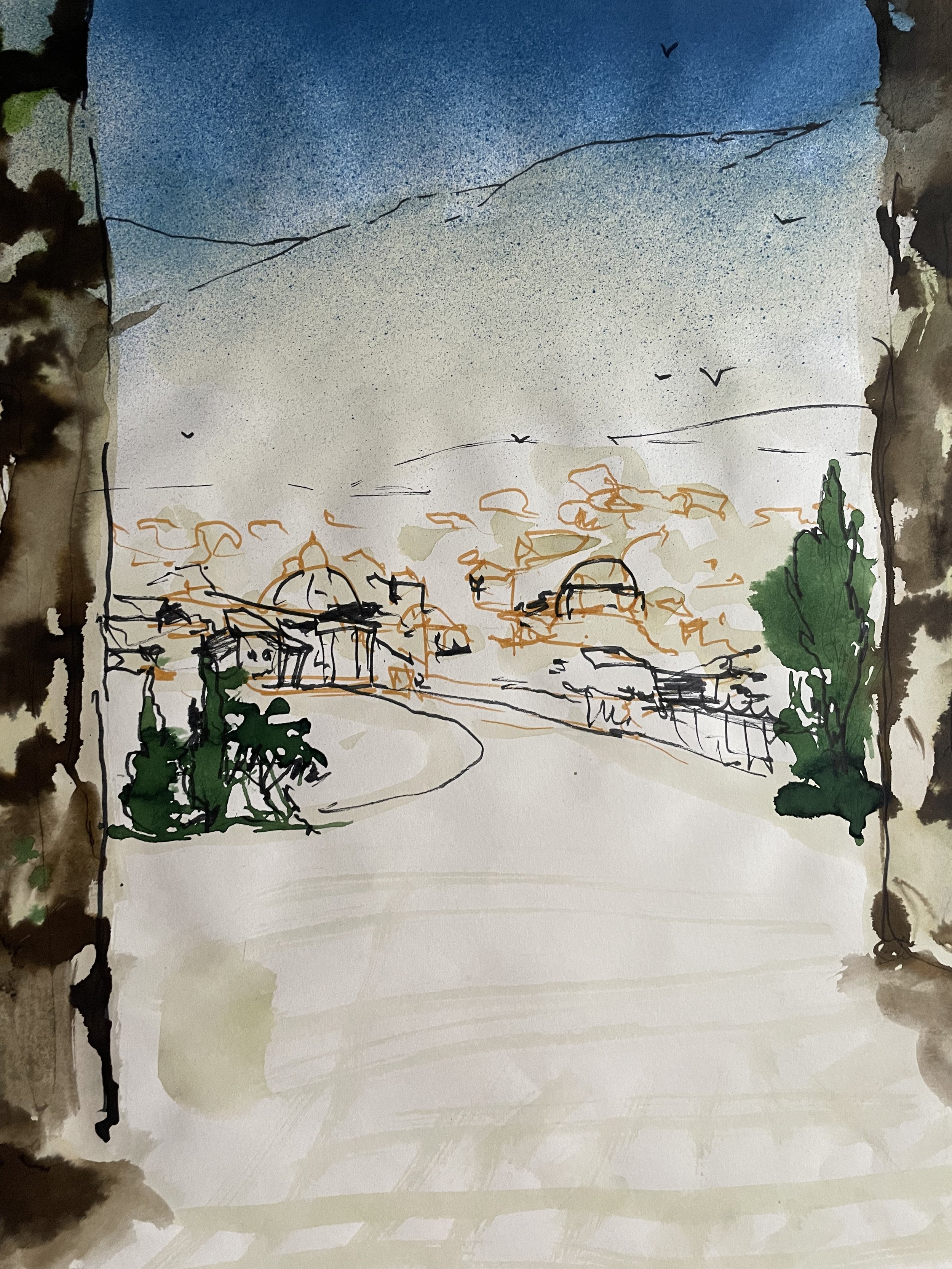
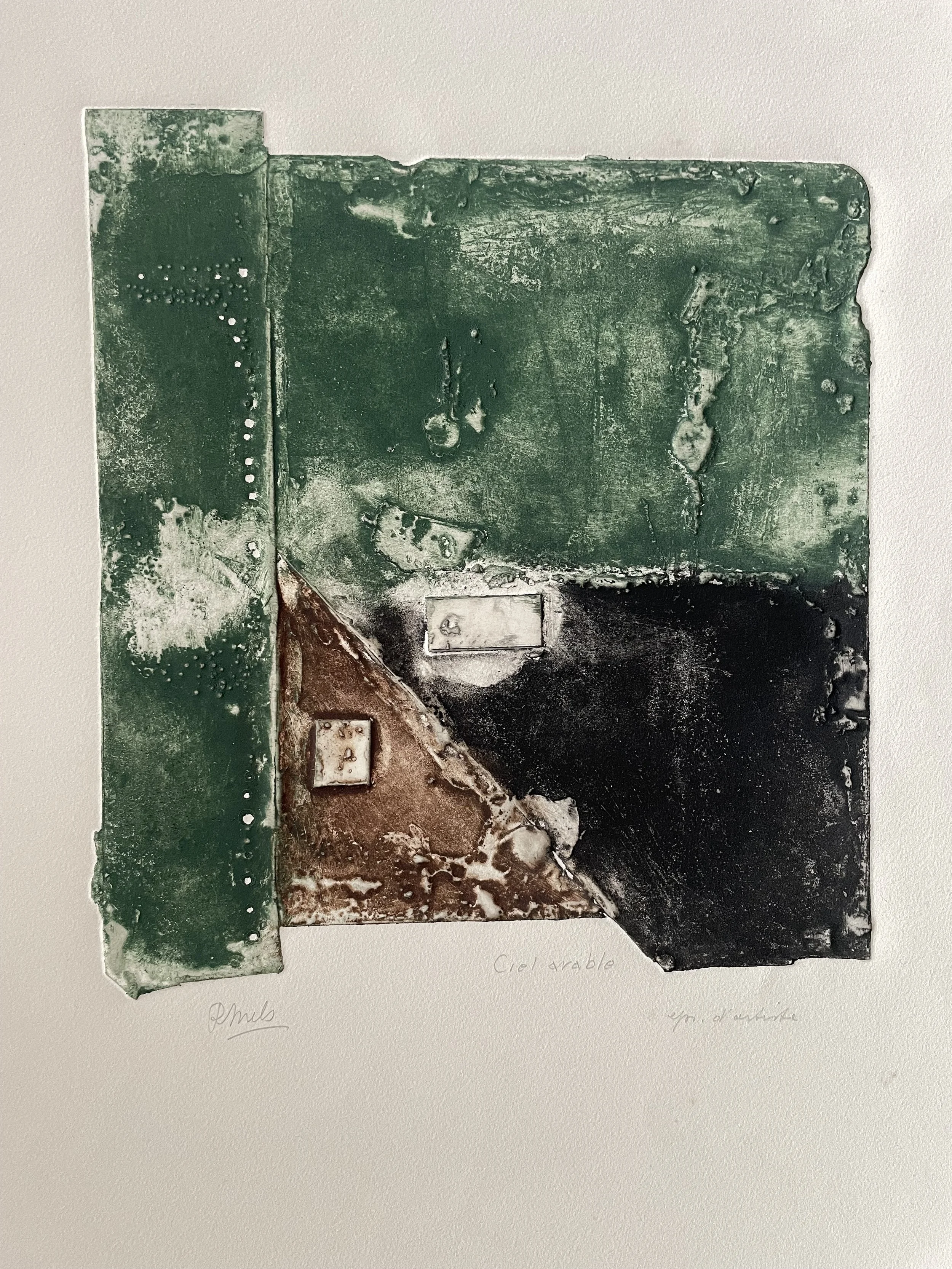
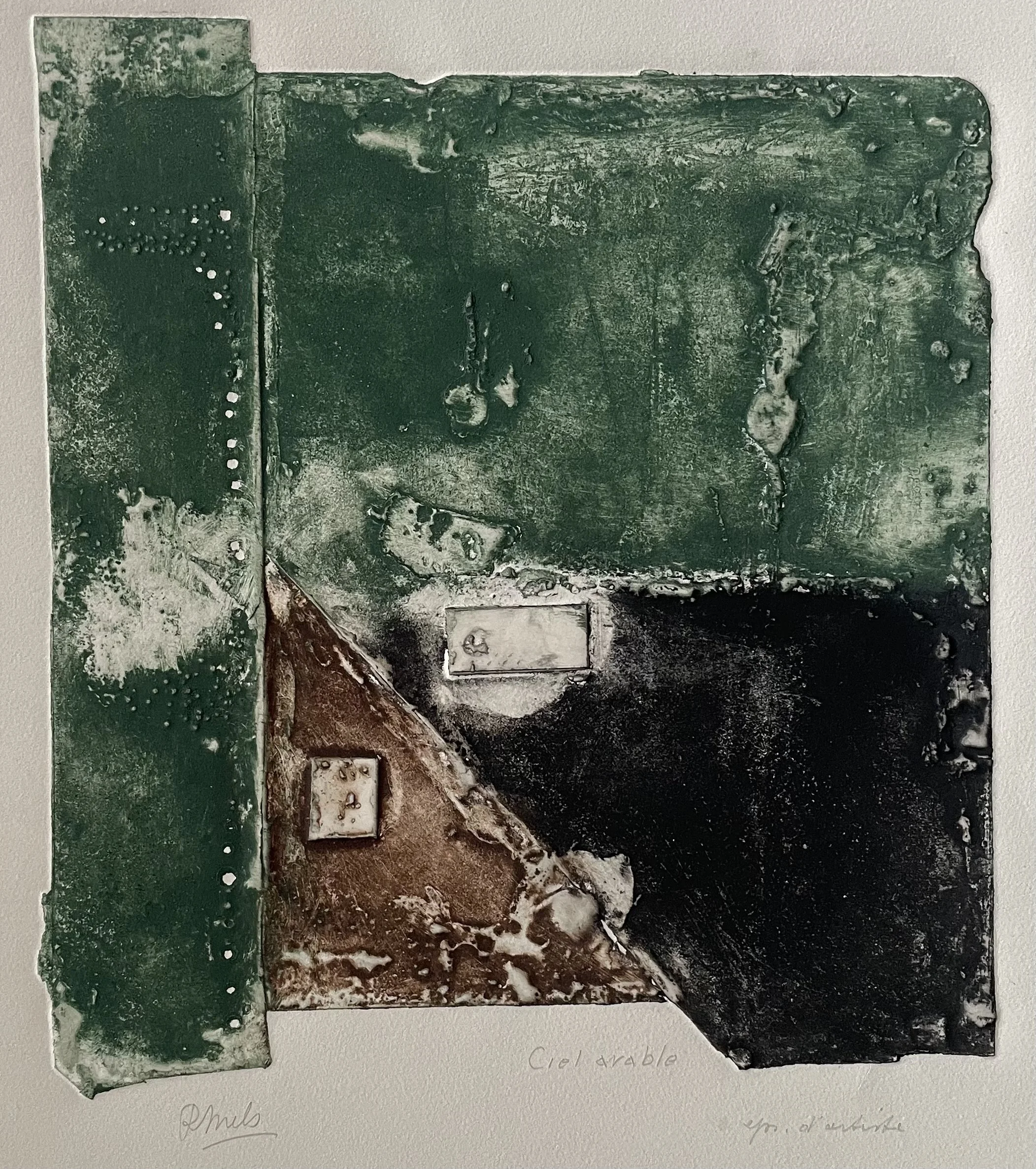
This energetic 11x14 urban composition presents a bustling mid-century New York streetscape defined by towering buildings, stacked billboards, and street traffic captured in Jack Herland’s signature rapid ink contour. Billboards reading “SEE NOW” dominate the skyline, reflecting Herland’s fascination with the visual noise of urban advertising—one of the defining features of mid-century American cities.
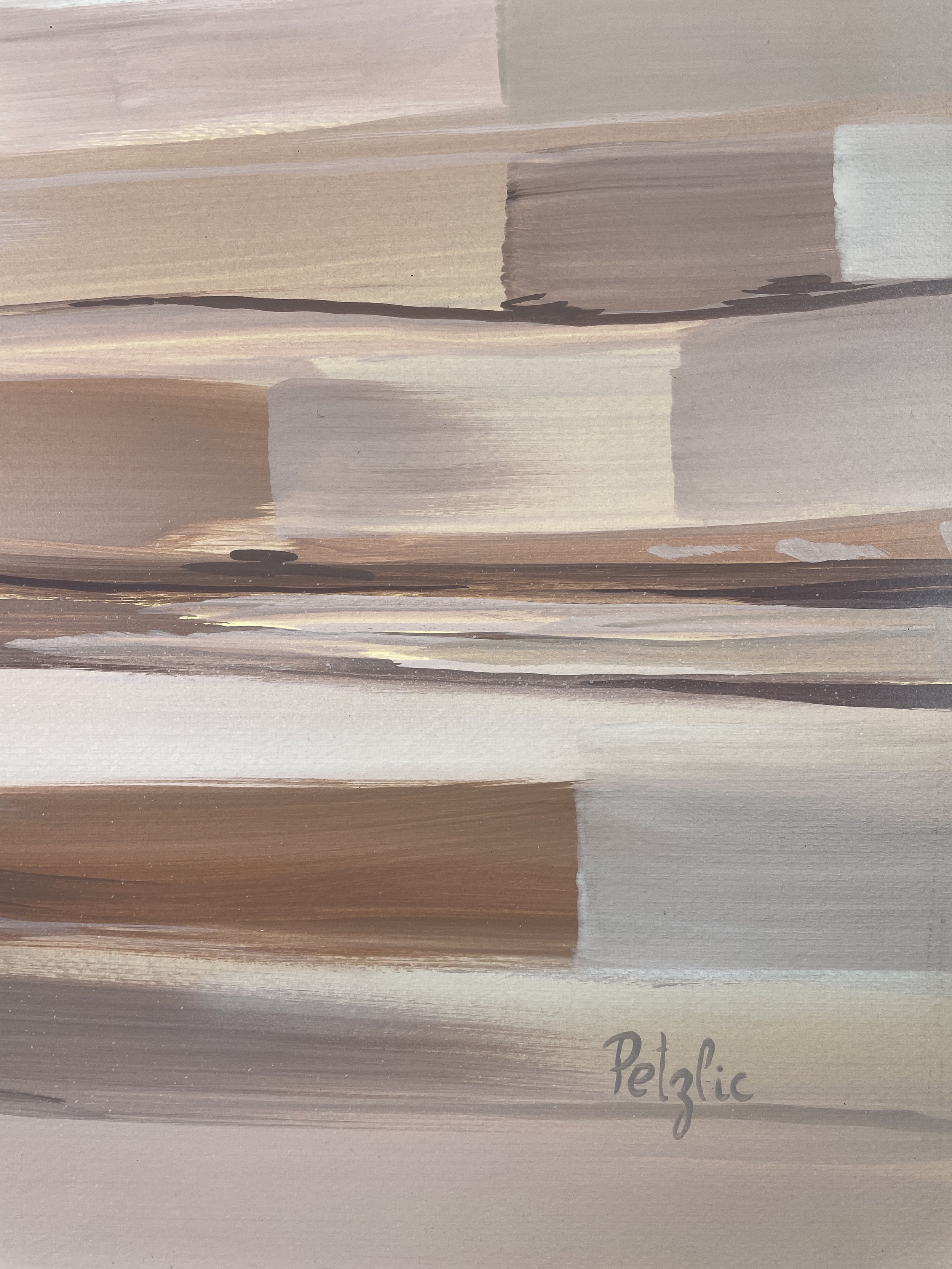
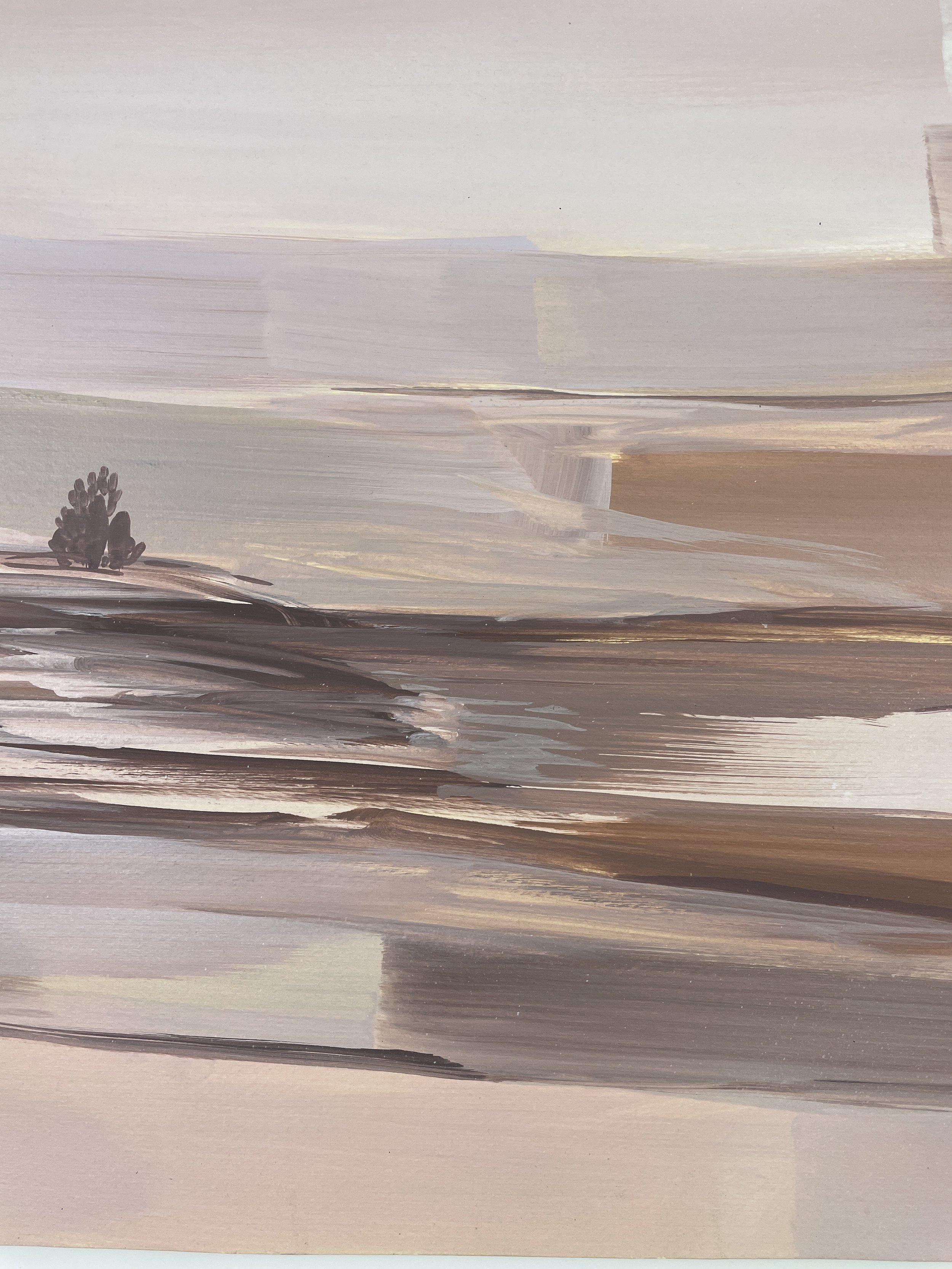
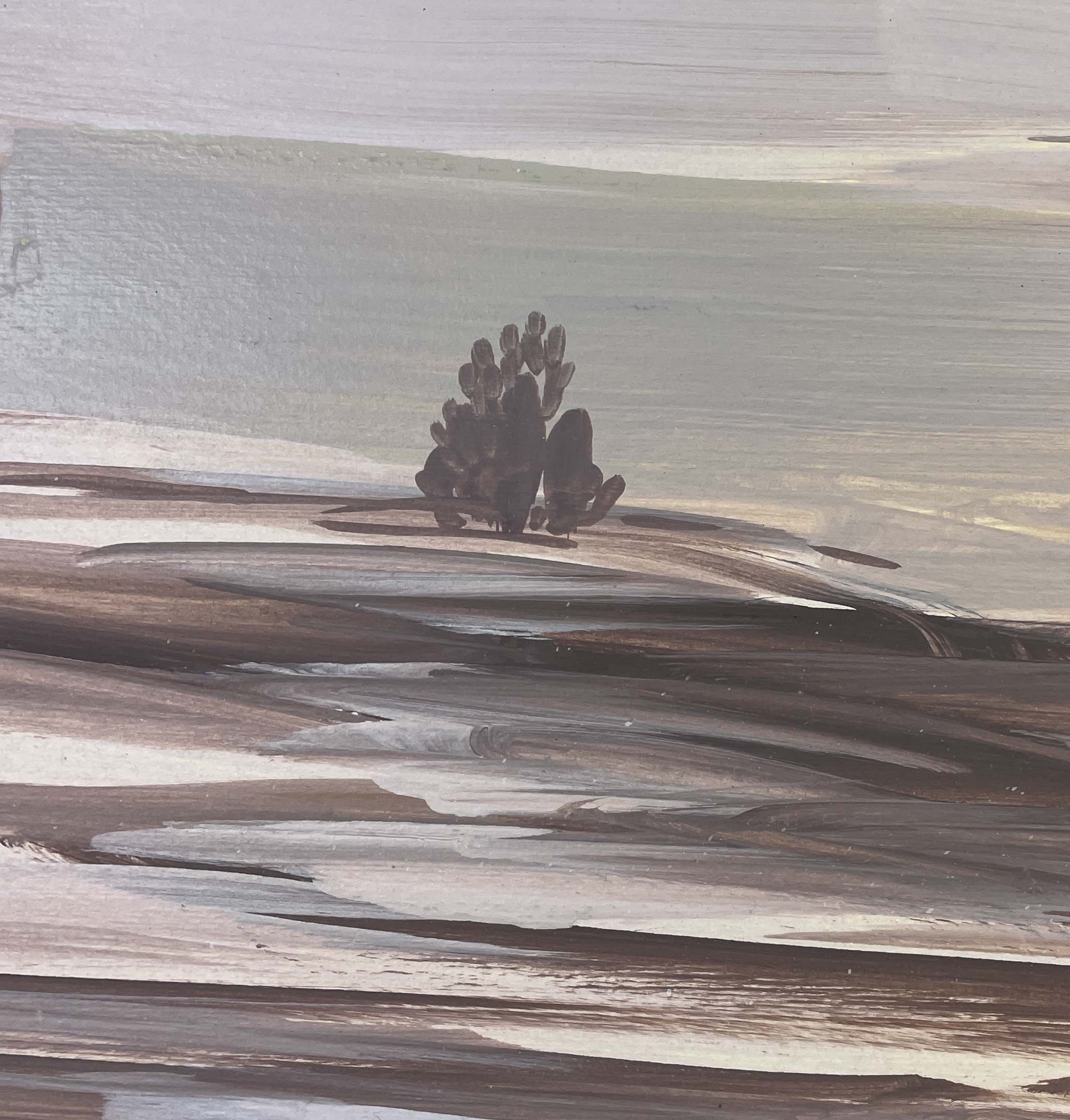
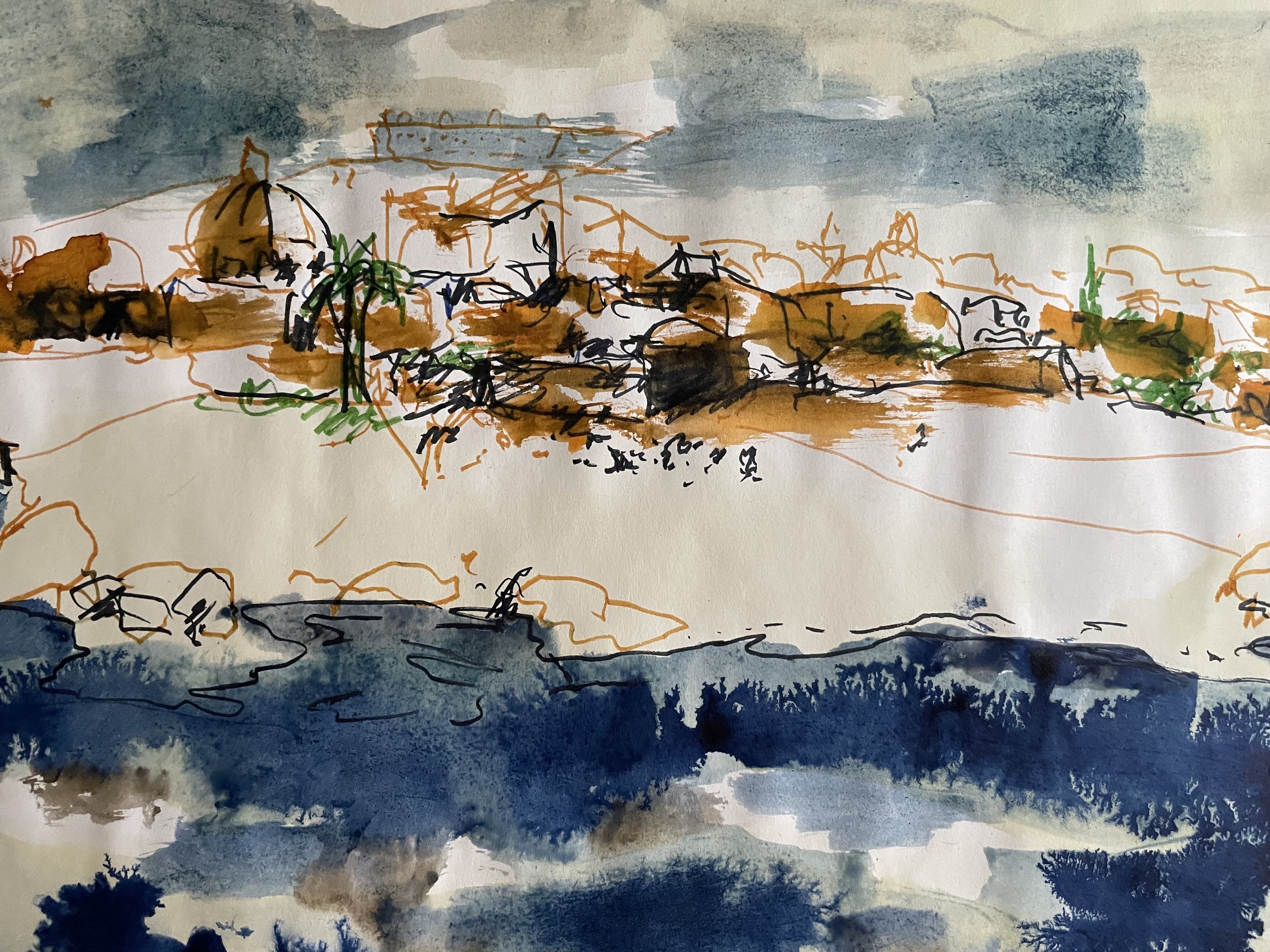
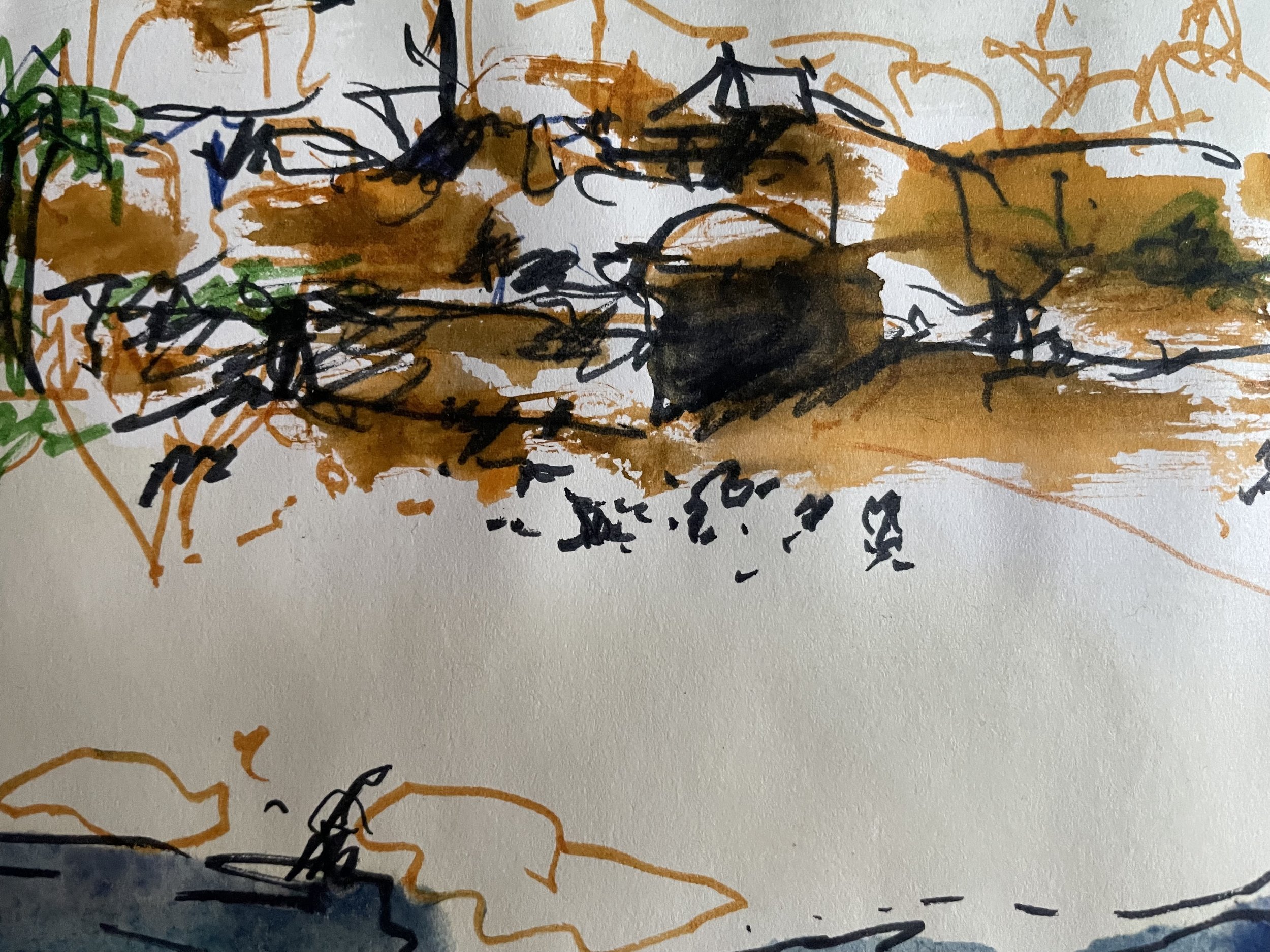
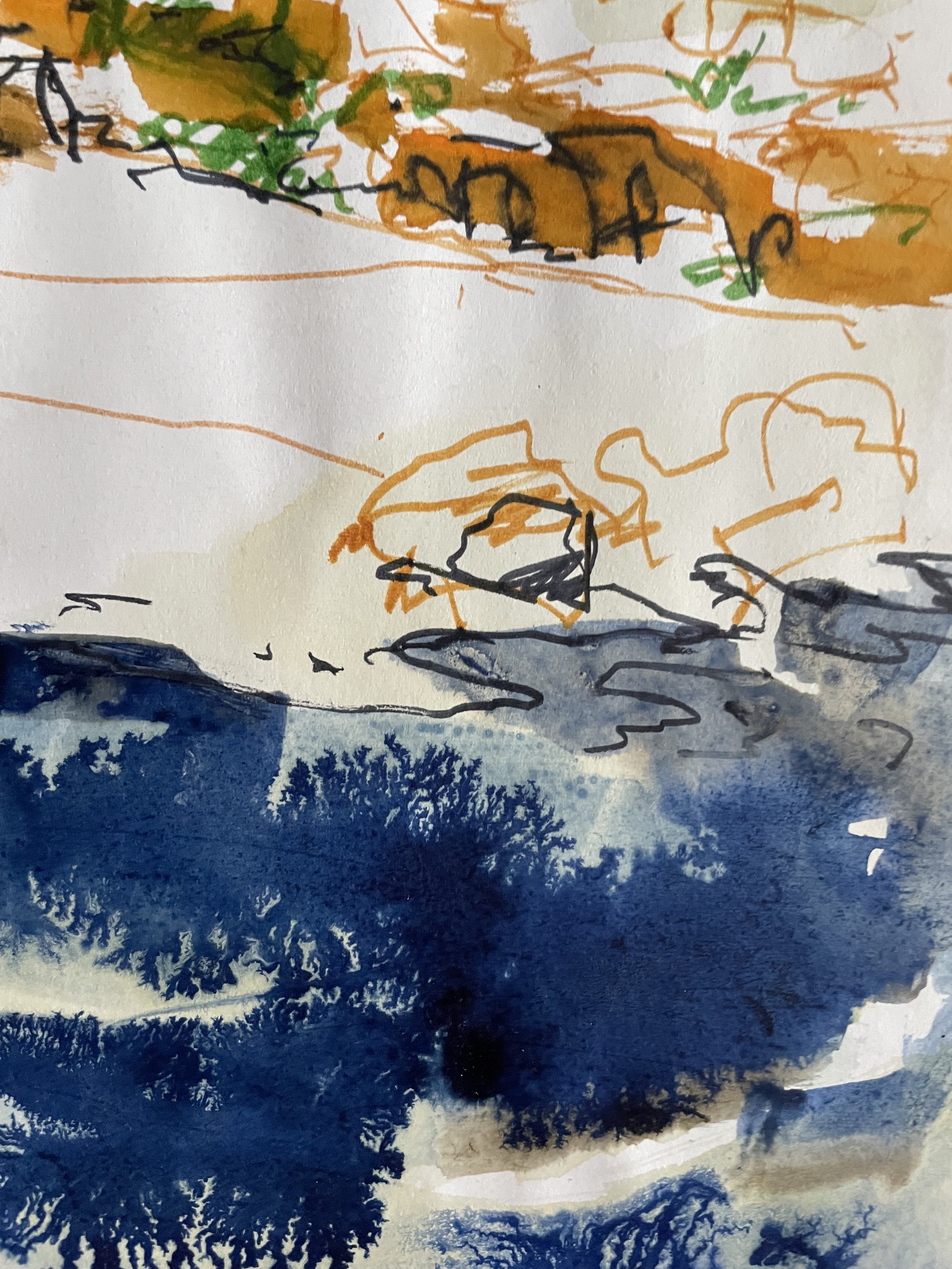
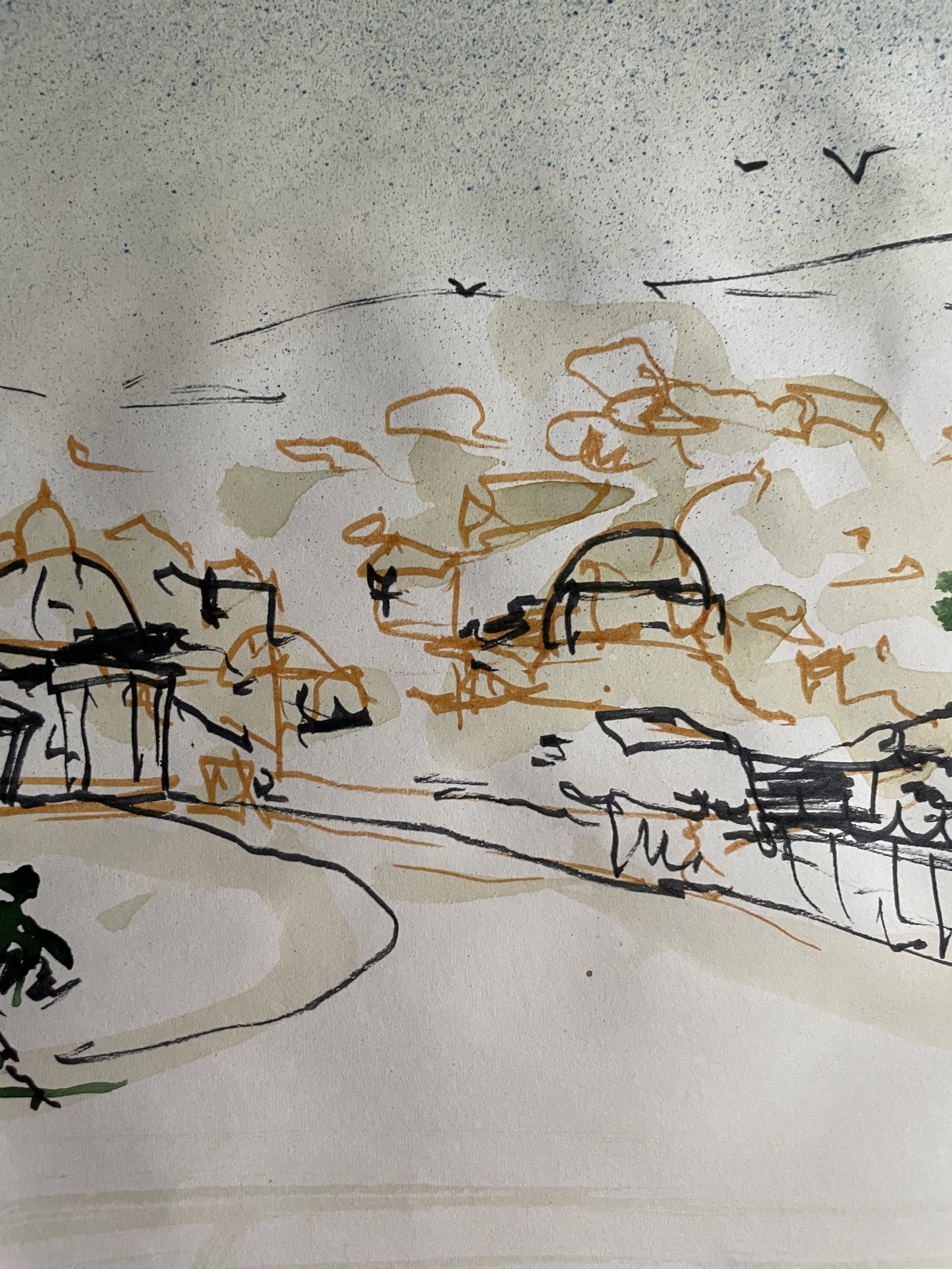
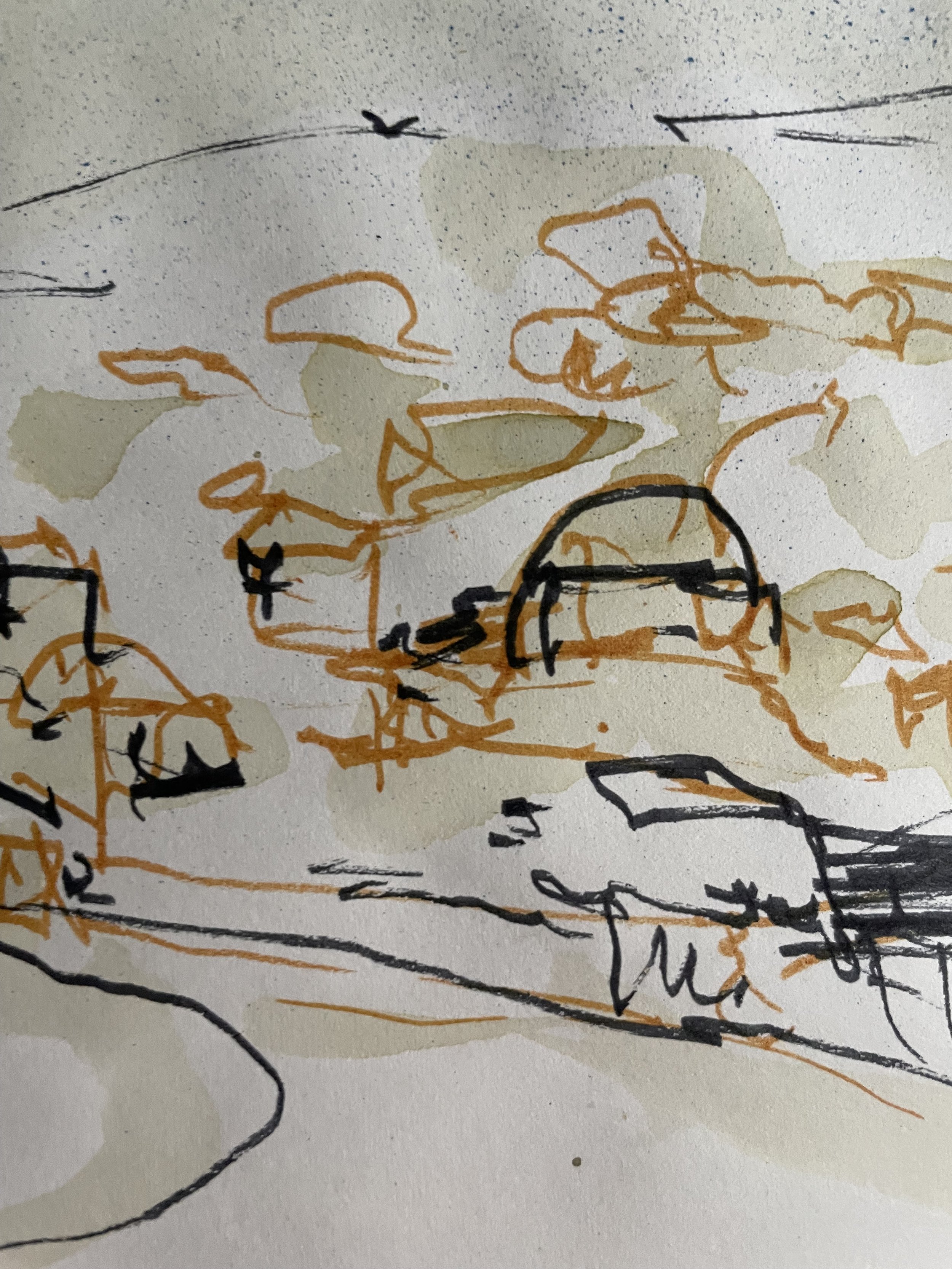
Herland structures the scene around layered facades, arched windows, and an expressive mix of negative space and tonal watercolor washes. Warm browns, ochres, and blush tones create depth among the buildings, while blue-gray washes ground the vehicles and street-level shadows. The foreground bus, rendered in brisk, energetic strokes, adds cinematic immediacy—typical of Herland’s reportage-driven art style.
This drawing highlights one of Herland’s most celebrated strengths: his ability to distill the chaos, motion, and architectural density of New York into a few well-placed gestures. The composition feels like a fleeting moment captured from a moving streetcar or bus window—alive, loud, and unmistakably urban.
ARTIST BIOGRAPHY Jack Herland (1919–2005)
American Illustrator • Urban Sketch Artist • Architectural Draftsman
Born in Germany in 1919, Jack Herland immigrated to the United States at 16, bringing with him early exposure to European drawing traditions. In New York he studied under significant artistic figures:
John Groth – famed for his fast, expressive reportage drawings
Stuart Davis – a master of American modernism and rhythmic urban abstraction
Wang Chi Yuan – influential teacher who trained Herland in Chinese brush techniques
Herland also attended W.P.A. art courses, a foundational influence for many mid-20th-century American artists.
Career & Practice
Herland served in the United States Army during World War II, later returning to an active creative life in New York. He worked in:
Commercial illustration
Architectural draftsmanship
Teaching (adult art programs)
Decorative arts (hand-painted glass and china)
Industrial design consulting in the lamp industry
His stylistic trademarks—brisk contour lines, compressed perspectives, animated architectural forms—grew out of a hybrid tradition of Chinese brush technique, modernist abstraction, and American urban energy.
Exhibitions & Recognition
Herland exhibited at:
His works are found in private collections throughout the U.S., often emerging from estate holdings of mid-century illustrators and studio artists.
Legacy
Collectors prize Herland’s work for its immediacy, charm, and historically rich portrayal of mid-century New York—its advertisements, vehicles, storefronts, skylines, and relentless movement.
Jack Herland (1919–2005)
Untitled “See Now” Billboard Scene, Mid-20th Century
Ink & Watercolor on Paper, 11 x 14 in.
Signed lower right; acquired in NYC.
A dynamic urban sketch featuring mid-century New York billboards, arched facades, and street traffic. A strong example of Herland’s expressive architectural contour style.
CERTIFICATE OF AUTHENTICATION
Artist: Jack Herland (1919–2005)
Title:Untitled “See Now” Billboard Scene
Medium: Ink & Watercolor on Paper
Size: 11 x 14 inches
Date: Mid-20th Century
Signature: Signed “Herland”
Origin: Acquired in New York City
Current Owner: Artfind Gallery, Washington, DC
Artist Background:
German-born American illustrator and urban sketch artist. Studied with John Groth, Stuart Davis, and Wang Chi Yuan; participated in WPA art courses; exhibited at National Arts Club, China Institute, Hudson Museum, and more.
Authentication:
Verified through stylistic analysis, signature comparison, and provenance consistent with Herland’s known mid-century output.
PROVENANCE CHAIN
Private Collection, New York
Secondary Market, NYC
Artfind Gallery, Washington, DC — Present Owner
📣 META BUSINESS SUITE LISTING (No Emojis)
Jack Herland (1919–2005) NYC Billboard Scene — Original Ink & Watercolor
This expressive 11x14 urban drawing by Jack Herland captures the layered billboards, arched facades, and street movement of mid-century New York. Herland, a German-born American illustrator trained under John Groth, Stuart Davis, and Wang Chi Yuan, was known for his dynamic contour style and rapid urban-reportage technique. Exhibited at the National Arts Club, China Institute, Hudson Museum, and more.
Now available from Artfind Gallery, Washington, DC.
#artfindgallery #jackherland #nycart #urbanart #cityscapeart #midcenturyart #inkandwatercolor #billboardart #architecturalsketch #vintageillustration
“Jack Herland (1919–2005) ‘See Now’ -attributed - NYC Billboard Scene — Original 11x14 Ink & Watercolor”
This original 11x14 ink and watercolor by Jack Herland (1919–2005) offers a vibrant, stylized take on New York’s billboard-filled commercial districts of the mid-20th century. Herland captures the energy of stacked signage, tall facades, and street traffic with his iconic brisk ink contour and expressive watercolor shading.
Born in Germany and trained in New York under John Groth, Stuart Davis, and Wang Chi Yuan, Herland developed a distinctive urban-reportage style blending modernist architecture, Chinese brushwork, and commercial illustration techniques. His works have been exhibited at the National Arts Club, the China Institute, the Hudson Museum, and more.
This signed artwork, acquired in NYC, is offered from Artfind Gallery, Washington, DC, and represents a strong, cinematic example of Herland’s urban sketch tradition.
DETAILED ARTWORK DESCRIPTION
Title:Untitled “See Now” City Billboard Scene
Artist:Jack Herland (1919–2005)
Medium: Ink & Watercolor on Paper
Size: 11 x 14 inches
Location Acquired: New York City
Signature: Signed “Herland” lower right
Period: Mid-20th Century
Style: Urban Sketch • Expressionistic Illustration • Architectural Draftsmanship
This energetic 11x14 urban composition presents a bustling mid-century New York streetscape defined by towering buildings, stacked billboards, and street traffic captured in Jack Herland’s signature rapid ink contour. Billboards reading “SEE NOW” dominate the skyline, reflecting Herland’s fascination with the visual noise of urban advertising—one of the defining features of mid-century American cities.
Herland structures the scene around layered facades, arched windows, and an expressive mix of negative space and tonal watercolor washes. Warm browns, ochres, and blush tones create depth among the buildings, while blue-gray washes ground the vehicles and street-level shadows. The foreground bus, rendered in brisk, energetic strokes, adds cinematic immediacy—typical of Herland’s reportage-driven art style.
This drawing highlights one of Herland’s most celebrated strengths: his ability to distill the chaos, motion, and architectural density of New York into a few well-placed gestures. The composition feels like a fleeting moment captured from a moving streetcar or bus window—alive, loud, and unmistakably urban.
ARTIST BIOGRAPHY Jack Herland (1919–2005)
American Illustrator • Urban Sketch Artist • Architectural Draftsman
Born in Germany in 1919, Jack Herland immigrated to the United States at 16, bringing with him early exposure to European drawing traditions. In New York he studied under significant artistic figures:
John Groth – famed for his fast, expressive reportage drawings
Stuart Davis – a master of American modernism and rhythmic urban abstraction
Wang Chi Yuan – influential teacher who trained Herland in Chinese brush techniques
Herland also attended W.P.A. art courses, a foundational influence for many mid-20th-century American artists.
Career & Practice
Herland served in the United States Army during World War II, later returning to an active creative life in New York. He worked in:
Commercial illustration
Architectural draftsmanship
Teaching (adult art programs)
Decorative arts (hand-painted glass and china)
Industrial design consulting in the lamp industry
His stylistic trademarks—brisk contour lines, compressed perspectives, animated architectural forms—grew out of a hybrid tradition of Chinese brush technique, modernist abstraction, and American urban energy.
Exhibitions & Recognition
Herland exhibited at:
His works are found in private collections throughout the U.S., often emerging from estate holdings of mid-century illustrators and studio artists.
Legacy
Collectors prize Herland’s work for its immediacy, charm, and historically rich portrayal of mid-century New York—its advertisements, vehicles, storefronts, skylines, and relentless movement.
Jack Herland (1919–2005)
Untitled “See Now” Billboard Scene, Mid-20th Century
Ink & Watercolor on Paper, 11 x 14 in.
Signed lower right; acquired in NYC.
A dynamic urban sketch featuring mid-century New York billboards, arched facades, and street traffic. A strong example of Herland’s expressive architectural contour style.
CERTIFICATE OF AUTHENTICATION
Artist: Jack Herland (1919–2005)
Title:Untitled “See Now” Billboard Scene
Medium: Ink & Watercolor on Paper
Size: 11 x 14 inches
Date: Mid-20th Century
Signature: Signed “Herland”
Origin: Acquired in New York City
Current Owner: Artfind Gallery, Washington, DC
Artist Background:
German-born American illustrator and urban sketch artist. Studied with John Groth, Stuart Davis, and Wang Chi Yuan; participated in WPA art courses; exhibited at National Arts Club, China Institute, Hudson Museum, and more.
Authentication:
Verified through stylistic analysis, signature comparison, and provenance consistent with Herland’s known mid-century output.
PROVENANCE CHAIN
Private Collection, New York
Secondary Market, NYC
Artfind Gallery, Washington, DC — Present Owner
📣 META BUSINESS SUITE LISTING (No Emojis)
Jack Herland (1919–2005) NYC Billboard Scene — Original Ink & Watercolor
This expressive 11x14 urban drawing by Jack Herland captures the layered billboards, arched facades, and street movement of mid-century New York. Herland, a German-born American illustrator trained under John Groth, Stuart Davis, and Wang Chi Yuan, was known for his dynamic contour style and rapid urban-reportage technique. Exhibited at the National Arts Club, China Institute, Hudson Museum, and more.
Now available from Artfind Gallery, Washington, DC.
#artfindgallery #jackherland #nycart #urbanart #cityscapeart #midcenturyart #inkandwatercolor #billboardart #architecturalsketch #vintageillustration
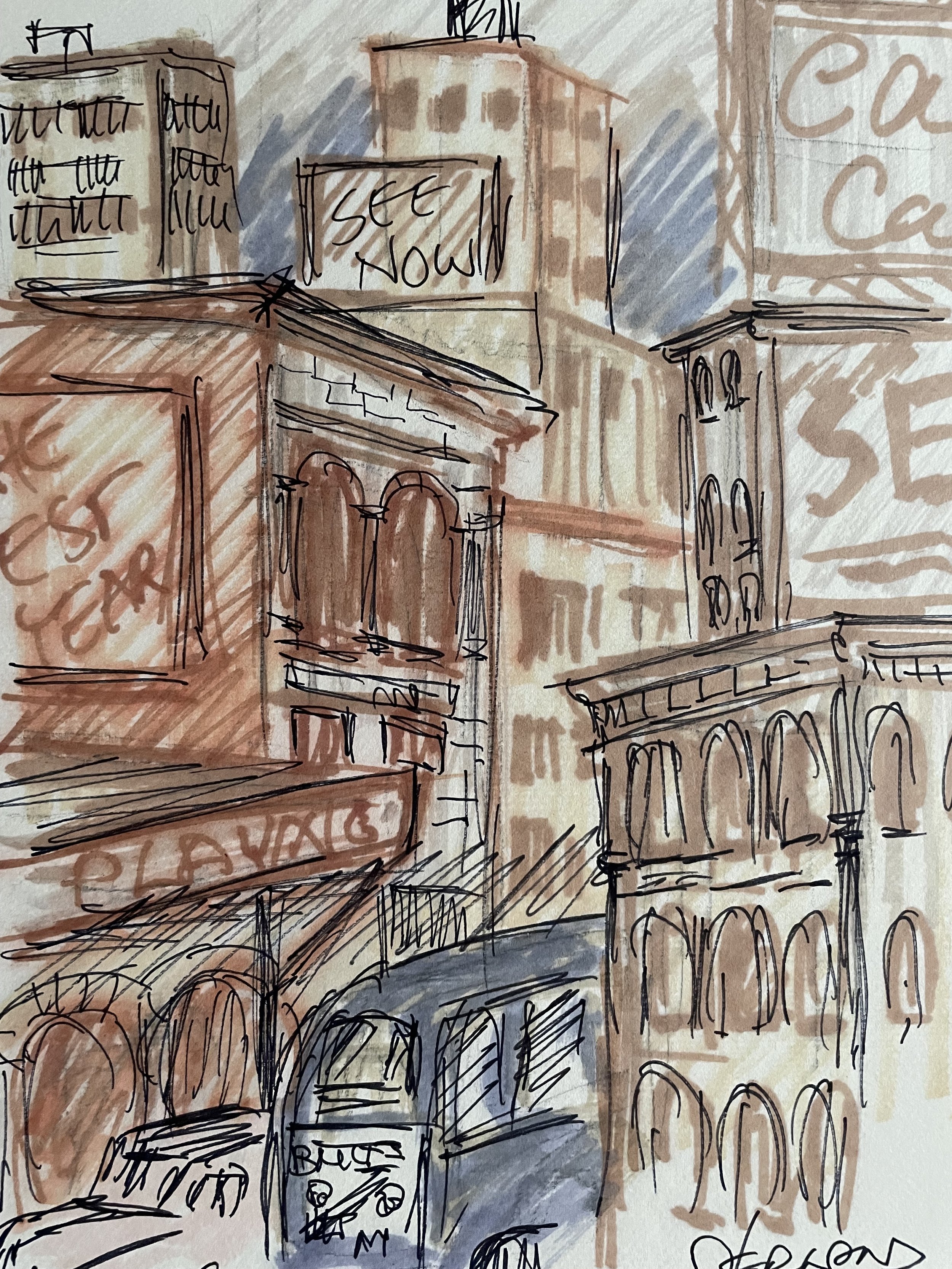 Image 1 of 10
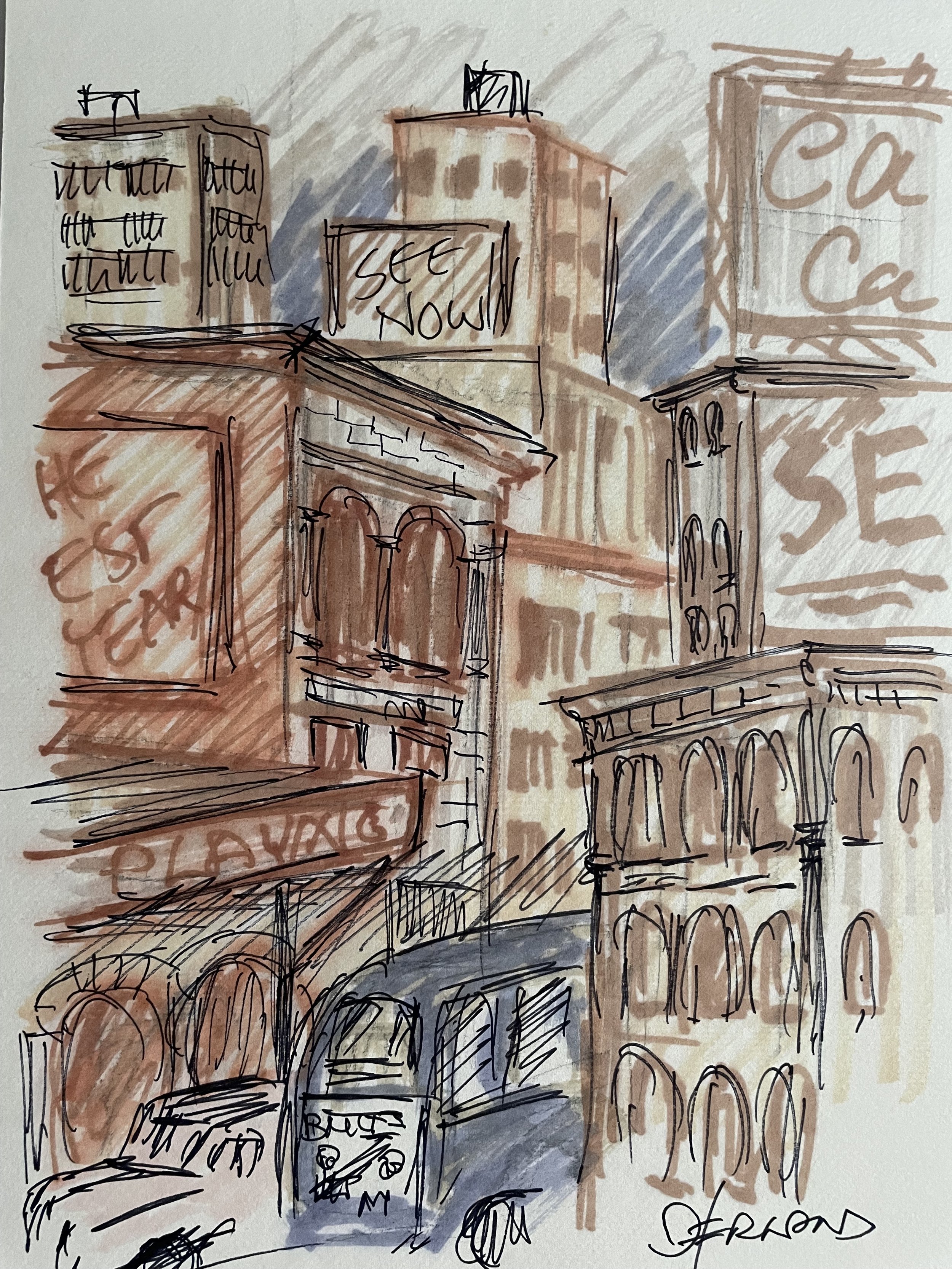 Image 2 of 10
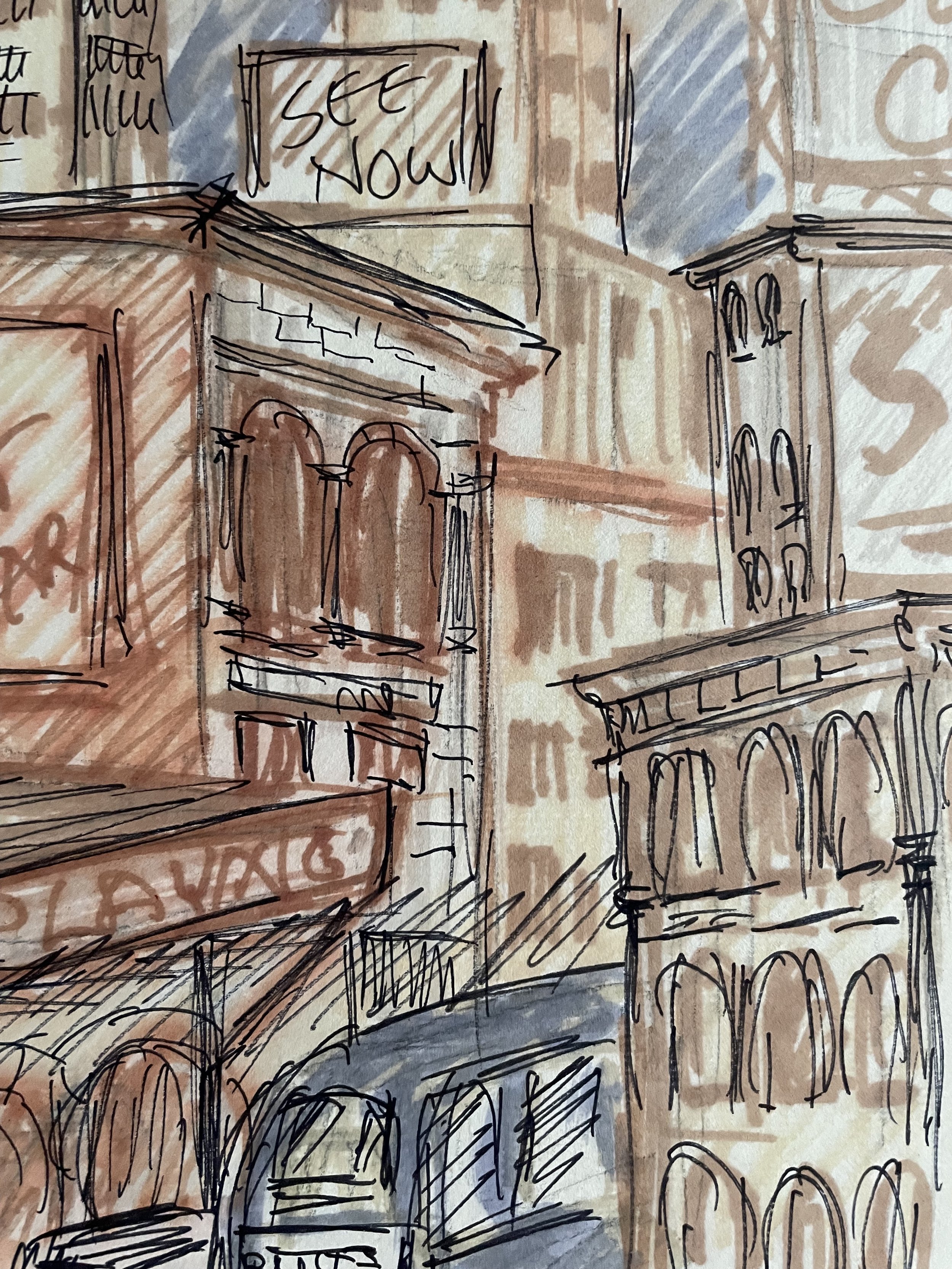 Image 3 of 10
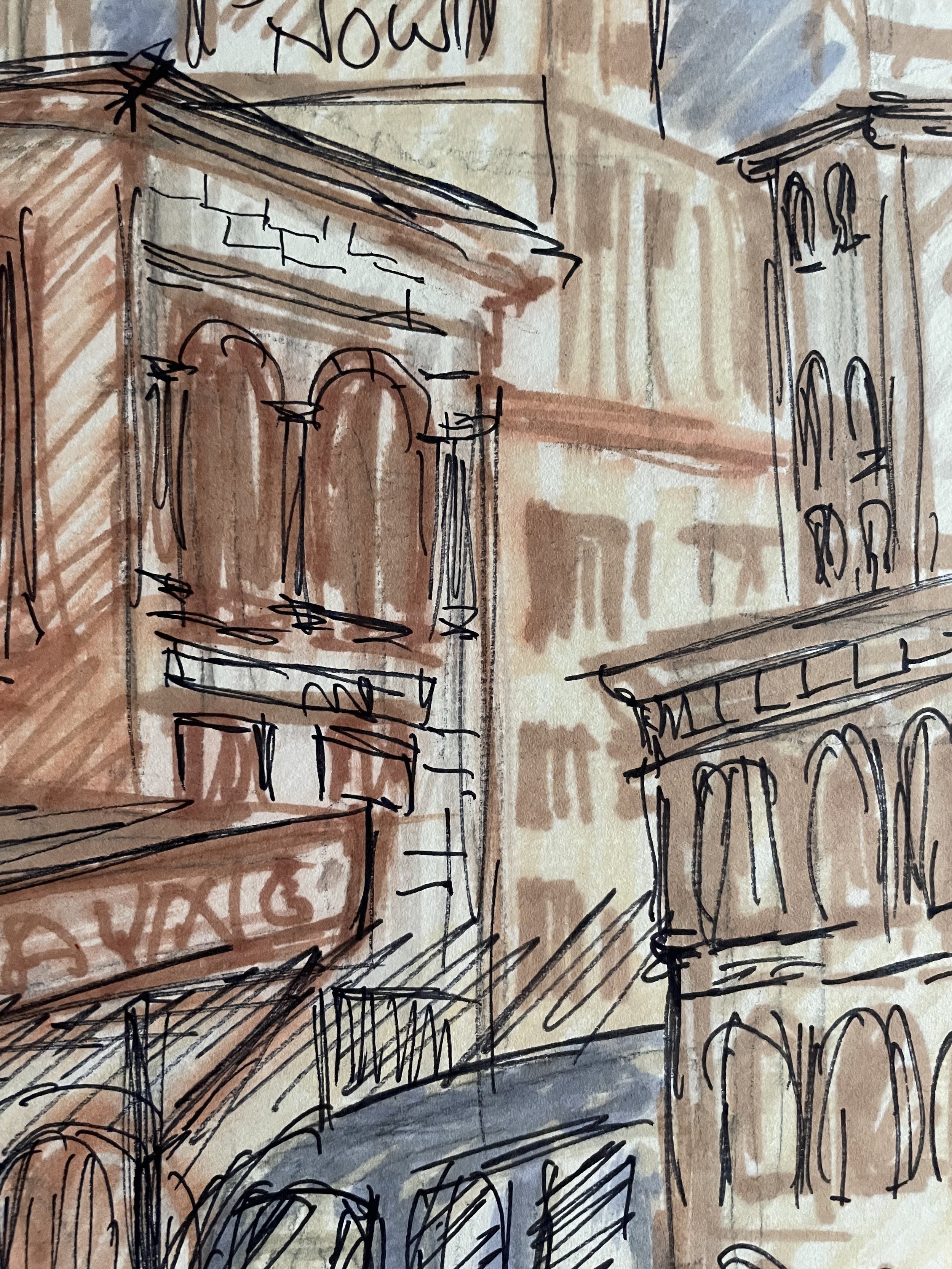 Image 4 of 10
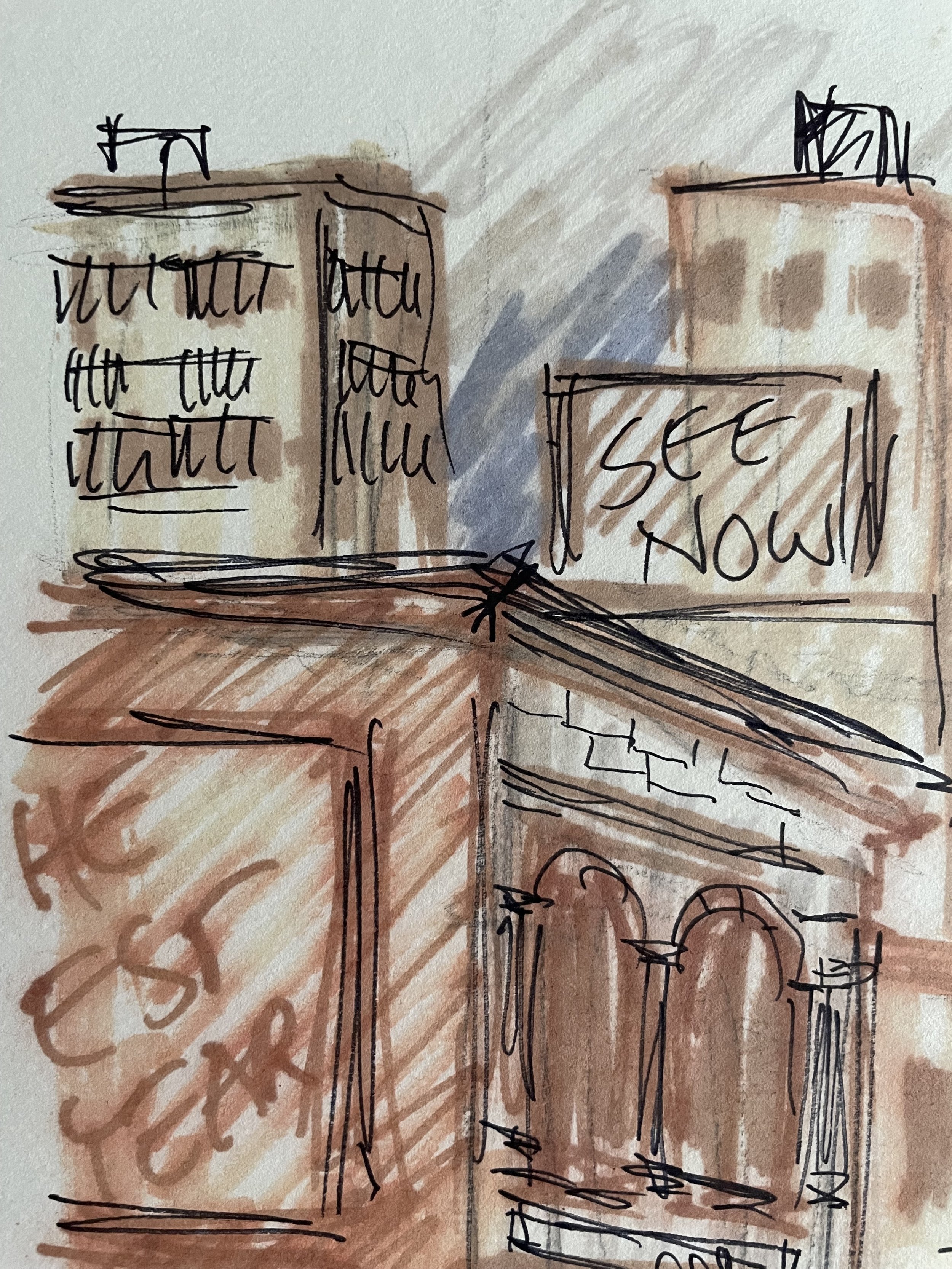 Image 5 of 10
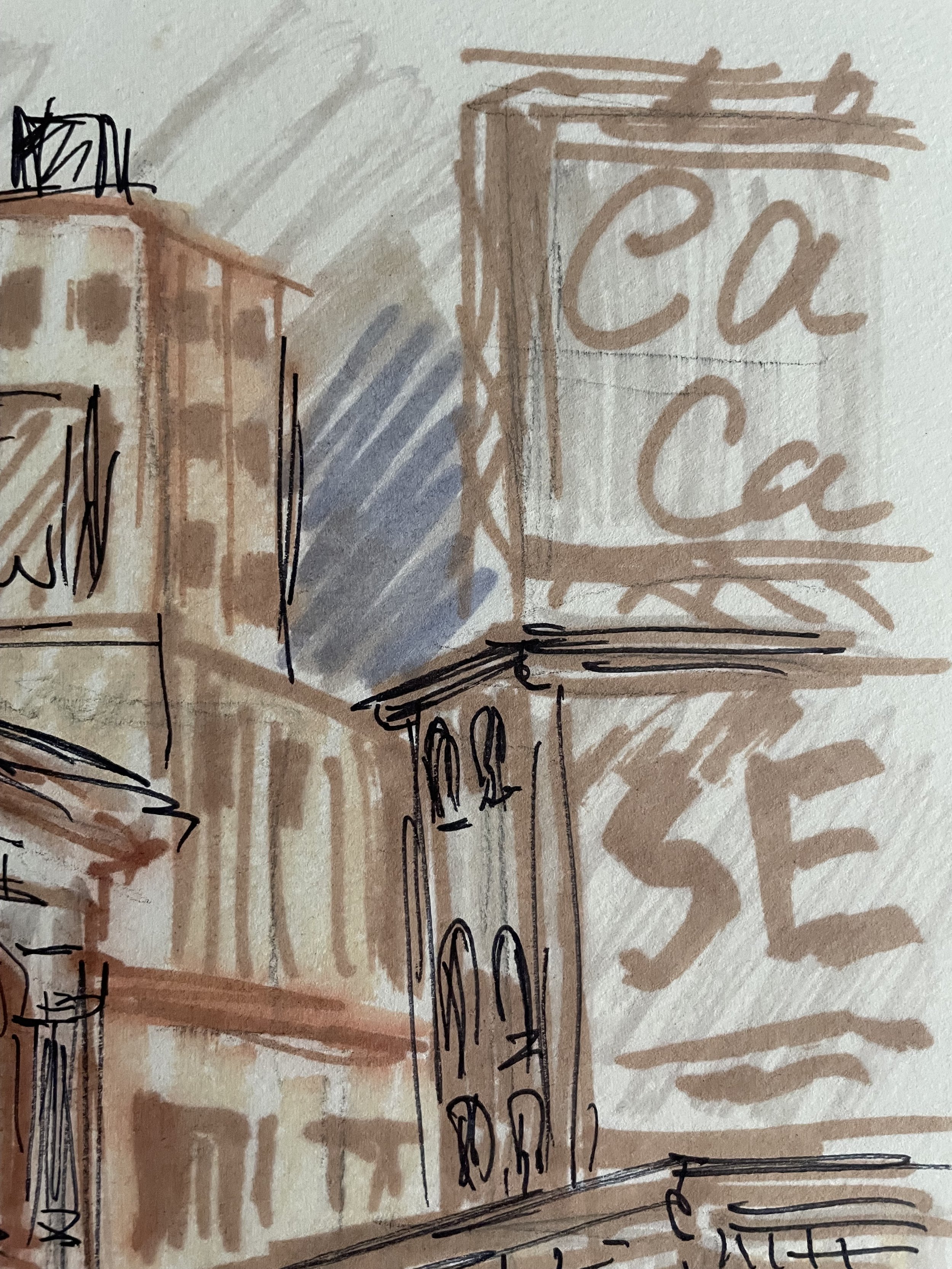 Image 6 of 10
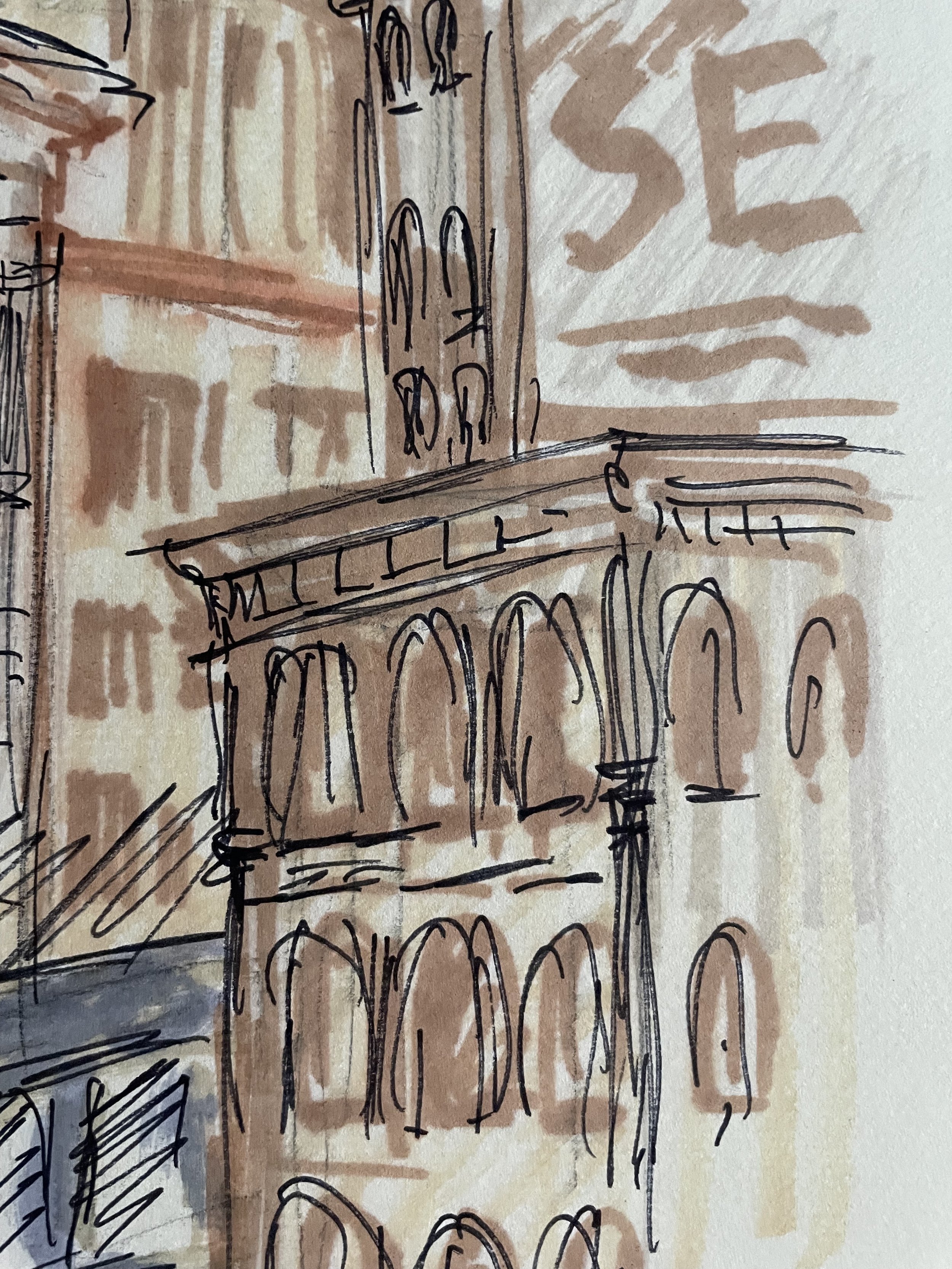 Image 7 of 10
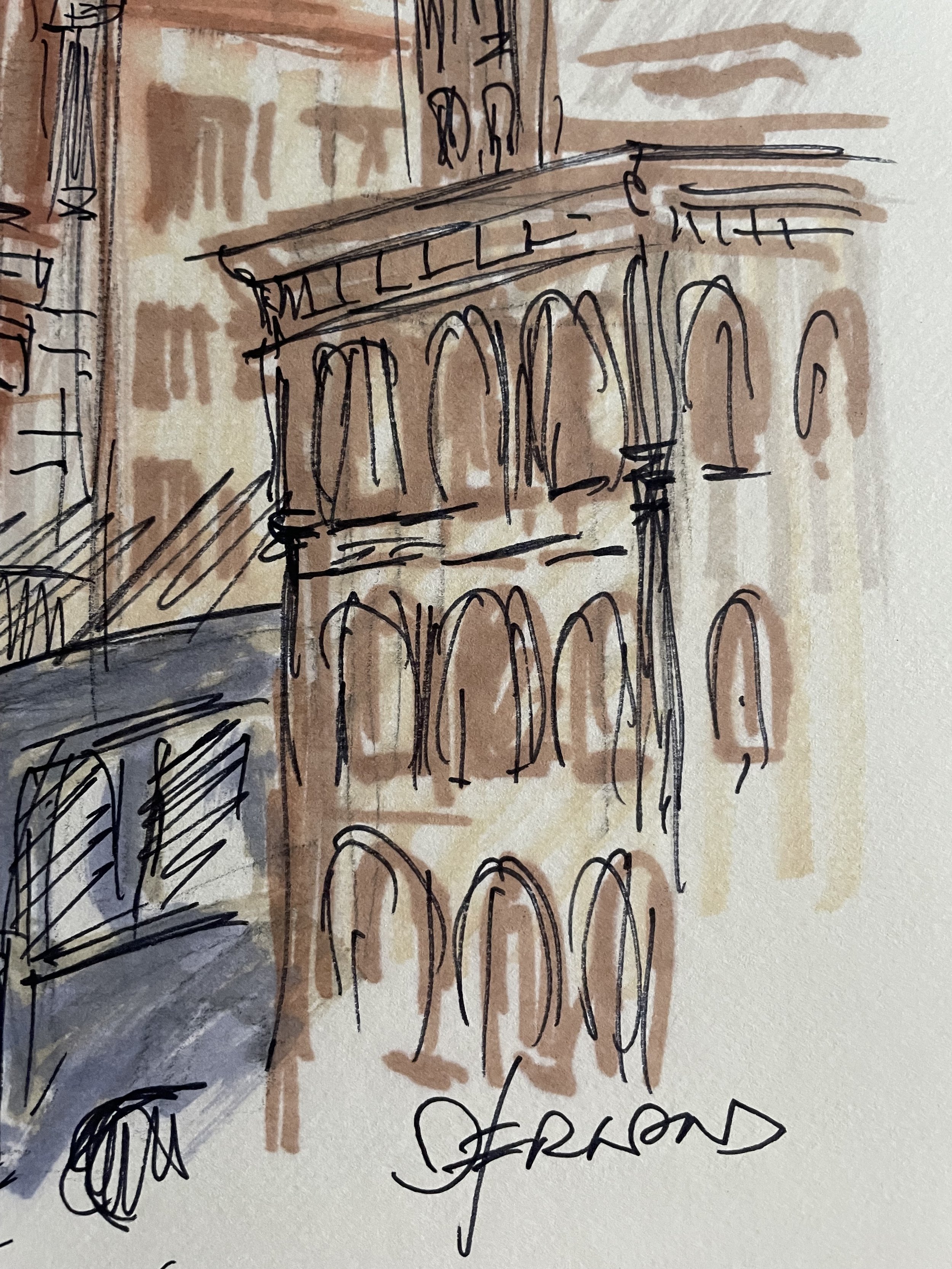 Image 8 of 10
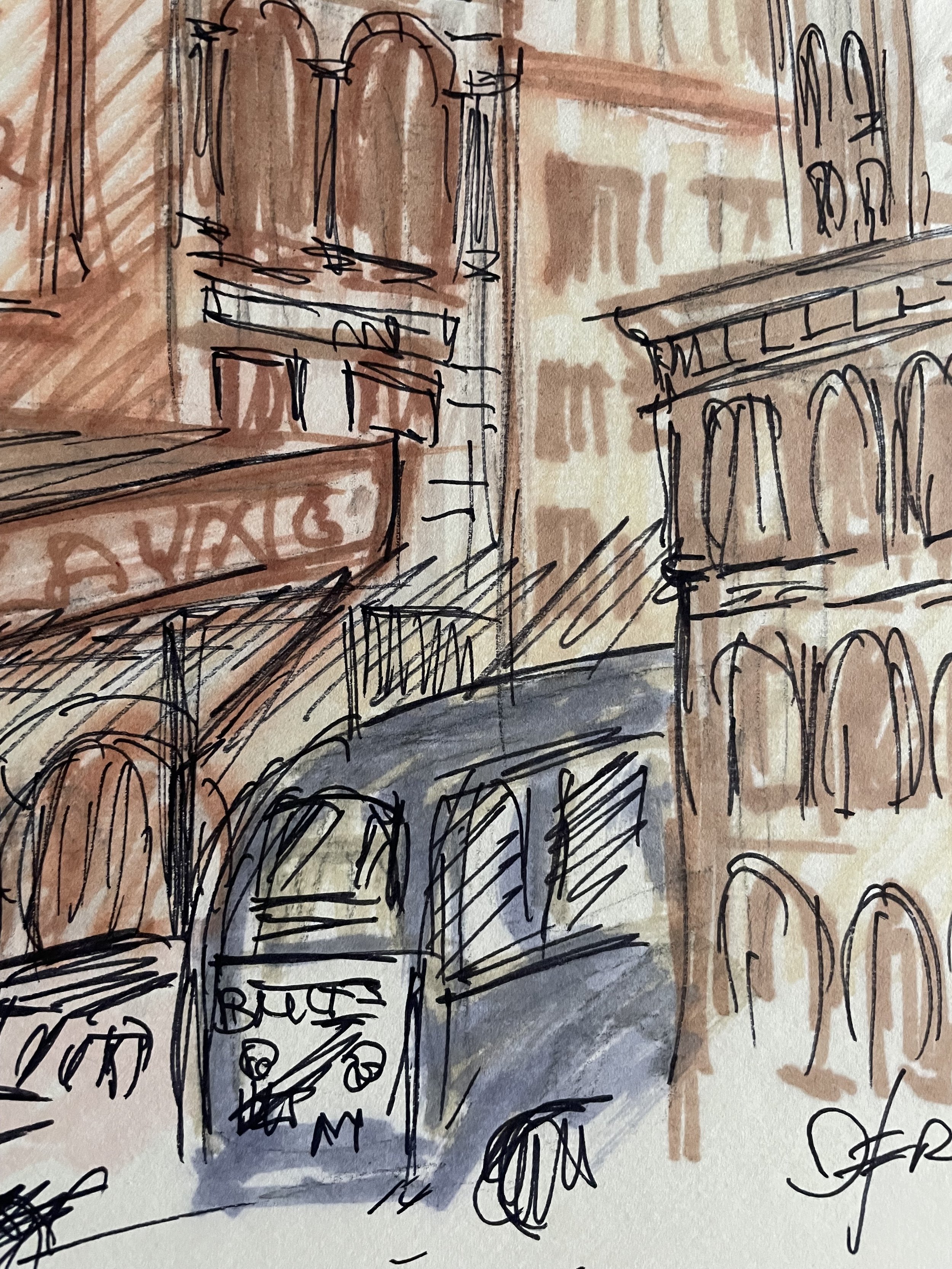 Image 9 of 10
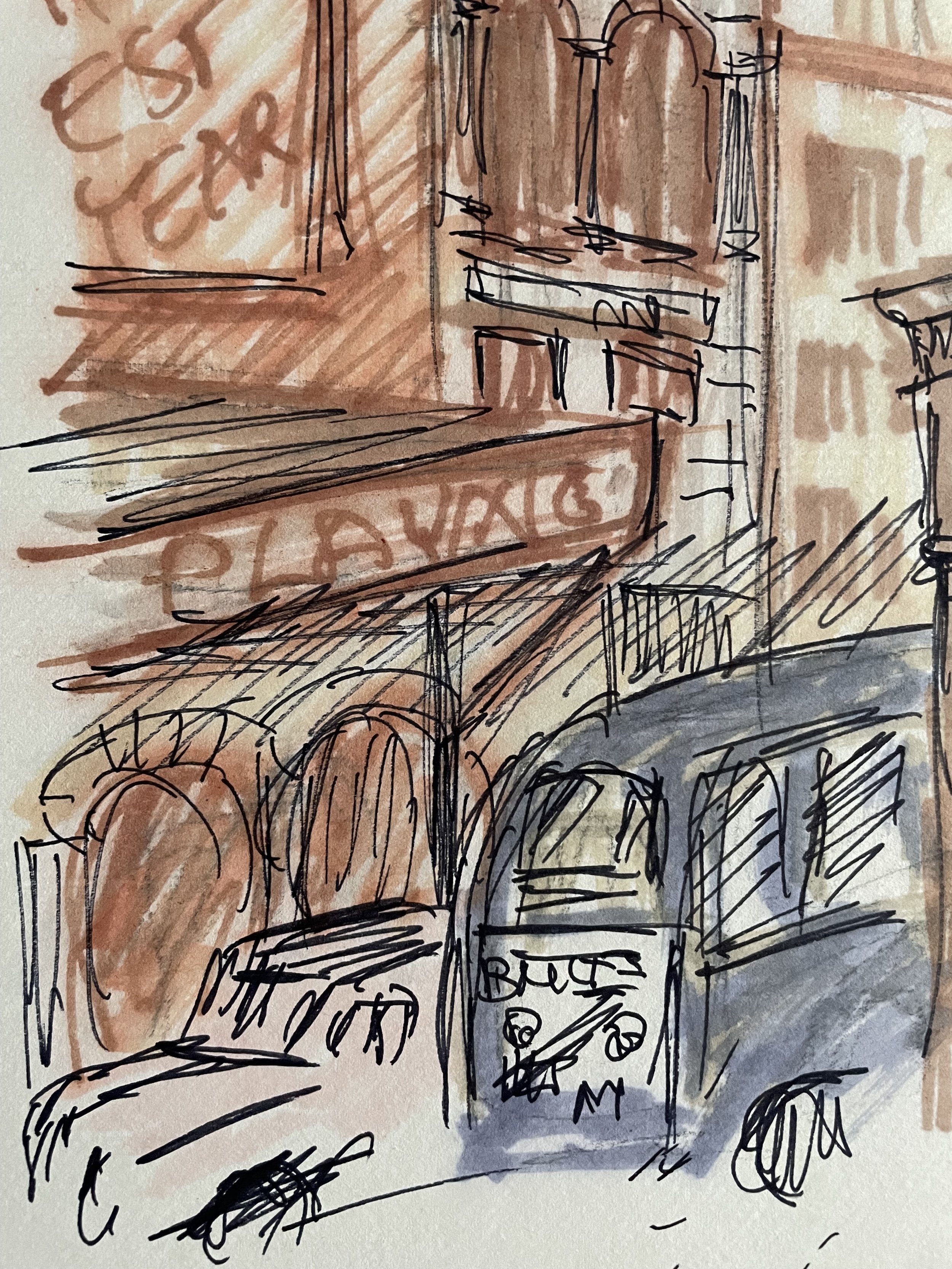 Image 10 of 10