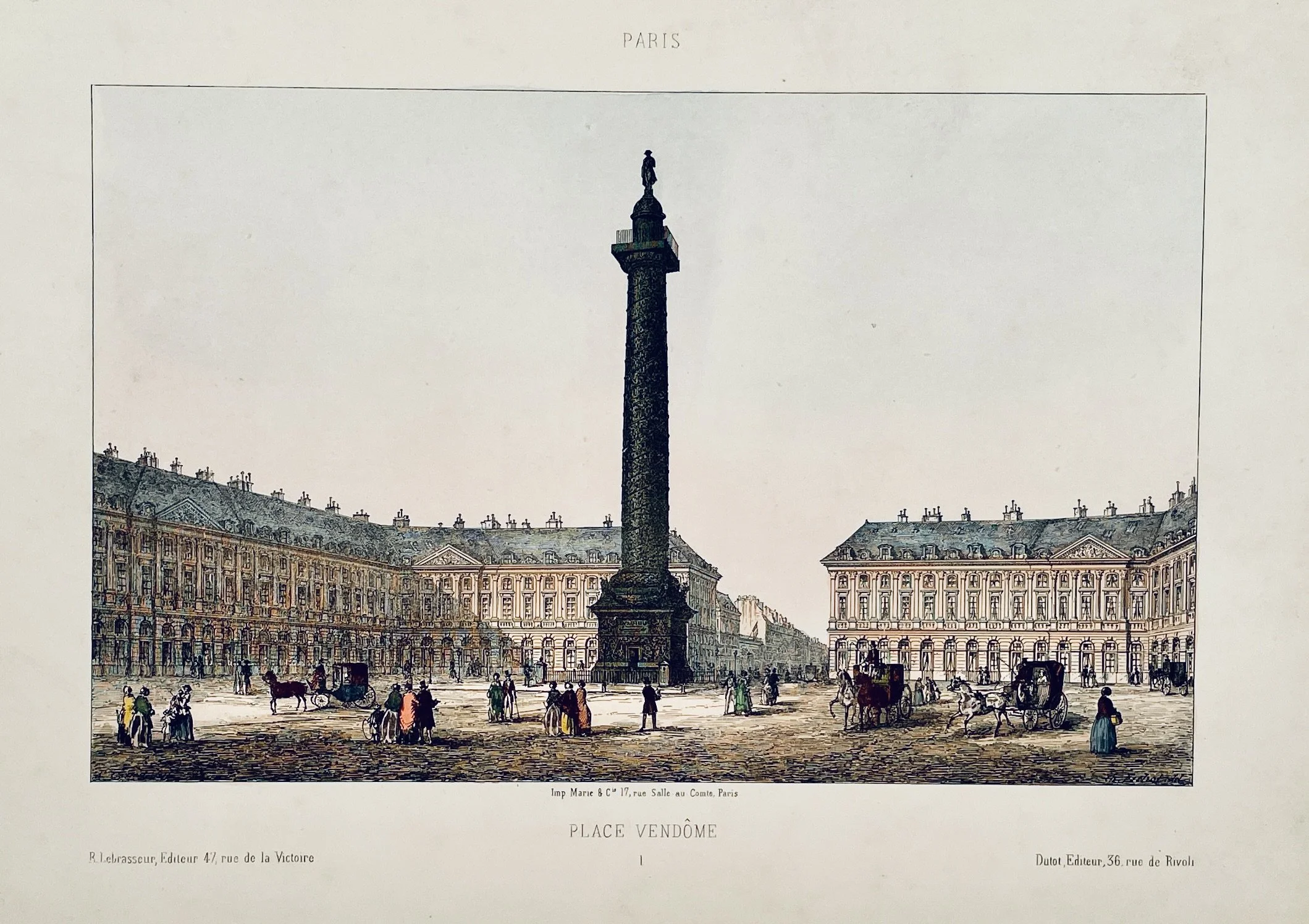
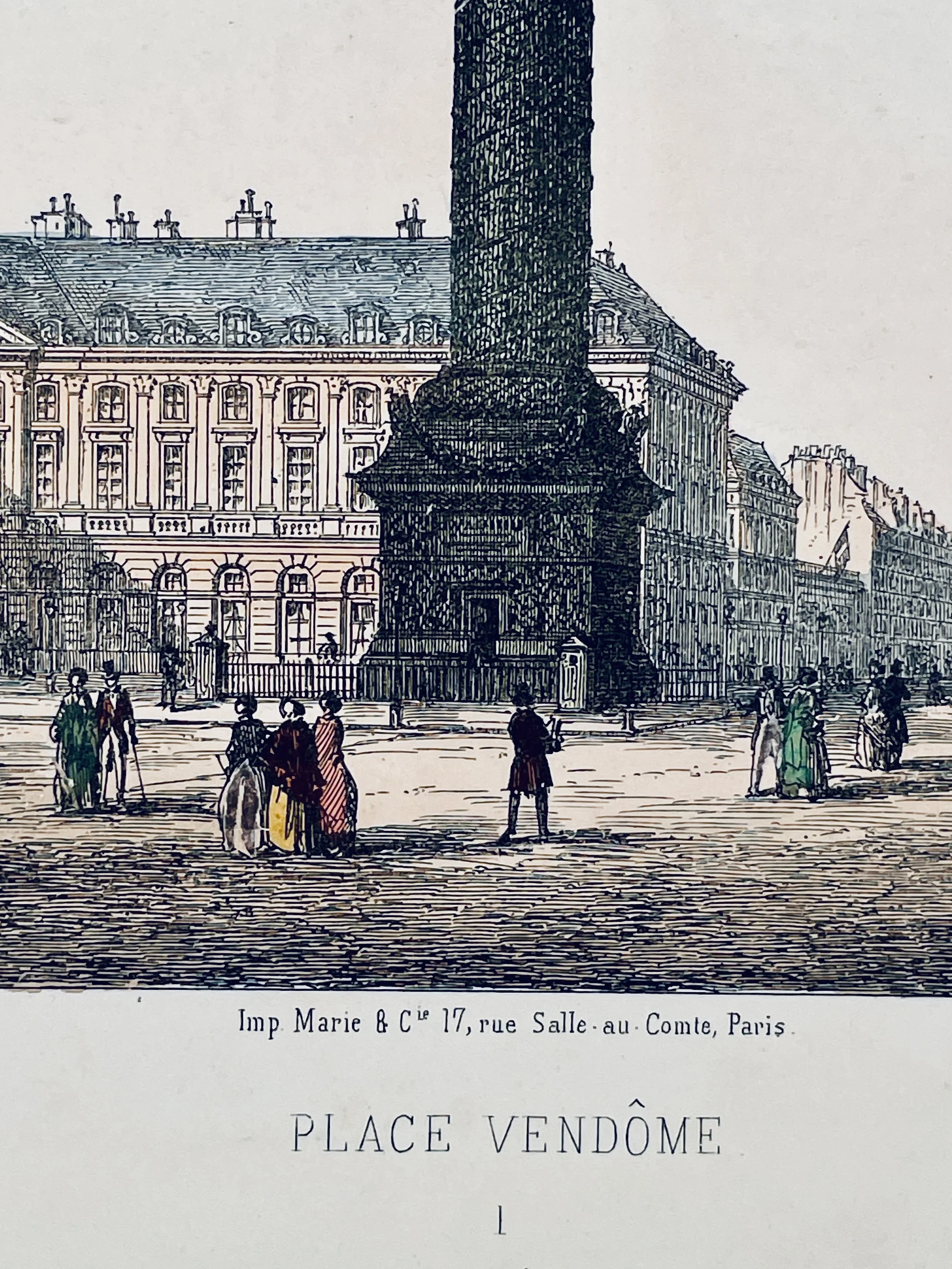
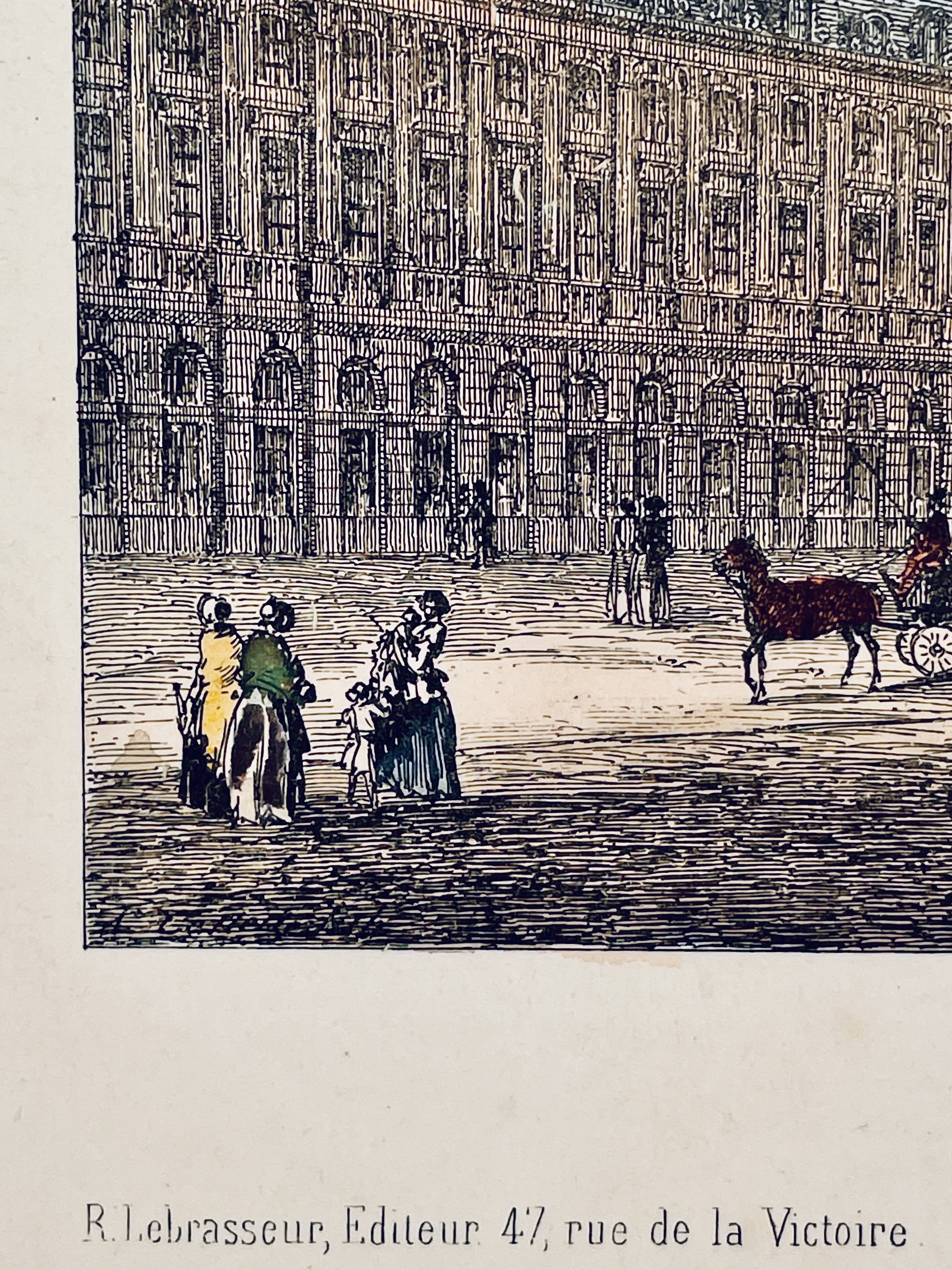
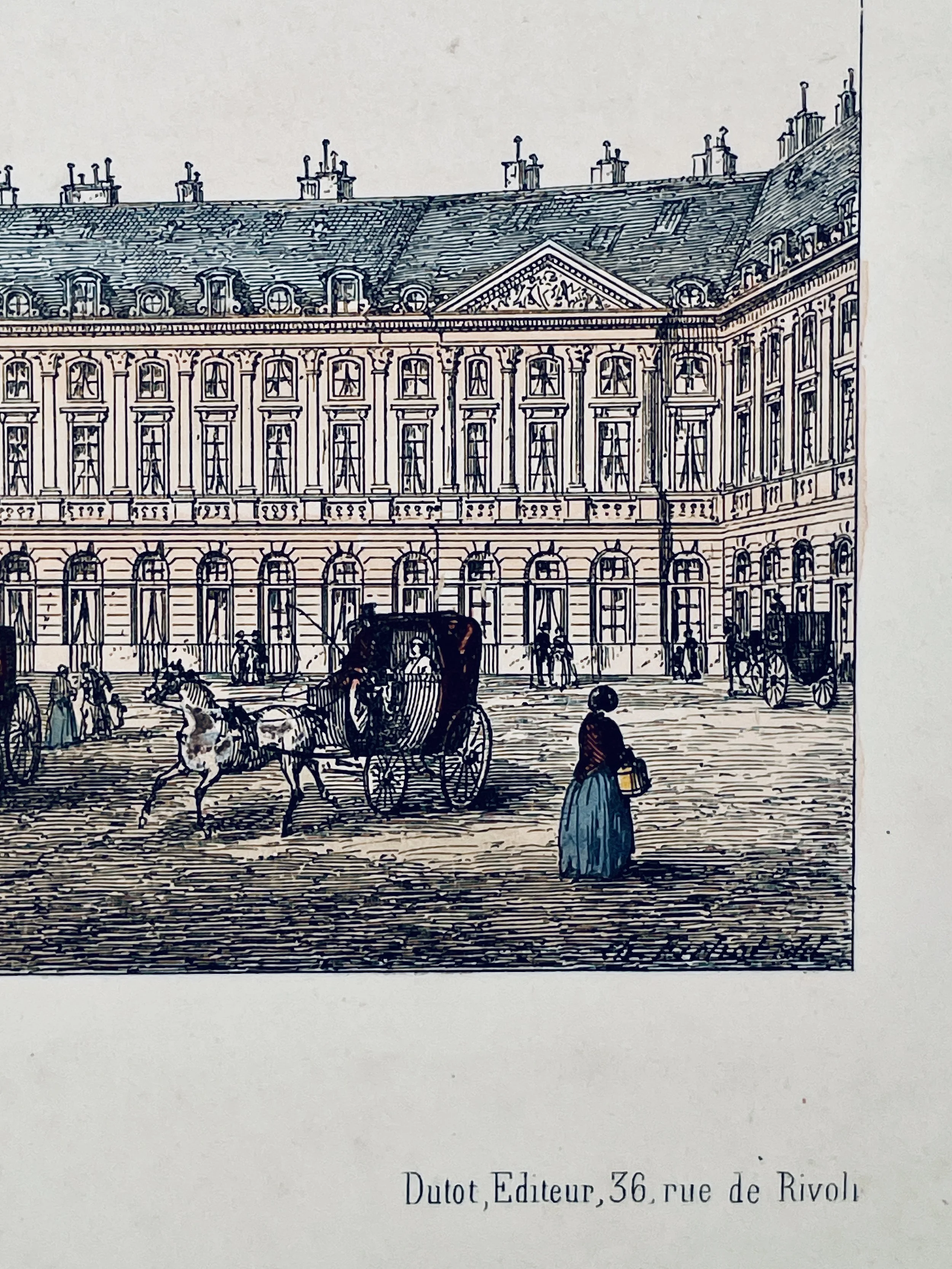
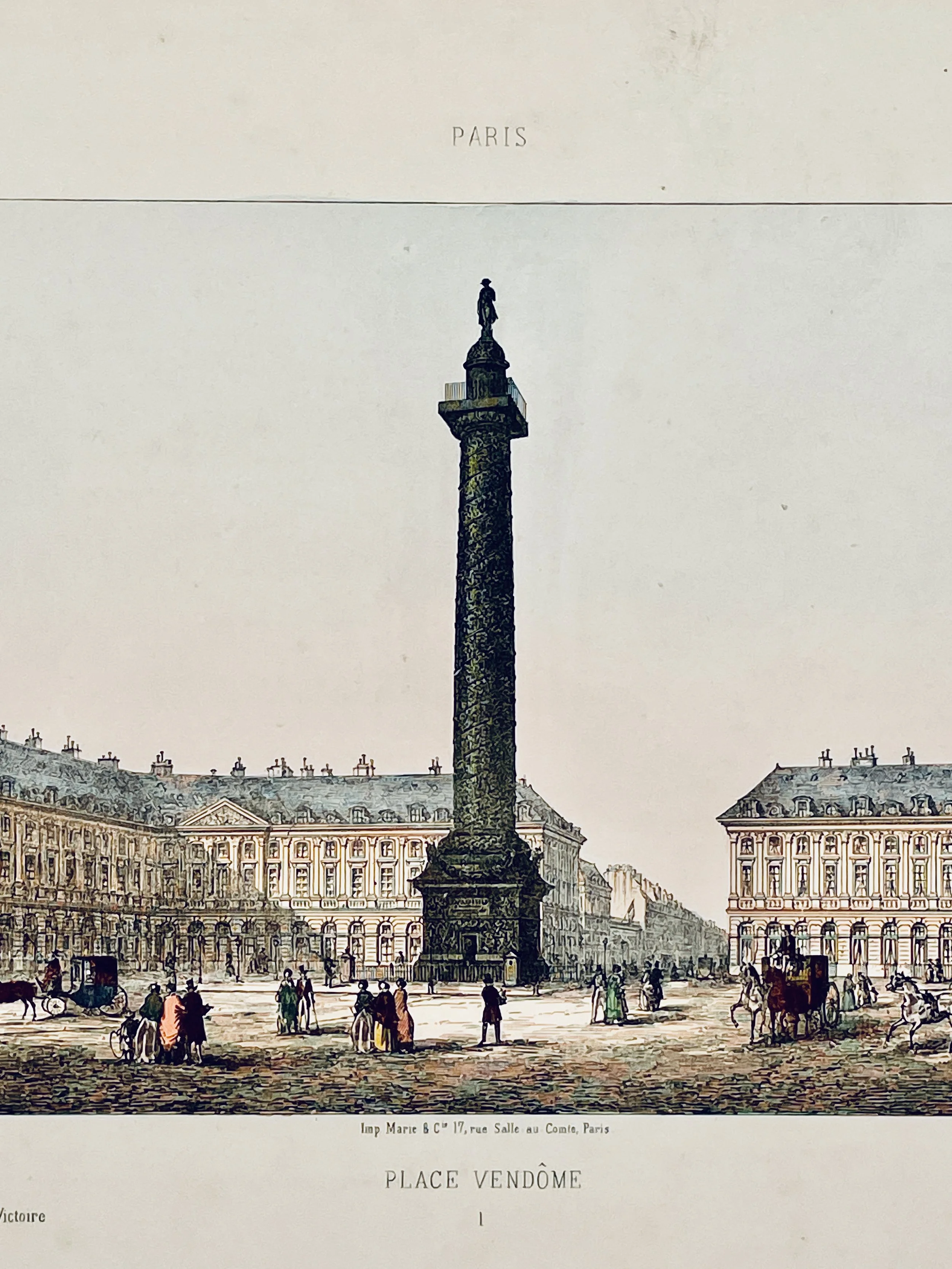
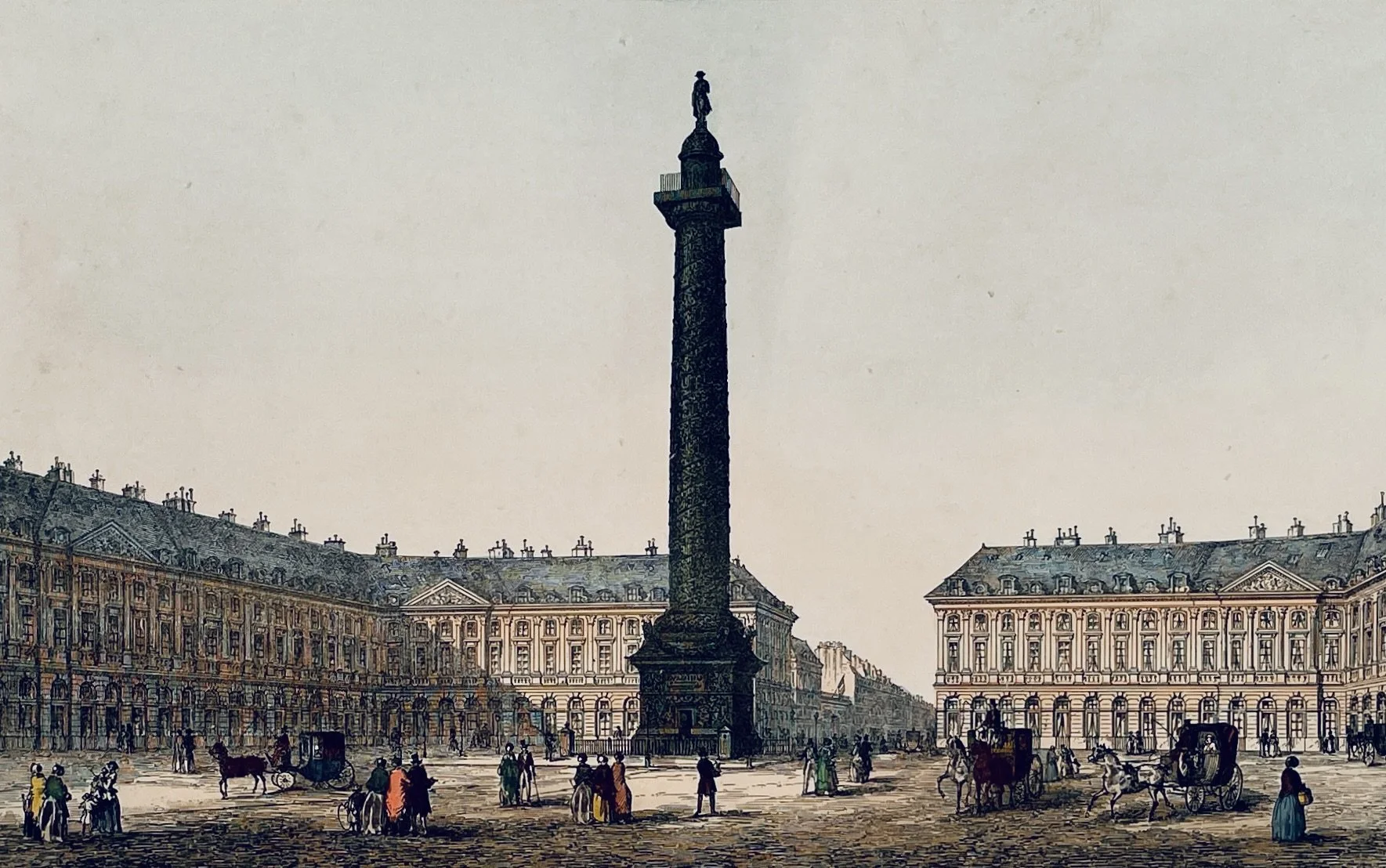
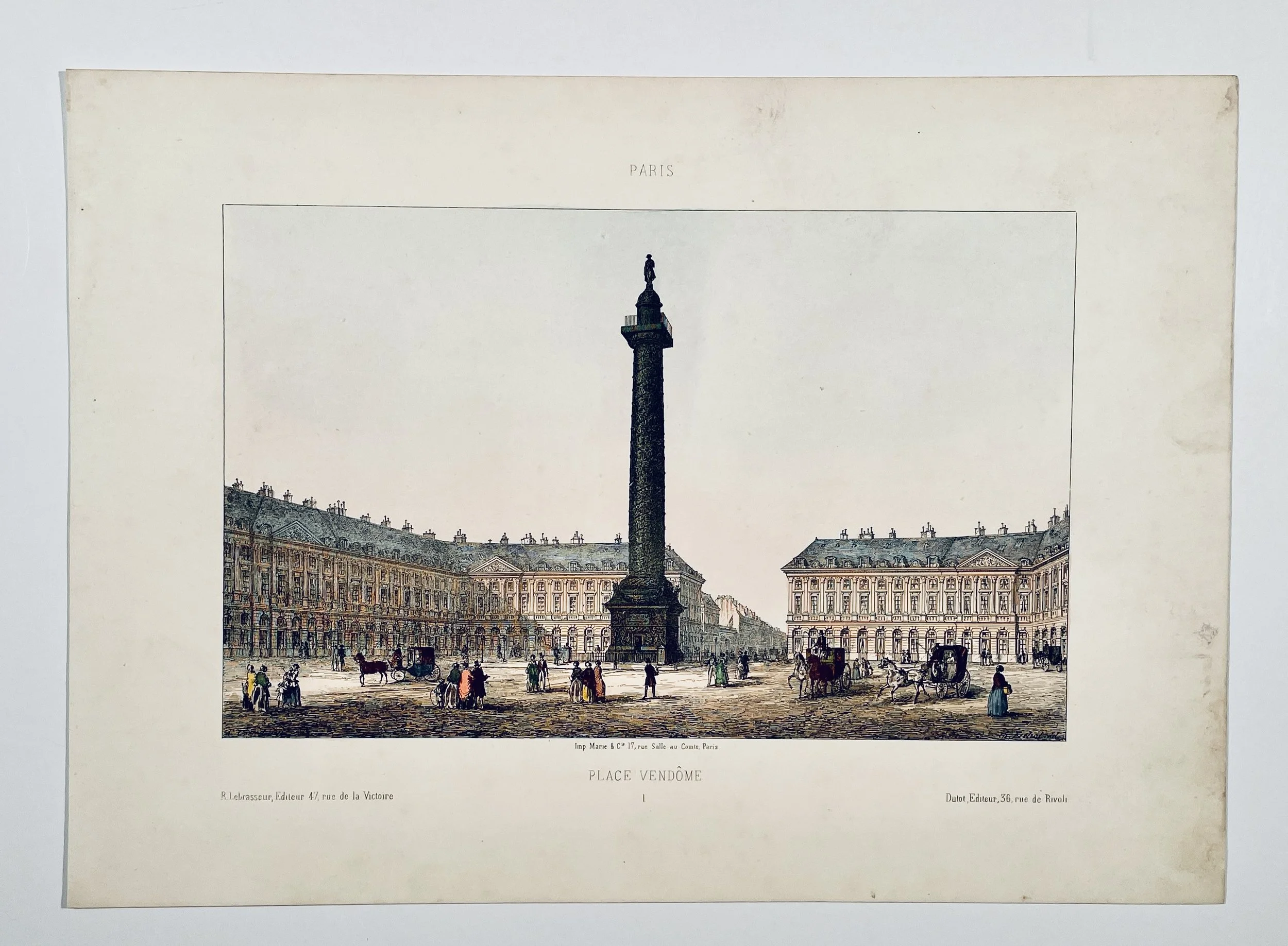
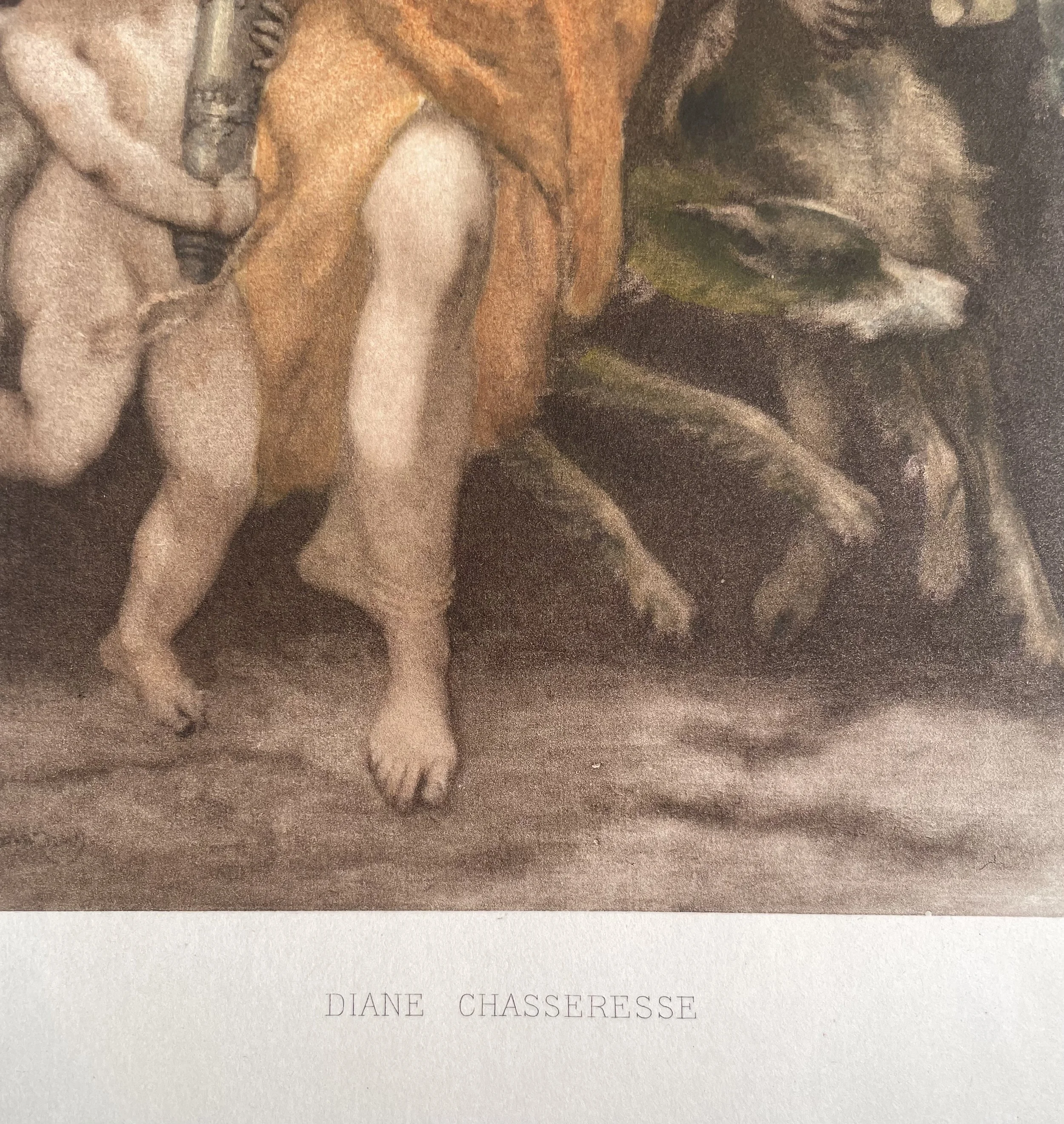
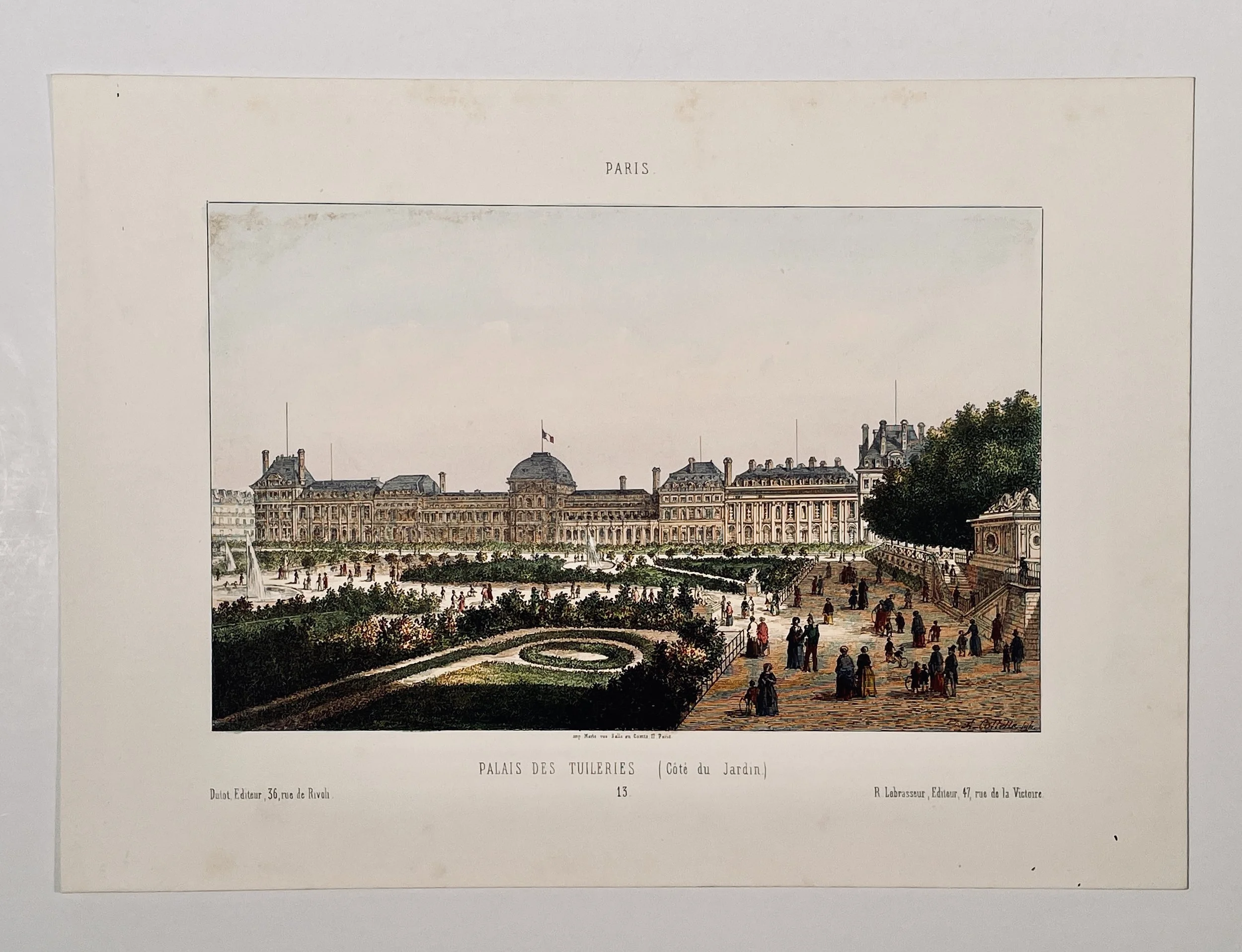
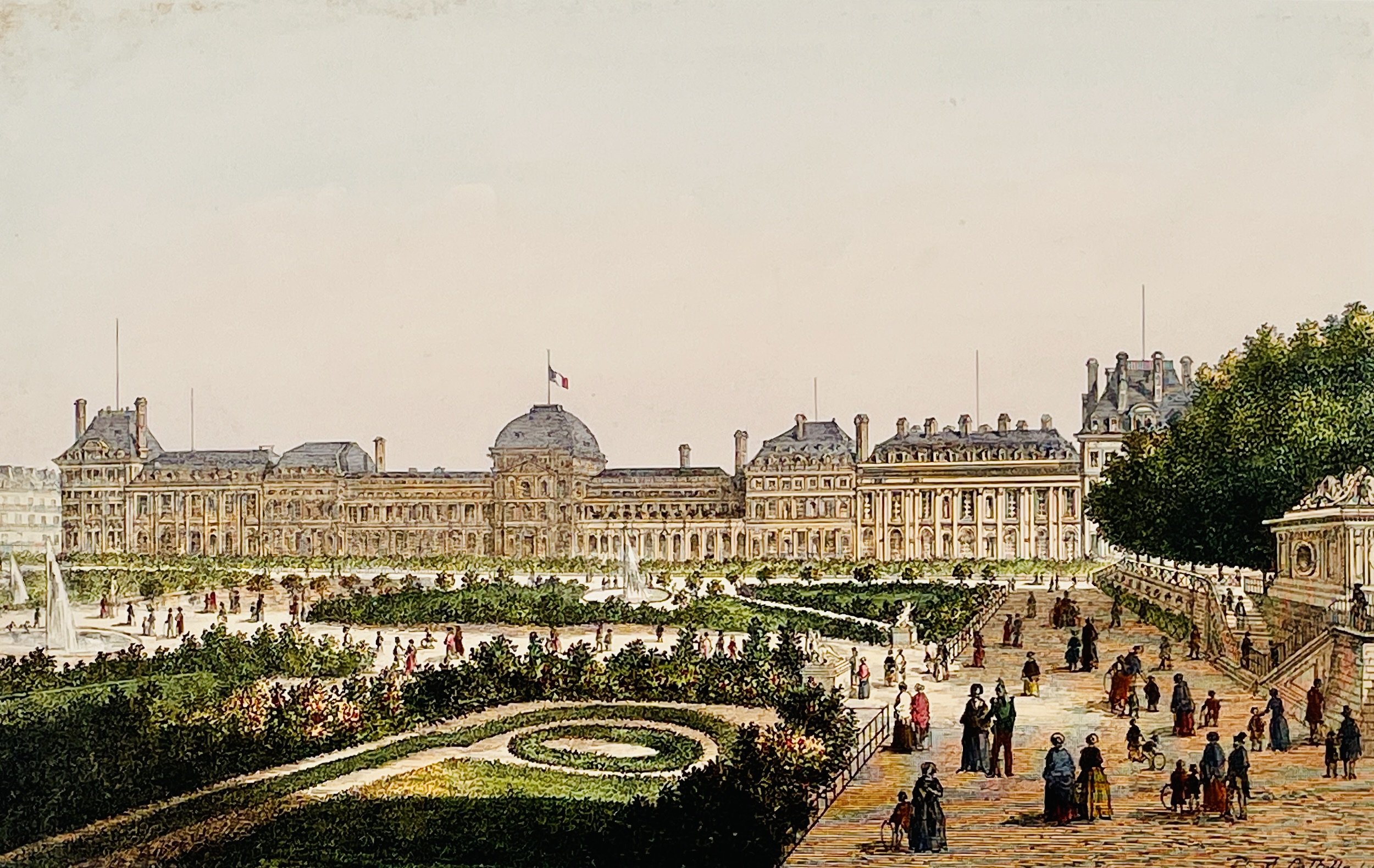
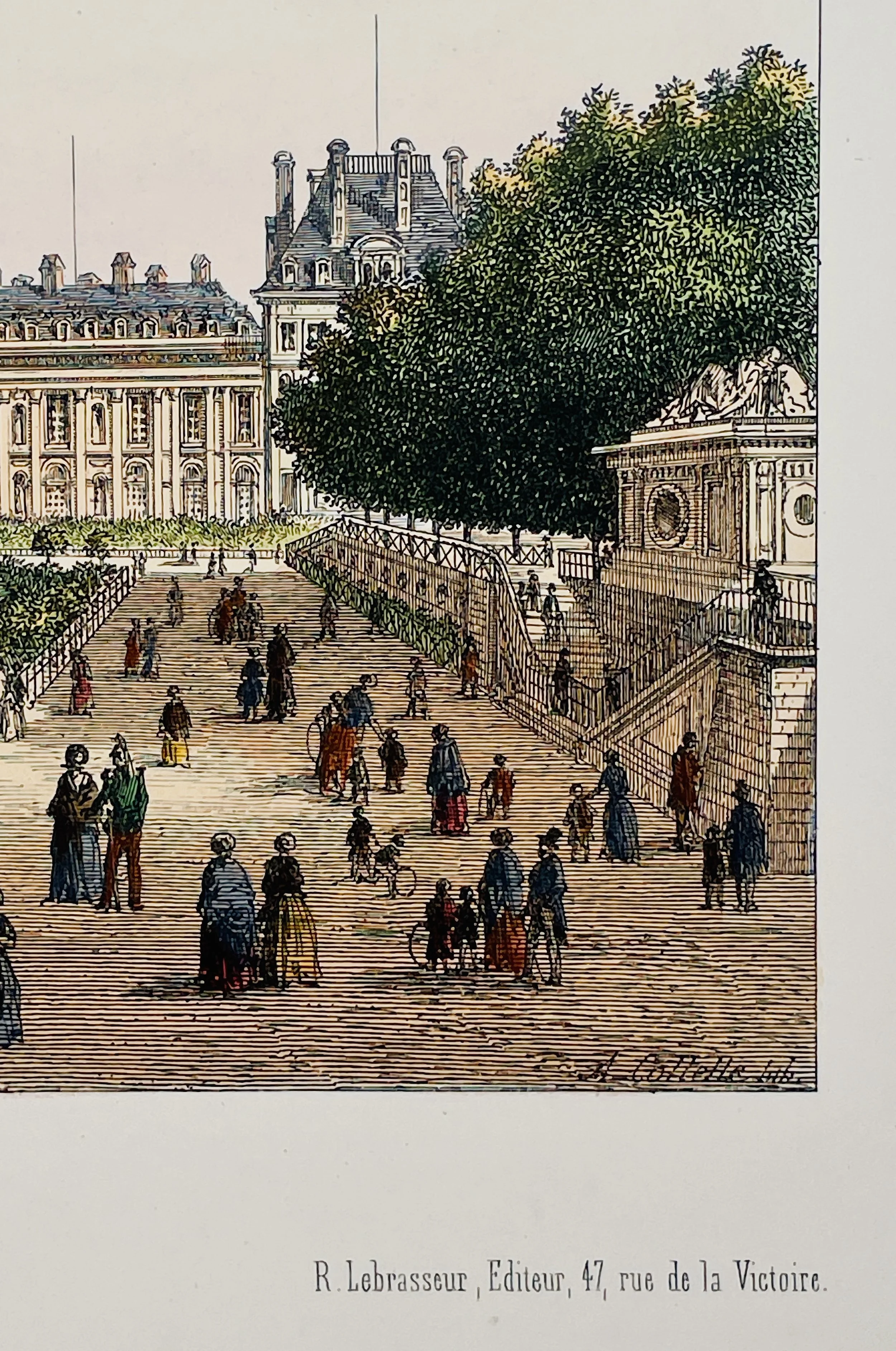
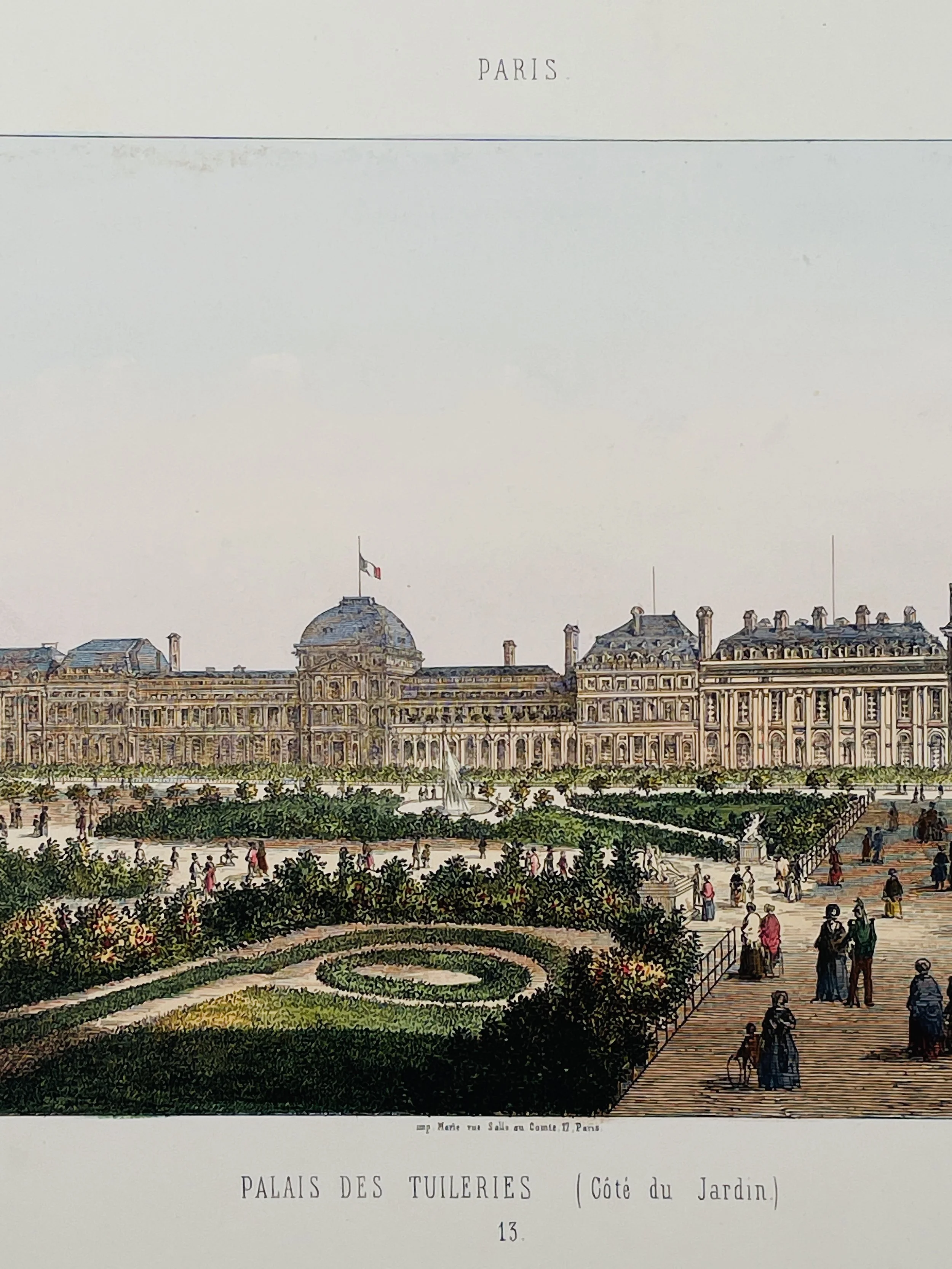
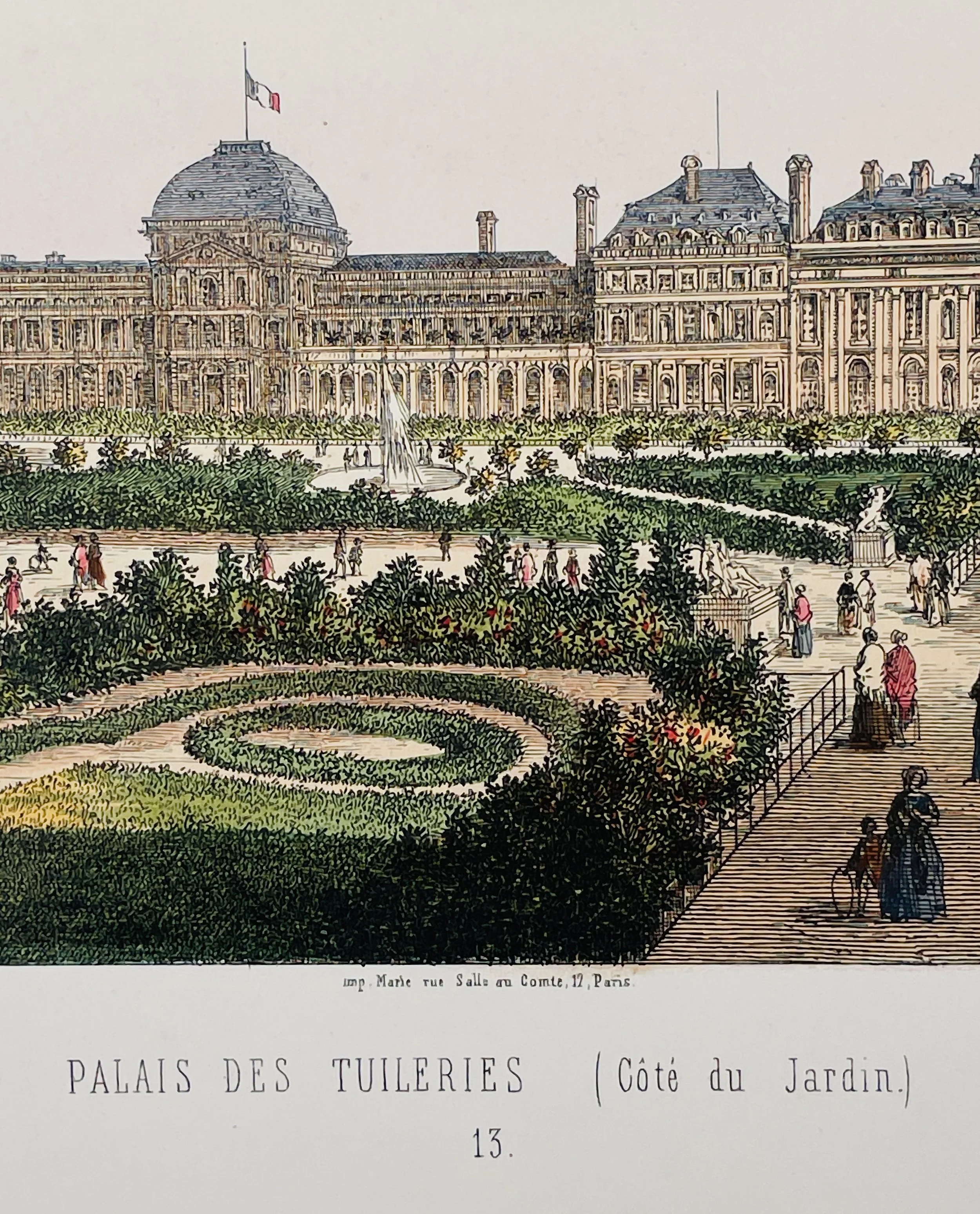
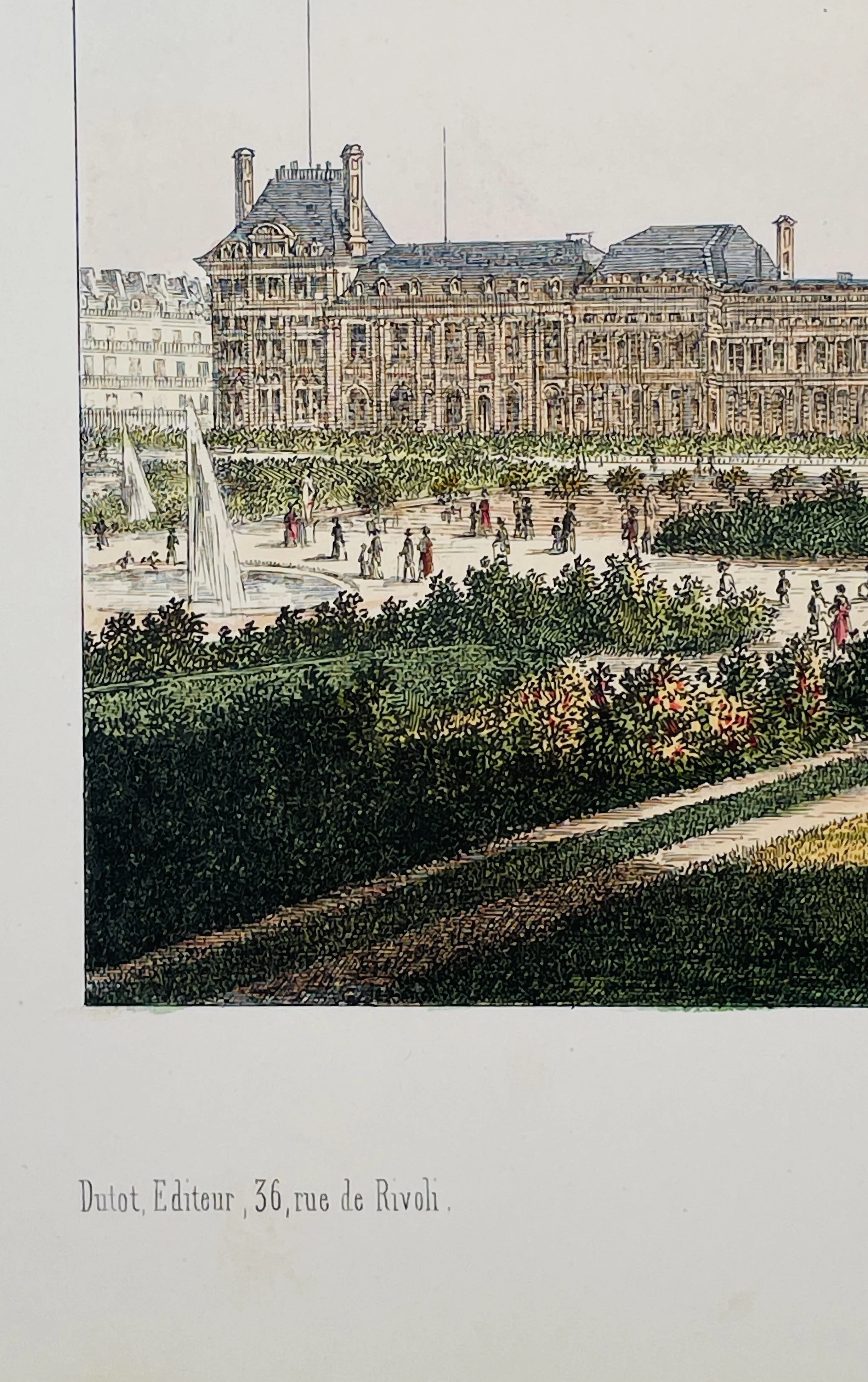
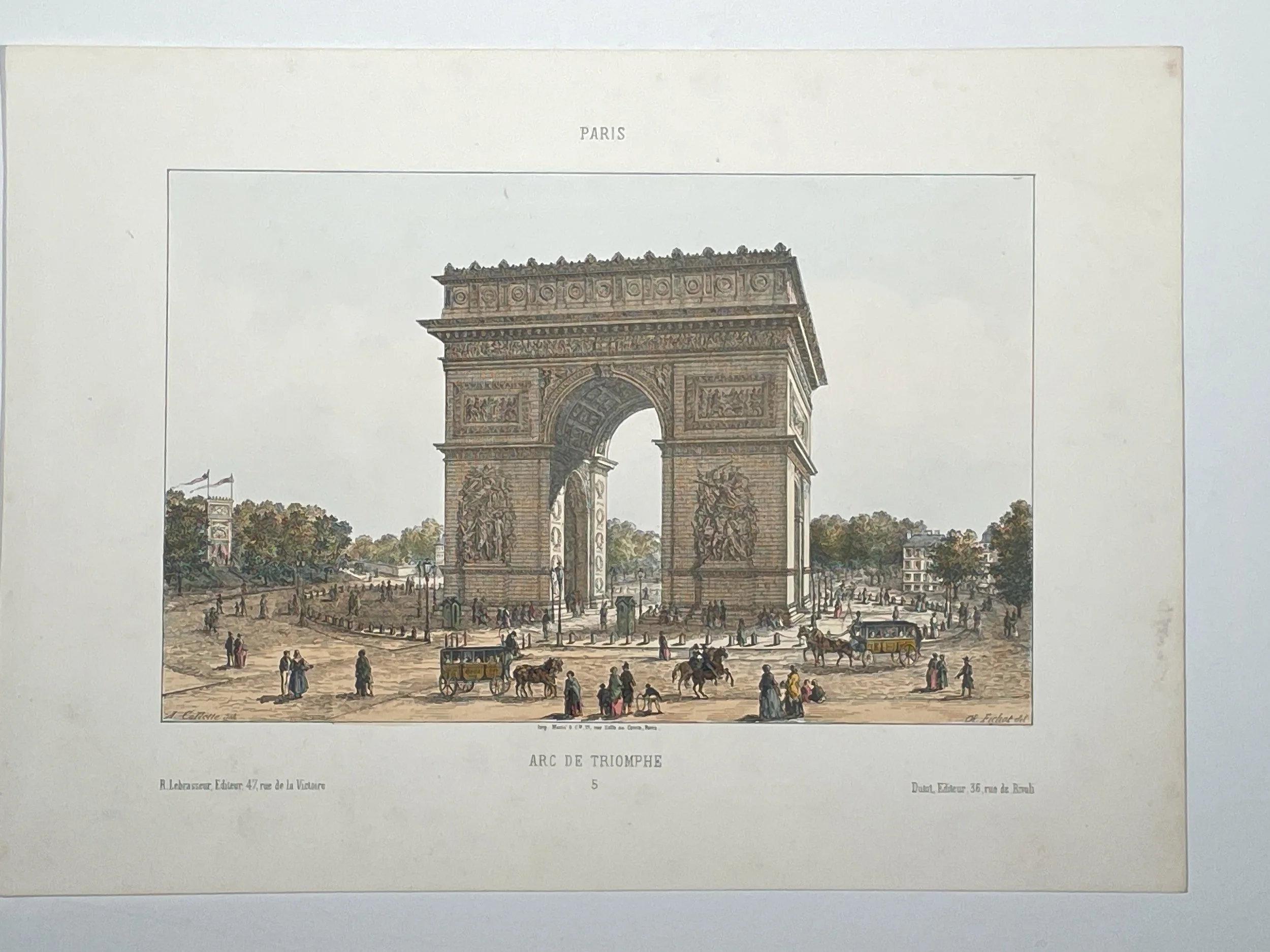
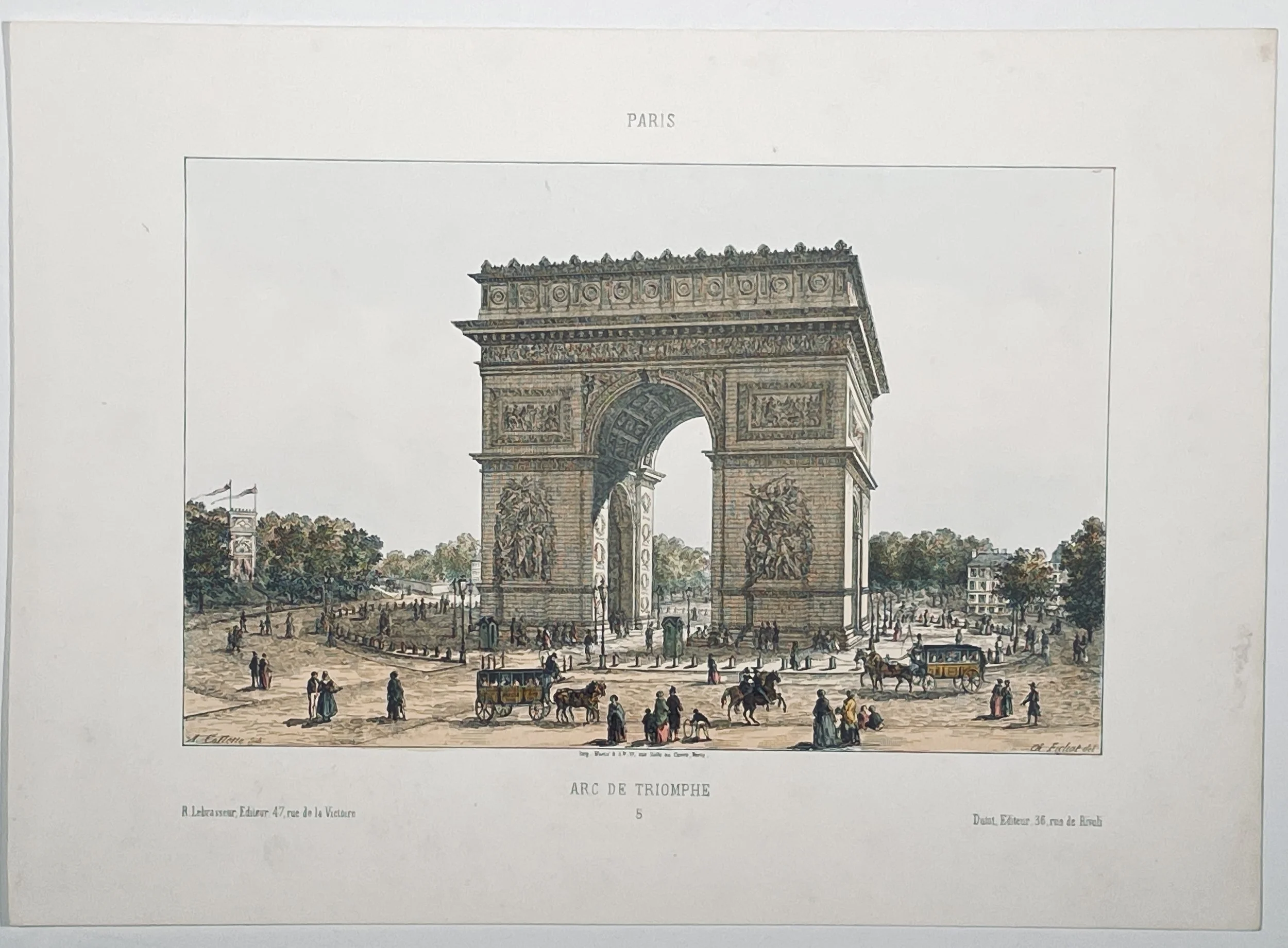
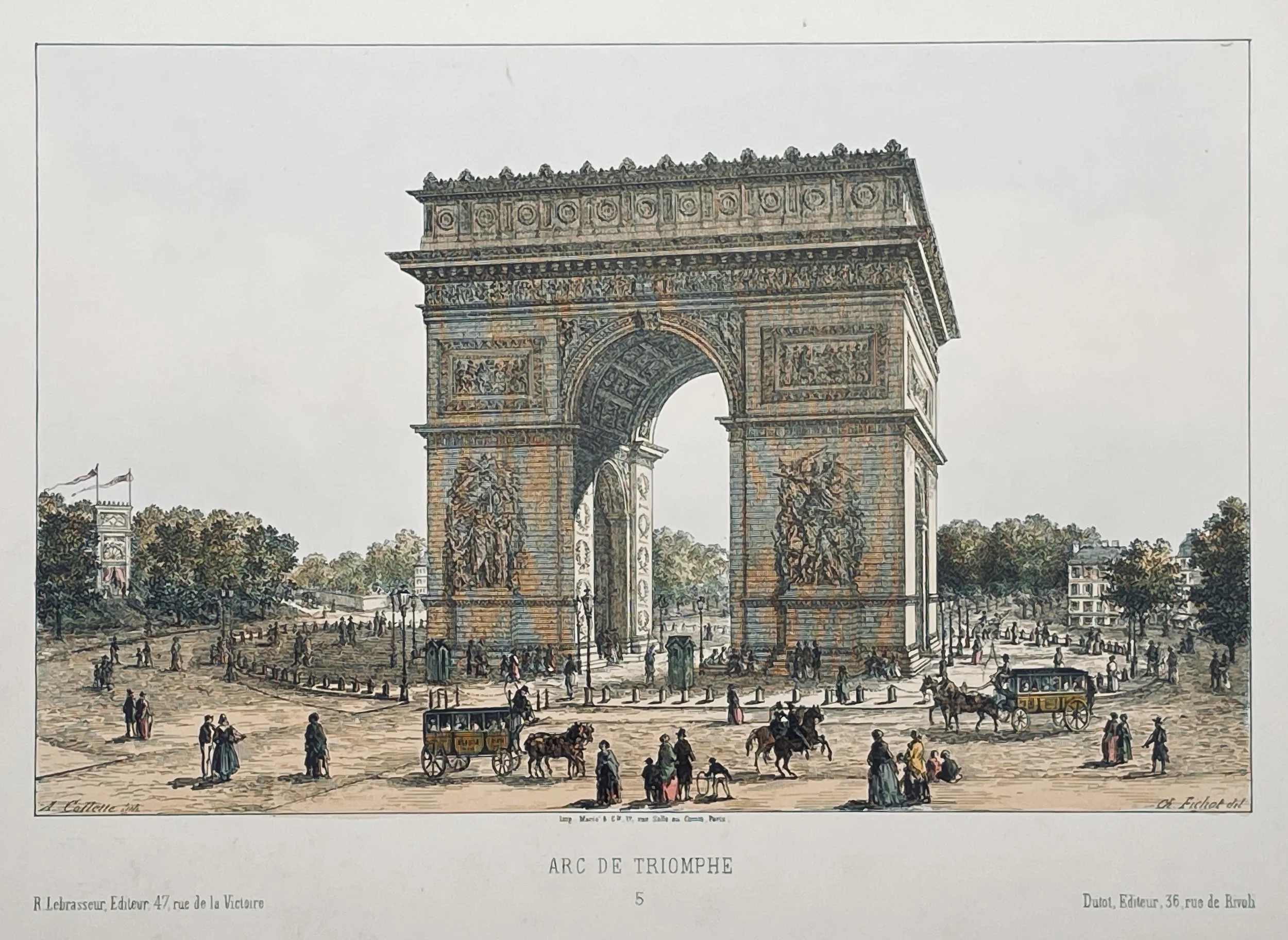
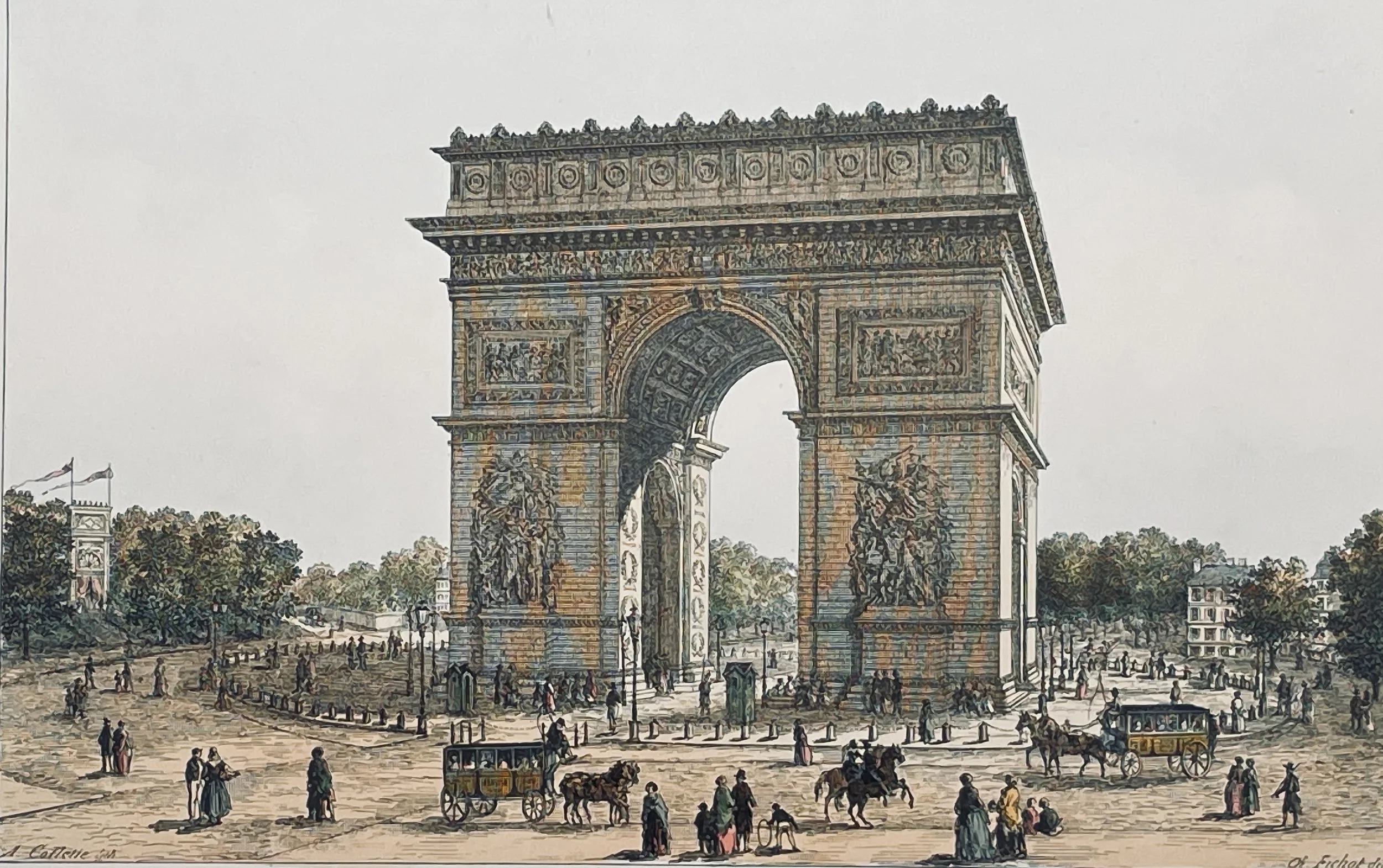
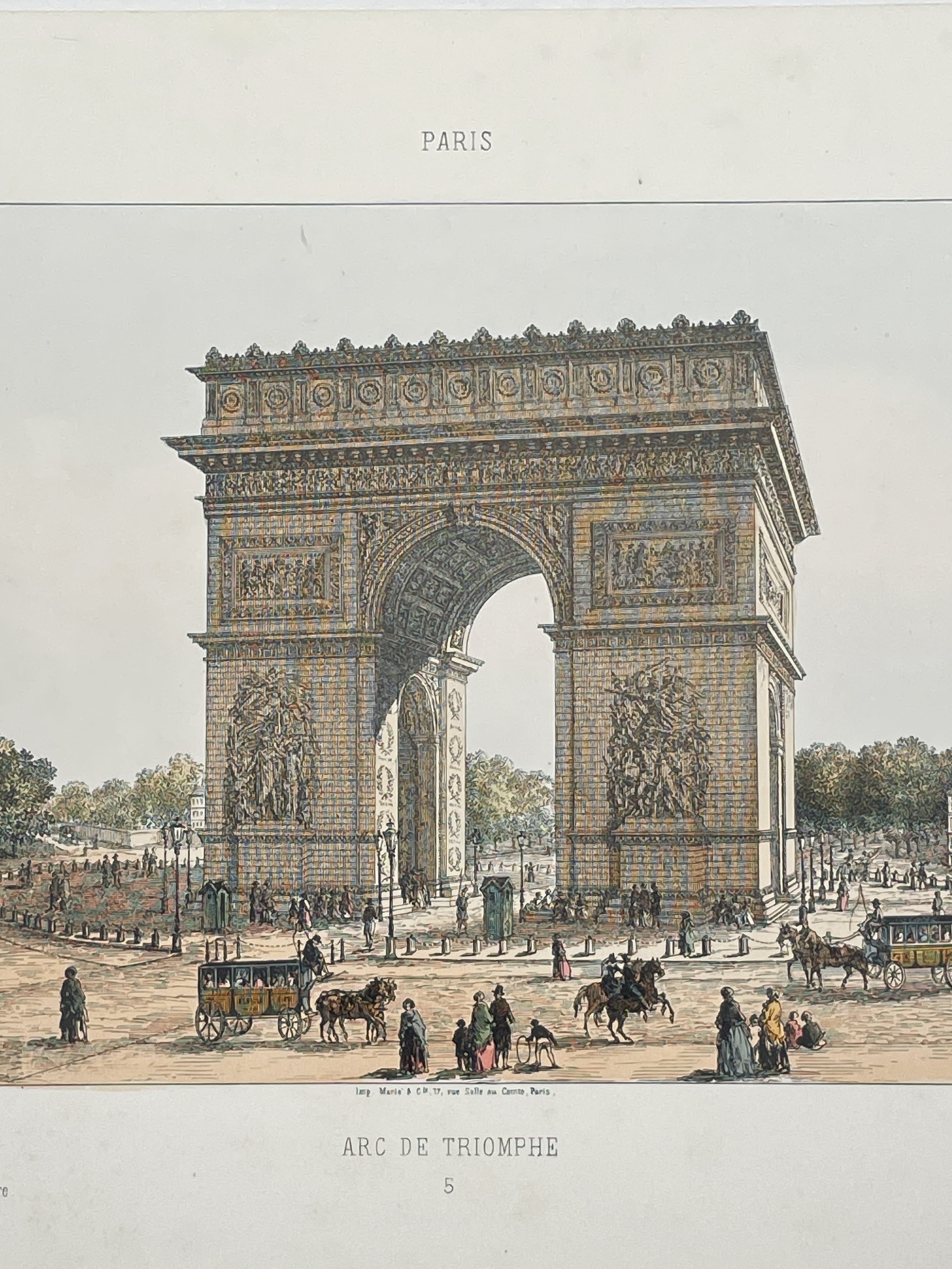
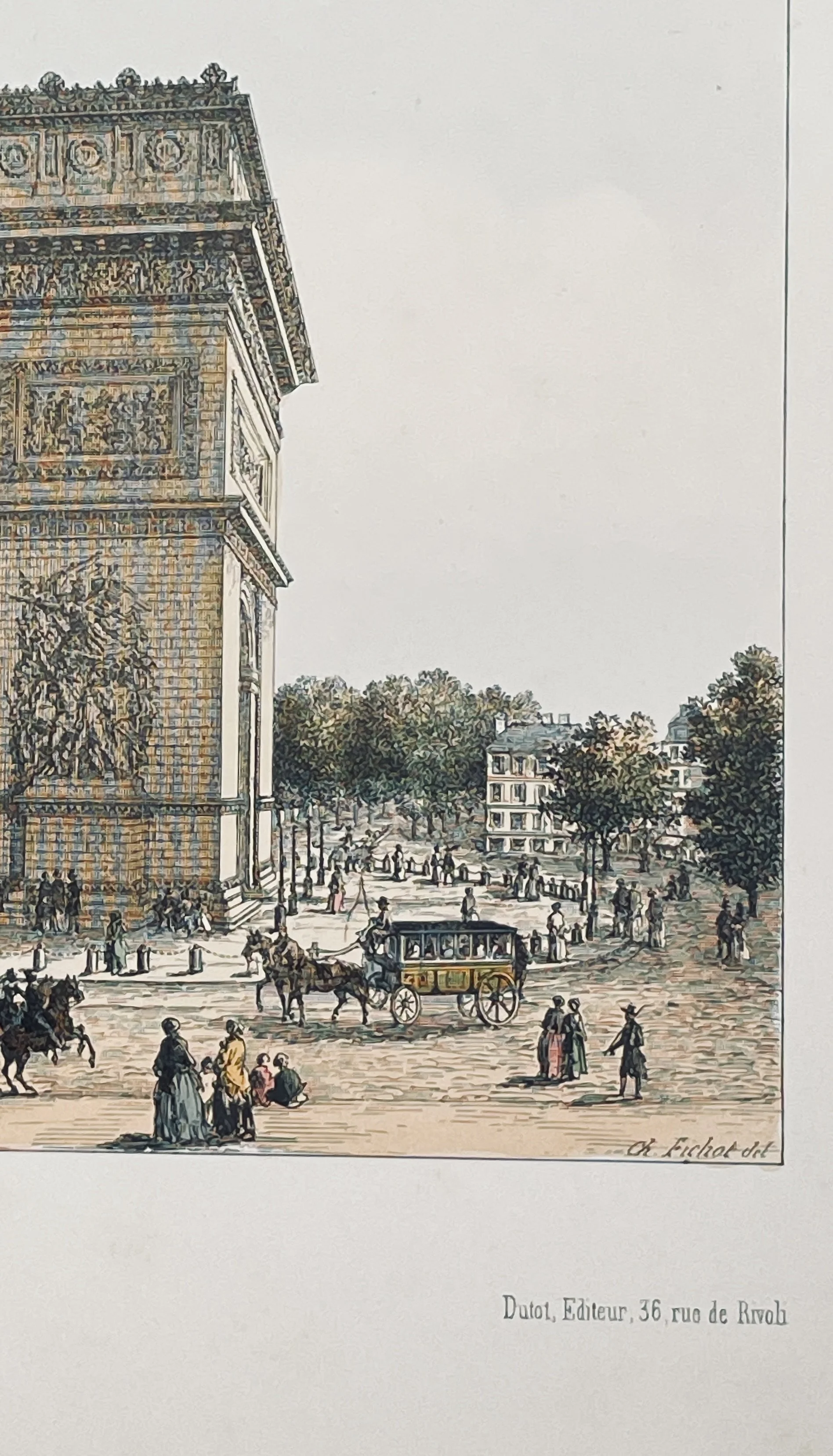
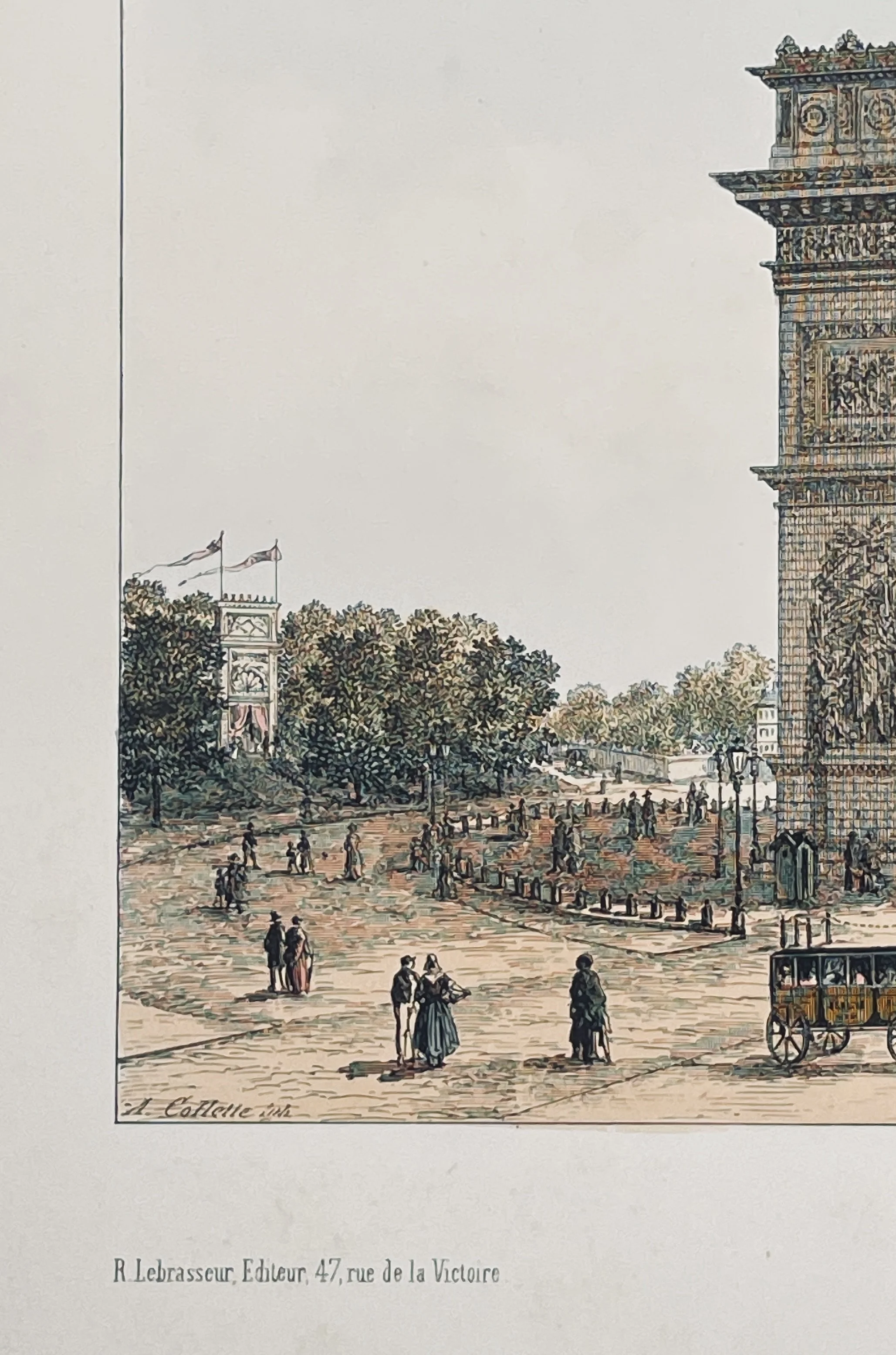
Compton Wynyates, Warwickshire, after Thomas Allom (British, 1804–1872), c.1838–1845, hand-colored steel engraving, 14 × 19 in., unsigned, unnumbered.
A finely hand-colored 19th-century steel engraving depicting Compton Wynyates, Warwickshire, after Thomas Allom. A classic English architectural view combining historical accuracy with romantic narrative detail.
Artwork Description
This evocative architectural view portrays Compton Wynyates, one of England’s most important Tudor manor houses, rendered with precision and atmosphere characteristic of early Victorian topographical engraving. The scene presents the fortified entrance and gabled façades of the estate, animated by period figures on horseback and on foot, lending scale, movement, and historical context to the composition.
The image is executed as a steel engraving, allowing for crisp architectural detail and refined linear control, then hand-colored in watercolor to enhance depth, texture, and narrative warmth. The muted stone palette of the architecture contrasts subtly with the lively costumes of the figures, a hallmark of Thomas Allom’s approach to architectural illustration.
Produced during a period of renewed interest in England’s medieval and Tudor heritage, the work reflects the 19th-century Romantic movement’s fascination with history, preservation, and national identity. The blank reverse, visible plate impression, and age-appropriate toning are consistent with an original 19th-century folio engraving rather than a later reproduction.
Artist Biography
Thomas Allom (British, 1804–1872)
Thomas Allom was a leading English architect, illustrator, and topographical artist of the 19th century. Trained as an architect, he became one of the most prolific illustrators of Britain’s historic buildings, country houses, and European landmarks. His work was widely published in prestigious volumes including The Baronial and Ecclesiastical Antiquities of England and other landmark architectural surveys.
Allom’s illustrations are distinguished by their architectural accuracy, balanced composition, and narrative vitality. Rather than presenting buildings as static monuments, he populated his scenes with historically informed figures, creating a sense of lived history. His engravings played a significant role in shaping Victorian perceptions of Britain’s architectural heritage and remain highly collectible today among historians, designers, and collectors of British topographical prints.
After Thomas Allom (British, 1804–1872)
Compton Wynyates, Warwickshire
Hand-colored steel engraving, c.1838–1845
14 × 19 inches
Condition: light toning, age-appropriate wear
Provenance: Mitch Morse Gallery; Artfind Gallery, Washington DC
Certificate of Value & Authentication
This certifies that the accompanying artwork is an authentic mid-19th-century hand-colored steel engraving after Thomas Allom, depicting Compton Wynyates, Warwickshire. The materials, printing method, stylistic attributes, and condition are consistent with original folio impressions produced during the early Victorian period.
Certified by Artfind Gallery, Washington DC.
Provenance
Private European collection
→ Mitch Morse Gallery, New York City (acquired in NYC and Europe)
→ Artfind Gallery, Washington DC (current owner)
Compton Wynyates, Warwickshire, after Thomas Allom (British, 1804–1872), c.1838–1845, hand-colored steel engraving, 14 × 19 in., unsigned, unnumbered.
A finely hand-colored 19th-century steel engraving depicting Compton Wynyates, Warwickshire, after Thomas Allom. A classic English architectural view combining historical accuracy with romantic narrative detail.
Artwork Description
This evocative architectural view portrays Compton Wynyates, one of England’s most important Tudor manor houses, rendered with precision and atmosphere characteristic of early Victorian topographical engraving. The scene presents the fortified entrance and gabled façades of the estate, animated by period figures on horseback and on foot, lending scale, movement, and historical context to the composition.
The image is executed as a steel engraving, allowing for crisp architectural detail and refined linear control, then hand-colored in watercolor to enhance depth, texture, and narrative warmth. The muted stone palette of the architecture contrasts subtly with the lively costumes of the figures, a hallmark of Thomas Allom’s approach to architectural illustration.
Produced during a period of renewed interest in England’s medieval and Tudor heritage, the work reflects the 19th-century Romantic movement’s fascination with history, preservation, and national identity. The blank reverse, visible plate impression, and age-appropriate toning are consistent with an original 19th-century folio engraving rather than a later reproduction.
Artist Biography
Thomas Allom (British, 1804–1872)
Thomas Allom was a leading English architect, illustrator, and topographical artist of the 19th century. Trained as an architect, he became one of the most prolific illustrators of Britain’s historic buildings, country houses, and European landmarks. His work was widely published in prestigious volumes including The Baronial and Ecclesiastical Antiquities of England and other landmark architectural surveys.
Allom’s illustrations are distinguished by their architectural accuracy, balanced composition, and narrative vitality. Rather than presenting buildings as static monuments, he populated his scenes with historically informed figures, creating a sense of lived history. His engravings played a significant role in shaping Victorian perceptions of Britain’s architectural heritage and remain highly collectible today among historians, designers, and collectors of British topographical prints.
After Thomas Allom (British, 1804–1872)
Compton Wynyates, Warwickshire
Hand-colored steel engraving, c.1838–1845
14 × 19 inches
Condition: light toning, age-appropriate wear
Provenance: Mitch Morse Gallery; Artfind Gallery, Washington DC
Certificate of Value & Authentication
This certifies that the accompanying artwork is an authentic mid-19th-century hand-colored steel engraving after Thomas Allom, depicting Compton Wynyates, Warwickshire. The materials, printing method, stylistic attributes, and condition are consistent with original folio impressions produced during the early Victorian period.
Certified by Artfind Gallery, Washington DC.
Provenance
Private European collection
→ Mitch Morse Gallery, New York City (acquired in NYC and Europe)
→ Artfind Gallery, Washington DC (current owner)
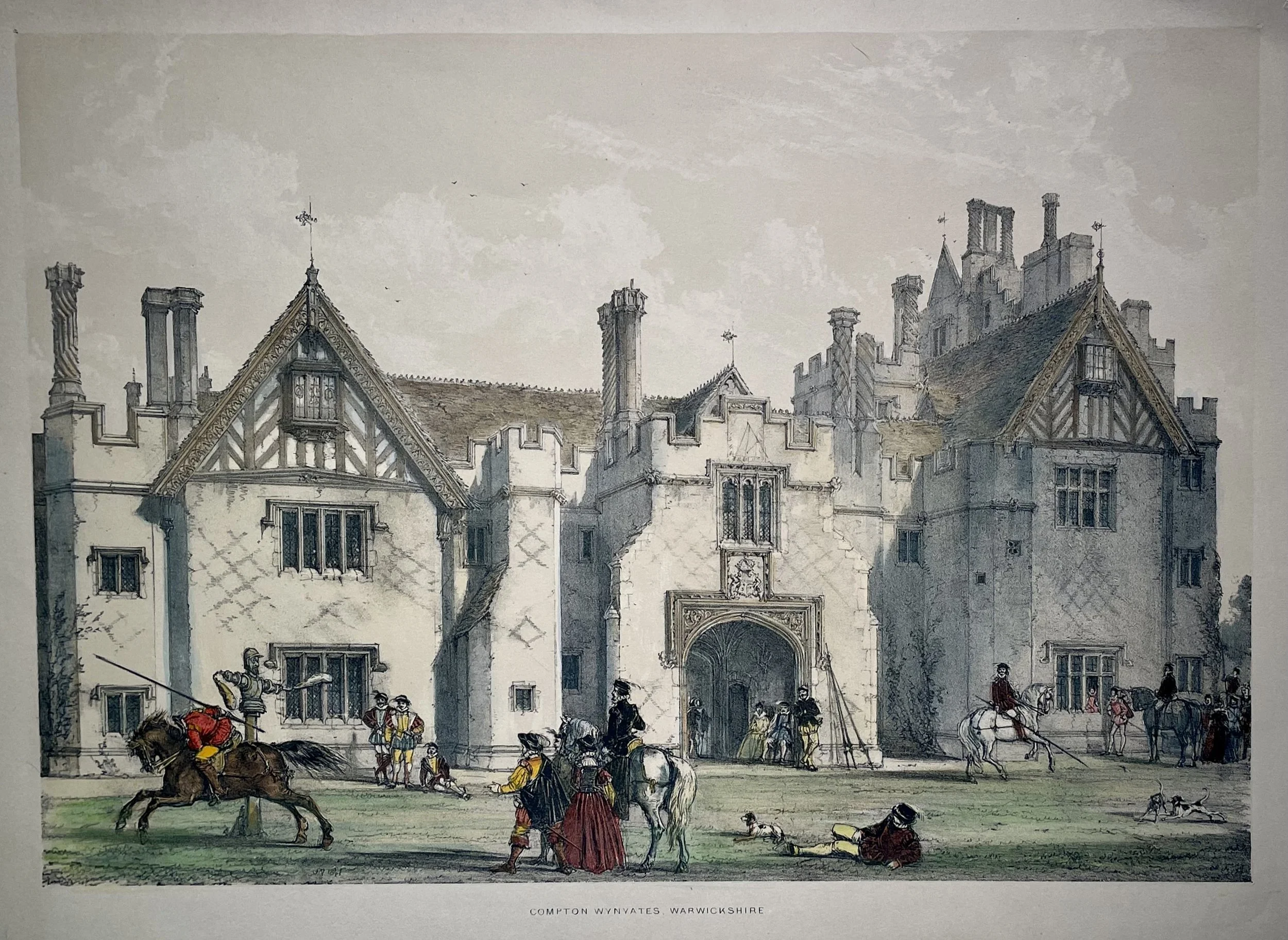 Image 1 of 7
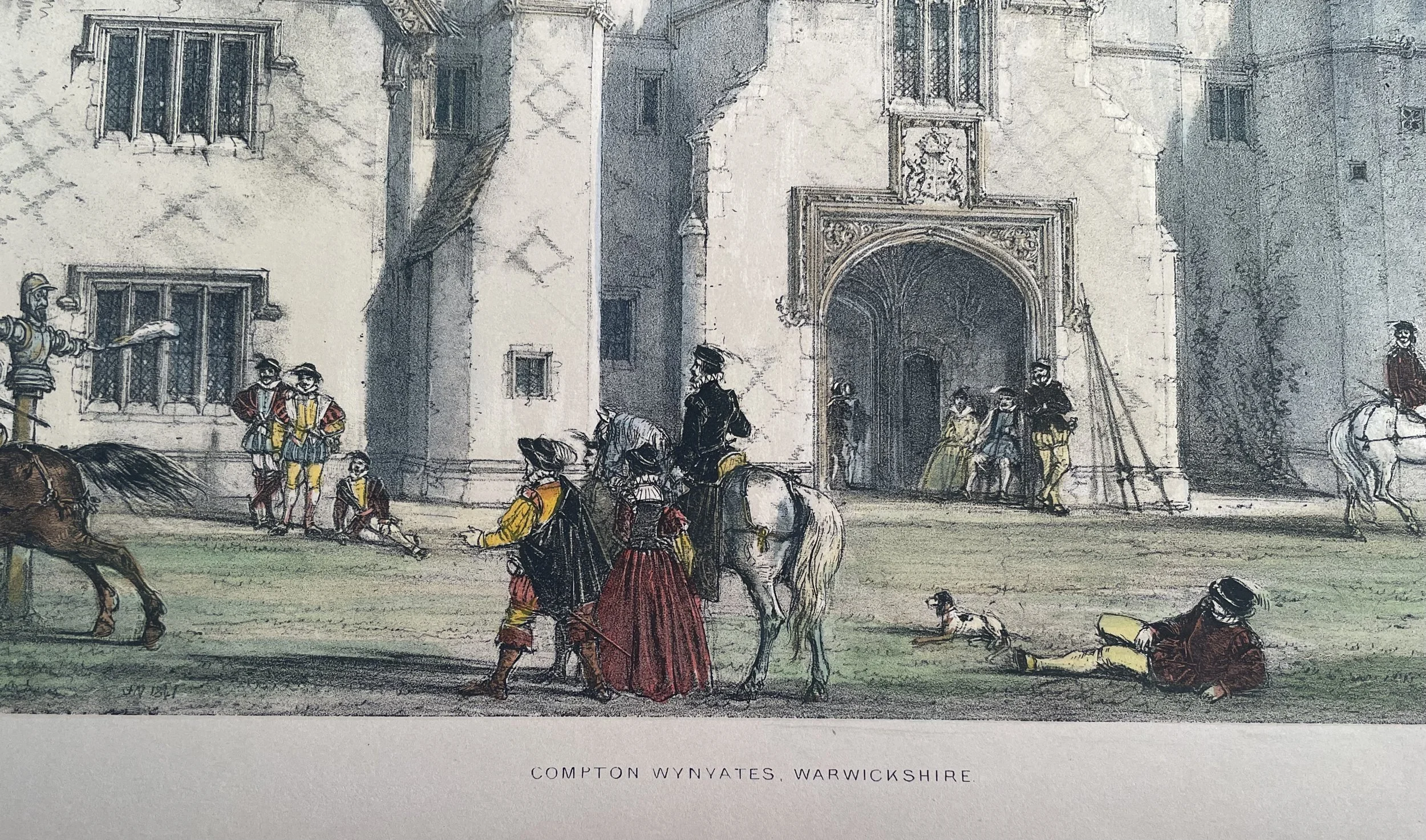 Image 2 of 7
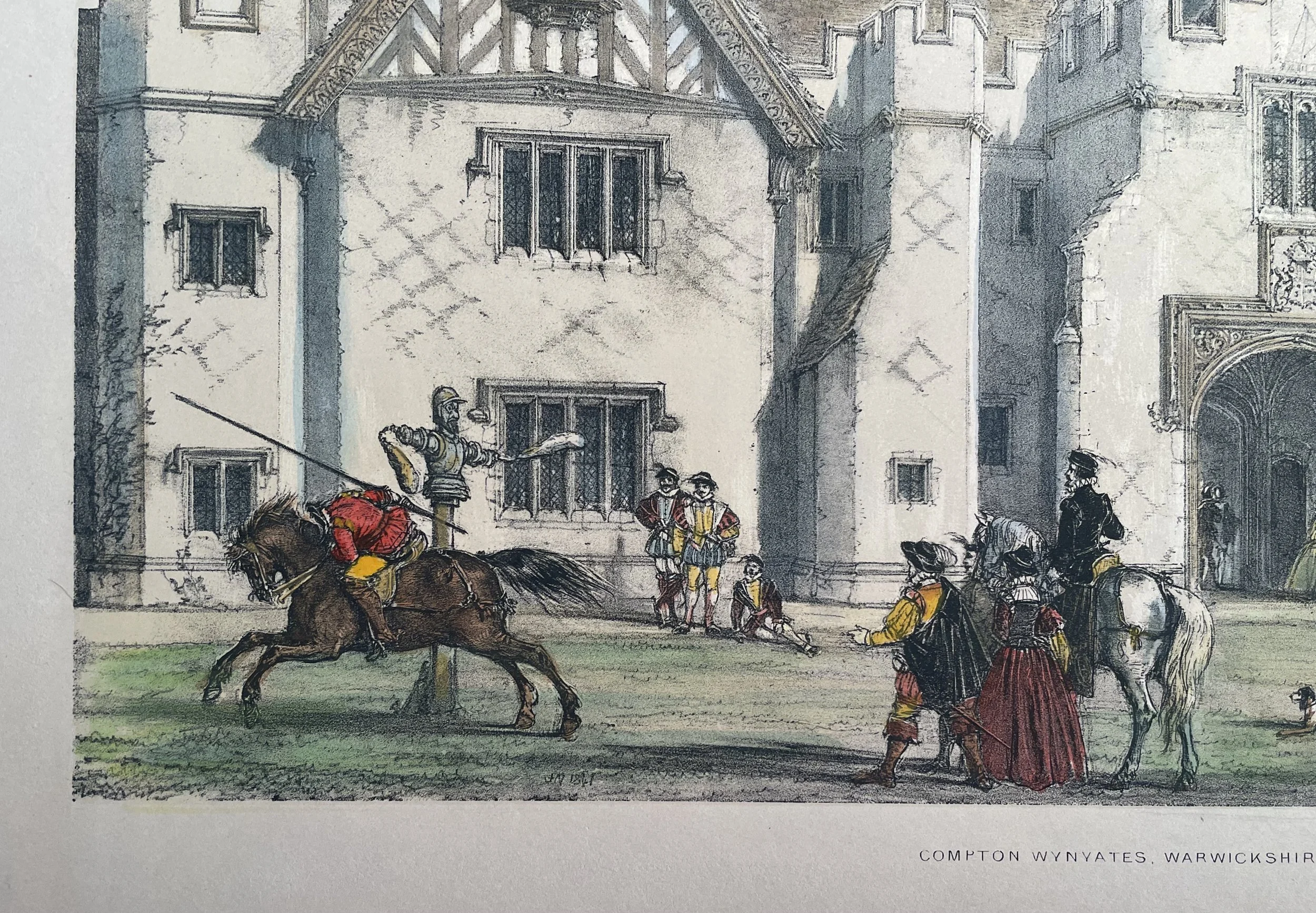 Image 3 of 7
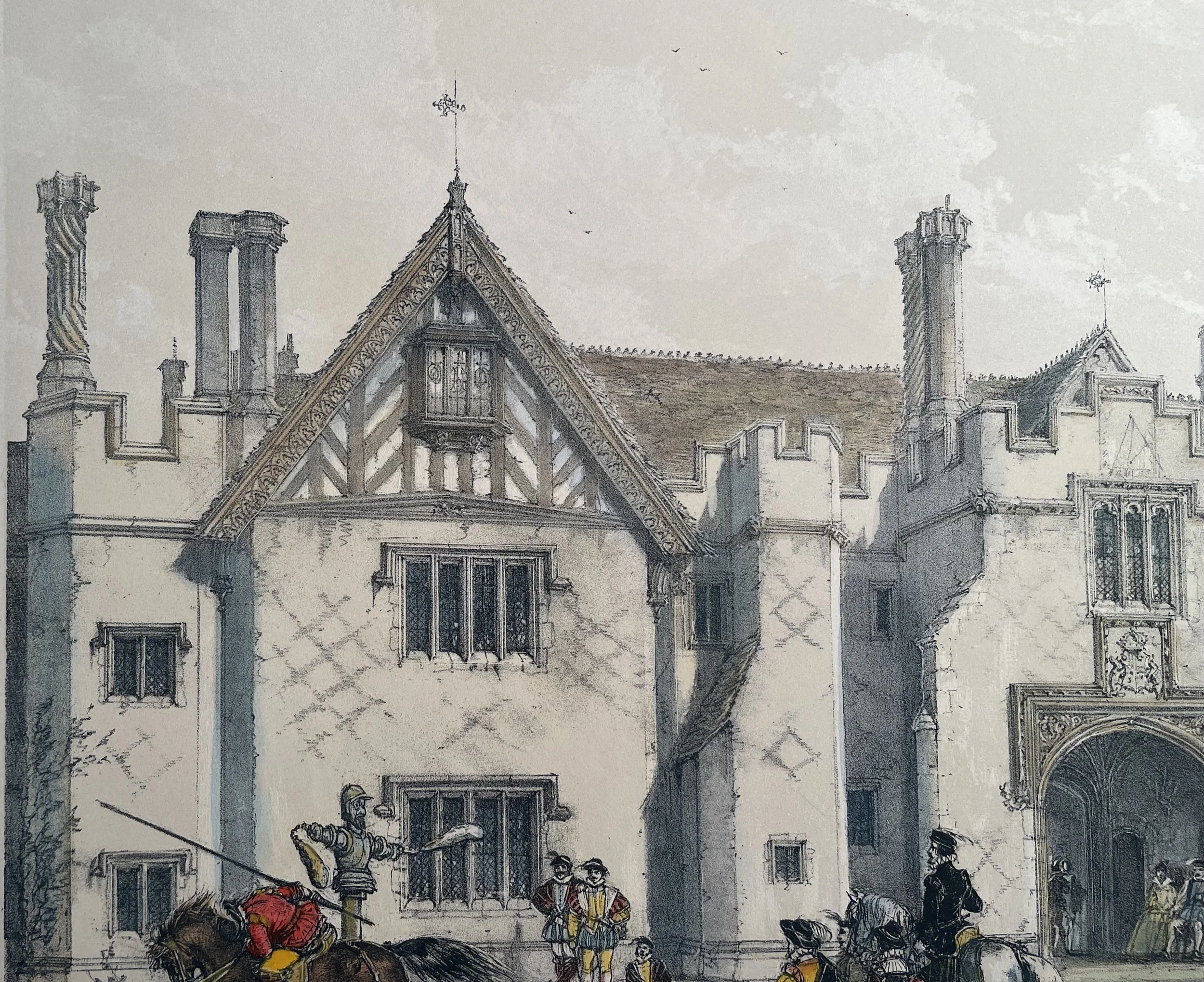 Image 4 of 7
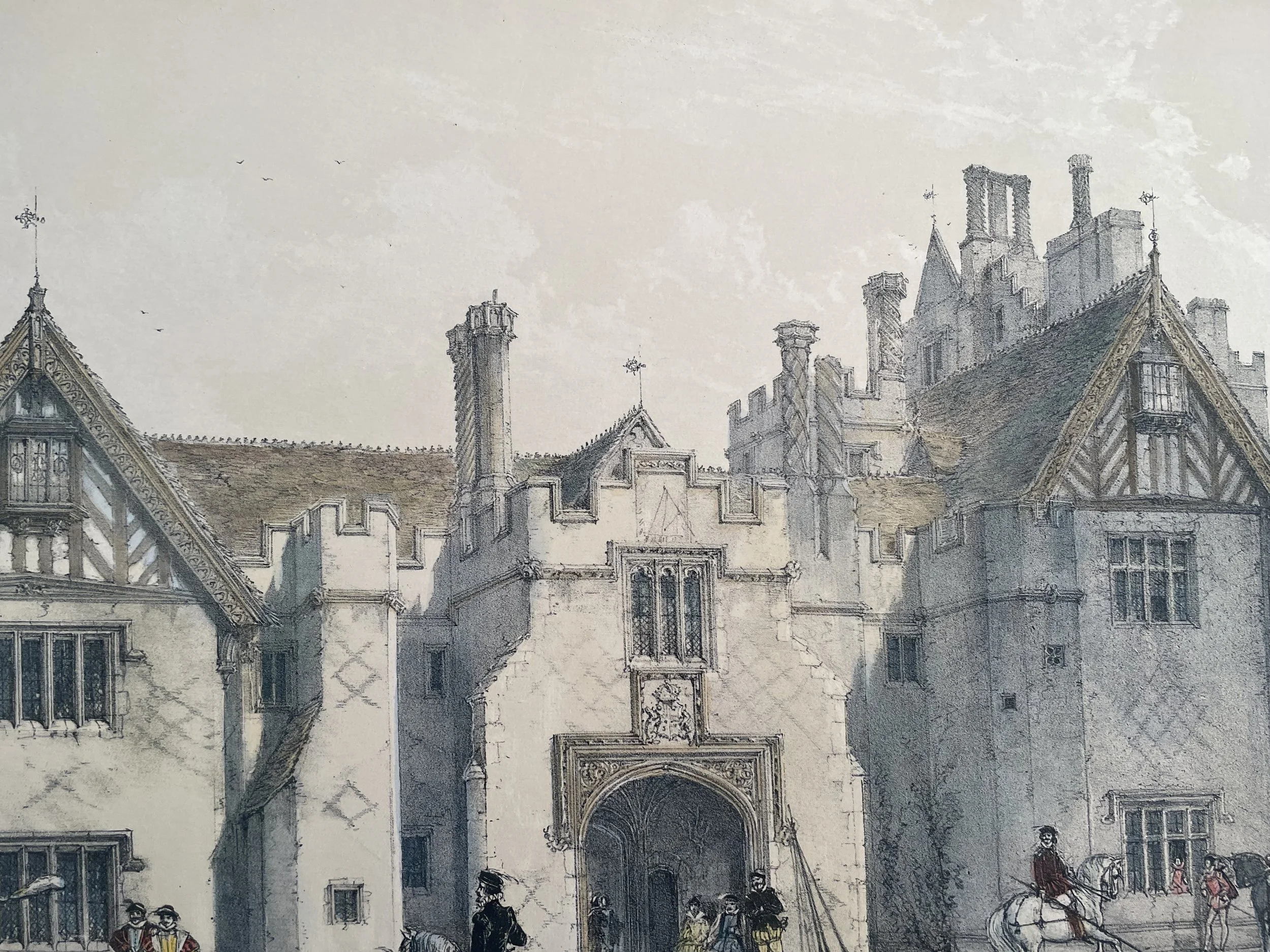 Image 5 of 7
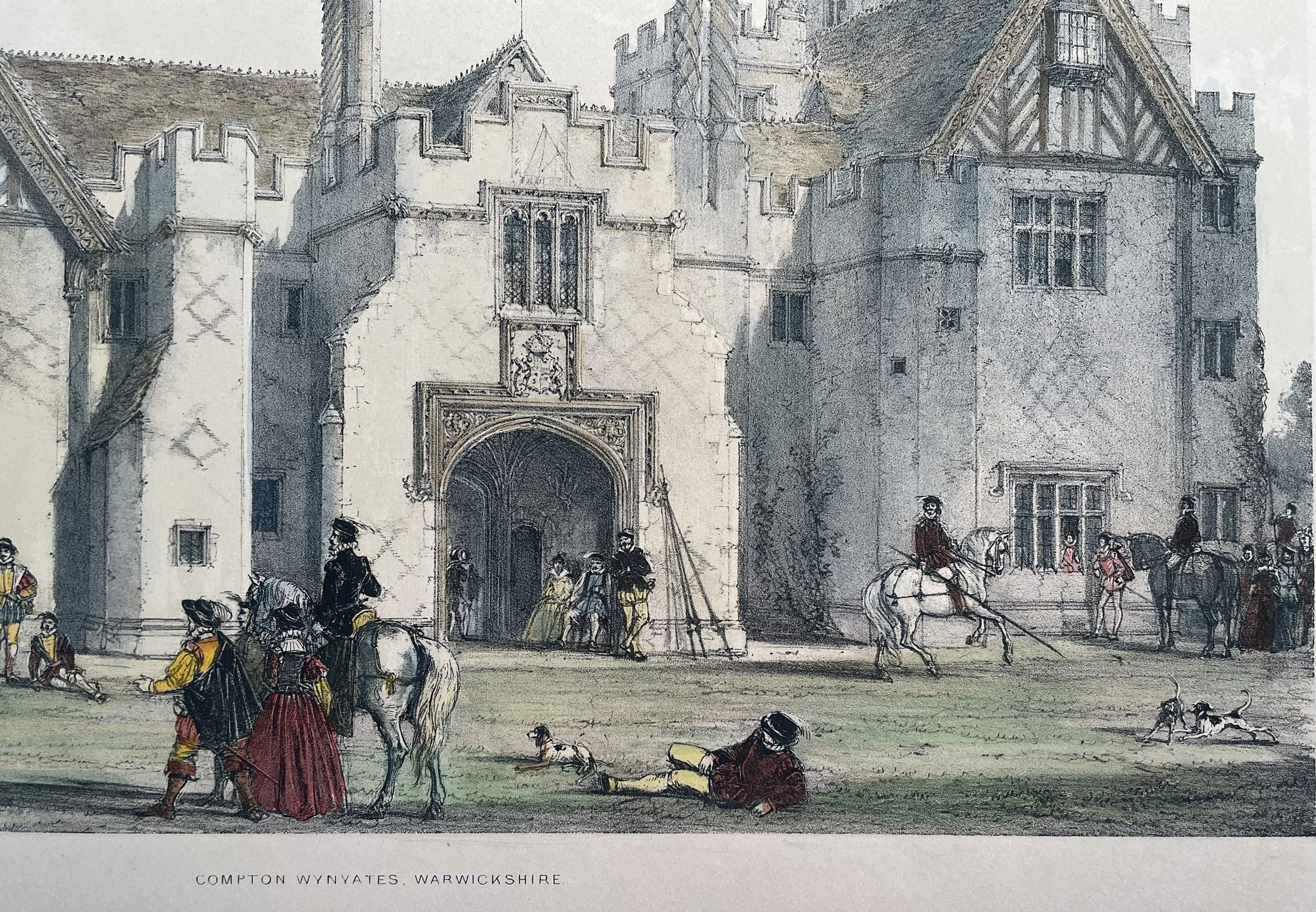 Image 6 of 7
 Image 7 of 7