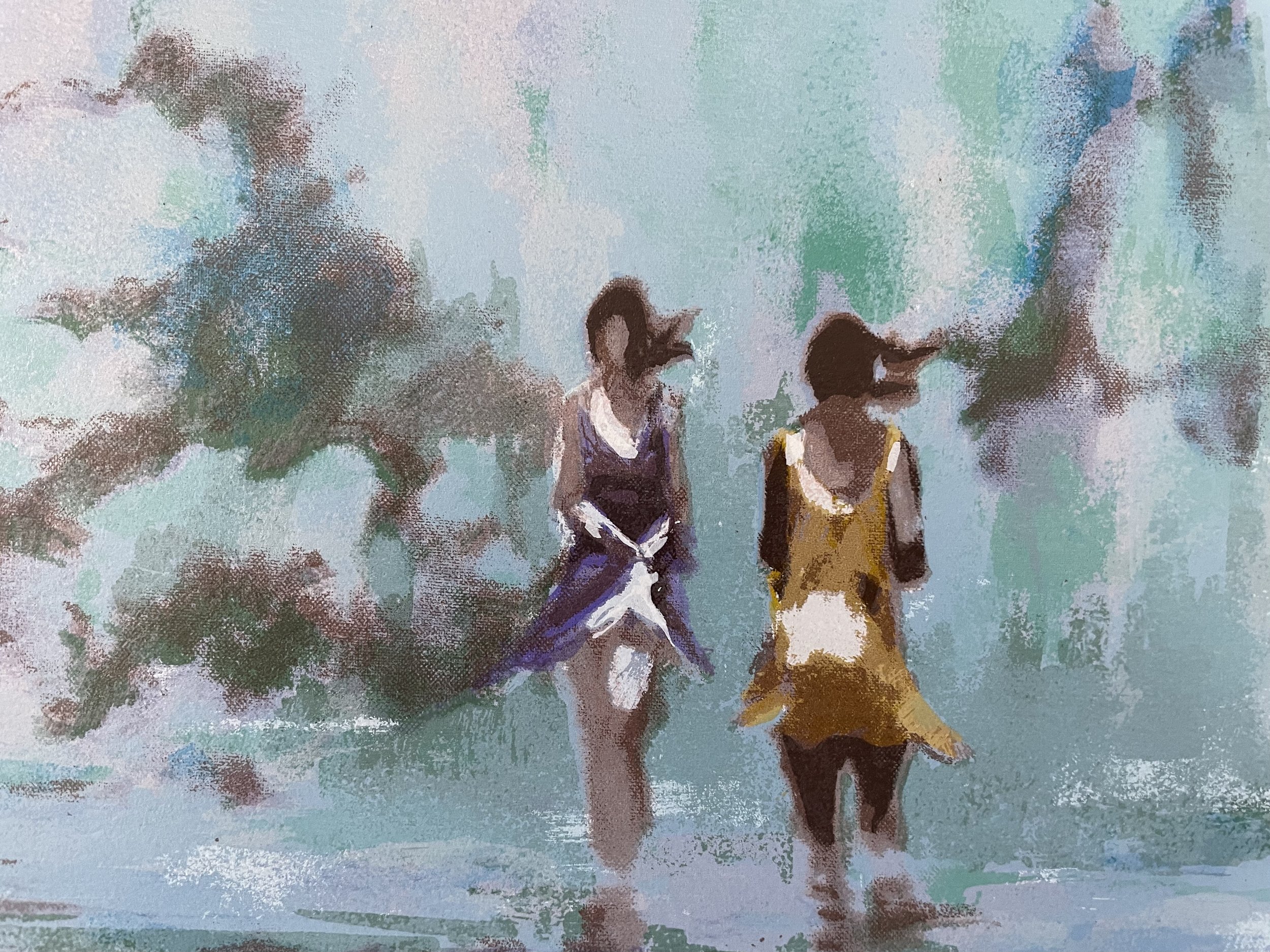
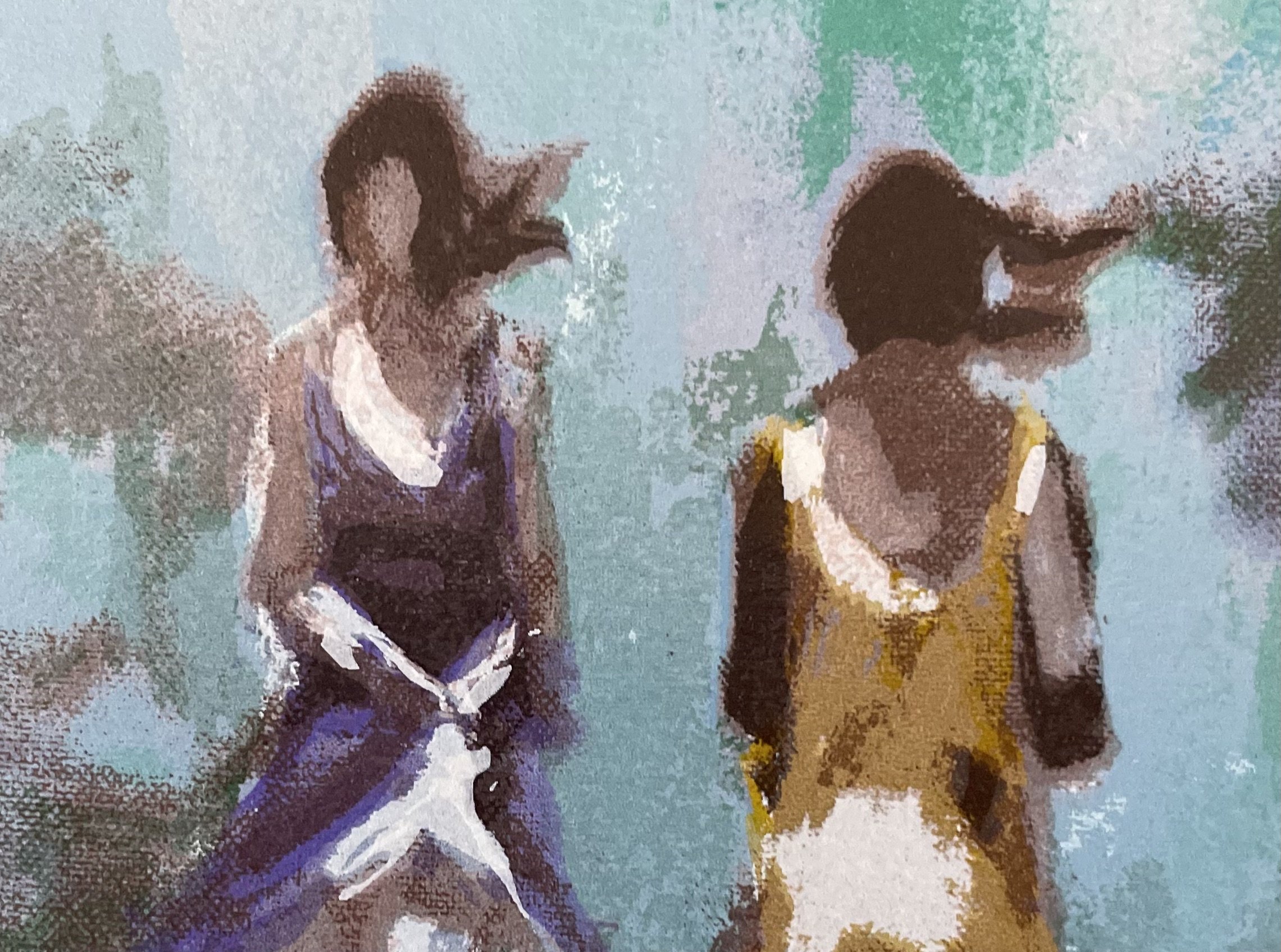
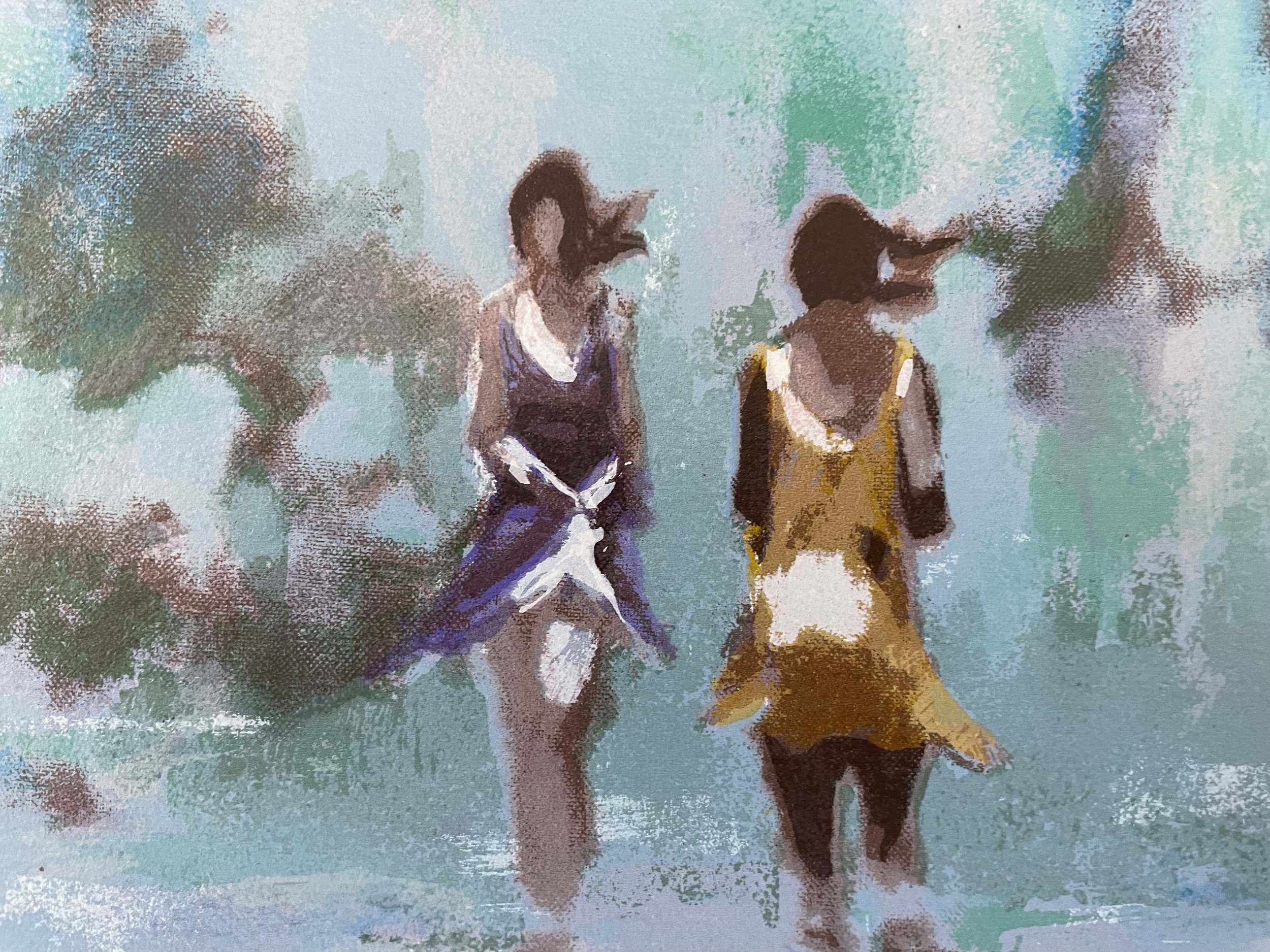
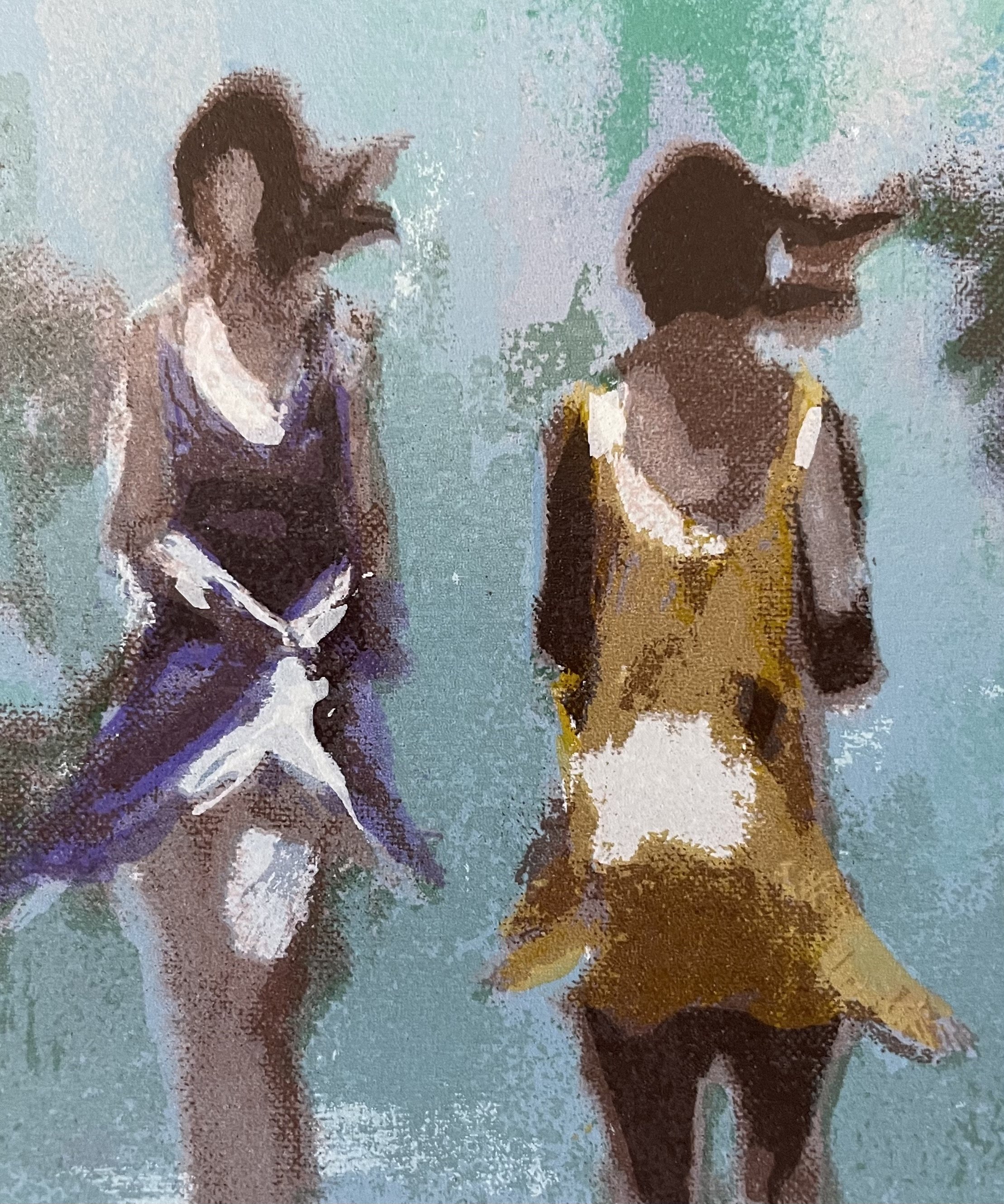
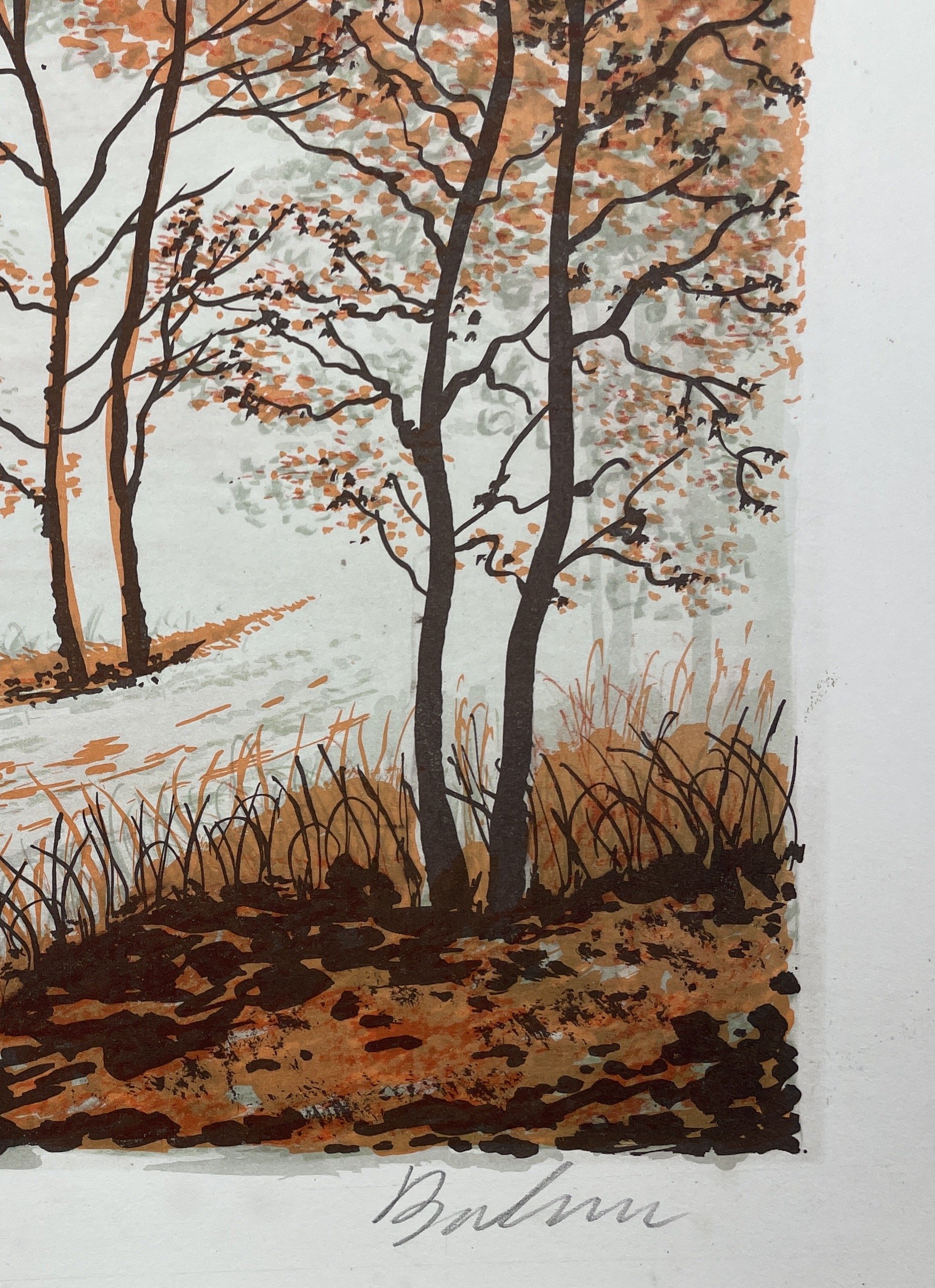
 Image 1 of 8
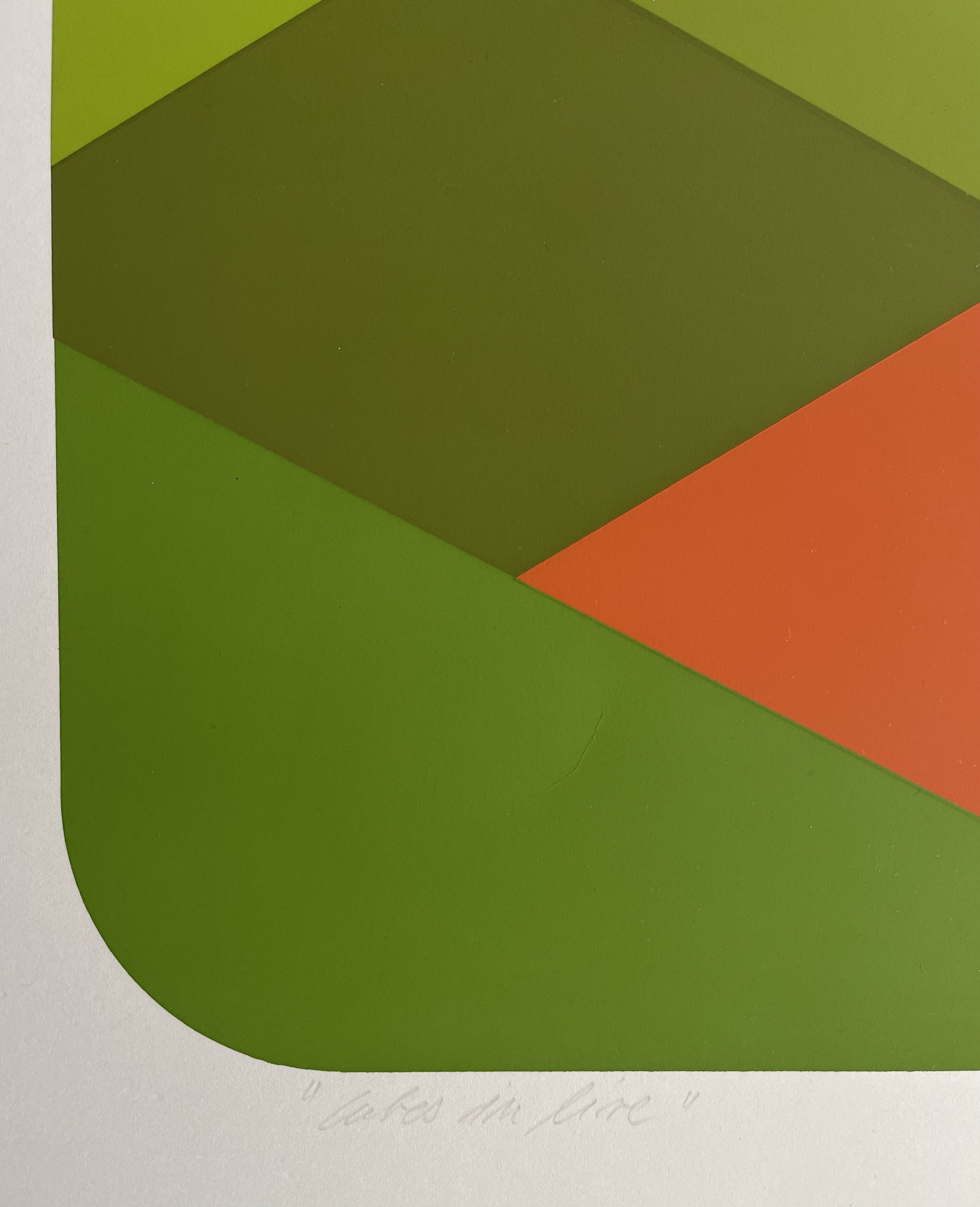 Image 2 of 8
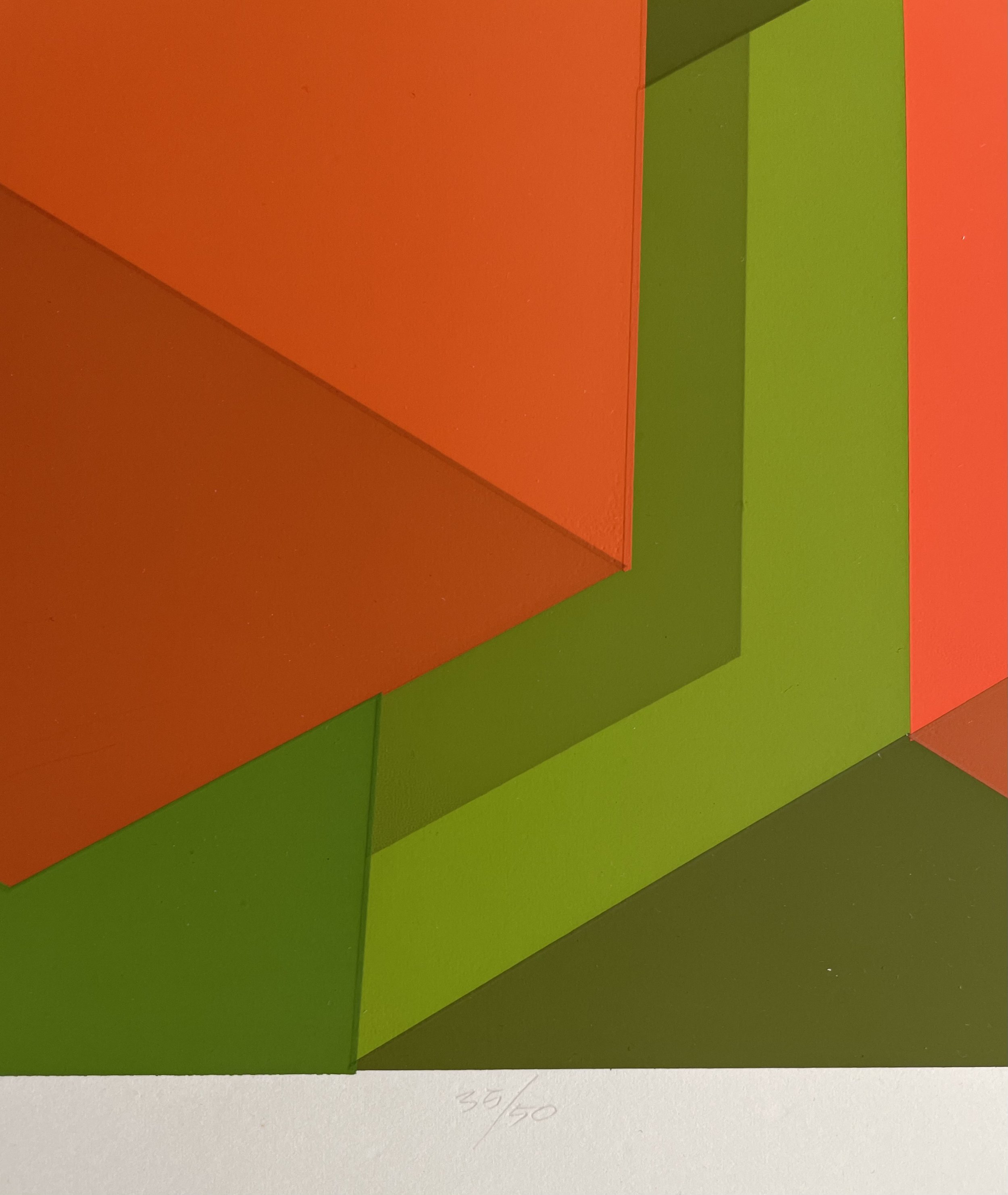 Image 3 of 8
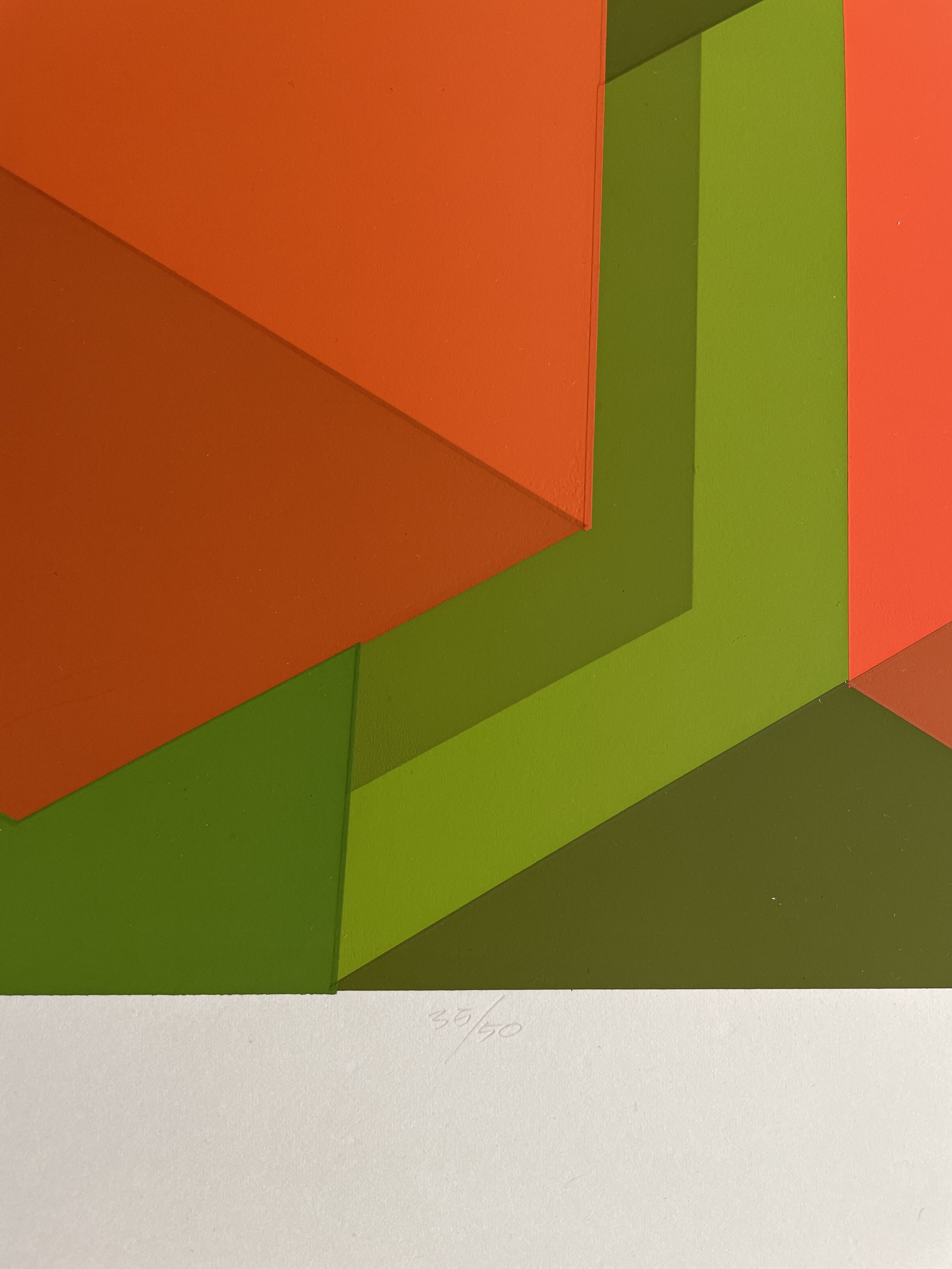 Image 4 of 8
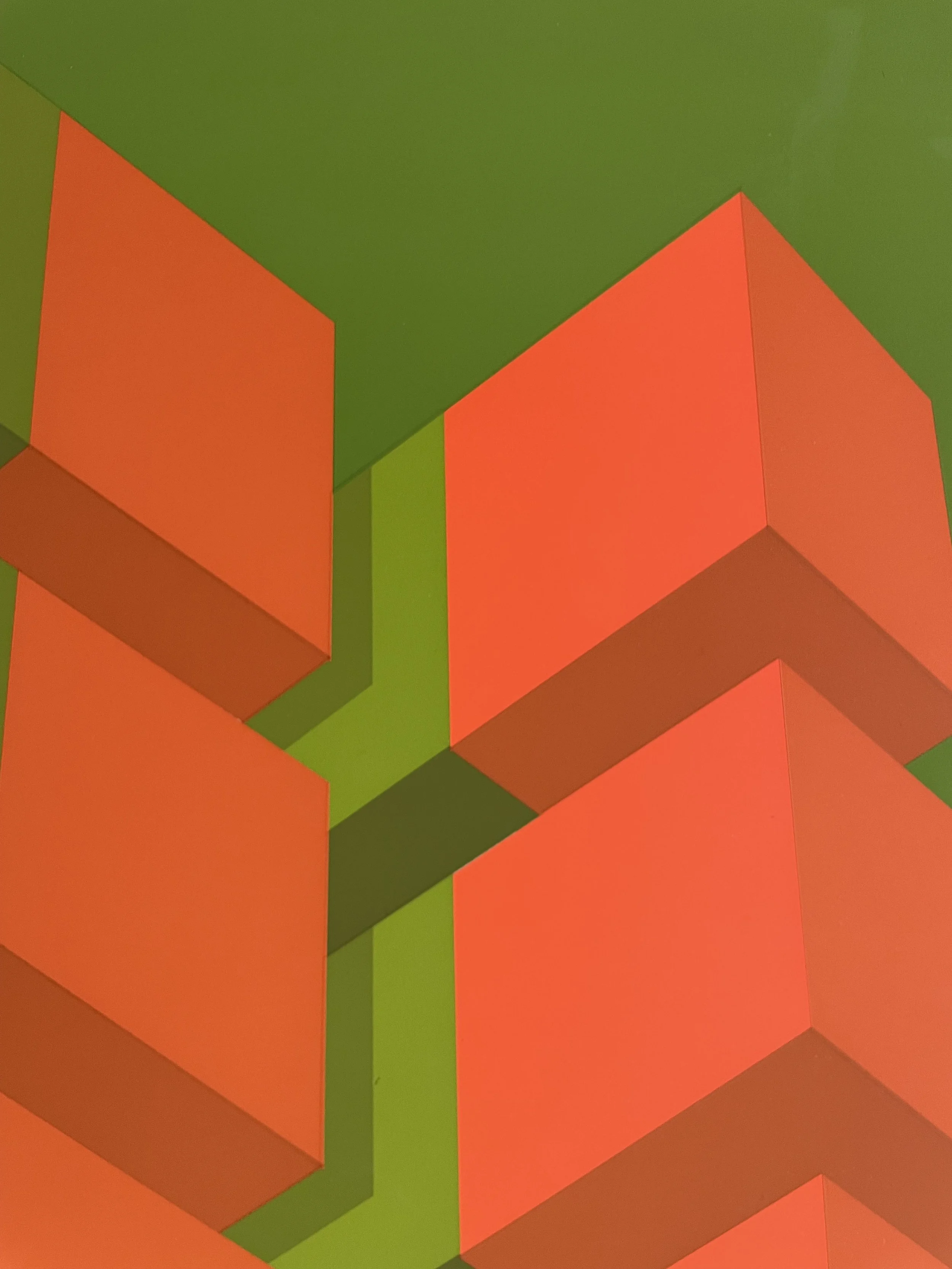 Image 5 of 8
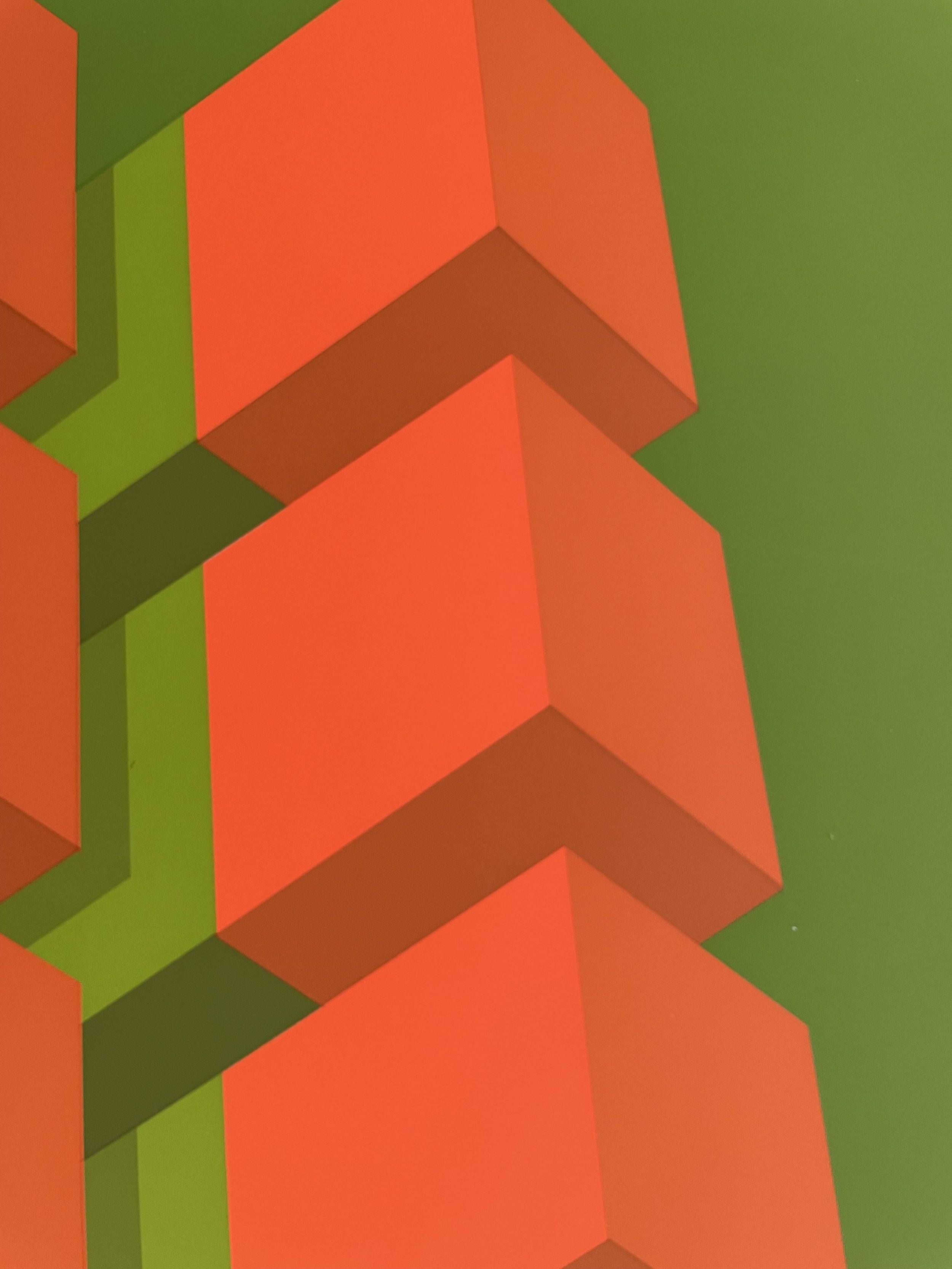 Image 6 of 8
 Image 7 of 8
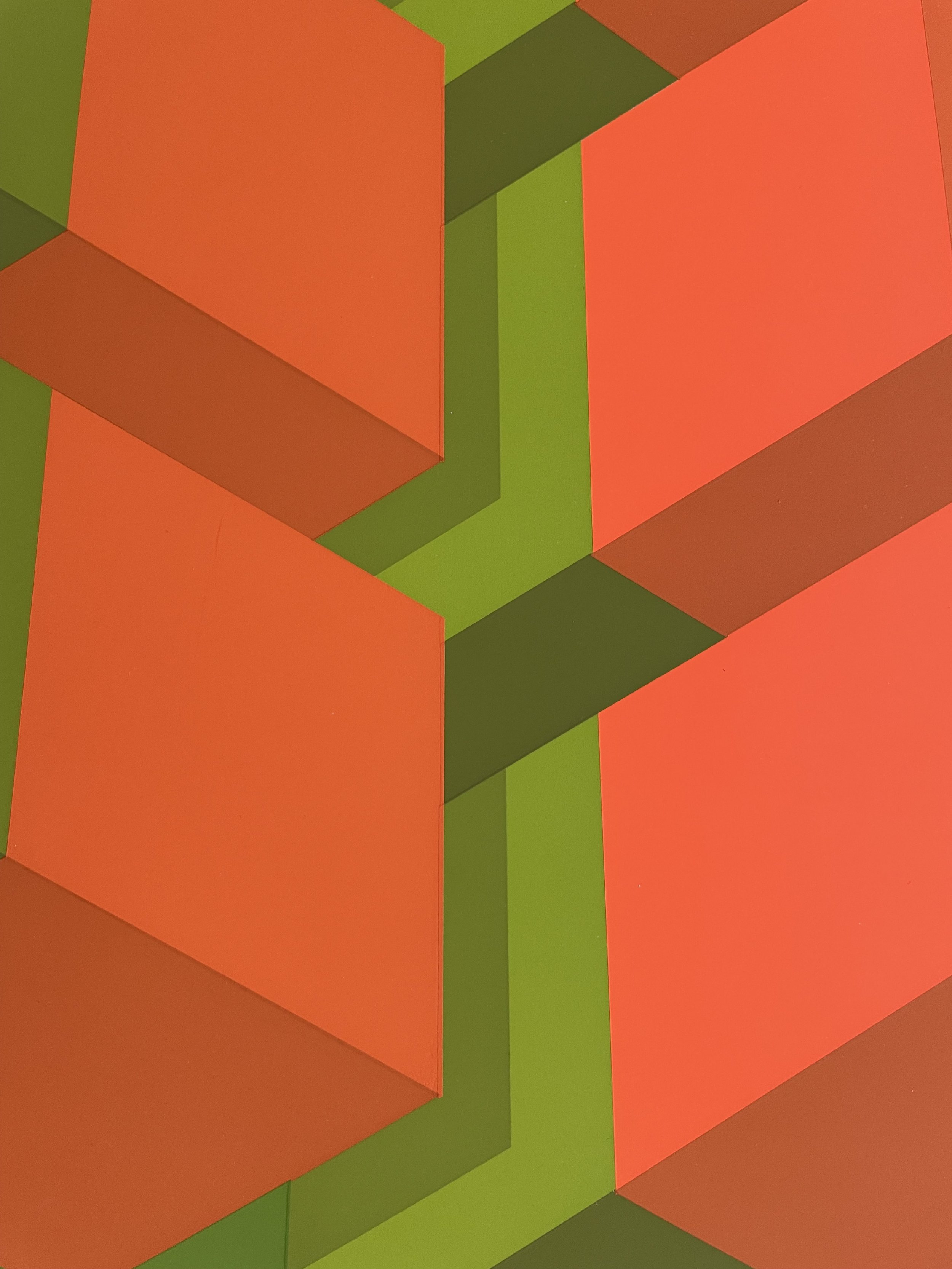 Image 8 of 8
1945 Born in Zagreb, Croatia
1963 Immigrated to United States
1968 B.S. in Art, University of Wisconsin — Madison
1971 M.F.A., University of Wisconsin — Madison
STATEMENT
"My work represents a continuous involvement with abstract geometric forms defined by careful manipulation of color and light. The relationship between form and color within the pictorial field demands a visually symbiotic presence. The challenge revolves around the selection of a form as a vehicle for color, as well as choosing appropriate color and light for that form. This interplay creates a primary spatial illusion, along with secondary effects. I find that precisely defined areas of color, when placed against each other, compete for dominance. This activity, when further accentuated by tonal structure, produces multiple levels of perception. A given area of uniformly applied pigment loses its flat character through simultaneous contrast with the surrounding colors. In many cases, the positive and negative spaces within the field become interchangeable. In more complex paintings, when the substructure is a series of repetitive modules, the color-light interplay reveals its polyphonic character.
In general, my compositions remain formal and symmetrical in order to be set in motion by unexpected mutations of color and light. In some cases, the careful placement of small areas of saturated color against a backdrop of transitional grays creates an illusion of suspended particles. There is no doubt that in these images in particular, my sense of color and light is subconsciously influenced and sustained by many years of scuba diving in the waters of the Adriatic Sea and the Caribbean. I am intrigued by the relativity of color and by the mystery of light, and I am constantly challenged to explore their potentials. Every painting becomes a self-imposed visual problem, subjectively resolved in search of an objective truth."
___
PERMANENT COLLECTIONS
Musée d'Art Moderne — Paris, France
Museum of Modern Art — New York, New York
Tate Gallery — London, England
Bibliothèque National — Paris, France
Victoria & Albert Museum — London, England
Library of Congress — Washington, D.C.
Museum of Contemporary Art — Chicago, Illinois
Metropolitan Museum — Manila, Philippines
Philadelphia Museum of Art — Philadelphia, Pennsylvania
The Butler Institute of American Art — Youngstown, Ohio
Museum of Modern Art — Belgrade, Yugoslavia
Milwaukee Art Museum — Milwaukee, Wisconsin
The Brooklyn Museum — Brooklyn, New York
Lessing J. Rosenwald Collection — Philadelphia, Pennsylvania
Cleveland Museum of Art — Cleveland, Ohio
Elvehjem Museum of Art — Madison, Wisconsin
Akron Art Institute — Akron, Ohio
Museum of Modern Art — Novi Sad, Yugoslavia
Madison Art Center — Madison, Wisconsin
New York Public Library — New York, New York
Oklahoma Art Center — Oklahoma City, Oklahoma
Masur Museum of Art — Monroe, Louisiana
National Arts Club — New York, New York
Albrecht Museum — St. Joseph, Missouri
Billings Art Center — Billings, Montana
National & University Library — Zagreb, Croatia
Rochester Museum of Art — Rochester, New York
Museum of Modern Art — Ljubljana, Slovenia
___
ONE-MAN EXHIBITIONS
1970 Akron Art Institute — Akron, Ohio
1970 Fairweather Hardin Gallery — Chicago, Illinois
1970 Jane Haslem Gallery — Madison, Wisconsin
1971 Madison Art Center — Madison, Wisconsin
1971 Suzanne Kohn Gallery — St. Paul, Minnesota
1971 University of Iowa — Iowa City, Iowa
1971 Galerie Lahumière — Paris, France
1972 Fairweather Hardin Gallery — Chicago, Illinois
1972 Landry-Bonino Gallery — New York, New York
1972 S.C. Gallery — Zagreb, Croatia
1972 Gallery IlI — Montreal, Québec
1972 Daedalus I — Detroit, Michigan
1973 Mathis Gallery — Racine, Wisconsin
1973 Galerie Lahumière — Paris, France
1973 Galerie Regards — Paris, France
1973 University of Wisconsin — Madison, Wisconsin
1974 Galeria Bonino — New York, New York
1974 Habatat Gallery — Dearborn, Michigan
1975 Albrecht Museum — St. Joseph, Missouri
1975 Osprey Gallery — Rochester, New York
1975 Gallery "6" — Wichita, Kansas
1975 National Arts Club — New York, New York
1975 Devorzan Gallery — Los Angeles, California
1975 Fairweather Hardin Gallery — Chicago, Illinois
1975 Studio One — Beirut, Lebanon
1976 Heritage Gallery — Oklahoma City, Oklahoma
1976 Janus Gallery — Washington, D.C.
1976 Thomas Word Gallery — Edina, Minnesota
1976 The Gallery — Tampa, Florida
1976 Creative Gallery — Seattle, Washington
1976 G. McCleaf Gallery — Philadelphia, Pennsylvania
1976 Editions — Houston, Texas
1977 Madison Art Center — Madison, Wisconsin
1977 Fanny Garver Gallery — Madison, Wisconsin
1978 Source Gallery — San Francisco, California
1978 Dee Erlien Gallery — Milwaukee, Wisconsin
1980 Gilman Galleries — Chicago, lllinois
1981 Posner Gallery — Milwaukee, Wisconsin
1981 Seuferer Chosy Gallery — Madison, Wisconsin
1983 Gallery 200 — Columbus, Ohio
1984 Galeria La Feluca — Rome, Italy
1984 Posner Gallery — Milwaukee, Wisconsin
1984 Galeria Labirint — Ljubljana, Slovenia
1985 Swearingen Gallery — Louisville, Kentucky
1985 Gallery 200 — Columbus, Ohio
1985 Horace Williams House — Chapel Hill, North Carolina
1985 Jane Haslem Gallery — Washington, D.C.
1986 Rodin Gallery — St. Louis, Missouri
1987 Reece Gallery — New York, New York
1987 Grace Chosy Gallery — Madison, Wisconsin
1988 Posner Gallery — Milwaukee, Wisconsin
1988 Horace Williams House — Chapel Hill, North Carolina
1989 National & University Library — Zagreb, Croatia
1989 Denis Conley Gallery — Akron, Ohio
1990 Syd Entel Gallery — Tampa, Florida
1990 Cumberland Gallery — Nashville, Tennessee
1991 Mangel Gallery — Philadelphia, Pennsylvania
1992 Denis Conley Gallery — Akron, Ohlo
1994 Editions Limited Gallery — lndianapolis, Indiana
1995 The Butler Institute of American Art — Youngstown, Ohio
1997 DeLind Fine Art Gallery — Milwaukee, Wisconsin
1999 Uzelac Gallery — Pontiac, Michigan
1999 DeLind Fine Art Gallery — Milwaukee, Wisconsin
2000 Denis Conley Gallery — Akron, Ohio
2000 Metropolitan Art — Dodgeville, Wisconsin
2001 Atelier Gallery — Madison, New Jersey
2002 DeLind Fine Art Gallery — Milwaukee, Wisconsin
2003 Croatian Academy of Art — Zagreb, Croatia
2004 Denis Conley Gallery — Akron, Ohio
2004 Fairfield Art Museum — Sturgeon Bay, Wisconsin
2004 Reece Galleries — New York, New York
___
SELECTED GROUP EXHIBITIONS
1967 "9th Annual National Exhibition of Prints and Drawings" — Oklahoma Art Center — Oklahoma City, Oklahoma (also 1968)
1968 "American Graphic Workshops Exhibition" — Cincinnati Art Museum — Cincinnati, Ohio
1968 "34th Wisconsin Salon of Art" — University of Wisconsin — Madison, Wisconsin (also 1969, 1971)
1969 "The Local Scene" — Deson-Zaks Gallery — Chicago, Illinois
1969 Jane Haslem Gallery — Washington, D.C.
1969 "American Prints — World War lI to the Present" — The Brooklyn Museum — Brooklyn, New York
1969 Madison Art Center — Madison, Wisconsin
1969 Lincoln Memorial Art Center — Milwaukee, Wisconsin
1969 "Northwest Printmakers 40th International Exhibition" — Seattle Art Museum — Seattle, Washington (also 1970)
1970 World's Fair — Osaka, Japan
1970 "Seven Wisconsin Printmakers" — Suzanne Kohn Gallery — Minneapolis, Minnesota
1970 "American Prints Today" — Munson-Williams-Proctor Institute — Utica, New York
1970 "17th National Print Exhibition" — The Brooklyn Museum — Brooklyn, New York
1970 "New Talent in Printmaking" — Associated American Artists Gallery — New York, New York
1970 Phoenix Gallery — Berkeley, California
1970 "National Print and Drawing Exhibition" — Western Illinois University — Macomb, Illinois
1970 "8th National Print Show" — Silvermine Guild of Artists — New Canaan, Connecticut
1970 "6th National Print and Drawing Competition" — Dulin Gallery of Art — Knoxville, Tennessee (also 1971)
1970 "2nd Annual National Print Exhibition" — San Diego State College — San Diego, California (also 1971)
1971 Habatat Gallery — Dearborn, Michigan
1971 Galeria Bonino — New York, New York (also 1973)
1971 "22nd National Exhibition of Prints" — Library of Congress — Washington, D.C.
1971 "1st Hawaii National Print Exhibition" — Honolulu Academy of Arts — Honolulu, Hawaii
1971 "1st Annual National Print Exhibition" — Georgia State University Gallery — Atlanta, Georgia (also 1972)
1972 "Yugoslav Graphics 1965-72" — Museum of Modern Art — Belgrade, Yugoslavia
1972 Fanny Garver Gallery — Madison, Wisconsin
1972 "7th Annual Exhibition of Yugoslav Graphic Art" — Zagreb,Croatia (also 1976, 1982, 1986, 1988)
1972 "3rd International Print Biennale" — Paris, France
1972 "3rd British International Print Biennale" — Bradford City Art Gallery — Bradford, England (also 1974)
1972 Galerie — Paris, France (also 1973)
1973 "Printmakers Midwest Invitational" — Walker Art Center — Minneapolis, Minnesota
1974 Galeria Bonino — Caracas, Venezuela
1974 "1st International Biennale" — Segovia, Spain (also 1976)
1975 Milwaukee Art Center — Milwaukee, Wisconsin
1975 "Exhibition and Symposium of Prints and Printmakers" — University of South Dakota Fine Arts Center — Vermilion, South Dakota
1976 Fanny Garver Gallery — Madison, Wisconsin
1976 Galerie Cimaise — Bourg en Bresse, France
1977 "12th International Graphic Biennale" — Museum of Modern Art — Ljubljana, Slovenia (also 1979, 1983)
1978 "Wisconsin Biennale" — Madison Art Center — Madison, Wisconsin (also 1980)
1978 "A Larger View" — Boulder Art Center — Boulder, Colorado
1978 "Three Abstract Painters" — Mary Bell Gallery — Chicago, Illinois
1980 Mary Bell Gallery — Chicago, Illinois (also 1981)
1981 Milwaukee Art Museum — Milwaukee, Wisconsin
1982 Contemporary Limited Editions — Safety Harbor, Florida
1982 Gallery 200 — Columbus, Ohio (also 1986, 1992)
1984 Olympic Museum — Sarajevo, Bosnia
1985 Jane Haslem Gallery — Washington, D.C.
1987 "Wisconsin Directions" — Milwaukee Art Museum — Milwaukee, Wisconsin (also 1989)
1989 "World Biennale of Croatian Art" — Toronto, Canada
1989 Malton Gallery — Cincinnati, Ohio
1990 "20th Anniversary Exhibition" — Gallery 200 — Columbus, Ohio
1991 Basel International Art Fair — Basel, Switzerland
1992 Cumberland Gallery — Nashville, Tennessee
1992 Meissner Gallery — Hamburg, Germany
1994 DeLind Fine Art Gallery — Milwaukee, Wisconsin
1994 "The Print Club of Cleveland: 1969-94" — Cleveland Museum of Art — Cleveland, Ohio
1994 "58th National Midyear Exhibition" — The Butler Institute of American Art — Youngstown, Ohio
1998 "150 Years of Wisconsin Printmaking" — Elvehjem Museum of Art — Madison, Wisconsin
1998 "Joe Wilfer: Acquisitions for the Permanent Collection" — Madison Art Center — Madison, Wisconsin
1999 "20th Anniversary Show" — Cumberland Gallery — Nashville, Tennessee
2000 "Small Packages" — Cumberland Gallery — Nashville, Tennessee
2000 "20th Anniversary Show" — Ben Mangel Gallery — Philadelphia, Pennsylvania
2001 "Progressive Printmakers: Wisconsin Artists and the Print Renaissance" — Elvehjem Museum of Art, Madison, Wisconsin
2002 "Small Packages" — Cumberland Gallery — Nashville, Tennessee
2003 Corbino Gallery — Sarasota, Florida
2004 Reece Galleries — New York, New York
2004 Habatat Gallery — Boca Raton, Florida
2004 Longstreth Goldberg Art Gallery — Naples, Florida
2004 Milward Farrell Fine Art — Madison, Wisconsin
2004 Editions Limited Gallery — Indianapolis, Indiana
2004 DeLind Fine Art Gallery — Milwaukee, Wisconsin
___
SELECTED BIBLIOGRAPHY
Terry Kirkman, "Master Serigrapher ln Montreal," Montreal Star, Montreal, Québec, March 16, 1972
Luce Vermette, "Marko Spalatin," Vie des Arts, Summer 1972
Bogdan Tirnanić, "New Vision in Graphic Art," Politika, Belgrade, Yugoslavia, August 6, 1972
Donna M. Stein, "Interview with Marko Spalatin" (exhibition catalog essay), Landry-Bonino Gallery, New York, New York, August 23, 1972
Josip Škunca, "Variations on Constructive Ideas," Vjesnik, Zagreb, Croatia, October 5, 1972
John Canaday, "Marko Spalatin," New York Times, October 7, 1972
Douglas Crimp, "Marko Spalatin," Art News, November 1972
James Auer, "Spalatin: Alchemist ln Acrylics," Milwaukee Journal, July 6, 1973
Philip Larson, "Printmakers: Midwest Invitational" (exhibition catalog introduction), Walker Art Center, Minneapolis, Minnesota, September 9, 1973
John Newhouse, "Marko Spalatin," Wisconsin State Journal, September 22, 1973
Rosemary Teres, "Spalatin Re‑creates the 'Ideal Form'," Times‑Union, Rochester, New York, June 7, 1975
William Zimmer, "Marko Spalatin," Arts Magazine, April 1976
Gertrude Struck, "Marko Spalatin," Madison Select, January 1977
Dave Wagner, "Spalatin Exhibit Dramatic Show of Artist's Progress," Capital Times, Madison, Wisconsin, January 14, 1977
Thomas Albright, "Marko Spalatin," San Francisco Chronicle, San Francisco, California, May 24, 1978
Joseph Wilfer, "Marko Spalatin: Graphic Work 1968‑1978" (retrospective exhibition catalog introduction), Madison Art Center, Madison, Wisconsin, 1978
Karen Bornstein, "Marko Spalatin," New Art Examiner, Chicago, Illinois, December 1980
James Auer, "Spalatin Show Tingles with Energy," Milwaukee Journal, Milwaukee, Wisconsin, May 24, 1981
Gayle Crum, "Nature's Forms," Capital Times, Madison, Wisconsin, October 9, 1981
Carmen Elsner, "Forms, Underwater Sights Influence Spalatin," Wisconsin State Journal, October 13, 1981
Warrington Colescott, "Wisconsin Prints and Printmakers," Wisconsin Academy Review, March 1983
Jacqueline Hall, "Dazzling Paintings Highlight Show," Columbus Dispatch, Columbus, Ohio, May 29, 1983
Brane Ković, "Spalatin's Nautical Forms" (exhibition catalog essay), Galeria Solkan, Nova Gorica, Slovenia, April 1984
Ervin Y. Rodin, series ed., "Marko Spalatin" (biographical text), Symmetry, István Hargittai, ed., Pergamon Press, Ltd., New York, 1986
Vladimir P. Goss, "Marko Spalatin" (exhibition essay), Horace Williams House, Chapel Hill, North Carolina, May 1988
F. Ross, "Artist AppIies Contemporary Vision…," News of Orange County, HiIlsborough, North Carolina, June 1, 1988
Alexander K. Shiroka, "Horizons '89" (catalog essay), World Biennale of Croatian Art, Toronto/Vancouver/Calgary, Canada, October 1989
Ivan Švertasek, "Marko Spalatin" (retrospective exhibition essay), Nacionalna Biblioteka, Zagreb, Croatia, November 16, 1989
Edward J. Sozanski, "Adherent of Op Art Explores New Angles," Philadelphia Inquirer, Philadelphia, Pennsylvania, April 15, 1991
Dawna Camper, "Marko Spalatin's Dazzling Abstractions," Art Look, Indianapolis, lndiana, Spring 1994
Vladimir P. Goss, "Interview with Marko Spalatin," Hrvatski Obzor, Zagreb, Croatia, July 3, 1995
James Auer, "These Artists, Their Works Are Always in Motion," Milwaukee Journal Sentinel, Milwaukee, Wisconsin, October 20, 1999
James Auer, "Artist Explores Niche in Series of New Paintings," Milwaukee Journal Sentinel, Milwaukee, Wisconsin, May 22, 2002
Lilijana Domić and Vladimir P. Goss, "Marko Spalatin: Prints 1979-2001" (exhibition catalog essays), Croatian Academy of Art, Zagreb, Croatia, June 2003