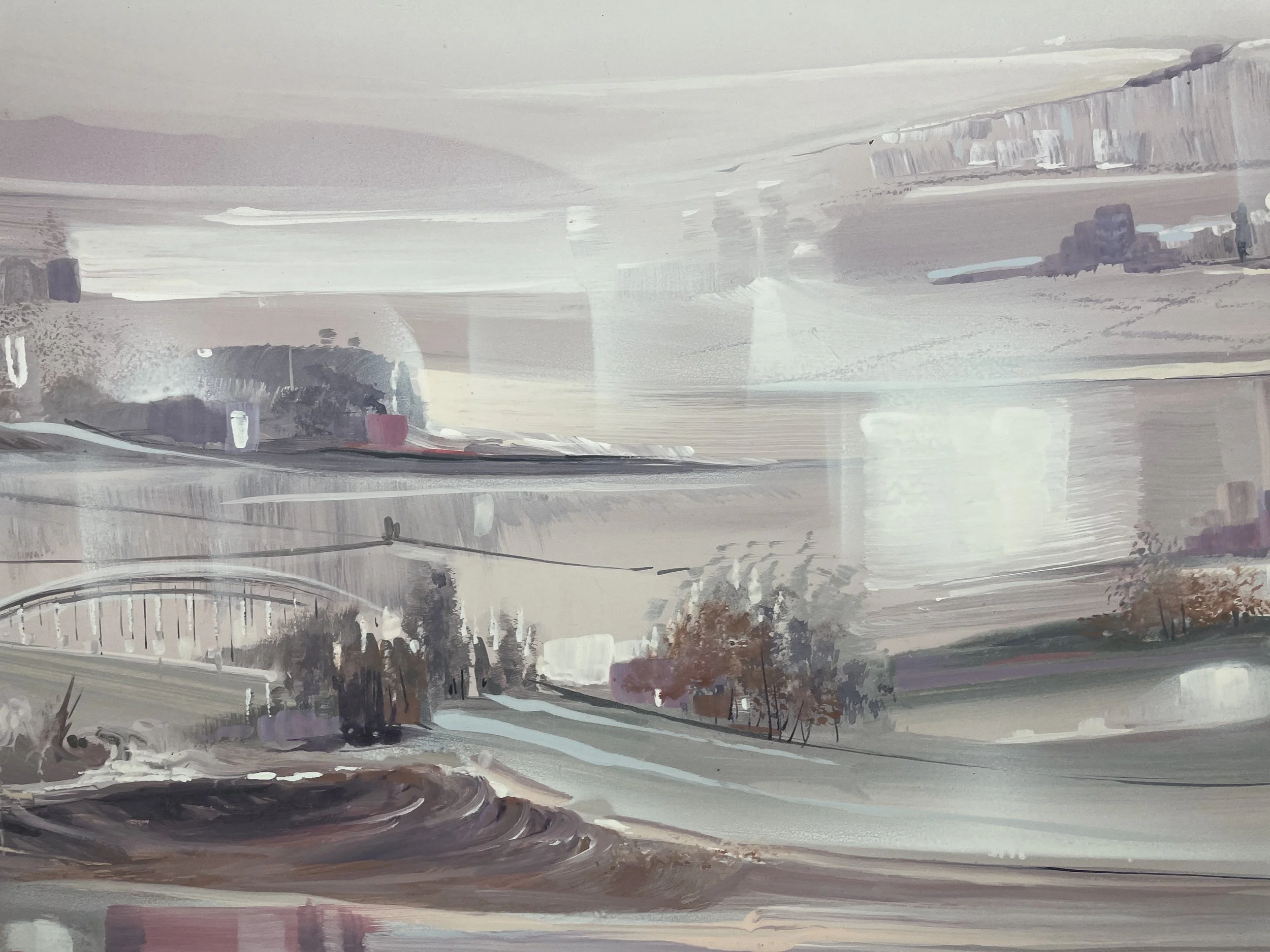
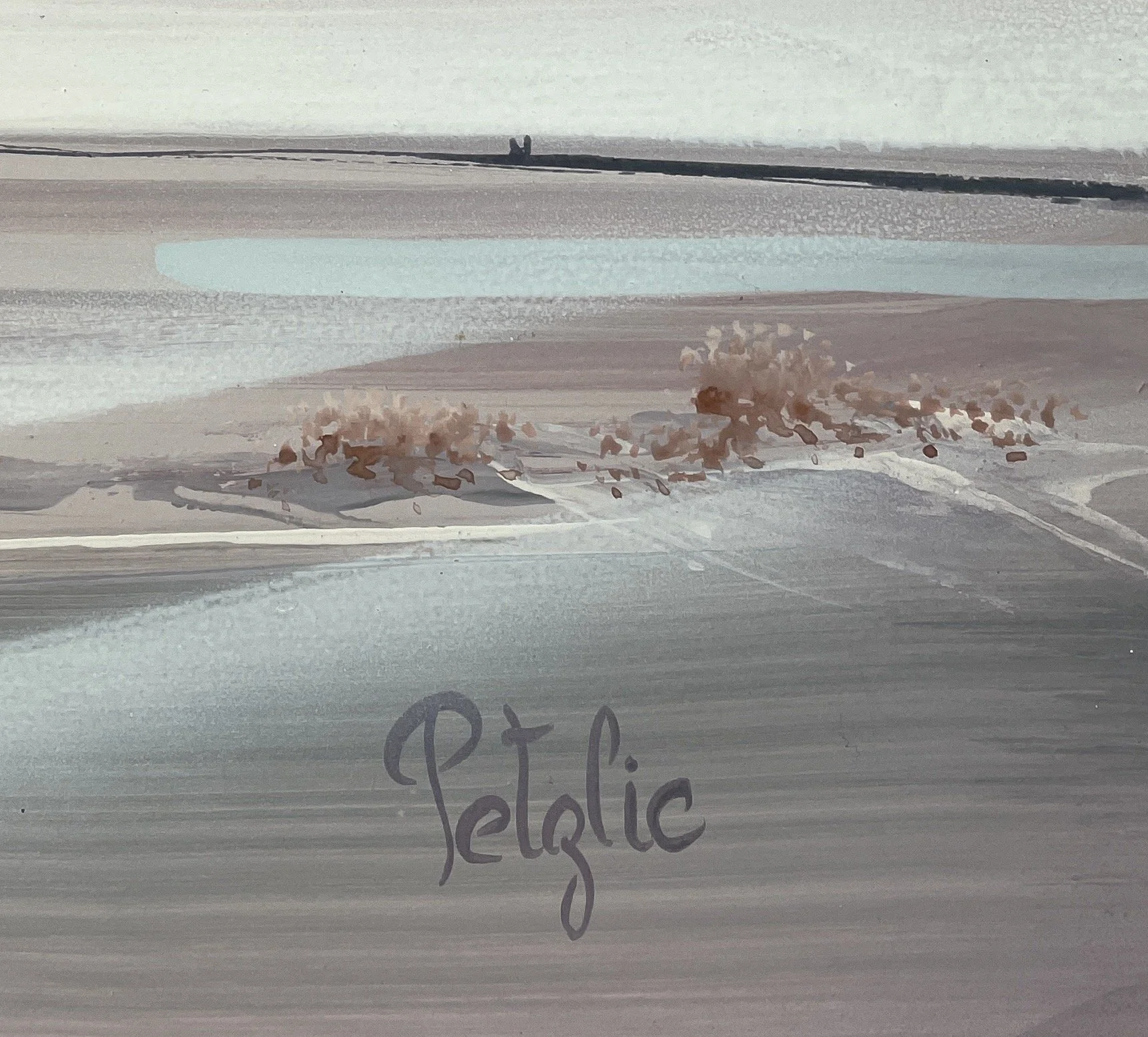
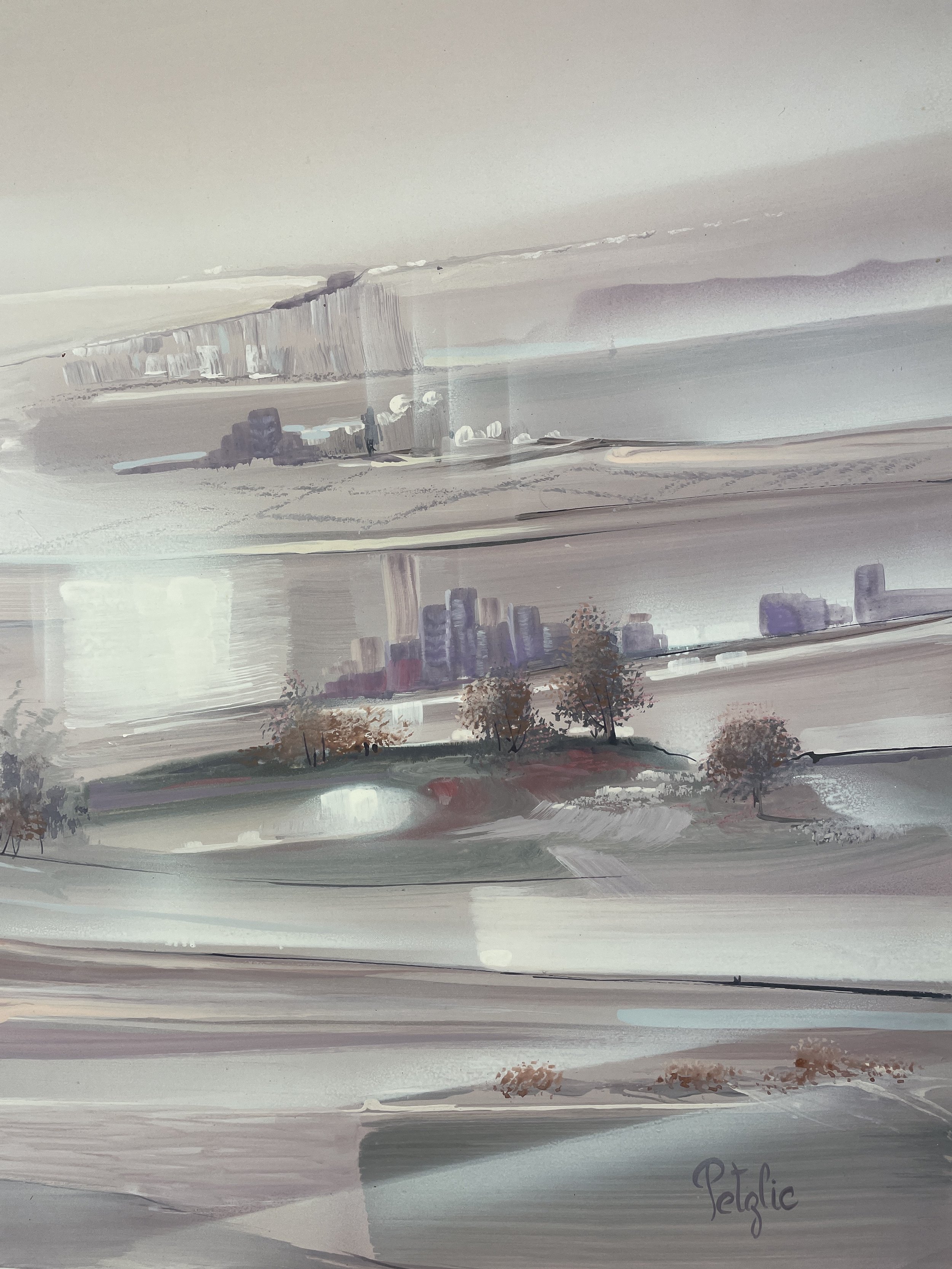
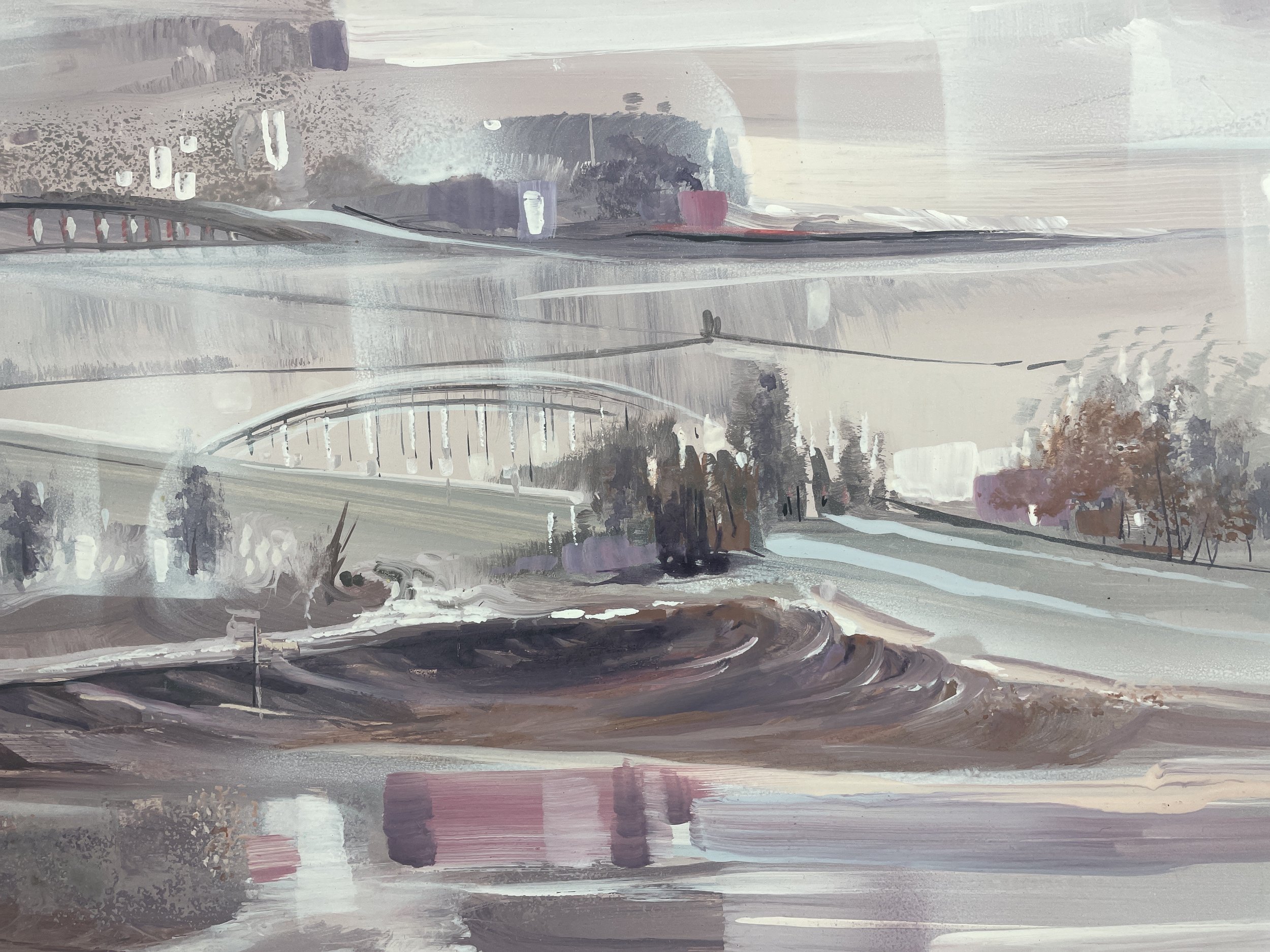
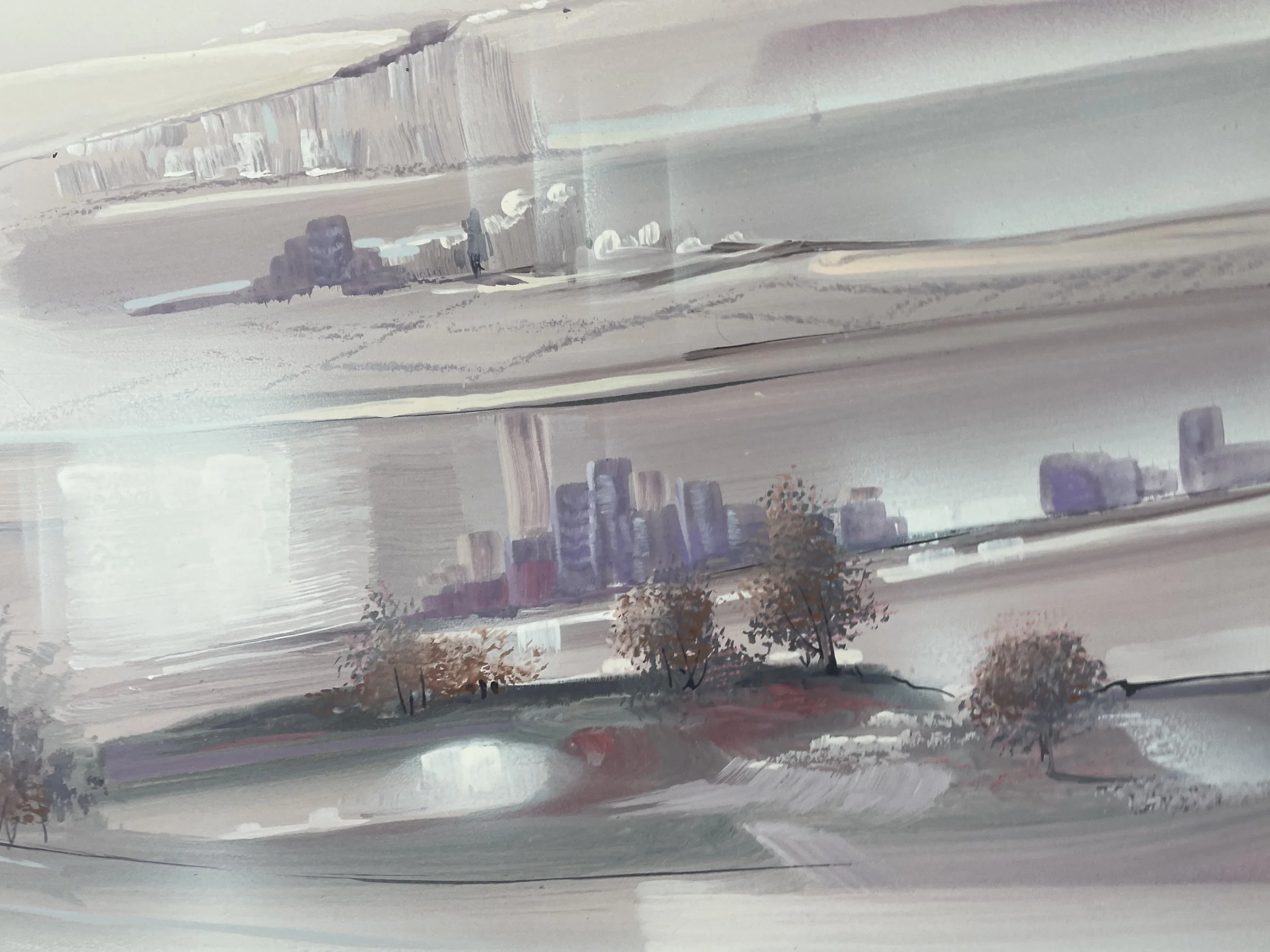
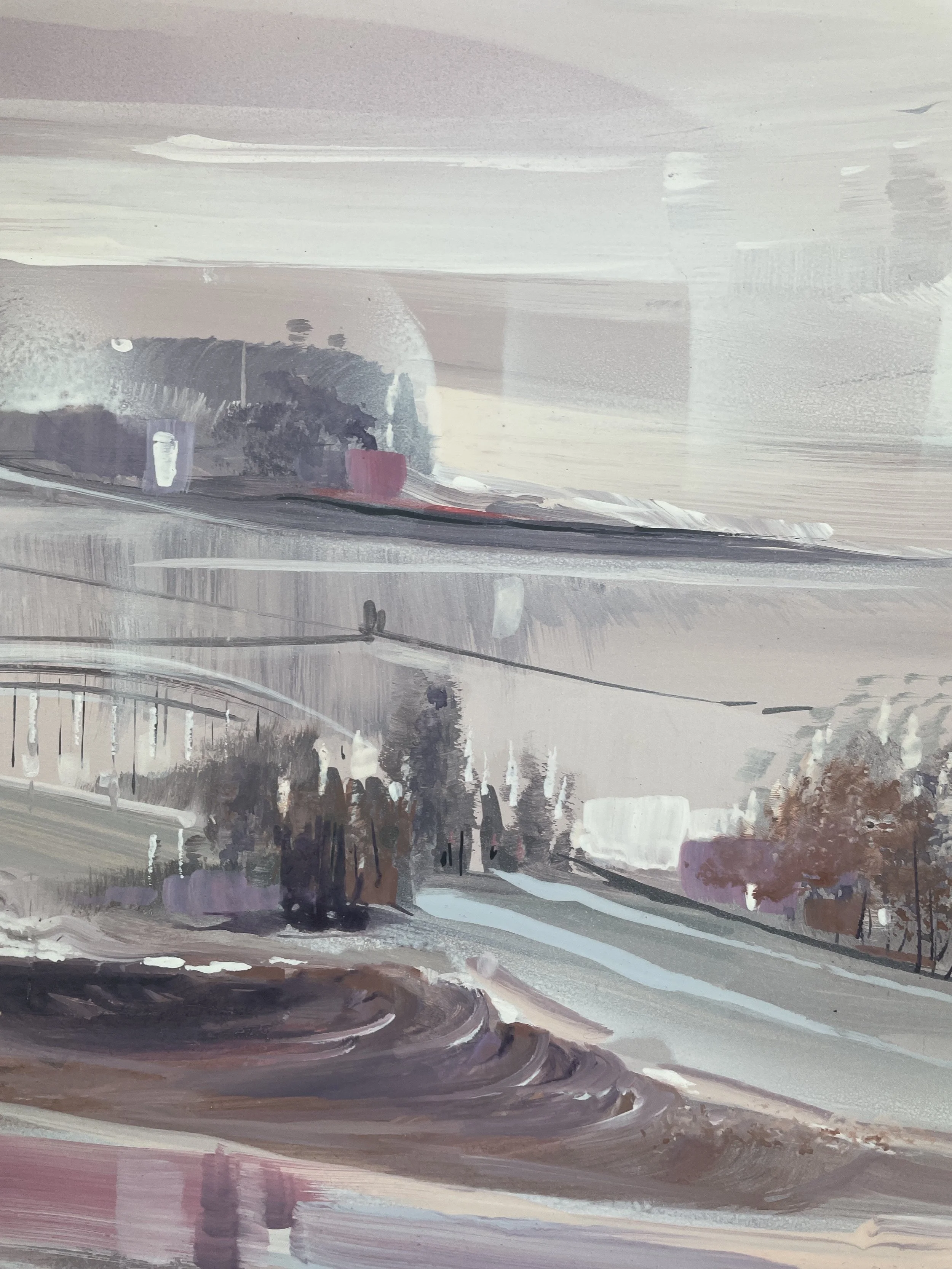
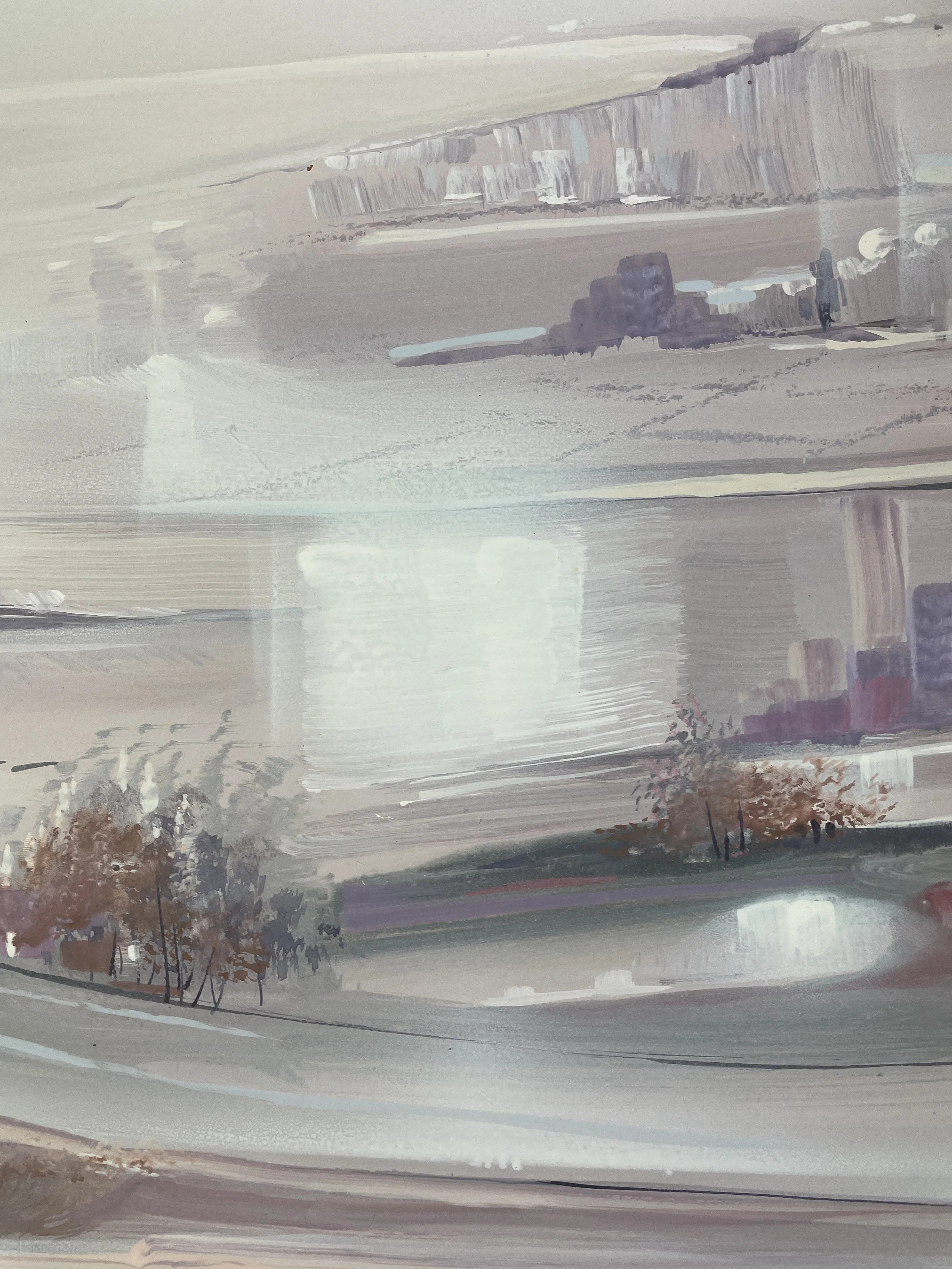
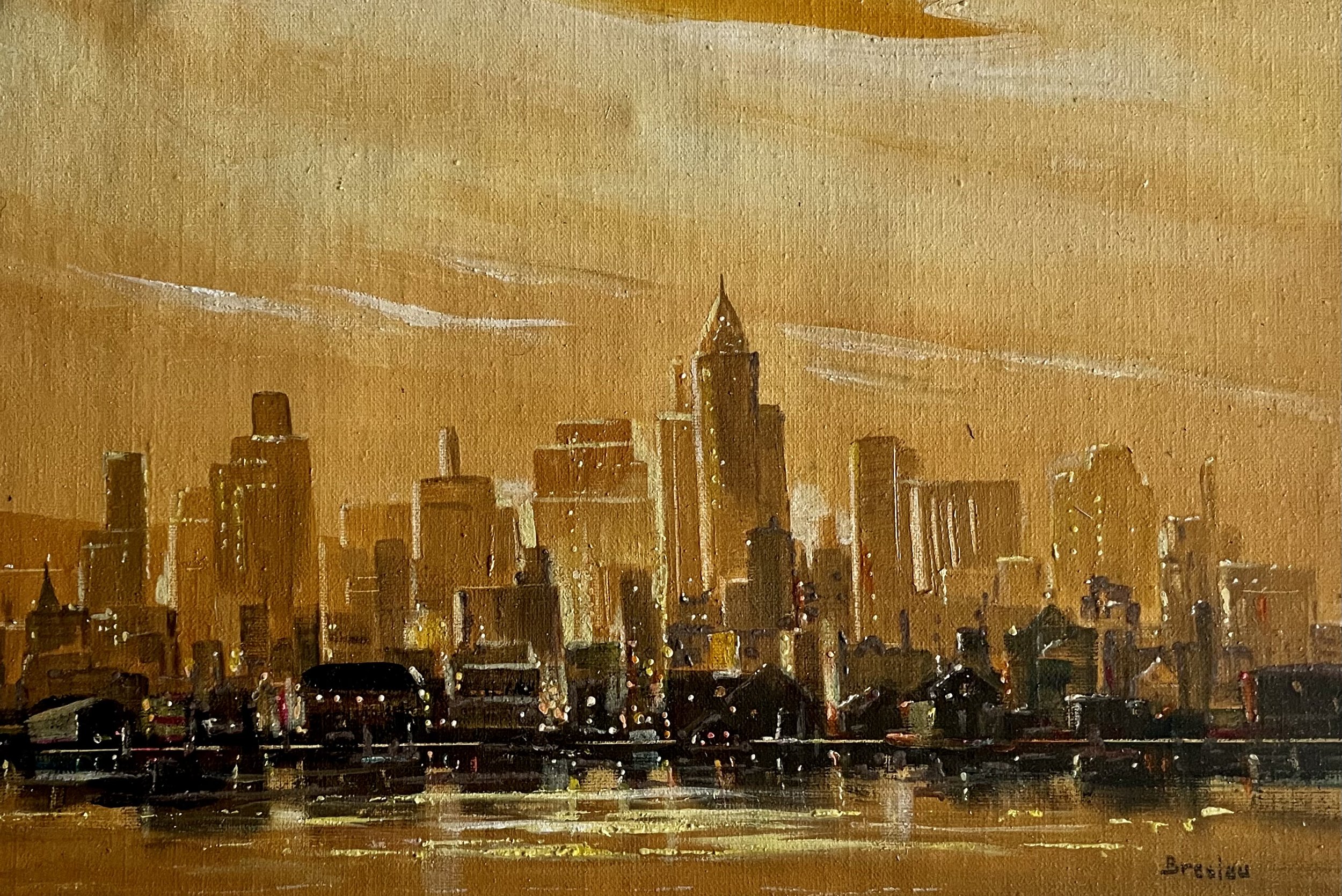
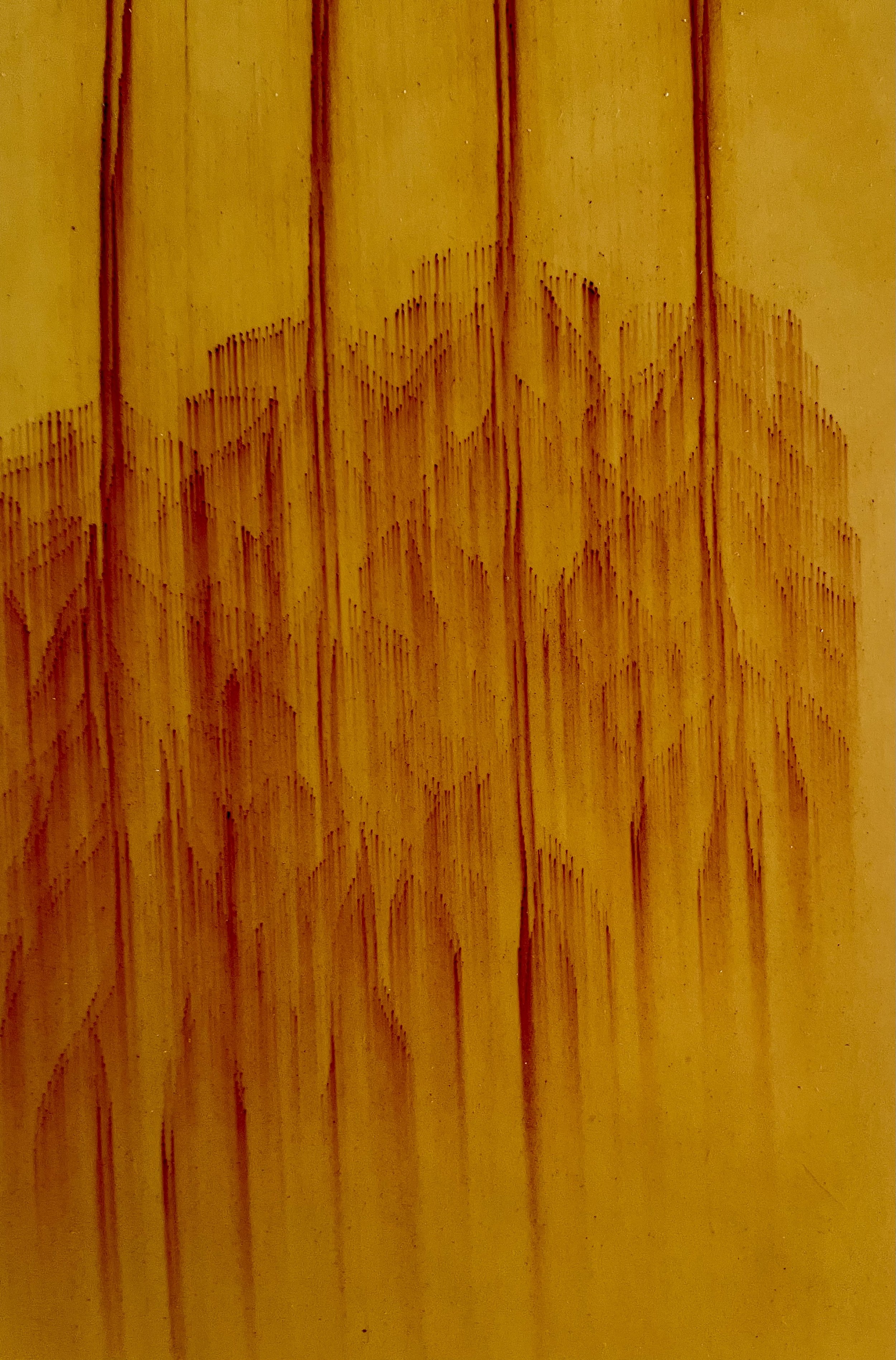
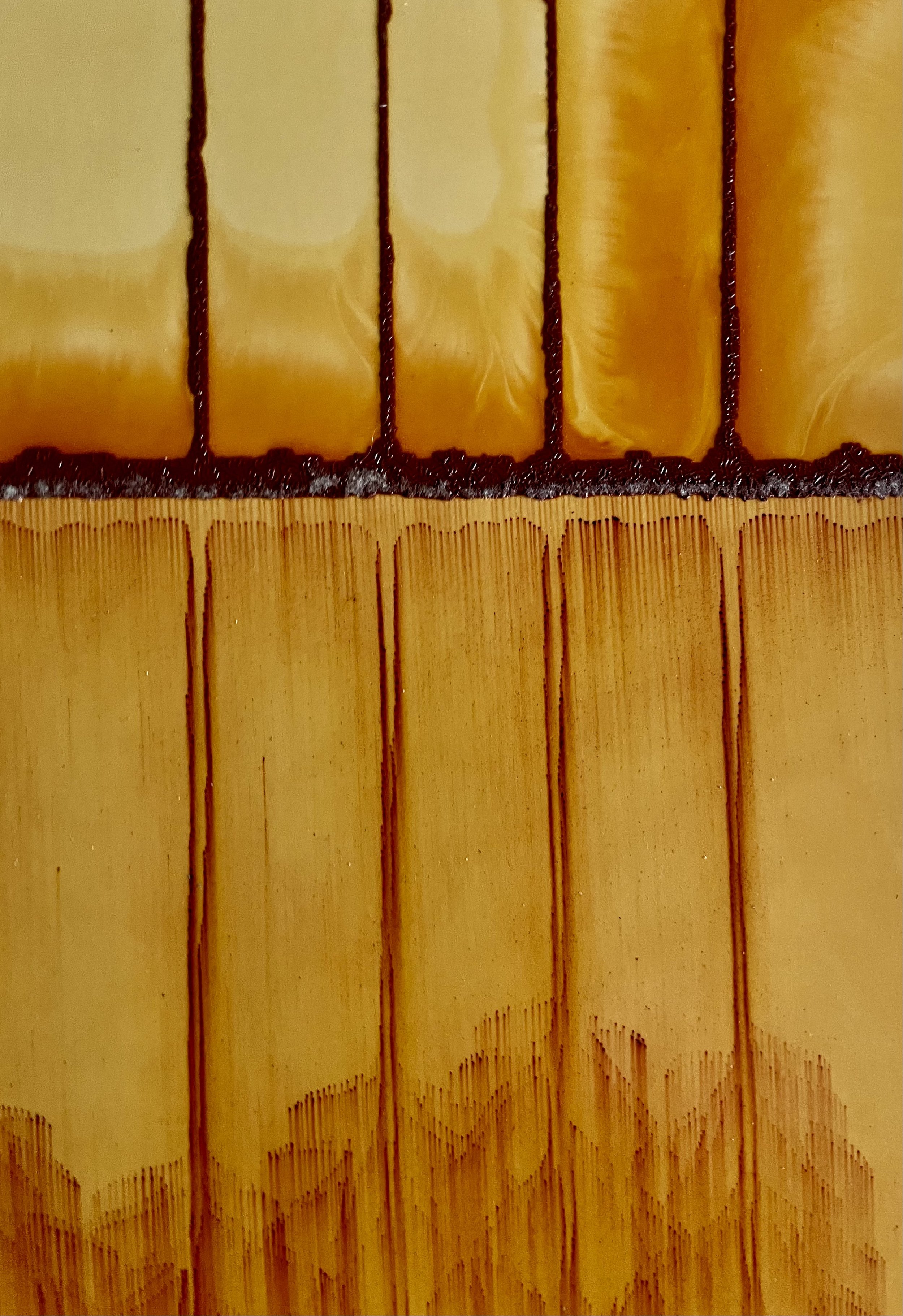
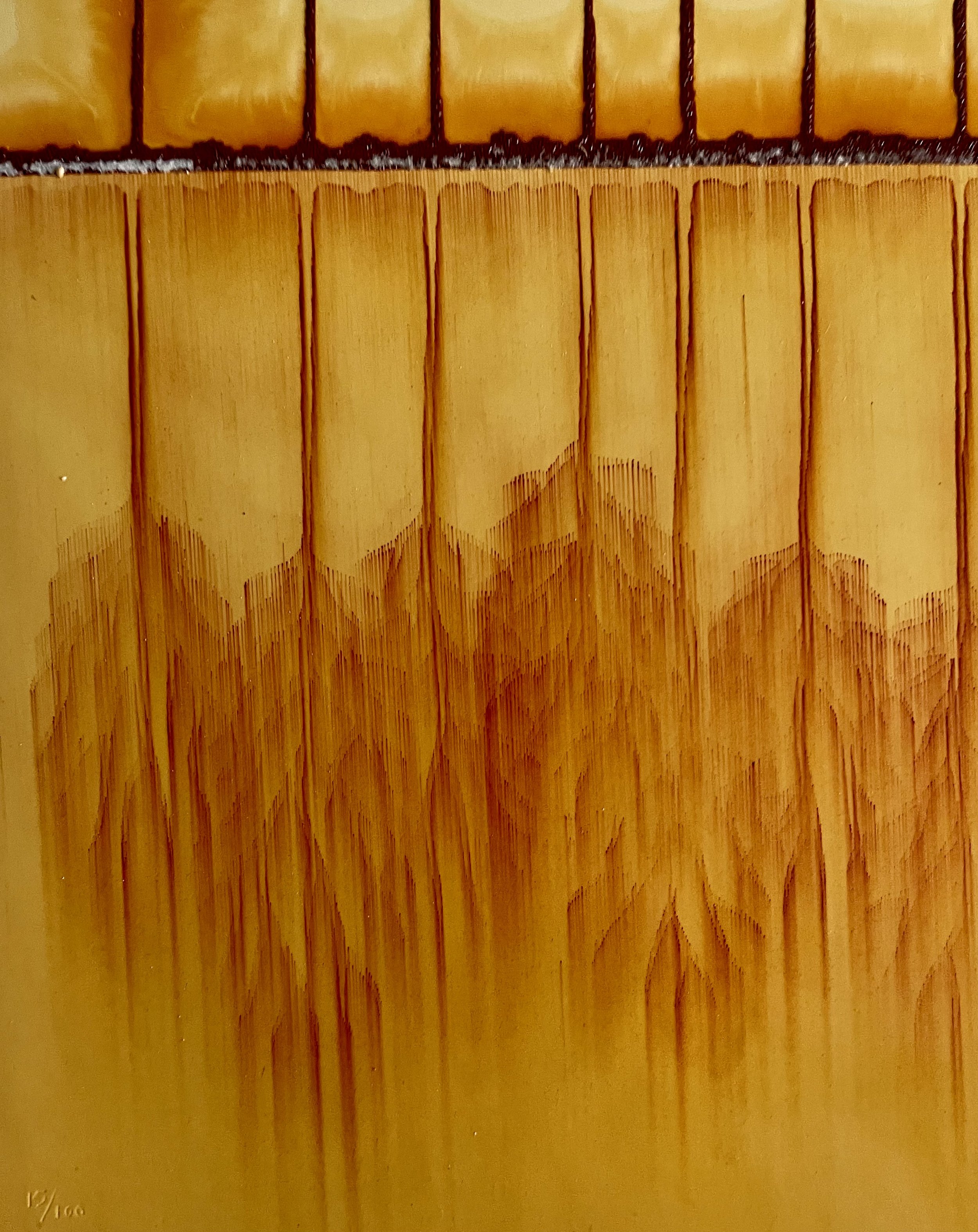
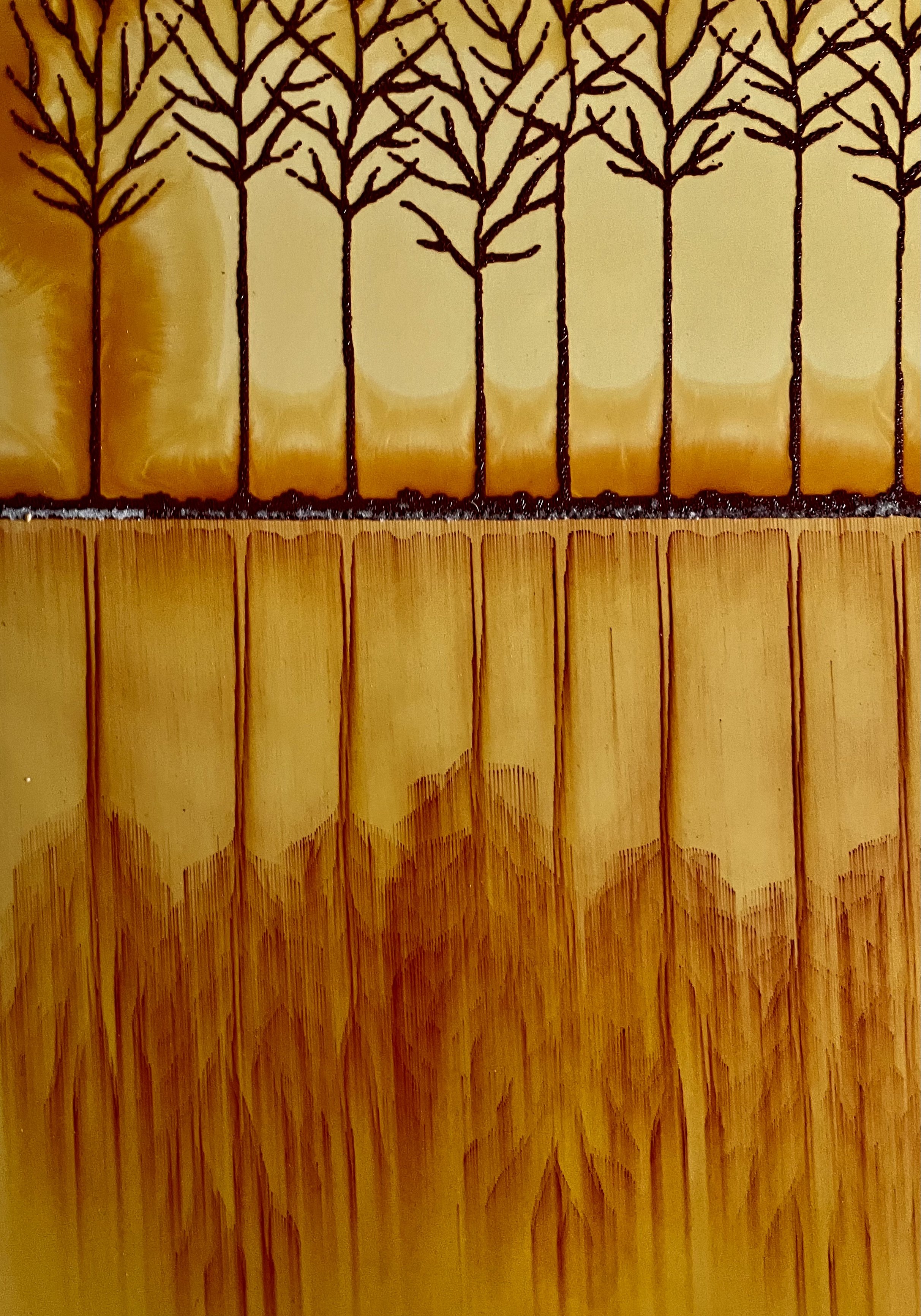
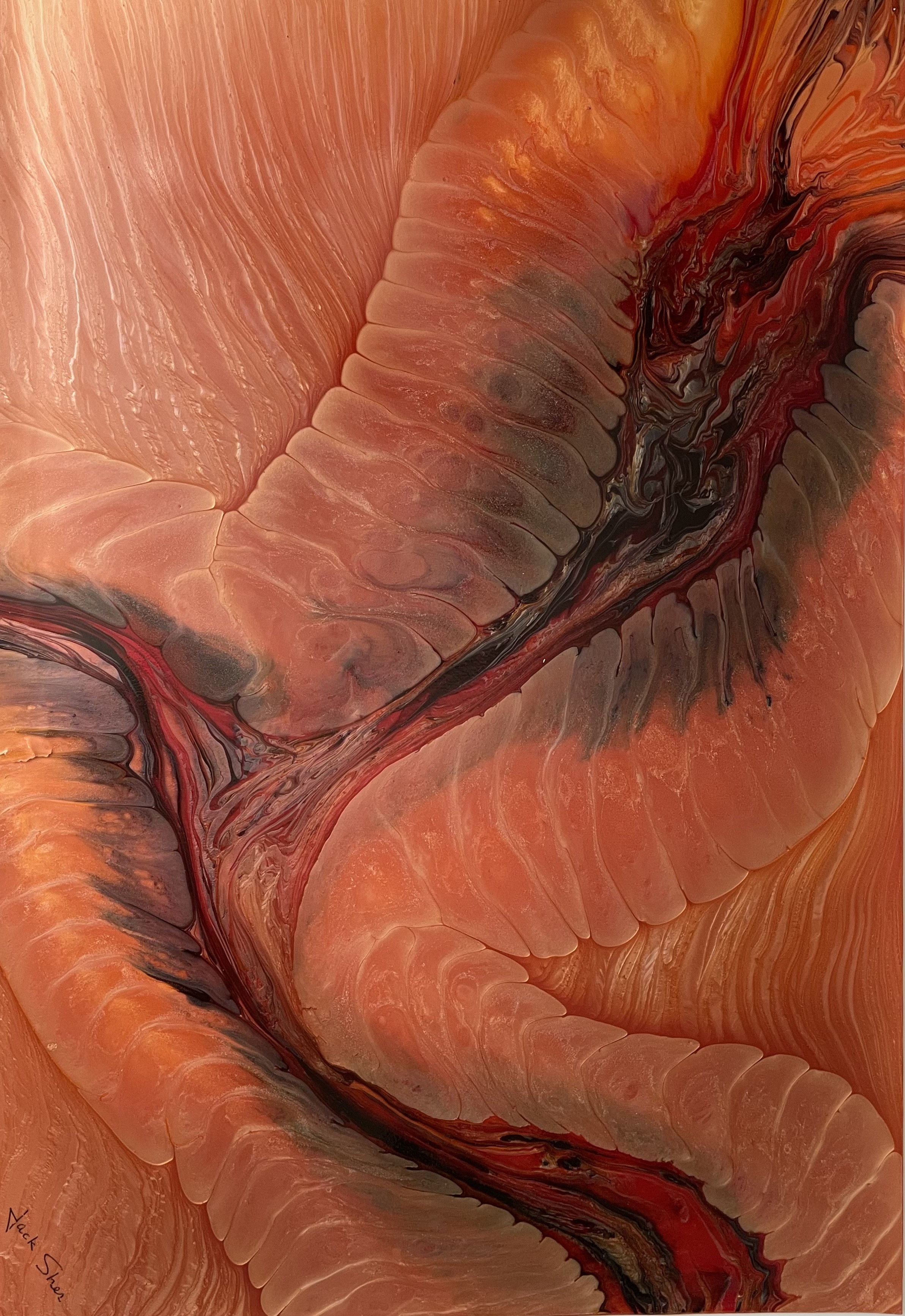
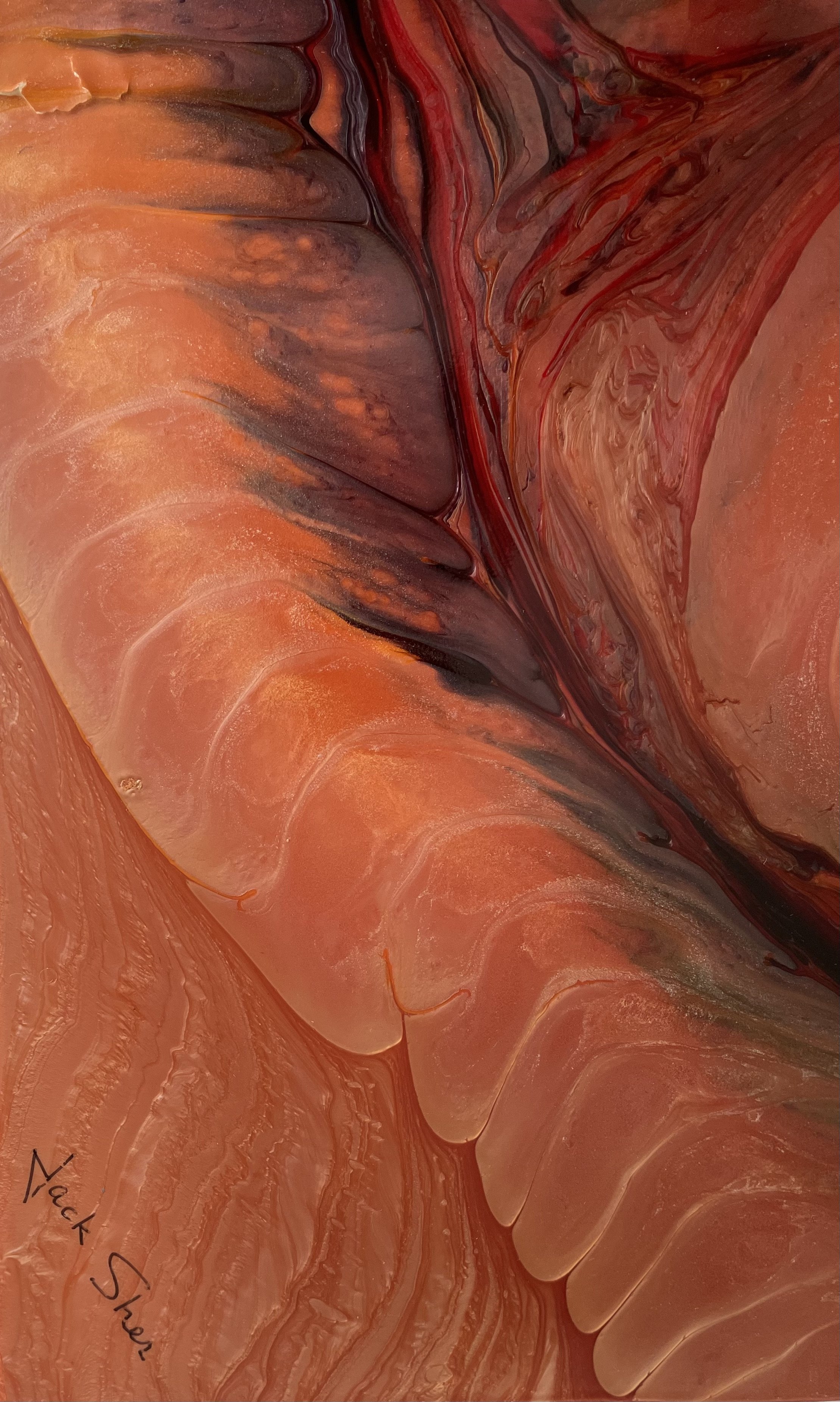
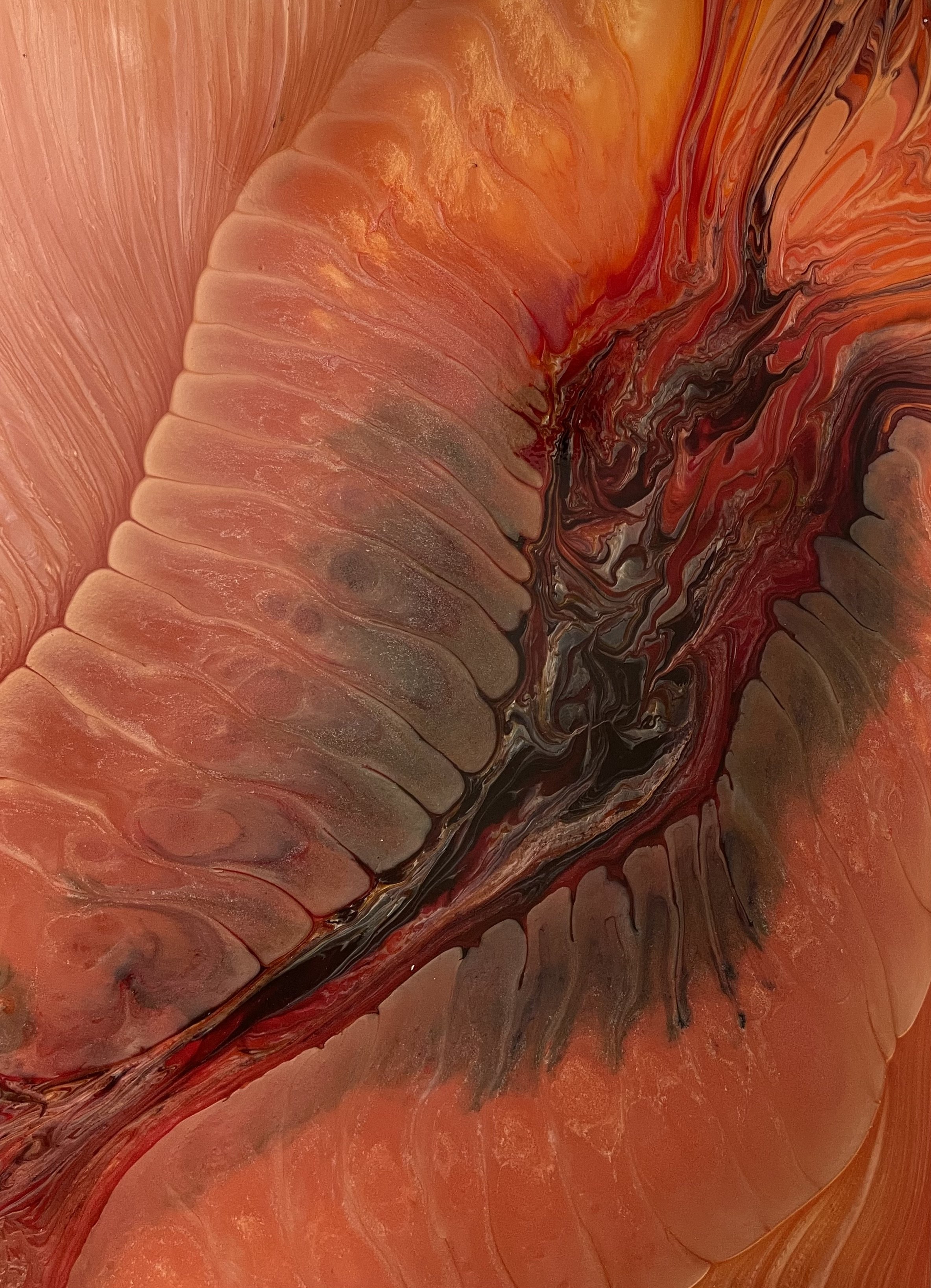
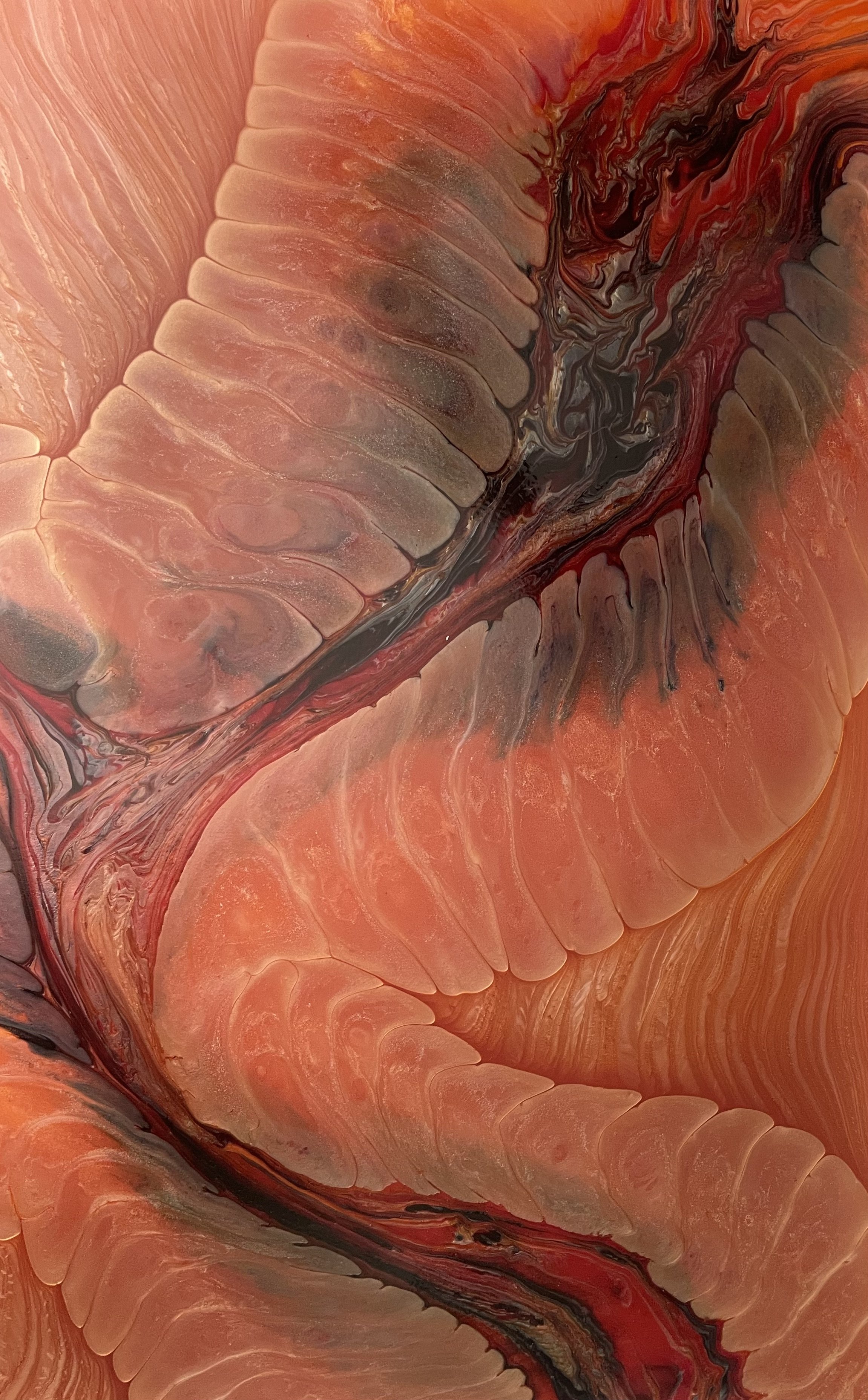
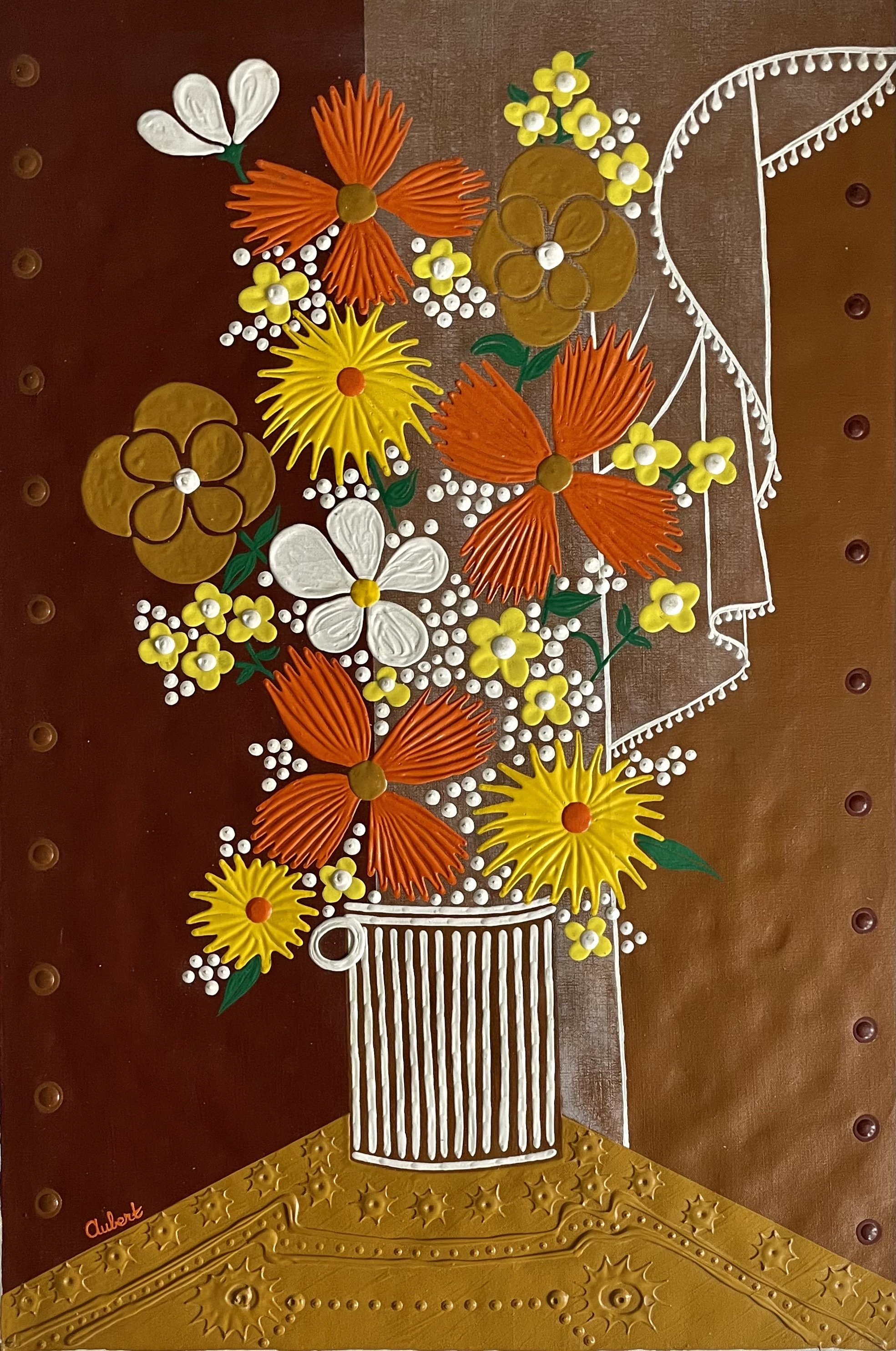
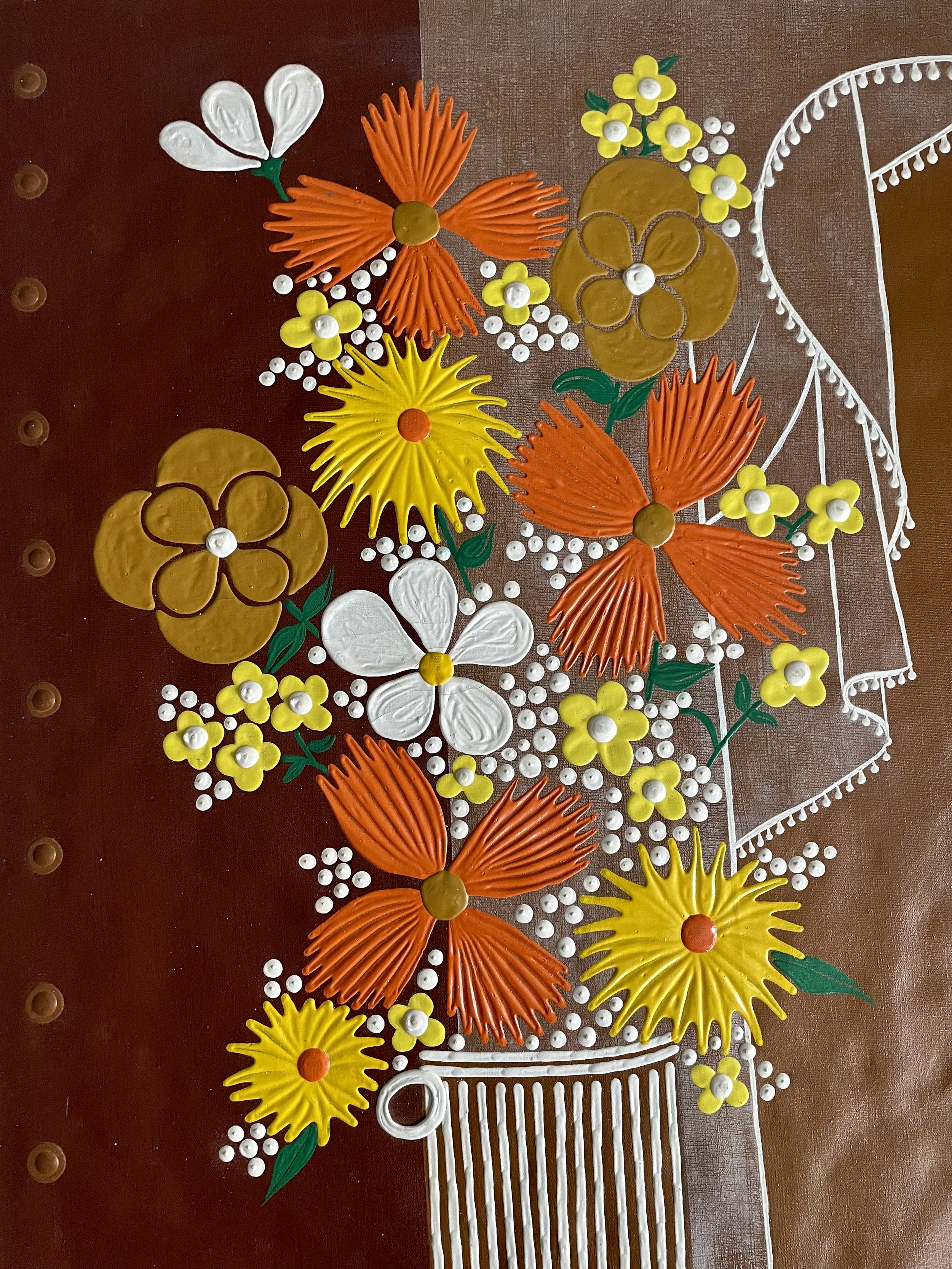
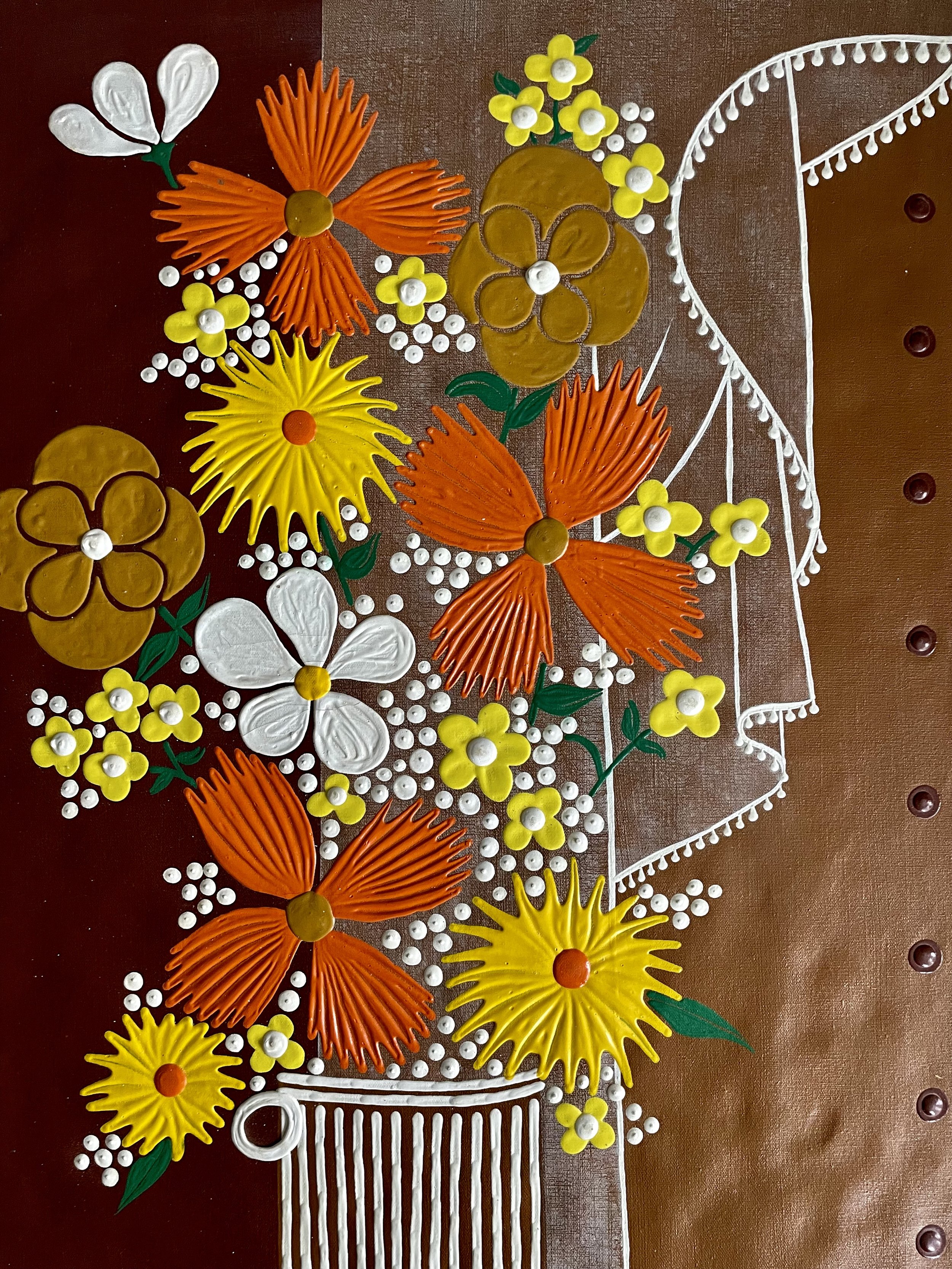
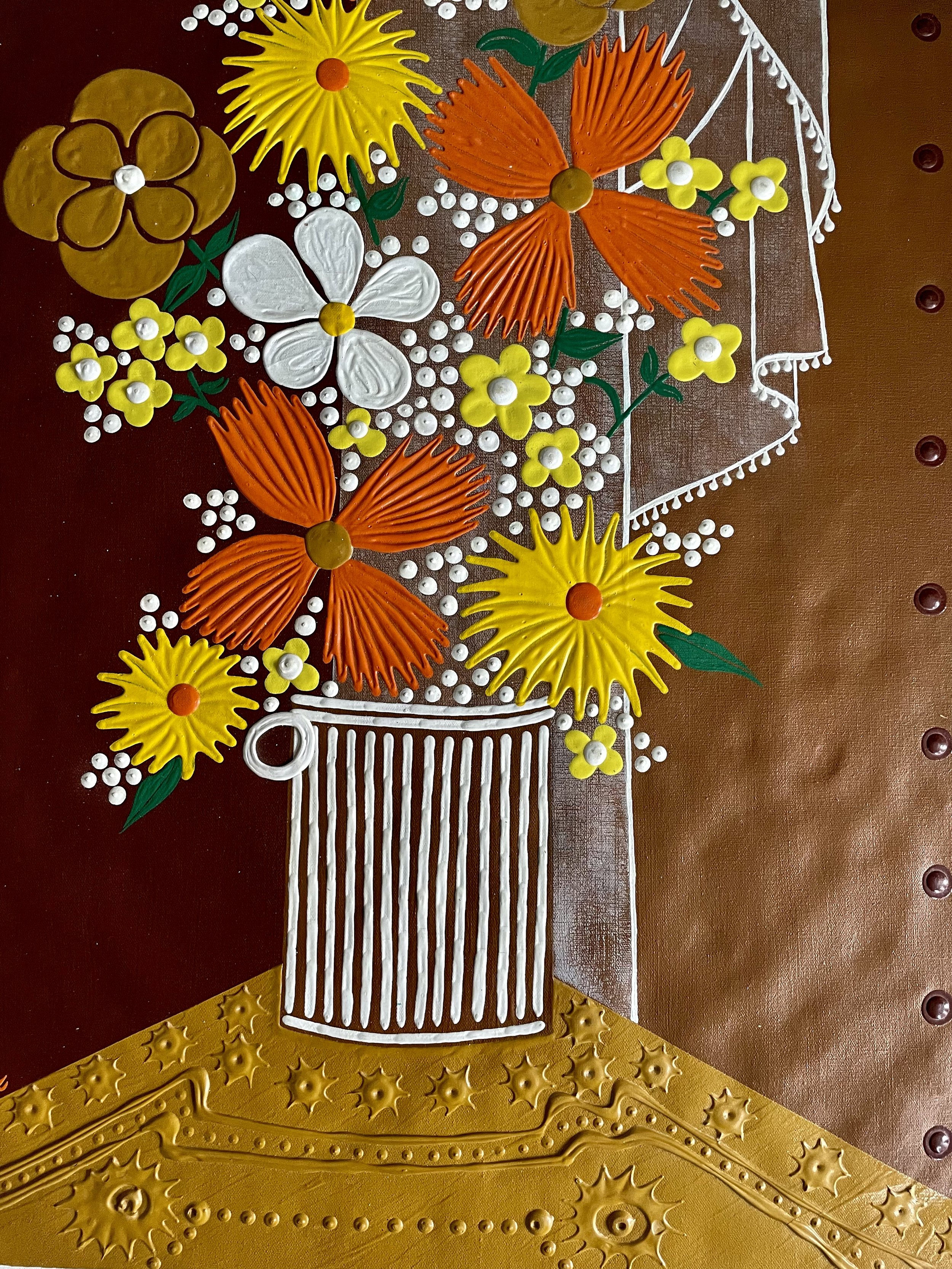
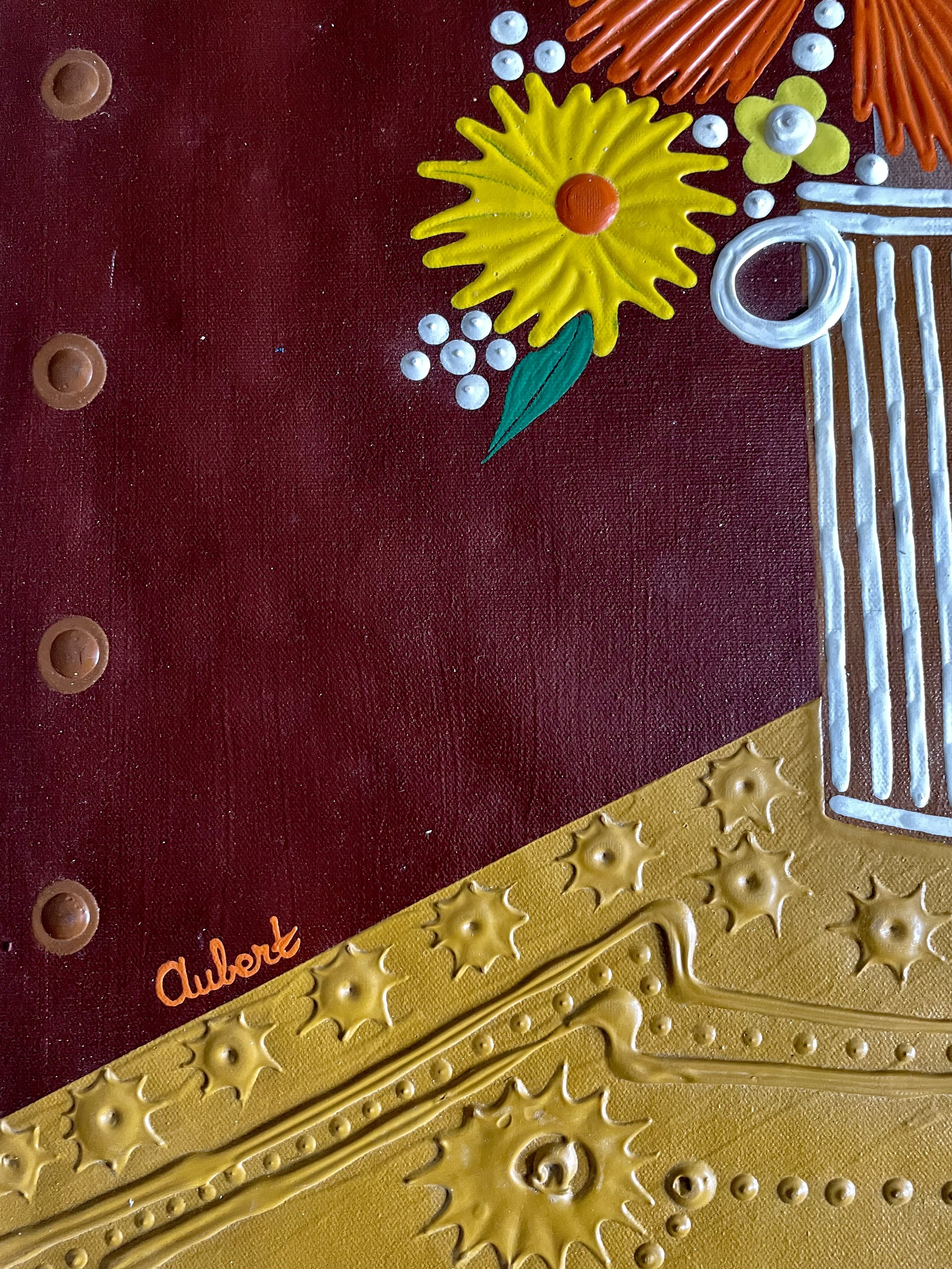
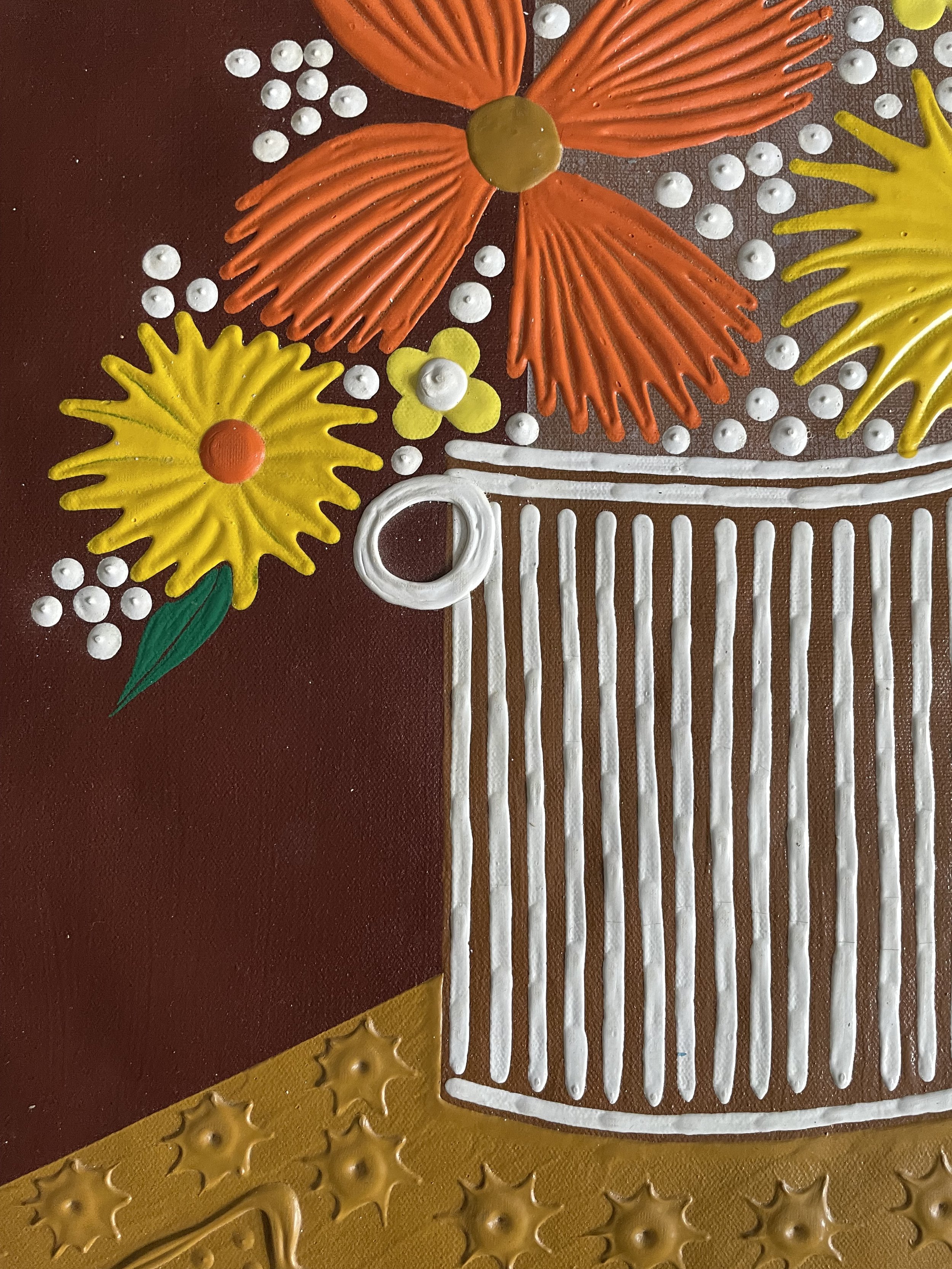
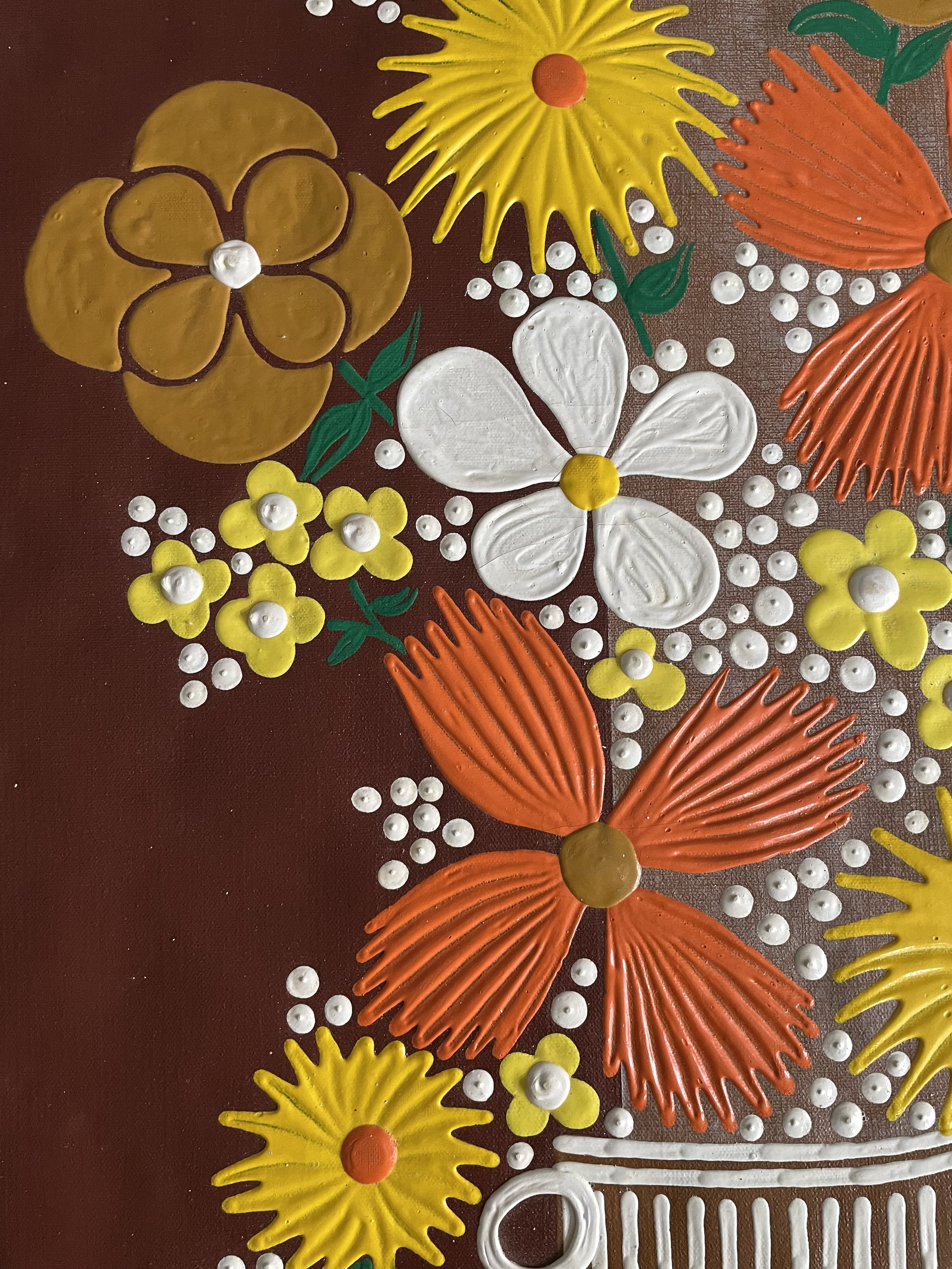
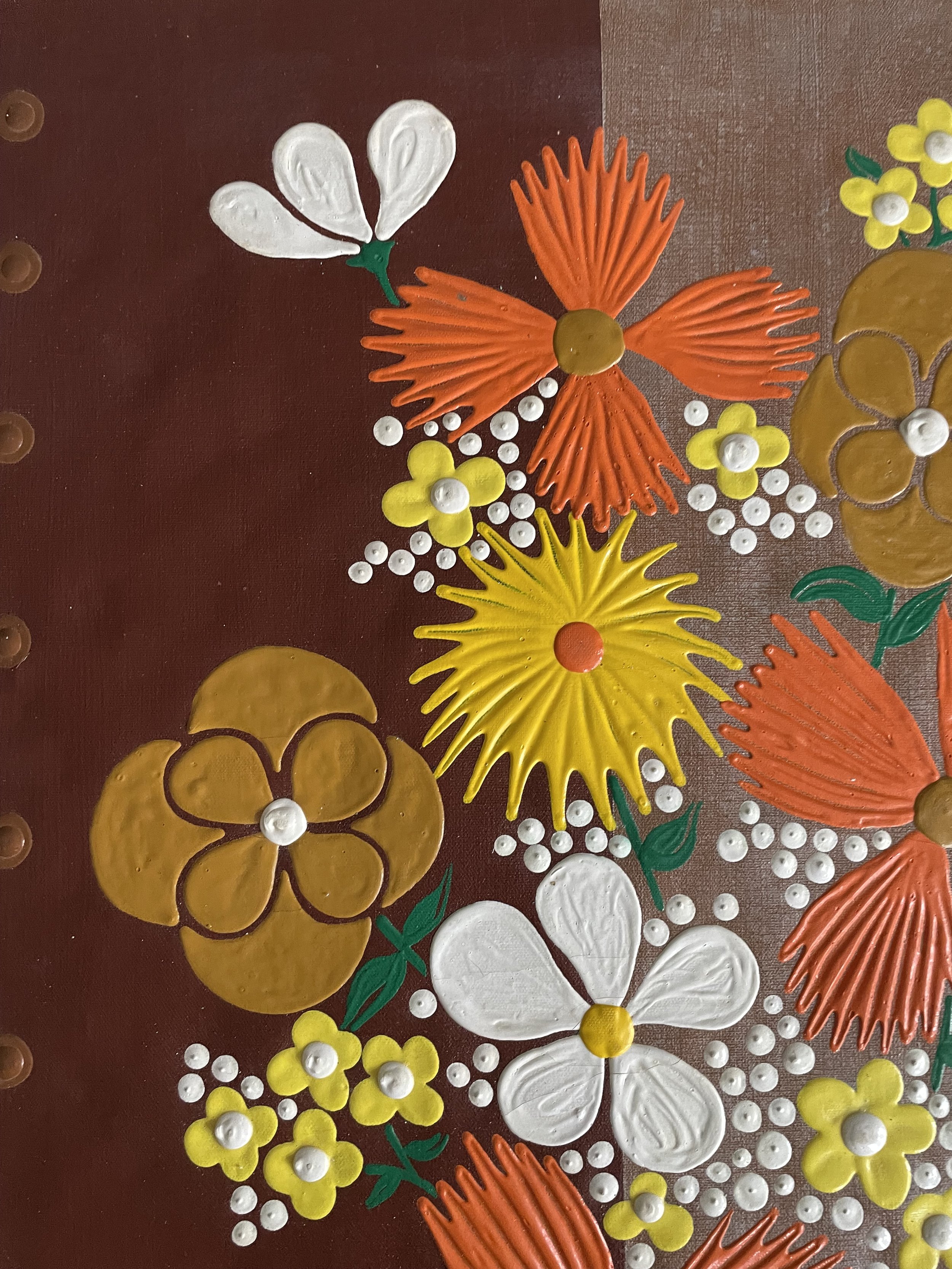
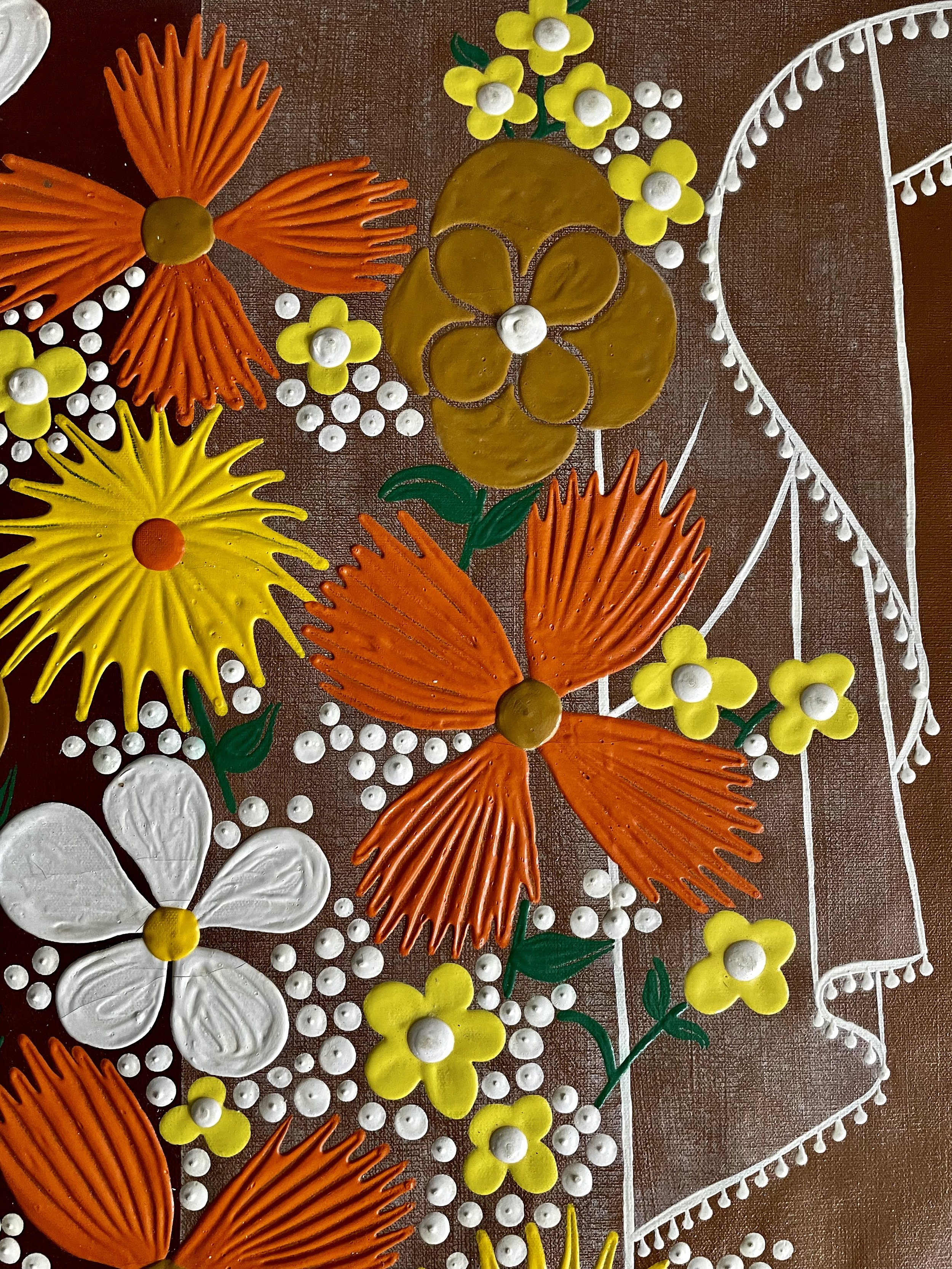
“Cucharita,” Rimer Cardillo (Uruguayan, b.1944), c.1970s etching–aquatint–engraving, 11×15 in, signed & numbered 147/150.
“Cucharita” is a refined, museum-quality leaf etching by internationally celebrated Uruguayan printmaker Rimer Cardillo, a master whose works appear in MoMA, the Art Institute of Chicago, and major global institutions. Executed in the 1970s using a sophisticated combination of etching, aquatint, and engraving, this intimate 11×15 inch print features a jewel-like botanical form suspended within a sculptural blind embossment. Signed and numbered 147/150, Cucharitarepresents Cardillo’s signature fusion of ecological symbolism, archaeological memory, and technically advanced printmaking.
Description of the Artwork
“Cucharita” is a small yet powerful example of Rimer Cardillo’s early botanical reliquary works—prints that transform natural objects into preserved artifacts. At the center of a deeply embossed rectangular recess, a single leaf glows with gradations of warm reds, siennas, and umbers. The leaf’s branching vein structure is rendered with finely engraved lines while aquatint passages introduce delicate tonal variations and a subtle mineral sheen.
The use of etching, aquatint, and engraving together is characteristic of Cardillo’s technically hybrid printmaking approach. The leaf itself appears almost fossilized, as though imprinted in stone, while the strong blind embossment pushes the surrounding paper outward, creating a sculptural containment chamber—a hallmark of Cardillo’s 1970s experimentation with matrix casting and relief intaglio.
Despite its modest scale (11×15 inches), the artwork conveys a sense of reverence and quiet monumentality. The title “Cucharita” — referring to a small spoon-shaped leaf — further underscores Cardillo’s dedication to identifying and preserving specific botanical species from South American landscapes, treating them as cultural and ecological memories.
The print is numbered 147/150, titled in graphite, and signed “Cardillo” at lower right.
Biography of Rimer Cardillo
Rimer Cardillo (born August 17, 1944, Montevideo, Uruguay) is an internationally respected printmaker, sculptor, and visual artist whose work explores the intersection of nature, archaeology, memory, and ecology.
Education & European Training
Cardillo graduated in 1968 from the National School of Fine Arts in Montevideo. Seeking advanced technical mastery, he then trained in East Germany (1969–1971) at:
Weißensee School of Art & Architecture, Berlin
Leipzig School of Graphic Art, renowned for its rigorous intaglio tradition
These institutions shaped his precision in engraving, relief processes, mixed-media matrix construction, and deep embossing techniques that became central to his signature style.
Early Career & the Montevideo Engraving Club
Upon returning to Uruguay, Cardillo became a prominent member of the Montevideo Engraving Club (Club de Grabado), an influential cooperative dedicated to democratizing art through affordable prints. He taught workshops in Uruguay and later in the U.S., mentoring numerous artists who went on to independent recognition.
Move to the United States & Academic Legacy
In 1979, Cardillo relocated to the U.S. and began teaching at the State University of New York at New Paltz, eventually becoming Professor of Printmaking and Professor Emeritus. His studio became a pivotal place for the development of experimental approaches to intaglio and sculptural printmaking.
Themes & Artistic Approach
Cardillo’s body of work reflects a lifelong investigation of:
Natural forms as relics
Botanical and entomological specimens preserved as memory objects
Pre-Hispanic archaeological references
Environmental fragility and ecological loss
The poetic relationship between land, ancestry, and identity
In the 1970s and 1980s—when Cucharita was created—Cardillo developed his iconic leaf, insect, and seed reliquary series, combining high technical craft with meditative ecological themes.
Recognition & Major Exhibitions
Cardillo has earned numerous distinctions, including:
John Simon Guggenheim Fellowship (1997)
Figari Award (2002), Uruguay’s highest artistic honor
Representing Uruguay at the Venice Biennale (2001)
He has exhibited internationally across Europe, the Americas, and Asia, including exhibitions at:
The Samuel Dorsky Museum of Art (retrospective, 2004)
Nassau County Museum of Art (retrospective, 2011)
Kiscell Museum, Budapest
Art Museum of the Americas (Washington, DC)
Tate Modern (London) — invited lecture and presentation
Collections
His works are held in major museums worldwide, including:
MoMA, New York
Art Institute of Chicago
Bibliothèque Nationale de France
Museo Nacional de Artes Visuales, Uruguay
Cincinnati Art Museum
Art Museum of the Americas
Allen Memorial Art Museum, Oberlin
Museo de Bellas Artes de Caracas
Cardillo is widely regarded as one of the foremost printmakers of Latin America, and his ecological–archaeological visual language continues to influence contemporary graphic art internationally.
Rimer Cardillo (Uruguayan, b.1944)
Cucharita, c.1970s
Etching, aquatint, and engraving with deep embossing
Sheet: 11 × 15 in
Edition: 147/150
Signed and titled in pencil
Condition: Excellent, clean sheet with strong embossment
Provenance: Mitch Morse Gallery, NYC → Artfind Gallery, Washington, DC
Certificate of Value & Authentication
Artist: Rimer Cardillo
Title: Cucharita
Date: c.1970s
Medium: Etching, aquatint, engraving with blind embossing
Paper Size: 11 × 15 inches
Edition: 147/150
Signature: Pencil-signed, titled, and numbered
Authenticity Confirmation:
Signature and numbering match authenticated Cardillo prints.
Technique (intaglio + embossing) is consistent with his leaf series.
Provenance from Mitch Morse Gallery confirms legitimate acquisition channel.
Provenance
Rimer Cardillo, Montevideo / New York — artist
Mitch Morse Gallery, NYC — original distributor
Artfind Gallery, Washington, DC — current owner
“Cucharita,” Rimer Cardillo (Uruguayan, b.1944), c.1970s etching–aquatint–engraving, 11×15 in, signed & numbered 147/150.
“Cucharita” is a refined, museum-quality leaf etching by internationally celebrated Uruguayan printmaker Rimer Cardillo, a master whose works appear in MoMA, the Art Institute of Chicago, and major global institutions. Executed in the 1970s using a sophisticated combination of etching, aquatint, and engraving, this intimate 11×15 inch print features a jewel-like botanical form suspended within a sculptural blind embossment. Signed and numbered 147/150, Cucharitarepresents Cardillo’s signature fusion of ecological symbolism, archaeological memory, and technically advanced printmaking.
Description of the Artwork
“Cucharita” is a small yet powerful example of Rimer Cardillo’s early botanical reliquary works—prints that transform natural objects into preserved artifacts. At the center of a deeply embossed rectangular recess, a single leaf glows with gradations of warm reds, siennas, and umbers. The leaf’s branching vein structure is rendered with finely engraved lines while aquatint passages introduce delicate tonal variations and a subtle mineral sheen.
The use of etching, aquatint, and engraving together is characteristic of Cardillo’s technically hybrid printmaking approach. The leaf itself appears almost fossilized, as though imprinted in stone, while the strong blind embossment pushes the surrounding paper outward, creating a sculptural containment chamber—a hallmark of Cardillo’s 1970s experimentation with matrix casting and relief intaglio.
Despite its modest scale (11×15 inches), the artwork conveys a sense of reverence and quiet monumentality. The title “Cucharita” — referring to a small spoon-shaped leaf — further underscores Cardillo’s dedication to identifying and preserving specific botanical species from South American landscapes, treating them as cultural and ecological memories.
The print is numbered 147/150, titled in graphite, and signed “Cardillo” at lower right.
Biography of Rimer Cardillo
Rimer Cardillo (born August 17, 1944, Montevideo, Uruguay) is an internationally respected printmaker, sculptor, and visual artist whose work explores the intersection of nature, archaeology, memory, and ecology.
Education & European Training
Cardillo graduated in 1968 from the National School of Fine Arts in Montevideo. Seeking advanced technical mastery, he then trained in East Germany (1969–1971) at:
Weißensee School of Art & Architecture, Berlin
Leipzig School of Graphic Art, renowned for its rigorous intaglio tradition
These institutions shaped his precision in engraving, relief processes, mixed-media matrix construction, and deep embossing techniques that became central to his signature style.
Early Career & the Montevideo Engraving Club
Upon returning to Uruguay, Cardillo became a prominent member of the Montevideo Engraving Club (Club de Grabado), an influential cooperative dedicated to democratizing art through affordable prints. He taught workshops in Uruguay and later in the U.S., mentoring numerous artists who went on to independent recognition.
Move to the United States & Academic Legacy
In 1979, Cardillo relocated to the U.S. and began teaching at the State University of New York at New Paltz, eventually becoming Professor of Printmaking and Professor Emeritus. His studio became a pivotal place for the development of experimental approaches to intaglio and sculptural printmaking.
Themes & Artistic Approach
Cardillo’s body of work reflects a lifelong investigation of:
Natural forms as relics
Botanical and entomological specimens preserved as memory objects
Pre-Hispanic archaeological references
Environmental fragility and ecological loss
The poetic relationship between land, ancestry, and identity
In the 1970s and 1980s—when Cucharita was created—Cardillo developed his iconic leaf, insect, and seed reliquary series, combining high technical craft with meditative ecological themes.
Recognition & Major Exhibitions
Cardillo has earned numerous distinctions, including:
John Simon Guggenheim Fellowship (1997)
Figari Award (2002), Uruguay’s highest artistic honor
Representing Uruguay at the Venice Biennale (2001)
He has exhibited internationally across Europe, the Americas, and Asia, including exhibitions at:
The Samuel Dorsky Museum of Art (retrospective, 2004)
Nassau County Museum of Art (retrospective, 2011)
Kiscell Museum, Budapest
Art Museum of the Americas (Washington, DC)
Tate Modern (London) — invited lecture and presentation
Collections
His works are held in major museums worldwide, including:
MoMA, New York
Art Institute of Chicago
Bibliothèque Nationale de France
Museo Nacional de Artes Visuales, Uruguay
Cincinnati Art Museum
Art Museum of the Americas
Allen Memorial Art Museum, Oberlin
Museo de Bellas Artes de Caracas
Cardillo is widely regarded as one of the foremost printmakers of Latin America, and his ecological–archaeological visual language continues to influence contemporary graphic art internationally.
Rimer Cardillo (Uruguayan, b.1944)
Cucharita, c.1970s
Etching, aquatint, and engraving with deep embossing
Sheet: 11 × 15 in
Edition: 147/150
Signed and titled in pencil
Condition: Excellent, clean sheet with strong embossment
Provenance: Mitch Morse Gallery, NYC → Artfind Gallery, Washington, DC
Certificate of Value & Authentication
Artist: Rimer Cardillo
Title: Cucharita
Date: c.1970s
Medium: Etching, aquatint, engraving with blind embossing
Paper Size: 11 × 15 inches
Edition: 147/150
Signature: Pencil-signed, titled, and numbered
Authenticity Confirmation:
Signature and numbering match authenticated Cardillo prints.
Technique (intaglio + embossing) is consistent with his leaf series.
Provenance from Mitch Morse Gallery confirms legitimate acquisition channel.
Provenance
Rimer Cardillo, Montevideo / New York — artist
Mitch Morse Gallery, NYC — original distributor
Artfind Gallery, Washington, DC — current owner
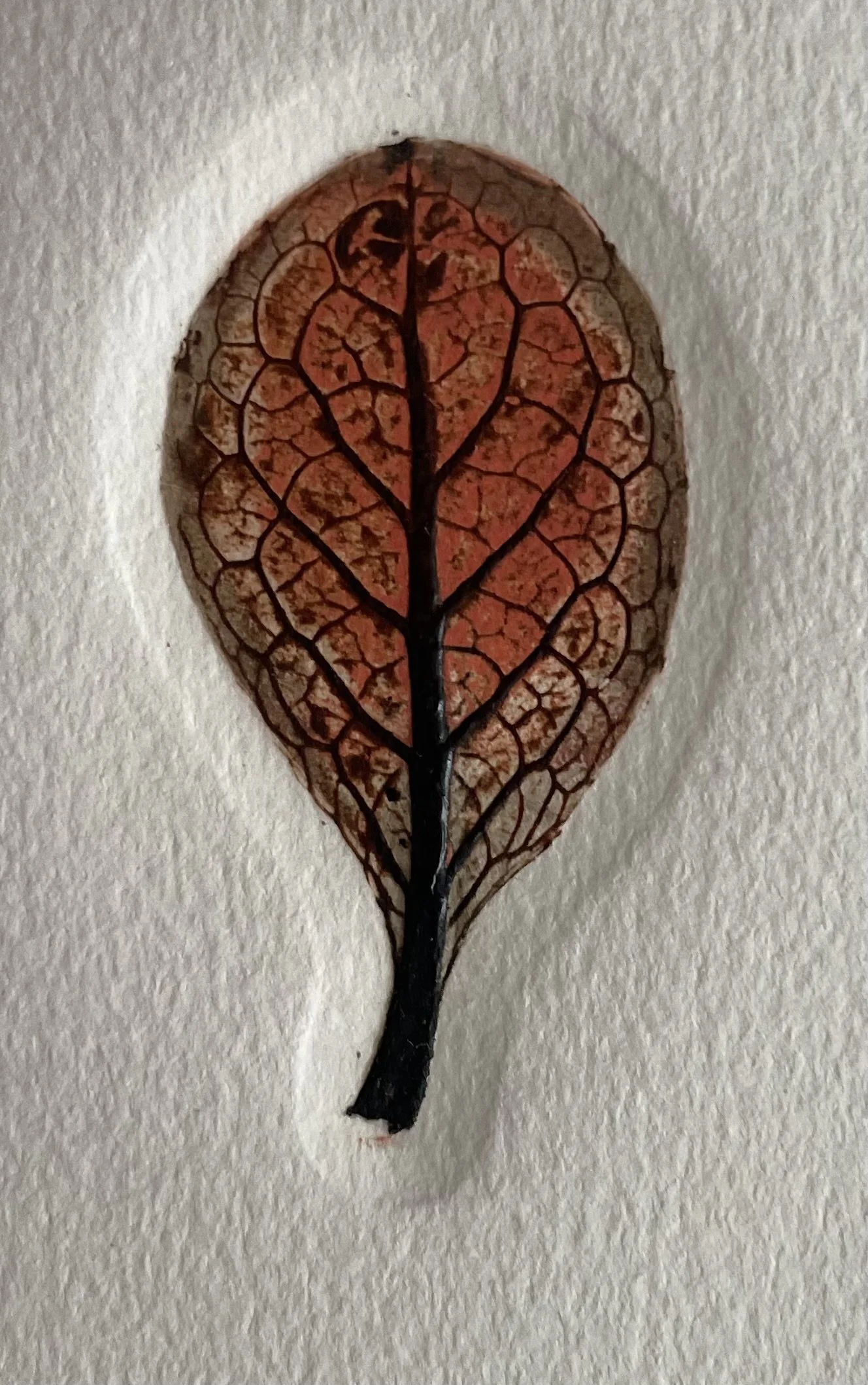 Image 1 of 5
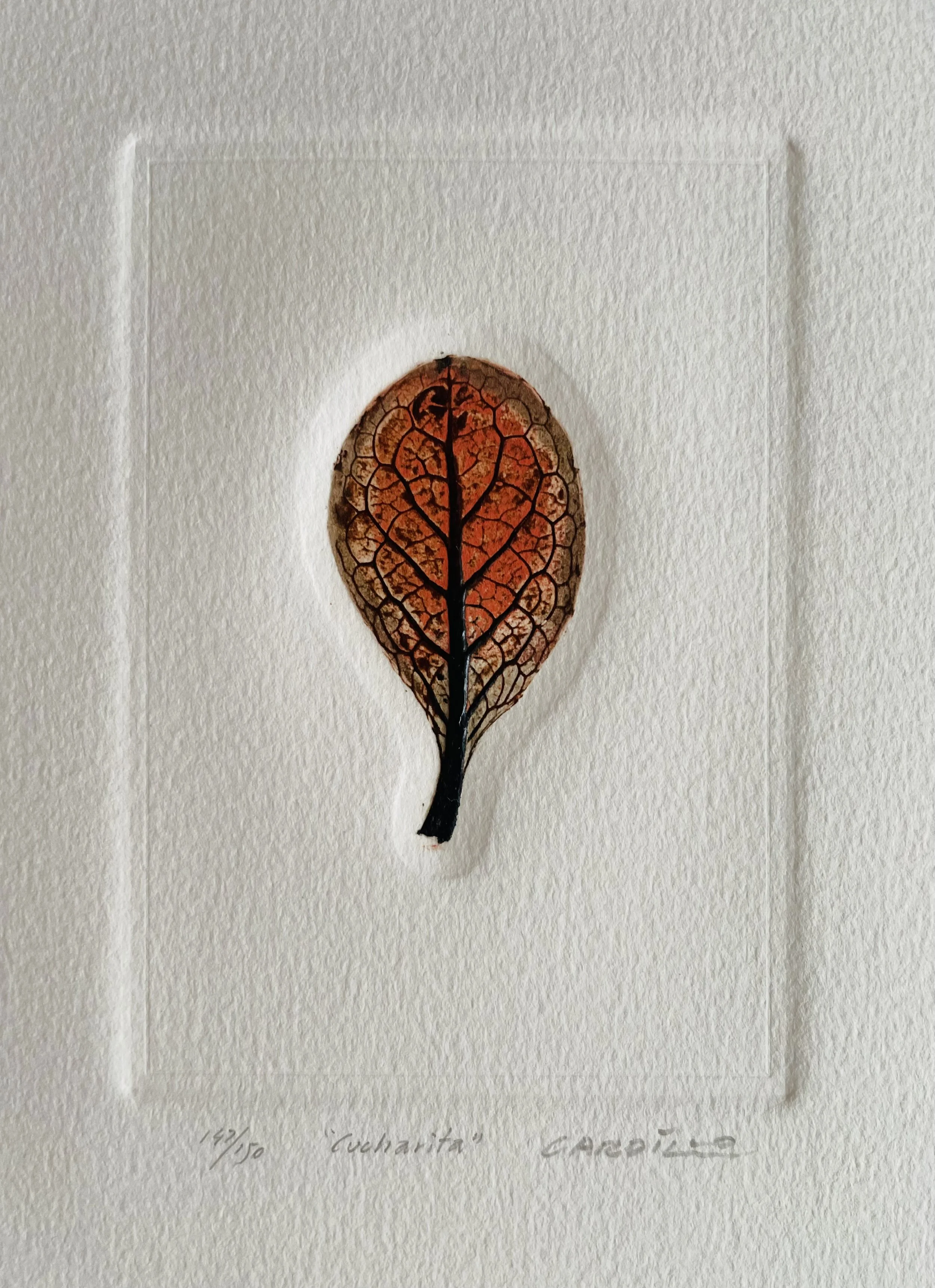 Image 2 of 5
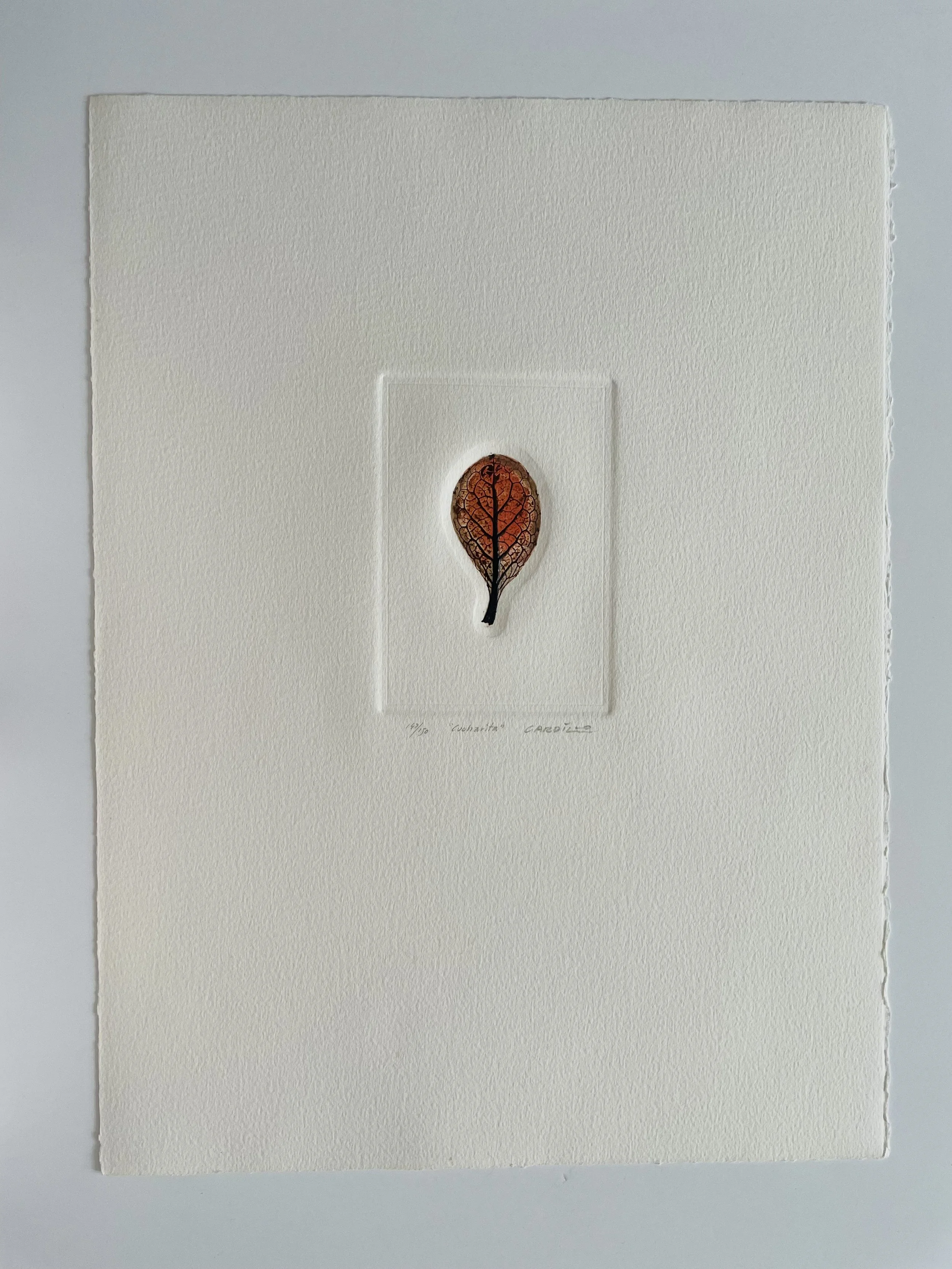 Image 3 of 5
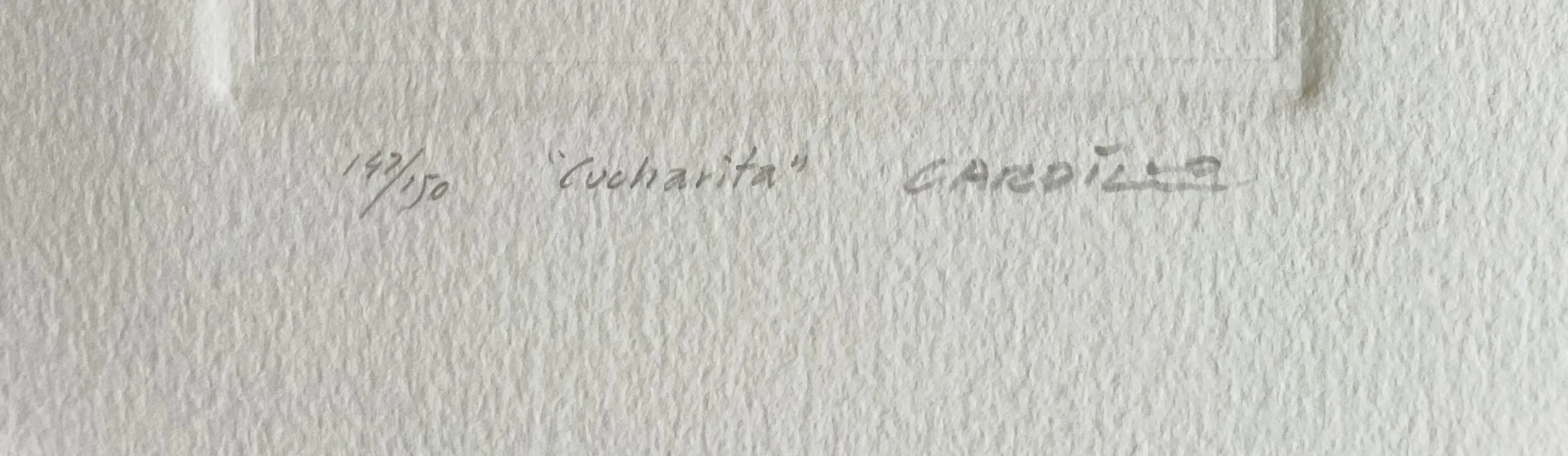 Image 4 of 5
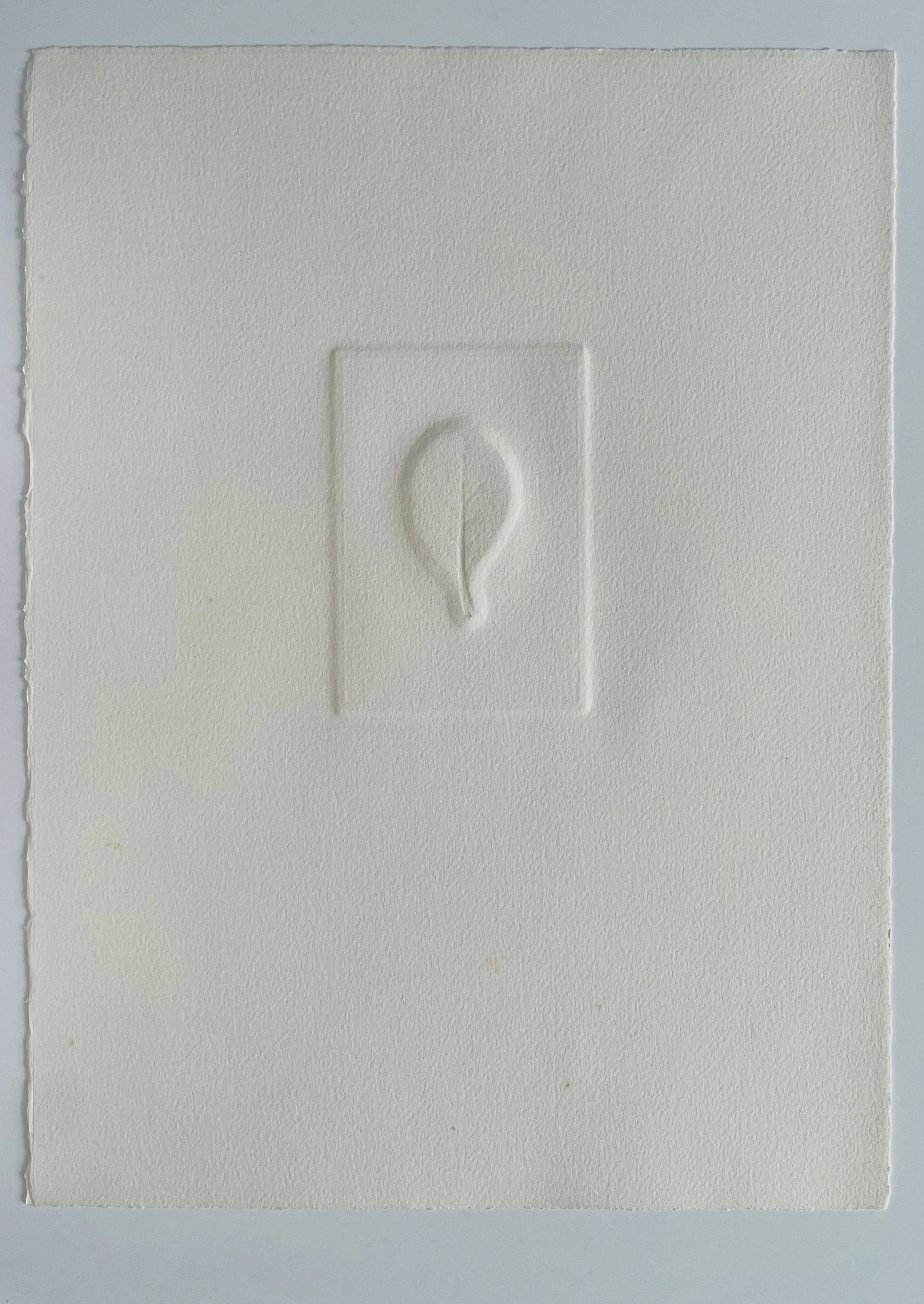 Image 5 of 5