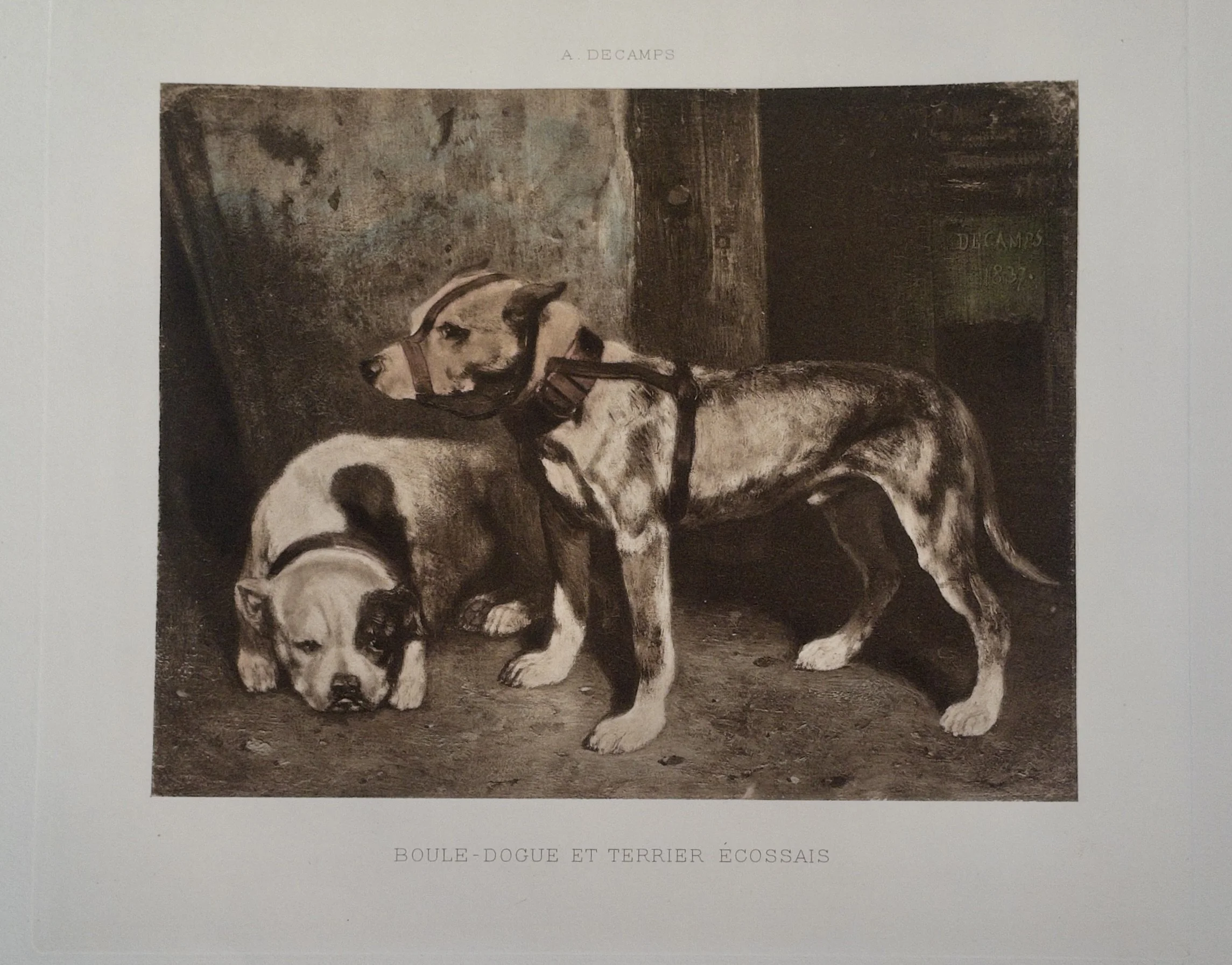
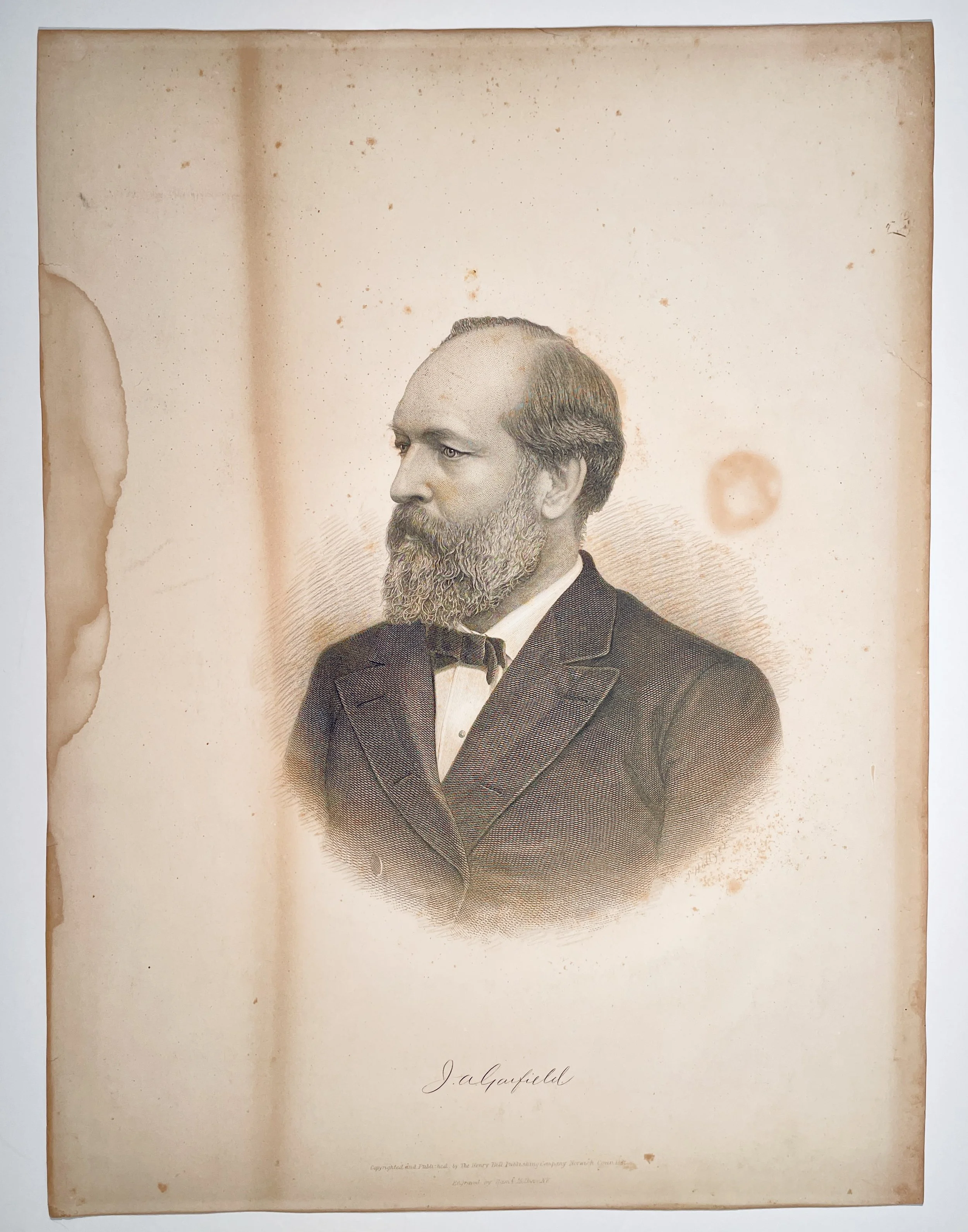
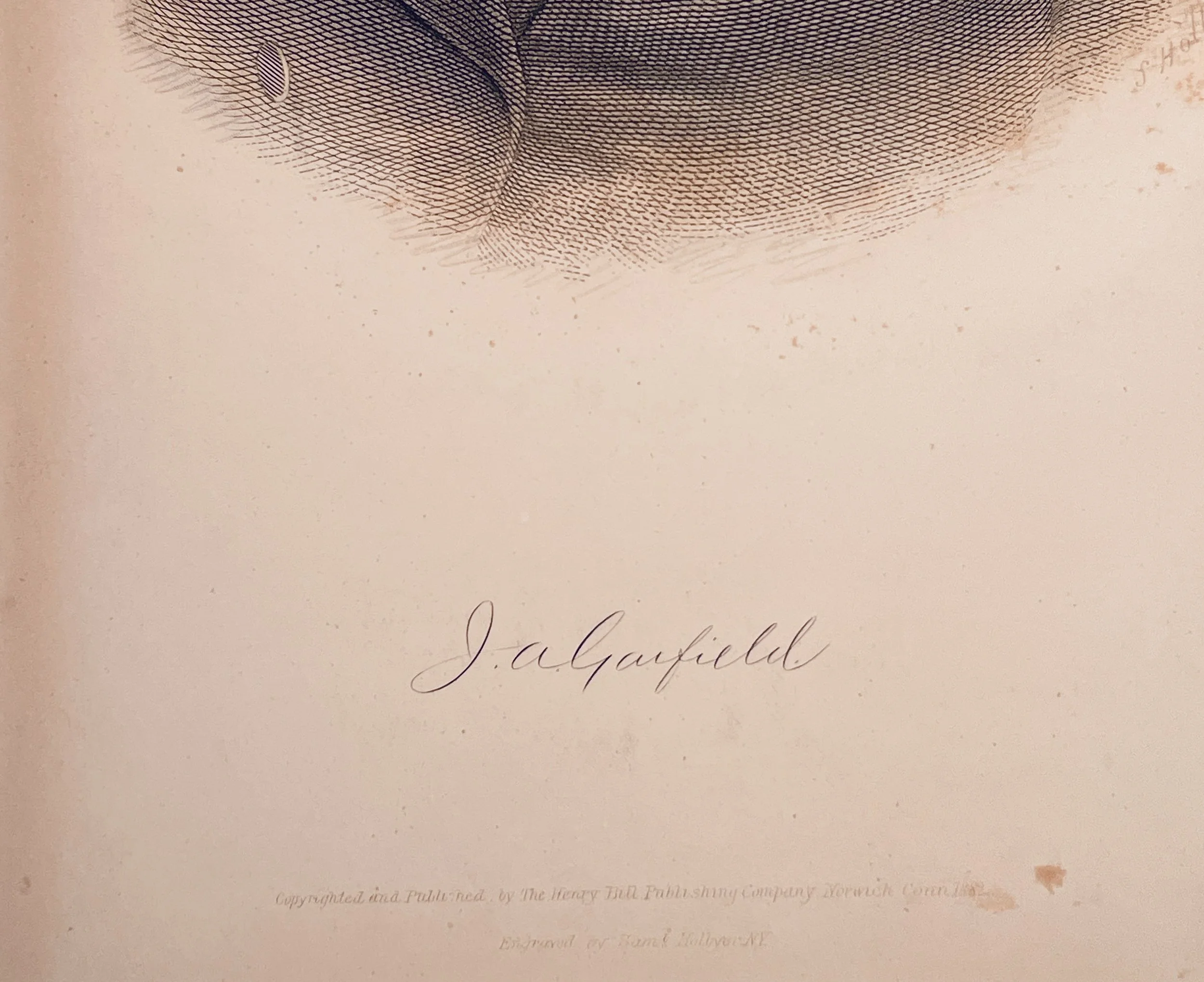
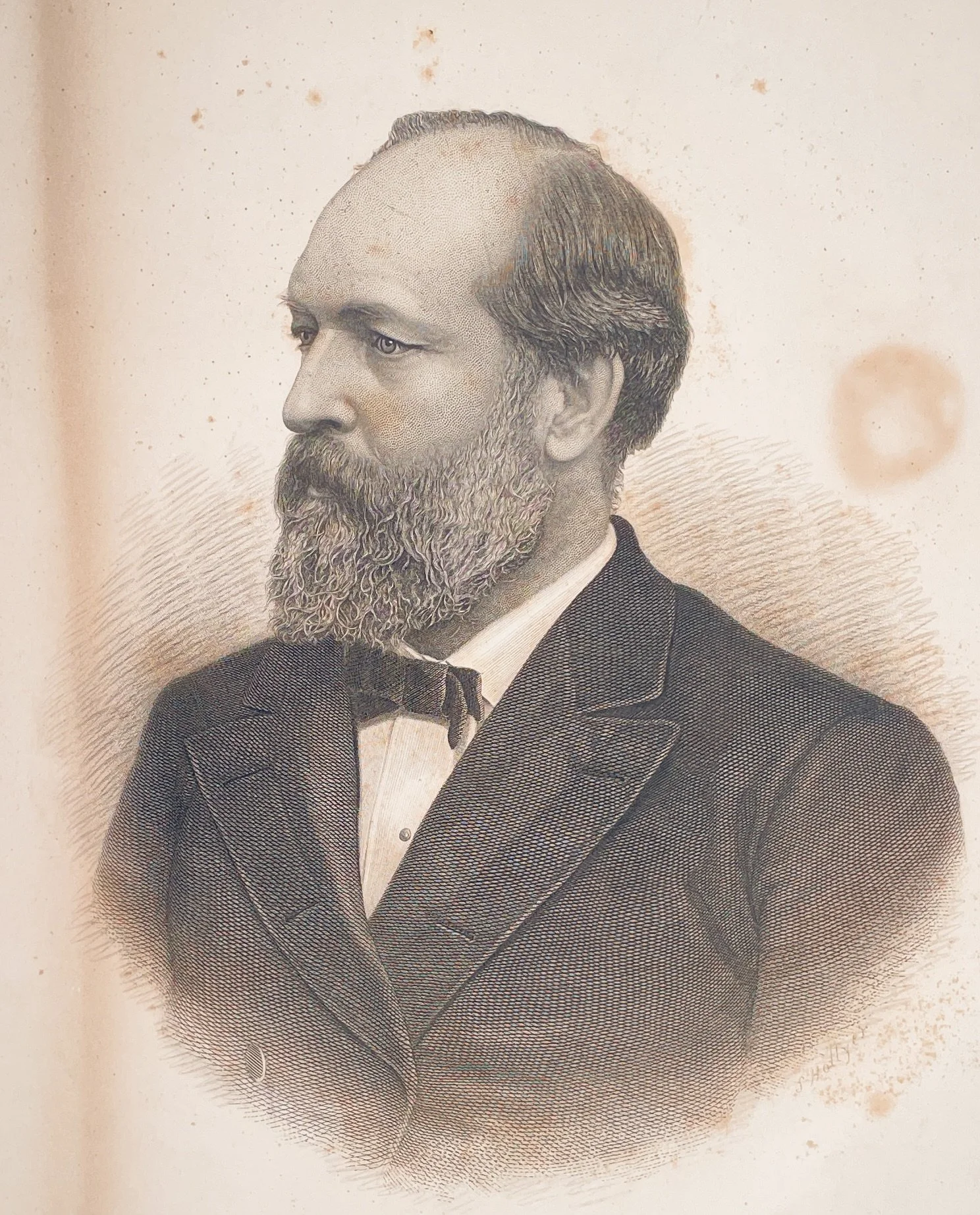
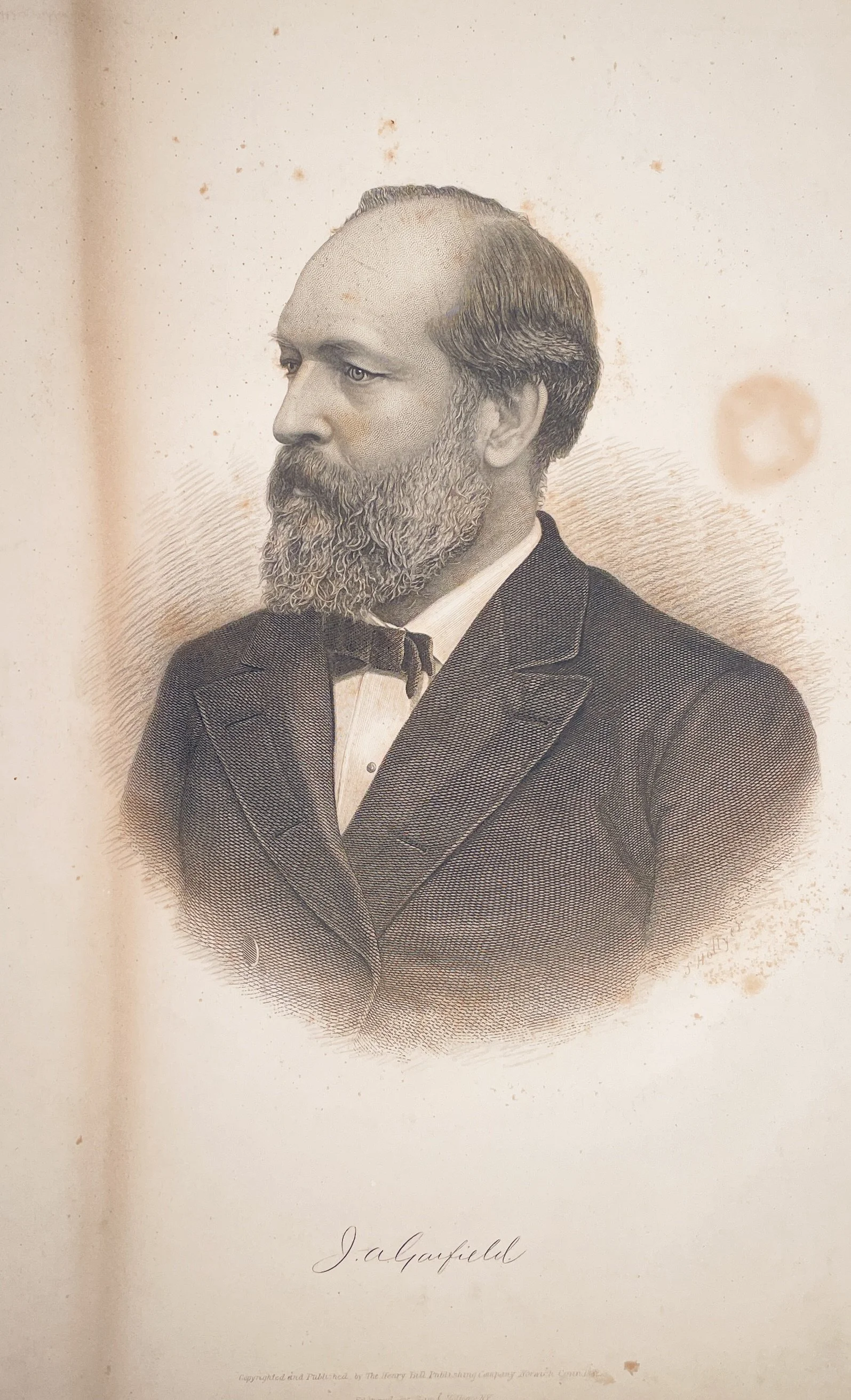
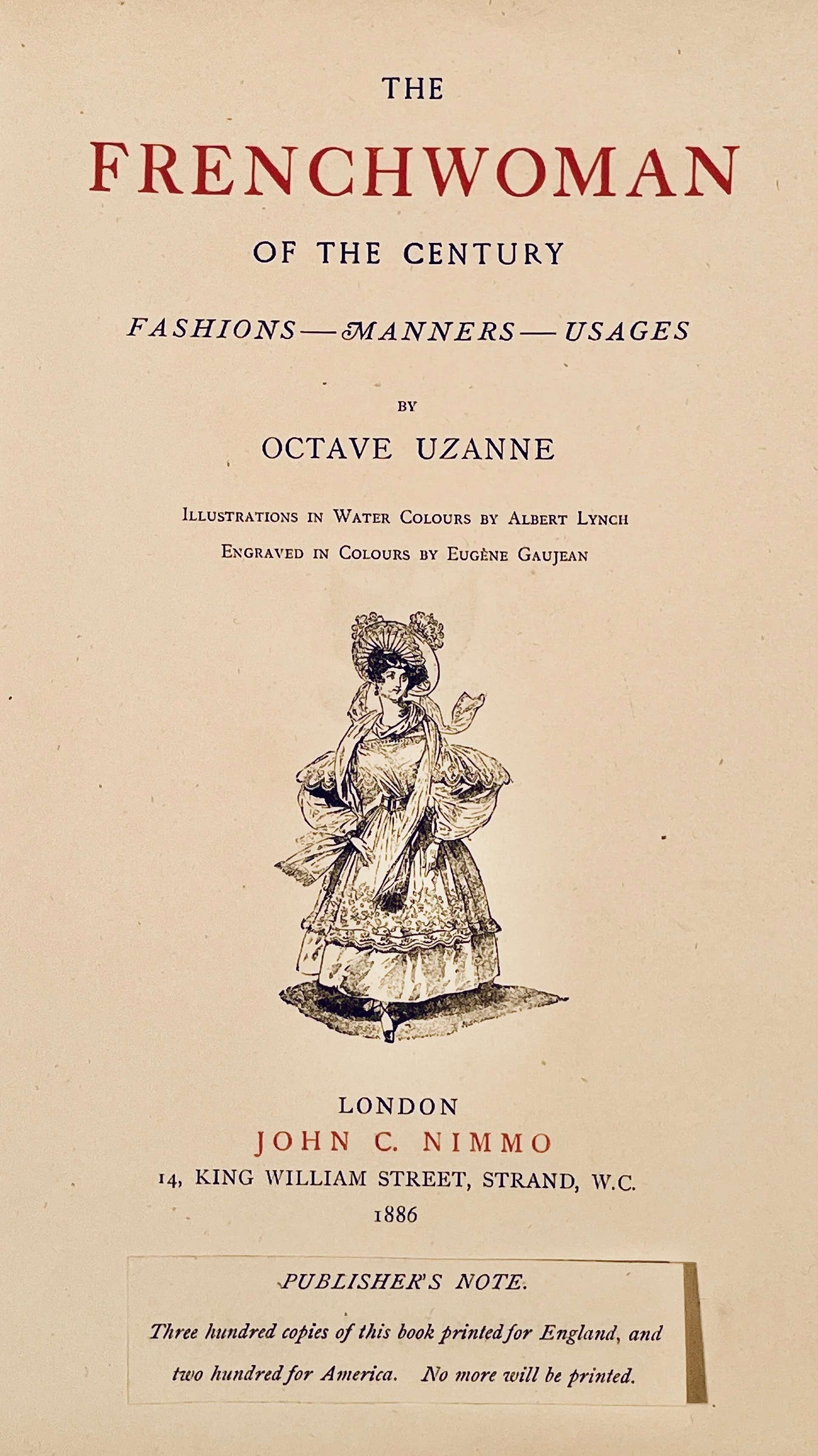
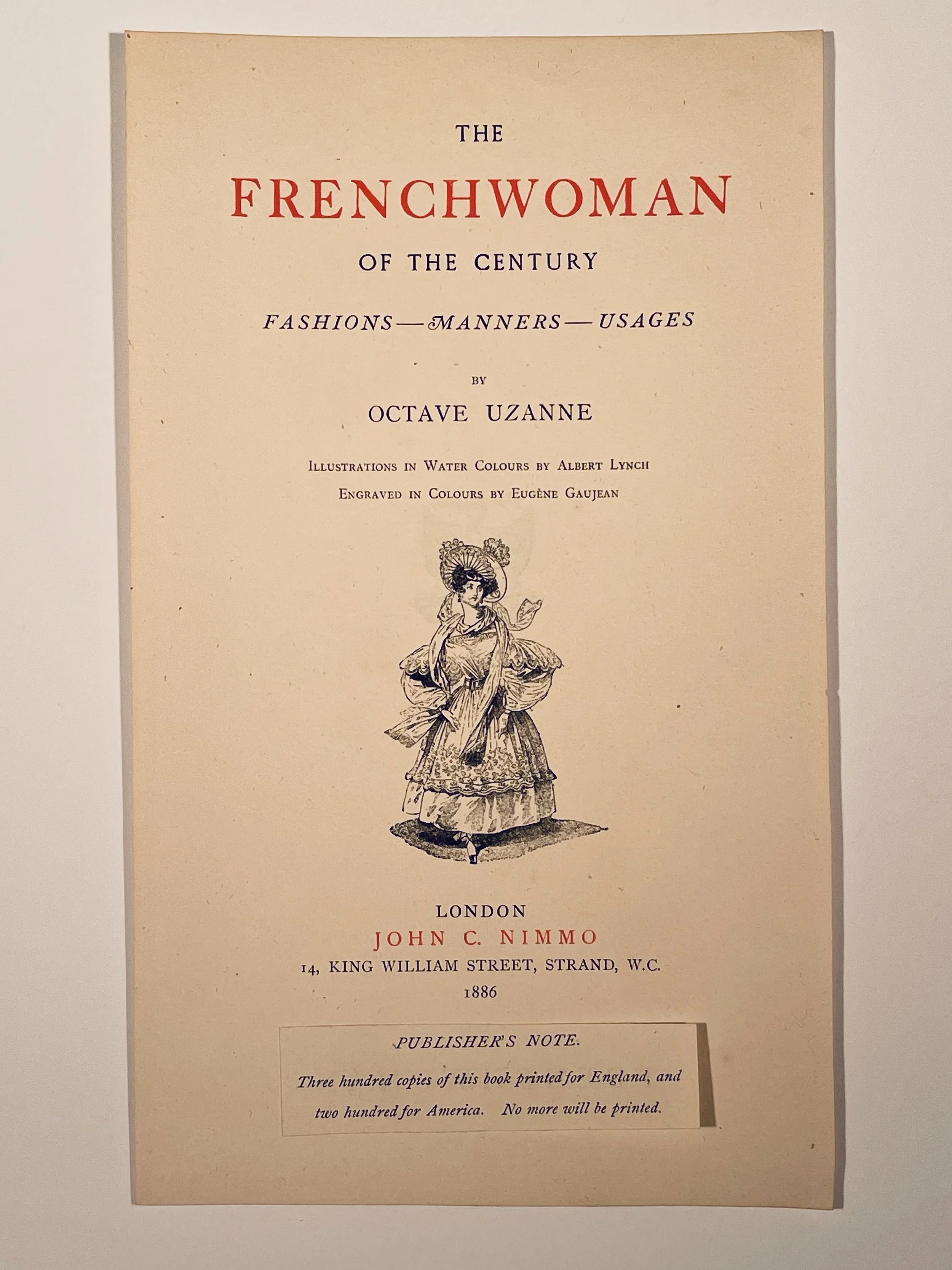
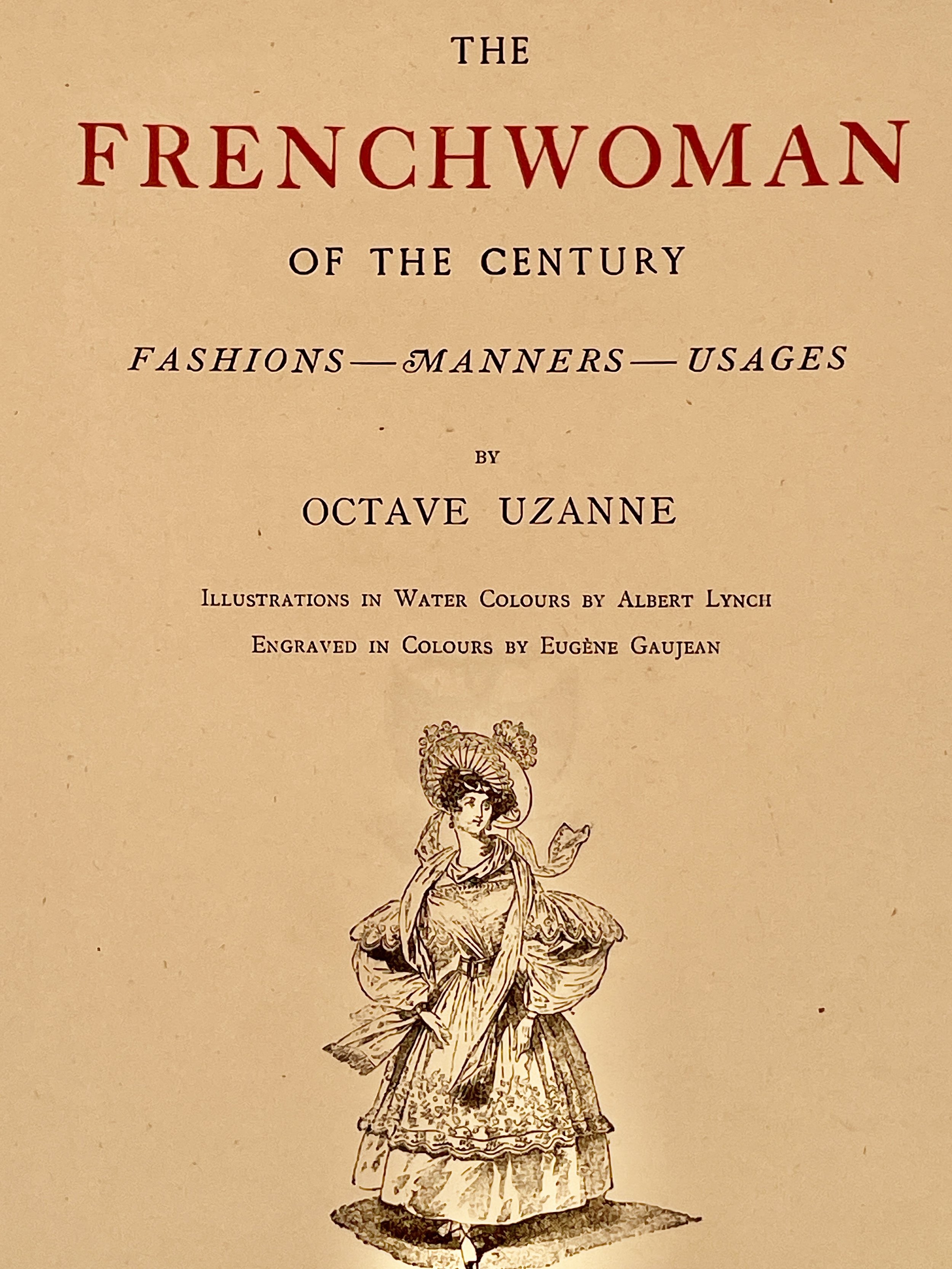
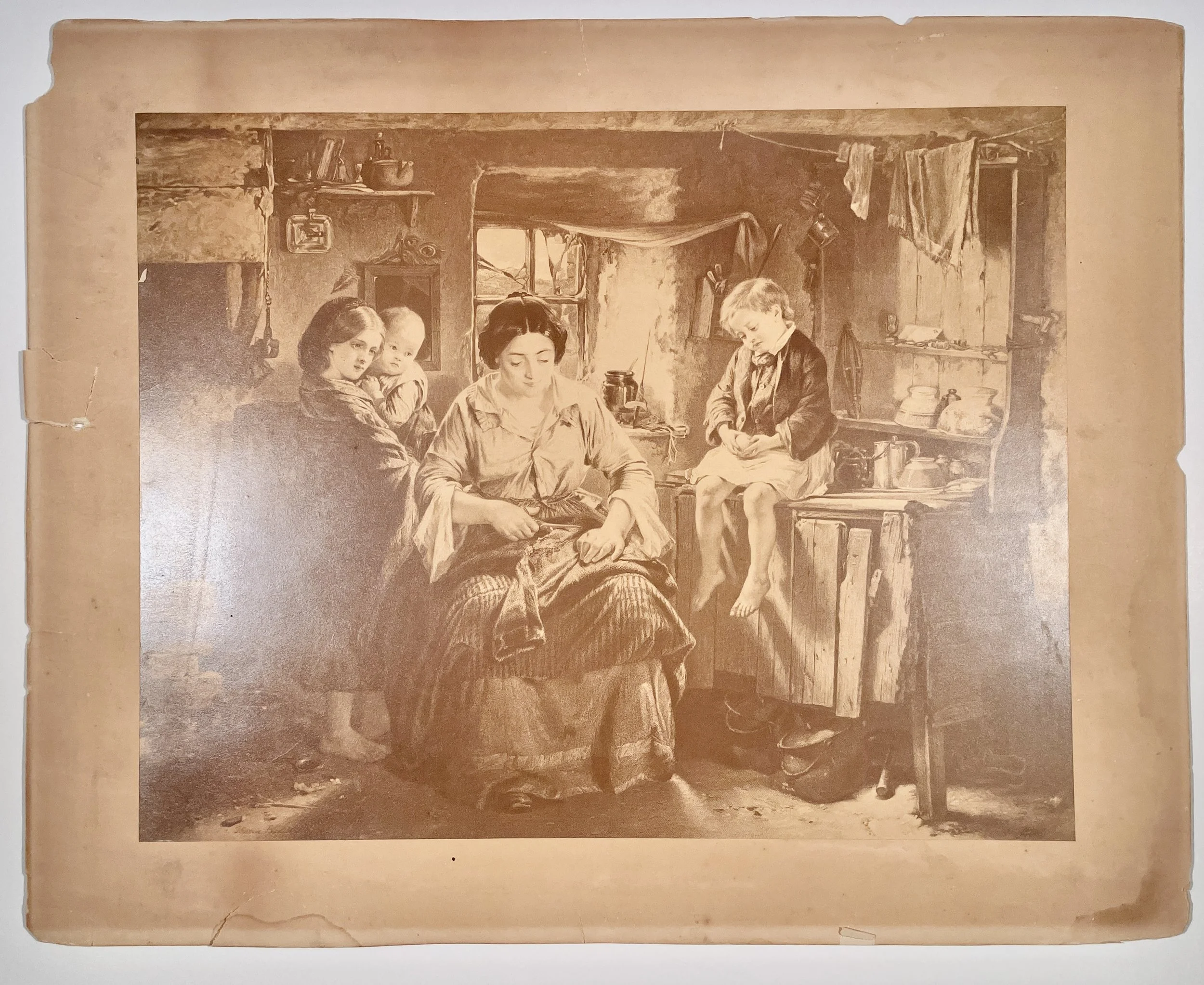
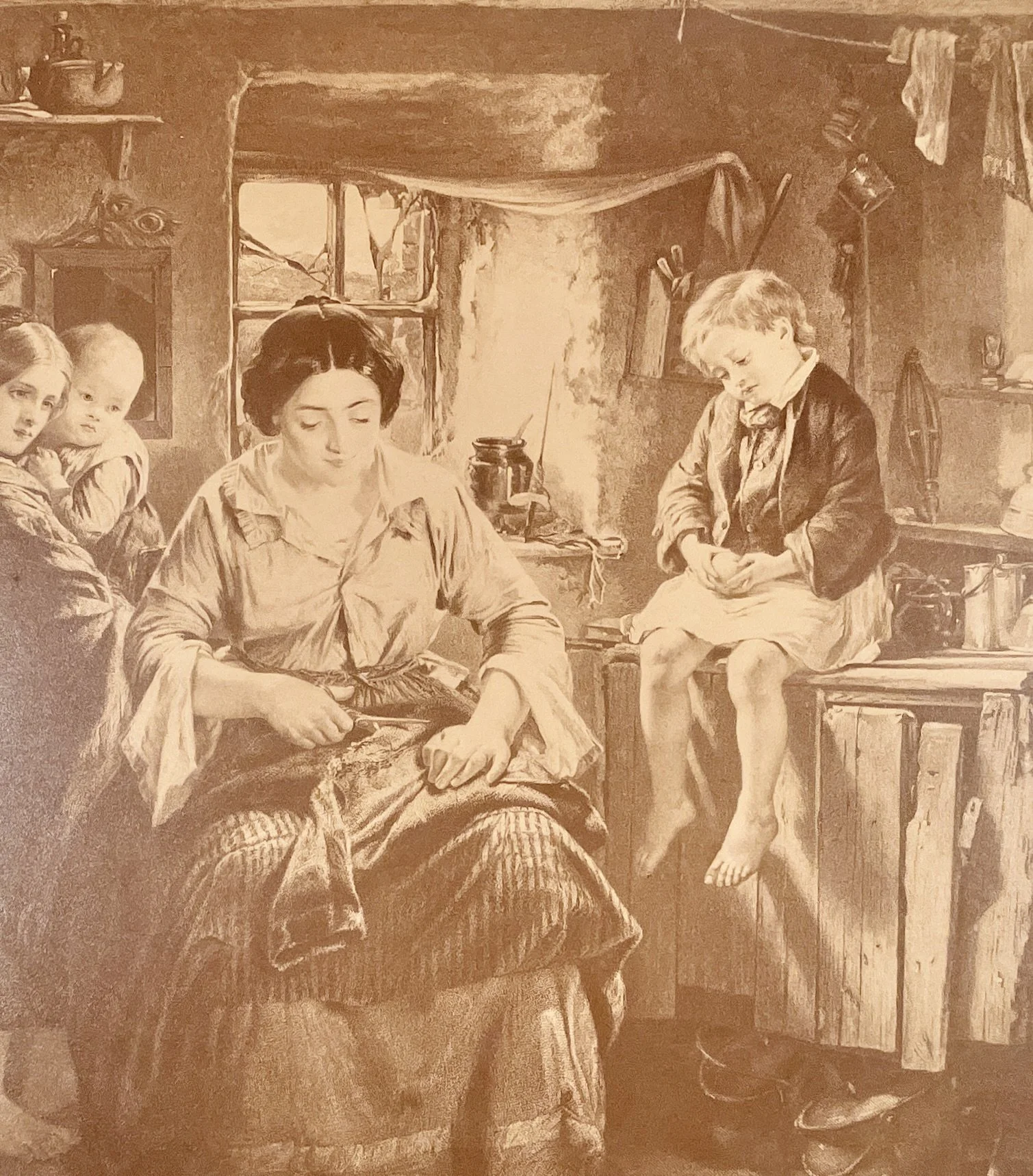
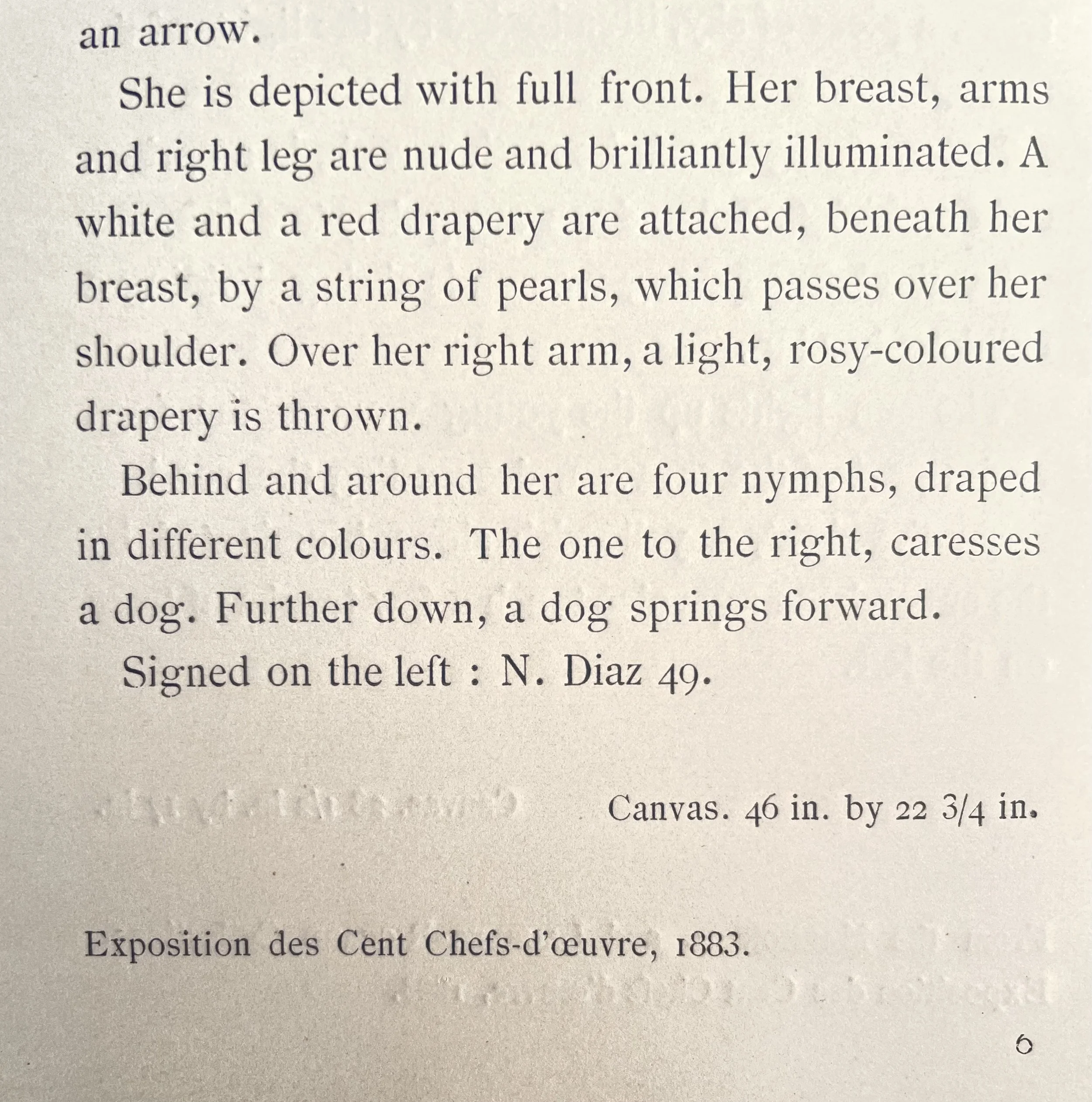
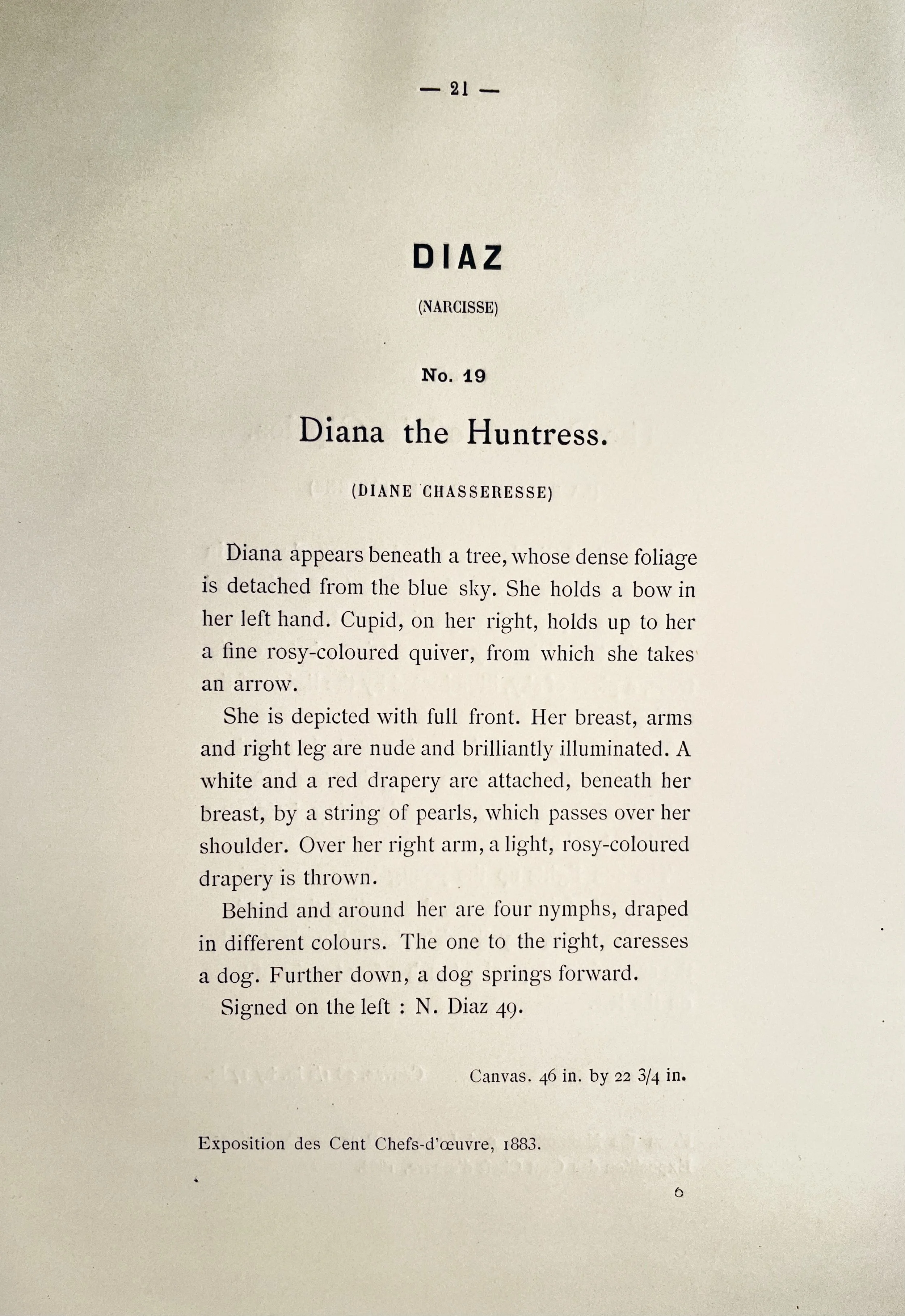
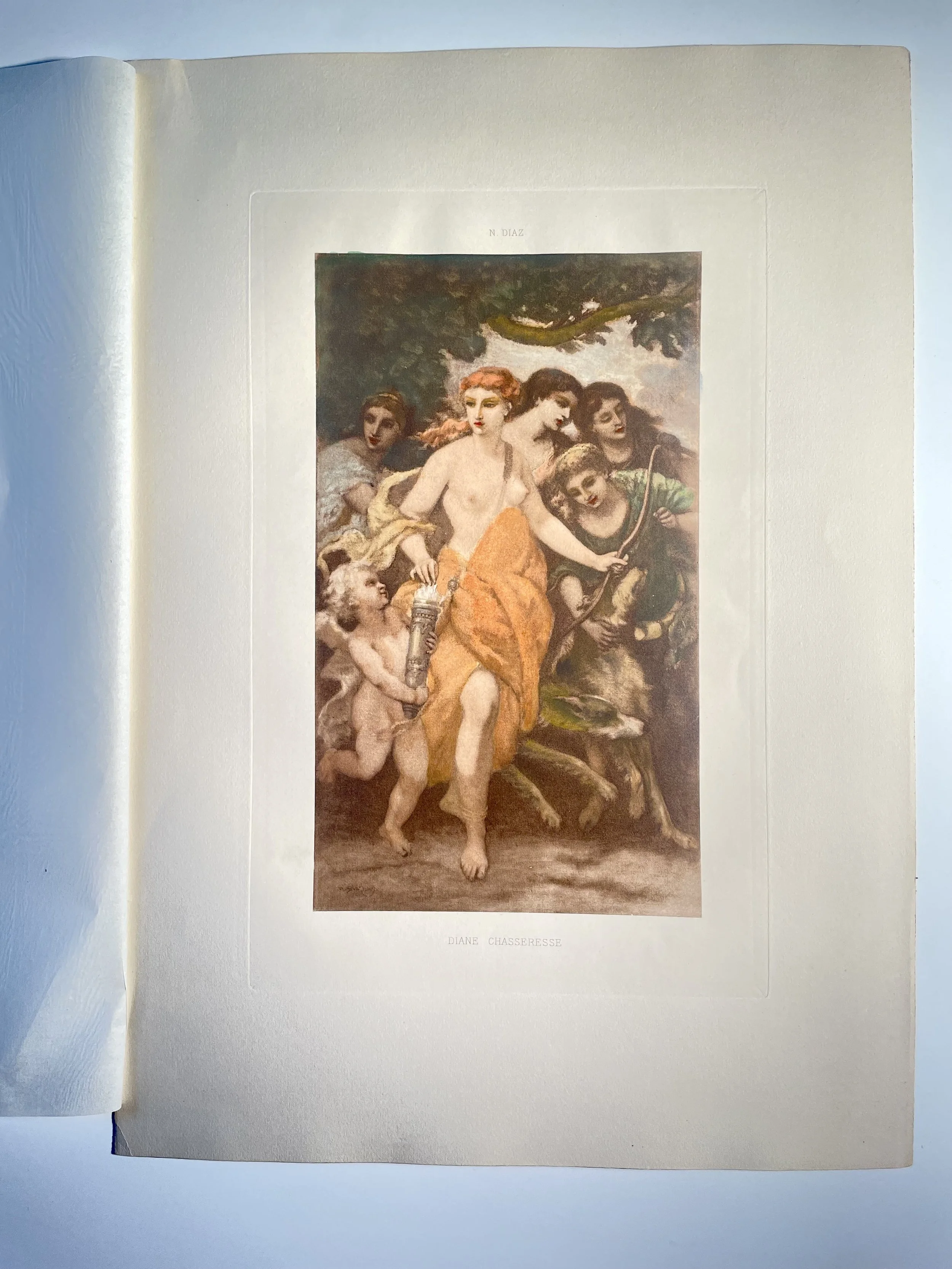
Declaration of Independence (facsimile), Continental Congress (1776), c.20th-century facsimile print on parchment-style paper, 13.5w × 16.5h in, unsigned, unnumbered.
Historic facsimile of the United States Declaration of Independence, featuring period typography and signatures, parchment-style print measuring 13.5 × 16.5 inches, ideal for collectors of American history, founding documents, and patriotic wall art.
Artwork Description
This work is a carefully produced facsimile of the Declaration of Independence, originally adopted by the Continental Congress on July 4, 1776. Measuring 13.5 inches wide by 16.5 inches high, the print reproduces the iconic opening line “In Congress, July 4, 1776” along with the full engraved text and the famous array of signatories. The surface emulates aged parchment, lending the piece a visually authentic, historical character.
The medium is a later print reproduction on parchment-style paper, created to evoke the appearance of early engraved broadsides of the Declaration. While not an 18th-century original, the work reflects the enduring cultural importance of the document and the long tradition of commemorative printings produced for education, display, and civic pride. The print is unsigned and unnumbered, as issued, consistent with most decorative and educational facsimiles of the 20th century.
The inspiration behind such works lies in preserving and disseminating the ideals expressed in the Declaration—liberty, self-governance, and equality—through accessible visual formats. This example functions both as a historical artifact reproduction and as a decorative object, suitable for study, exhibition, or patriotic display.
Artist Biography
The original Declaration of Independence was authored primarily by Thomas Jefferson (1743–1826) with input from John Adams (1735–1826), Benjamin Franklin (1706–1790), Roger Sherman (1721–1793), and Robert R. Livingston (1746–1813), and formally adopted by the Second Continental Congress in Philadelphia. These figures, collectively known as the Founding Fathers, were statesmen, philosophers, and civic leaders rather than visual artists.
Jefferson, born in Shadwell, Virginia, was educated at the College of William & Mary and influenced by Enlightenment thinkers such as John Locke. Adams, a Harvard-educated lawyer from Massachusetts, and Franklin, a self-taught polymath from Boston, were instrumental in shaping revolutionary ideology. Though they did not “practice” art in the traditional sense, their collaborative authorship produced one of the most influential political texts in world history. Facsimile prints such as this one arise from later printers and publishers seeking to honor and circulate the document’s legacy rather than from a single identifiable artist.
Facsimile print of the Declaration of Independence, c.20th century, parchment-style paper, 13.5 × 16.5 in, unsigned, decorative historical reproduction.
Certificate of Value & Authentication
This certifies that the present work is a 20th-century facsimile print reproducing the text of the Declaration of Independence (July 4, 1776). The piece measures 13.5 × 16.5 inches and is printed on parchment-style paper. It is unsigned and unnumbered, as issued, and is not an 18th-century original. Authentication is based on materials, printing method, and stylistic characteristics consistent with commemorative historical reproductions. Suitable for collection, display, and resale as a decorative historical print.
Provenance Chain
Current owner: Artfind Gallery, Washington DC
Acquired from: Mitch Morse Gallery, New York City
Prior acquisition: United States and Europe
All works acquired through Mitch Morse Gallery unless otherwise stated.
Citations
National Archives, “The Declaration of Independence: A History.”
Library of Congress, Founding Documents of the United States.
Declaration of Independence (facsimile), Continental Congress (1776), c.20th-century facsimile print on parchment-style paper, 13.5w × 16.5h in, unsigned, unnumbered.
Historic facsimile of the United States Declaration of Independence, featuring period typography and signatures, parchment-style print measuring 13.5 × 16.5 inches, ideal for collectors of American history, founding documents, and patriotic wall art.
Artwork Description
This work is a carefully produced facsimile of the Declaration of Independence, originally adopted by the Continental Congress on July 4, 1776. Measuring 13.5 inches wide by 16.5 inches high, the print reproduces the iconic opening line “In Congress, July 4, 1776” along with the full engraved text and the famous array of signatories. The surface emulates aged parchment, lending the piece a visually authentic, historical character.
The medium is a later print reproduction on parchment-style paper, created to evoke the appearance of early engraved broadsides of the Declaration. While not an 18th-century original, the work reflects the enduring cultural importance of the document and the long tradition of commemorative printings produced for education, display, and civic pride. The print is unsigned and unnumbered, as issued, consistent with most decorative and educational facsimiles of the 20th century.
The inspiration behind such works lies in preserving and disseminating the ideals expressed in the Declaration—liberty, self-governance, and equality—through accessible visual formats. This example functions both as a historical artifact reproduction and as a decorative object, suitable for study, exhibition, or patriotic display.
Artist Biography
The original Declaration of Independence was authored primarily by Thomas Jefferson (1743–1826) with input from John Adams (1735–1826), Benjamin Franklin (1706–1790), Roger Sherman (1721–1793), and Robert R. Livingston (1746–1813), and formally adopted by the Second Continental Congress in Philadelphia. These figures, collectively known as the Founding Fathers, were statesmen, philosophers, and civic leaders rather than visual artists.
Jefferson, born in Shadwell, Virginia, was educated at the College of William & Mary and influenced by Enlightenment thinkers such as John Locke. Adams, a Harvard-educated lawyer from Massachusetts, and Franklin, a self-taught polymath from Boston, were instrumental in shaping revolutionary ideology. Though they did not “practice” art in the traditional sense, their collaborative authorship produced one of the most influential political texts in world history. Facsimile prints such as this one arise from later printers and publishers seeking to honor and circulate the document’s legacy rather than from a single identifiable artist.
Facsimile print of the Declaration of Independence, c.20th century, parchment-style paper, 13.5 × 16.5 in, unsigned, decorative historical reproduction.
Certificate of Value & Authentication
This certifies that the present work is a 20th-century facsimile print reproducing the text of the Declaration of Independence (July 4, 1776). The piece measures 13.5 × 16.5 inches and is printed on parchment-style paper. It is unsigned and unnumbered, as issued, and is not an 18th-century original. Authentication is based on materials, printing method, and stylistic characteristics consistent with commemorative historical reproductions. Suitable for collection, display, and resale as a decorative historical print.
Provenance Chain
Current owner: Artfind Gallery, Washington DC
Acquired from: Mitch Morse Gallery, New York City
Prior acquisition: United States and Europe
All works acquired through Mitch Morse Gallery unless otherwise stated.
Citations
National Archives, “The Declaration of Independence: A History.”
Library of Congress, Founding Documents of the United States.
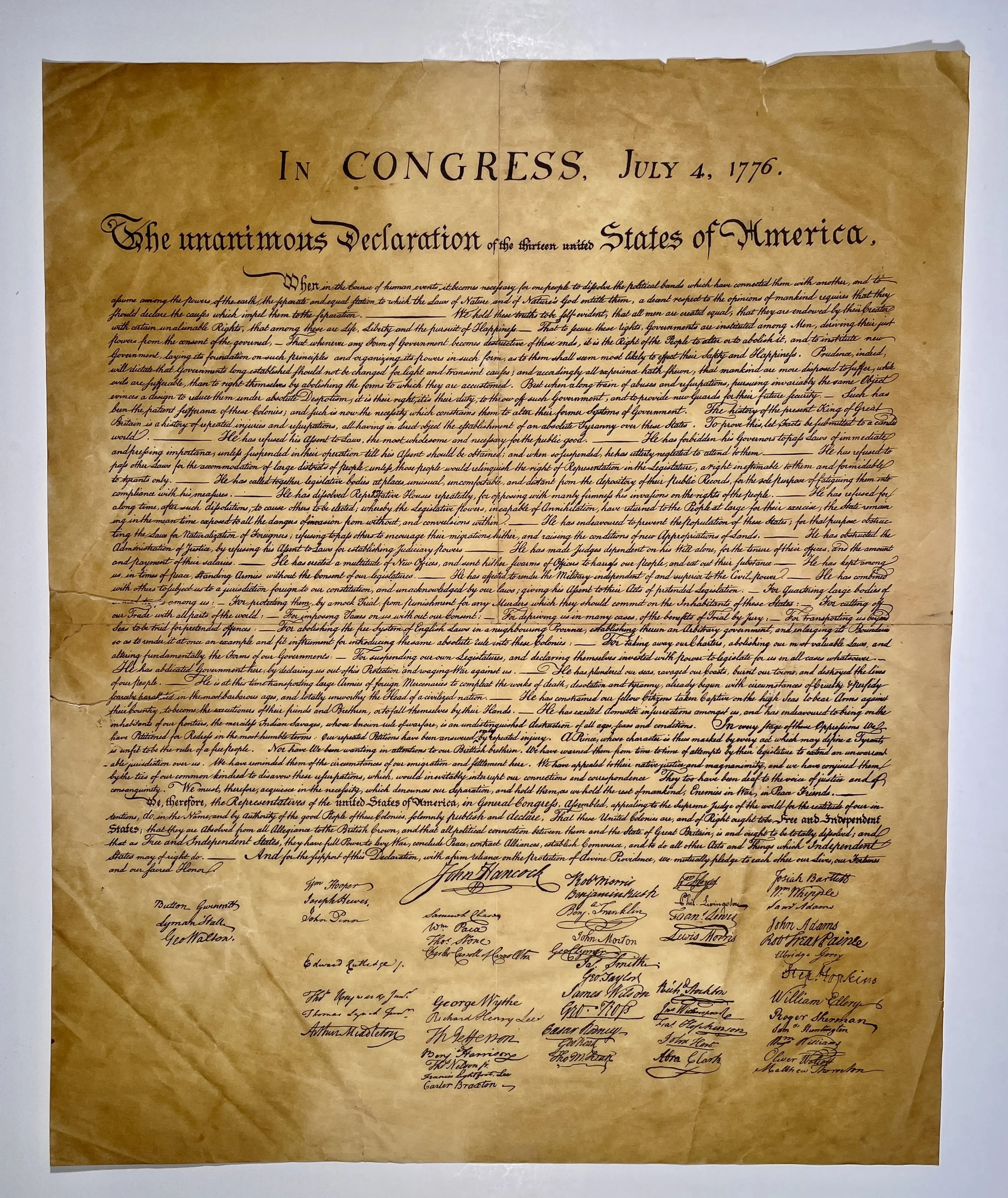 Image 1 of 7
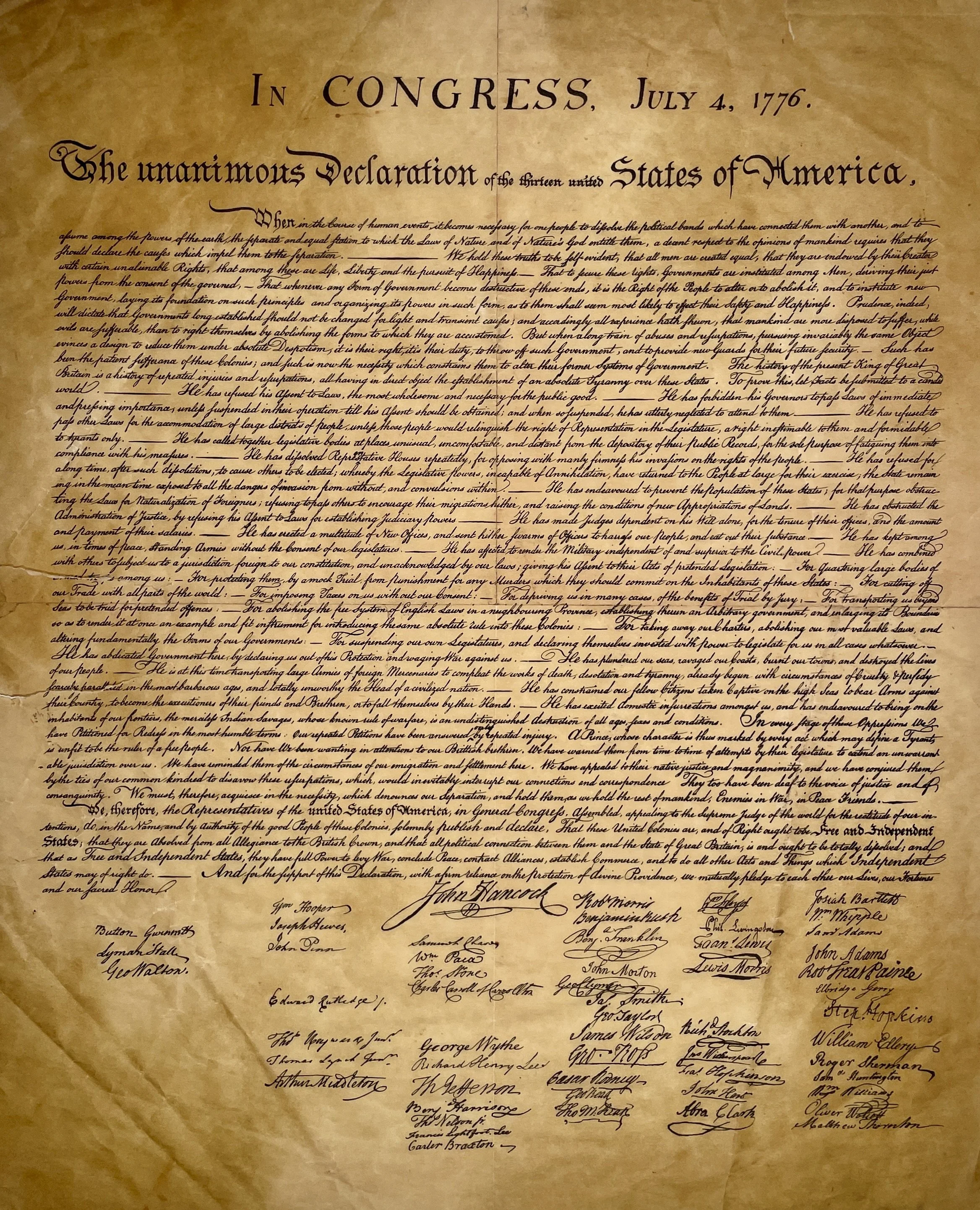 Image 2 of 7
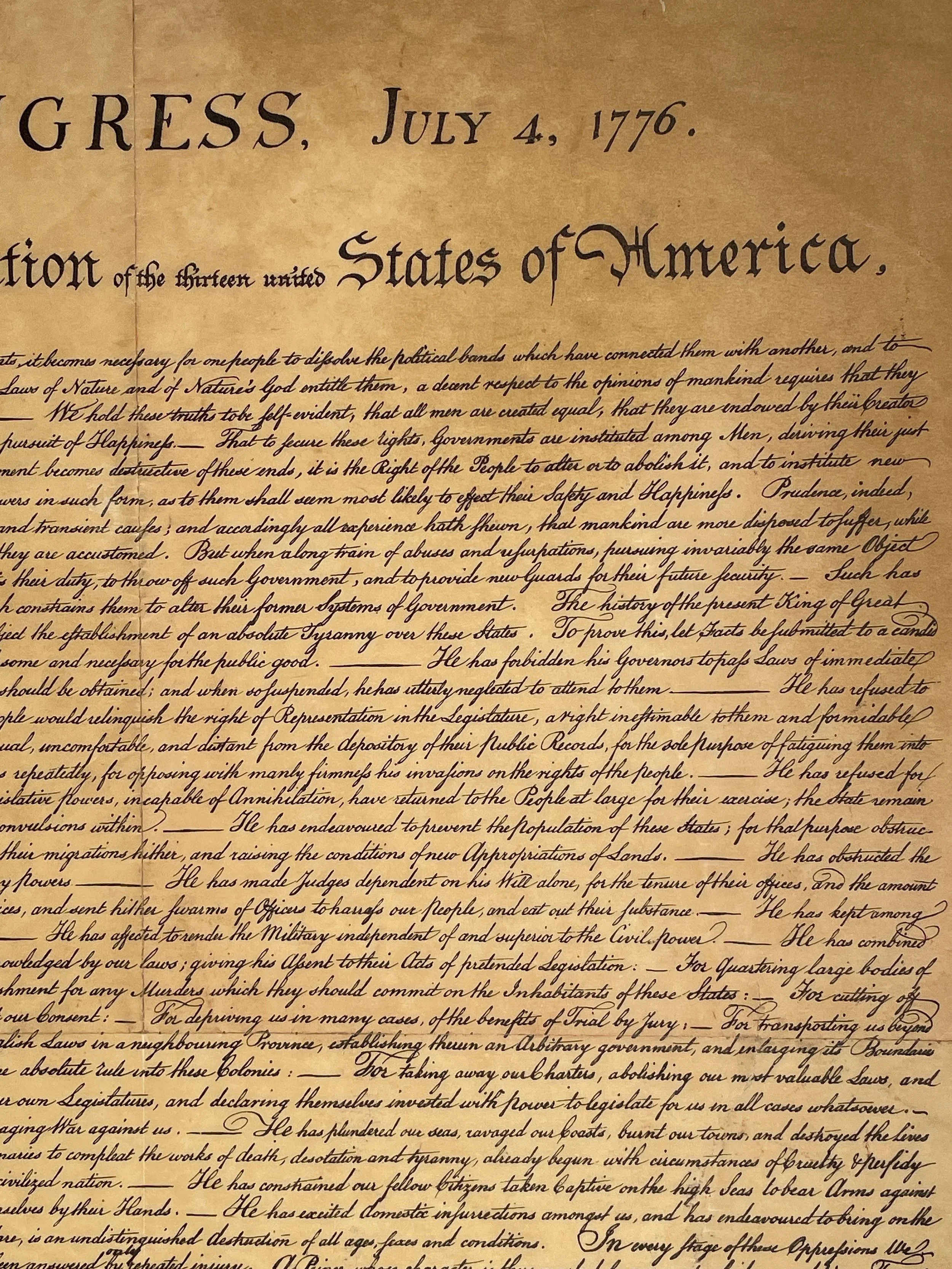 Image 3 of 7
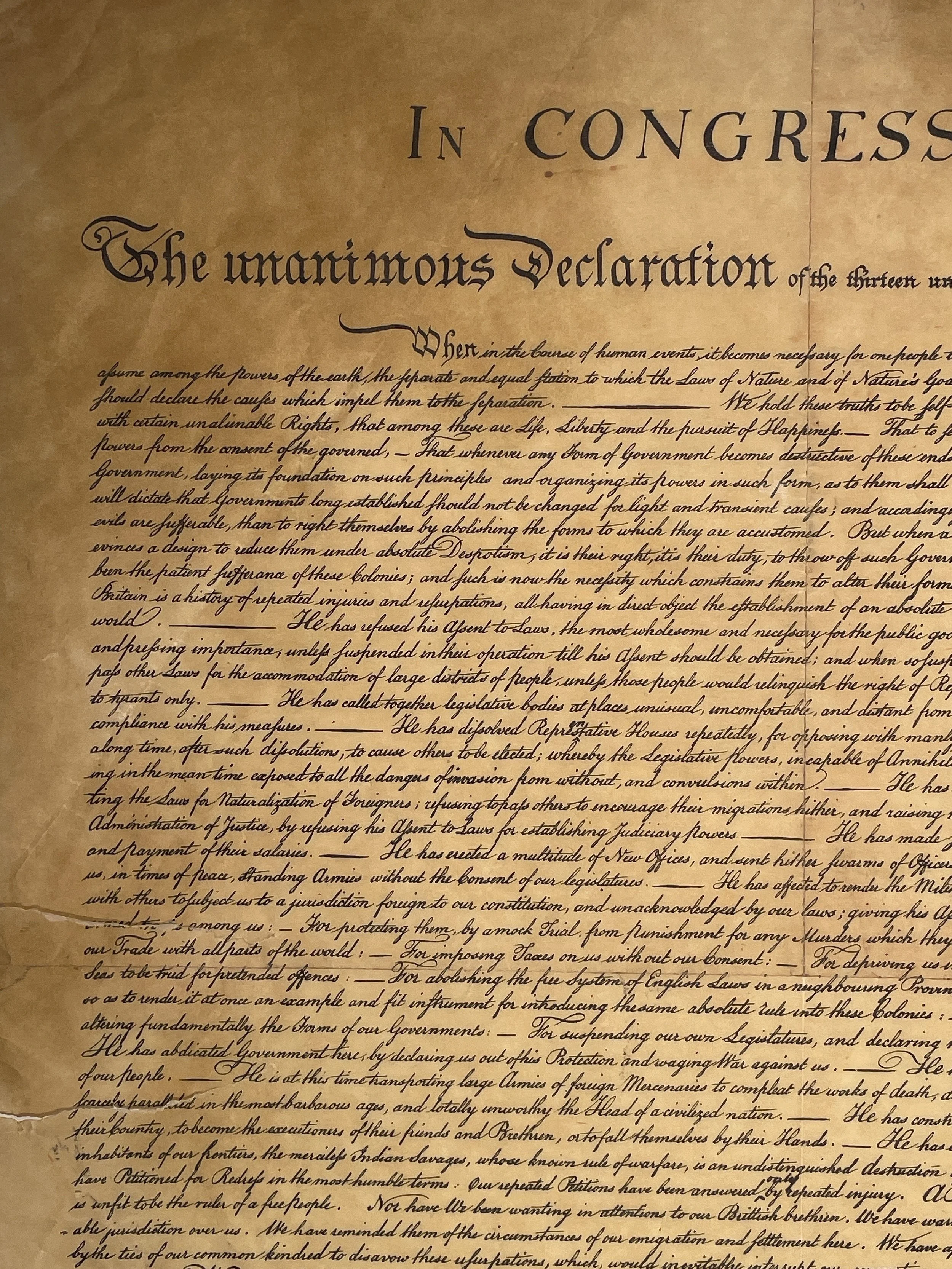 Image 4 of 7
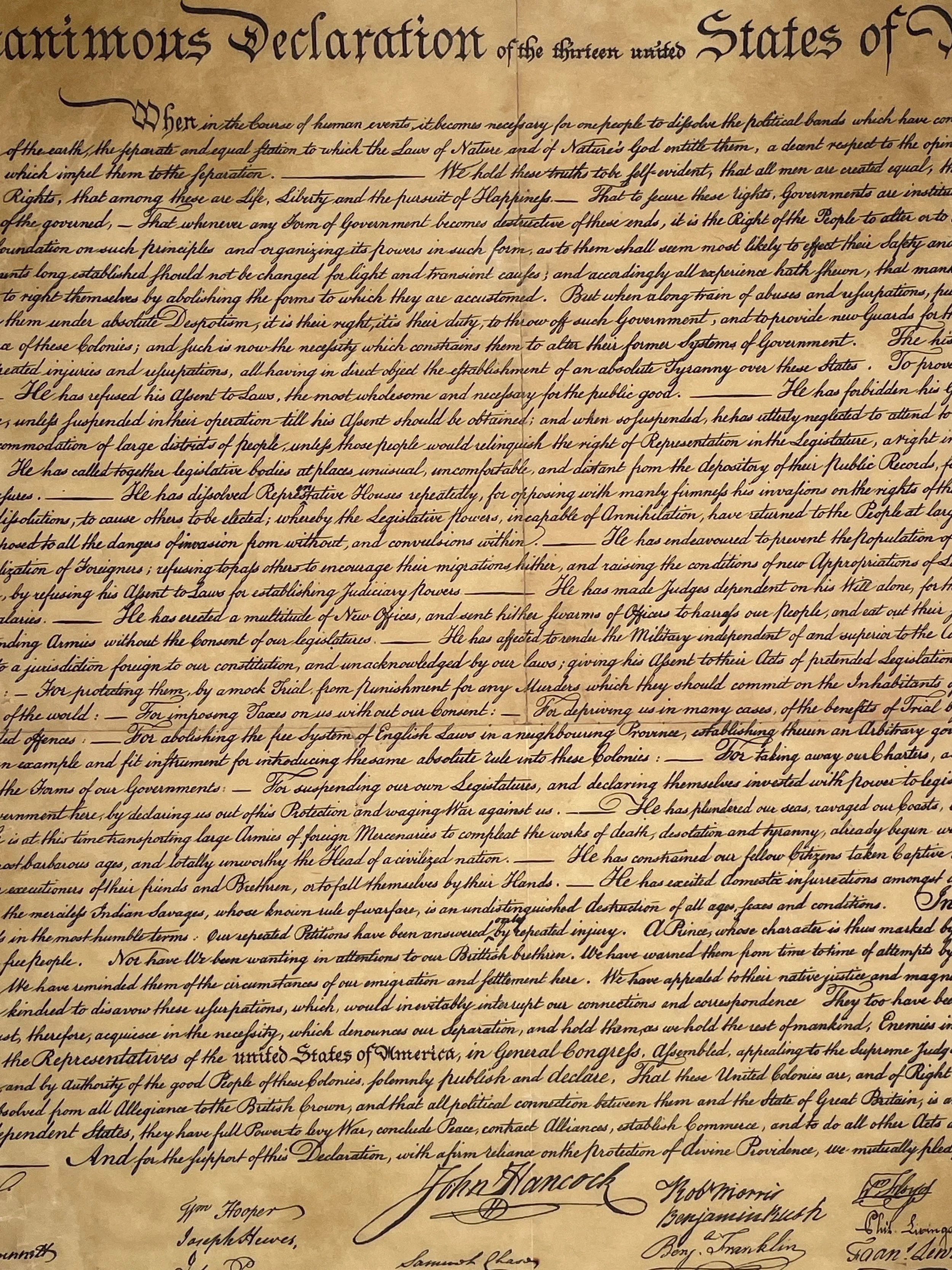 Image 5 of 7
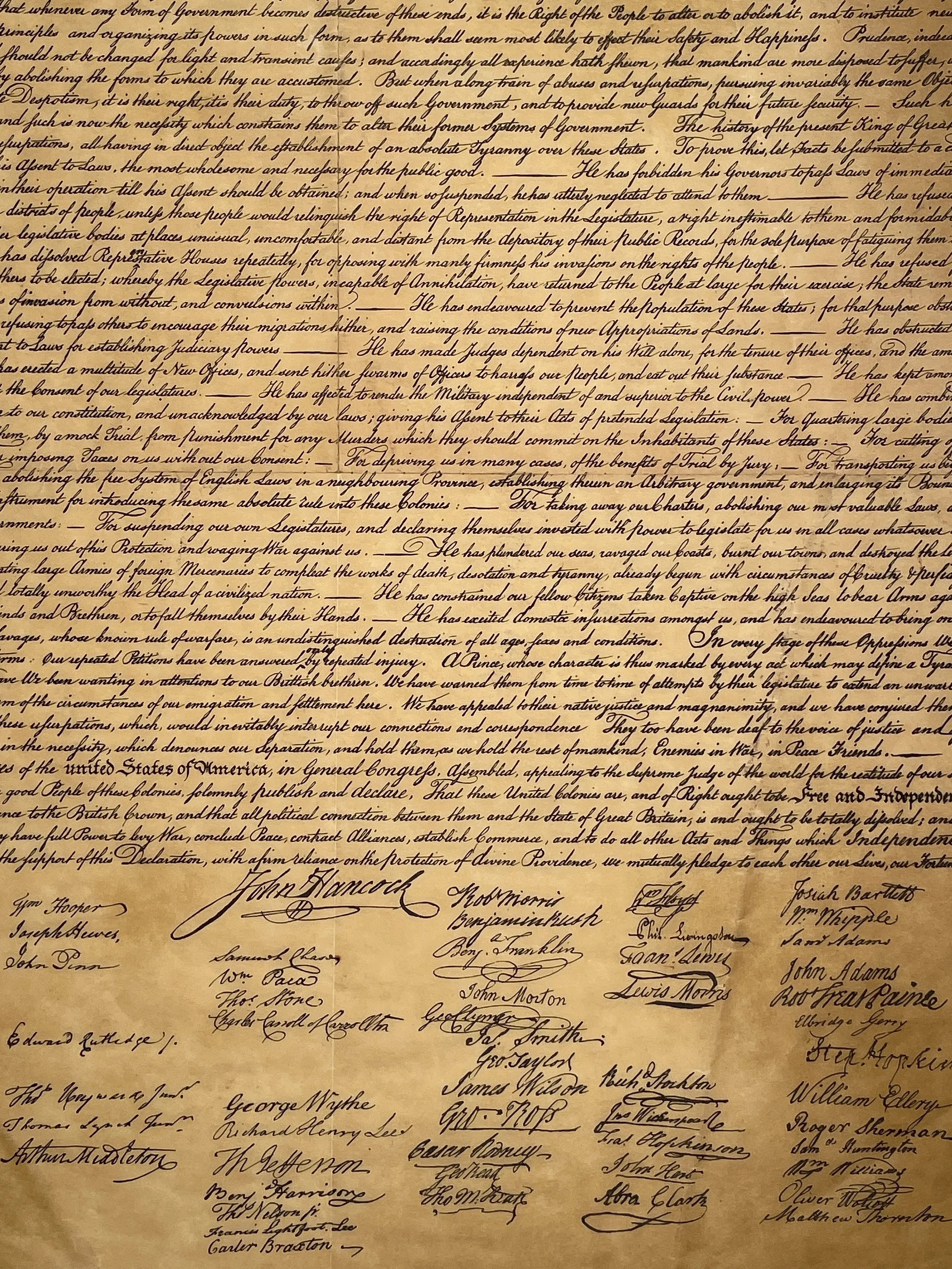 Image 6 of 7
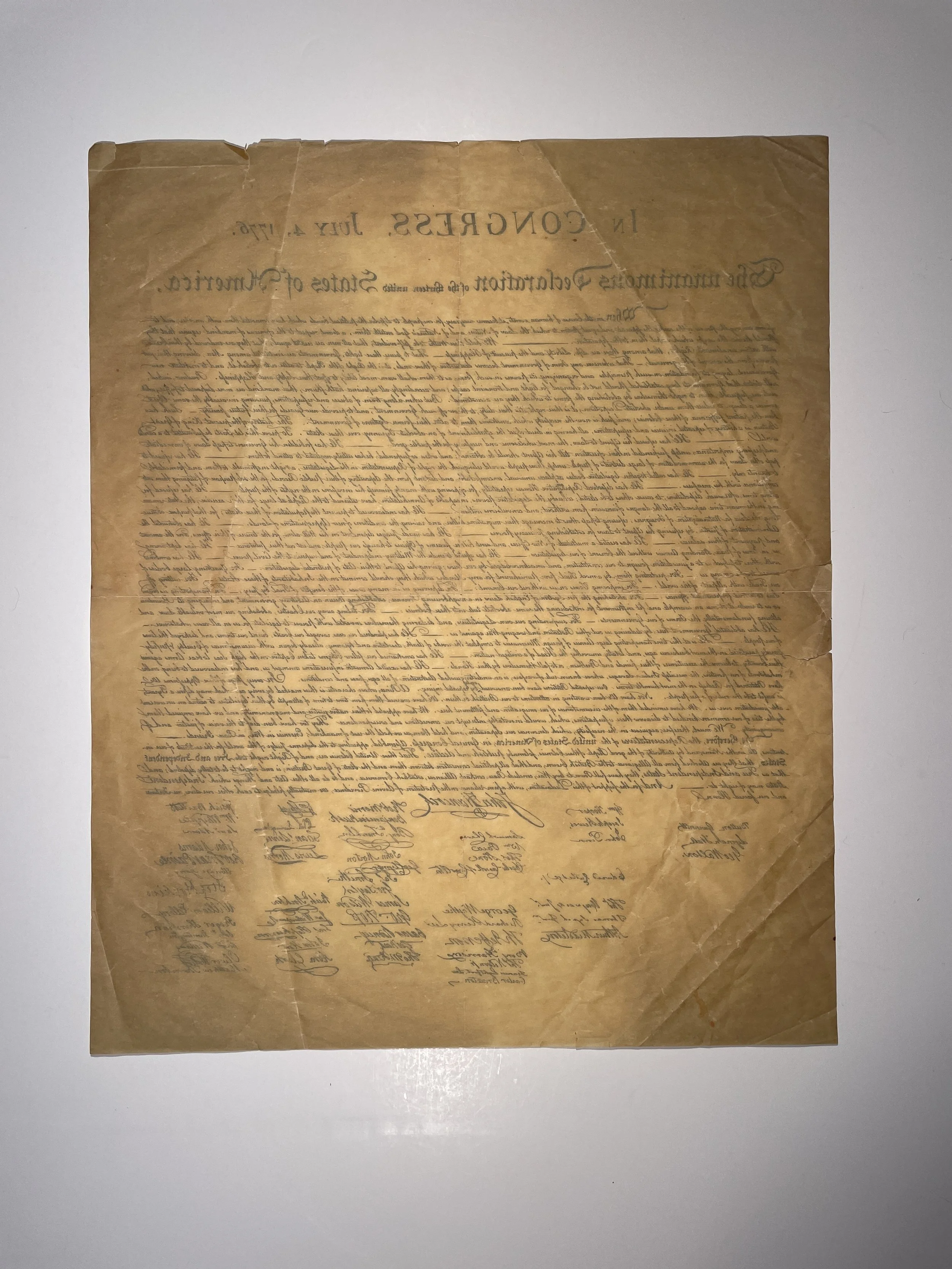 Image 7 of 7