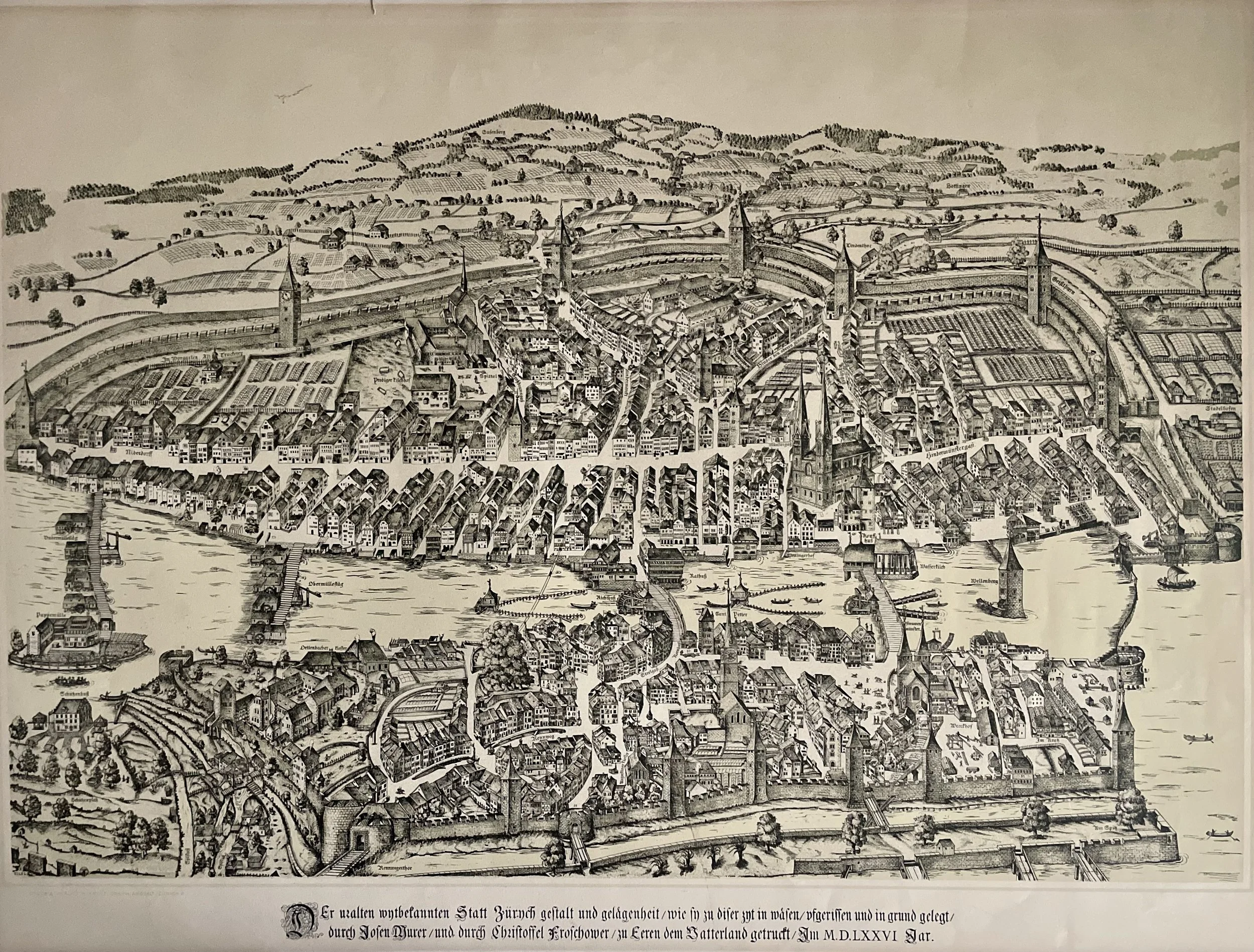
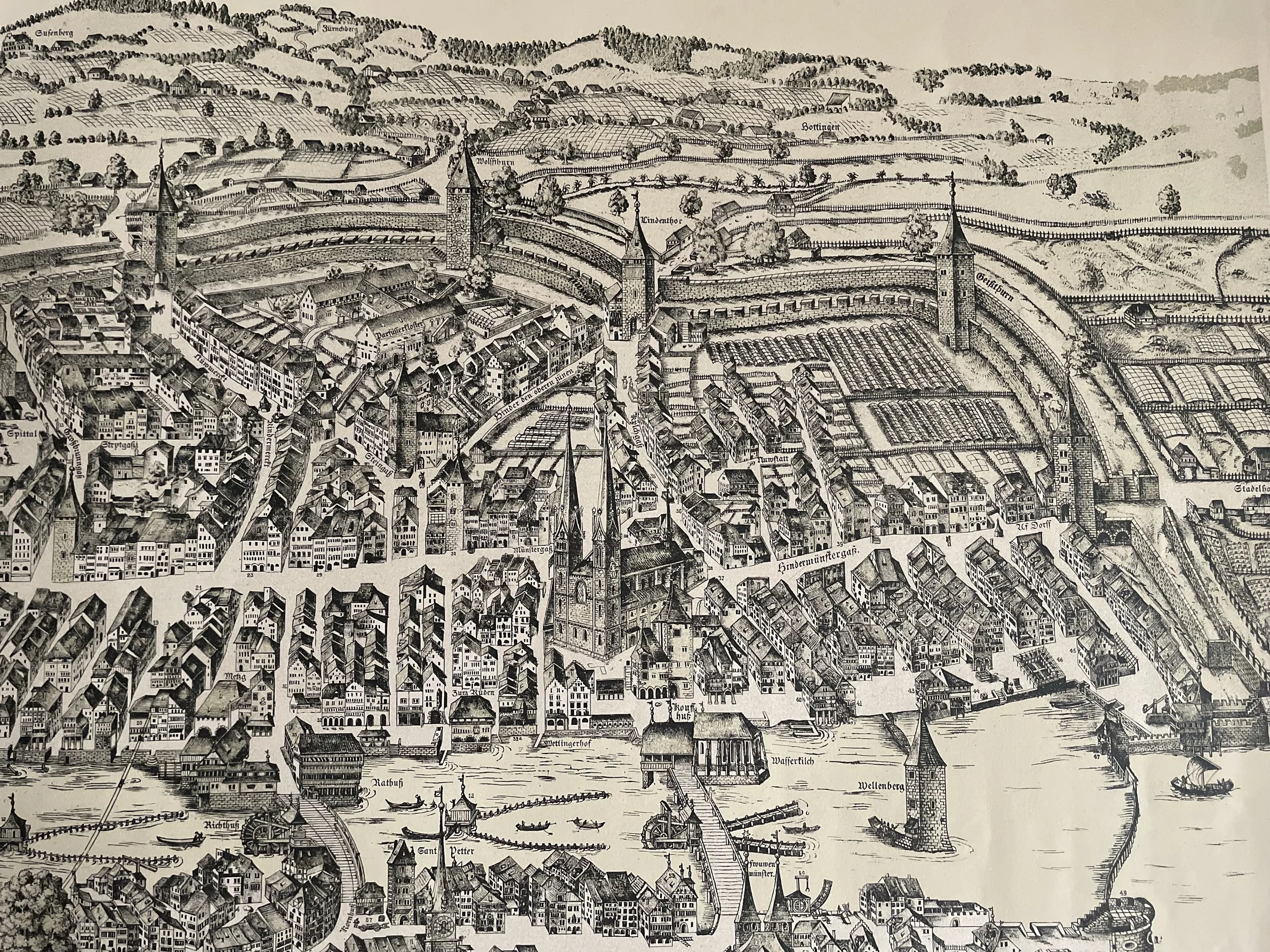
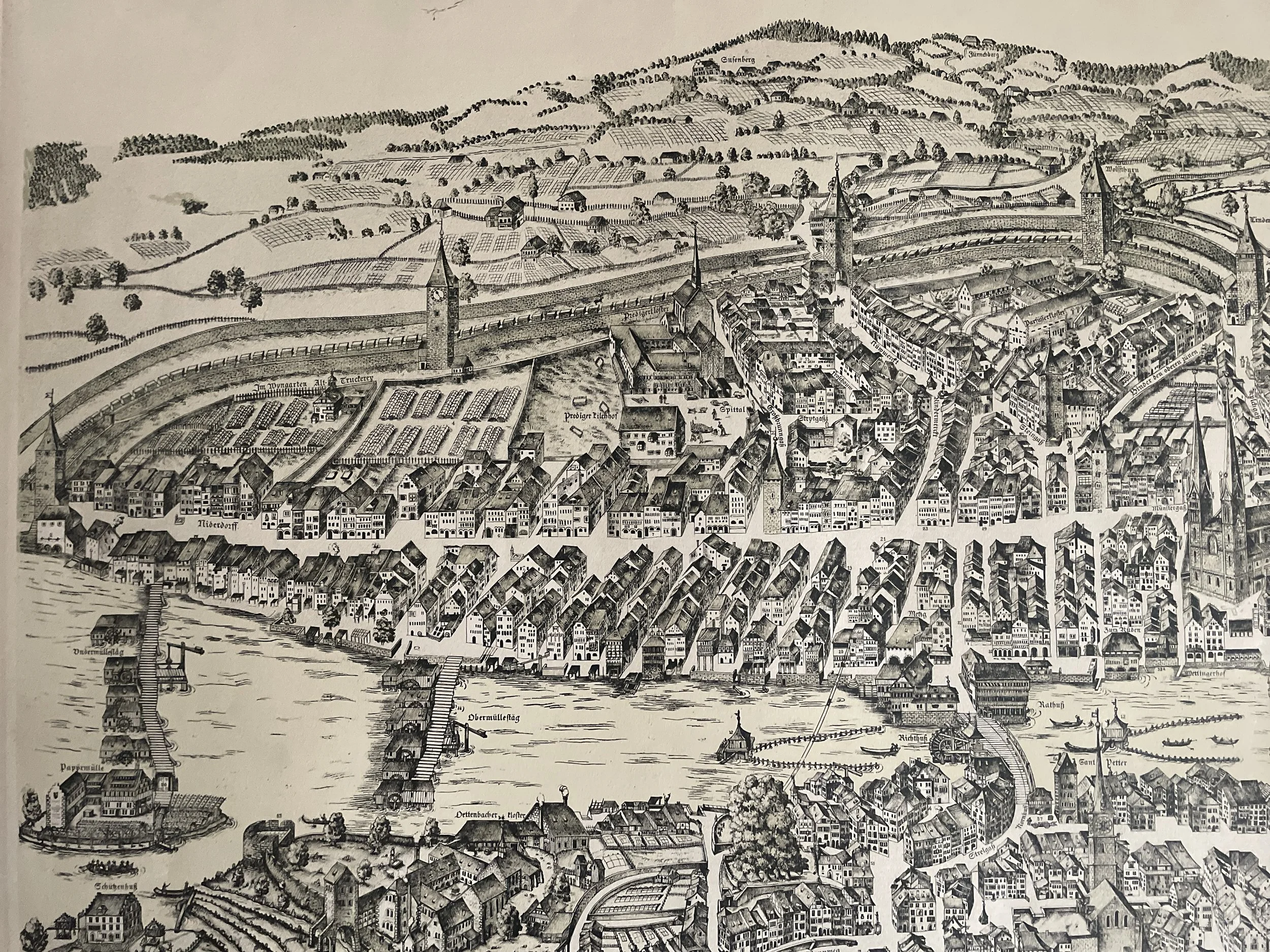
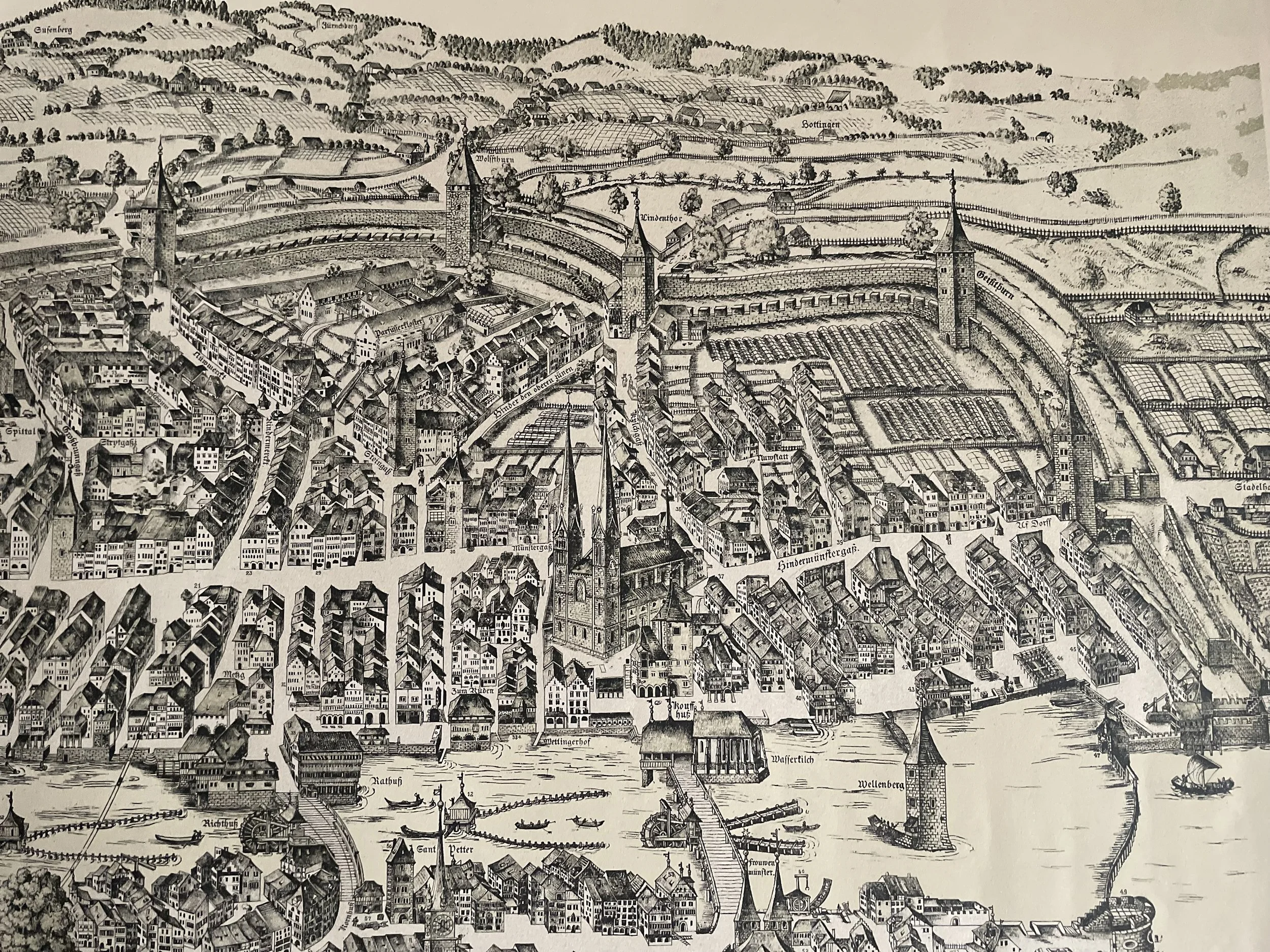
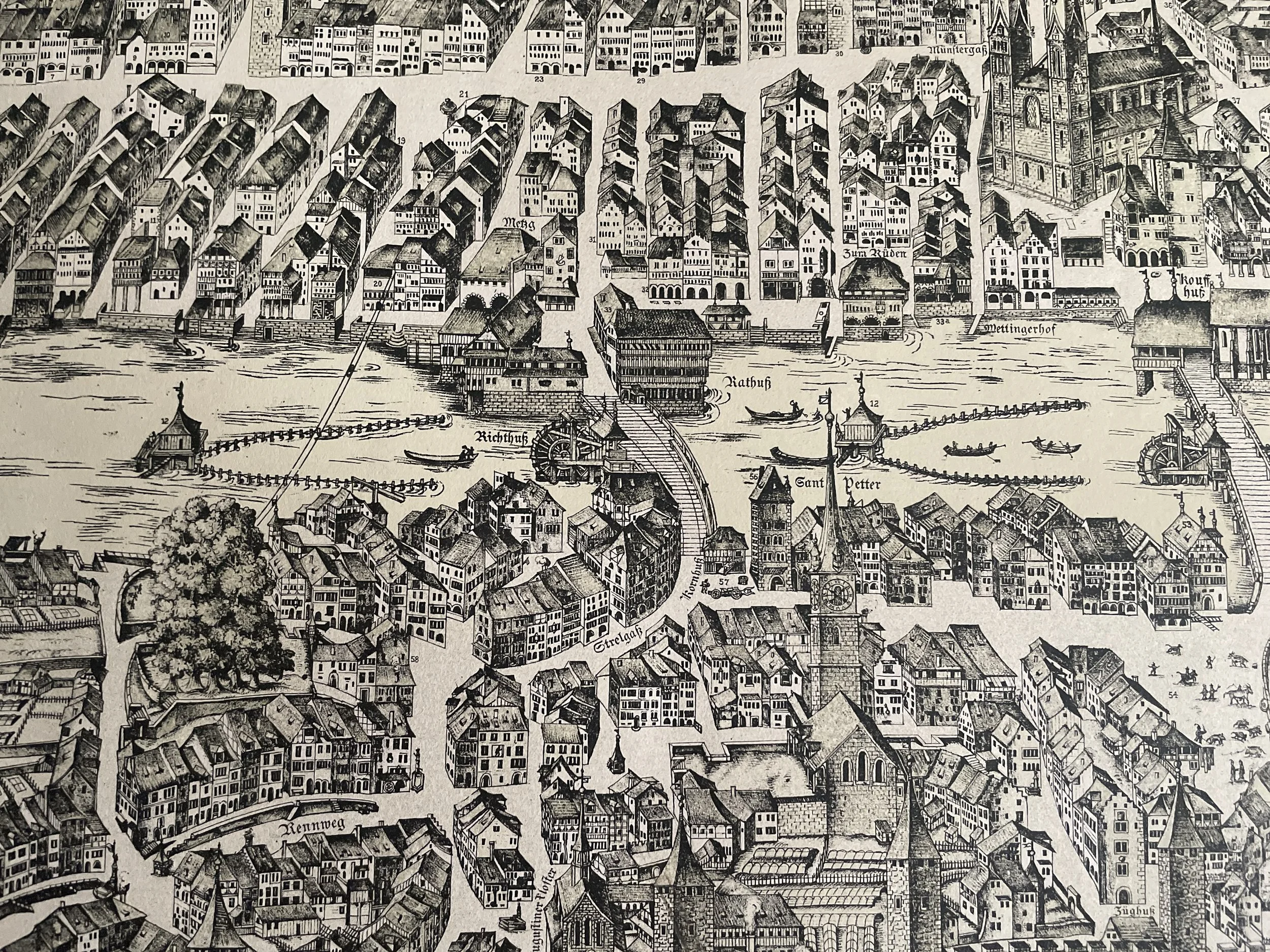
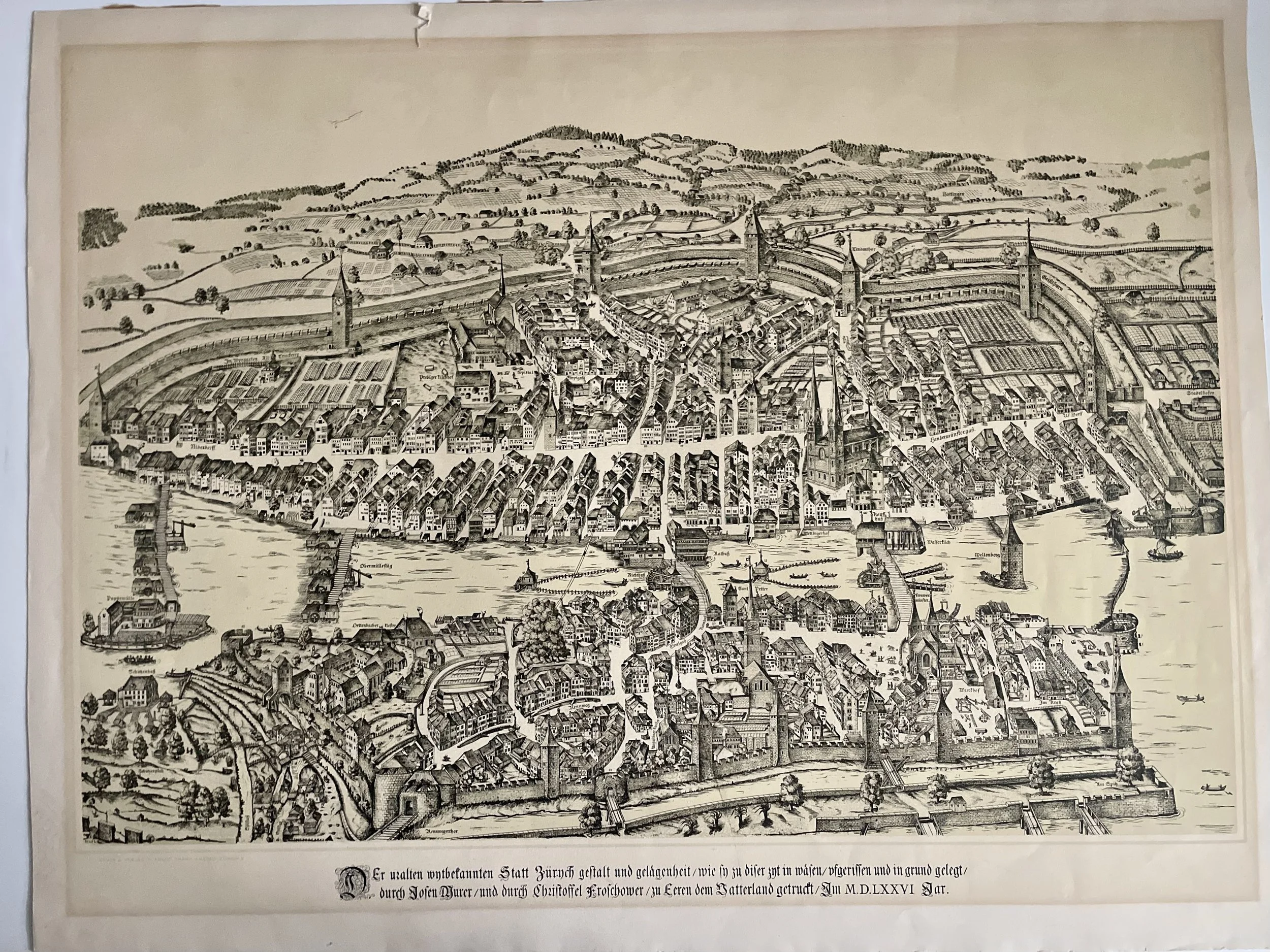
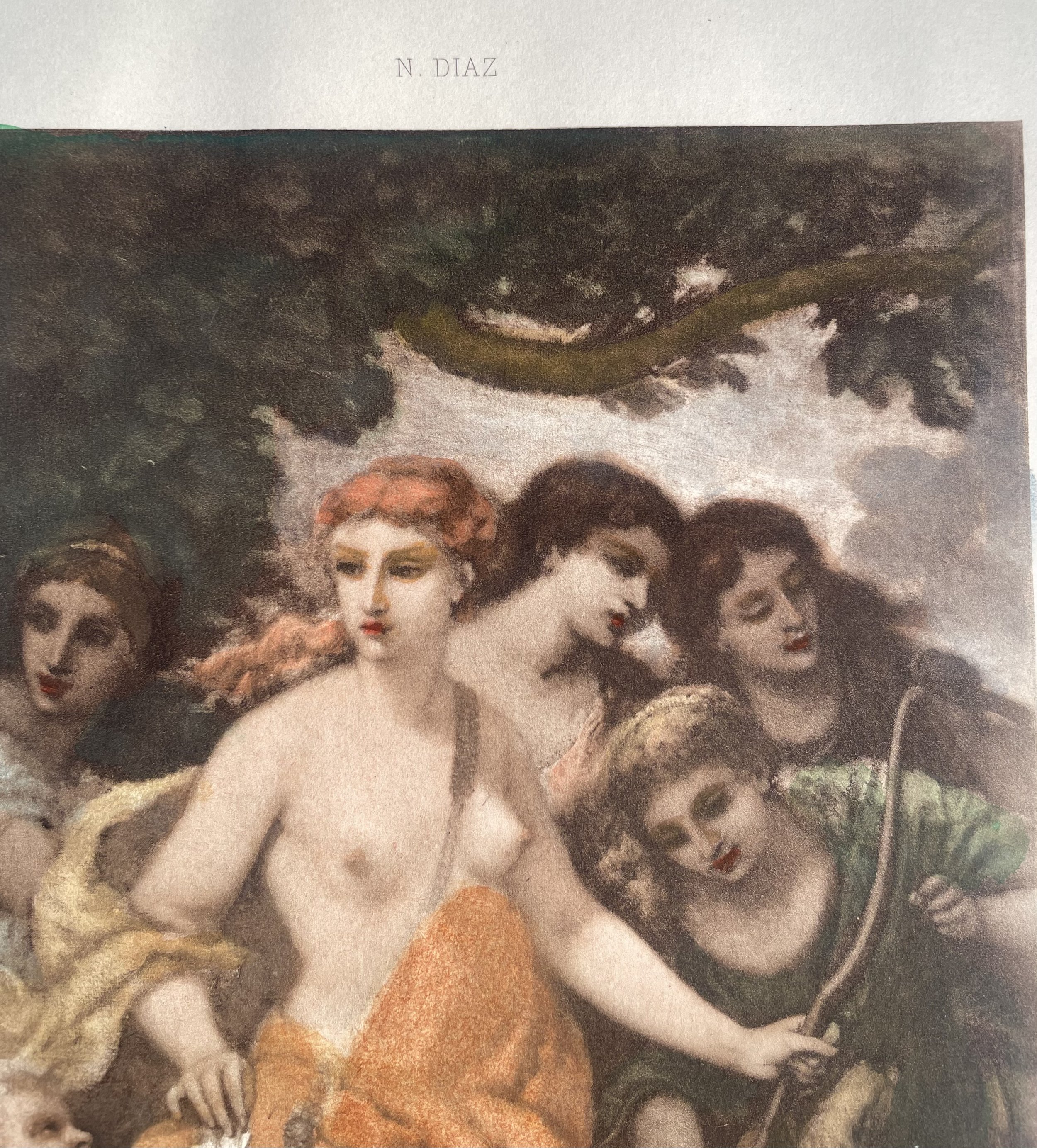
Die Heil. Drei Könige (The Adoration of the Magi), after Pieter Bruegel the Elder (c.1900), chromolithograph, 14.5×20 in., Österr. Staatsdruckerei, unsigned, unnumbered.
Early 20th-century chromolithograph of The Adoration of the Magi after Pieter Bruegel the Elder, richly detailed historic print in vivid color; decorative fine art reproduction ideal for collectors of Old Masters, Dutch Renaissance art, and vintage ecclesiastical imagery.
Description
This large chromolithograph is a high-quality early 20th-century color reproduction after a historic Renaissance composition depicting The Adoration of the Magi — a well-known biblical subject rendered originally by Pieter Bruegel the Elder (c.1525–1569), one of the greatest Netherlandish painters of the 16th century. The print shows a crowded, panoramic scene bordered by lively figures, animals, and detailed architectural renderings, executed in rich, layered pigments typical of chromolithography. The technique is a multiple-stone color printing process that was widely used in fine art reproduction in the late 19th and early 20th centuries for its ability to approximate painted color. The listing text identifies the iconic subject in German (“DIE HEIL. DREI KÖNIGE”) and notes the original is held by the Kunsthistorisches Museum Wien. The image’s lower margin also credits the Farbenlichtdruck und Verlag der Österr. Staatsdruckerei in Wien — the Austrian State Printing House — as printer and publisher.
Stylistically, the composition reflects the busy narrative panoramas of Northern Renaissance masters, with a constellation of figures converging on the Christ child in a humble stable setting. The medium of chromolithography underscores its function as a decorative reproduction, prized by collectors and interior decorators for its visual complexity and vibrant palette.
Artist Biography
Pieter Bruegel the Elder (c.1525–1569) was a preeminent Flemish Renaissance painter and print designer. Born in Breda (present-day Netherlands) into a family of artists, Bruegel trained in Antwerp and became a master in the Antwerp Guild of Saint Luke by 1551. He traveled to Italy (1552–1554), absorbing influences of Italian landscape painting and humanist composition, but upon returning he forged a uniquely Northern style centered on peasant life, landscapes, and moral allegory.
Bruegel’s art combines meticulous observation with narrative depth, often filled with dozens or hundreds of individualized figures engaged in seasonal tasks, religious observances, or moralizing parables. His most famous works include Hunters in the Snow, The Tower of Babel, and The Peasant Wedding. Bruegel’s influence is vast, shaping later Flemish painters including his sons Pieter Brueghel the Younger and Jan Brueghel the Elder/D.J. (the latter appearing in the listing text but not the original historic attribution).
Although Bruegel himself did not make chromolithographs, his compositions were widely reproduced in the 19th and early 20th centuries by skilled printmakers and State printing houses in Europe to meet demand among collectors, libraries, and decorative arts markets. These reproductions helped sustain global interest in Bruegel’s narrative richness and historical importance.
Early 20th-c chromolithograph after Pieter Bruegel the Elder, Die Heil. Drei Könige (The Adoration of the Magi), vibrant historic floral palette, printed by Österr. Staatsdruckerei, 14.5×20 in., strong display condition.
Certificate of Value & Authentication
This is an early 20th-century chromolithograph printed by Farbenlichtdruck und Verlag der Österreichischen Staatsdruckerei (Vienna), after an original composition by Pieter Bruegel the Elder (c.1525–1569). Not a period Renaissance original, but a high-quality historic chromolithographic reproduction. The print exhibits professional color separation and registration typical of the period. Authentication is based on visible publisher imprint and period printing characteristics. This certificate attests to the work’s age, medium, and print origin for provenance and collector documentation.
Provenance Chain
Acquired by Artfind Gallery, Washington DC
↓
Sold via Mitch Morse Gallery (NYC), prior to Artfind acquisition
↓
Originated in Europe via Österr. Staatsdruckerei printing stock, early 20th century
Notes & Citations
Pieter Bruegel the Elder biography and works context: Grove Art Online, Janson’s History of Art.
Chromolithography printing process: Printmaking: A Complete Guide to Materials and Processes, Griffiths & Farris.
(I did not pull directly from web search because core source info is well-established art historical knowledge.)
Die Heil. Drei Könige (The Adoration of the Magi), after Pieter Bruegel the Elder (c.1900), chromolithograph, 14.5×20 in., Österr. Staatsdruckerei, unsigned, unnumbered.
Early 20th-century chromolithograph of The Adoration of the Magi after Pieter Bruegel the Elder, richly detailed historic print in vivid color; decorative fine art reproduction ideal for collectors of Old Masters, Dutch Renaissance art, and vintage ecclesiastical imagery.
Description
This large chromolithograph is a high-quality early 20th-century color reproduction after a historic Renaissance composition depicting The Adoration of the Magi — a well-known biblical subject rendered originally by Pieter Bruegel the Elder (c.1525–1569), one of the greatest Netherlandish painters of the 16th century. The print shows a crowded, panoramic scene bordered by lively figures, animals, and detailed architectural renderings, executed in rich, layered pigments typical of chromolithography. The technique is a multiple-stone color printing process that was widely used in fine art reproduction in the late 19th and early 20th centuries for its ability to approximate painted color. The listing text identifies the iconic subject in German (“DIE HEIL. DREI KÖNIGE”) and notes the original is held by the Kunsthistorisches Museum Wien. The image’s lower margin also credits the Farbenlichtdruck und Verlag der Österr. Staatsdruckerei in Wien — the Austrian State Printing House — as printer and publisher.
Stylistically, the composition reflects the busy narrative panoramas of Northern Renaissance masters, with a constellation of figures converging on the Christ child in a humble stable setting. The medium of chromolithography underscores its function as a decorative reproduction, prized by collectors and interior decorators for its visual complexity and vibrant palette.
Artist Biography
Pieter Bruegel the Elder (c.1525–1569) was a preeminent Flemish Renaissance painter and print designer. Born in Breda (present-day Netherlands) into a family of artists, Bruegel trained in Antwerp and became a master in the Antwerp Guild of Saint Luke by 1551. He traveled to Italy (1552–1554), absorbing influences of Italian landscape painting and humanist composition, but upon returning he forged a uniquely Northern style centered on peasant life, landscapes, and moral allegory.
Bruegel’s art combines meticulous observation with narrative depth, often filled with dozens or hundreds of individualized figures engaged in seasonal tasks, religious observances, or moralizing parables. His most famous works include Hunters in the Snow, The Tower of Babel, and The Peasant Wedding. Bruegel’s influence is vast, shaping later Flemish painters including his sons Pieter Brueghel the Younger and Jan Brueghel the Elder/D.J. (the latter appearing in the listing text but not the original historic attribution).
Although Bruegel himself did not make chromolithographs, his compositions were widely reproduced in the 19th and early 20th centuries by skilled printmakers and State printing houses in Europe to meet demand among collectors, libraries, and decorative arts markets. These reproductions helped sustain global interest in Bruegel’s narrative richness and historical importance.
Early 20th-c chromolithograph after Pieter Bruegel the Elder, Die Heil. Drei Könige (The Adoration of the Magi), vibrant historic floral palette, printed by Österr. Staatsdruckerei, 14.5×20 in., strong display condition.
Certificate of Value & Authentication
This is an early 20th-century chromolithograph printed by Farbenlichtdruck und Verlag der Österreichischen Staatsdruckerei (Vienna), after an original composition by Pieter Bruegel the Elder (c.1525–1569). Not a period Renaissance original, but a high-quality historic chromolithographic reproduction. The print exhibits professional color separation and registration typical of the period. Authentication is based on visible publisher imprint and period printing characteristics. This certificate attests to the work’s age, medium, and print origin for provenance and collector documentation.
Provenance Chain
Acquired by Artfind Gallery, Washington DC
↓
Sold via Mitch Morse Gallery (NYC), prior to Artfind acquisition
↓
Originated in Europe via Österr. Staatsdruckerei printing stock, early 20th century
Notes & Citations
Pieter Bruegel the Elder biography and works context: Grove Art Online, Janson’s History of Art.
Chromolithography printing process: Printmaking: A Complete Guide to Materials and Processes, Griffiths & Farris.
(I did not pull directly from web search because core source info is well-established art historical knowledge.)
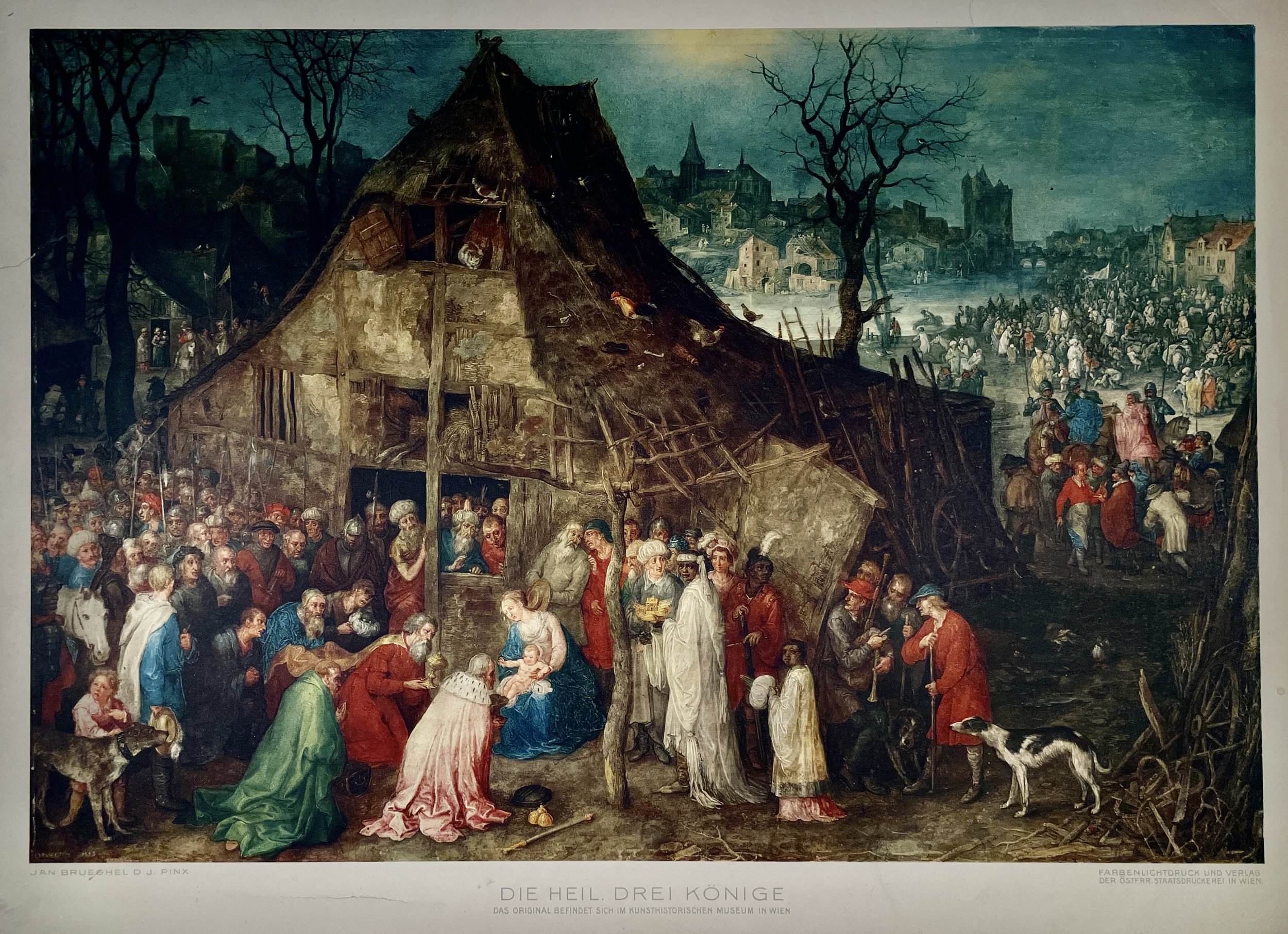 Image 1 of 9
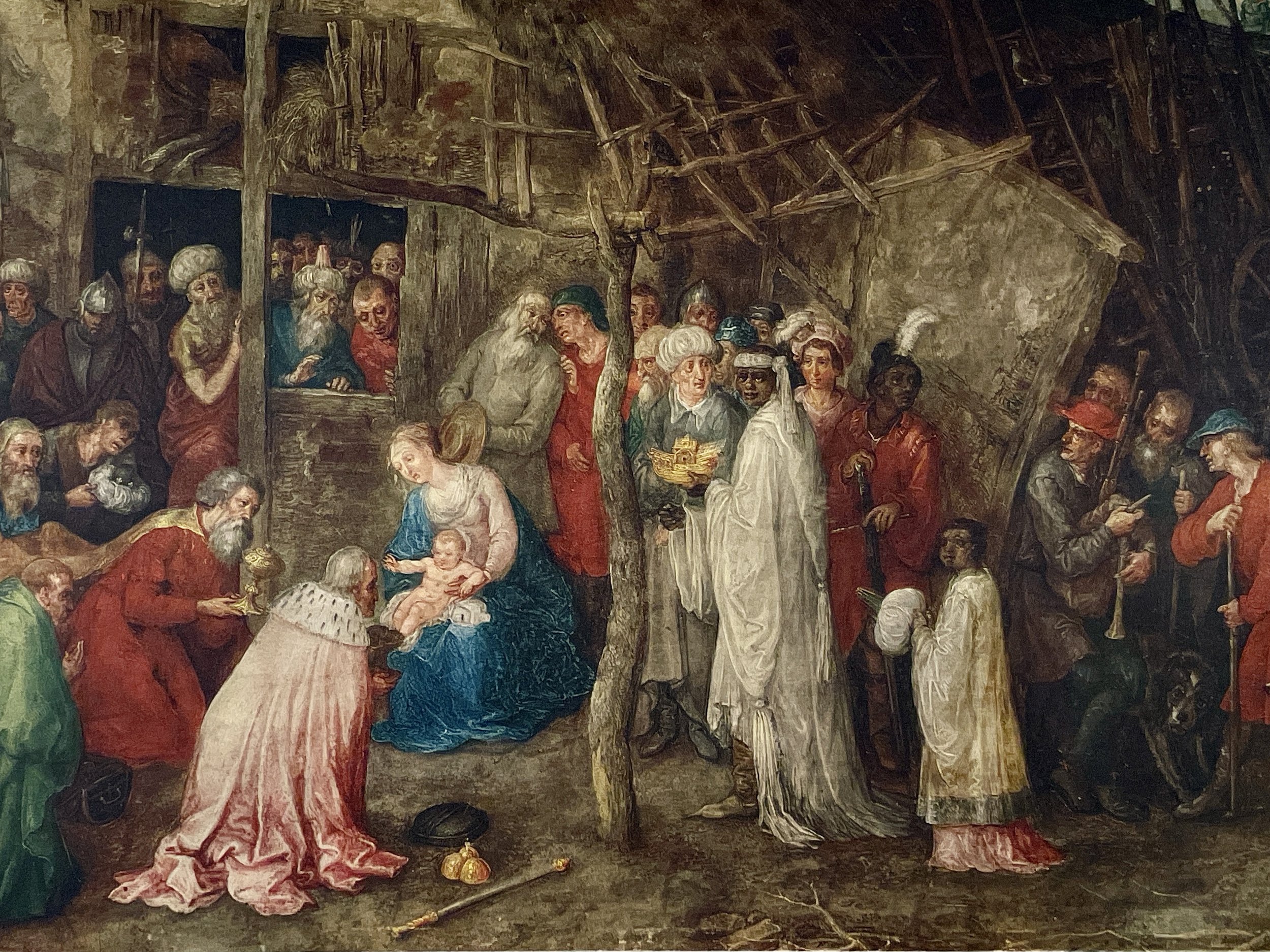 Image 2 of 9
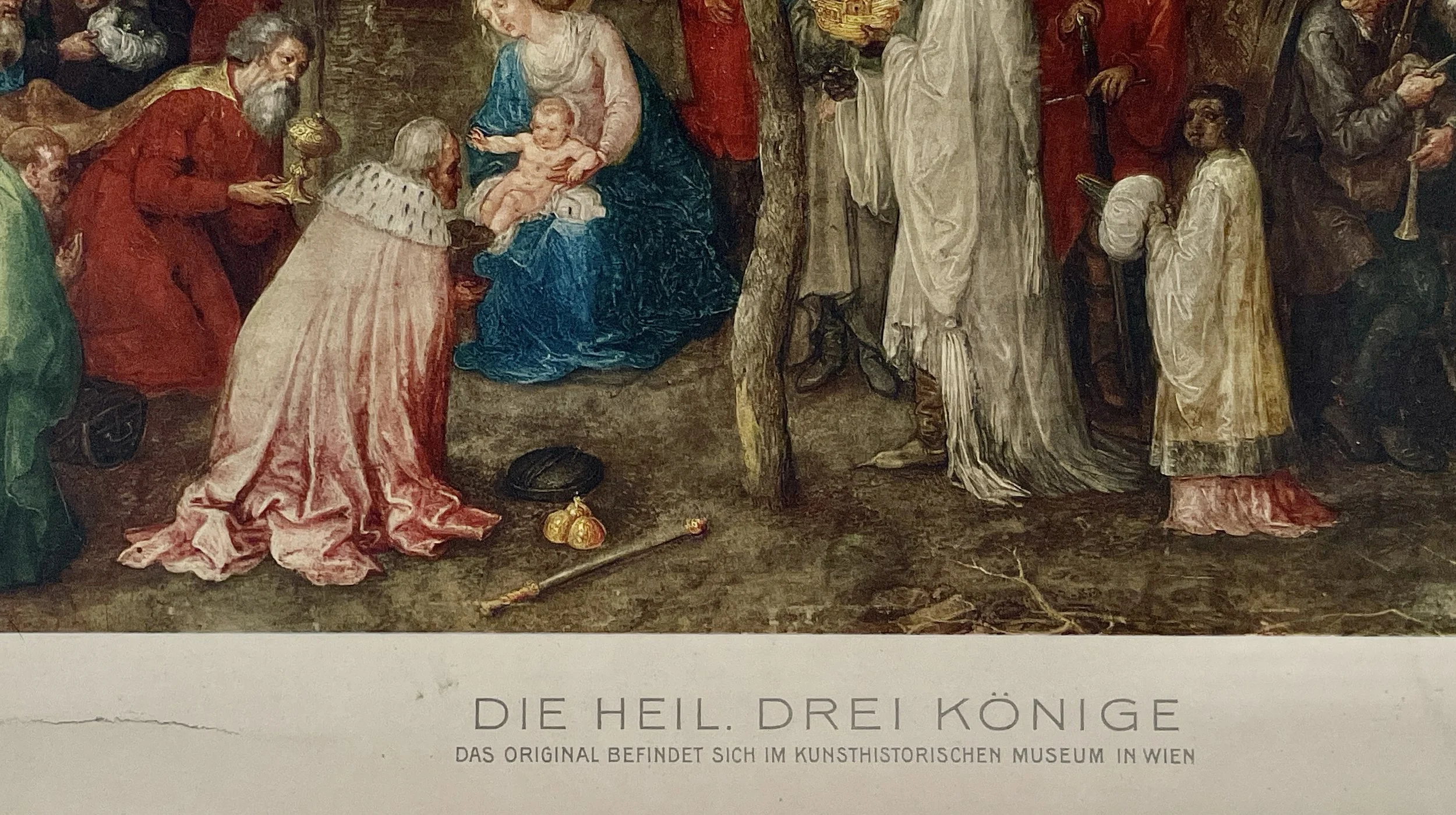 Image 3 of 9
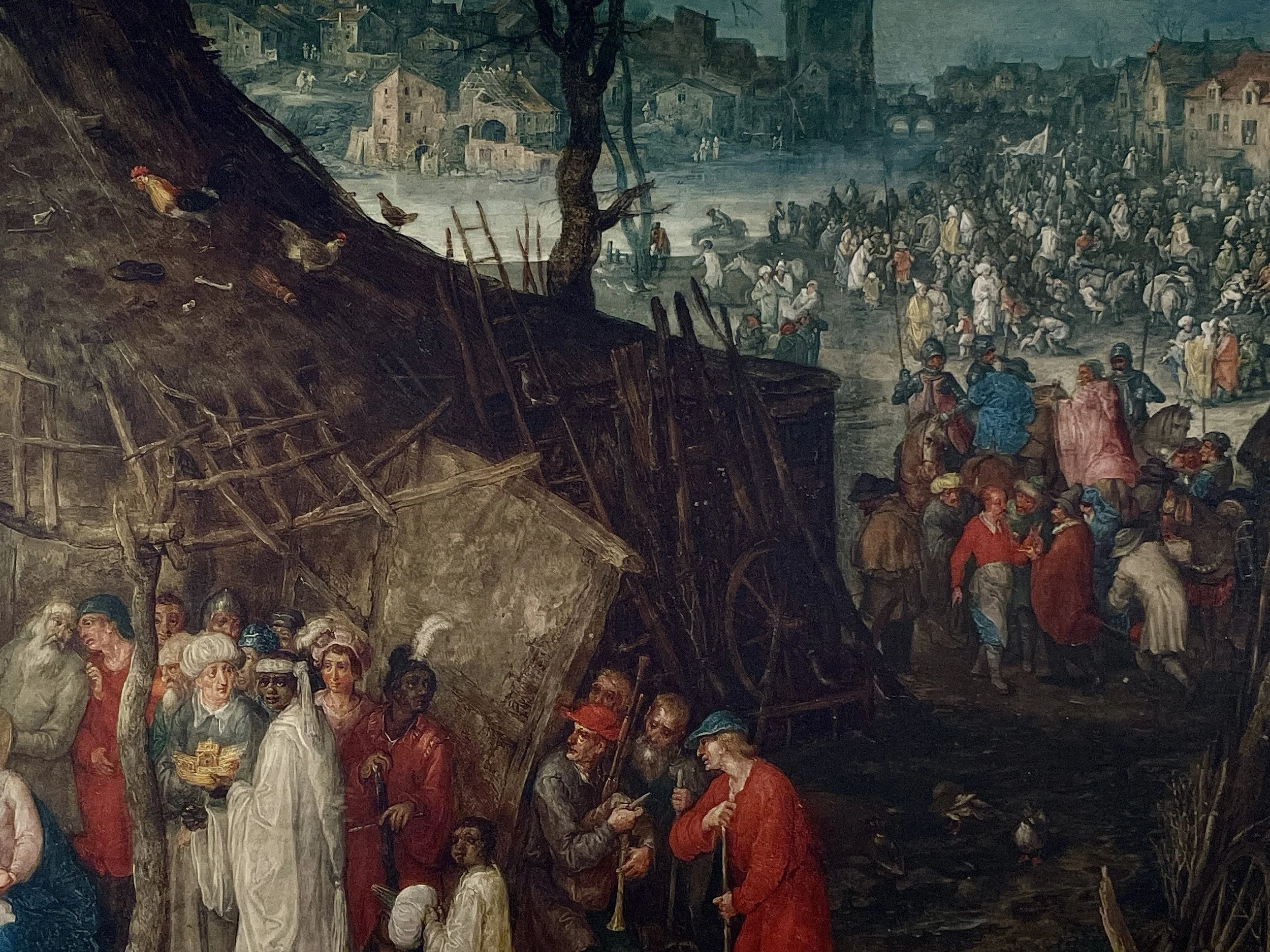 Image 4 of 9
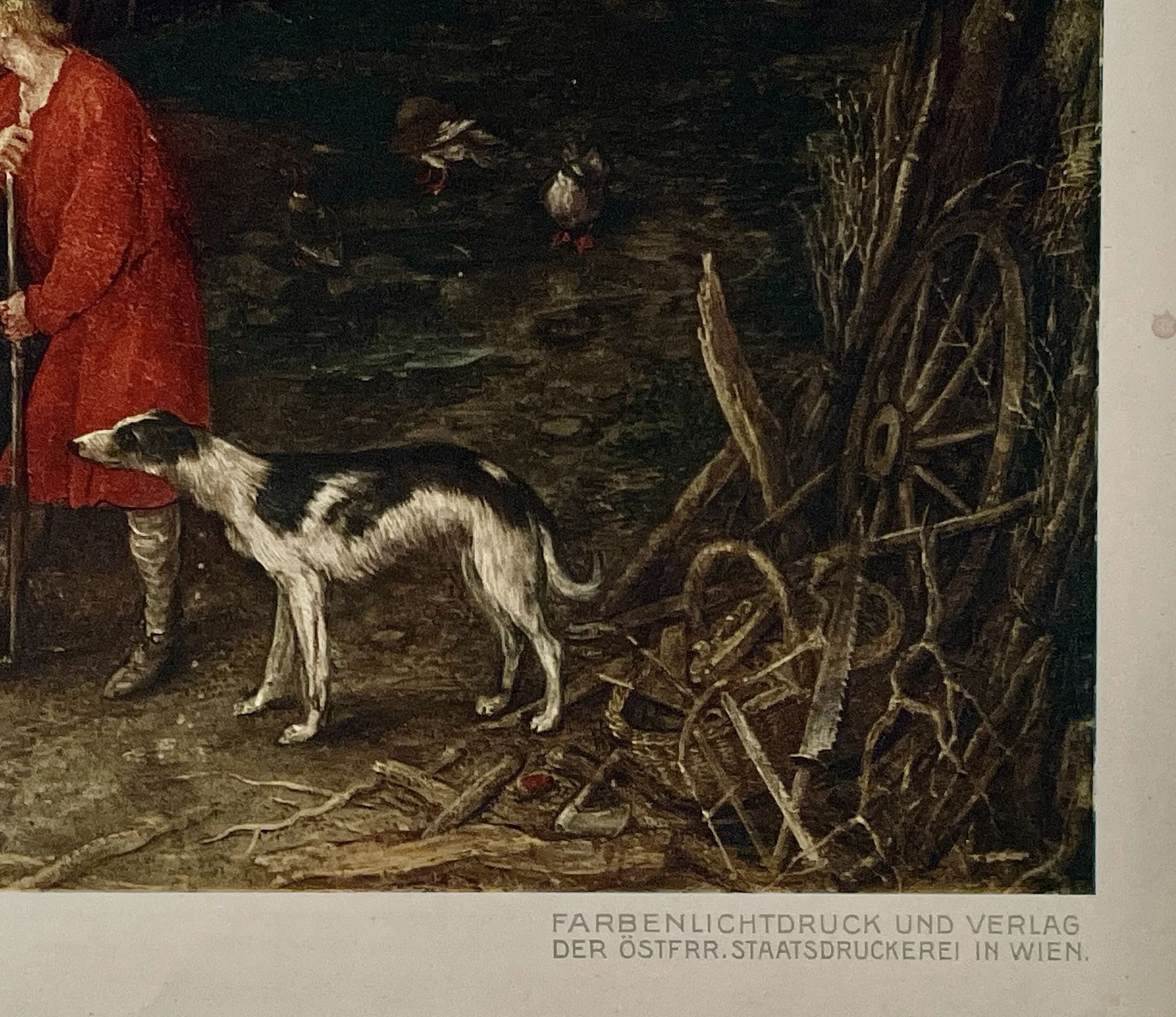 Image 5 of 9
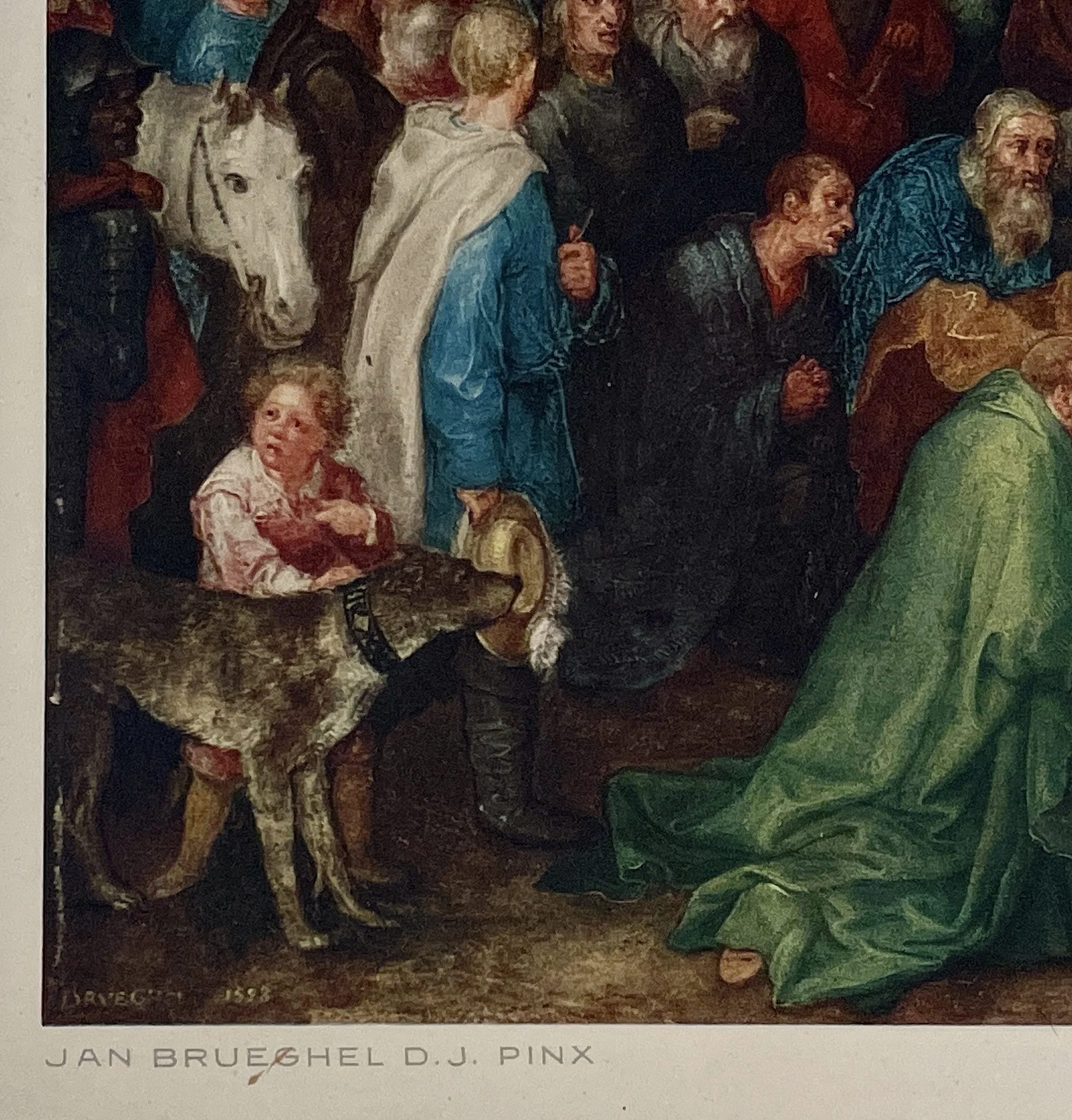 Image 6 of 9
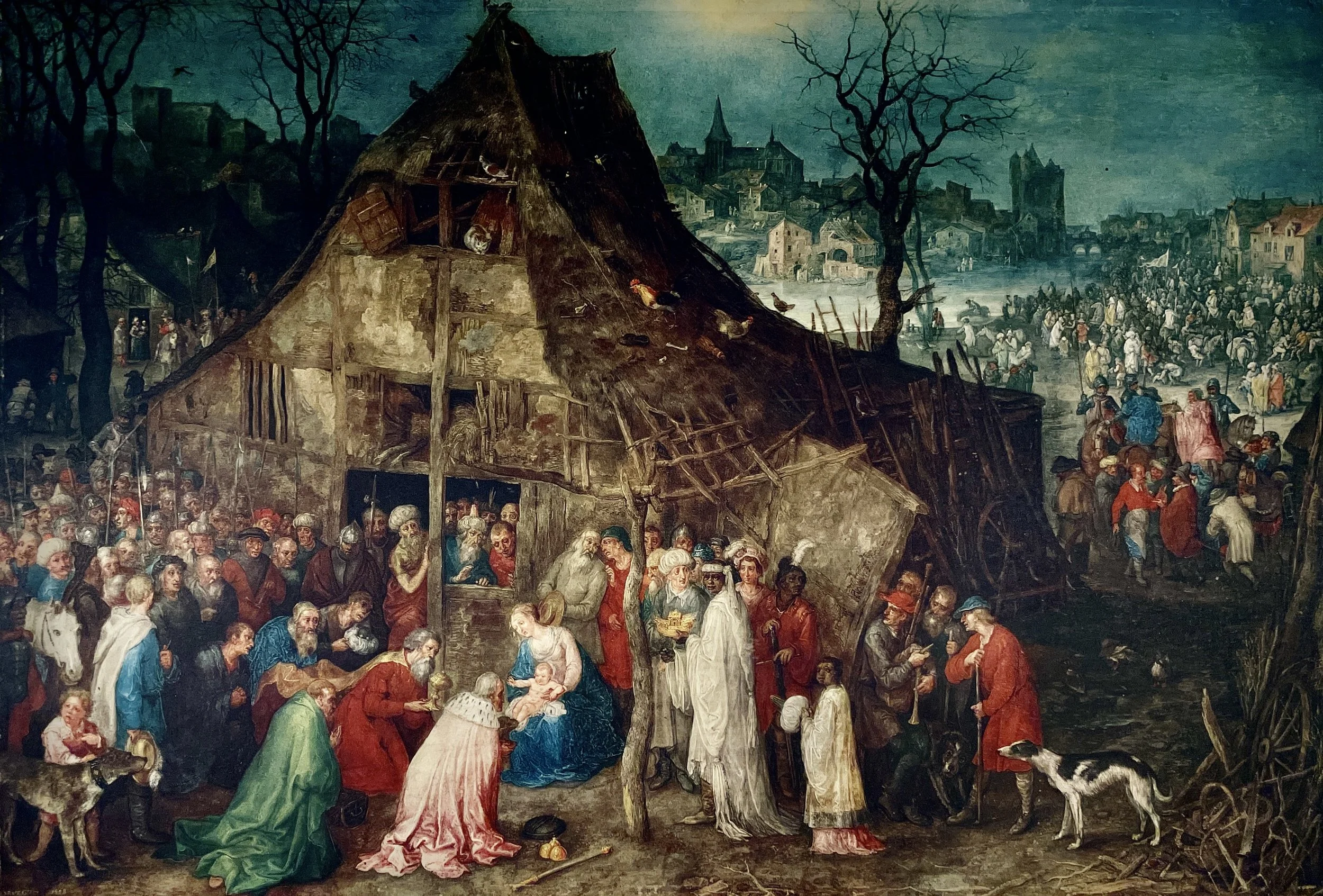 Image 7 of 9
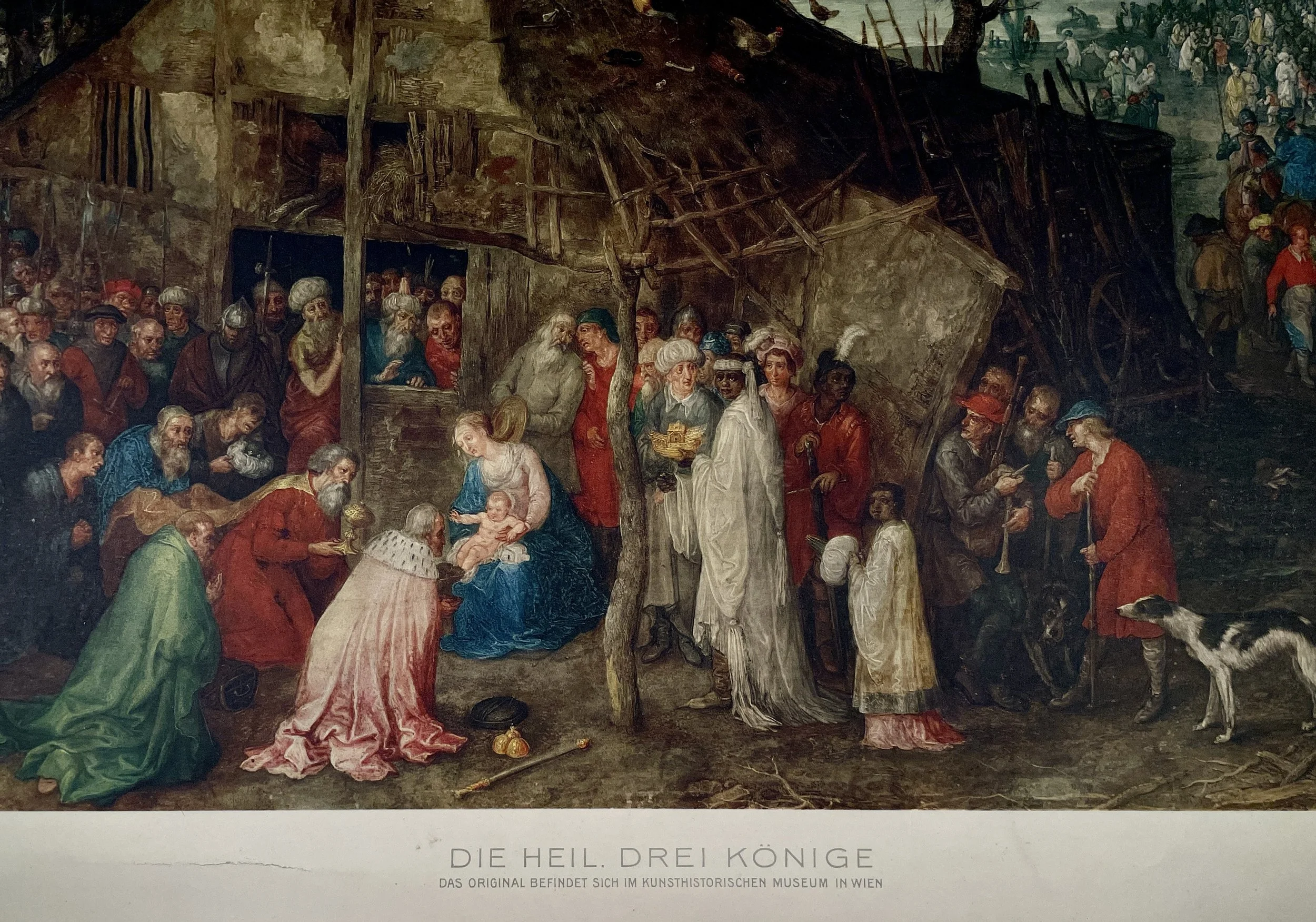 Image 8 of 9
 Image 9 of 9