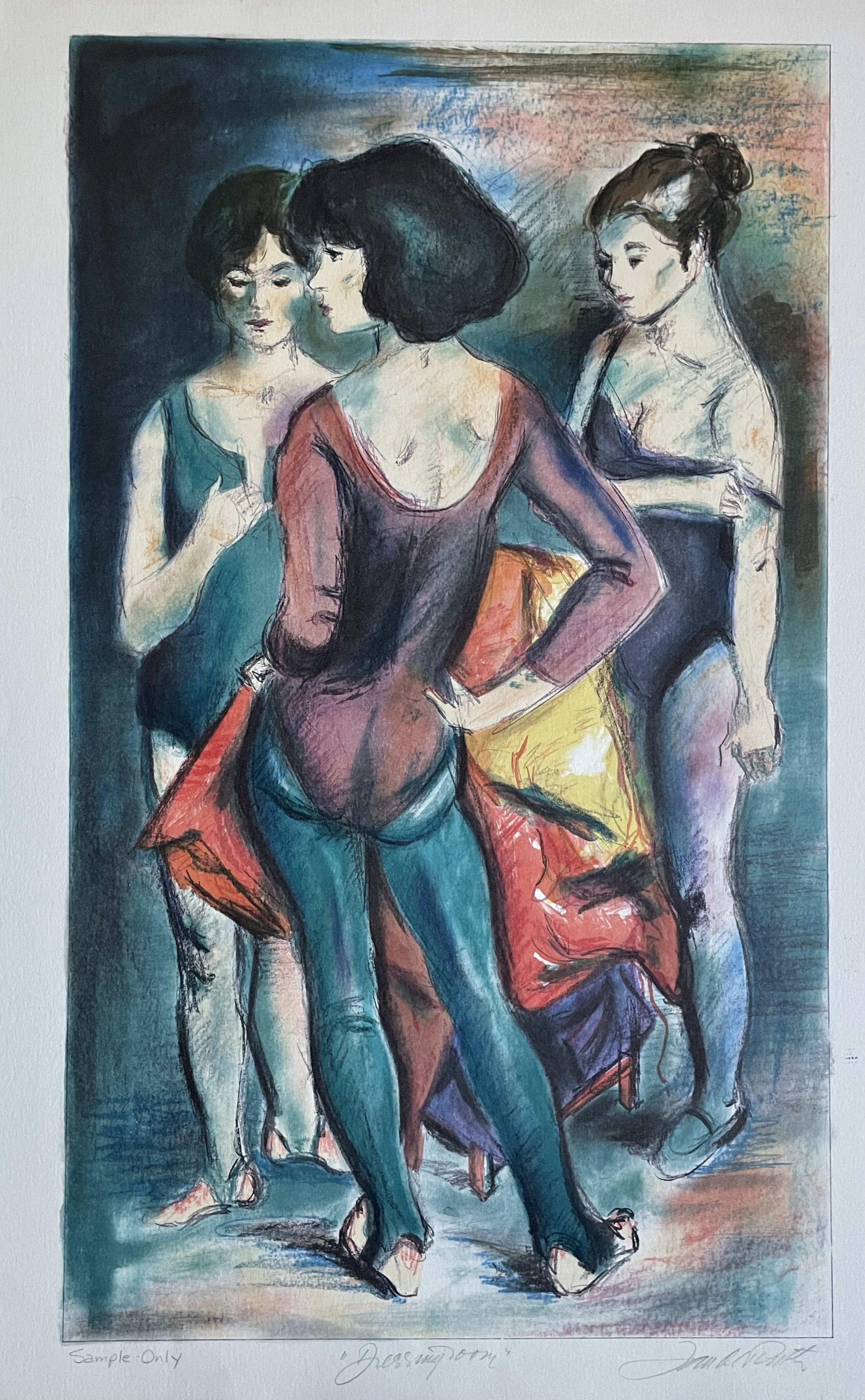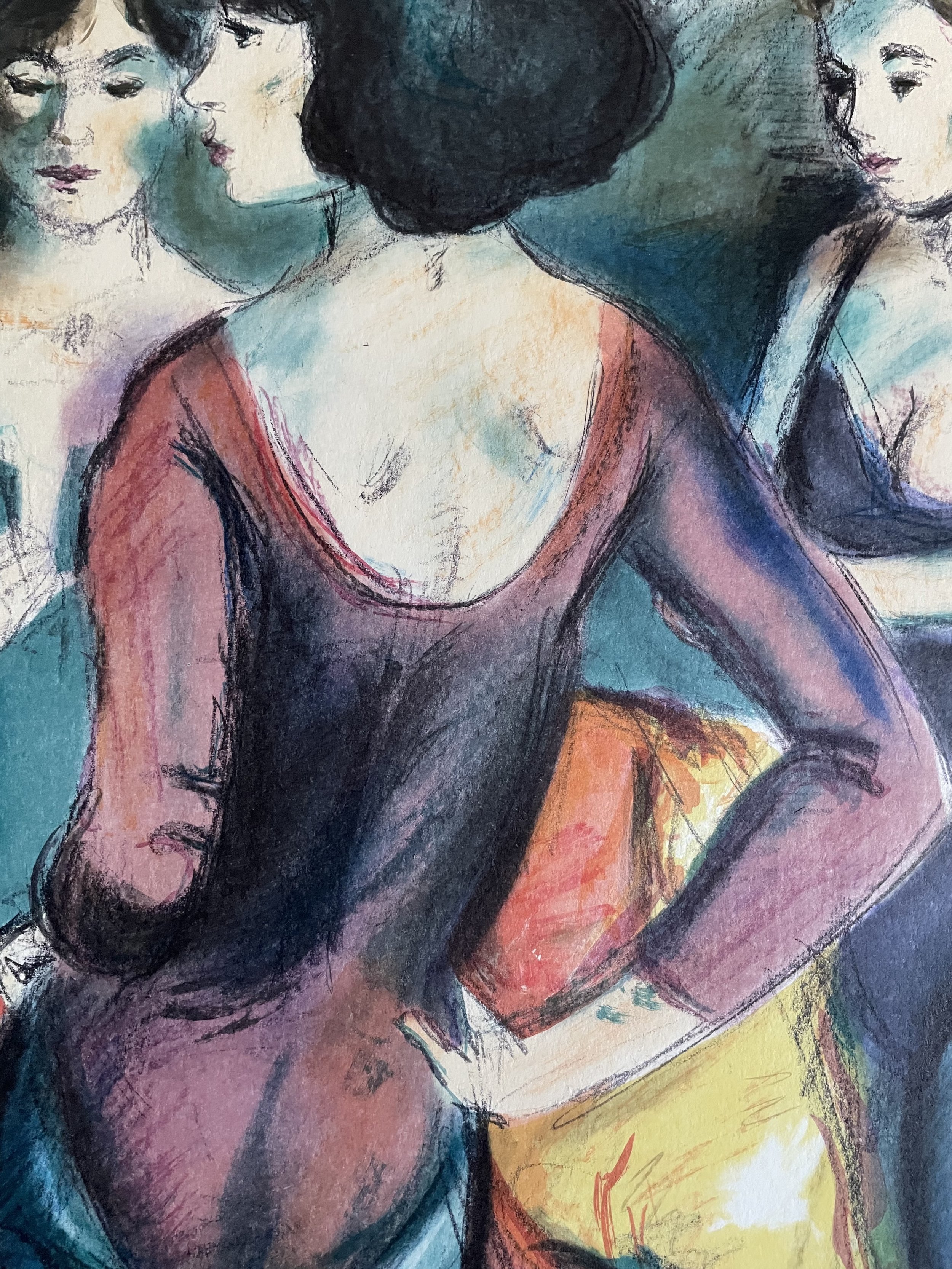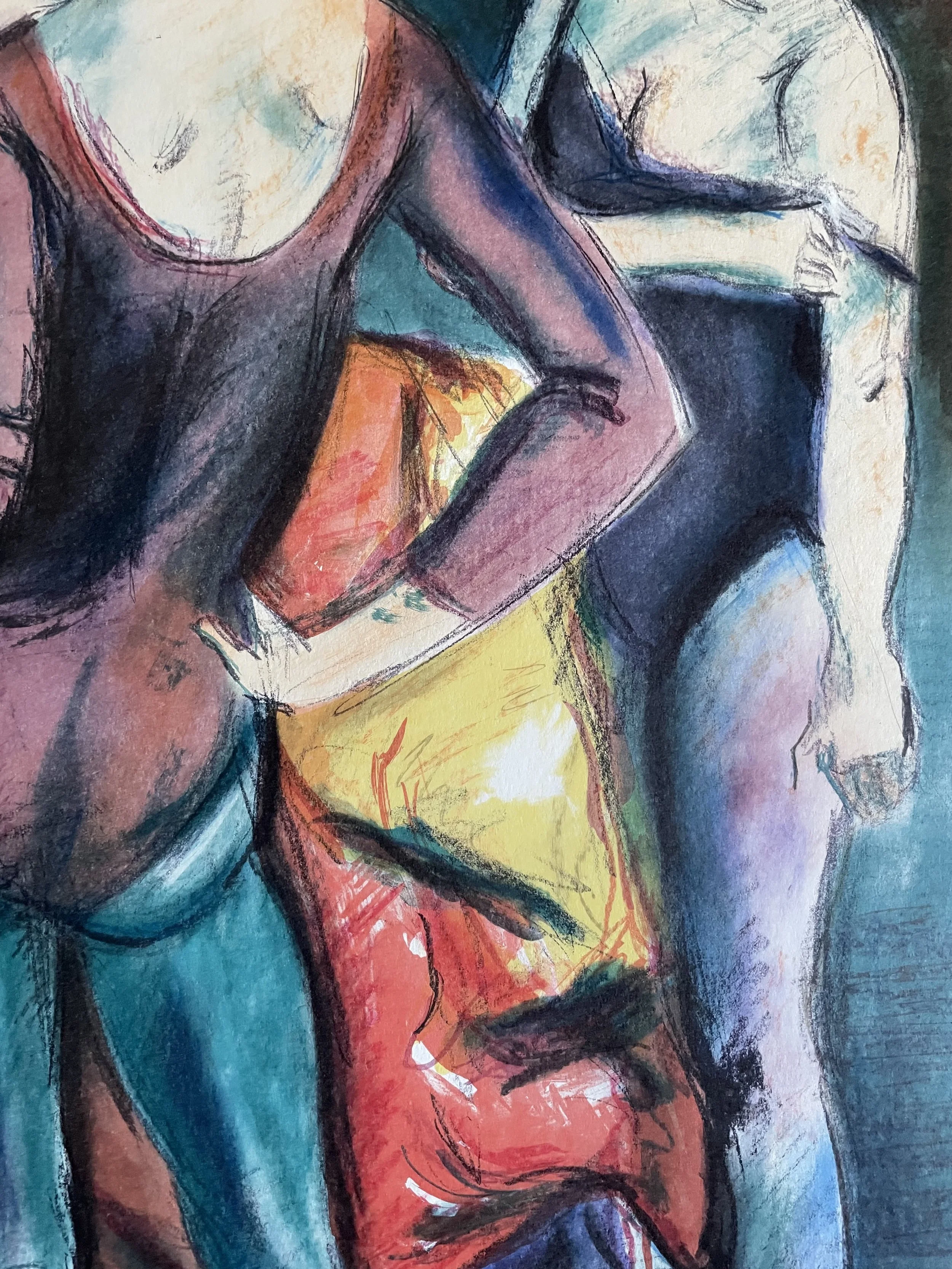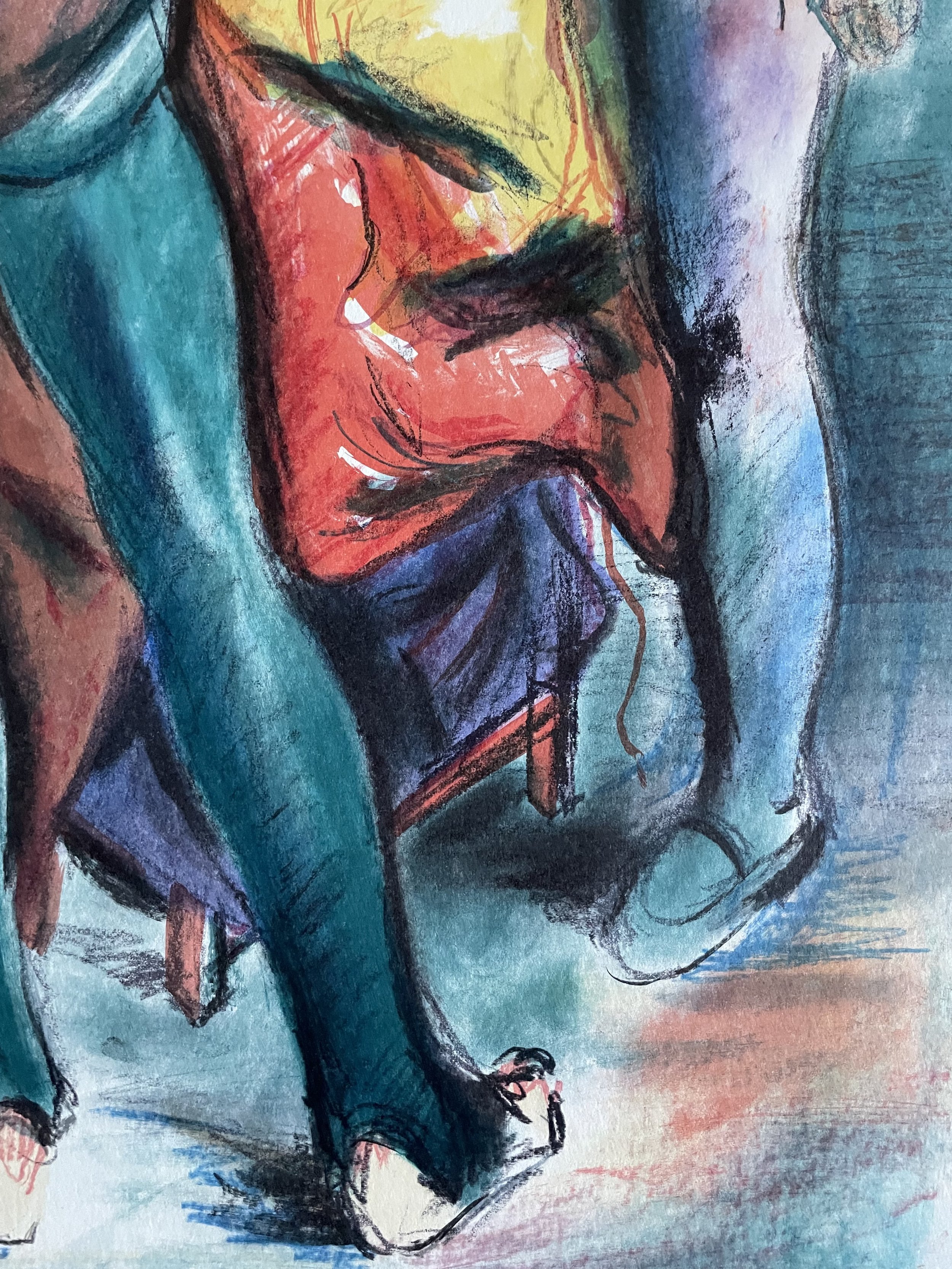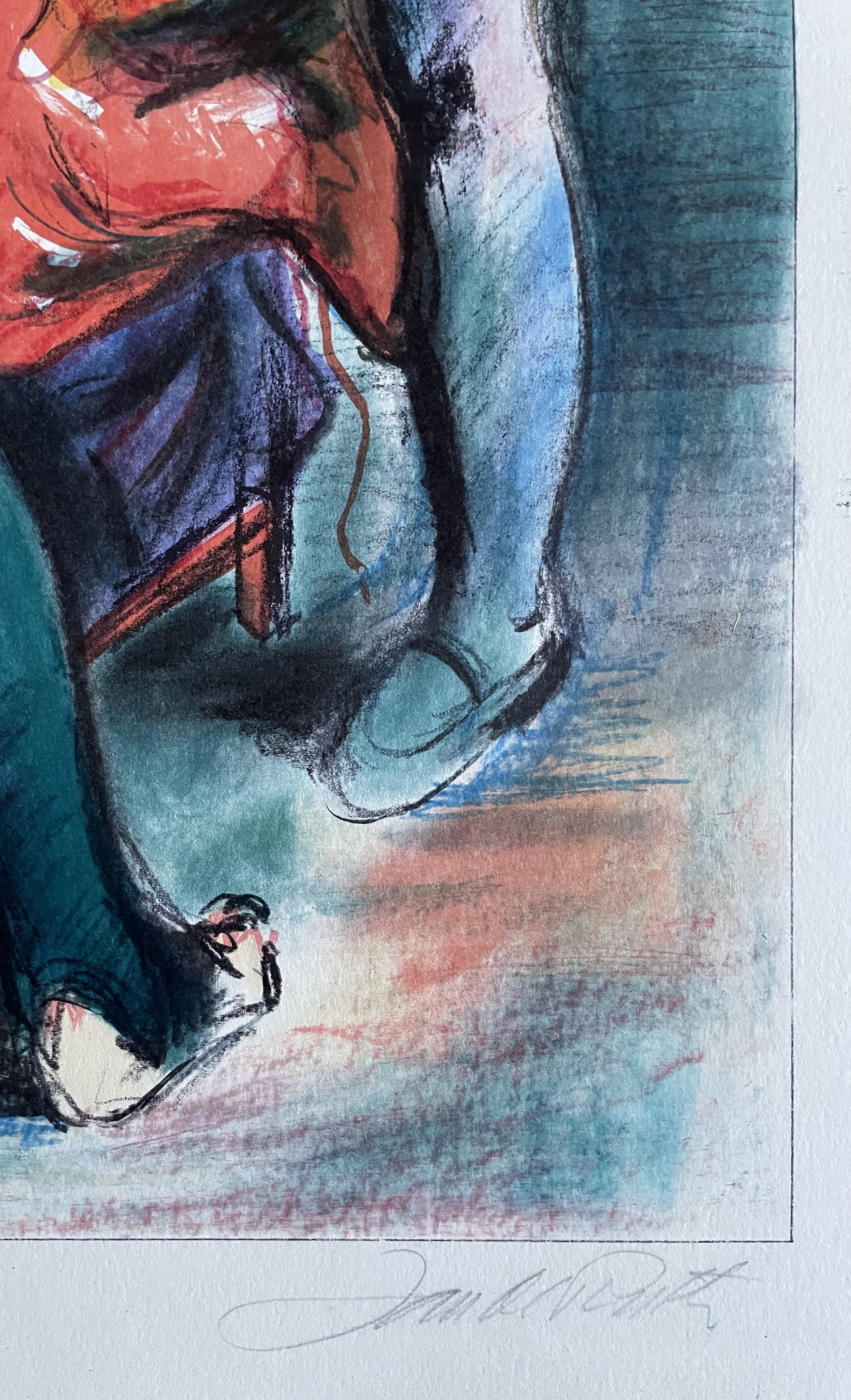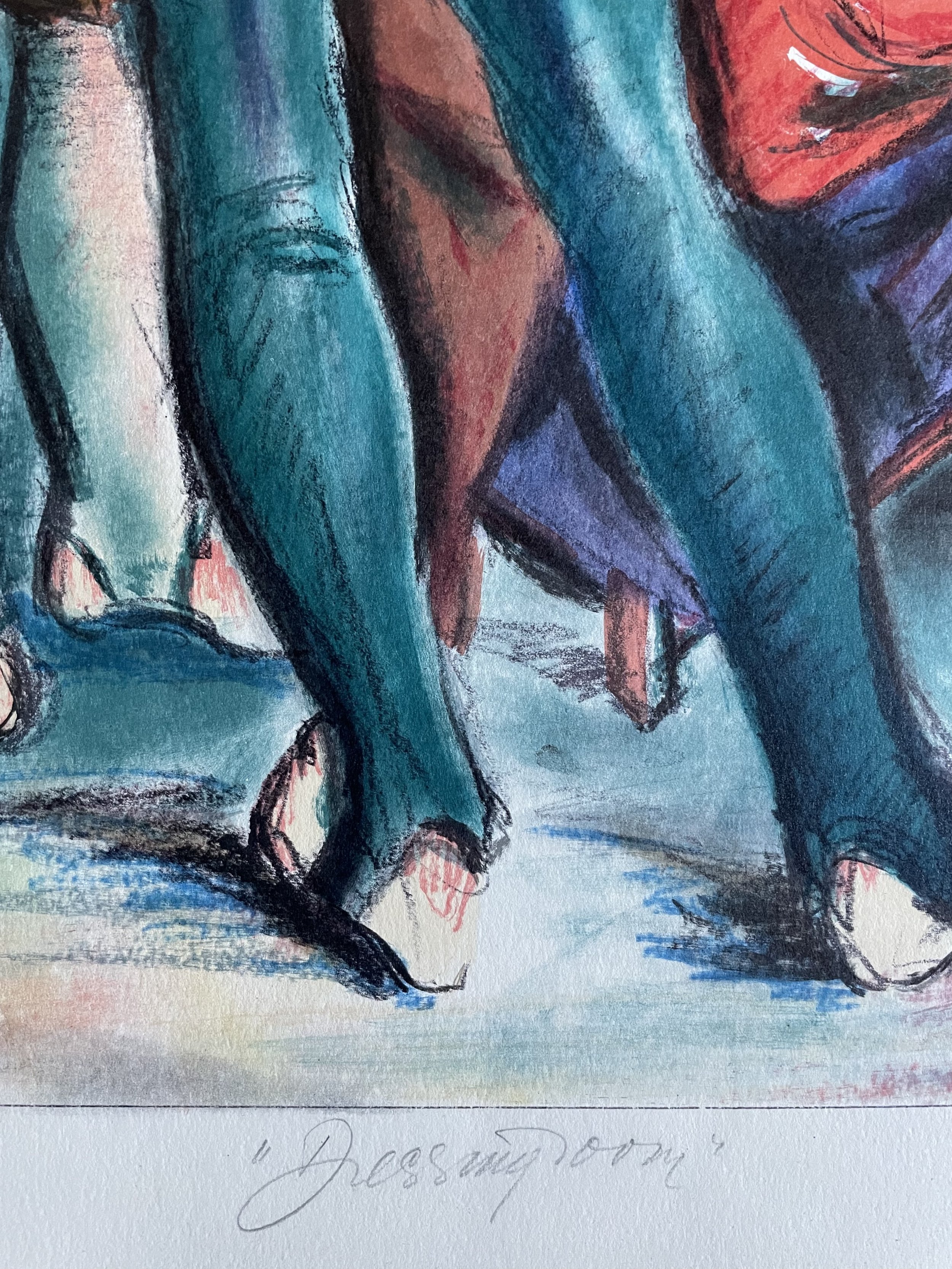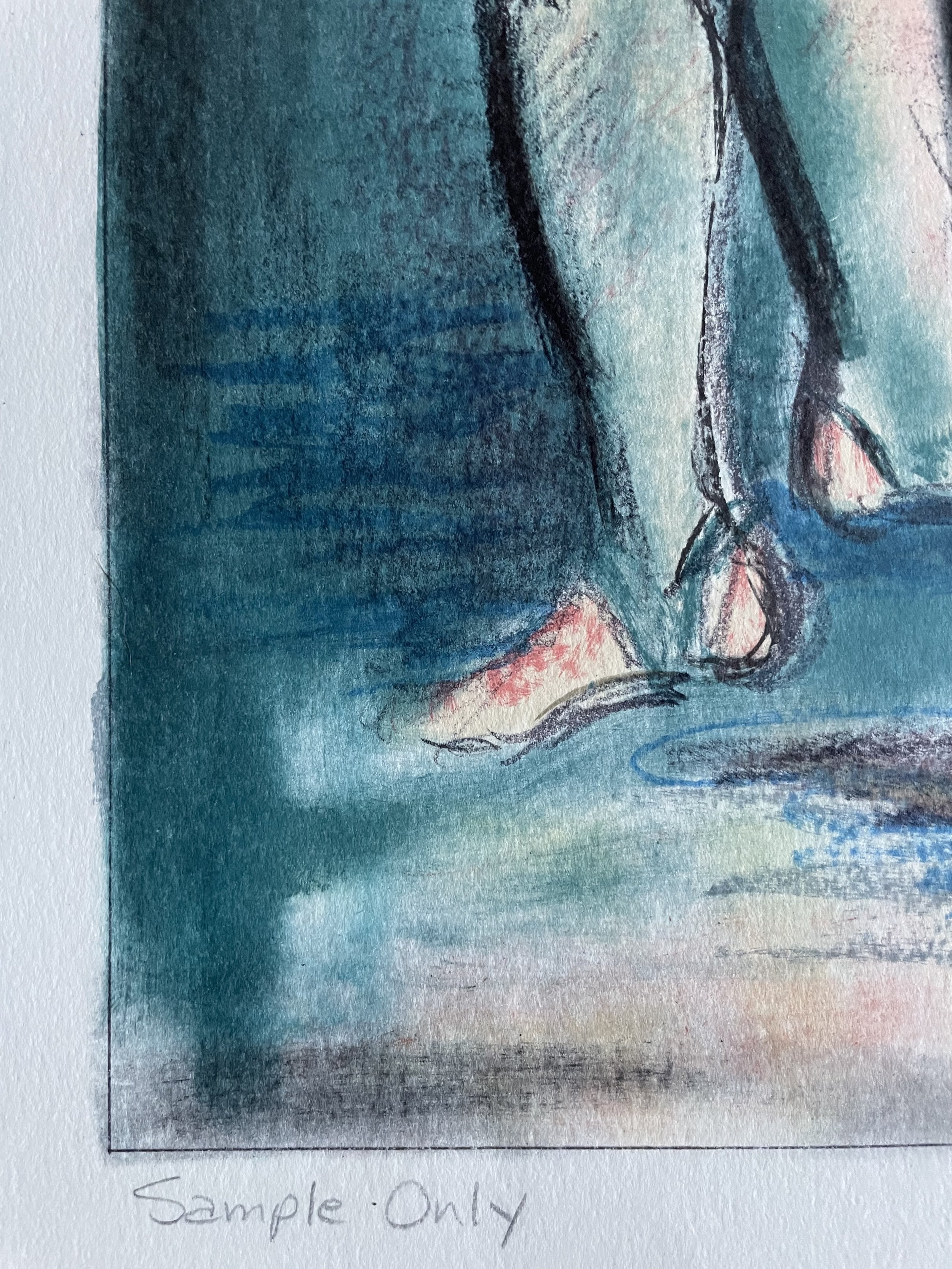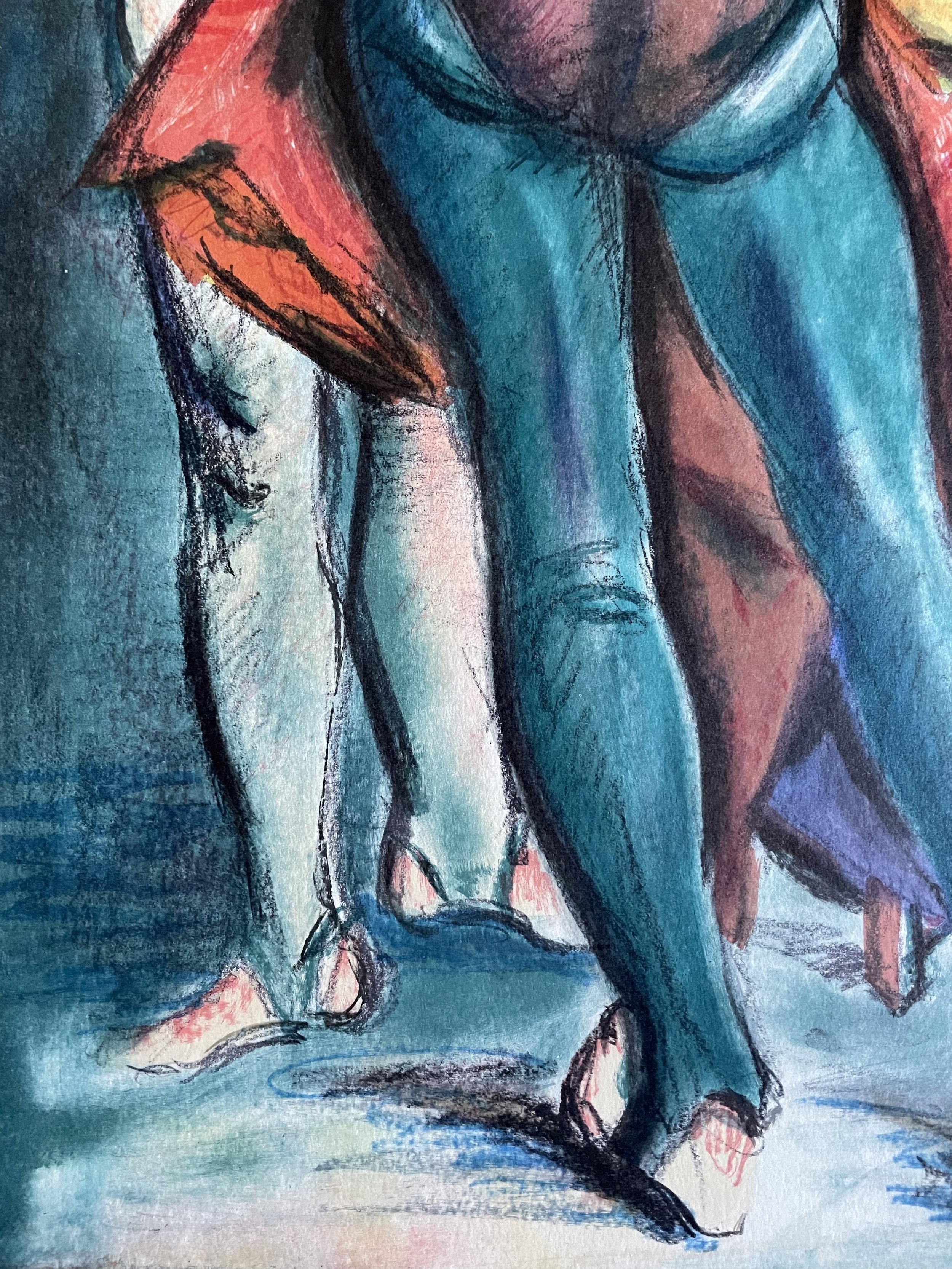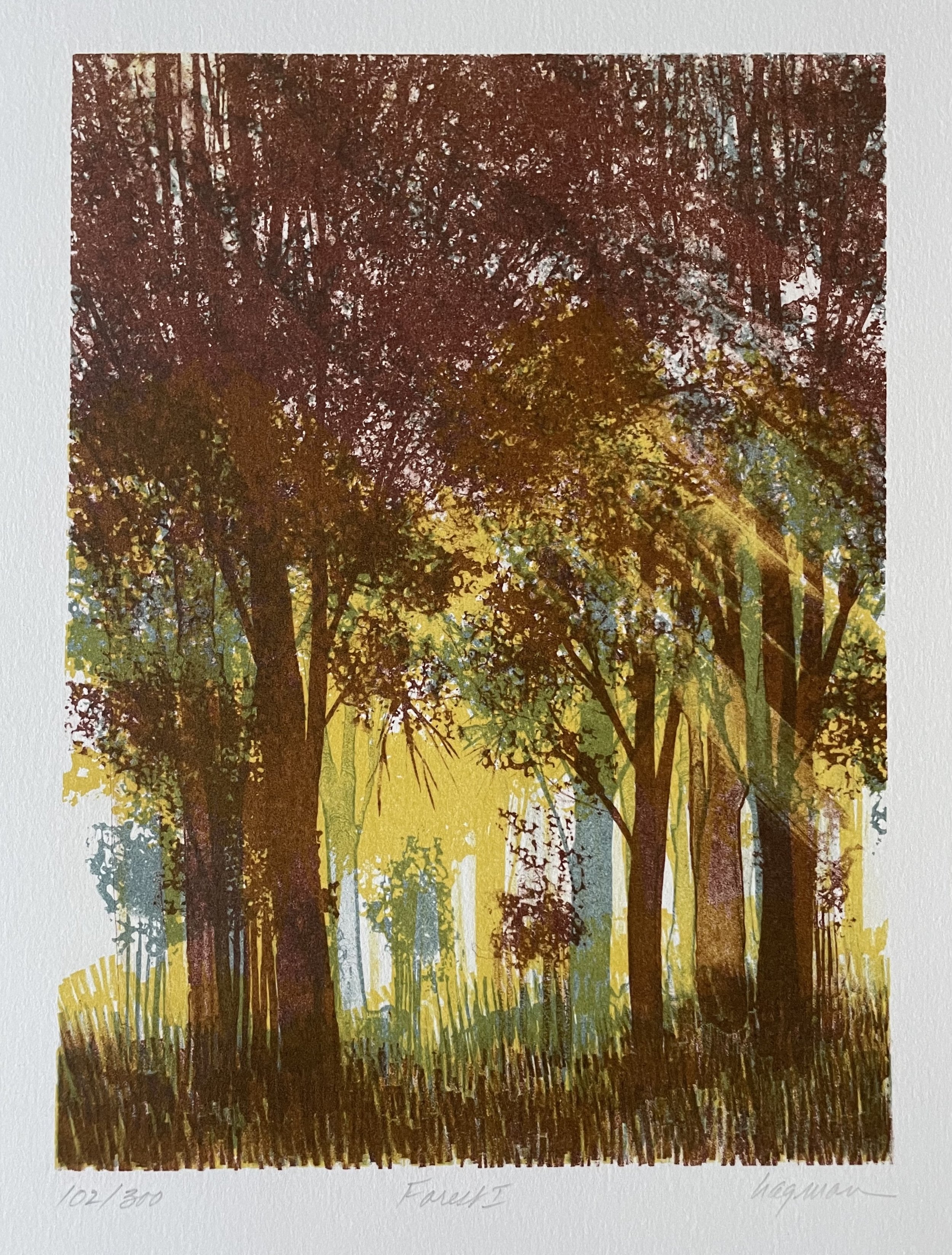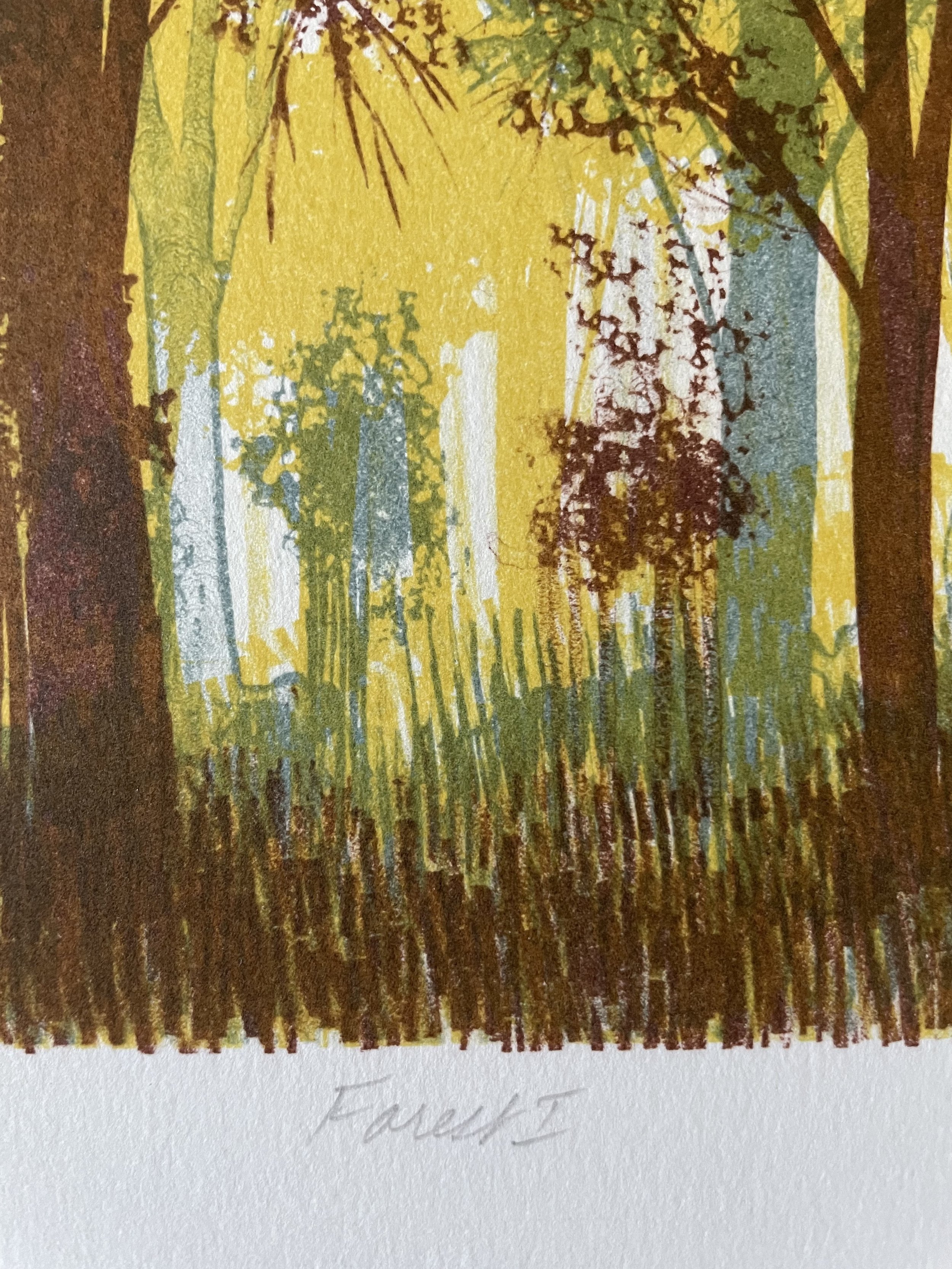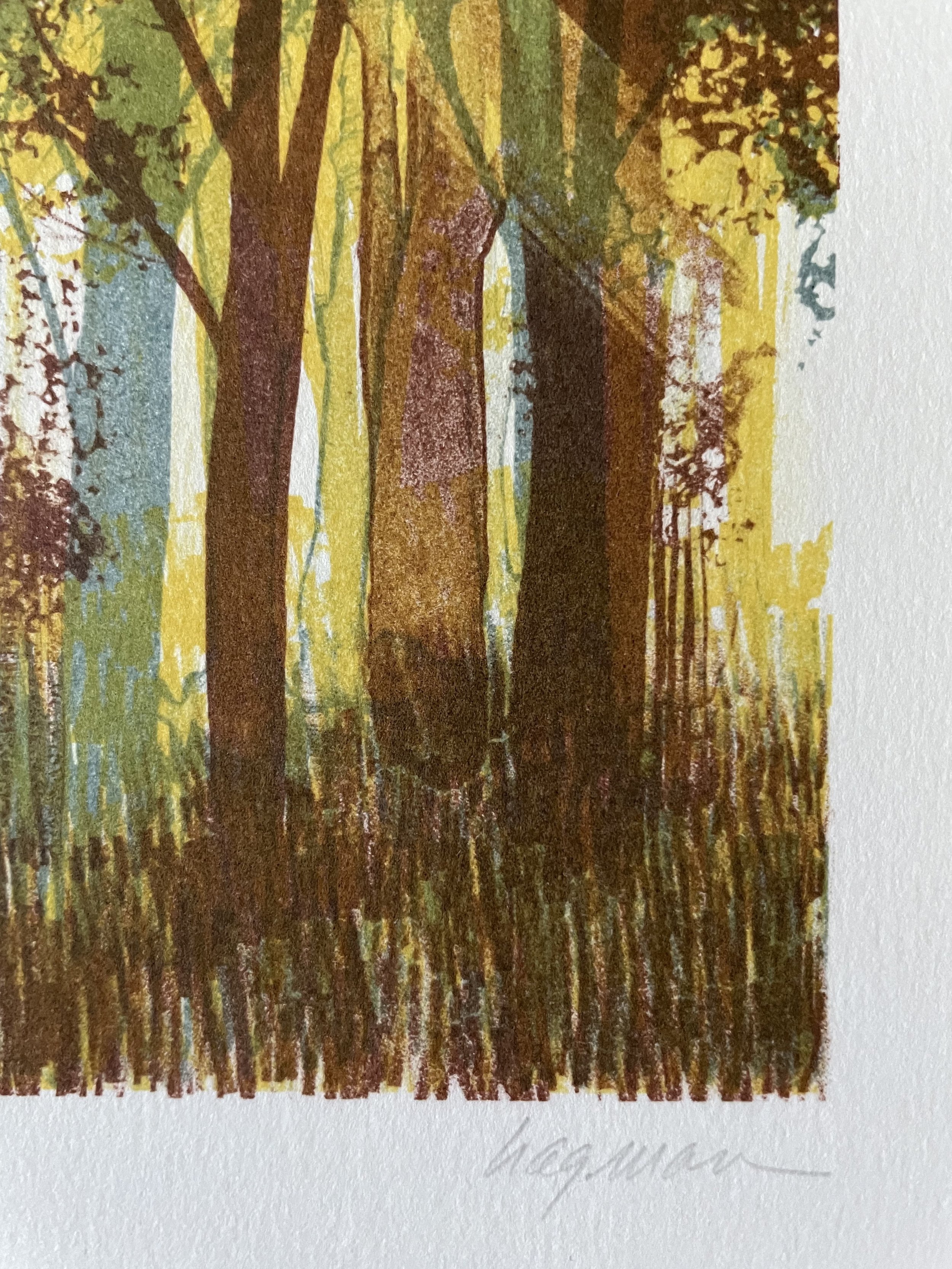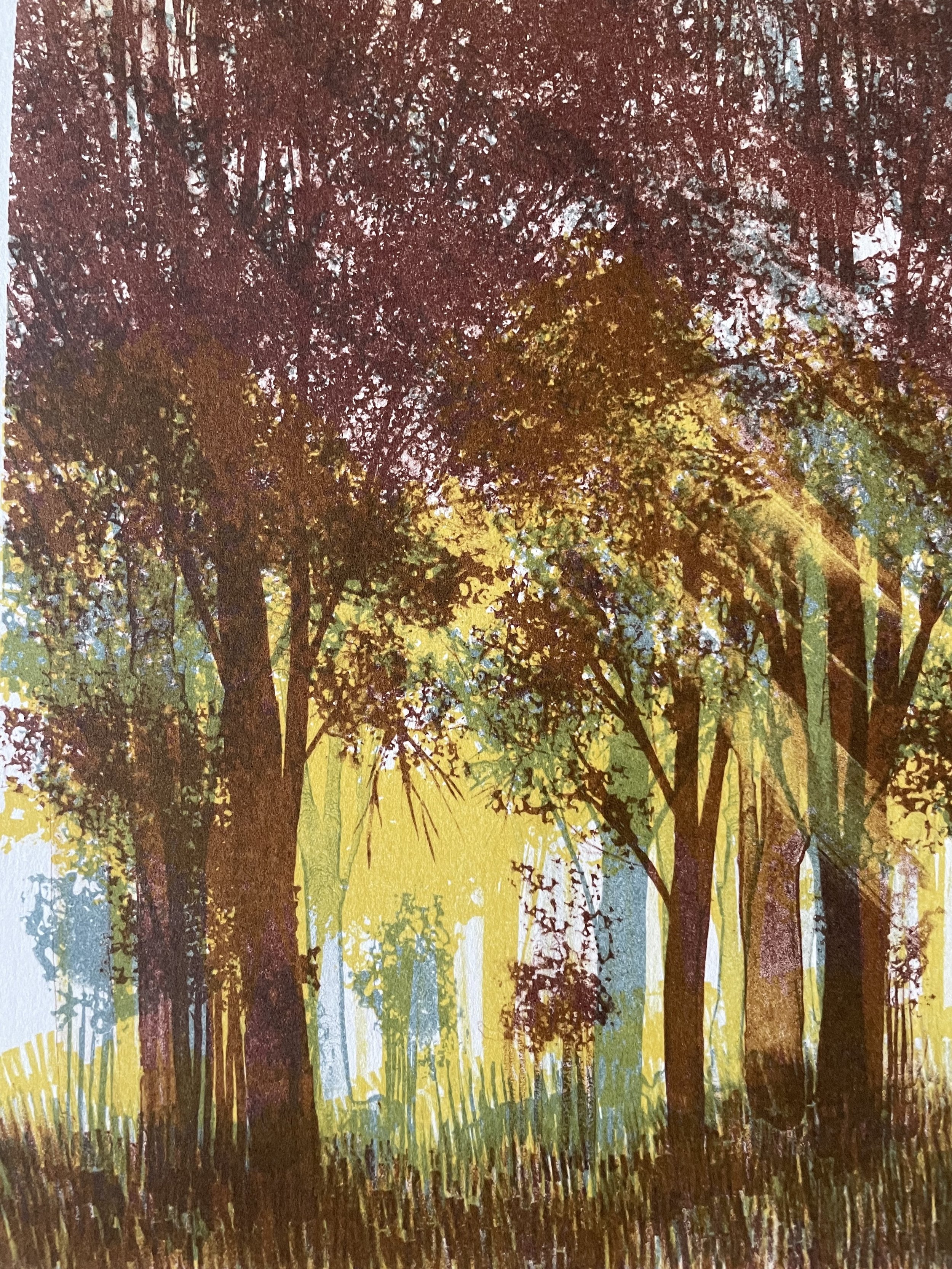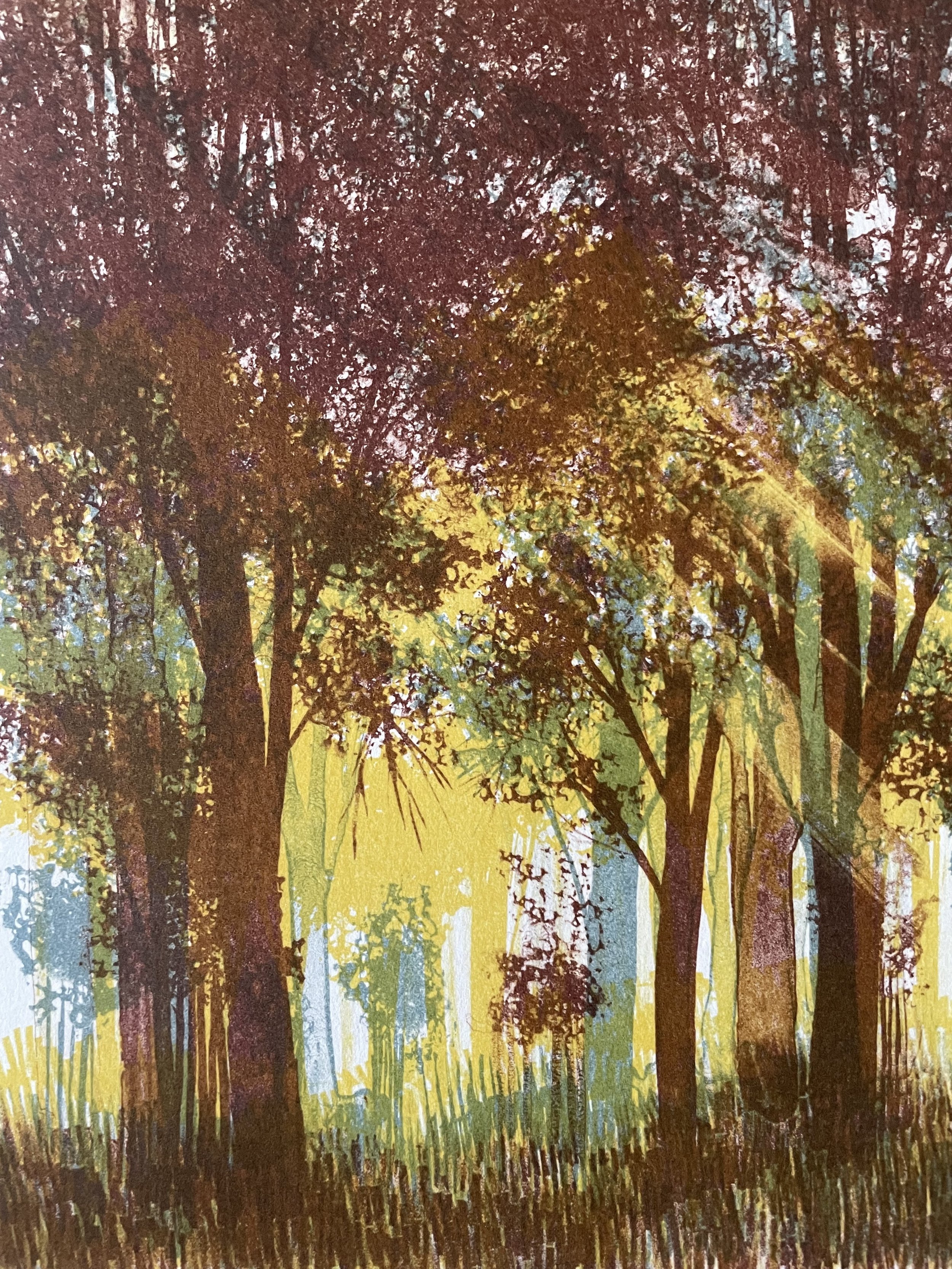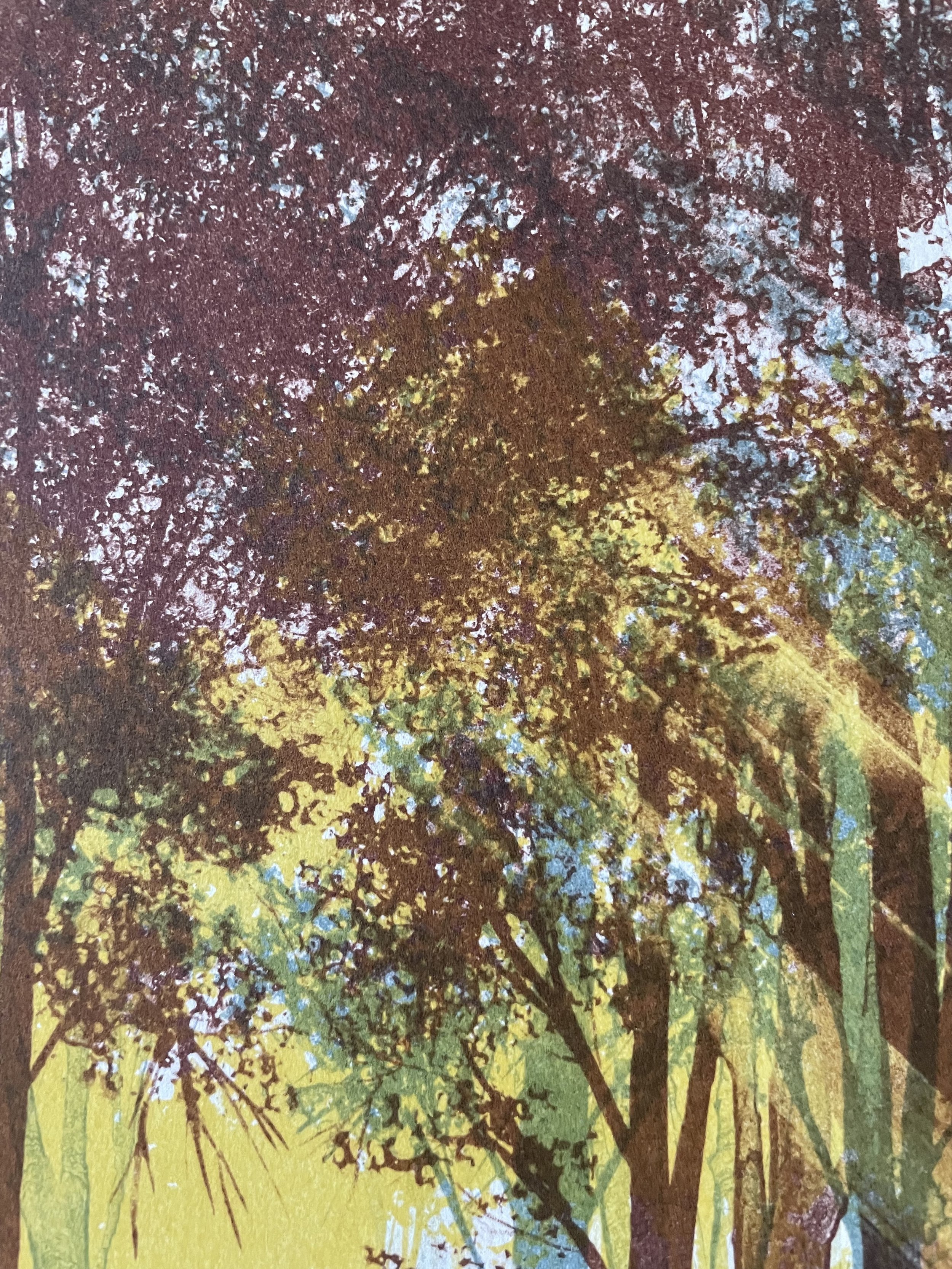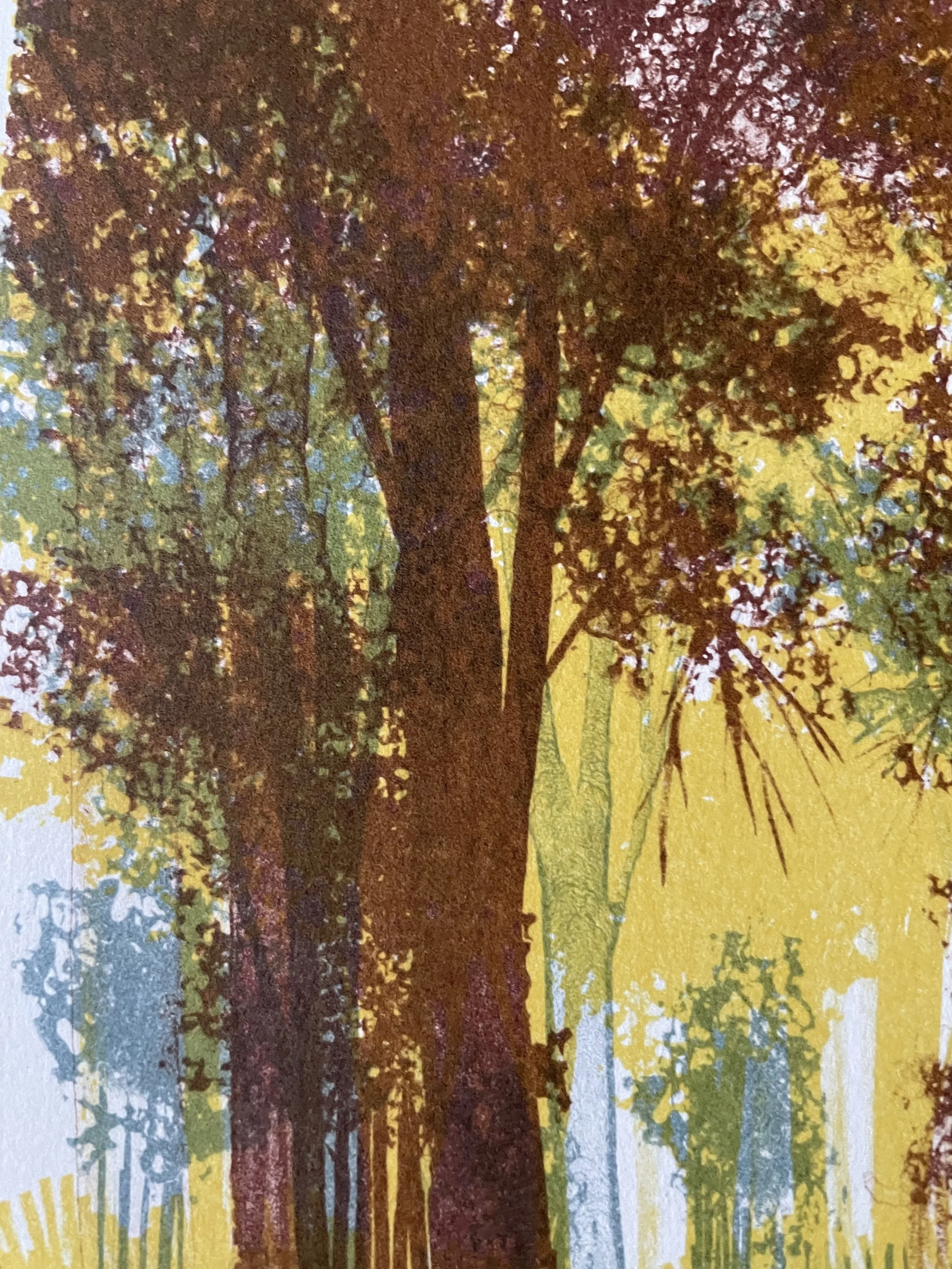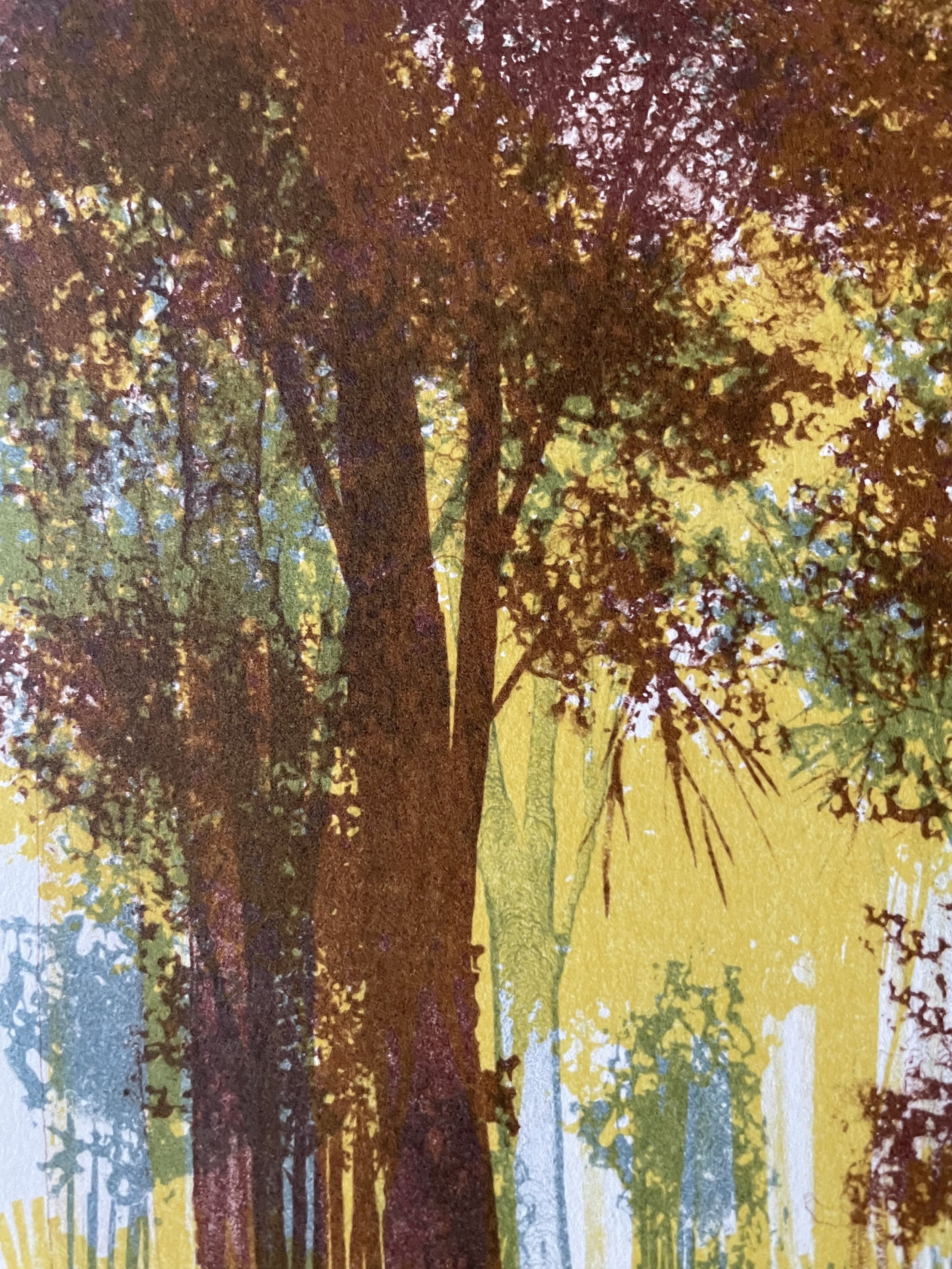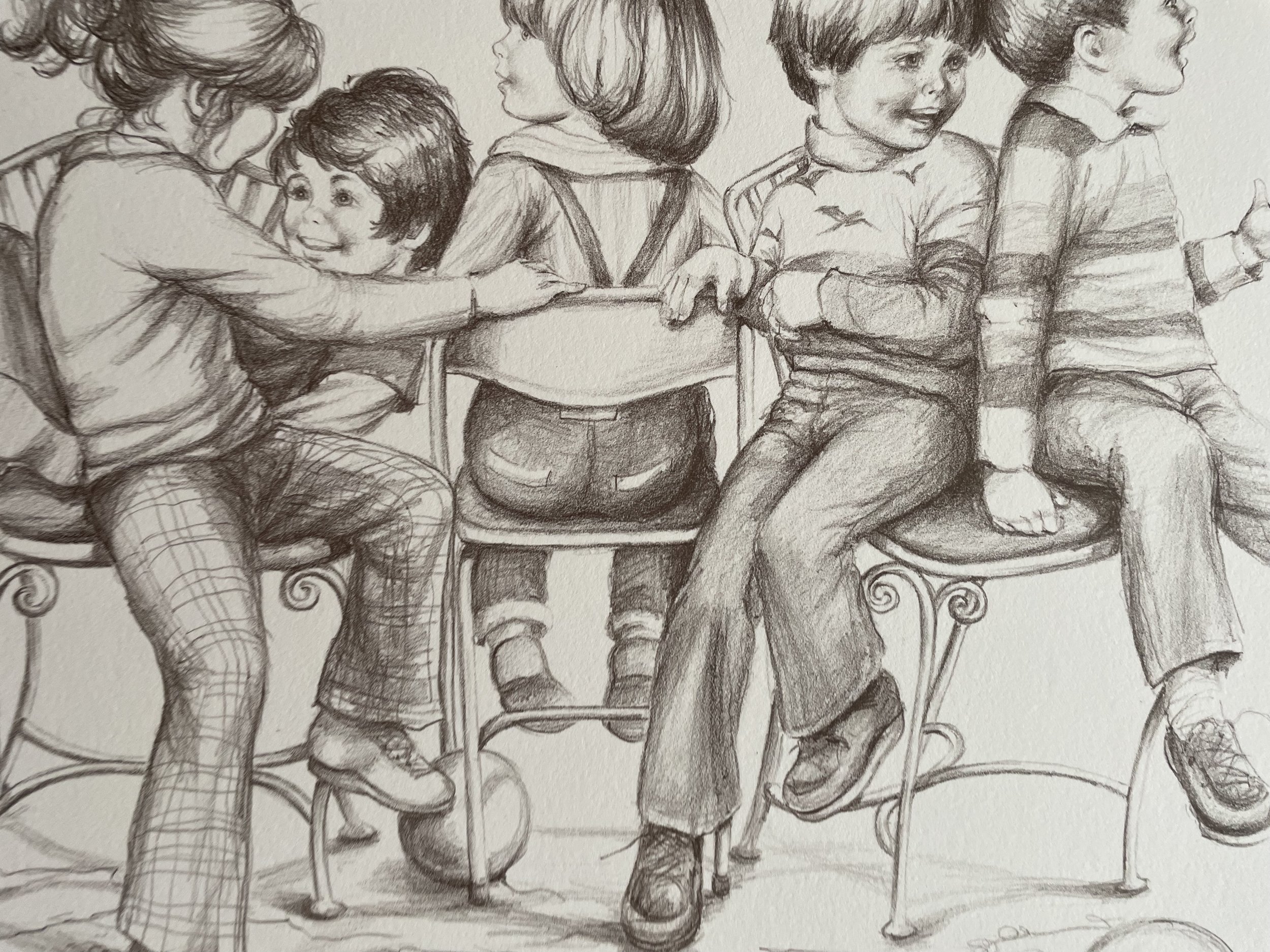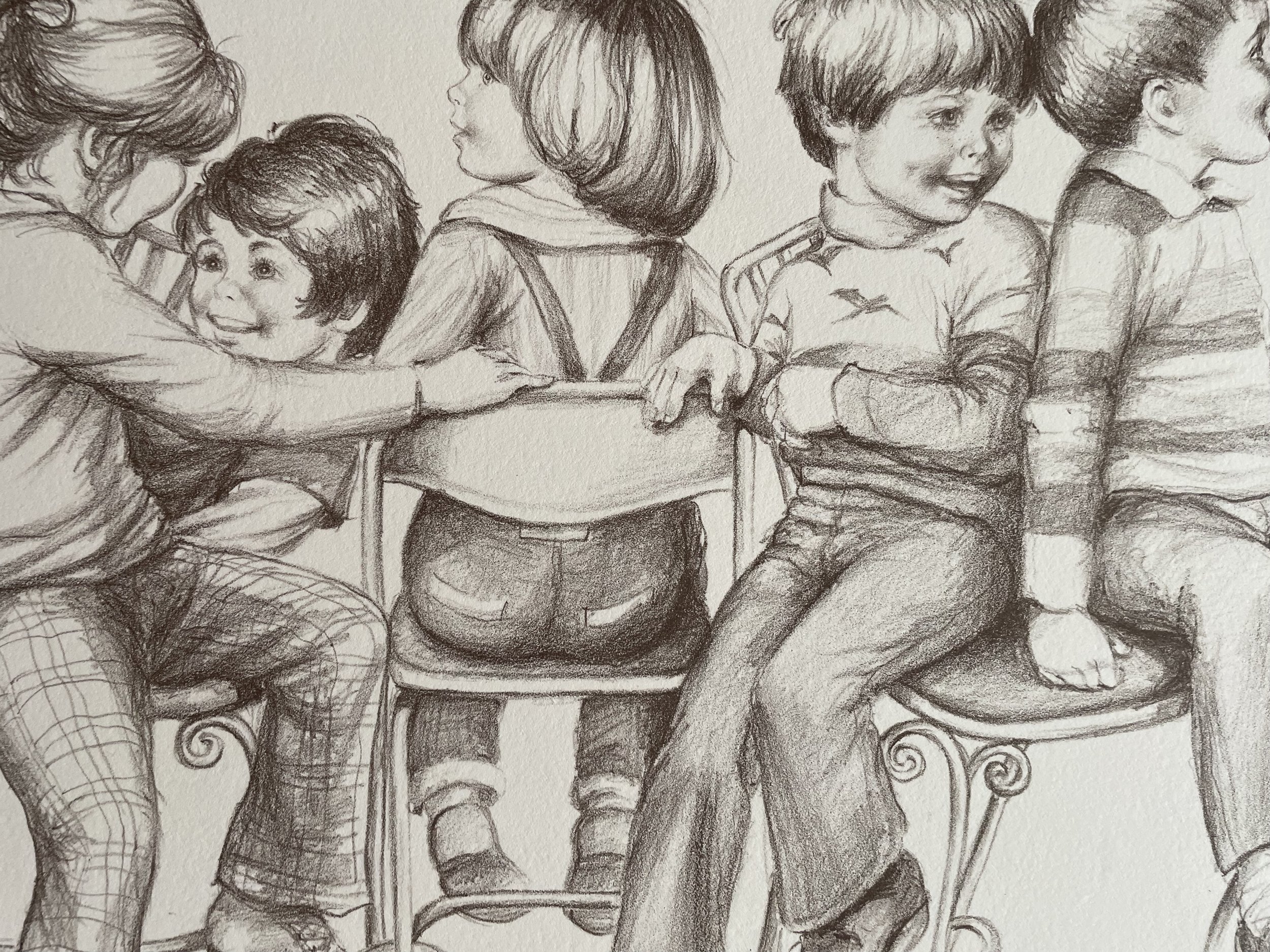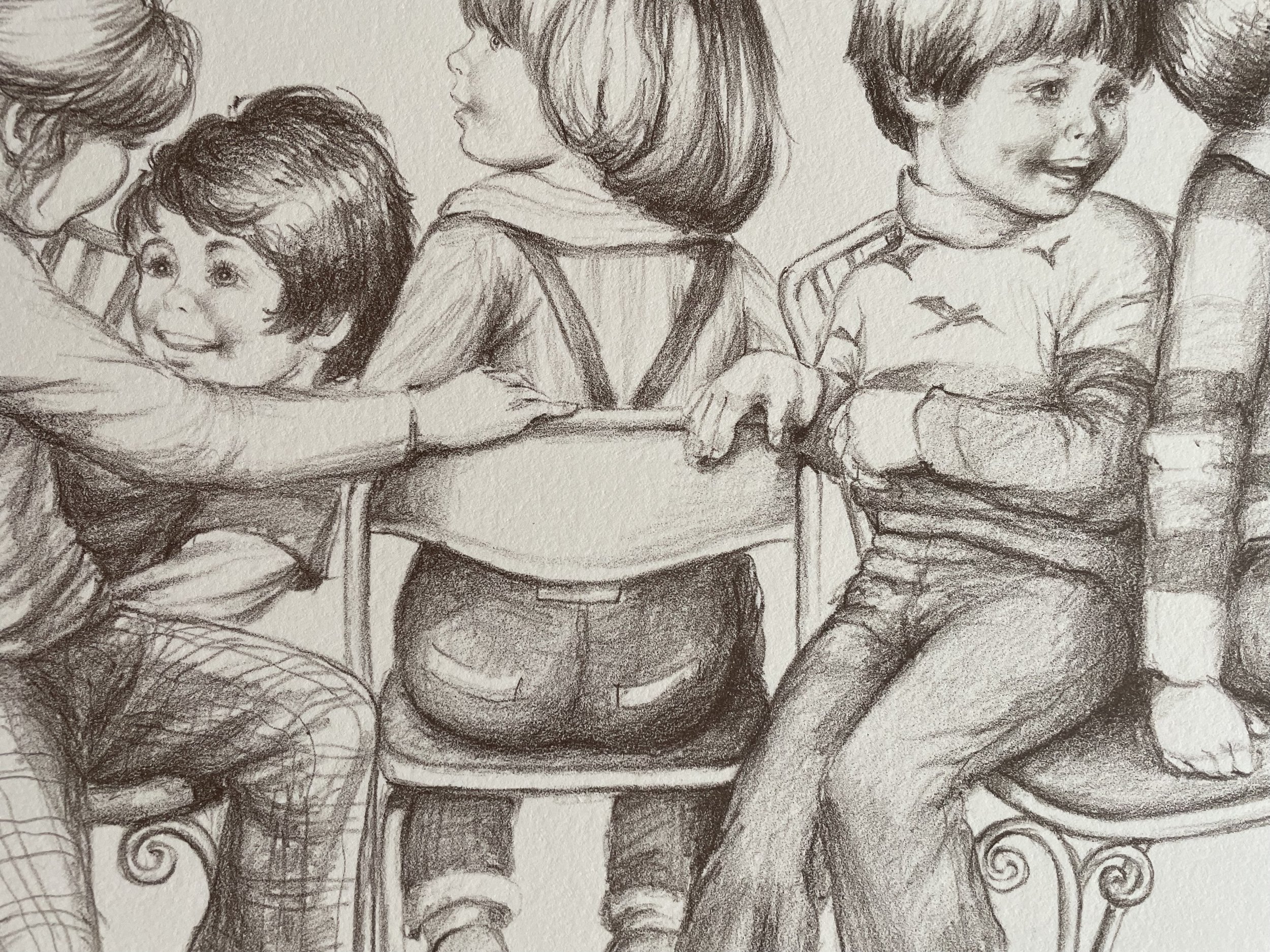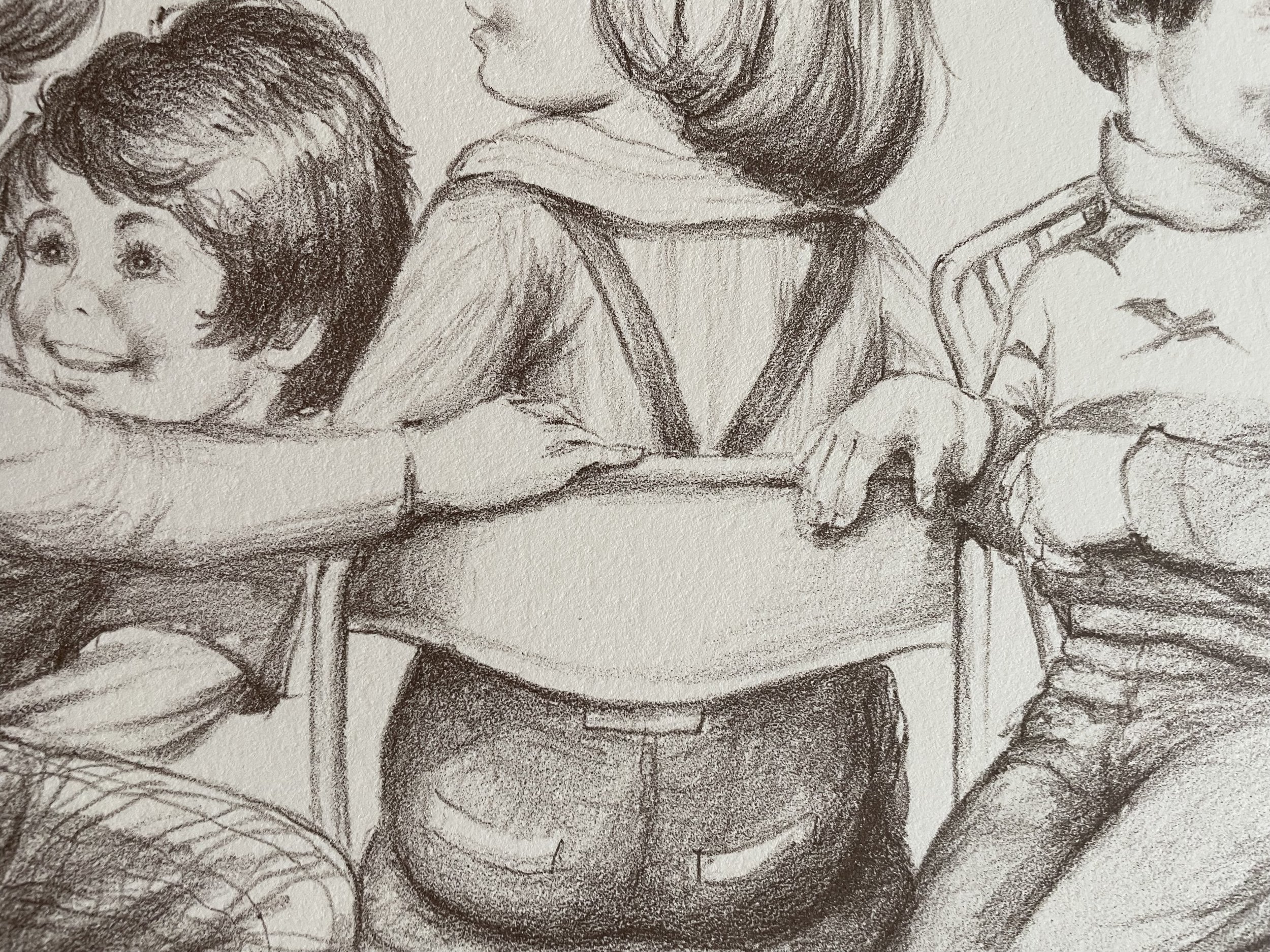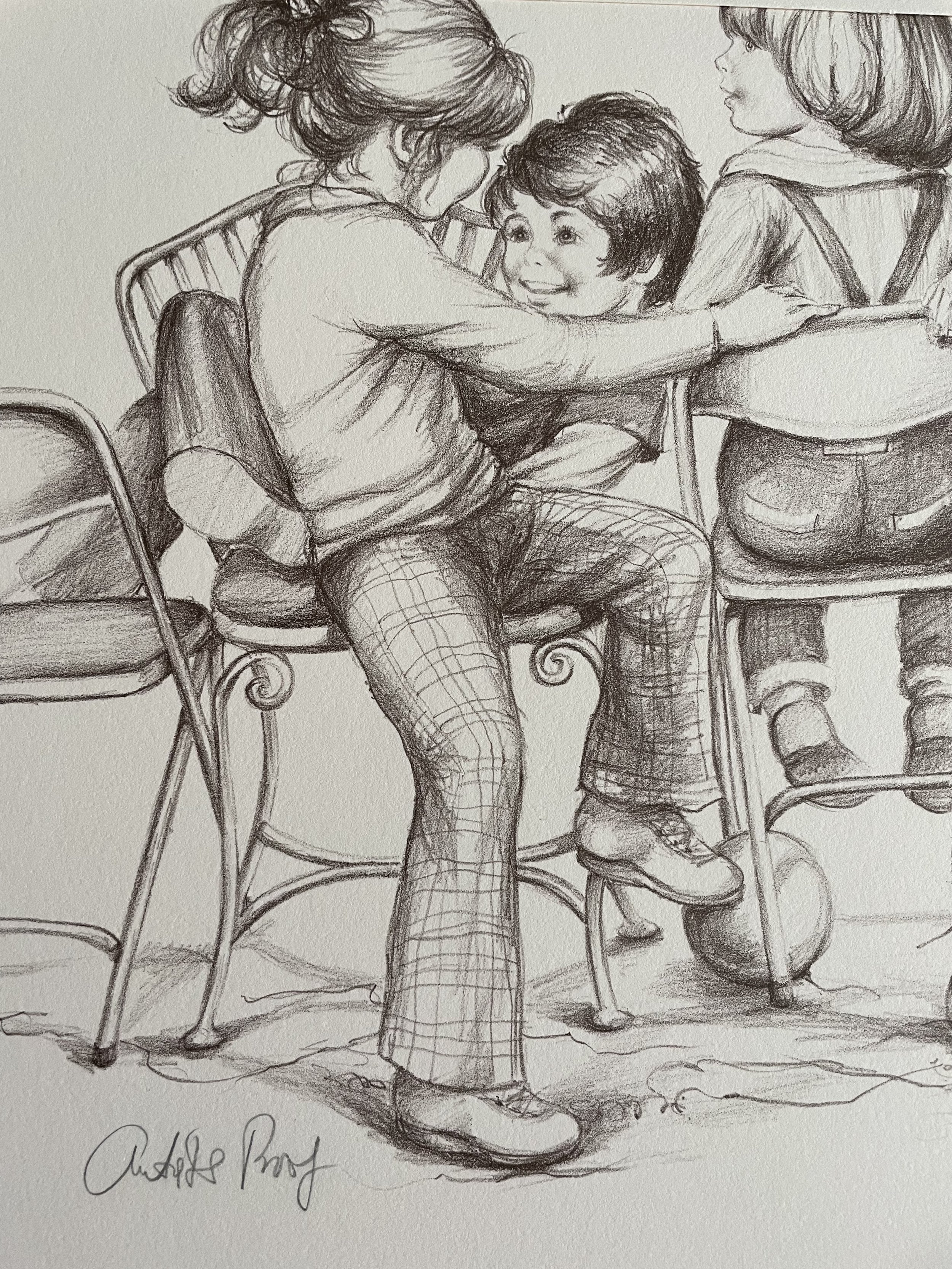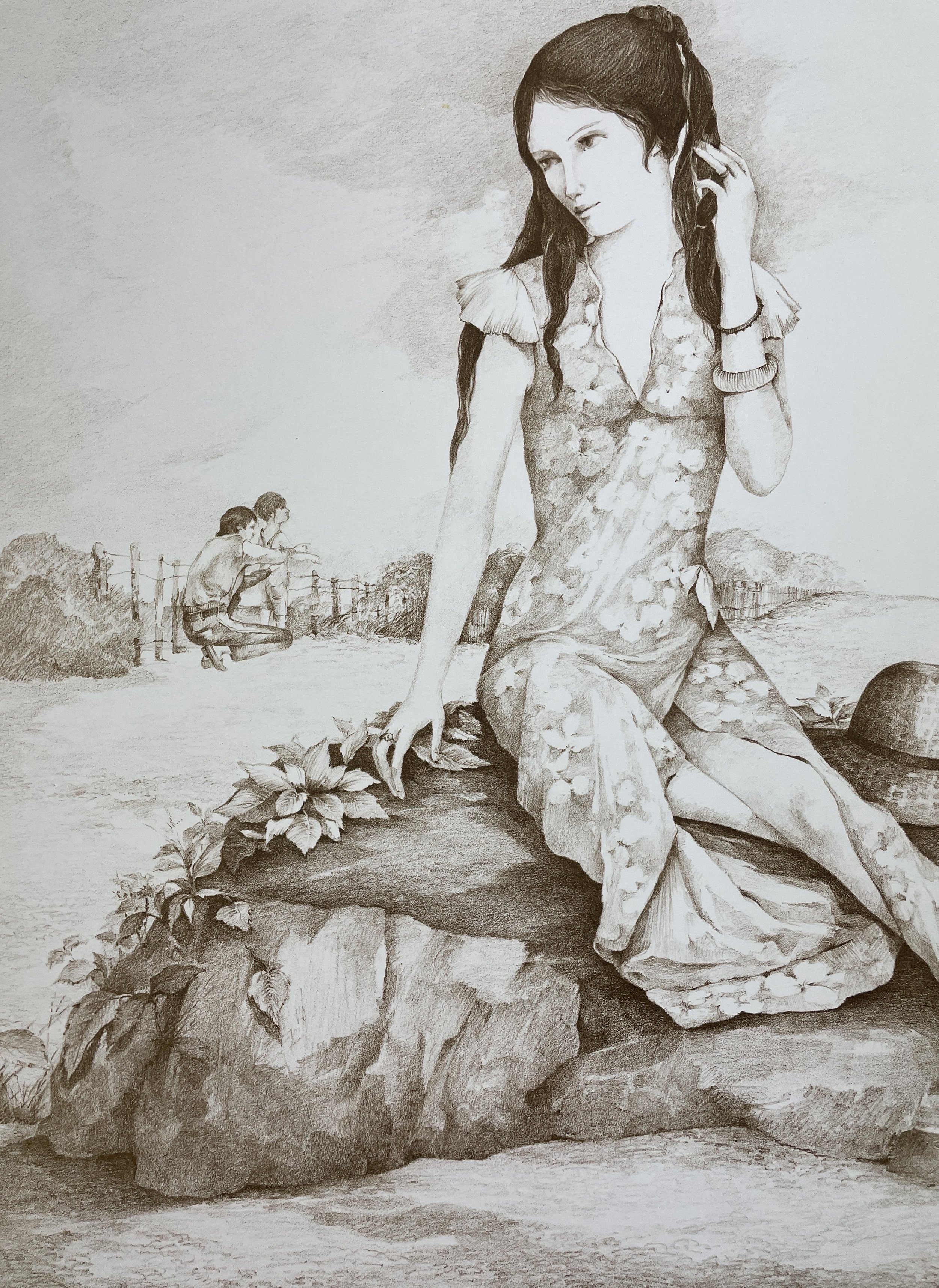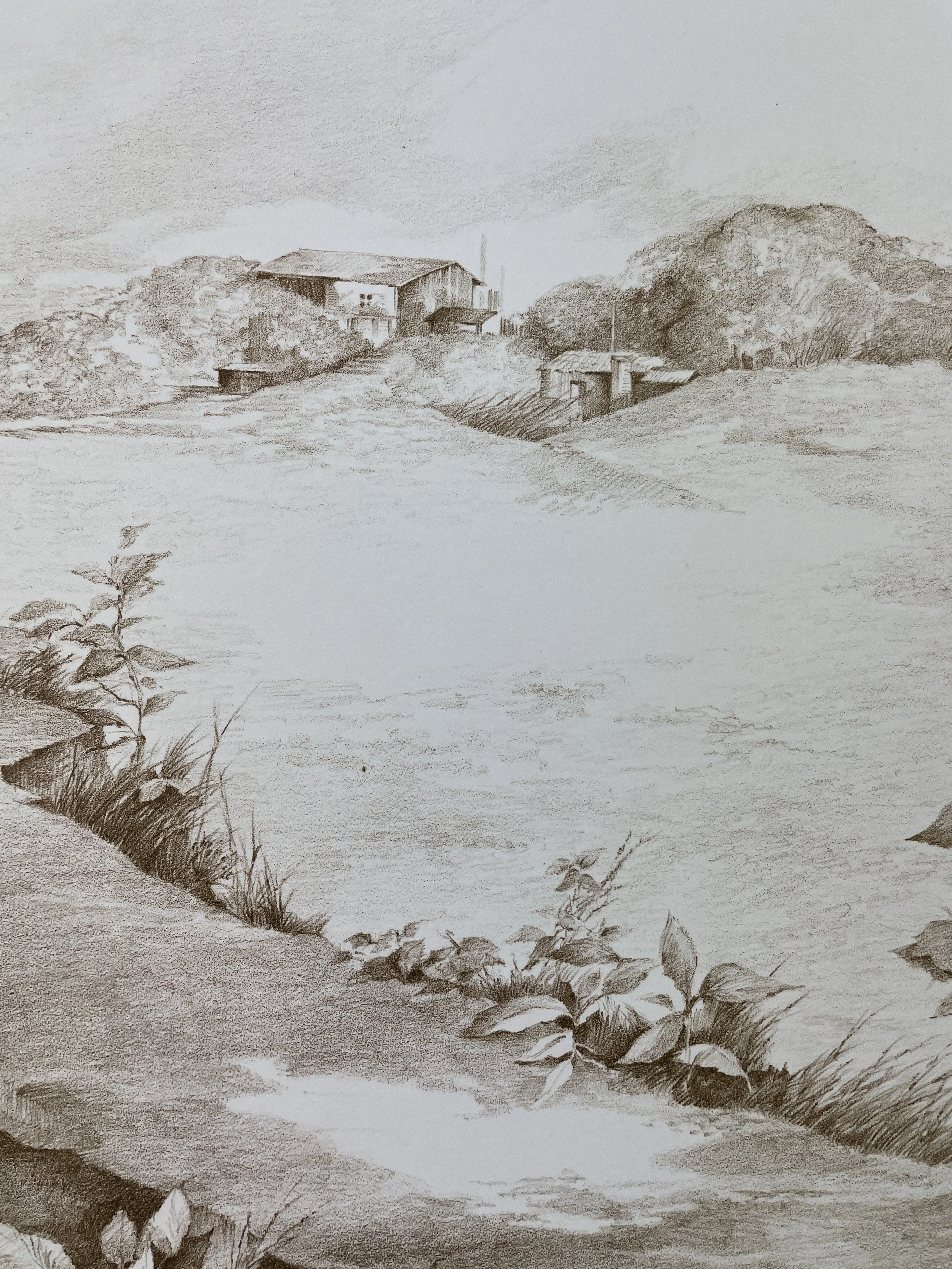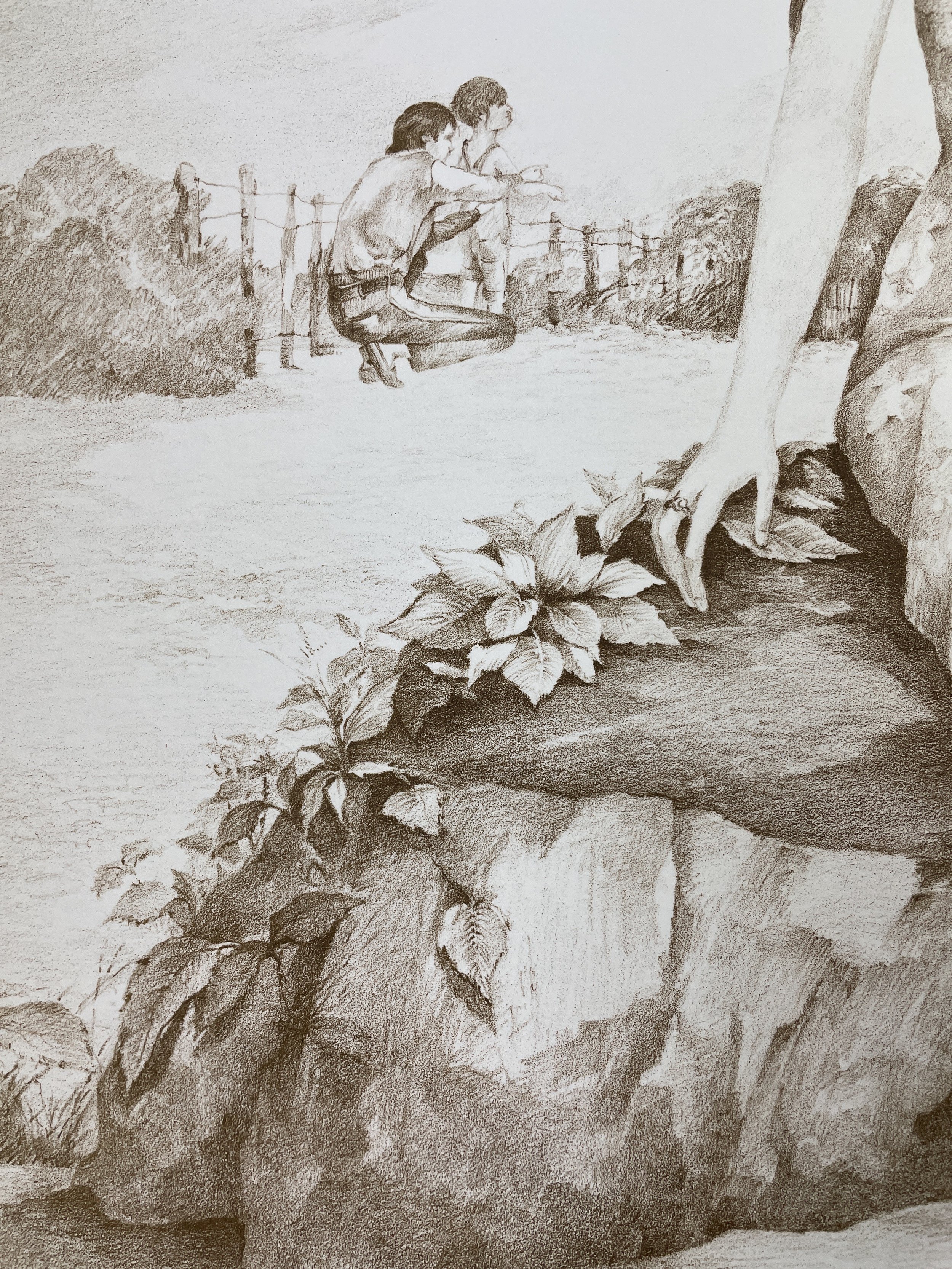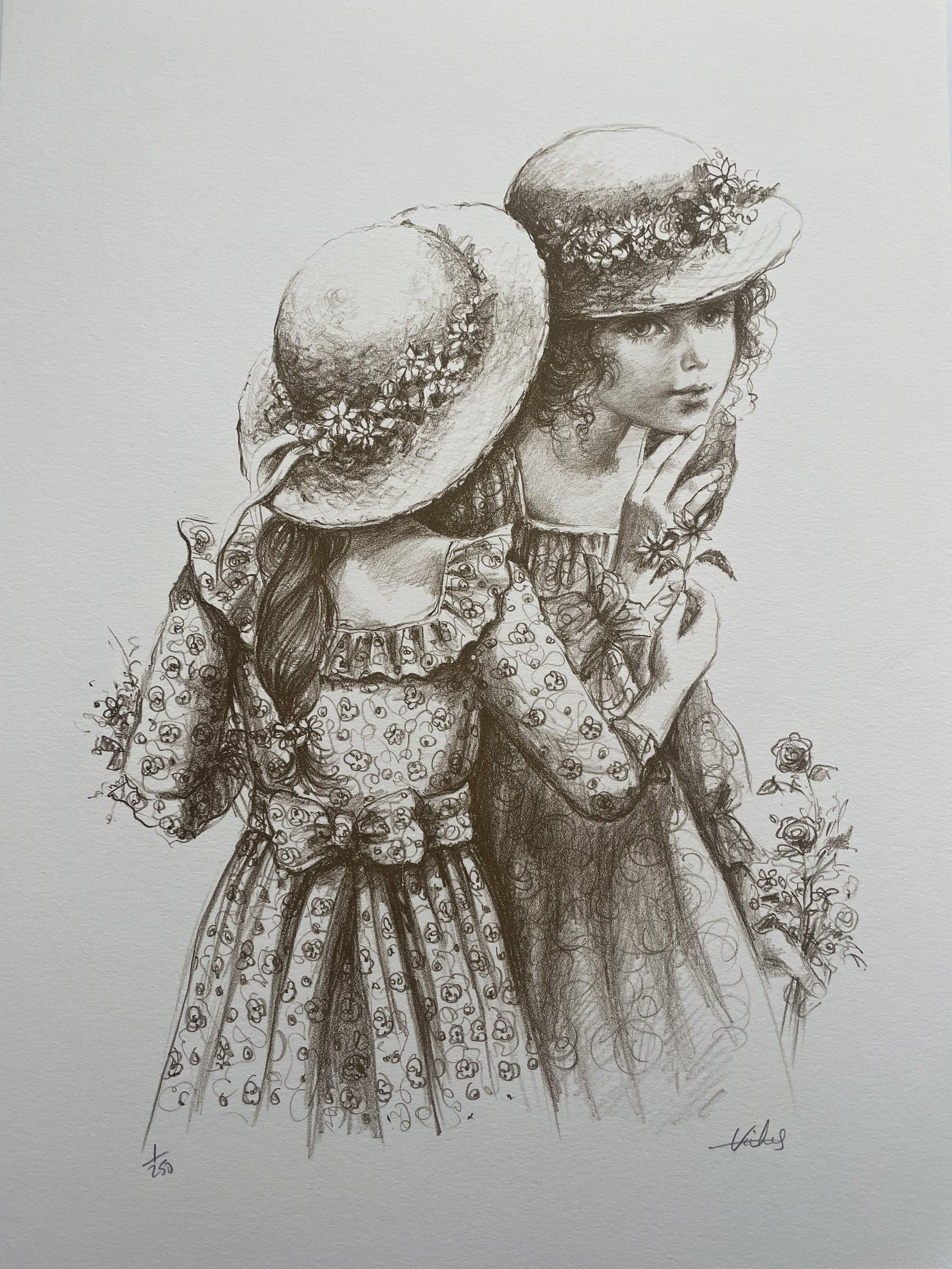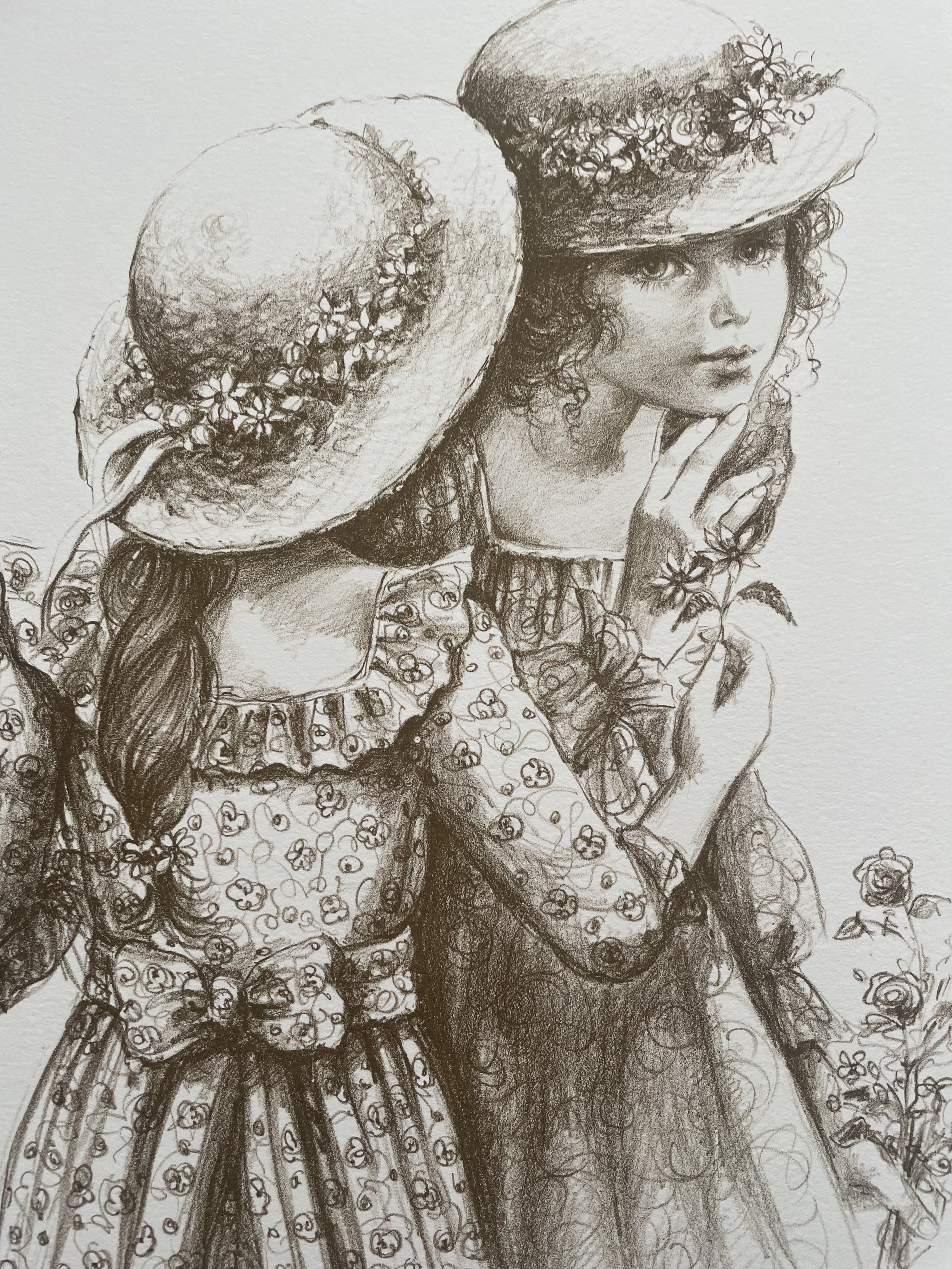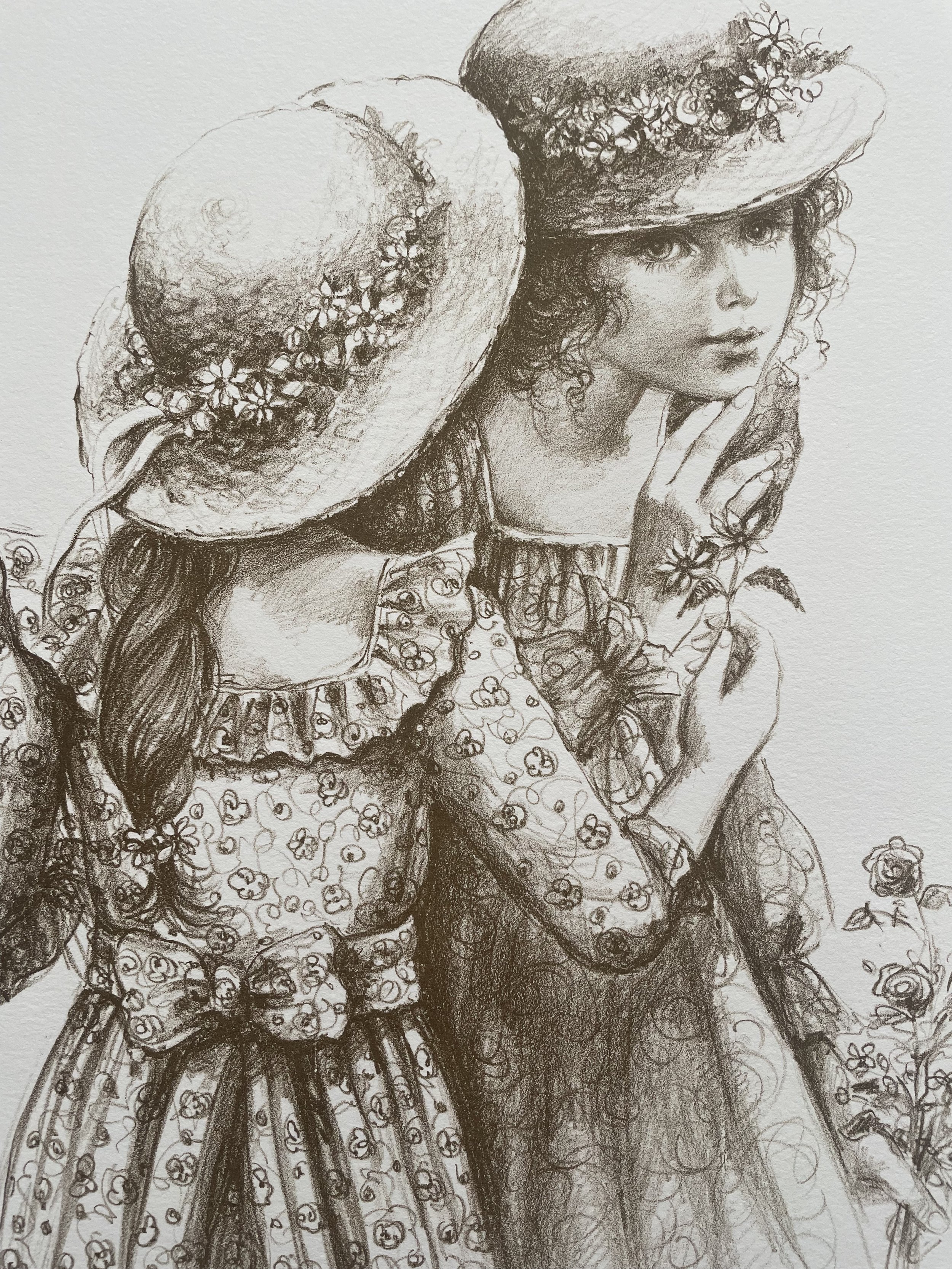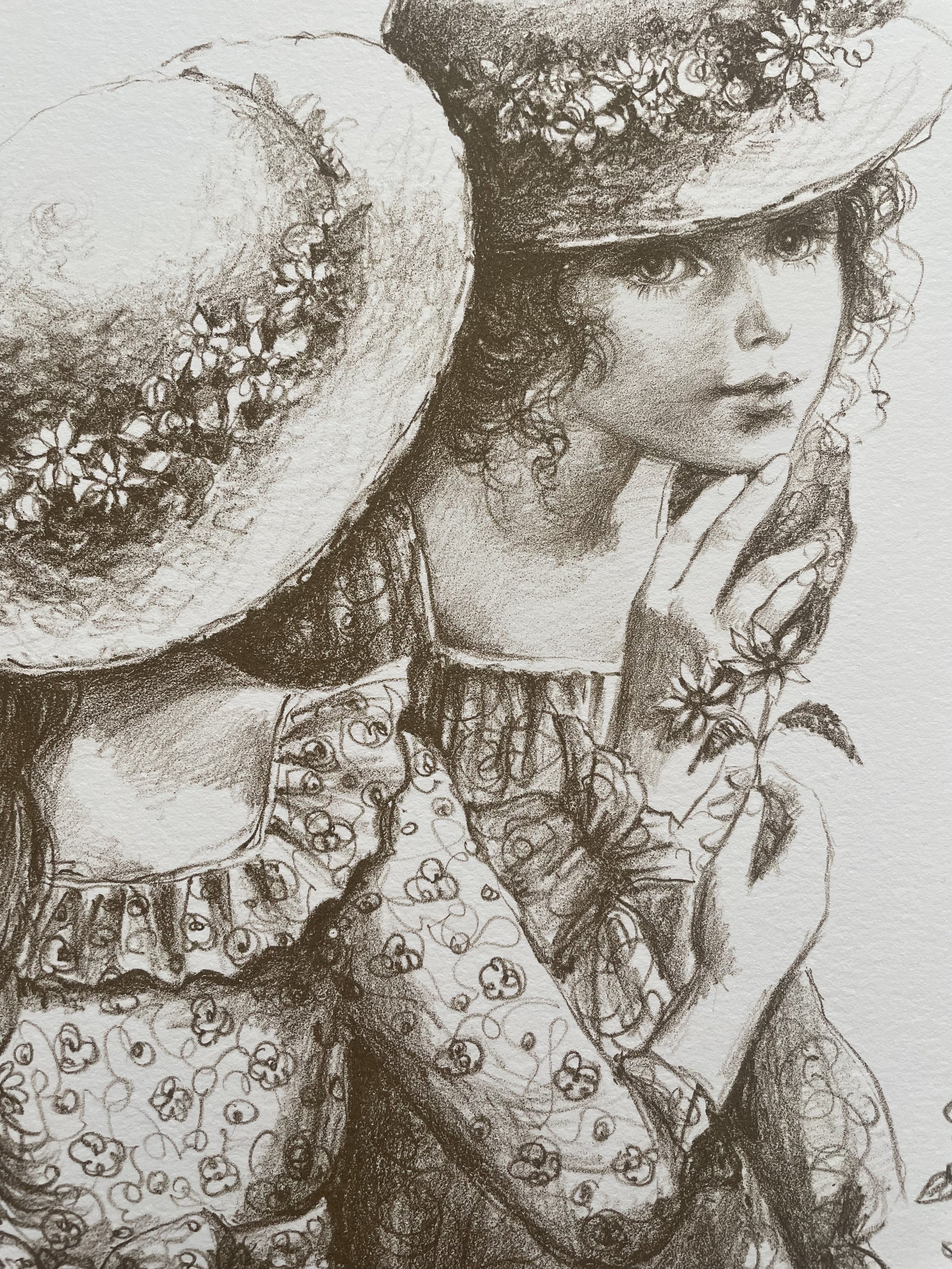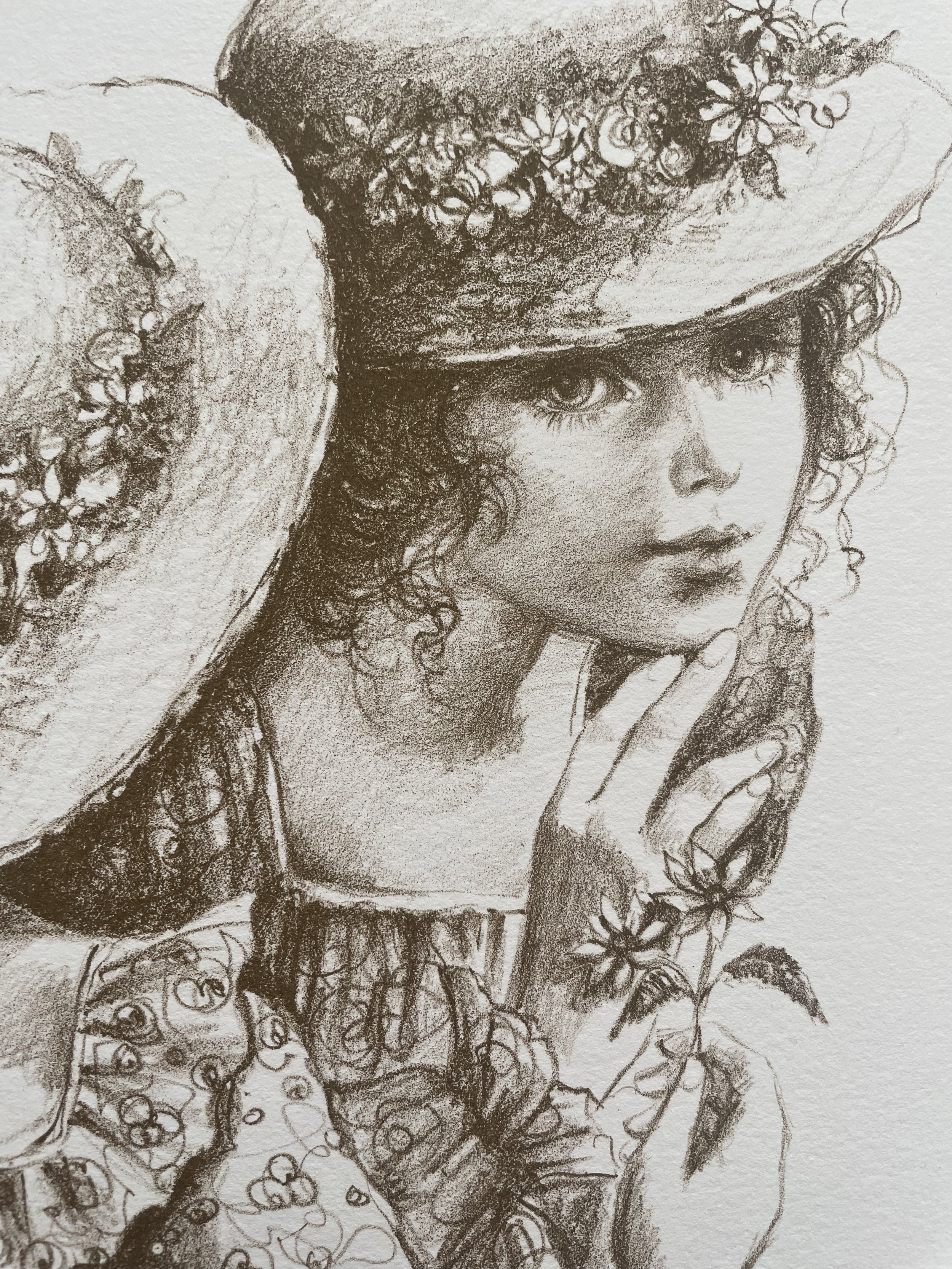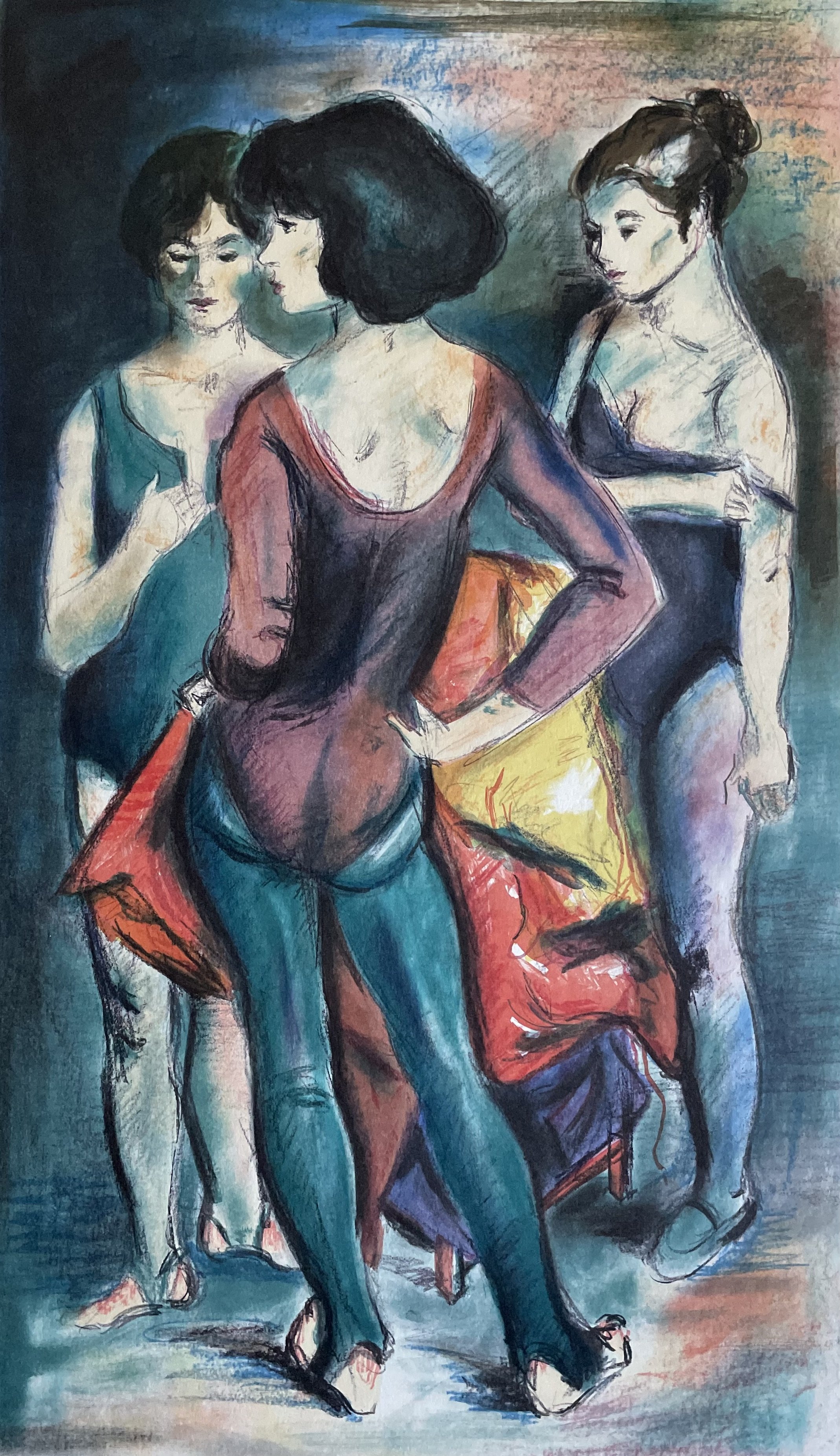
“Dressing Room,” Jan DeRuth (1922–1991), c.1970s hand-colored lithograph, 23×32.5 in., signed “Sample Only,” rare early proof impression.

$2,200.00

“Dressing Room,” Jan DeRuth (1922–1991), c.1970s hand-colored lithograph, 23×32.5 in., signed “Sample Only,” rare early proof impression.

A rare 1970s hand-colored lithograph by Czech-American master Jan DeRuth, “Dressing Room” captures three dancers preparing backstage, rendered with his signature expressive linework and luminous color washes. This scarce “Sample Only” proof reflects DeRuth’s refined figurative style, museum-exhibited career, and enduring reputation as one of the 20th century’s great interpreters of the human form.

Artwork Description

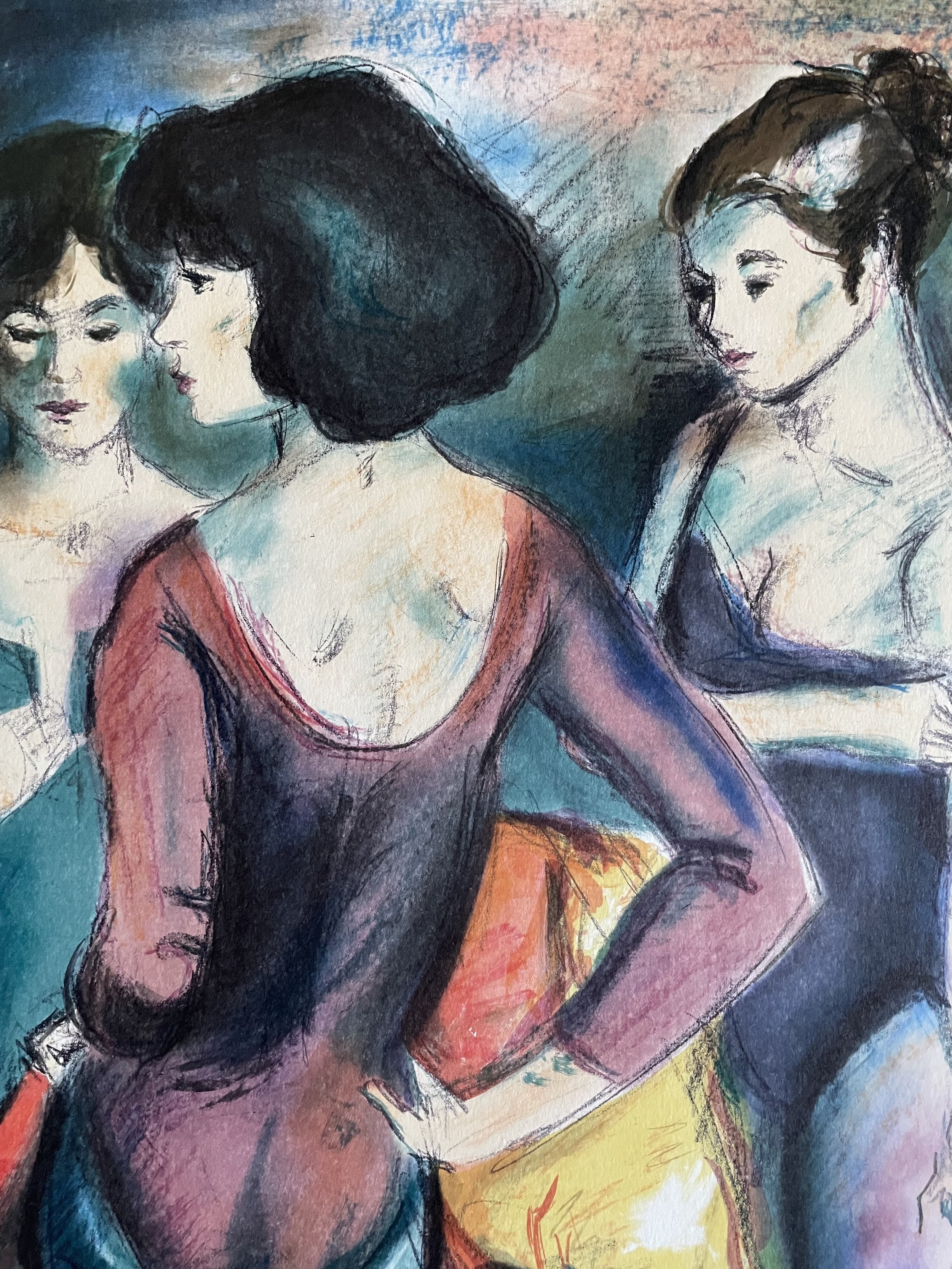
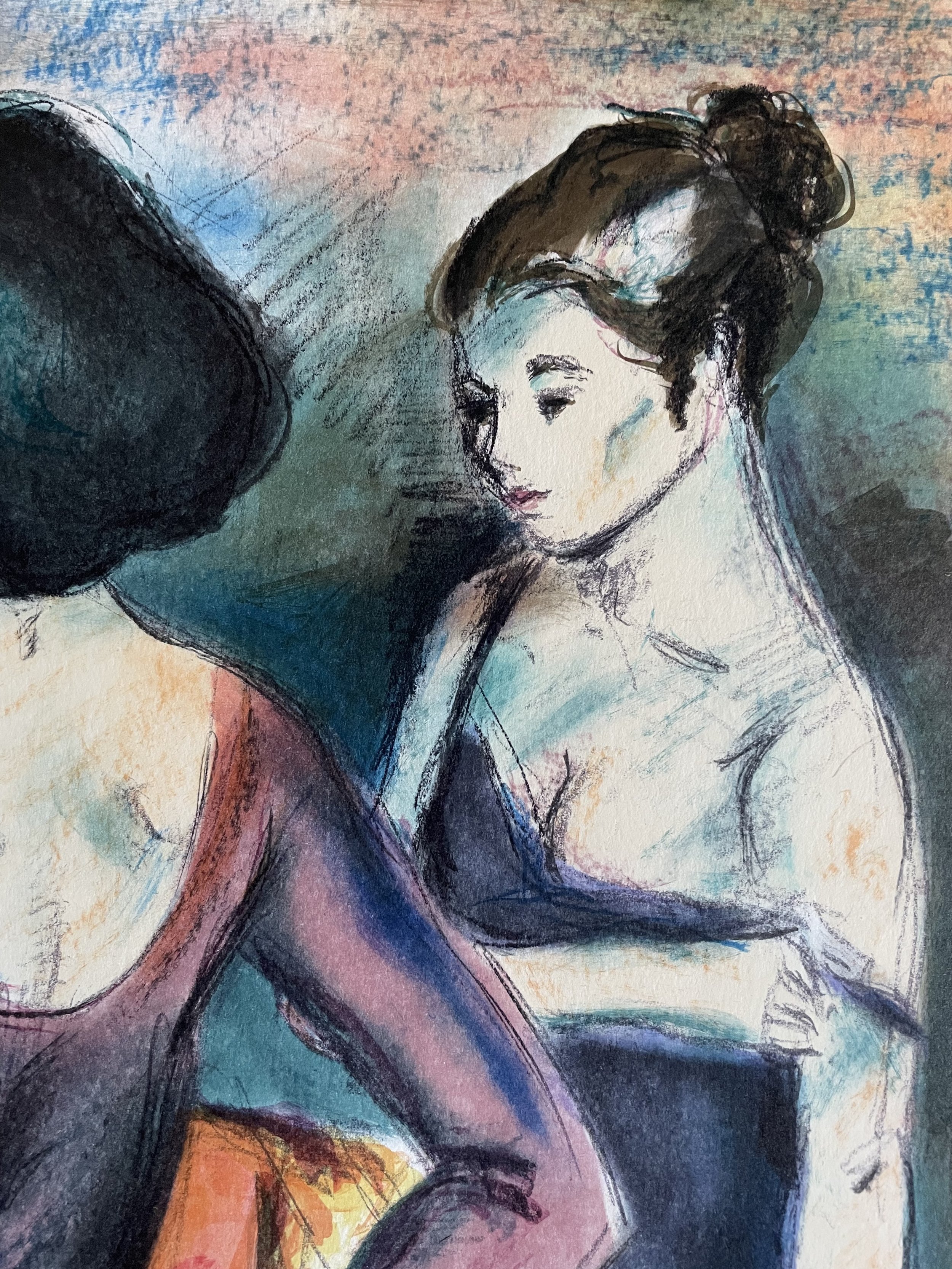
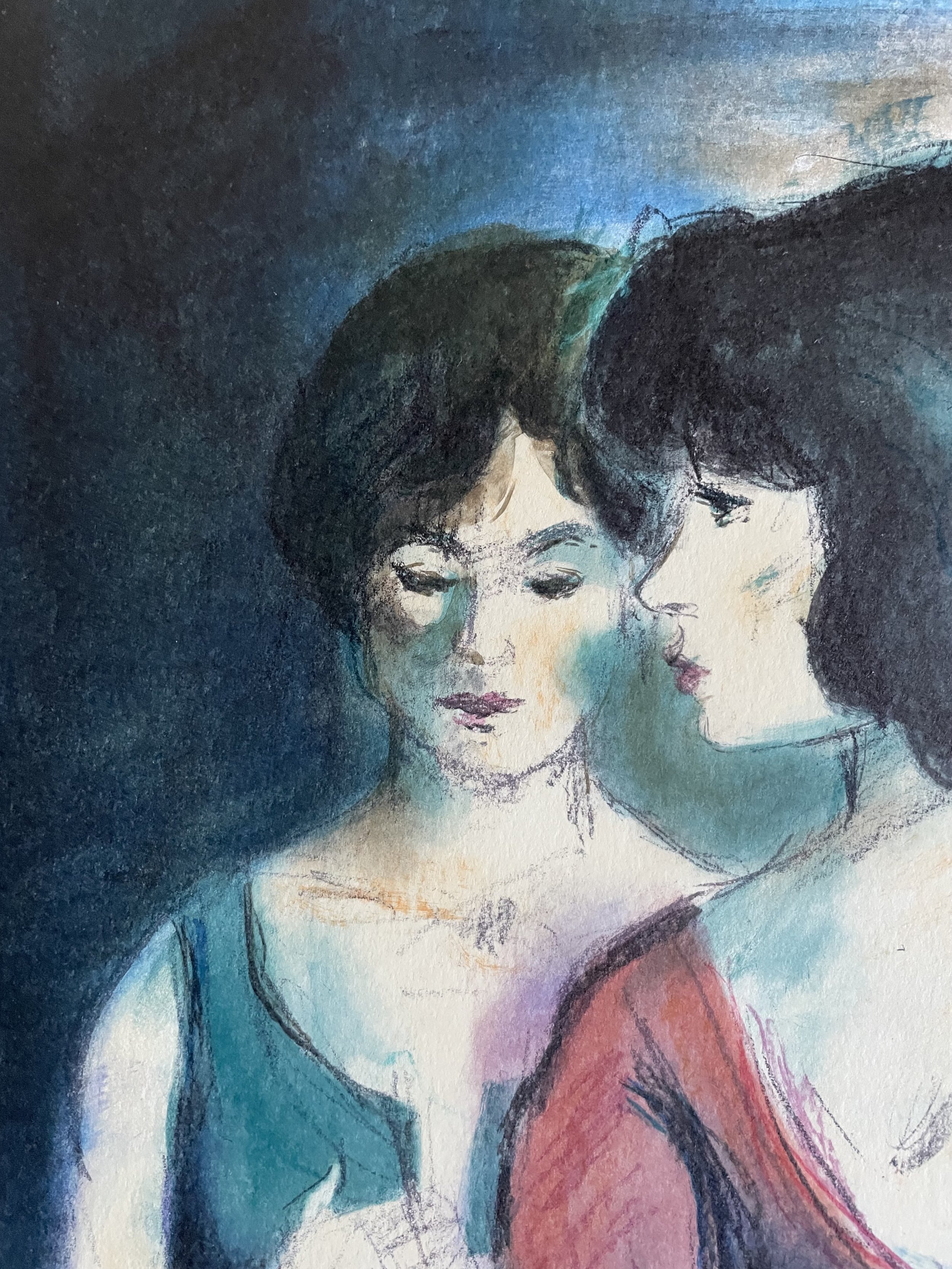
“Dressing Room” is a richly hand-tinted 1970s lithograph depicting three young dancers in rehearsal attire—an intimate, cinematic moment from backstage life. DeRuth organizes the composition in a triangular arrangement, guiding the viewer’s eye across three contrasting emotional states: contemplation, quiet focus, and confident self-possession. The central figure anchors the piece, her back turned, hips shifted, creating a graceful serpentine line reminiscent of classical figural drawing.

The medium is characteristic of DeRuth’s preferred method in the 1970s: a hand-drawn lithograph overlaid with nuanced watercolor-like pigments, applied to create delicate skin tones, velvety shadows, and vibrant garment highlights. Soft blues, garnet reds, and amber accents mingle with deep charcoal outlines, producing a theatrical, almost Degas-like ambience — a modern homage to Impressionist backstage scenes, but rendered with DeRuth’s unmistakable immediacy.

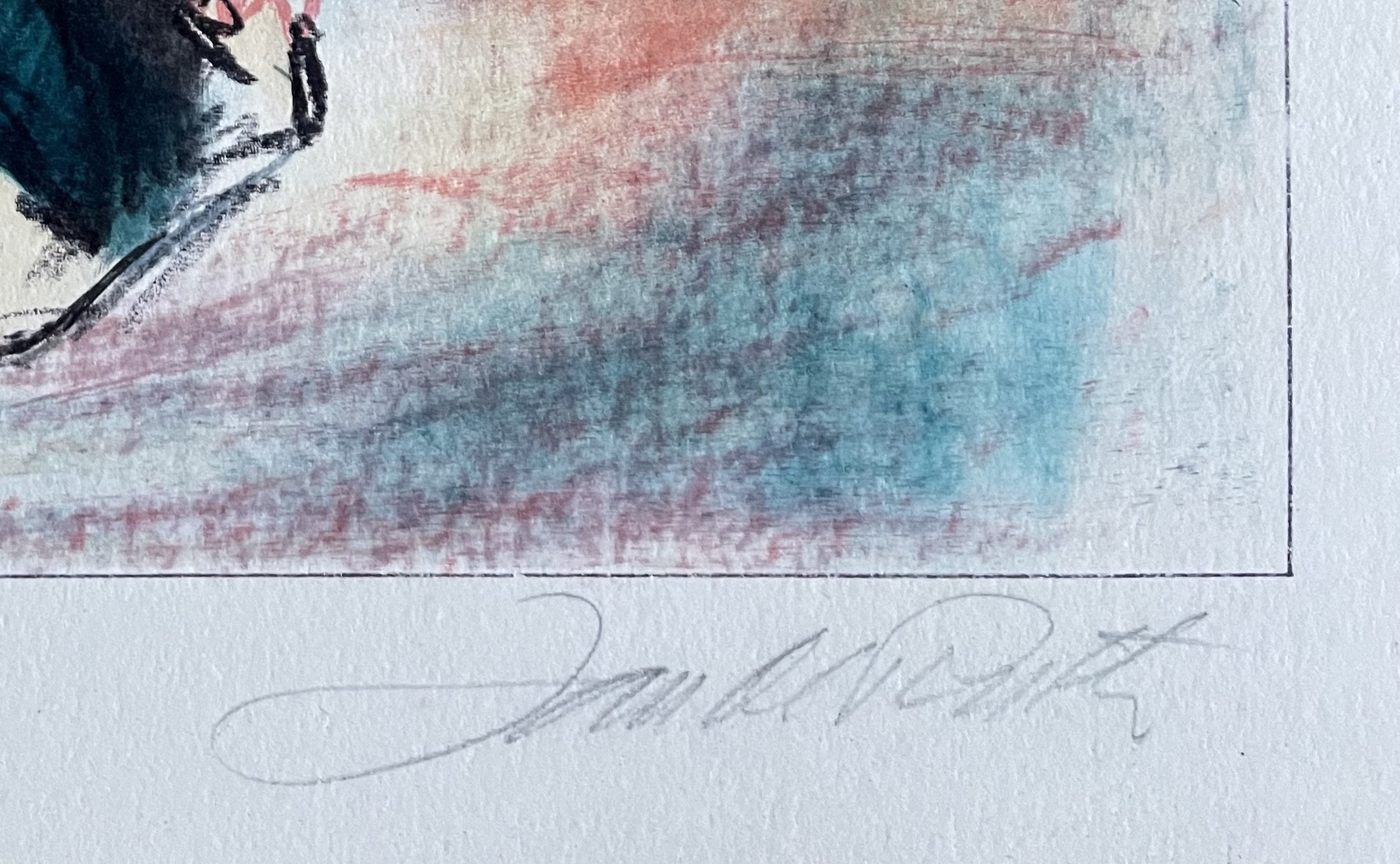
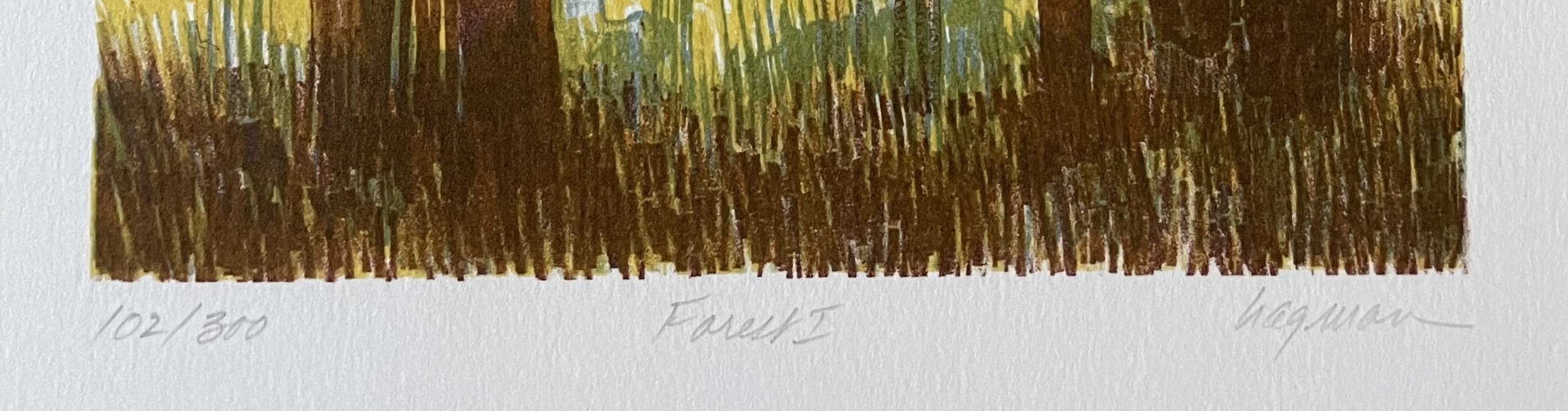
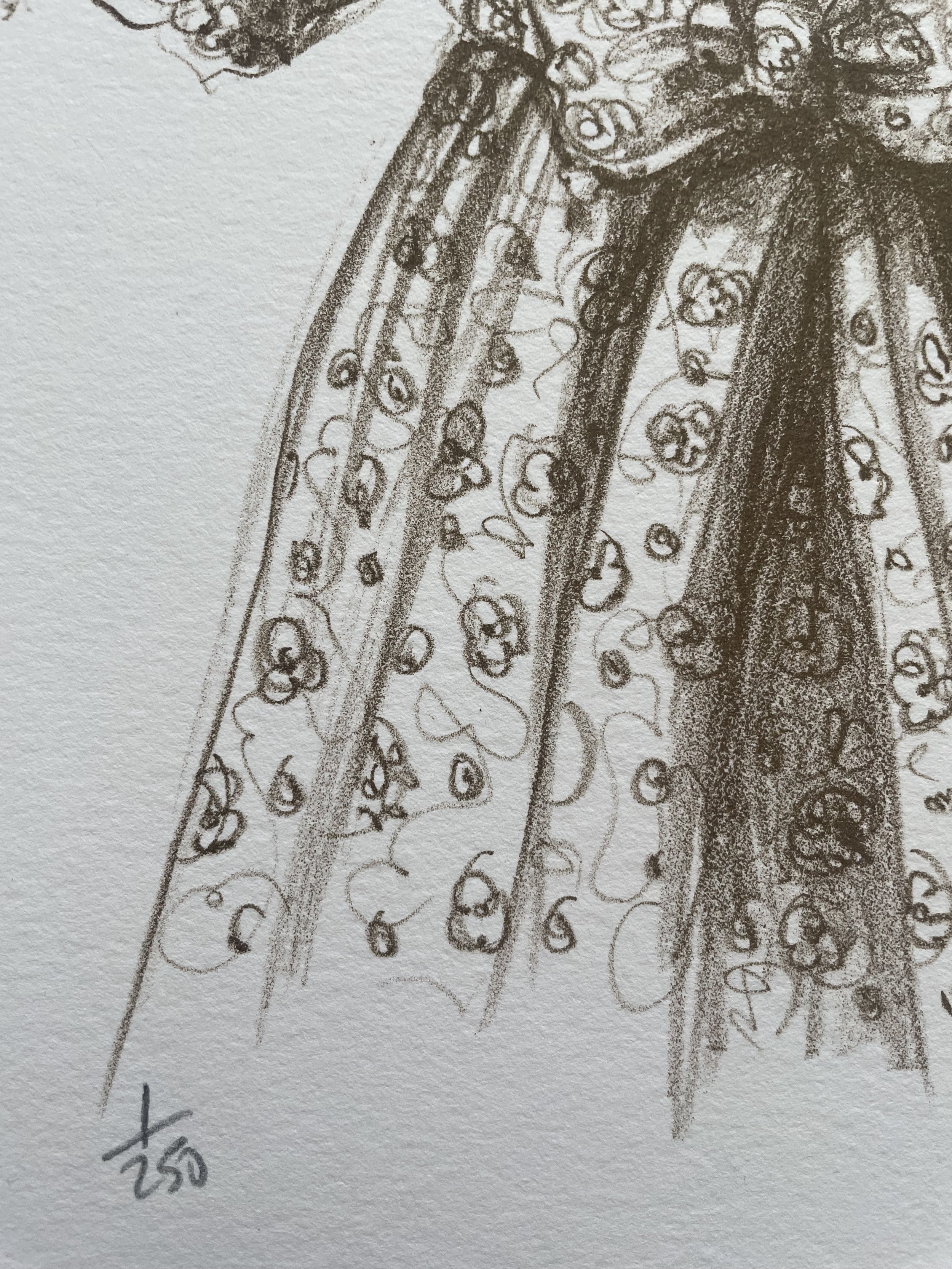
The lower left bears the unusual graphite inscription “Sample Only,” indicating this impression predates the final edition and was likely produced for presentation to a dealer, publisher, or printer prior to full release. Such proofs are exceptionally scarce and valued by collectors for their direct connection to the artist’s working process.

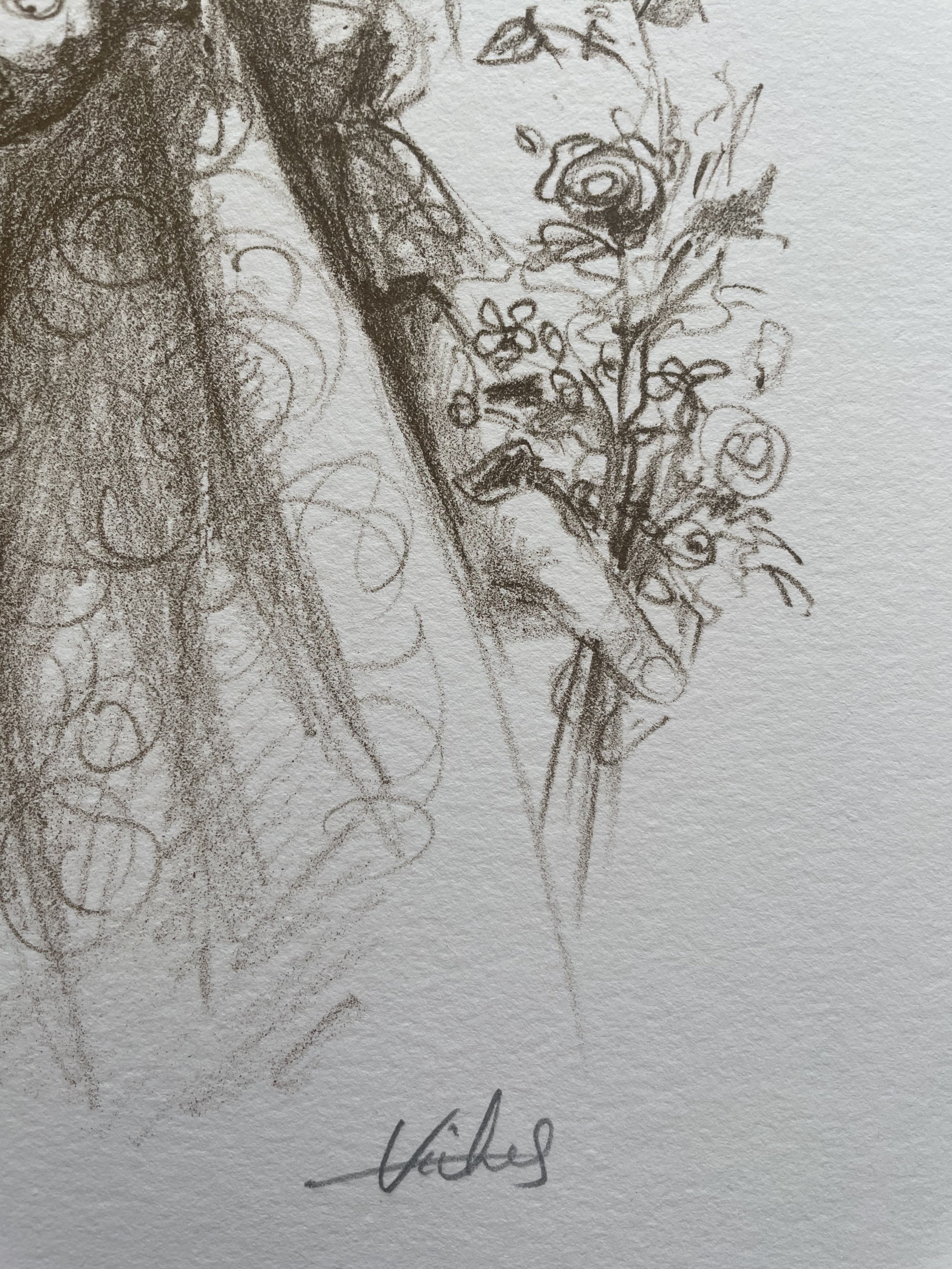
Signed in graphite at lower right, the work reflects DeRuth’s lifelong devotion to the human figure — capturing not merely appearance, but psychological presence. As with much of his oeuvre, the women appear thoughtful and real, not stylized archetypes, reflecting his belief that the figure is “nature’s most perfect and most imperfect creation,” communicating power, vulnerability, and spirit all at once.

Biography of Jan DeRuth

Jan DeRuth (1922–1991) was a Czech-American painter, printmaker, author, and one of the 20th century’s most respected figurative artists. Born in Karlsbad, Czechoslovakia, he showed remarkable drawing ability from childhood and later trained at the Rotter Art School in Prague, where he developed a foundation in academic draftsmanship. His early influences included the expressive realism of Käthe Kollwitz, the psychological portraiture of Egon Schiele, and the tonal discipline of the Old Masters.

His life was profoundly shaped by the events of World War II, during which he was forcibly moved through five concentration camps — including Auschwitz — before successfully escaping in 1945. Even under those brutal conditions he drew secretly, using scraps of paper, cloth, and improvised pigments such as coffee. A small drawing traded for bread became, in his own words, “my first sale.”

After the war, DeRuth briefly served as a commissar in a small Czech town before forging documents that enabled his escape to England. He settled in London and enrolled in the Ruskin Art School at Oxford University, further refining the expressive muscularity of his figural style. In 1948 he immigrated to the United States, studying at both the Art Students League and The New School in New York City.

Before establishing himself as a full-time artist in 1955, DeRuth held a wide range of jobs — fashion designer, illustrator, salesman, theater manager — all of which enriched his sensitivity to gesture, posture, and the unguarded moments of everyday life. His professional breakthrough came in 1957 with his first major solo exhibition, followed by more than 50 solo gallery shows, 14 museum exhibitions, and over 38 national juried exhibitions.

DeRuth authored two influential textbooks: Portrait Painting (1964) and Painting the Nude (1968), both still referenced by painters and art students today. His portrait of Ethel Kennedy appeared on the cover of Time Magazine, cementing his role as a leading portraitist.

His awards included the Butler Institute Purchase Prize, the Grumbacher Prize, the National Arts Club Gold Medal, and the Winsor & Newton Award, among many others. His work has been exhibited at the Mint Museum, Neville Public Museum, B’nai B’rith Museum, Lauren Rogers Museum, and numerous academic art centers across the United States.

DeRuth’s deep humanism — shaped by trauma, resilience, and gratitude for life — permeates all his work. The female form, in particular, became his lifelong subject: a vessel for emotional truth, inner strength, fragility, and grace. “There is no final answer in the human figure,” he once wrote. “Each gesture is new.” His legacy persists in the heartfelt sincerity and technical mastery that define every drawing, painting, and print he created.

Jan DeRuth, “Dressing Room,” c.1970s, hand-colored lithograph, 23×32.5 in., signed in graphite and marked “Sample Only.” Rare early proof impression from this acclaimed figurative master.

Certificate of Value & Authentication

Artist: Jan DeRuth (1922–1991)
Title: Dressing Room
Date: c.1970s
Medium: Hand-drawn lithograph with hand-applied color
Dimensions: 23 × 32.5 inches
Edition: Rare proof marked “Sample Only” (pre-edition impression)
Signature: Hand-signed in graphite by Jan DeRuth
Authenticity: Verified based on signature consistency, period paper type, lithographic technique, and provenance through Mitch Morse Gallery.
Current Owner: Artfind Gallery, Washington, DC
This artwork is an authentic original lithograph by Jan DeRuth and carries the full provenance and valuation below.

Provenance Chain (Collector-Formatted)

• Artist Jan DeRuth (Czechoslovakia → USA)
• Acquired by Mitch Morse Gallery, NYC (publisher, dealer, restorer; long-time source for DeRuth works)
• Private acquisitions via Mitch Morse Gallery (New York & European sourcing)
• Artfind Gallery, Washington, DC — current owner

“Dressing Room,” Jan DeRuth (1922–1991), c.1970s hand-colored lithograph, 23×32.5 in., signed “Sample Only,” rare early proof impression.

A rare 1970s hand-colored lithograph by Czech-American master Jan DeRuth, “Dressing Room” captures three dancers preparing backstage, rendered with his signature expressive linework and luminous color washes. This scarce “Sample Only” proof reflects DeRuth’s refined figurative style, museum-exhibited career, and enduring reputation as one of the 20th century’s great interpreters of the human form.

Artwork Description

“Dressing Room” is a richly hand-tinted 1970s lithograph depicting three young dancers in rehearsal attire—an intimate, cinematic moment from backstage life. DeRuth organizes the composition in a triangular arrangement, guiding the viewer’s eye across three contrasting emotional states: contemplation, quiet focus, and confident self-possession. The central figure anchors the piece, her back turned, hips shifted, creating a graceful serpentine line reminiscent of classical figural drawing.

The medium is characteristic of DeRuth’s preferred method in the 1970s: a hand-drawn lithograph overlaid with nuanced watercolor-like pigments, applied to create delicate skin tones, velvety shadows, and vibrant garment highlights. Soft blues, garnet reds, and amber accents mingle with deep charcoal outlines, producing a theatrical, almost Degas-like ambience — a modern homage to Impressionist backstage scenes, but rendered with DeRuth’s unmistakable immediacy.

The lower left bears the unusual graphite inscription “Sample Only,” indicating this impression predates the final edition and was likely produced for presentation to a dealer, publisher, or printer prior to full release. Such proofs are exceptionally scarce and valued by collectors for their direct connection to the artist’s working process.

Signed in graphite at lower right, the work reflects DeRuth’s lifelong devotion to the human figure — capturing not merely appearance, but psychological presence. As with much of his oeuvre, the women appear thoughtful and real, not stylized archetypes, reflecting his belief that the figure is “nature’s most perfect and most imperfect creation,” communicating power, vulnerability, and spirit all at once.

Biography of Jan DeRuth

Jan DeRuth (1922–1991) was a Czech-American painter, printmaker, author, and one of the 20th century’s most respected figurative artists. Born in Karlsbad, Czechoslovakia, he showed remarkable drawing ability from childhood and later trained at the Rotter Art School in Prague, where he developed a foundation in academic draftsmanship. His early influences included the expressive realism of Käthe Kollwitz, the psychological portraiture of Egon Schiele, and the tonal discipline of the Old Masters.

His life was profoundly shaped by the events of World War II, during which he was forcibly moved through five concentration camps — including Auschwitz — before successfully escaping in 1945. Even under those brutal conditions he drew secretly, using scraps of paper, cloth, and improvised pigments such as coffee. A small drawing traded for bread became, in his own words, “my first sale.”

After the war, DeRuth briefly served as a commissar in a small Czech town before forging documents that enabled his escape to England. He settled in London and enrolled in the Ruskin Art School at Oxford University, further refining the expressive muscularity of his figural style. In 1948 he immigrated to the United States, studying at both the Art Students League and The New School in New York City.

Before establishing himself as a full-time artist in 1955, DeRuth held a wide range of jobs — fashion designer, illustrator, salesman, theater manager — all of which enriched his sensitivity to gesture, posture, and the unguarded moments of everyday life. His professional breakthrough came in 1957 with his first major solo exhibition, followed by more than 50 solo gallery shows, 14 museum exhibitions, and over 38 national juried exhibitions.

DeRuth authored two influential textbooks: Portrait Painting (1964) and Painting the Nude (1968), both still referenced by painters and art students today. His portrait of Ethel Kennedy appeared on the cover of Time Magazine, cementing his role as a leading portraitist.

His awards included the Butler Institute Purchase Prize, the Grumbacher Prize, the National Arts Club Gold Medal, and the Winsor & Newton Award, among many others. His work has been exhibited at the Mint Museum, Neville Public Museum, B’nai B’rith Museum, Lauren Rogers Museum, and numerous academic art centers across the United States.

DeRuth’s deep humanism — shaped by trauma, resilience, and gratitude for life — permeates all his work. The female form, in particular, became his lifelong subject: a vessel for emotional truth, inner strength, fragility, and grace. “There is no final answer in the human figure,” he once wrote. “Each gesture is new.” His legacy persists in the heartfelt sincerity and technical mastery that define every drawing, painting, and print he created.

Jan DeRuth, “Dressing Room,” c.1970s, hand-colored lithograph, 23×32.5 in., signed in graphite and marked “Sample Only.” Rare early proof impression from this acclaimed figurative master.

Certificate of Value & Authentication

Artist: Jan DeRuth (1922–1991)
Title: Dressing Room
Date: c.1970s
Medium: Hand-drawn lithograph with hand-applied color
Dimensions: 23 × 32.5 inches
Edition: Rare proof marked “Sample Only” (pre-edition impression)
Signature: Hand-signed in graphite by Jan DeRuth
Authenticity: Verified based on signature consistency, period paper type, lithographic technique, and provenance through Mitch Morse Gallery.
Current Owner: Artfind Gallery, Washington, DC
This artwork is an authentic original lithograph by Jan DeRuth and carries the full provenance and valuation below.

Provenance Chain (Collector-Formatted)

• Artist Jan DeRuth (Czechoslovakia → USA)
• Acquired by Mitch Morse Gallery, NYC (publisher, dealer, restorer; long-time source for DeRuth works)
• Private acquisitions via Mitch Morse Gallery (New York & European sourcing)
• Artfind Gallery, Washington, DC — current owner

DRESSING ROOM -Lithograph 1970’s - Rare “Sample Only”

23x32.5”

Jan DeRuth Biography

1922 - 1991

Czech-American artist, Jan De Ruth is best known for his beautiful FIGURATIVE paintings.

Born in Karlsbad, Czechoslovakia, the artist received training at Rotter Art School, Prague; Ruskin Art School, Oxford University, England; ASL New York; and the New School, New York.

During his prolific career, Jan deRuth exhibited in over 38 National Juried Exhibitions, 14 Museum Solo Shows and 51 Gallery Solo Exhibitions. He also authored two acclaimed books: Portrait Painting (1964) and Painting the Nude (1968).

His achievements also include a portrait of Ethel Kennedy for the cover of the Time Magazine .

A native of Czechoslovakia and now an American citizen, he spent the years of World War II being shunted through 5 different concentration camps, including the infamous Auschwitz. He made four escape attempts and finally made good on his fifth try.

De Ruth constantly sought materials with which to draw, but "The only things we had were the few pieces of cloth we wore," he recalled, in an interview. By chance, he was transferred to Germany as part of a labor detail and managed to sneak a pencil away from the camp supervisor-"I became a perfect thief during those years," he said. Jan drew a mother and child on a scrap of paper he scrounged from the factory where he worked, filled it in with shadings of coffee in various strengths-his finger was his brush. He exchanged the sketch for a piece of bread from a camp guard, and in effect, sold his first painting.

In March of 1945, after being transferred to his native Czechoslovakia, he made his successful escape "knowing every step of the way." After the war, De Ruth became the commissar in a small Czech town and remained in the post for one year, just long enough to forge some documents that allowed him to flee to England. He took up residence in London and enrolled at the Ruskin Art School in Oxford University. He arrived in the USA in 1948.

From '48 to 1955 he supported himself by working at night, earning his way painting designs on neckties and bathroom cups; as a fashion designer, illustrator, vacuum cleaner salesman, theatre manager, and actor. In '55 Jan De Ruth made his professional debut as a full-time artist and two years later his first one-man show established him as a serious painter.

His work has been acclaimed for combining the technique of the old masters with a modern manner, and has been exhibited in more than 40 one-man shows in galleries and museums across the United States.

De Ruth, author of the books "Portrait Painting" and "Painting the Nude," has devoted his entire life to painting the female face and form. He enjoys special popularity as a portraitist and has become one of the best known painters of the nude female in the world today. Often asked why he concentrates on this most demanding of all art subjects he replies: . . . "Each painting of the nude becomes a new experience . . . It (the human figure) is nature's most perfect and most imperfect creation, communicating, even in silence and immobility, the physical and spiritual power-and frailty- of humanity."

Articulate, sophisticated, outspoken and well informed, De Ruth has also been a leading guest on radio and television shows. But, it is painting that gives a purpose to Jan De Ruth's existence: "It is an unending challenge-there is no end, no final result-to be found in painting the human body. I have never seen two gestures that are alike, but so are the possibilities of expression. There will always be painters who will find one more way of saying: "See! This is what I feel about humans." . . . So until a greater challenge and a more profound symbol comes along, it is the human figure I wish to paint."

Selected Awards

Butler Institute of American Art Purchase Prize

Oguniquit Art Center

Knickerbocker Artist 1964

Audubon Artist, Grumbacher Purchase Prize

National Arts Club of America Gold Medal

Windsor-Newton Award of the National Arts Club

MUSEUM EXHIBITIONS

B'nai B'rith Museum - Washington D.C.

Florida Gulf Coast Art Center - Clearwater, Fla.

Mint Museum of Art - Charlotte, N.C.

Neville Public Museum - Green bay, Wisconson

Lauren Rogers Museum - Laurel, Miss.

Theodore Wright Art Center - Beloit, Wis.

Bowling Green State College - Bowling Green, Ohio

Catawba College - Salisbury, N.C.

East Central State College - Ada, Oklahoma

Fairleigh Dickinson University - New Jersey

Rochester Public Library - Rochester, N.Y.
NATIONAL EXHIBITIONS

Allied Artists of America

American Artists Professional League

Audubon Artists

Berkshire Art Association, Berkshre Museum

Boston Society of Independent Artists

Connecticut Academy

Knickerbocker Artists

National Academy of Design

National Arts Club

New York City Center

New York State Exposition

Ogunquit Art Center

Painters and Sculptors Society of New Jersey