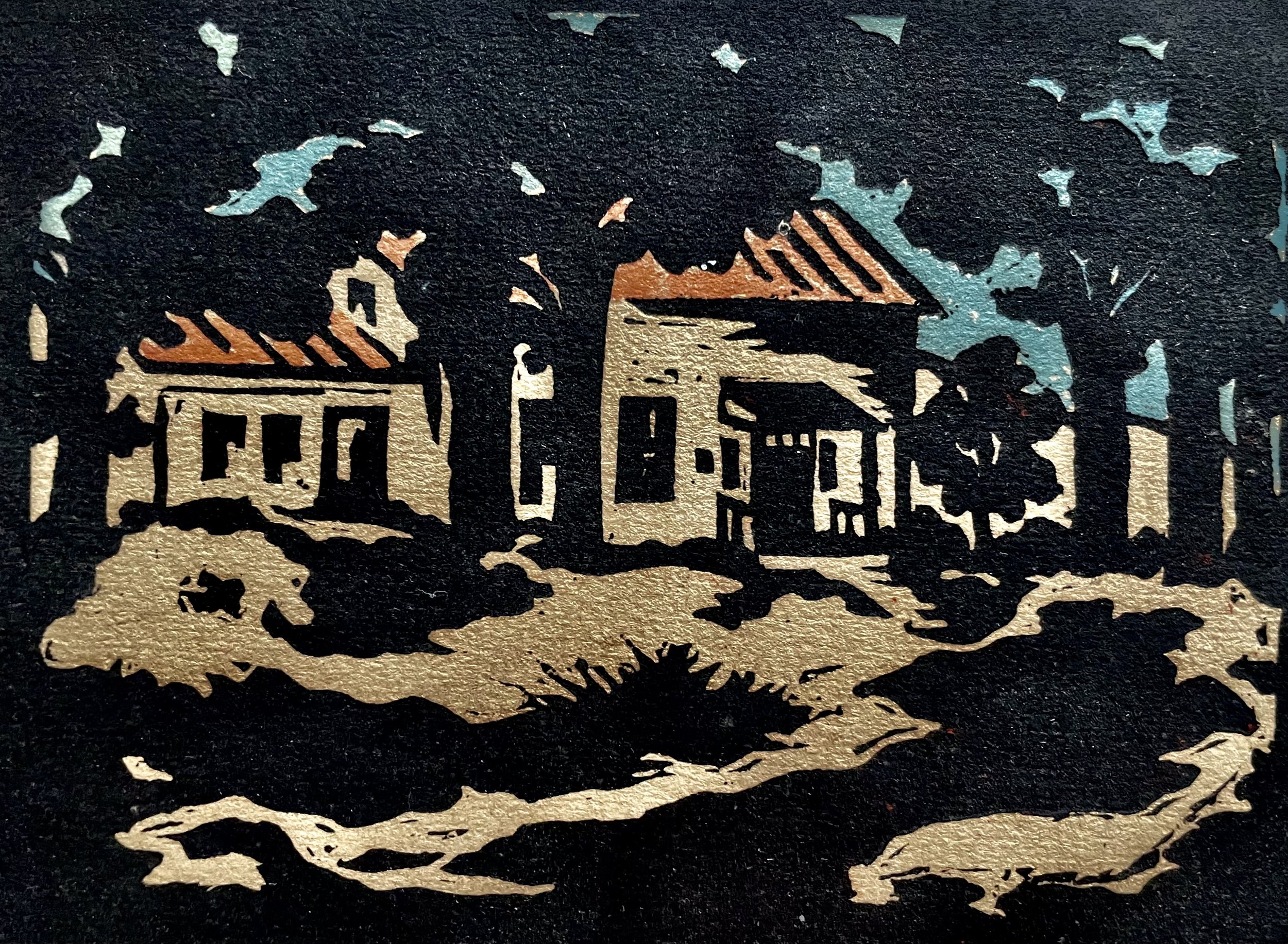
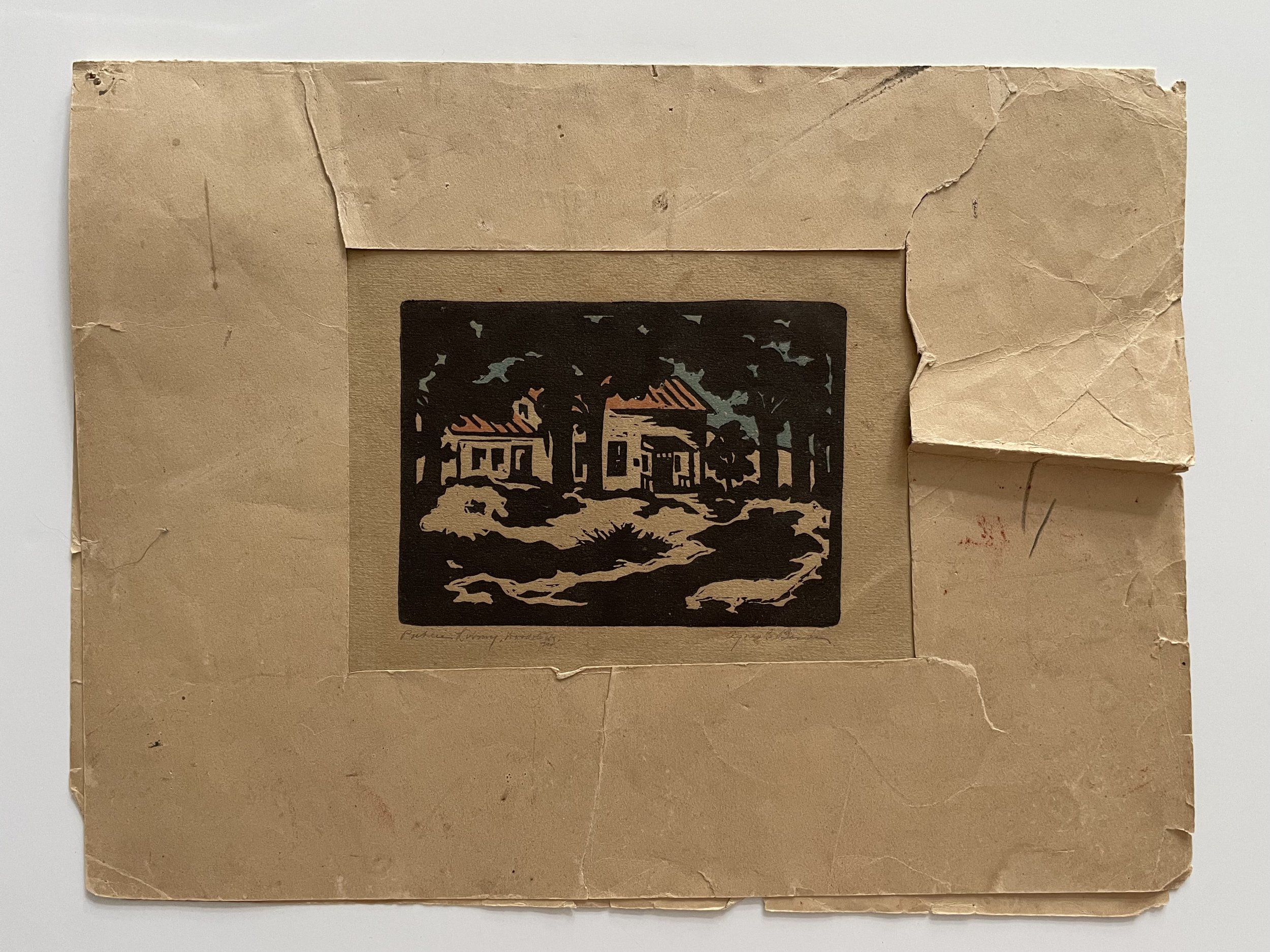
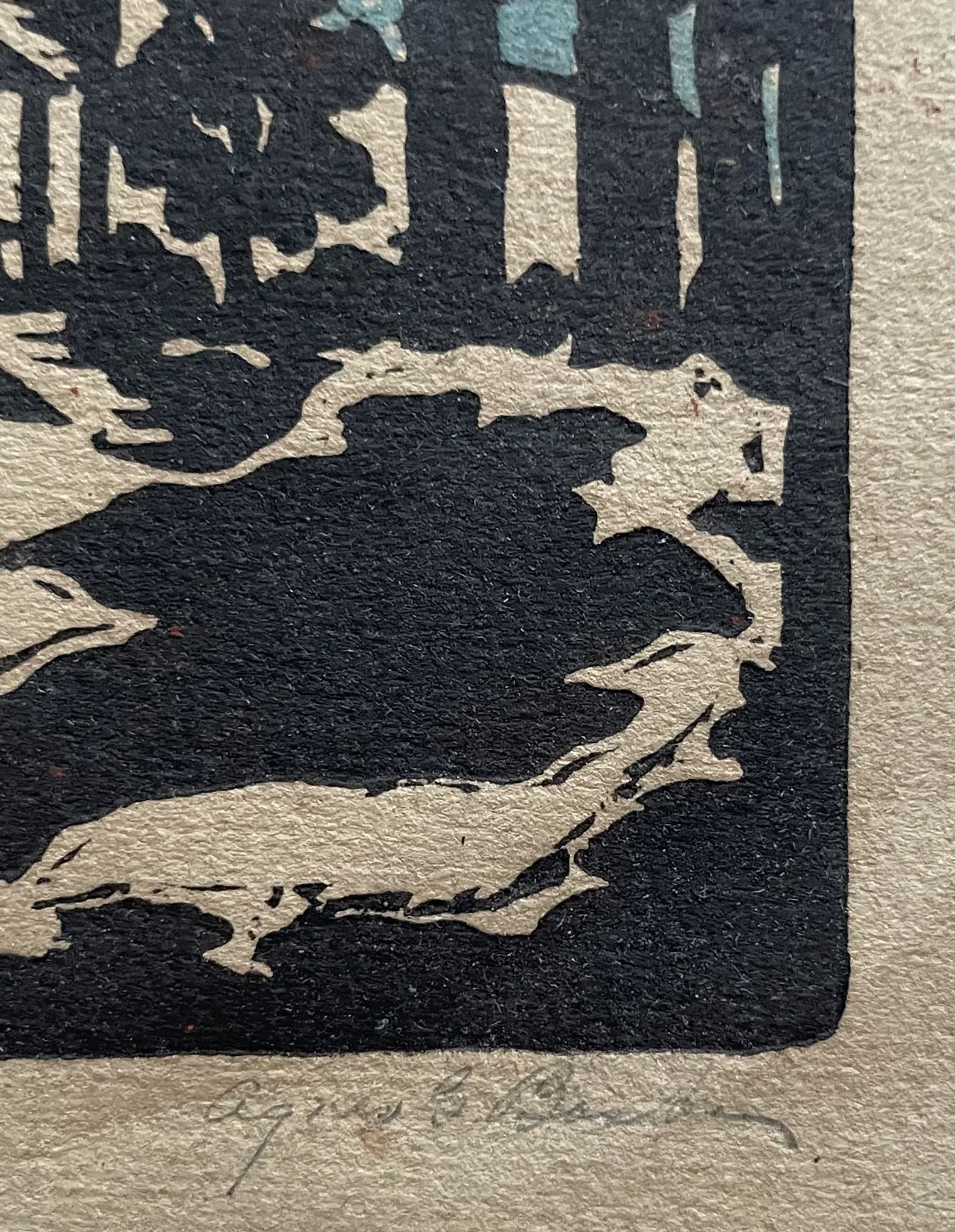
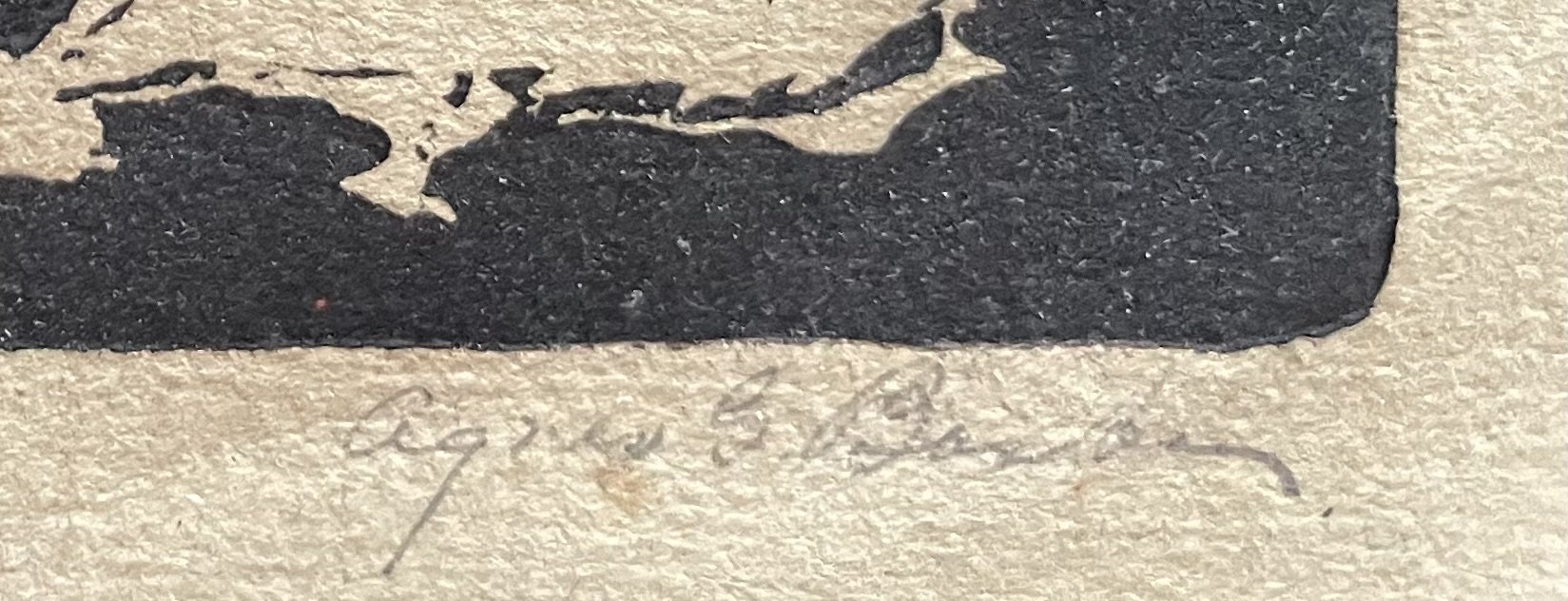
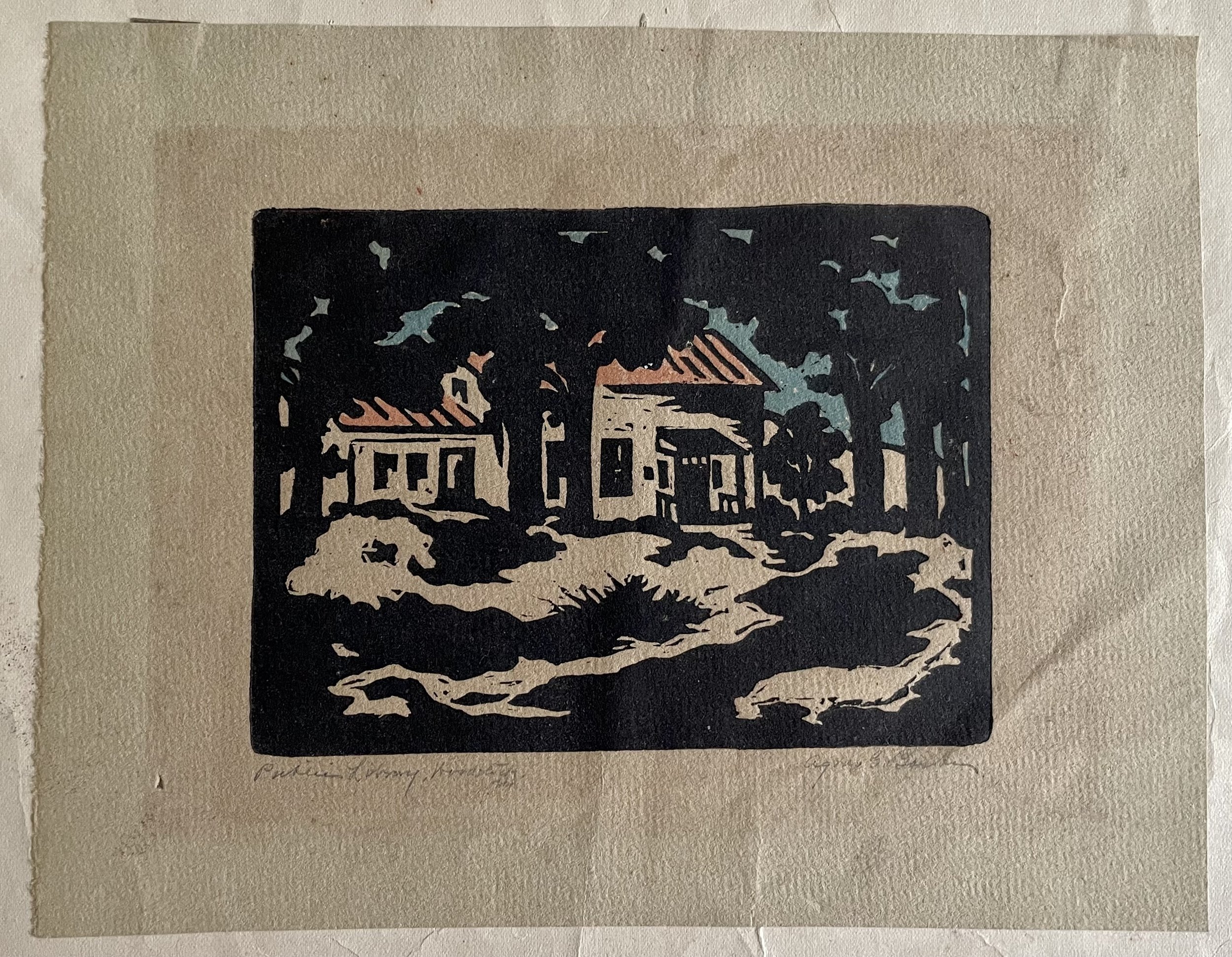
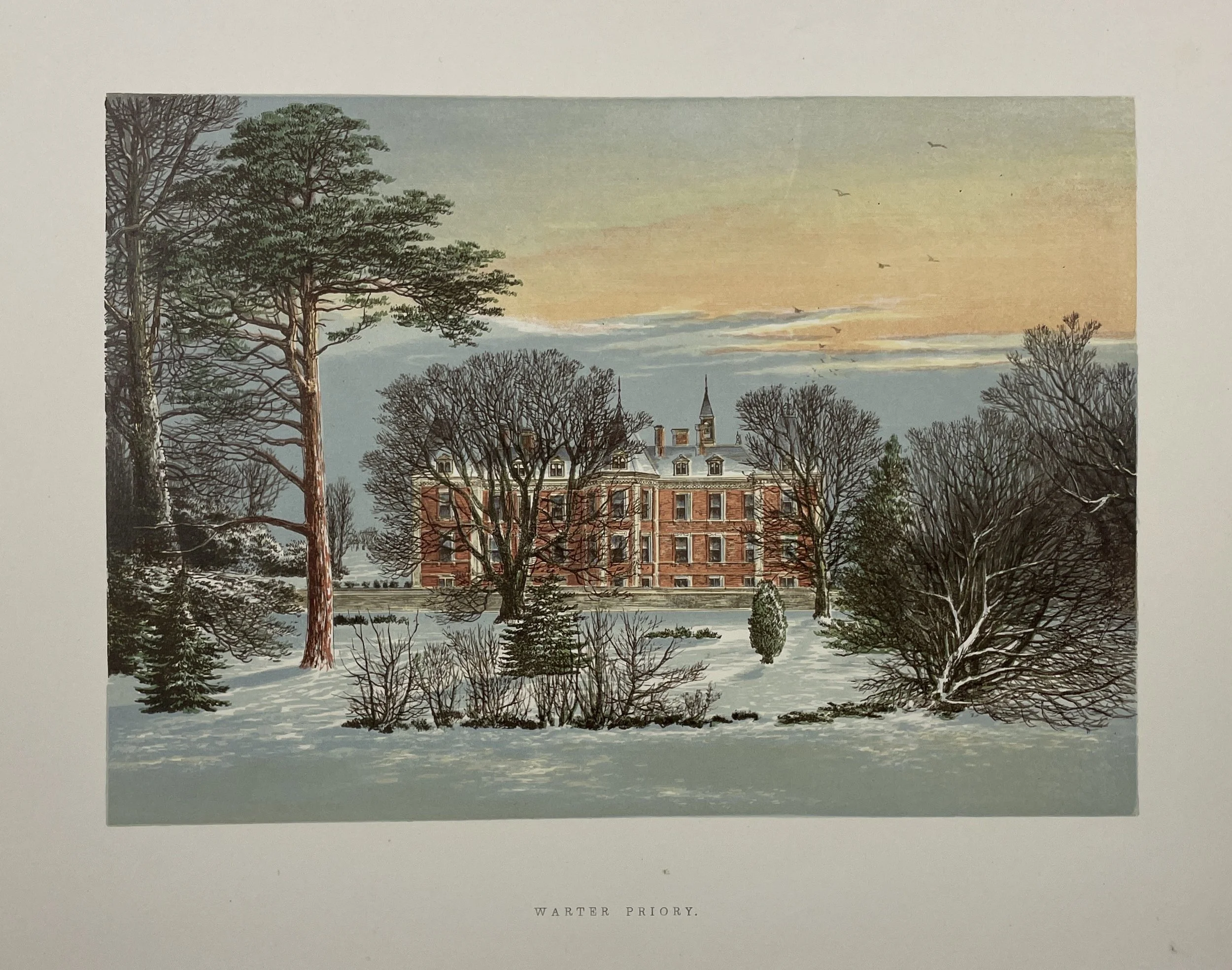
“Eaton Hall,” Alexander Francis Lydon (1836–1917), c. 1880, Baxter-process colored woodblock engraving printed by Benjamin Fawcett (1808–1893), published by William Mackenzie, London; image 7¼ × 5⅛ in., sheet 10½ × 8 in., unsigned as issued.
This exquisite Victorian-era Baxter-process colored woodblock engraving of Eaton Hall, illustrated by Alexander Francis Lydon and printed by master color-printer Benjamin Fawcett, comes from the prestigious 1880 publication A Series of Picturesque Views of Seats of the Noblemen and Gentlemen of Great Britain and Ireland. Produced with an average of eight transparent color blocks, this plate exemplifies the finest 19th-century printing craftsmanship and presents a richly detailed architectural portrait of one of Britain’s most iconic country estates. An exceptional piece of social history and decorative art, it is ideal for collectors of antique British views, Victorian prints, country house architecture, and Baxter-process engravings.
Artwork Description
This beautifully preserved colored woodblock print depicts Eaton Hall, the grand Cheshire estate of the Grosvenor family—one of the great symbols of British aristocratic architecture during the 19th century. Rendered with remarkable precision, the image showcases the Gothic Revival façade, crenellated parapets, tracery windows, and ornate stonework that made Eaton Hall one of the most photographed and illustrated estates of its era.
Executed using the Baxter process, the plate was printed from multiple woodblocks—typically an average of eight distinct colors—each hand-inked and precisely registered to build a luminous, transparent palette that complements Lydon’s refined architectural drawing. The subtle blending of greens, ochres, blues, and sepia tones captures not only the building’s grandeur but the elegance of estate life, illustrated by strolling figures and manicured gardens.
The plate appears in Vol. II of the celebrated publication A Series of Picturesque Views of Seats of the Noblemen and Gentlemen of Great Britain and Ireland. The sheet features gilded edging typical of deluxe Victorian volumes, and the present example remains in very good, frameable vintage condition, having never been framed, matted, or exposed—retained in archival storage by the retired Mitch Moore Gallery, NYC.
As many featured British estates from this series have since been demolished or altered beyond recognition, these prints serve as invaluable historic records of vanished architecture, capturing the splendor of aristocratic Britain in the final decades of the Victorian era.
Artist & Printer Biographies
ALEXANDER FRANCIS LYDON (1836–1917) — Illustrator
Alexander Francis Lydon was an accomplished British watercolorist, draughtsman, and illustrator associated with some of the most important natural history and topographical publications of the Victorian era. Born in Scarborough, he began his career as an apprentice in the printing workshop of Benjamin Fawcett, where he developed exceptional skill in woodblock drawing and color illustration. His refined architectural style, characterized by accuracy, quiet elegance, and atmospheric detail, made him the ideal illustrator for the ambitious country-house surveys of the period.
Lydon collaborated extensively with Francis Orpen Morris, producing dozens of volumes documenting British birds, landscapes, and historic buildings. His illustrations continue to be valued for their aesthetic merit and documentary reliability, offering a window into the architectural and natural heritage of 19th-century Britain.
BENJAMIN FAWCETT (1808–1893) — Printer
Benjamin Fawcett of Driffield, Yorkshire, was one of the most innovative color printers of the Victorian period. Specializing in woodblock-based color printing, Fawcett refined techniques that would become synonymous with the Baxter process, requiring extraordinary precision in block preparation, inking, and alignment.
Fawcett’s workshop, where Lydon trained, was renowned for producing works that combined artistic subtlety with technical excellence—qualities fully evident in the Picturesque Views series. His prints were celebrated for their clarity, transparency of color, and ability to capture both architectural detail and atmospheric depth.
WILLIAM MACKENZIE — Publisher (London, Edinburgh, Dublin)
William Mackenzie was a major Victorian publisher specializing in deluxe illustrated volumes, atlases, natural history works, and architectural surveys. His Picturesque Views of Seats of the Noblemen and Gentlemen of Great Britain and Ireland remains one of the most culturally important and visually refined publications documenting Britain's aristocratic estates during the late Victorian era.
Alexander Francis Lydon (Illustrator), Benjamin Fawcett (Printer), “Eaton Hall,” c. 1880. Baxter-process colored woodblock engraving from Views of Seats of the Noblemen and Gentlemen of Great Britain and Ireland, published by William Mackenzie. Image 7¼ × 5⅛ in., sheet 10½ × 8 in. Very good vintage condition; bright color; never framed.
CERTIFICATE OF VALUE & AUTHENTICATION
For Fine Art Appraisal / Insurance / Gallery Documentation
Title:Eaton Hall
Illustrator: Alexander Francis Lydon (1836–1917)
Printer: Benjamin Fawcett (1808–1893)
Publisher: William Mackenzie, London / Edinburgh / Dublin
Date: c. 1880
Medium: Baxter-process colored woodblock engraving (average of 8 colors)
Sheet Size: 10½ × 8 inches
Image Size: 7¼ × 5⅛ inches
Edition: From A Series of Picturesque Views of Seats of the Noblemen and Gentlemen of Great Britain and Ireland, Vol. II
Condition: Very good; unfaded color; never framed or displayed; extremely well preserved
Current Owner: Artfind Gallery, Washington, DC
Authenticity: This artwork is verified as an original 19th-century plate from the Mackenzie publication, consistent with known printing techniques of Fawcett and the draughtsmanship of Lydon.
Provenance Chain
Published by William Mackenzie, London / Edinburgh / Dublin (c. 1880)
Mitch Moore Gallery Inc., NYC (retired collection)
Acquired by Private Collector
Current Owner: Artfind Gallery, Washington, DC
“Eaton Hall,” Alexander Francis Lydon (1836–1917), c. 1880, Baxter-process colored woodblock engraving printed by Benjamin Fawcett (1808–1893), published by William Mackenzie, London; image 7¼ × 5⅛ in., sheet 10½ × 8 in., unsigned as issued.
This exquisite Victorian-era Baxter-process colored woodblock engraving of Eaton Hall, illustrated by Alexander Francis Lydon and printed by master color-printer Benjamin Fawcett, comes from the prestigious 1880 publication A Series of Picturesque Views of Seats of the Noblemen and Gentlemen of Great Britain and Ireland. Produced with an average of eight transparent color blocks, this plate exemplifies the finest 19th-century printing craftsmanship and presents a richly detailed architectural portrait of one of Britain’s most iconic country estates. An exceptional piece of social history and decorative art, it is ideal for collectors of antique British views, Victorian prints, country house architecture, and Baxter-process engravings.
Artwork Description
This beautifully preserved colored woodblock print depicts Eaton Hall, the grand Cheshire estate of the Grosvenor family—one of the great symbols of British aristocratic architecture during the 19th century. Rendered with remarkable precision, the image showcases the Gothic Revival façade, crenellated parapets, tracery windows, and ornate stonework that made Eaton Hall one of the most photographed and illustrated estates of its era.
Executed using the Baxter process, the plate was printed from multiple woodblocks—typically an average of eight distinct colors—each hand-inked and precisely registered to build a luminous, transparent palette that complements Lydon’s refined architectural drawing. The subtle blending of greens, ochres, blues, and sepia tones captures not only the building’s grandeur but the elegance of estate life, illustrated by strolling figures and manicured gardens.
The plate appears in Vol. II of the celebrated publication A Series of Picturesque Views of Seats of the Noblemen and Gentlemen of Great Britain and Ireland. The sheet features gilded edging typical of deluxe Victorian volumes, and the present example remains in very good, frameable vintage condition, having never been framed, matted, or exposed—retained in archival storage by the retired Mitch Moore Gallery, NYC.
As many featured British estates from this series have since been demolished or altered beyond recognition, these prints serve as invaluable historic records of vanished architecture, capturing the splendor of aristocratic Britain in the final decades of the Victorian era.
Artist & Printer Biographies
ALEXANDER FRANCIS LYDON (1836–1917) — Illustrator
Alexander Francis Lydon was an accomplished British watercolorist, draughtsman, and illustrator associated with some of the most important natural history and topographical publications of the Victorian era. Born in Scarborough, he began his career as an apprentice in the printing workshop of Benjamin Fawcett, where he developed exceptional skill in woodblock drawing and color illustration. His refined architectural style, characterized by accuracy, quiet elegance, and atmospheric detail, made him the ideal illustrator for the ambitious country-house surveys of the period.
Lydon collaborated extensively with Francis Orpen Morris, producing dozens of volumes documenting British birds, landscapes, and historic buildings. His illustrations continue to be valued for their aesthetic merit and documentary reliability, offering a window into the architectural and natural heritage of 19th-century Britain.
BENJAMIN FAWCETT (1808–1893) — Printer
Benjamin Fawcett of Driffield, Yorkshire, was one of the most innovative color printers of the Victorian period. Specializing in woodblock-based color printing, Fawcett refined techniques that would become synonymous with the Baxter process, requiring extraordinary precision in block preparation, inking, and alignment.
Fawcett’s workshop, where Lydon trained, was renowned for producing works that combined artistic subtlety with technical excellence—qualities fully evident in the Picturesque Views series. His prints were celebrated for their clarity, transparency of color, and ability to capture both architectural detail and atmospheric depth.
WILLIAM MACKENZIE — Publisher (London, Edinburgh, Dublin)
William Mackenzie was a major Victorian publisher specializing in deluxe illustrated volumes, atlases, natural history works, and architectural surveys. His Picturesque Views of Seats of the Noblemen and Gentlemen of Great Britain and Ireland remains one of the most culturally important and visually refined publications documenting Britain's aristocratic estates during the late Victorian era.
Alexander Francis Lydon (Illustrator), Benjamin Fawcett (Printer), “Eaton Hall,” c. 1880. Baxter-process colored woodblock engraving from Views of Seats of the Noblemen and Gentlemen of Great Britain and Ireland, published by William Mackenzie. Image 7¼ × 5⅛ in., sheet 10½ × 8 in. Very good vintage condition; bright color; never framed.
CERTIFICATE OF VALUE & AUTHENTICATION
For Fine Art Appraisal / Insurance / Gallery Documentation
Title:Eaton Hall
Illustrator: Alexander Francis Lydon (1836–1917)
Printer: Benjamin Fawcett (1808–1893)
Publisher: William Mackenzie, London / Edinburgh / Dublin
Date: c. 1880
Medium: Baxter-process colored woodblock engraving (average of 8 colors)
Sheet Size: 10½ × 8 inches
Image Size: 7¼ × 5⅛ inches
Edition: From A Series of Picturesque Views of Seats of the Noblemen and Gentlemen of Great Britain and Ireland, Vol. II
Condition: Very good; unfaded color; never framed or displayed; extremely well preserved
Current Owner: Artfind Gallery, Washington, DC
Authenticity: This artwork is verified as an original 19th-century plate from the Mackenzie publication, consistent with known printing techniques of Fawcett and the draughtsmanship of Lydon.
Provenance Chain
Published by William Mackenzie, London / Edinburgh / Dublin (c. 1880)
Mitch Moore Gallery Inc., NYC (retired collection)
Acquired by Private Collector
Current Owner: Artfind Gallery, Washington, DC
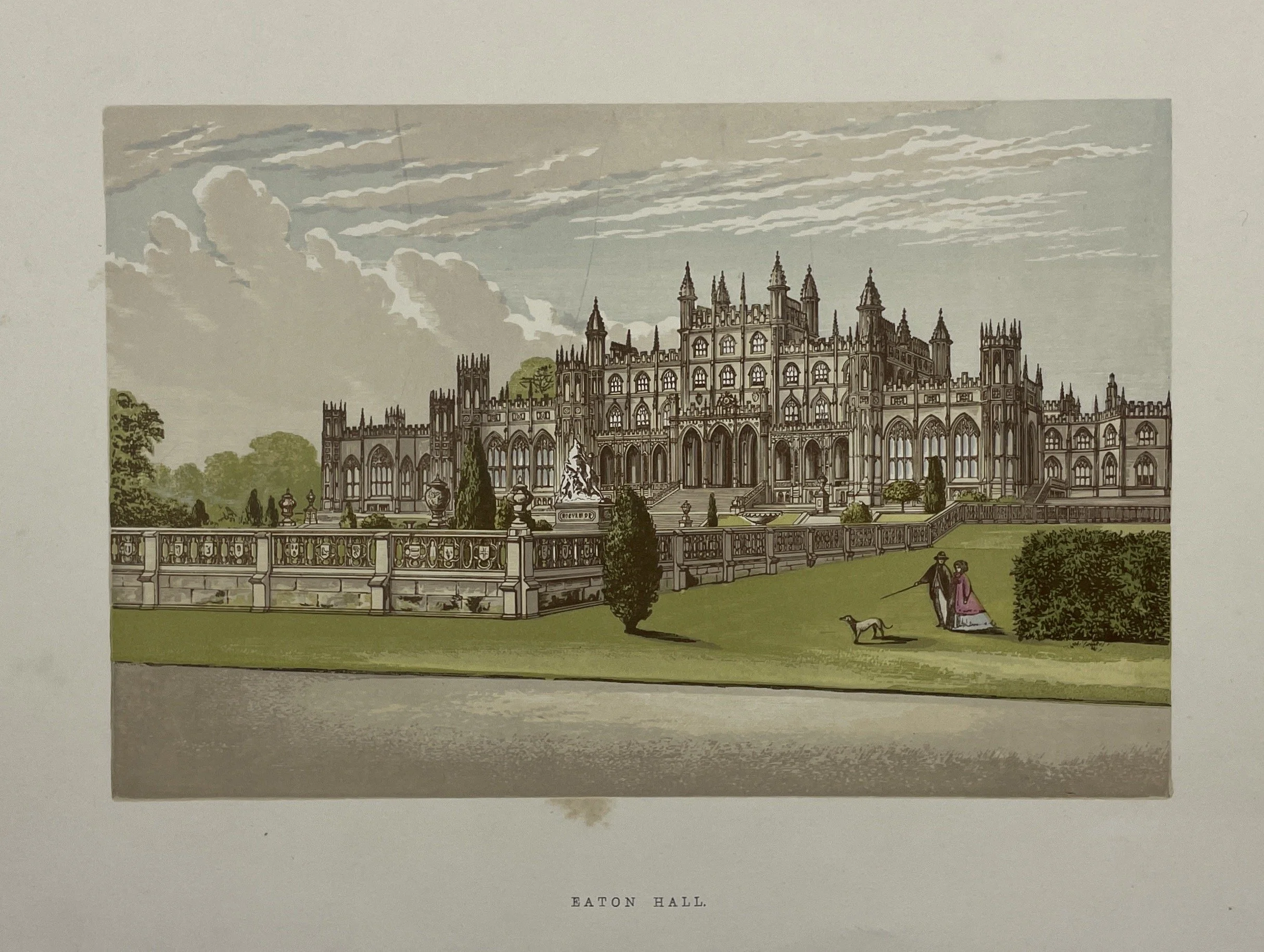 Image 1 of 7
 Image 2 of 7
 Image 3 of 7
 Image 4 of 7
 Image 5 of 7
 Image 6 of 7
 Image 7 of 7