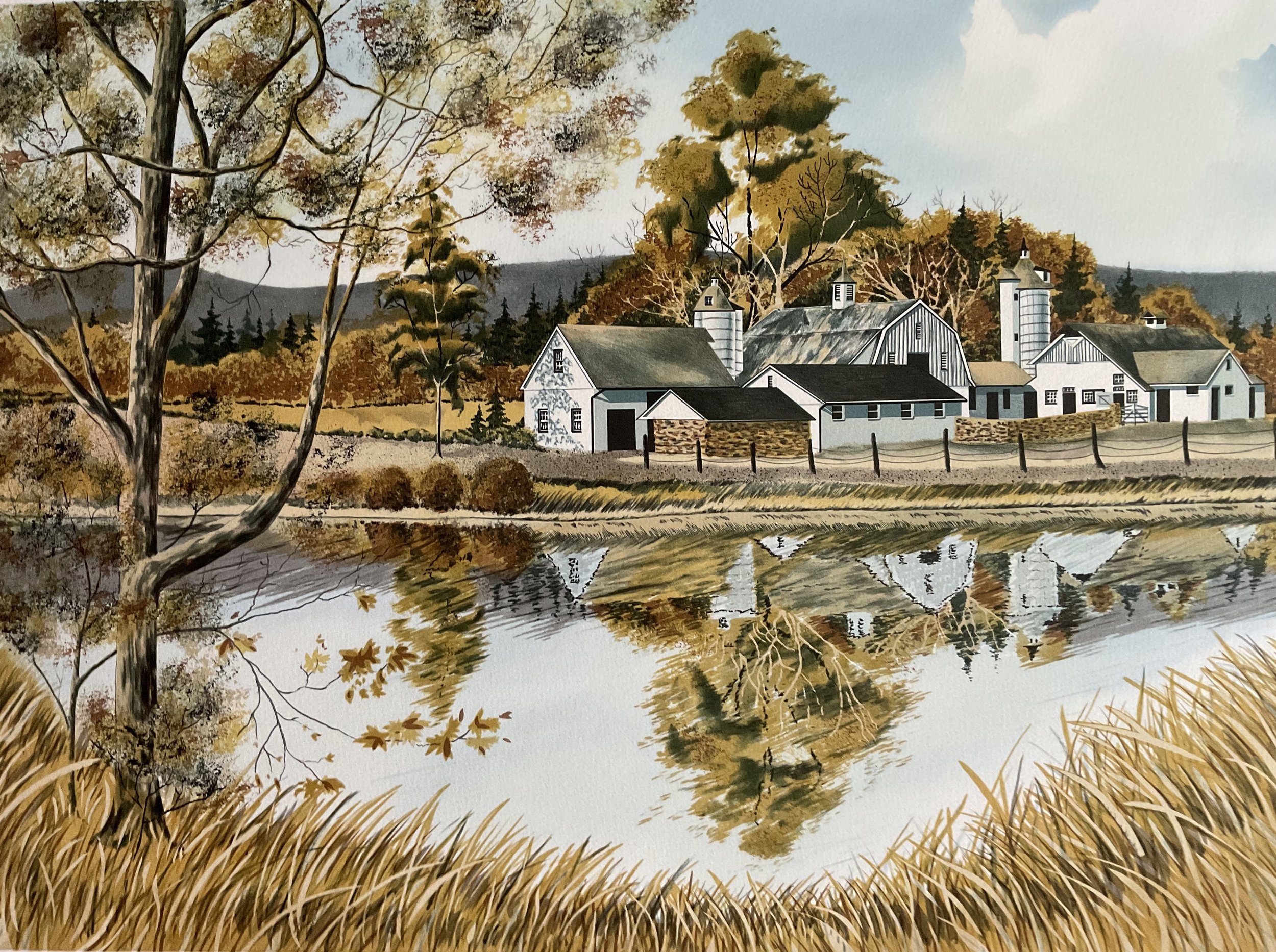
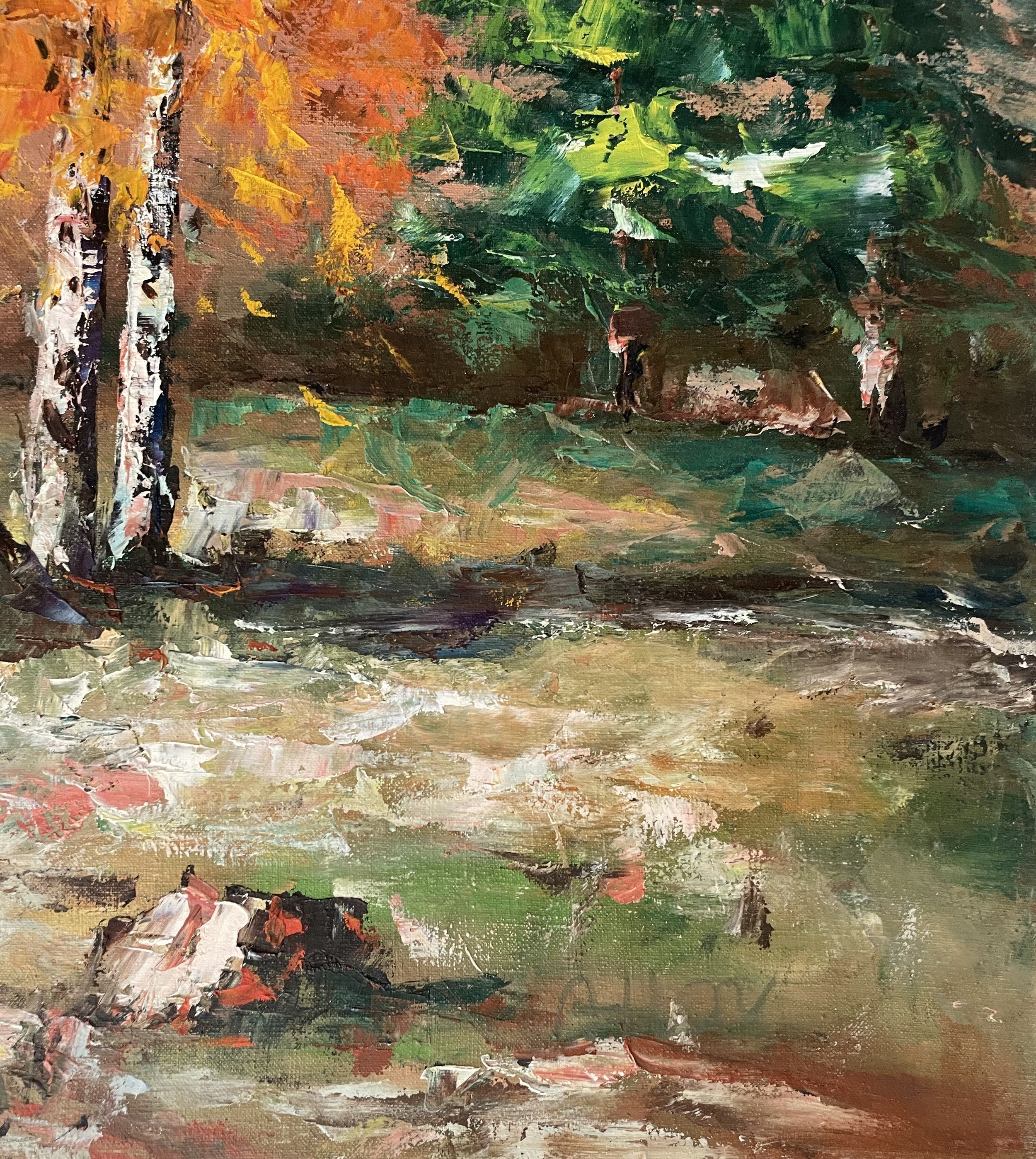
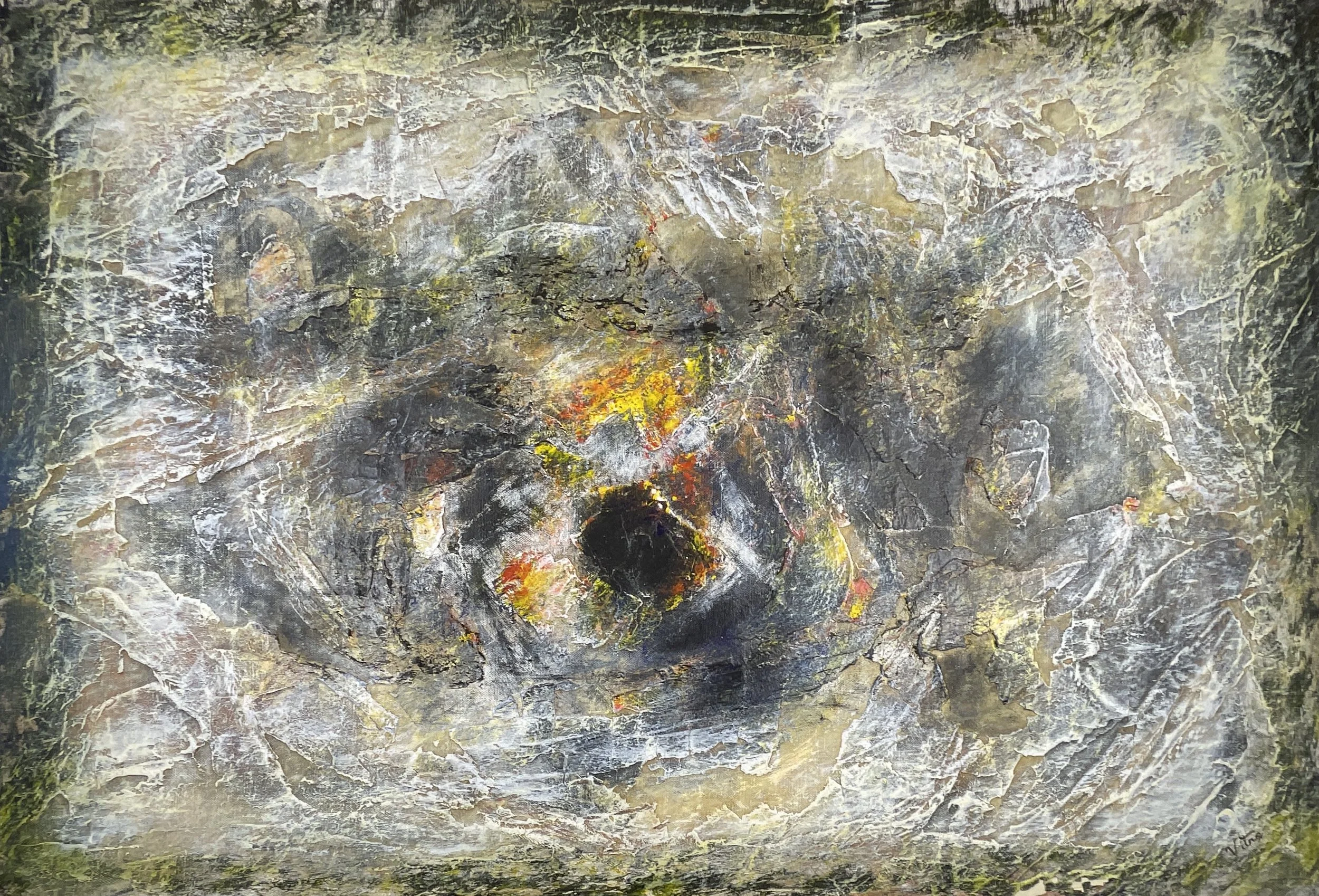
“Furnarius Flaveolus, Pl. 27,” c.1820–1830 hand-colored copperplate engraving, 12.5×18 in., early ornithology plate with original plate mark.
A beautifully preserved early 19th-century hand-colored copperplate engraving of Furnarius flaveolus, Plate 27, from a classic period of European ornithological publishing. Rich coloration, fine line engraving, and elegant botanical detailing reflect the scientific artistry that defined early natural history illustration.
Artwork Description
This exquisite engraving, “Furnarius Flaveolus, Plate 27,” is an authentic early 19th-century hand-colored copperplate print depicting the Yellow-billed Hornero, a bird native to South America. Created during the golden age of scientific illustration (c.1820–1830), the plate exemplifies the precision and clarity demanded by ornithologists of the period.
Expertly engraved and printed on fine wove paper, the plate displays its original intaglio plate mark, confirming its authenticity as a period impression. The image features the bird perched gracefully on a branching stem with carefully rendered leaves—each feather and botanical detail meticulously cross-hatched, shaded, and later hand-tinted with watercolor.
The typographic labeling (“PL. 27” and “FURNARIUS FLAVEOLUS.”) is characteristic of early zoological and ornithological publications produced in London, Paris, and Leipzig. While the exact publication is not explicitly marked on the sheet, the engraving style, typography, paper type, and composition closely parallel plates created for works by George Shaw, Nicholas Aylward Vigors, and early 19th-century European ornithological compendiums.
These works blended scientific taxonomy with artistic refinement, documenting avian species newly studied during expanding natural exploration. The plate reflects the era’s dedication to accuracy, beauty, and the scientific mission of cataloging the world’s biodiversity.
Artist / Engraver / Scientific Context Biography
Early 19th-Century Ornithological Engravers (Contextual Biography)
Most ornithological engravings from this period were created by collaborative teams:
• Scientific author or classifier – identified species, supplied anatomical notes
• Draftsman (artist) – drew the bird from study skins or field sketches
• Copperplate engraver – carved the lines into a copper matrix
• Hand-colorist – applied watercolor based on scientific notes
While this particular plate does not bear a visible engraver’s name (common in many natural history books of the era), the engraving techniques, plate numbering, and typography are consistent with the work of British and Continental engravers such as Mrs. Griffith, Charles Heath, James Sowerby, and the illustrators working under the early Linnean Societyand Zoological Society of London.
Scientist Context: Furnarius flaveolus
• Common name: Yellow-billed Hornero
• Family: Furnariidae (ovenbirds)
• Geographic Range: South America (Brazil, Bolivia, Paraguay, Argentina)
• Scientific interest: Known for its unique clay “oven-like” nest, which gave rise to the family name.
Historical Publishing Context
Between 1800 and 1835, natural history publishers such as Longman & Co. (London), Lizars (Edinburgh), Cuvier’s translators, and various German printing houses produced ornithological works combining taxonomy, exploration, and fine art. These plates were individually engraved and then hand-colored, making each imprint slightly unique.
This plate—finely colored, clearly impressed, and remarkably well preserved—fits this prestigious lineage.
“Furnarius Flaveolus, Plate 27,” c.1820–1830 hand-colored copperplate ornithology engraving, 12.5×18 in., early natural history plate with full plate mark. Provenance: Mitch Morse Gallery → Artfind Gallery.
ARTFIND GALLERY — CERTIFICATE OF VALUE & AUTHENTICATION
Title: Furnarius Flaveolus, Plate 27
Date: c.1820–1830
Medium: Hand-colored copperplate engraving
Dimensions: 12.5 × 18 in.
Edition: Original 19th-century natural history plate
Markings: Plate 27; original intaglio plate mark impression visible
Attribution: Early 19th-century European ornithological engraving
Provenance: Mitch Morse Gallery (NYC & Europe) → Artfind Gallery, Washington, DC
Authenticity Statement: Verified through plate mark, paper, engraving method, pigmentation, and period typographic style.
Estimated Value: See pricing ranges below.
Certified By: Artfind Gallery, Washington, DC
Provenance Chain
Produced c.1820–1830 for early European ornithology publication
Acquired by: Mitch Morse Gallery (NYC & Europe)
Transferred to private collectors via Mitch Morse Gallery
Current Owner: Artfind Gallery, Washington, DC
“Furnarius Flaveolus, Pl. 27,” c.1820–1830 hand-colored copperplate engraving, 12.5×18 in., early ornithology plate with original plate mark.
A beautifully preserved early 19th-century hand-colored copperplate engraving of Furnarius flaveolus, Plate 27, from a classic period of European ornithological publishing. Rich coloration, fine line engraving, and elegant botanical detailing reflect the scientific artistry that defined early natural history illustration.
Artwork Description
This exquisite engraving, “Furnarius Flaveolus, Plate 27,” is an authentic early 19th-century hand-colored copperplate print depicting the Yellow-billed Hornero, a bird native to South America. Created during the golden age of scientific illustration (c.1820–1830), the plate exemplifies the precision and clarity demanded by ornithologists of the period.
Expertly engraved and printed on fine wove paper, the plate displays its original intaglio plate mark, confirming its authenticity as a period impression. The image features the bird perched gracefully on a branching stem with carefully rendered leaves—each feather and botanical detail meticulously cross-hatched, shaded, and later hand-tinted with watercolor.
The typographic labeling (“PL. 27” and “FURNARIUS FLAVEOLUS.”) is characteristic of early zoological and ornithological publications produced in London, Paris, and Leipzig. While the exact publication is not explicitly marked on the sheet, the engraving style, typography, paper type, and composition closely parallel plates created for works by George Shaw, Nicholas Aylward Vigors, and early 19th-century European ornithological compendiums.
These works blended scientific taxonomy with artistic refinement, documenting avian species newly studied during expanding natural exploration. The plate reflects the era’s dedication to accuracy, beauty, and the scientific mission of cataloging the world’s biodiversity.
Artist / Engraver / Scientific Context Biography
Early 19th-Century Ornithological Engravers (Contextual Biography)
Most ornithological engravings from this period were created by collaborative teams:
• Scientific author or classifier – identified species, supplied anatomical notes
• Draftsman (artist) – drew the bird from study skins or field sketches
• Copperplate engraver – carved the lines into a copper matrix
• Hand-colorist – applied watercolor based on scientific notes
While this particular plate does not bear a visible engraver’s name (common in many natural history books of the era), the engraving techniques, plate numbering, and typography are consistent with the work of British and Continental engravers such as Mrs. Griffith, Charles Heath, James Sowerby, and the illustrators working under the early Linnean Societyand Zoological Society of London.
Scientist Context: Furnarius flaveolus
• Common name: Yellow-billed Hornero
• Family: Furnariidae (ovenbirds)
• Geographic Range: South America (Brazil, Bolivia, Paraguay, Argentina)
• Scientific interest: Known for its unique clay “oven-like” nest, which gave rise to the family name.
Historical Publishing Context
Between 1800 and 1835, natural history publishers such as Longman & Co. (London), Lizars (Edinburgh), Cuvier’s translators, and various German printing houses produced ornithological works combining taxonomy, exploration, and fine art. These plates were individually engraved and then hand-colored, making each imprint slightly unique.
This plate—finely colored, clearly impressed, and remarkably well preserved—fits this prestigious lineage.
“Furnarius Flaveolus, Plate 27,” c.1820–1830 hand-colored copperplate ornithology engraving, 12.5×18 in., early natural history plate with full plate mark. Provenance: Mitch Morse Gallery → Artfind Gallery.
ARTFIND GALLERY — CERTIFICATE OF VALUE & AUTHENTICATION
Title: Furnarius Flaveolus, Plate 27
Date: c.1820–1830
Medium: Hand-colored copperplate engraving
Dimensions: 12.5 × 18 in.
Edition: Original 19th-century natural history plate
Markings: Plate 27; original intaglio plate mark impression visible
Attribution: Early 19th-century European ornithological engraving
Provenance: Mitch Morse Gallery (NYC & Europe) → Artfind Gallery, Washington, DC
Authenticity Statement: Verified through plate mark, paper, engraving method, pigmentation, and period typographic style.
Estimated Value: See pricing ranges below.
Certified By: Artfind Gallery, Washington, DC
Provenance Chain
Produced c.1820–1830 for early European ornithology publication
Acquired by: Mitch Morse Gallery (NYC & Europe)
Transferred to private collectors via Mitch Morse Gallery
Current Owner: Artfind Gallery, Washington, DC
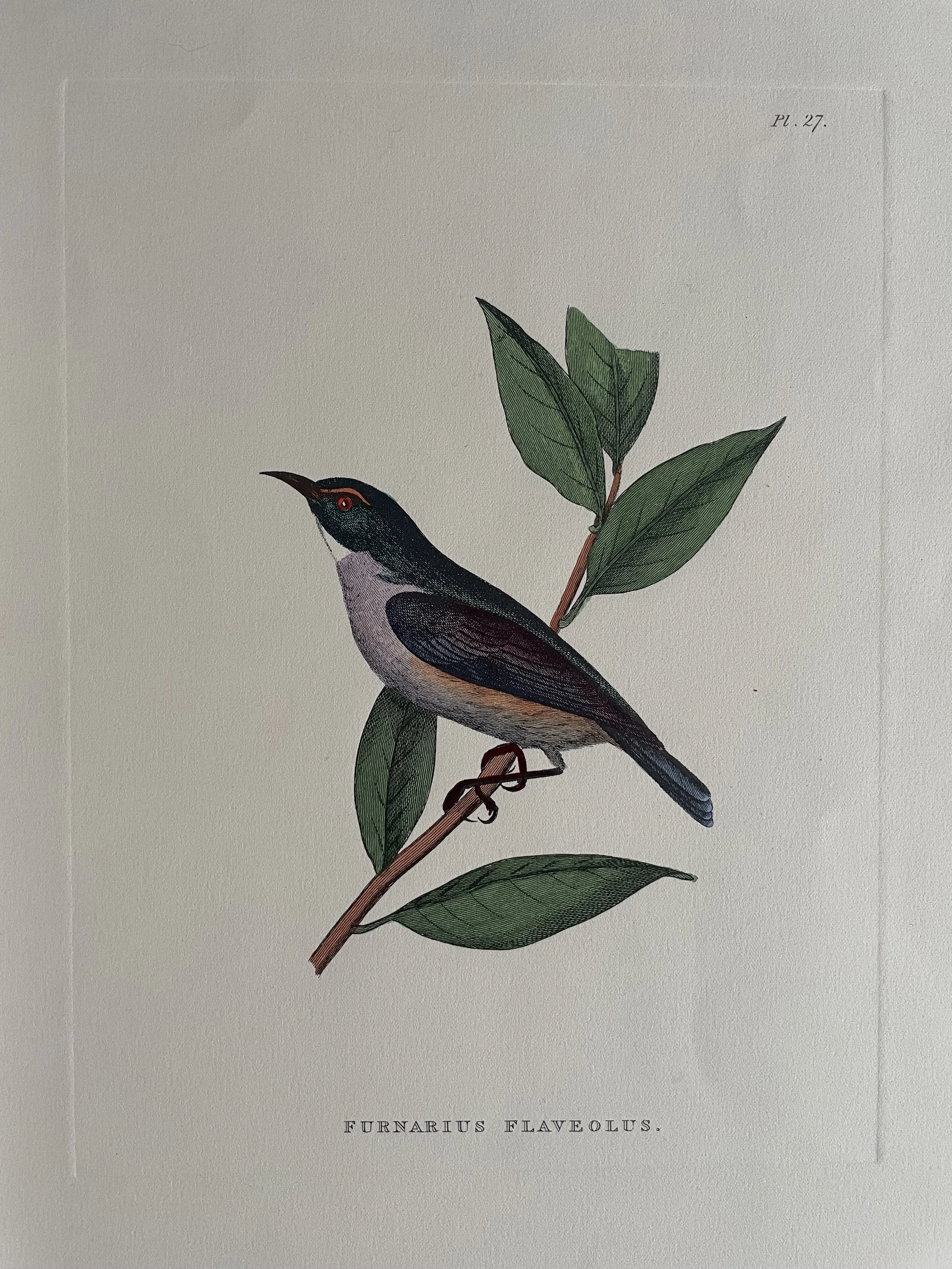 Image 1 of 7
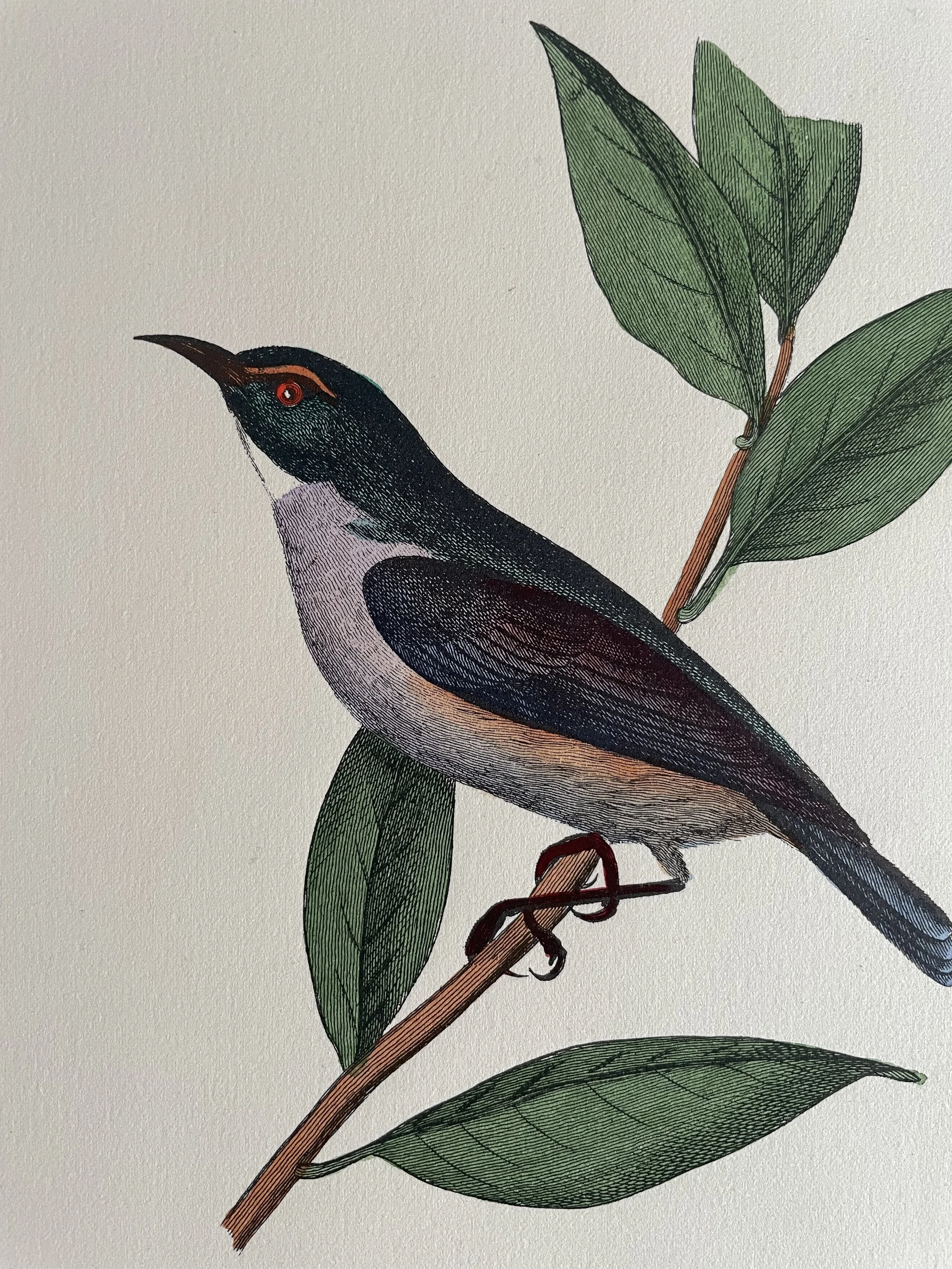 Image 2 of 7
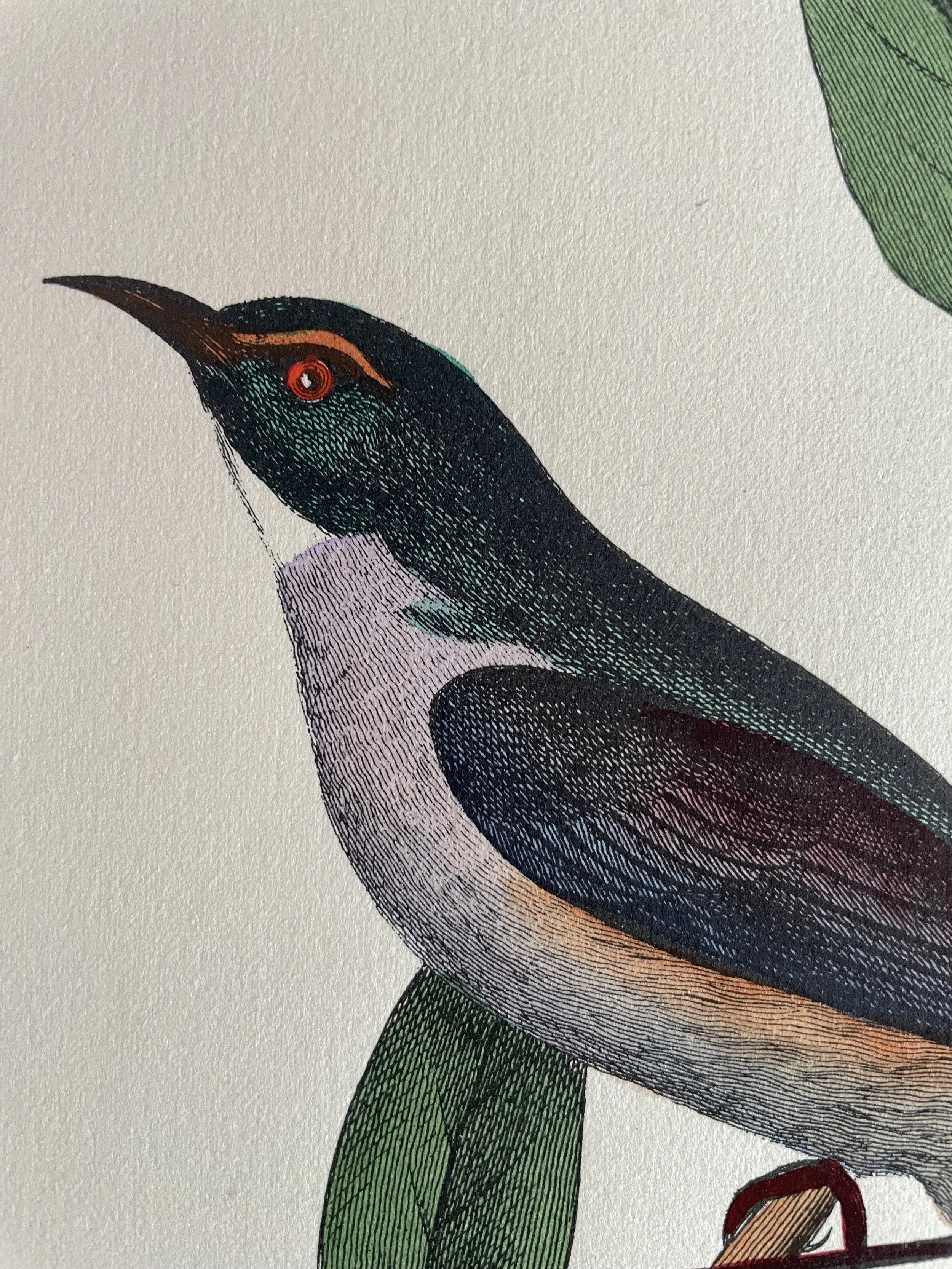 Image 3 of 7
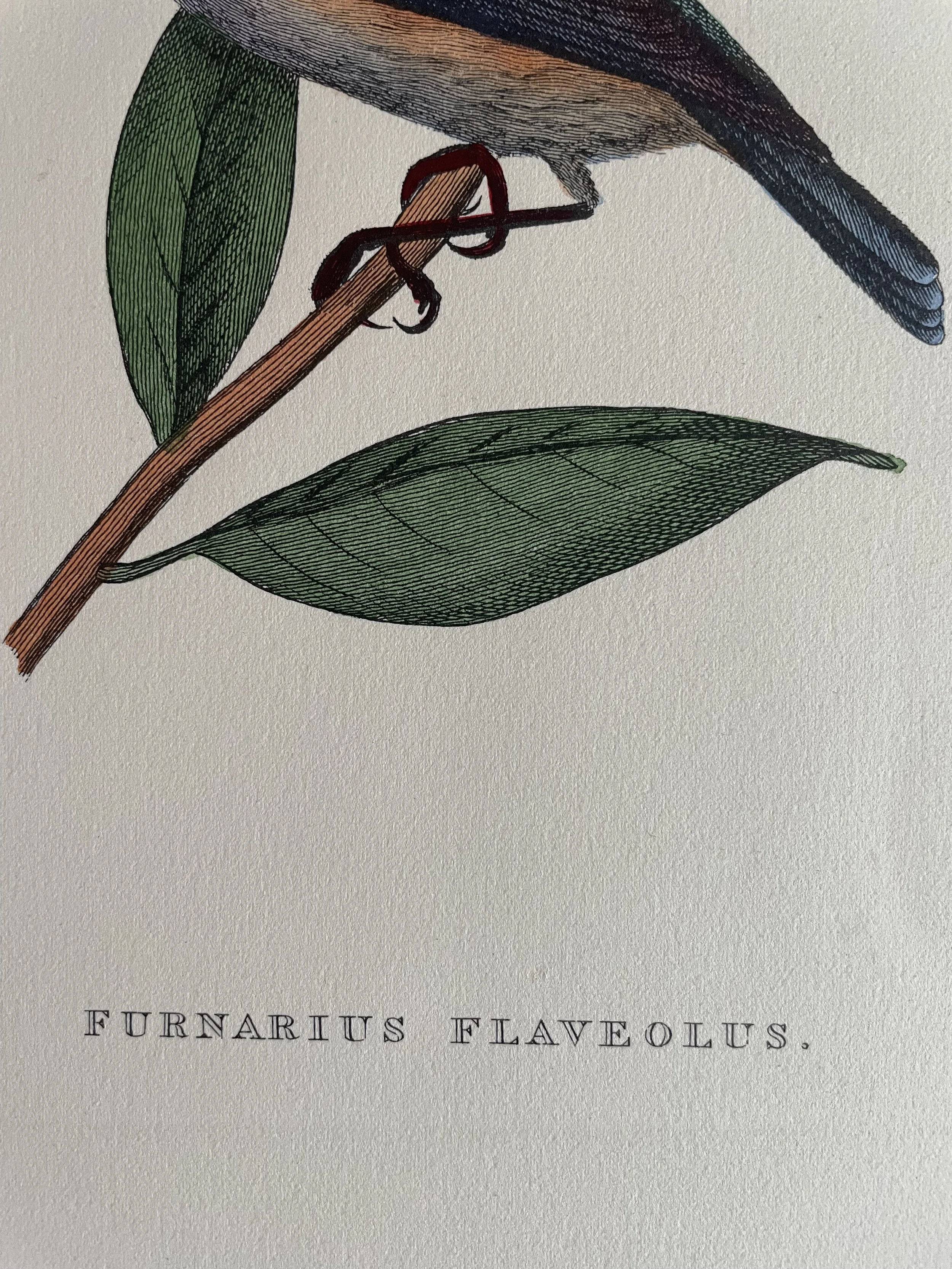 Image 4 of 7
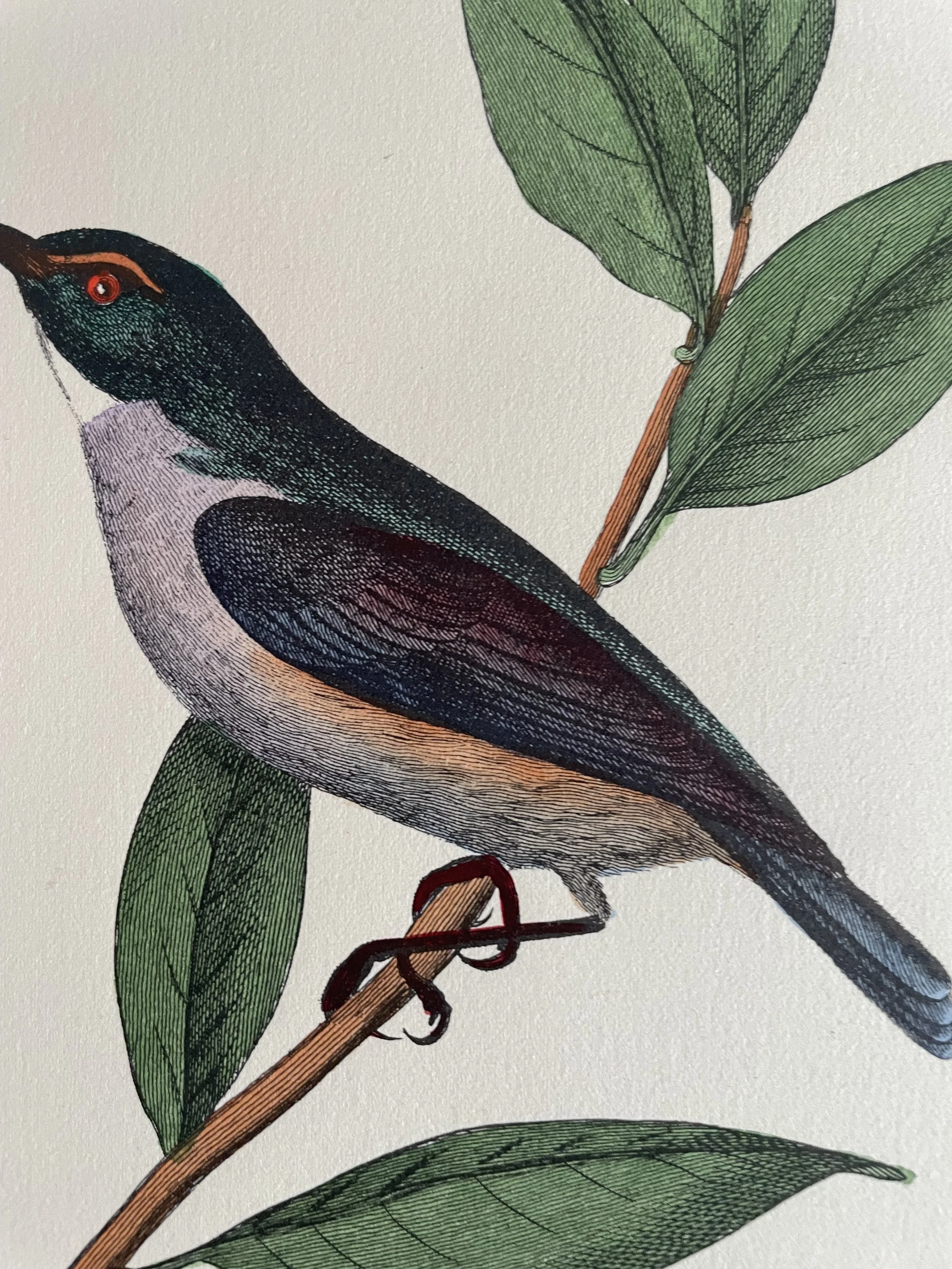 Image 5 of 7
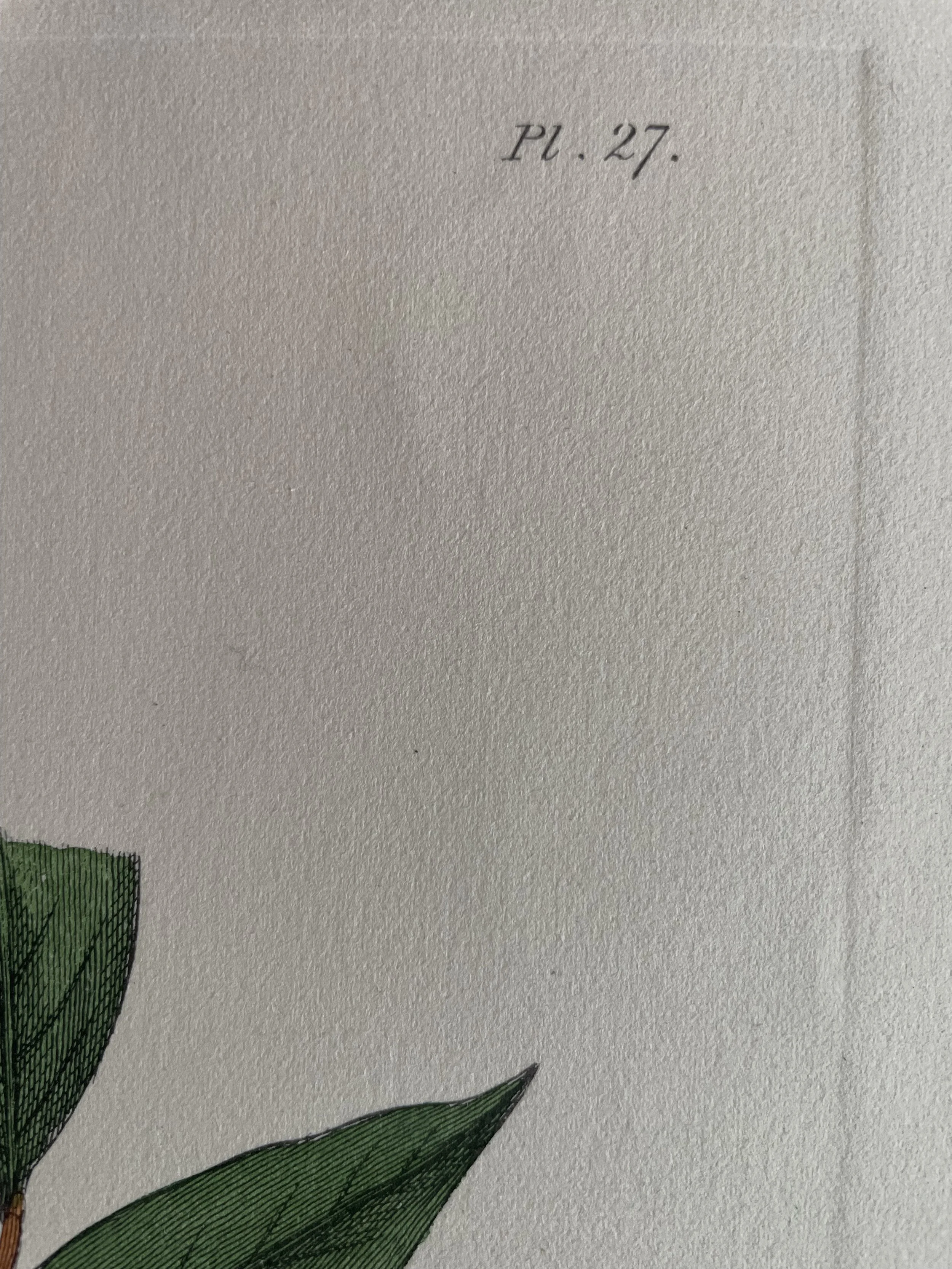 Image 6 of 7
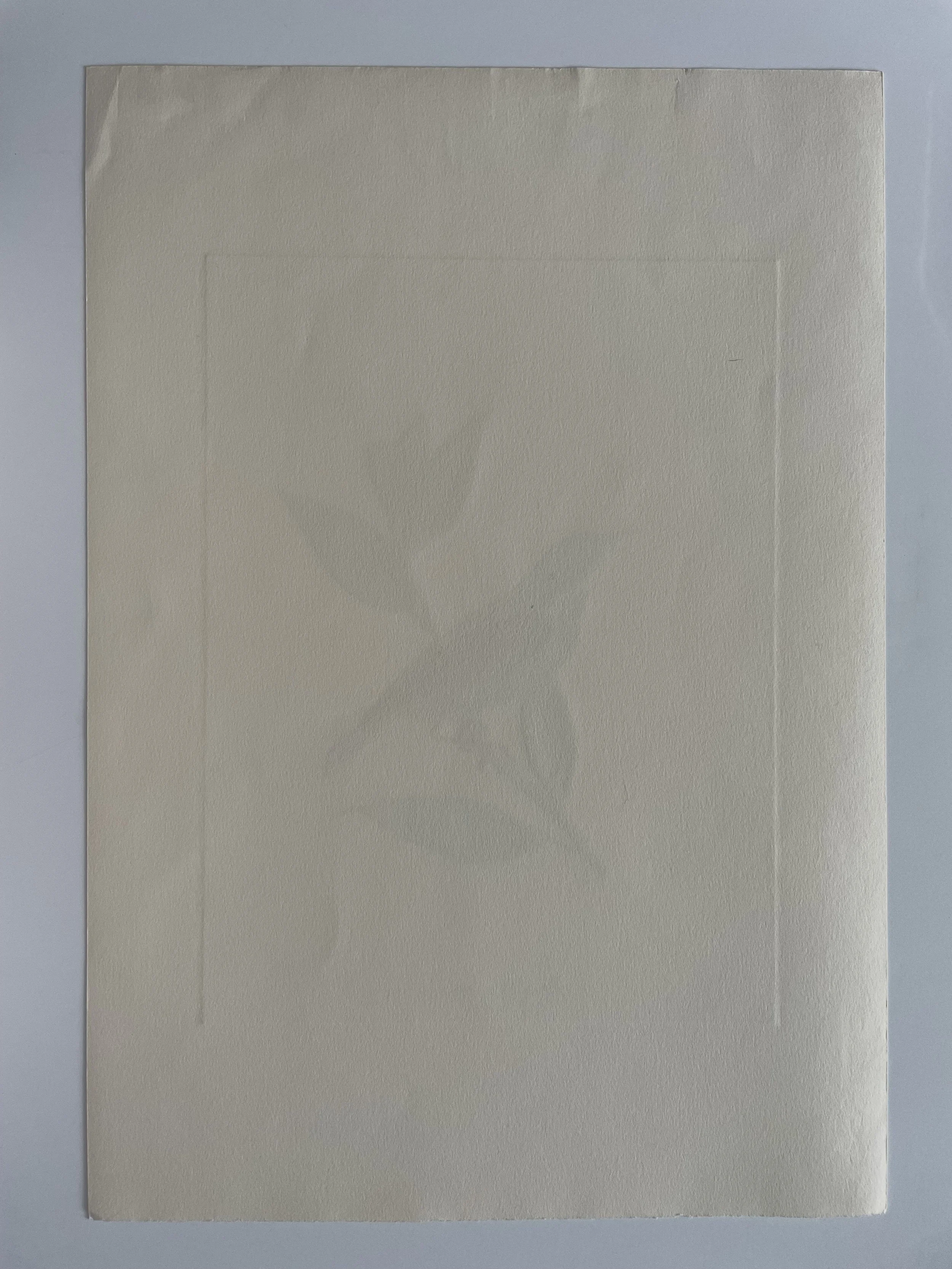 Image 7 of 7