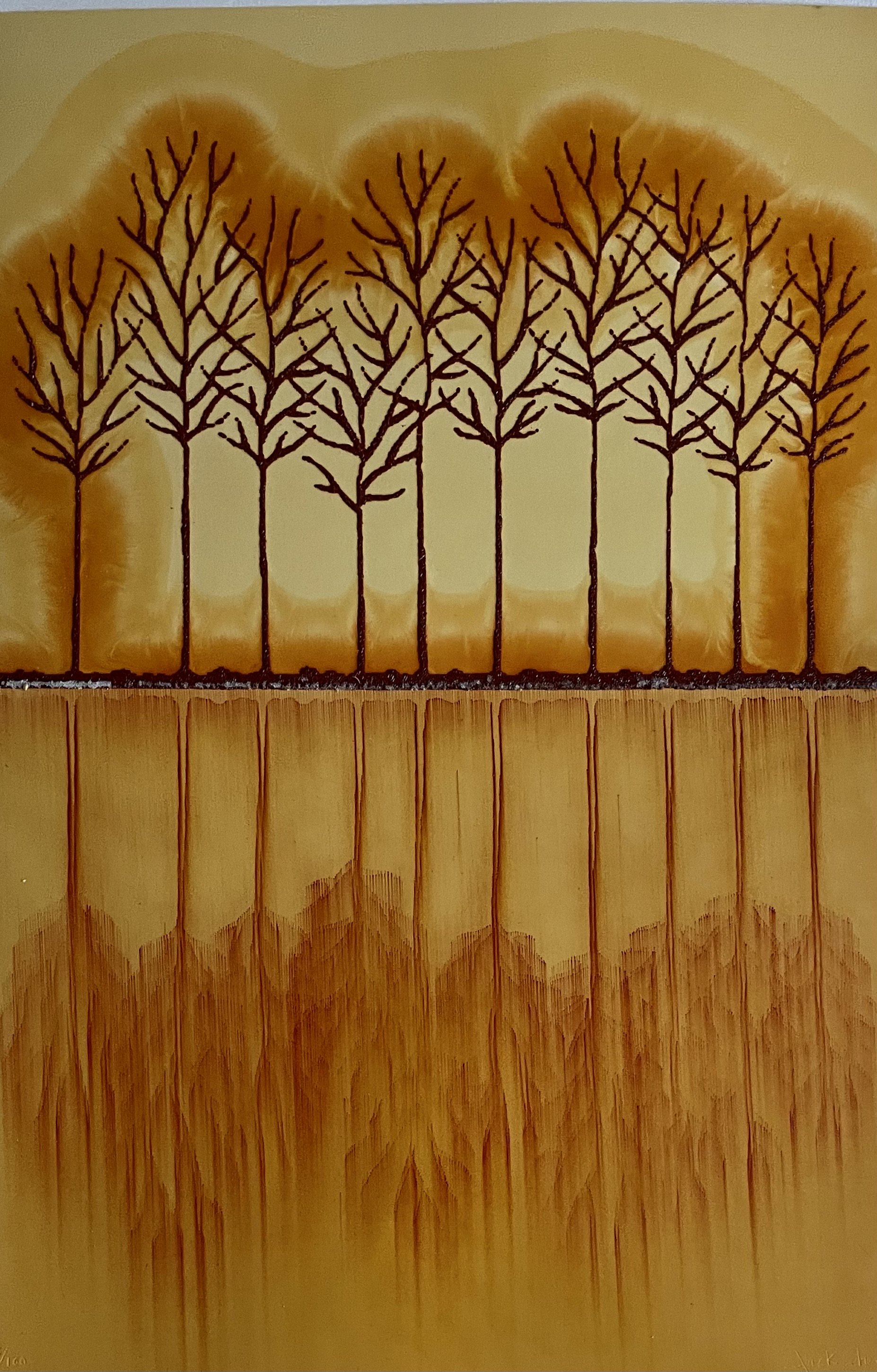
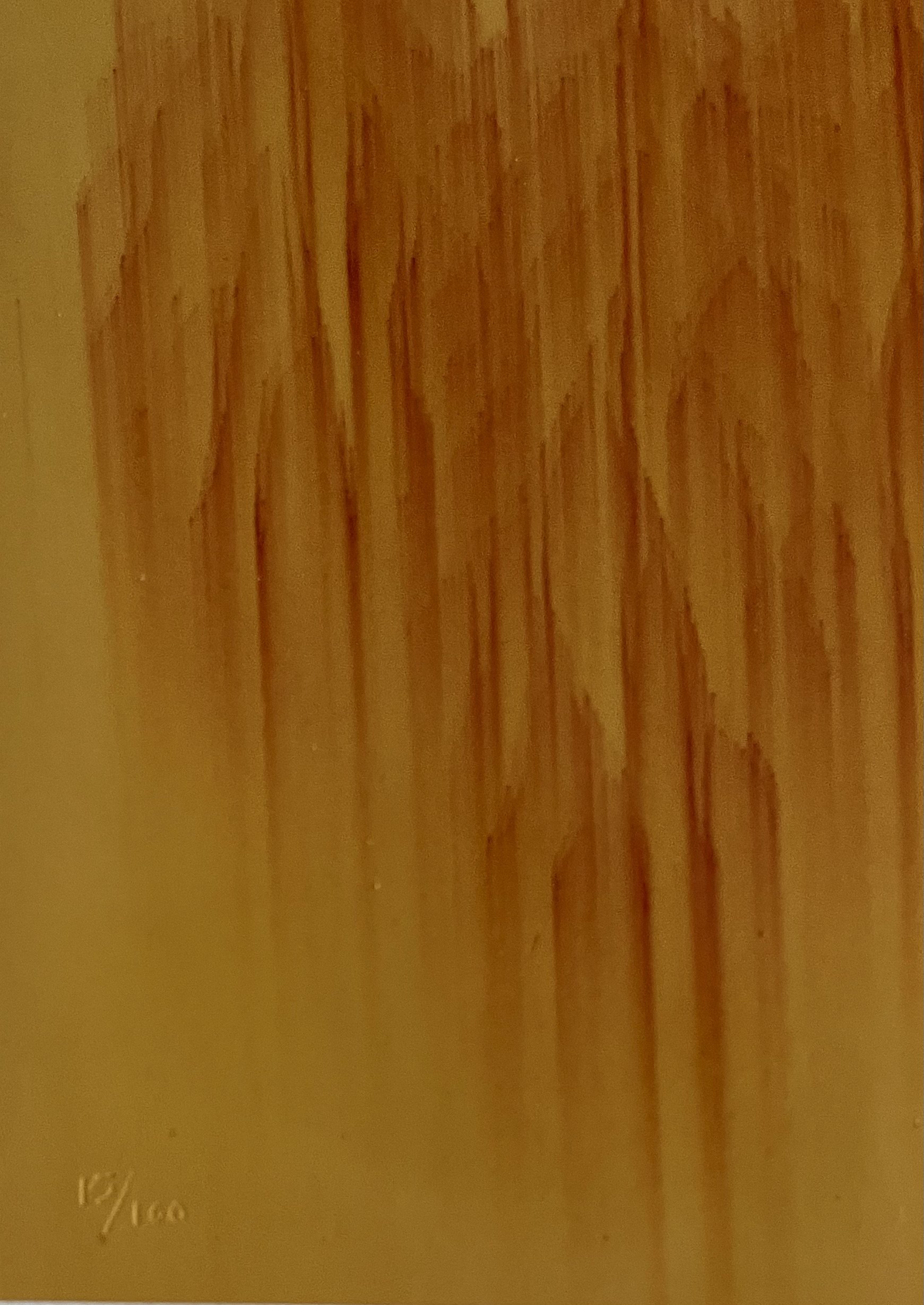
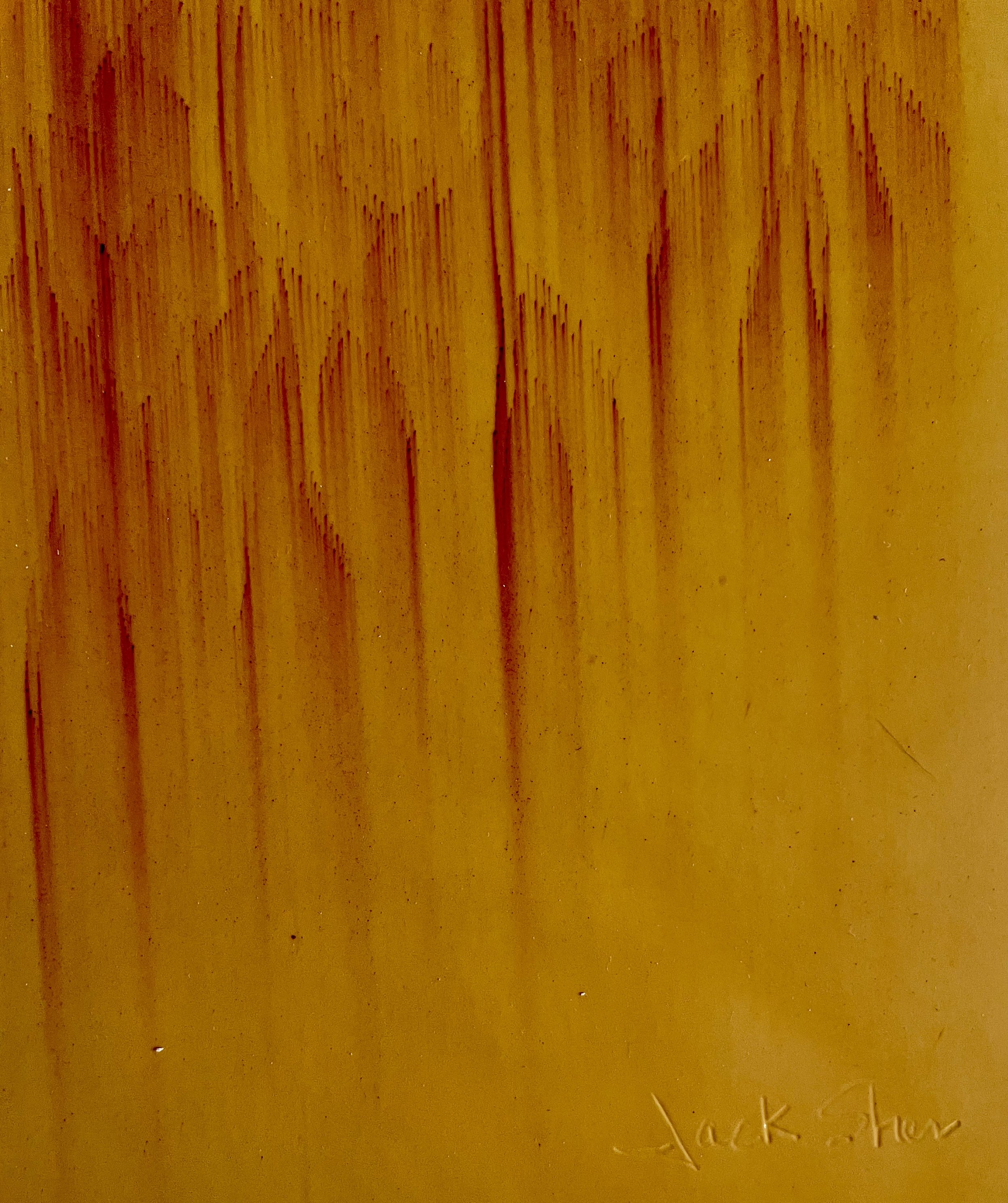
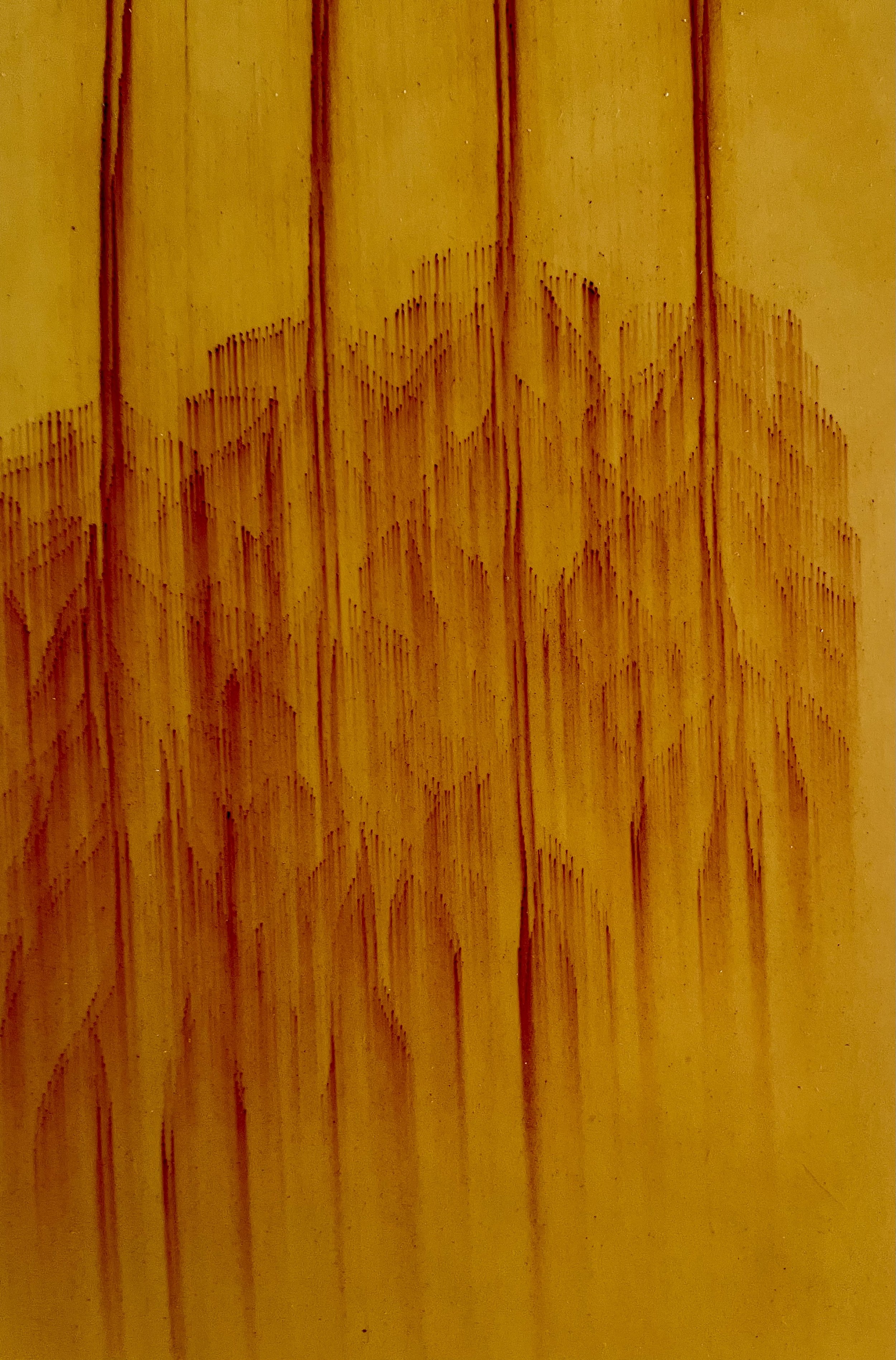
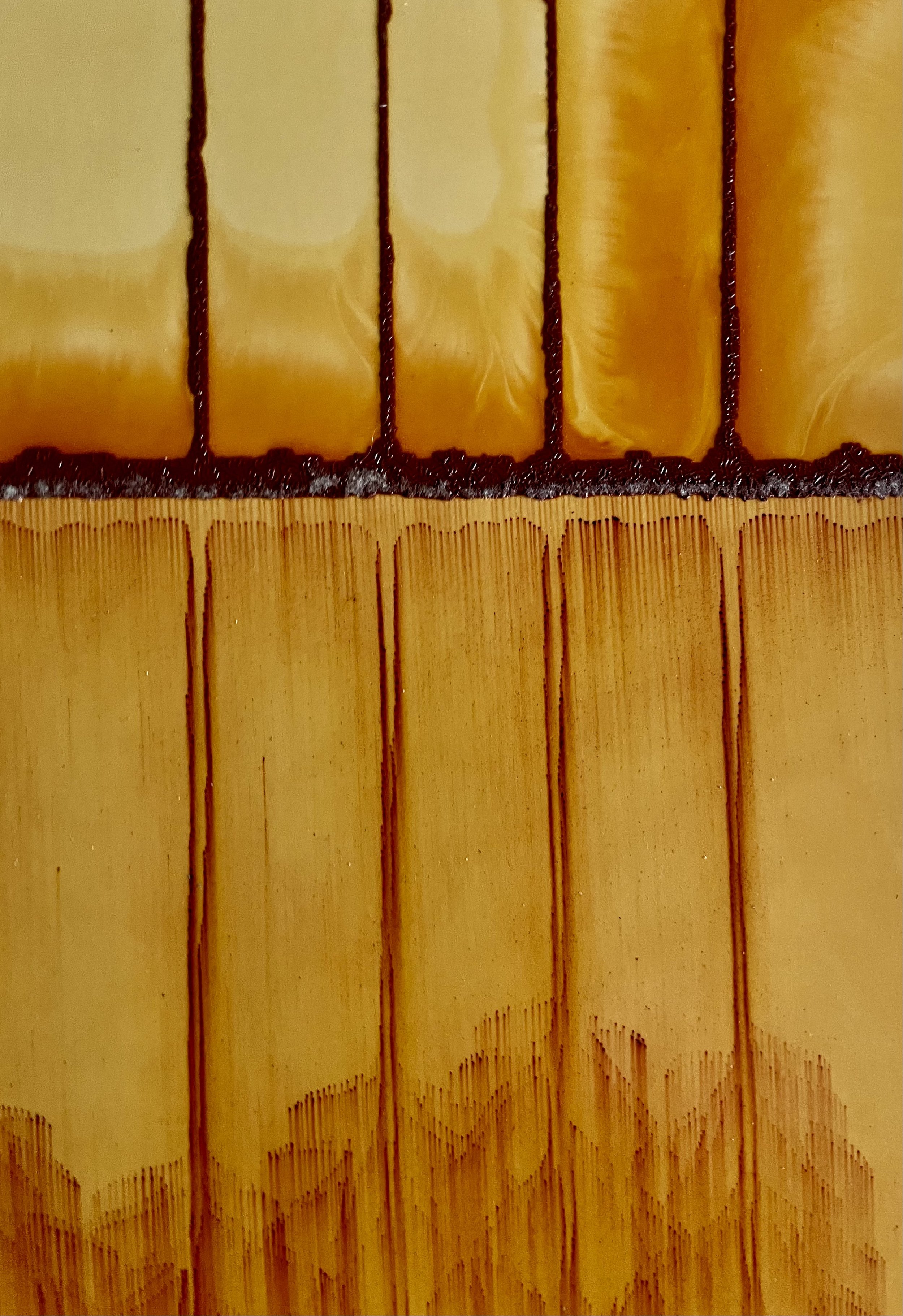
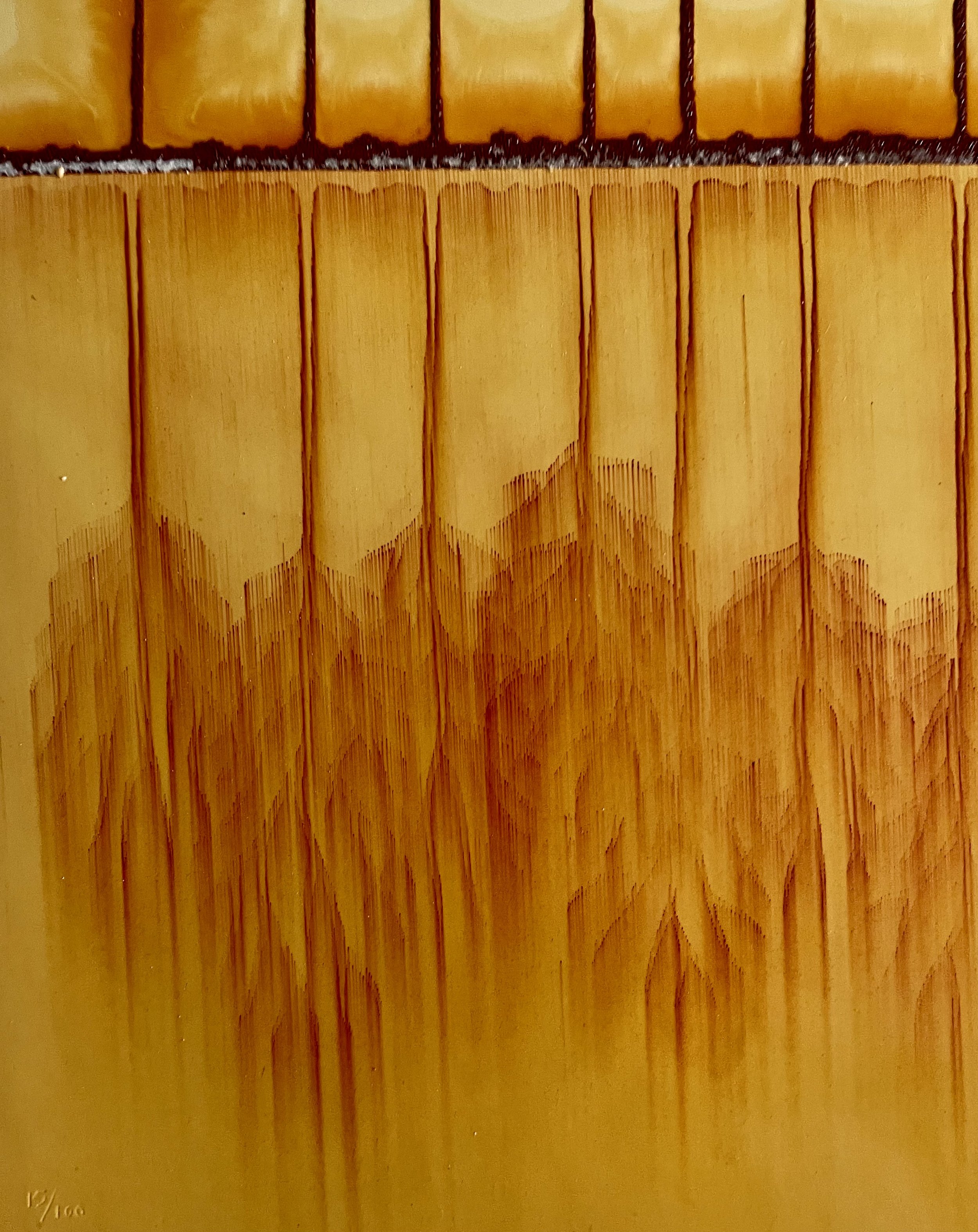
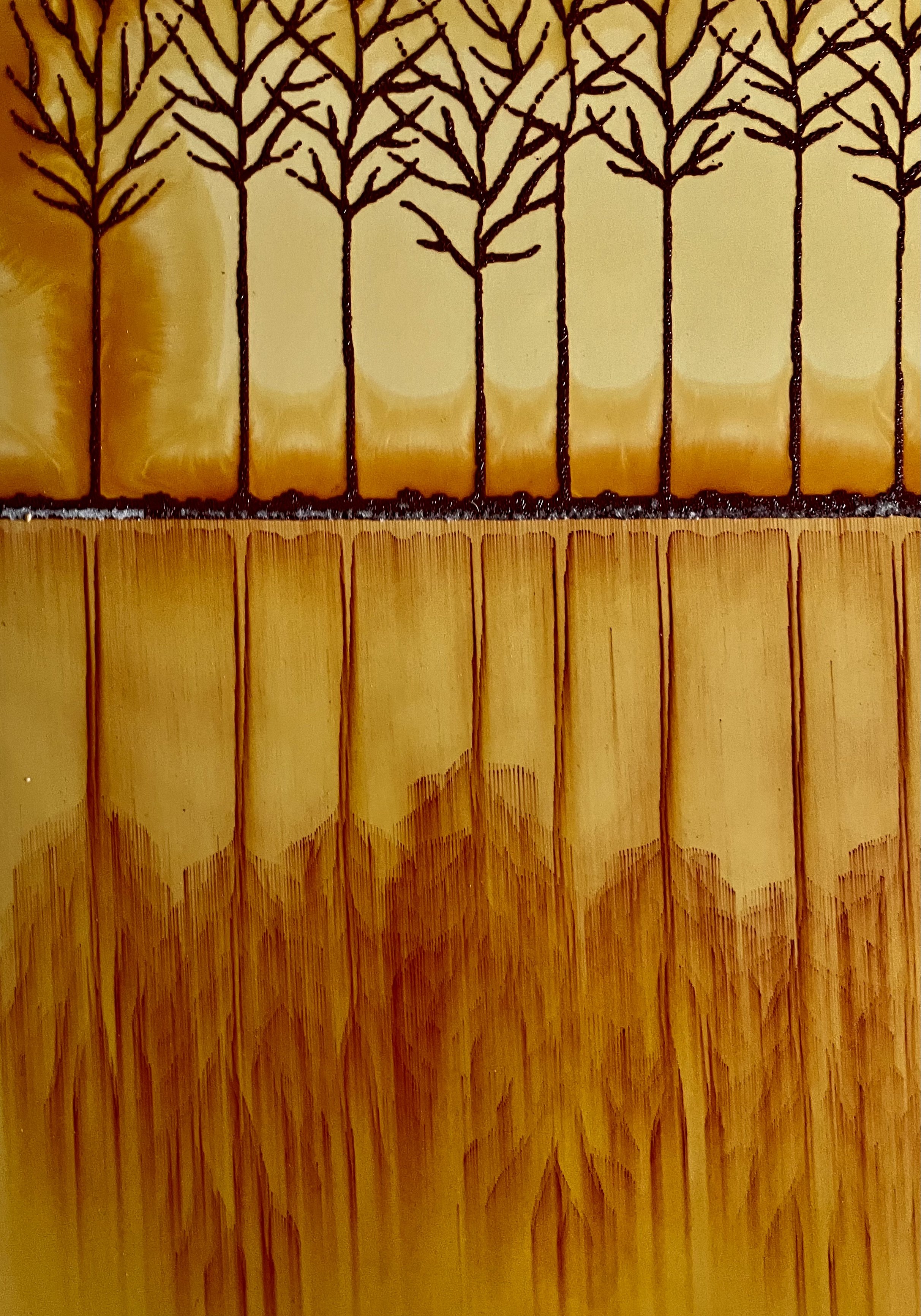
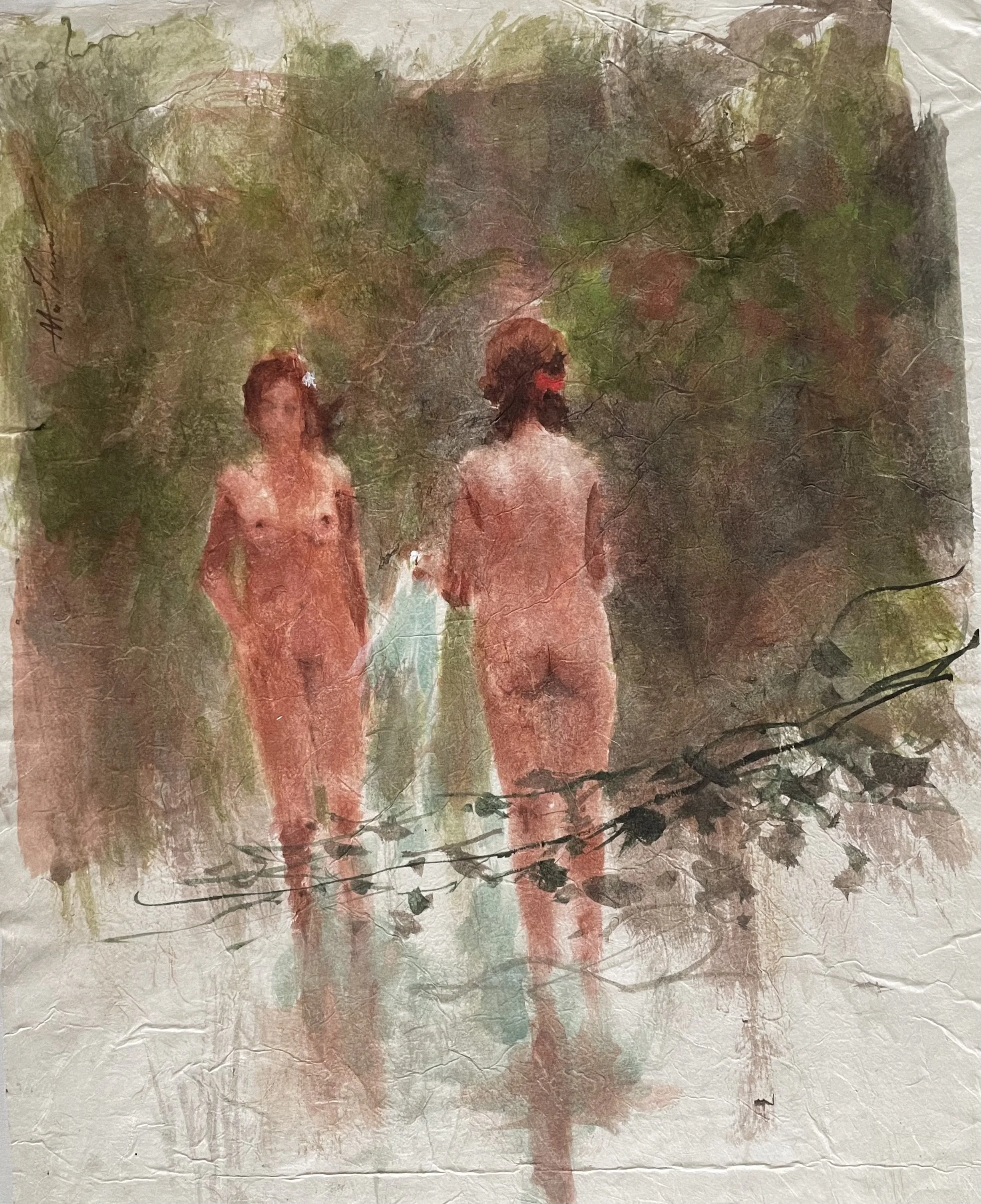
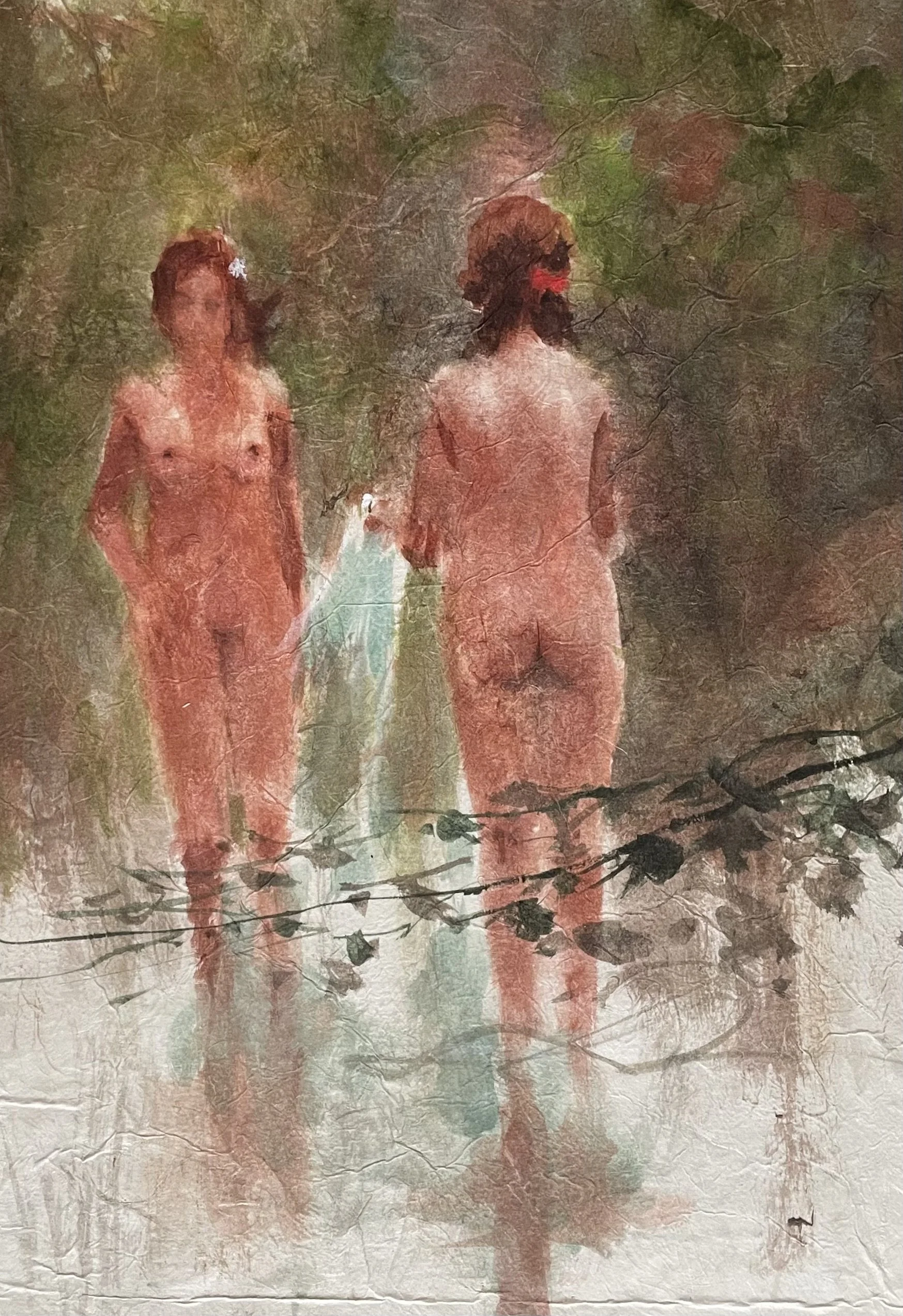
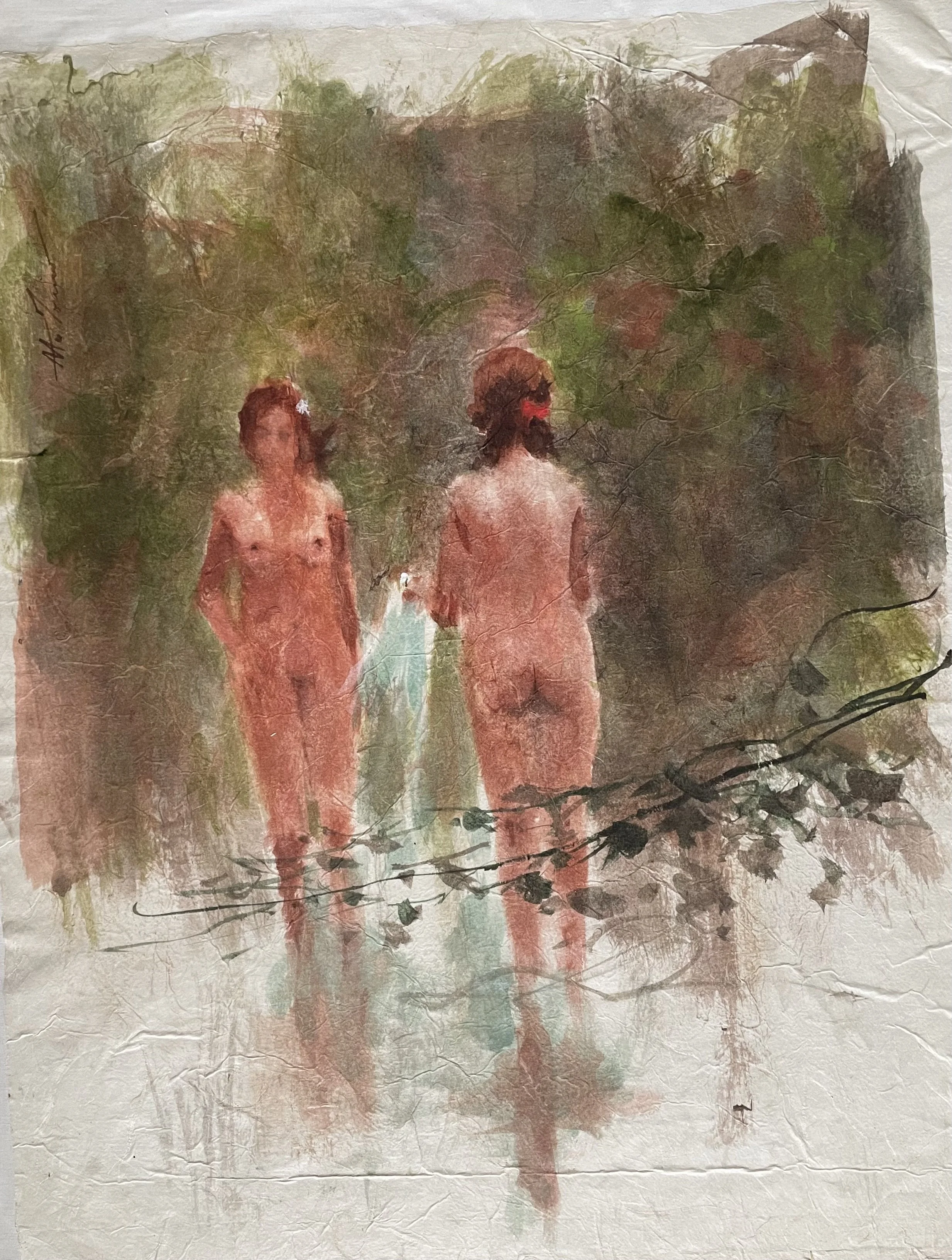
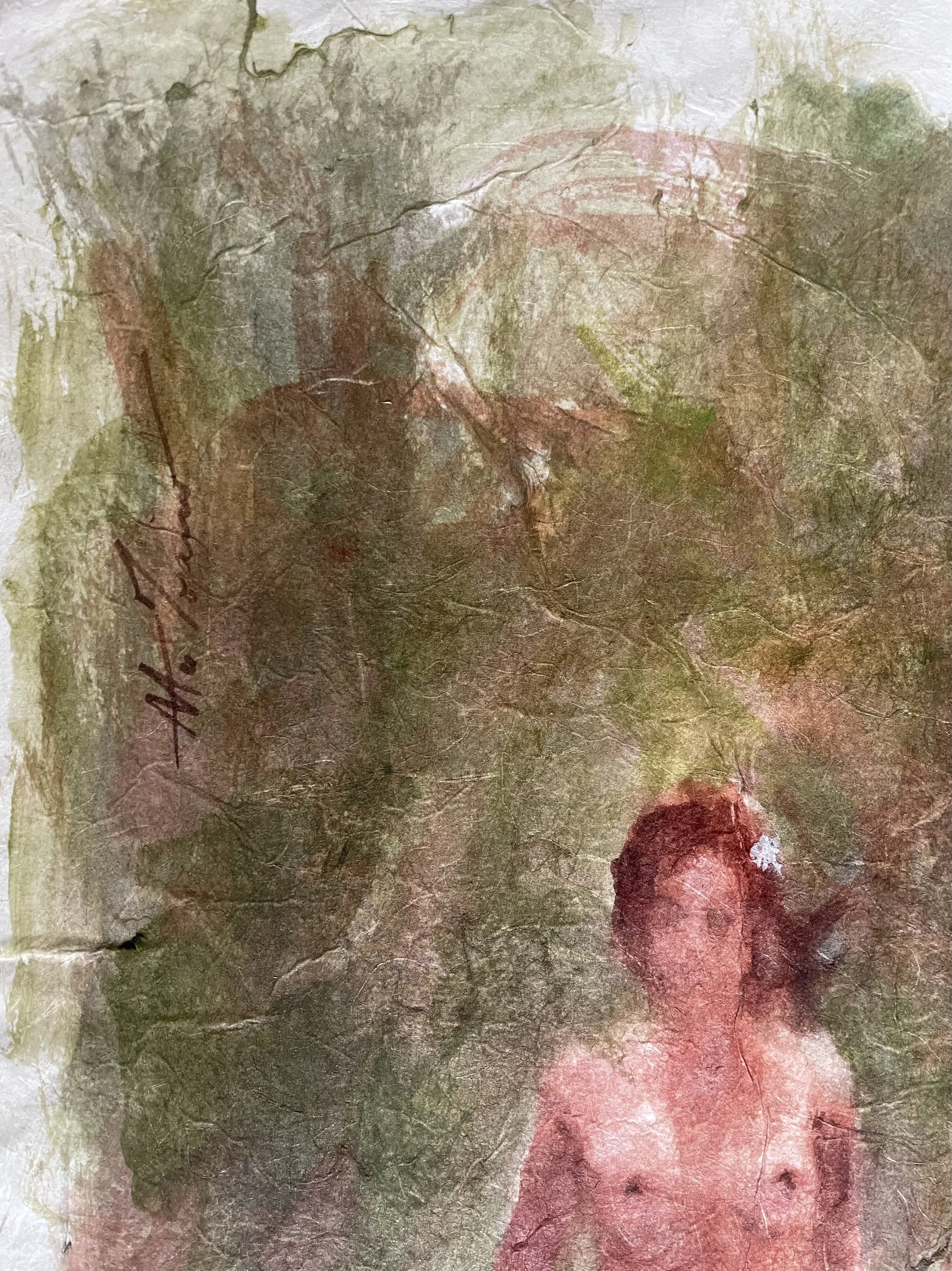
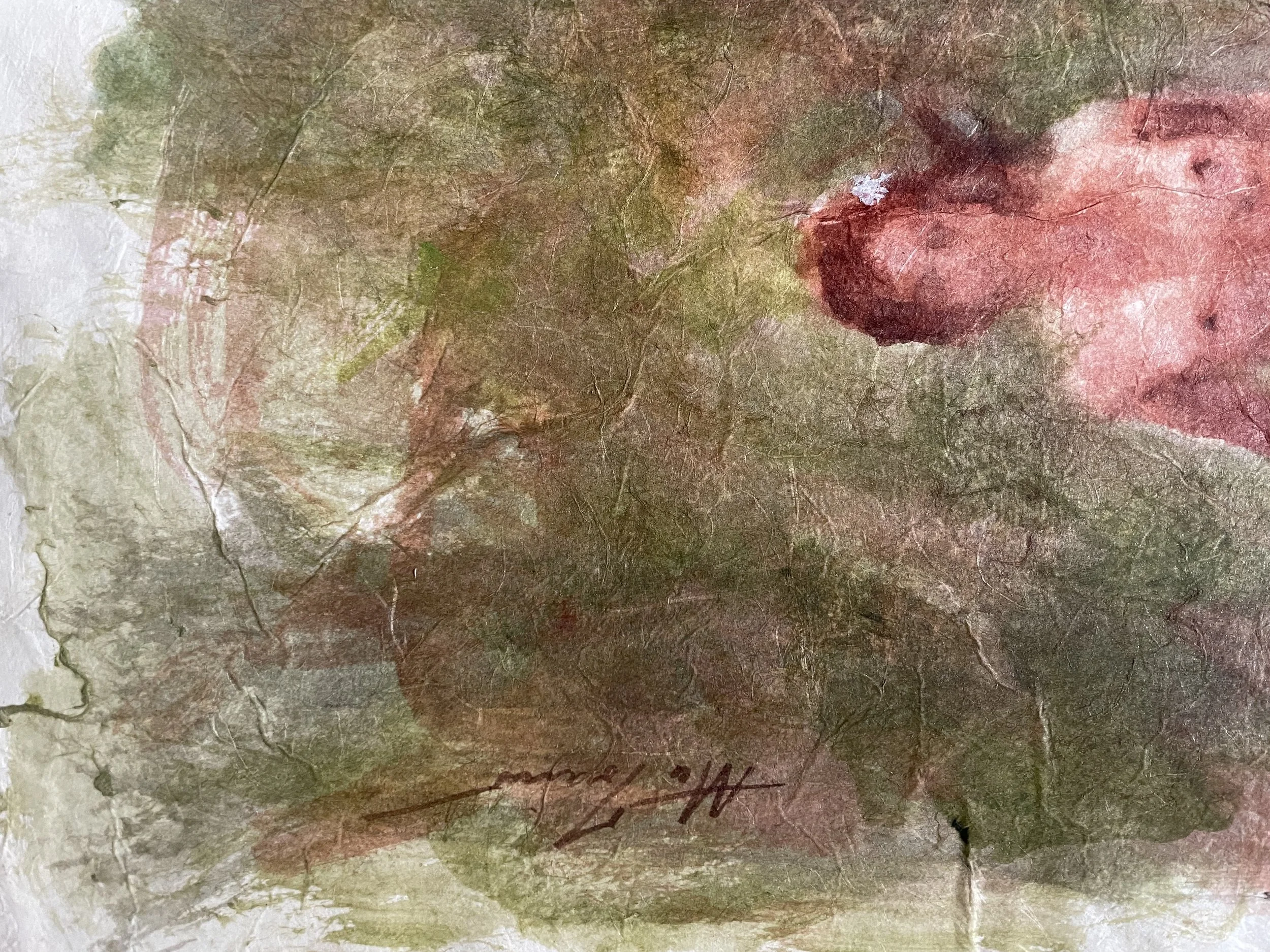
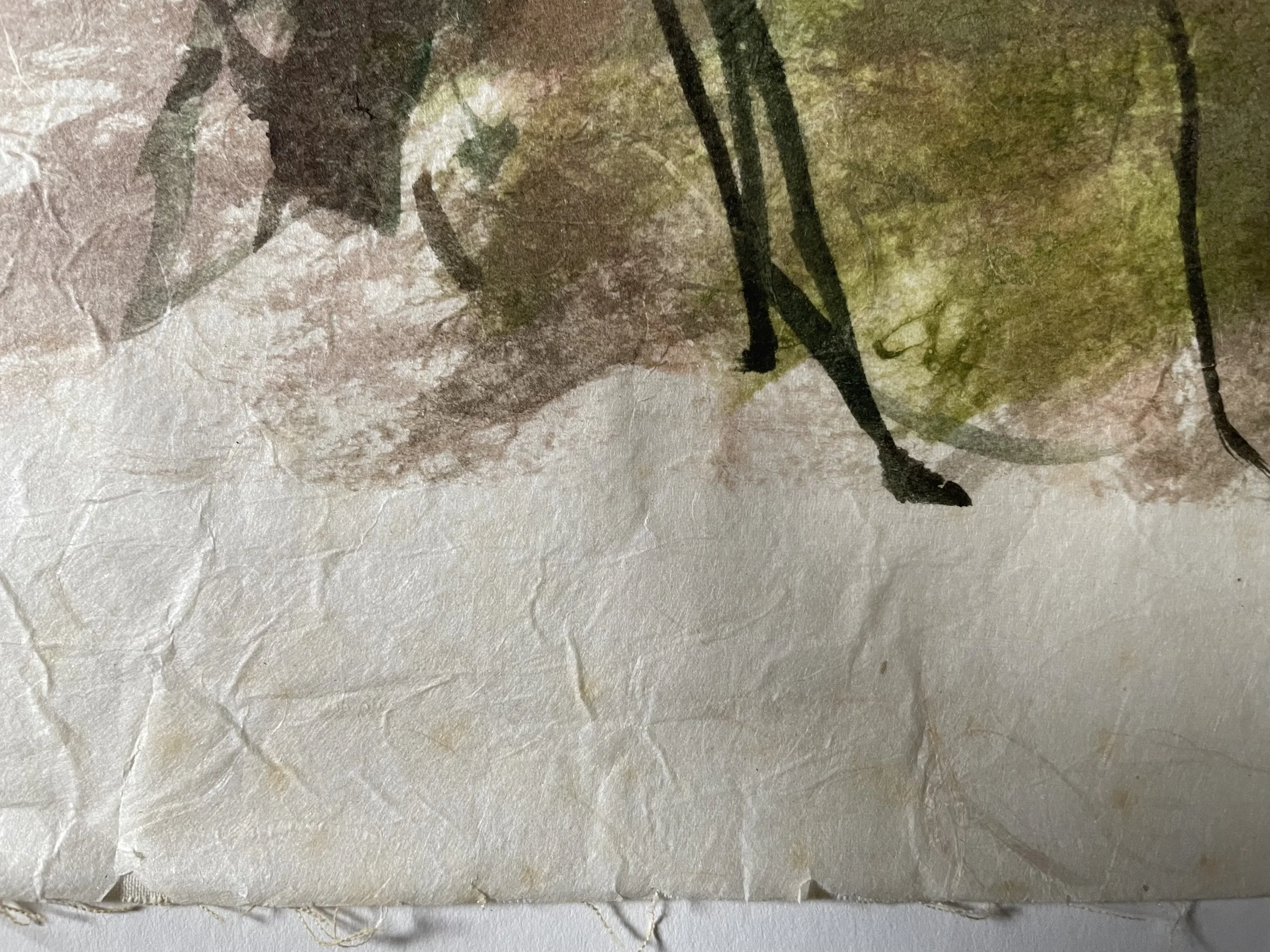
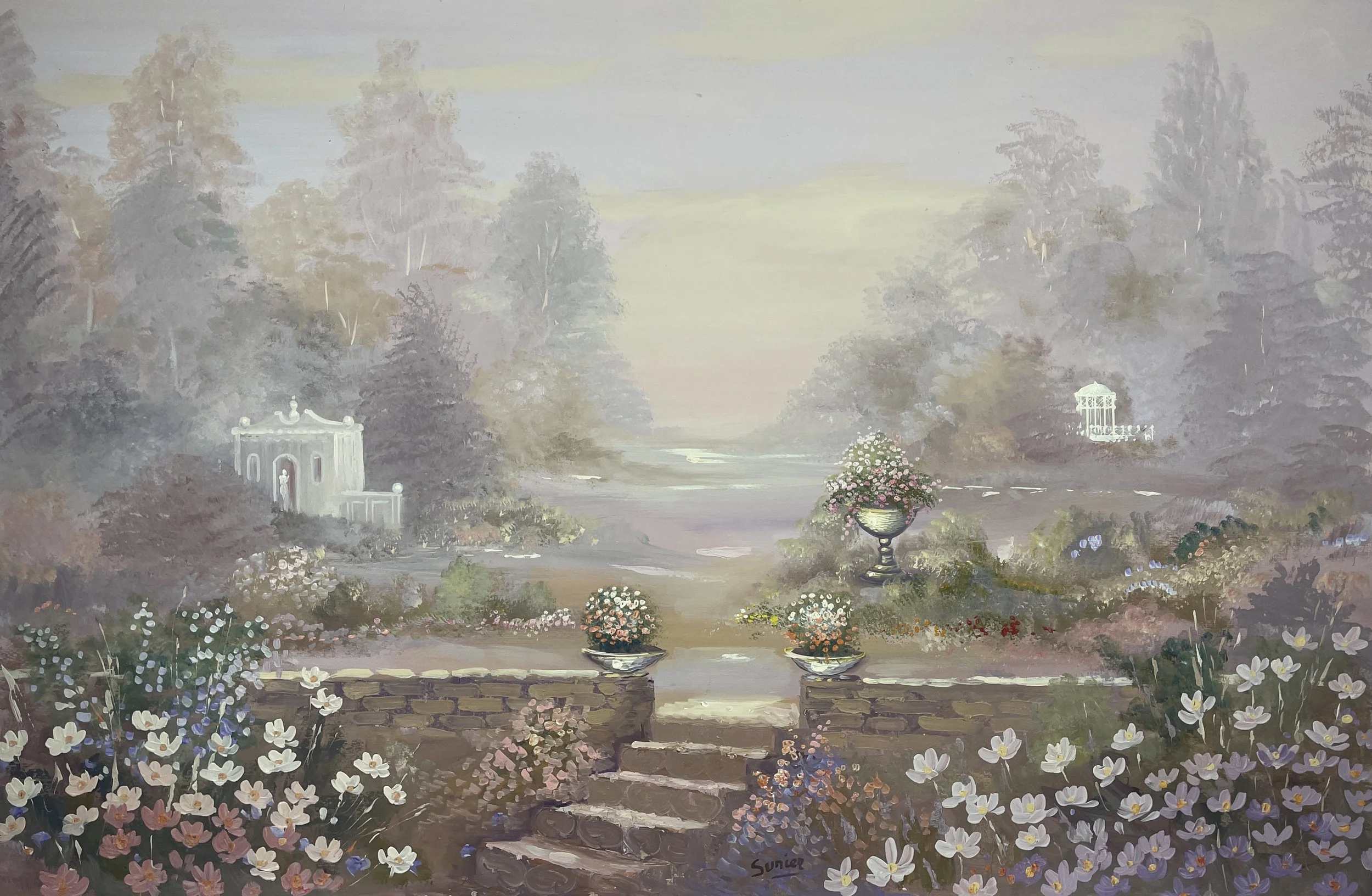
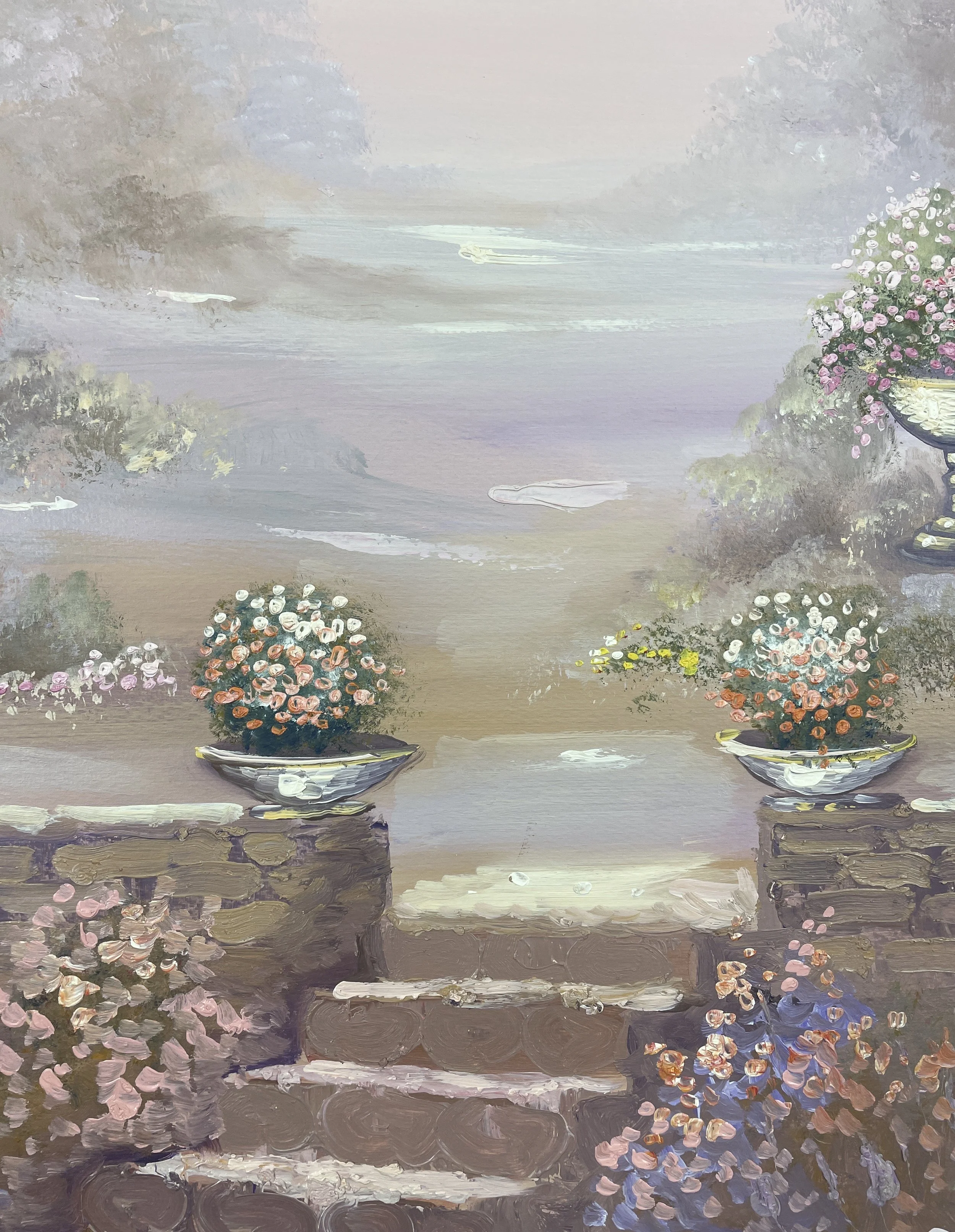
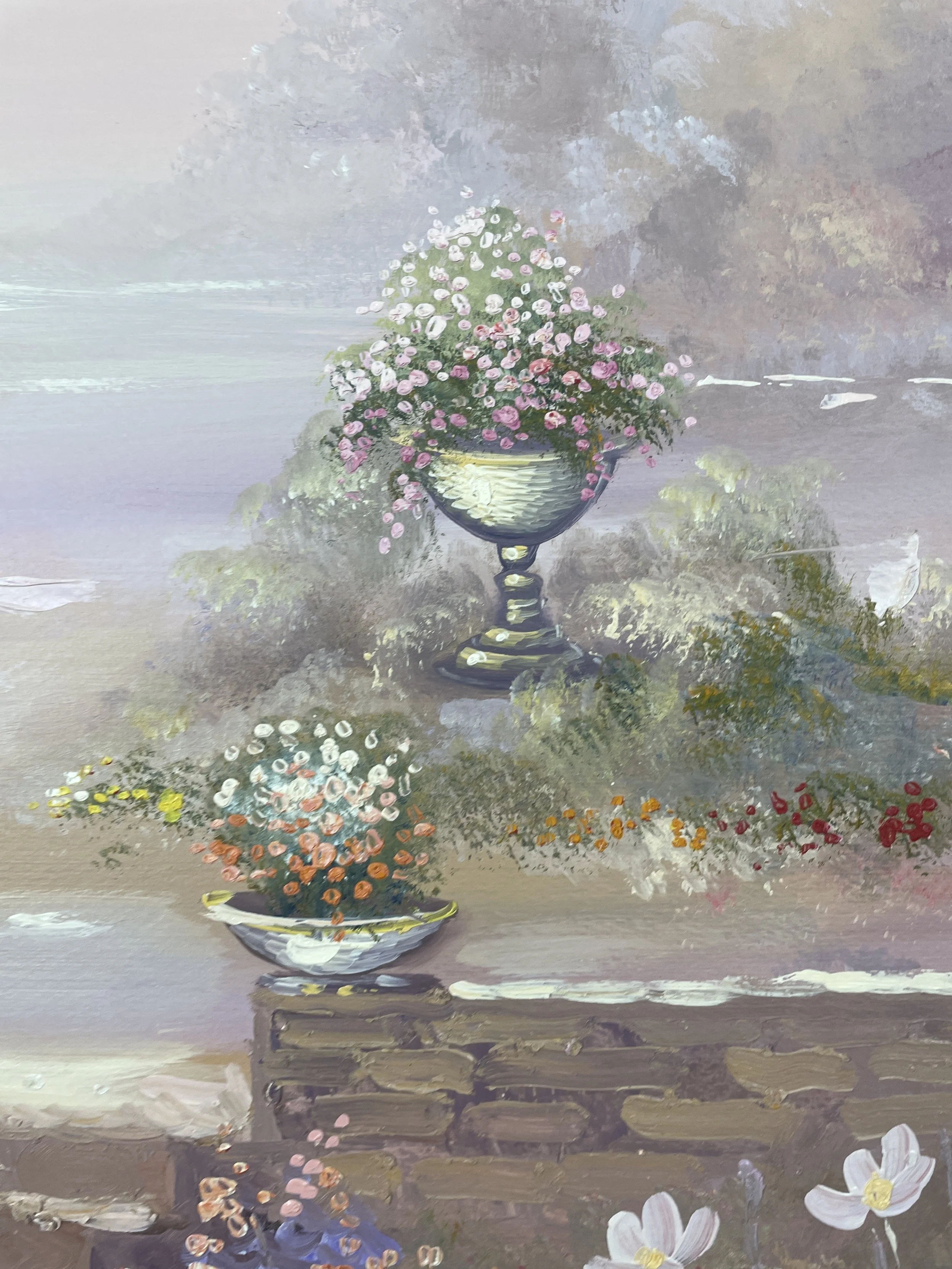
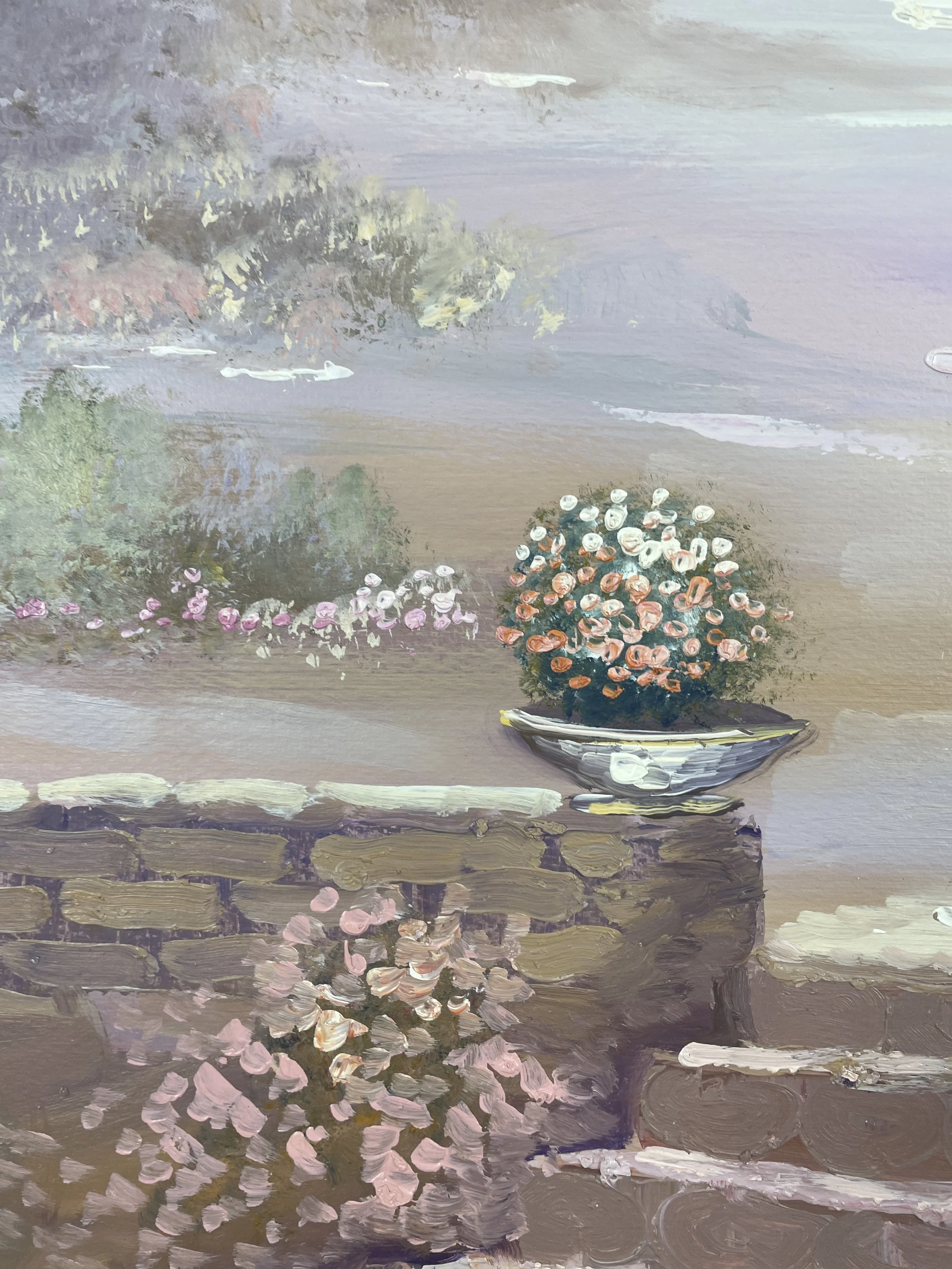
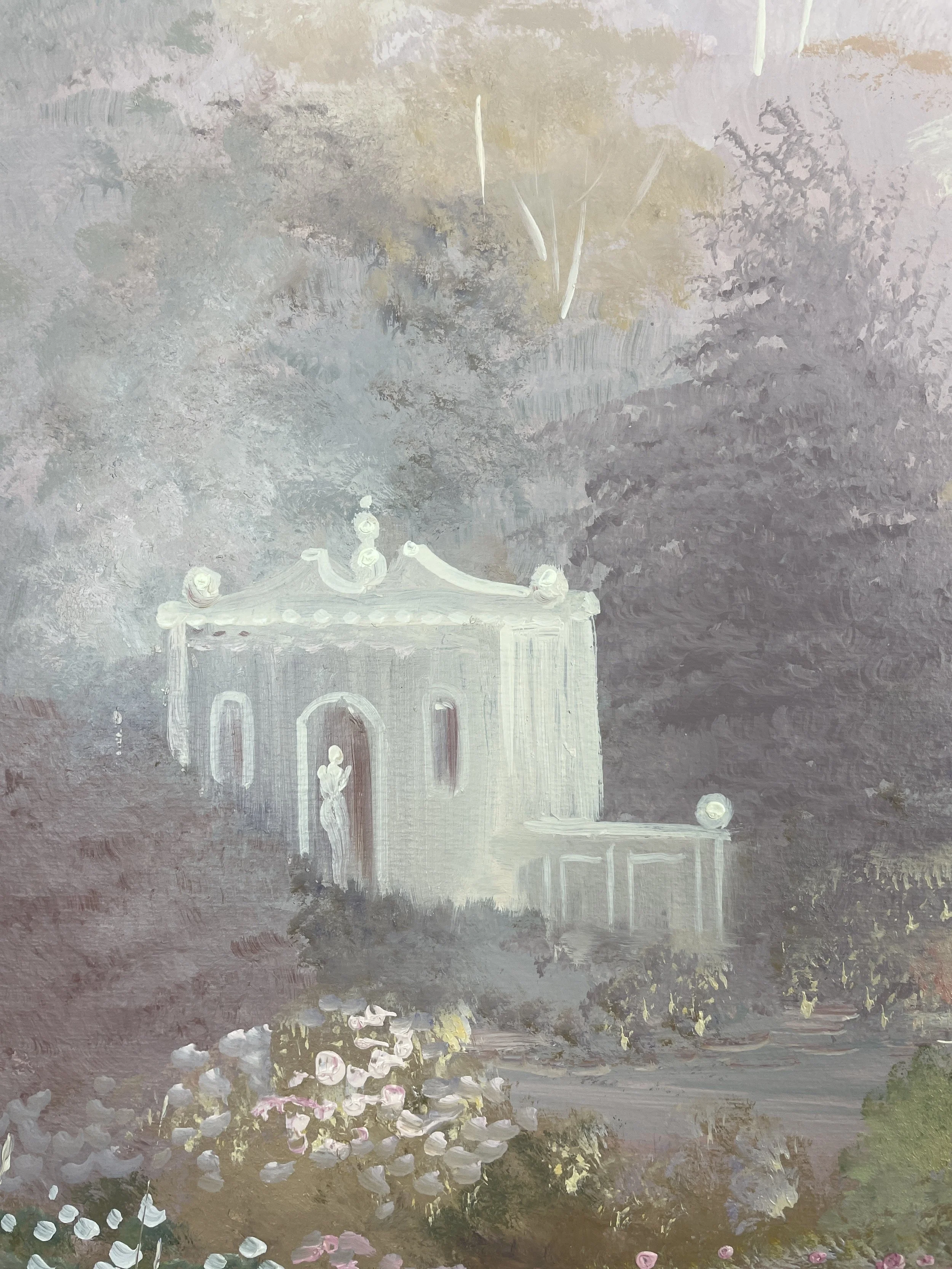
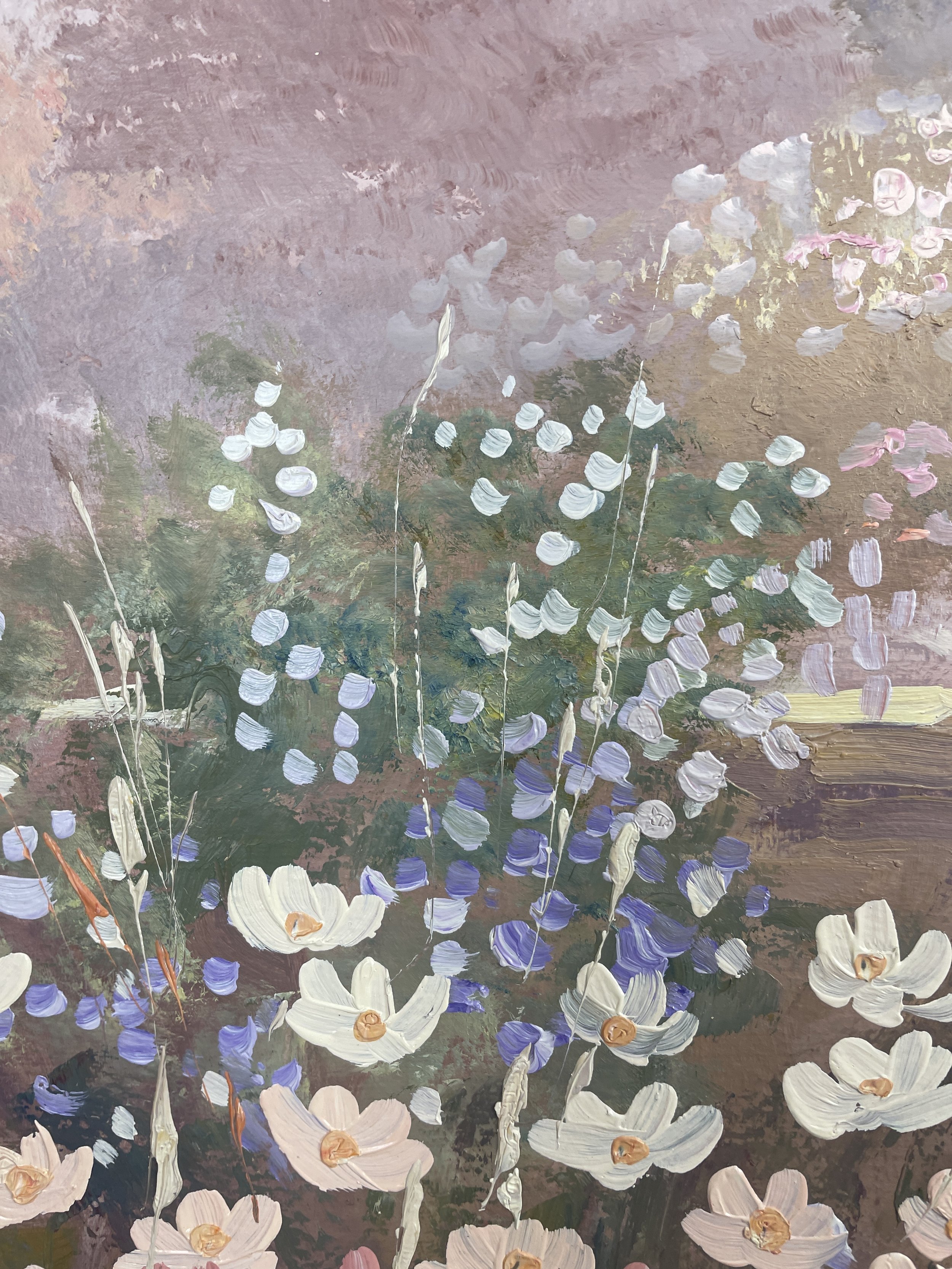
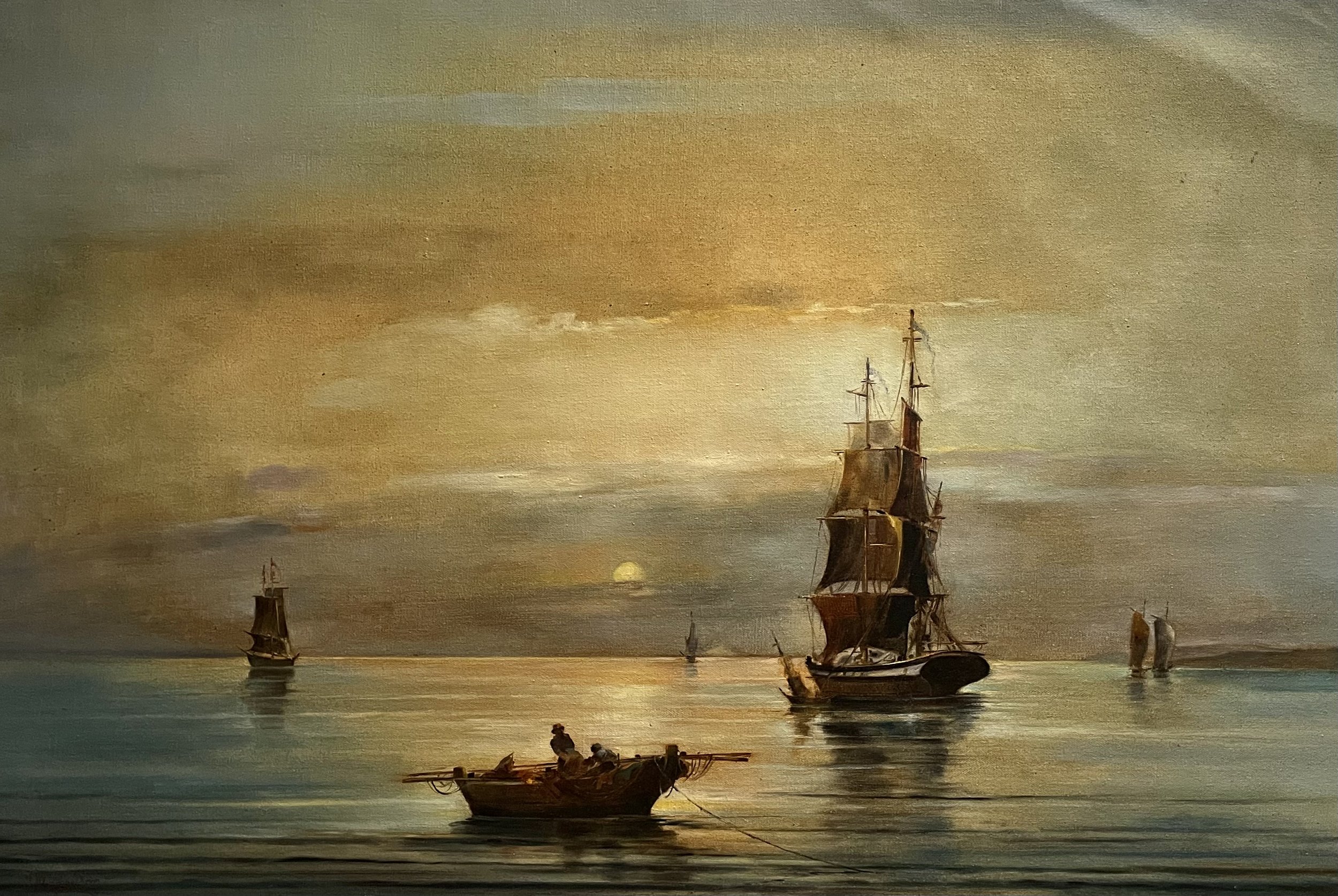
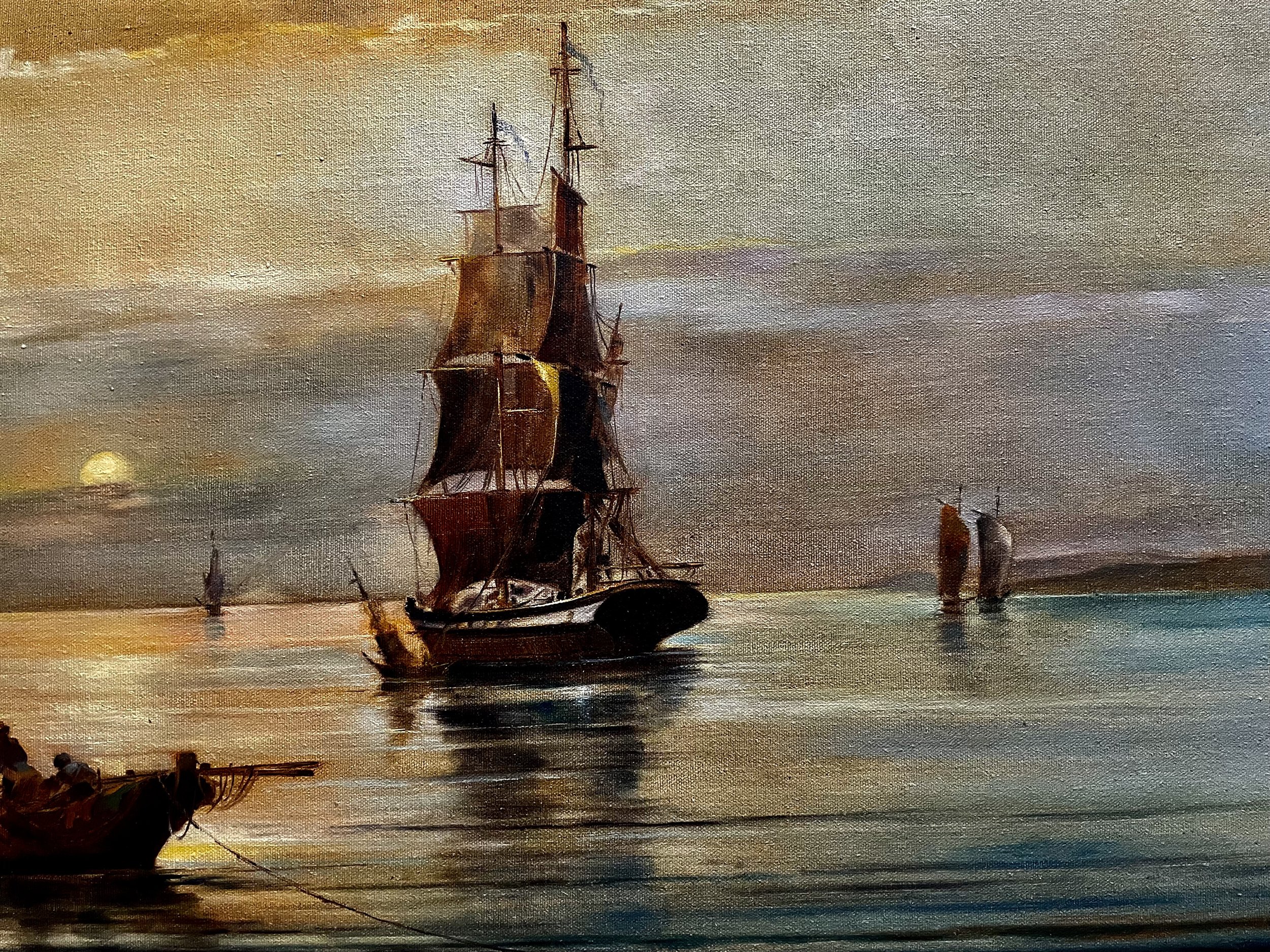
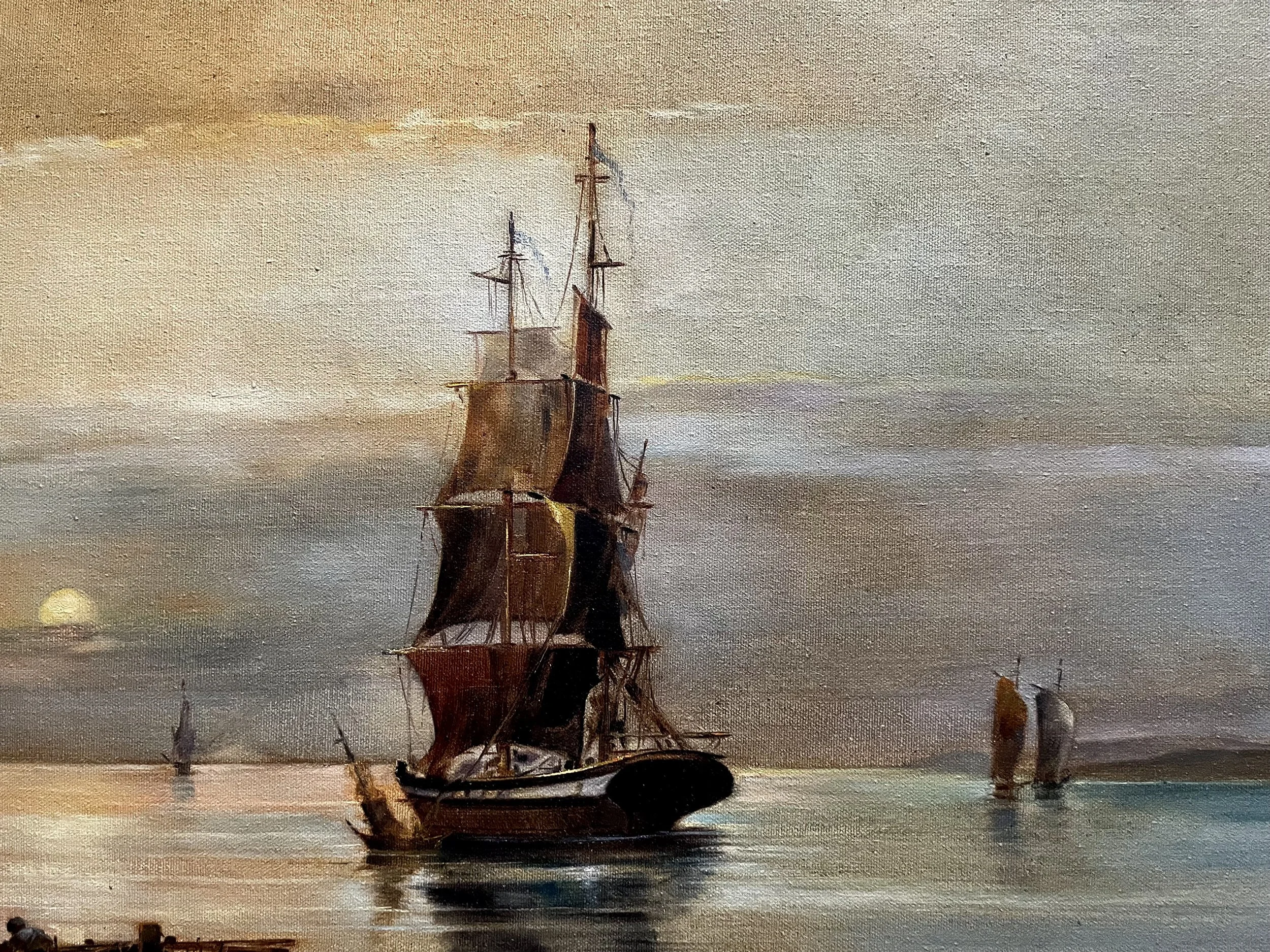
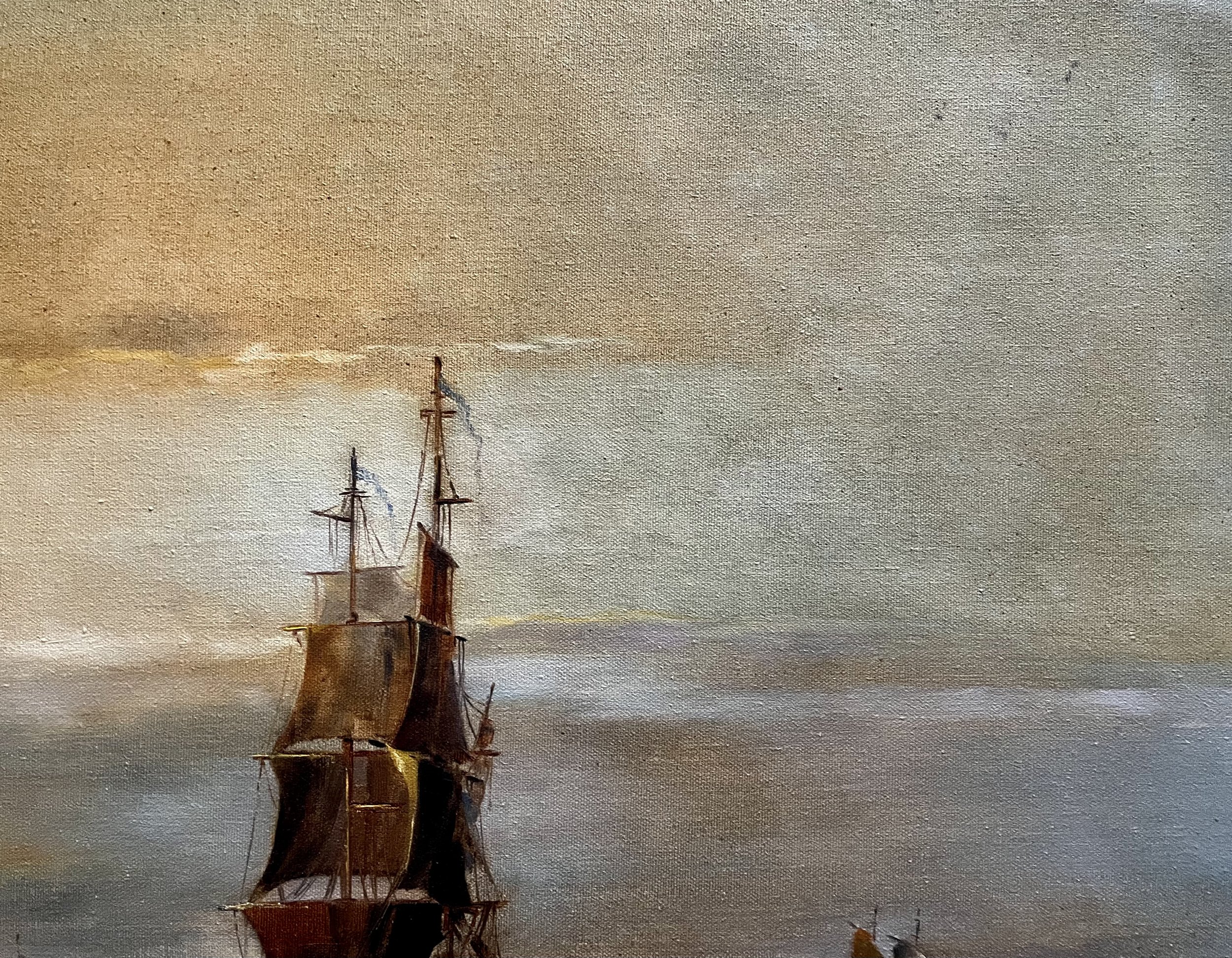
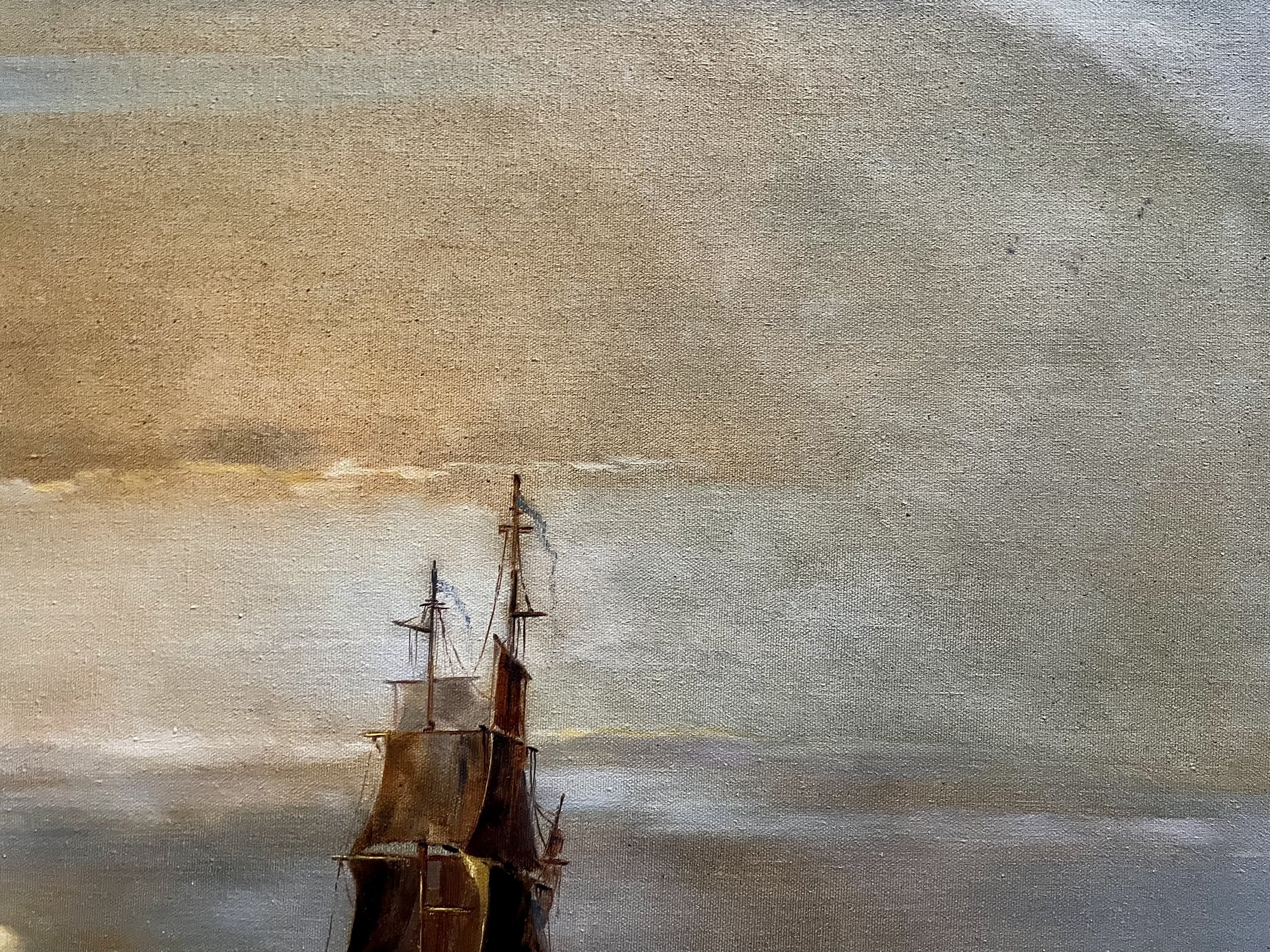
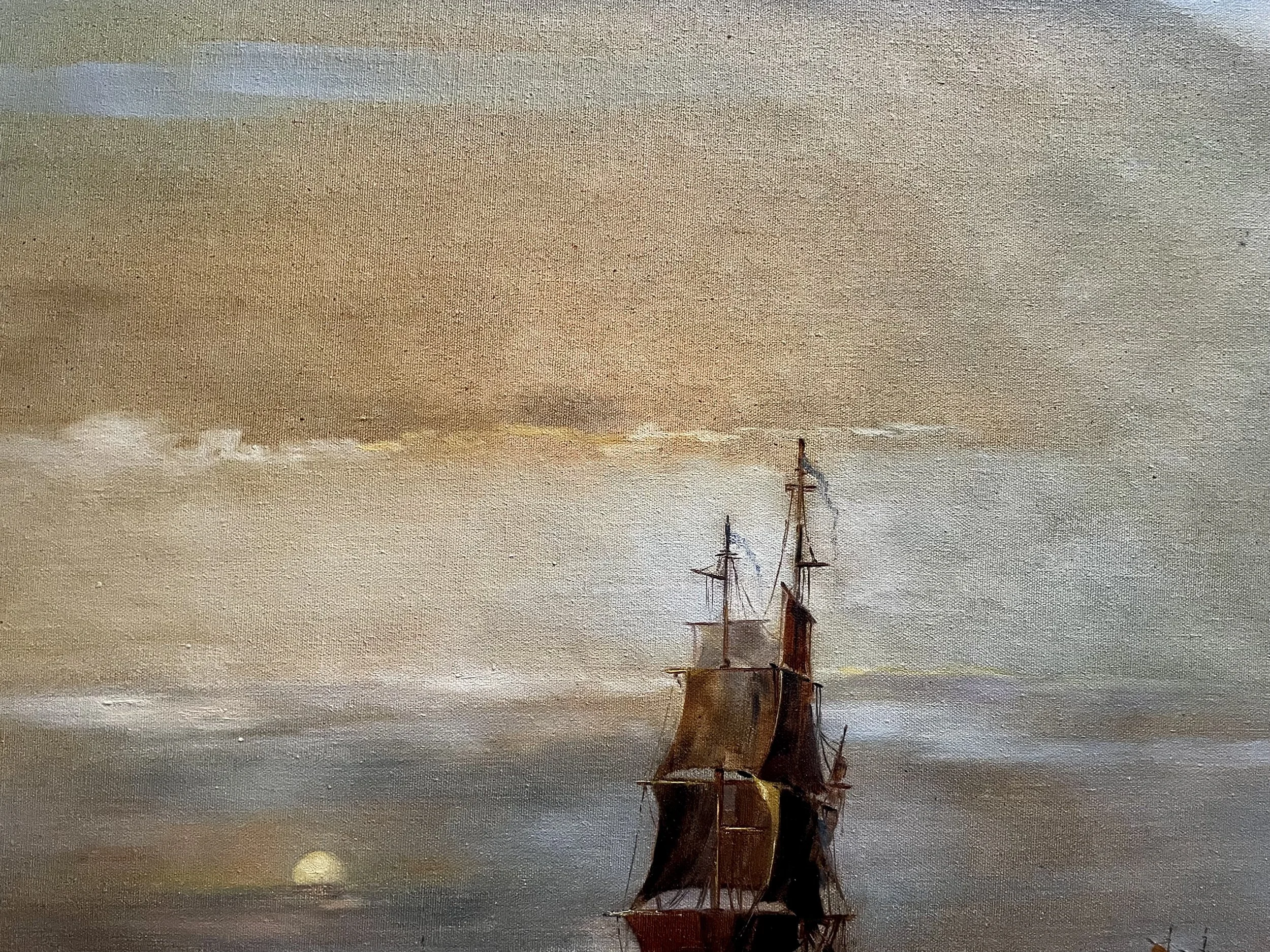
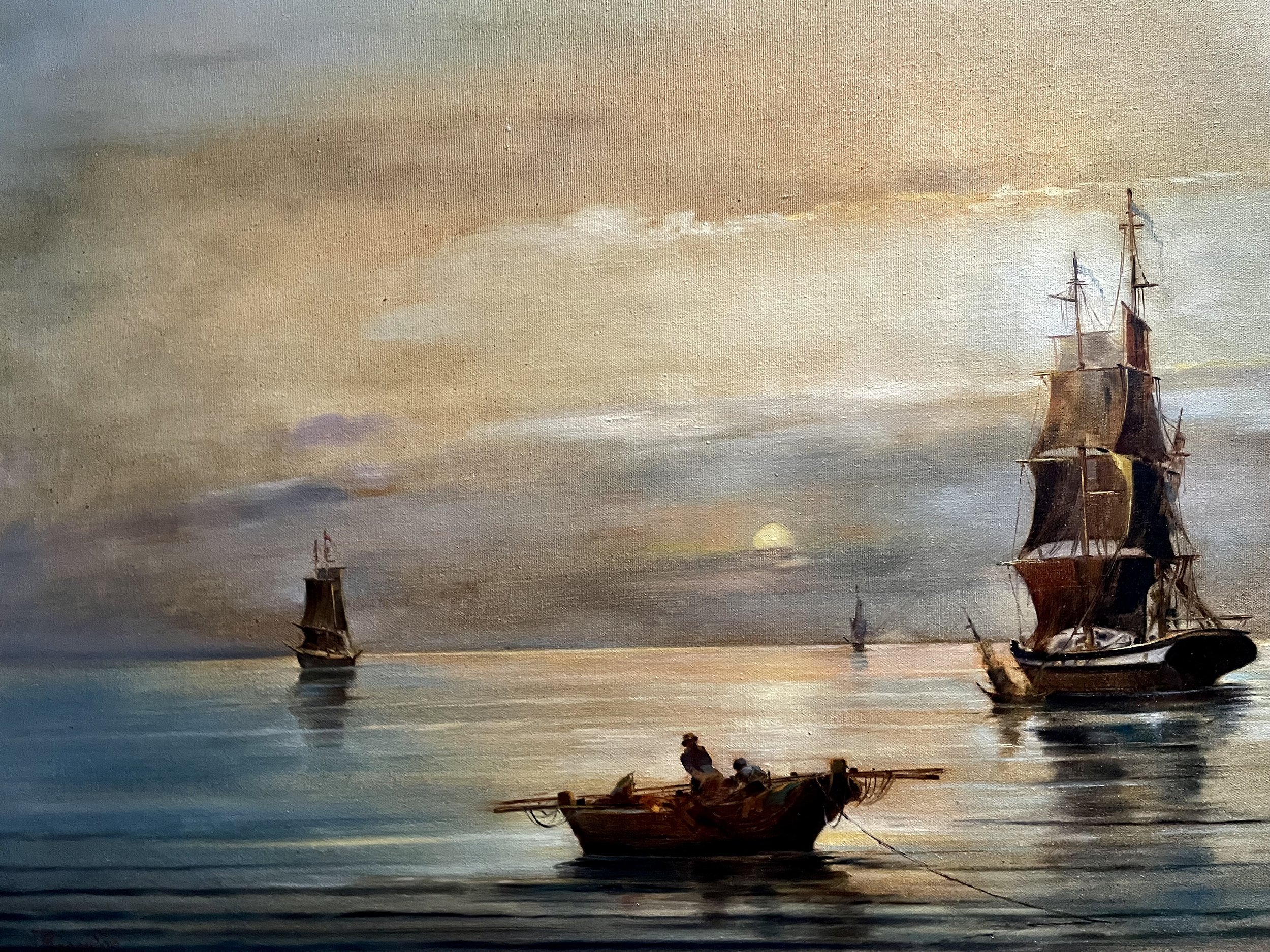
“Golden Pheasant” (attributed), Ernest Henry Wheatley (1902–1992), c. 1950s–1960s, oil on canvas, 12×16 inches, signed lower right “Wheatley.”
A striking mid-century oil painting by Ernest Henry Wheatley (1902–1992), “Golden Pheasant” captures the luminous beauty of an exotic bird rendered in the artist’s signature impasto brushwork, vibrant palette, and refined European technique. Wheatley—trained in London, Paris, Rome, and a distinguished student of the master Cav. Antonio Dattilo-Rubbo—became a favorite among collectors, couturiers, and even royalty. This richly textured painting exemplifies Wheatley’s ability to merge classical training with expressive color, making it an exceptional piece for collectors of British-Australian fine art, wildlife painting, impasto works, and mid-century European studies.
Detailed Artwork Description
This exceptional 12×16 oil painting showcases Wheatley’s unmistakable artistic language: bold, sculptural impasto strokes; saturated, luminous color; and confident, expressive handling of form. The brilliantly rendered golden pheasantstands against a dynamic green field, its plumage executed with thickly layered pigments that catch and scatter light. Wheatley’s training across London, Paris, and Rome is evident in the sophisticated interplay of color temperature, tonal modeling, and lively brush energy.
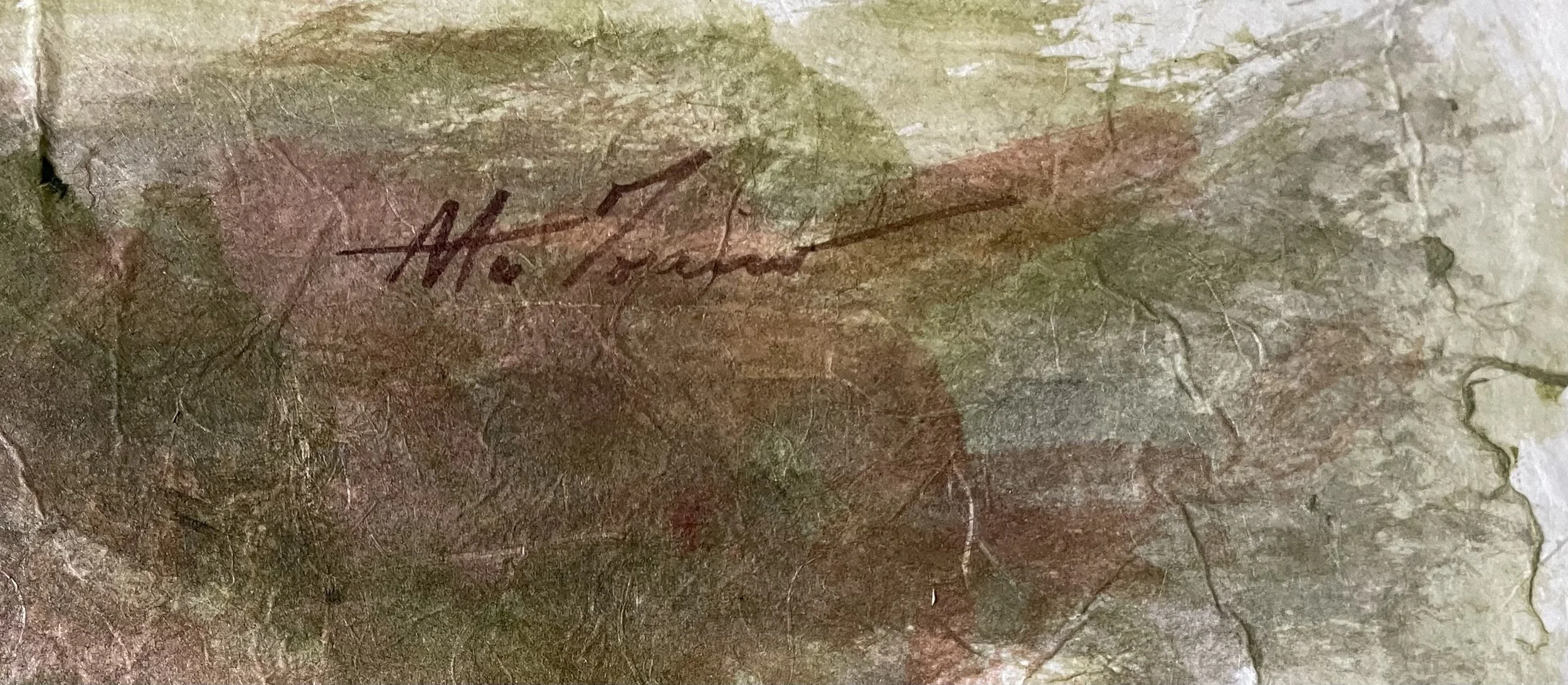
The bird’s feathers—ranging from fiery reds and rich blacks to glowing yellows—show Wheatley’s mastery of color-driven realism fused with impressionist movement. The background, alive with flecks of paint and textural accents, contributes to the sense of vitality and natural immediacy. The work is signed “Wheatley” at the lower right.
Inspiration & Story
Wheatley frequently painted flora, birds, and pastoral subjects, inspired by his European travels and lifelong fascination with the vibrancy of the natural world. His avian works, in particular, were known for their elegance and decorative sophistication, appealing to elite collectors who favored art that blended refinement with expressive modernity.
ARTIST BIOGRAPHY — ERNEST HENRY WHEATLEY (1902–1992)
Ernest Henry Wheatley (1902–1992) was an accomplished British-Australian painter celebrated for his vivid palette, expressive impasto brushwork, and refined European training. Born in Ballarat, Victoria, Australia, Wheatley showed artistic promise early, later earning prestigious study opportunities abroad. His classical foundations were shaped under the mentorship of Cav. Antonio (Antonius) Dattilo-Rubbo, the influential Italian-Australian master who also taught famed artists like William Dobell and Roland Wakelin. Dattilo-Rubbo’s emphasis on color, expressive form, and disciplined draftsmanship became enduring hallmarks of Wheatley’s technique.
Seeking deeper artistic immersion, Wheatley continued his studies in London, Paris, and Rome, where he absorbed the tonal traditions of the European academies and the emerging modernist impulses sweeping the continent. His training abroad refined his ability to blend impressionistic freedom with academic precision—qualities seen prominently in his botanical, avian, and landscape subjects.
Wheatley’s talent soon garnered admiration from influential circles. During his years in London, his paintings captured the attention of Sir Norman Hartnell, the famed couturier to royalty and a central figure in Vogue’s fashion world. Hartnell’s endorsement helped introduce Wheatley to collectors among Britain’s elite, and his works would later be acquired by Her Majesty Queen Mary, further cementing his reputation as an artist favored by society’s upper echelons. His paintings also entered the collections of notable public figures, including the beloved Judy Garland, whose appreciation added an international dimension to his acclaim.
Throughout his career, Wheatley exhibited widely in Australia, the UK, and Europe, presenting works that balanced lyrical color harmonies with striking textural depth. His distinctive impasto technique—using sculptural layers to create movement and luminosity—became one of his signatures. Though known for landscapes and still life compositions, Wheatley was equally admired for capturing birds, flora, and pastoral scenes with a vitality that felt both elegant and immediate.
Wheatley continued painting prolifically until his passing in 1992, leaving behind a body of work that bridges continents, artistic traditions, and decades of stylistic evolution. Today, his paintings remain sought after by collectors who value their rich color, confident brushwork, and historical connection to one of the most fascinating artistic mentorship lineages of the 20th century.
Full name: Ernest Henry Wheatley
Born: 1902, Ballarat, Victoria, Australia
Died: 1992
Studied under Cav. Antonio Dattilo-Rubbo, a major master with an elite student lineage
Additional studies in London, Paris, Rome
Patronage includes Queen Mary, Norman Hartnell, and Judy Garland
Exhibited internationally (Australia, UK, Europe)
Known for expressive impasto, botanical and avian subjects, and high-end society collectors
Ernest Henry Wheatley (1902–1992), “Golden Pheasant” (attributed), oil on canvas, 12×16 in., signed lower right. A vibrant impasto depiction of a golden pheasant by the British-Australian artist celebrated for his European training and elite patronage, including Queen Mary and Norman Hartnell. Excellent example of Wheatley’s expressive color and mid-century technique.
CERTIFICATE OF AUTHENTICATION
Artist: Ernest Henry Wheatley (1902–1992)
Title: “Golden Pheasant” (attributed)
Date: c. 1950s–1960s
Medium: Oil on Canvas
Dimensions: 12 × 16 inches
Signature: Lower right, “Wheatley”
Provenance: Acquired in Europe; currently held by Artfind Gallery, Washington, DC
Description: An authenticated period work exhibiting Wheatley’s hallmark impasto, expressive palette, and refined European technique.
Provenance Chain (Collector Format)
Private Collection, Europe (original source)
Art Dealer / Estate Source, Europe
Artfind Gallery, Washington, DC — Current Owner
“Golden Pheasant” (attributed), Ernest Henry Wheatley (1902–1992), c. 1950s–1960s, oil on canvas, 12×16 inches, signed lower right “Wheatley.”
A striking mid-century oil painting by Ernest Henry Wheatley (1902–1992), “Golden Pheasant” captures the luminous beauty of an exotic bird rendered in the artist’s signature impasto brushwork, vibrant palette, and refined European technique. Wheatley—trained in London, Paris, Rome, and a distinguished student of the master Cav. Antonio Dattilo-Rubbo—became a favorite among collectors, couturiers, and even royalty. This richly textured painting exemplifies Wheatley’s ability to merge classical training with expressive color, making it an exceptional piece for collectors of British-Australian fine art, wildlife painting, impasto works, and mid-century European studies.
Detailed Artwork Description
This exceptional 12×16 oil painting showcases Wheatley’s unmistakable artistic language: bold, sculptural impasto strokes; saturated, luminous color; and confident, expressive handling of form. The brilliantly rendered golden pheasantstands against a dynamic green field, its plumage executed with thickly layered pigments that catch and scatter light. Wheatley’s training across London, Paris, and Rome is evident in the sophisticated interplay of color temperature, tonal modeling, and lively brush energy.
The bird’s feathers—ranging from fiery reds and rich blacks to glowing yellows—show Wheatley’s mastery of color-driven realism fused with impressionist movement. The background, alive with flecks of paint and textural accents, contributes to the sense of vitality and natural immediacy. The work is signed “Wheatley” at the lower right.
Inspiration & Story
Wheatley frequently painted flora, birds, and pastoral subjects, inspired by his European travels and lifelong fascination with the vibrancy of the natural world. His avian works, in particular, were known for their elegance and decorative sophistication, appealing to elite collectors who favored art that blended refinement with expressive modernity.
ARTIST BIOGRAPHY — ERNEST HENRY WHEATLEY (1902–1992)
Ernest Henry Wheatley (1902–1992) was an accomplished British-Australian painter celebrated for his vivid palette, expressive impasto brushwork, and refined European training. Born in Ballarat, Victoria, Australia, Wheatley showed artistic promise early, later earning prestigious study opportunities abroad. His classical foundations were shaped under the mentorship of Cav. Antonio (Antonius) Dattilo-Rubbo, the influential Italian-Australian master who also taught famed artists like William Dobell and Roland Wakelin. Dattilo-Rubbo’s emphasis on color, expressive form, and disciplined draftsmanship became enduring hallmarks of Wheatley’s technique.
Seeking deeper artistic immersion, Wheatley continued his studies in London, Paris, and Rome, where he absorbed the tonal traditions of the European academies and the emerging modernist impulses sweeping the continent. His training abroad refined his ability to blend impressionistic freedom with academic precision—qualities seen prominently in his botanical, avian, and landscape subjects.
Wheatley’s talent soon garnered admiration from influential circles. During his years in London, his paintings captured the attention of Sir Norman Hartnell, the famed couturier to royalty and a central figure in Vogue’s fashion world. Hartnell’s endorsement helped introduce Wheatley to collectors among Britain’s elite, and his works would later be acquired by Her Majesty Queen Mary, further cementing his reputation as an artist favored by society’s upper echelons. His paintings also entered the collections of notable public figures, including the beloved Judy Garland, whose appreciation added an international dimension to his acclaim.
Throughout his career, Wheatley exhibited widely in Australia, the UK, and Europe, presenting works that balanced lyrical color harmonies with striking textural depth. His distinctive impasto technique—using sculptural layers to create movement and luminosity—became one of his signatures. Though known for landscapes and still life compositions, Wheatley was equally admired for capturing birds, flora, and pastoral scenes with a vitality that felt both elegant and immediate.
Wheatley continued painting prolifically until his passing in 1992, leaving behind a body of work that bridges continents, artistic traditions, and decades of stylistic evolution. Today, his paintings remain sought after by collectors who value their rich color, confident brushwork, and historical connection to one of the most fascinating artistic mentorship lineages of the 20th century.
Full name: Ernest Henry Wheatley
Born: 1902, Ballarat, Victoria, Australia
Died: 1992
Studied under Cav. Antonio Dattilo-Rubbo, a major master with an elite student lineage
Additional studies in London, Paris, Rome
Patronage includes Queen Mary, Norman Hartnell, and Judy Garland
Exhibited internationally (Australia, UK, Europe)
Known for expressive impasto, botanical and avian subjects, and high-end society collectors
Ernest Henry Wheatley (1902–1992), “Golden Pheasant” (attributed), oil on canvas, 12×16 in., signed lower right. A vibrant impasto depiction of a golden pheasant by the British-Australian artist celebrated for his European training and elite patronage, including Queen Mary and Norman Hartnell. Excellent example of Wheatley’s expressive color and mid-century technique.
CERTIFICATE OF AUTHENTICATION
Artist: Ernest Henry Wheatley (1902–1992)
Title: “Golden Pheasant” (attributed)
Date: c. 1950s–1960s
Medium: Oil on Canvas
Dimensions: 12 × 16 inches
Signature: Lower right, “Wheatley”
Provenance: Acquired in Europe; currently held by Artfind Gallery, Washington, DC
Description: An authenticated period work exhibiting Wheatley’s hallmark impasto, expressive palette, and refined European technique.
Provenance Chain (Collector Format)
Private Collection, Europe (original source)
Art Dealer / Estate Source, Europe
Artfind Gallery, Washington, DC — Current Owner
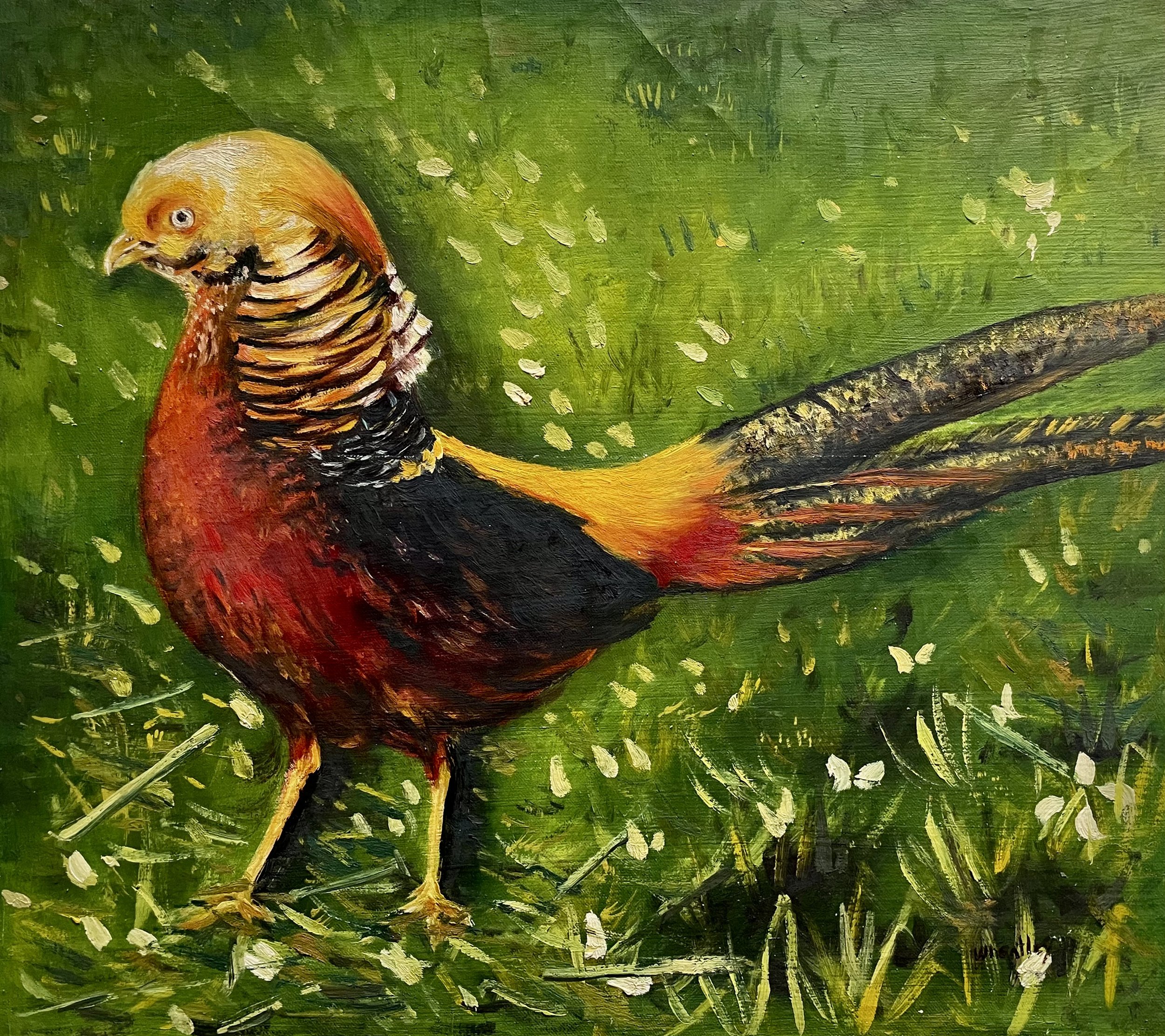 Image 1 of 11
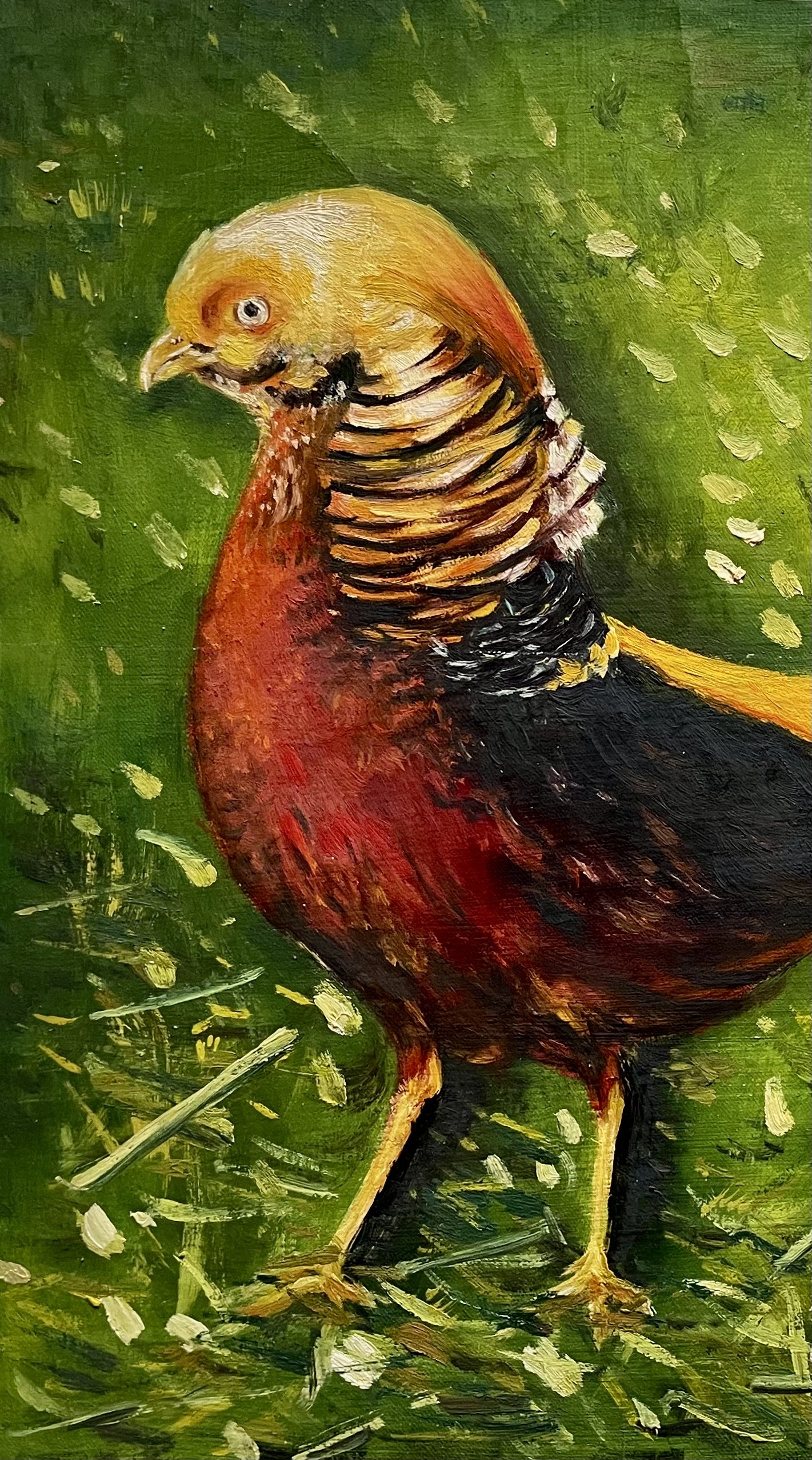 Image 2 of 11
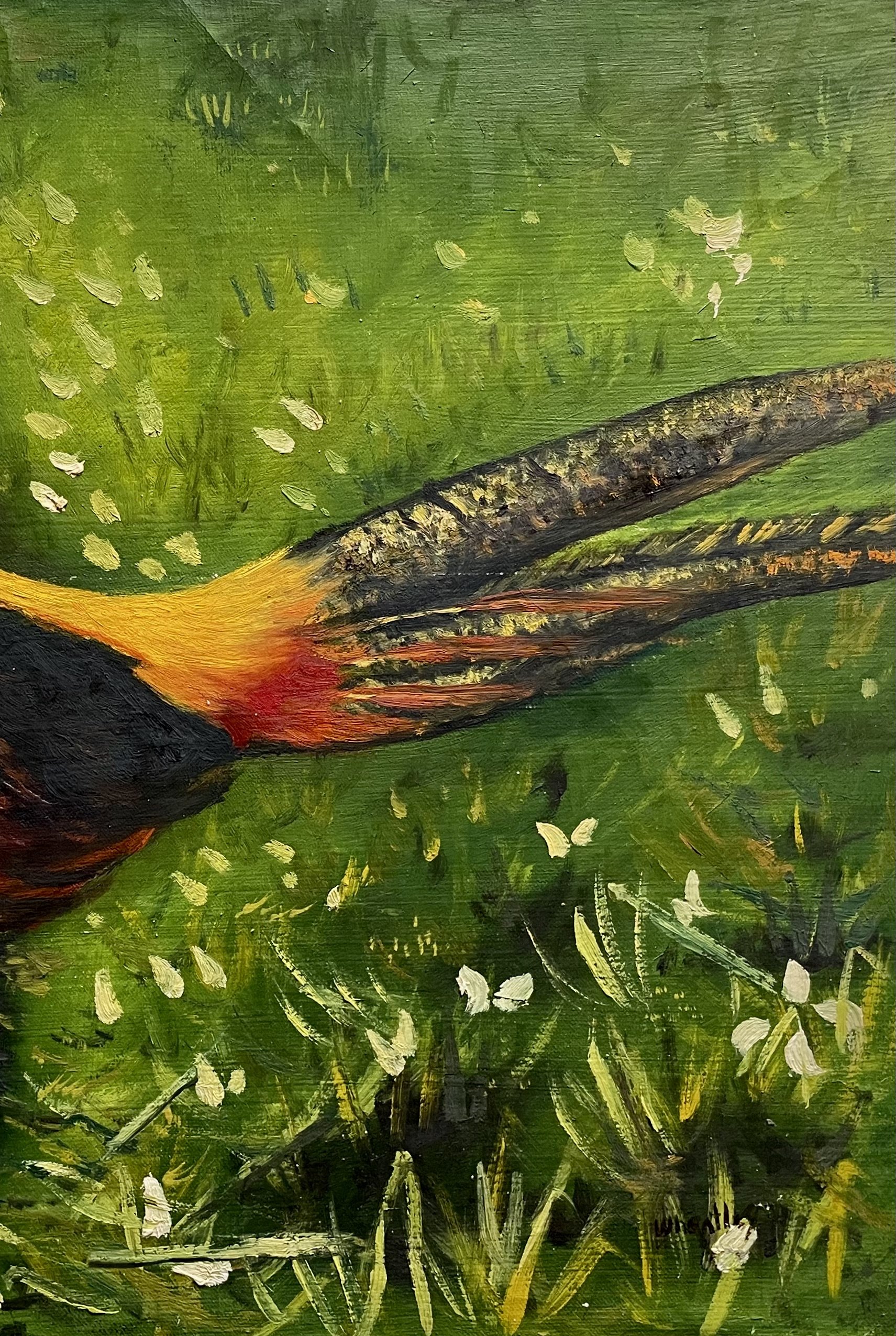 Image 3 of 11
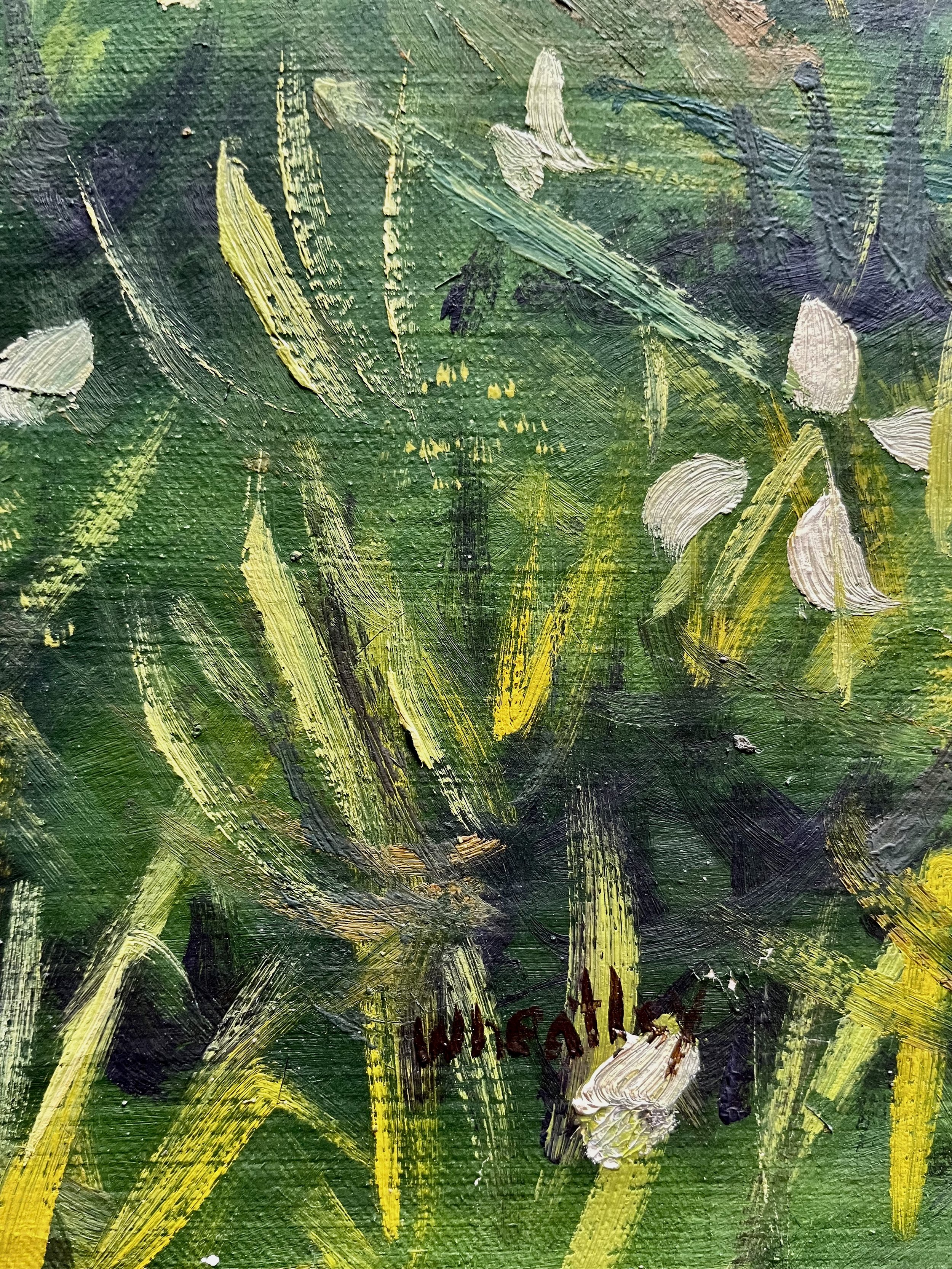 Image 4 of 11
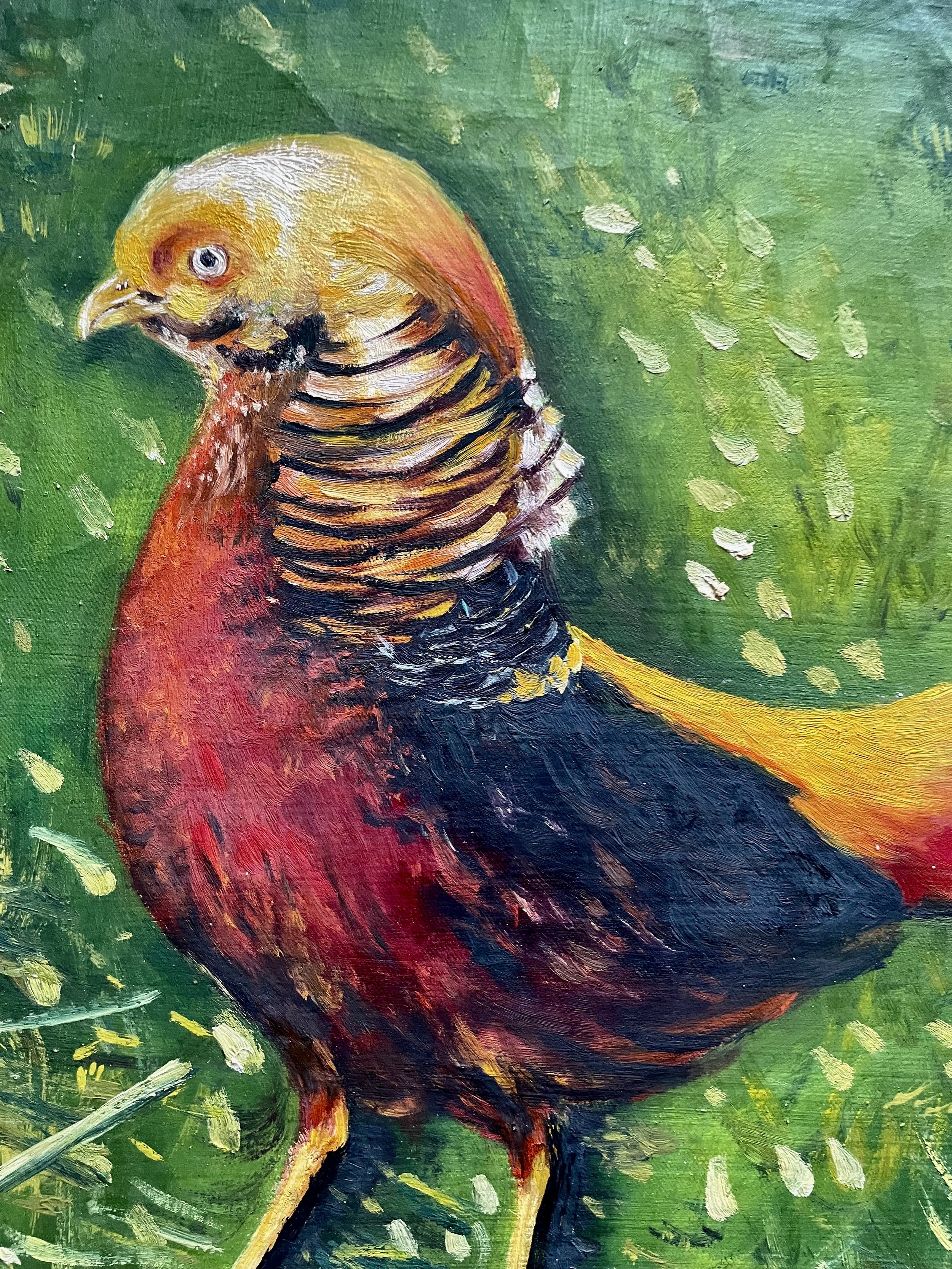 Image 5 of 11
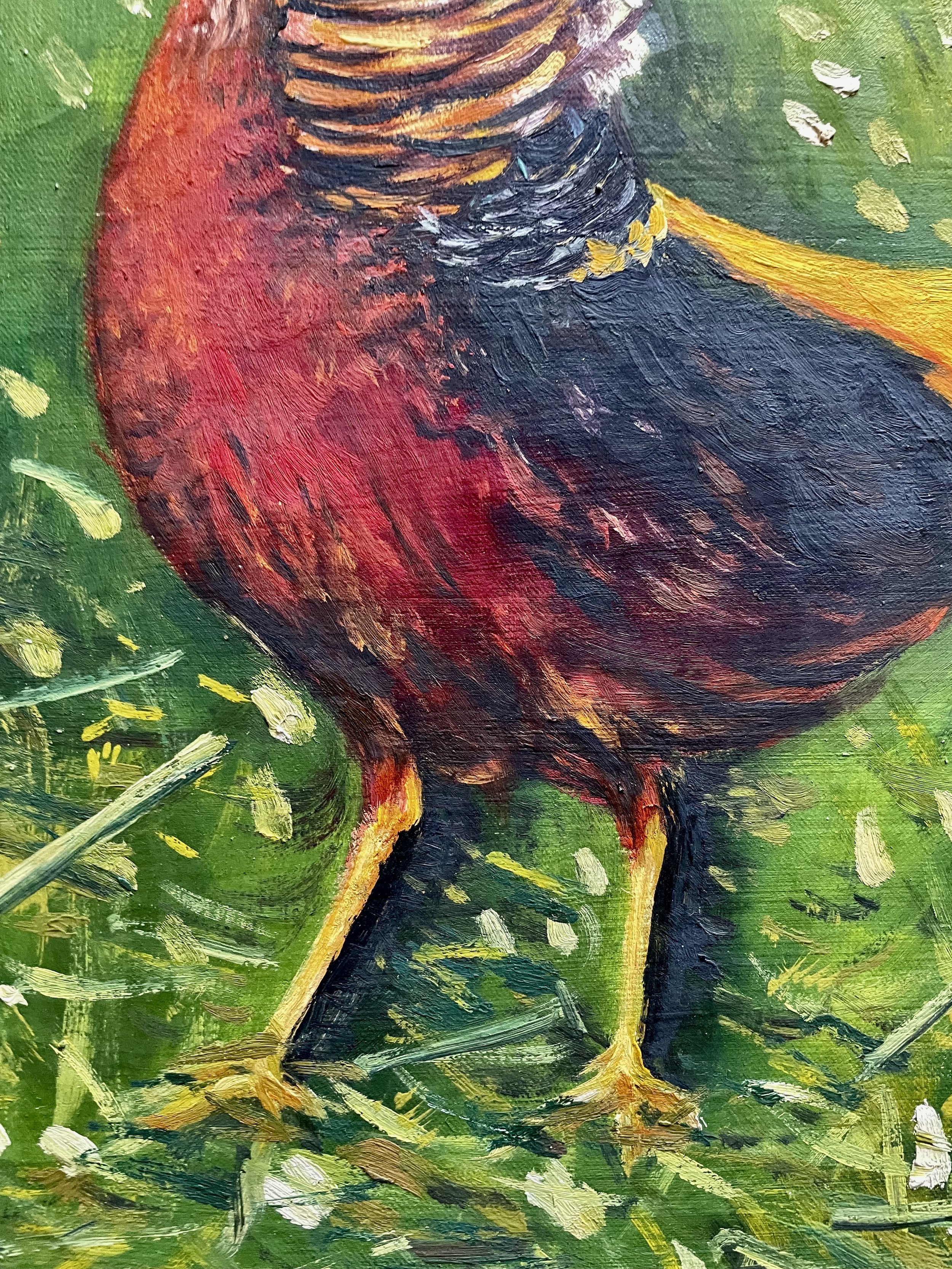 Image 6 of 11
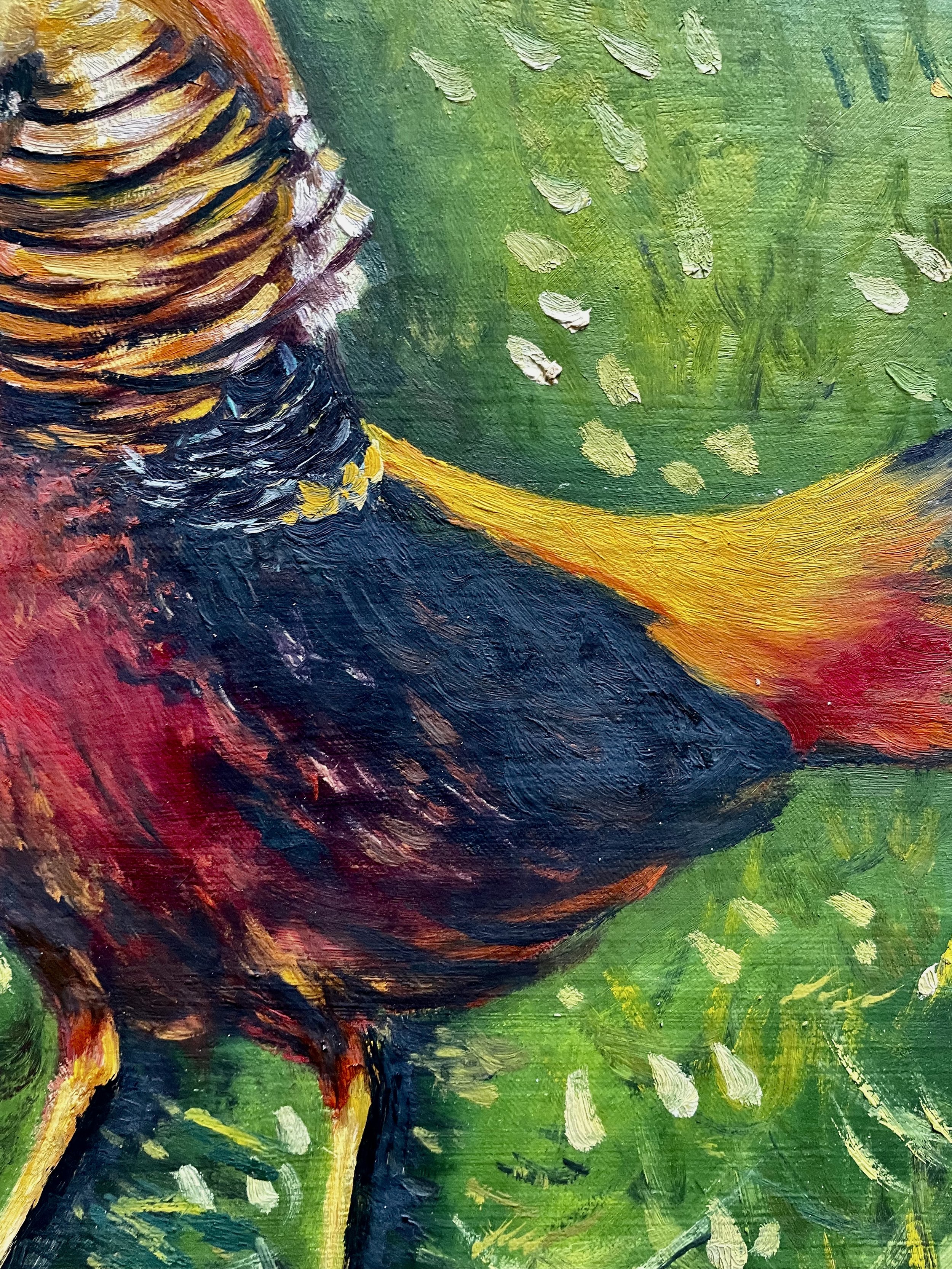 Image 7 of 11
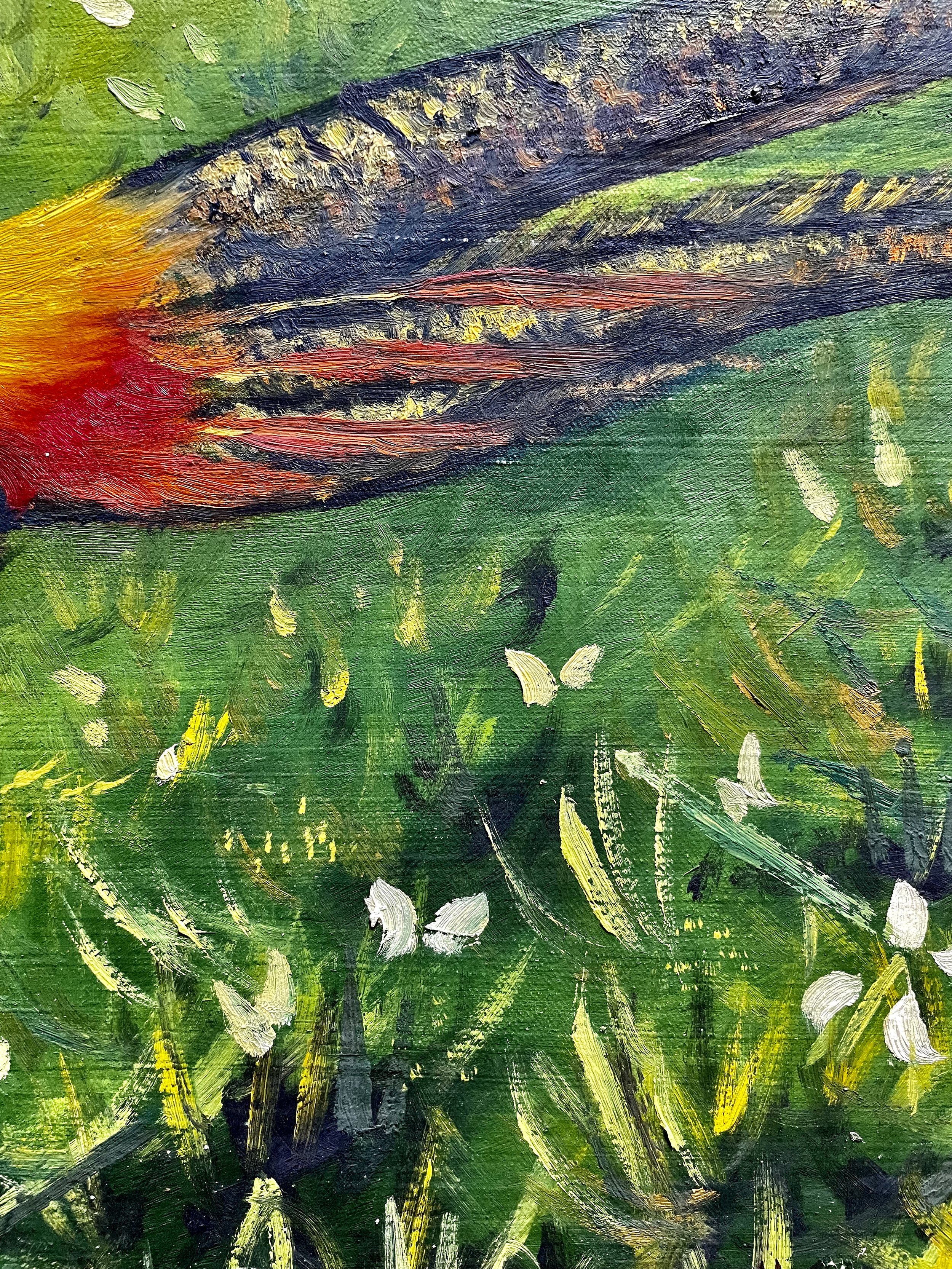 Image 8 of 11
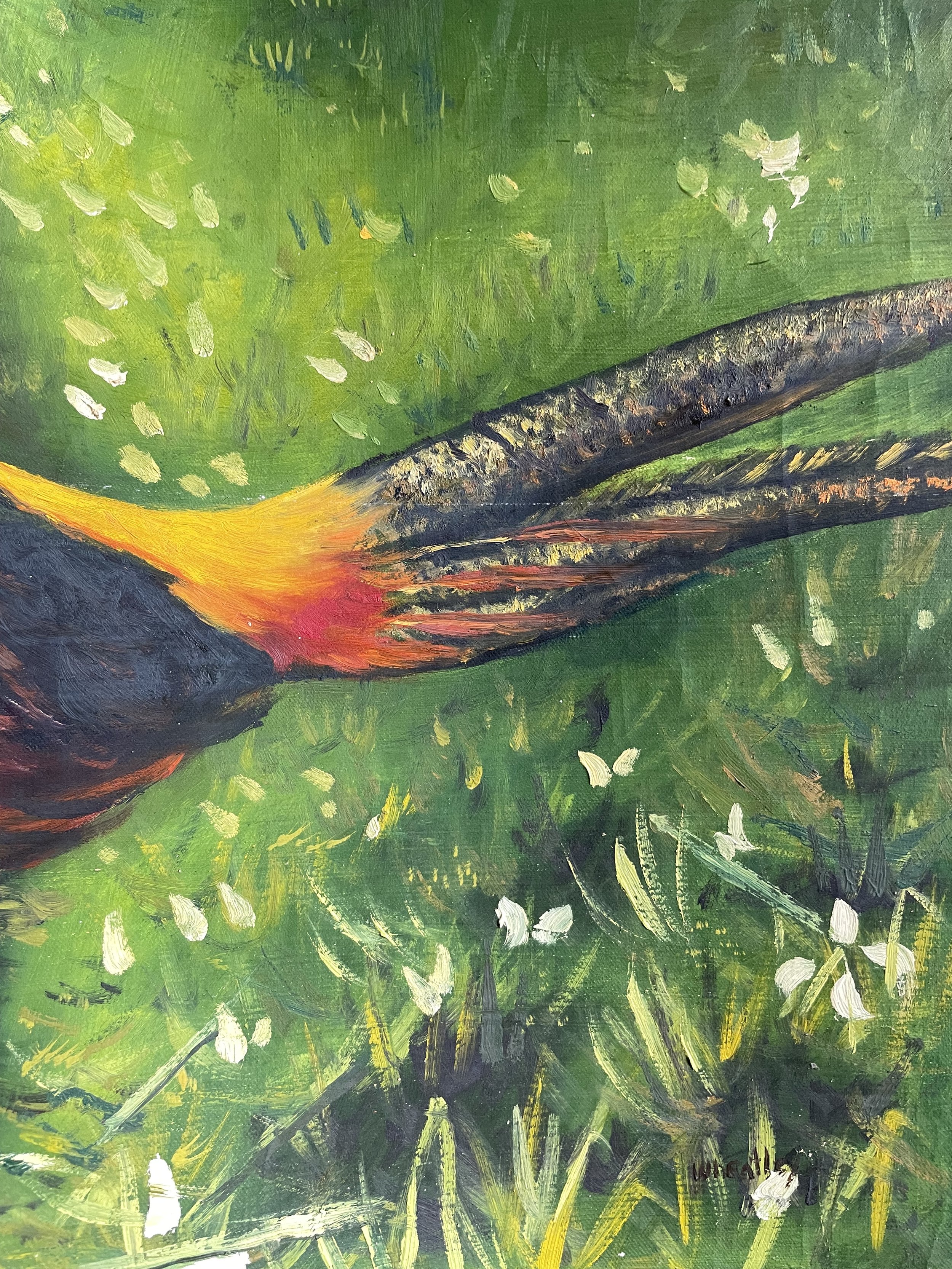 Image 9 of 11
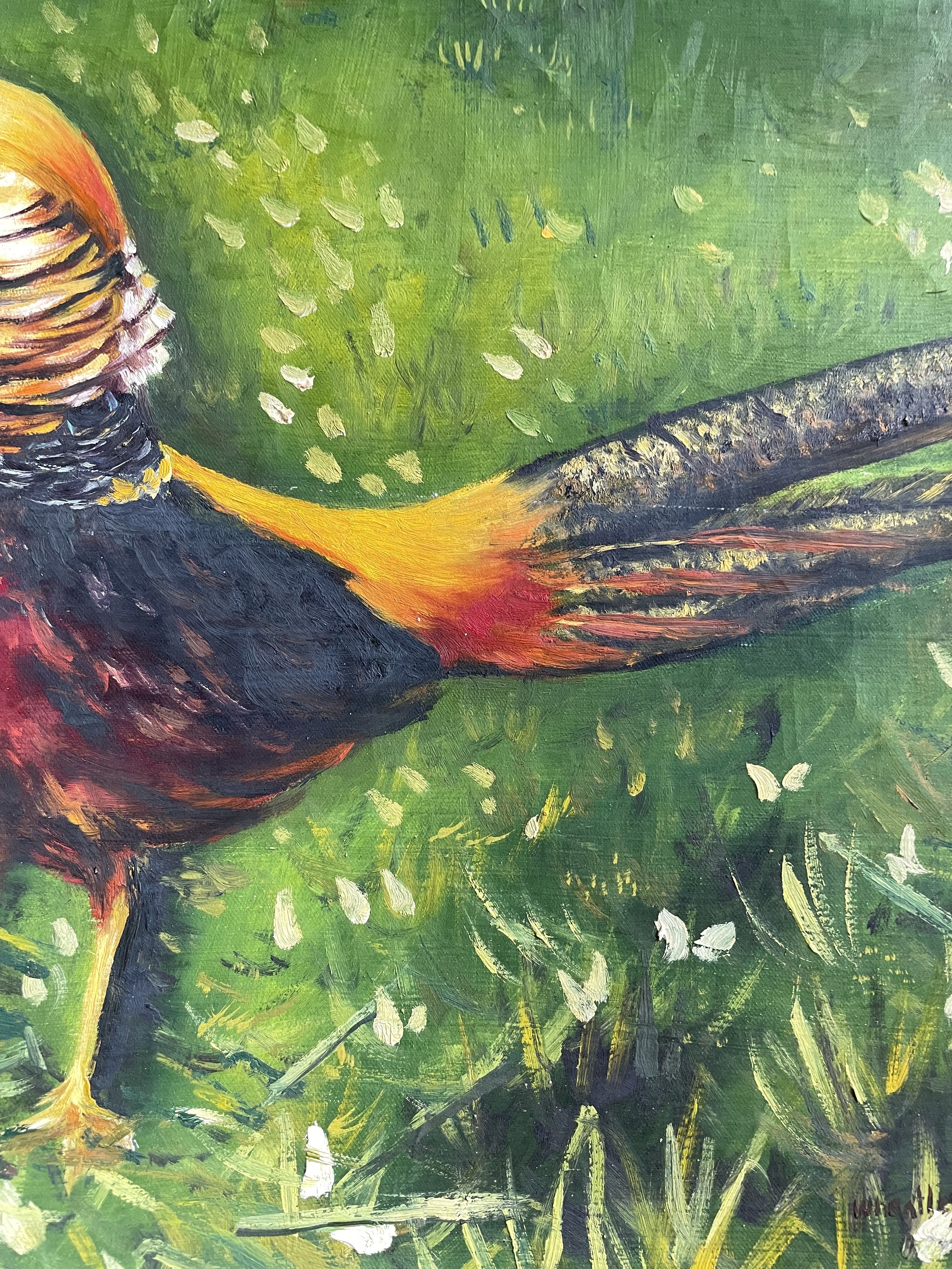 Image 10 of 11
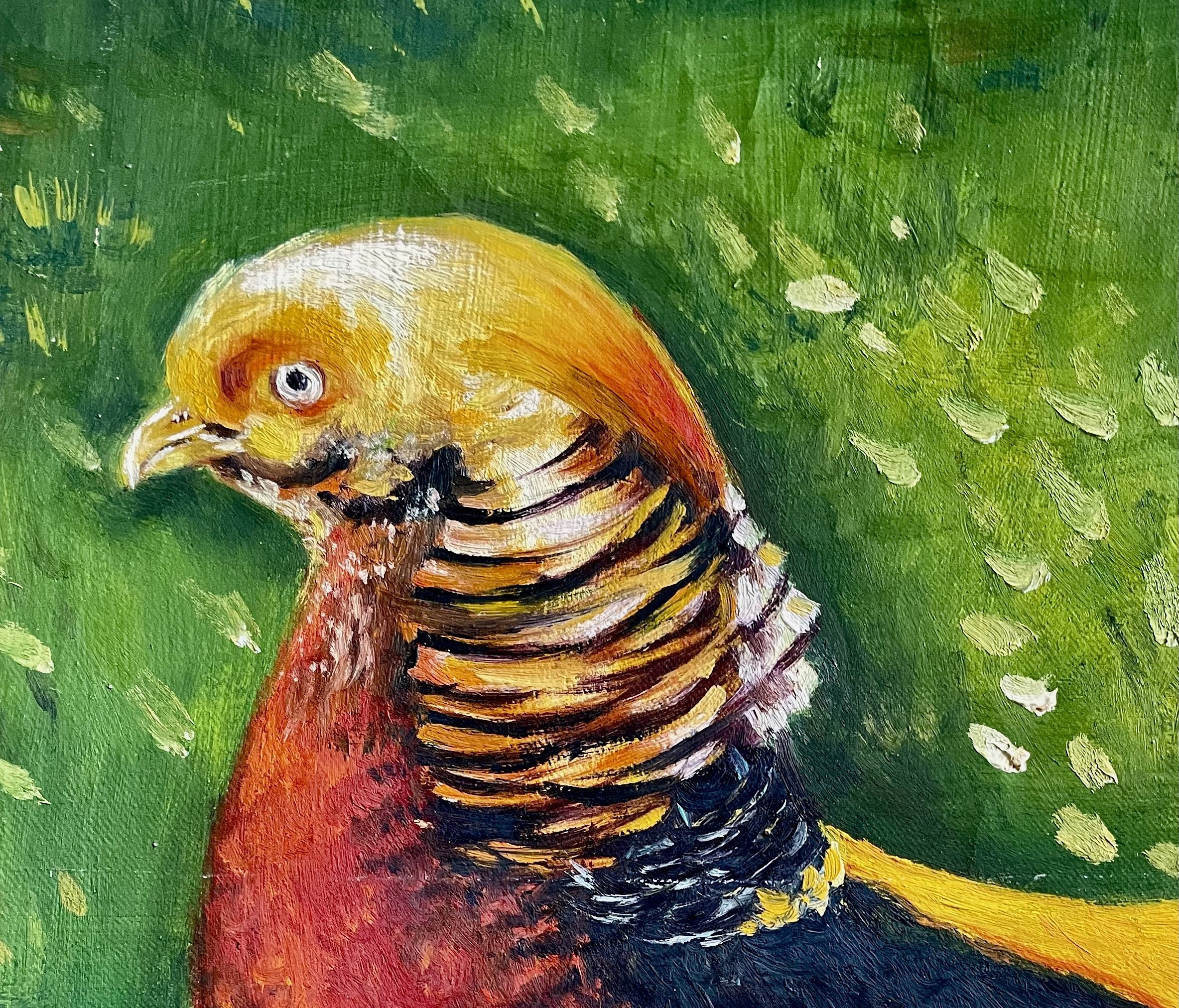 Image 11 of 11