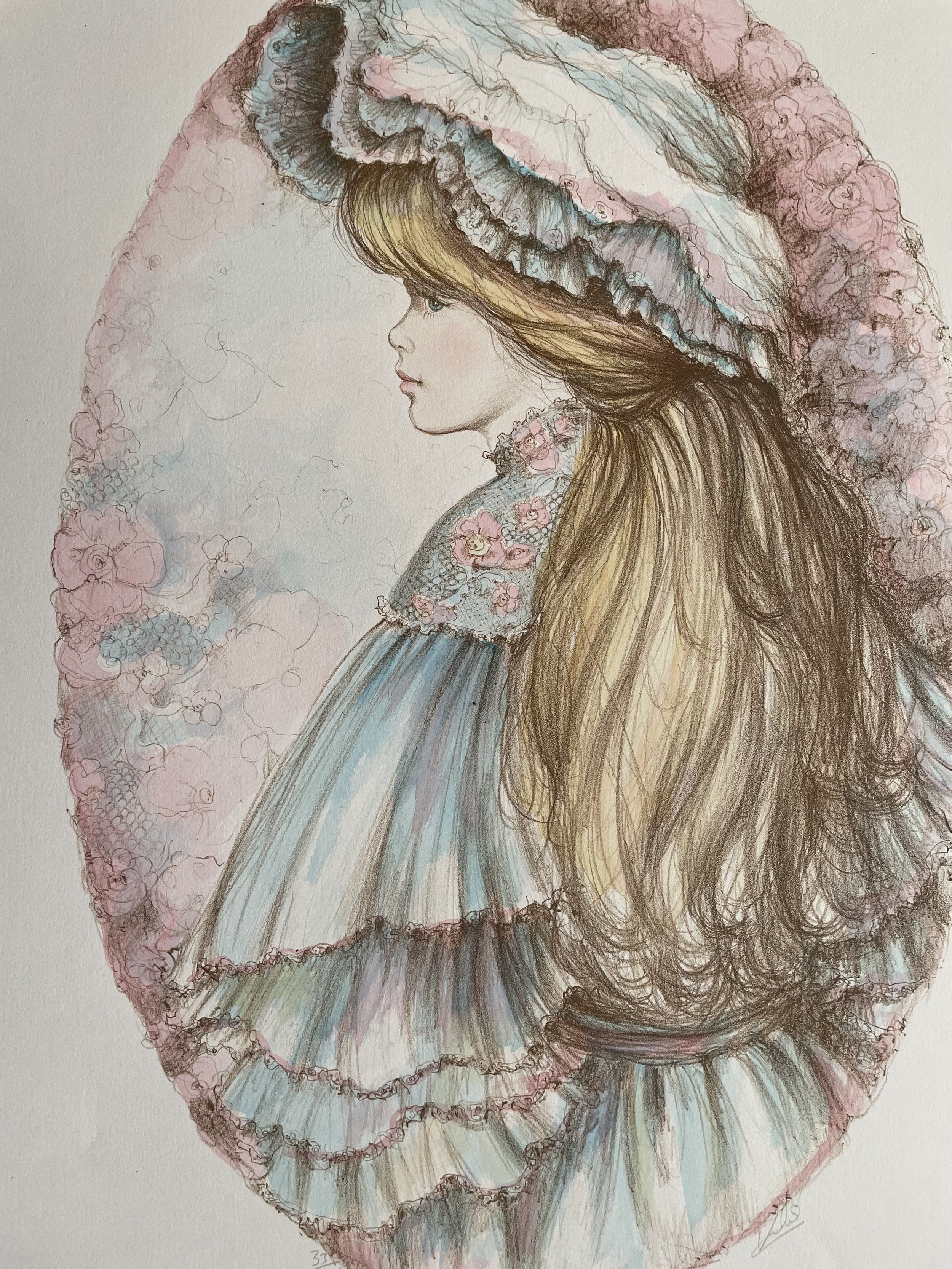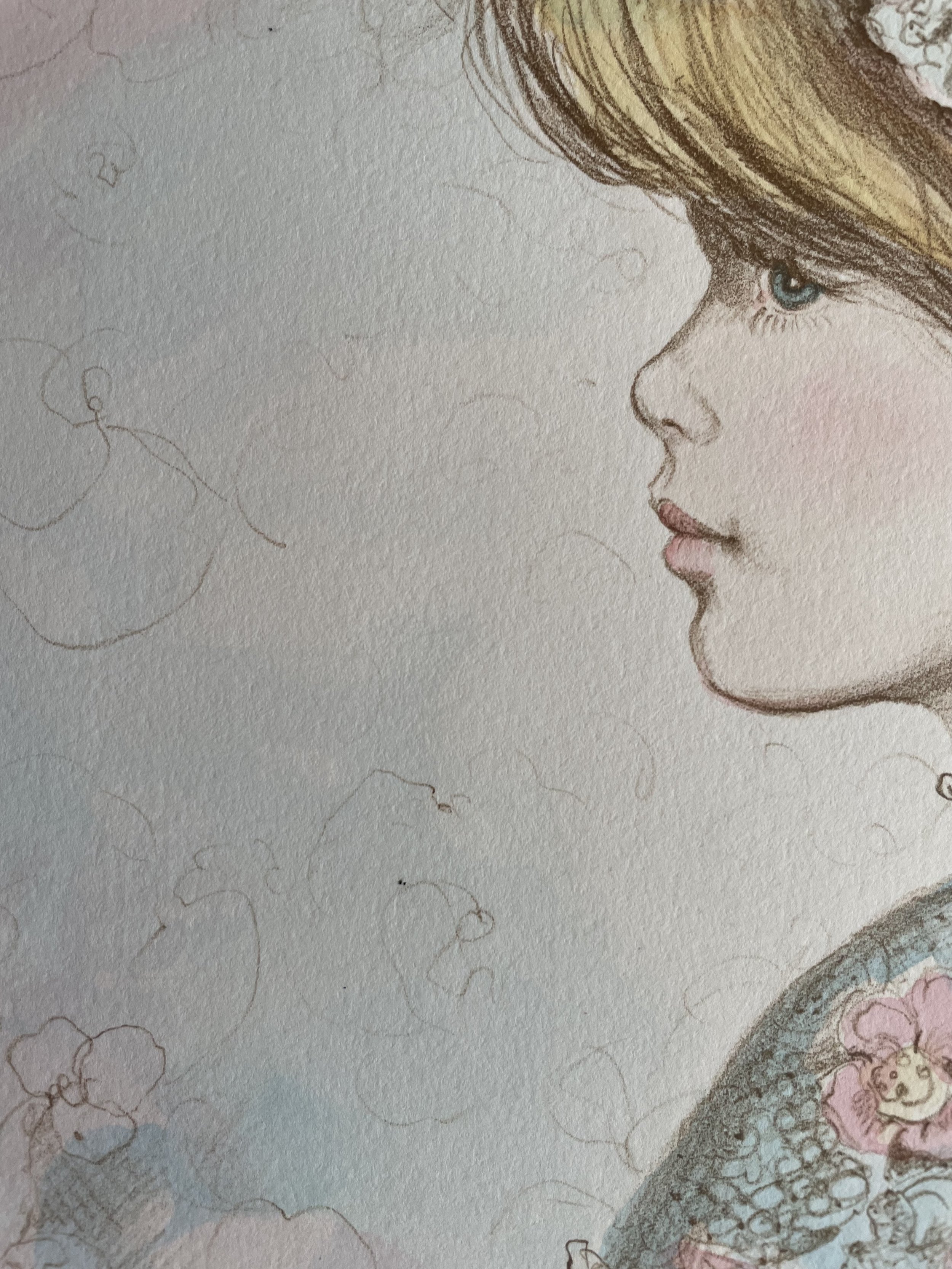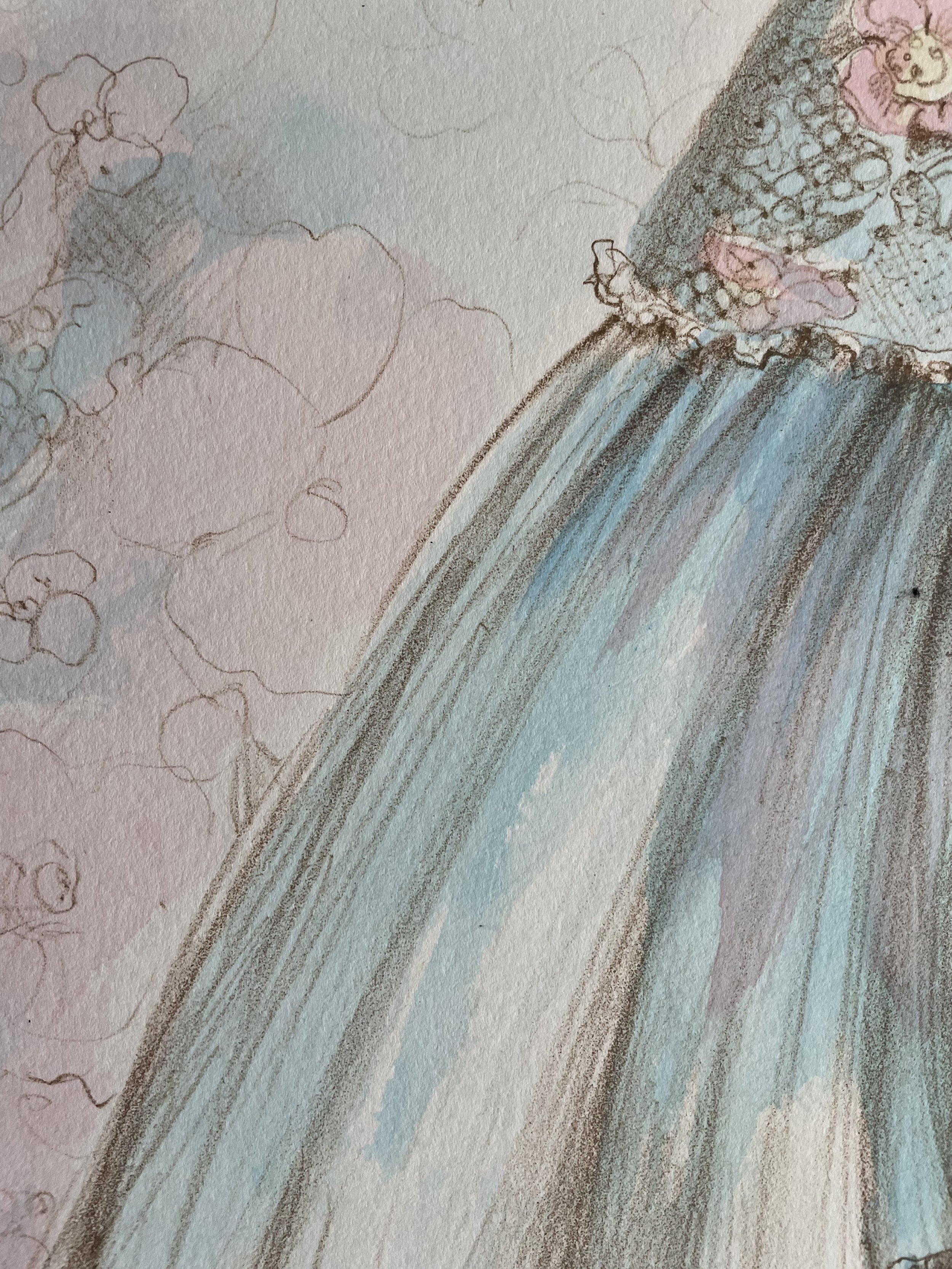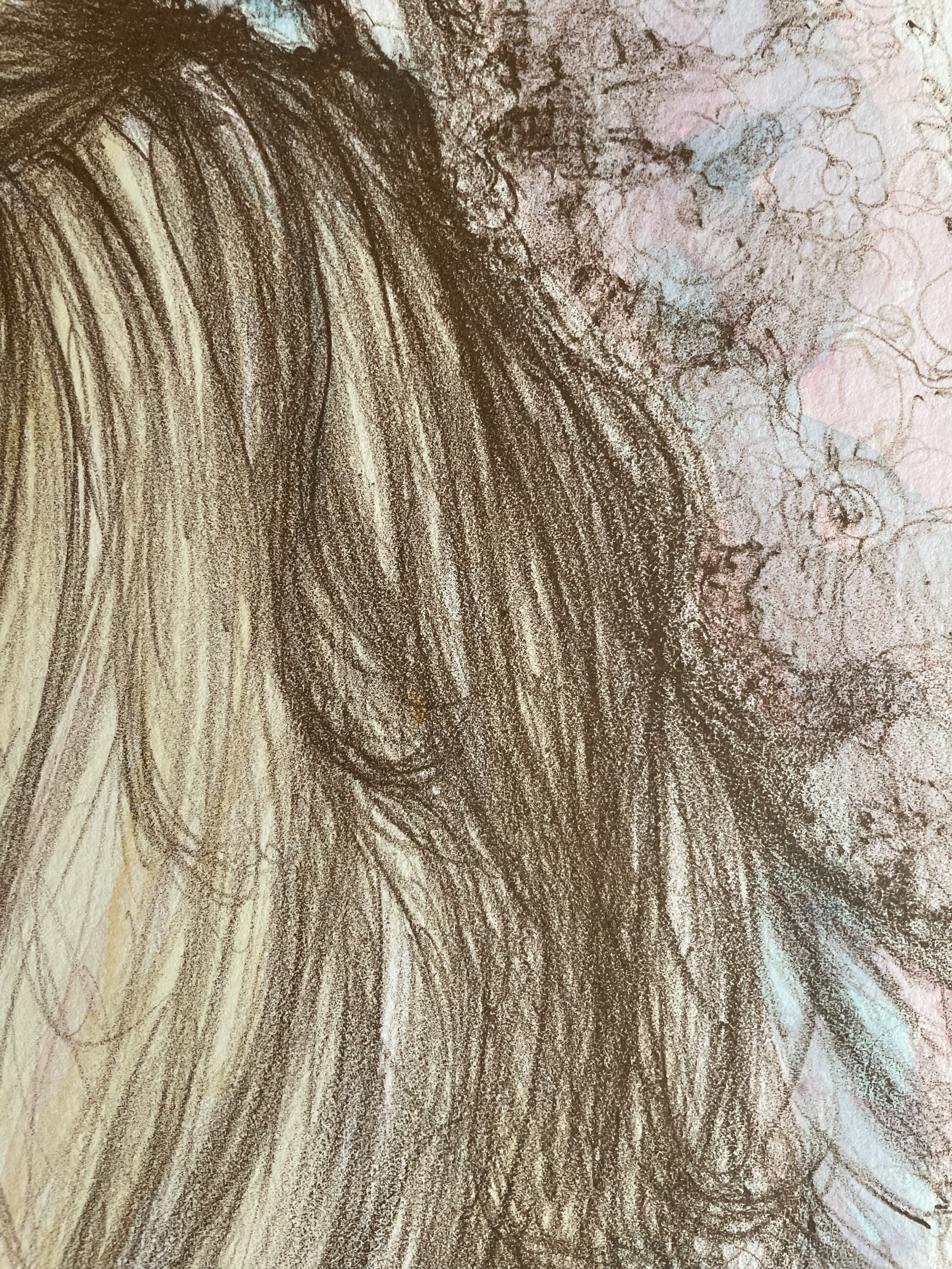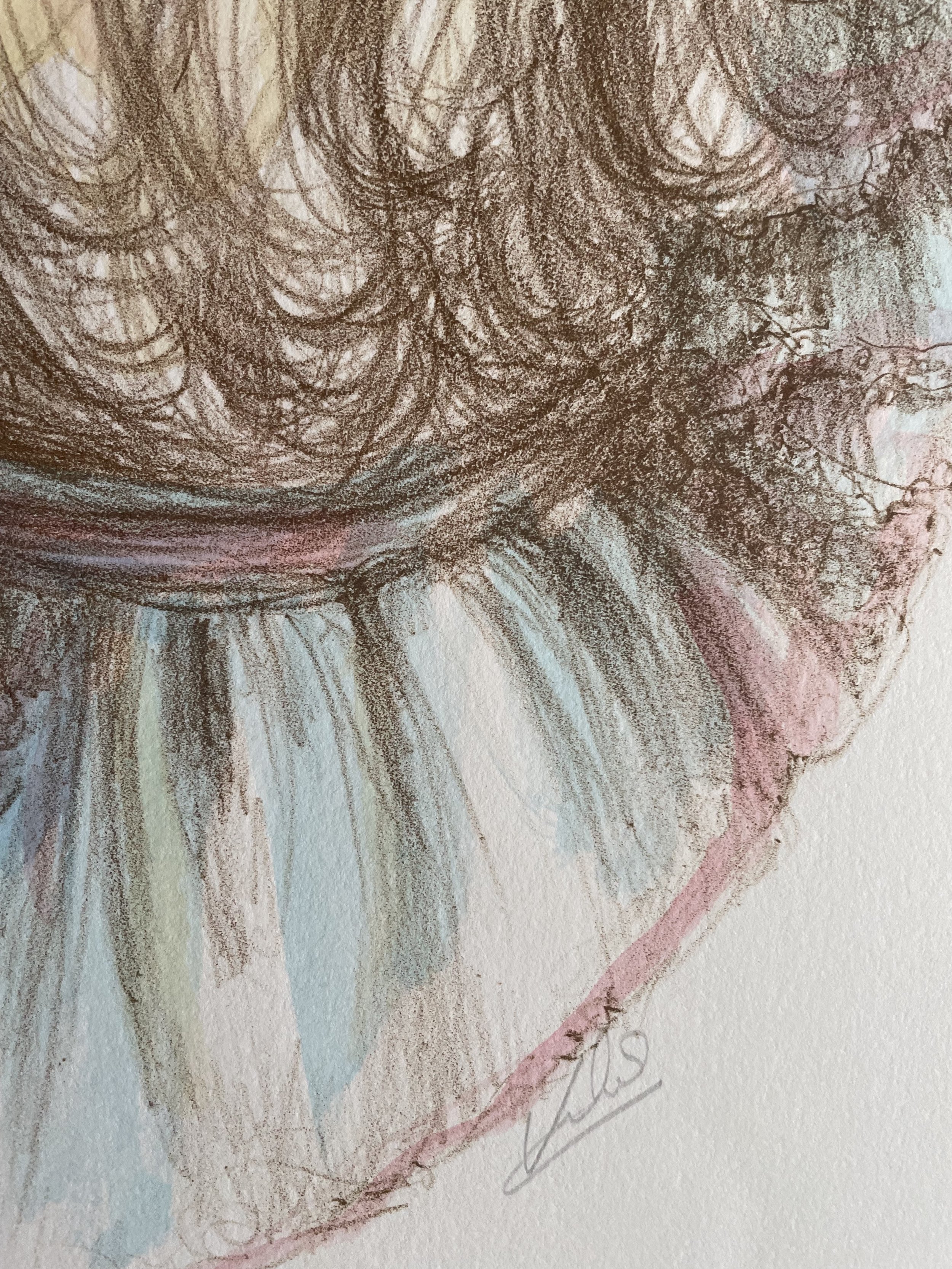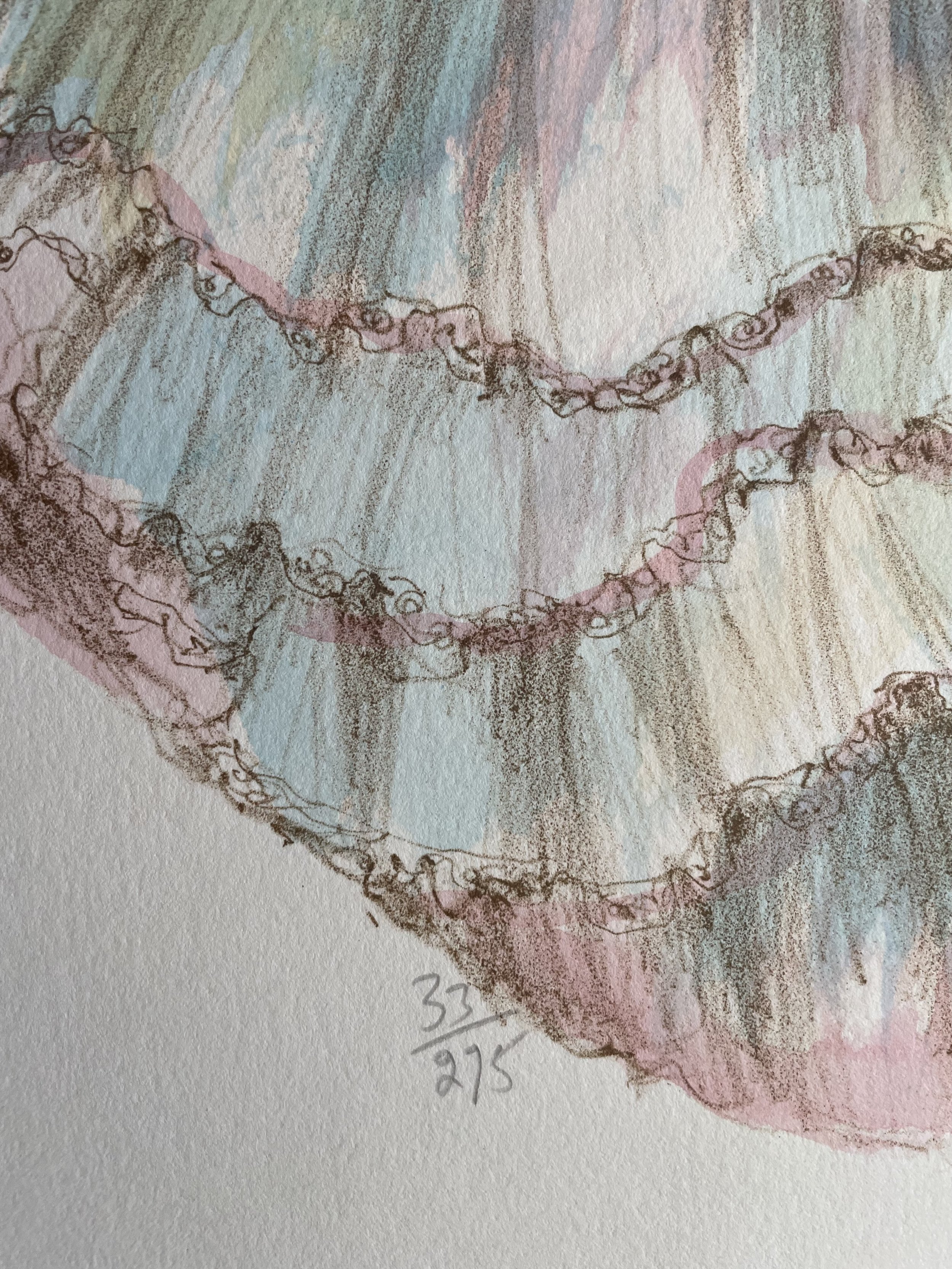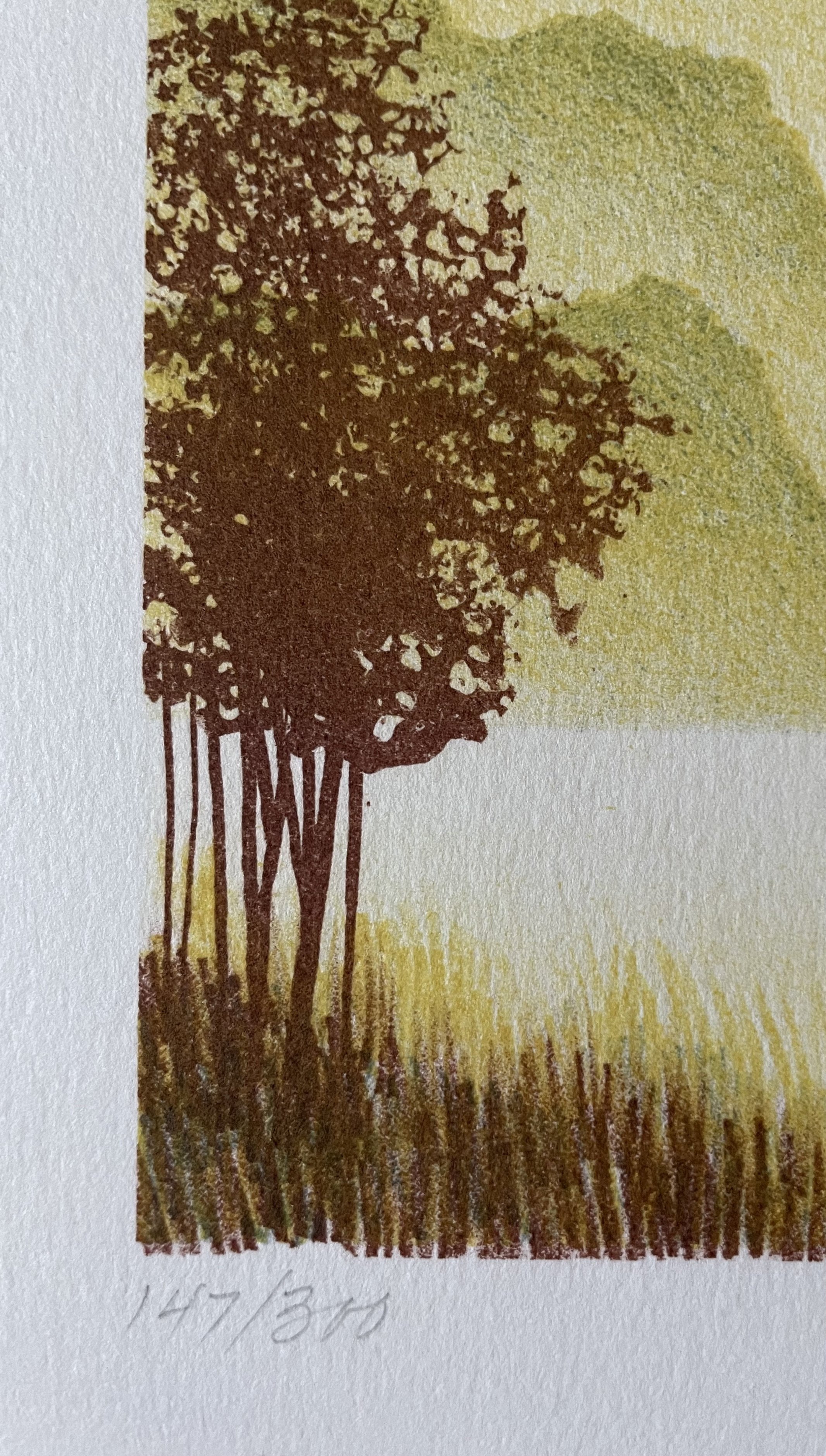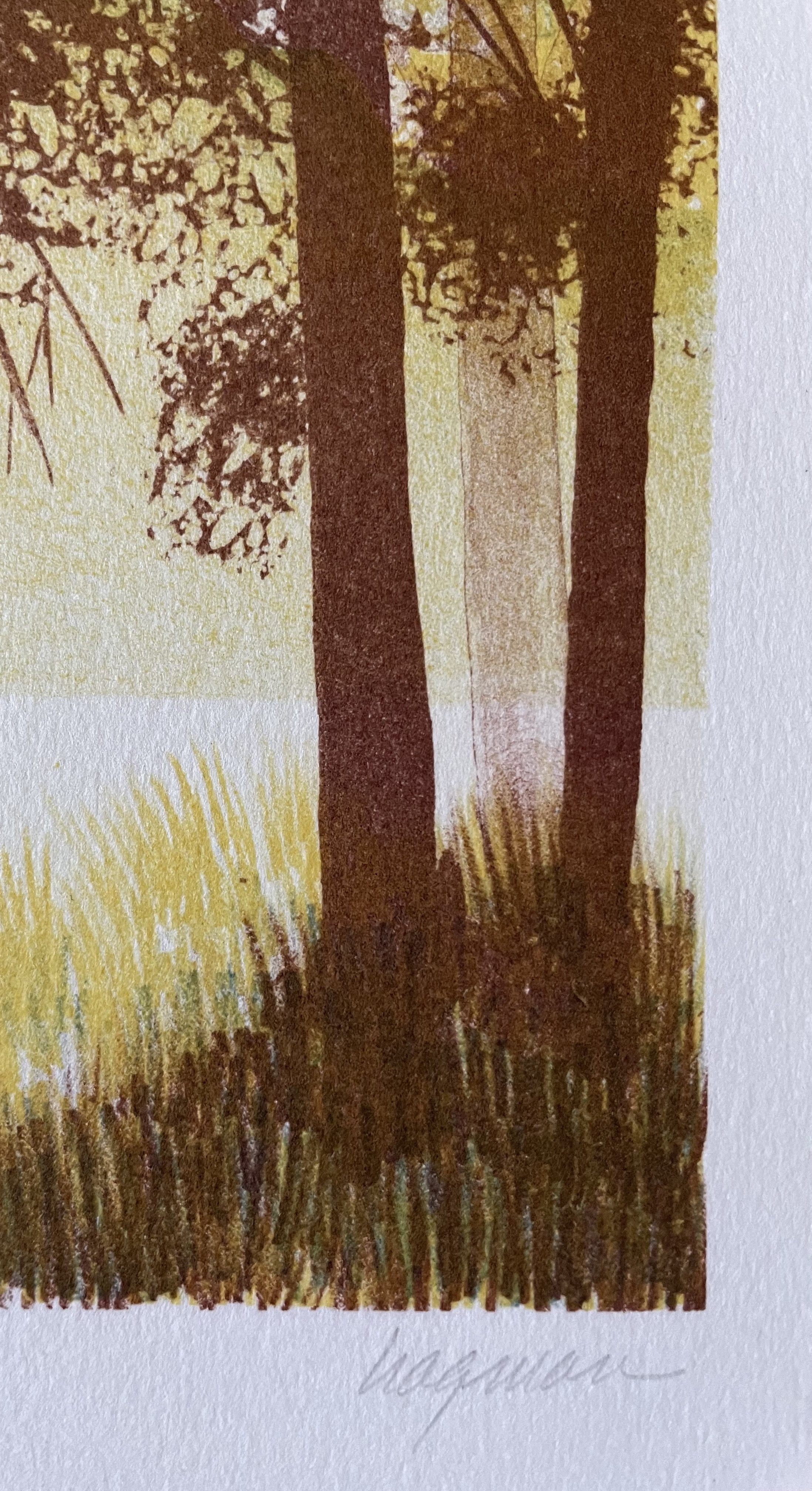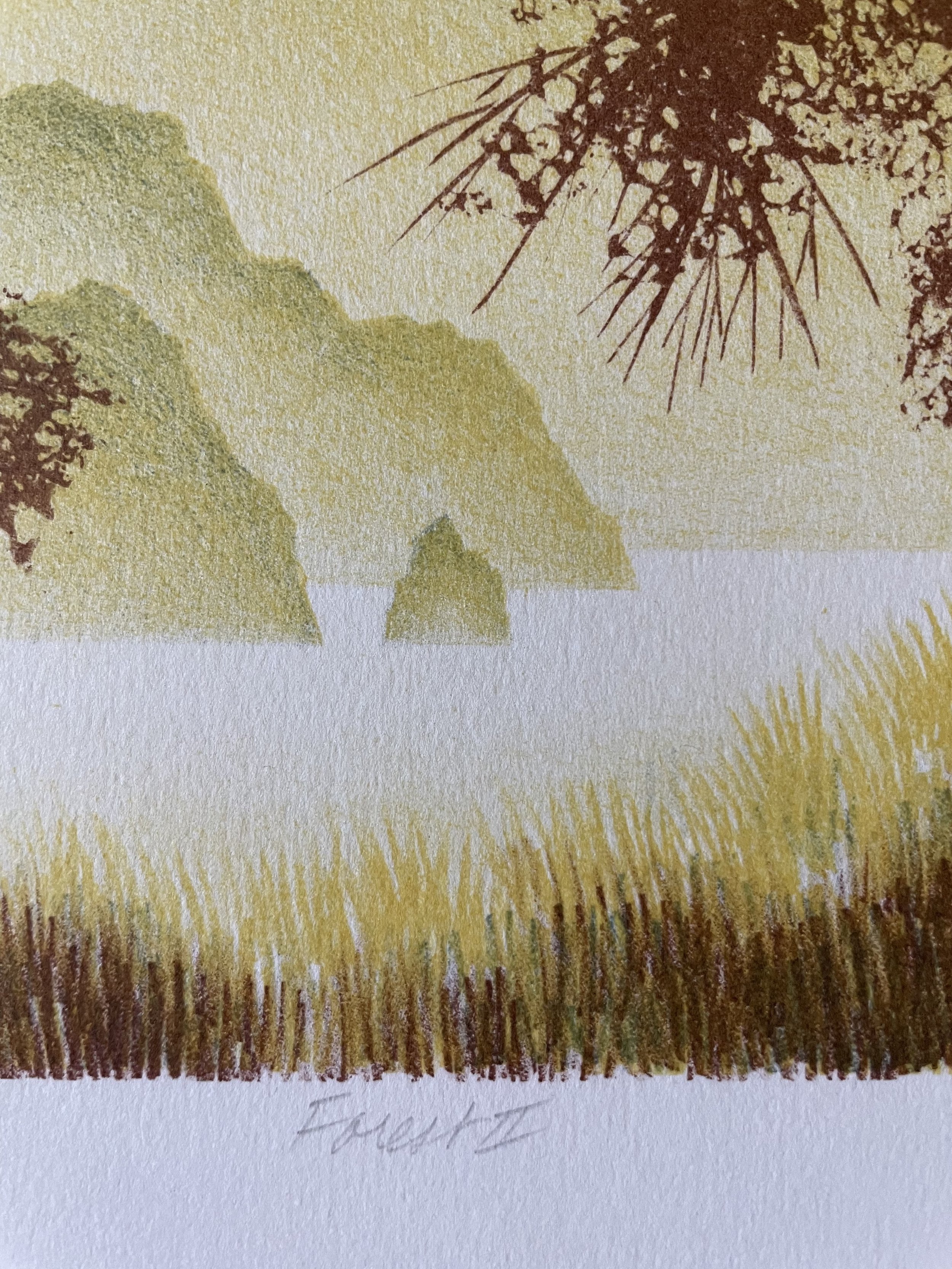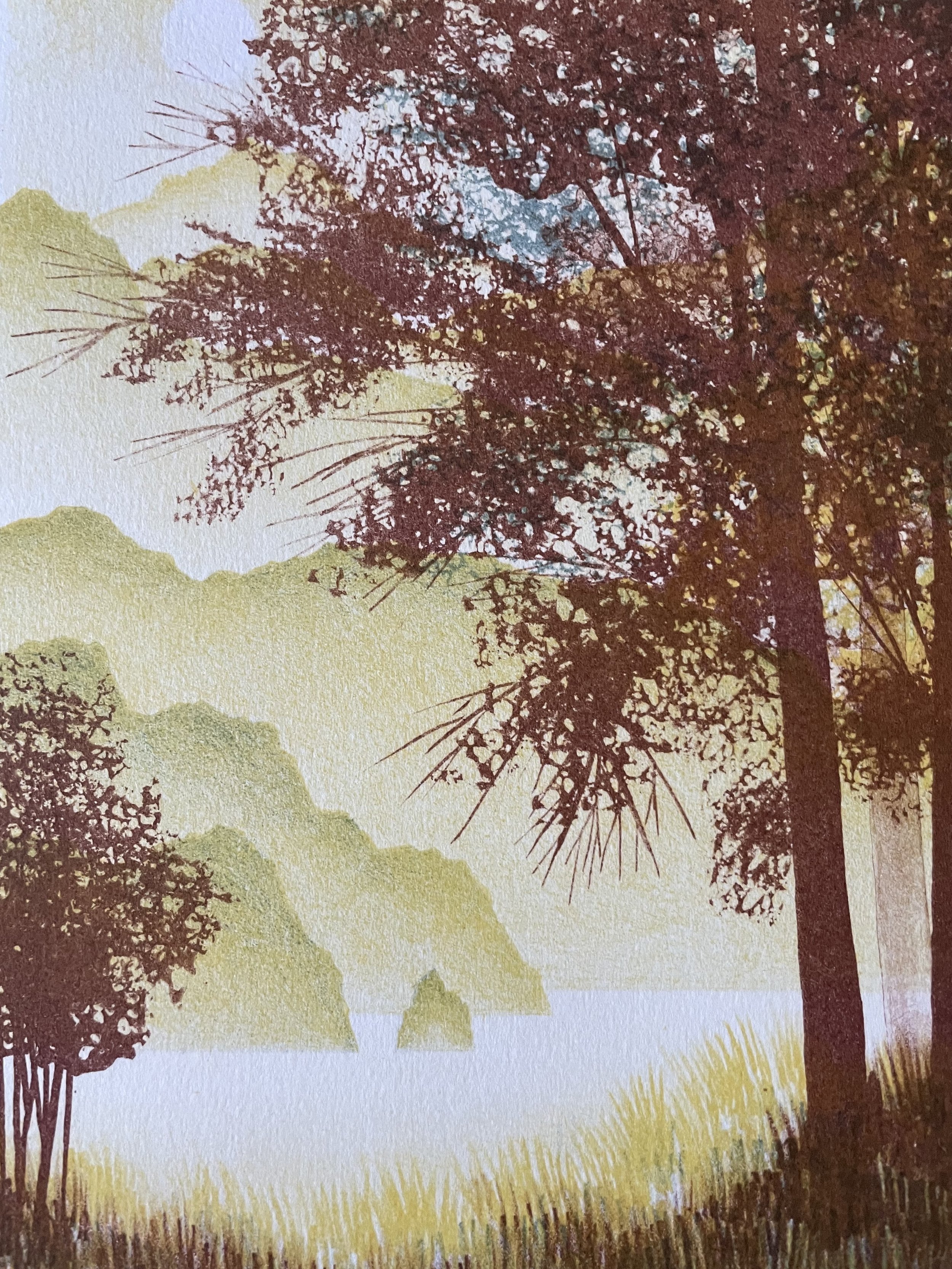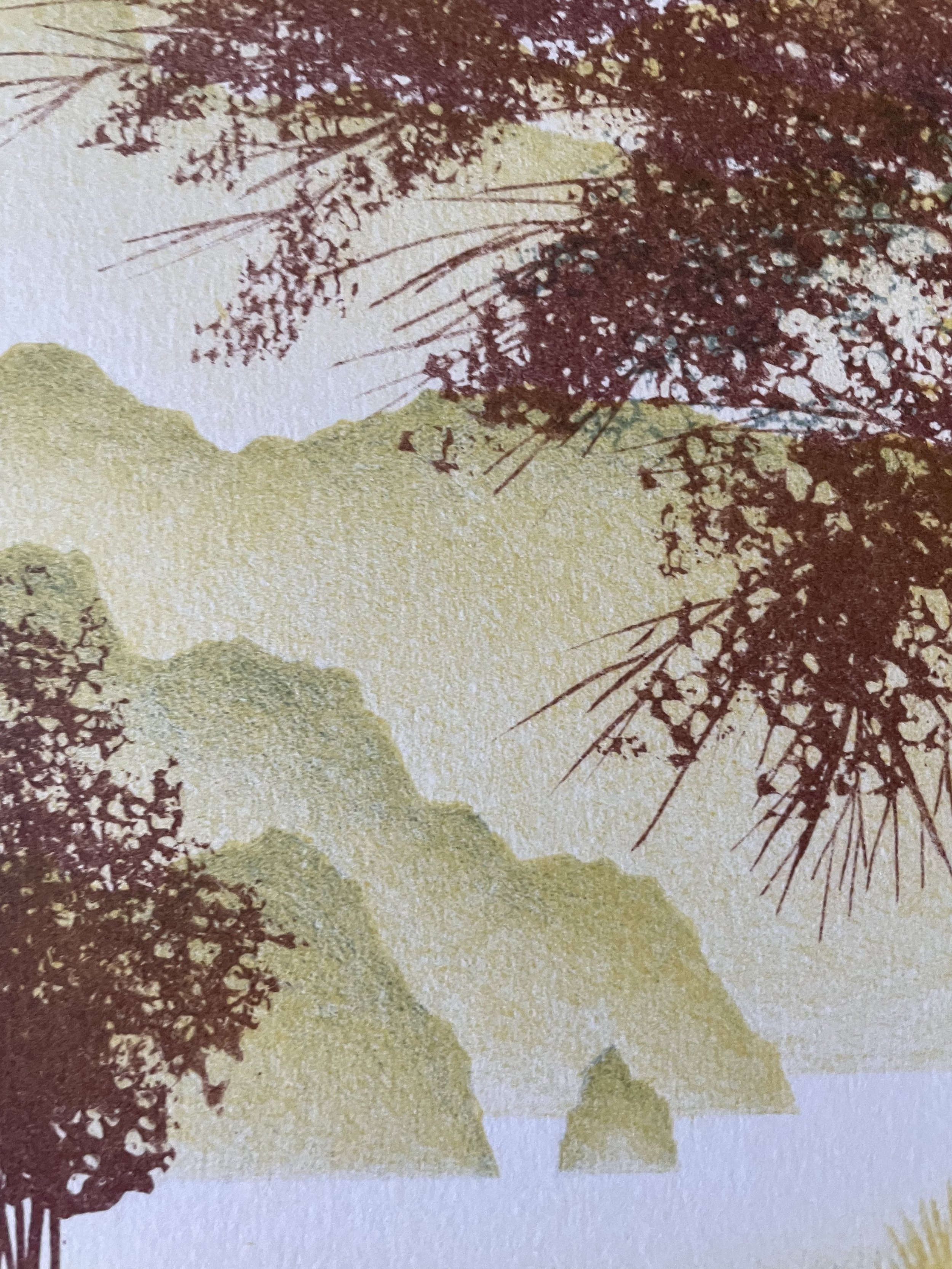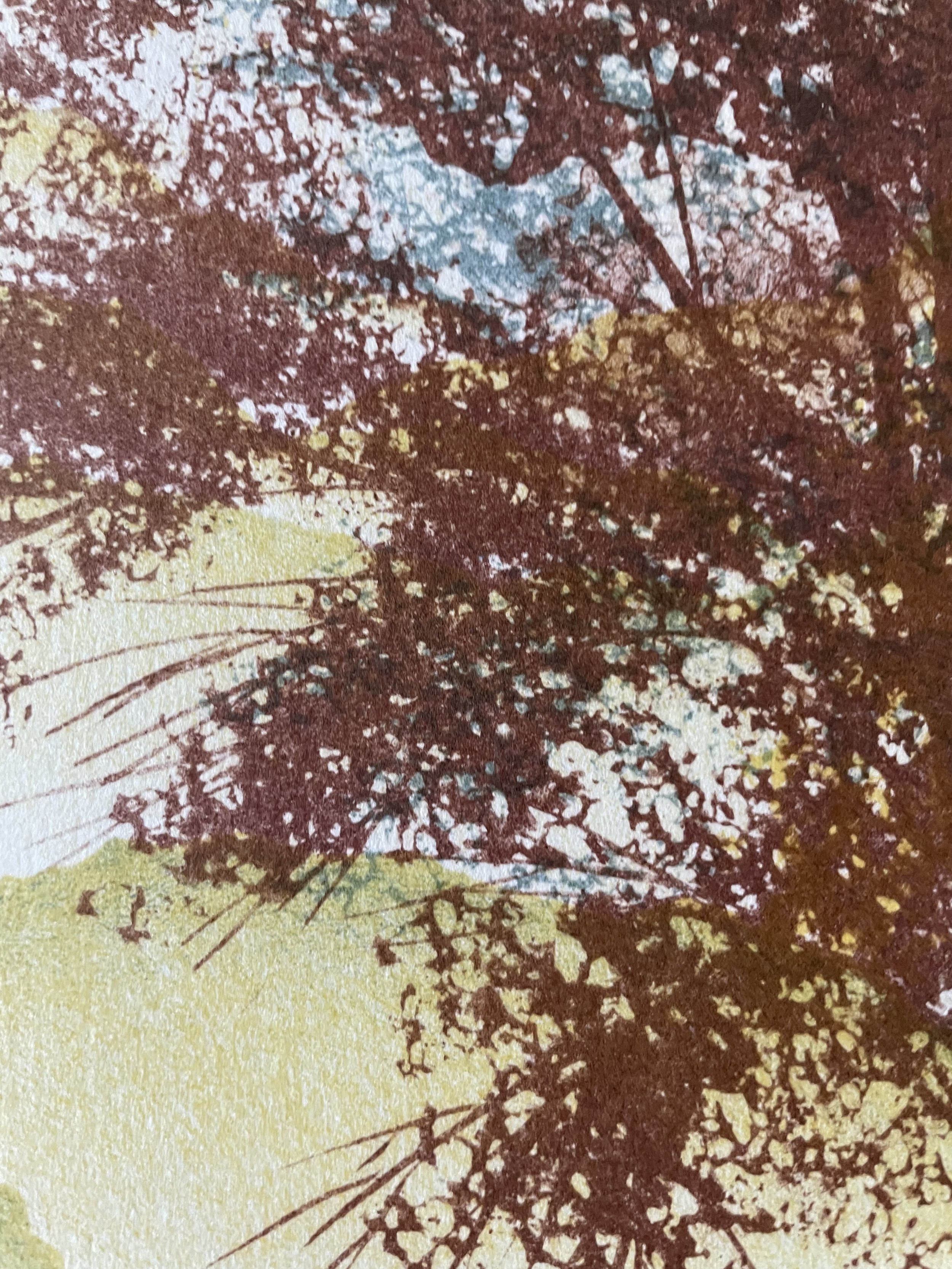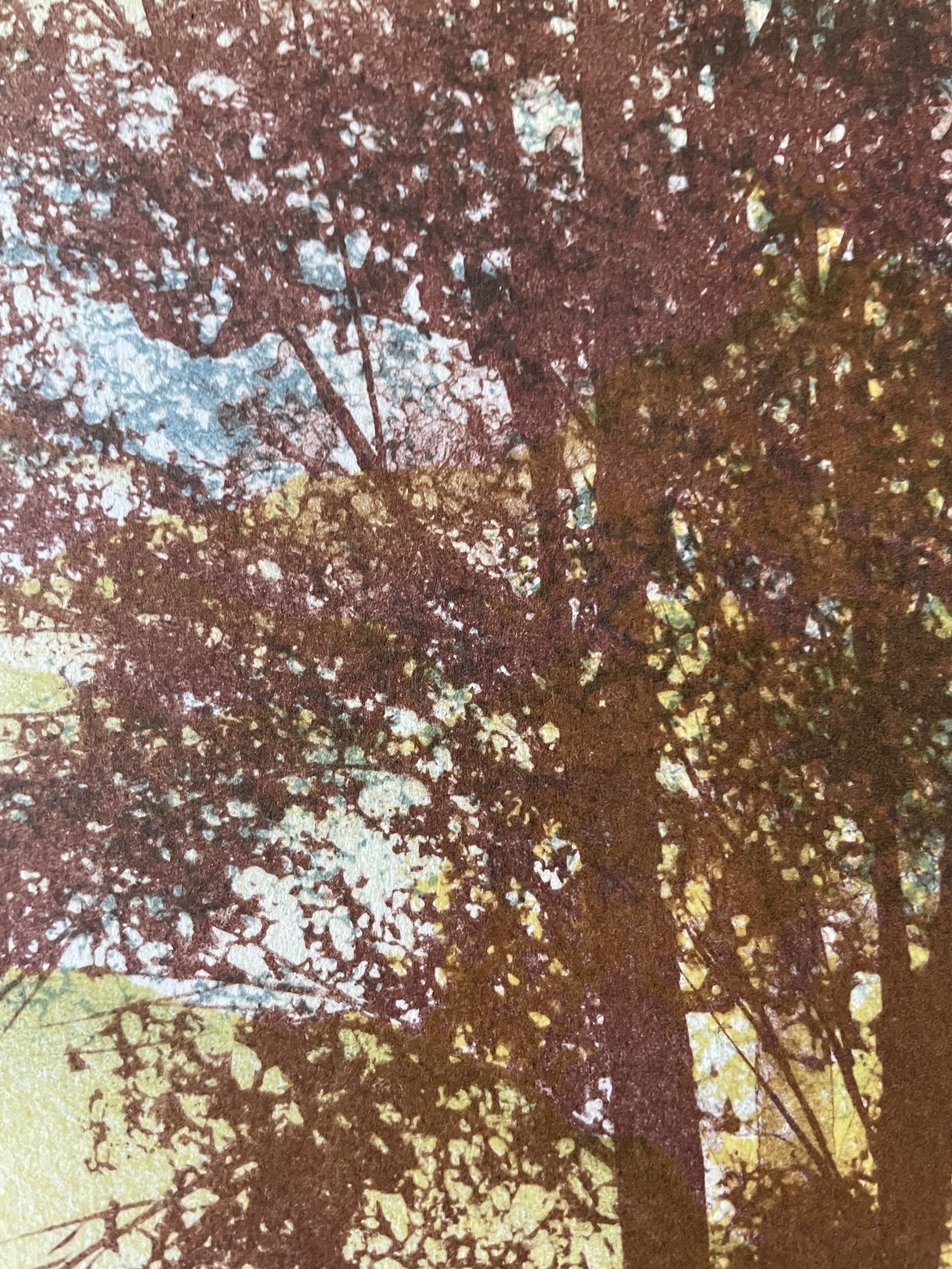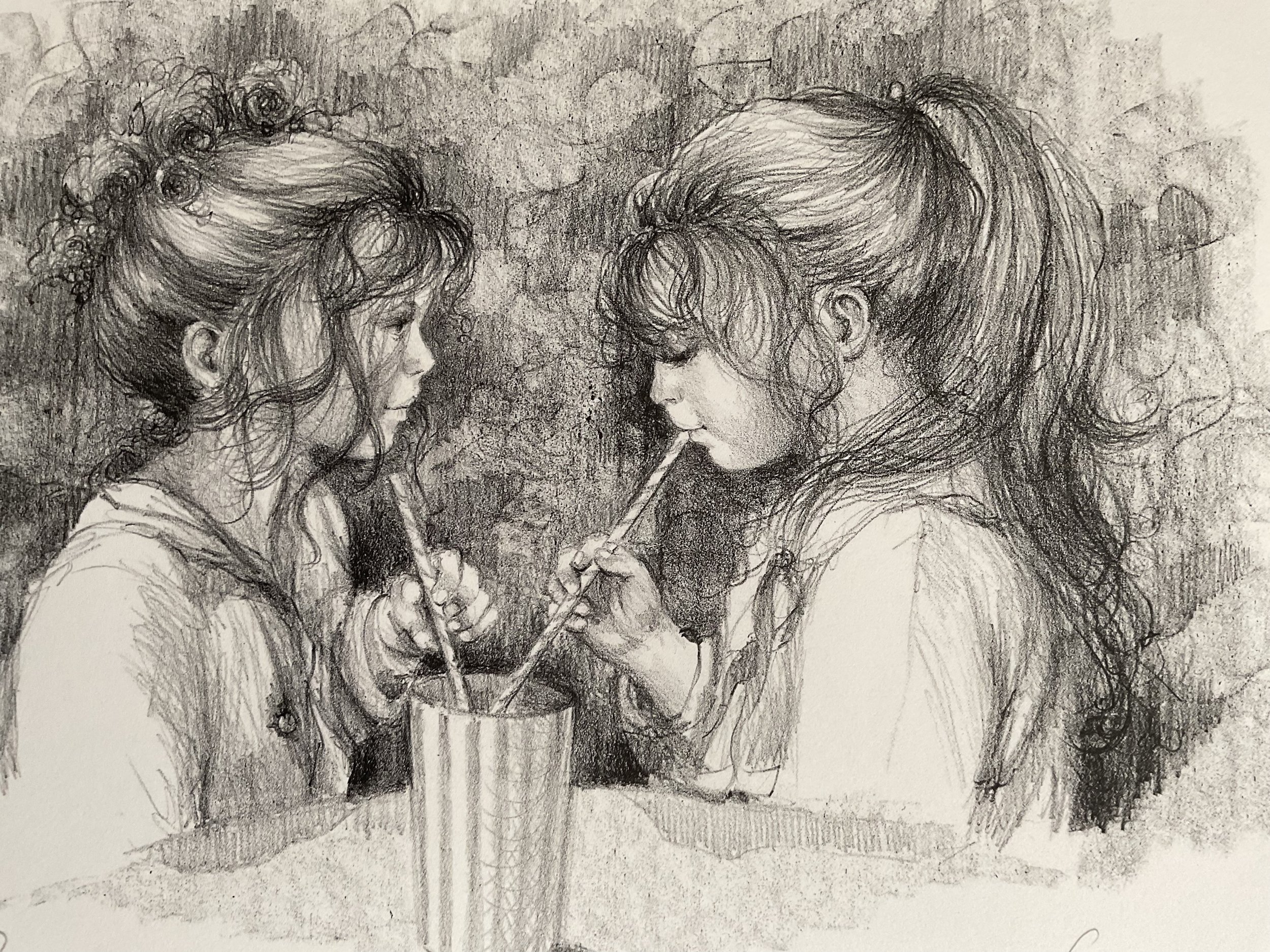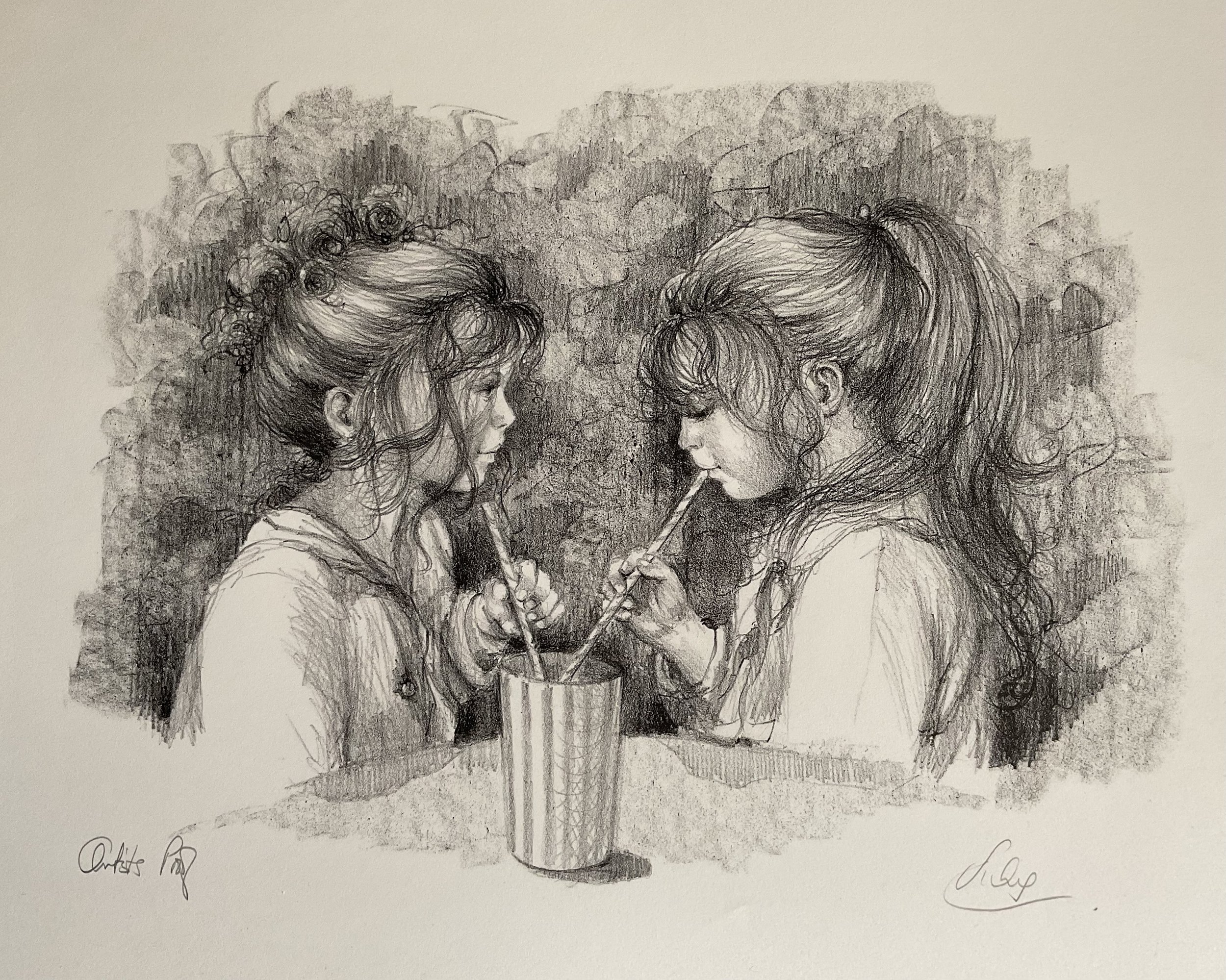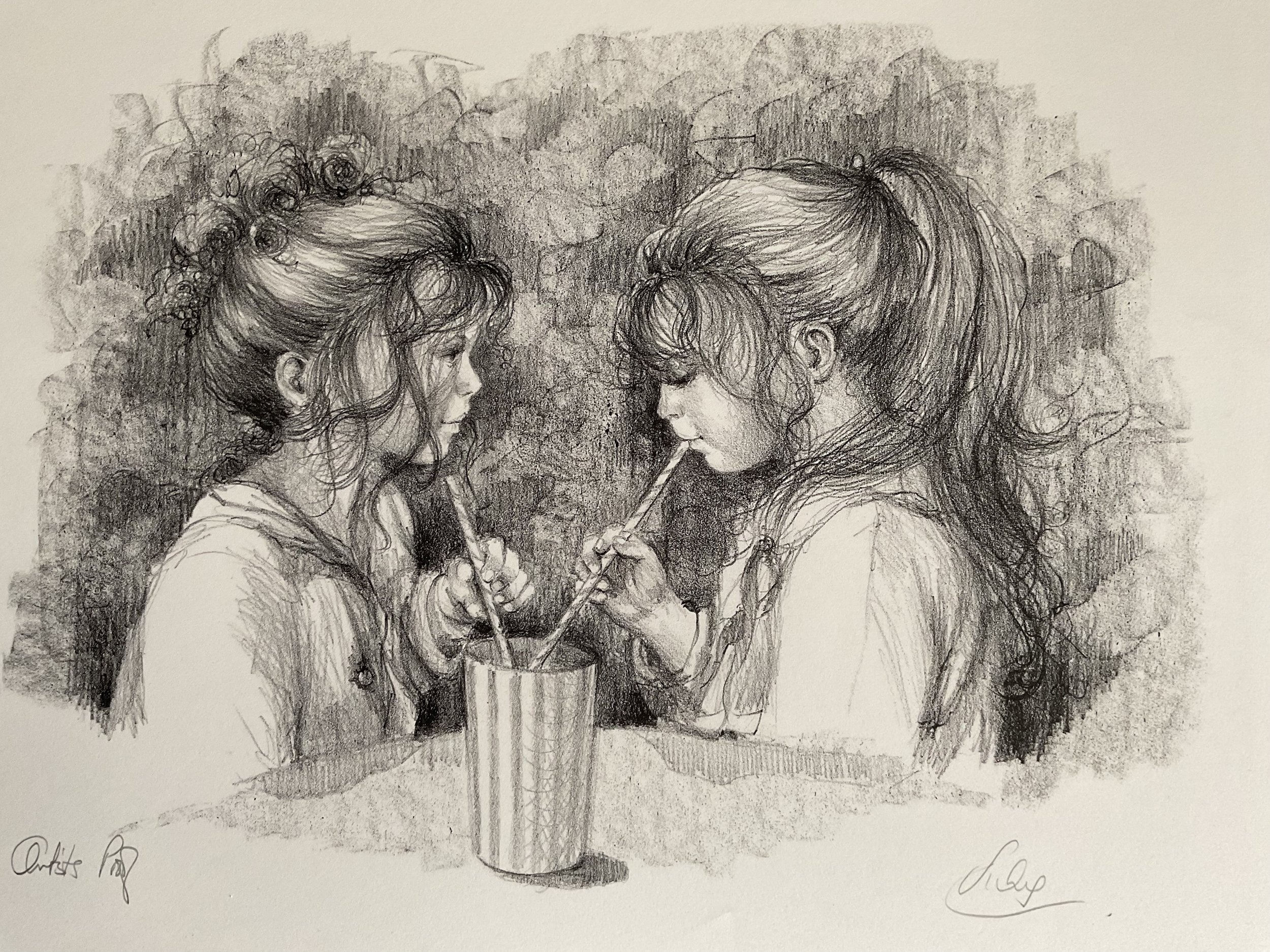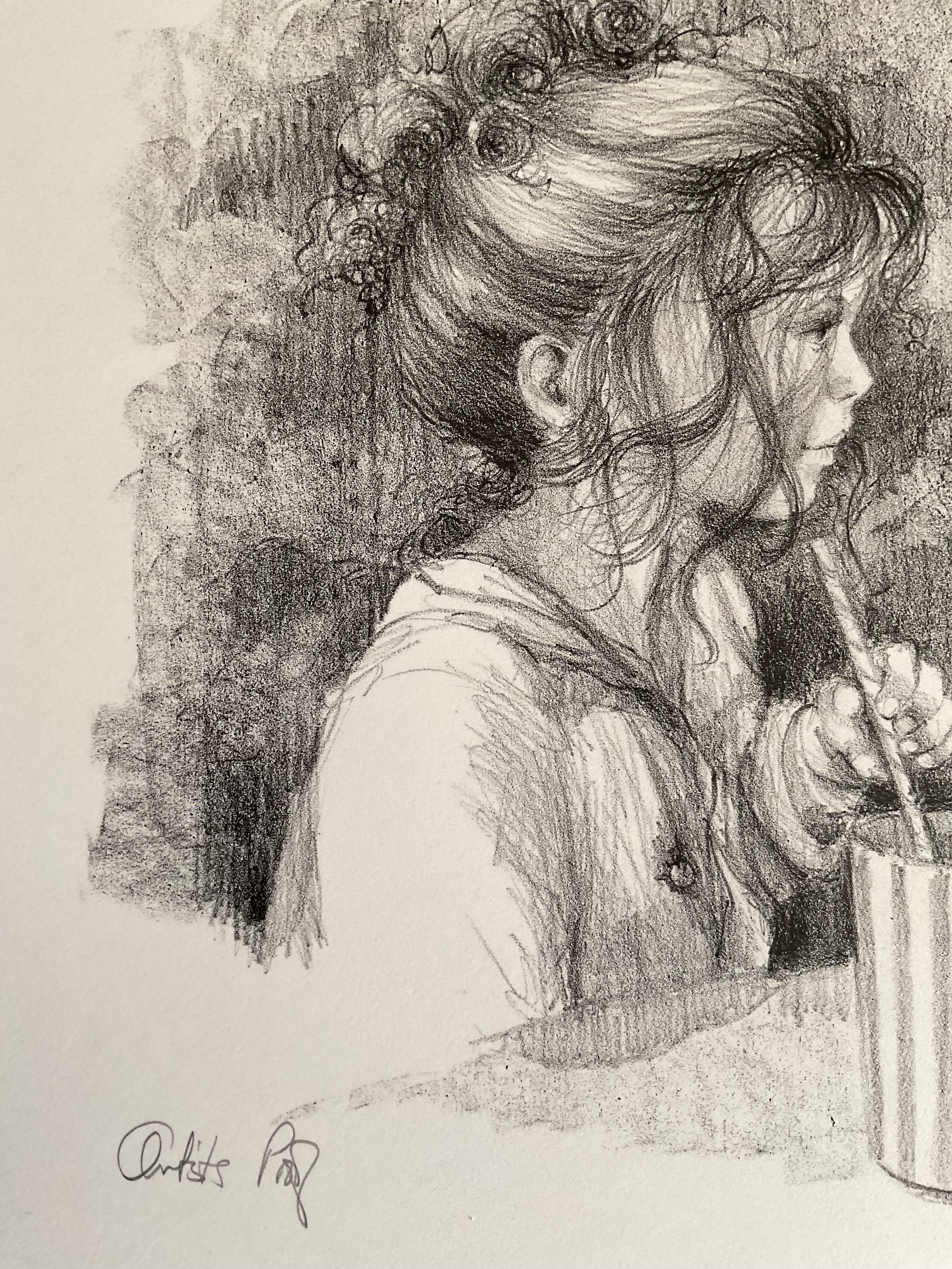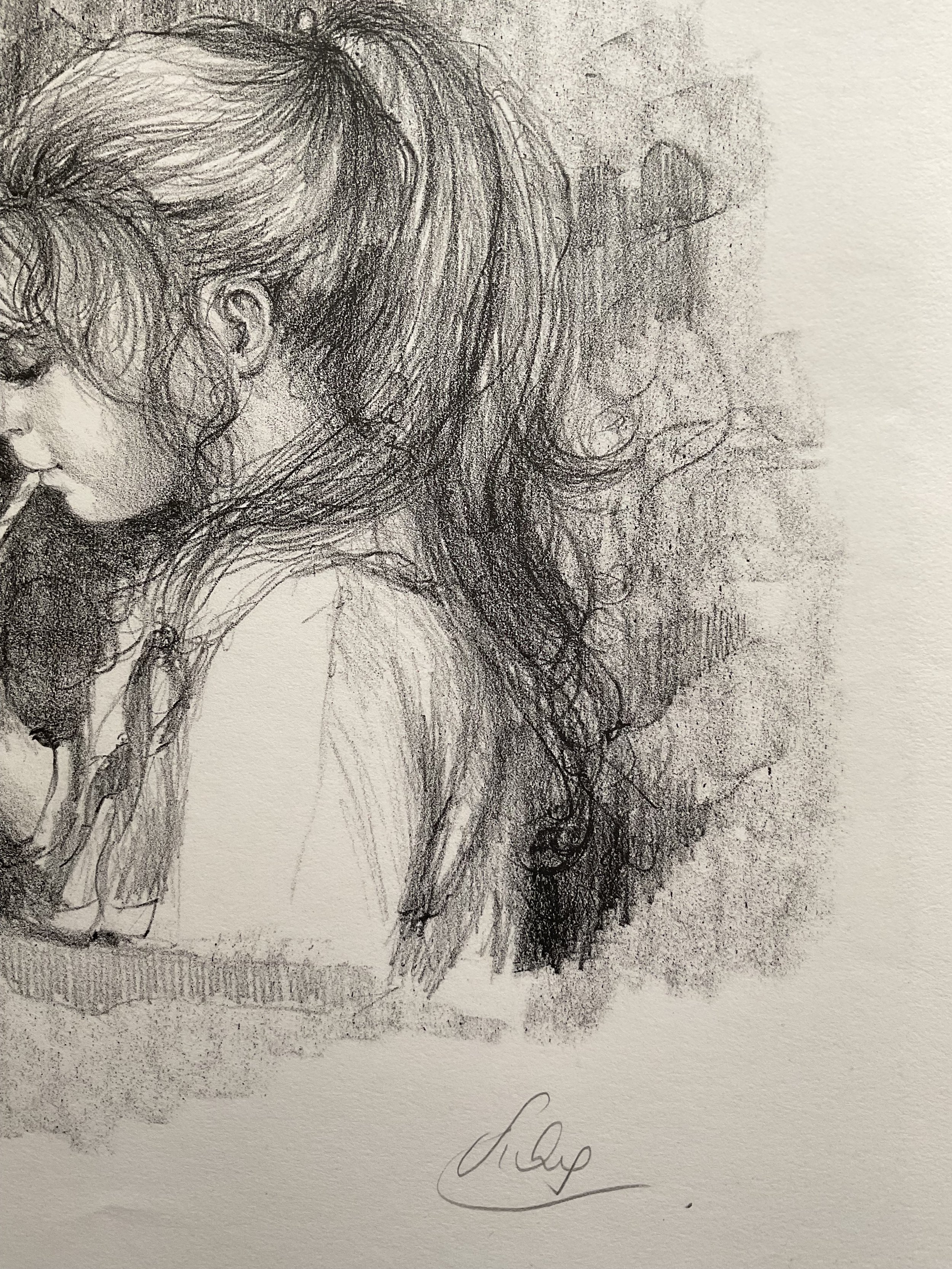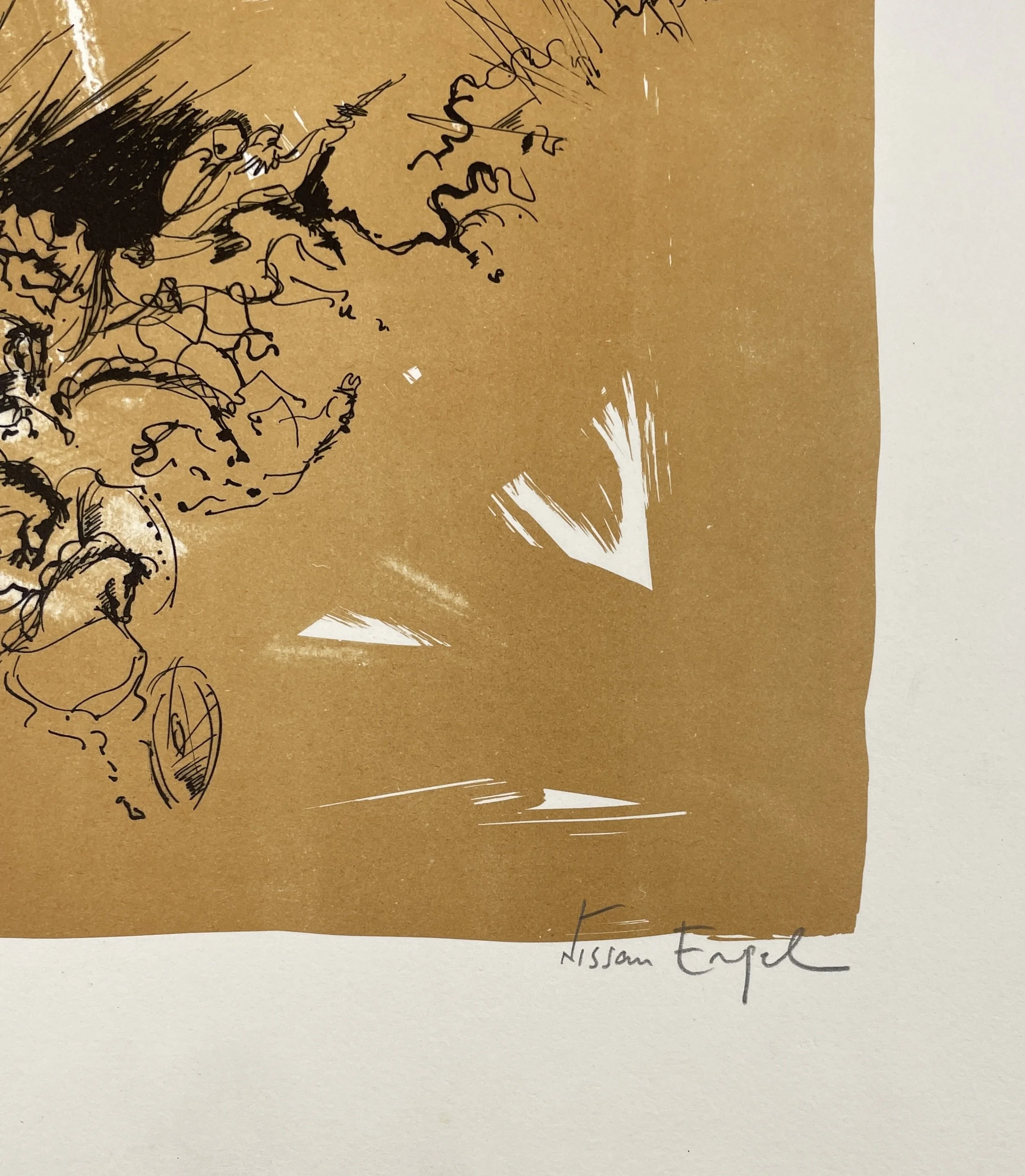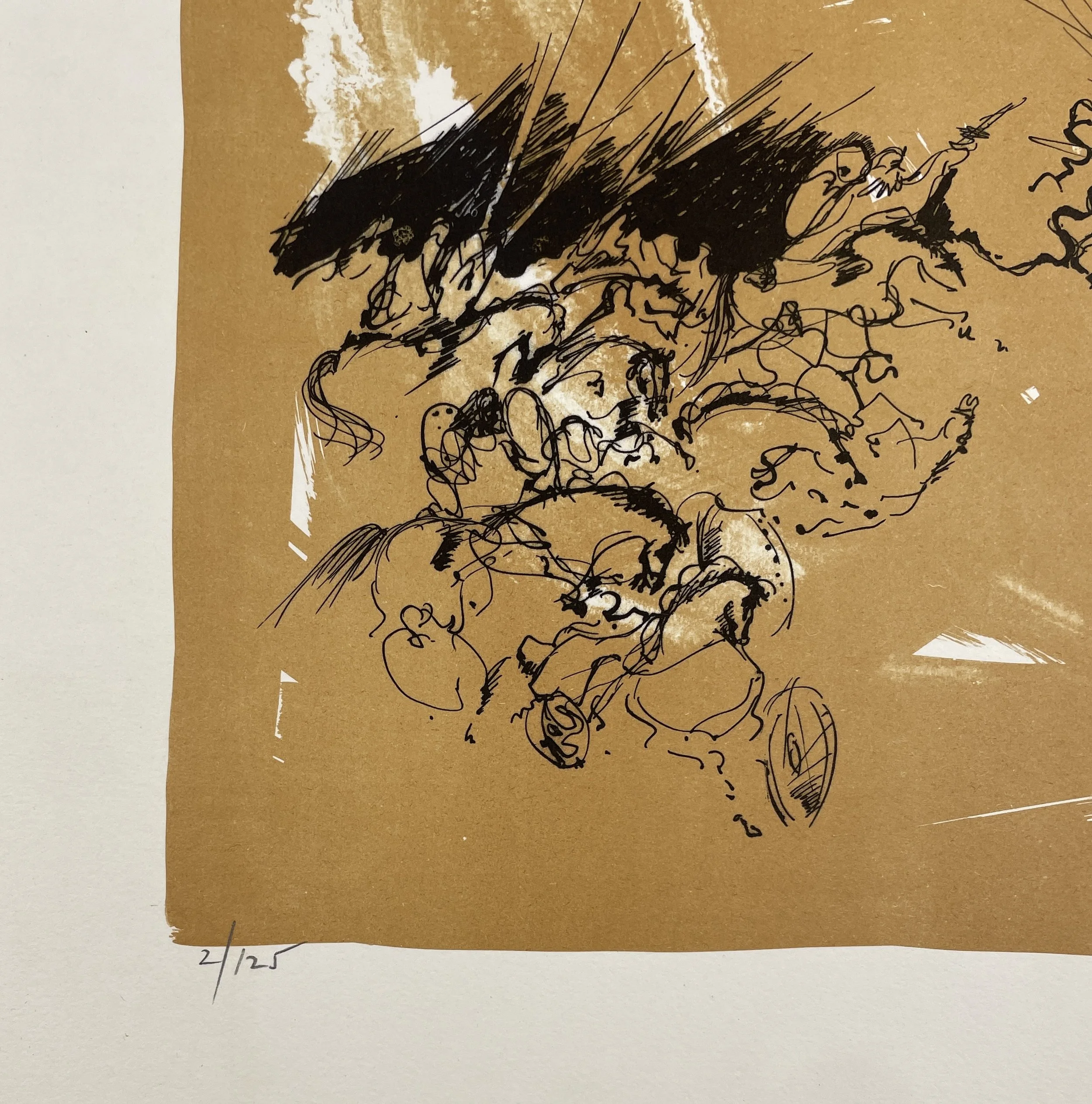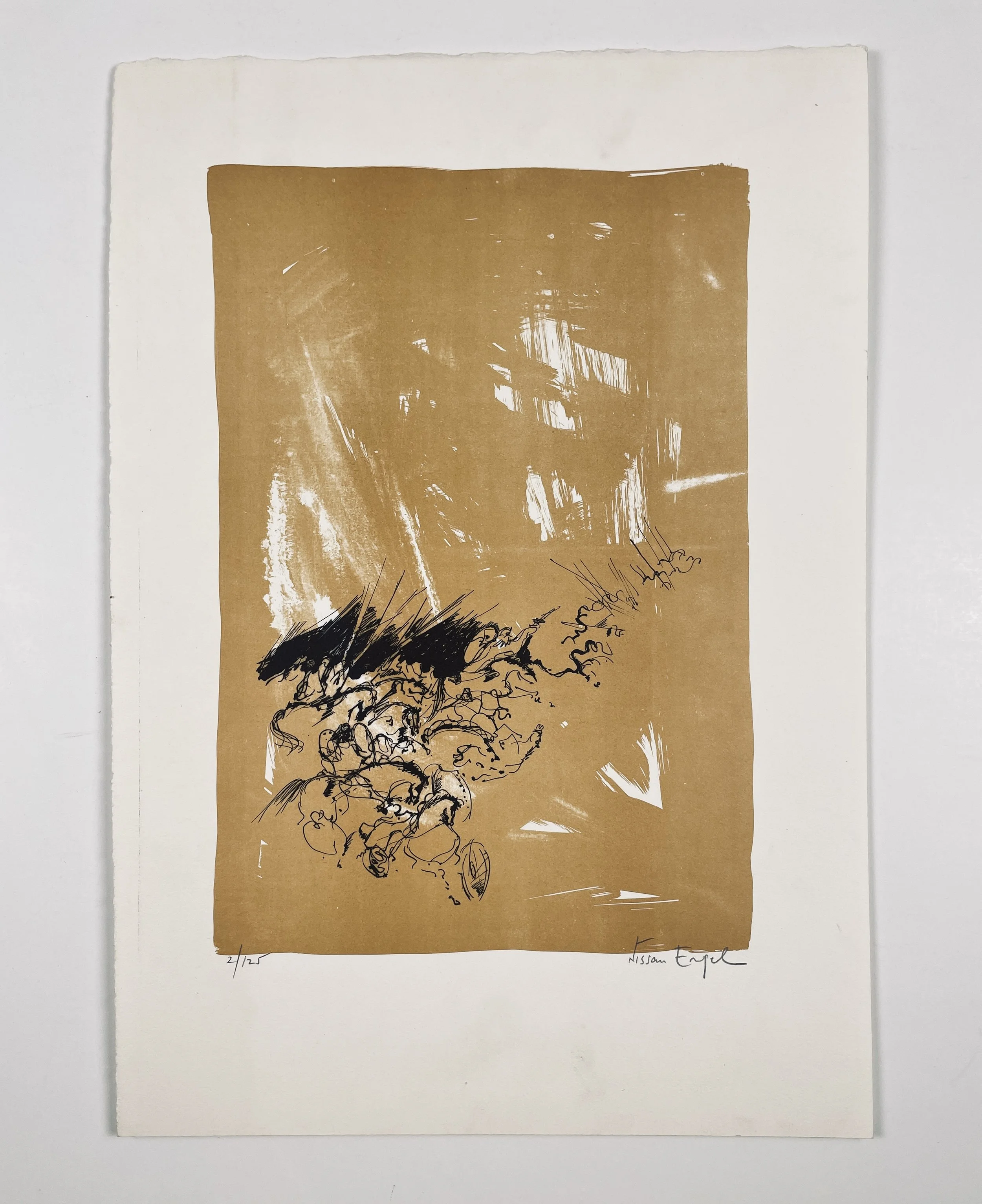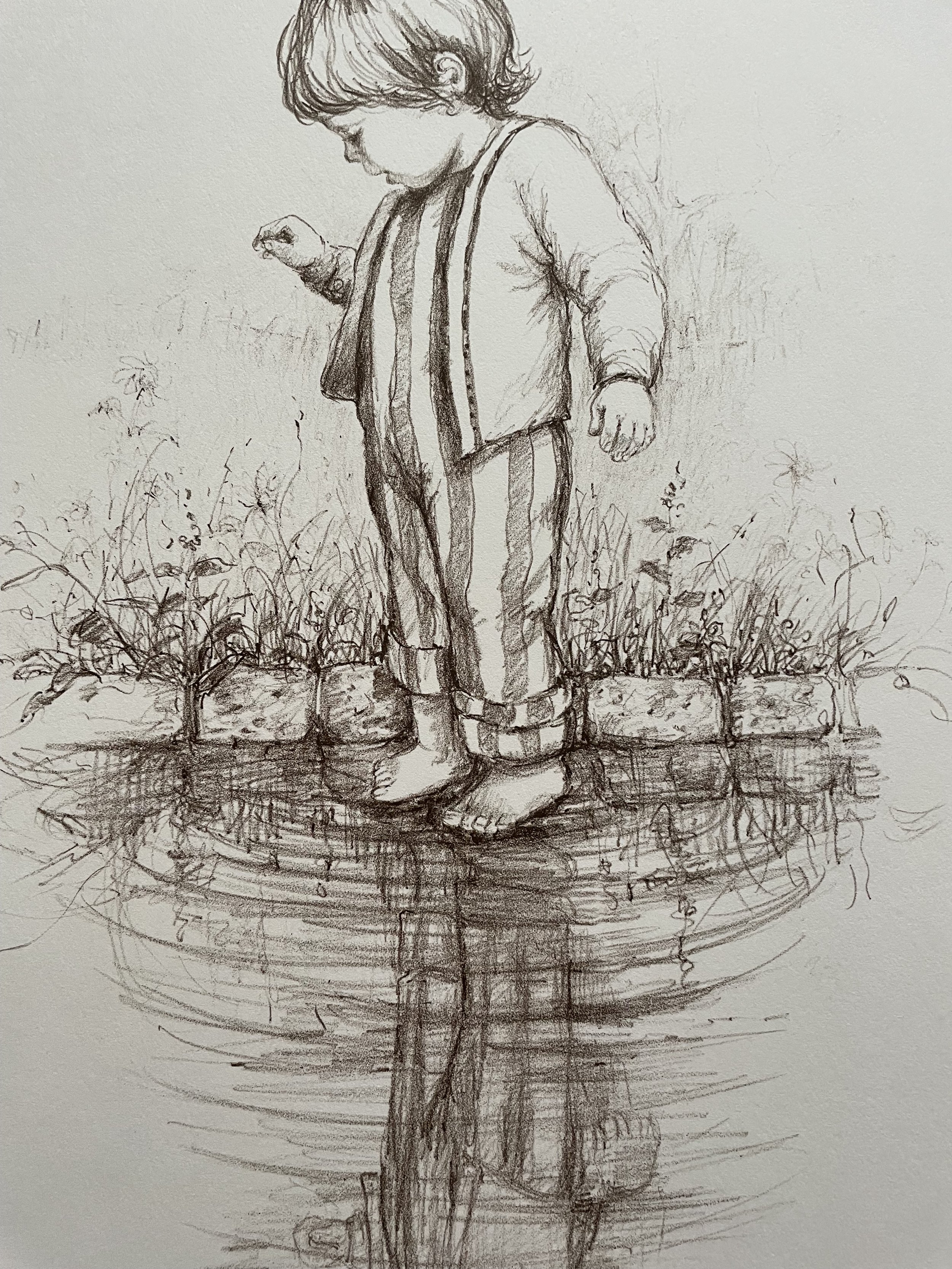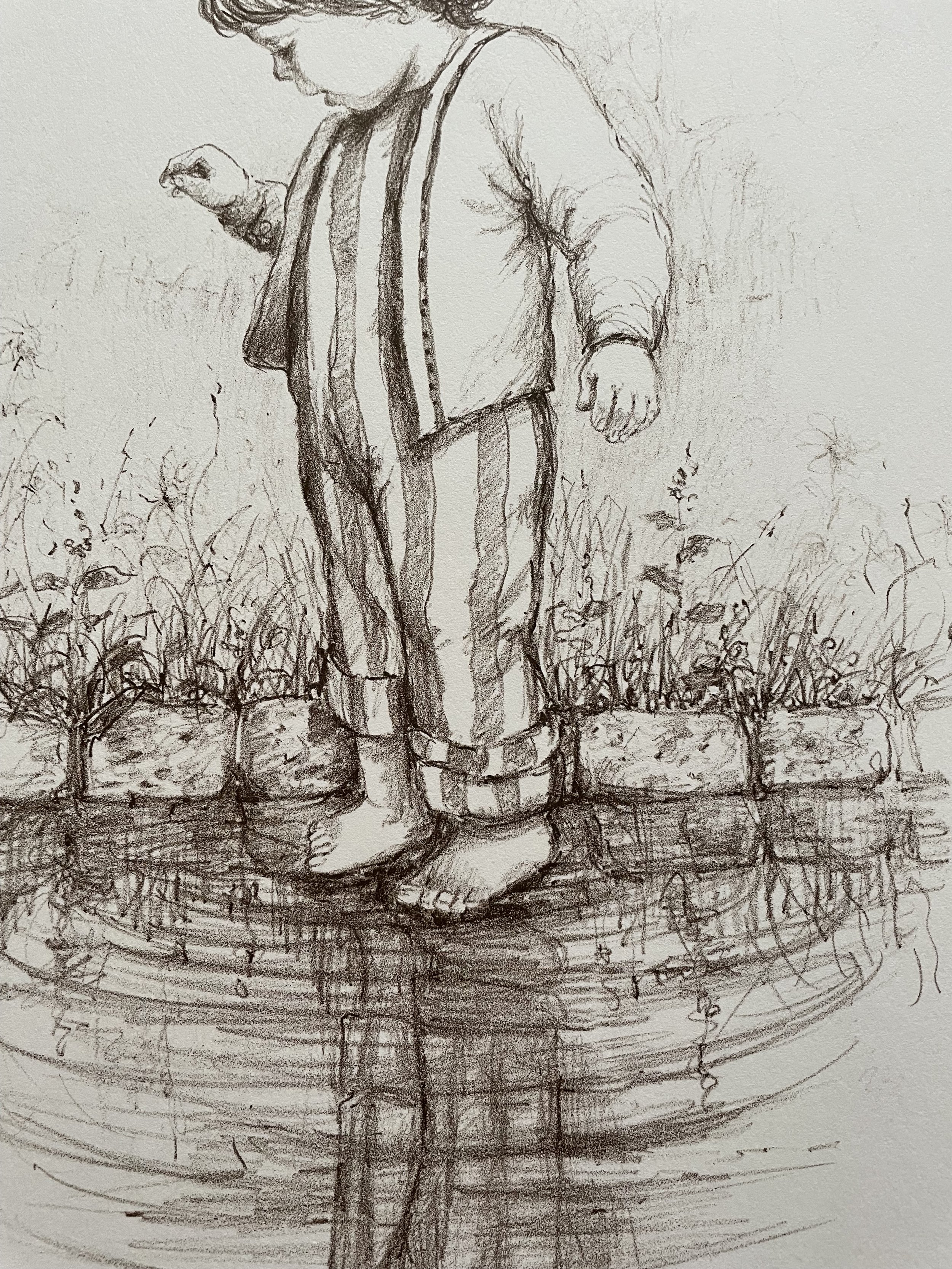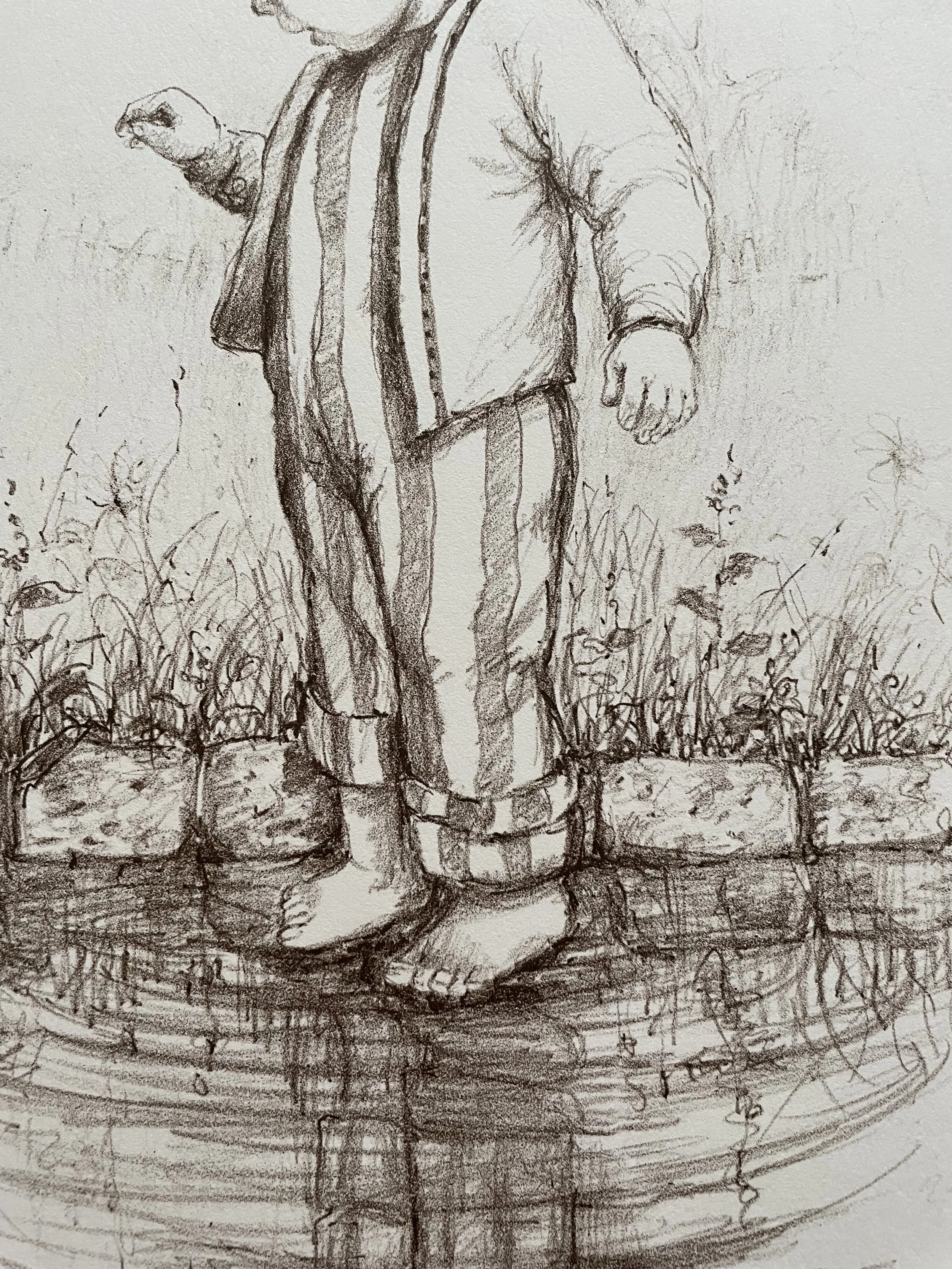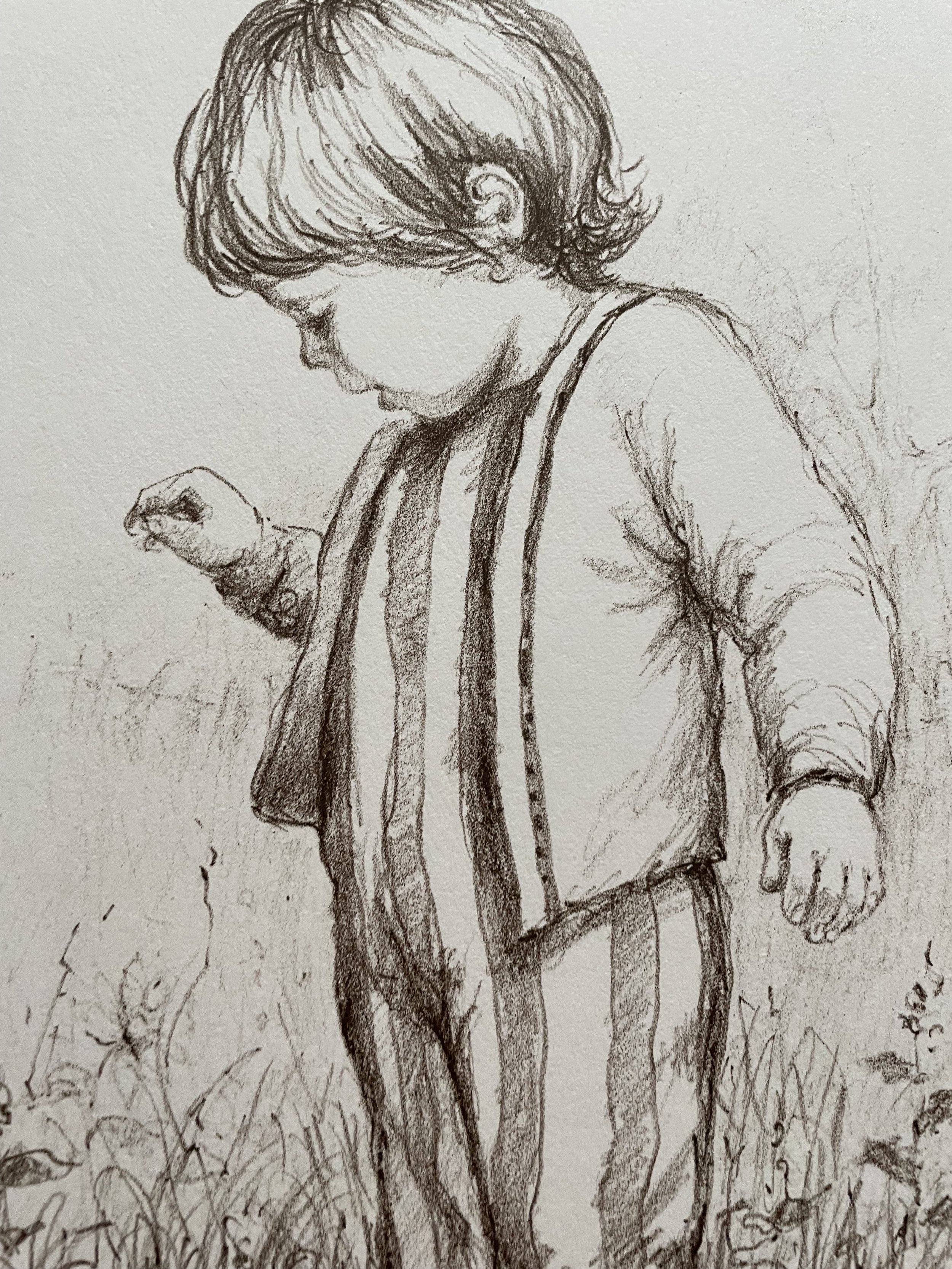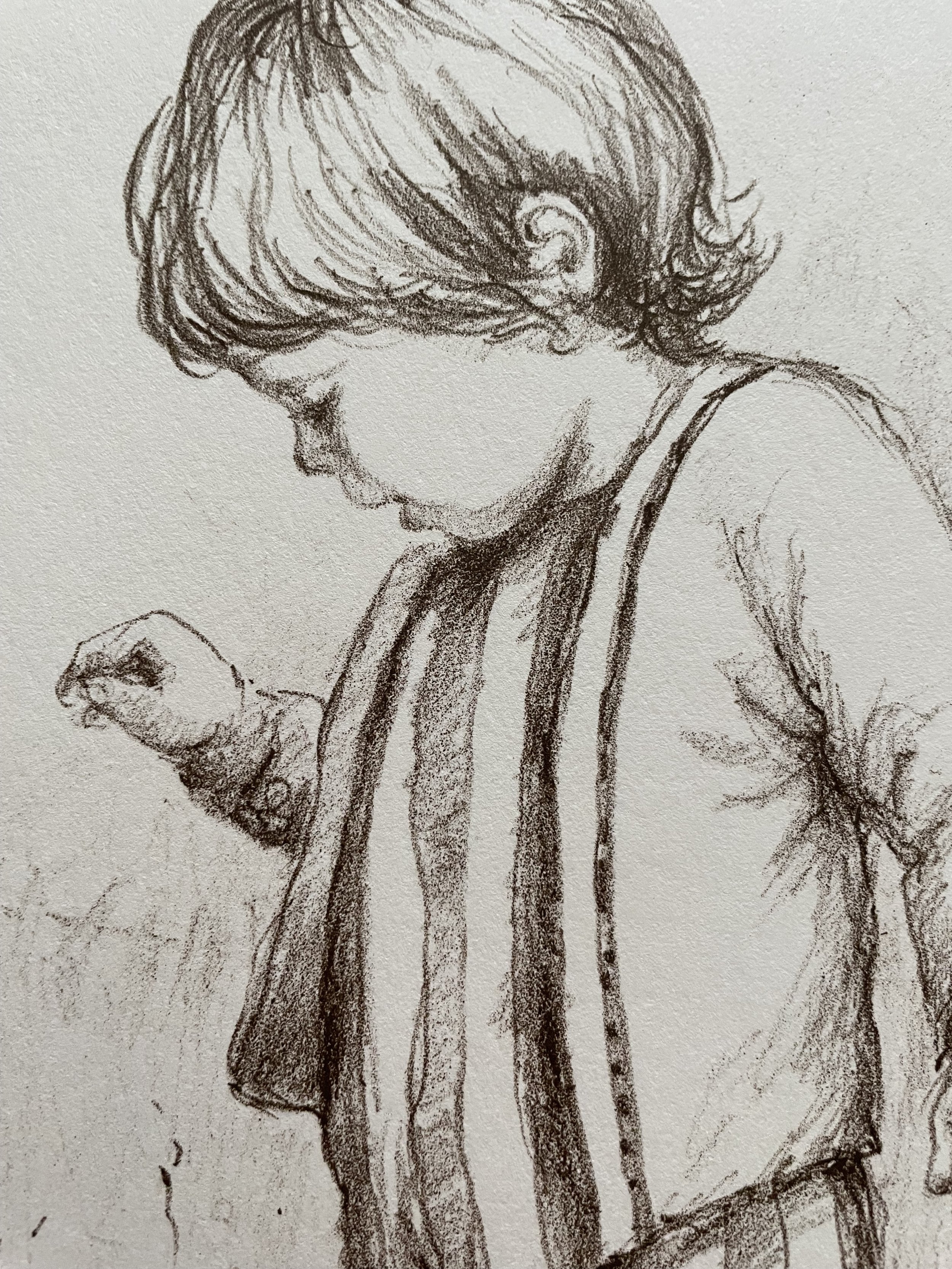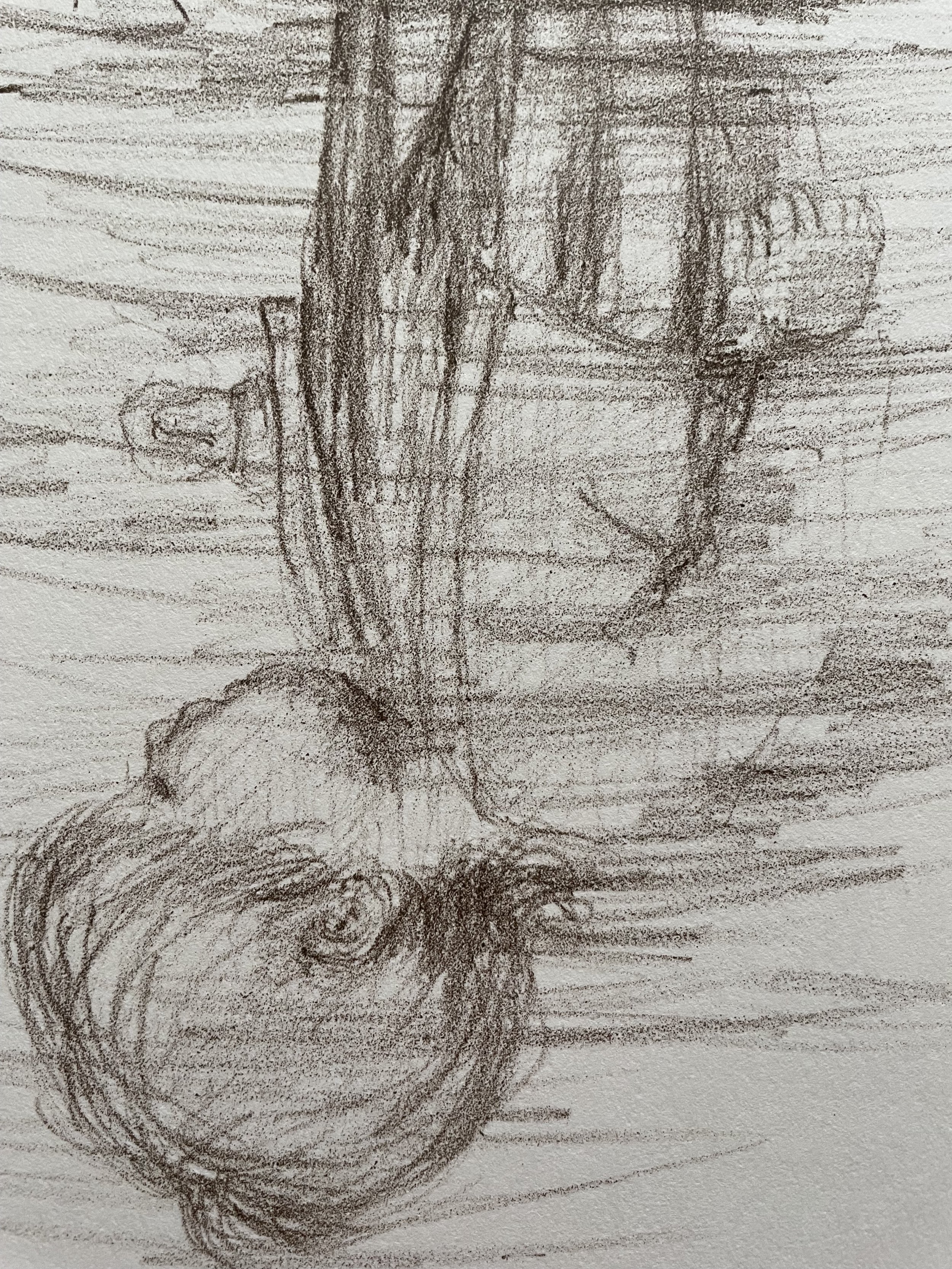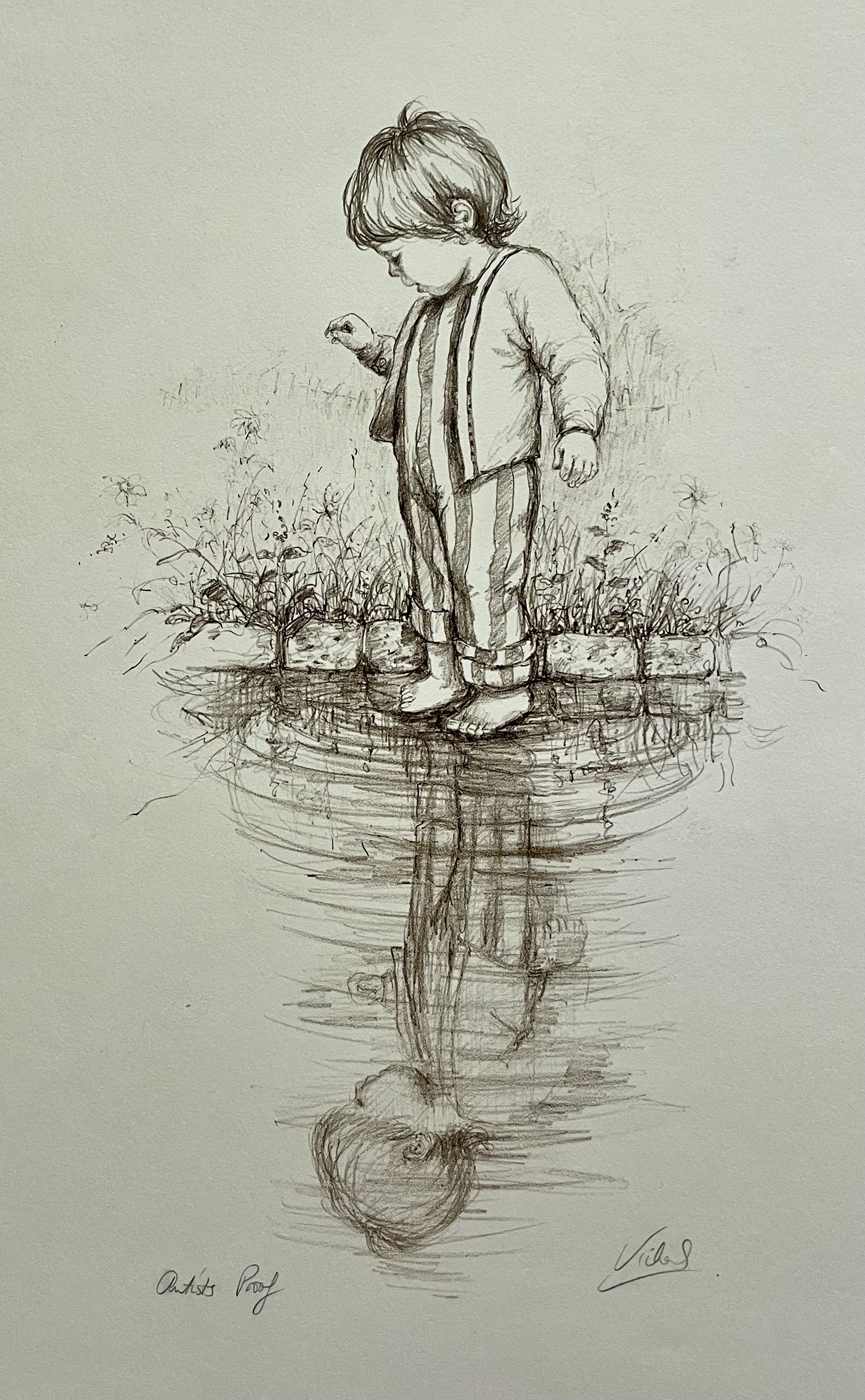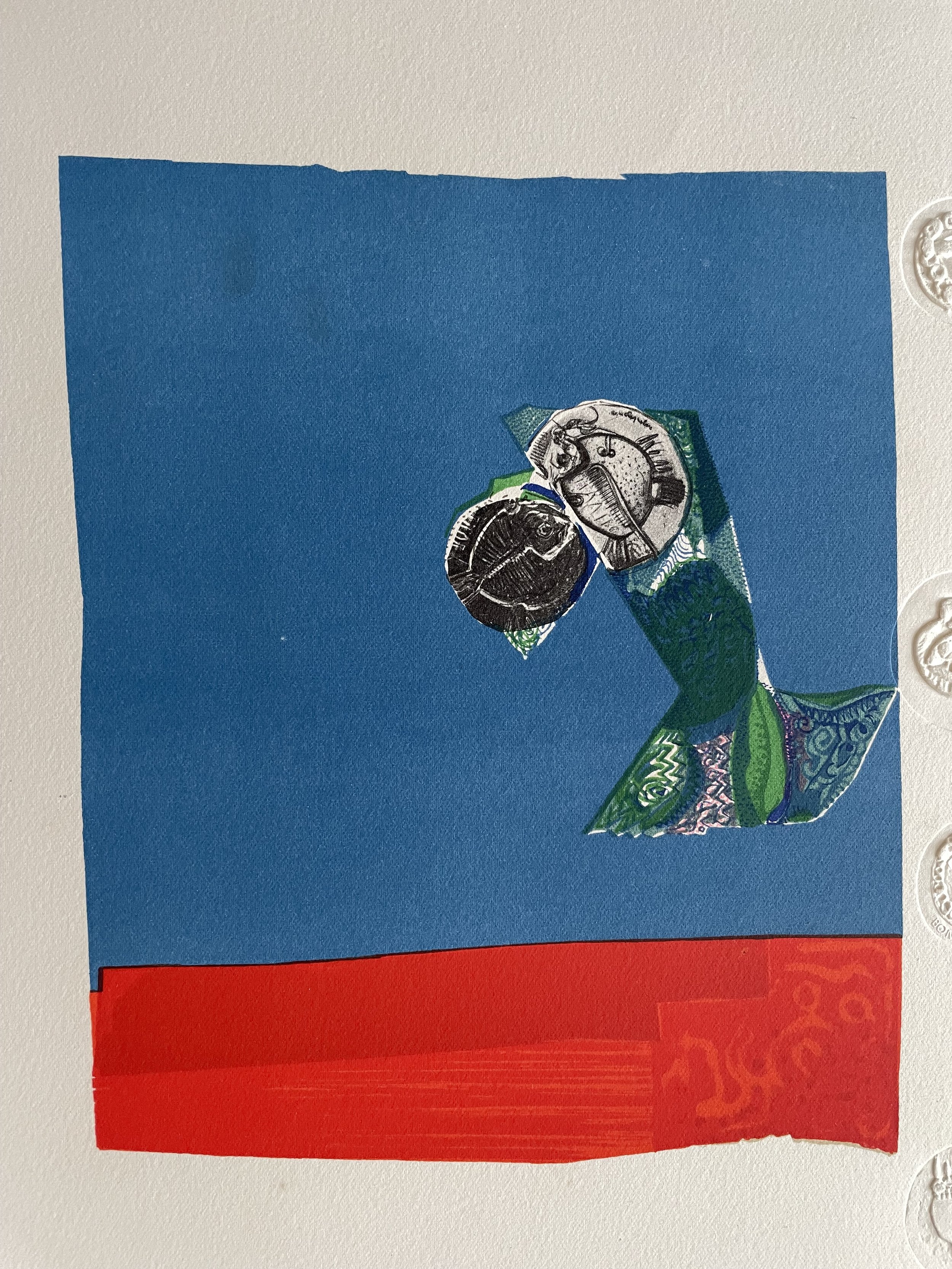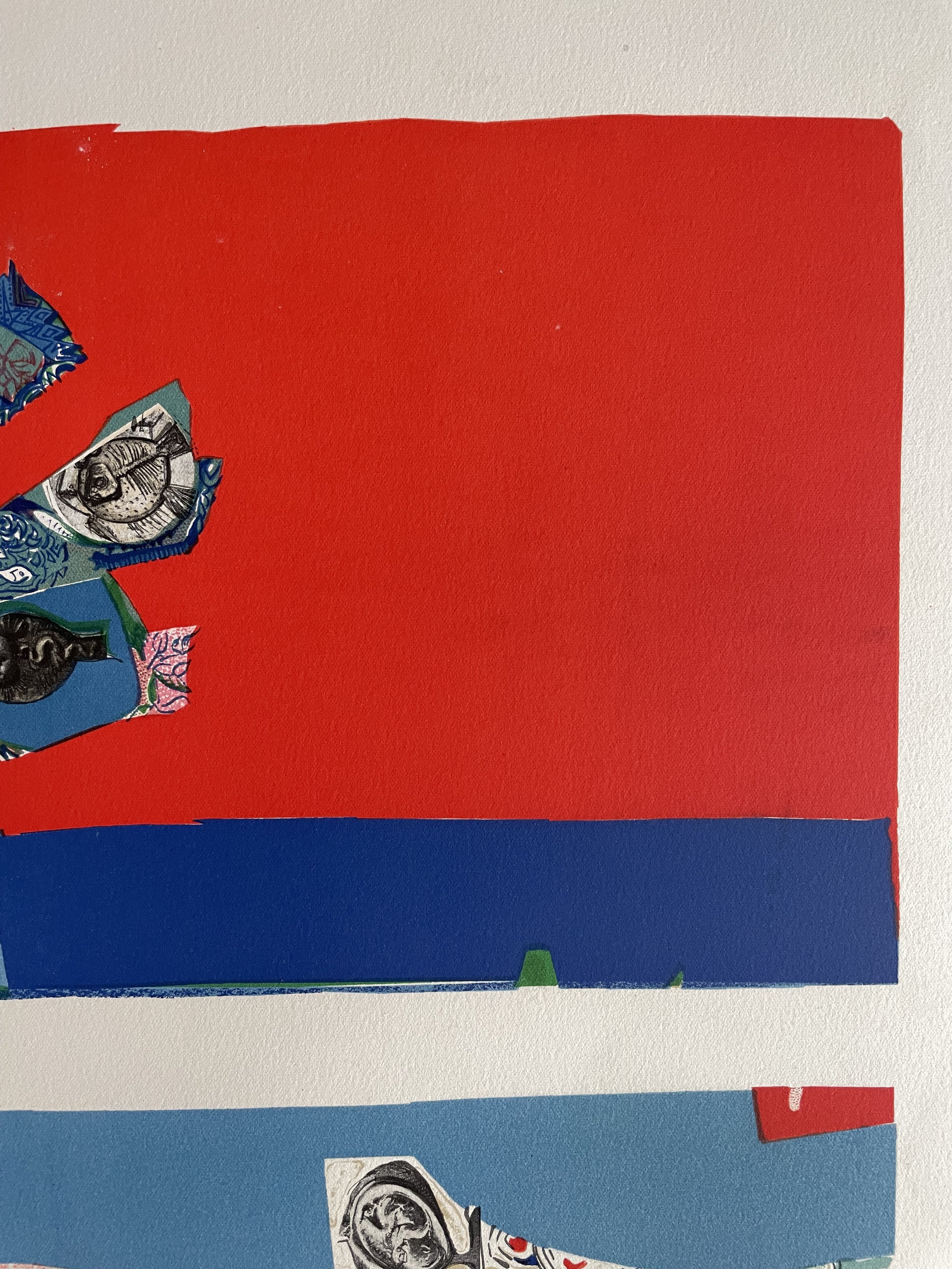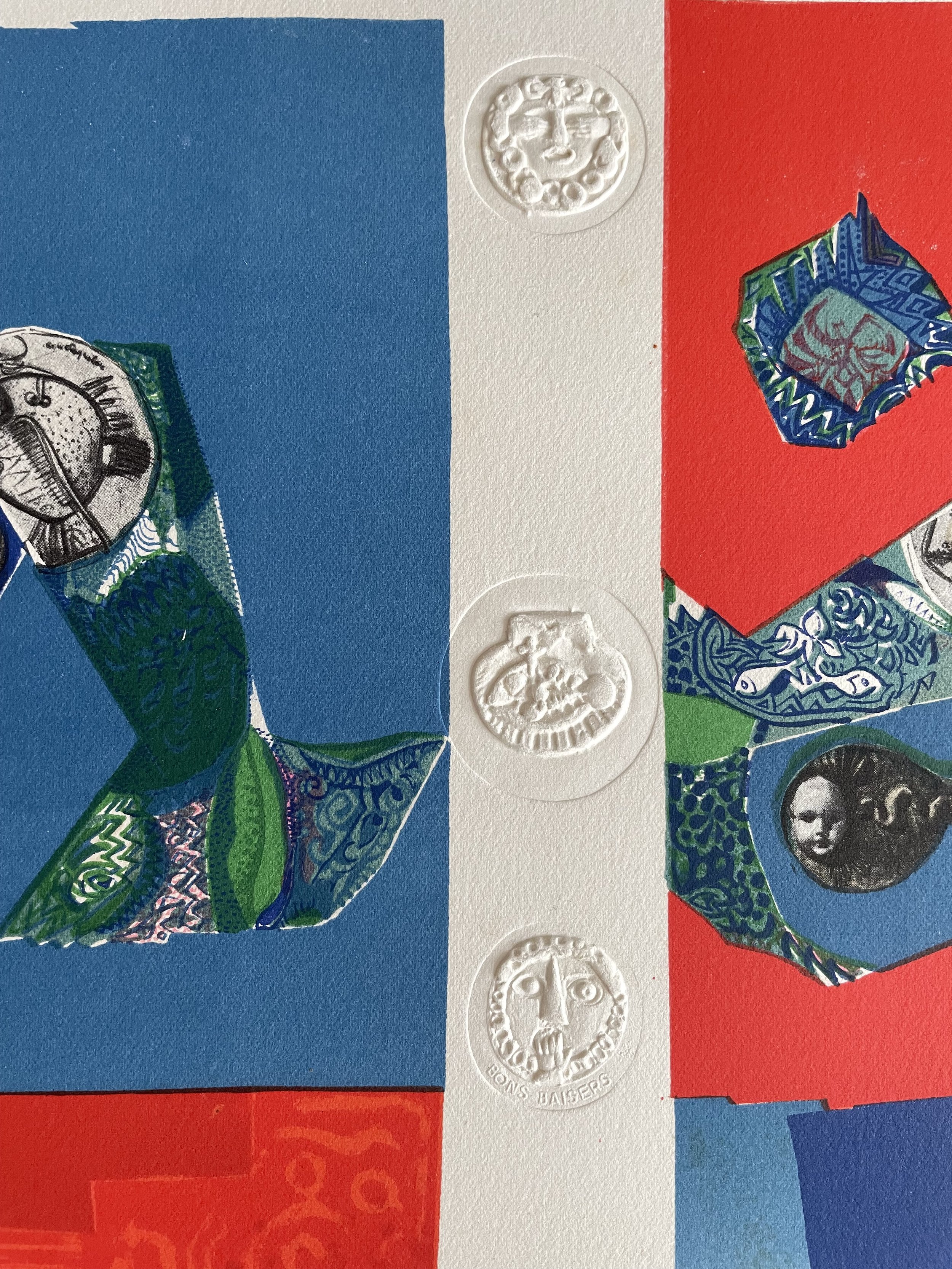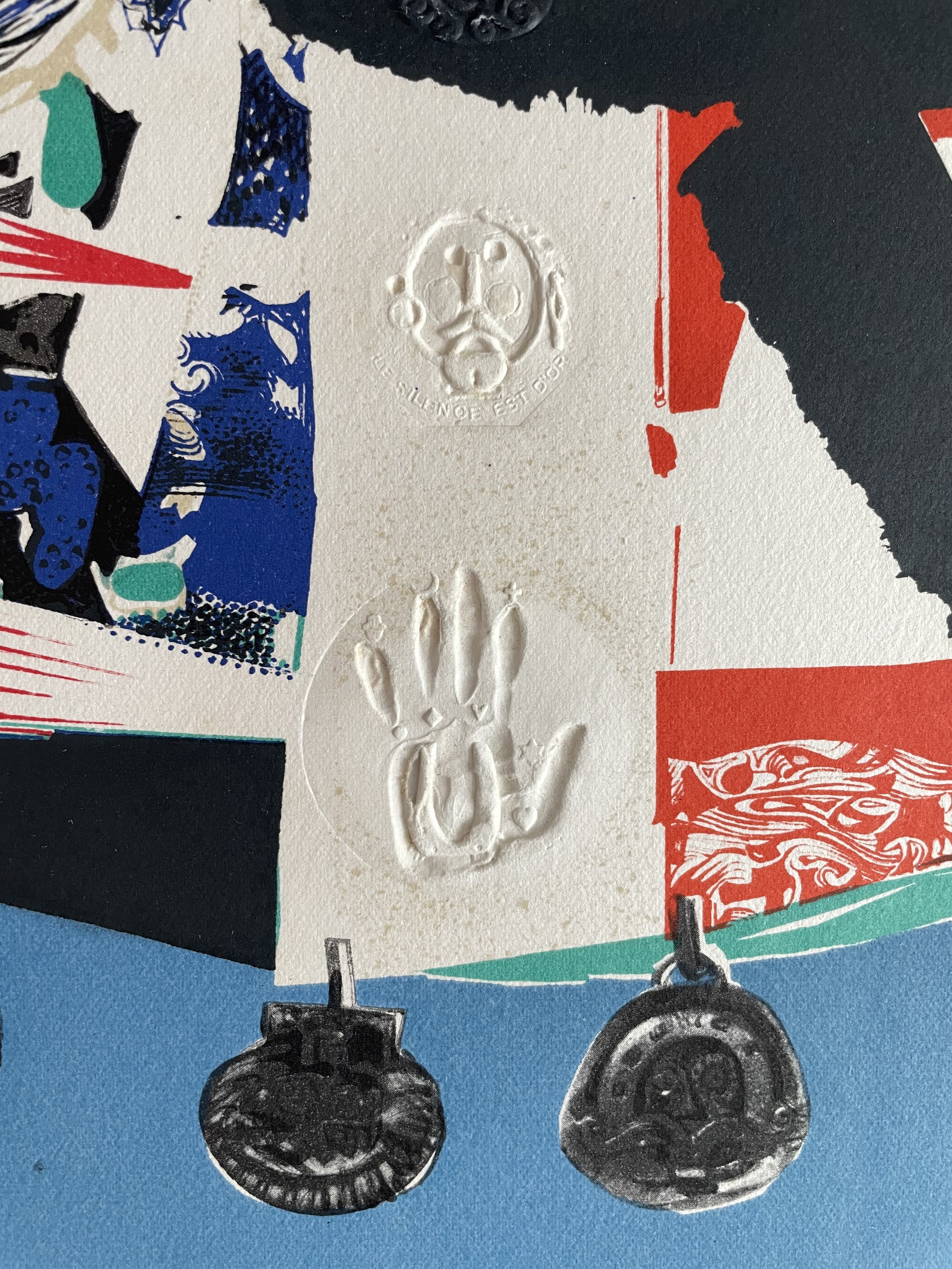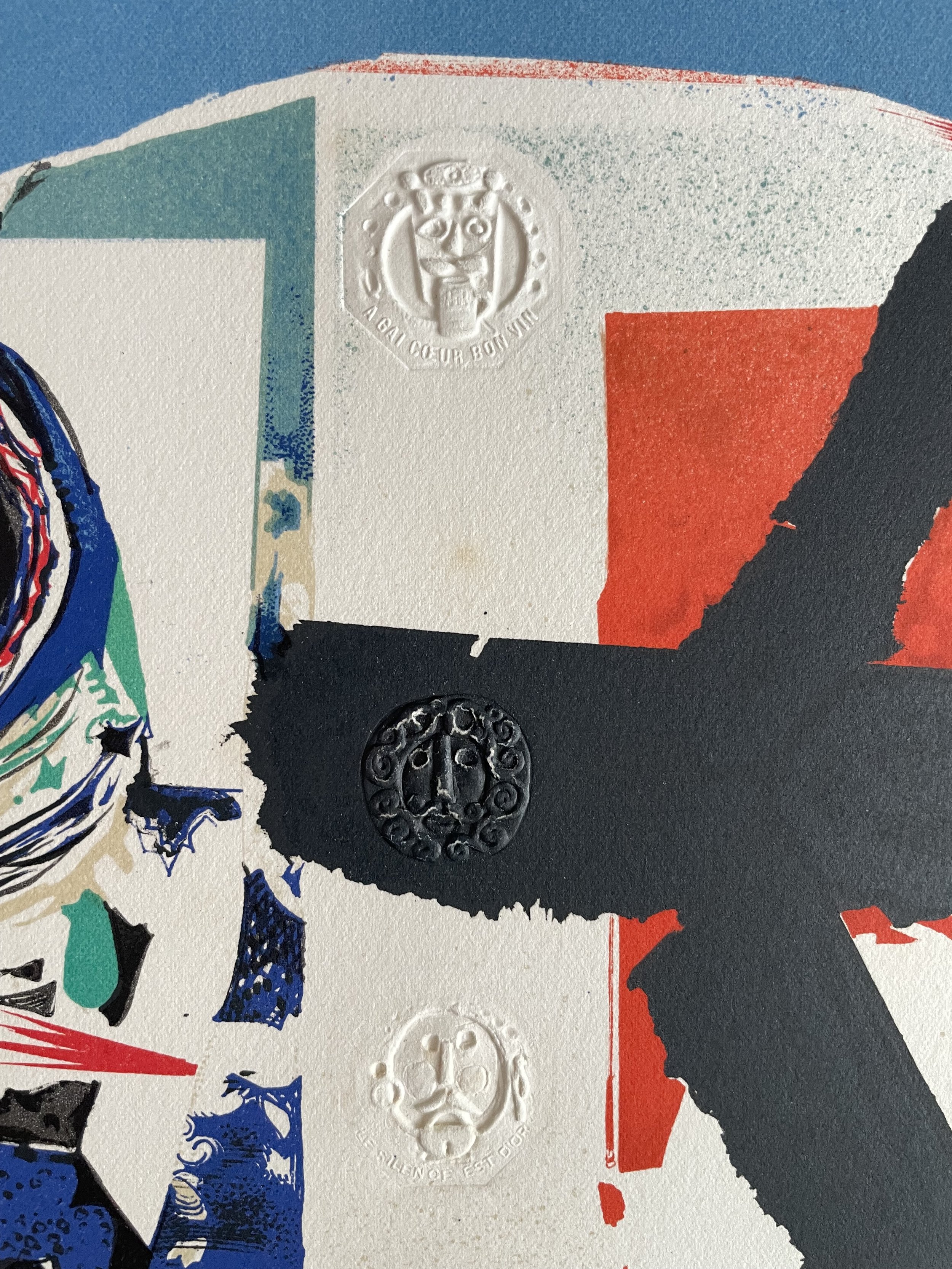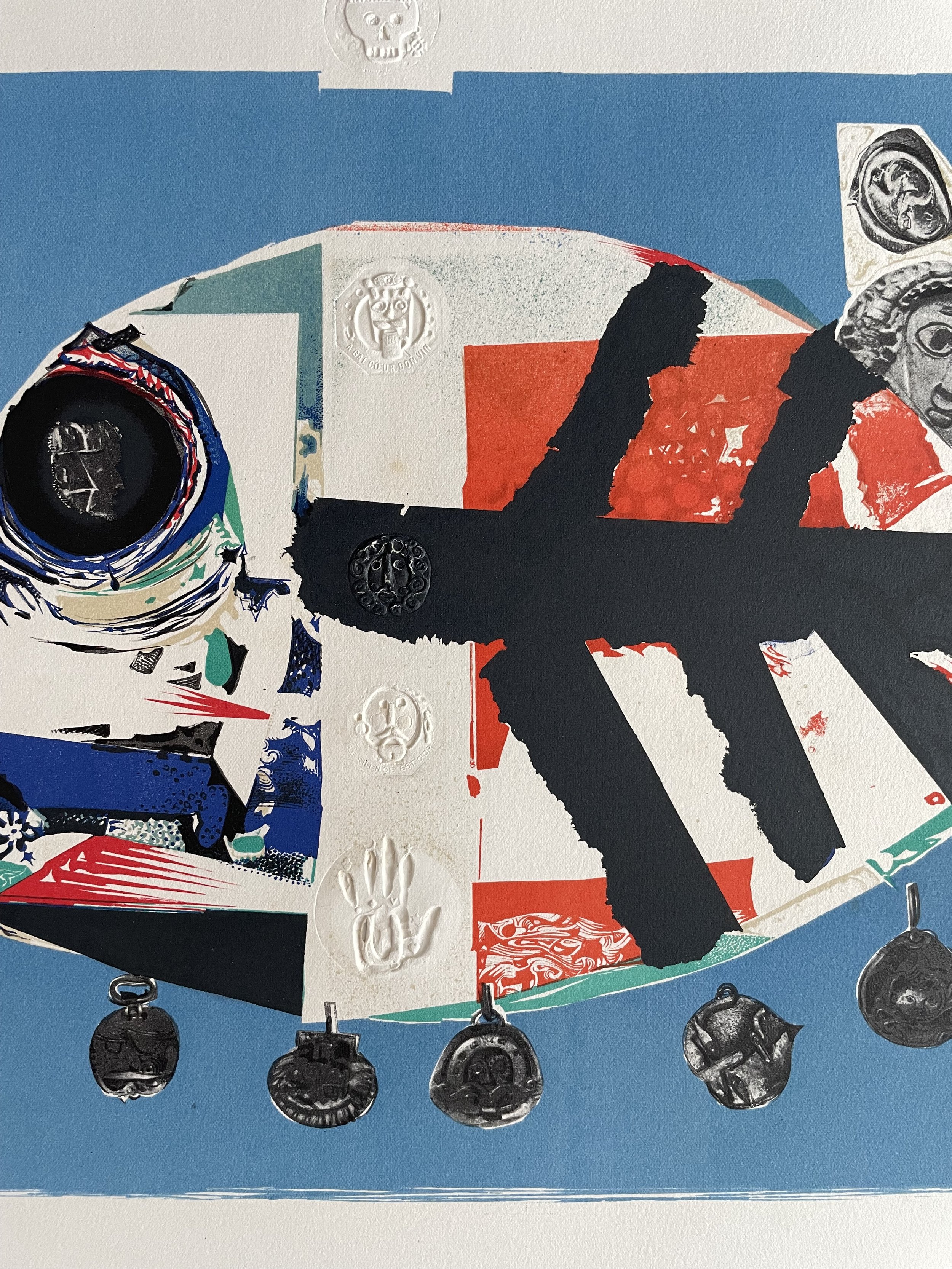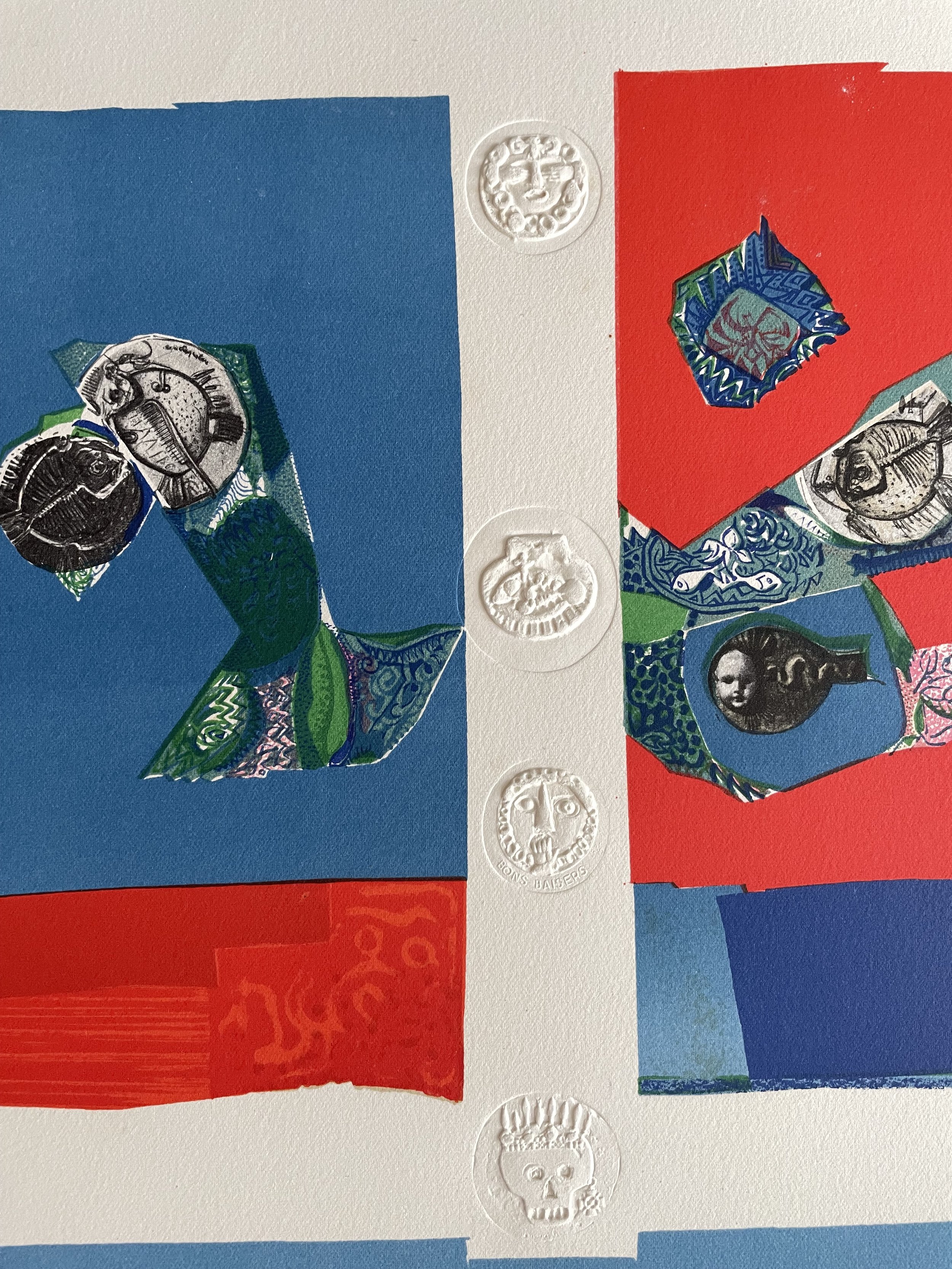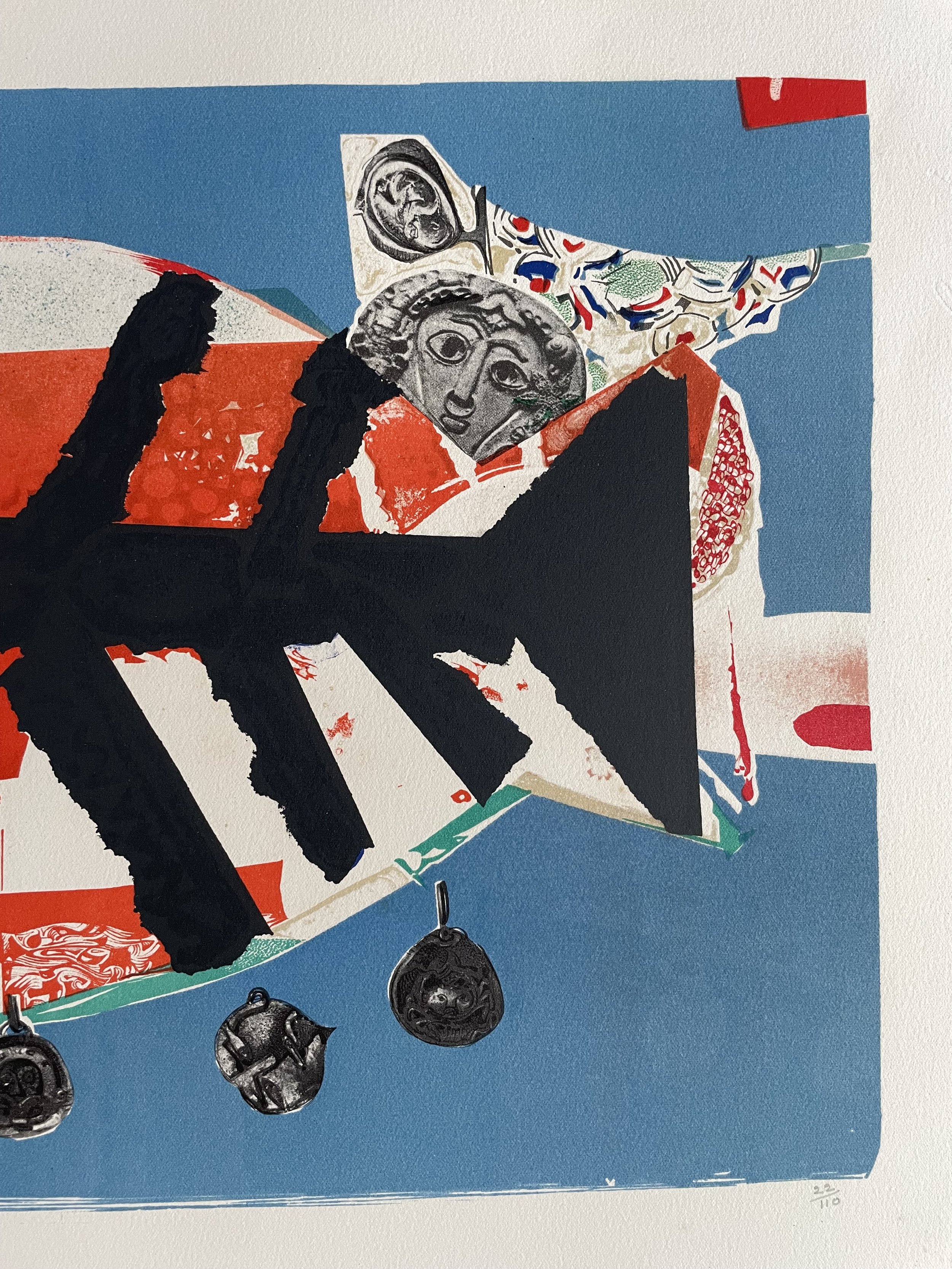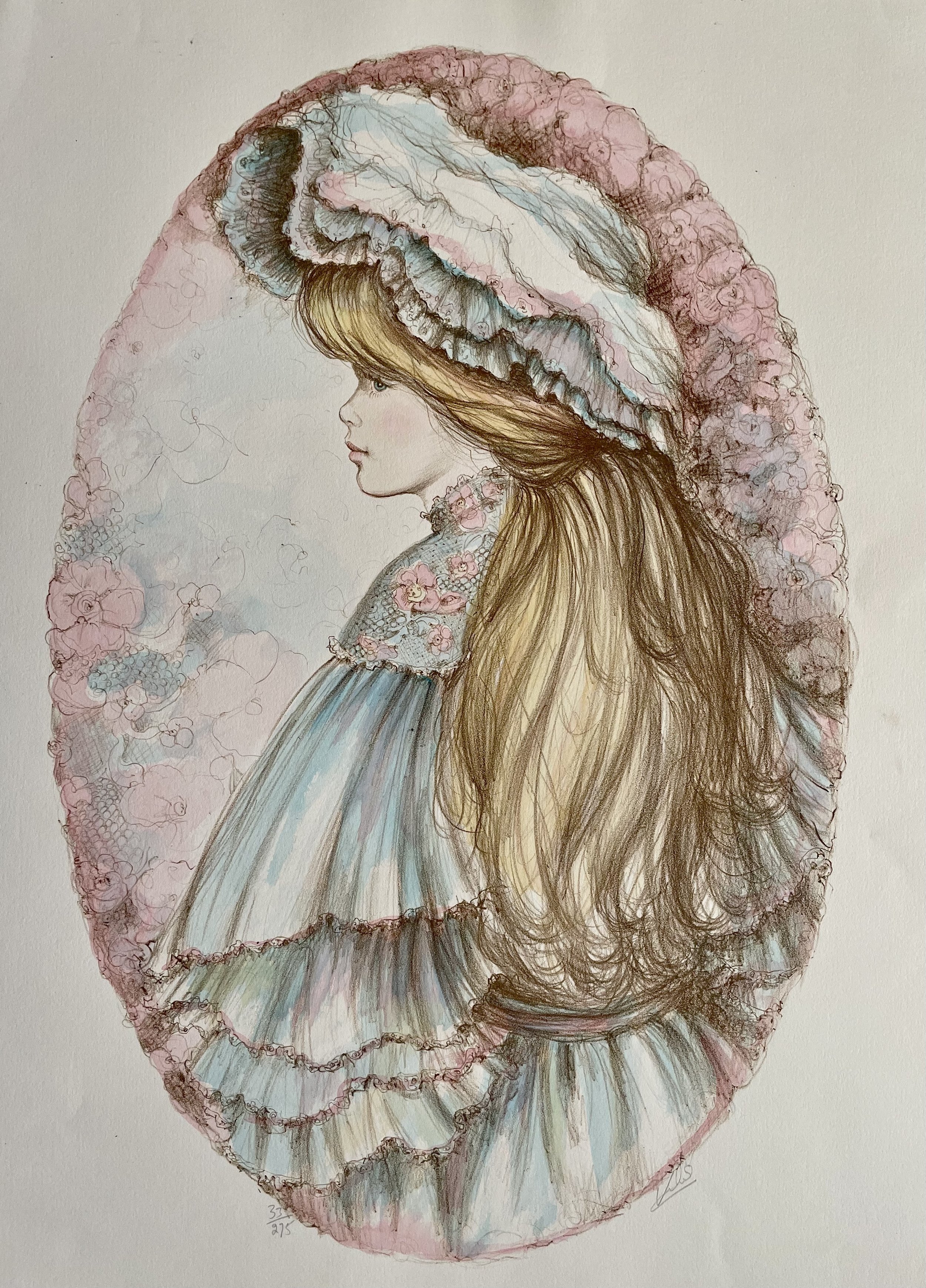
“Golden Tresses,” Mary Vickers, 1978 hand-colored lithograph, signed & numbered 33/275, 20×33 inches.

$1,000.00

“Golden Tresses,” Mary Vickers, 1978 hand-colored lithograph, signed & numbered 33/275, 20×33 inches.

Golden Tresses is a beautifully preserved 1978 hand-colored lithograph by beloved British-American artist Mary Vickers, known for her romantic portrayals of childhood innocence and Victorian elegance. This scarce example, signed and numbered 33/275, features exquisite pastel detailing and Vickers’ signature refined draftsmanship. A collector-favorite composition from her most sought-after period, it captures the artist’s trademark softness, emotional depth, and decorative charm.
Artwork Description

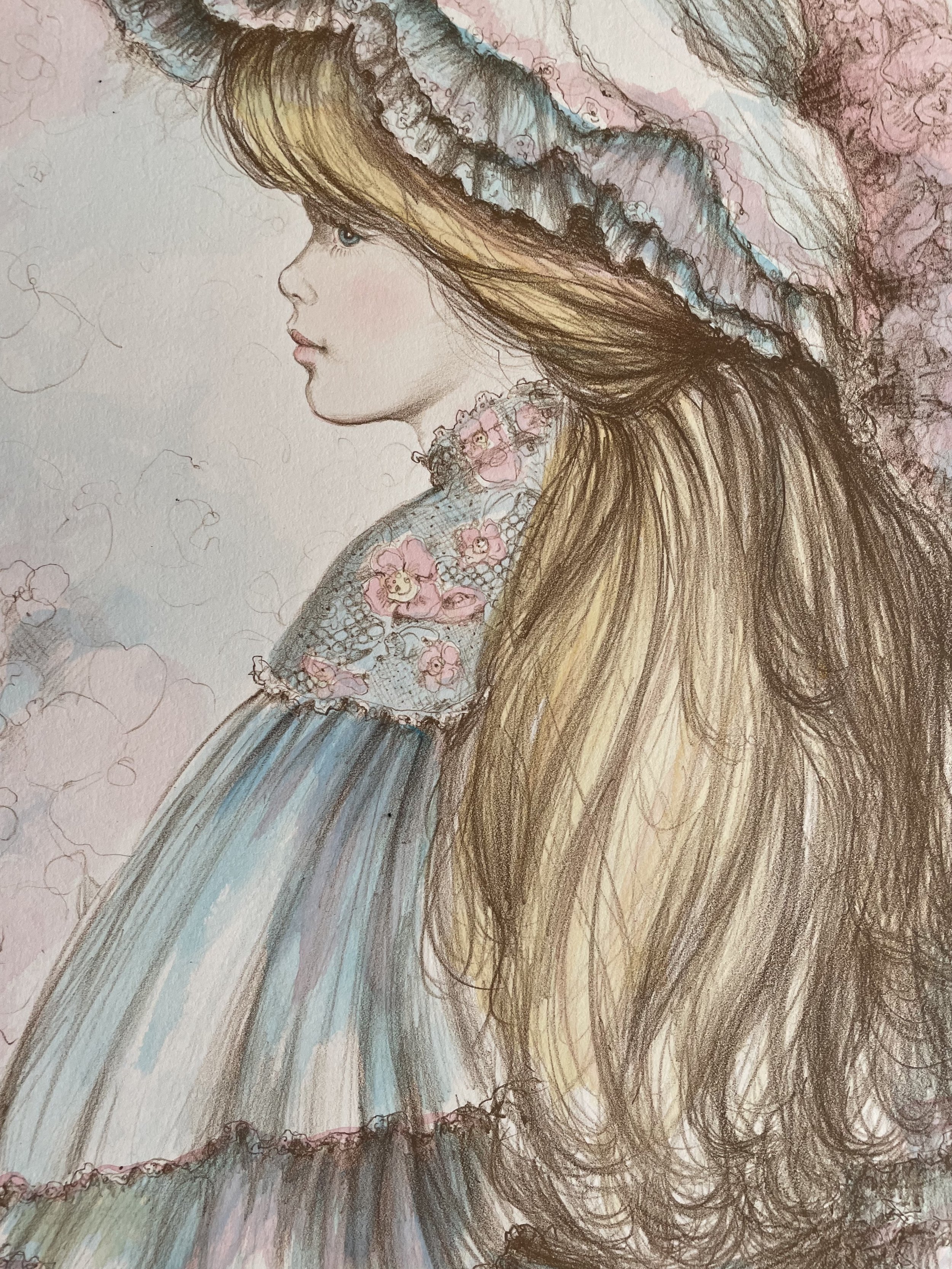
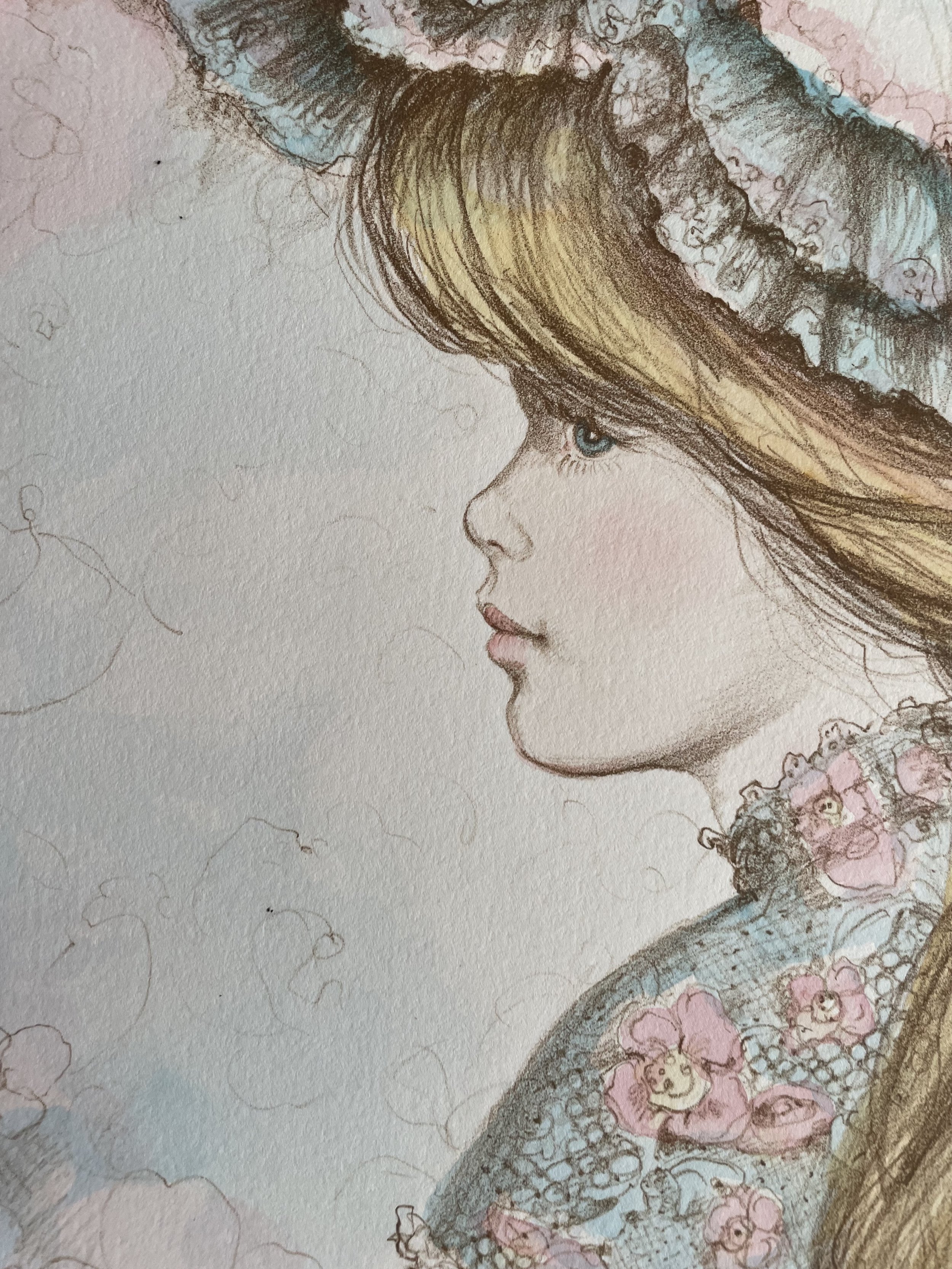
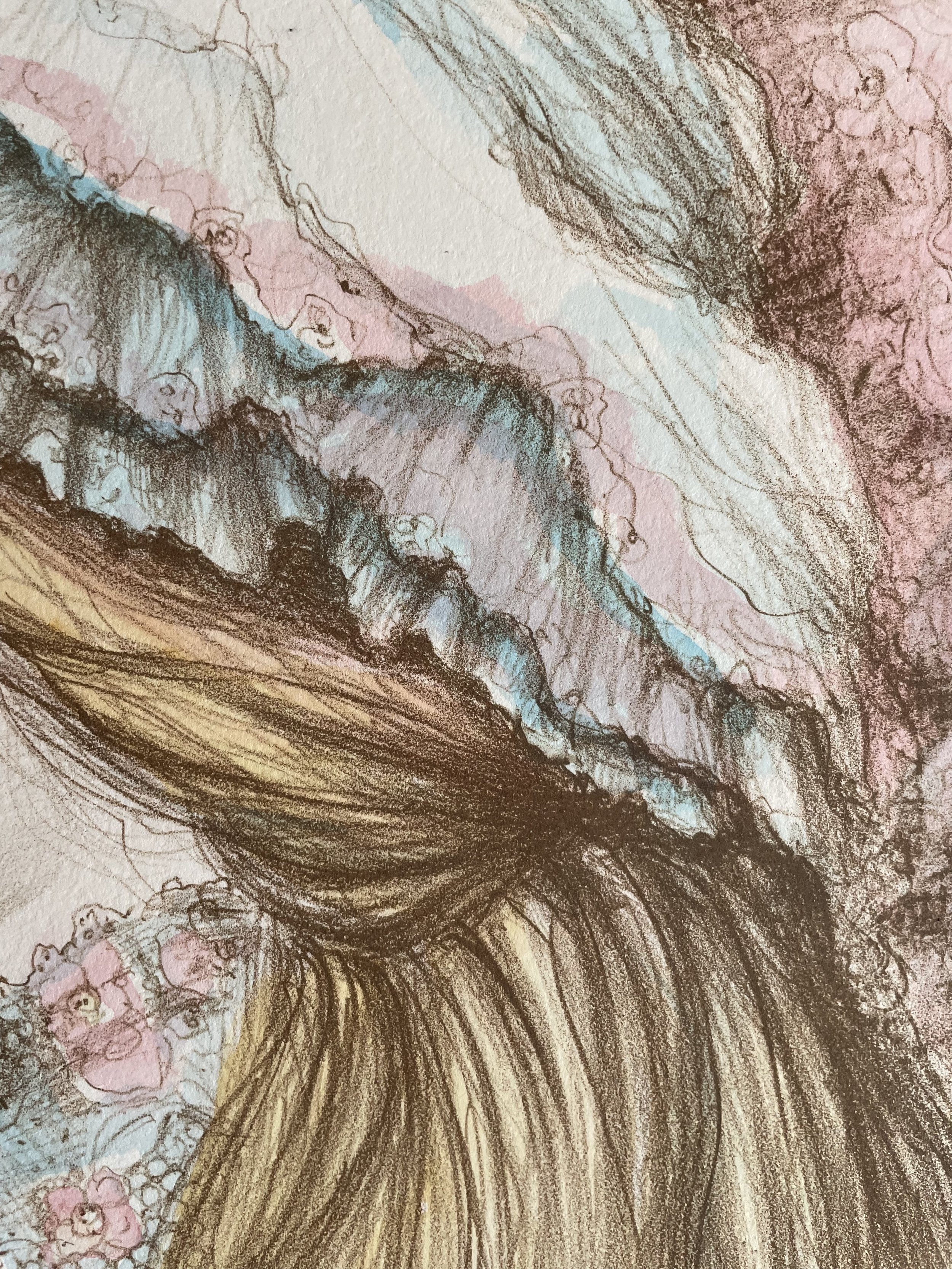
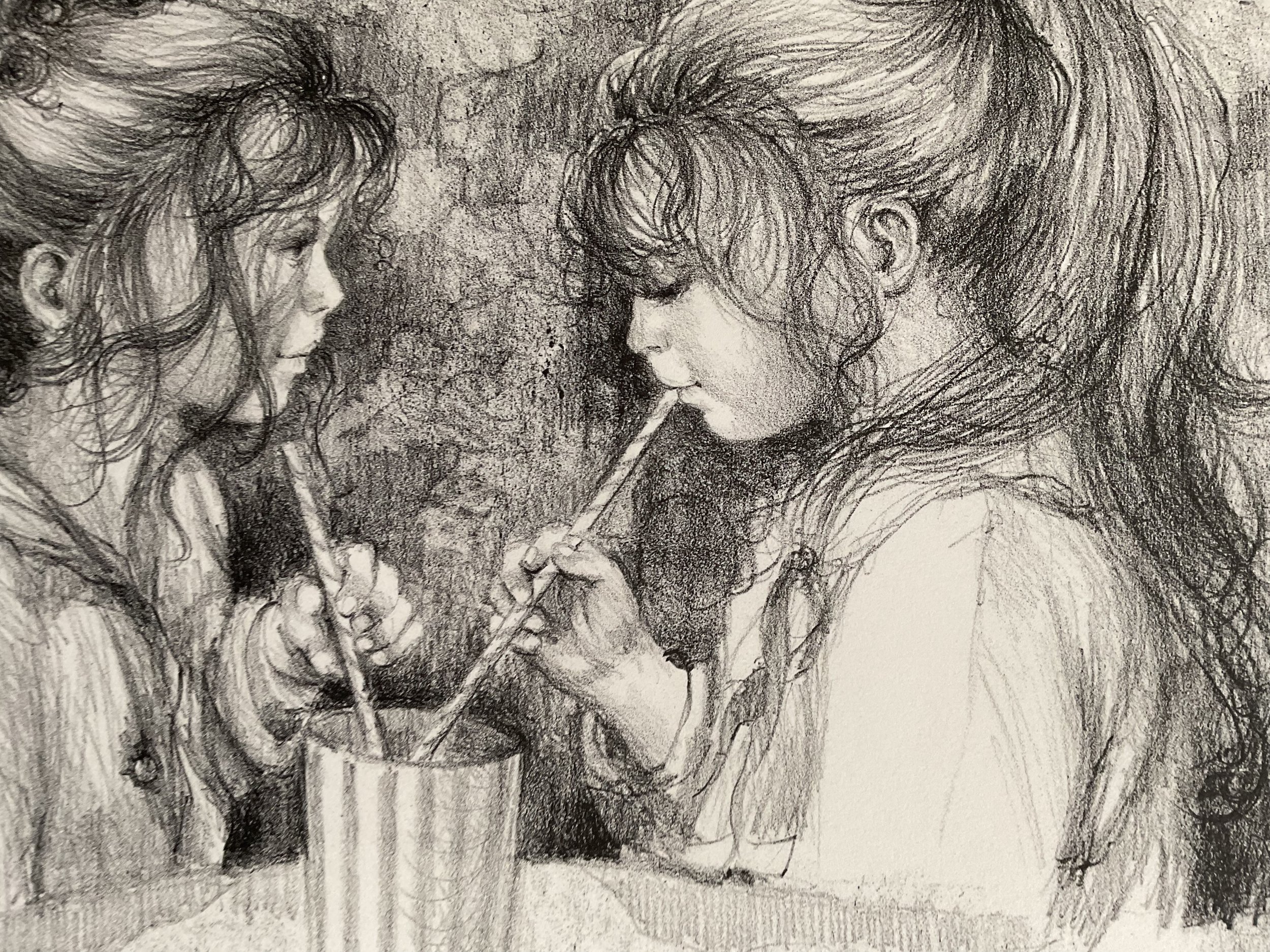
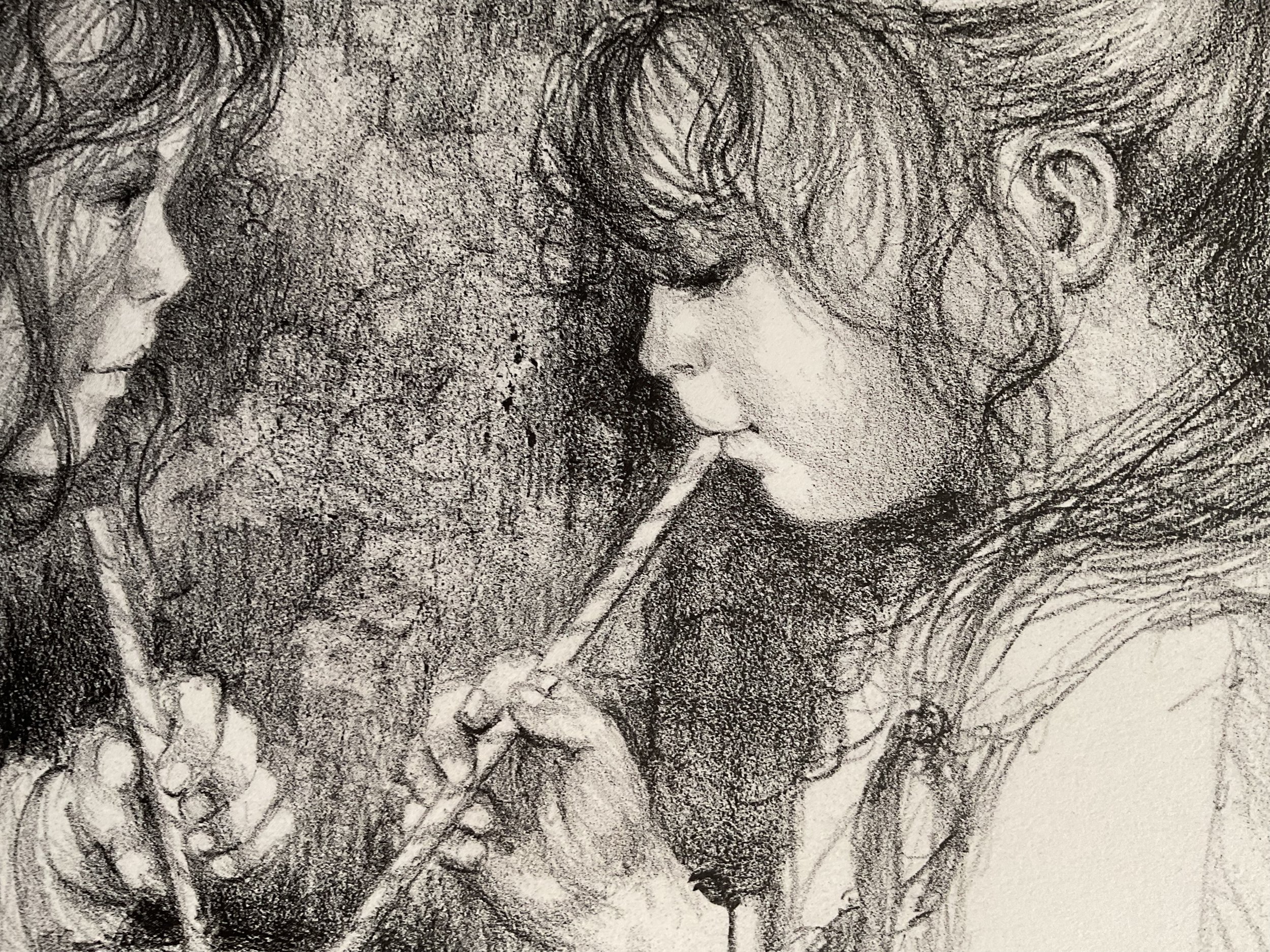
This enchanting hand-colored lithograph presents a young Victorian girl in profile, framed within an oval vignette of soft florals and lace. Her luminous long golden hair, rendered with intricate linear shading, cascades over a delicately draped gown. Vickers’ mastery is evident in the multi-layered bonnet, ruffled trims, finely inked textures, and the gentle watercolor palette of pinks, blues, and creams.

The hand-applied color deepens the romantic tone, enhancing the dimensionality of the subject and giving the print a unique individuality that varies from impression to impression.

This impression is signed in graphite and numbered 33/275, a desirable early number within the edition. At 20×33 inches, it presents a commanding vertical format that enriches walls with an elegant and nostalgic presence.

Mary Vickers Biography

Mary Vickers (British, mid-20th century) is a figurative artist best known for her emotionally resonant drawings and lithographs depicting children, families, quiet domestic moments, and tender human relationships. Her work became widely collected in the 1970s and early 1980s, especially in the United Kingdom, the United States, and Australia, where her limited-edition prints developed a devoted following.

Early Life and Artistic Beginnings

Born in England in the 1940s, Vickers showed an early aptitude for drawing, particularly for rendering expressive faces and the subtle gestures of children. She was trained in traditional draftsmanship — a foundation that shaped the delicate, controlled linework seen throughout her lithographs. Although not formally affiliated with one academy, her early influences included British illustrators, Victorian genre painters, and contemporary figurative realists whose work emphasized emotional storytelling.

Development of Her Style

By the late 1960s, Vickers had developed the artistic language that would define her career:

  • Sepia-toned drawing and lithography

  • Soft hand-coloring applied to selected editions

  • Narratives centered on childhood innocence, family bonds, and intimate daily moments

  • Highly detailed linework combined with atmospheric shading

Her subjects—children fishing, playing, daydreaming, gardening, or interacting with parents and grandparents—captured universal emotional themes. While sentimental, her work is fundamentally rooted in keen observation, balancing technical precision with tenderness.

Professional Career and International Recognition

In the early 1970s, Vickers’ work came to the attention of the Mitch Morse Gallery, an American fine art publisher specializing in limited-edition lithographs. Recognizing the unique appeal of her figurative style, the gallery entered into an exclusive publishing arrangement with her.

For the next decade:

  • All of Mary Vickers’ limited-edition lithographs were published exclusively by Mitch Morse Gallery.

  • The gallery supervised edition sizes, printing quality, signing, and hand-coloring.

  • Vickers’ work was widely distributed through fine art galleries, framing boutiques, and national art shows across the U.S. and Europe.

This partnership ensured consistency, authenticity, and proper documentation—one reason her editions remain highly collectible today.

Technique and Creative Process

Vickers worked primarily in graphite, sepia pencil, and lithographic crayon, creating highly refined drawings that printers transferred to lithographic plates. Many editions were issued in two formats:

  1. Standard lithographs (uncolored)

  2. Hand-colored lithographs (painted individually with watercolor or light washes)

Her hand-coloring was subtle, never overpowering the drawing—always reinforcing mood and narrative. Edition sizes were typically 200–275, along with a small number of Artist’s Proofs (AP).

Themes and Artistic Vision

Collectors respond strongly to Vickers’ work because it captures universal human experiences:

  • Childhood wonder and formative experiences

  • Family relationships across generations

  • Quiet reflection and interior emotional worlds

  • The poetic beauty of everyday life

Rather than idealizing children, she portrayed them with psychological honesty—thoughtful, curious, sometimes lonely, sometimes joyful.

Legacy and Collector Significance

Today, Mary Vickers’ lithographs are sought after for:

  • Their technical excellence

  • Their emotional accessibility

  • The consistency and integrity of her limited editions

  • Their nostalgic cultural value as icons of 1970s figurative art

Mary Vickers (British/American, b. early 1940s), Golden Tresses, 1978, hand-colored lithograph, signed & numbered 33/275, 20×33 in.

CERTIFICATE OF VALUE & AUTHENTICATION
Artist: Mary Vickers
Title: “Golden Tresses”
Year: 1978
Medium: Hand-Colored Lithograph
Edition: 33/275
Dimensions: 20×33 in.
Signature: Hand-signed in graphite
Condition: Excellent
Provenance: Artfind Gallery, Washington DC
This artwork is guaranteed authentic and part of the original 1978 limited-edition release.

Provenance

Published by Mitch Morse Gallery (exclusive publisher of Mary Vickers).
Acquired directly from Mitch Morse Gallery.
Current Owner: Artfind Gallery, Washington, DC.

“Golden Tresses,” Mary Vickers, 1978 hand-colored lithograph, signed & numbered 33/275, 20×33 inches.

Golden Tresses is a beautifully preserved 1978 hand-colored lithograph by beloved British-American artist Mary Vickers, known for her romantic portrayals of childhood innocence and Victorian elegance. This scarce example, signed and numbered 33/275, features exquisite pastel detailing and Vickers’ signature refined draftsmanship. A collector-favorite composition from her most sought-after period, it captures the artist’s trademark softness, emotional depth, and decorative charm.

Artwork Description

This enchanting hand-colored lithograph presents a young Victorian girl in profile, framed within an oval vignette of soft florals and lace. Her luminous long golden hair, rendered with intricate linear shading, cascades over a delicately draped gown. Vickers’ mastery is evident in the multi-layered bonnet, ruffled trims, finely inked textures, and the gentle watercolor palette of pinks, blues, and creams.

The hand-applied color deepens the romantic tone, enhancing the dimensionality of the subject and giving the print a unique individuality that varies from impression to impression.

This impression is signed in graphite and numbered 33/275, a desirable early number within the edition. At 20×33 inches, it presents a commanding vertical format that enriches walls with an elegant and nostalgic presence.

Mary Vickers Biography

Mary Vickers (British, mid-20th century) is a figurative artist best known for her emotionally resonant drawings and lithographs depicting children, families, quiet domestic moments, and tender human relationships. Her work became widely collected in the 1970s and early 1980s, especially in the United Kingdom, the United States, and Australia, where her limited-edition prints developed a devoted following.

Early Life and Artistic Beginnings

Born in England in the 1940s, Vickers showed an early aptitude for drawing, particularly for rendering expressive faces and the subtle gestures of children. She was trained in traditional draftsmanship — a foundation that shaped the delicate, controlled linework seen throughout her lithographs. Although not formally affiliated with one academy, her early influences included British illustrators, Victorian genre painters, and contemporary figurative realists whose work emphasized emotional storytelling.

Development of Her Style

By the late 1960s, Vickers had developed the artistic language that would define her career:

  • Sepia-toned drawing and lithography

  • Soft hand-coloring applied to selected editions

  • Narratives centered on childhood innocence, family bonds, and intimate daily moments

  • Highly detailed linework combined with atmospheric shading

Her subjects—children fishing, playing, daydreaming, gardening, or interacting with parents and grandparents—captured universal emotional themes. While sentimental, her work is fundamentally rooted in keen observation, balancing technical precision with tenderness.

Professional Career and International Recognition

In the early 1970s, Vickers’ work came to the attention of the Mitch Morse Gallery, an American fine art publisher specializing in limited-edition lithographs. Recognizing the unique appeal of her figurative style, the gallery entered into an exclusive publishing arrangement with her.

For the next decade:

  • All of Mary Vickers’ limited-edition lithographs were published exclusively by Mitch Morse Gallery.

  • The gallery supervised edition sizes, printing quality, signing, and hand-coloring.

  • Vickers’ work was widely distributed through fine art galleries, framing boutiques, and national art shows across the U.S. and Europe.

This partnership ensured consistency, authenticity, and proper documentation—one reason her editions remain highly collectible today.

Technique and Creative Process

Vickers worked primarily in graphite, sepia pencil, and lithographic crayon, creating highly refined drawings that printers transferred to lithographic plates. Many editions were issued in two formats:

  1. Standard lithographs (uncolored)

  2. Hand-colored lithographs (painted individually with watercolor or light washes)

Her hand-coloring was subtle, never overpowering the drawing—always reinforcing mood and narrative. Edition sizes were typically 200–275, along with a small number of Artist’s Proofs (AP).

Themes and Artistic Vision

Collectors respond strongly to Vickers’ work because it captures universal human experiences:

  • Childhood wonder and formative experiences

  • Family relationships across generations

  • Quiet reflection and interior emotional worlds

  • The poetic beauty of everyday life

Rather than idealizing children, she portrayed them with psychological honesty—thoughtful, curious, sometimes lonely, sometimes joyful.

Legacy and Collector Significance

Today, Mary Vickers’ lithographs are sought after for:

  • Their technical excellence

  • Their emotional accessibility

  • The consistency and integrity of her limited editions

  • Their nostalgic cultural value as icons of 1970s figurative art

Mary Vickers (British/American, b. early 1940s), Golden Tresses, 1978, hand-colored lithograph, signed & numbered 33/275, 20×33 in.

CERTIFICATE OF VALUE & AUTHENTICATION
Artist: Mary Vickers
Title: “Golden Tresses”
Year: 1978
Medium: Hand-Colored Lithograph
Edition: 33/275
Dimensions: 20×33 in.
Signature: Hand-signed in graphite
Condition: Excellent
Provenance: Artfind Gallery, Washington DC
This artwork is guaranteed authentic and part of the original 1978 limited-edition release.

Provenance

Published by Mitch Morse Gallery (exclusive publisher of Mary Vickers).
Acquired directly from Mitch Morse Gallery.
Current Owner: Artfind Gallery, Washington, DC.

THE WORK OF MARY VICKERS AS SEEN THROUGH HER EYES

“One of the most important things to me is that people should feel and show love for each other. If I could embrace the world, I would. I am lucky though; I can reach many people through my work, and people tell me they feel love when they look at one of my paintings, and they are right, for I don’t feel that the painting is fully completed until it has been loved and owned by the person I really painted it for, even though I may never see the. I am not a person who can paint for myself alone; although I must paint something I like or feel is an extension of me. It gives me the ultimate pleasure when it has a loving owner, for in my mind, I feel that that person has accepted and loved me. It is almost like an actor who is stimulated by an approving audience. The public is a life-giving force essential for his work; so it is with mine.

I have painted many subjects during my career, appreciating all the beautiful things in life, and perhaps only seeing that side of them and ignoring the bad. My attitude is generally that way; for or bad depending on how one comes to look at it. I prefer to depict the beauty I see, maybe making it better than it really is, as in my way it works to combat the bad things that are a reality i life also.

My latest subject matter depicts the tender, loving side of a male-female relationship. My object is to show that this wonderful, natural relationship can be depicted in a tasteful, beautiful way—the way I feel we all would dream it should be—the way I know it is.

I have made many lovely friends from the people who admire my painting, for I feel they share my feelings on life, and it is encouraging to know that so many feel that way—with that attitude we have much going for us to achieve the ultimate we all must desire—“peace on earth.

EDUCATION

S.E. Essex School of Art

St. Martine School of Art

New York Art Student League

Pratt Institue Graphic Center, N.Y.

AS OF THE 1970’S

COLLECTIONS

Sarah Churchill, London, England

Duke & Duchess of Marlborough, London, England

T.  Huxley Jones, London, England

Mr. & Mrs. F.E. Willatts, London, England

Johnny Ray, London, England

Max Bygraves, London, England

Mr. & Mrs. Robert Alda, Rome, Italy

Sr. & Sra. Leonardo Nierman, Mexico City

Miss Peggy Lipton, Los Angeles, California

Frankie Land, Los Angeles, California

Guy Mitchell, Los Angeles, California

Mr. & Mrs. Harry Skleros, Commack, N.Y.

David Holliday, New York, N.Y.

Mr. & Mrs. James Leeds, Lexington, Kentucky

Mr. & Mrs. Jack Krauss, Nyack, N.Y.

Mr. & Mrs. G. King, Palm Beach, Florida

AWARDS

1967 -Lake Art Ass’n, N.Y. -Two first prizes in oils

1968 -Mystic Art Festival, Conn. -Second prize in oils

ONE WOMAN SHOWS

1969- Mitch Morse Gallery, Lawerence, N.Y.

1969- Verily Gallery, Northport, N.Y.

1970 -Mitch Morse Gallery II, New Hope, PA

1970- Priscilla’s Gallery, Pt. Washing, N.Y.

1971- Mitch Morse Gallery, New York, N.Y.

1971 -Loradel Gallery, Huntington, N.Y.

1972 -Lafayette Gallery, Lexington, Kentucky

1973

Marina Gallery, Nycak, N.Y.

Merrill Chase Galleris, Chicago, Illinois

Main Street Gallery, Kingston, PA

Art deL’ile, Paris, France

PERMANENT EXHIBITIONS

Mitch More Gallery, New York, N.Y.

Merrill Chase Galleries, Chicago, Illinois

Lafayetter Gallery, Lexington, Kentucky

Marina Gallery, Nysack, N.Y.

Montmartre Gallery, St. Louis, MO

Main Streng Gallery, Kingston, PA

Gallery Francesca, San Juan, P.R.

Stars and Stripes, Memphis, Tenn

Galeria Veronese, New Orleans, LA