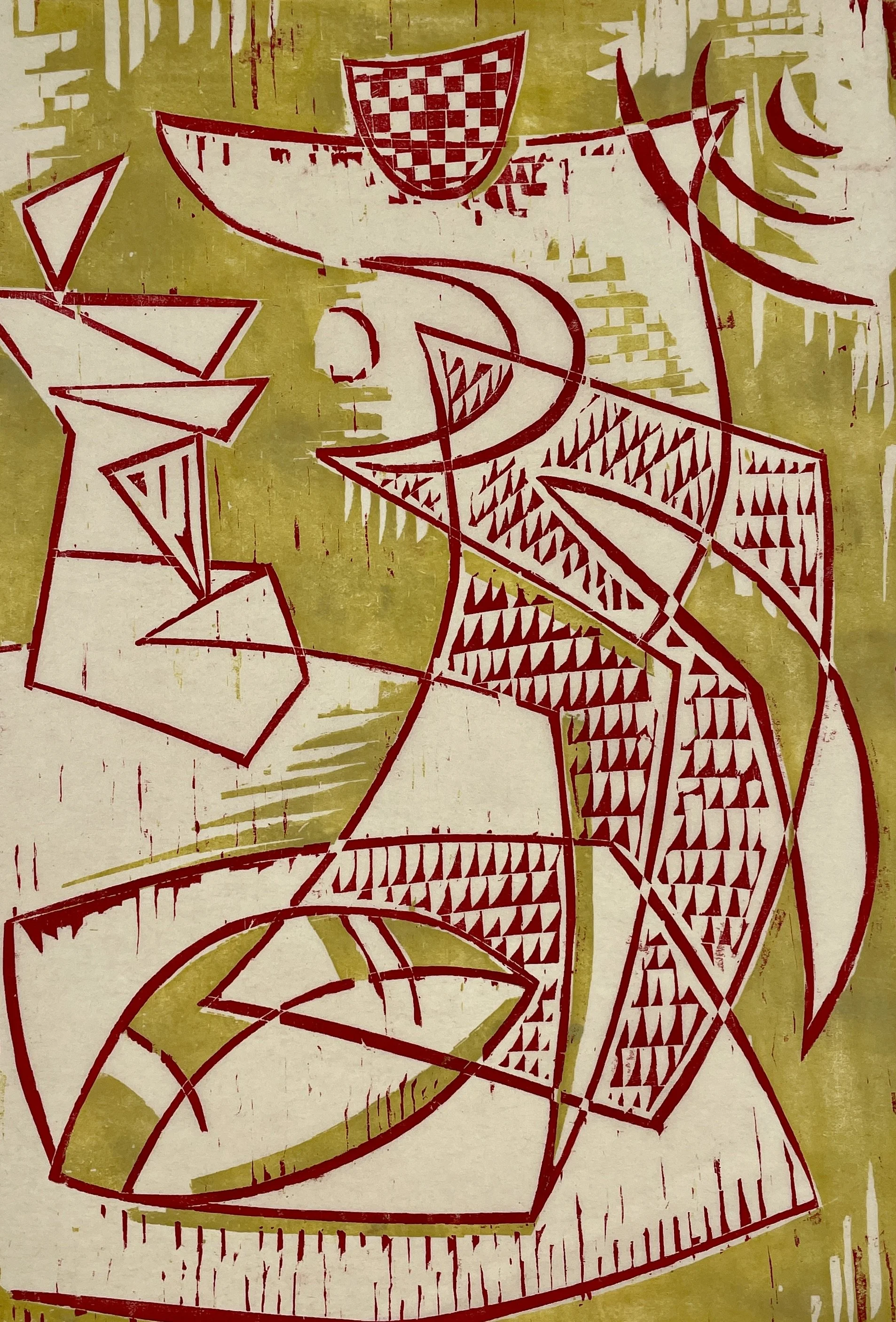
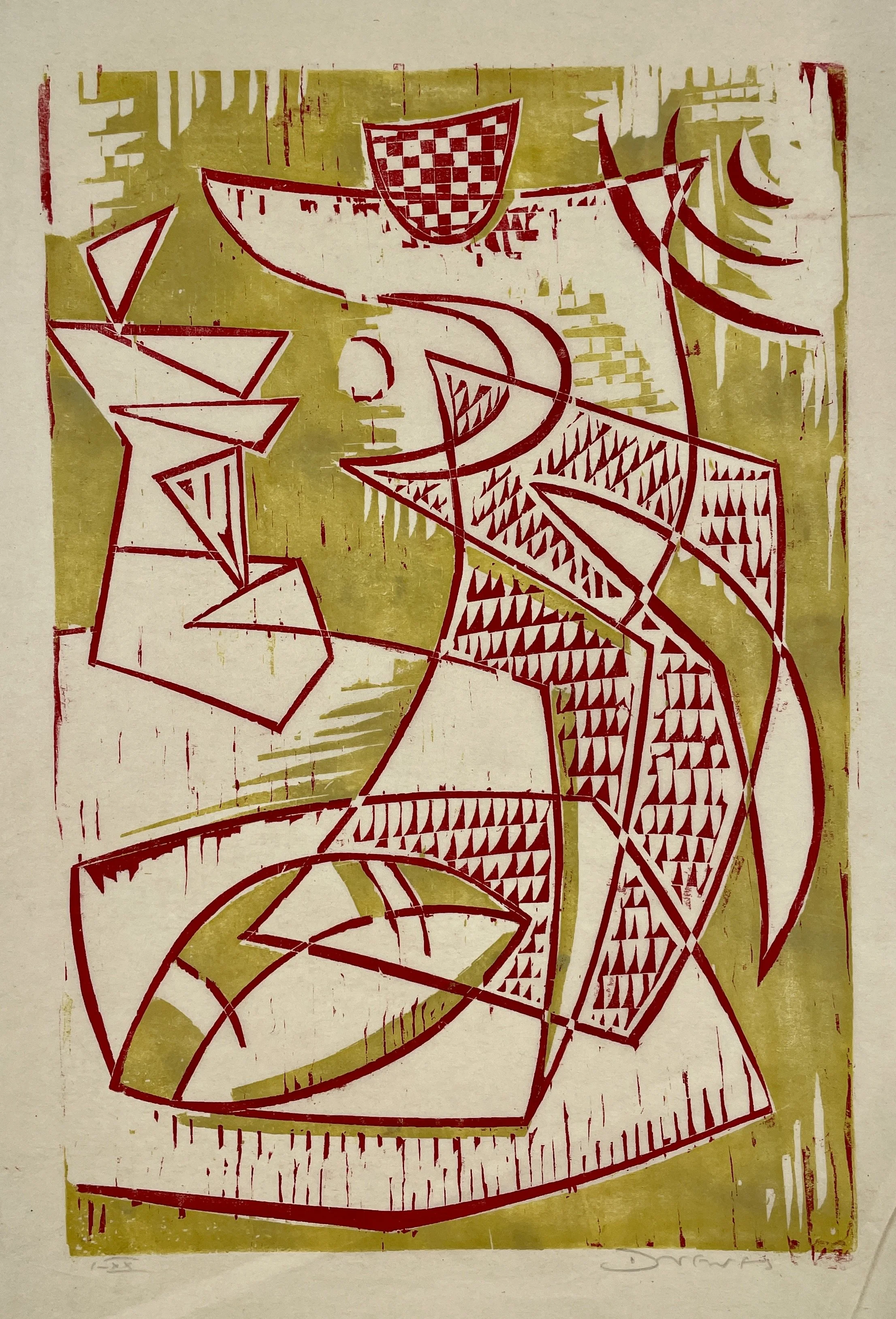
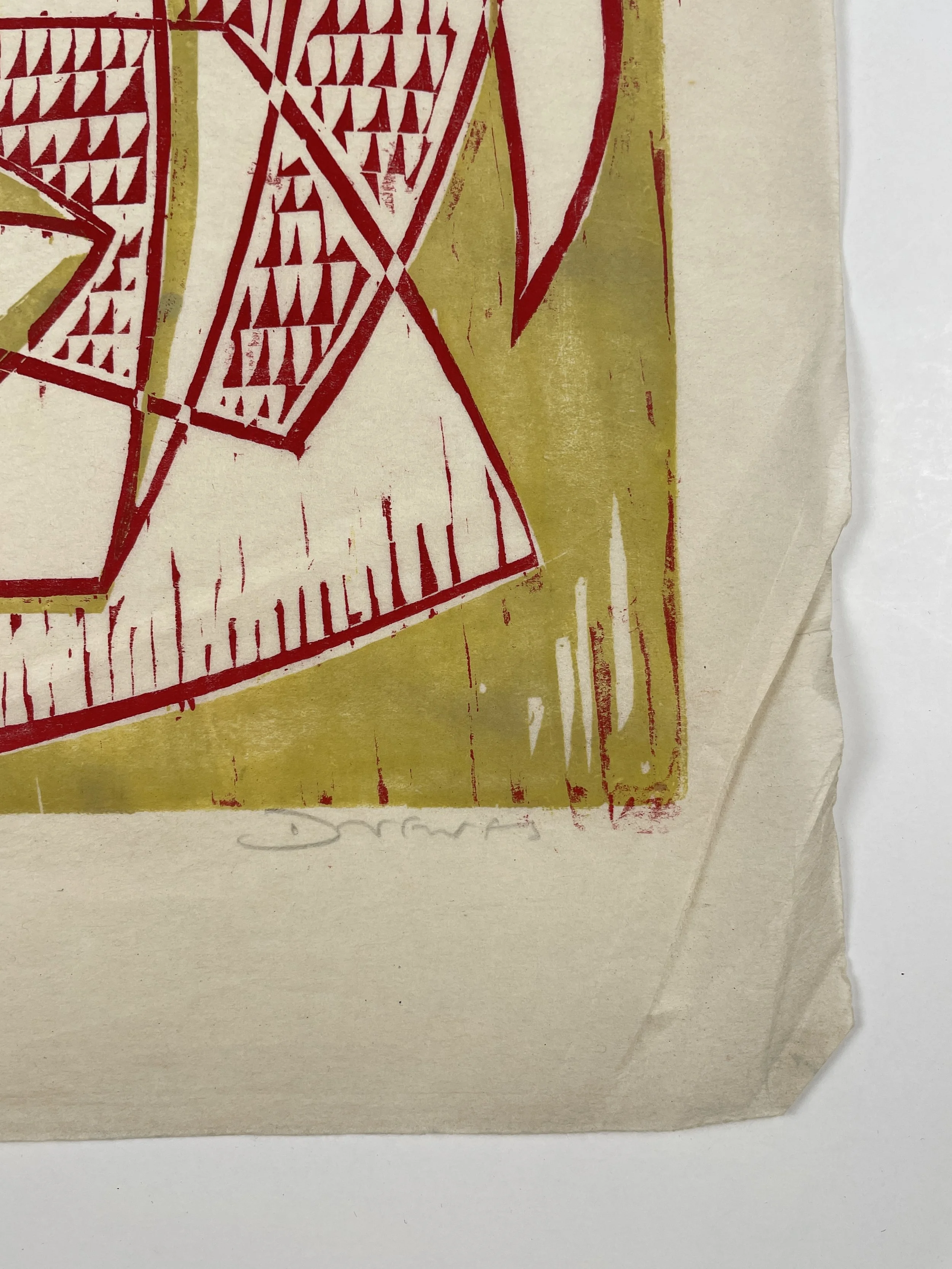
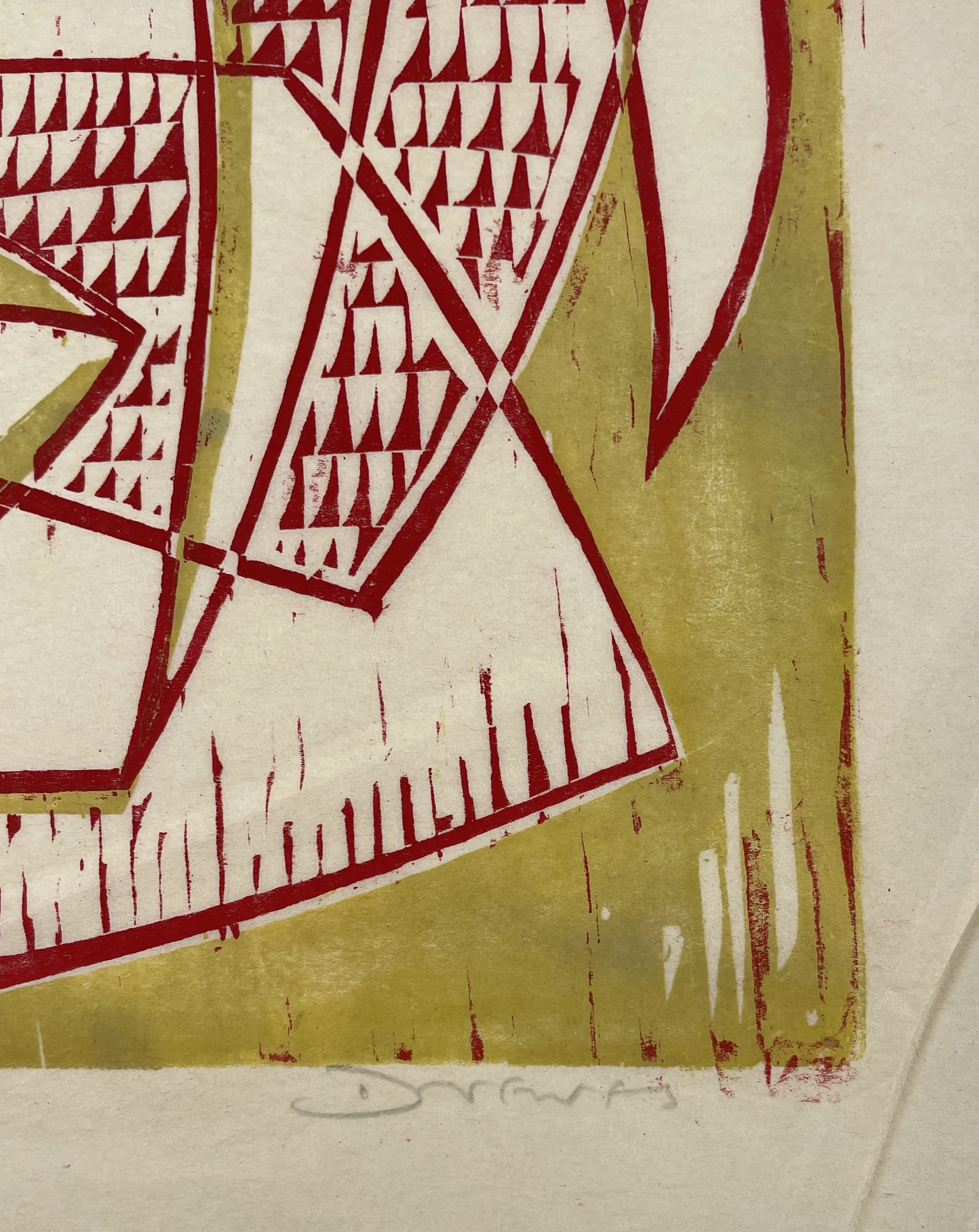
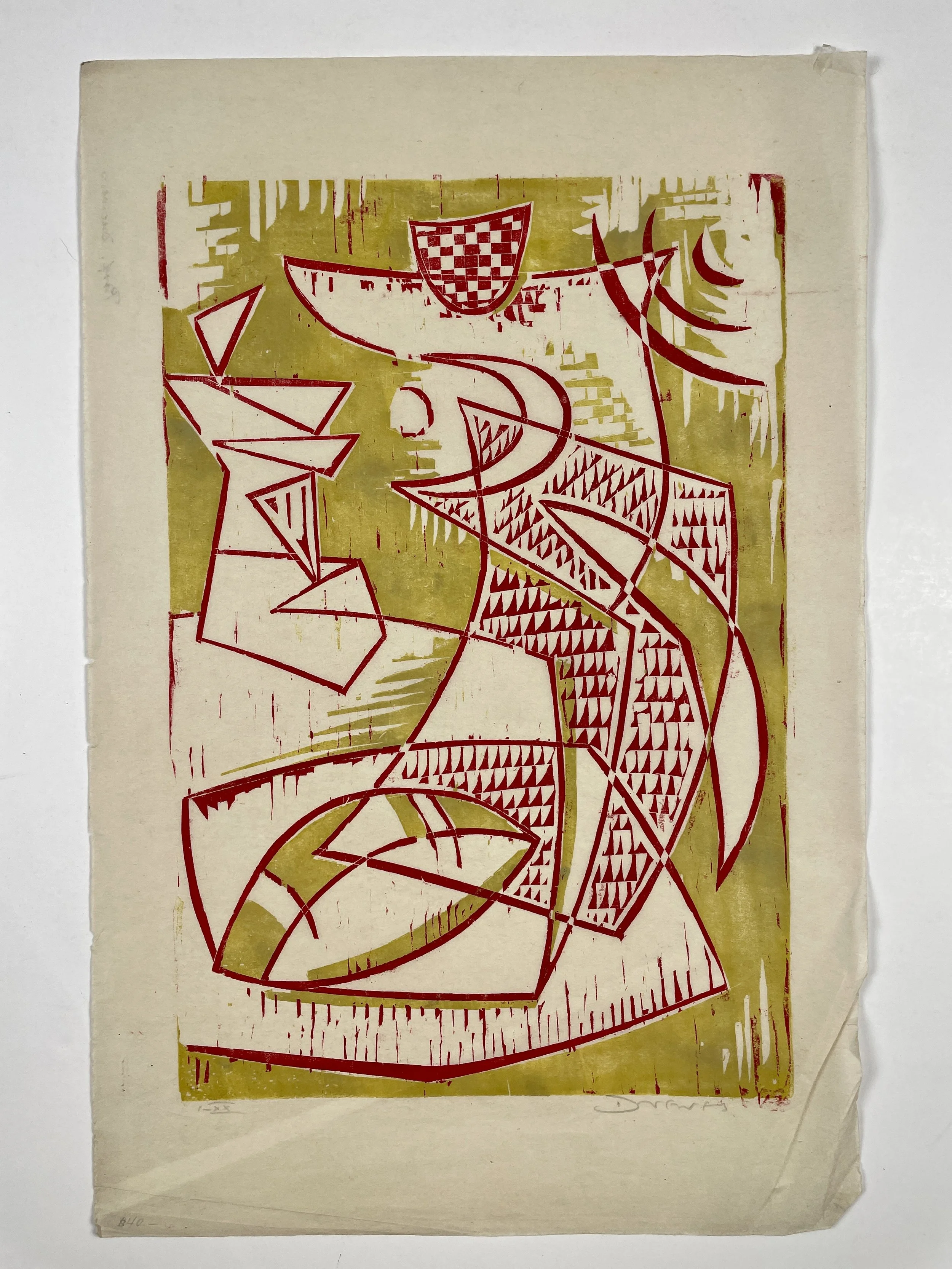
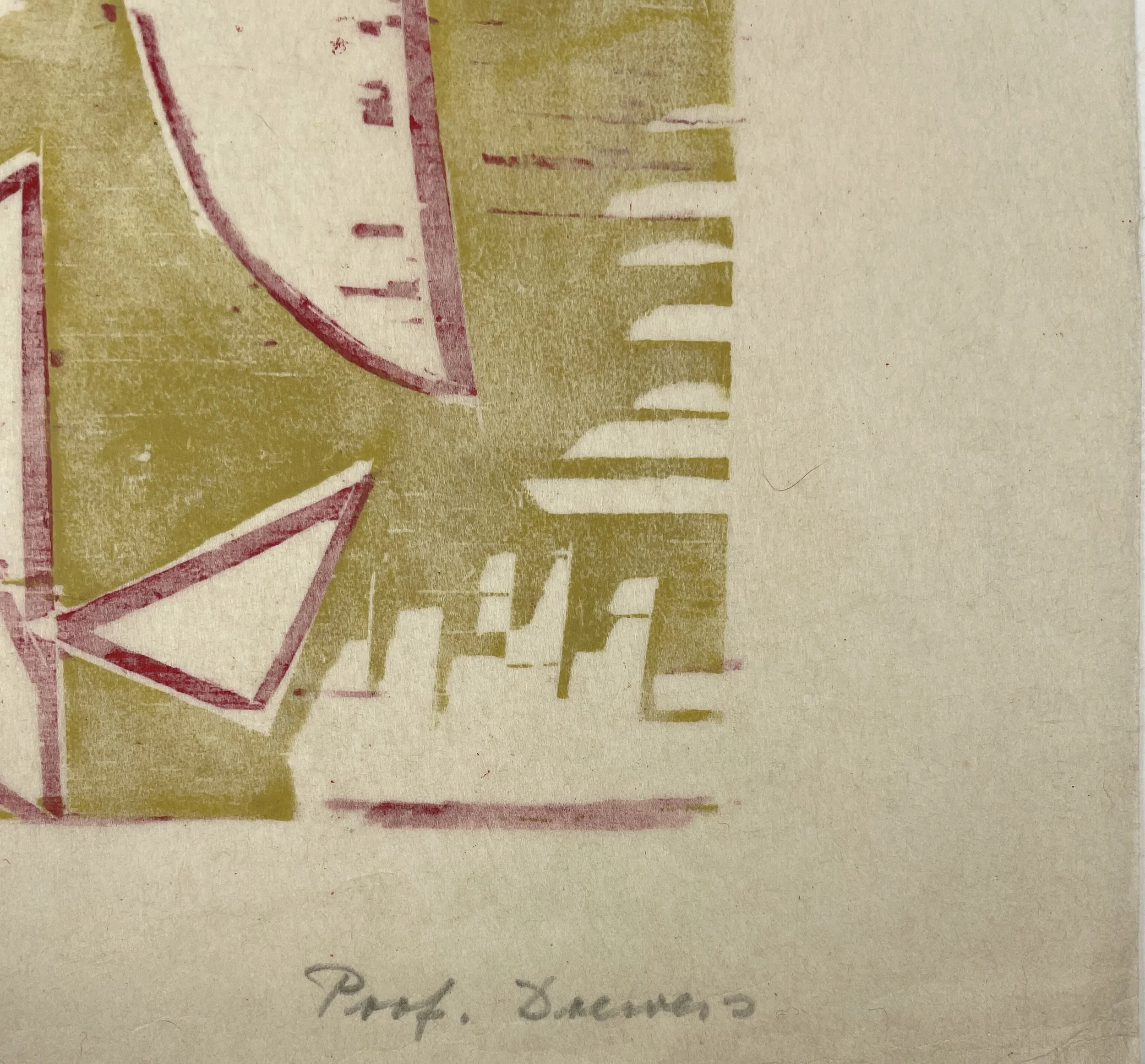
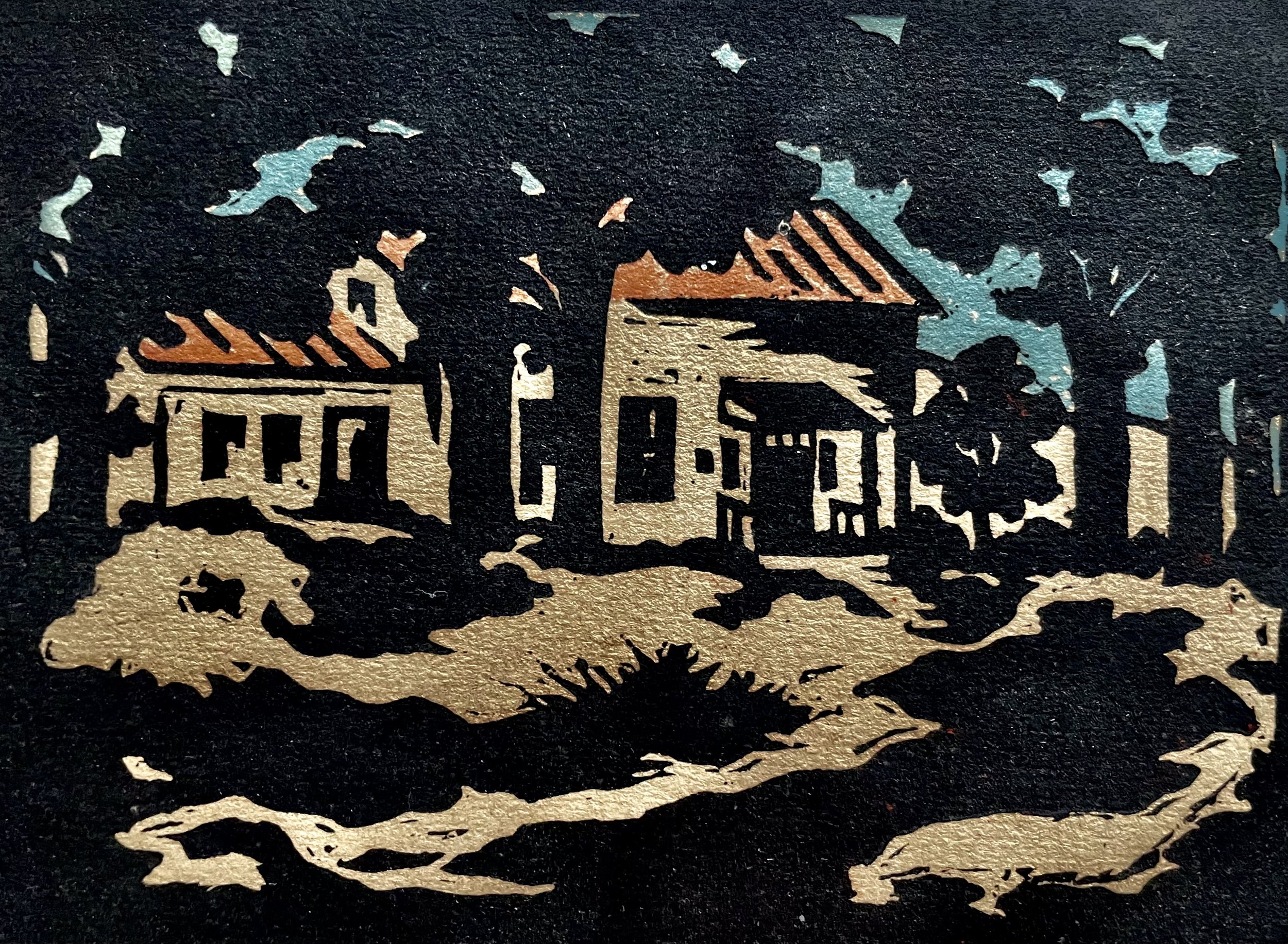
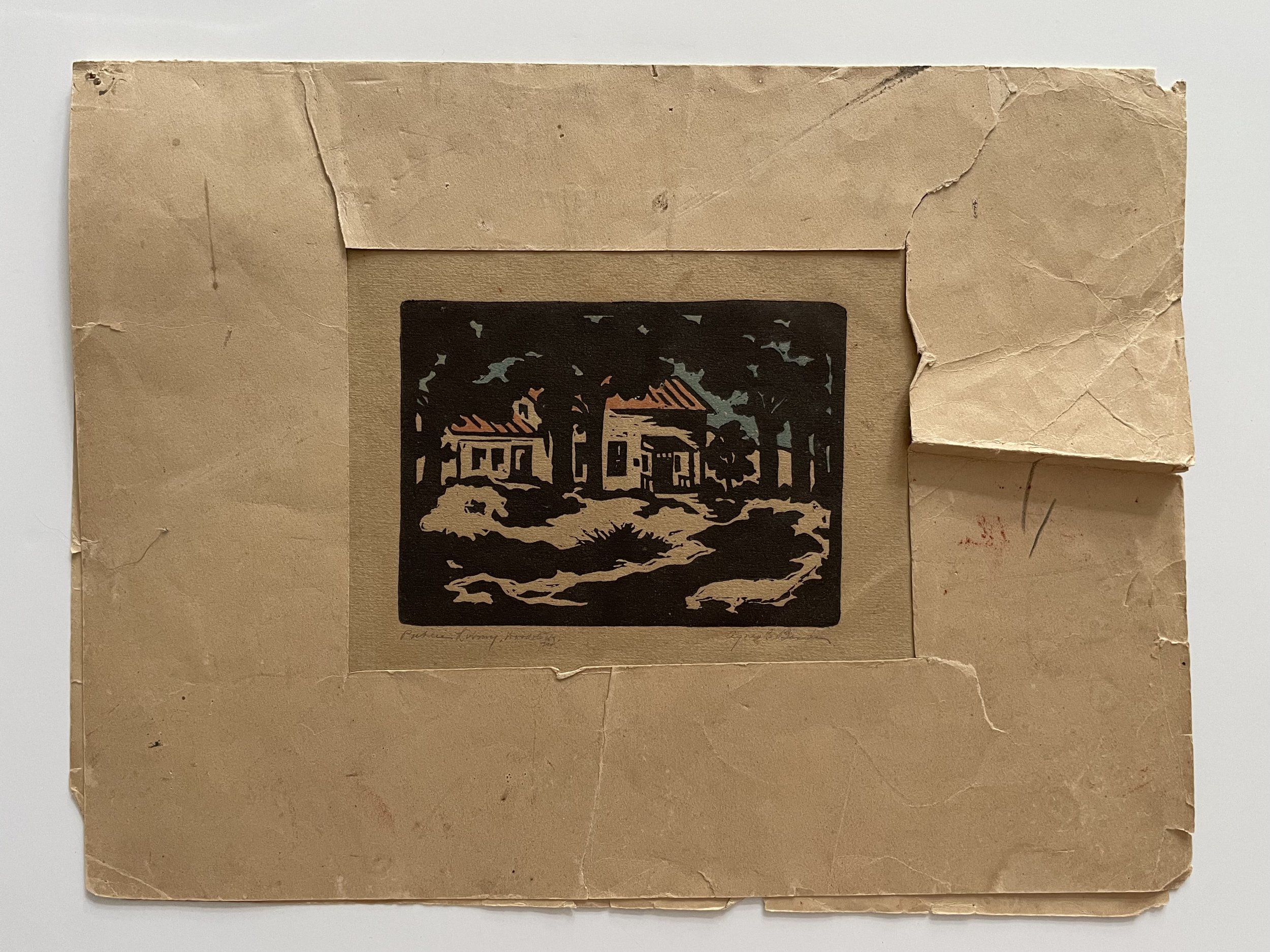
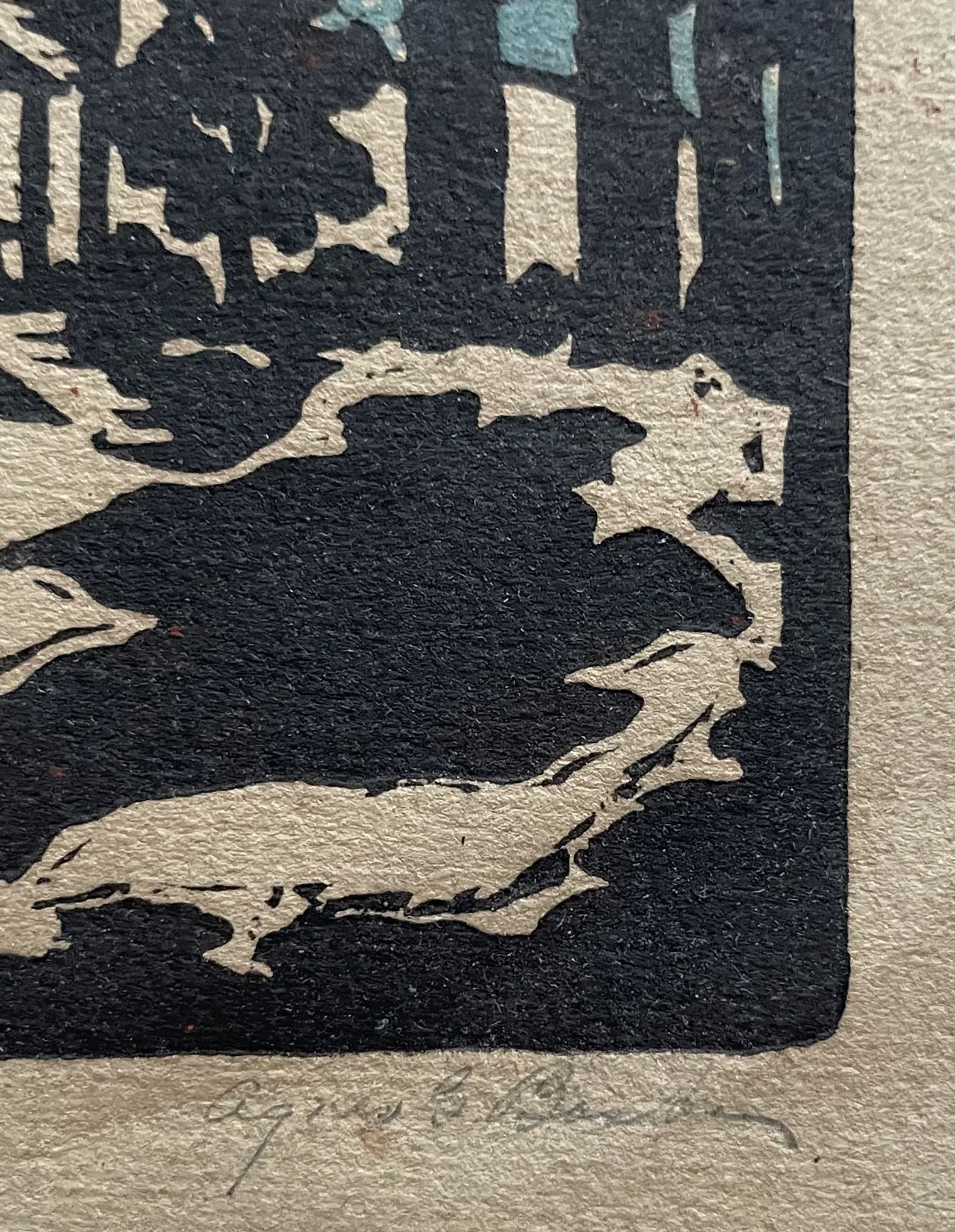
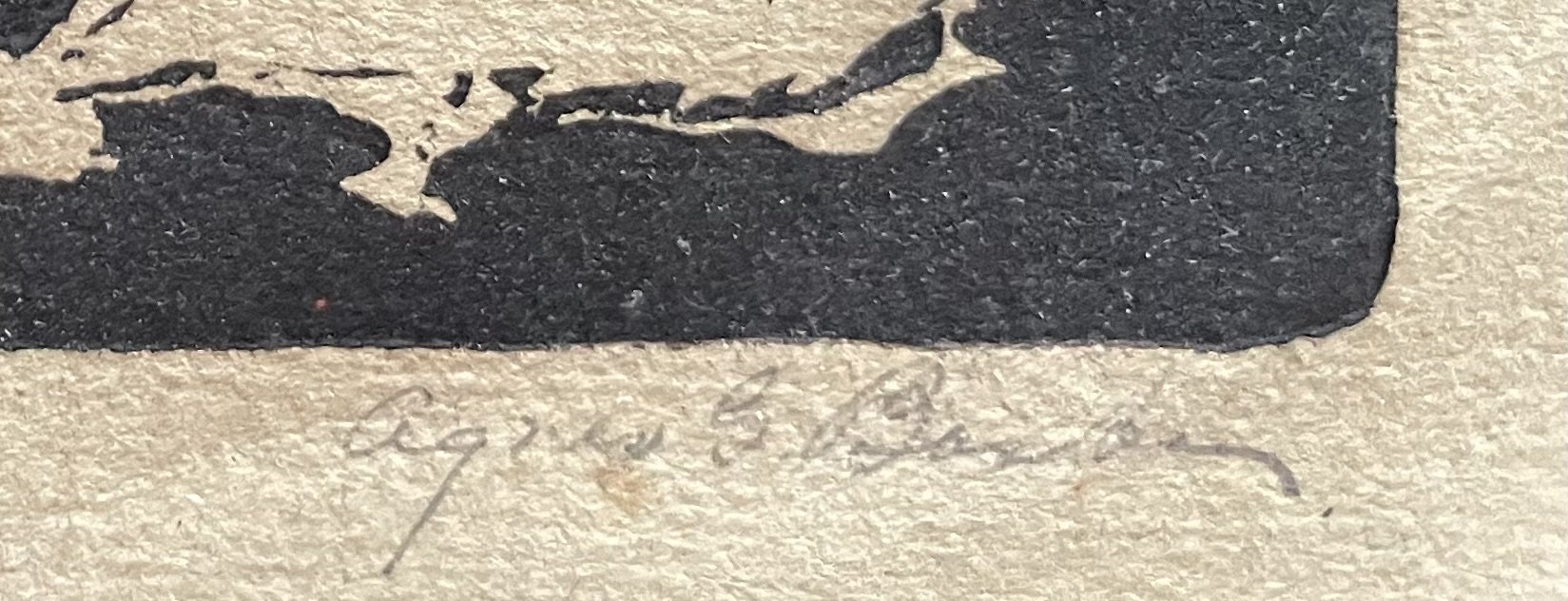
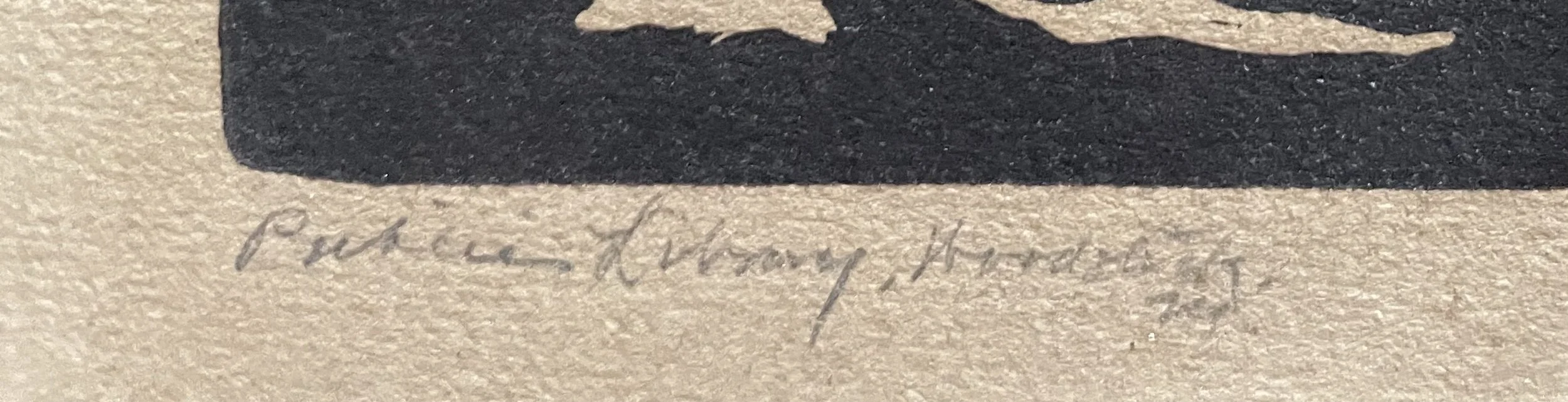
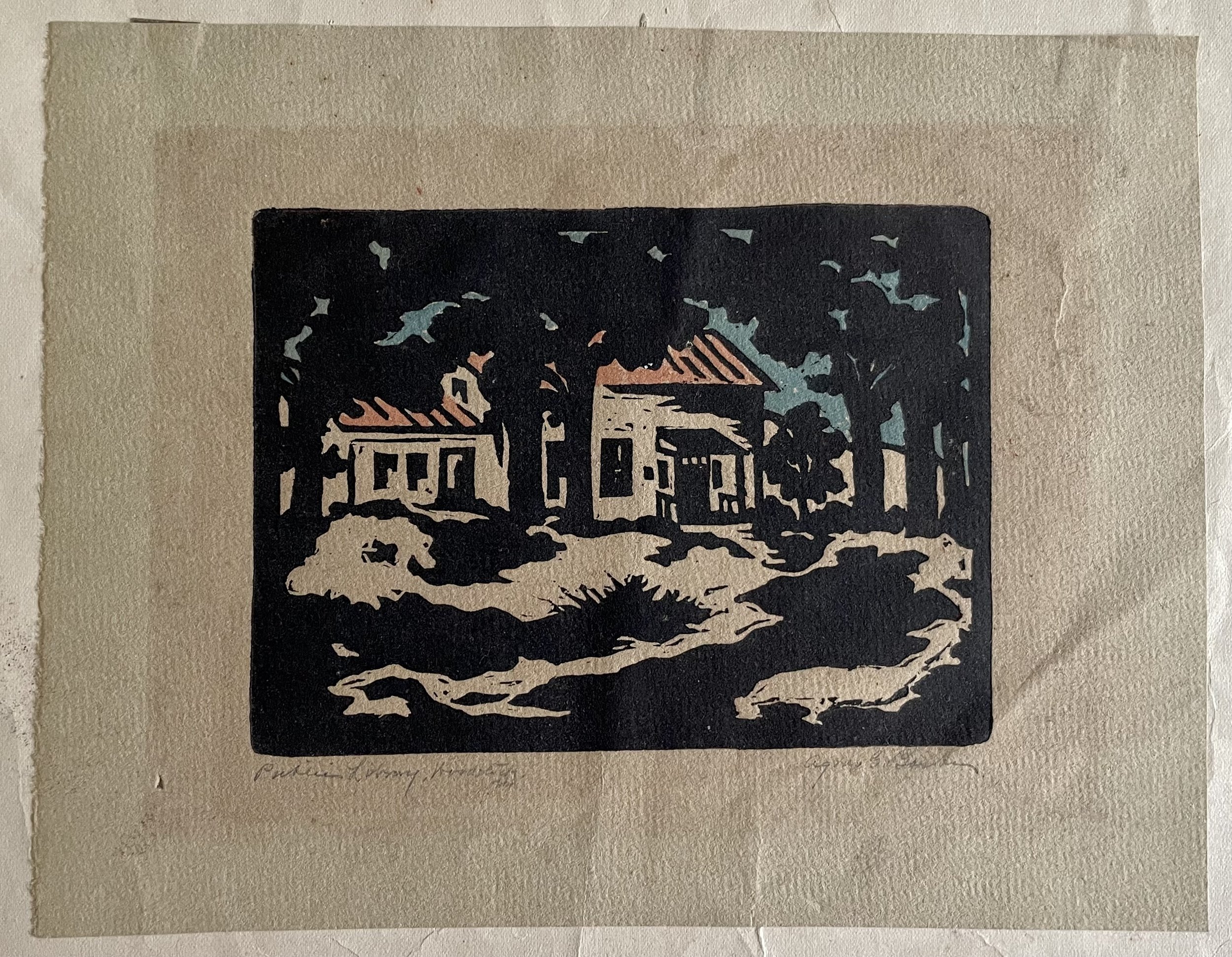
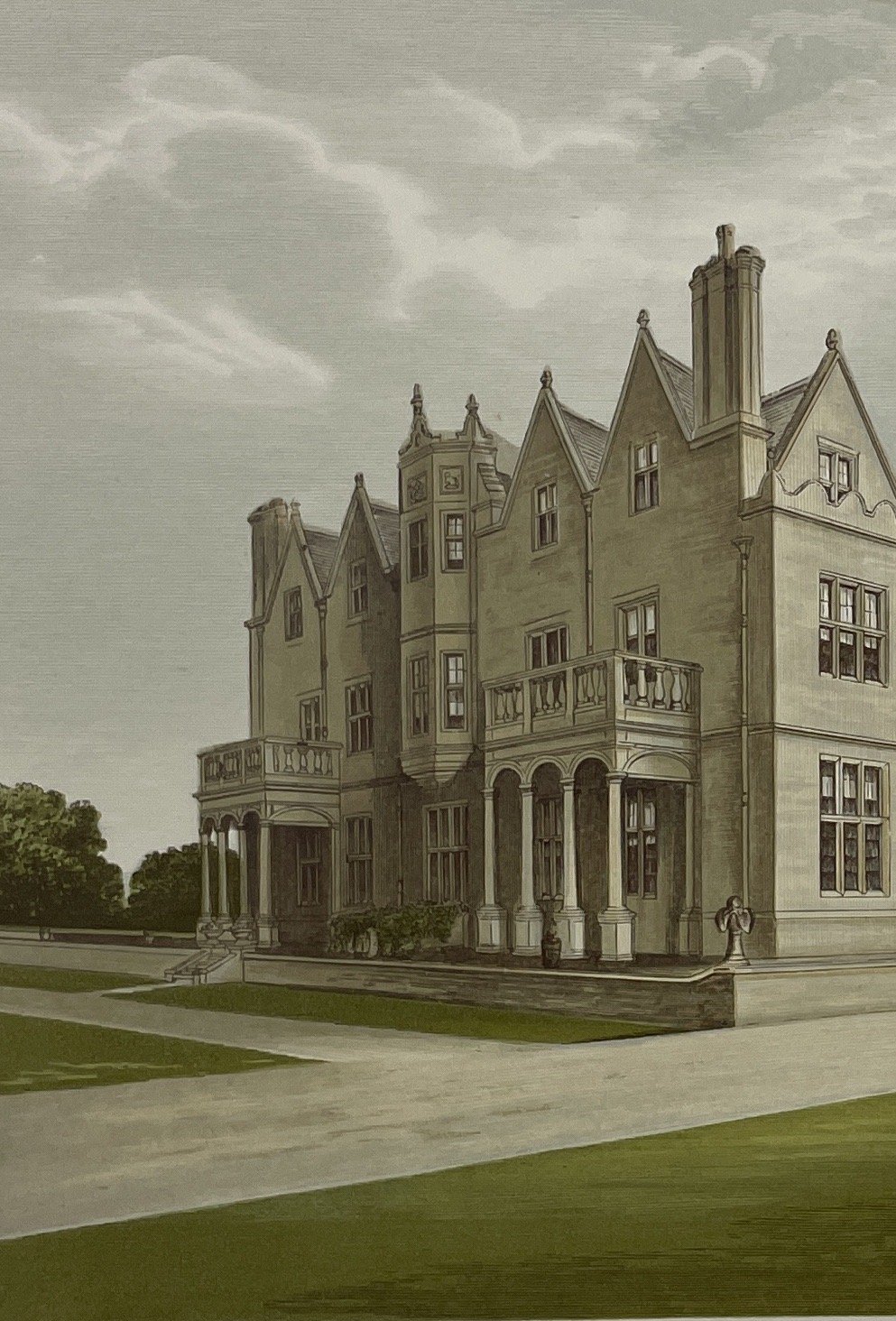
“Howsham Hall,” Alexander Francis Lydon (1836–1917), c. 1880, Baxter-process colored woodblock engraving printed by Benjamin Fawcett (1808–1893), published by William Mackenzie, London; sheet 10½ × 8 in., image approx. 7¼ × 5⅛ in., unsigned as issued.
This dramatic Victorian Baxter-process colored woodblock engraving of Howsham Hall, illustrated by Alexander Francis Lydon and printed by Benjamin Fawcett, is from the monumental 1880 volume A Series of Picturesque Views of Seats of the Noblemen and Gentlemen of Great Britain and Ireland. Set in a stark winter landscape with a huntsman on horseback and dogs crossing the snow, this plate is highly collectible among admirers of historic estates, winter landscape prints, Victorian illustration, and antique color woodblock craftsmanship.
Artwork Description
This richly atmospheric engraving depicts Howsham Hall, a distinguished Jacobean mansion located in North Yorkshire. Unlike many of the sunlit pastoral compositions in the series, this plate captures the estate in the heart of winter—an evocative and visually striking departure that showcases Lydon’s range and mastery of mood.
The mansion’s symmetrical façade, tall mullioned windows, steep gables, and ornate roofline stand prominently against the subdued winter sky. The stonework appears almost silvered under the cold light, giving the architecture a crisp sculptural quality. Bare, interwoven branches frame the scene on both sides, adding dramatic visual tension and emphasizing the chill of the season.
In the foreground, a mounted rider accompanied by dogs crosses the snow-covered grounds, adding narrative energy and reinforcing the estate’s long association with rural sporting life. Their movement also provides scale, further amplifying the grandeur of the hall.
Printed using Benjamin Fawcett’s Baxter-process, the plate was created from multiple carefully registered woodblocks—often eight or more—each applying transparent washes of color. This printing method gives exceptional tonal variation in the snow, the layered greys of the sky, and the deep shadows of the trees. The subtle blending of beige, white, blue-grey, and warm stone hues demonstrates the technical brilliance of the Lydon–Fawcett partnership.
As part of William Mackenzie’s Picturesque Views, this engraving serves as an important historical record of a Jacobean masterpiece that underwent significant changes over the centuries.
Artist & Printer Biographies
ALEXANDER FRANCIS LYDON (1836–1917) — Illustrator
Lydon was a leading Victorian draftsman whose work defined a generation of British architectural and natural history illustration. Trained in Benjamin Fawcett’s workshop, he developed a meticulous and poetic style, balancing architectural accuracy with atmospheric landscape elements. His contributions to numerous illustrated volumes—including natural histories, county surveys, and estate portfolios—remain prized examples of 19th-century draughtsmanship.
BENJAMIN FAWCETT (1808–1893) — Printer
One of the greatest color printers of the Victorian period, Fawcett perfected adaptations of the Baxter-process, producing color engravings notable for their clarity, saturation, and precision. Working from Driffield, Yorkshire, he became the leading printer of ornithological, architectural, and topographical books of the era. His multi-block woodblock printing technique remains a benchmark of 19th-century craftsmanship.
WILLIAM MACKENZIE — Publisher
Based in London, Edinburgh, and Dublin, Mackenzie specialized in luxurious illustrated volumes that blended scholarship with exceptional printing. His Picturesque Views of Seats of the Noblemen and Gentlemen of Great Britain and Ireland is today regarded as the most important visual record of Victorian country houses—many now altered or demolished.
Alexander Francis Lydon (illustrator), Benjamin Fawcett (printer), “Howsham Hall,” c. 1880. Baxter-process colored woodblock engraving from Picturesque Views of Seats of the Noblemen and Gentlemen of Great Britain and Ireland. Image approx. 7¼ × 5⅛ in.; sheet 10½ × 8 in. Excellent detail and strong winter coloration; very good vintage condition.
CERTIFICATE OF VALUE & AUTHENTICATION
For Fine Art Appraisal / Insurance / Gallery Documentation
Title: Howsham Hall
Illustrator: Alexander Francis Lydon (1836–1917)
Printer: Benjamin Fawcett (1808–1893)
Publisher: William Mackenzie, London / Edinburgh / Dublin
Date: c. 1880
Medium: Baxter-process colored woodblock engraving (multi-block, approx. 8 colors)
Sheet Size: 10½ × 8 inches
Image Size: approx. 7¼ × 5⅛ inches
Condition: Excellent color and impression; winter tones crisp; clean margins; never framed or exposed
Current Owner: Artfind Gallery, Washington, DC
Authentication: Confirmed period impression consistent with Lydon–Fawcett technical attributes and Mackenzie publication.
Provenance Chain
Published by William Mackenzie, London / Edinburgh / Dublin (c. 1880)
Private British Collection
Mitch Moore Gallery Inc., NYC (retired inventory)
Current Owner: Artfind Gallery, Washington, DC
“Howsham Hall,” Alexander Francis Lydon (1836–1917), c. 1880, Baxter-process colored woodblock engraving printed by Benjamin Fawcett (1808–1893), published by William Mackenzie, London; sheet 10½ × 8 in., image approx. 7¼ × 5⅛ in., unsigned as issued.
This dramatic Victorian Baxter-process colored woodblock engraving of Howsham Hall, illustrated by Alexander Francis Lydon and printed by Benjamin Fawcett, is from the monumental 1880 volume A Series of Picturesque Views of Seats of the Noblemen and Gentlemen of Great Britain and Ireland. Set in a stark winter landscape with a huntsman on horseback and dogs crossing the snow, this plate is highly collectible among admirers of historic estates, winter landscape prints, Victorian illustration, and antique color woodblock craftsmanship.
Artwork Description
This richly atmospheric engraving depicts Howsham Hall, a distinguished Jacobean mansion located in North Yorkshire. Unlike many of the sunlit pastoral compositions in the series, this plate captures the estate in the heart of winter—an evocative and visually striking departure that showcases Lydon’s range and mastery of mood.
The mansion’s symmetrical façade, tall mullioned windows, steep gables, and ornate roofline stand prominently against the subdued winter sky. The stonework appears almost silvered under the cold light, giving the architecture a crisp sculptural quality. Bare, interwoven branches frame the scene on both sides, adding dramatic visual tension and emphasizing the chill of the season.
In the foreground, a mounted rider accompanied by dogs crosses the snow-covered grounds, adding narrative energy and reinforcing the estate’s long association with rural sporting life. Their movement also provides scale, further amplifying the grandeur of the hall.
Printed using Benjamin Fawcett’s Baxter-process, the plate was created from multiple carefully registered woodblocks—often eight or more—each applying transparent washes of color. This printing method gives exceptional tonal variation in the snow, the layered greys of the sky, and the deep shadows of the trees. The subtle blending of beige, white, blue-grey, and warm stone hues demonstrates the technical brilliance of the Lydon–Fawcett partnership.
As part of William Mackenzie’s Picturesque Views, this engraving serves as an important historical record of a Jacobean masterpiece that underwent significant changes over the centuries.
Artist & Printer Biographies
ALEXANDER FRANCIS LYDON (1836–1917) — Illustrator
Lydon was a leading Victorian draftsman whose work defined a generation of British architectural and natural history illustration. Trained in Benjamin Fawcett’s workshop, he developed a meticulous and poetic style, balancing architectural accuracy with atmospheric landscape elements. His contributions to numerous illustrated volumes—including natural histories, county surveys, and estate portfolios—remain prized examples of 19th-century draughtsmanship.
BENJAMIN FAWCETT (1808–1893) — Printer
One of the greatest color printers of the Victorian period, Fawcett perfected adaptations of the Baxter-process, producing color engravings notable for their clarity, saturation, and precision. Working from Driffield, Yorkshire, he became the leading printer of ornithological, architectural, and topographical books of the era. His multi-block woodblock printing technique remains a benchmark of 19th-century craftsmanship.
WILLIAM MACKENZIE — Publisher
Based in London, Edinburgh, and Dublin, Mackenzie specialized in luxurious illustrated volumes that blended scholarship with exceptional printing. His Picturesque Views of Seats of the Noblemen and Gentlemen of Great Britain and Ireland is today regarded as the most important visual record of Victorian country houses—many now altered or demolished.
Alexander Francis Lydon (illustrator), Benjamin Fawcett (printer), “Howsham Hall,” c. 1880. Baxter-process colored woodblock engraving from Picturesque Views of Seats of the Noblemen and Gentlemen of Great Britain and Ireland. Image approx. 7¼ × 5⅛ in.; sheet 10½ × 8 in. Excellent detail and strong winter coloration; very good vintage condition.
CERTIFICATE OF VALUE & AUTHENTICATION
For Fine Art Appraisal / Insurance / Gallery Documentation
Title: Howsham Hall
Illustrator: Alexander Francis Lydon (1836–1917)
Printer: Benjamin Fawcett (1808–1893)
Publisher: William Mackenzie, London / Edinburgh / Dublin
Date: c. 1880
Medium: Baxter-process colored woodblock engraving (multi-block, approx. 8 colors)
Sheet Size: 10½ × 8 inches
Image Size: approx. 7¼ × 5⅛ inches
Condition: Excellent color and impression; winter tones crisp; clean margins; never framed or exposed
Current Owner: Artfind Gallery, Washington, DC
Authentication: Confirmed period impression consistent with Lydon–Fawcett technical attributes and Mackenzie publication.
Provenance Chain
Published by William Mackenzie, London / Edinburgh / Dublin (c. 1880)
Private British Collection
Mitch Moore Gallery Inc., NYC (retired inventory)
Current Owner: Artfind Gallery, Washington, DC
 Image 1 of 6
 Image 2 of 6
 Image 3 of 6
 Image 4 of 6
 Image 5 of 6
 Image 6 of 6