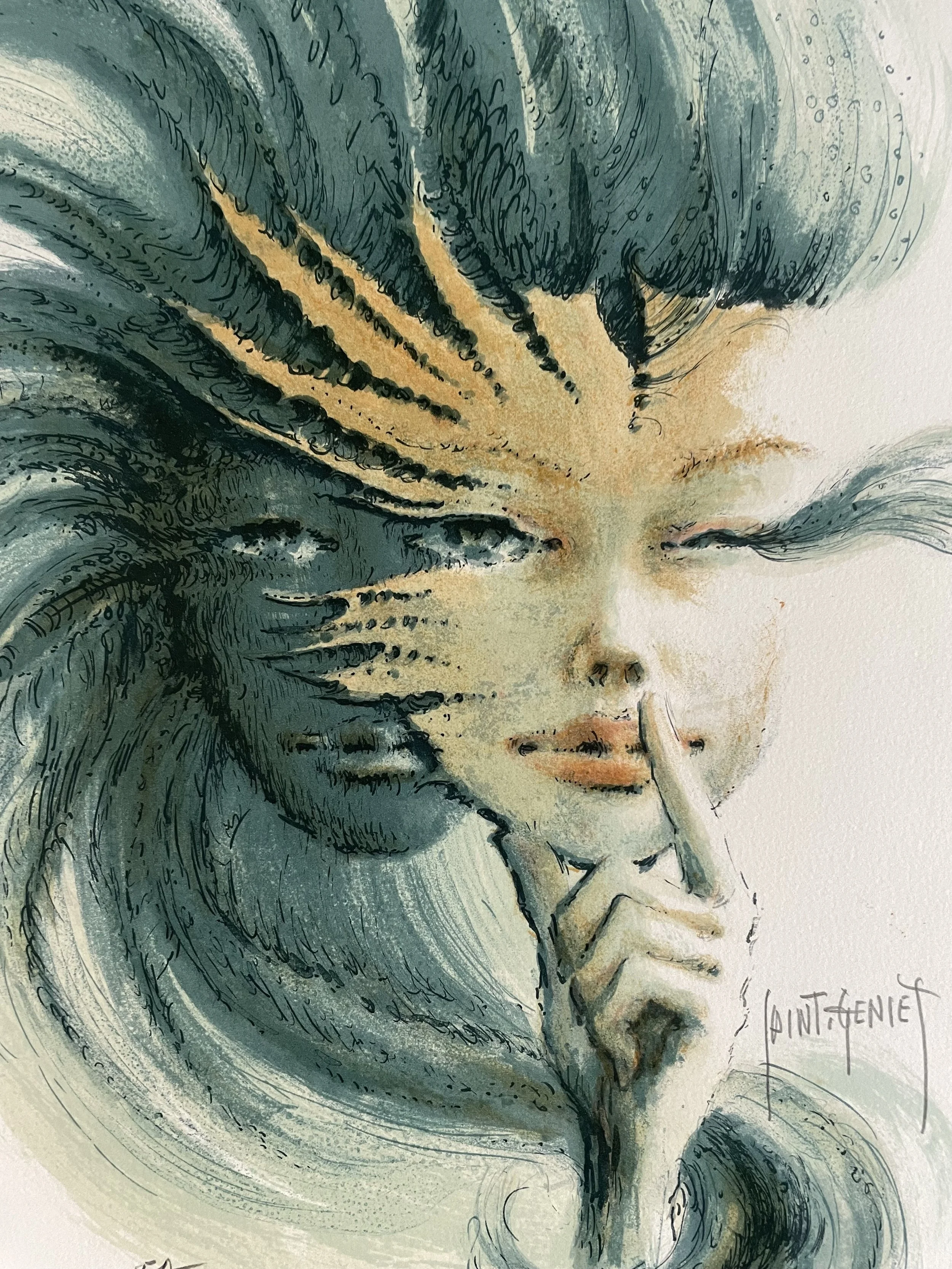
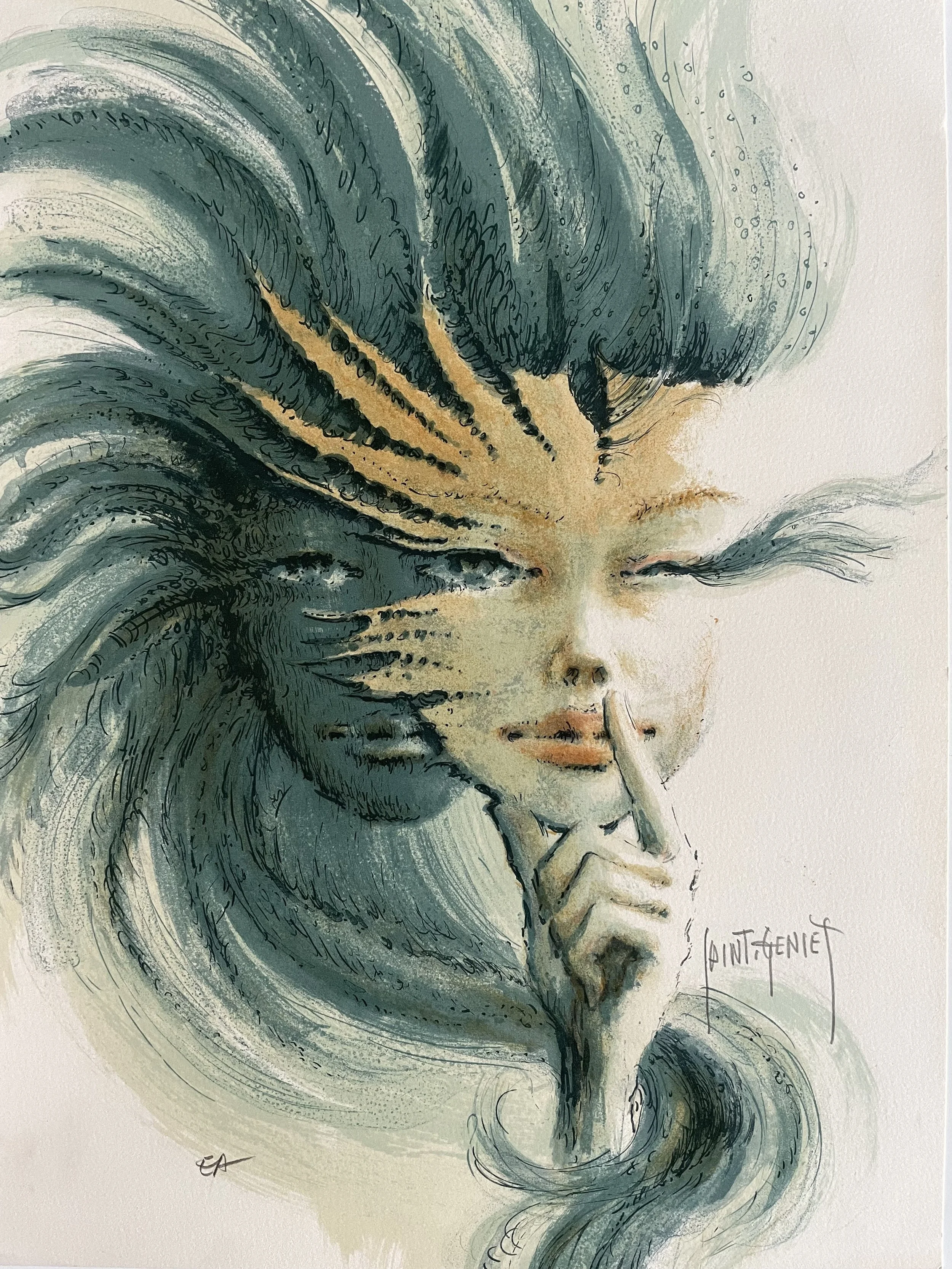
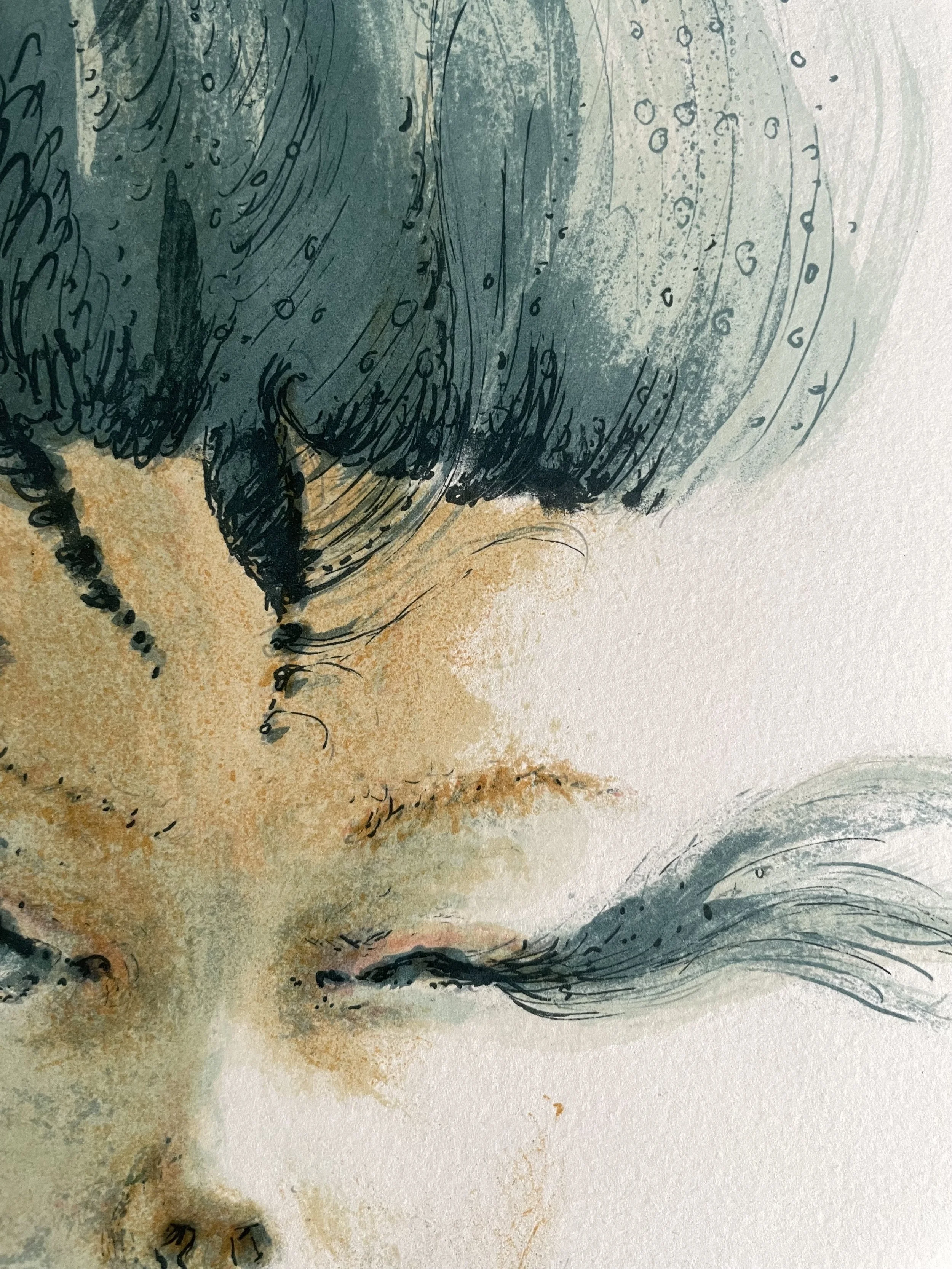
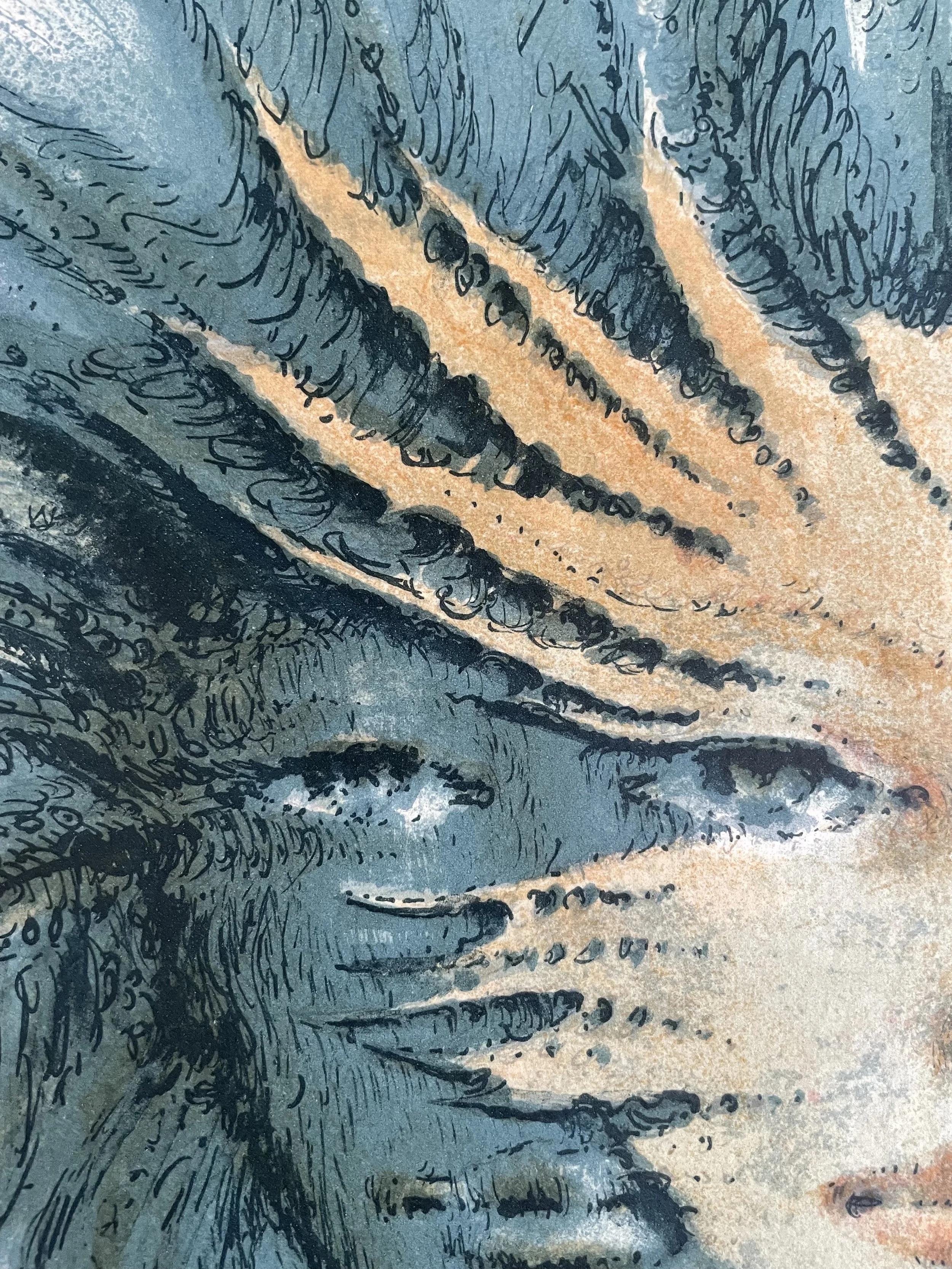
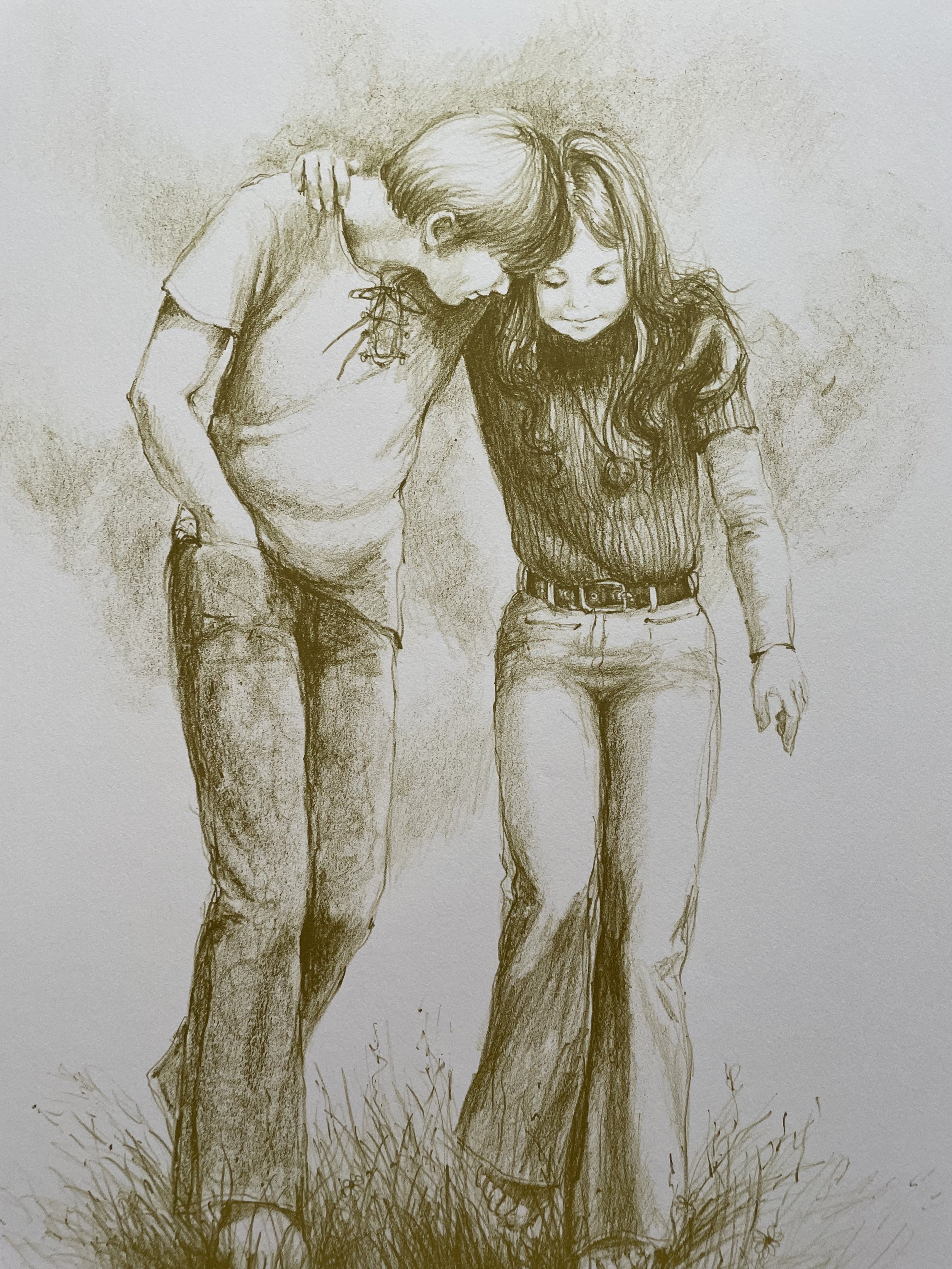
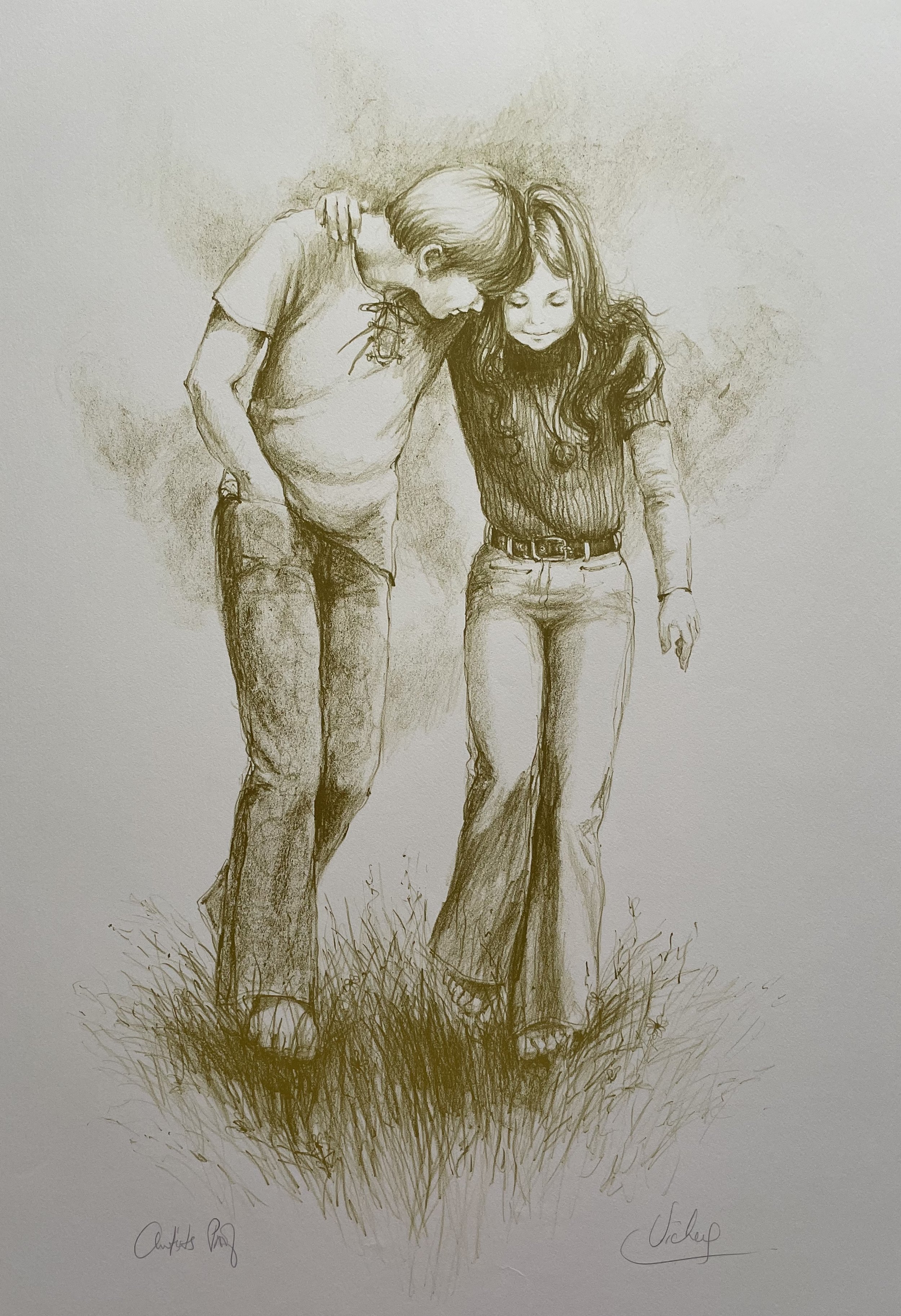
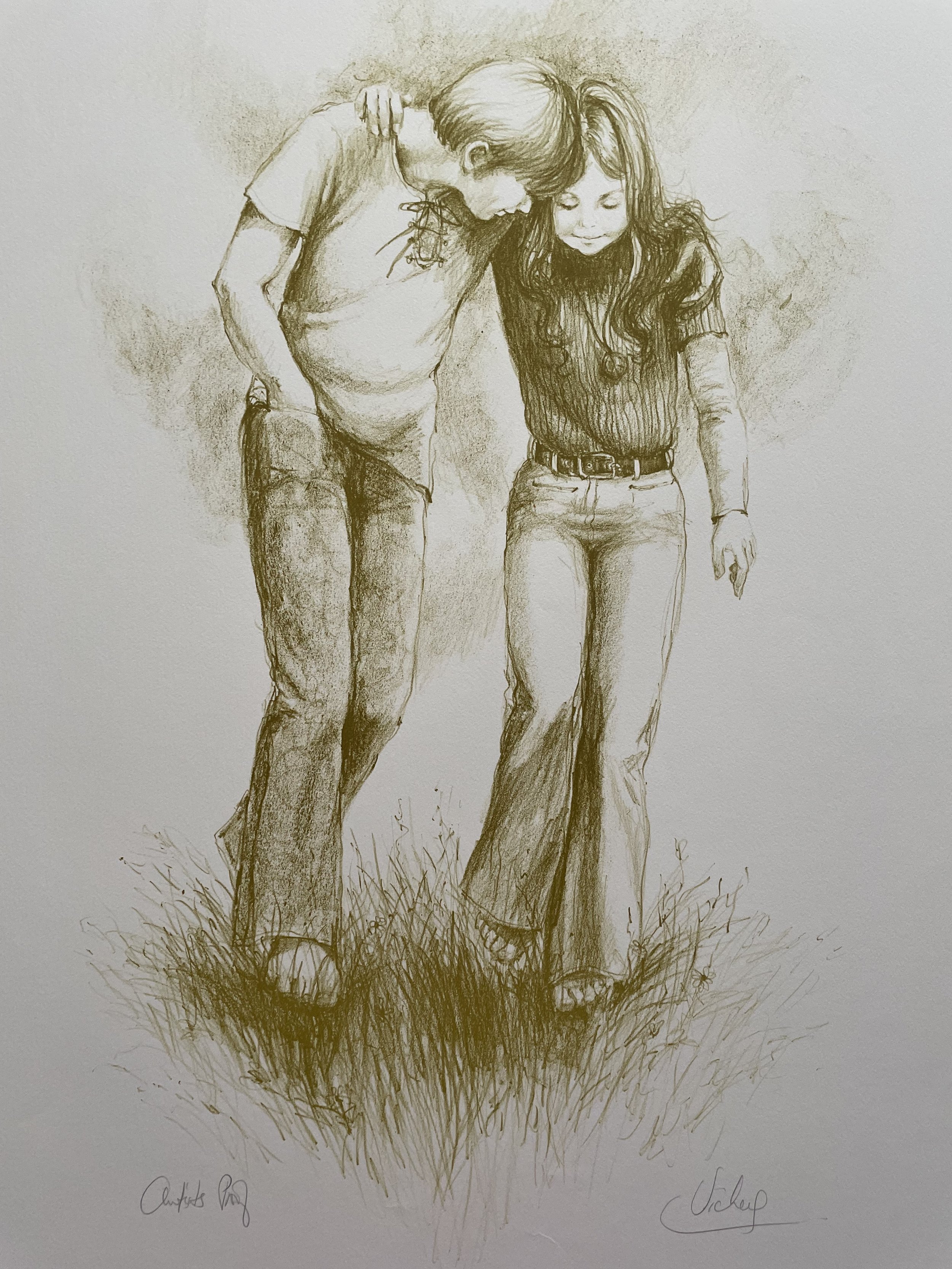
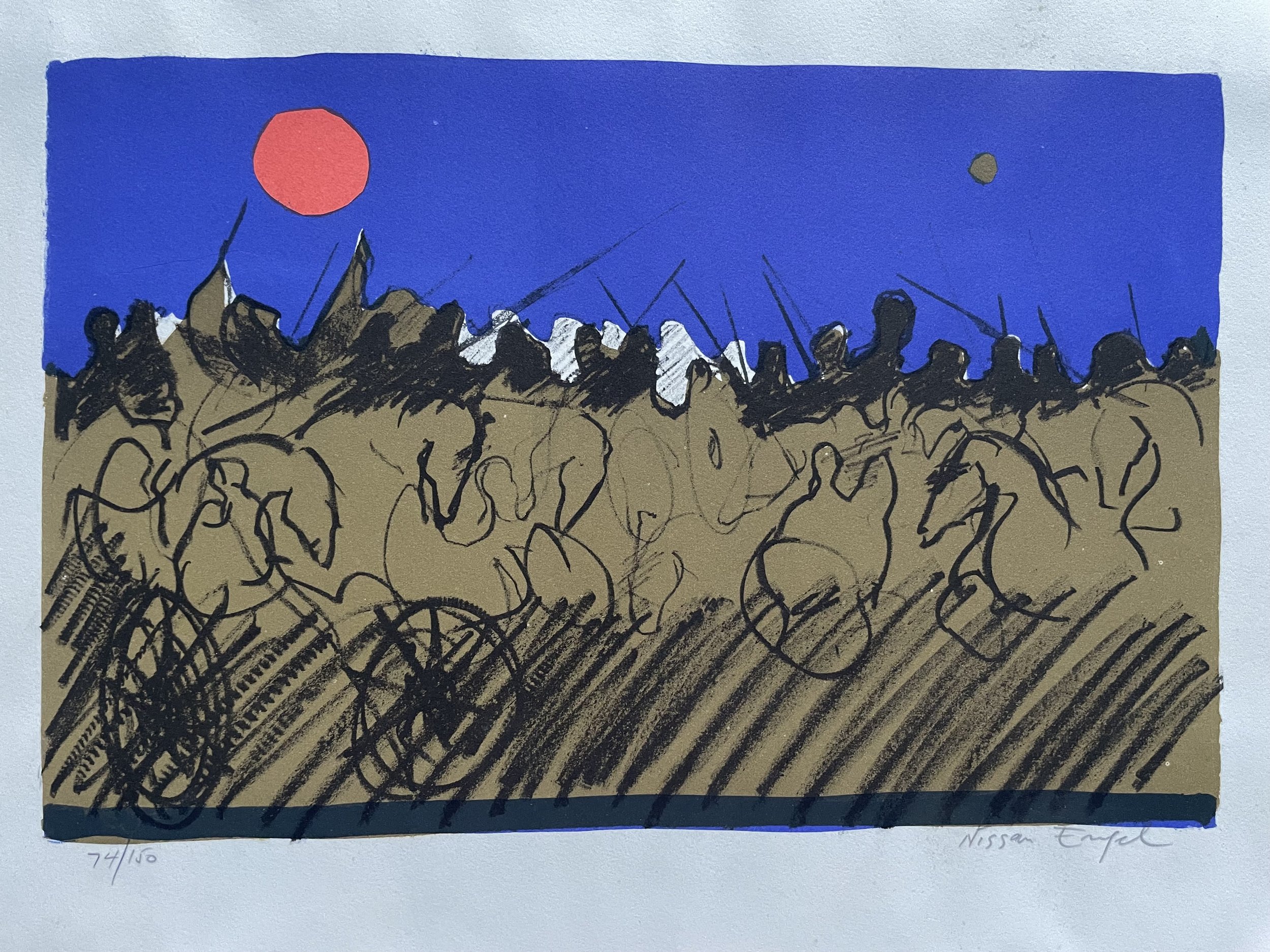
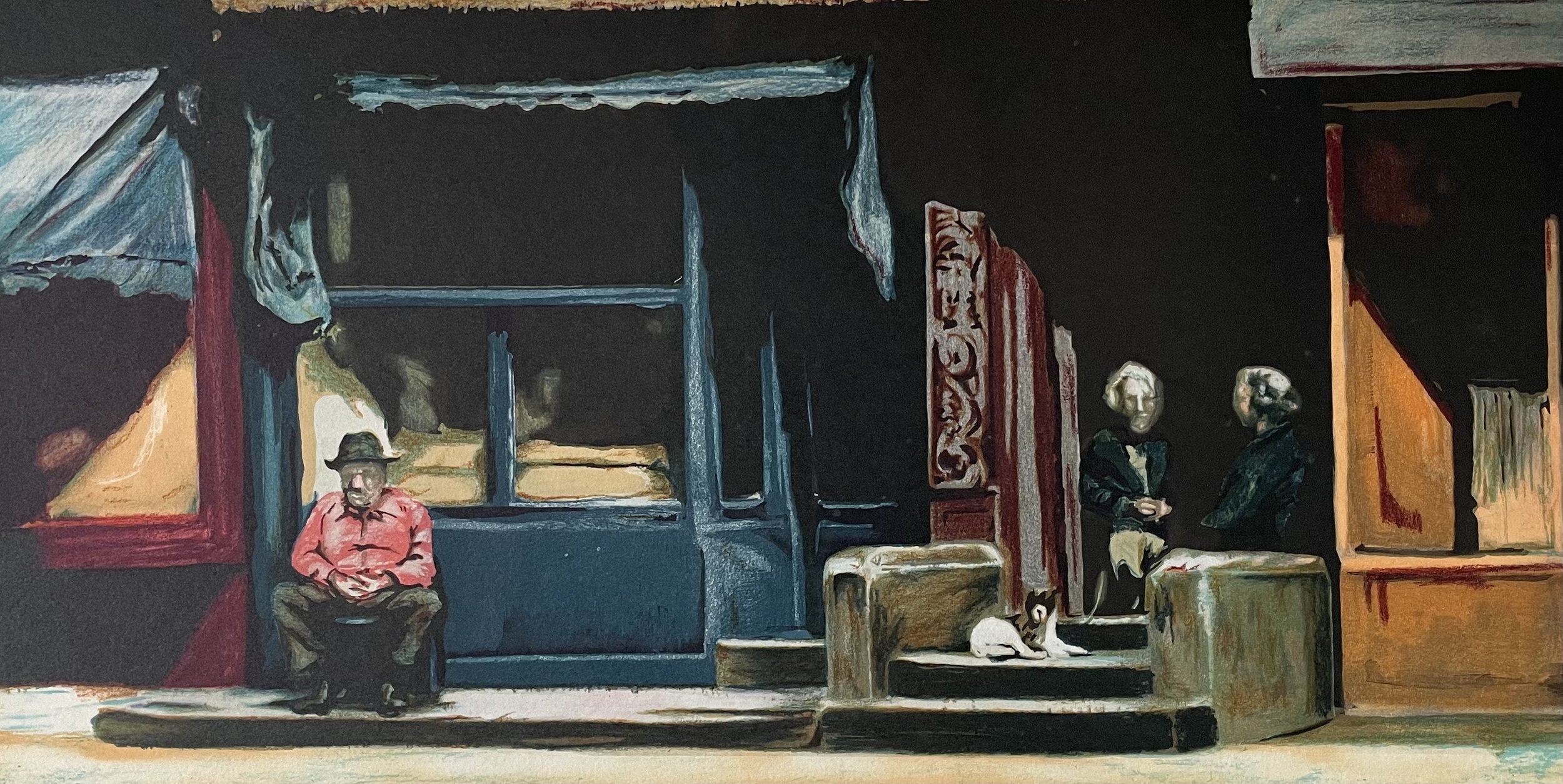
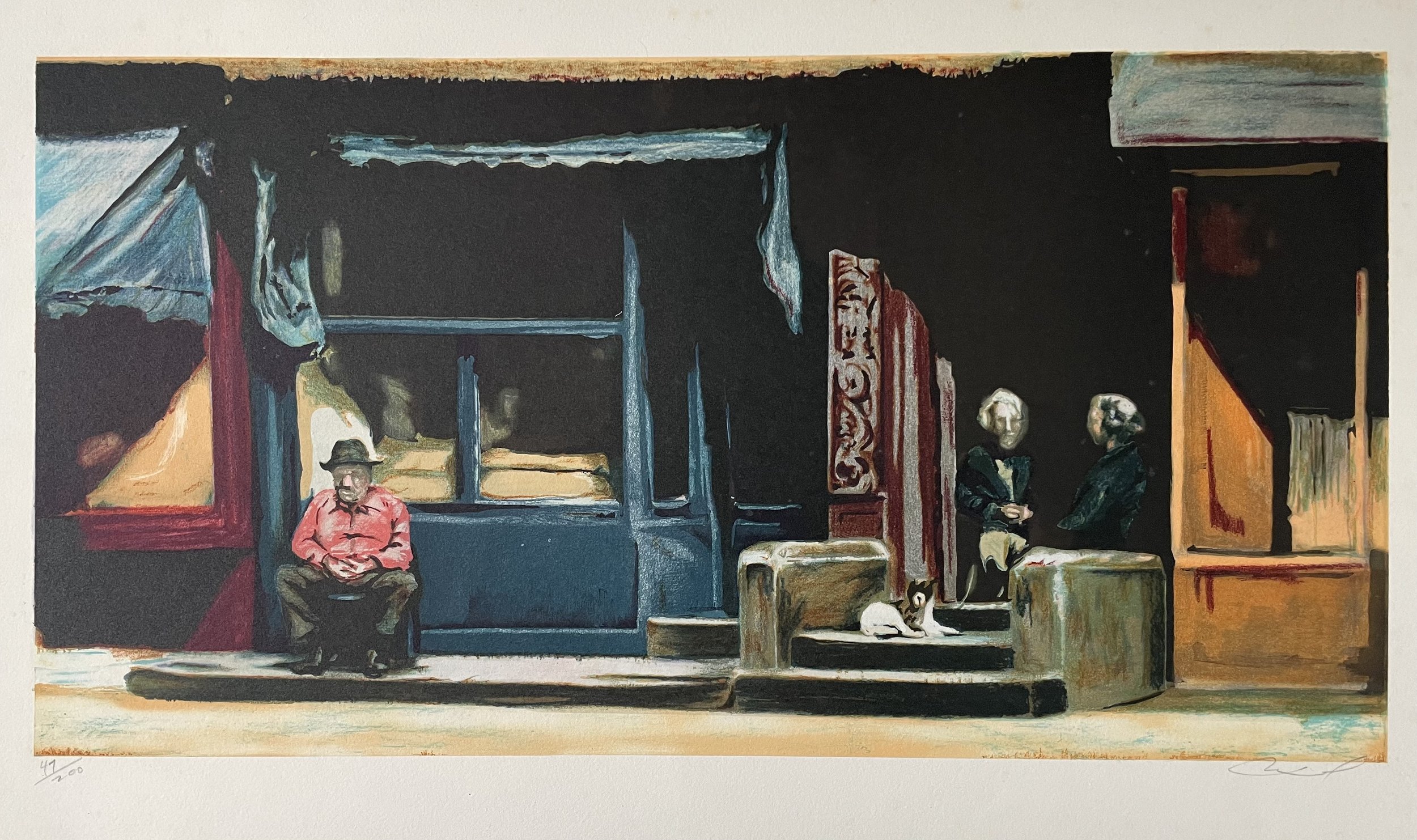
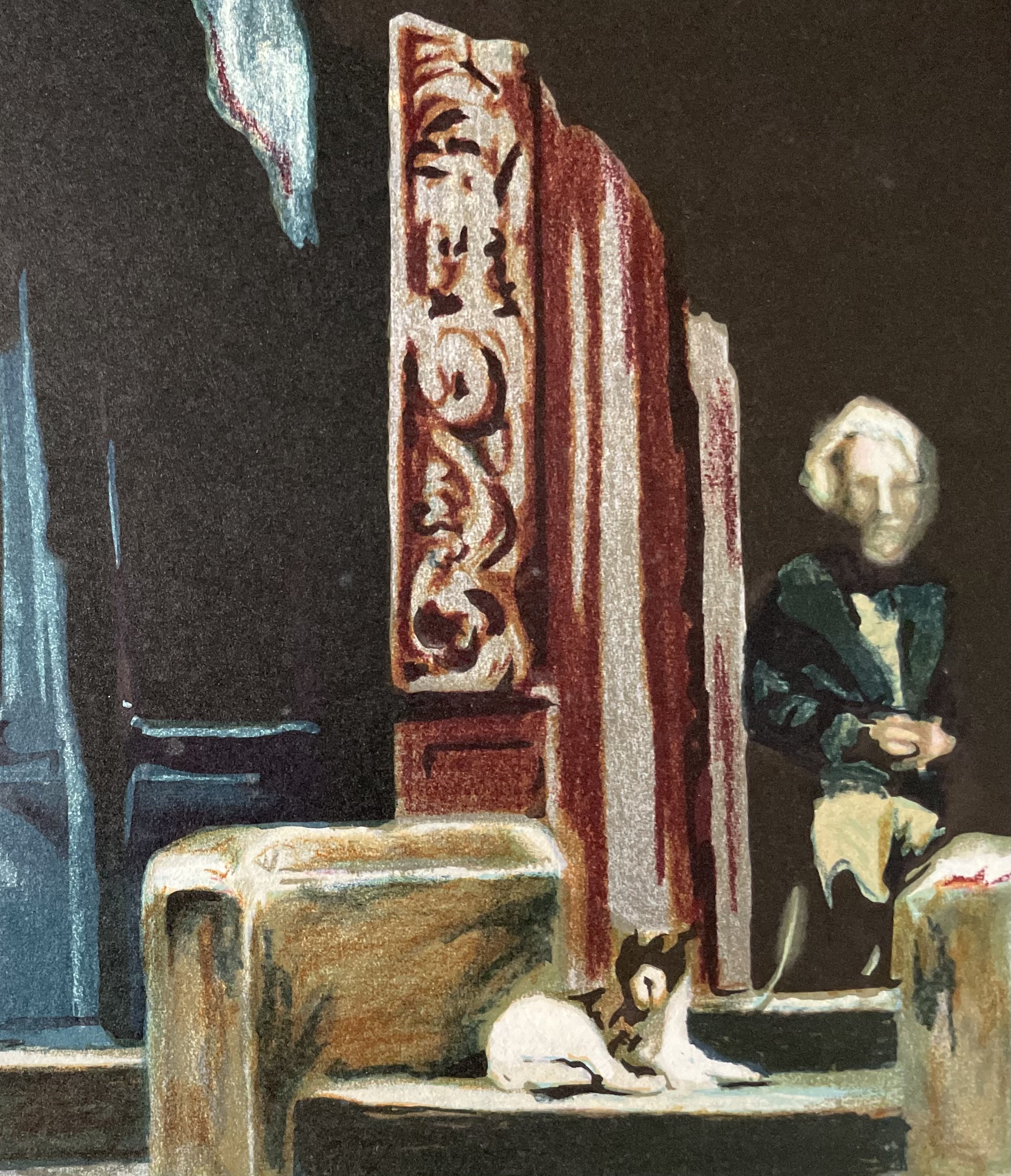
Medieval Warriors, Nissan Engel (1931–2016), c.1970s–1980s, original stone lithograph on paper, signed and numbered 61/125, approx. 12 × 18 inches.
Nissan Engel’s Medieval Warriors is a dramatic original stone lithograph that transforms the imagery of mounted battle into a sweeping field of expressive modernist line. Signed by the artist and numbered 61/125, the print combines bold lithographic drawing with a warm tonal ground that evokes parchment, dust, and motion. Engel’s gestural marks suggest armored riders, horses, and lances emerging from abstraction, reflecting his distinctive approach to narrative imagery. This work exemplifies Engel’s graphic language in which historical themes are reimagined through rhythm, gesture, and modernist composition.
Artwork Description
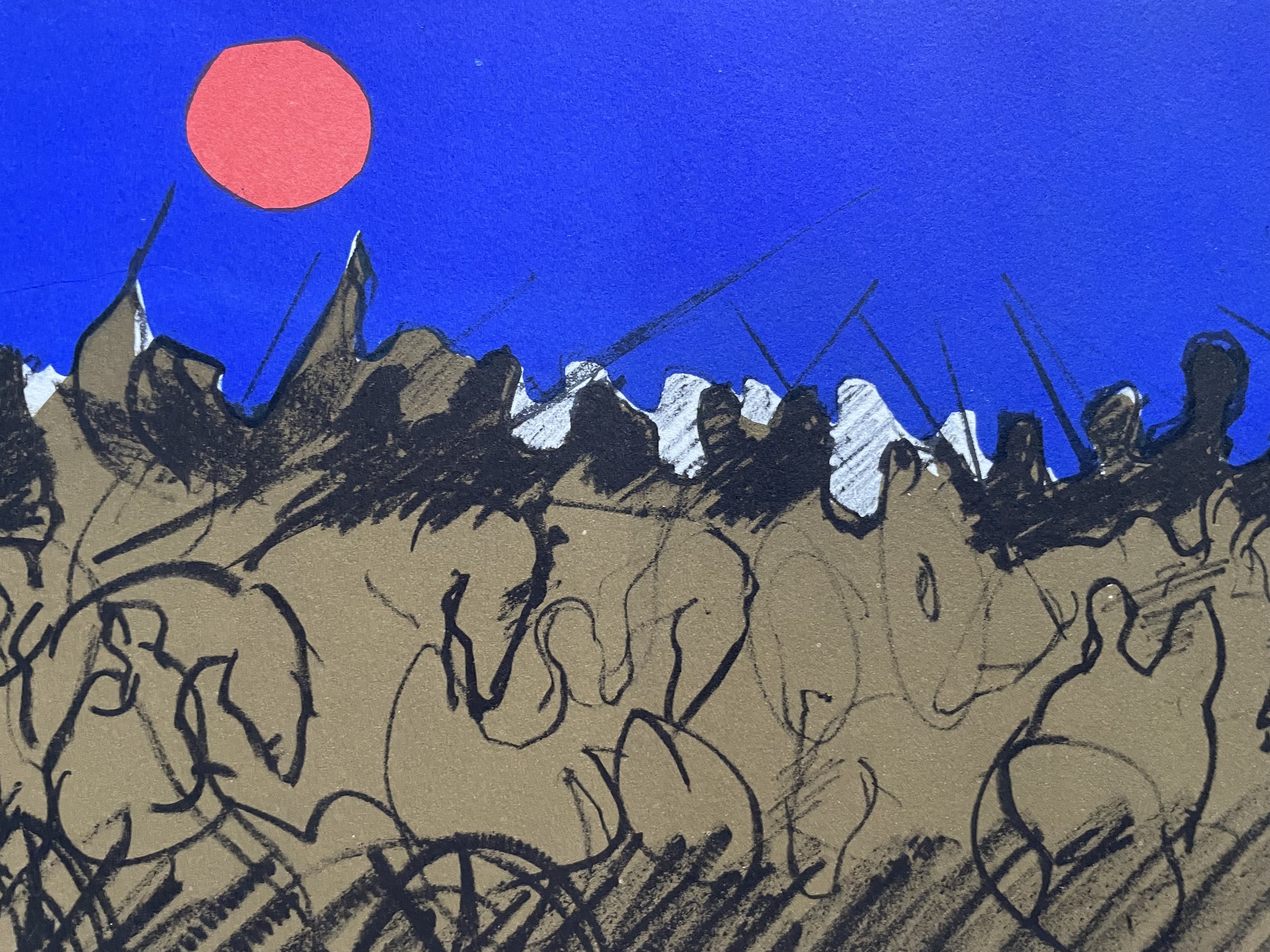
Medieval Warriors captures the surge and confusion of mounted combat through a vivid language of gesture and tone. Across a warm ochre field, Nissan Engel unleashes a dense network of black lines that seem to form and dissolve into riders, horses, weapons, and fragments of landscape. Rather than presenting a literal scene, the artist allows the imagery to emerge from movement itself.
The composition appears almost explosive. Horses rear and plunge through the frame while riders lean forward with lances raised. Wheels, shields, and armor-like shapes appear briefly before dissolving into the surrounding motion. Engel’s line is quick and instinctive, giving the work an immediacy that recalls sketches made in the heat of action.
The lithographic medium allows these energetic lines to retain the character of direct drawing. In traditional stone lithography the artist draws onto a limestone block using greasy lithographic crayon or tusche ink. The stone is chemically processed so that printing ink adheres only to the drawn areas while water repels it from the rest of the surface. This technique preserves subtle tonal variations and the grain of the stone, both of which are visible in the atmospheric background of the print.
The warm ochre field creates the visual atmosphere of the scene, suggesting dust, earth, and aged parchment. Against this field the black drawing appears almost calligraphic. Engel’s riders become rhythmic marks moving across space rather than fixed figures. The result is a composition that feels both historical and timeless.
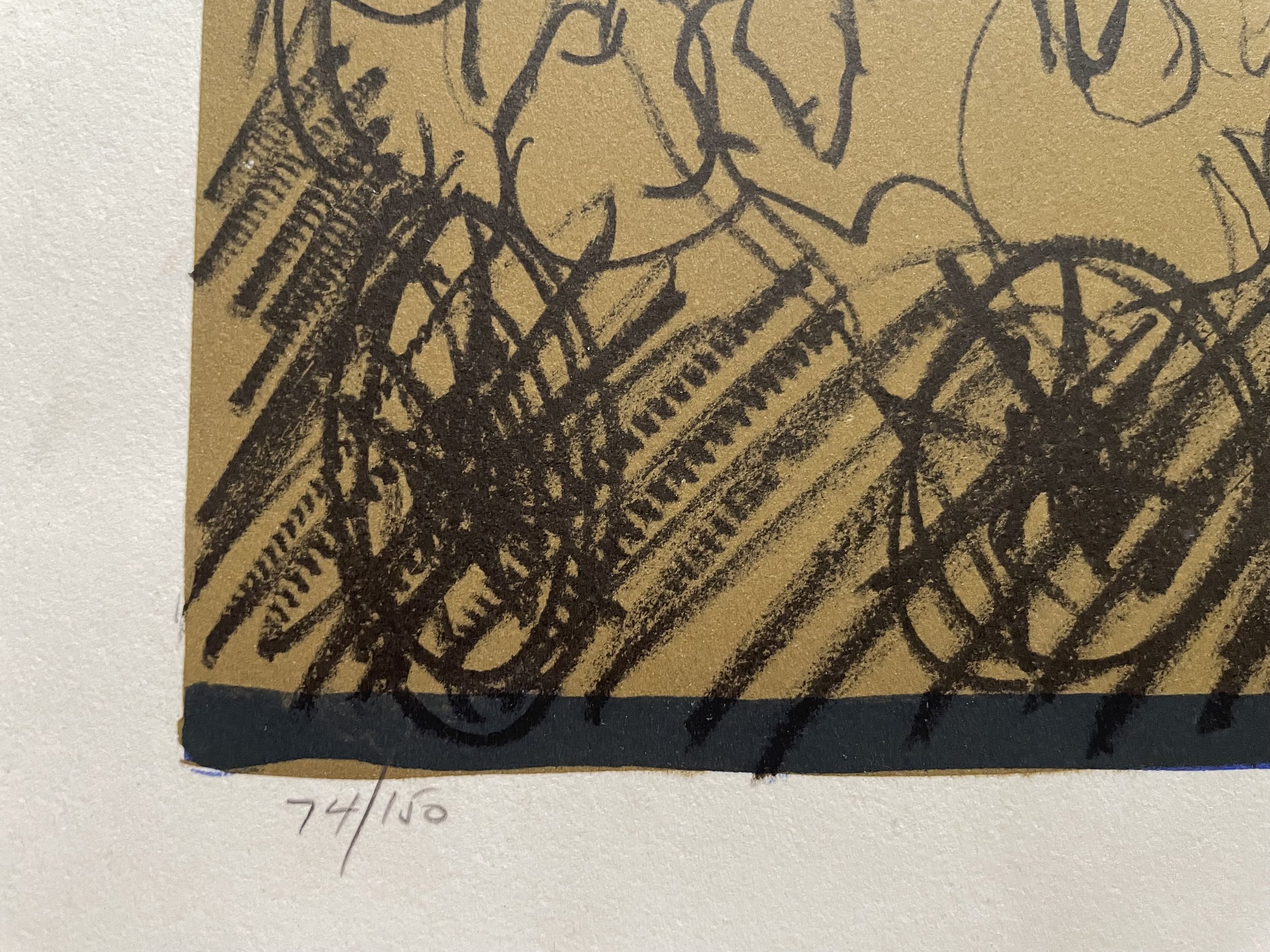
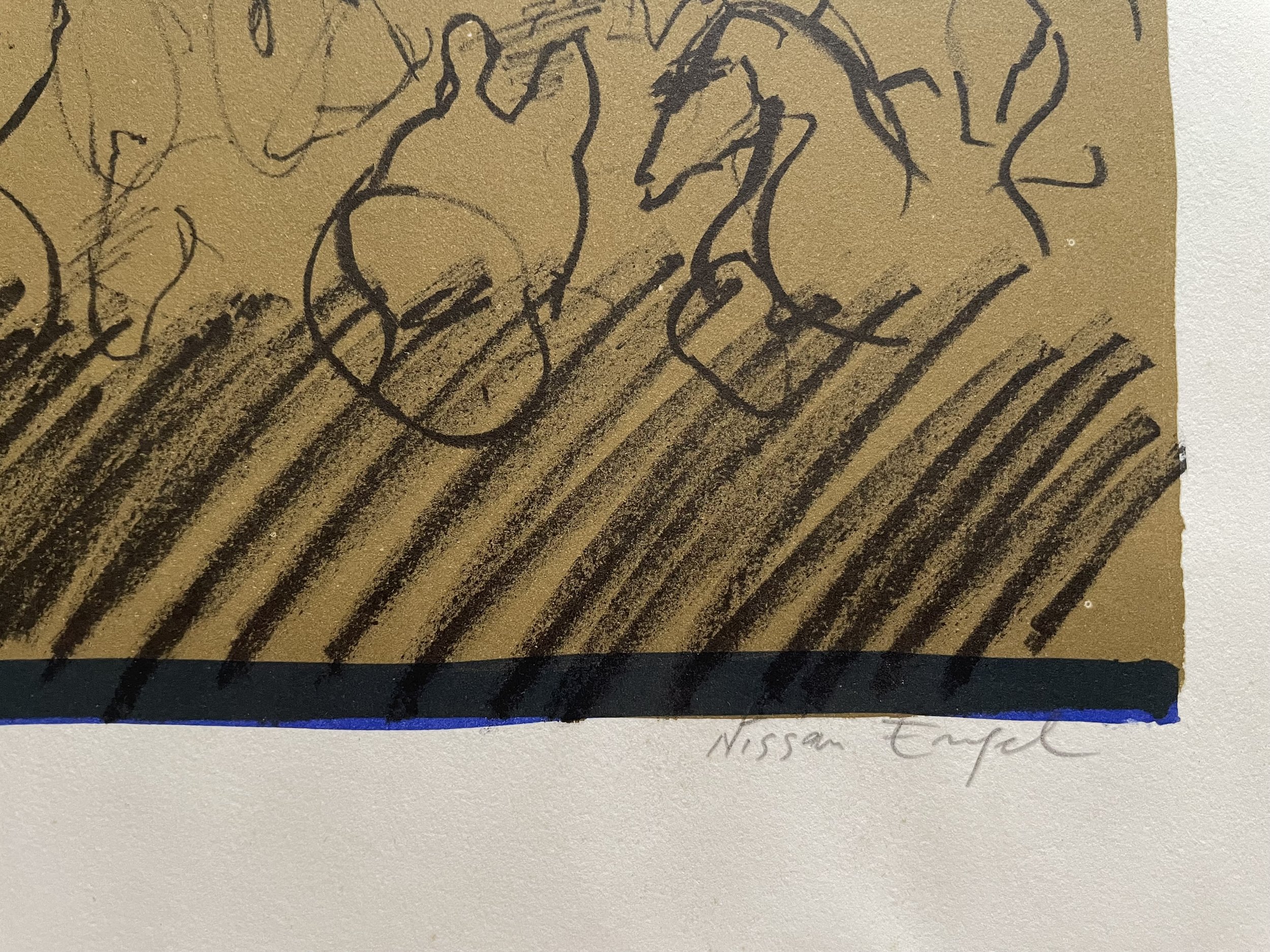
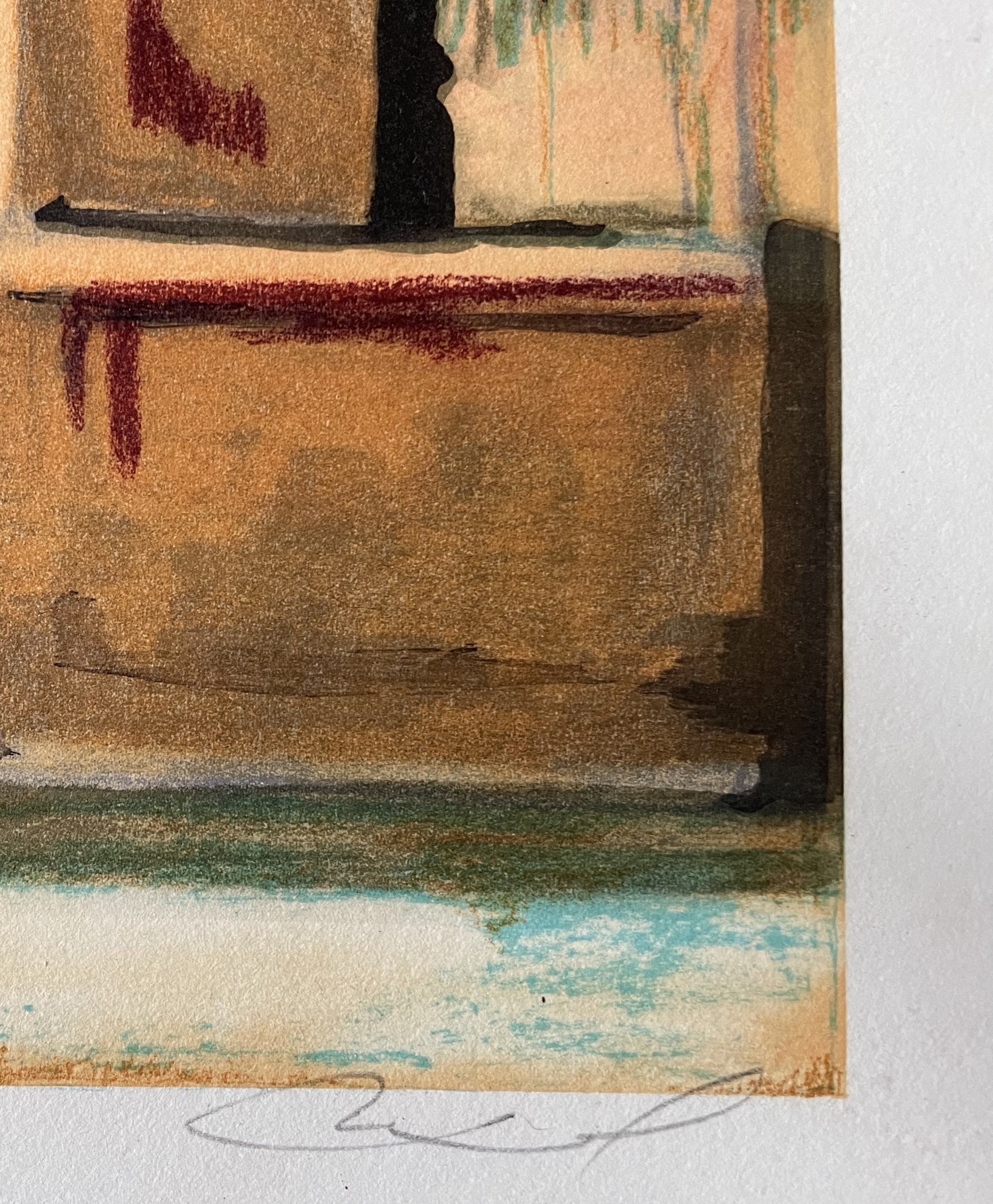
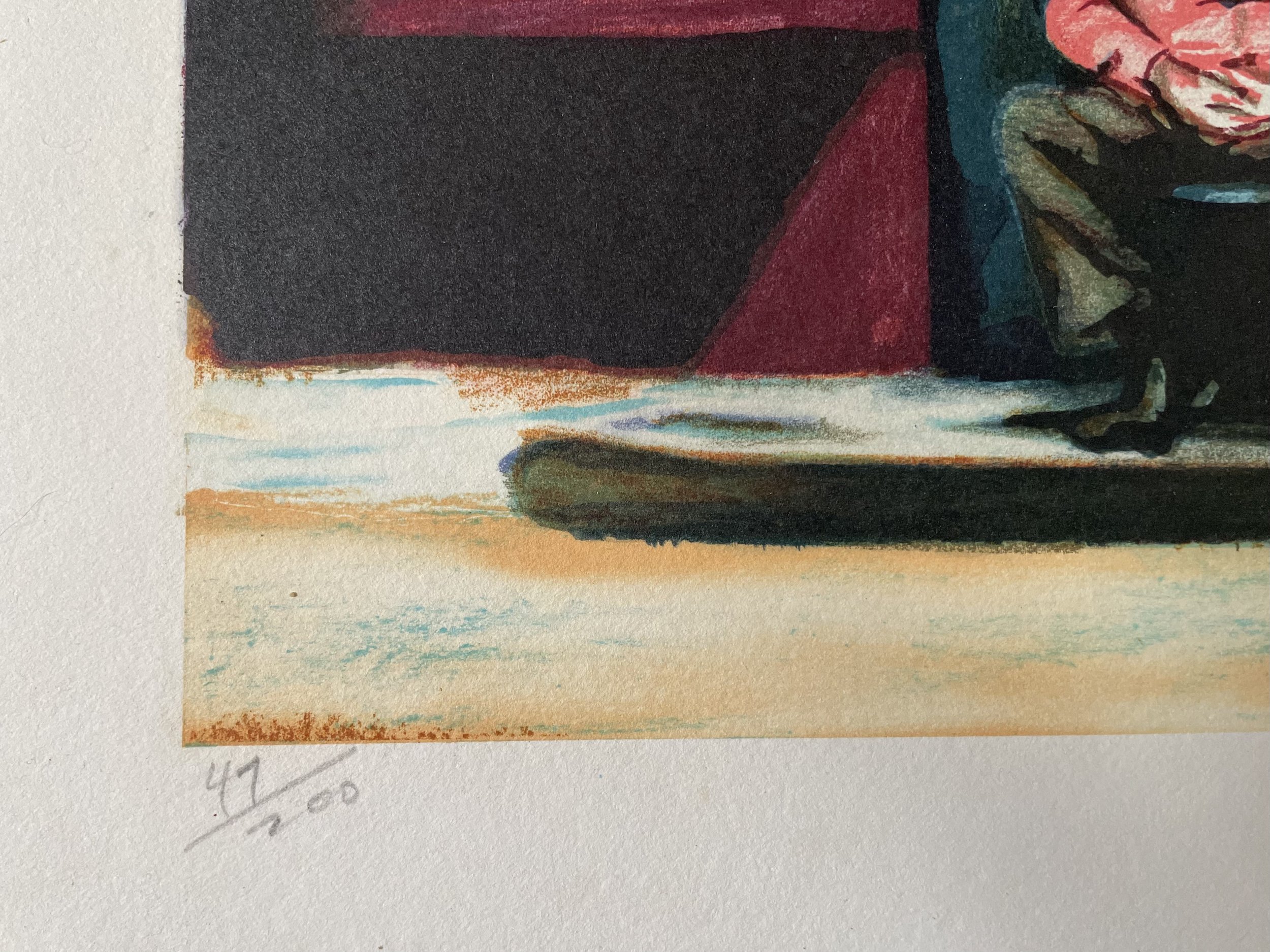
The sheet is signed in pencil “Nissan Engel” in the lower right margin and numbered 61/125 in the lower left. The relatively moderate edition size reflects Engel’s practice of producing collectible lithographic editions for galleries and collectors during the later decades of the twentieth century.
The subject of riders and processions appears frequently in Engel’s work. These motifs allowed him to combine narrative suggestion with the expressive freedom of abstraction. In Medieval Warriors, the energy of the composition transforms a historical theme into a universal metaphor for motion, struggle, and collective movement.
Artist Biography
Nissan Engel (1931–2016) was an Israeli-born painter, printmaker, and designer whose work reflects a synthesis of European modernism, Mediterranean culture, and expressive graphic language. Born in Haifa, Israel, Engel grew up during a period when the young nation was developing its own artistic identity. His early interest in drawing and design led him to study at the Bezalel Academy of Arts and Design in Jerusalem, one of the most influential art schools in the region.
At Bezalel, Engel received rigorous training in drawing, painting, and graphic design. The school’s philosophy emphasized craftsmanship, visual structure, and the integration of art with architecture and design. This environment encouraged artists to move freely between disciplines, a practice that would later characterize Engel’s career.
After completing his studies, Engel traveled extensively in Europe. Exposure to the artistic climate of postwar Paris and other European centers introduced him to modernist movements such as lyrical abstraction and gestural drawing. These influences expanded his visual vocabulary and helped shape the expressive language that would define his mature work.
Engel worked in a wide range of mediums throughout his career, including painting, collage, lithography, and mixed media. His compositions often combine strong color fields with energetic lines that appear spontaneous yet remain structurally balanced. Critics frequently describe his work as having a musical quality, with visual motifs repeating and evolving across the surface like rhythmic patterns.
Printmaking became an especially important part of Engel’s artistic practice. Lithography allowed him to preserve the immediacy of his drawing while creating multiple impressions that could reach a broader audience. Many of his prints explore themes of movement, procession, and symbolic landscapes, reflecting his interest in human history and collective experience.
Engel’s work circulated internationally during the second half of the twentieth century. His prints and paintings appeared in galleries throughout Europe, Israel, and the United States, and his graphic works became particularly popular among collectors who appreciated their combination of expressive line and strong color.
Recurring motifs in Engel’s art include riders, travelers, and ceremonial processions. These images allowed him to merge narrative suggestion with abstraction, transforming historical imagery into visual metaphors for motion and change. The figures in his compositions are often simplified into rhythmic shapes that move across the pictorial field like notes in a musical composition.
By the early twenty-first century Engel’s work had become well established in private collections and gallery inventories. As of 2026 his signed lithographs continue to appear regularly in auctions and gallery offerings, particularly those featuring strong color and dynamic figurative imagery. Collectors value these works for their expressive immediacy and their connection to the broader tradition of twentieth-century modernist printmaking.
Engel’s legacy lies in the distinctive synthesis he achieved between drawing, design, and narrative imagery. Through lithography and painting alike, he transformed simple gestures into powerful visual experiences that continue to resonate with collectors and viewers.
Nissan Engel (1931–2016)
Medieval Warriors
Original stone lithograph on paper
Signed lower right
Numbered 61/125 lower left
Approx. 12 × 18 inches
Expressive modernist depiction of mounted riders rendered in dynamic gestural line.
Certificate of Authentication
Artist: Nissan Engel (1931–2016)
Title: Medieval Warriors
Medium: Original stone lithograph on paper
Edition: 61/125
Signature: Pencil signed by the artist
Dimensions: approx. 12 × 18 inches
Provenance: Mitch Morse Gallery acquisitions in New York, the United States and Europe
Current Owner:
Artfind Gallery
Washington, DC
Condition
Very good overall condition. Sheet retains strong color and clear lithographic impression. Pencil signature and edition number remain crisp. Minor age-related toning or light handling marks may be present consistent with vintage works on paper.
Provenance
Nissan Engel, artist
Mitch Morse Gallery, New York
(acquired through New York, United States and Europe)
Artfind Gallery, Washington DC
(current owner)
Citations
Bezalel Academy of Arts and Design historical records
AskArt artist database
International auction records for Nissan Engel prints
Medieval Warriors, Nissan Engel (1931–2016), c.1970s–1980s, original stone lithograph on paper, signed and numbered 61/125, approx. 12 × 18 inches.
Nissan Engel’s Medieval Warriors is a dramatic original stone lithograph that transforms the imagery of mounted battle into a sweeping field of expressive modernist line. Signed by the artist and numbered 61/125, the print combines bold lithographic drawing with a warm tonal ground that evokes parchment, dust, and motion. Engel’s gestural marks suggest armored riders, horses, and lances emerging from abstraction, reflecting his distinctive approach to narrative imagery. This work exemplifies Engel’s graphic language in which historical themes are reimagined through rhythm, gesture, and modernist composition.
Artwork Description
Medieval Warriors captures the surge and confusion of mounted combat through a vivid language of gesture and tone. Across a warm ochre field, Nissan Engel unleashes a dense network of black lines that seem to form and dissolve into riders, horses, weapons, and fragments of landscape. Rather than presenting a literal scene, the artist allows the imagery to emerge from movement itself.
The composition appears almost explosive. Horses rear and plunge through the frame while riders lean forward with lances raised. Wheels, shields, and armor-like shapes appear briefly before dissolving into the surrounding motion. Engel’s line is quick and instinctive, giving the work an immediacy that recalls sketches made in the heat of action.
The lithographic medium allows these energetic lines to retain the character of direct drawing. In traditional stone lithography the artist draws onto a limestone block using greasy lithographic crayon or tusche ink. The stone is chemically processed so that printing ink adheres only to the drawn areas while water repels it from the rest of the surface. This technique preserves subtle tonal variations and the grain of the stone, both of which are visible in the atmospheric background of the print.
The warm ochre field creates the visual atmosphere of the scene, suggesting dust, earth, and aged parchment. Against this field the black drawing appears almost calligraphic. Engel’s riders become rhythmic marks moving across space rather than fixed figures. The result is a composition that feels both historical and timeless.
The sheet is signed in pencil “Nissan Engel” in the lower right margin and numbered 61/125 in the lower left. The relatively moderate edition size reflects Engel’s practice of producing collectible lithographic editions for galleries and collectors during the later decades of the twentieth century.
The subject of riders and processions appears frequently in Engel’s work. These motifs allowed him to combine narrative suggestion with the expressive freedom of abstraction. In Medieval Warriors, the energy of the composition transforms a historical theme into a universal metaphor for motion, struggle, and collective movement.
Artist Biography
Nissan Engel (1931–2016) was an Israeli-born painter, printmaker, and designer whose work reflects a synthesis of European modernism, Mediterranean culture, and expressive graphic language. Born in Haifa, Israel, Engel grew up during a period when the young nation was developing its own artistic identity. His early interest in drawing and design led him to study at the Bezalel Academy of Arts and Design in Jerusalem, one of the most influential art schools in the region.
At Bezalel, Engel received rigorous training in drawing, painting, and graphic design. The school’s philosophy emphasized craftsmanship, visual structure, and the integration of art with architecture and design. This environment encouraged artists to move freely between disciplines, a practice that would later characterize Engel’s career.
After completing his studies, Engel traveled extensively in Europe. Exposure to the artistic climate of postwar Paris and other European centers introduced him to modernist movements such as lyrical abstraction and gestural drawing. These influences expanded his visual vocabulary and helped shape the expressive language that would define his mature work.
Engel worked in a wide range of mediums throughout his career, including painting, collage, lithography, and mixed media. His compositions often combine strong color fields with energetic lines that appear spontaneous yet remain structurally balanced. Critics frequently describe his work as having a musical quality, with visual motifs repeating and evolving across the surface like rhythmic patterns.
Printmaking became an especially important part of Engel’s artistic practice. Lithography allowed him to preserve the immediacy of his drawing while creating multiple impressions that could reach a broader audience. Many of his prints explore themes of movement, procession, and symbolic landscapes, reflecting his interest in human history and collective experience.
Engel’s work circulated internationally during the second half of the twentieth century. His prints and paintings appeared in galleries throughout Europe, Israel, and the United States, and his graphic works became particularly popular among collectors who appreciated their combination of expressive line and strong color.
Recurring motifs in Engel’s art include riders, travelers, and ceremonial processions. These images allowed him to merge narrative suggestion with abstraction, transforming historical imagery into visual metaphors for motion and change. The figures in his compositions are often simplified into rhythmic shapes that move across the pictorial field like notes in a musical composition.
By the early twenty-first century Engel’s work had become well established in private collections and gallery inventories. As of 2026 his signed lithographs continue to appear regularly in auctions and gallery offerings, particularly those featuring strong color and dynamic figurative imagery. Collectors value these works for their expressive immediacy and their connection to the broader tradition of twentieth-century modernist printmaking.
Engel’s legacy lies in the distinctive synthesis he achieved between drawing, design, and narrative imagery. Through lithography and painting alike, he transformed simple gestures into powerful visual experiences that continue to resonate with collectors and viewers.
Nissan Engel (1931–2016)
Medieval Warriors
Original stone lithograph on paper
Signed lower right
Numbered 61/125 lower left
Approx. 12 × 18 inches
Expressive modernist depiction of mounted riders rendered in dynamic gestural line.
Certificate of Authentication
Artist: Nissan Engel (1931–2016)
Title: Medieval Warriors
Medium: Original stone lithograph on paper
Edition: 61/125
Signature: Pencil signed by the artist
Dimensions: approx. 12 × 18 inches
Provenance: Mitch Morse Gallery acquisitions in New York, the United States and Europe
Current Owner:
Artfind Gallery
Washington, DC
Condition
Very good overall condition. Sheet retains strong color and clear lithographic impression. Pencil signature and edition number remain crisp. Minor age-related toning or light handling marks may be present consistent with vintage works on paper.
Provenance
Nissan Engel, artist
Mitch Morse Gallery, New York
(acquired through New York, United States and Europe)
Artfind Gallery, Washington DC
(current owner)
Citations
Bezalel Academy of Arts and Design historical records
AskArt artist database
International auction records for Nissan Engel prints
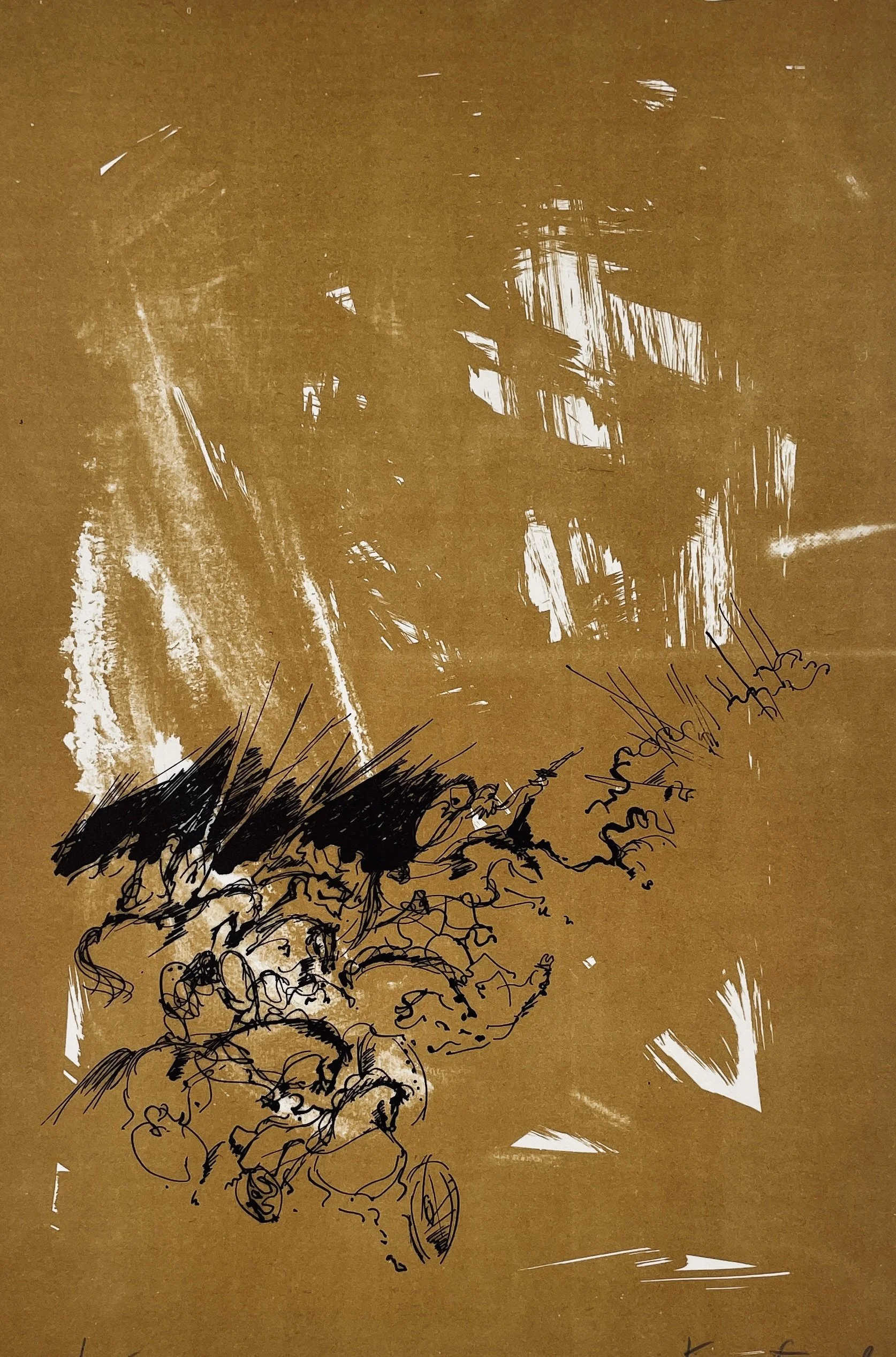 Image 1 of 6
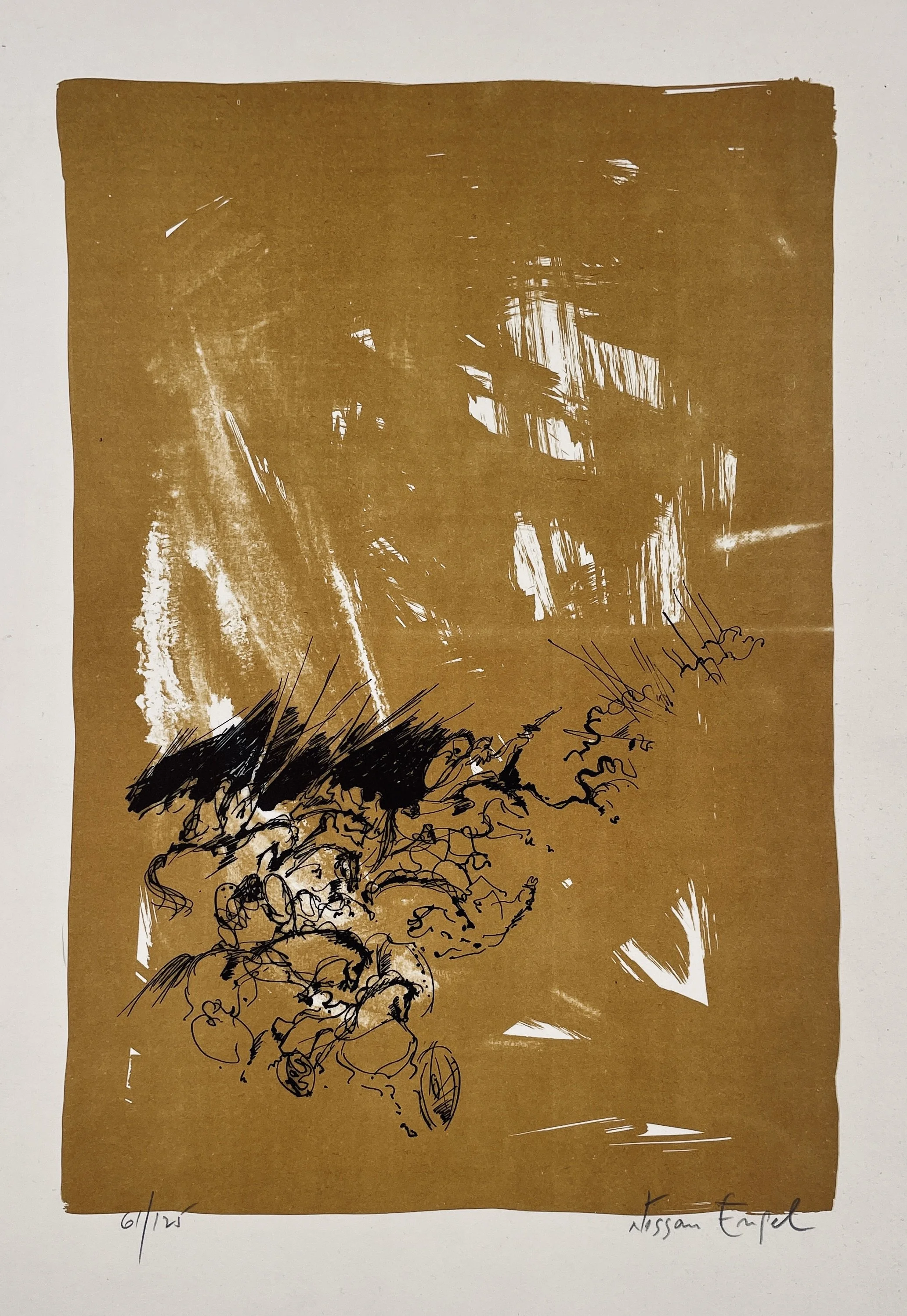 Image 2 of 6
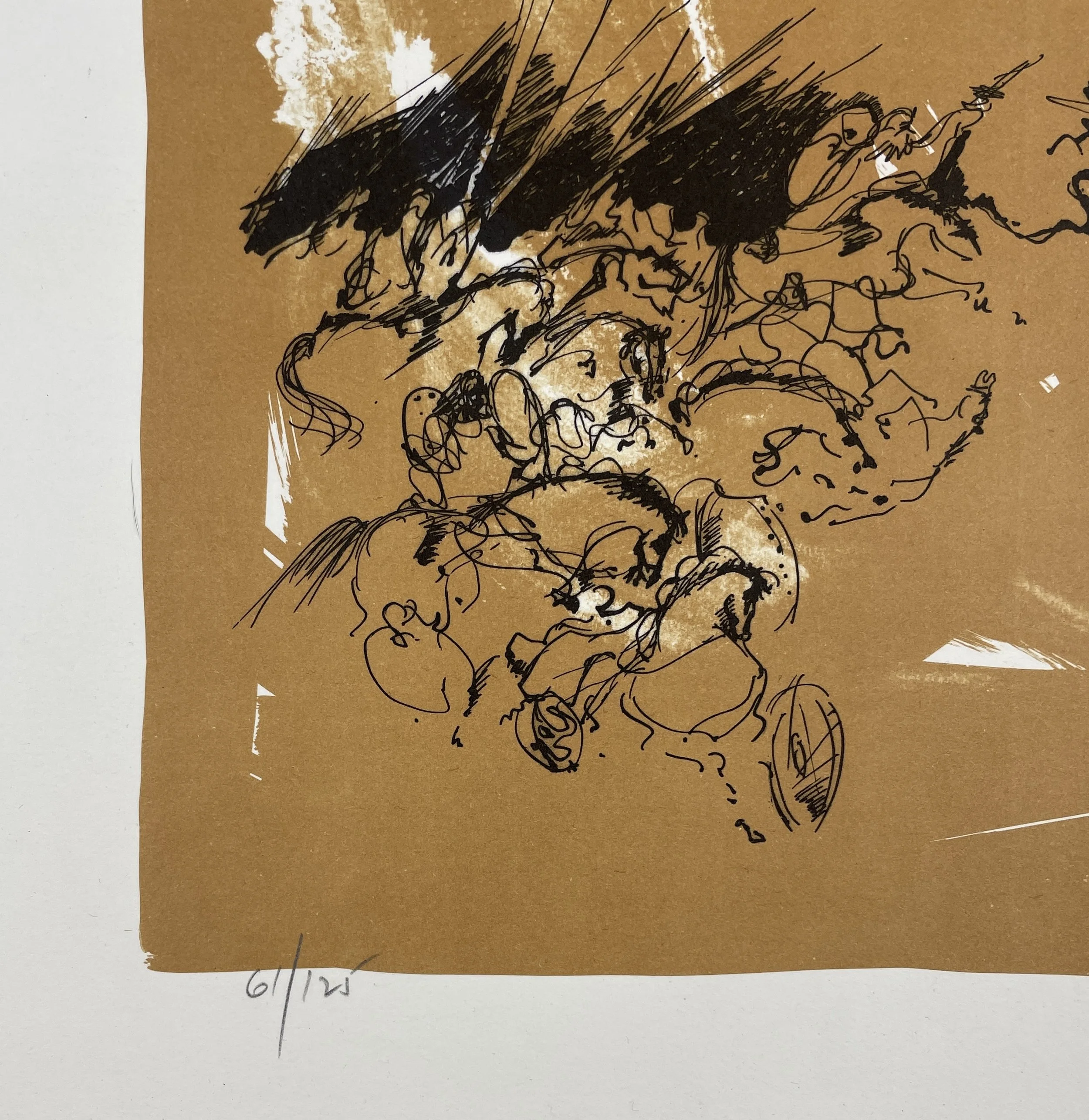 Image 3 of 6
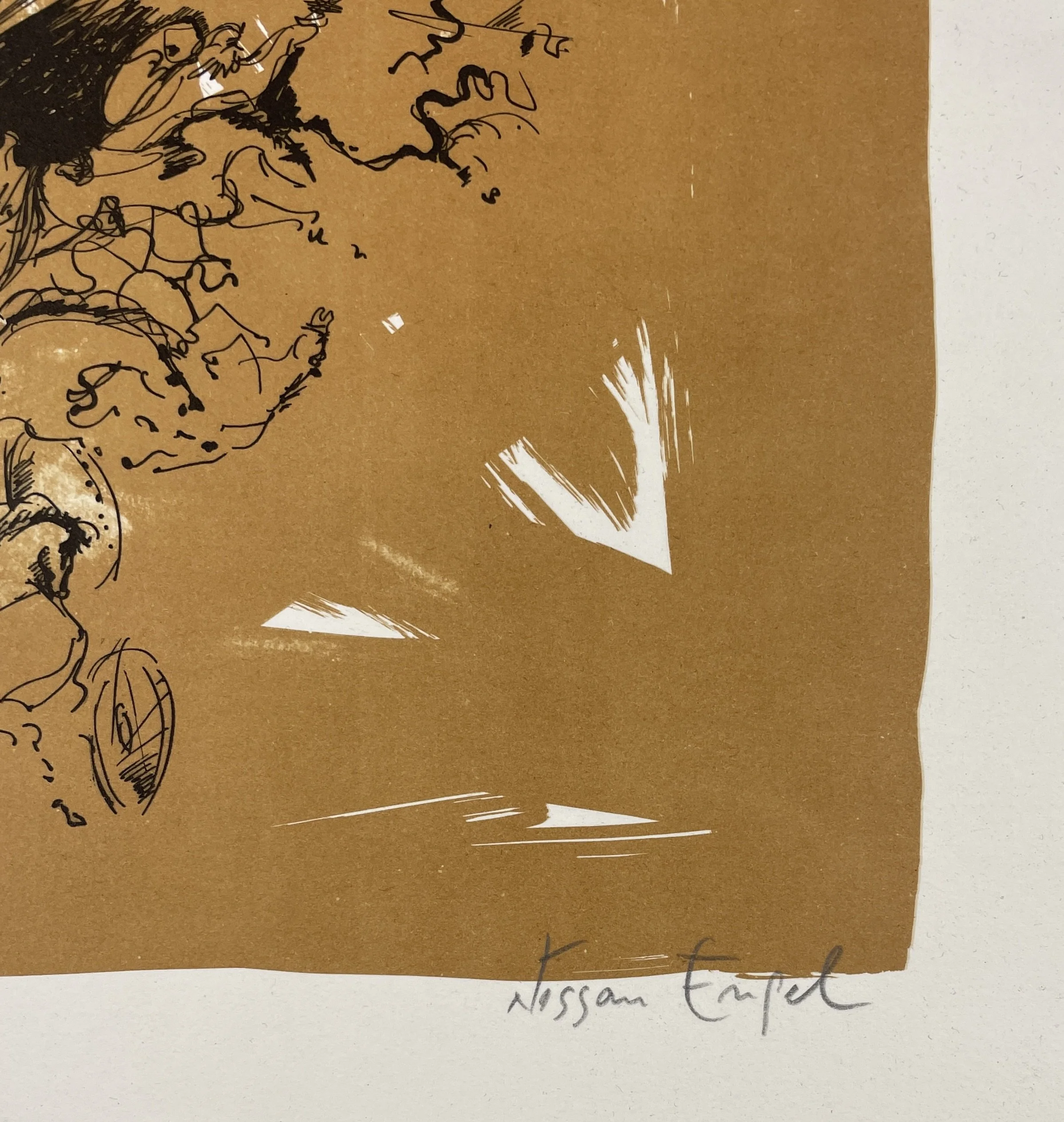 Image 4 of 6
 Image 5 of 6
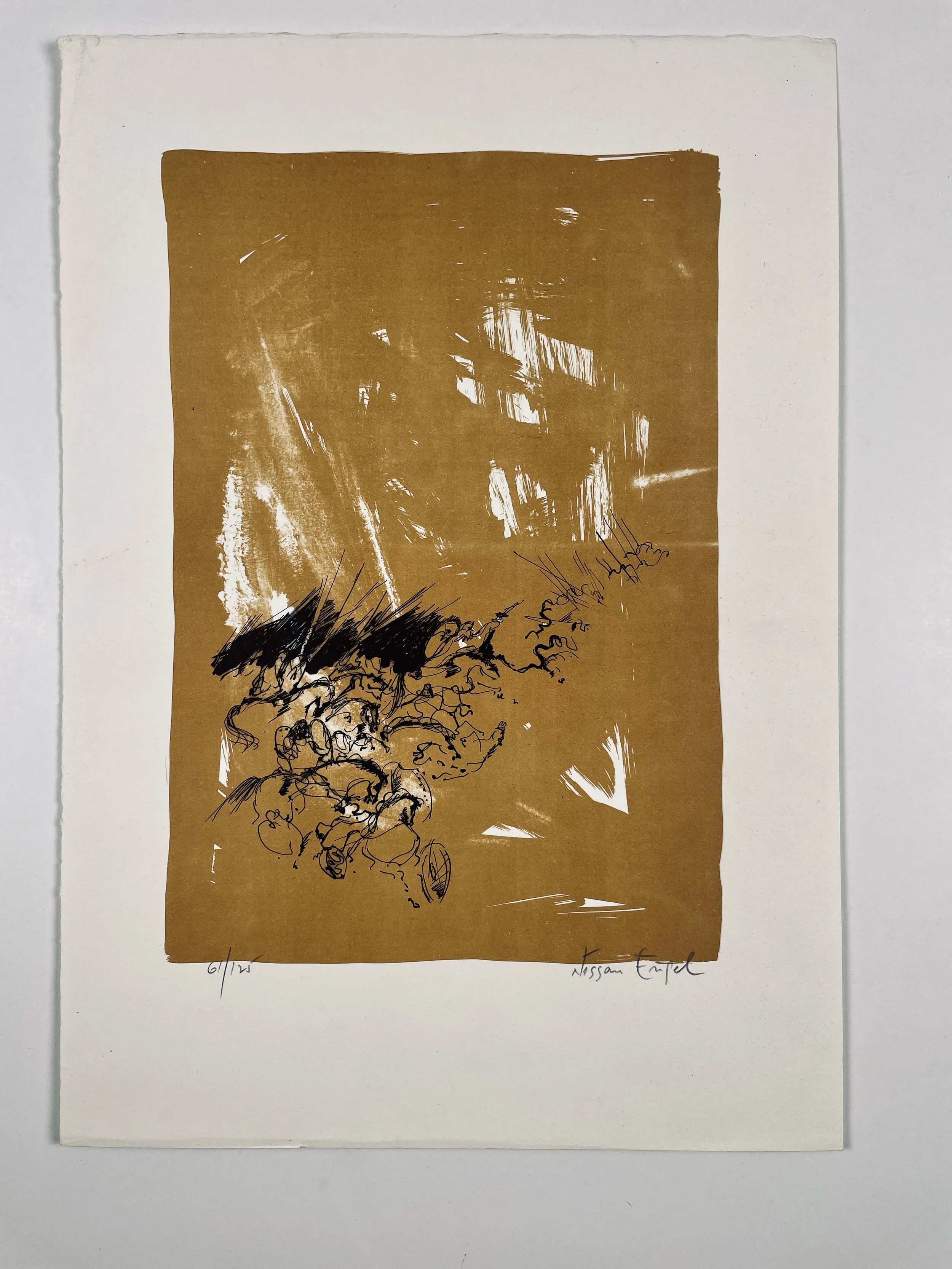 Image 6 of 6