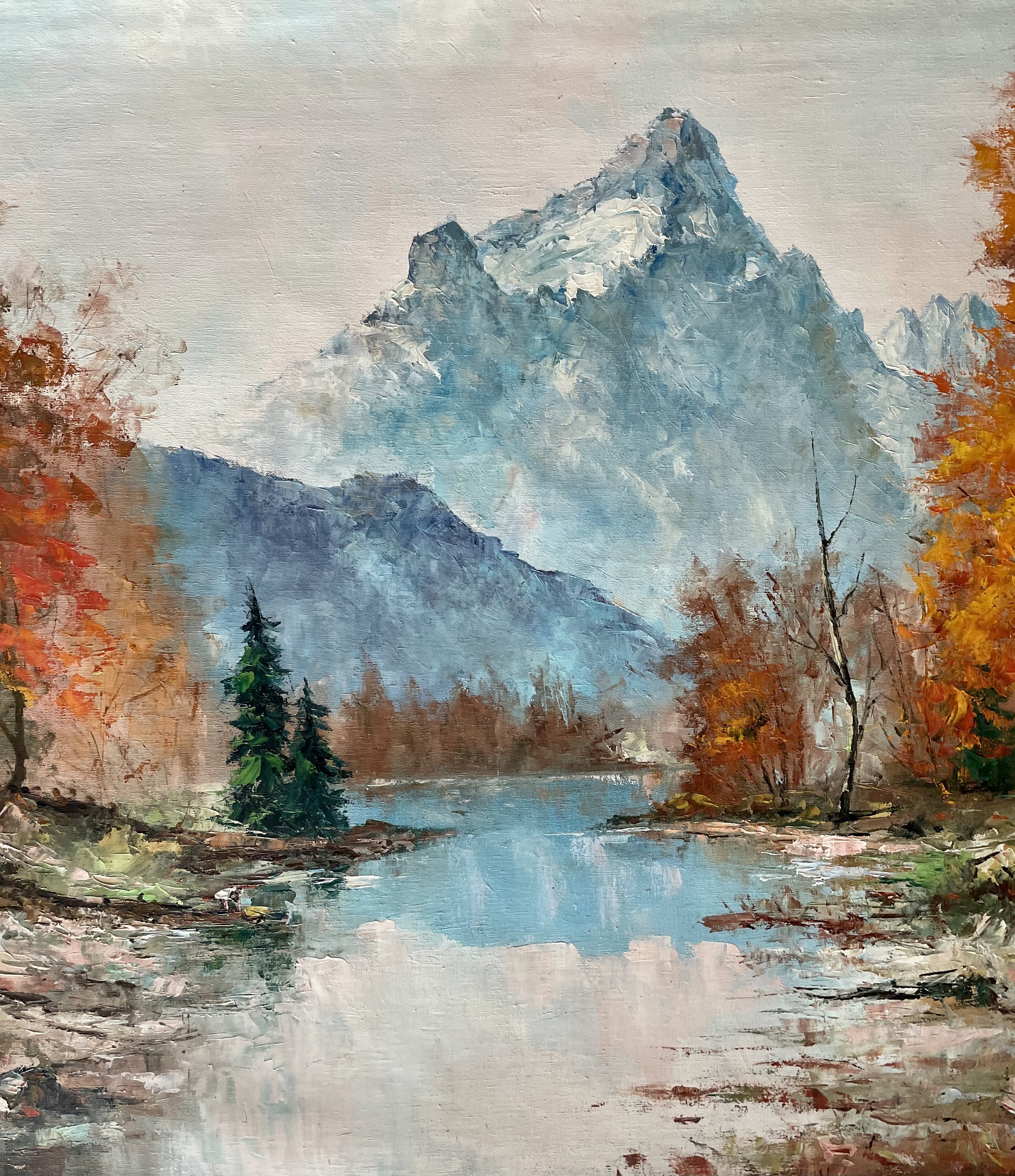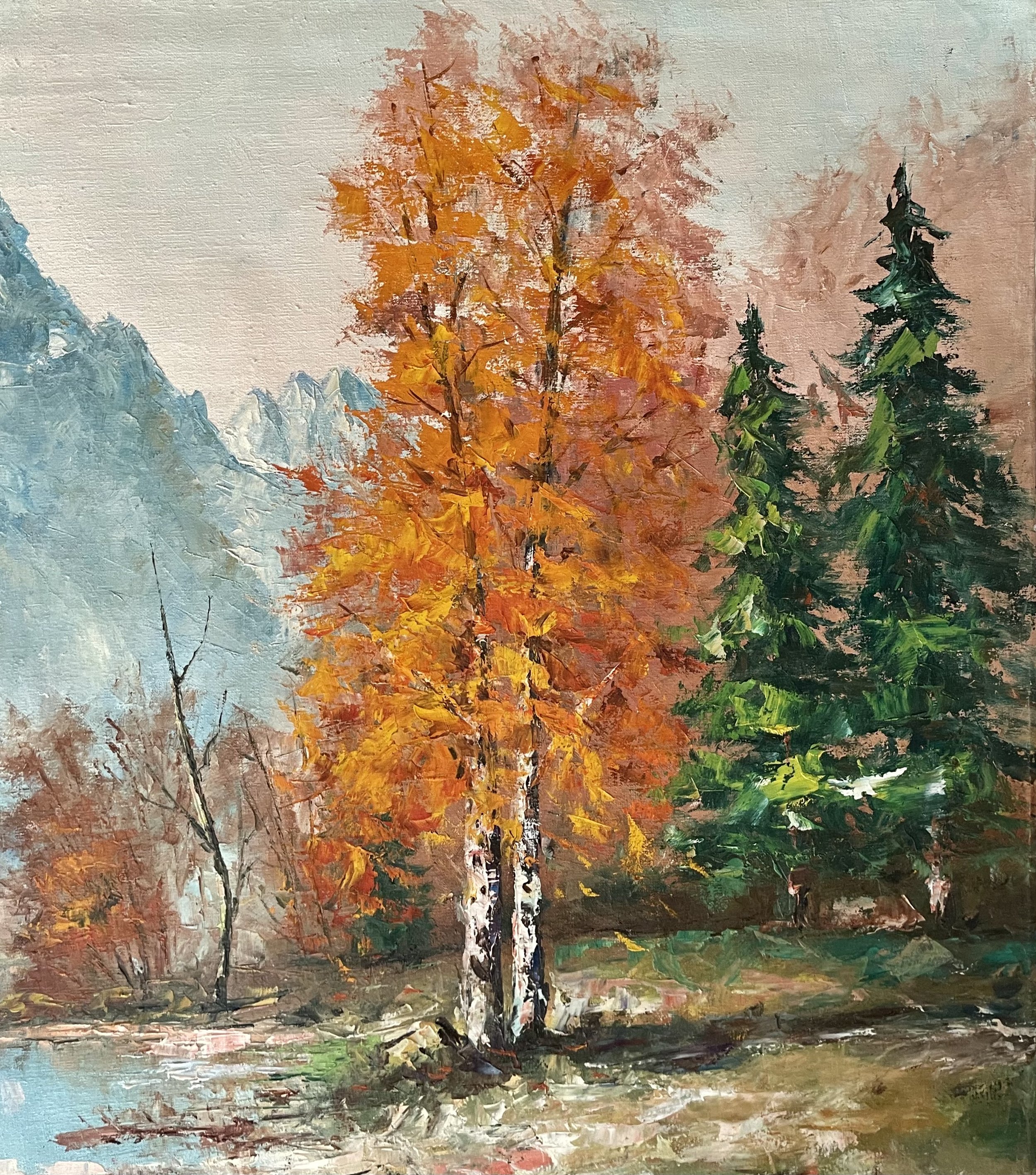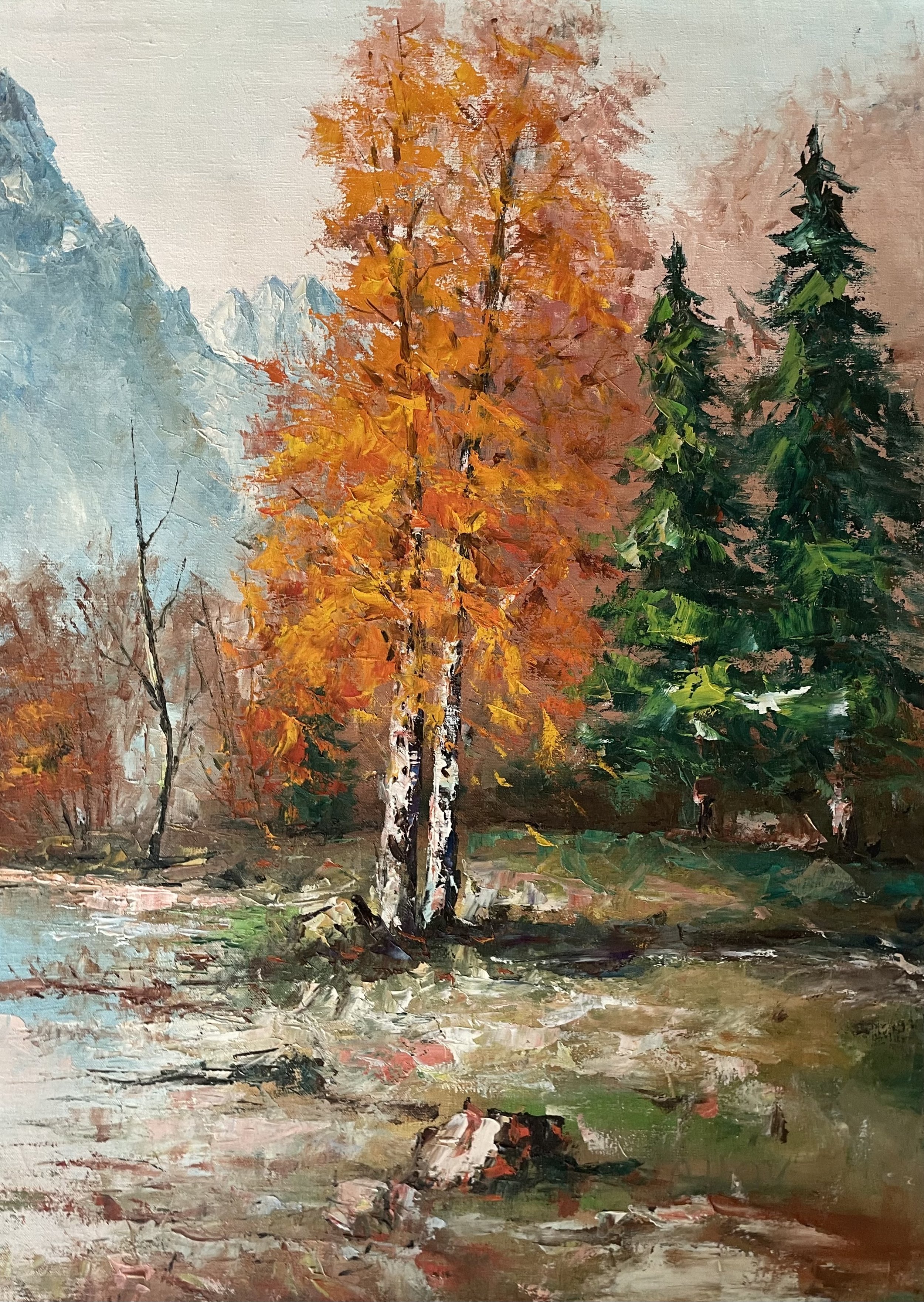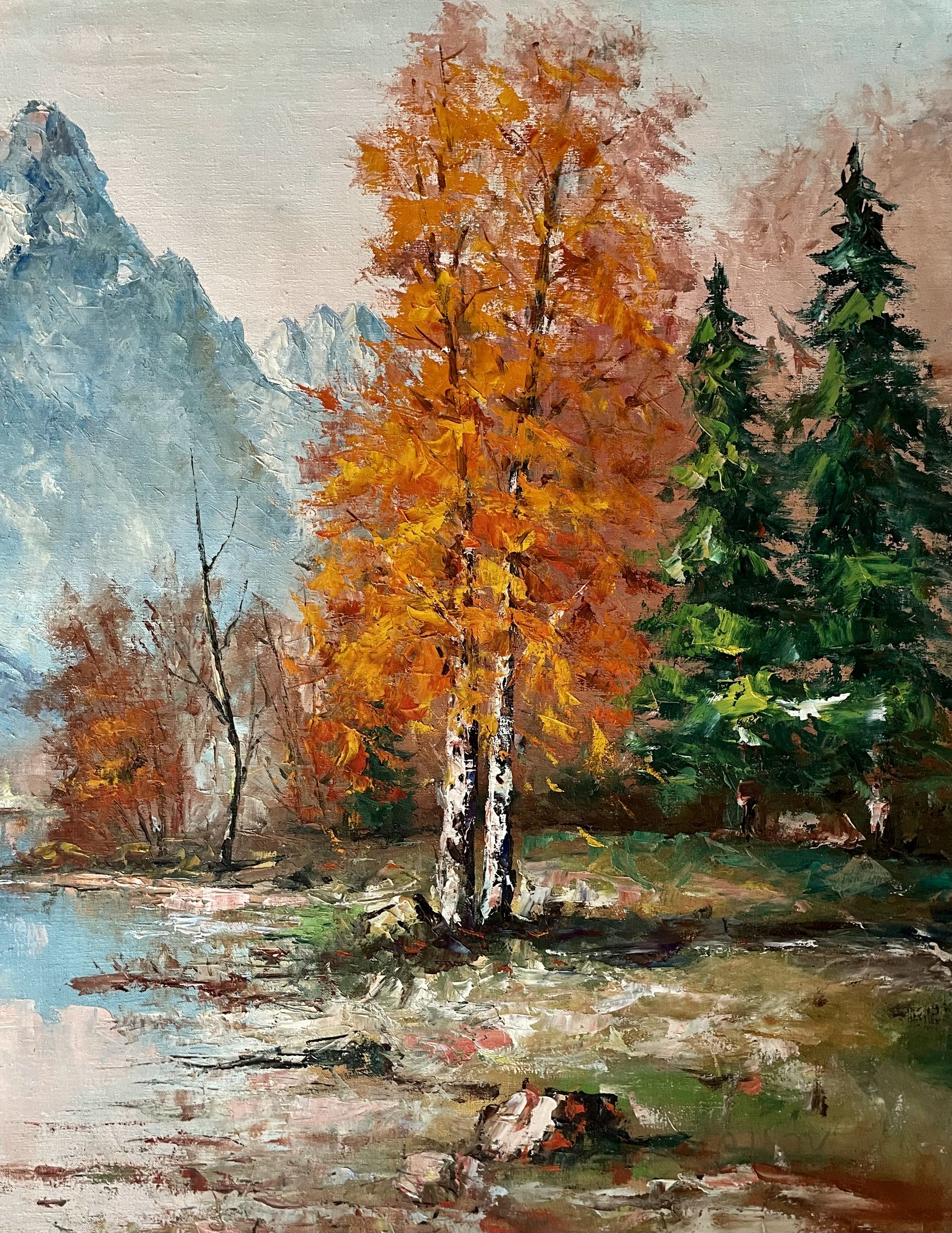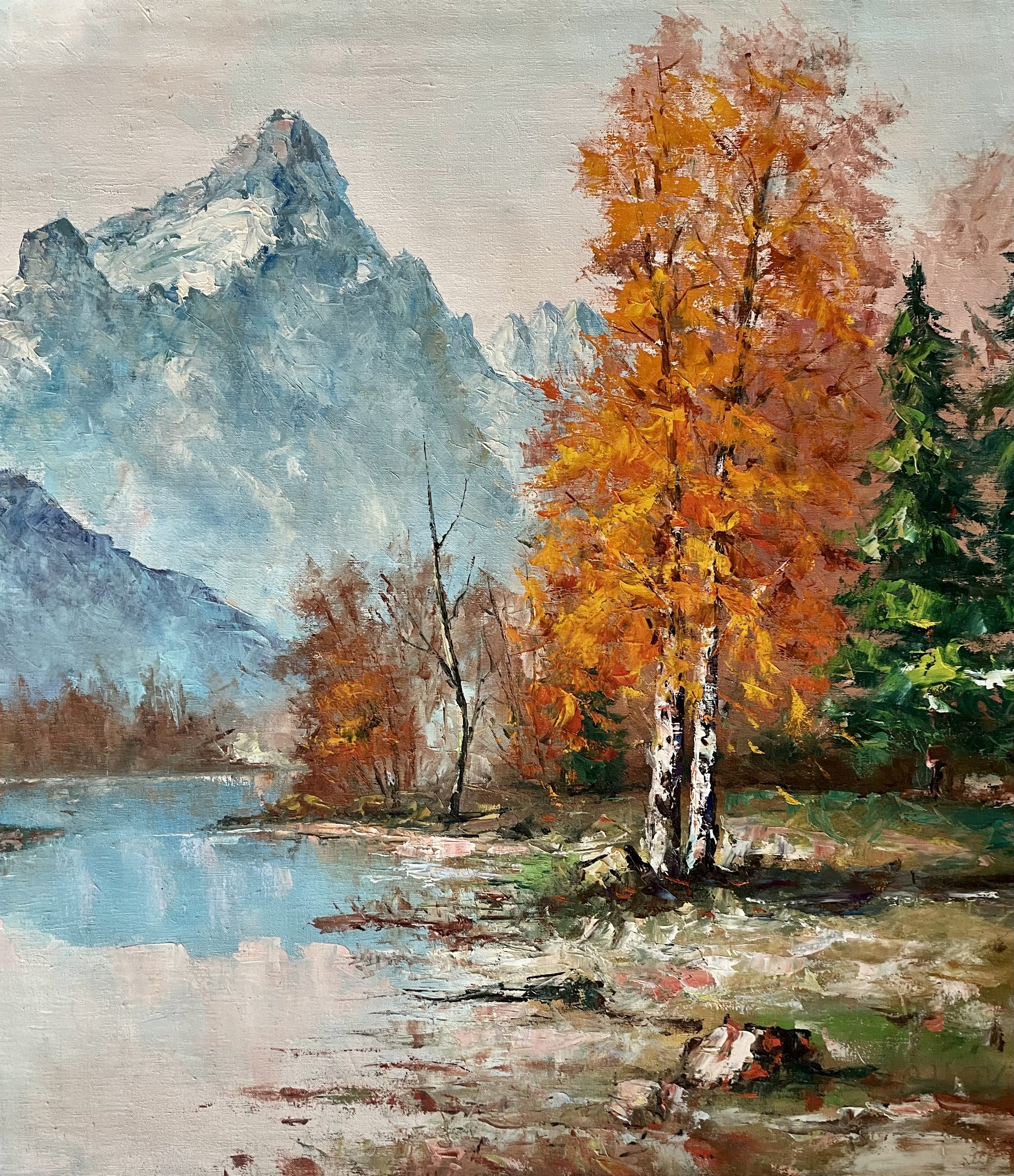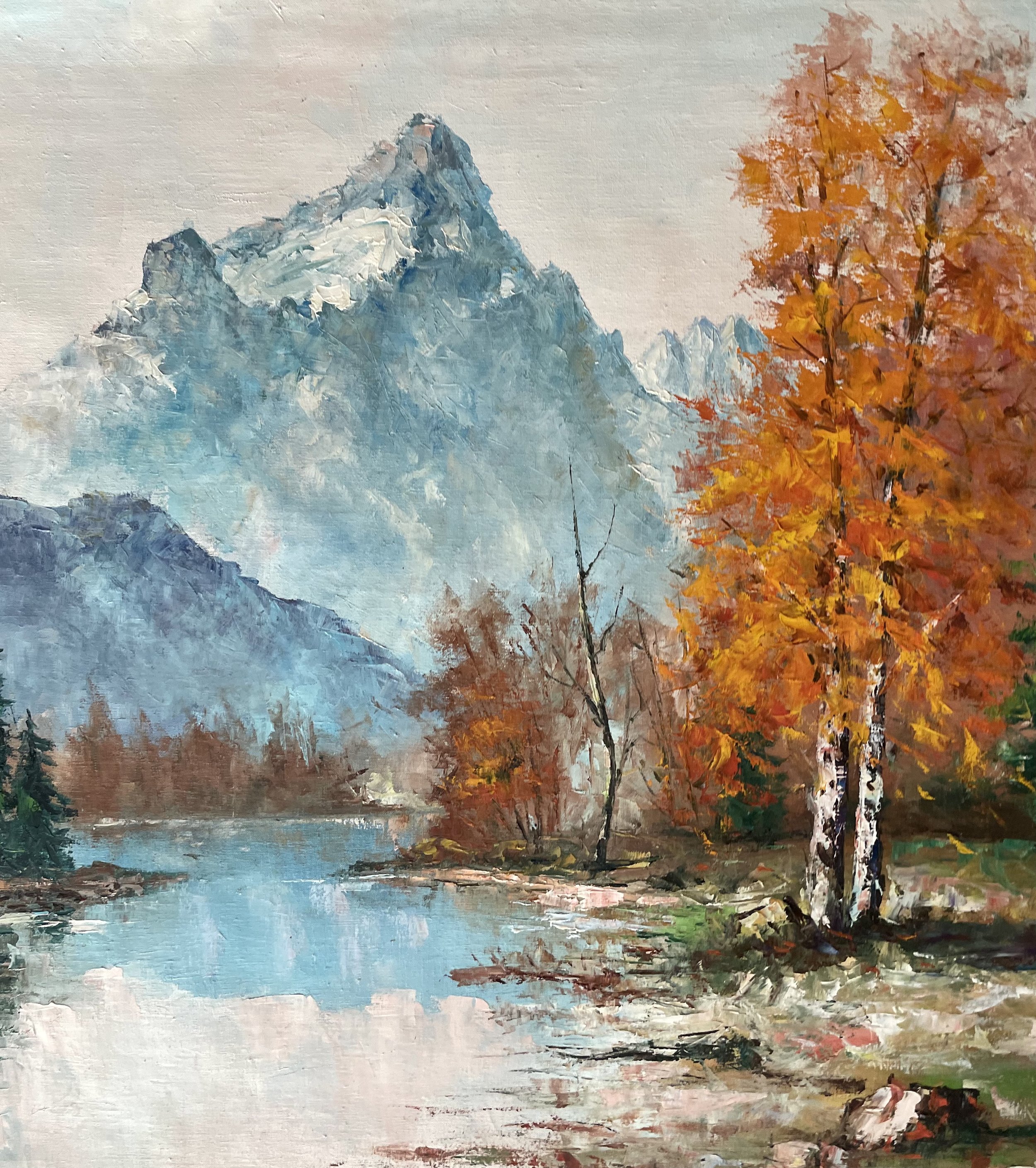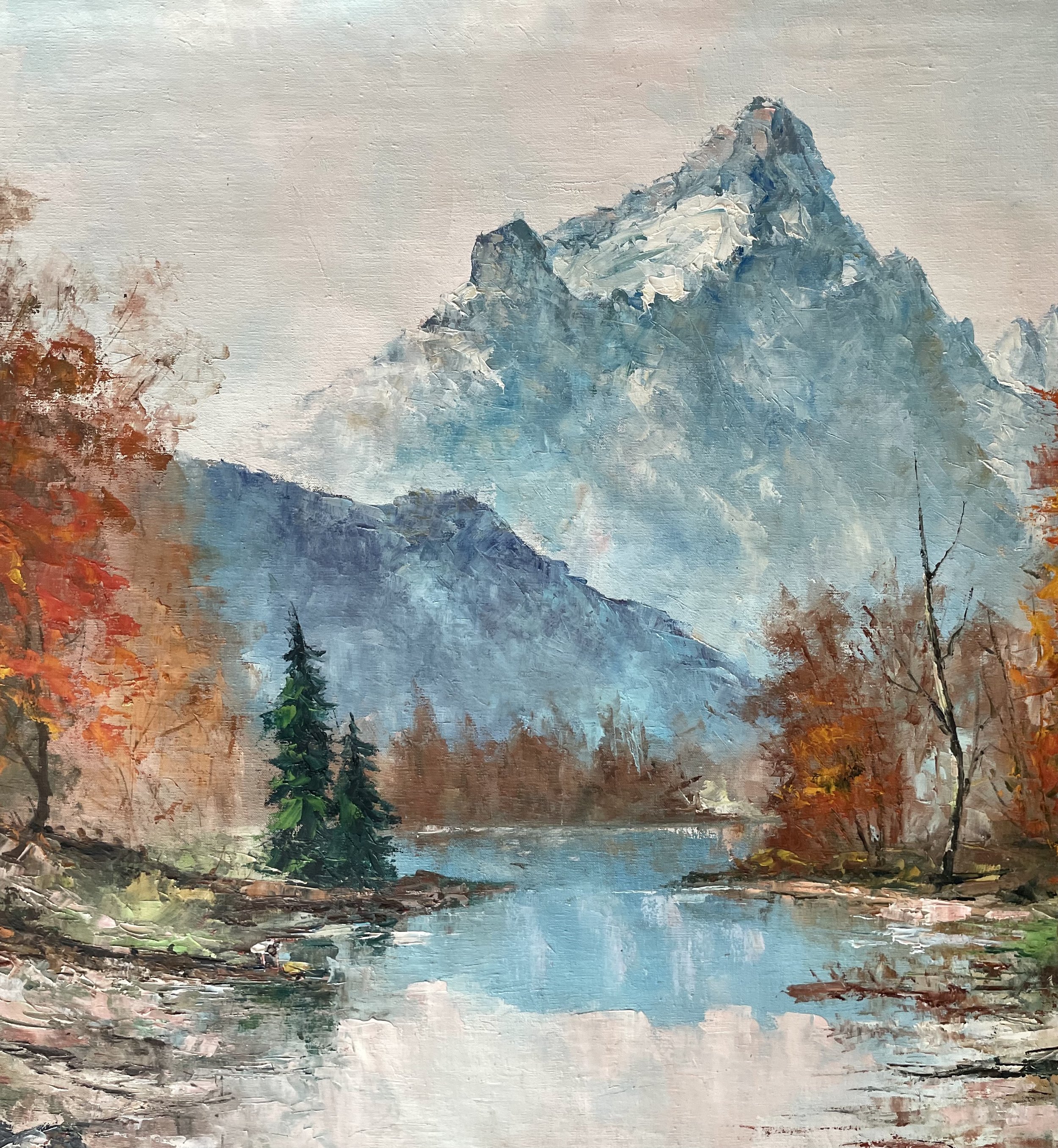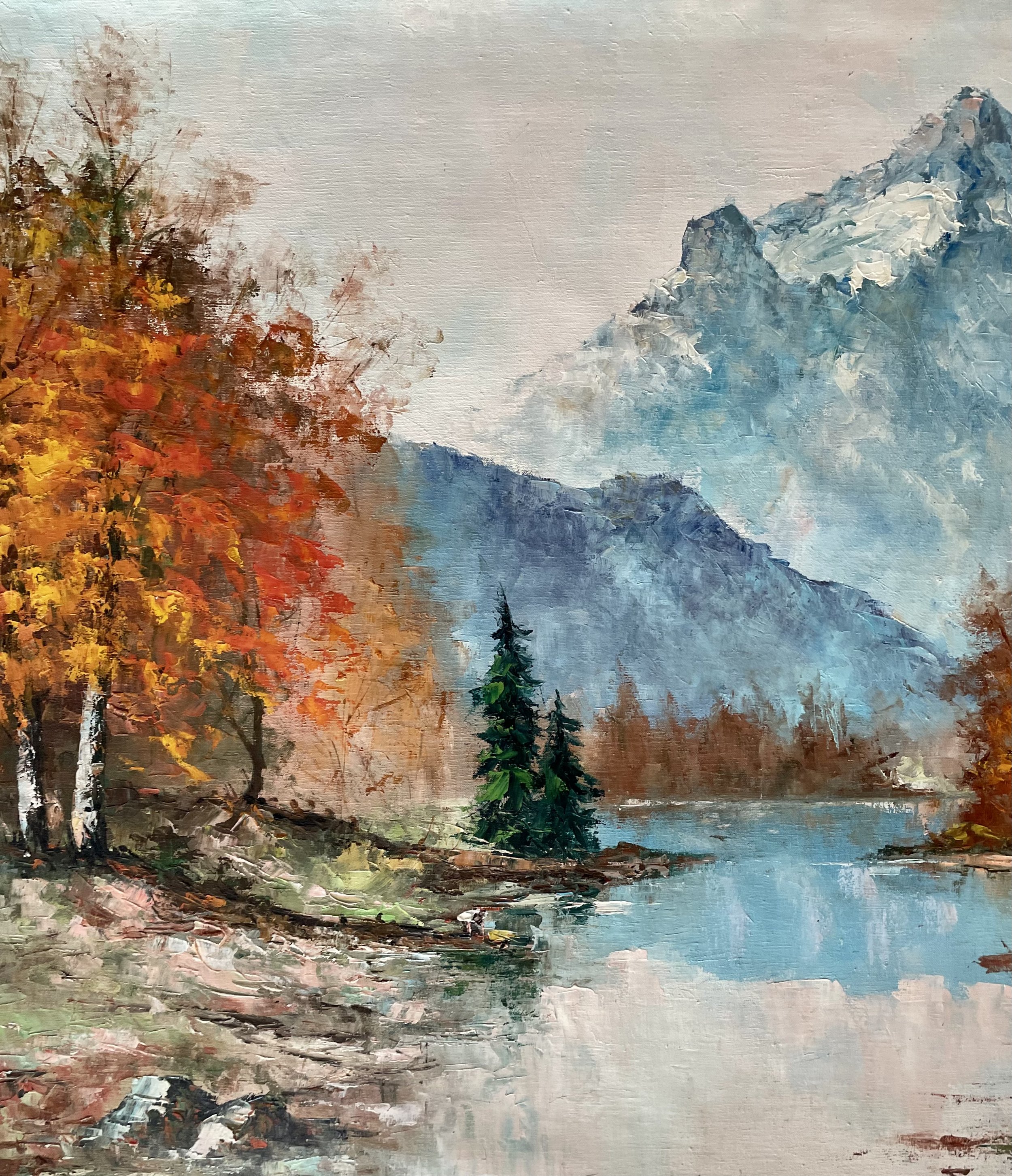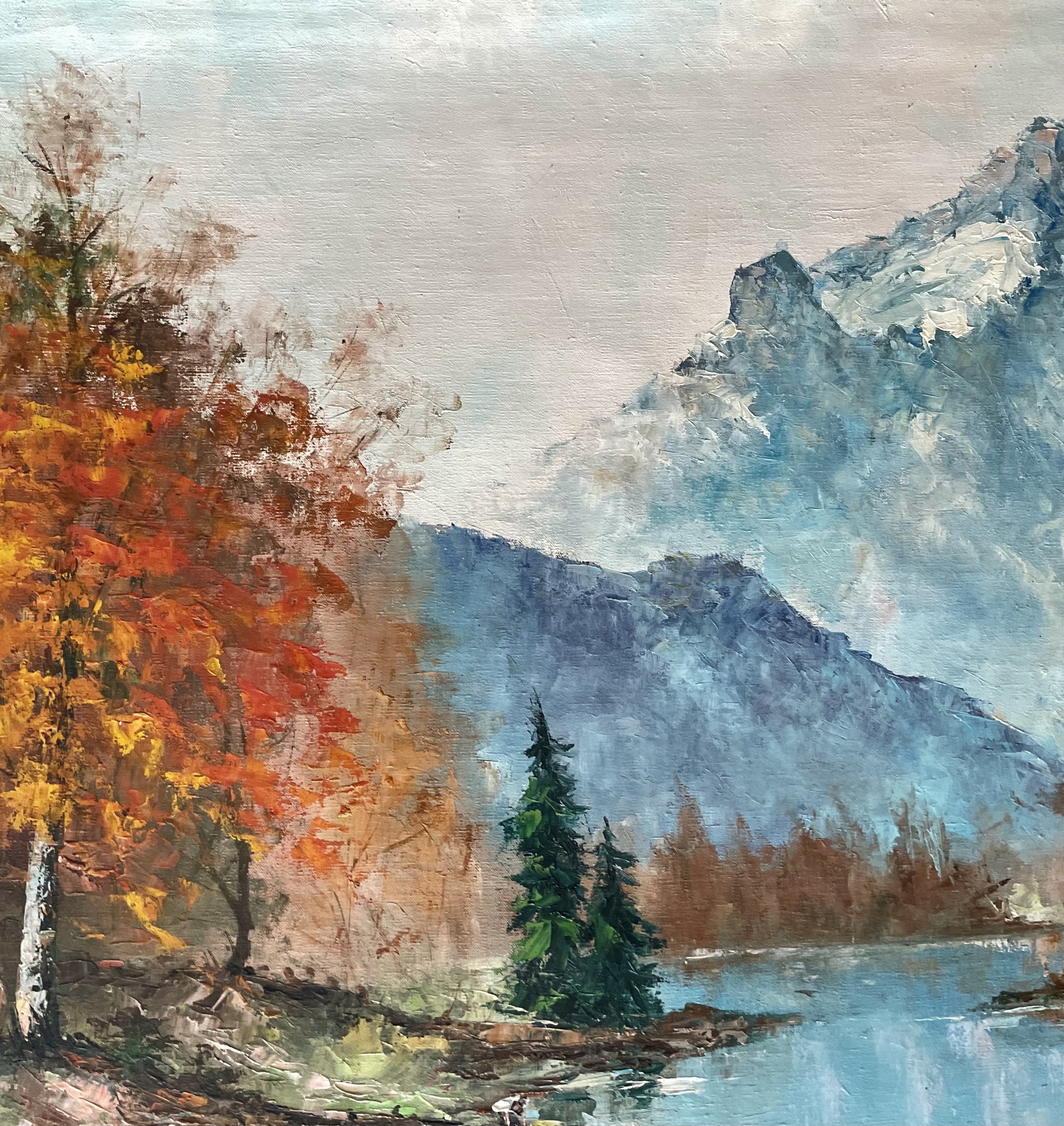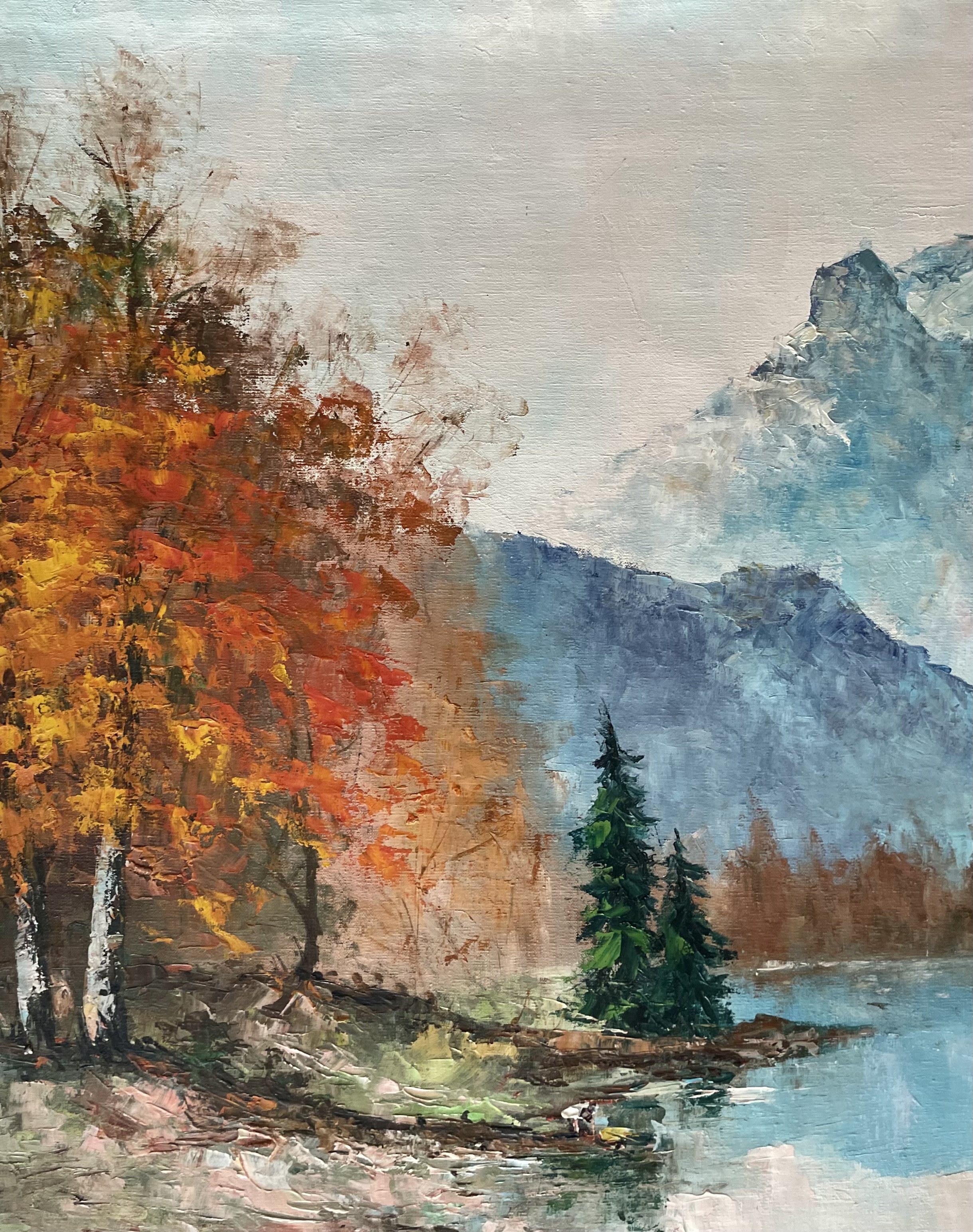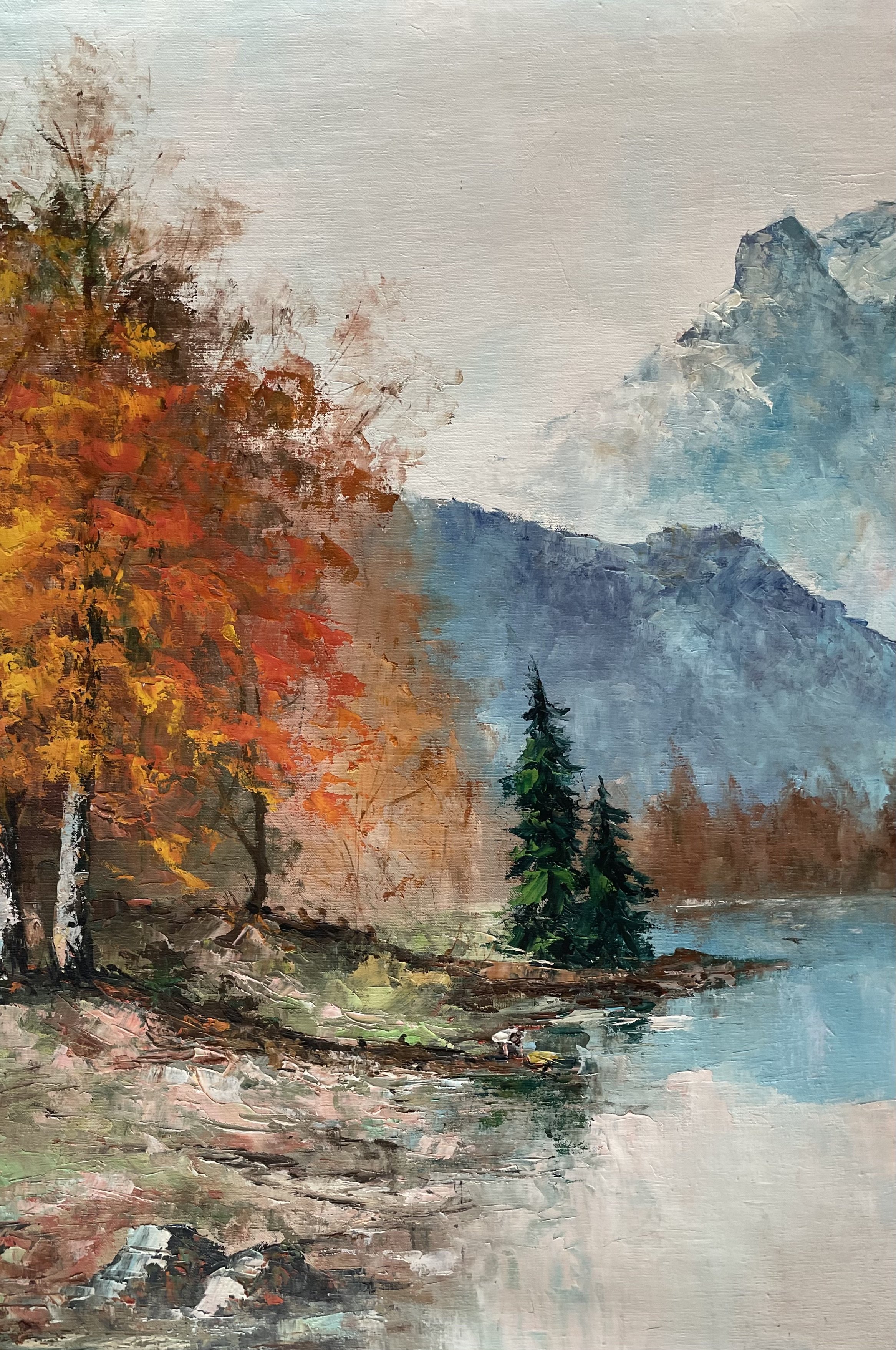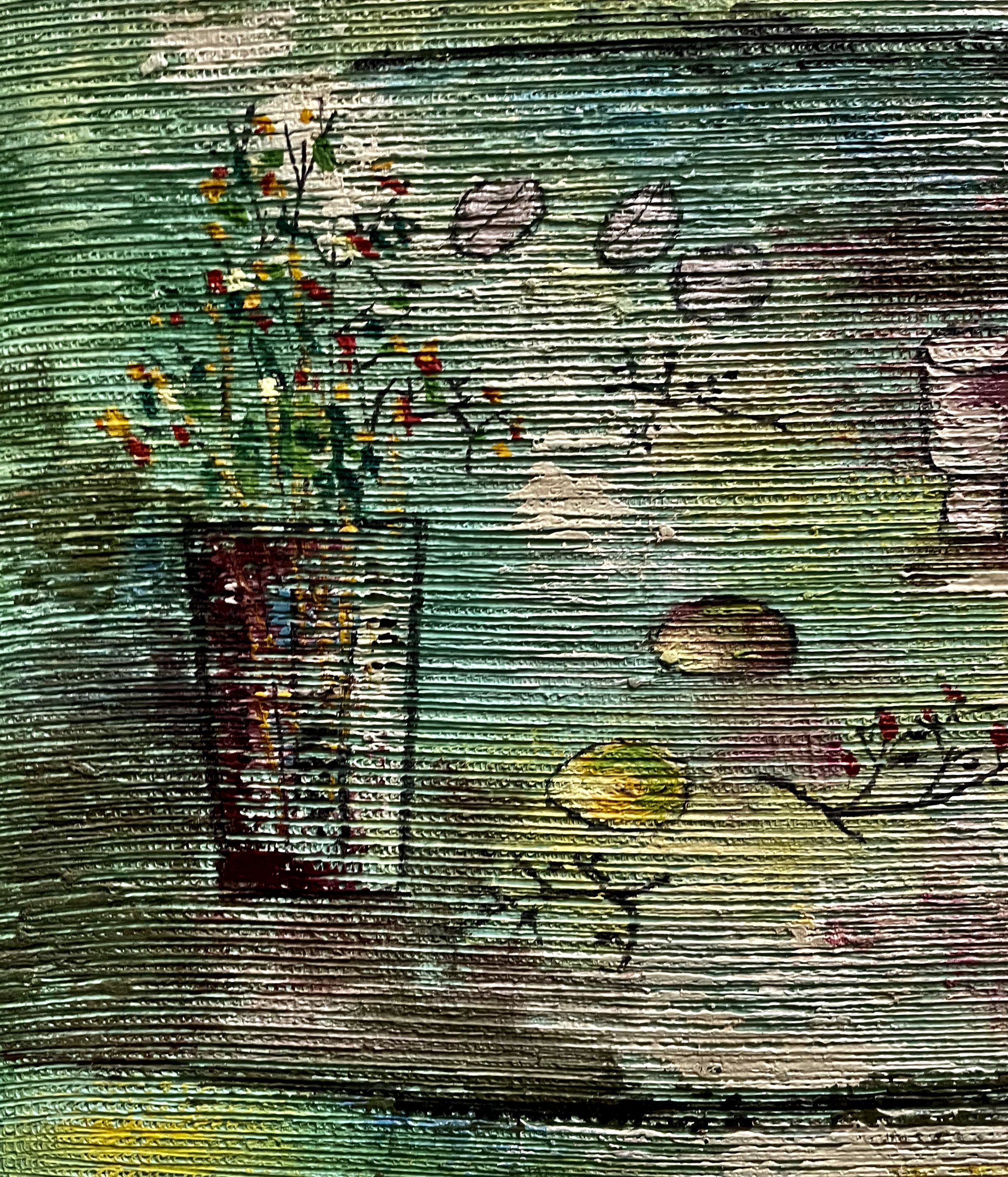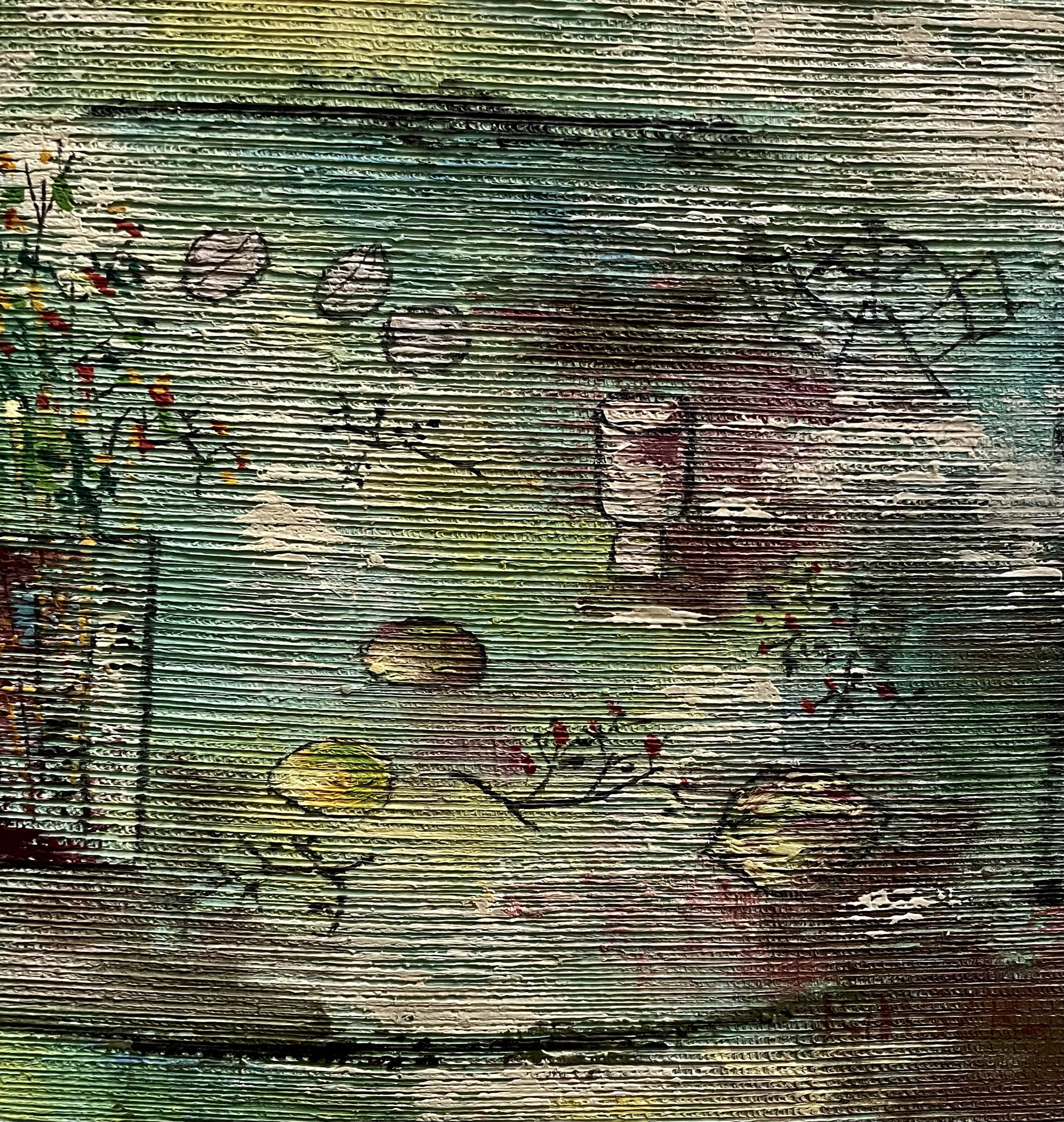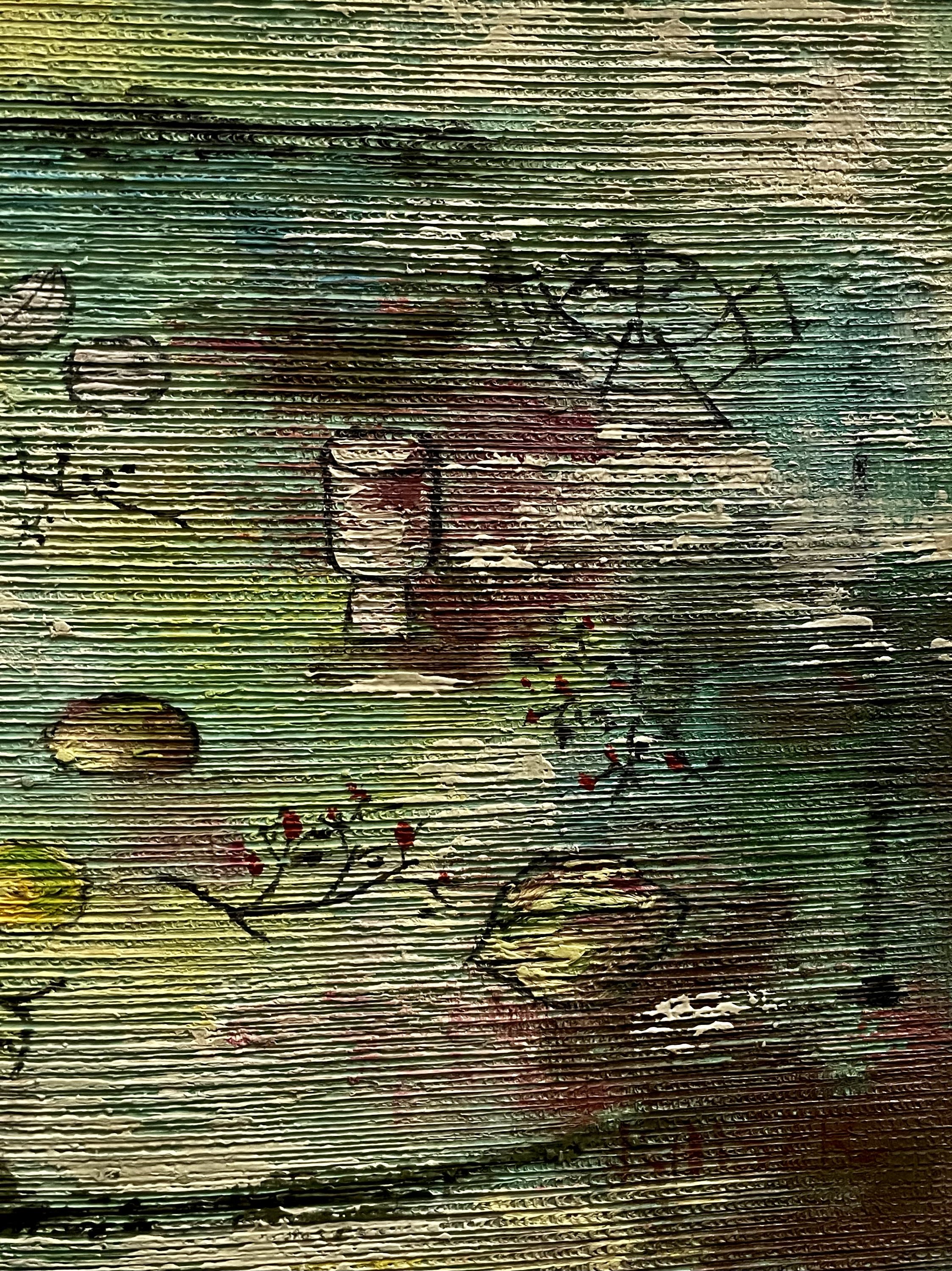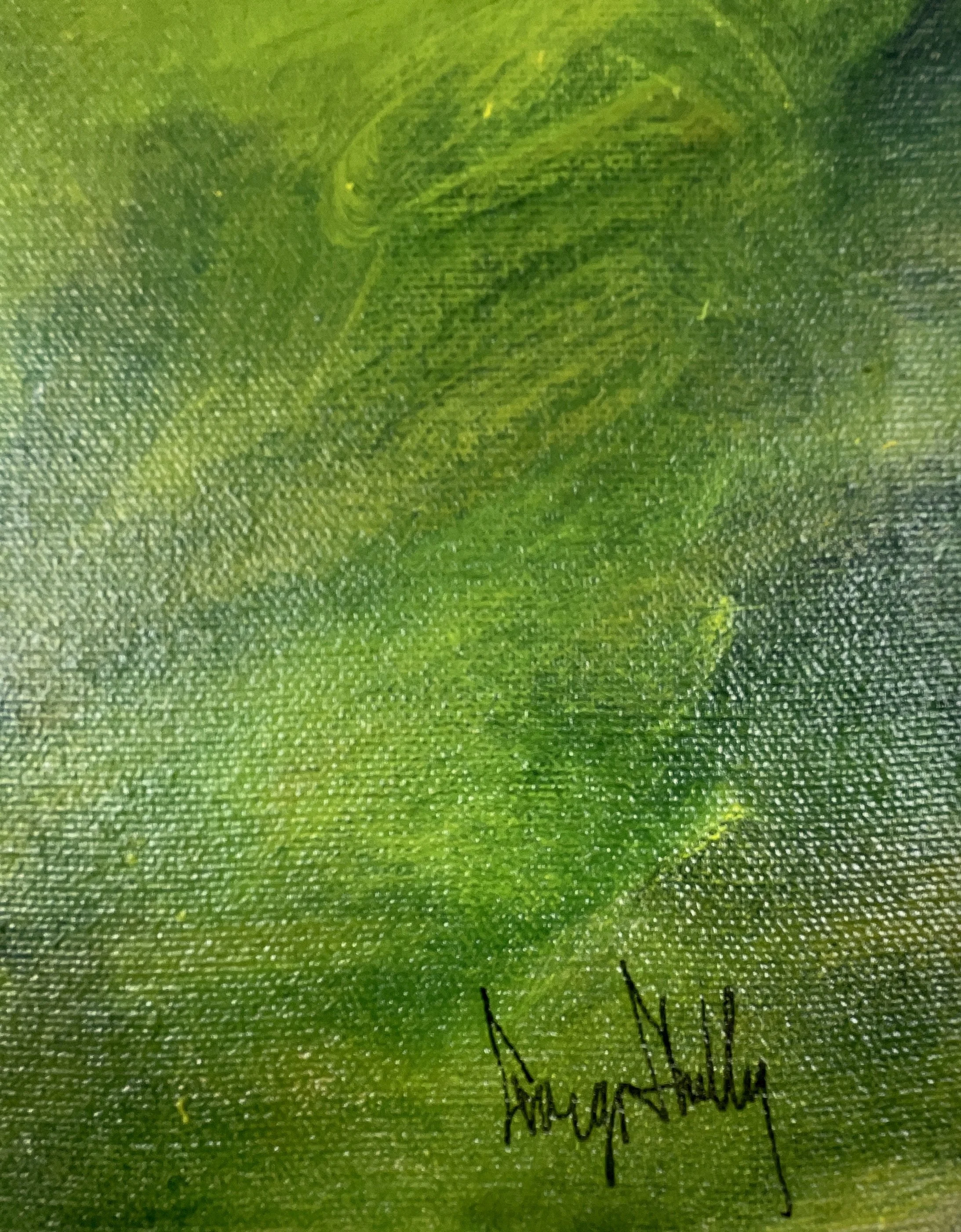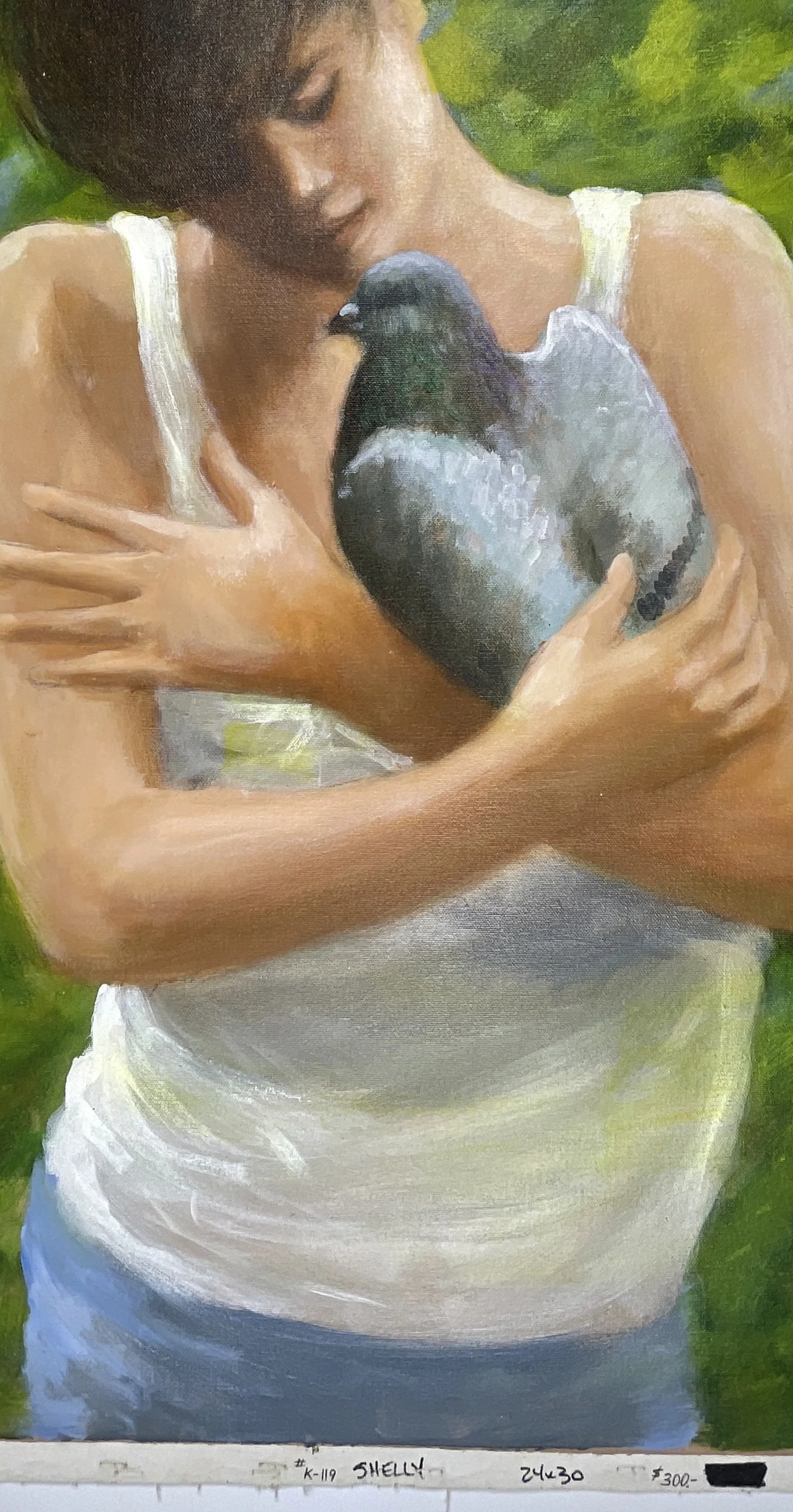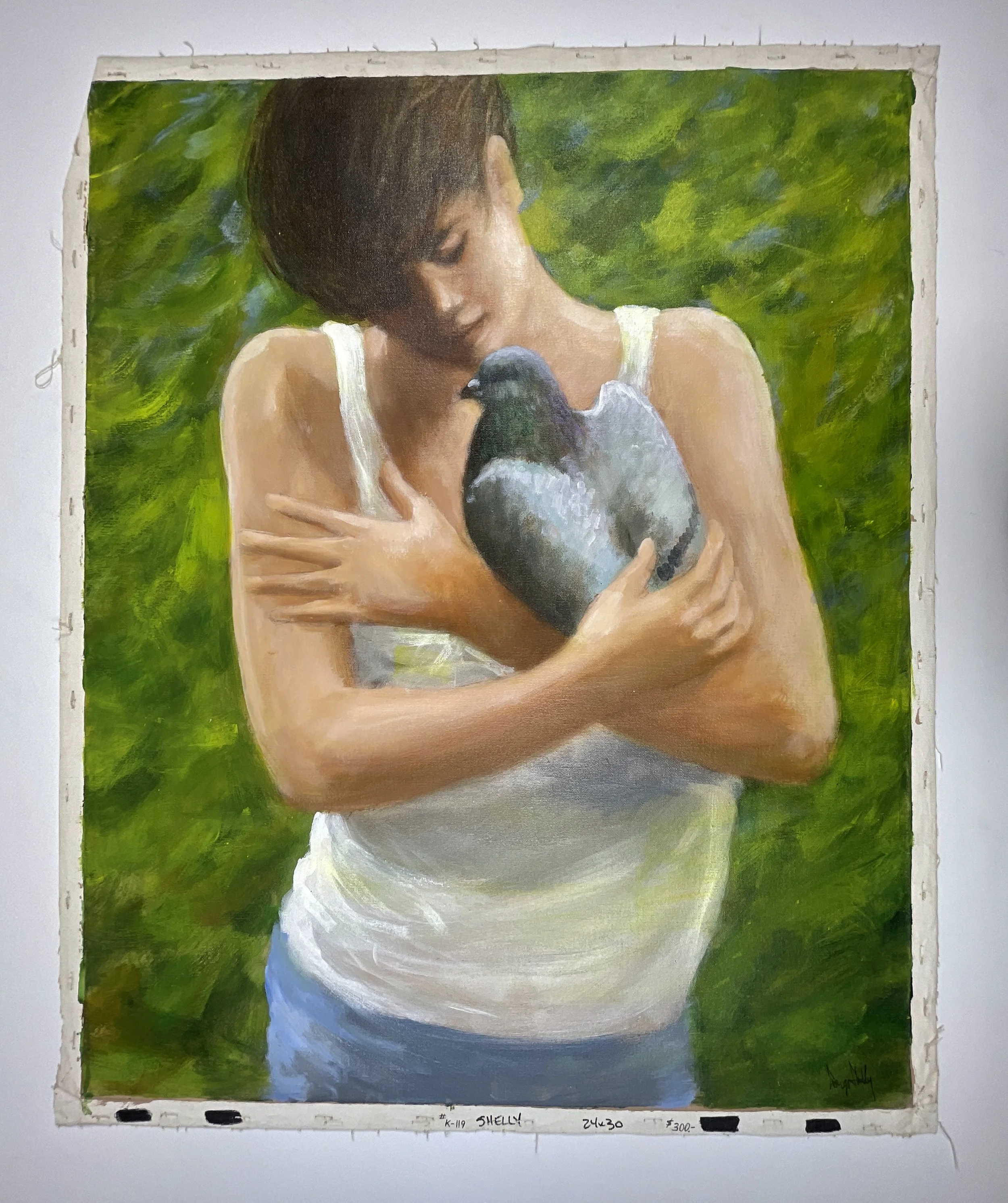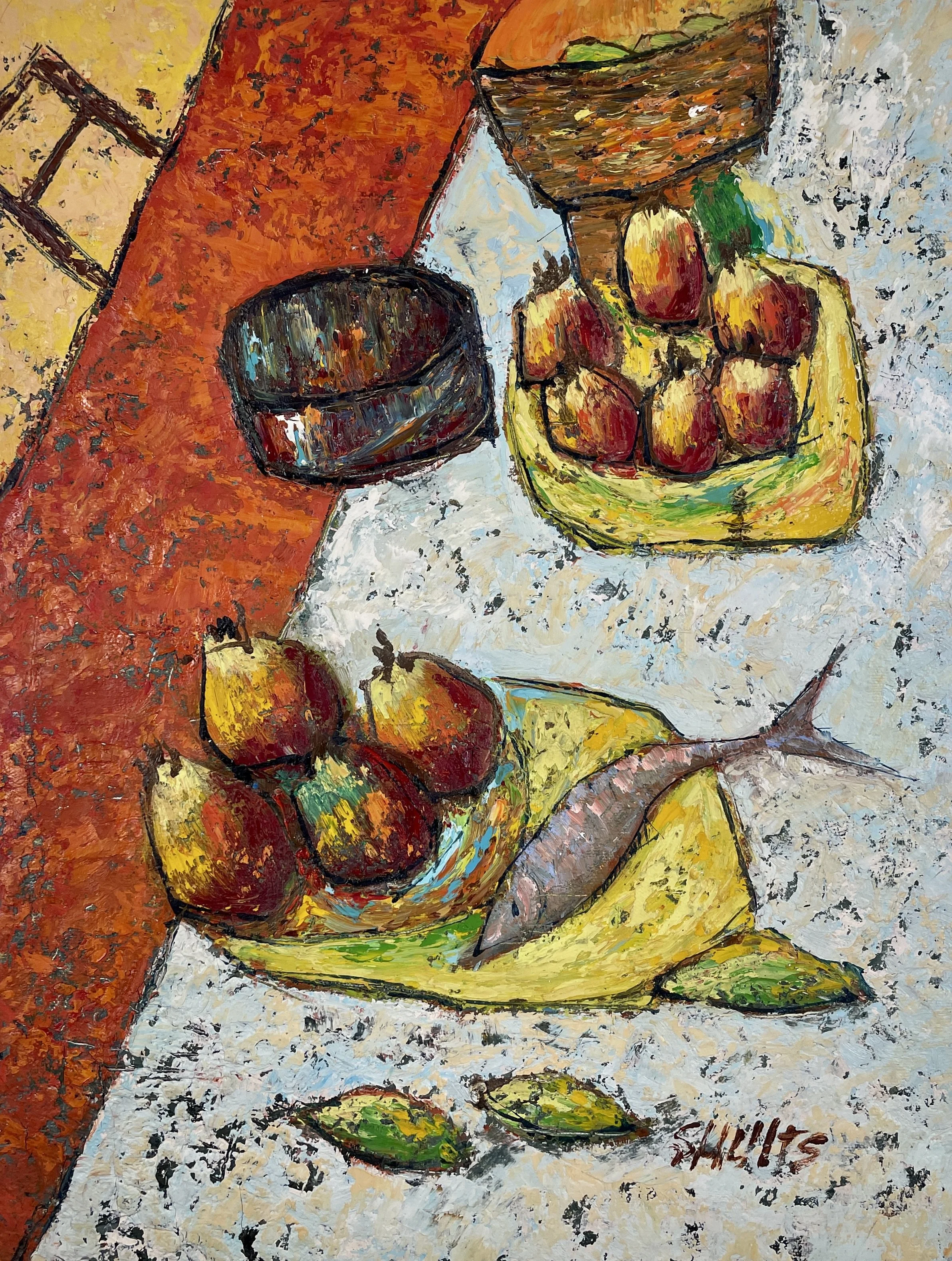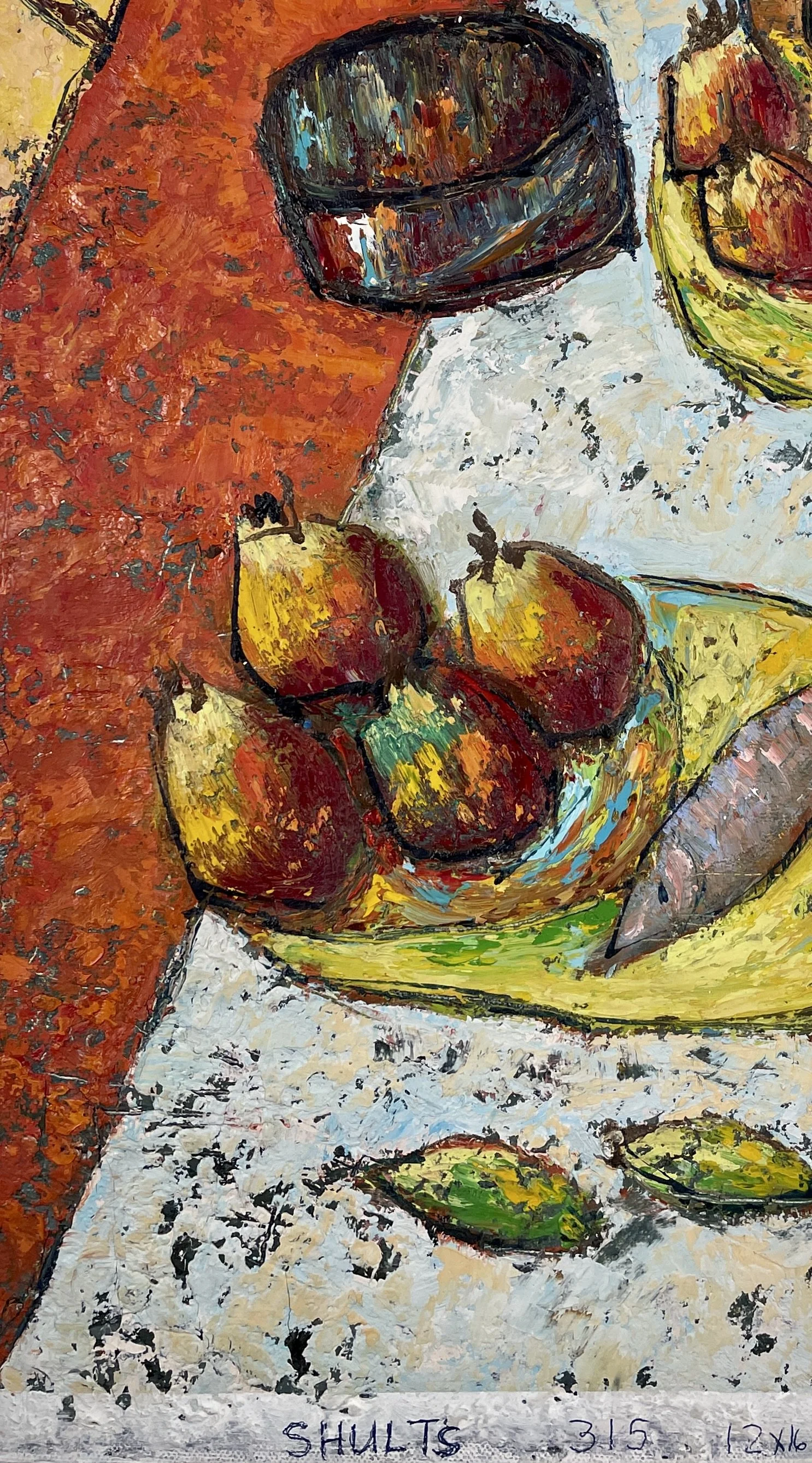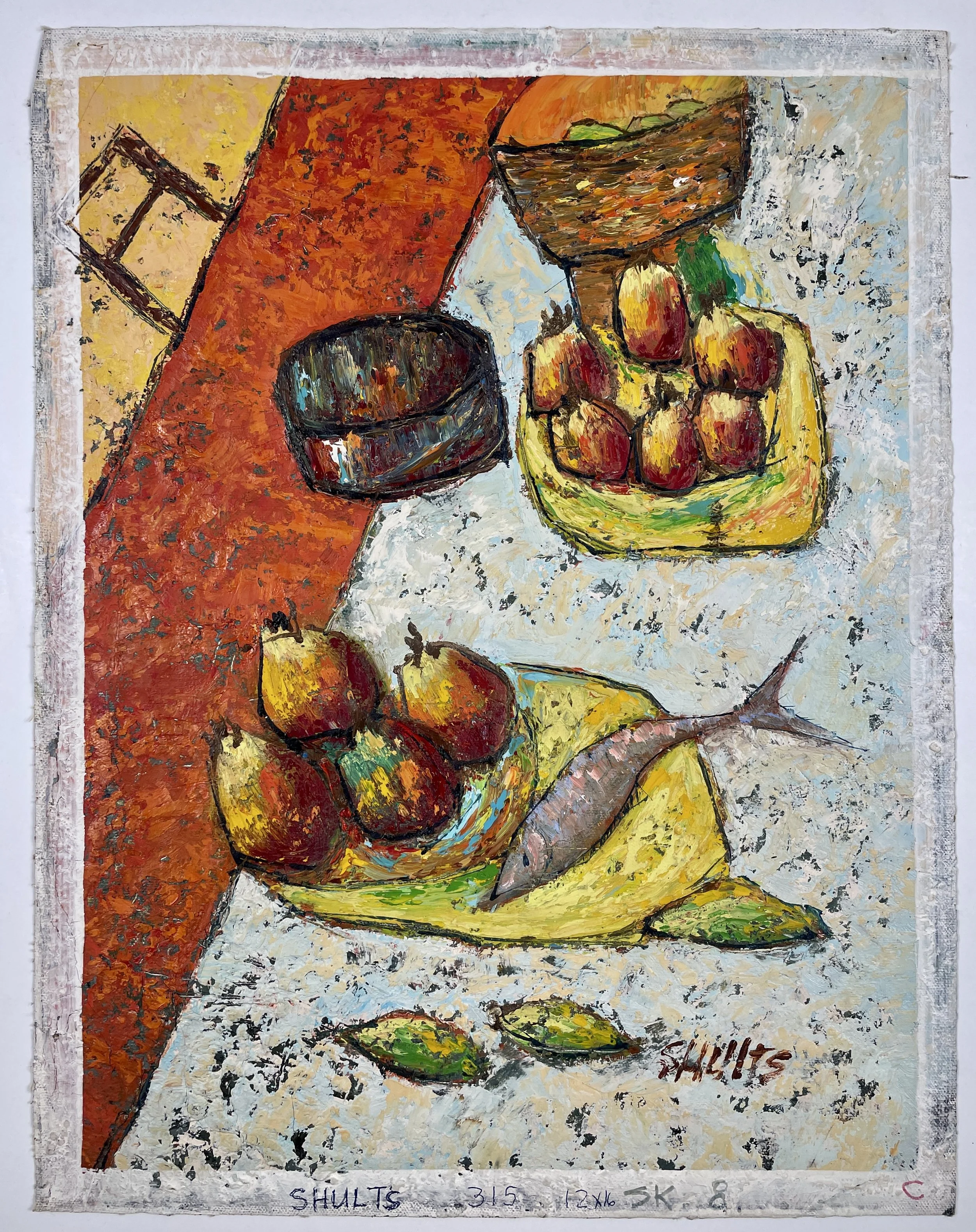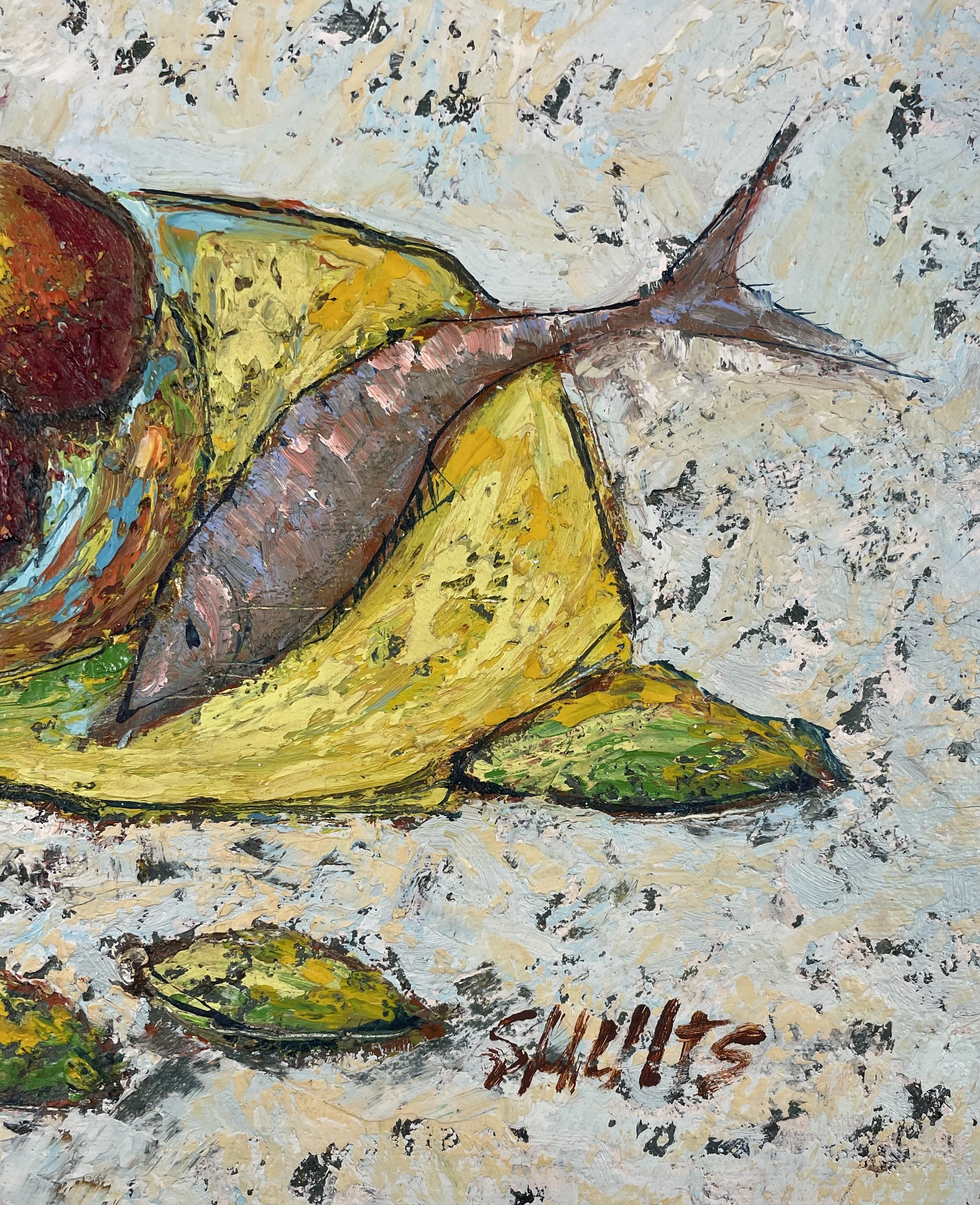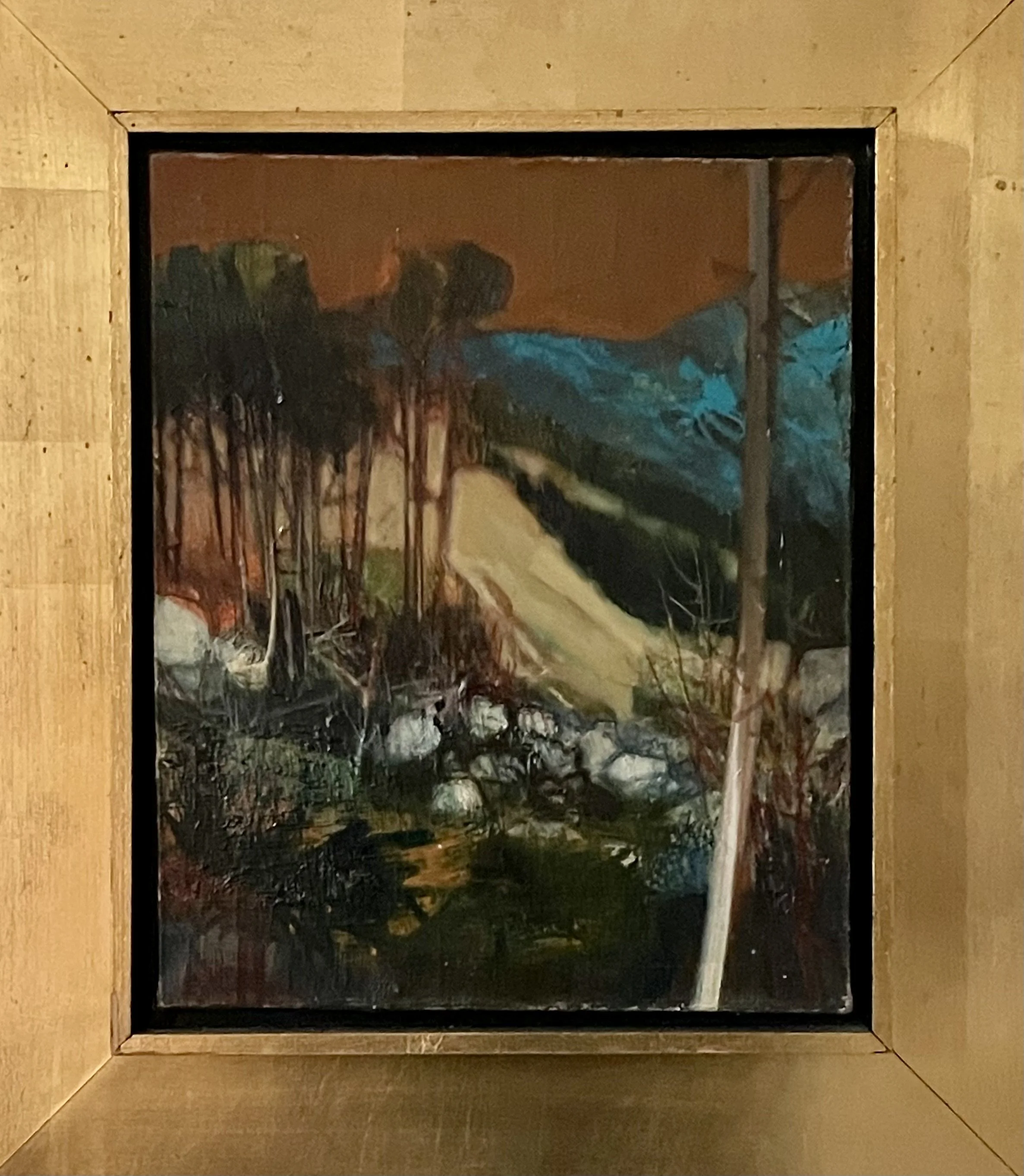
Landscape (attributed) by Jean-Baptiste Valadié (b.1933), c.1960s oil on canvas, approx. 9 × 11 in., signed, School of Paris expressionist landscape.

$8,500.00
Sold Out

Landscape (attributed) by Jean-Baptiste Valadié (b.1933), c.1960s oil on canvas, approx. 9 × 11 in., signed, School of Paris expressionist landscape.


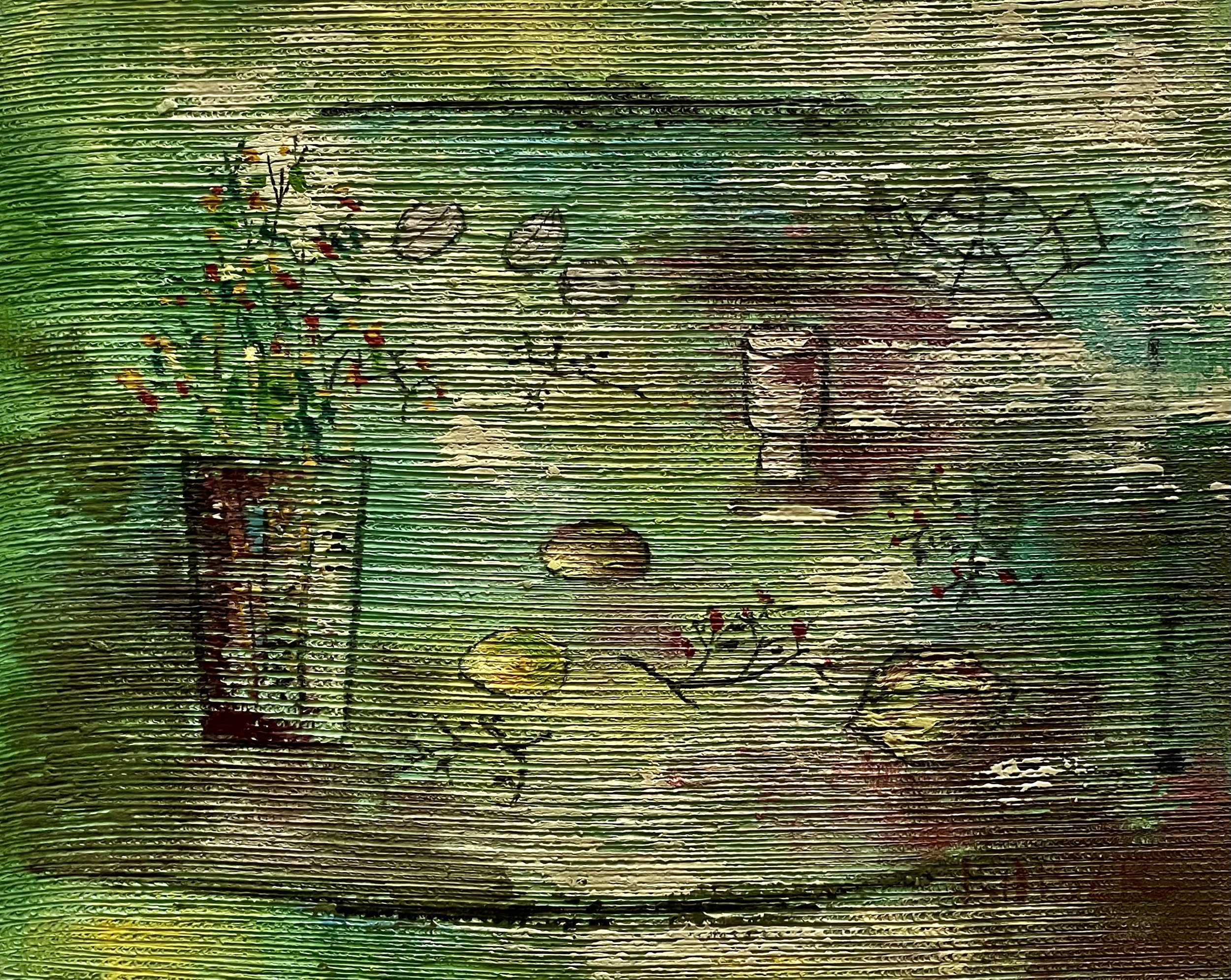
This original landscape painting attributed to Jean-Baptiste Valadié captures a moody, dreamlike terrain rendered in deep greens, ochres, and blues. Painted in the artist’s mature School of Paris period, the work reflects Valadié’s poetic approach to nature, blending abstraction and figuration with emotional resonance.

Detailed Description
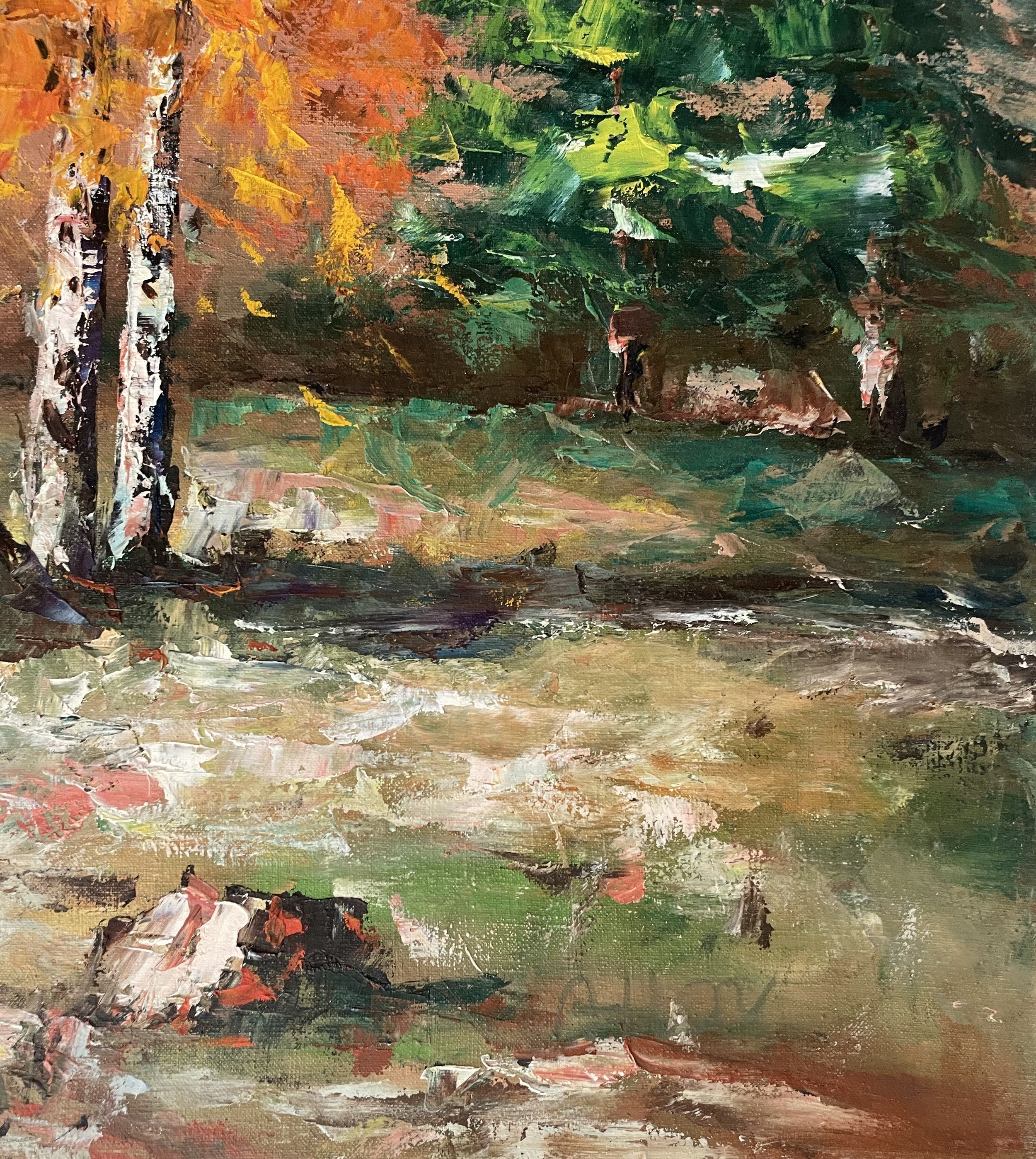
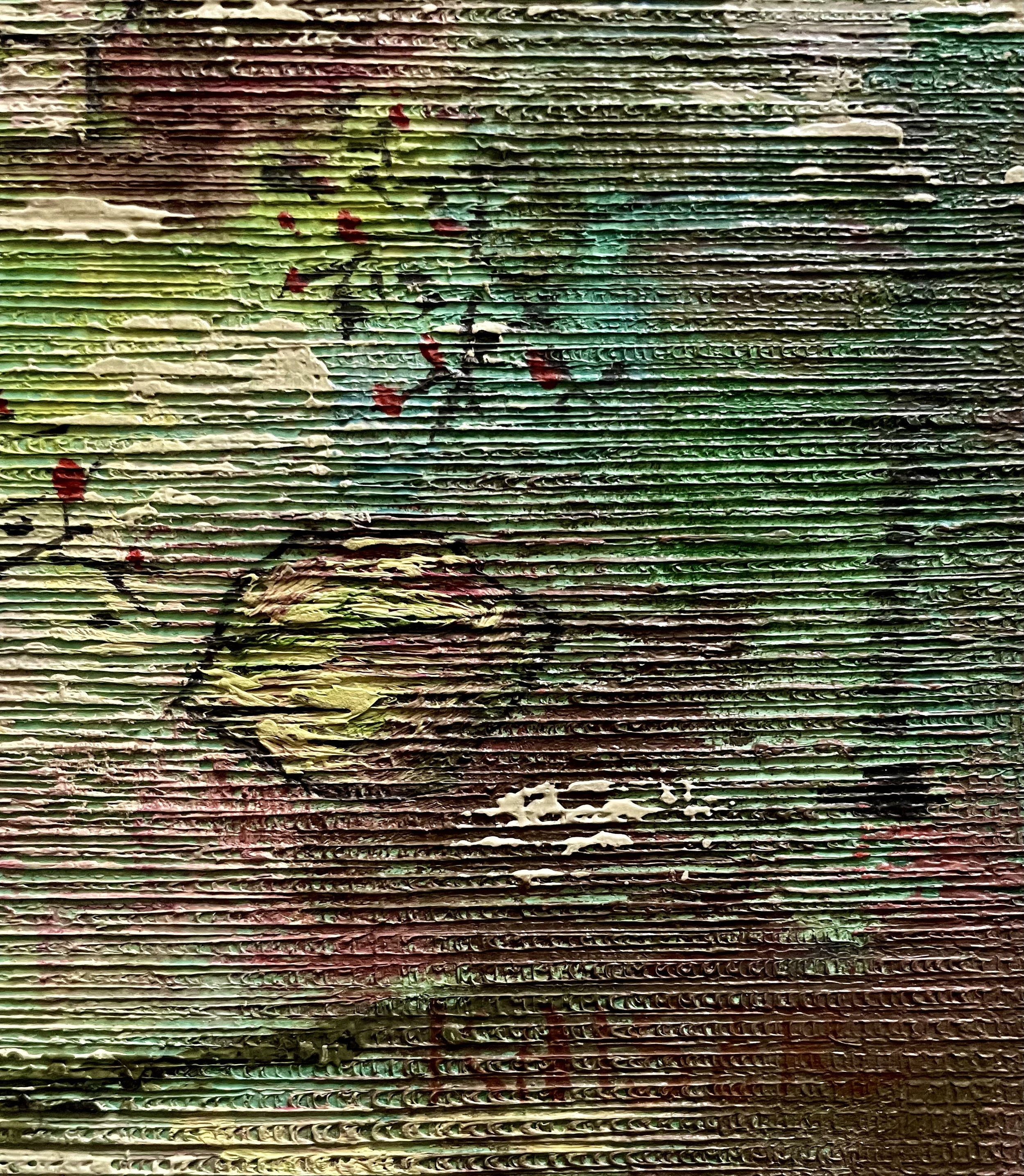
This evocative landscape presents a wooded hillside and winding path emerging through layered washes of oil paint. Valadié employs loose, expressive brushwork and thin glazes, allowing underlayers to breathe through the surface. The composition is structured yet atmospheric, with vertical tree forms anchoring the scene while the background dissolves into tonal shifts of earth and sky.
Stylistically, the painting aligns with Valadié’s 1960s landscapes, where place is suggested rather than described. The palette of mossy greens, warm browns, and muted turquoise conveys a sense of introspection and memory rather than topographical accuracy. The work demonstrates the artist’s interest in balance between gesture and structure, a hallmark of his School of Paris sensibility. The intimate scale reinforces the painting’s contemplative nature, inviting close viewing.

Artist Biography
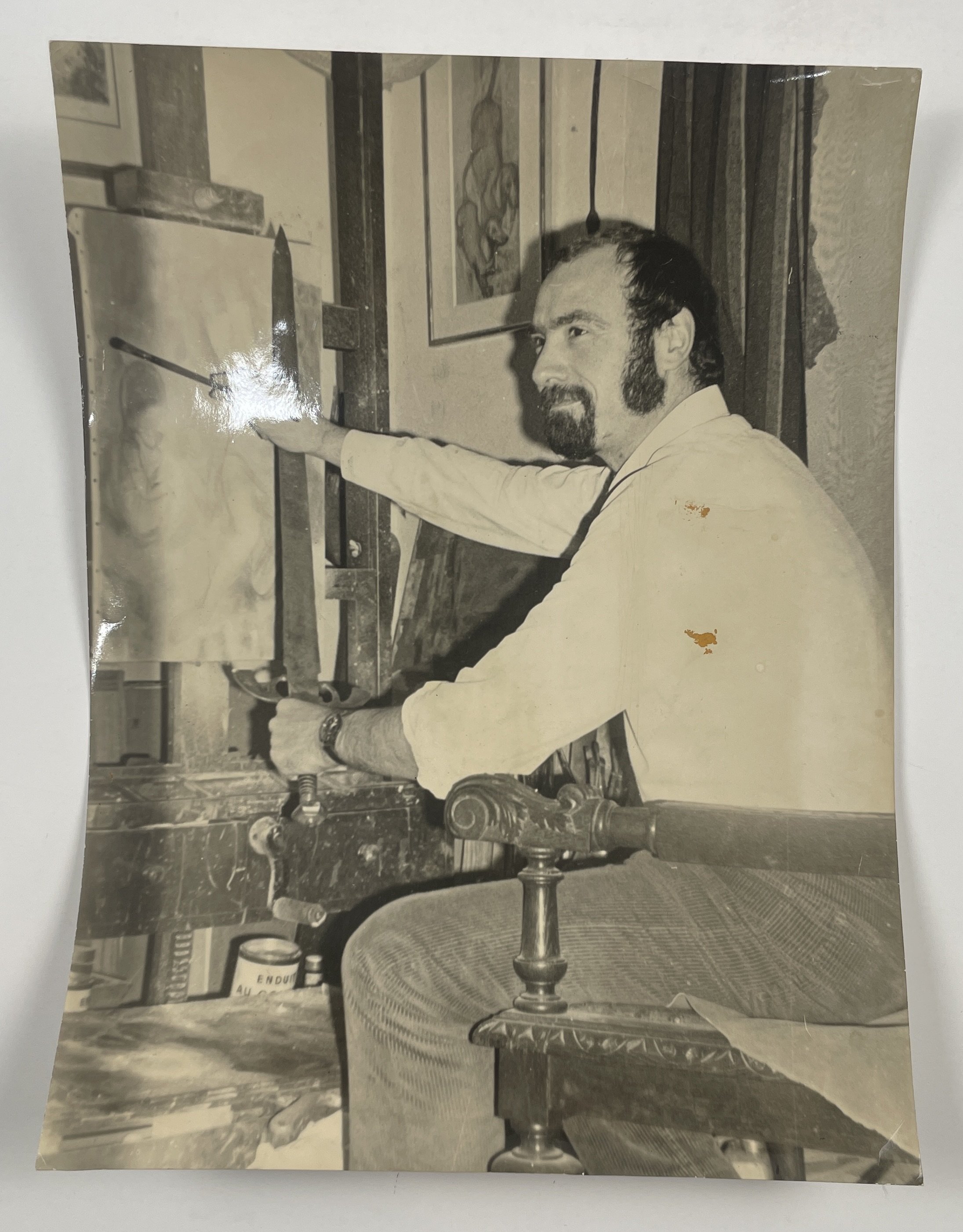
Jean-Baptiste Valadié was born on 29 December 1933 in Brive, Corrèze, France. He studied in Paris and graduated in 1956 from the École Nationale des Arts Appliqués. That same year, one of his works was acquired by the Musée Pédagogique de Paris, marking early institutional recognition.
Valadié developed his artistic voice within the postwar School of Paris, maintaining a commitment to figuration enriched by lyrical abstraction. Influenced by European modernism and Mediterranean landscapes, his work spans portraiture, maternal themes, religious commissions, and landscapes.
From the late 1950s through the 1970s, Valadié exhibited extensively in France and internationally, including Paris, Geneva, Zurich, Lyon, London, Johannesburg, Sydney, Cannes, New Orleans, and New York. He received numerous awards, including the Prix Cézanne (1958), first prizes at the Salon des Indépendants in Algiers (1959), the Prix John Hemming Fry (1961), and a Silver Medal at Salon 61 in Paris.
In the United States, Valadié was represented by Mitch Morse Gallery, New York, which played a significant role in introducing his work to American collectors and institutions. His landscapes from this period reveal a quiet, expressive relationship to nature that complements his better-known figurative work.

Certificate of Value & Authentication
This certifies that the present work is an original oil painting attributed to Jean-Baptiste Valadié. Attribution is supported by stylistic consistency with documented works from the artist’s 1960s period and by provenance through Mitch Morse Gallery. Issued by Artfind Gallery, Washington, DC.

Condition
Very good vintage condition with stable paint surface. Minor age-appropriate wear consistent with mid-20th-century oil paintings.

Provenance
Mitch Morse Gallery, New York (acquired in NYC, United States and Europe)
Artfind Gallery, Washington, DC (current owner)

Landscape (attributed) by Jean-Baptiste Valadié (b.1933), c.1960s oil on canvas, approx. 9 × 11 in., signed, School of Paris expressionist landscape.


This original landscape painting attributed to Jean-Baptiste Valadié captures a moody, dreamlike terrain rendered in deep greens, ochres, and blues. Painted in the artist’s mature School of Paris period, the work reflects Valadié’s poetic approach to nature, blending abstraction and figuration with emotional resonance.

Detailed Description
This evocative landscape presents a wooded hillside and winding path emerging through layered washes of oil paint. Valadié employs loose, expressive brushwork and thin glazes, allowing underlayers to breathe through the surface. The composition is structured yet atmospheric, with vertical tree forms anchoring the scene while the background dissolves into tonal shifts of earth and sky.
Stylistically, the painting aligns with Valadié’s 1960s landscapes, where place is suggested rather than described. The palette of mossy greens, warm browns, and muted turquoise conveys a sense of introspection and memory rather than topographical accuracy. The work demonstrates the artist’s interest in balance between gesture and structure, a hallmark of his School of Paris sensibility. The intimate scale reinforces the painting’s contemplative nature, inviting close viewing.

Artist Biography
Jean-Baptiste Valadié was born on 29 December 1933 in Brive, Corrèze, France. He studied in Paris and graduated in 1956 from the École Nationale des Arts Appliqués. That same year, one of his works was acquired by the Musée Pédagogique de Paris, marking early institutional recognition.
Valadié developed his artistic voice within the postwar School of Paris, maintaining a commitment to figuration enriched by lyrical abstraction. Influenced by European modernism and Mediterranean landscapes, his work spans portraiture, maternal themes, religious commissions, and landscapes.
From the late 1950s through the 1970s, Valadié exhibited extensively in France and internationally, including Paris, Geneva, Zurich, Lyon, London, Johannesburg, Sydney, Cannes, New Orleans, and New York. He received numerous awards, including the Prix Cézanne (1958), first prizes at the Salon des Indépendants in Algiers (1959), the Prix John Hemming Fry (1961), and a Silver Medal at Salon 61 in Paris.
In the United States, Valadié was represented by Mitch Morse Gallery, New York, which played a significant role in introducing his work to American collectors and institutions. His landscapes from this period reveal a quiet, expressive relationship to nature that complements his better-known figurative work.

Certificate of Value & Authentication
This certifies that the present work is an original oil painting attributed to Jean-Baptiste Valadié. Attribution is supported by stylistic consistency with documented works from the artist’s 1960s period and by provenance through Mitch Morse Gallery. Issued by Artfind Gallery, Washington, DC.

Condition
Very good vintage condition with stable paint surface. Minor age-appropriate wear consistent with mid-20th-century oil paintings.

Provenance
Mitch Morse Gallery, New York (acquired in NYC, United States and Europe)
Artfind Gallery, Washington, DC (current owner)

Archival & Exhibition Record

Jean-Baptiste Valadié was born on December 29, 1933, in Brive-la-Gaillarde, Corrèze, France. He studied in Paris and graduated in 1956 from the École Nationale des Arts Appliqués. In that same year, one of his works was acquired by the Musée Pédagogique de Paris, marking early institutional recognition of his work.

Valadié emerged within the postwar School of Paris, developing a lyrical figurative style that balanced expressive line, subtle abstraction, and psychologically resonant subject matter. His work encompasses portraiture, maternal themes, symbolic compositions, religious commissions, and landscapes, unified by a poetic and introspective approach.

From the late 1950s through the 1970s, Valadié exhibited widely in France and internationally. His documented one-man exhibitions include Dakar (1956), Paris (Galerie Bussière-Janel, 1960), Souillac (1961), Brive-la-Gaillarde (1962), Zurich (Galerie Sonneg, 1963), Sydney (Prouds Gallery, 1963), Geneva (Galerie Voltaire, 1963), Johannesburg (Galerie Schneider, 1964), London (Frost & Reed Gallery, New Bond Street, 1965), Martel-en-Quercy (Galerie La Licorne, 1966), Cannes (Galerie Carlton, 1969), New Orleans (European Gallery, 1970), and New York (Mitch Morse Gallery, 1970).

His group exhibitions include participation in the Creysse International Exhibition (1957), exhibitions across seven Latin American countries, and School of Paris group shows in Paris, Algiers, Geneva, Lyon, and Zurich. He exhibited alongside artists such as Carzou, Ciry, and Teretchkovitch, firmly situating his work within the broader European modern figurative tradition.
Valadié received numerous awards and distinctions during this period, including the Prix Cézanne (1958), first prize at the Salon des Indépendants in Algiers (1959), the Prix John Hemming Fry (1961), and a Silver Medal at Salon 61 in Paris. He also received prizes in drawing and painting at the Salon des Indépendants and was recognized by both French and international juries.

In the United States, Valadié was represented by Mitch Morse Gallery, New York, which played a significant role in introducing his work to American collectors during the late 1960s and early 1970s. Works acquired through Mitch Morse Gallery originated in New York and Europe and are now held in private and institutional collections.

Valadié’s sustained international exhibition history, formal training, and institutional recognition place his work firmly within the canon of postwar European figurative painting, particularly the School of Paris tradition.