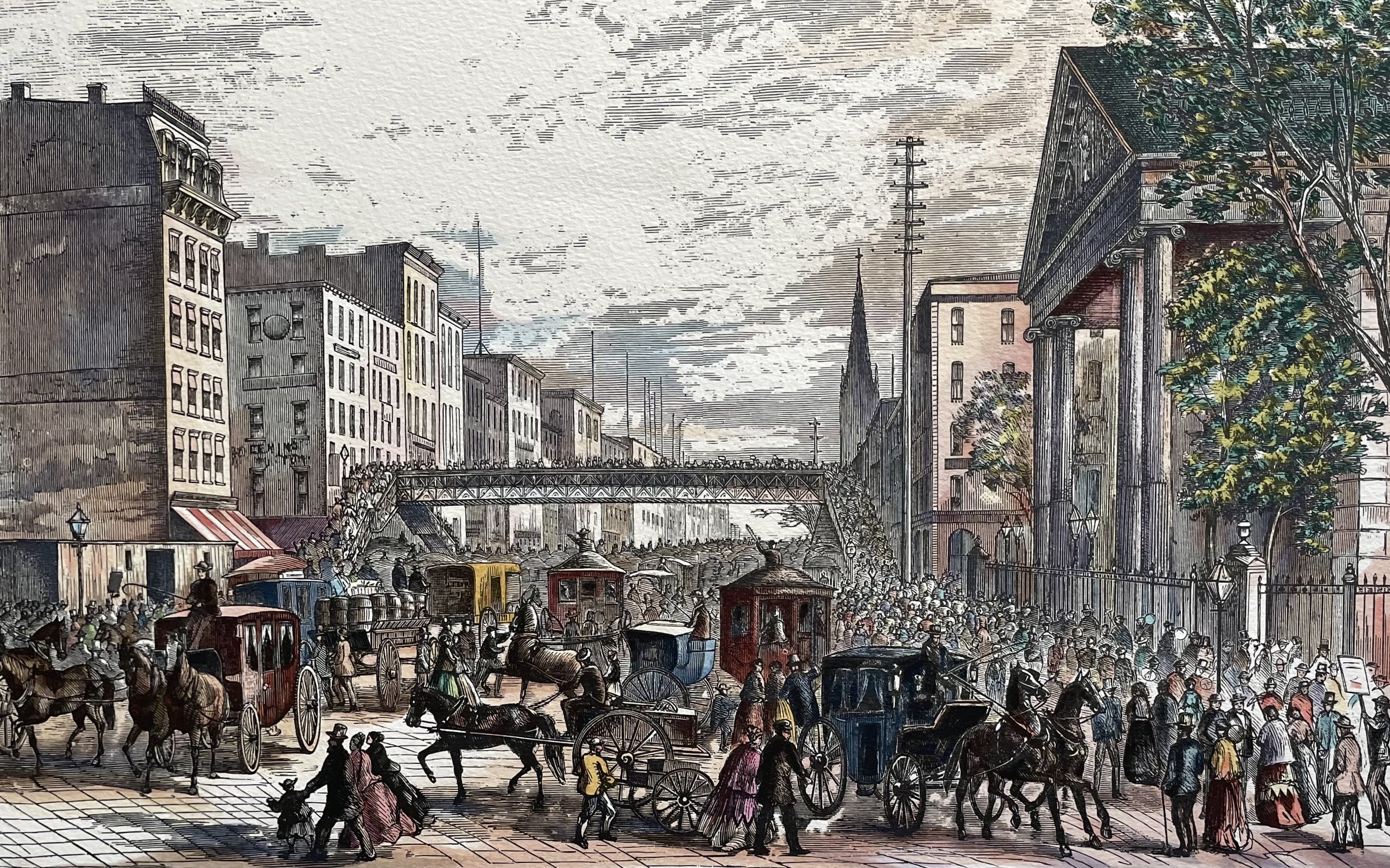
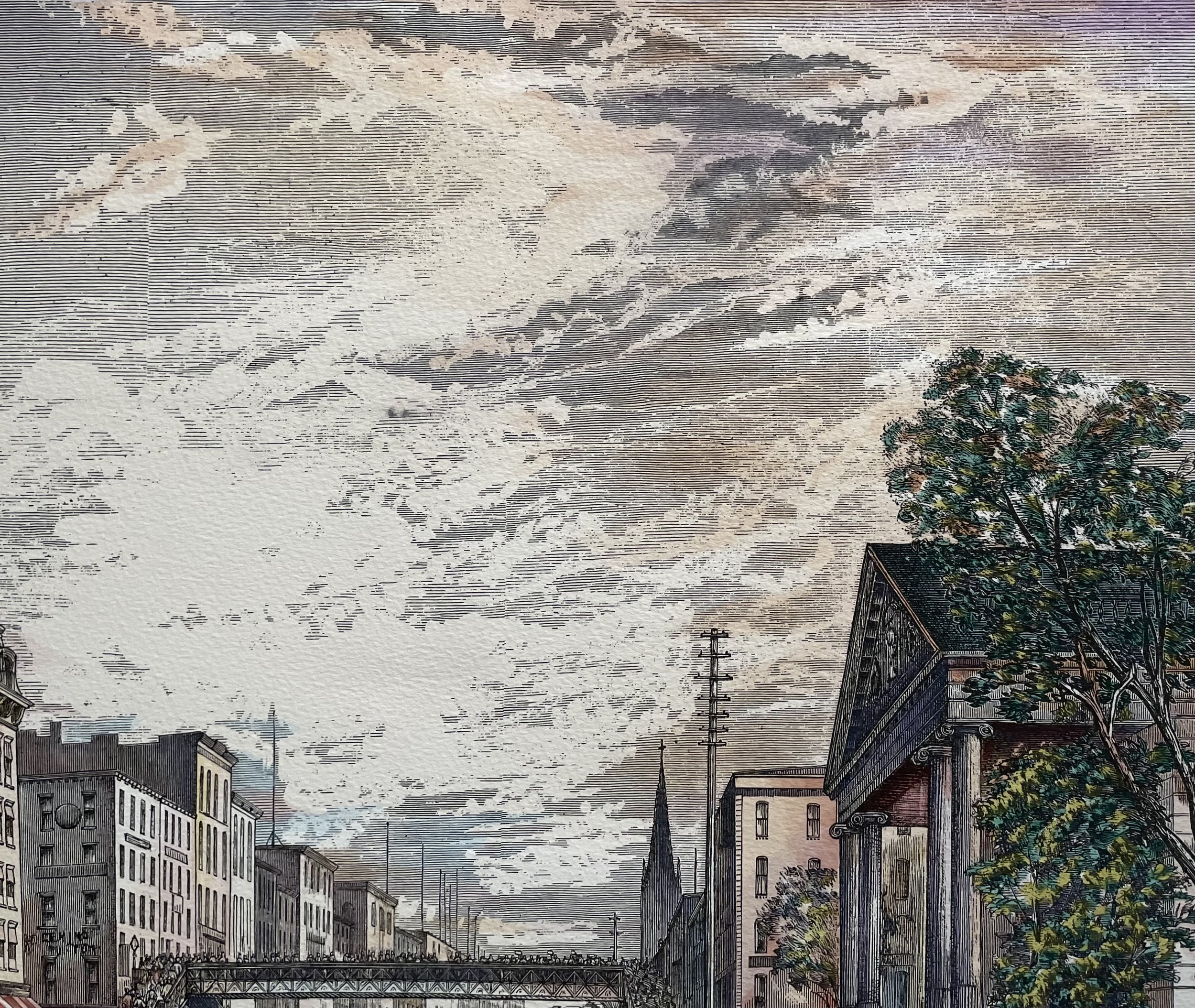
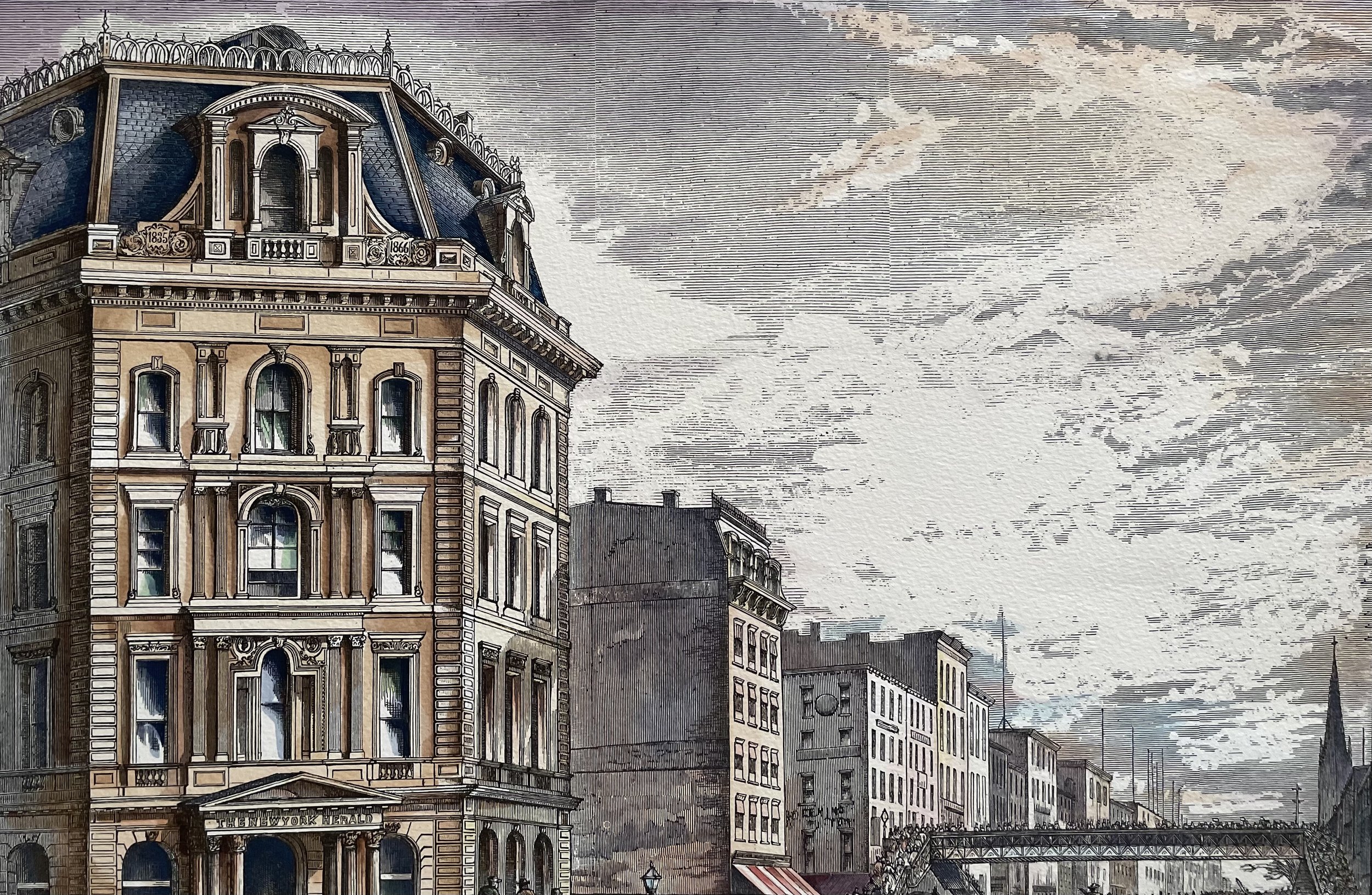
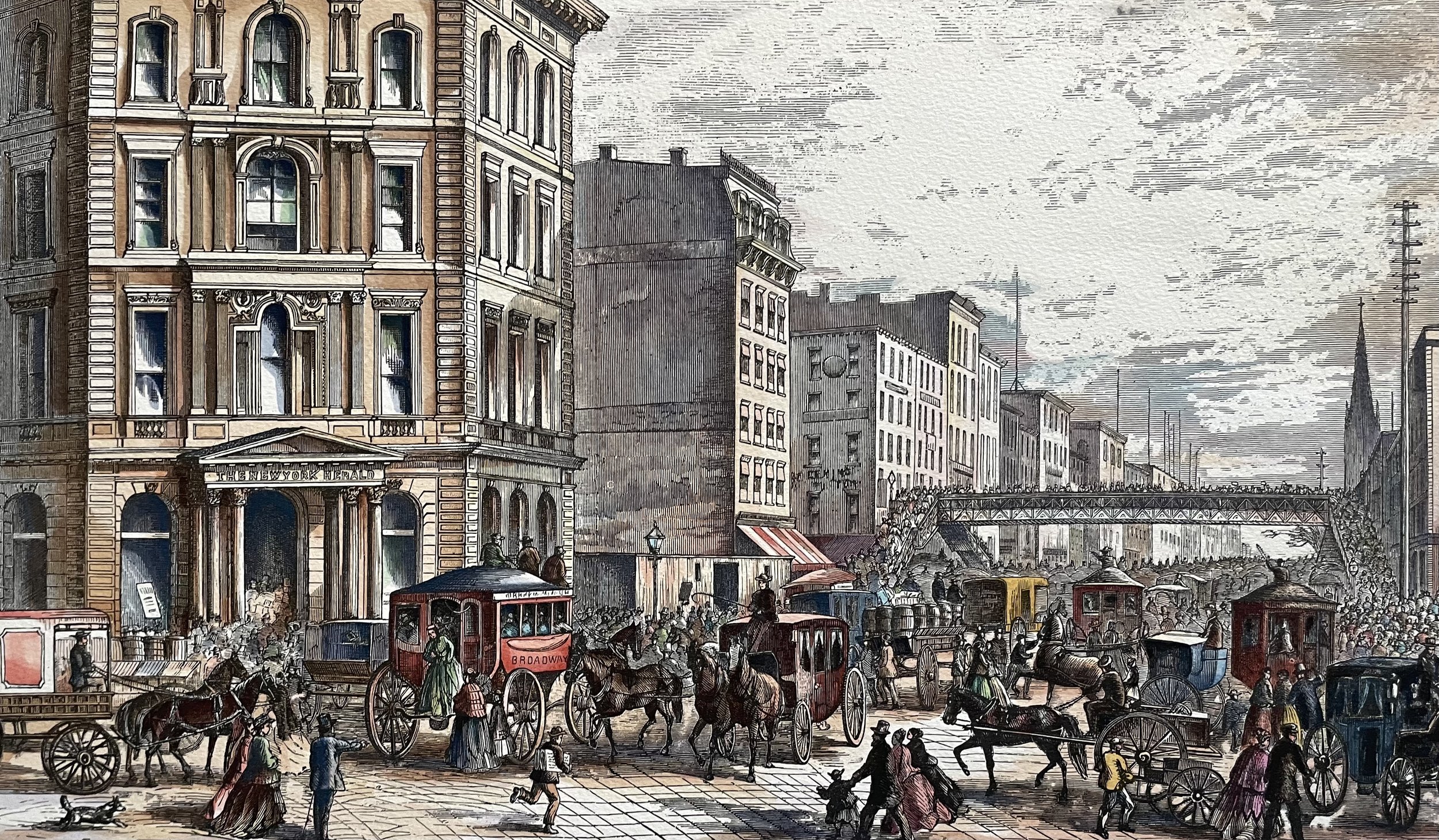
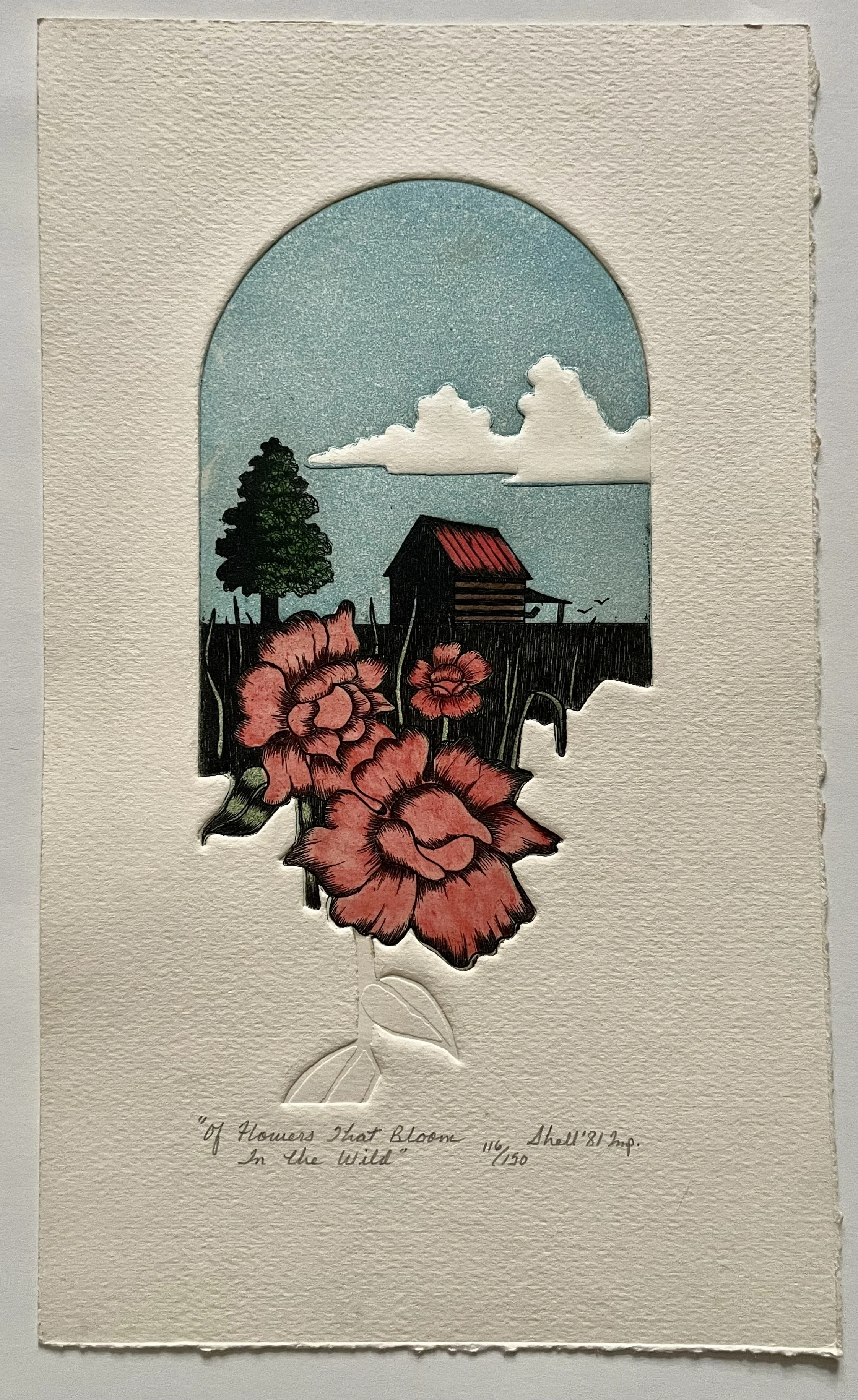
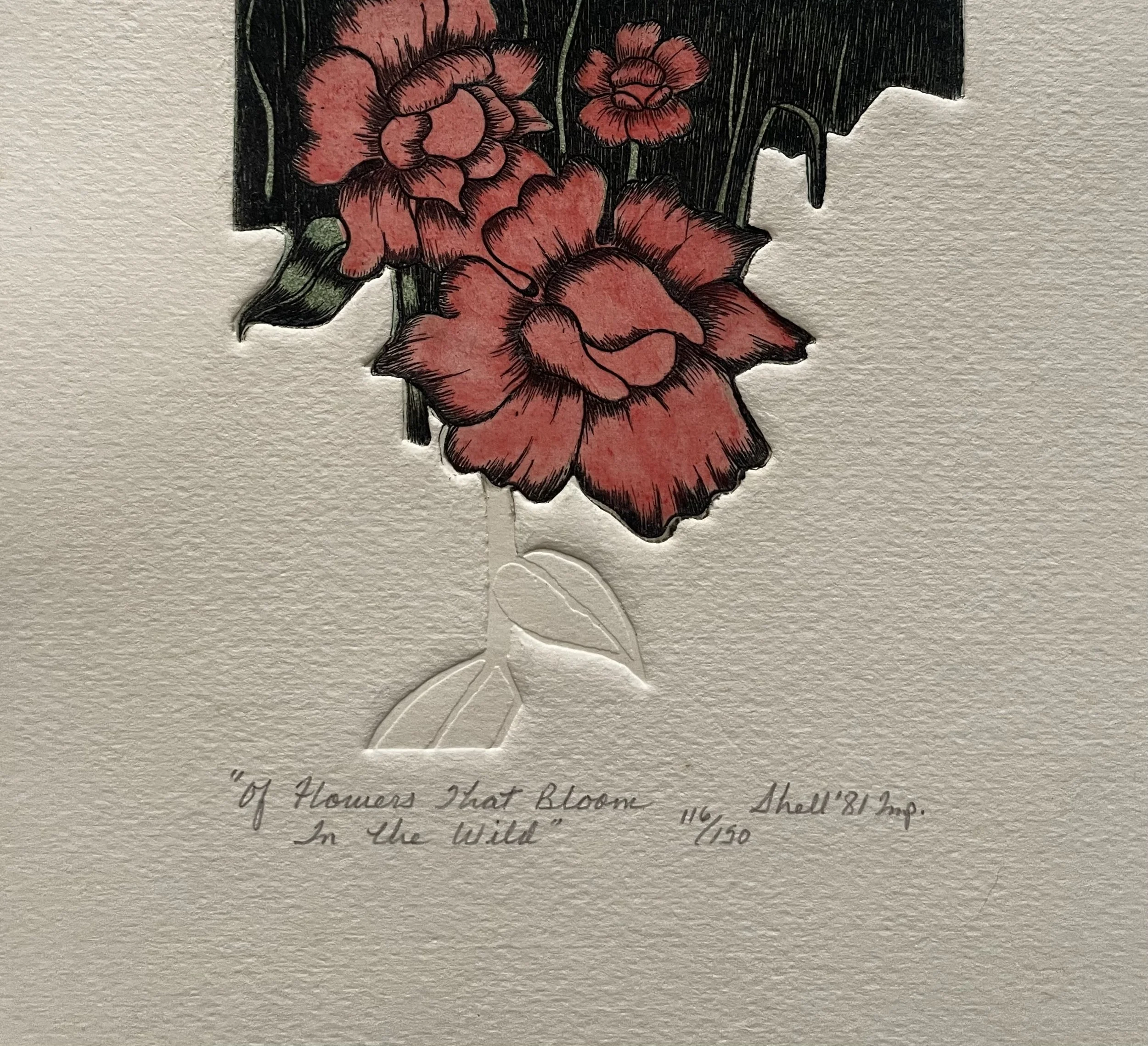
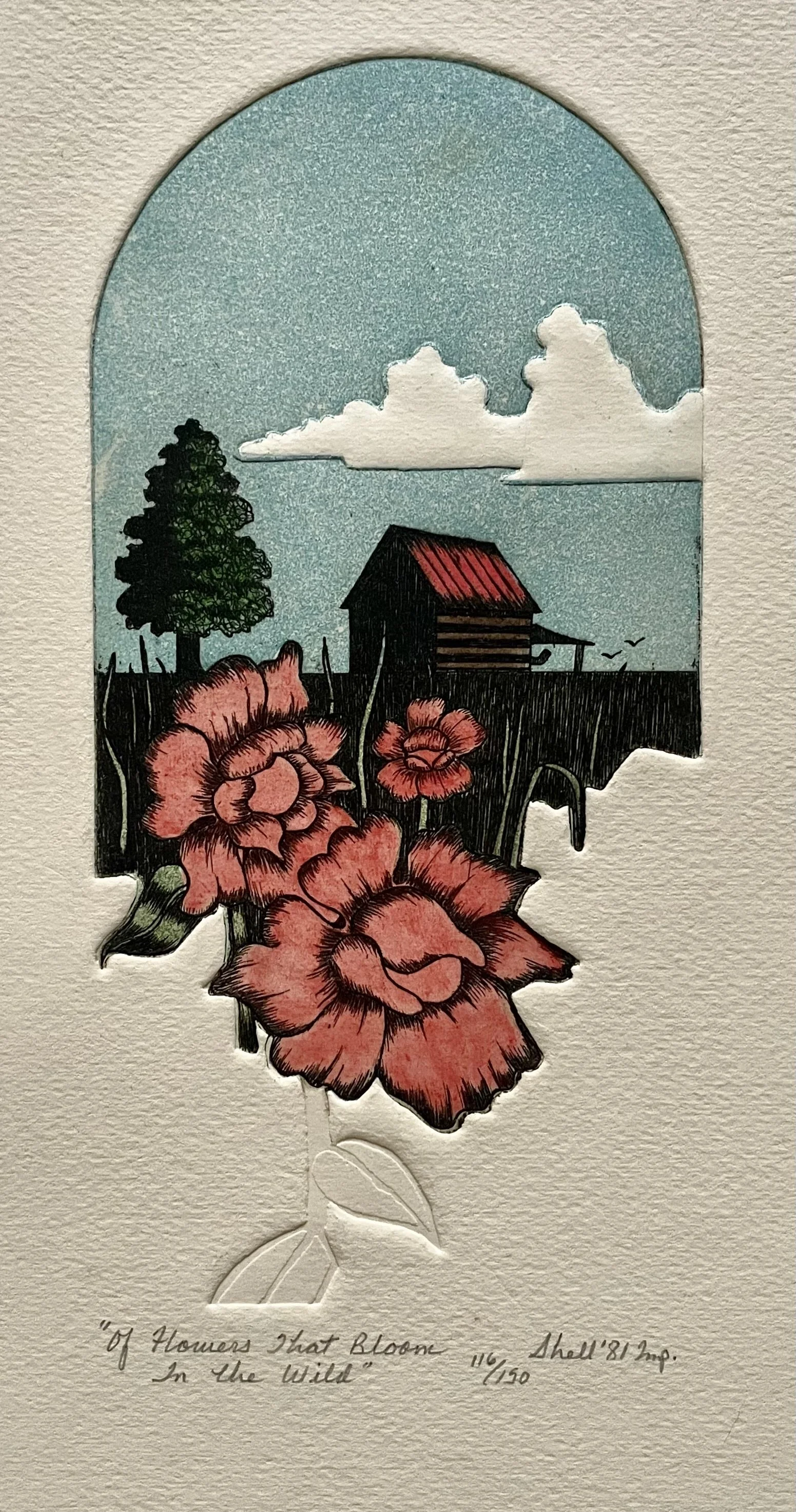
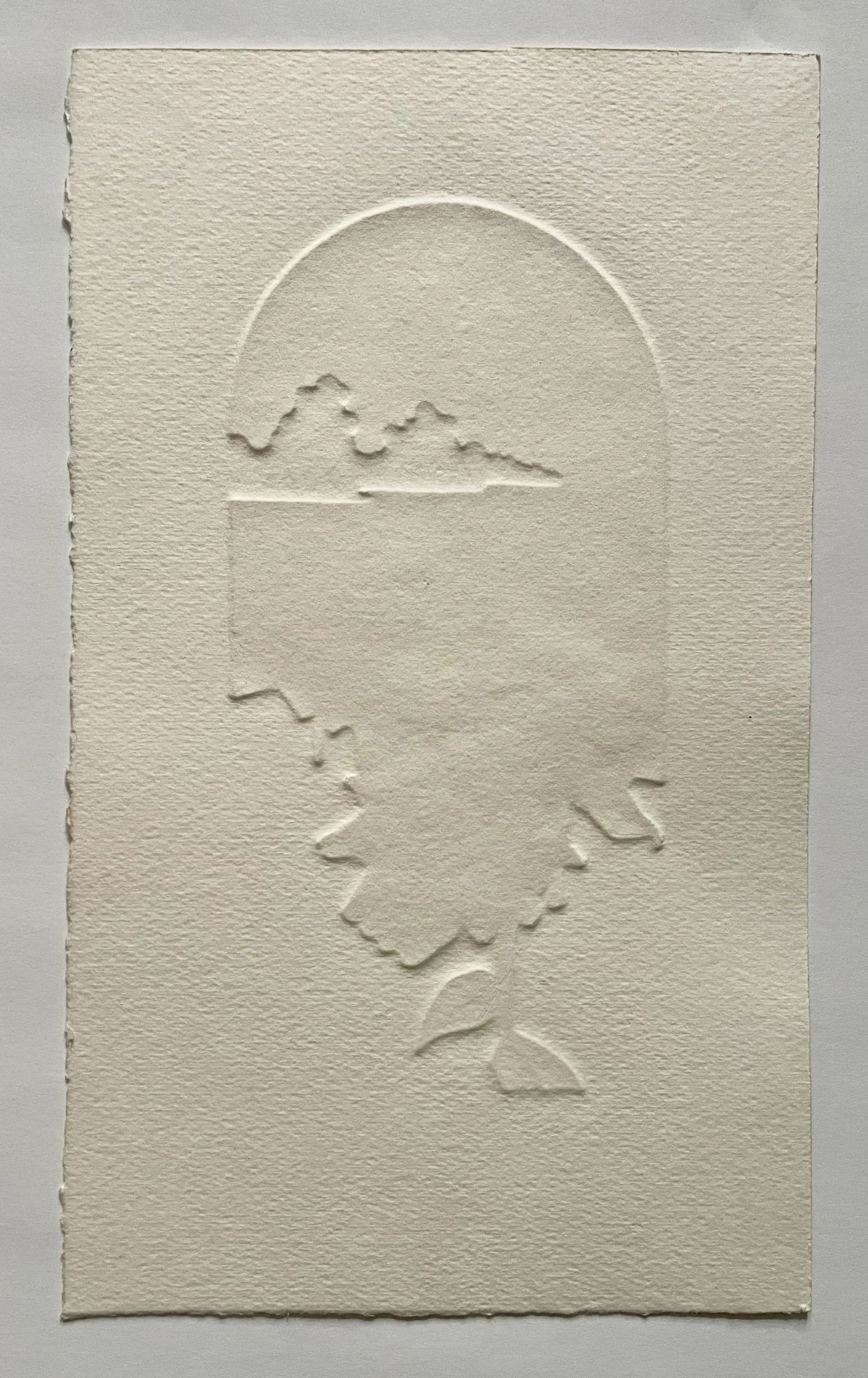
Highland Morning (AP VIII), John Wade (b.1947), blue photo-emulsion etching, 16×30 in, signed & marked Artist’s Proof.
This rare Artist’s Proof (AP VIII) of Highland Morning by American printmaker John Wade is executed with a distinctive blue photo-emulsion, lending the scene cooler tones, enhanced luminosity, and a uniquely atmospheric depth. Signed and marked AP VIII, this large-format hybrid etching demonstrates Wade’s innovation in combining photographic detail with expressive intaglio craftsmanship—making it a highly desirable collector’s proof.
Artwork Description
Highland Morning (AP VIII) depicts a tranquil wetland at dawn: a goose lifts its wings near the marsh grasses while a procession of ducks glides across shimmering water. In this Artist’s Proof, the blue-tinted emulsion produces a silvery, cool undertone throughout the water and sky, giving the composition a misty, early-morning glow distinct from standard black-emulsion prints.
Technical Description (your required wording, expanded for the blue variant)
Wade’s method—known as emulsion etching—involves coating a copper plate with a photo-sensitive emulsion, exposing it through a photographic transparency, and then chemically etching the plate with acid. This process transfers photographic detail while preserving the artist’s hand through direct drawing, engraving, scraping, burnishing, and selective inking.
In Highland Morning (AP VIII), Wade employed a blue-emulsion mixture, which affects:
the temperature of the tonal range
the softness of atmospheric transitions
the clarity of midtone details
the reflective luminosity across water and feather textures
The result is a hybrid artwork—part photograph, part engraving—capable of remarkable subtlety in light and texture, with this AP VIII impression offering a uniquely cool, atmospheric palette.
Hand-titled Highland Morning, signed John Wade, and marked AP VIII, this is the eighth Artist’s Proof pulled from the plate.
Artist Biography
John Wade (born 1947, Charlottesville, Virginia) is an American printmaker known for blending traditional etching, lithography, and relief techniques with early photo-emulsion processes beginning in the late 1960s. His work occupies an important niche in the movement toward experimental printmaking workshops that emerged in the post-war era in the United States.
Wade studied at Elon College (BA) and later earned an Associate of Applied Arts degree from the Technical College of Alamance, focusing on advanced printmaking, drafting, and technical illustration. Between 1967 and 1971, he served in the U.S. Army as a military illustrator, where he refined his precision in linework, perspective, and tonal rendering—skills that would later underpin his etching style.
In 1977, Wade established his own printmaking studio in North Carolina, designing it as an experimental workshopwhere he developed hybrid processes:
• photo-emulsion applied to copper plates
• multi-plate tonal etching
• hand-drawn aquatint overlays
• early light-sensitive resist techniques influenced by commercial photomechanical processes
Wade’s influences include mid-century American regionalist printmakers, technical illustration, early photographic etching pioneers, and the dramatic tonal structures of 19th-century European etchers. He became known for creating imagery that is both realistic and otherworldly, often depicting barns, rural roads, storms, waterfowl, and nocturnal scenes with heightened contrast and emotional intensity.
His work has received awards in regional art competitions throughout the Southeastern United States, and his prints are represented in numerous private collections in the U.S., Europe, and Canada, as well as select university collections with contemporary printmaking programs.
By the 1980s–1990s, Wade’s workshop became a training site for younger printmakers interested in combining analog photographic processes with traditional intaglio—placing him among the early adopters of hybrid photographic/non-silver techniques in studio printmaking.
John Wade, Highland Morning, AP VIII. Large blue-emulsion etching, 16×30 in. Signed Artist’s Proof. Rare variant with cool tonal palette.
CERTIFICATE OF VALUE & AUTHENTICATION
Artist: John Wade (b.1947)
Title: Highland Morning (Artist’s Proof VIII)
Date: 1970s–1980s
Medium: Blue Photo-Emulsion Etching (Hybrid Photographic/Intaglio Technique)
Dimensions: 16 × 30 inches
Edition: AP VIII (Artist’s Proof 8)
Signature: Hand-signed “John Wade,” marked AP VIII
Authenticity: Confirmed via signature, AP notation, blue-emulsion tone, and Wade’s documented studio practices.
Current Owner: Artfind Gallery, Washington, DC
This work is certified as an authentic original etching by John Wade.
Provenance Chain
Artist’s Studio, North Carolina – Artist’s Proof pulled by the artist
Private Collection, Southeastern U.S.
Artfind Gallery, Washington, DC — current owner
Highland Morning (AP VIII), John Wade (b.1947), blue photo-emulsion etching, 16×30 in, signed & marked Artist’s Proof.
This rare Artist’s Proof (AP VIII) of Highland Morning by American printmaker John Wade is executed with a distinctive blue photo-emulsion, lending the scene cooler tones, enhanced luminosity, and a uniquely atmospheric depth. Signed and marked AP VIII, this large-format hybrid etching demonstrates Wade’s innovation in combining photographic detail with expressive intaglio craftsmanship—making it a highly desirable collector’s proof.
Artwork Description
Highland Morning (AP VIII) depicts a tranquil wetland at dawn: a goose lifts its wings near the marsh grasses while a procession of ducks glides across shimmering water. In this Artist’s Proof, the blue-tinted emulsion produces a silvery, cool undertone throughout the water and sky, giving the composition a misty, early-morning glow distinct from standard black-emulsion prints.
Technical Description (your required wording, expanded for the blue variant)
Wade’s method—known as emulsion etching—involves coating a copper plate with a photo-sensitive emulsion, exposing it through a photographic transparency, and then chemically etching the plate with acid. This process transfers photographic detail while preserving the artist’s hand through direct drawing, engraving, scraping, burnishing, and selective inking.
In Highland Morning (AP VIII), Wade employed a blue-emulsion mixture, which affects:
the temperature of the tonal range
the softness of atmospheric transitions
the clarity of midtone details
the reflective luminosity across water and feather textures
The result is a hybrid artwork—part photograph, part engraving—capable of remarkable subtlety in light and texture, with this AP VIII impression offering a uniquely cool, atmospheric palette.
Hand-titled Highland Morning, signed John Wade, and marked AP VIII, this is the eighth Artist’s Proof pulled from the plate.
Artist Biography
John Wade (born 1947, Charlottesville, Virginia) is an American printmaker known for blending traditional etching, lithography, and relief techniques with early photo-emulsion processes beginning in the late 1960s. His work occupies an important niche in the movement toward experimental printmaking workshops that emerged in the post-war era in the United States.
Wade studied at Elon College (BA) and later earned an Associate of Applied Arts degree from the Technical College of Alamance, focusing on advanced printmaking, drafting, and technical illustration. Between 1967 and 1971, he served in the U.S. Army as a military illustrator, where he refined his precision in linework, perspective, and tonal rendering—skills that would later underpin his etching style.
In 1977, Wade established his own printmaking studio in North Carolina, designing it as an experimental workshopwhere he developed hybrid processes:
• photo-emulsion applied to copper plates
• multi-plate tonal etching
• hand-drawn aquatint overlays
• early light-sensitive resist techniques influenced by commercial photomechanical processes
Wade’s influences include mid-century American regionalist printmakers, technical illustration, early photographic etching pioneers, and the dramatic tonal structures of 19th-century European etchers. He became known for creating imagery that is both realistic and otherworldly, often depicting barns, rural roads, storms, waterfowl, and nocturnal scenes with heightened contrast and emotional intensity.
His work has received awards in regional art competitions throughout the Southeastern United States, and his prints are represented in numerous private collections in the U.S., Europe, and Canada, as well as select university collections with contemporary printmaking programs.
By the 1980s–1990s, Wade’s workshop became a training site for younger printmakers interested in combining analog photographic processes with traditional intaglio—placing him among the early adopters of hybrid photographic/non-silver techniques in studio printmaking.
John Wade, Highland Morning, AP VIII. Large blue-emulsion etching, 16×30 in. Signed Artist’s Proof. Rare variant with cool tonal palette.
CERTIFICATE OF VALUE & AUTHENTICATION
Artist: John Wade (b.1947)
Title: Highland Morning (Artist’s Proof VIII)
Date: 1970s–1980s
Medium: Blue Photo-Emulsion Etching (Hybrid Photographic/Intaglio Technique)
Dimensions: 16 × 30 inches
Edition: AP VIII (Artist’s Proof 8)
Signature: Hand-signed “John Wade,” marked AP VIII
Authenticity: Confirmed via signature, AP notation, blue-emulsion tone, and Wade’s documented studio practices.
Current Owner: Artfind Gallery, Washington, DC
This work is certified as an authentic original etching by John Wade.
Provenance Chain
Artist’s Studio, North Carolina – Artist’s Proof pulled by the artist
Private Collection, Southeastern U.S.
Artfind Gallery, Washington, DC — current owner
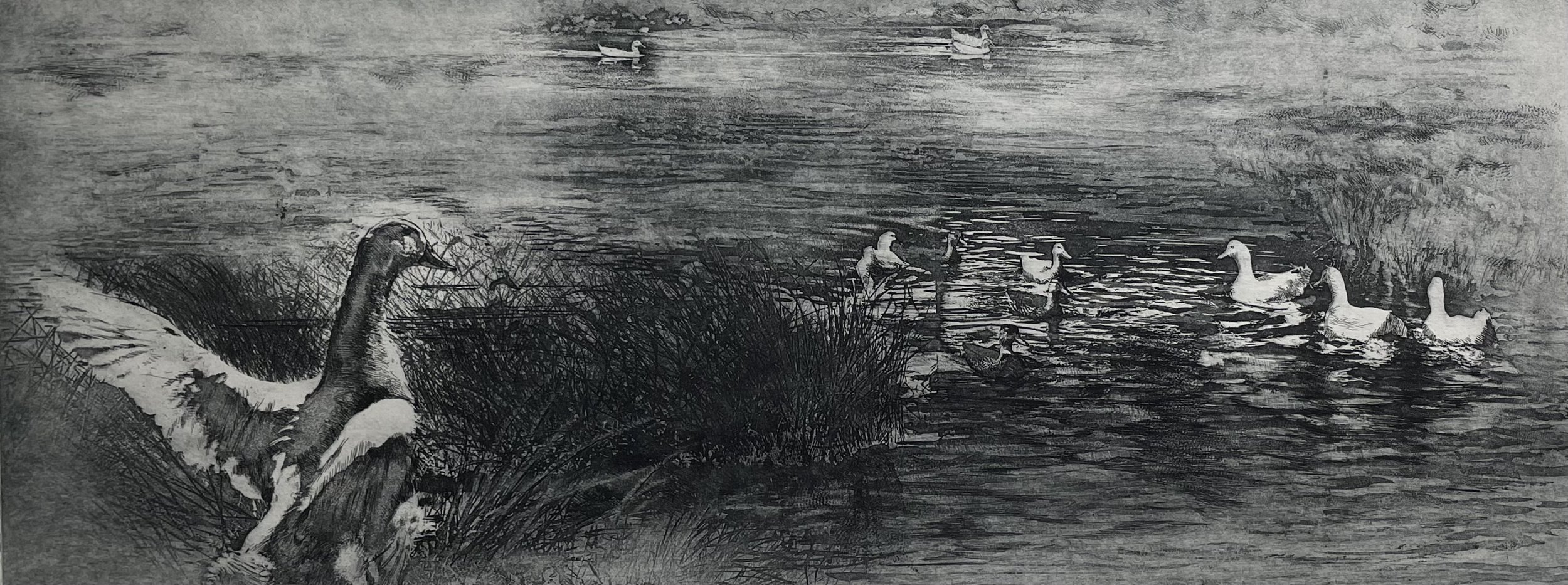 Image 1 of 10
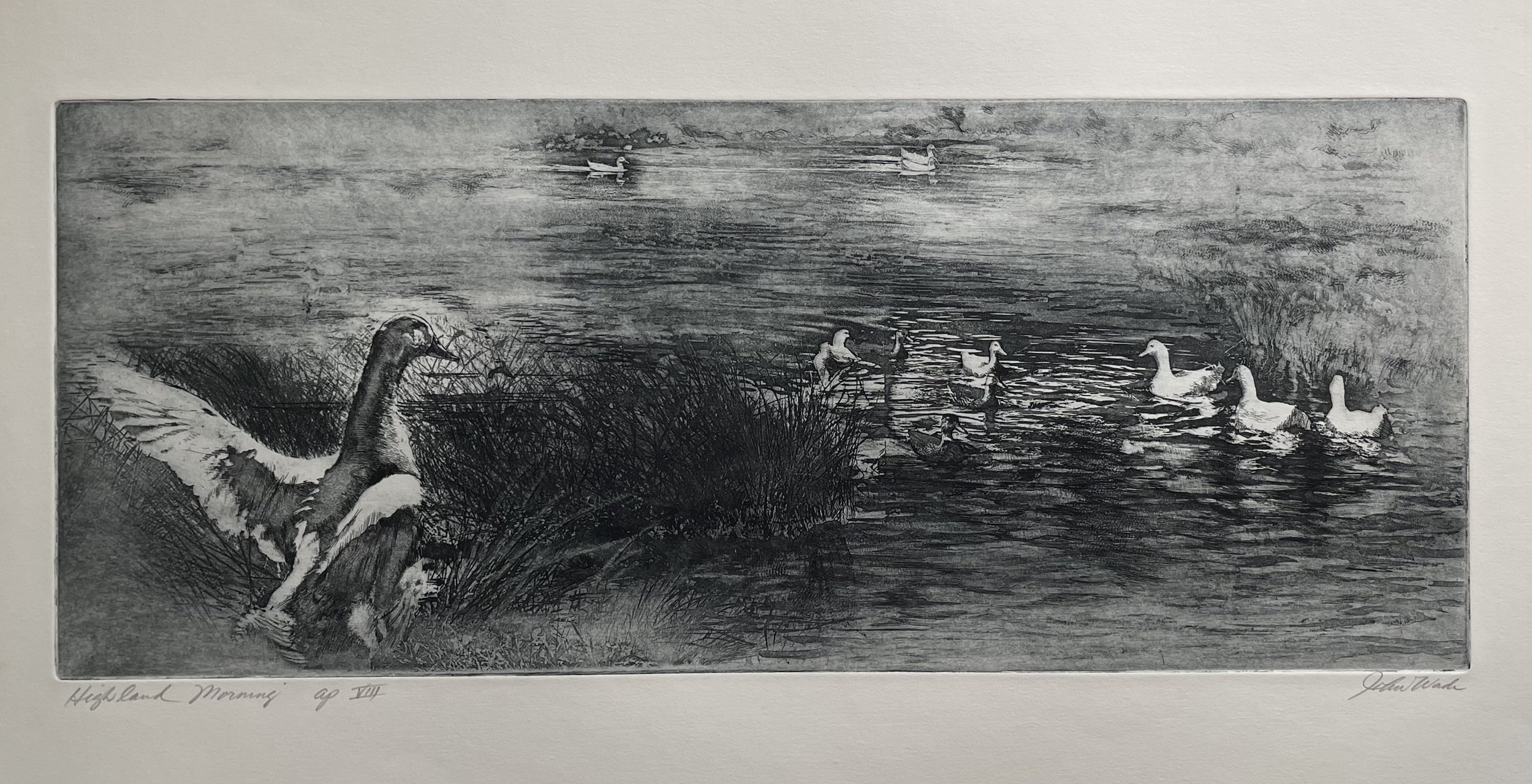 Image 2 of 10
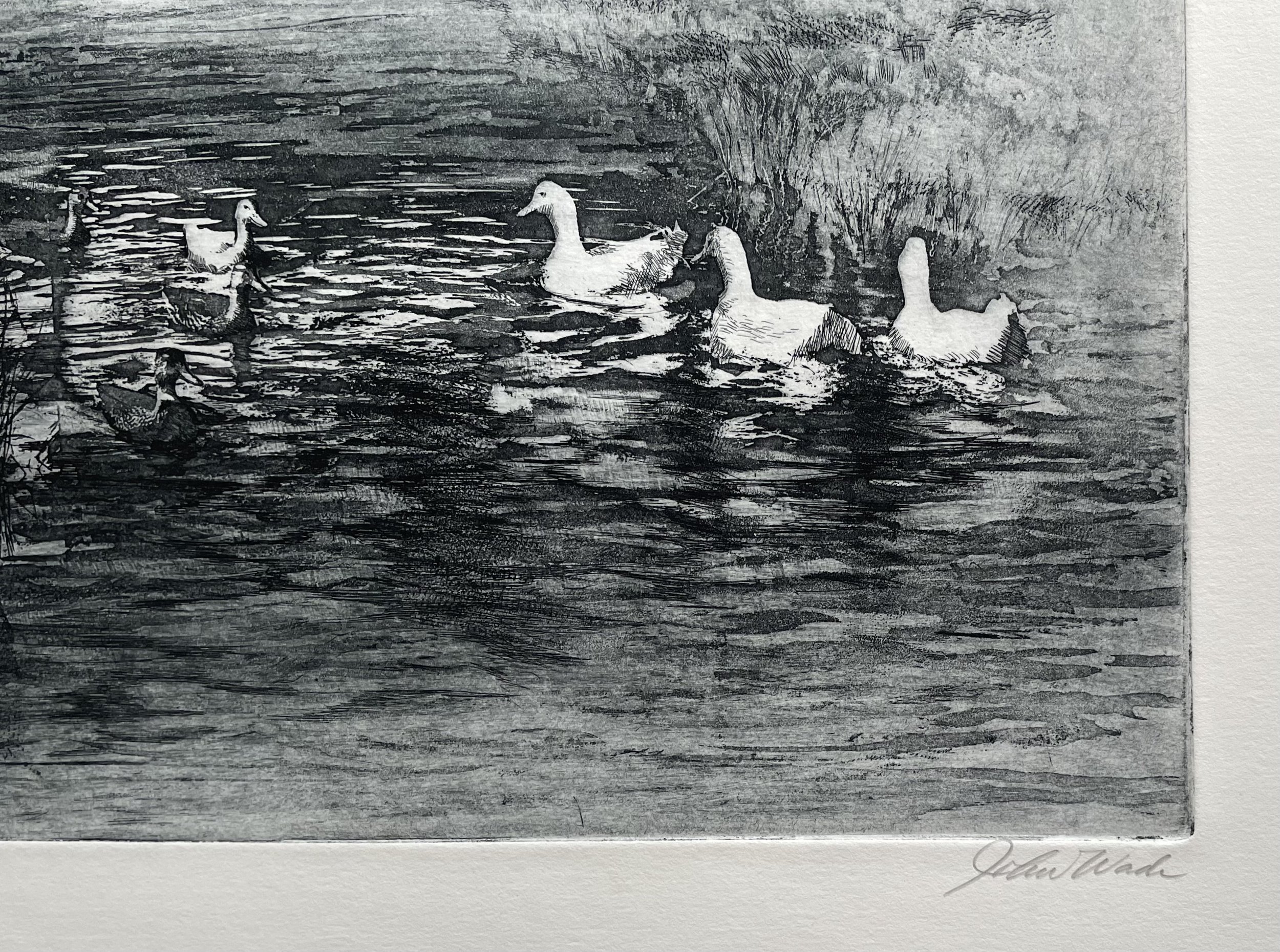 Image 3 of 10
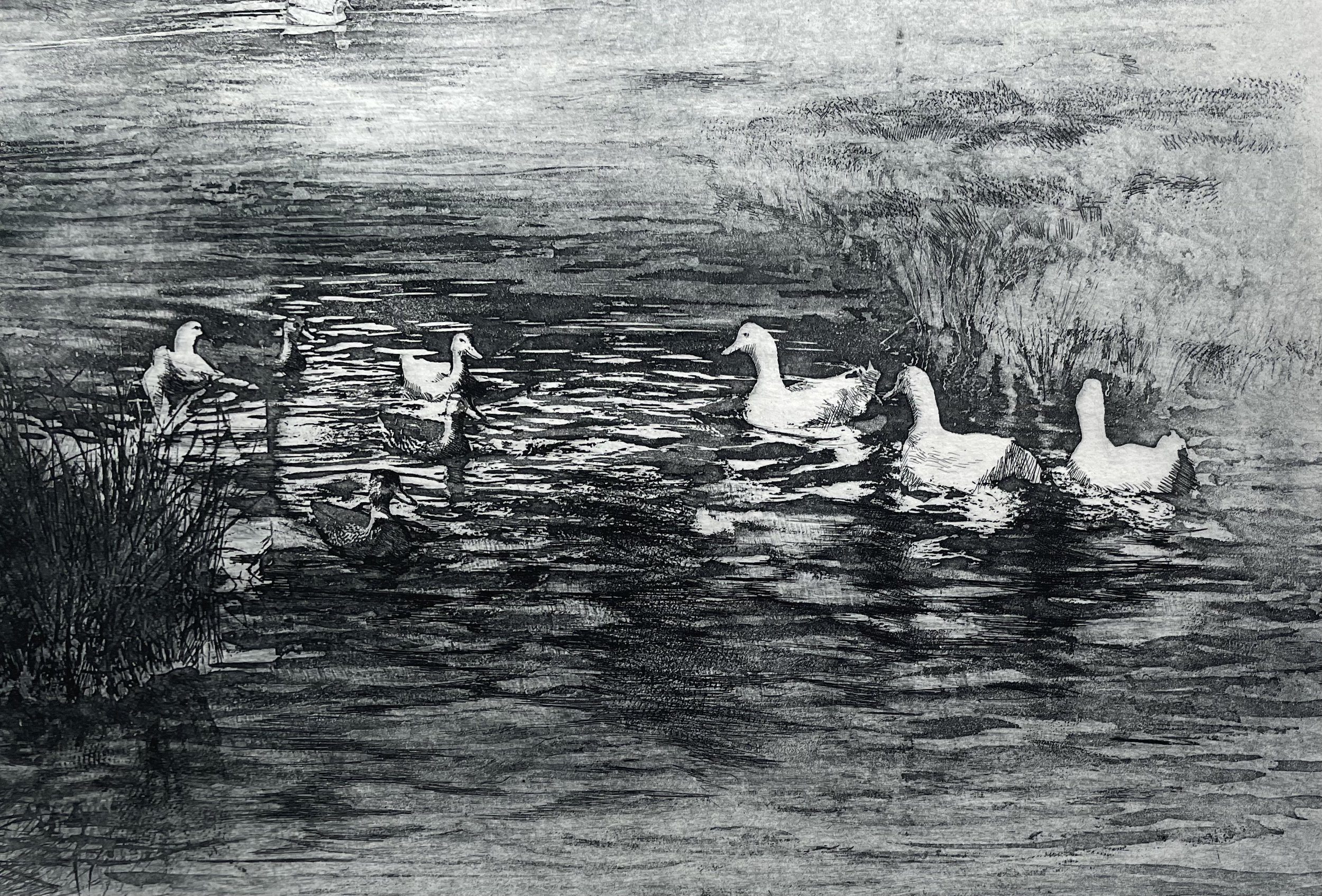 Image 4 of 10
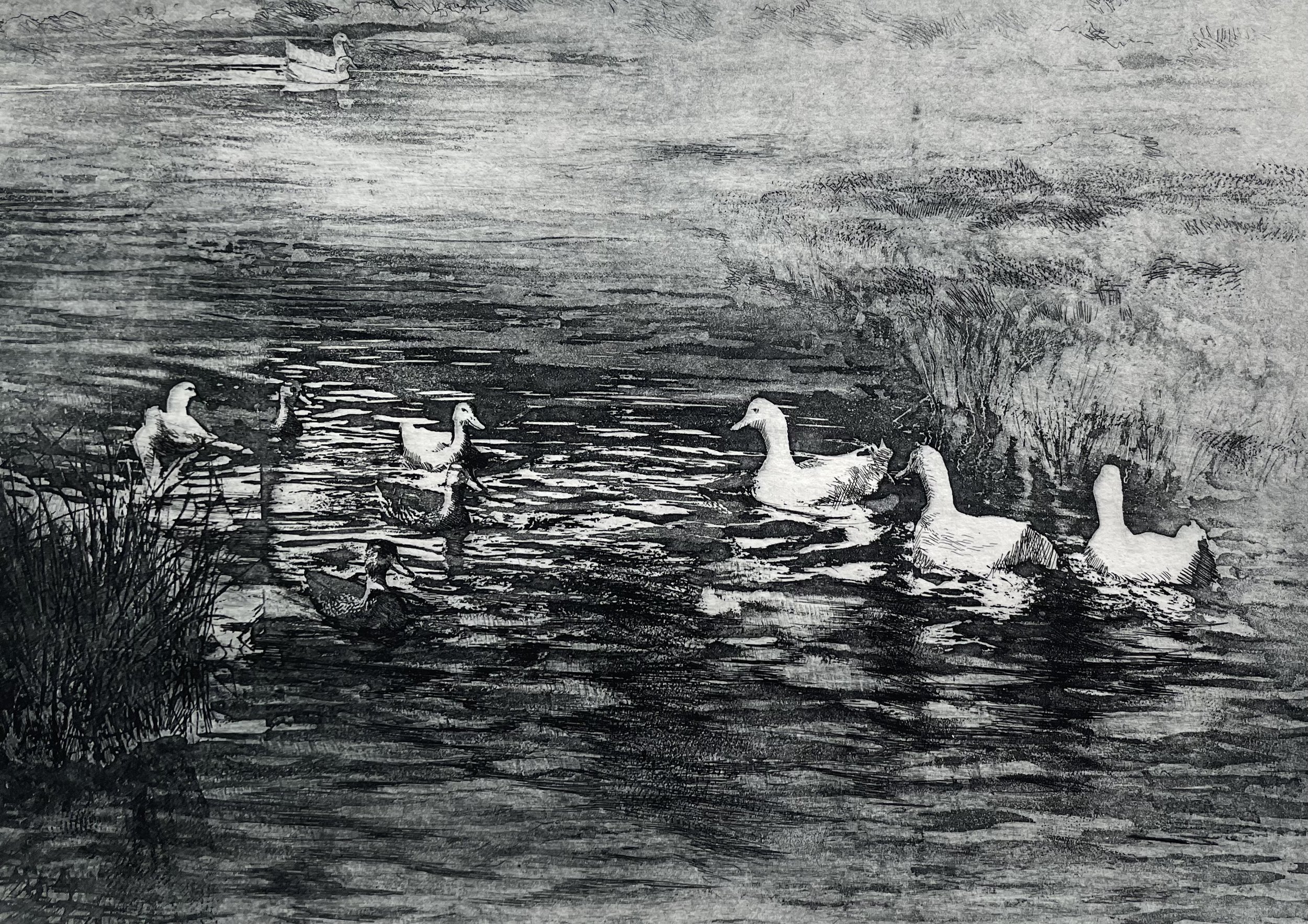 Image 5 of 10
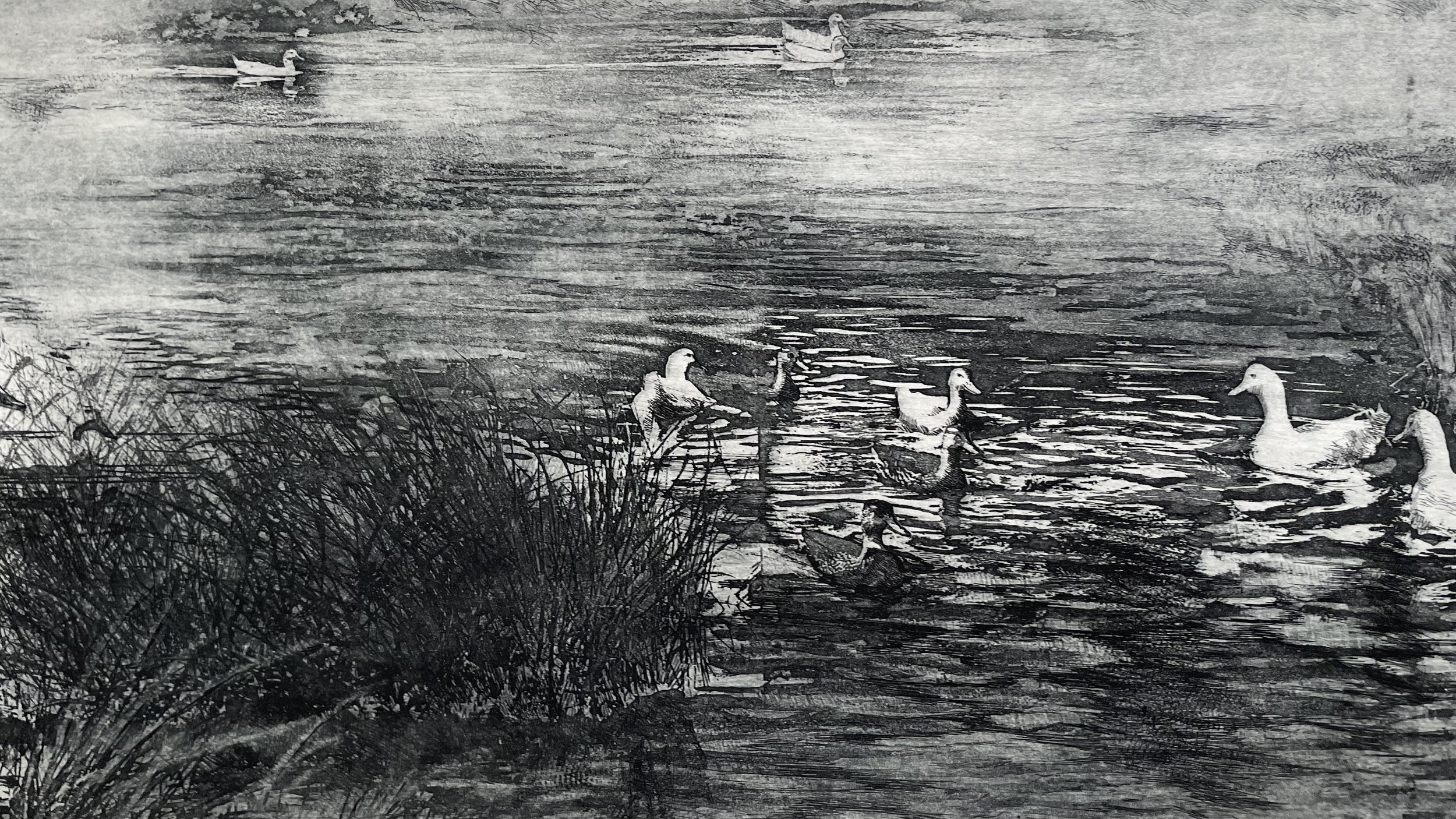 Image 6 of 10
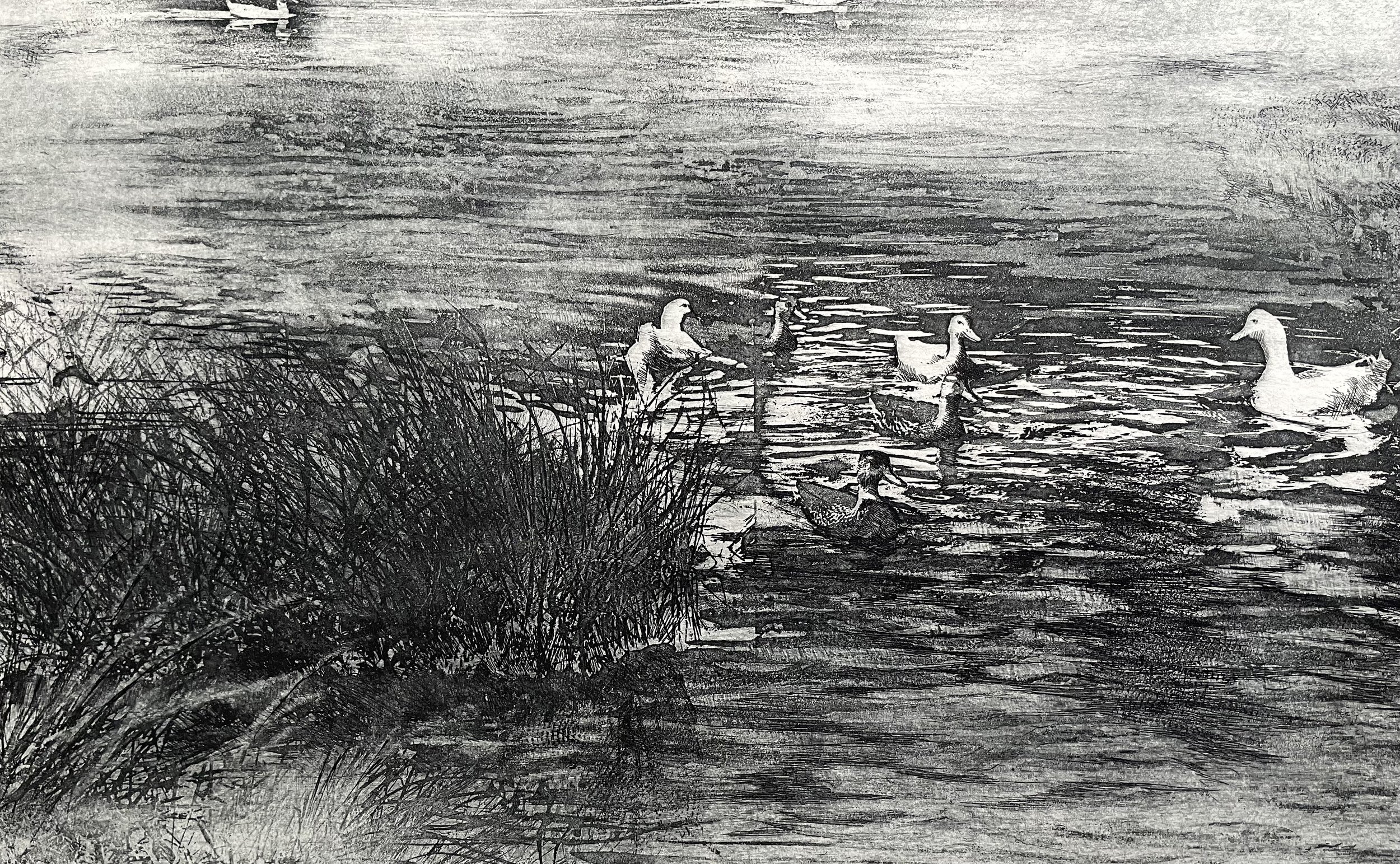 Image 7 of 10
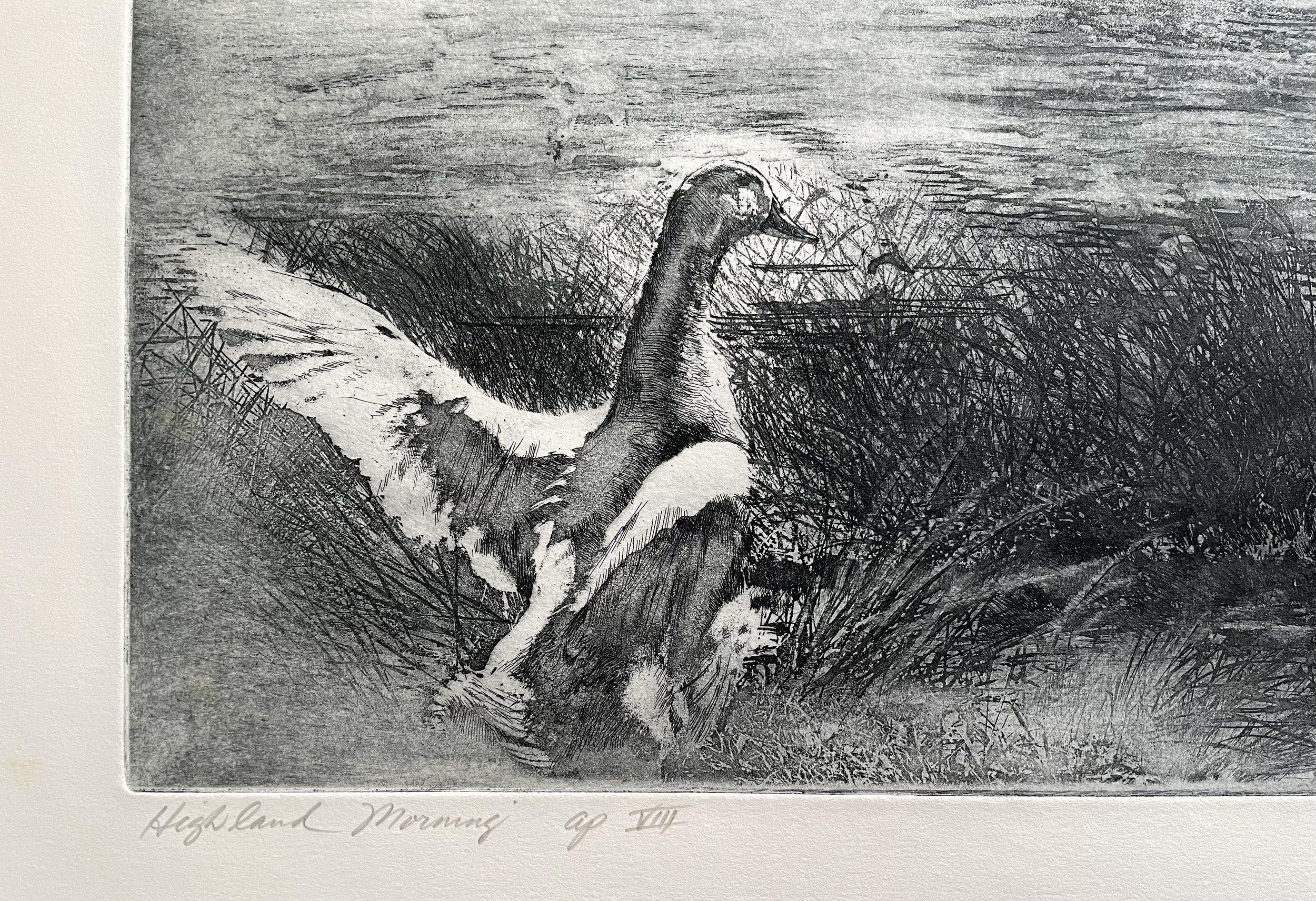 Image 8 of 10
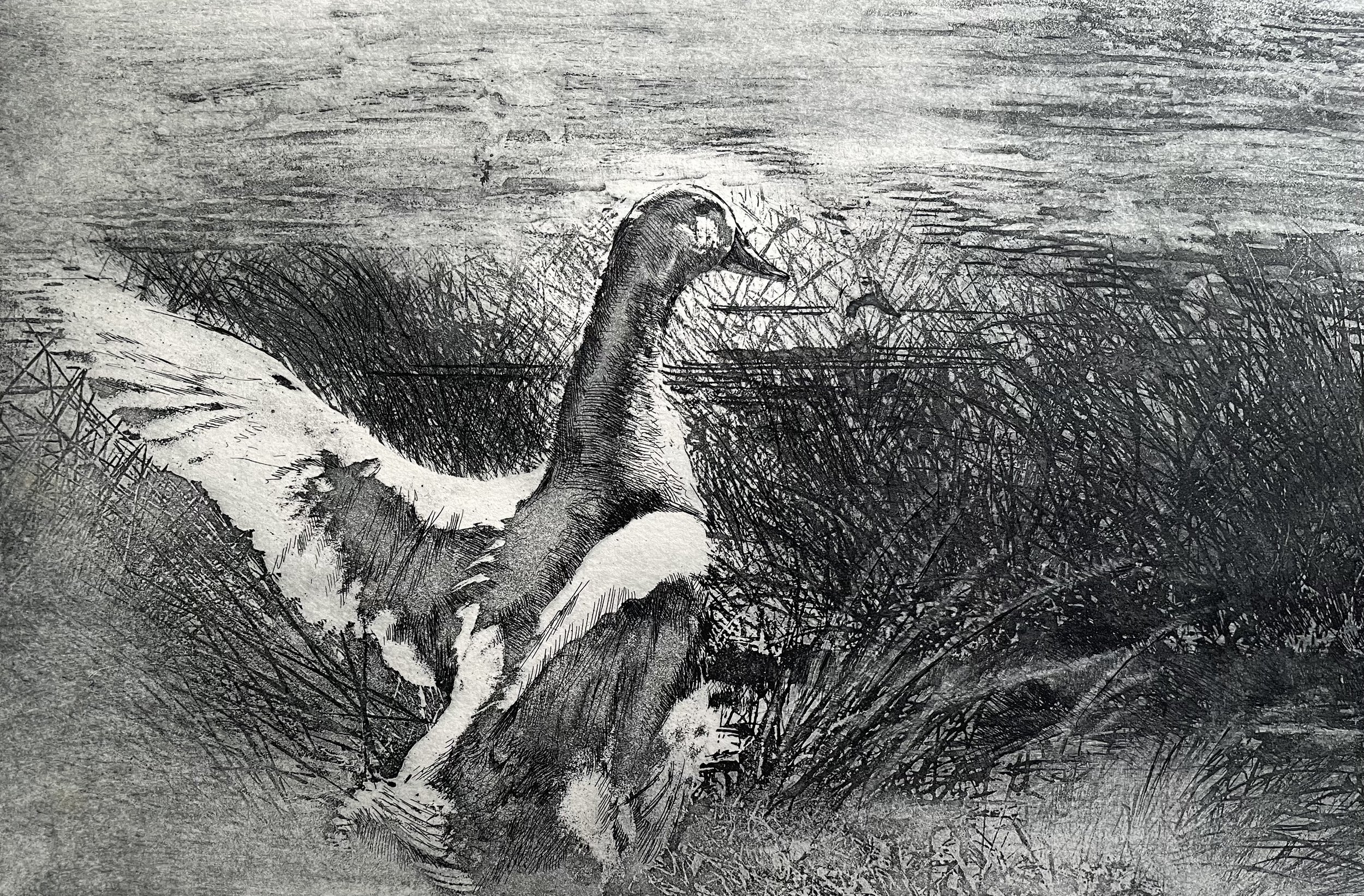 Image 9 of 10
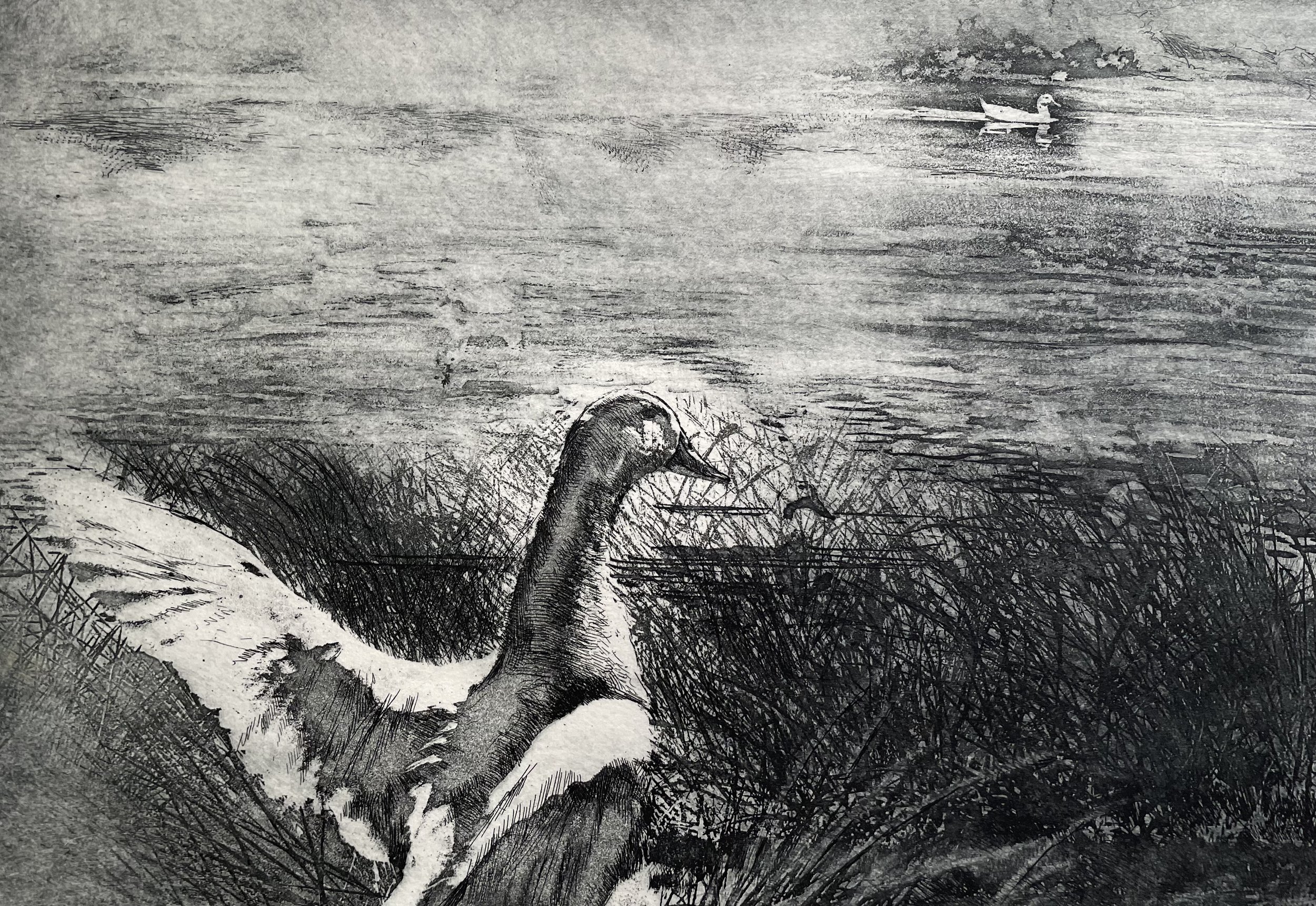 Image 10 of 10