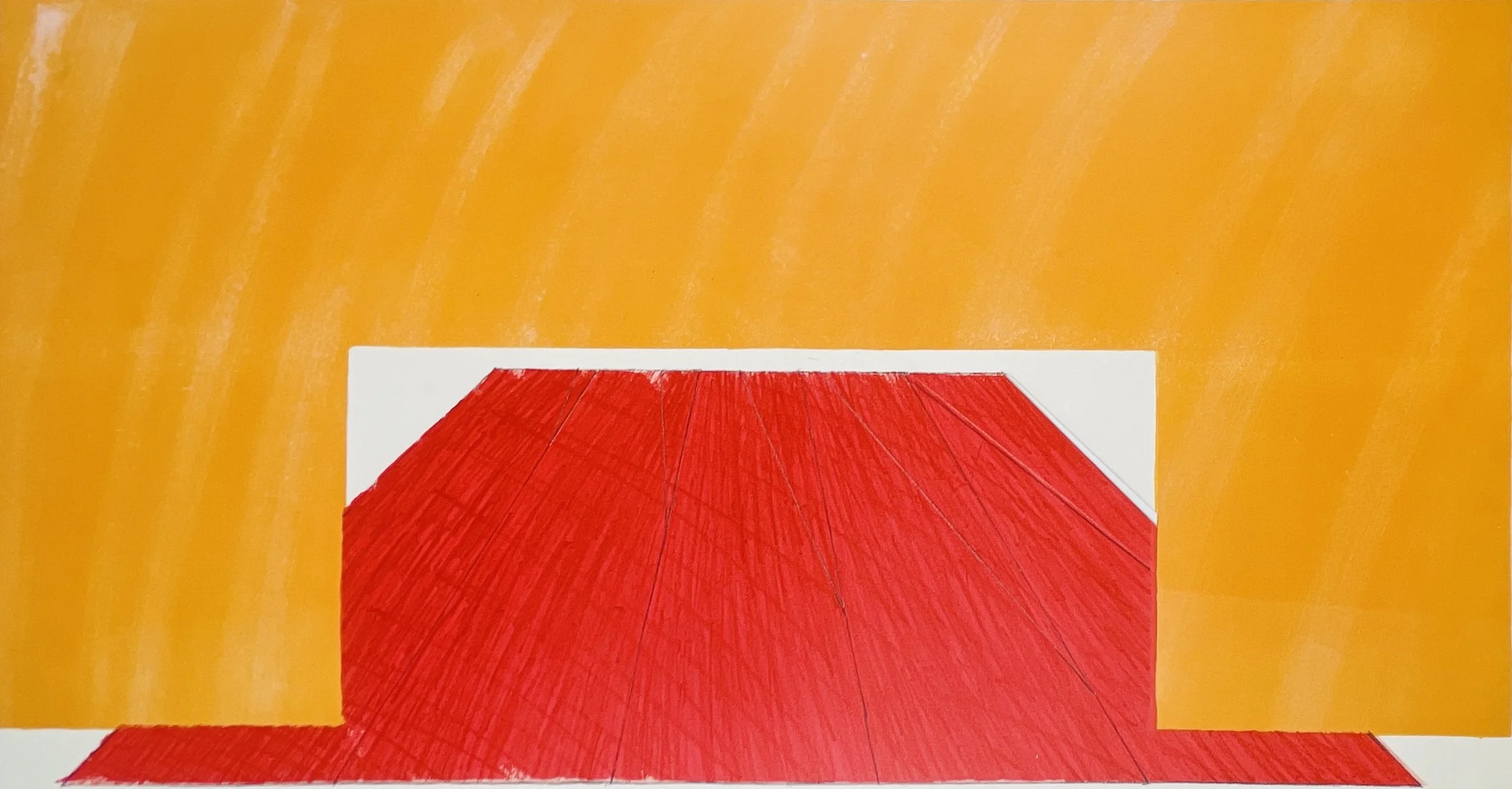
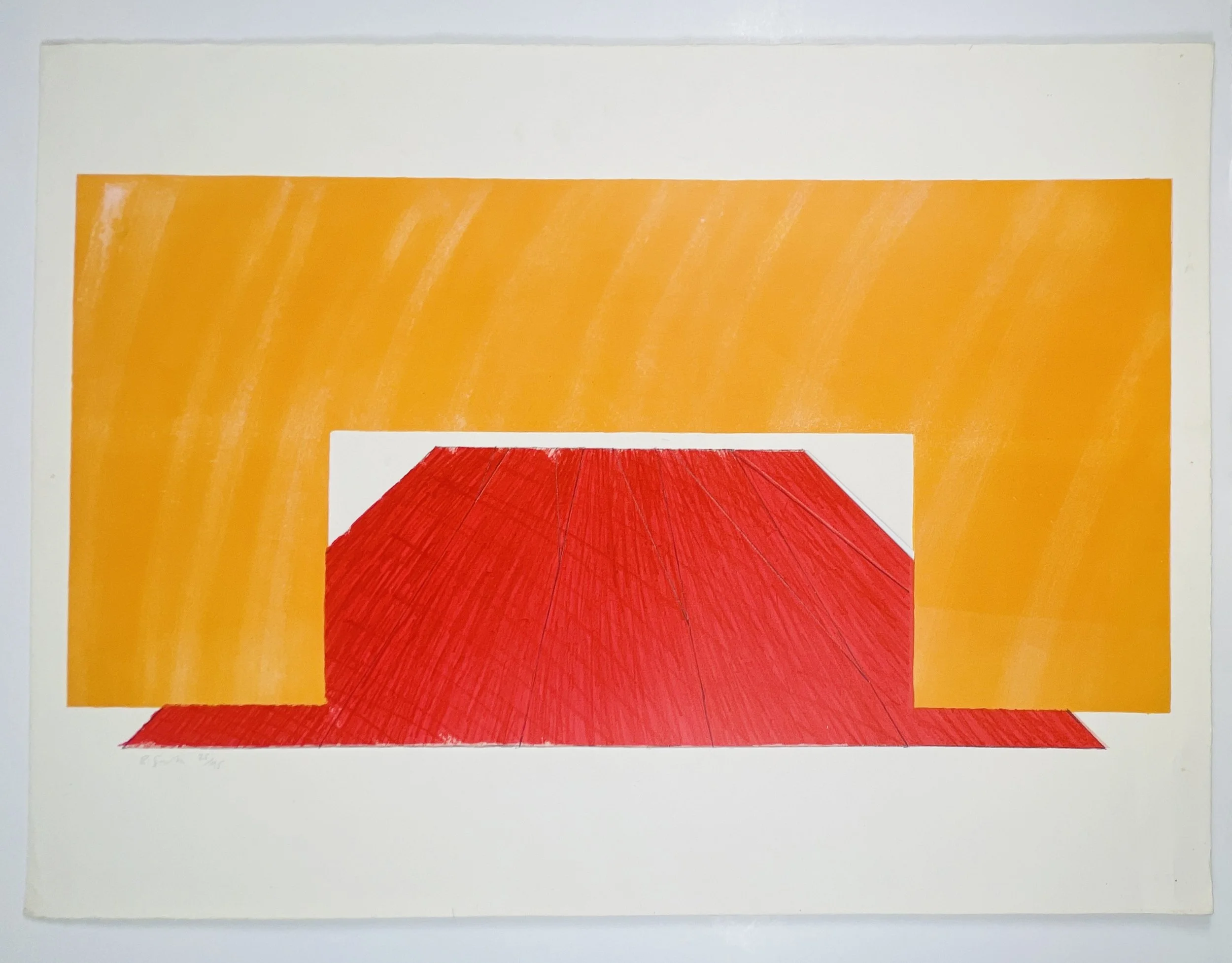
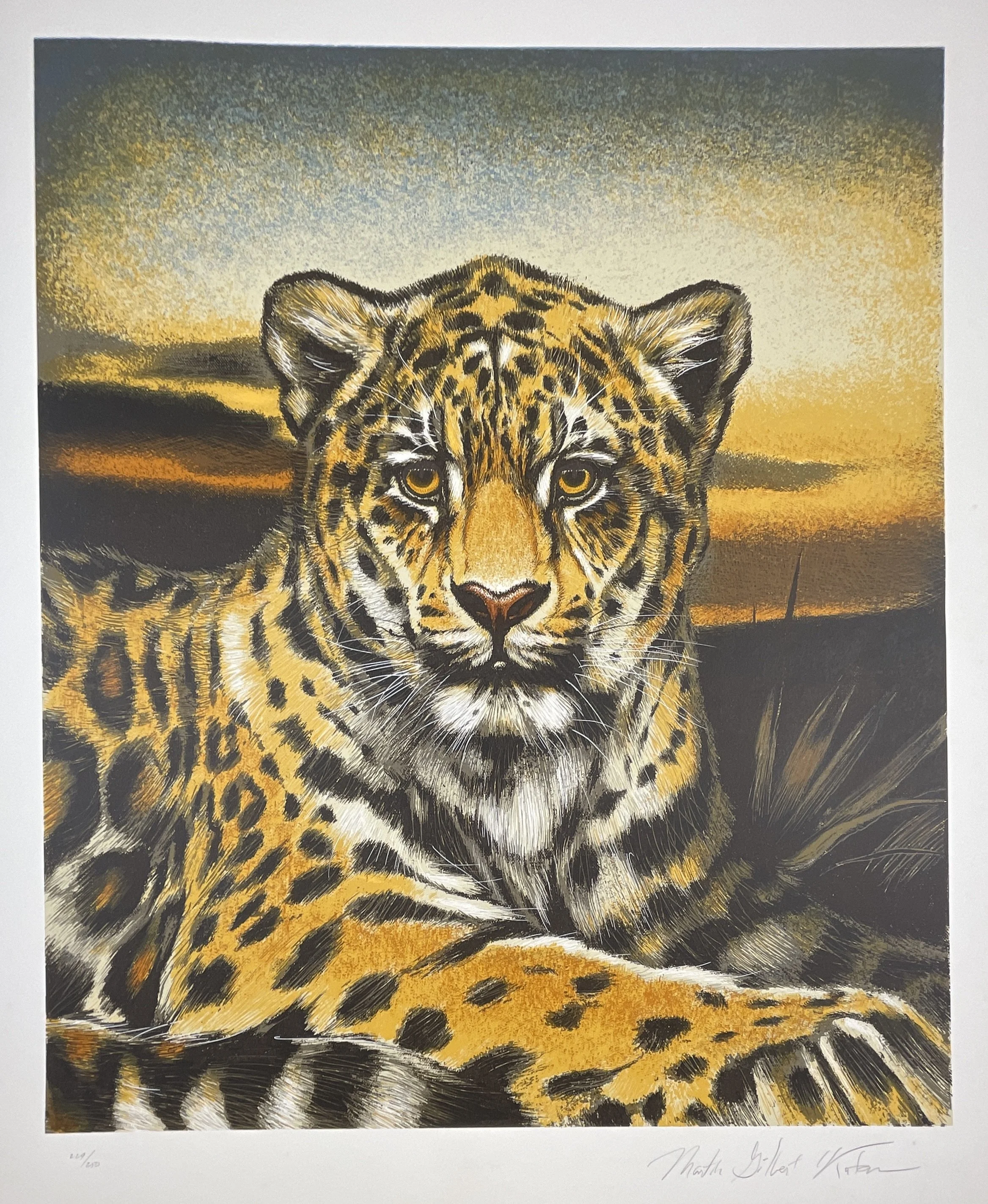
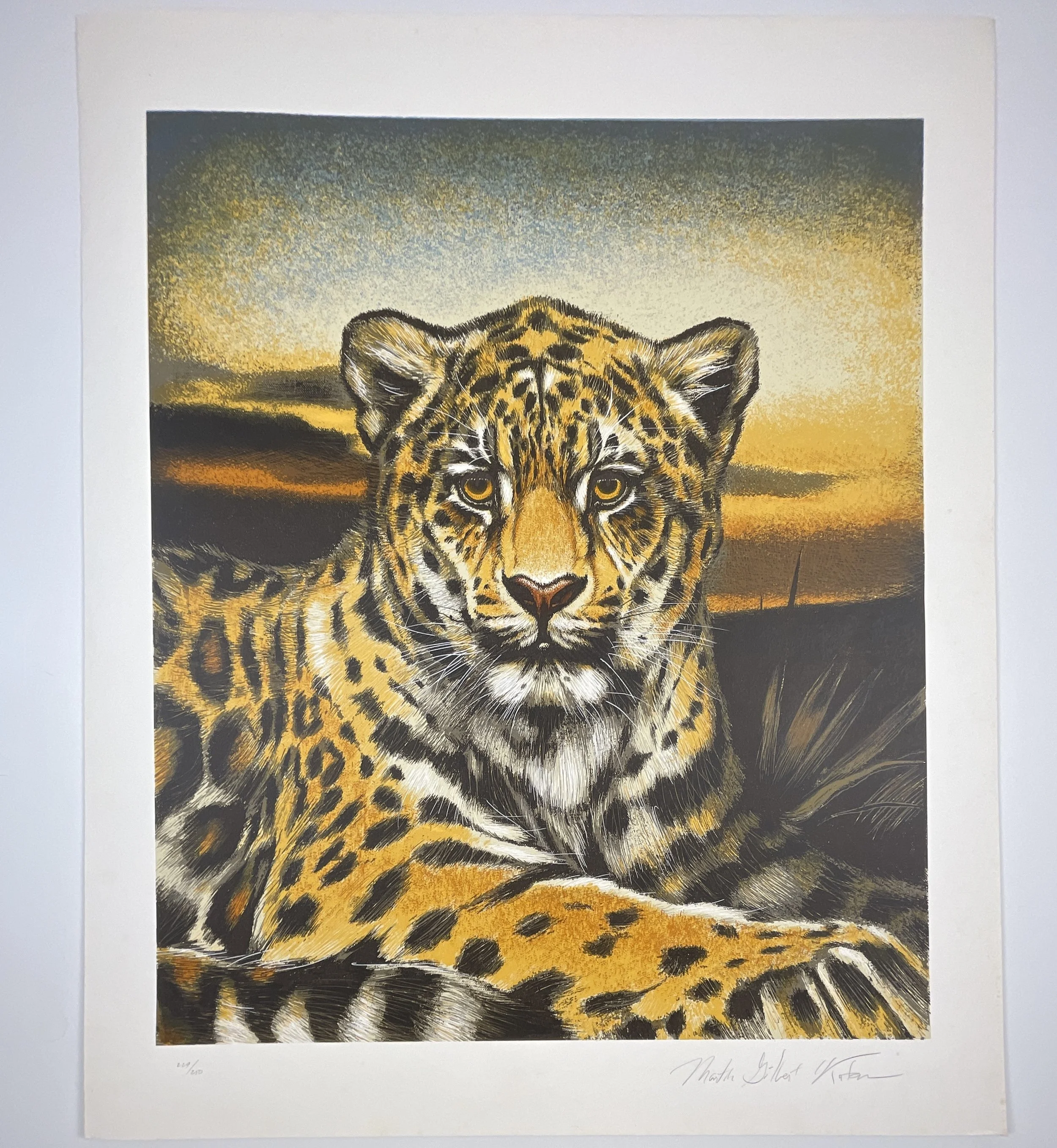
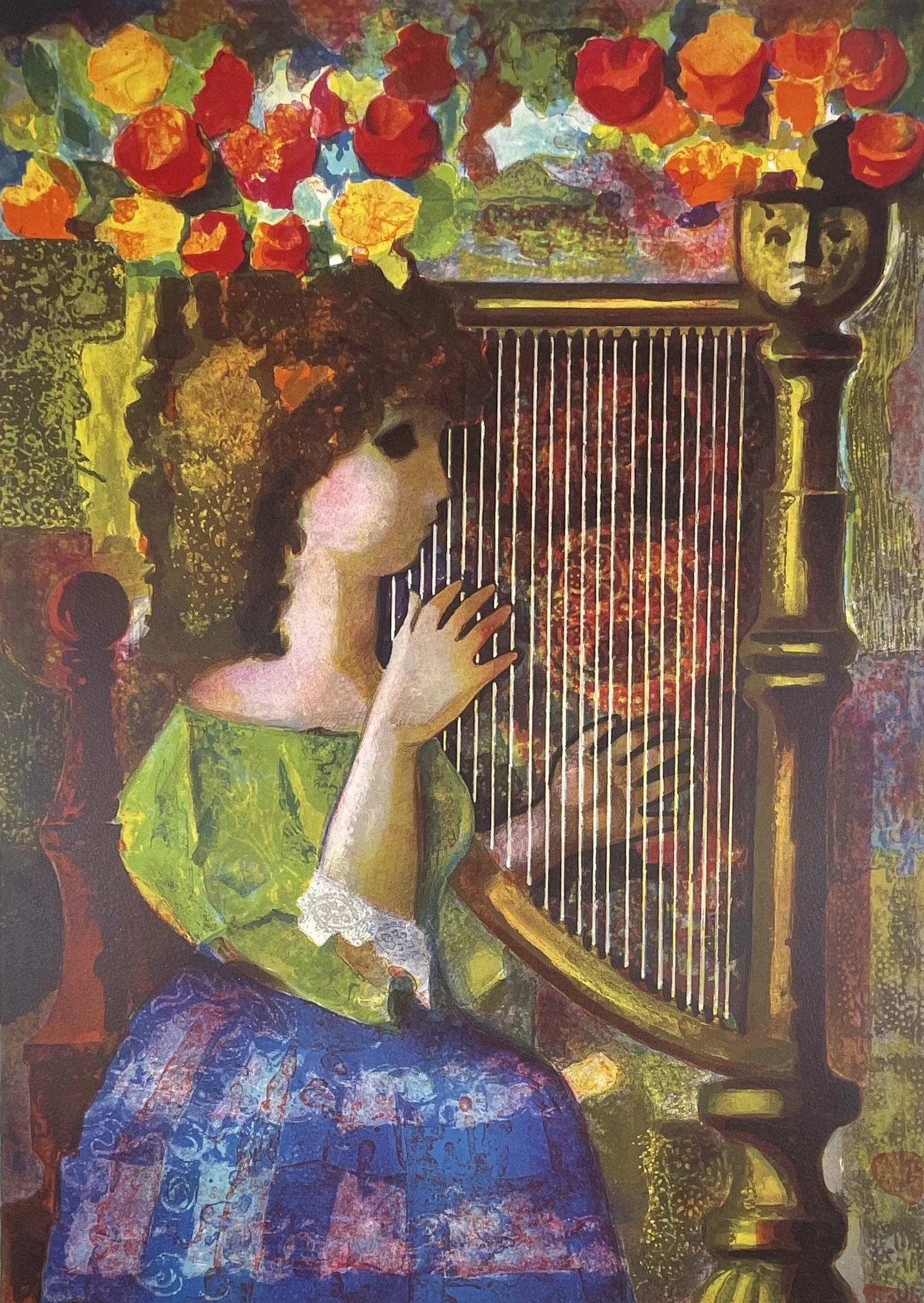
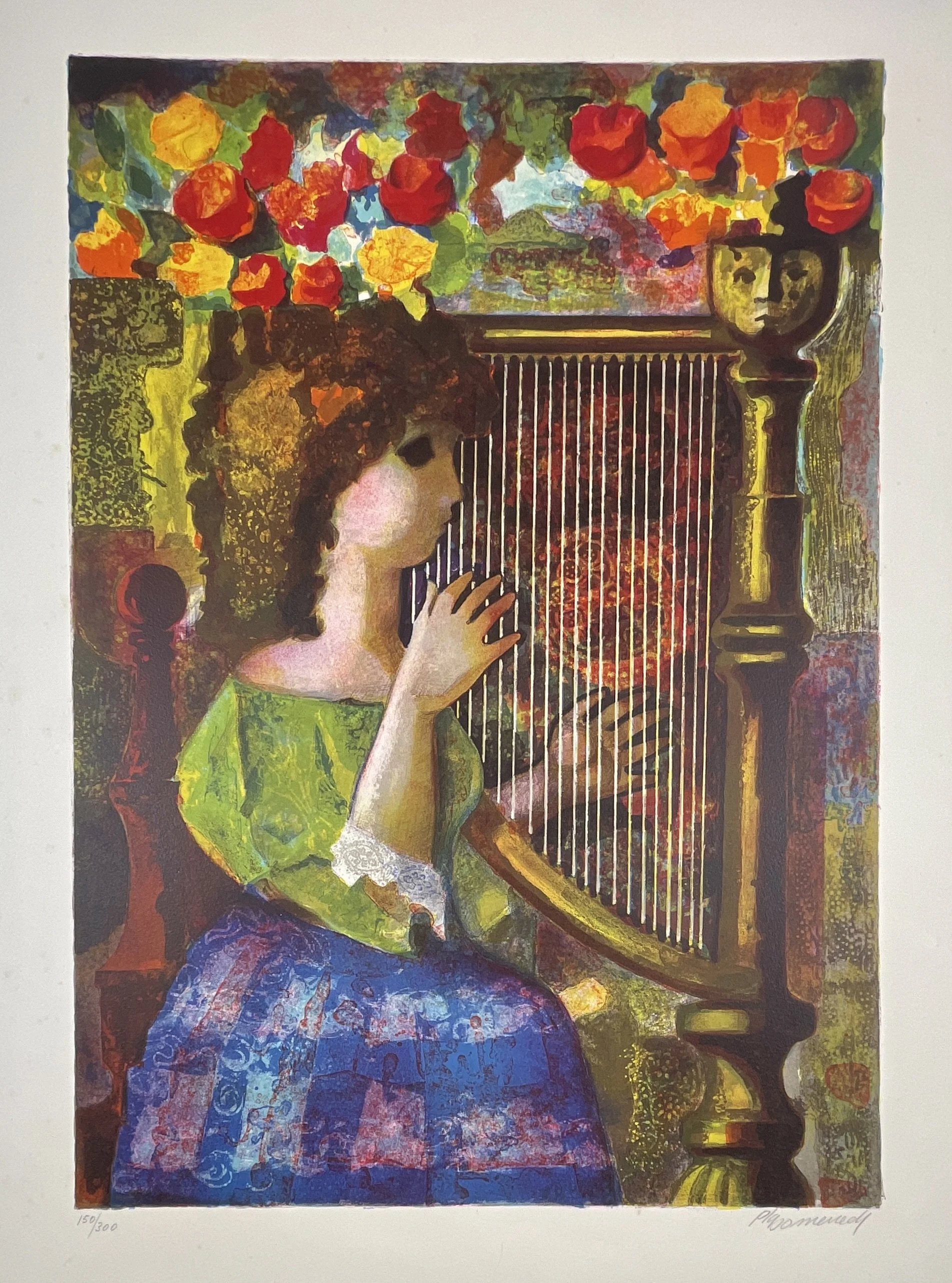
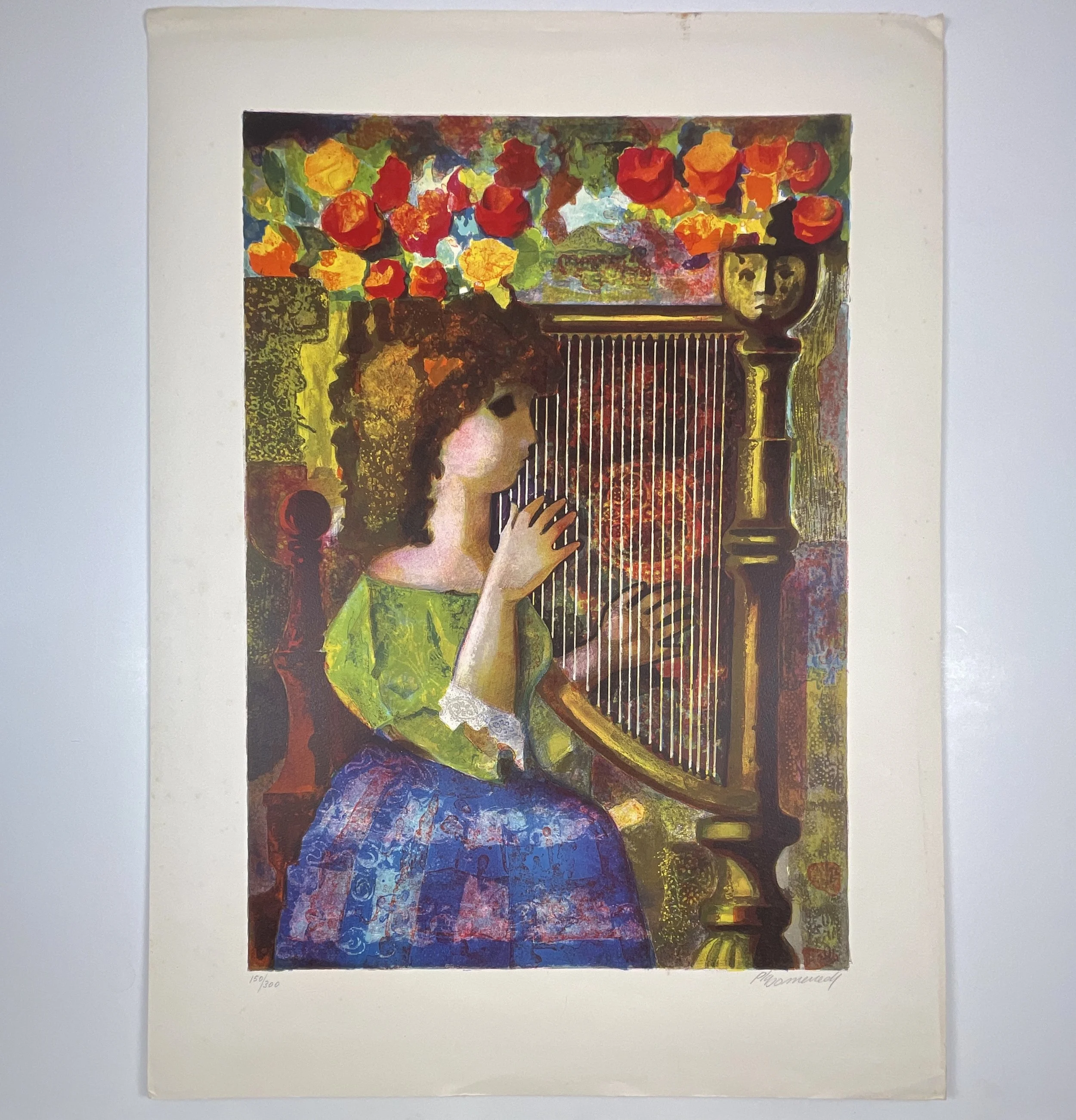
Reclining Nude (Hommage à Paul Verlaine), Hans Erni, c.1950s–60s lithograph, 38 × 15 in., pencil signed lower right.
A monumental figurative lithograph by Swiss modernist Hans Erni depicting a reclining female nude rendered with sculptural tonal modeling and classical draftsmanship. The elongated 38 × 15 inch composition reflects Erni’s distinctive synthesis of modernism, humanist themes, and Renaissance-inspired figure drawing. Pencil signed by the artist and inscribed in dedication referencing Paul Verlaine, the work exemplifies Erni’s mastery of lithographic line and atmospheric shading.
Artwork Description
This striking panoramic lithograph presents a reclining female nude rendered with exceptional sensitivity to form and light. The figure lies diagonally across the elongated sheet, her body softly modeled with delicate tonal gradations that create a sculptural sense of volume. The artist employs subtle charcoal-like lithographic shading to articulate the musculature of the torso, limbs, and face, giving the figure a quiet physical presence while maintaining a dreamlike softness.
The composition’s horizontal format—approximately 38 × 15 inches—enhances the languid posture of the model. The figure’s arms and legs extend outward in a rhythmic arrangement that leads the viewer’s eye across the entire length of the image. The head tilts gently toward the viewer, the expression serene and introspective.
Erni’s treatment of the figure demonstrates his deep engagement with classical drawing traditions. The careful anatomical modeling recalls Renaissance draftsmanship while the simplified contours and atmospheric tonal fields reflect modern European graphic design. This synthesis of classical form and modern line became a hallmark of his work.
The lithographic technique allows for a rich range of tonal transitions—from soft velvety shadows to crisp contour lines—achieved through lithographic crayon and subtle plate manipulation. The slightly irregular tonal border around the image suggests the artist’s deliberate framing of the figure within a softly atmospheric field rather than a rigid outline.
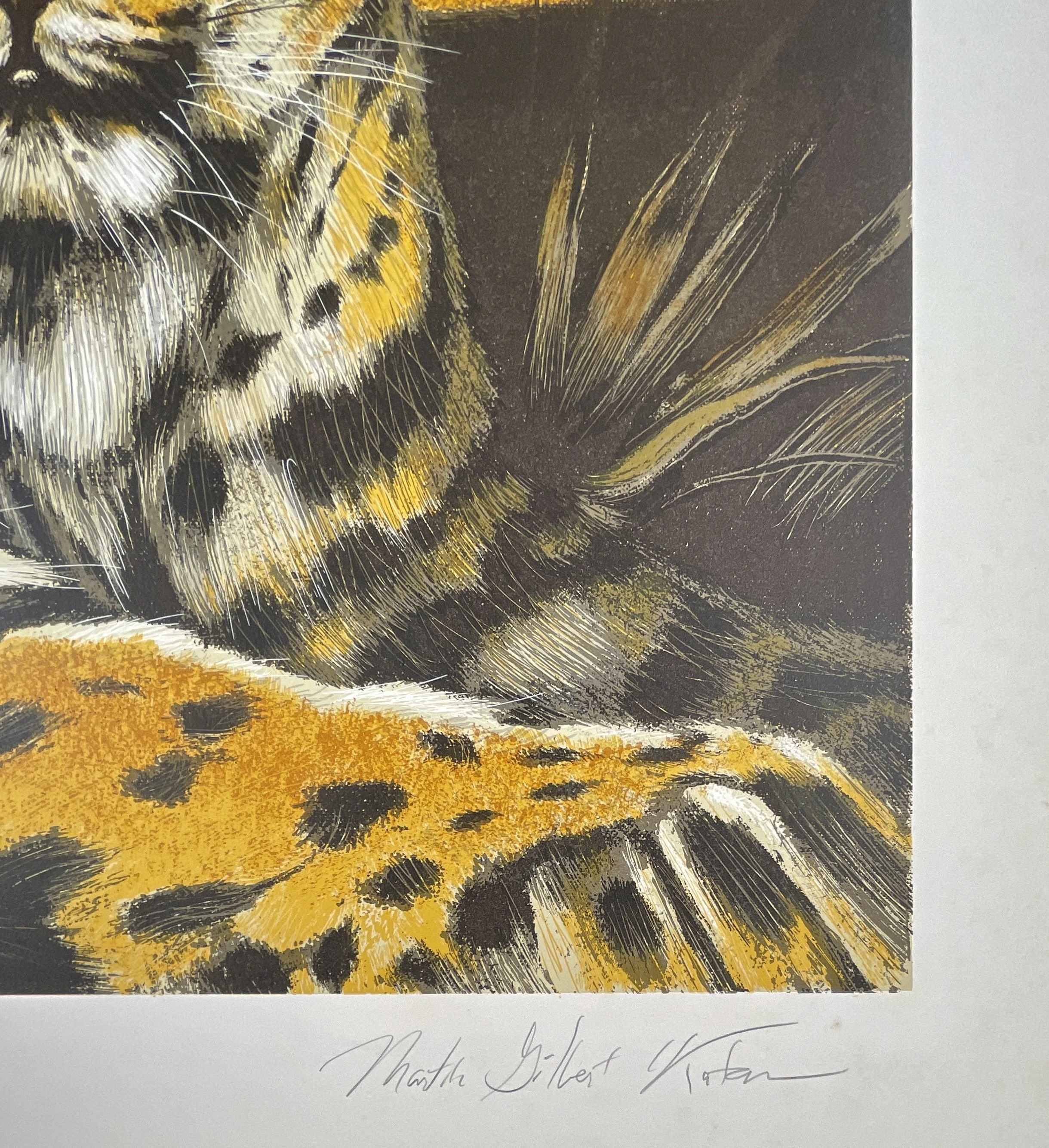
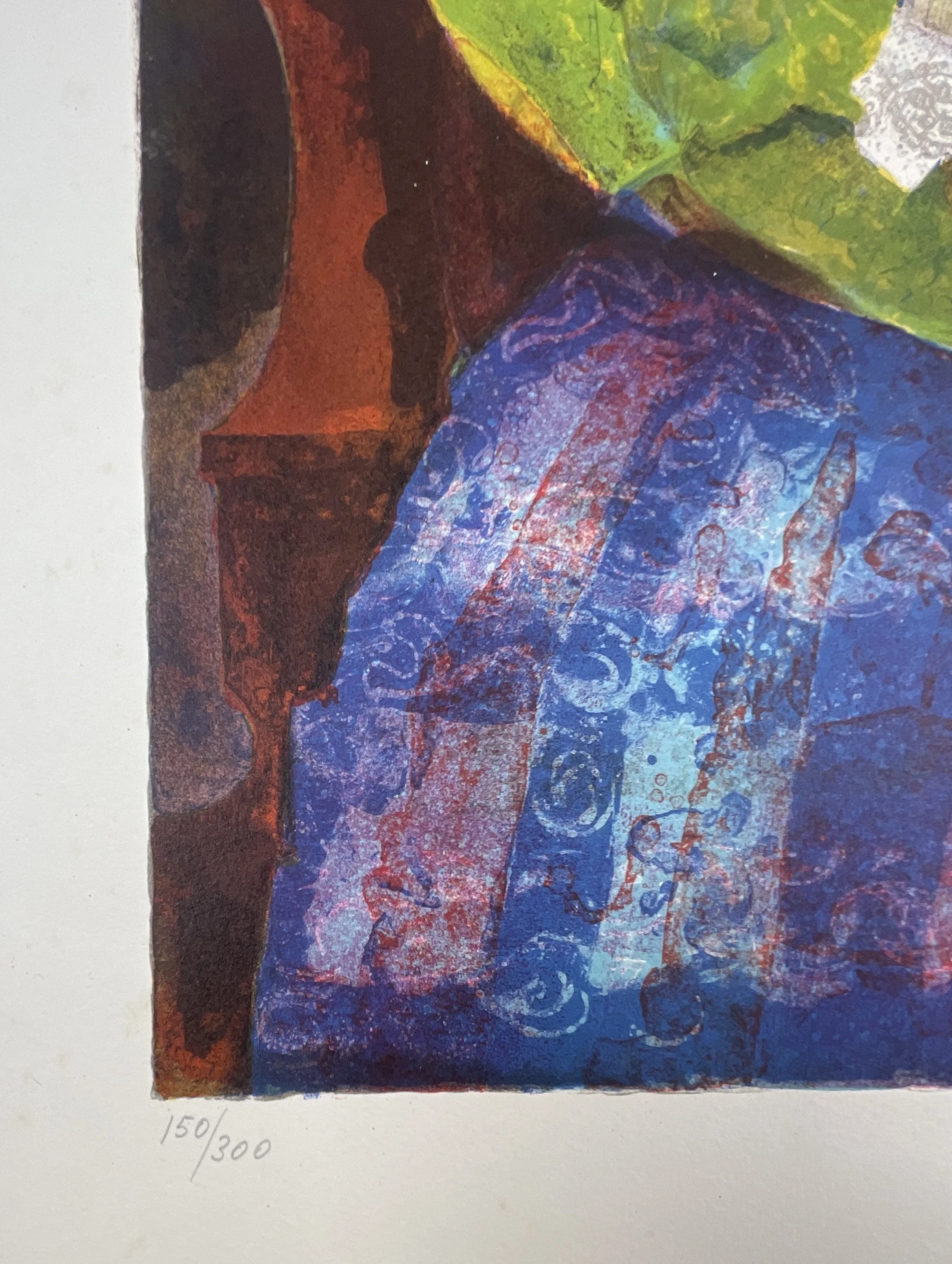
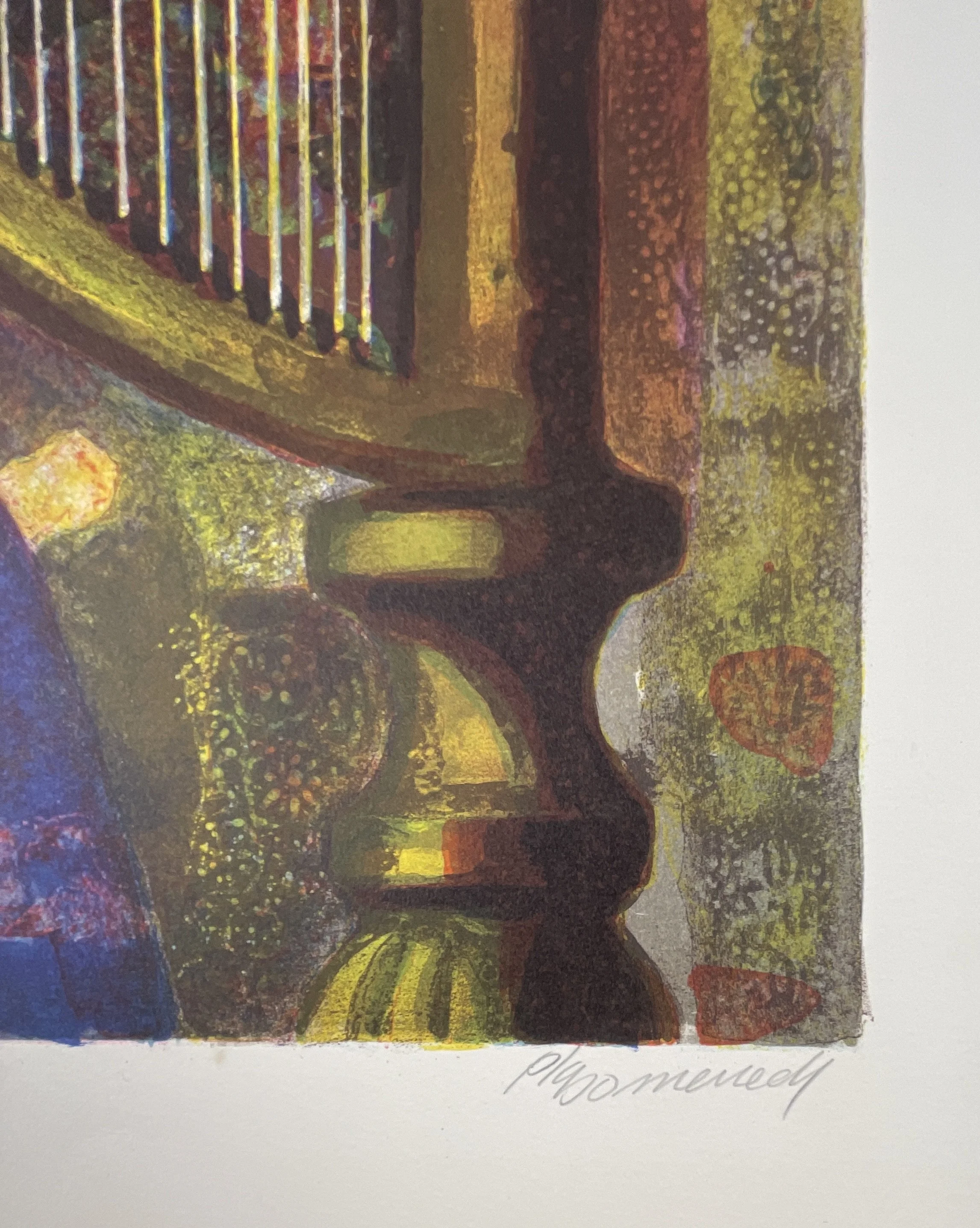
At the lower margin the work is pencil signed “H. Erni,” accompanied by a handwritten dedication referencing Paul Verlaine, the celebrated French Symbolist poet. Such literary references were not unusual for Erni, whose intellectual interests extended beyond visual art to philosophy, literature, and science.
The print exemplifies Erni’s enduring fascination with the human figure—one of the central themes of his career. Throughout his long life he explored the body not merely as an anatomical subject but as a universal symbol of human creativity, beauty, and vitality.
Artist Biography
Hans Erni stands among the most prolific and internationally recognized Swiss artists of the twentieth century. Born on February 21, 1909, in Lucerne, Switzerland, Erni grew up in a technically minded family—his father was an engineer—which instilled in him an early fascination with science, mechanics, and human invention. These intellectual interests would remain a defining feature of his artistic vision throughout his extraordinarily long career.
Erni studied art in several of Europe’s most important cultural centers. He attended the Académie Julian in Paris and later studied in Berlin, where he encountered the rapidly evolving avant-garde movements of the interwar period. During this formative time he admired artists such as Pablo Picasso and Georges Braque, whose explorations of Cubism and modernist form influenced his early experiments with abstraction.
By the late 1930s Erni had begun to attract international attention. One of his first major public successes came with a mural titled “Switzerland: Vacation Land of the People,” commissioned for the 1939 Swiss National Exhibition in Zurich. This project helped establish him as an artist capable of bridging modernist aesthetics with public cultural themes.
During the Second World War Erni served in the Swiss army, where his artistic skills were employed in camouflage painting and large-scale visual design. After the war he expanded his artistic activities dramatically, becoming not only a painter but also a prolific graphic artist, designer, illustrator, and sculptor.
Erni became particularly celebrated for his lithographs and graphic works, which circulated widely across Europe and beyond. Over the course of his career he produced approximately 300 posters, illustrated around 200 books, designed nearly 90 postage stamps, and created numerous medals and public murals. His work also appeared in projects for international organizations including the Red Cross, the Olympic Committee, the United Nations, and the International Civil Aviation Organization.
His intellectual curiosity extended well beyond the arts. Erni maintained lifelong interests in philosophy, technology, and scientific discovery, often incorporating themes of human knowledge and exploration into his work. This breadth of interests contributed to his reputation as one of Switzerland’s most intellectually engaged artists.
In 1979 the Swiss Museum of Transport in Lucerne opened the Hans Erni Museum, housing a large permanent collection of his work. The museum includes monumental murals and extensive archives documenting his career.
Erni’s art is represented in major museum collections worldwide, including the Museum of Modern Art in New York, the Smithsonian American Art Museum, the Brooklyn Museum, the Dallas Museum of Art, the Harvard Art Museums, the Cleveland Museum of Art, the Minneapolis Institute of Art, and the Fine Arts Museums of San Francisco.
His career spanned nearly eight decades. In 2009 he celebrated his 100th birthday, continuing to paint well into his later years. Hans Erni died in Lucerne on March 21, 2015 at the age of 106, leaving behind one of the longest and most productive artistic careers in modern European art.
Today his work is recognized for its unique fusion of classical humanism, modernist design, and intellectual curiosity—qualities that remain evident in his refined lithographic studies of the human figure.
Hans Erni (1909–2015)
Reclining Nude (Hommage à Paul Verlaine)
Lithograph on paper
38 × 15 inches
Signed in pencil lower right
Panoramic figurative composition by renowned Swiss modernist.
Certificate of Authentication
This document certifies that the artwork titled Reclining Nude (Hommage à Paul Verlaine) by Hans Erni is an authentic lithograph created by the artist.
Artist: Hans Erni (1909–2015)
Medium: Lithograph on paper
Dimensions: 38 × 15 inches
Signature: Pencil signed lower right
Inscription: Dedication referencing Paul Verlaine
The work has been examined and catalogued to the best of our professional knowledge and is guaranteed authentic.
Current holder: Artfind Gallery, Washington DC.
Condition
Good vintage condition consistent with age. Paper shows mild toning and scattered light discoloration typical of mid-century prints. Minor surface handling marks visible in margins. Image area remains strong with stable lithographic tones and intact signature.
Provenance
Mitch Morse Gallery, acquisitions in New York, United States and Europe
Private inventory, Mitch Morse Gallery
Artfind Gallery, Washington DC (current owner)
Sources
Hans Erni Museum, Lucerne
Rosner, Charles. L’Oeuvre Graphique de Hans Erni (1957)
Cailler, Pierre. Hans Erni: Catalogue Raisonné de l’Oeuvre Lithographique et Gravé (1969)
Museum collection records including MoMA, Smithsonian American Art Museum, and Minneapolis Institute of Art
Biographical data from public records and published catalogues raisonnés.
Reclining Nude (Hommage à Paul Verlaine), Hans Erni, c.1950s–60s lithograph, 38 × 15 in., pencil signed lower right.
A monumental figurative lithograph by Swiss modernist Hans Erni depicting a reclining female nude rendered with sculptural tonal modeling and classical draftsmanship. The elongated 38 × 15 inch composition reflects Erni’s distinctive synthesis of modernism, humanist themes, and Renaissance-inspired figure drawing. Pencil signed by the artist and inscribed in dedication referencing Paul Verlaine, the work exemplifies Erni’s mastery of lithographic line and atmospheric shading.
Artwork Description
This striking panoramic lithograph presents a reclining female nude rendered with exceptional sensitivity to form and light. The figure lies diagonally across the elongated sheet, her body softly modeled with delicate tonal gradations that create a sculptural sense of volume. The artist employs subtle charcoal-like lithographic shading to articulate the musculature of the torso, limbs, and face, giving the figure a quiet physical presence while maintaining a dreamlike softness.
The composition’s horizontal format—approximately 38 × 15 inches—enhances the languid posture of the model. The figure’s arms and legs extend outward in a rhythmic arrangement that leads the viewer’s eye across the entire length of the image. The head tilts gently toward the viewer, the expression serene and introspective.
Erni’s treatment of the figure demonstrates his deep engagement with classical drawing traditions. The careful anatomical modeling recalls Renaissance draftsmanship while the simplified contours and atmospheric tonal fields reflect modern European graphic design. This synthesis of classical form and modern line became a hallmark of his work.
The lithographic technique allows for a rich range of tonal transitions—from soft velvety shadows to crisp contour lines—achieved through lithographic crayon and subtle plate manipulation. The slightly irregular tonal border around the image suggests the artist’s deliberate framing of the figure within a softly atmospheric field rather than a rigid outline.
At the lower margin the work is pencil signed “H. Erni,” accompanied by a handwritten dedication referencing Paul Verlaine, the celebrated French Symbolist poet. Such literary references were not unusual for Erni, whose intellectual interests extended beyond visual art to philosophy, literature, and science.
The print exemplifies Erni’s enduring fascination with the human figure—one of the central themes of his career. Throughout his long life he explored the body not merely as an anatomical subject but as a universal symbol of human creativity, beauty, and vitality.
Artist Biography
Hans Erni stands among the most prolific and internationally recognized Swiss artists of the twentieth century. Born on February 21, 1909, in Lucerne, Switzerland, Erni grew up in a technically minded family—his father was an engineer—which instilled in him an early fascination with science, mechanics, and human invention. These intellectual interests would remain a defining feature of his artistic vision throughout his extraordinarily long career.
Erni studied art in several of Europe’s most important cultural centers. He attended the Académie Julian in Paris and later studied in Berlin, where he encountered the rapidly evolving avant-garde movements of the interwar period. During this formative time he admired artists such as Pablo Picasso and Georges Braque, whose explorations of Cubism and modernist form influenced his early experiments with abstraction.
By the late 1930s Erni had begun to attract international attention. One of his first major public successes came with a mural titled “Switzerland: Vacation Land of the People,” commissioned for the 1939 Swiss National Exhibition in Zurich. This project helped establish him as an artist capable of bridging modernist aesthetics with public cultural themes.
During the Second World War Erni served in the Swiss army, where his artistic skills were employed in camouflage painting and large-scale visual design. After the war he expanded his artistic activities dramatically, becoming not only a painter but also a prolific graphic artist, designer, illustrator, and sculptor.
Erni became particularly celebrated for his lithographs and graphic works, which circulated widely across Europe and beyond. Over the course of his career he produced approximately 300 posters, illustrated around 200 books, designed nearly 90 postage stamps, and created numerous medals and public murals. His work also appeared in projects for international organizations including the Red Cross, the Olympic Committee, the United Nations, and the International Civil Aviation Organization.
His intellectual curiosity extended well beyond the arts. Erni maintained lifelong interests in philosophy, technology, and scientific discovery, often incorporating themes of human knowledge and exploration into his work. This breadth of interests contributed to his reputation as one of Switzerland’s most intellectually engaged artists.
In 1979 the Swiss Museum of Transport in Lucerne opened the Hans Erni Museum, housing a large permanent collection of his work. The museum includes monumental murals and extensive archives documenting his career.
Erni’s art is represented in major museum collections worldwide, including the Museum of Modern Art in New York, the Smithsonian American Art Museum, the Brooklyn Museum, the Dallas Museum of Art, the Harvard Art Museums, the Cleveland Museum of Art, the Minneapolis Institute of Art, and the Fine Arts Museums of San Francisco.
His career spanned nearly eight decades. In 2009 he celebrated his 100th birthday, continuing to paint well into his later years. Hans Erni died in Lucerne on March 21, 2015 at the age of 106, leaving behind one of the longest and most productive artistic careers in modern European art.
Today his work is recognized for its unique fusion of classical humanism, modernist design, and intellectual curiosity—qualities that remain evident in his refined lithographic studies of the human figure.
Hans Erni (1909–2015)
Reclining Nude (Hommage à Paul Verlaine)
Lithograph on paper
38 × 15 inches
Signed in pencil lower right
Panoramic figurative composition by renowned Swiss modernist.
Certificate of Authentication
This document certifies that the artwork titled Reclining Nude (Hommage à Paul Verlaine) by Hans Erni is an authentic lithograph created by the artist.
Artist: Hans Erni (1909–2015)
Medium: Lithograph on paper
Dimensions: 38 × 15 inches
Signature: Pencil signed lower right
Inscription: Dedication referencing Paul Verlaine
The work has been examined and catalogued to the best of our professional knowledge and is guaranteed authentic.
Current holder: Artfind Gallery, Washington DC.
Condition
Good vintage condition consistent with age. Paper shows mild toning and scattered light discoloration typical of mid-century prints. Minor surface handling marks visible in margins. Image area remains strong with stable lithographic tones and intact signature.
Provenance
Mitch Morse Gallery, acquisitions in New York, United States and Europe
Private inventory, Mitch Morse Gallery
Artfind Gallery, Washington DC (current owner)
Sources
Hans Erni Museum, Lucerne
Rosner, Charles. L’Oeuvre Graphique de Hans Erni (1957)
Cailler, Pierre. Hans Erni: Catalogue Raisonné de l’Oeuvre Lithographique et Gravé (1969)
Museum collection records including MoMA, Smithsonian American Art Museum, and Minneapolis Institute of Art
Biographical data from public records and published catalogues raisonnés.
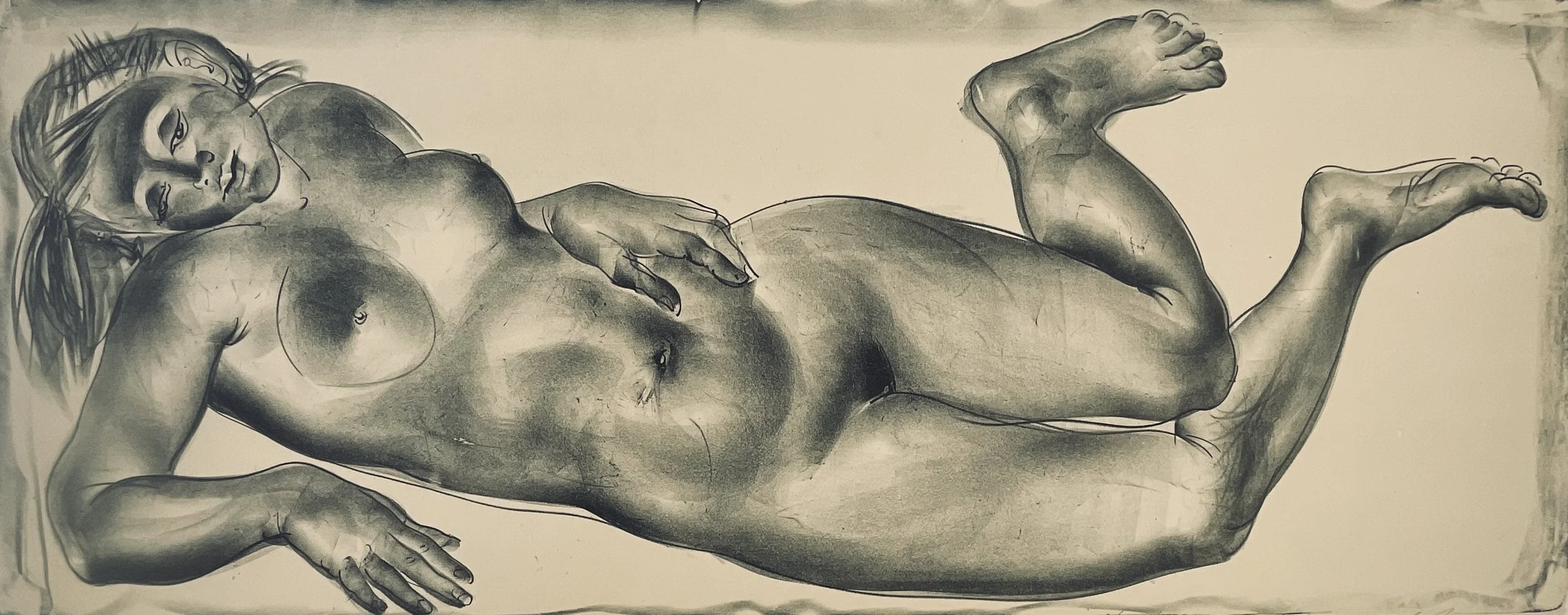 Image 1 of 6
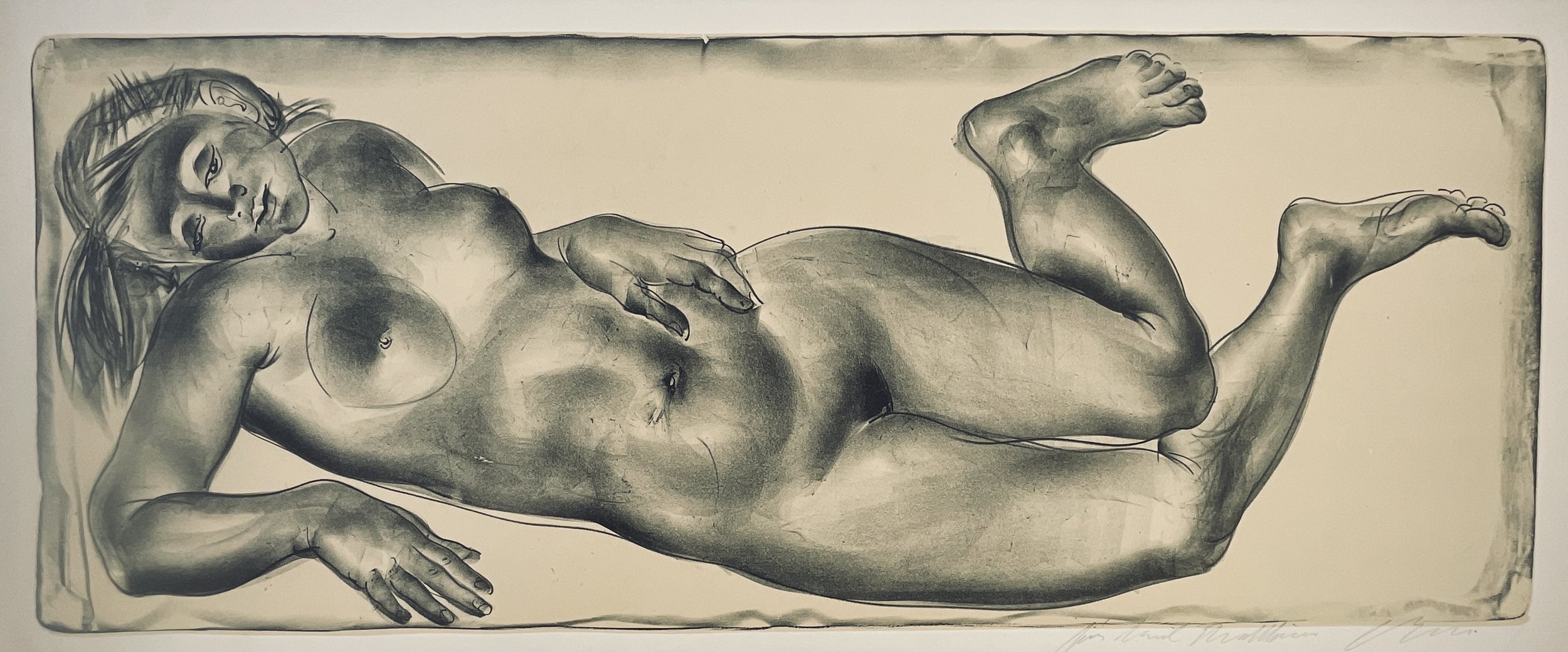 Image 2 of 6
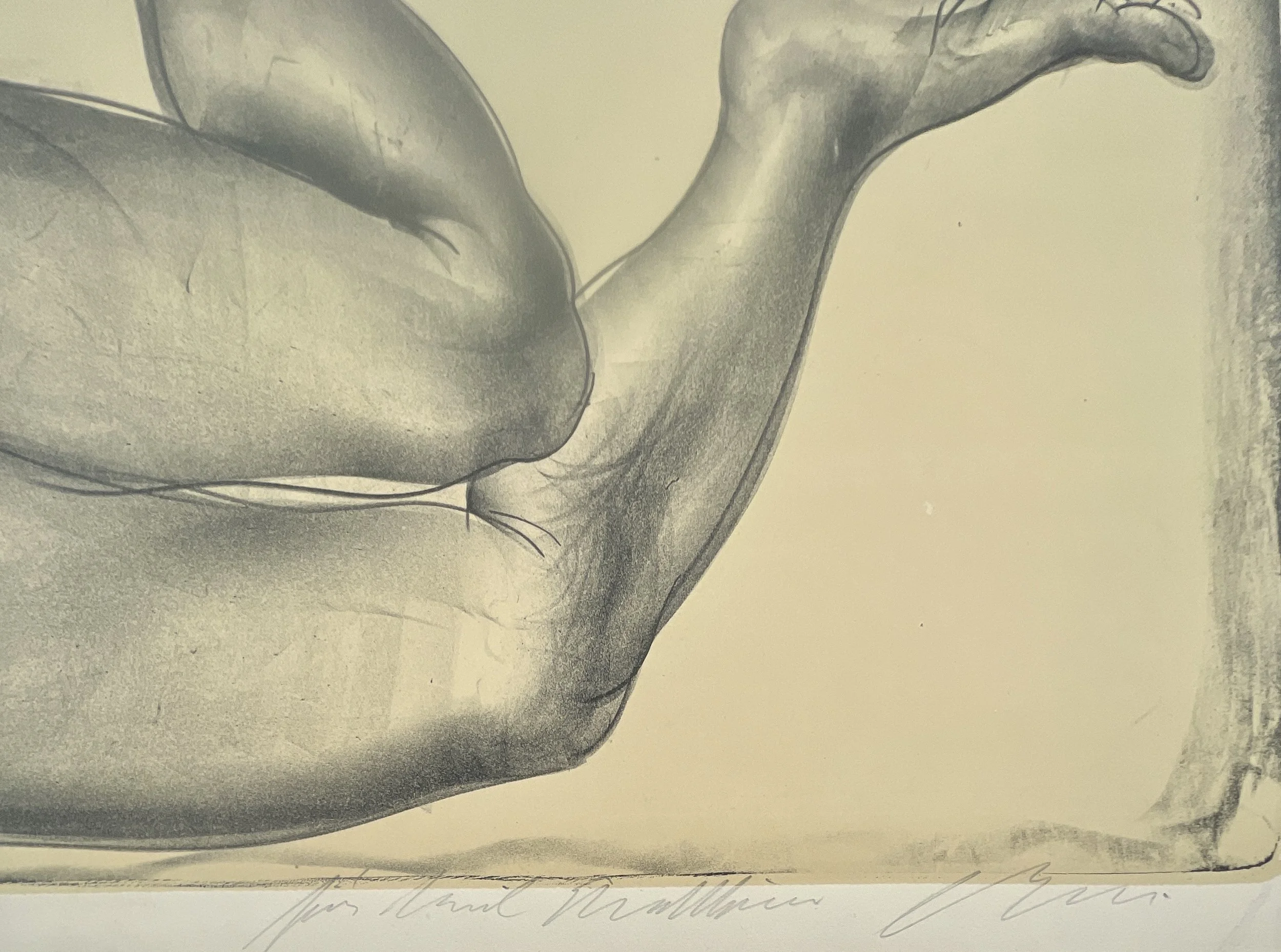 Image 3 of 6
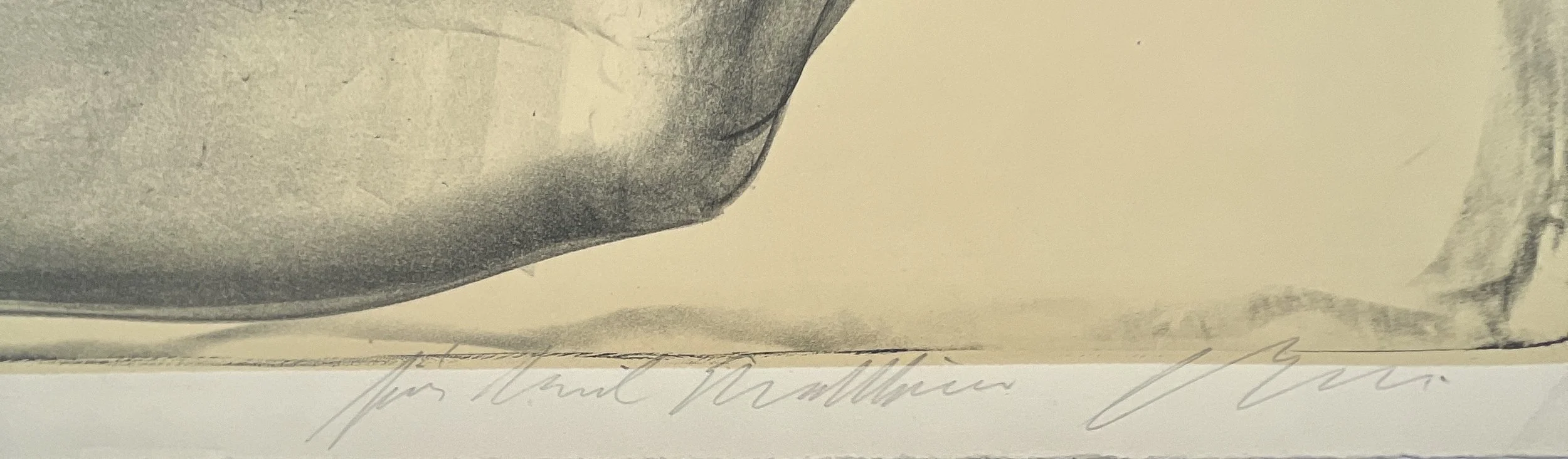 Image 4 of 6
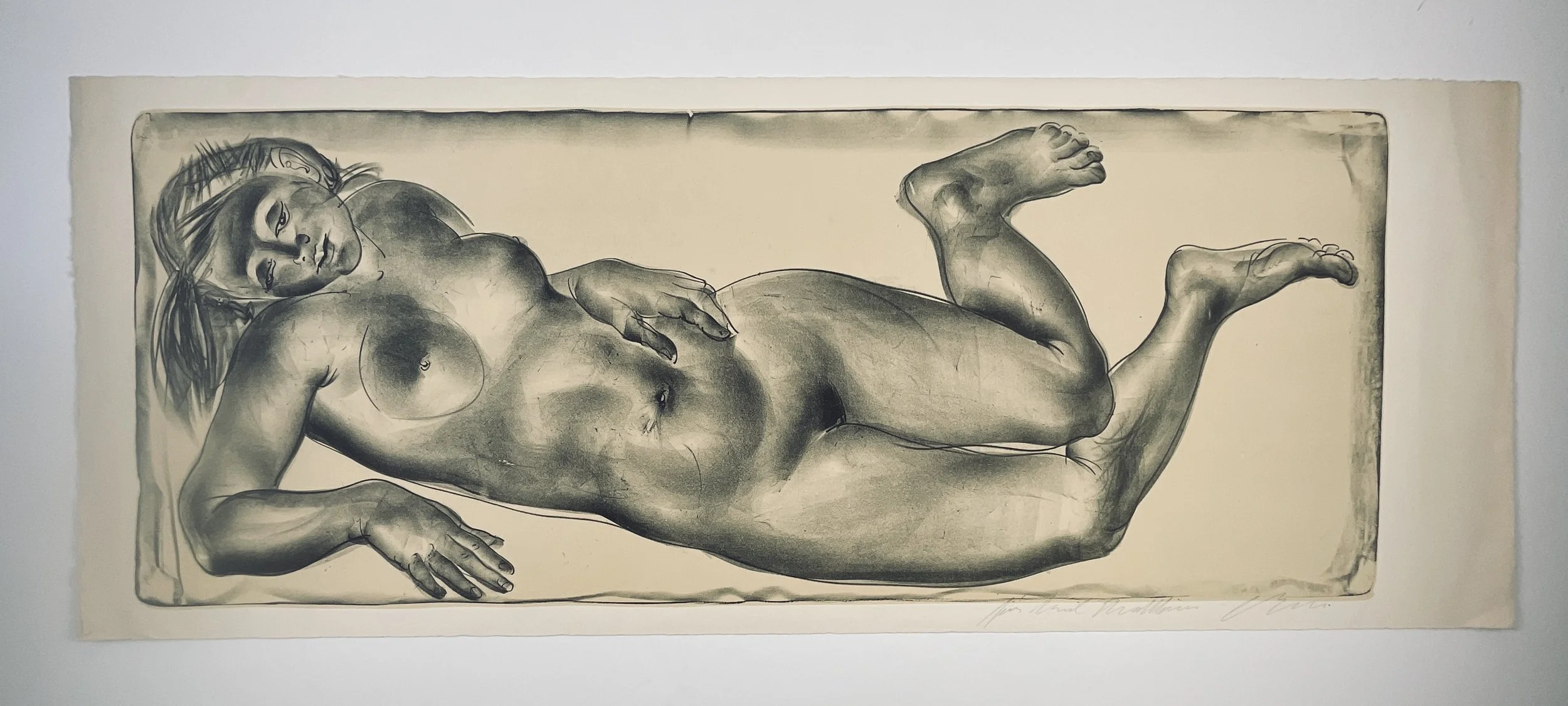 Image 5 of 6
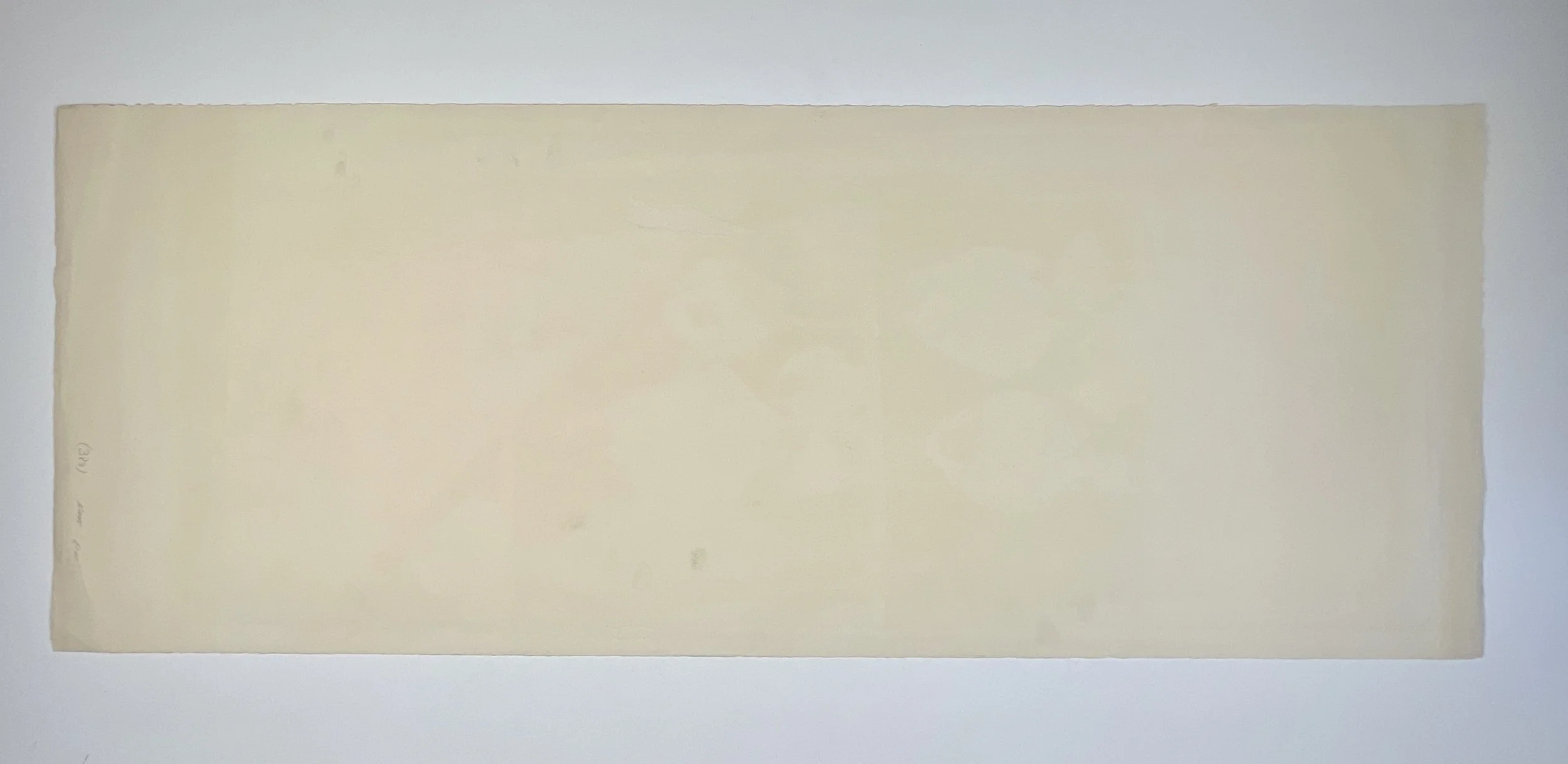 Image 6 of 6