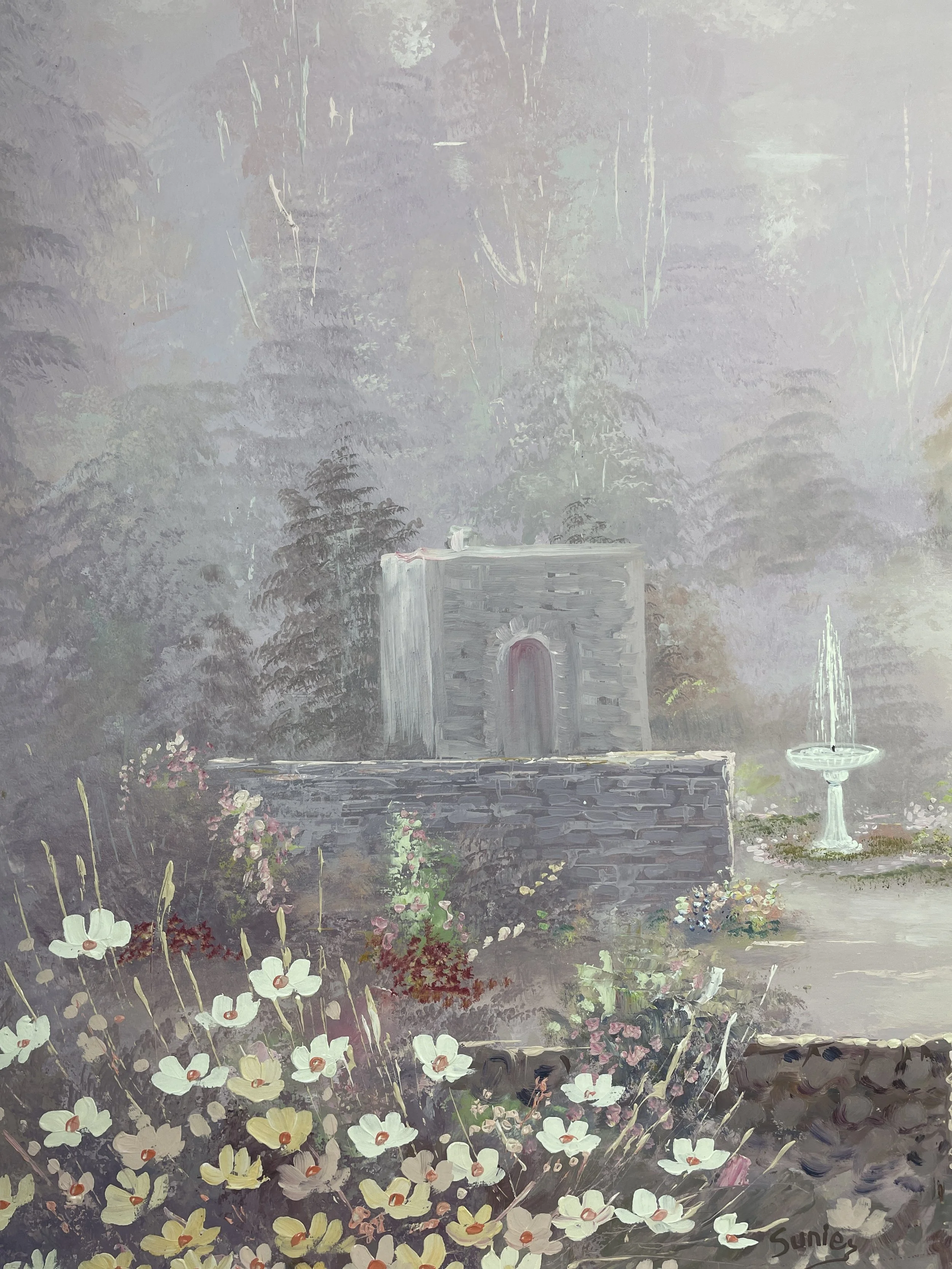
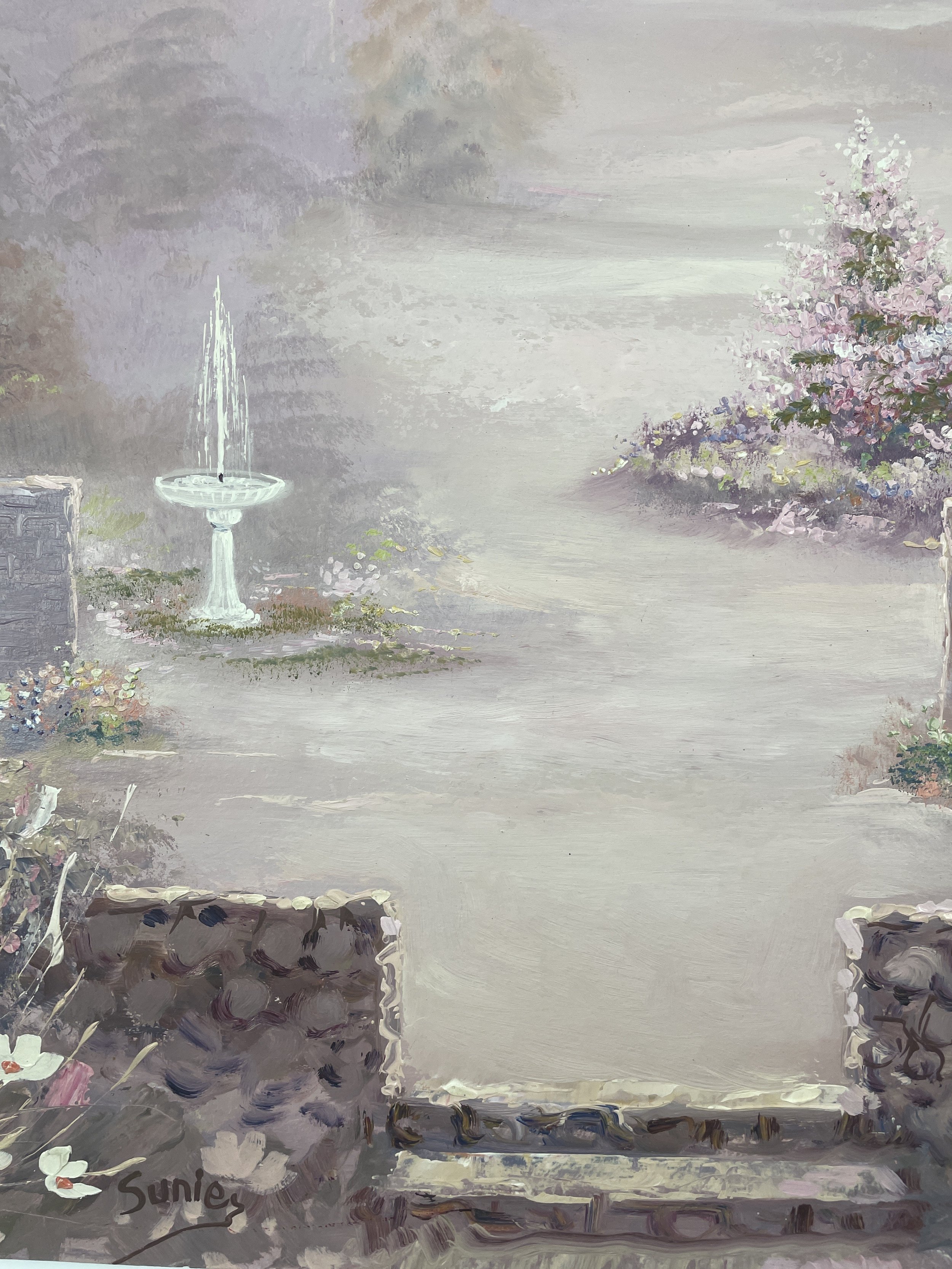
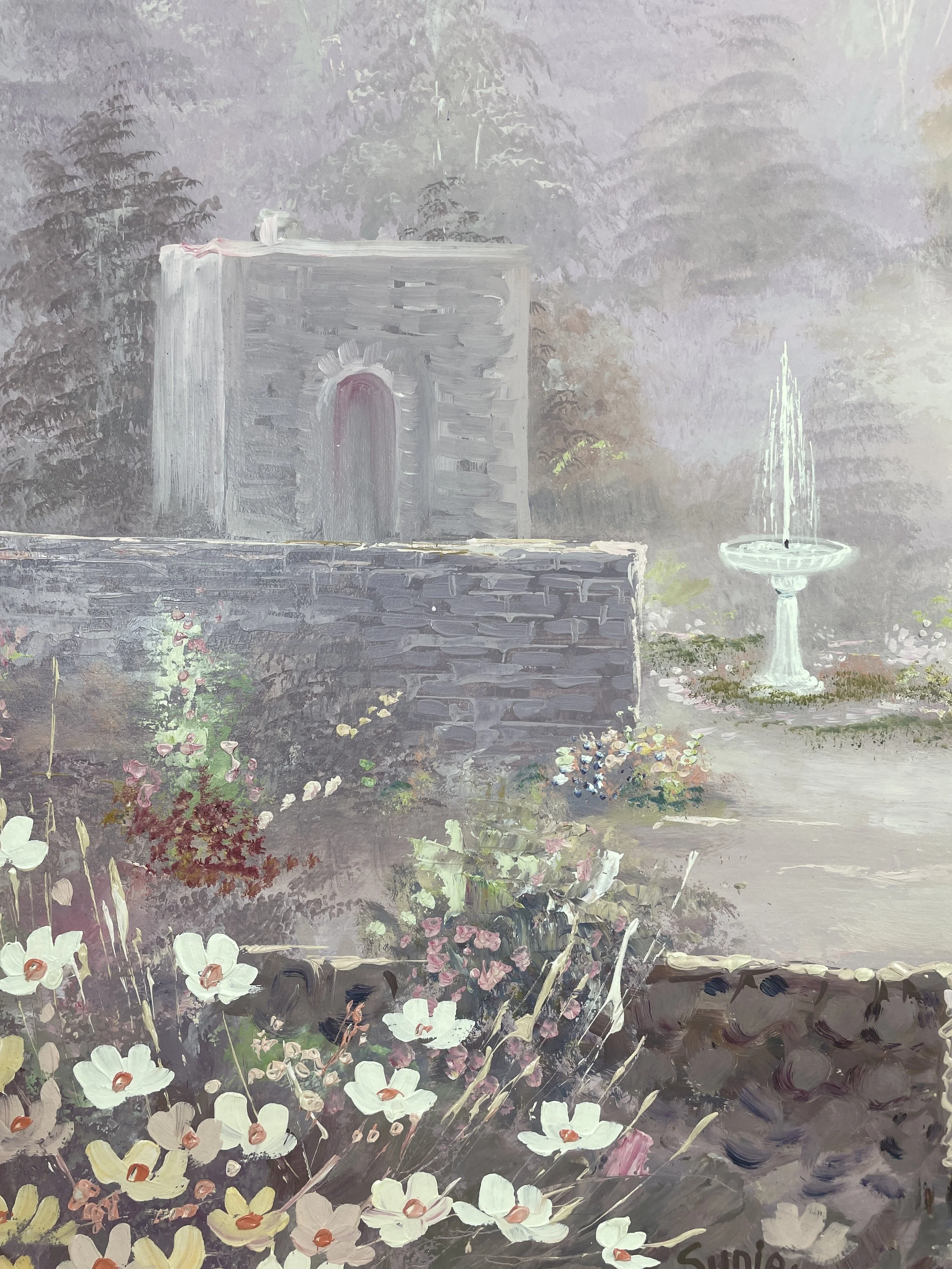
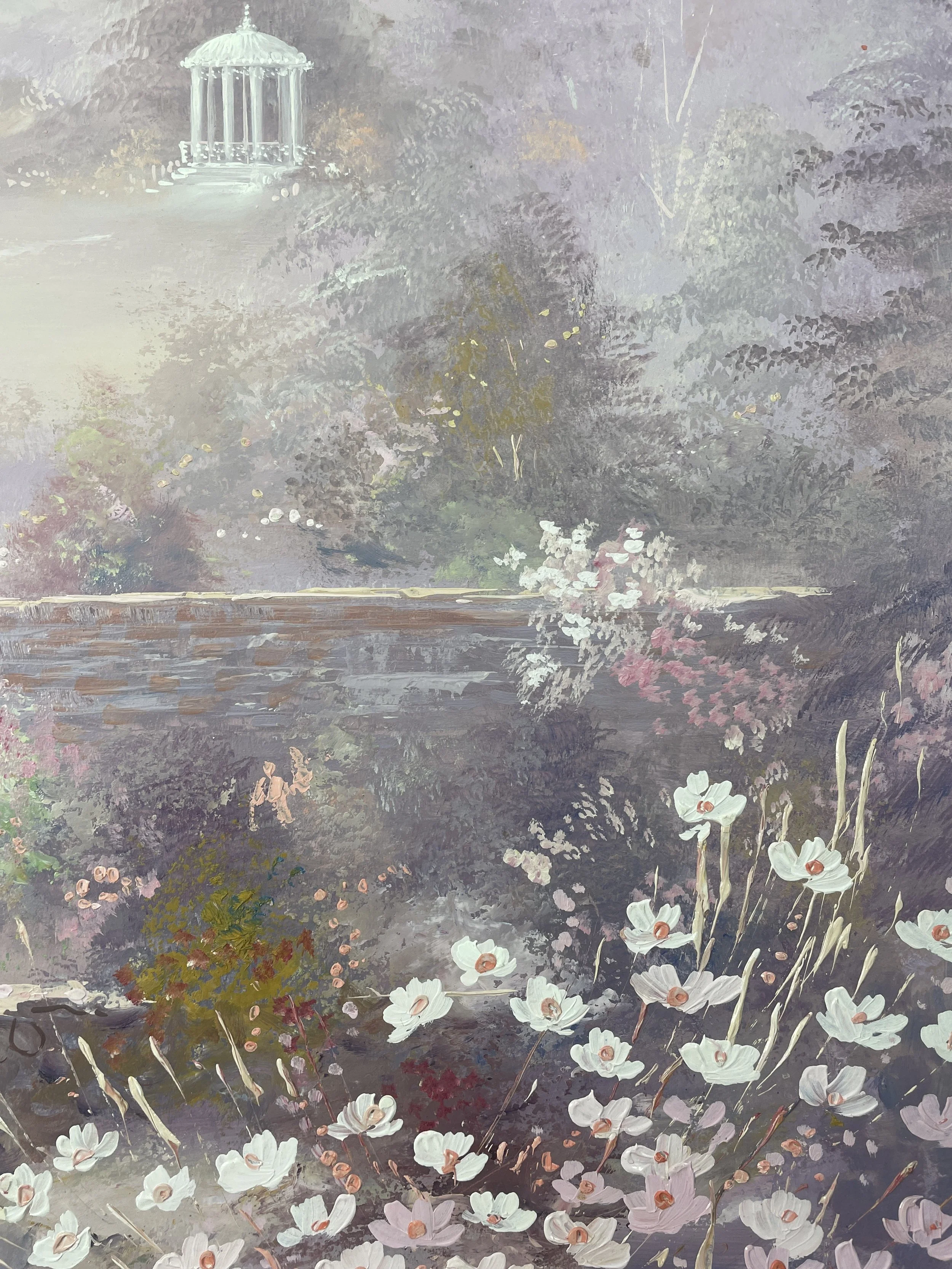
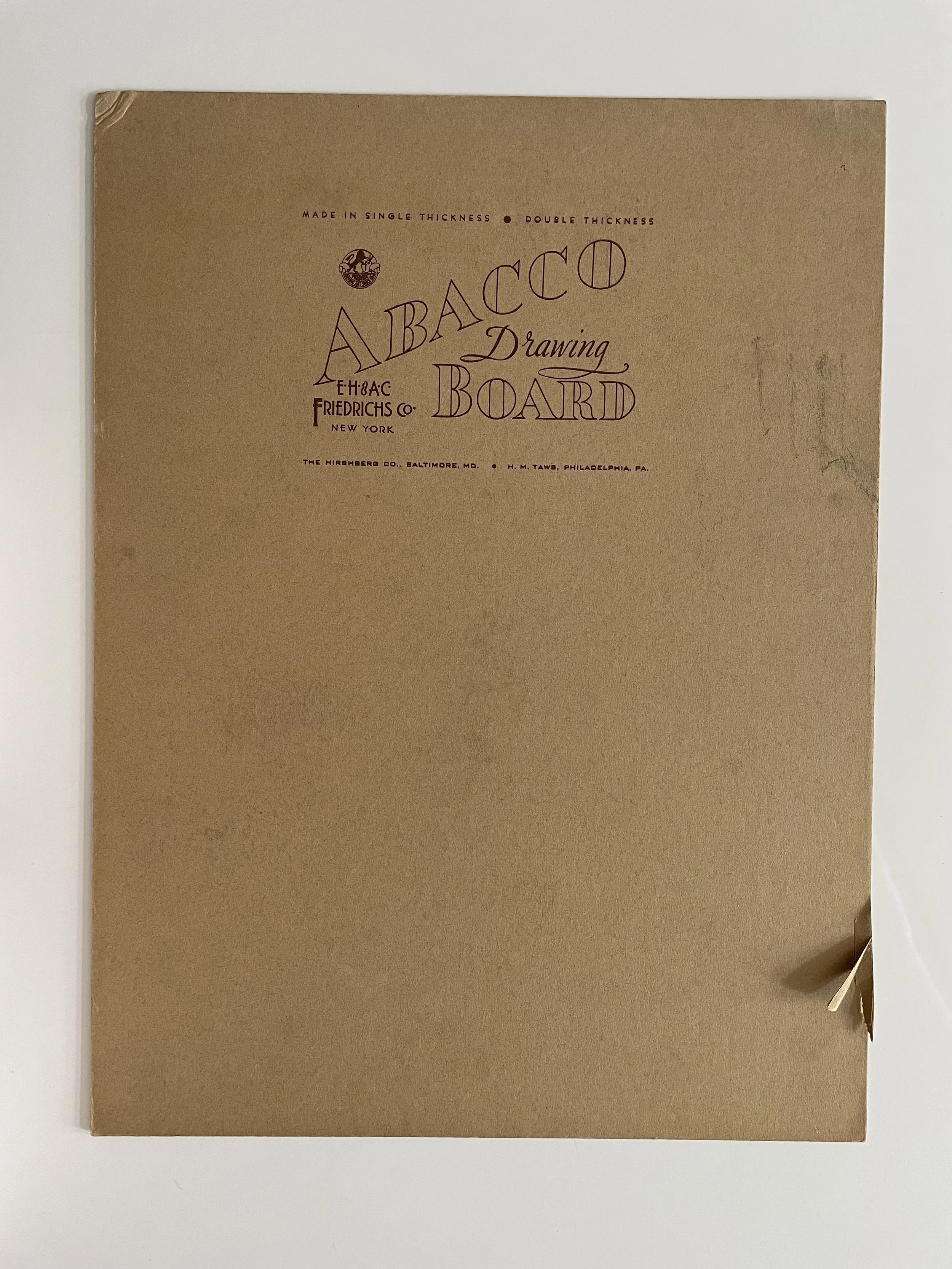
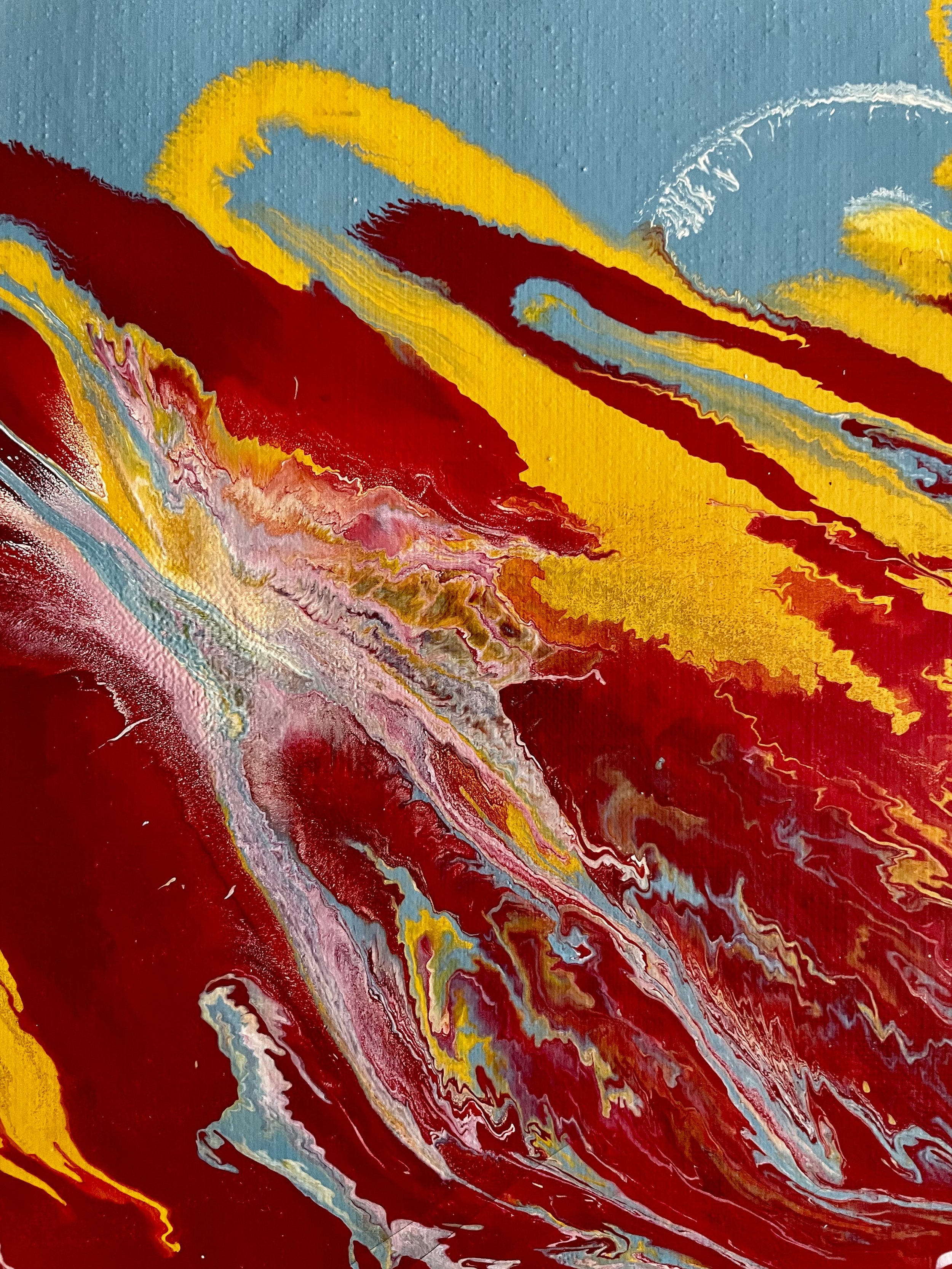
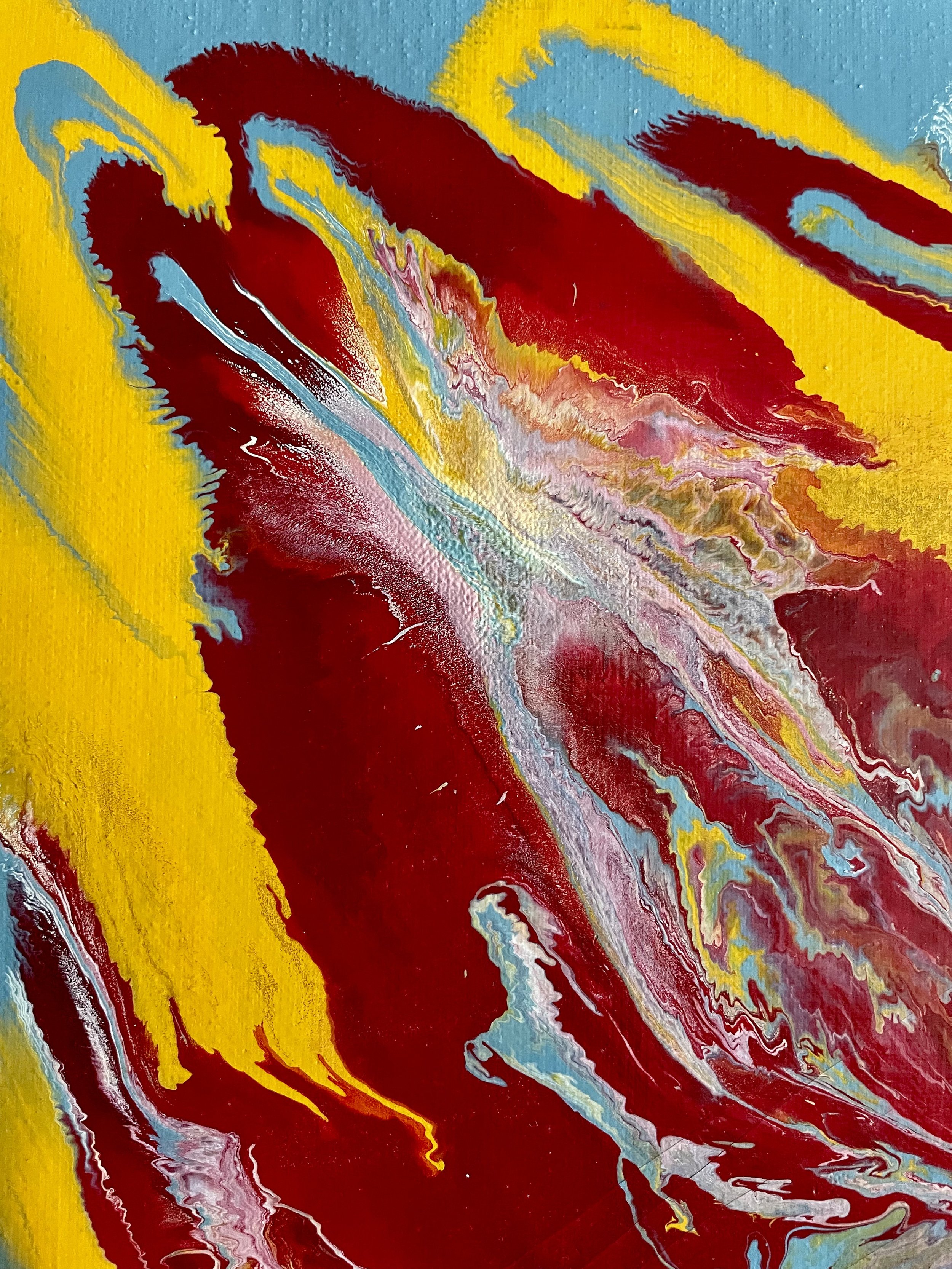
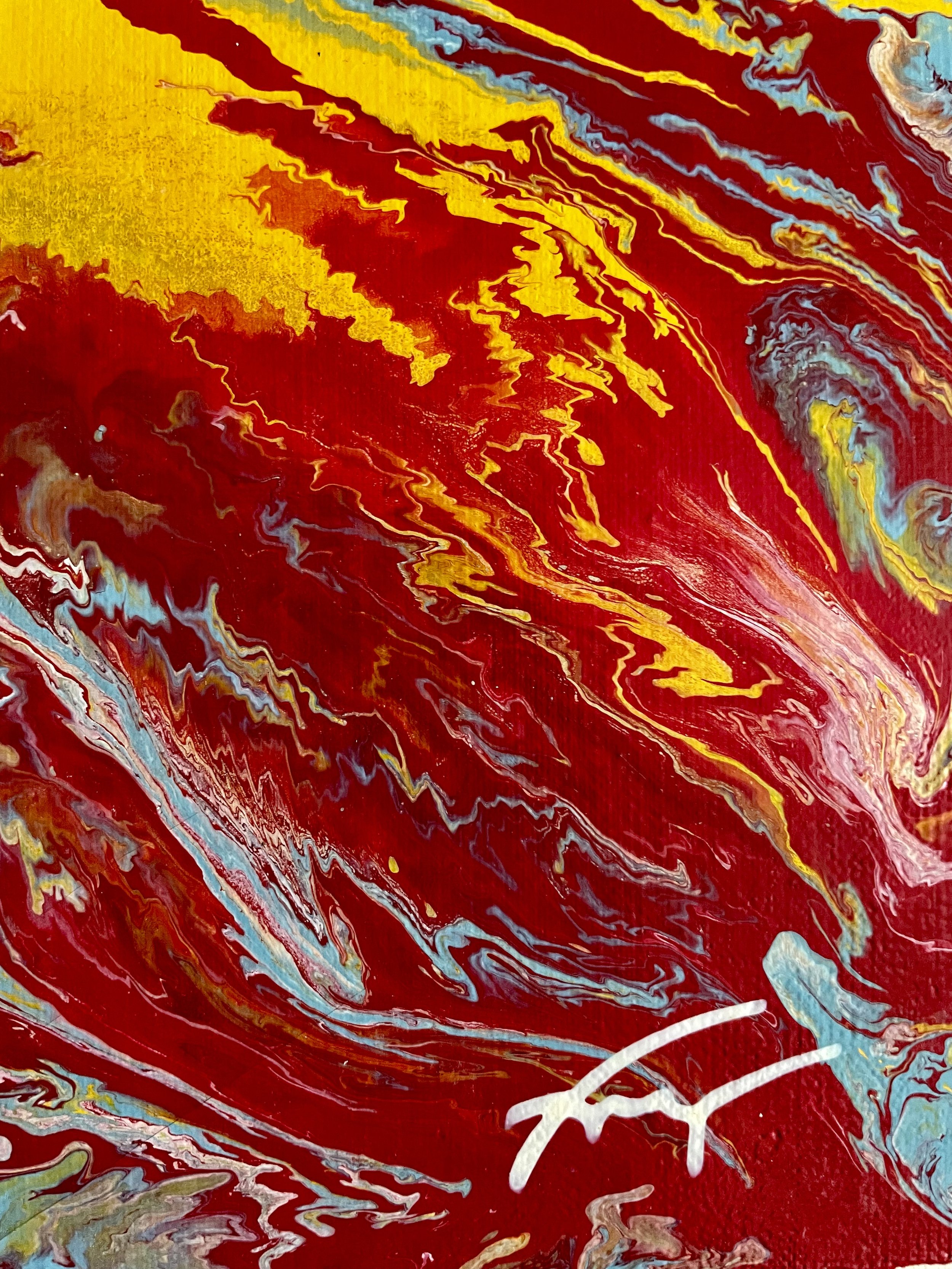
 Image 1 of 5
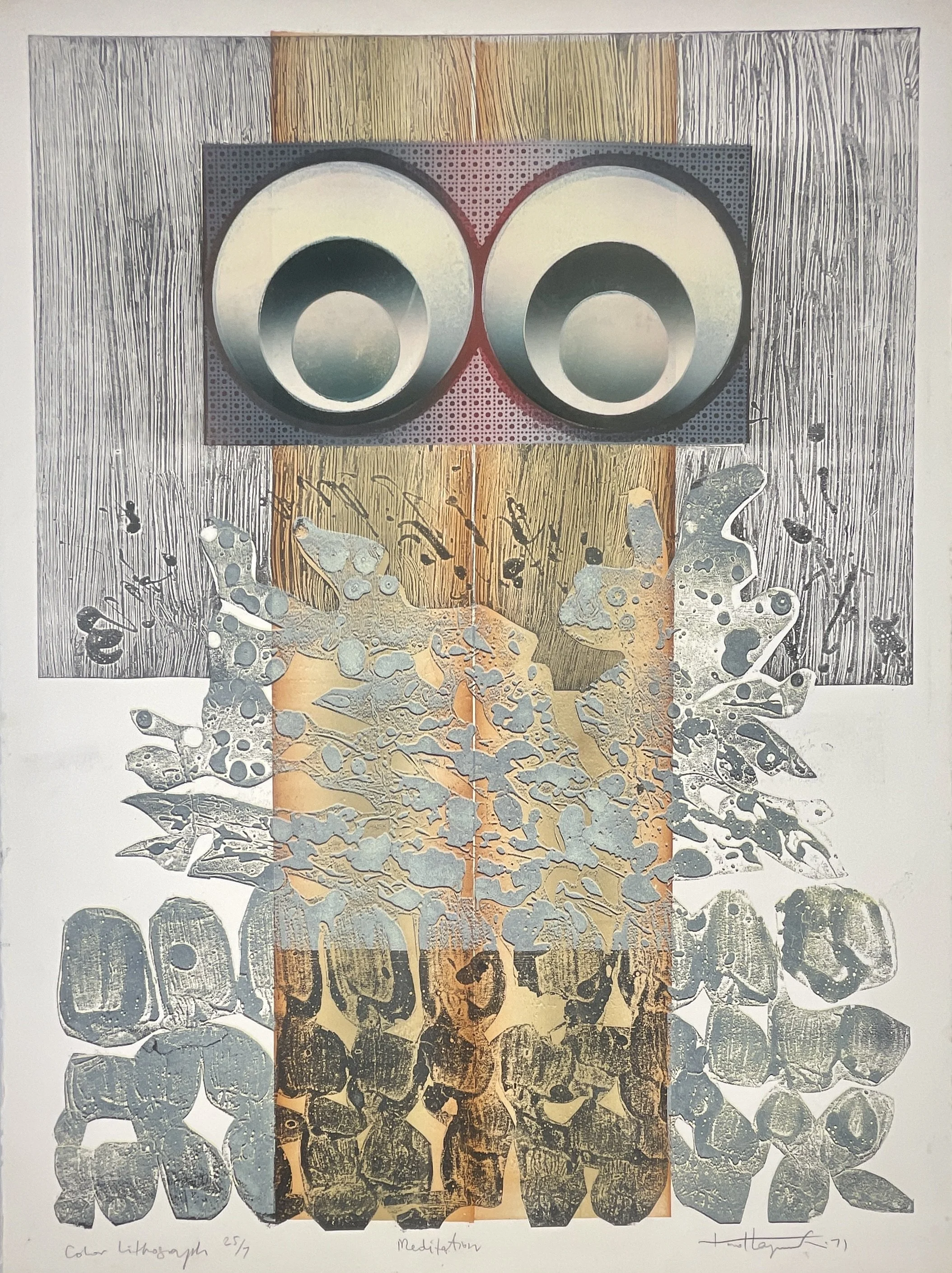 Image 2 of 5
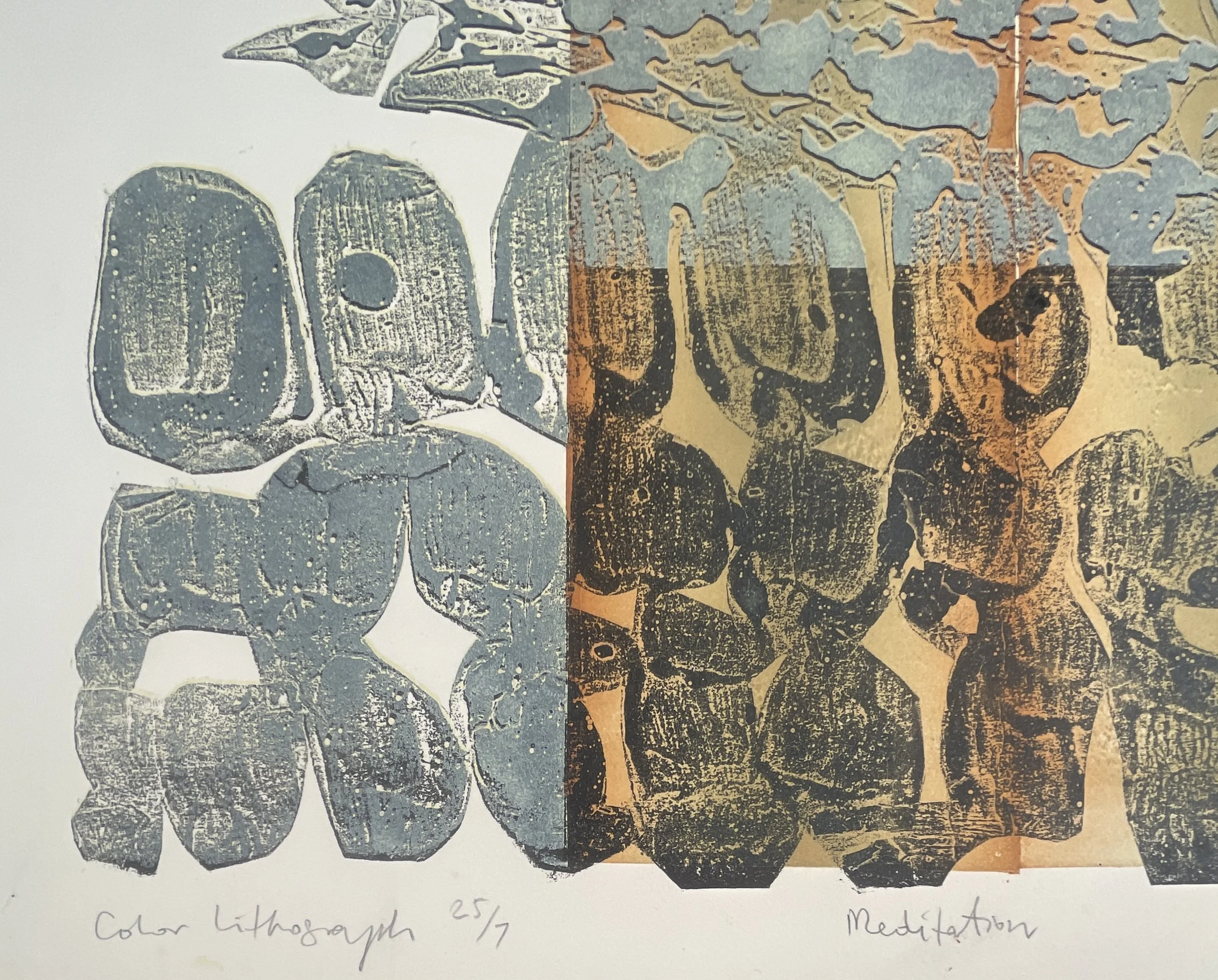 Image 3 of 5
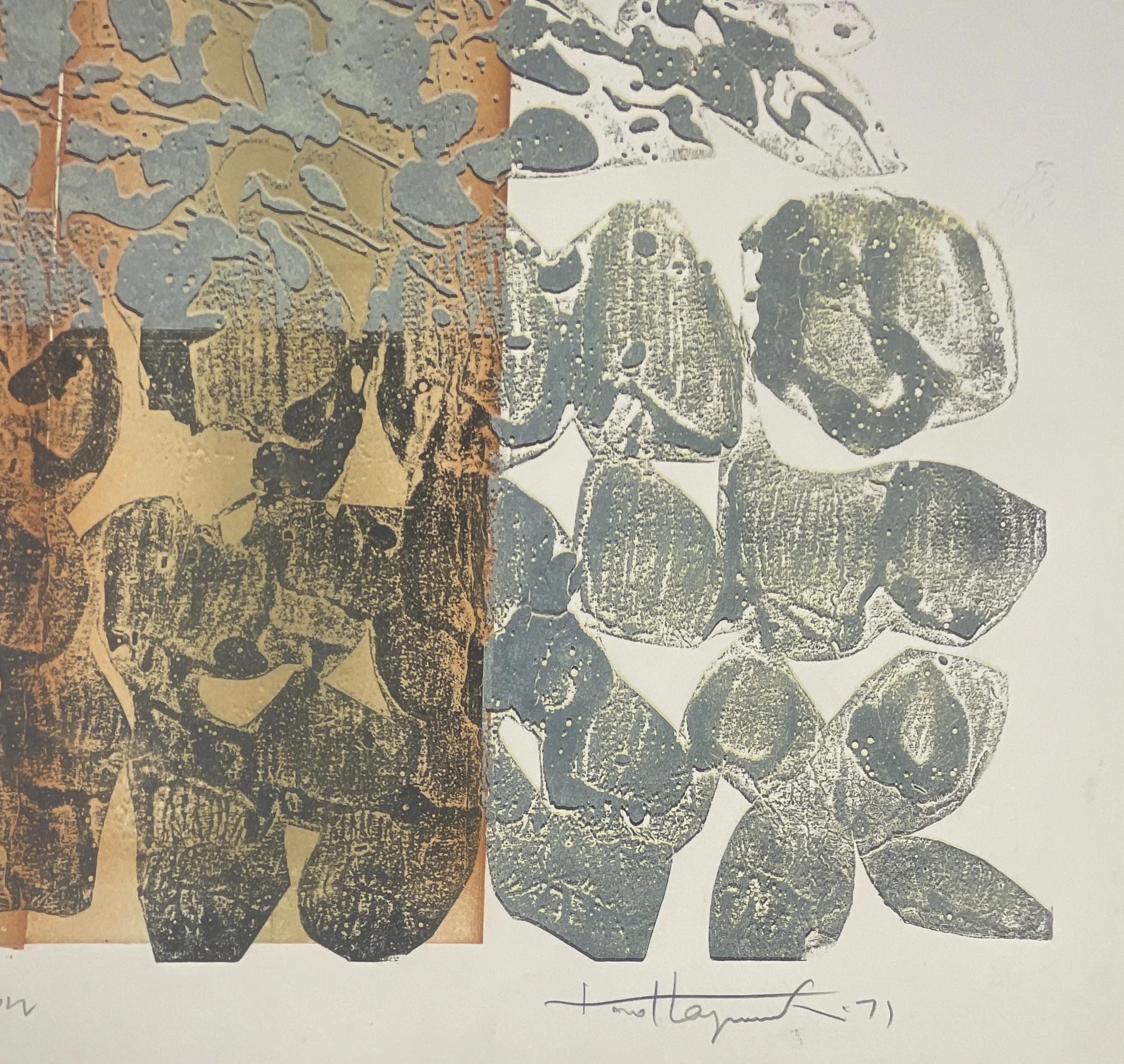 Image 4 of 5
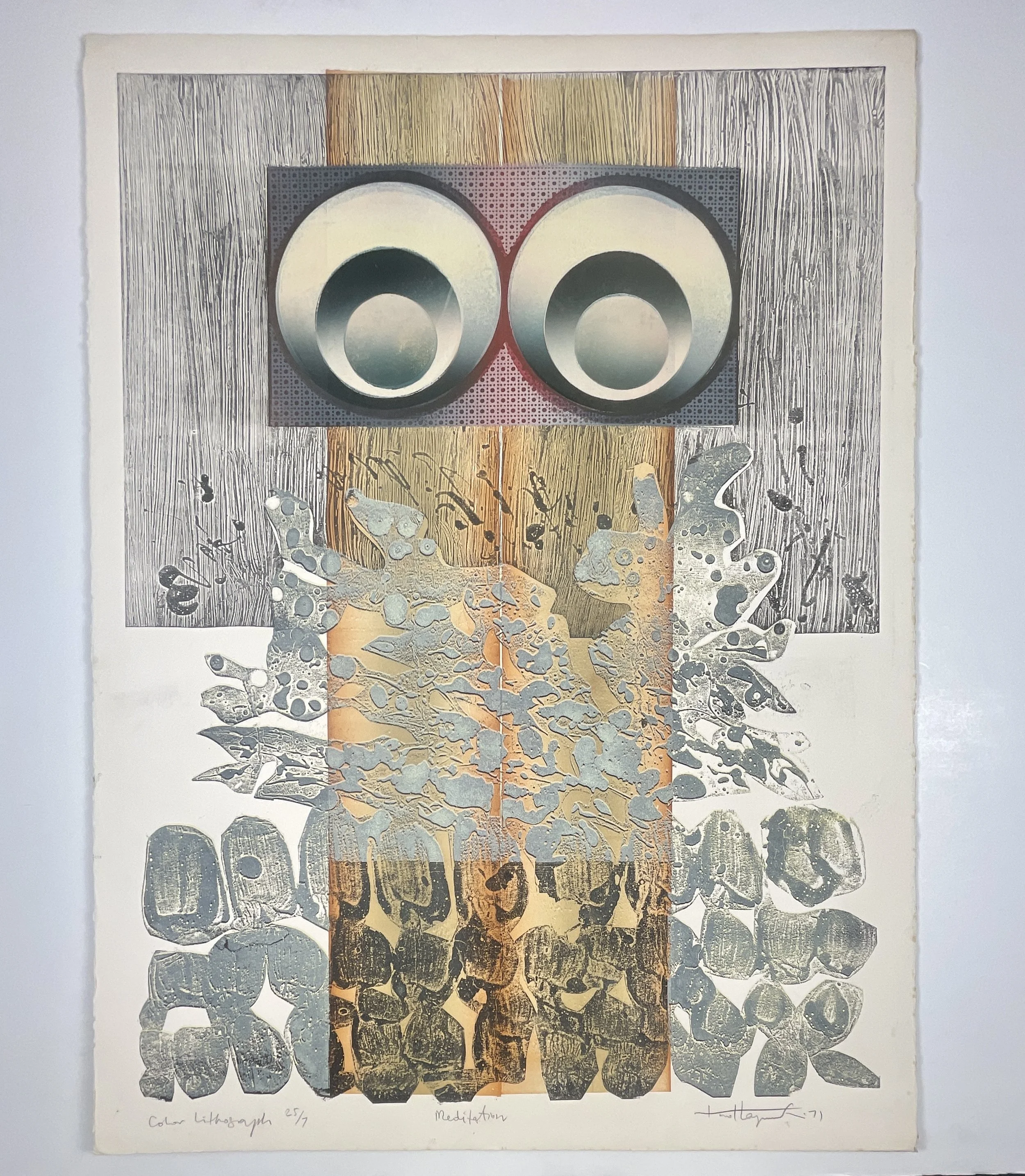 Image 5 of 5
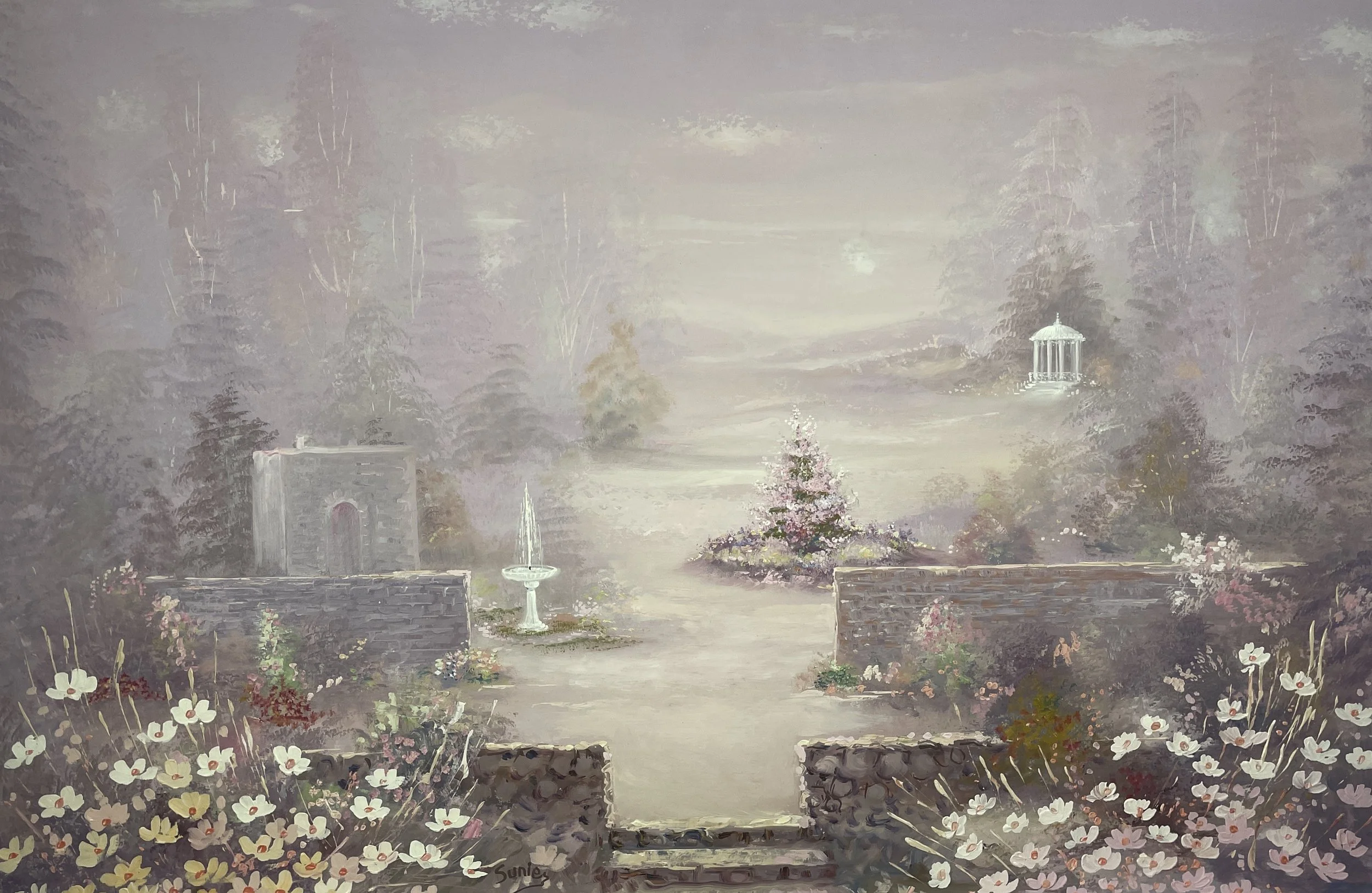
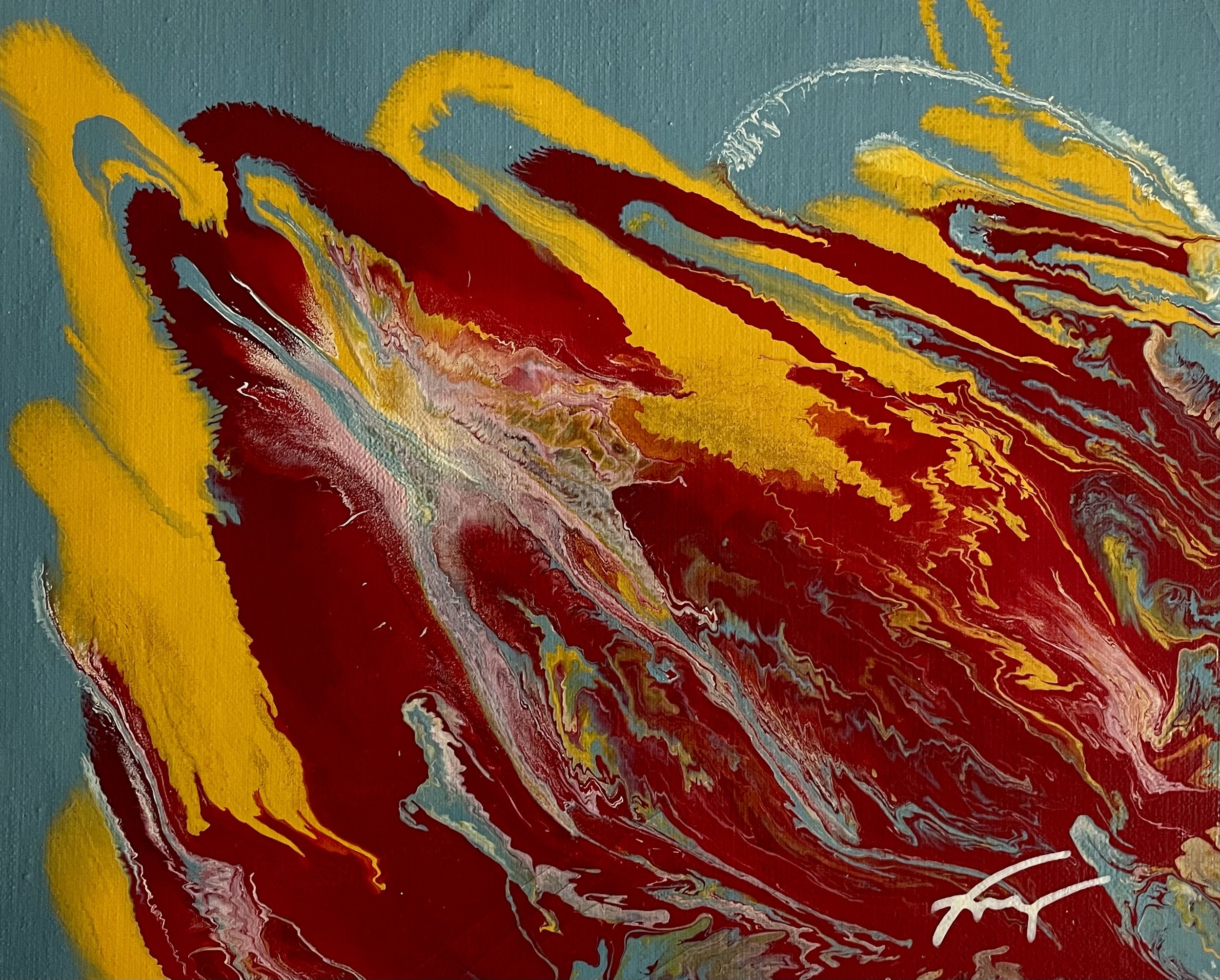
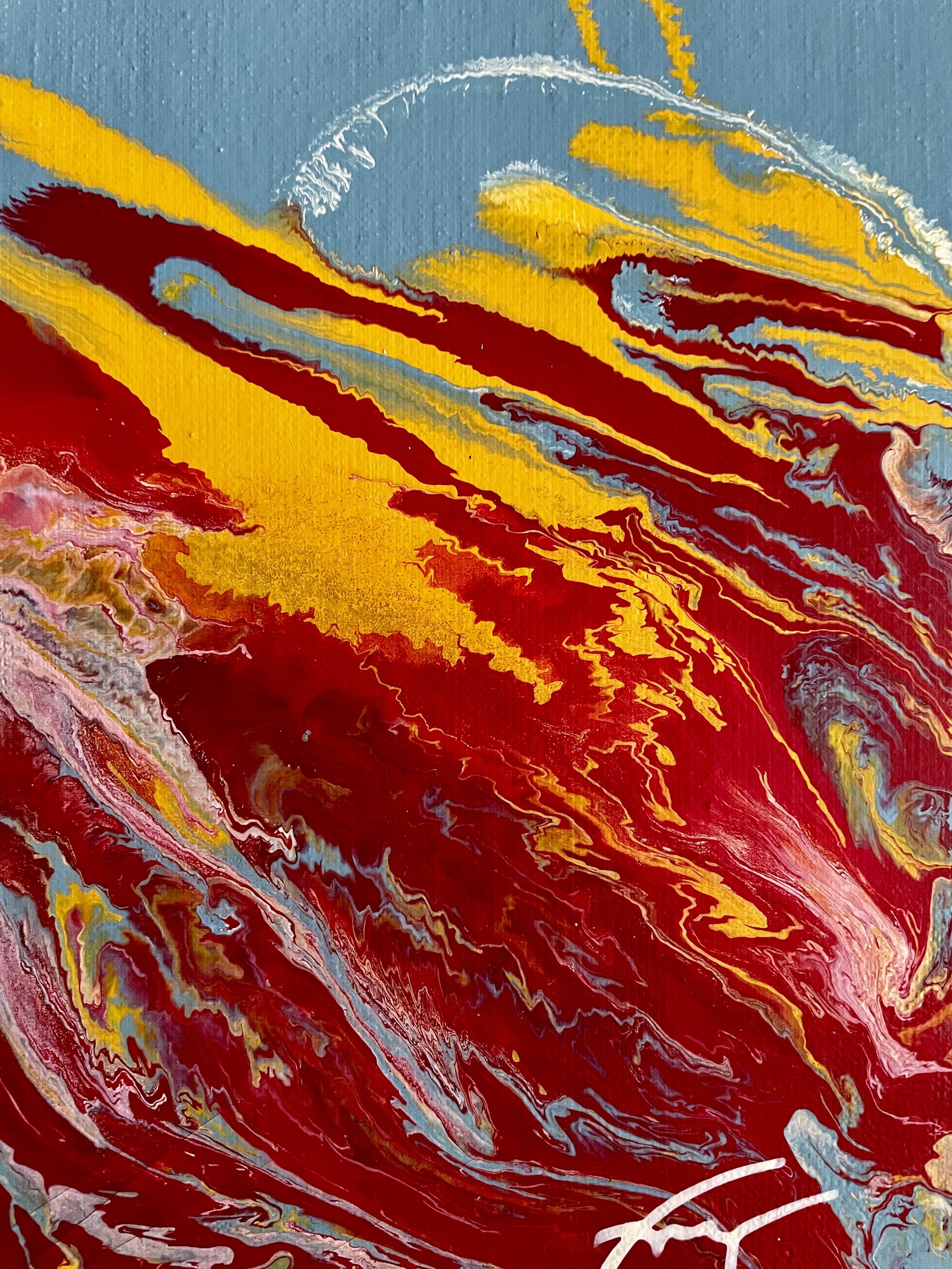
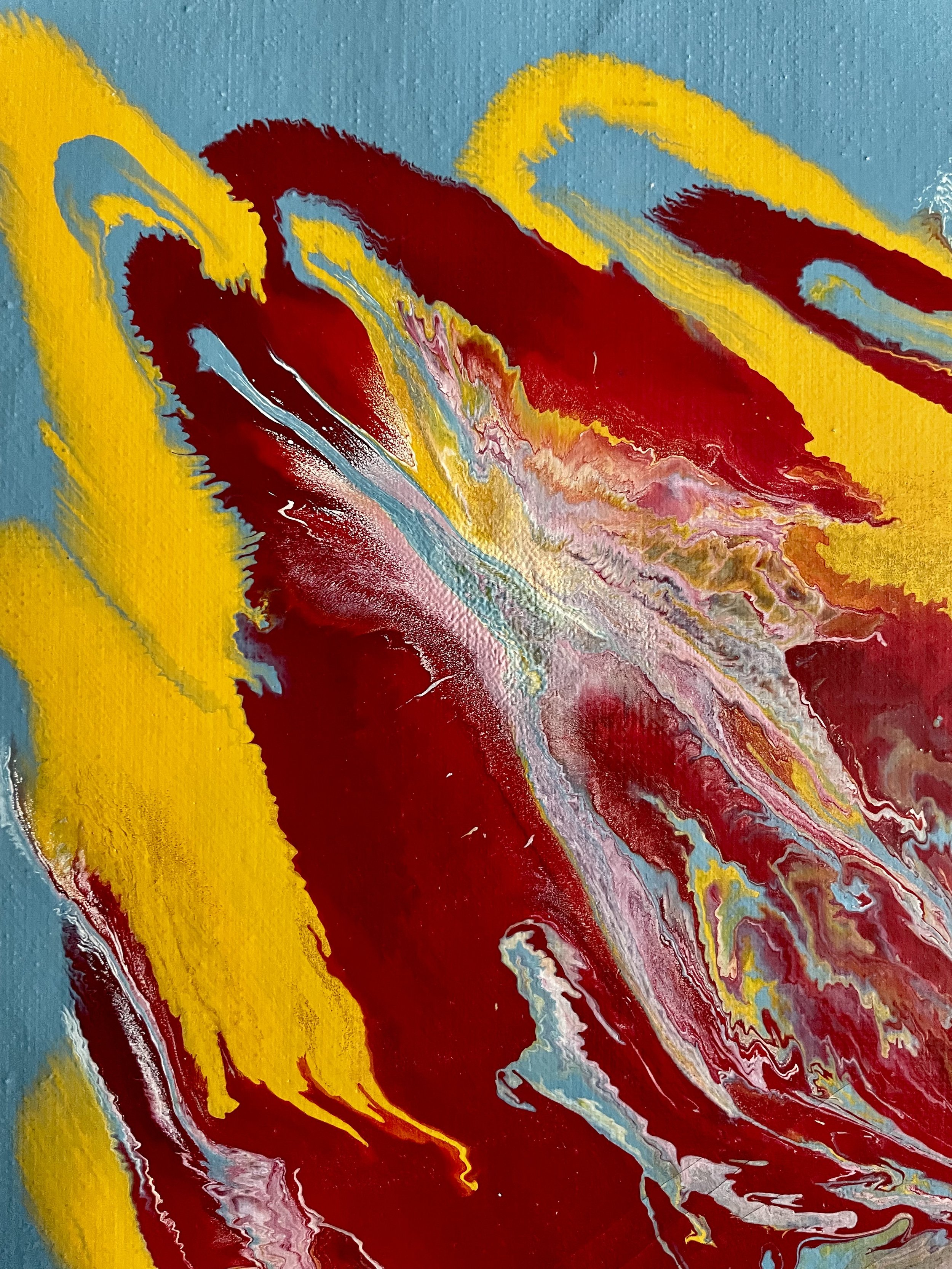
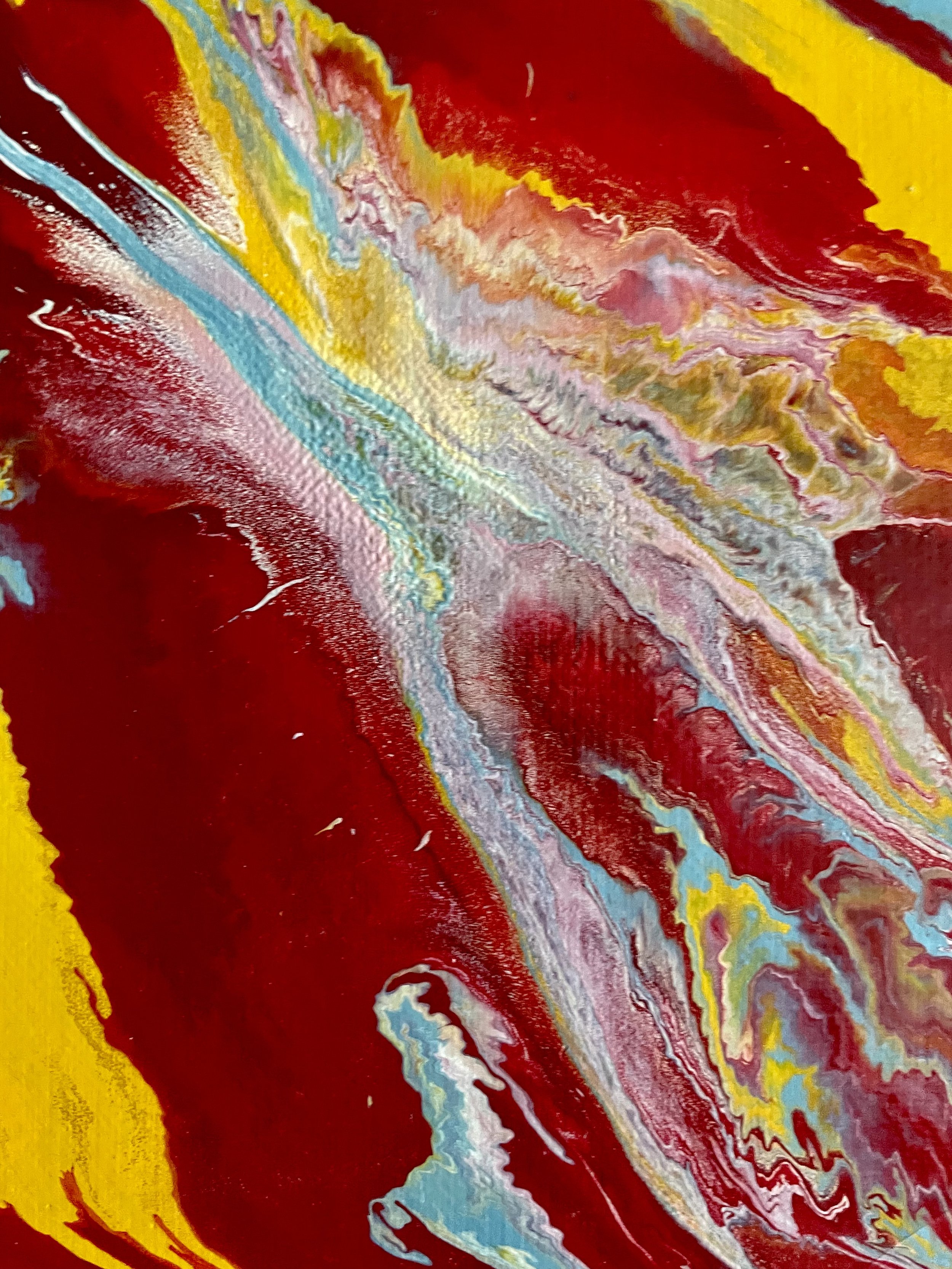
Meditation Tadeusz Andrzej Lapinski (1928–2016), 1971 color lithograph, 22x30 in, signed, ed. 7/25, experimental split-color print
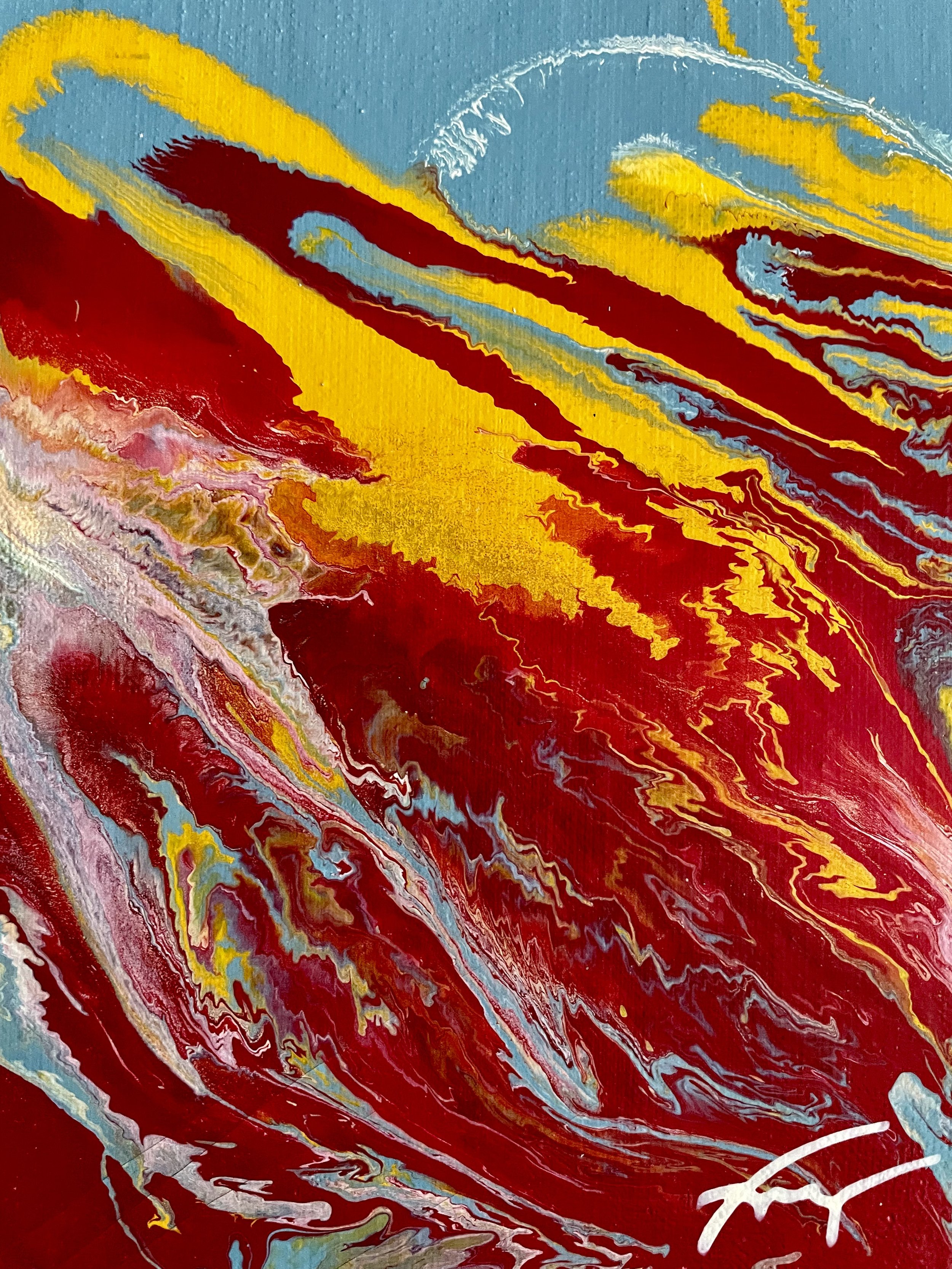
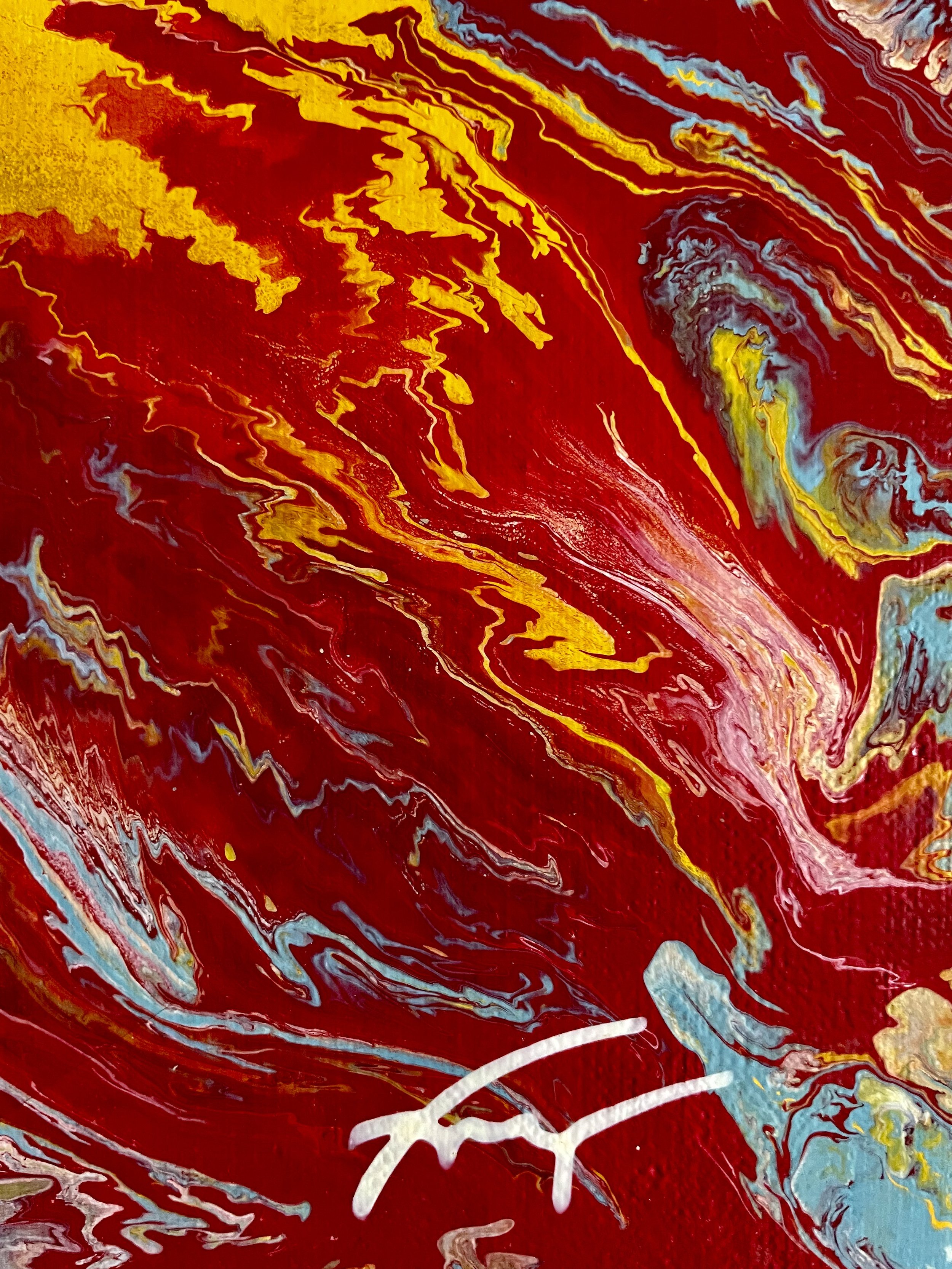
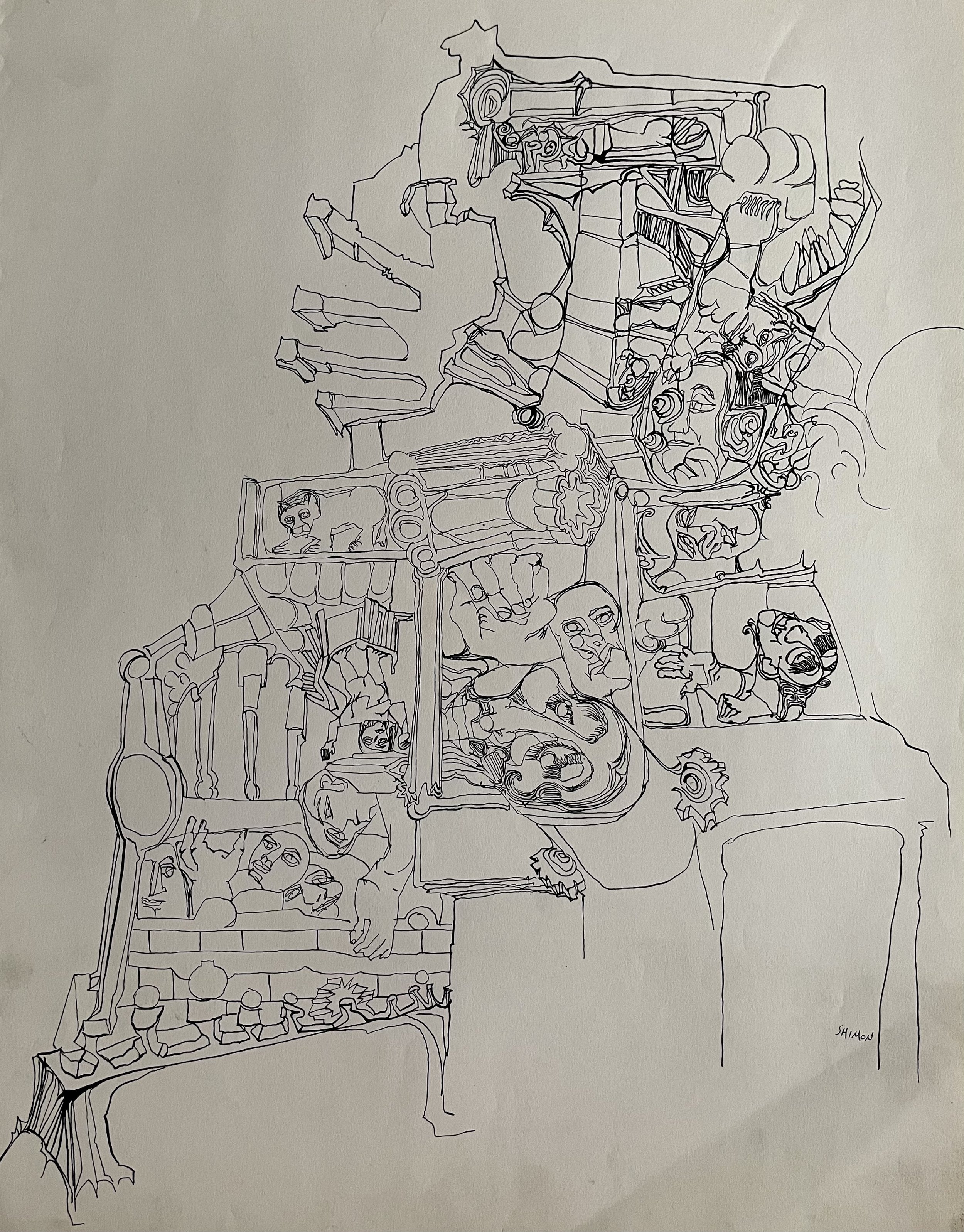
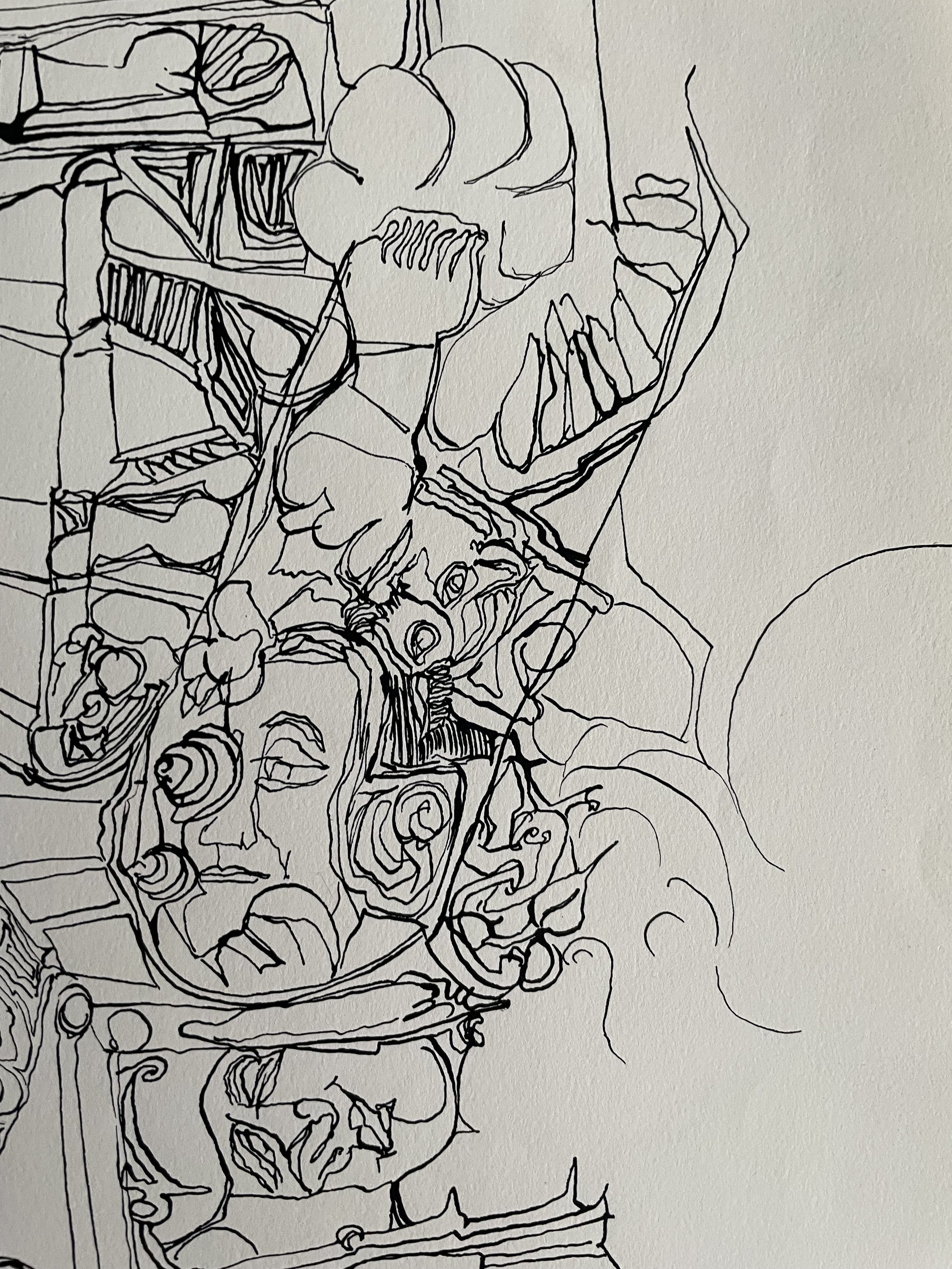
Original 1971 color lithograph titled Meditation by Tadeusz Andrzej Lapinski (1928–2016), edition 7/25, signed and dated in pencil, measuring 22 x 30 inches. A striking example of Lapinski’s experimental split-color “rainbow” lithography, combining abstract organic forms with architectural geometry and meditative symbolism. A rare early 1970s impression from a small edition. Provenance: Mitch Morse Gallery; Artfind Gallery, Washington DC.
Artwork Description
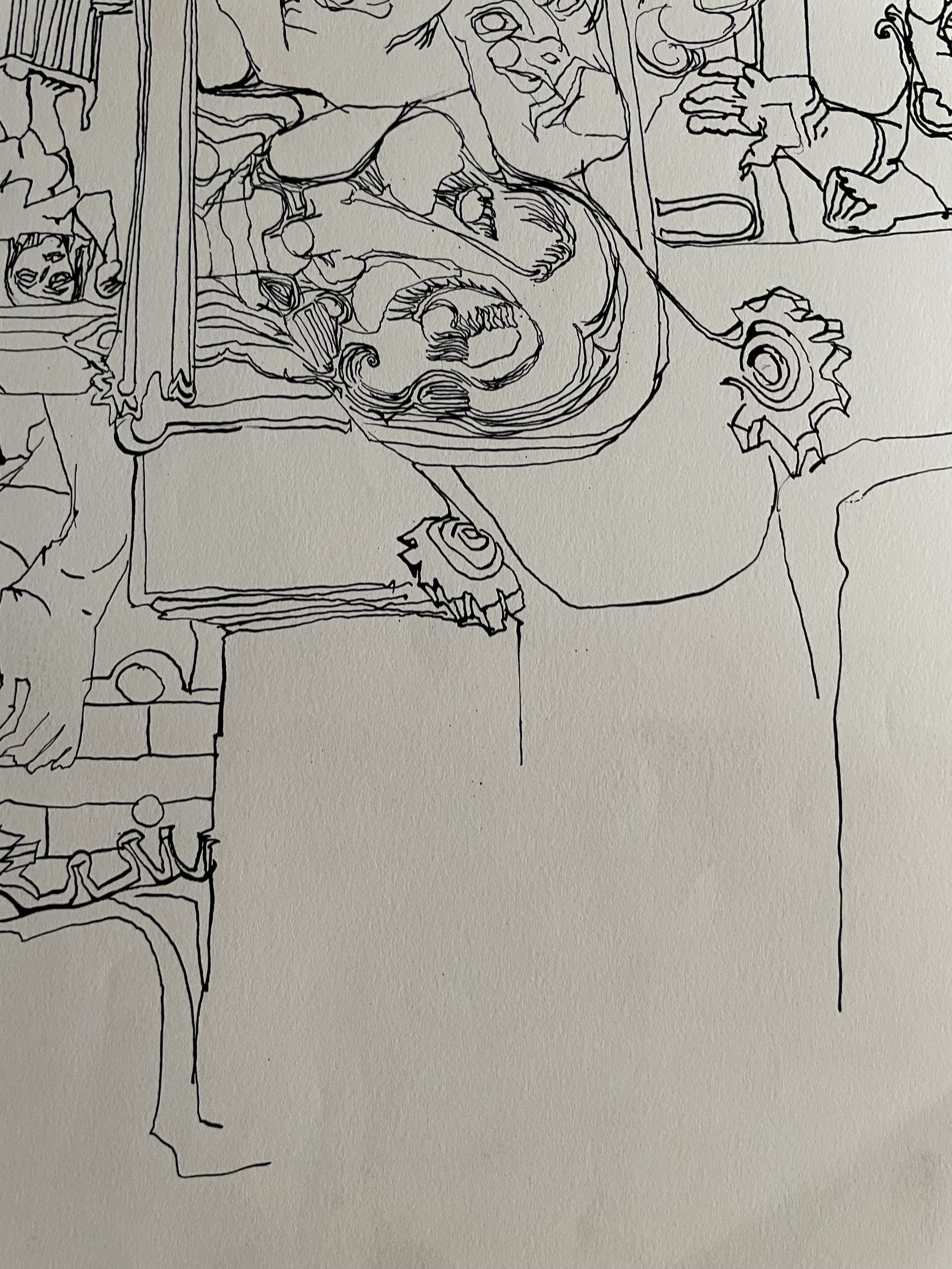
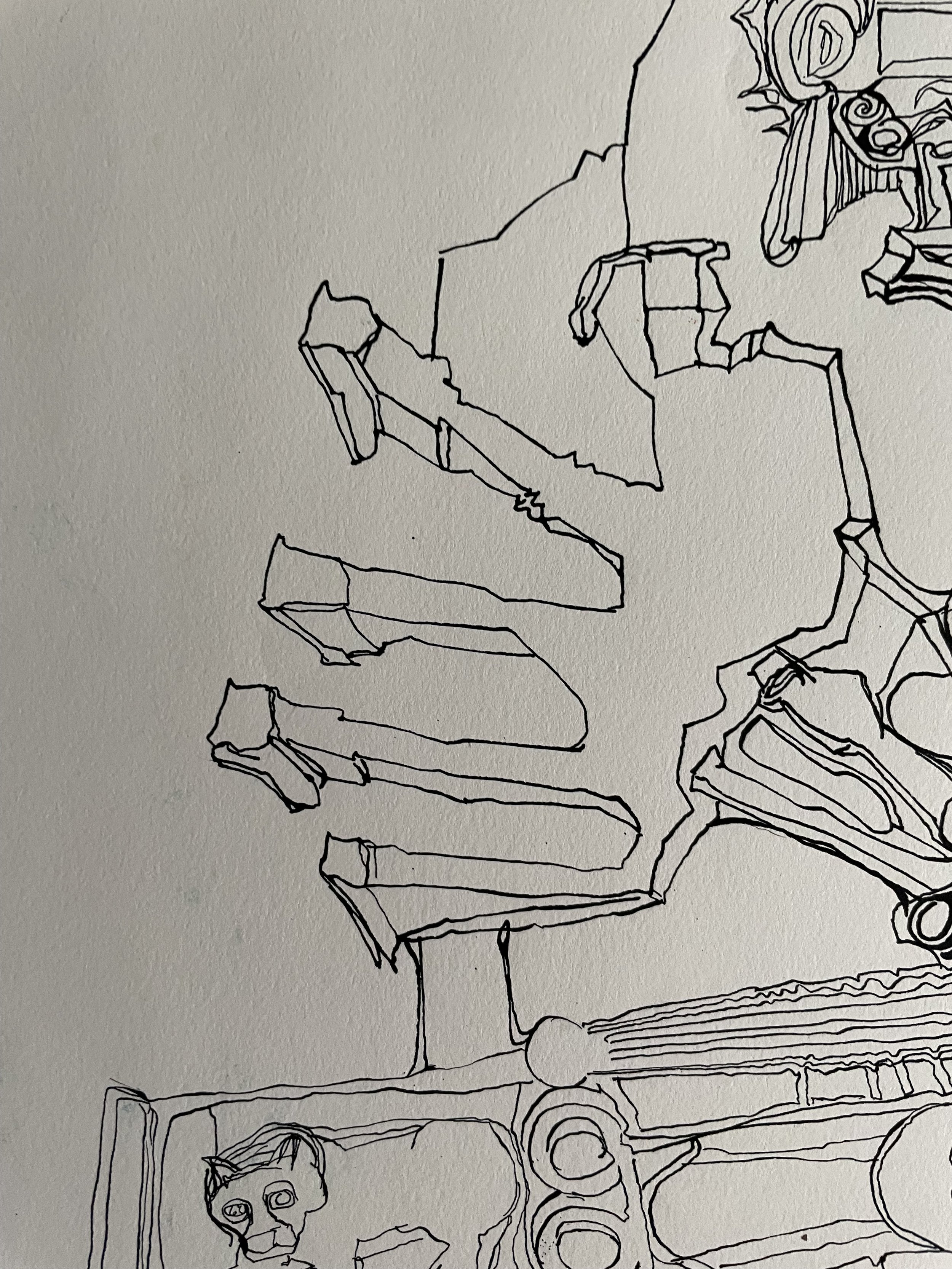
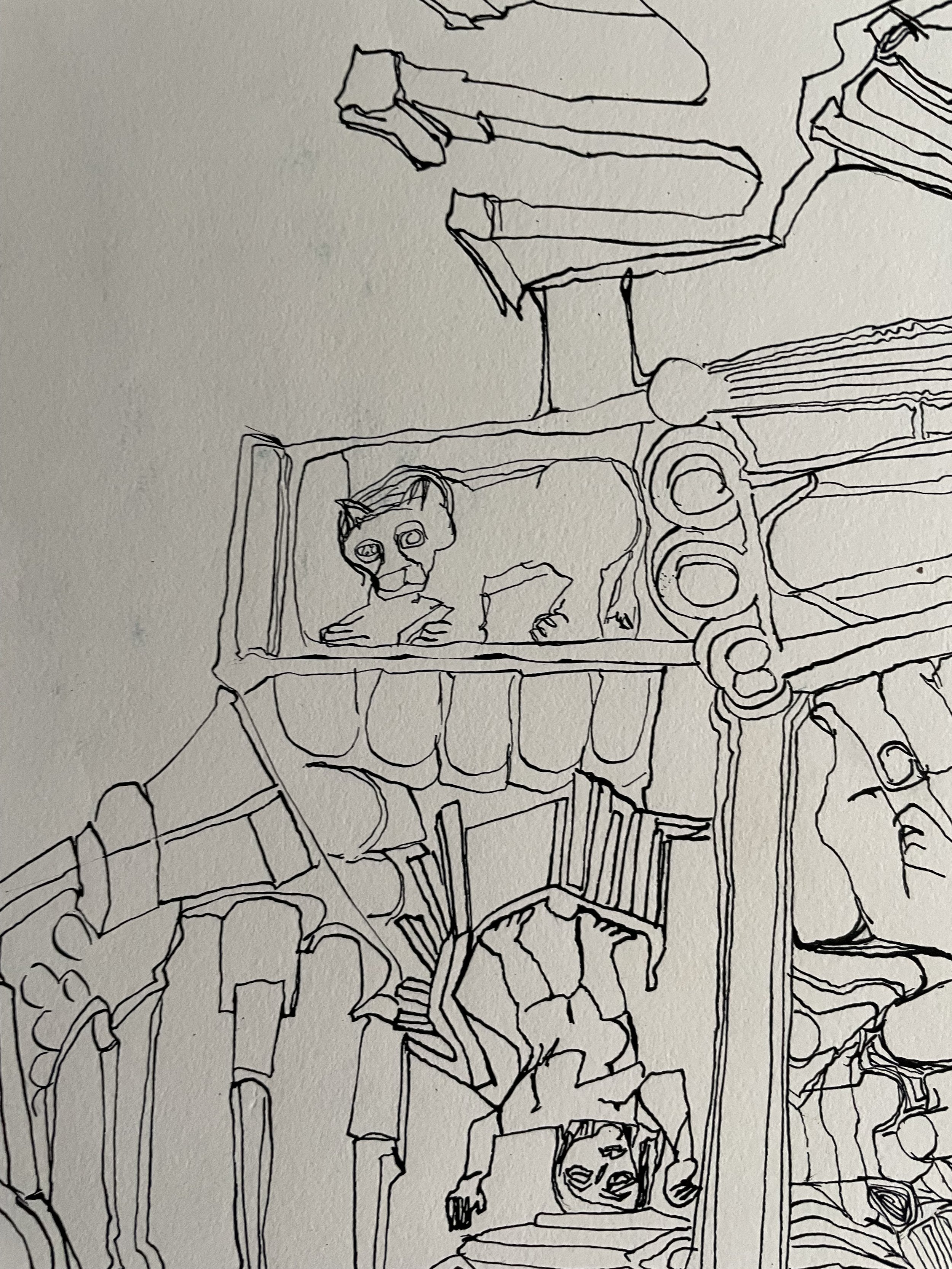
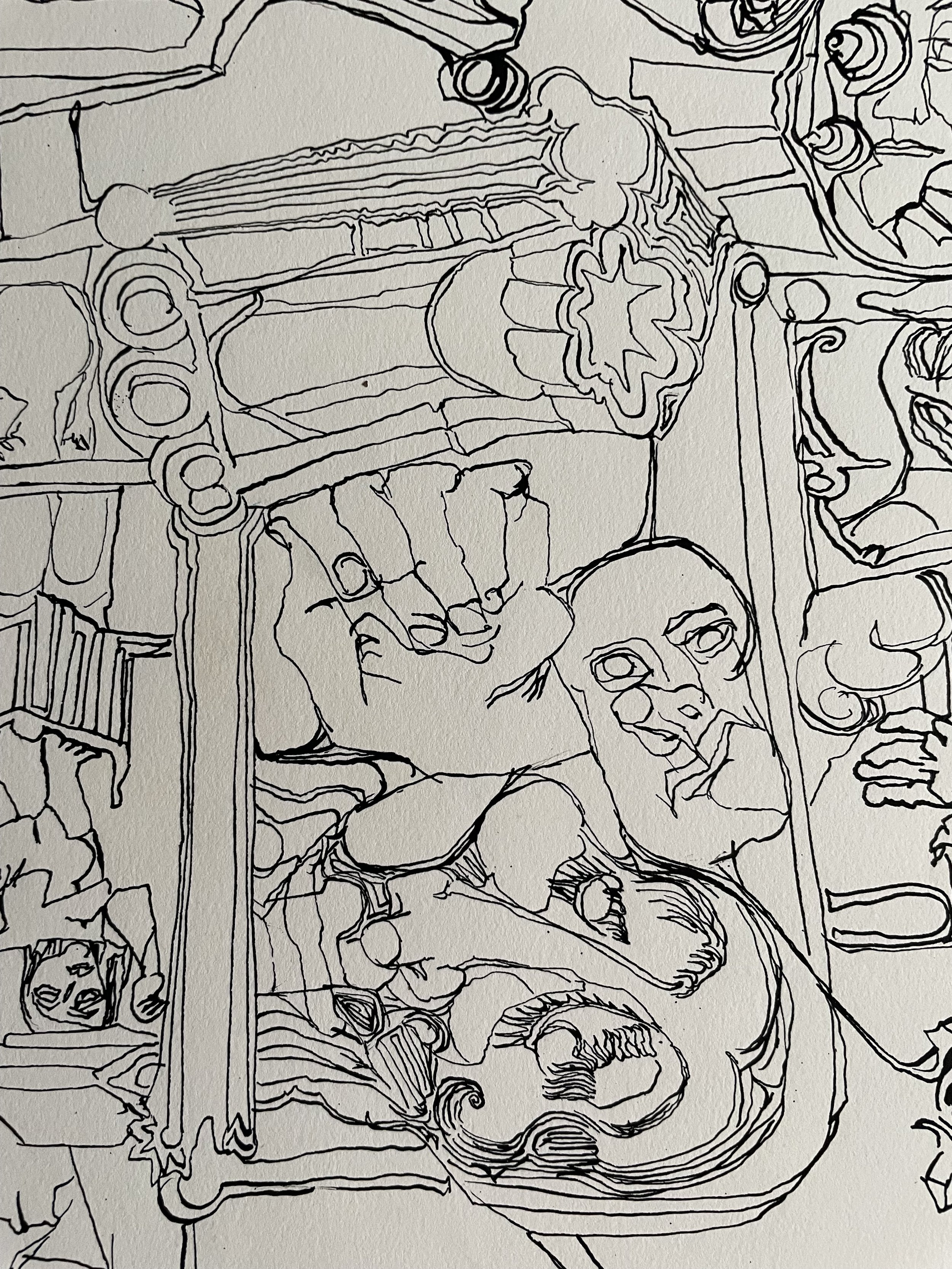
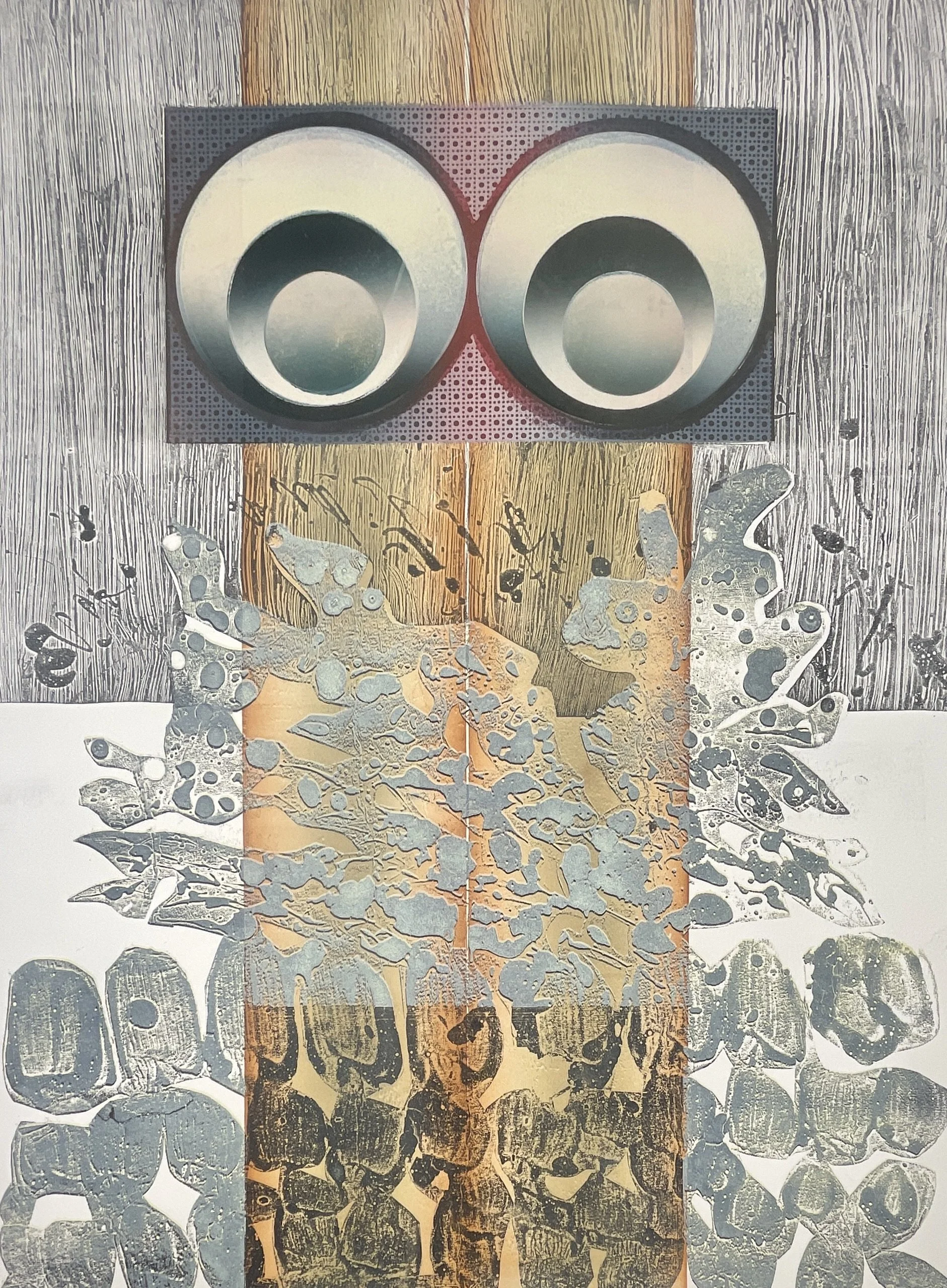
Meditation is a powerful 1971 color lithograph that exemplifies Lapinski’s mastery of manual plate lithography and his innovative split-color technique. The composition is vertically structured: a central golden and umber column bisects the sheet, flanked by textured gray fields reminiscent of woodgrain. At the top, two large concentric circular forms—cool gradients of slate, teal, and pale ivory—hover like contemplative eyes or lenses, anchoring the image with quiet intensity.
Below, organic, cellular forms in muted blue-gray and oxidized copper tones cascade across the central axis. These shapes, etched and layered, evoke both natural growth and microscopic life. The lower register transitions into darker, densely textured forms—stone-like silhouettes that suggest human figures in communion or collective reflection. The title Meditation underscores the stillness embedded in the composition: geometric order balanced with organic flux.
Lapinski’s technique is central to the work’s impact. He described his art as manual plate lithography using a light gum etch introduced to a sensitized metal plate. His split-color process creates subtle chromatic transitions within a single pull, producing the signature “rainbow print” effect for which he became internationally recognized. In this impression, the interplay between warm ochres and cool blue-grays creates a contemplative visual rhythm.
The sheet is signed Lapinski ’71 in pencil at lower right, titled Meditation at center lower margin, and numbered 7/25 at lower left. The small edition size underscores its rarity. The work reflects his early 1970s period in Washington, D.C., when he was actively teaching at the University of Maryland while continuing experimental printmaking practice.
Artist Biography
Tadeusz Andrzej Lapinski (June 20, 1928 – September 14, 2016) was born in Rawa Mazowiecka, Poland, and named after Polish national hero Tadeusz Kościuszko. His early artistic interests were nurtured by his grandfather, but his youth was shaped by the devastation of World War II. During the Warsaw Uprising of 1944, at just sixteen years old, Lapinski was wounded by shrapnel in his torso and a bullet in his leg. After being taken to a hospital and then a concentration camp, he escaped with friends three days later and was rescued by Polish peasants who nursed him back to health.
He earned his MFA in 1955 from the Academy of Fine Arts in Warsaw, studying painting under Artur Nacht-Samborski and graphic arts under Jozef Pakulski and Jozef Tom. After teaching with the Arts Club of Grodzisk Mazowiecki, he left Poland in 1963, traveling through Yugoslavia, France, and Brazil before settling in the United States in the late 1960s.
In America, Lapinski encountered major figures including Andy Warhol and Mark Rothko, experiences that broadened his conceptual range while reinforcing his commitment to printmaking. In 1972, he began teaching printmaking at the University of Maryland, College Park, eventually becoming professor emeritus. That same decade, he married painter and textile artist Maria Aust, granddaughter of painter Jozef Chelmonski.
Lapinski’s great love was experimental lithography. He developed a split-color method that produced luminous tonal transitions—known in Poland as “rainbow prints.” However, his relentless experimentation with chemicals, including benzene used without adequate ventilation, led to a near-fatal case of aplastic anemia in 1976. After a lengthy hospitalization, he was unable to continue personally printing his work.
Despite this setback, his international recognition continued to grow. He exhibited throughout Europe, the United States, Japan, China, Brazil, and Canada. His works entered the collections of the Museum of Modern Art, New York; National Museum, Warsaw; National Gallery of Art, Smithsonian Institution; Whitney Museum, Washington, D.C.; Museum of Modern Art, Tokyo; Central Institute of Art, Beijing; Albertina Museum, Vienna; National Library of France; National Gallery of Canada; Fine Arts Museums of San Francisco; San Francisco Museum of Modern Art; Miami Museum of Modern Art; University of Maryland Art Gallery; and the University of Arizona, among others.
Among his many honors were the UNESCO International Prize (1965); Gold Medal, Biennale Lausanne (1969); Grand Prize, Graphic International Festival, Vienna (1977); Medal for Merit to Culture – Gloria Artis (2008); and in 2012 the Knight’s Cross of the Order of Polonia Restituta. In 1981, Washington, D.C. Mayor Marion Barry declared December 9 “Lapinski Day.” He was awarded honorary citizenship of Grodzisk Mazowiecki in 2011.
Deep Dive to 2026:
Lapinski stands as one of the most important Polish-American printmakers of the 20th century. His technical innovations influenced generations of students, particularly through his tenure at the University of Maryland. His “rainbow” split-color technique remains studied in contemporary printmaking programs. By 2026, his works continue to appear in museum exhibitions focused on postwar European graphic arts and Cold War diaspora artists. His legacy bridges trauma, migration, experimentation, and transcendence—embodied in works like Meditation, where geometry and organic symbolism converge in quiet spiritual intensity.
Tadeusz A. Lapinski (1928–2016), Meditation, 1971 color lithograph, signed and numbered 7/25, 22 x 30 inches. Experimental split-color print.
Certificate of Authentication
This certifies that the artwork Meditation is an original 1971 color lithograph by Tadeusz Andrzej Lapinski (1928–2016).
Medium: Color lithograph on paper
Dimensions: 22 x 30 inches
Edition: 7/25
Signature: Signed and dated ’71 in pencil
Provenance: Mitch Morse Gallery; Artfind Gallery, Washington DC
This work is guaranteed authentic to the best of our professional knowledge and expertise.
Condition
Very good vintage condition. Minor age toning to margins consistent with period. Strong color clarity. No visible tears or restoration.
Provenance
Mitch Morse Gallery, New York (acquired in NYC, United States and Europe)
Artfind Gallery, Washington DC (current owner)
Citations:
Academy of Fine Arts Warsaw archives
University of Maryland faculty records
UNESCO Prize documentation (1965)
Biennale Lausanne records (1969)
Polish Ministry of Culture – Gloria Artis (2008)
Order of Polonia Restituta (2012)
Museum collection records as listed above
Meditation Tadeusz Andrzej Lapinski (1928–2016), 1971 color lithograph, 22x30 in, signed, ed. 7/25, experimental split-color print
Original 1971 color lithograph titled Meditation by Tadeusz Andrzej Lapinski (1928–2016), edition 7/25, signed and dated in pencil, measuring 22 x 30 inches. A striking example of Lapinski’s experimental split-color “rainbow” lithography, combining abstract organic forms with architectural geometry and meditative symbolism. A rare early 1970s impression from a small edition. Provenance: Mitch Morse Gallery; Artfind Gallery, Washington DC.
Artwork Description
Meditation is a powerful 1971 color lithograph that exemplifies Lapinski’s mastery of manual plate lithography and his innovative split-color technique. The composition is vertically structured: a central golden and umber column bisects the sheet, flanked by textured gray fields reminiscent of woodgrain. At the top, two large concentric circular forms—cool gradients of slate, teal, and pale ivory—hover like contemplative eyes or lenses, anchoring the image with quiet intensity.
Below, organic, cellular forms in muted blue-gray and oxidized copper tones cascade across the central axis. These shapes, etched and layered, evoke both natural growth and microscopic life. The lower register transitions into darker, densely textured forms—stone-like silhouettes that suggest human figures in communion or collective reflection. The title Meditation underscores the stillness embedded in the composition: geometric order balanced with organic flux.
Lapinski’s technique is central to the work’s impact. He described his art as manual plate lithography using a light gum etch introduced to a sensitized metal plate. His split-color process creates subtle chromatic transitions within a single pull, producing the signature “rainbow print” effect for which he became internationally recognized. In this impression, the interplay between warm ochres and cool blue-grays creates a contemplative visual rhythm.
The sheet is signed Lapinski ’71 in pencil at lower right, titled Meditation at center lower margin, and numbered 7/25 at lower left. The small edition size underscores its rarity. The work reflects his early 1970s period in Washington, D.C., when he was actively teaching at the University of Maryland while continuing experimental printmaking practice.
Artist Biography
Tadeusz Andrzej Lapinski (June 20, 1928 – September 14, 2016) was born in Rawa Mazowiecka, Poland, and named after Polish national hero Tadeusz Kościuszko. His early artistic interests were nurtured by his grandfather, but his youth was shaped by the devastation of World War II. During the Warsaw Uprising of 1944, at just sixteen years old, Lapinski was wounded by shrapnel in his torso and a bullet in his leg. After being taken to a hospital and then a concentration camp, he escaped with friends three days later and was rescued by Polish peasants who nursed him back to health.
He earned his MFA in 1955 from the Academy of Fine Arts in Warsaw, studying painting under Artur Nacht-Samborski and graphic arts under Jozef Pakulski and Jozef Tom. After teaching with the Arts Club of Grodzisk Mazowiecki, he left Poland in 1963, traveling through Yugoslavia, France, and Brazil before settling in the United States in the late 1960s.
In America, Lapinski encountered major figures including Andy Warhol and Mark Rothko, experiences that broadened his conceptual range while reinforcing his commitment to printmaking. In 1972, he began teaching printmaking at the University of Maryland, College Park, eventually becoming professor emeritus. That same decade, he married painter and textile artist Maria Aust, granddaughter of painter Jozef Chelmonski.
Lapinski’s great love was experimental lithography. He developed a split-color method that produced luminous tonal transitions—known in Poland as “rainbow prints.” However, his relentless experimentation with chemicals, including benzene used without adequate ventilation, led to a near-fatal case of aplastic anemia in 1976. After a lengthy hospitalization, he was unable to continue personally printing his work.
Despite this setback, his international recognition continued to grow. He exhibited throughout Europe, the United States, Japan, China, Brazil, and Canada. His works entered the collections of the Museum of Modern Art, New York; National Museum, Warsaw; National Gallery of Art, Smithsonian Institution; Whitney Museum, Washington, D.C.; Museum of Modern Art, Tokyo; Central Institute of Art, Beijing; Albertina Museum, Vienna; National Library of France; National Gallery of Canada; Fine Arts Museums of San Francisco; San Francisco Museum of Modern Art; Miami Museum of Modern Art; University of Maryland Art Gallery; and the University of Arizona, among others.
Among his many honors were the UNESCO International Prize (1965); Gold Medal, Biennale Lausanne (1969); Grand Prize, Graphic International Festival, Vienna (1977); Medal for Merit to Culture – Gloria Artis (2008); and in 2012 the Knight’s Cross of the Order of Polonia Restituta. In 1981, Washington, D.C. Mayor Marion Barry declared December 9 “Lapinski Day.” He was awarded honorary citizenship of Grodzisk Mazowiecki in 2011.
Deep Dive to 2026:
Lapinski stands as one of the most important Polish-American printmakers of the 20th century. His technical innovations influenced generations of students, particularly through his tenure at the University of Maryland. His “rainbow” split-color technique remains studied in contemporary printmaking programs. By 2026, his works continue to appear in museum exhibitions focused on postwar European graphic arts and Cold War diaspora artists. His legacy bridges trauma, migration, experimentation, and transcendence—embodied in works like Meditation, where geometry and organic symbolism converge in quiet spiritual intensity.
Tadeusz A. Lapinski (1928–2016), Meditation, 1971 color lithograph, signed and numbered 7/25, 22 x 30 inches. Experimental split-color print.
Certificate of Authentication
This certifies that the artwork Meditation is an original 1971 color lithograph by Tadeusz Andrzej Lapinski (1928–2016).
Medium: Color lithograph on paper
Dimensions: 22 x 30 inches
Edition: 7/25
Signature: Signed and dated ’71 in pencil
Provenance: Mitch Morse Gallery; Artfind Gallery, Washington DC
This work is guaranteed authentic to the best of our professional knowledge and expertise.
Condition
Very good vintage condition. Minor age toning to margins consistent with period. Strong color clarity. No visible tears or restoration.
Provenance
Mitch Morse Gallery, New York (acquired in NYC, United States and Europe)
Artfind Gallery, Washington DC (current owner)
Citations:
Academy of Fine Arts Warsaw archives
University of Maryland faculty records
UNESCO Prize documentation (1965)
Biennale Lausanne records (1969)
Polish Ministry of Culture – Gloria Artis (2008)
Order of Polonia Restituta (2012)
Museum collection records as listed above