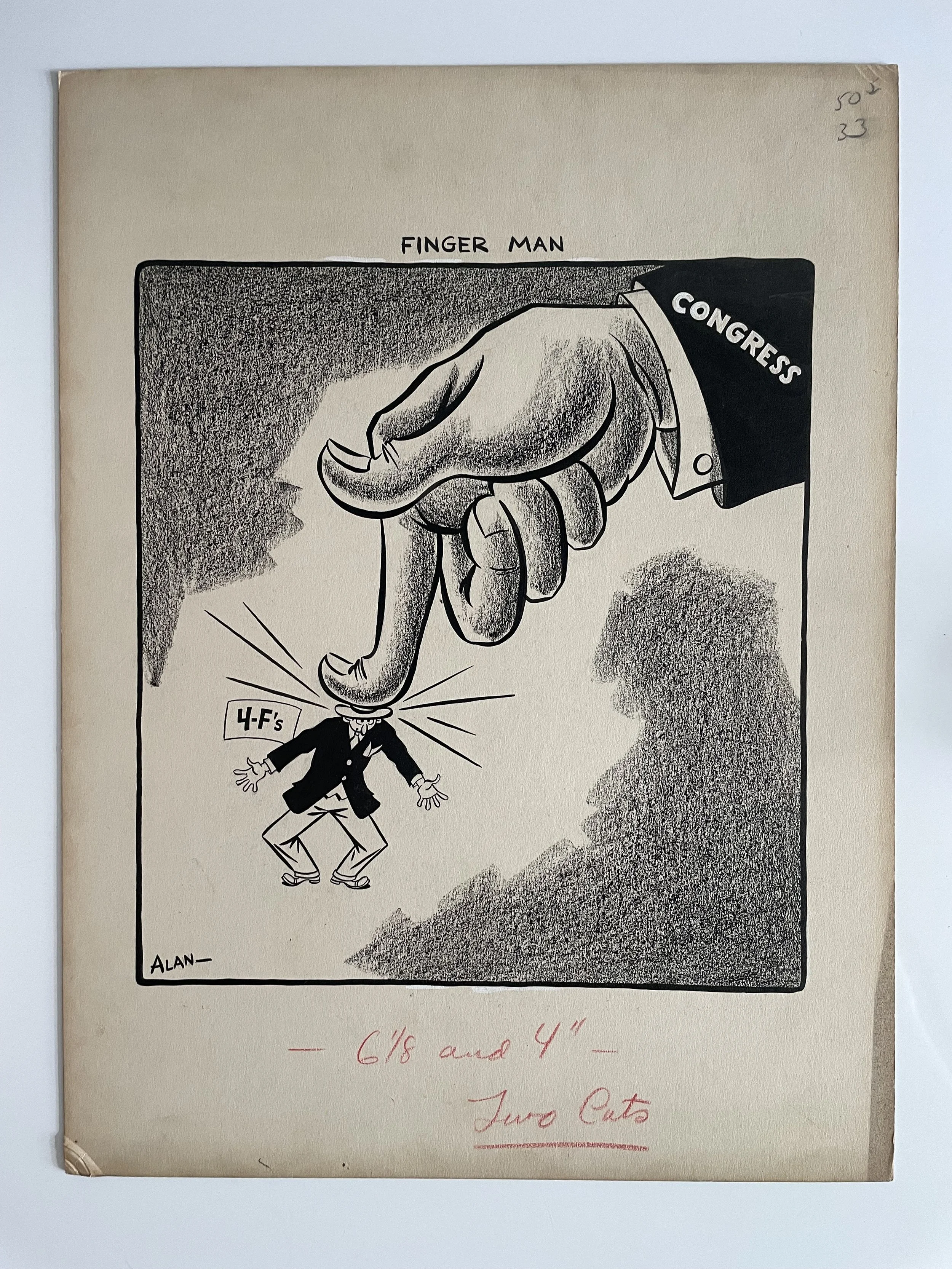
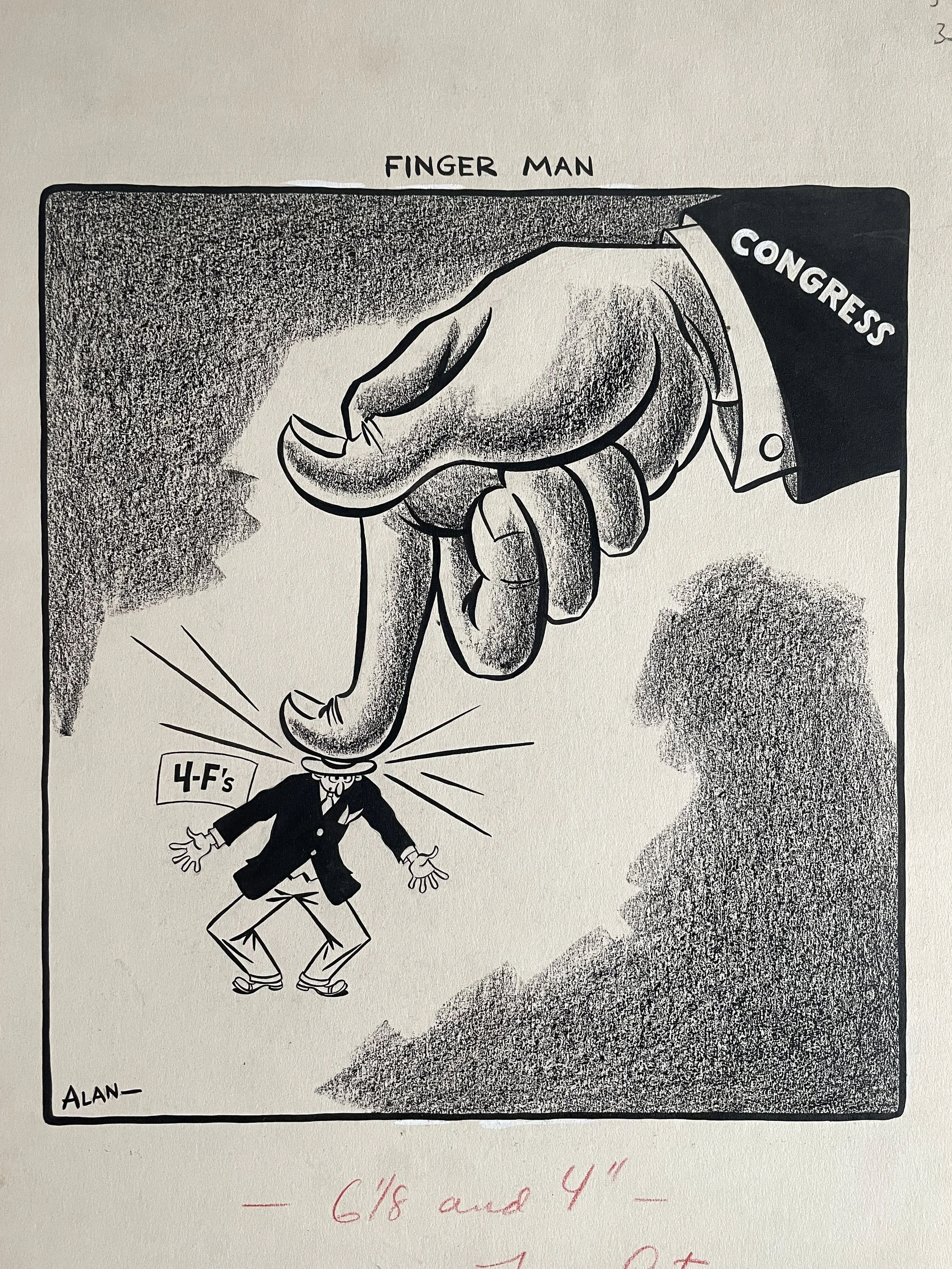
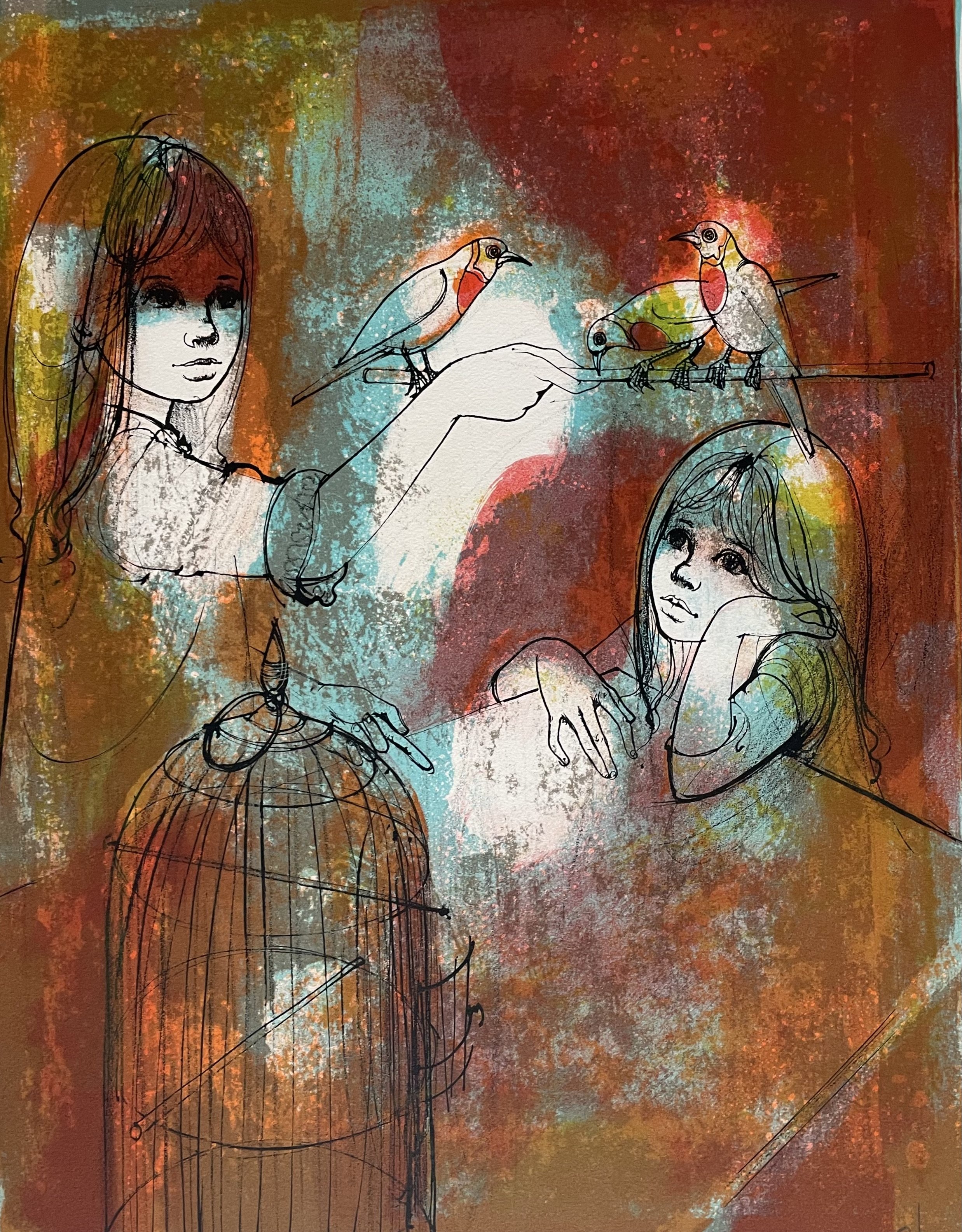
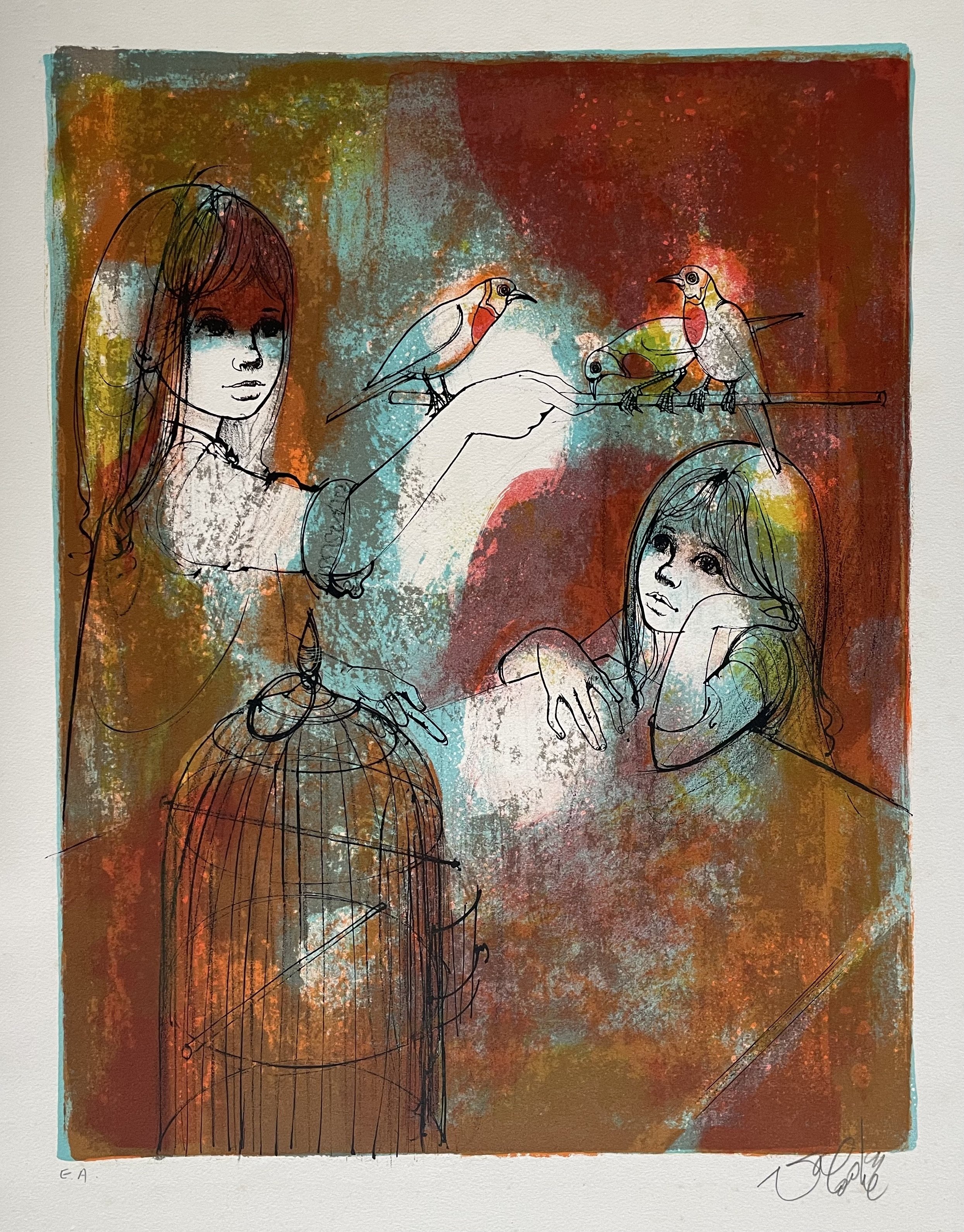
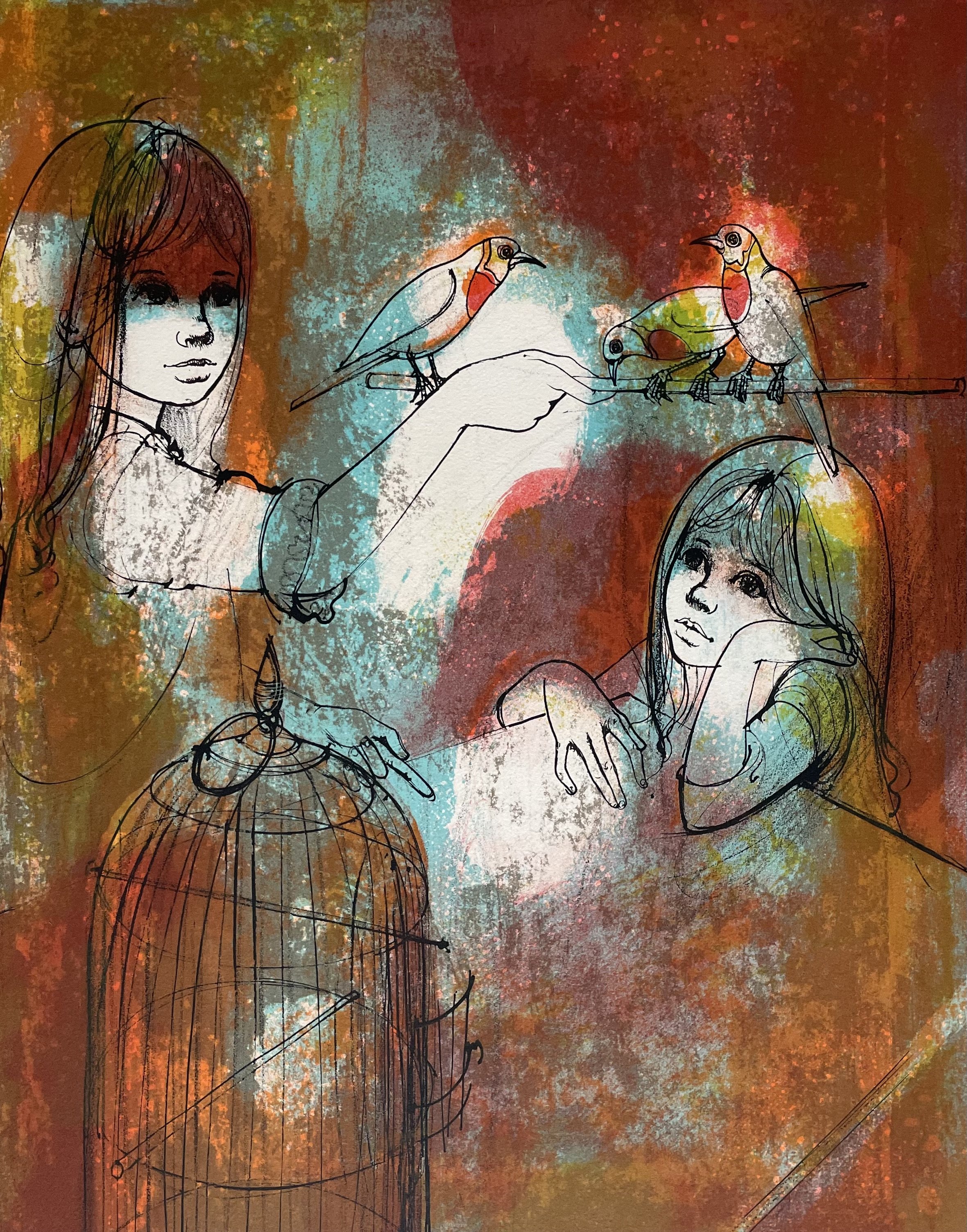
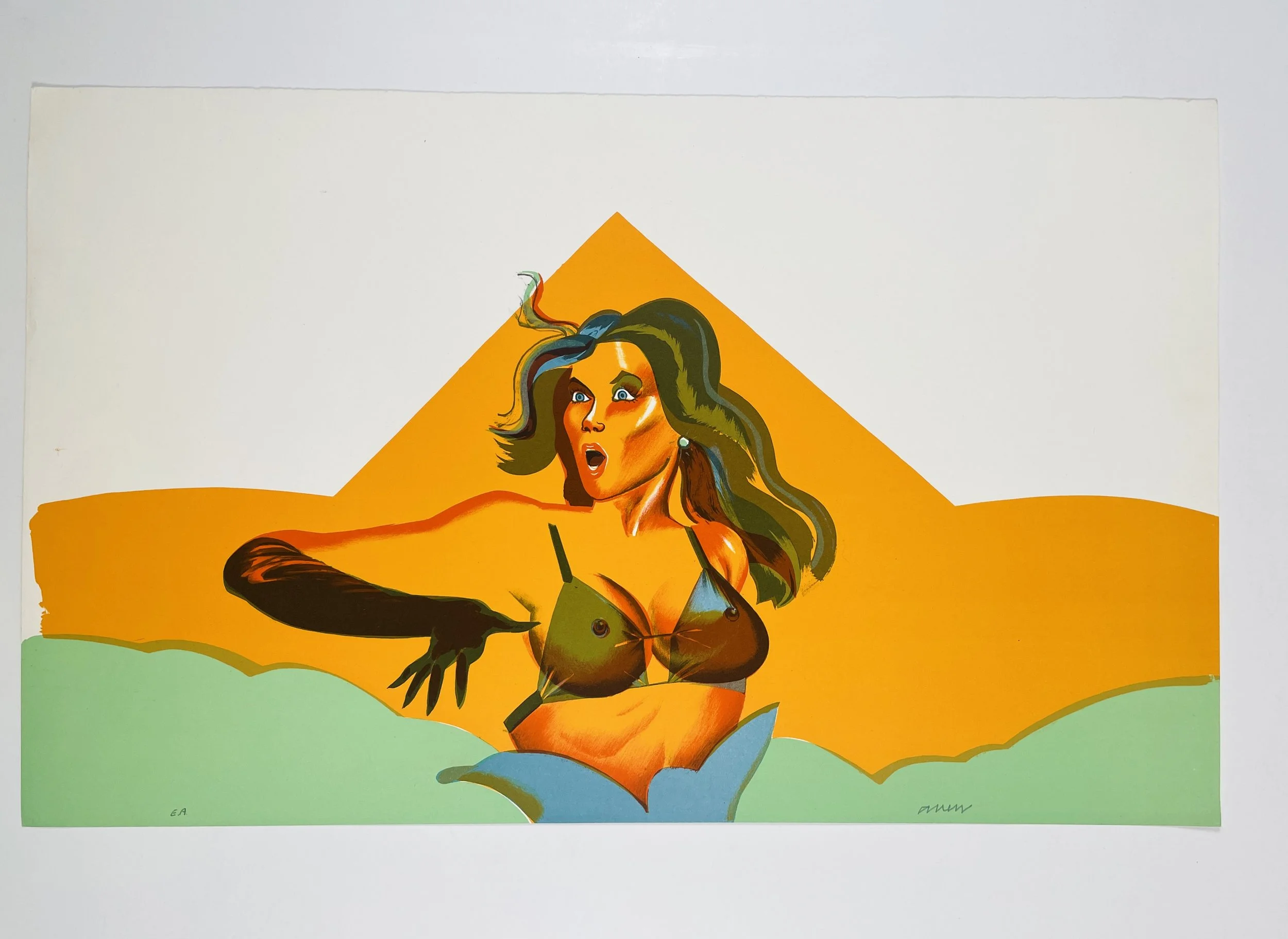
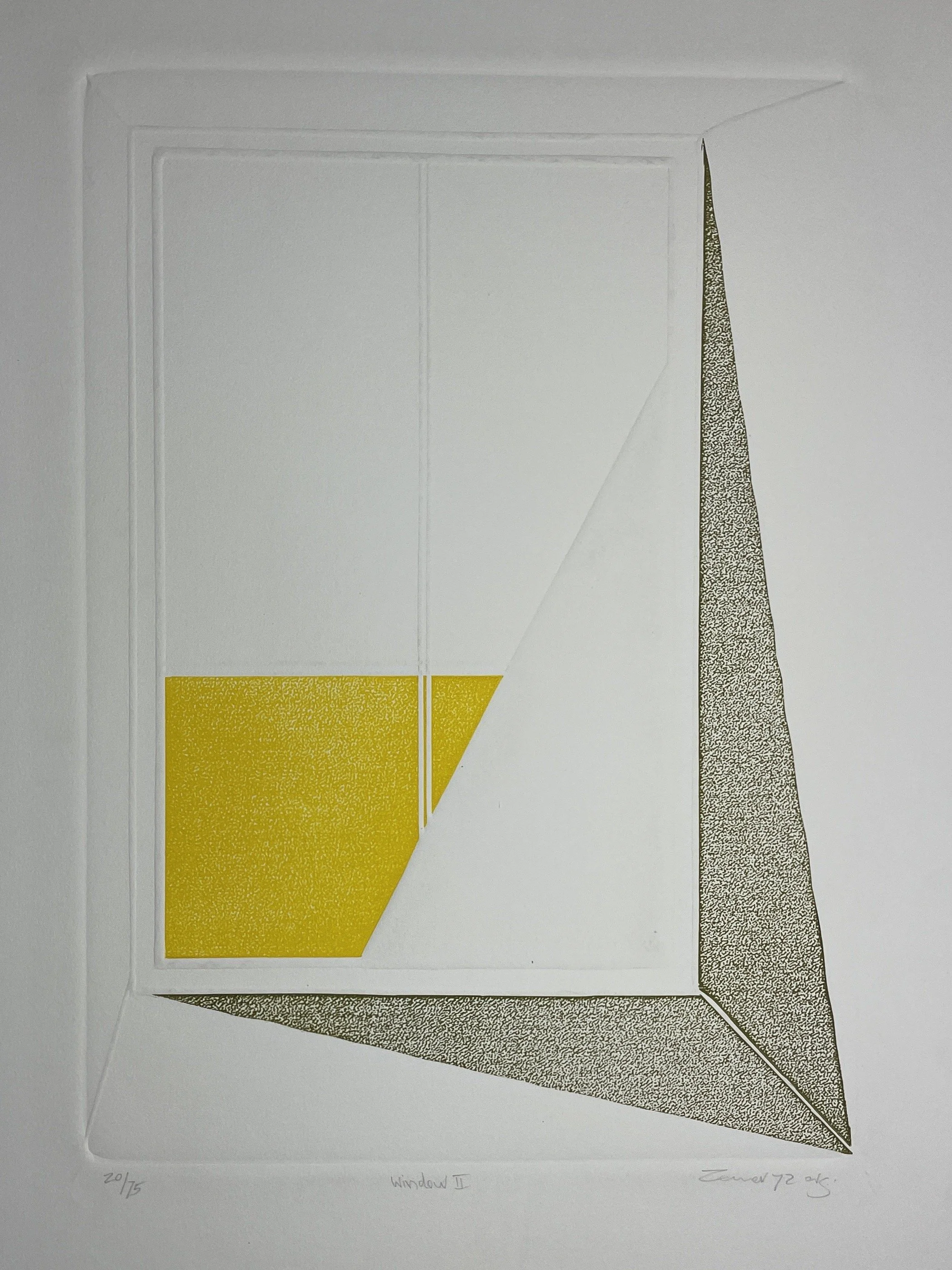
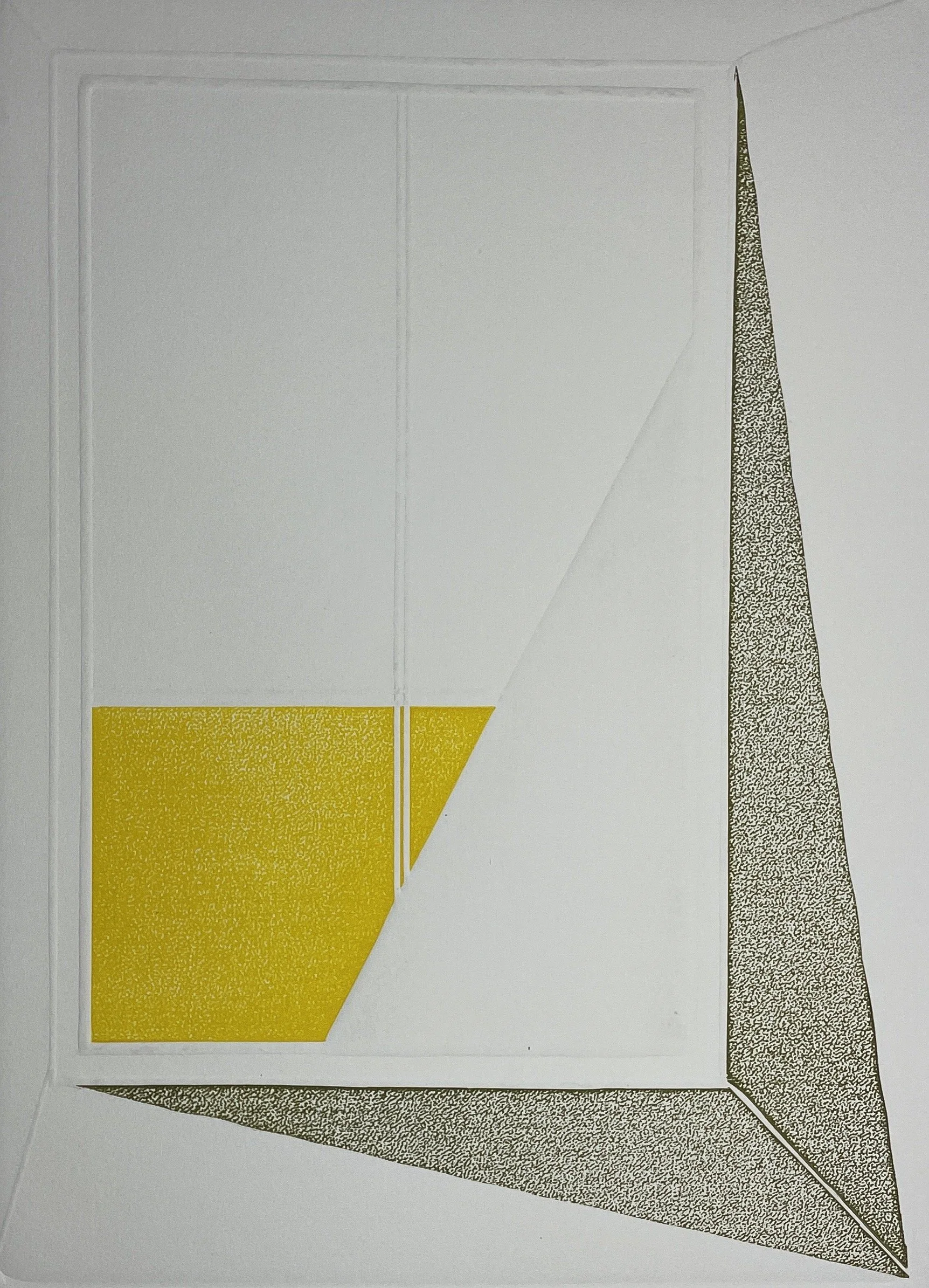
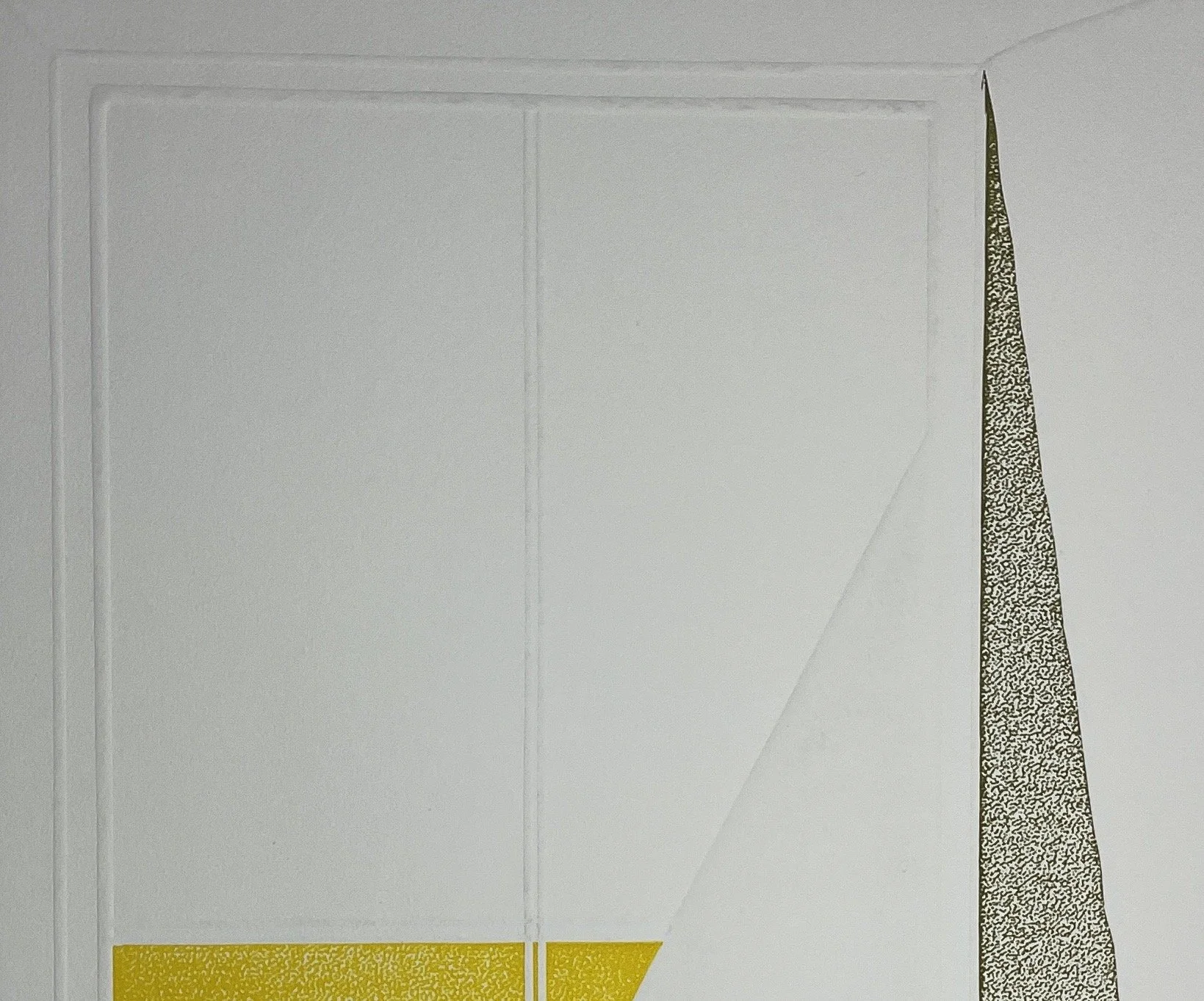
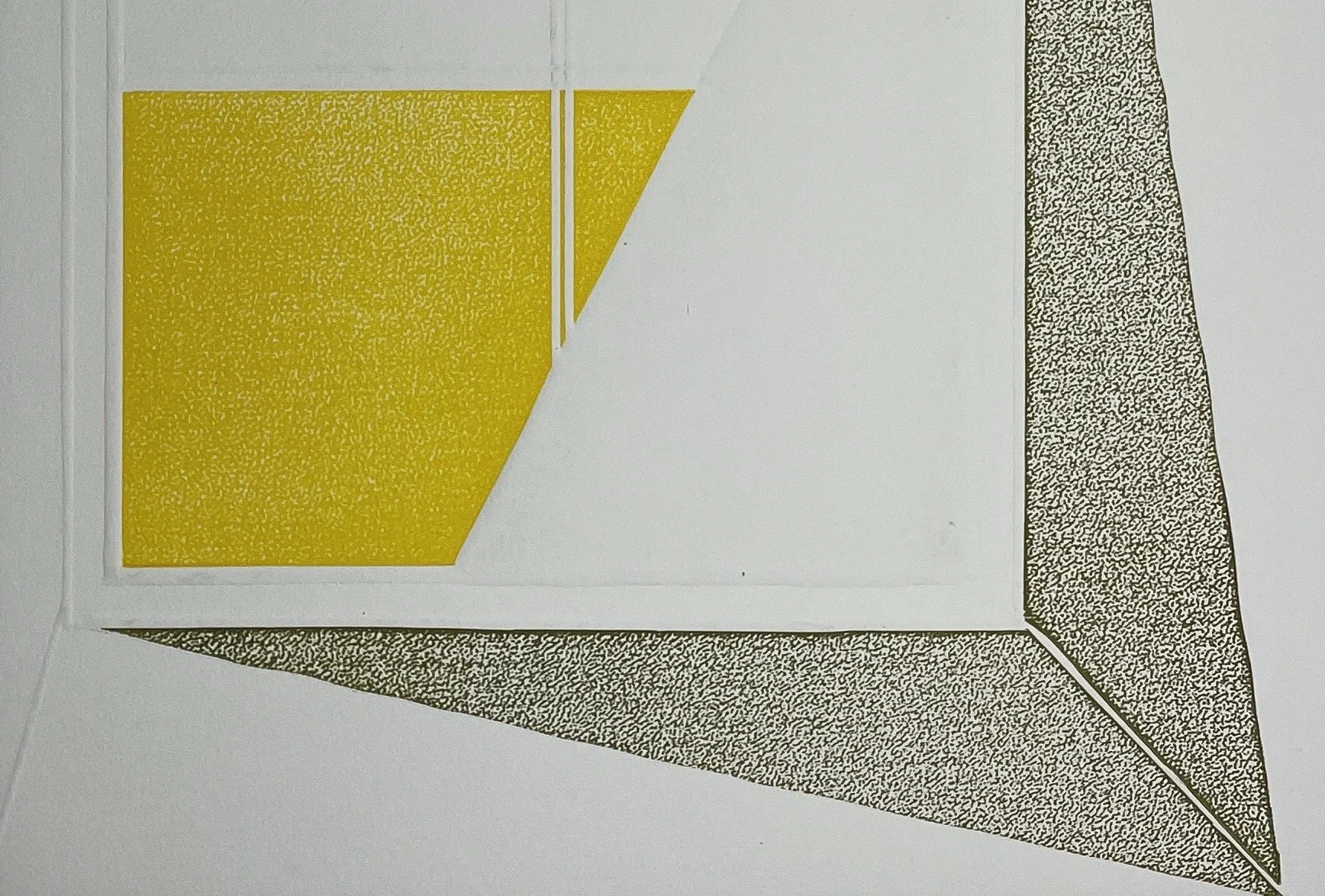
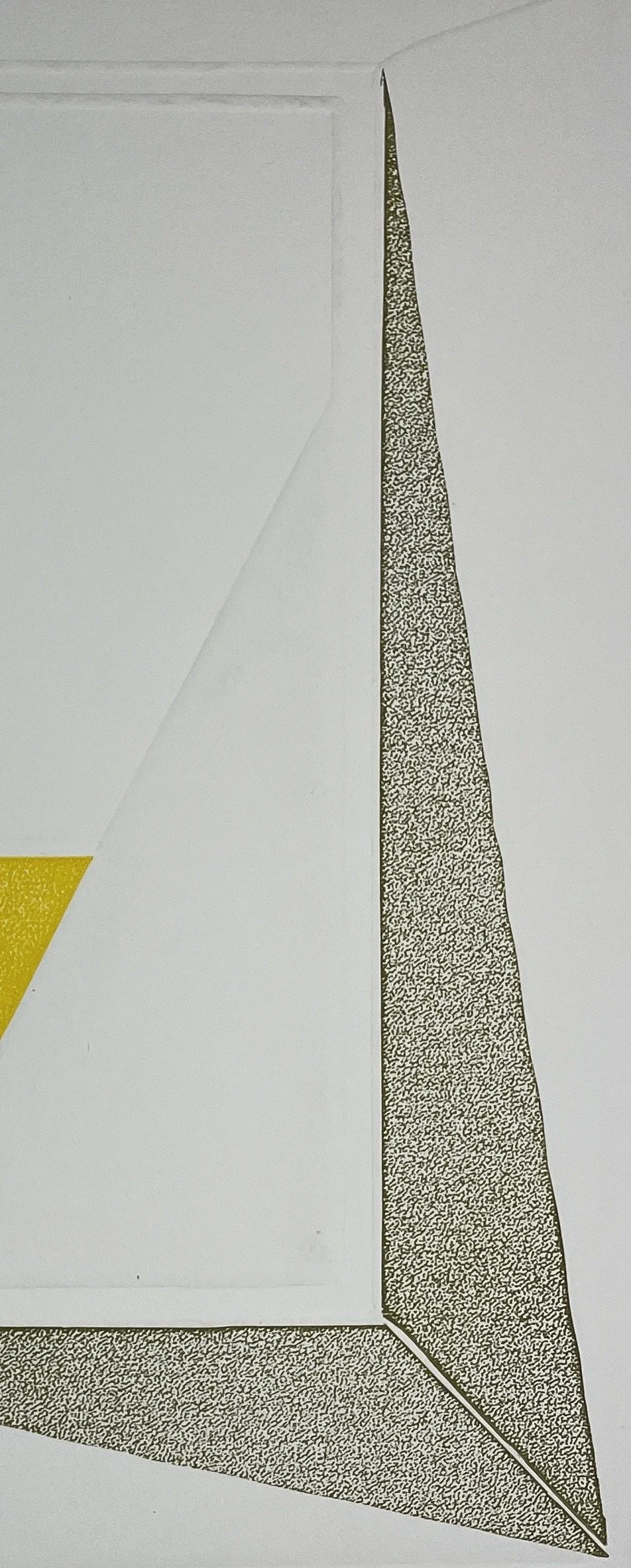
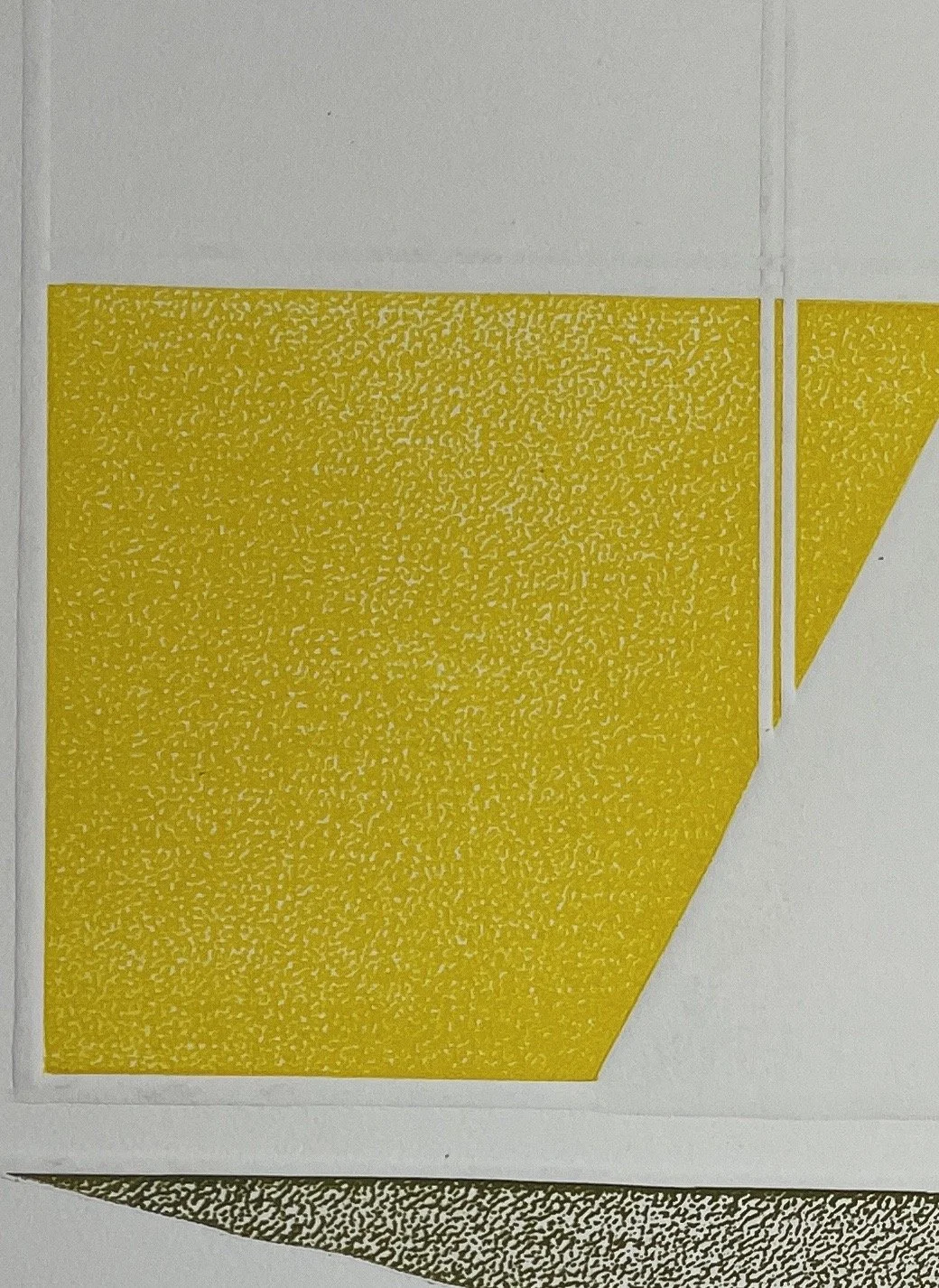
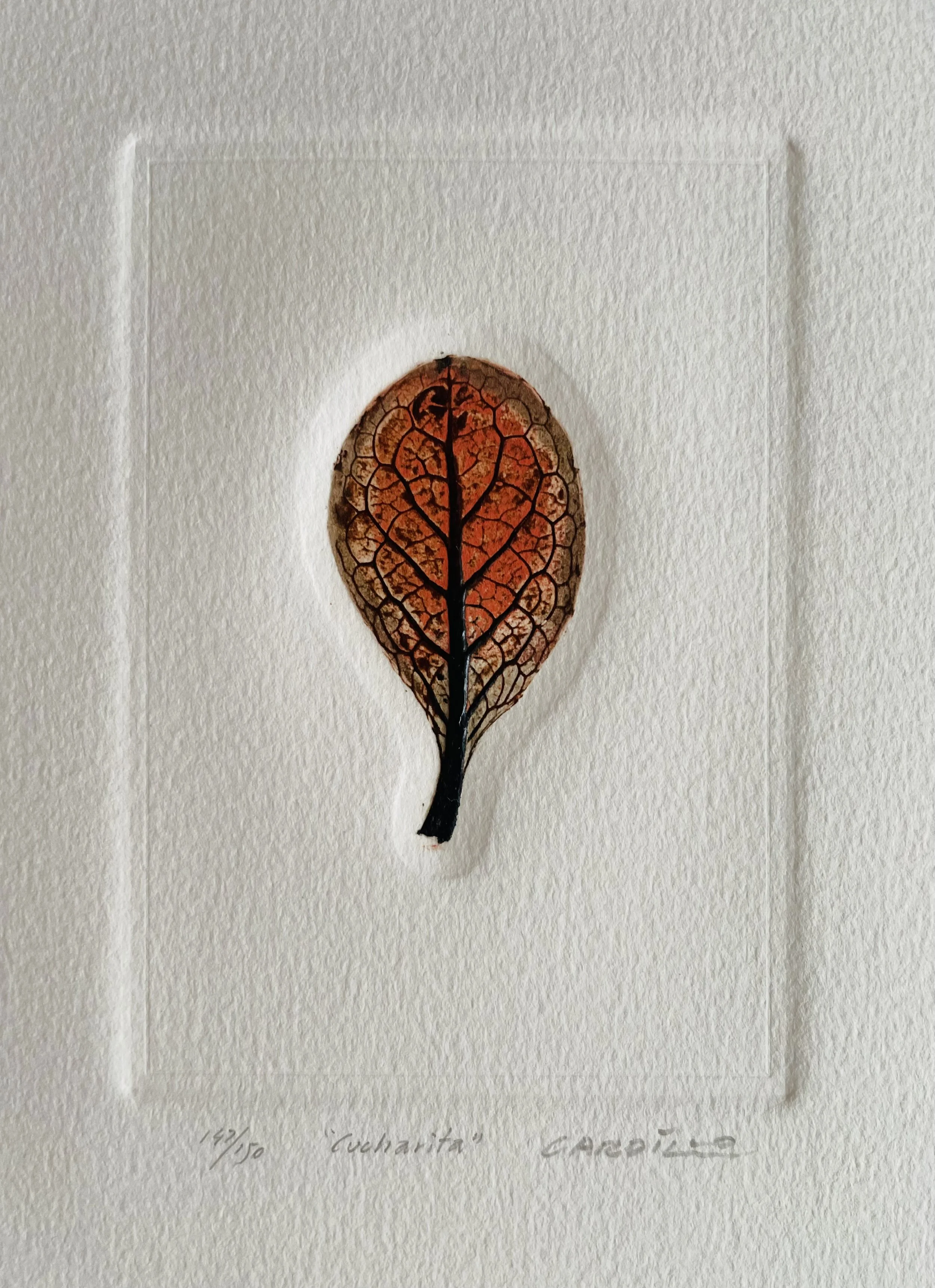
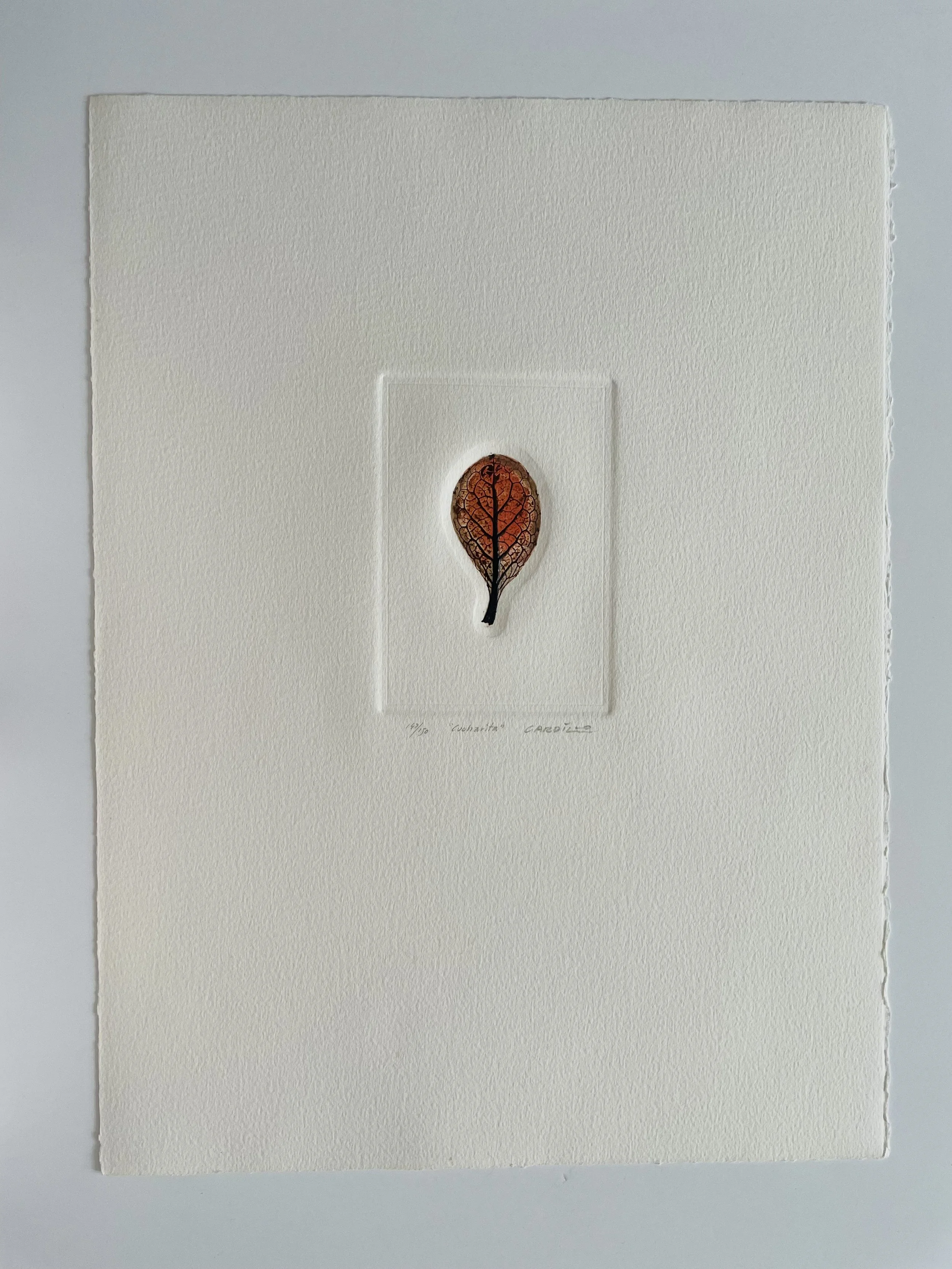
Ocre-Noir, Antoni Clavé (1913–2005), 1963–64, original 5-color lithograph, 22x30 in, signed and numbered 77/99
An original 1963–64 five-color lithograph by Antoni Clavé (1913–2005), titled Ocre-Noir, signed in pencil and numbered 77/99. Measuring approximately 22 x 30 inches, this richly layered abstract composition explores deep blacks and ochres through textured forms and imprint techniques characteristic of Clavé’s mature Paris period. Published by Pierre Seghers. Light foxing consistent with age. Provenance: Mitch Morse Gallery; Artfind Gallery, Washington DC.
Artwork Description
Ocre-Noir belongs to Clavé’s powerful early-1960s body of graphic work in which he translated his heavily worked, material painting surfaces into lithography. Executed in five colors, the composition is structured in two horizontal registers, balancing dense black passages against earthy ochre grounds and muted blue accents.
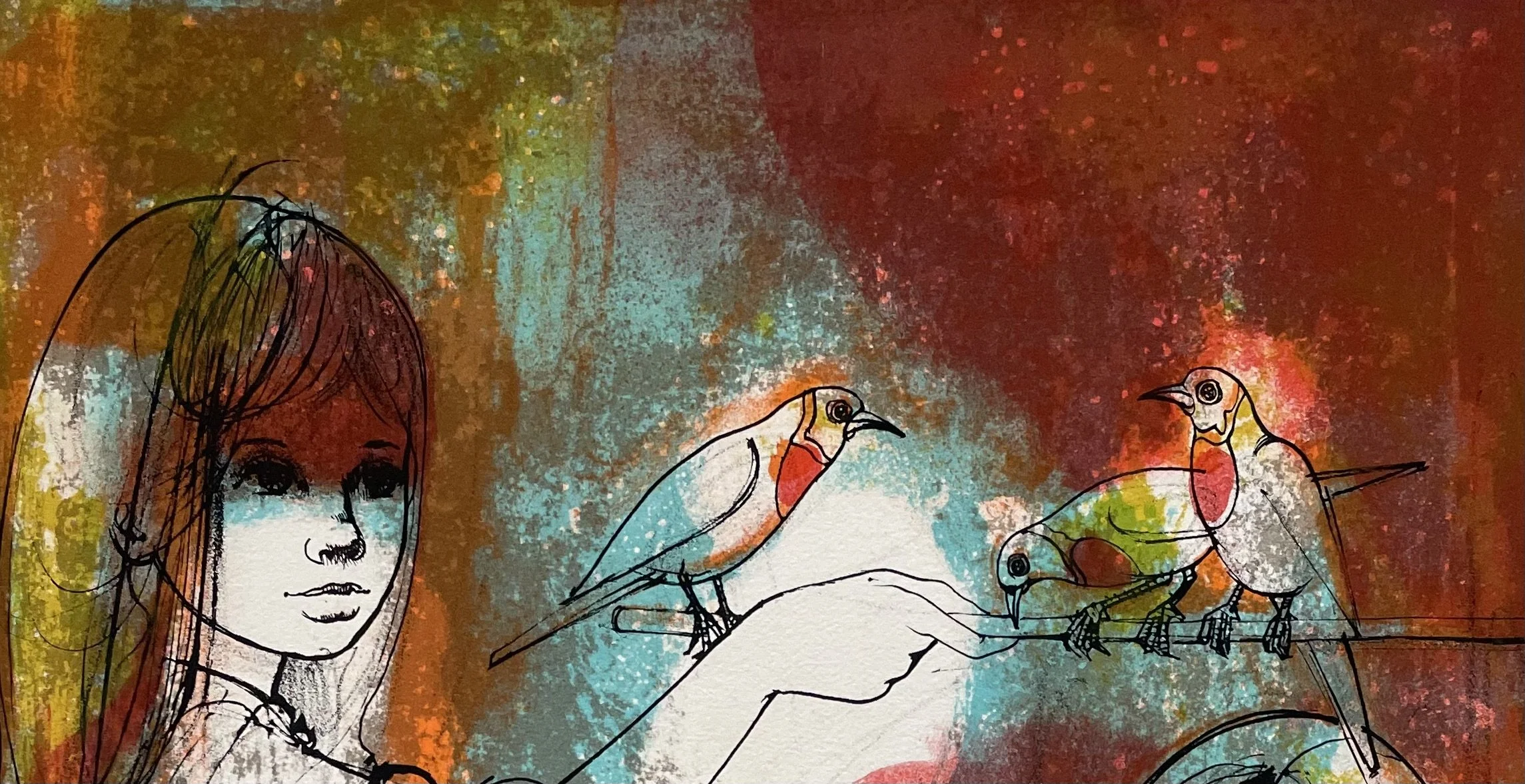
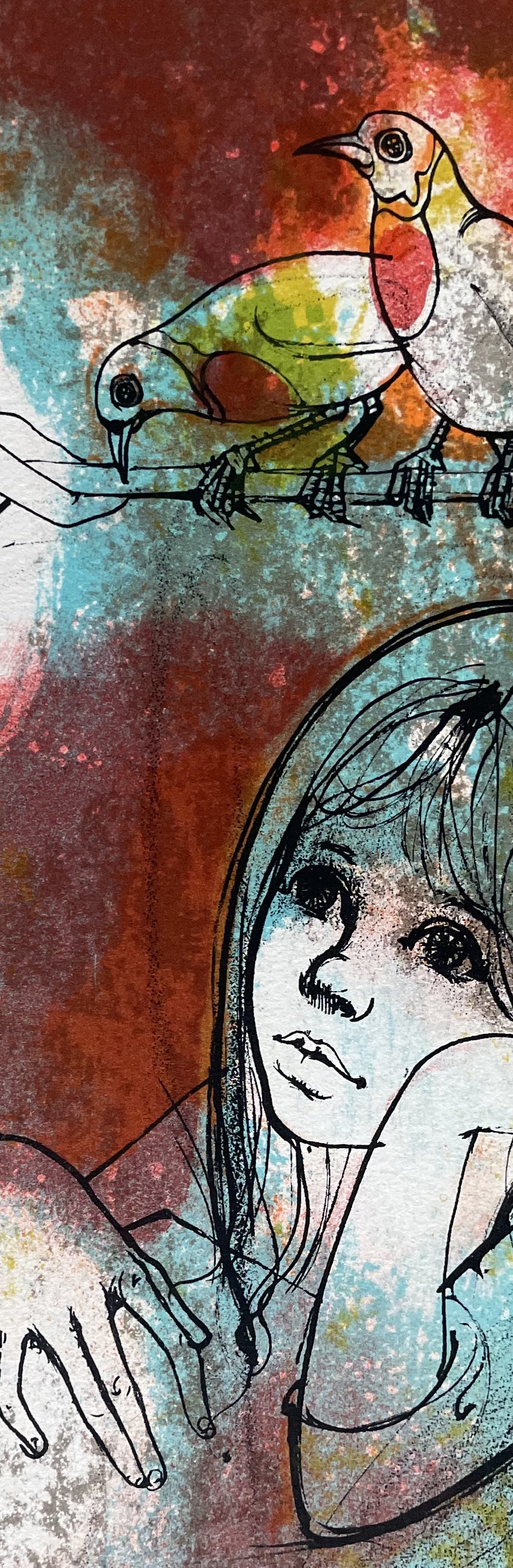
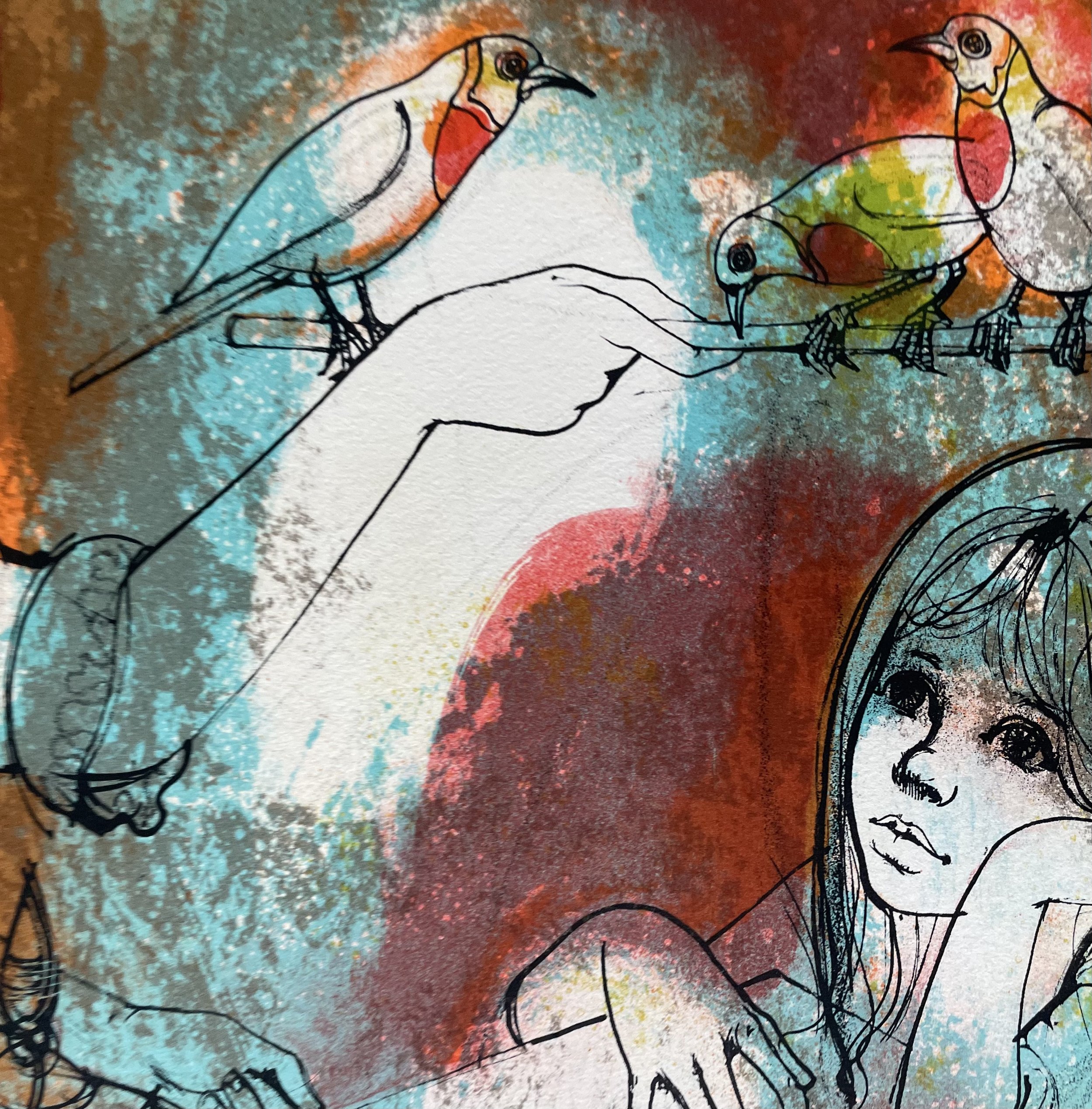
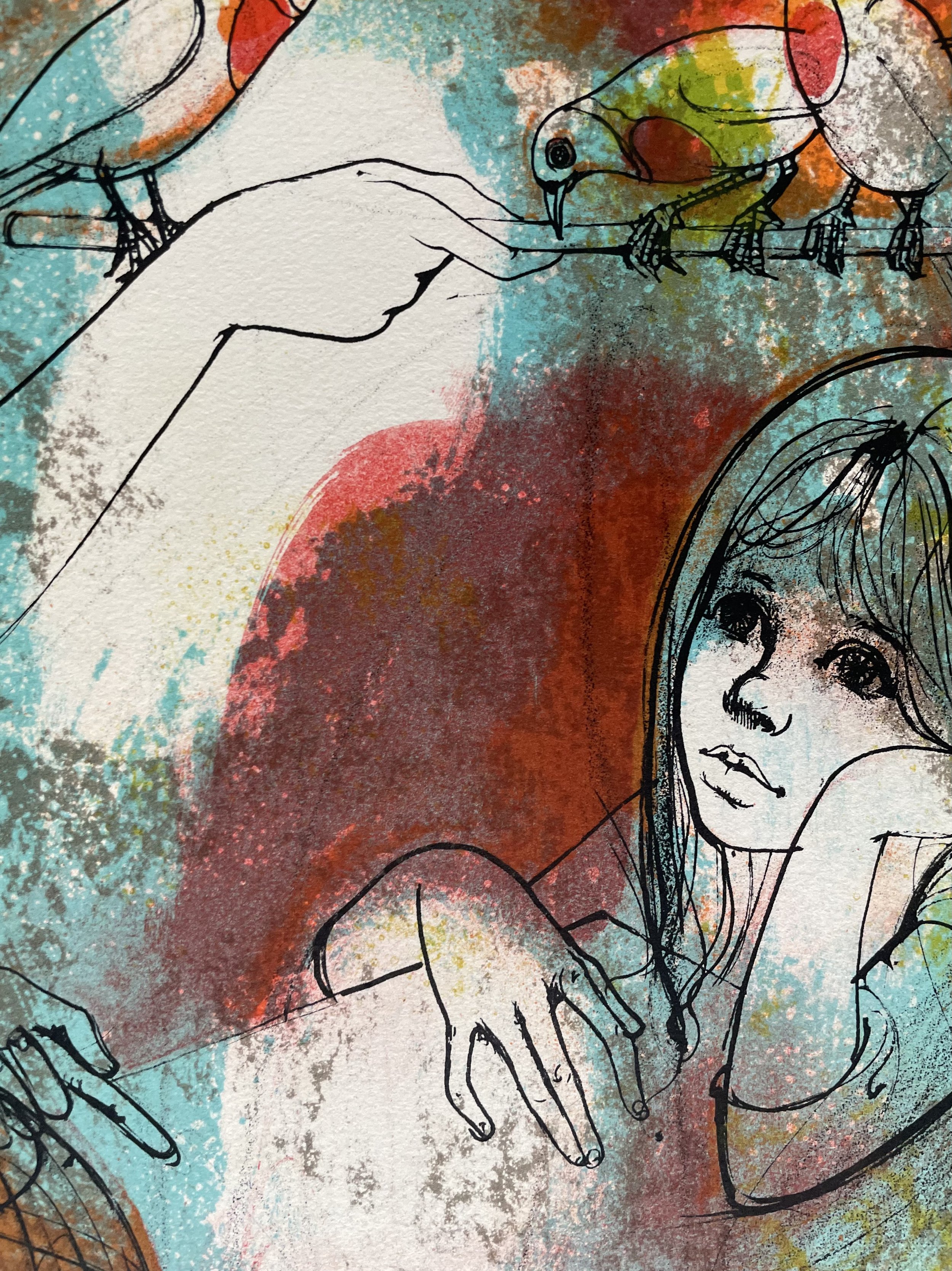
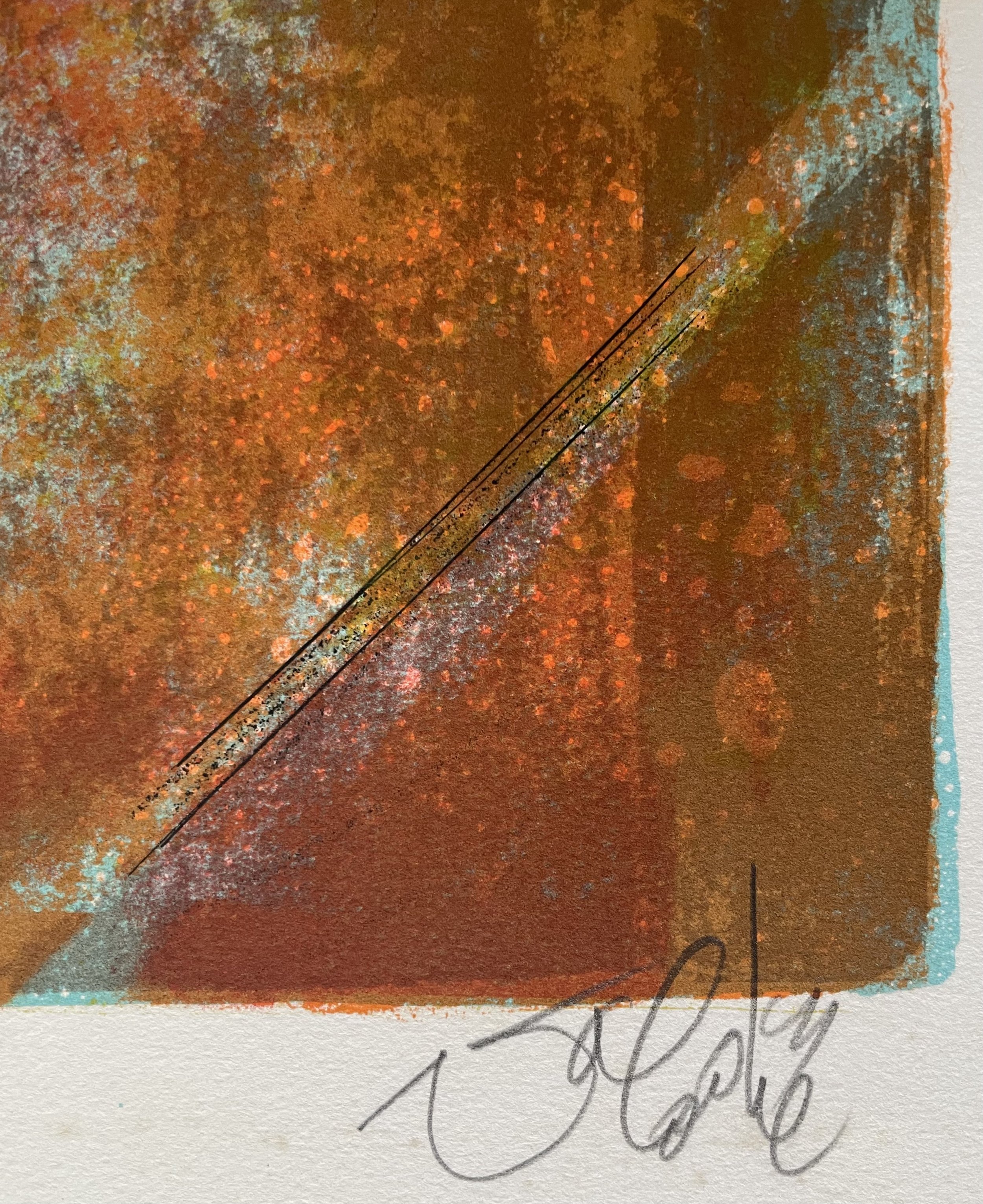
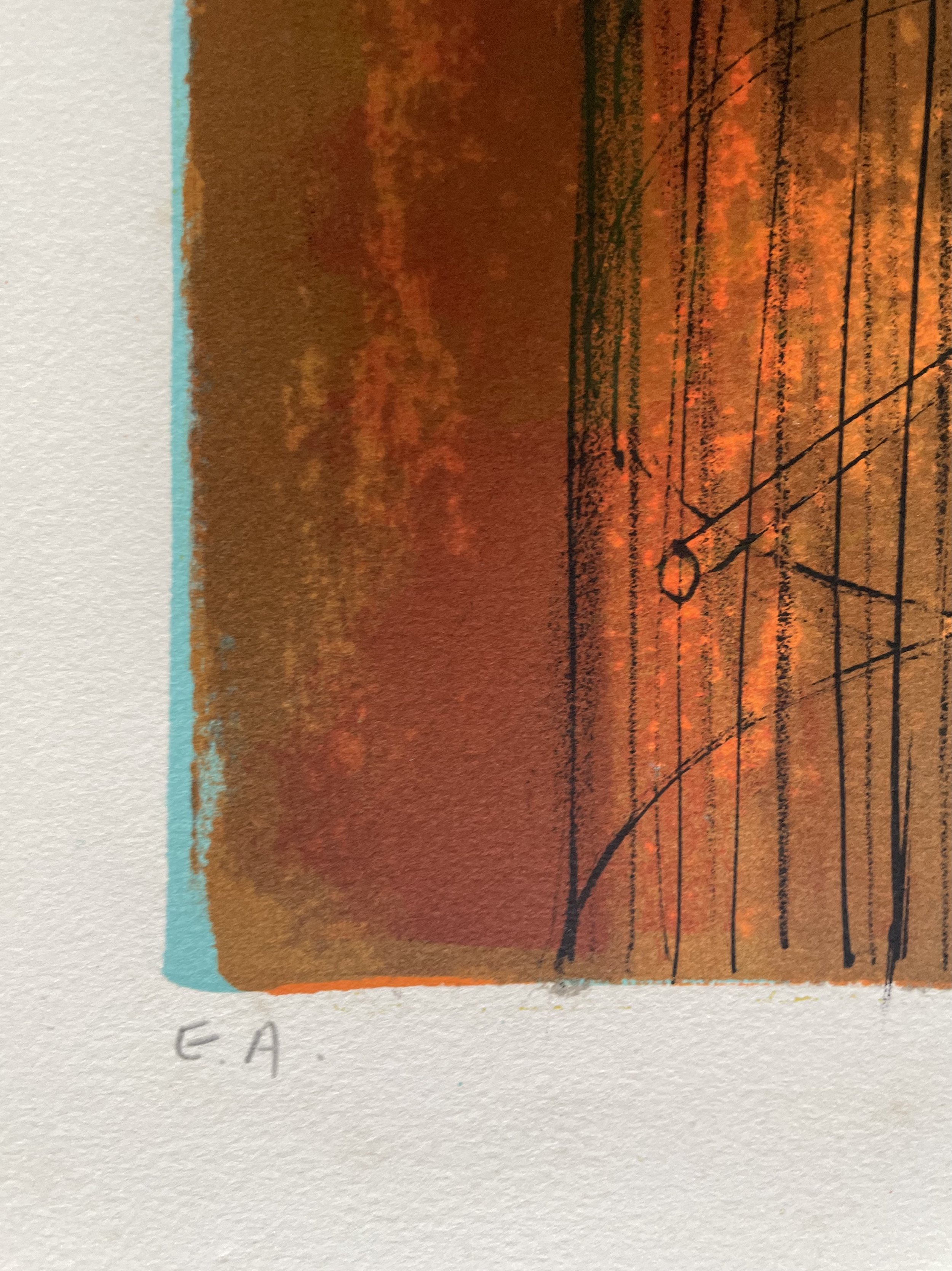
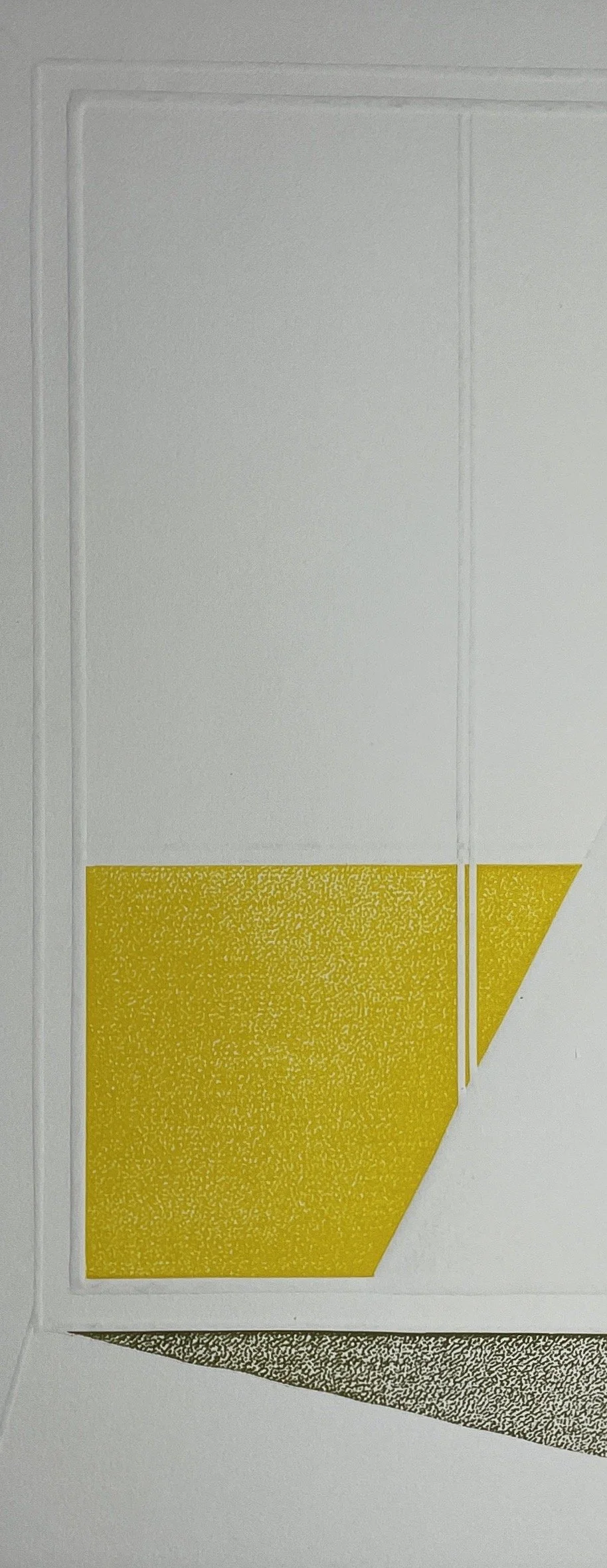
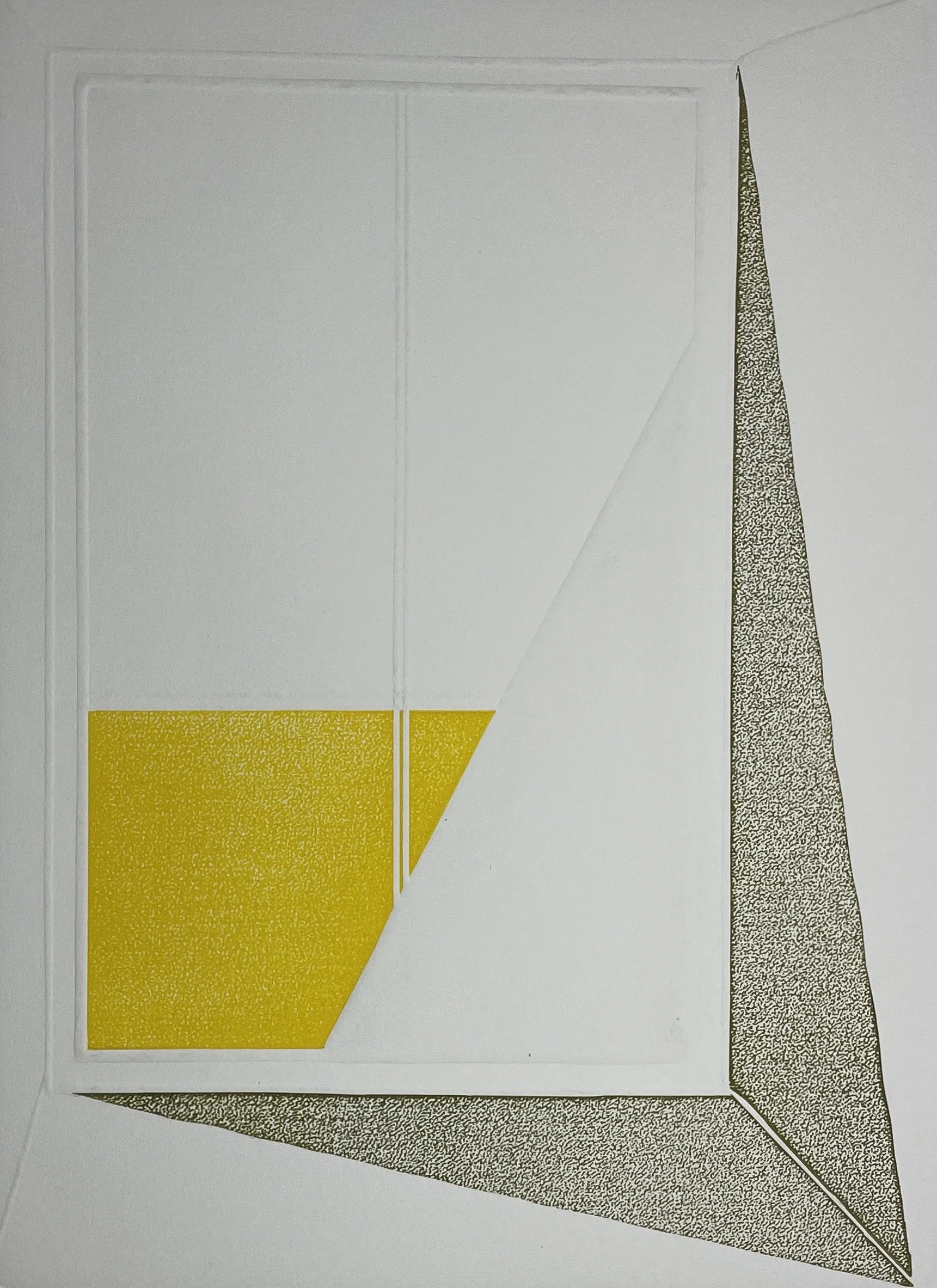
The surface is alive with imprint effects, resist textures, and layered tonal veils that echo Clavé’s experiments with cloth impressions and material collage during the late 1950s. Forms appear as fragments—suggestive of heraldic shields, architectural silhouettes, and organic silhouettes—yet remain resolutely abstract. The dialogue between black mass and luminous ochre produces both weight and warmth, a signature tension in Clavé’s mature work.
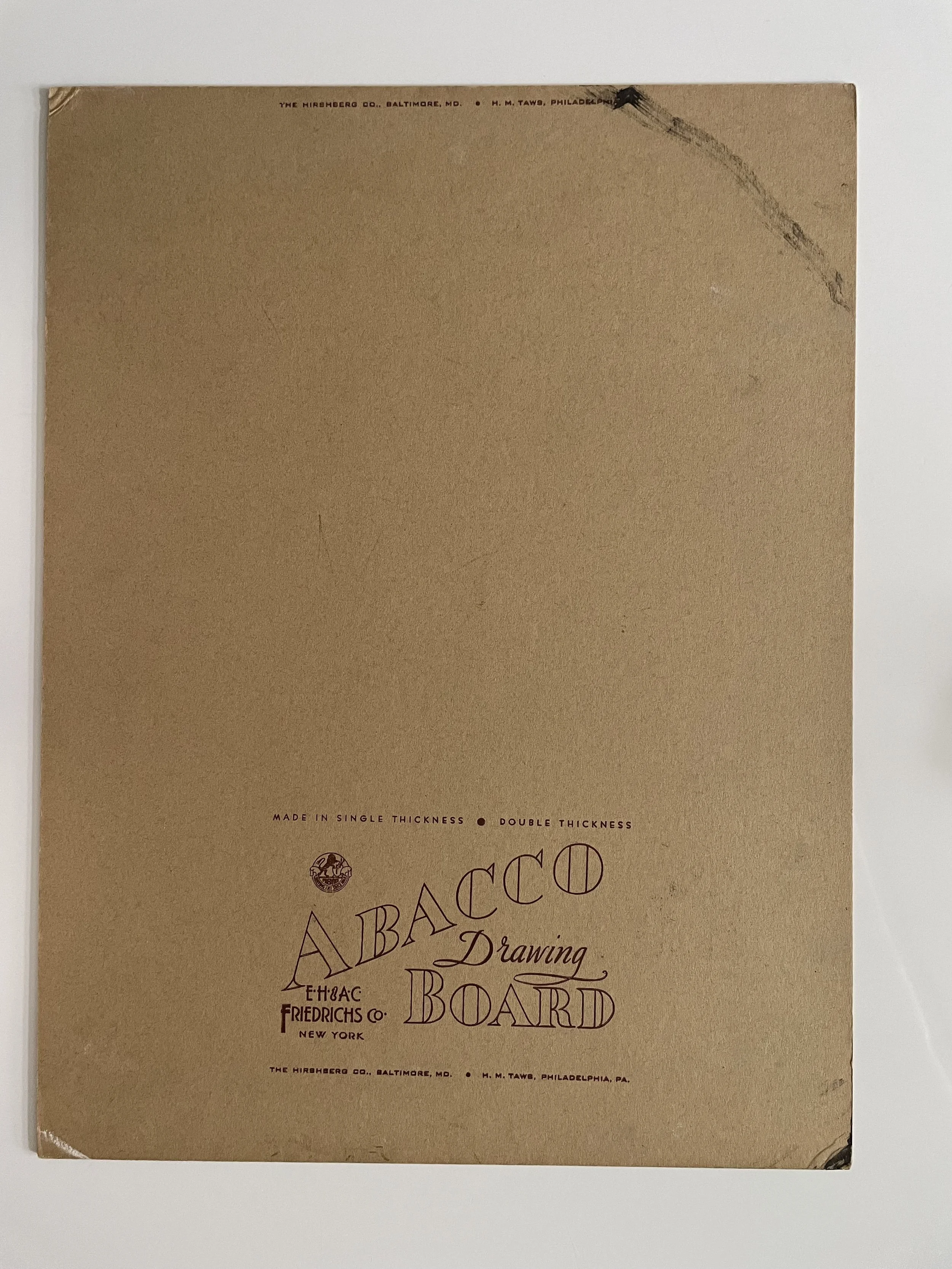
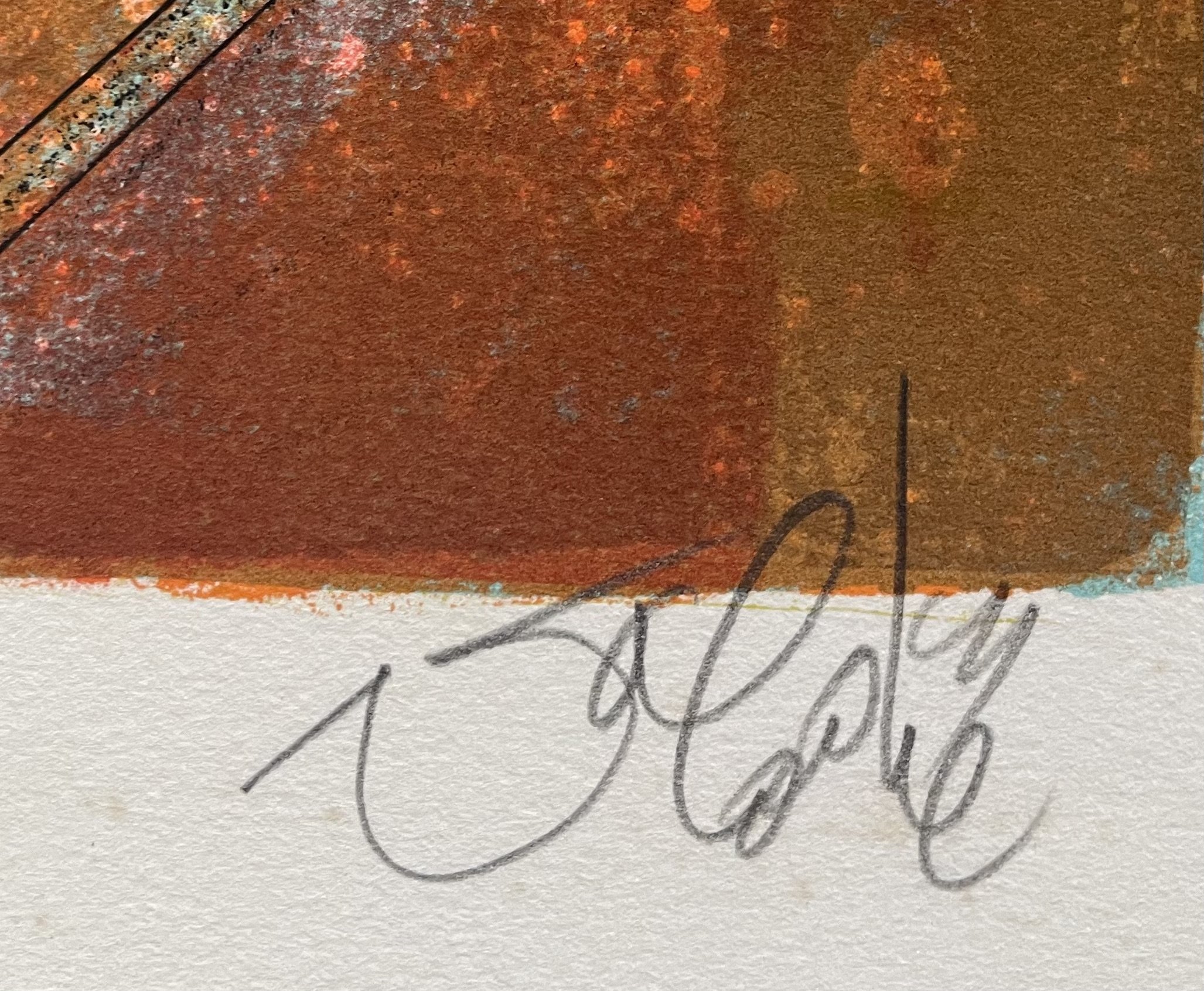
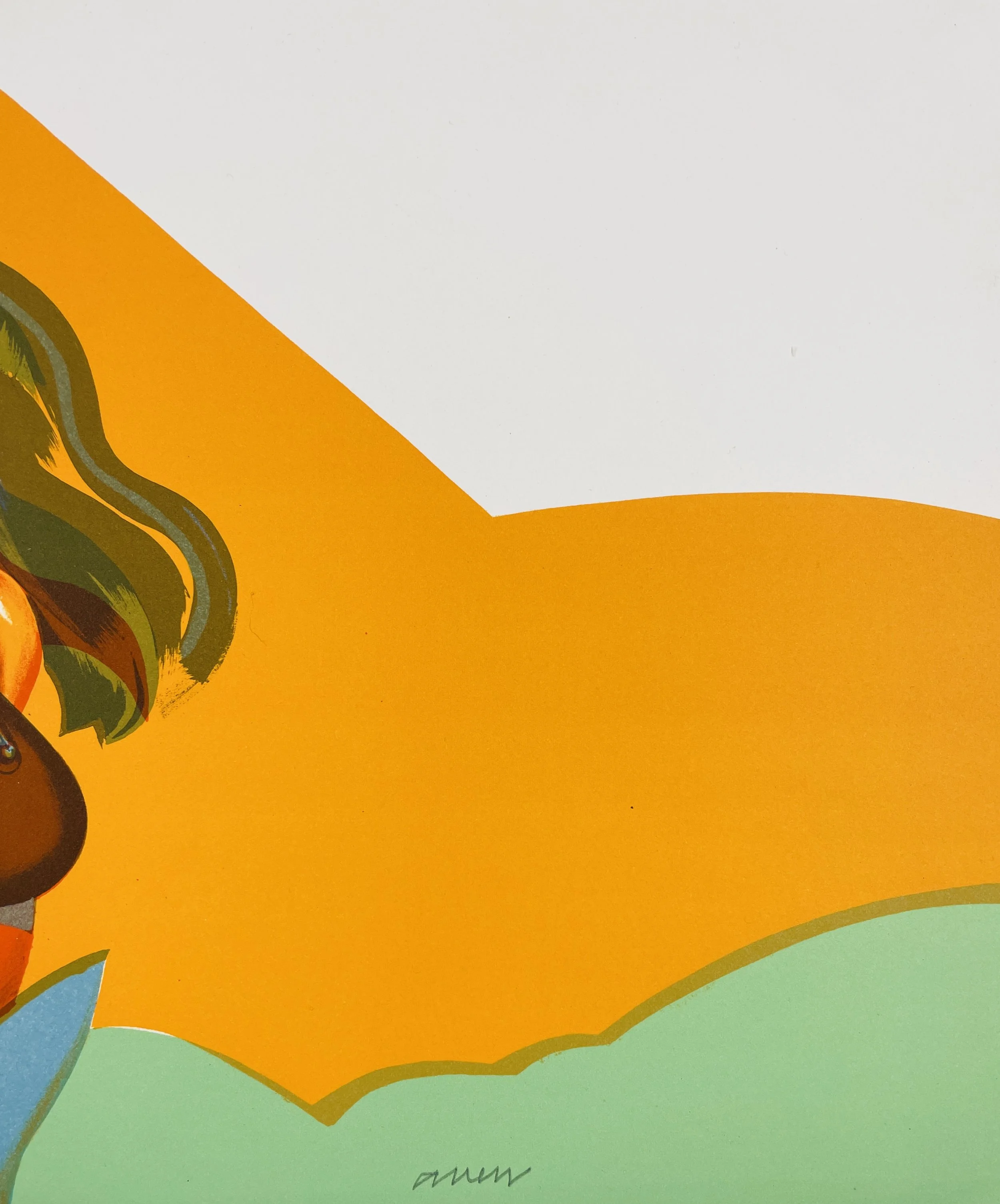
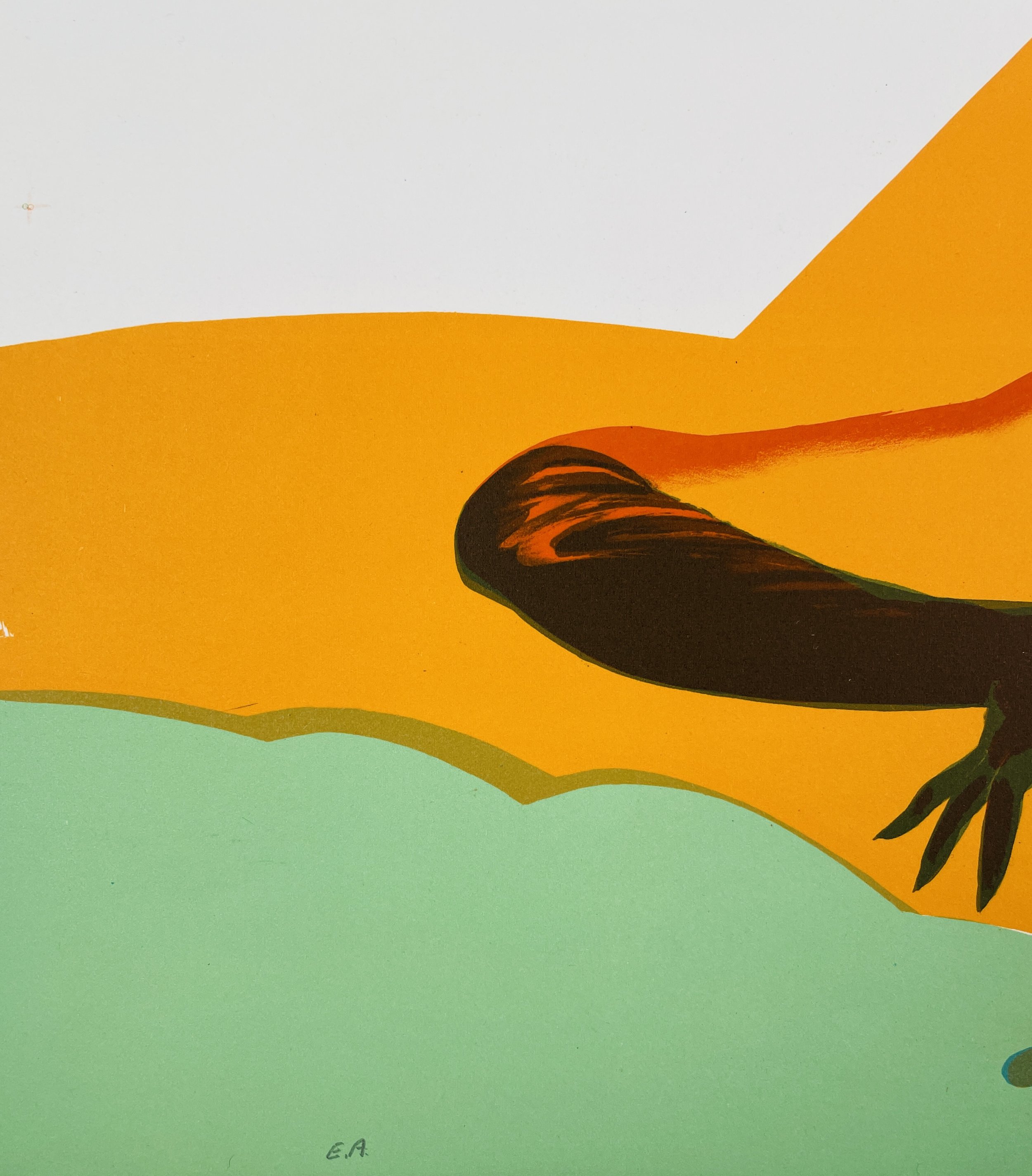
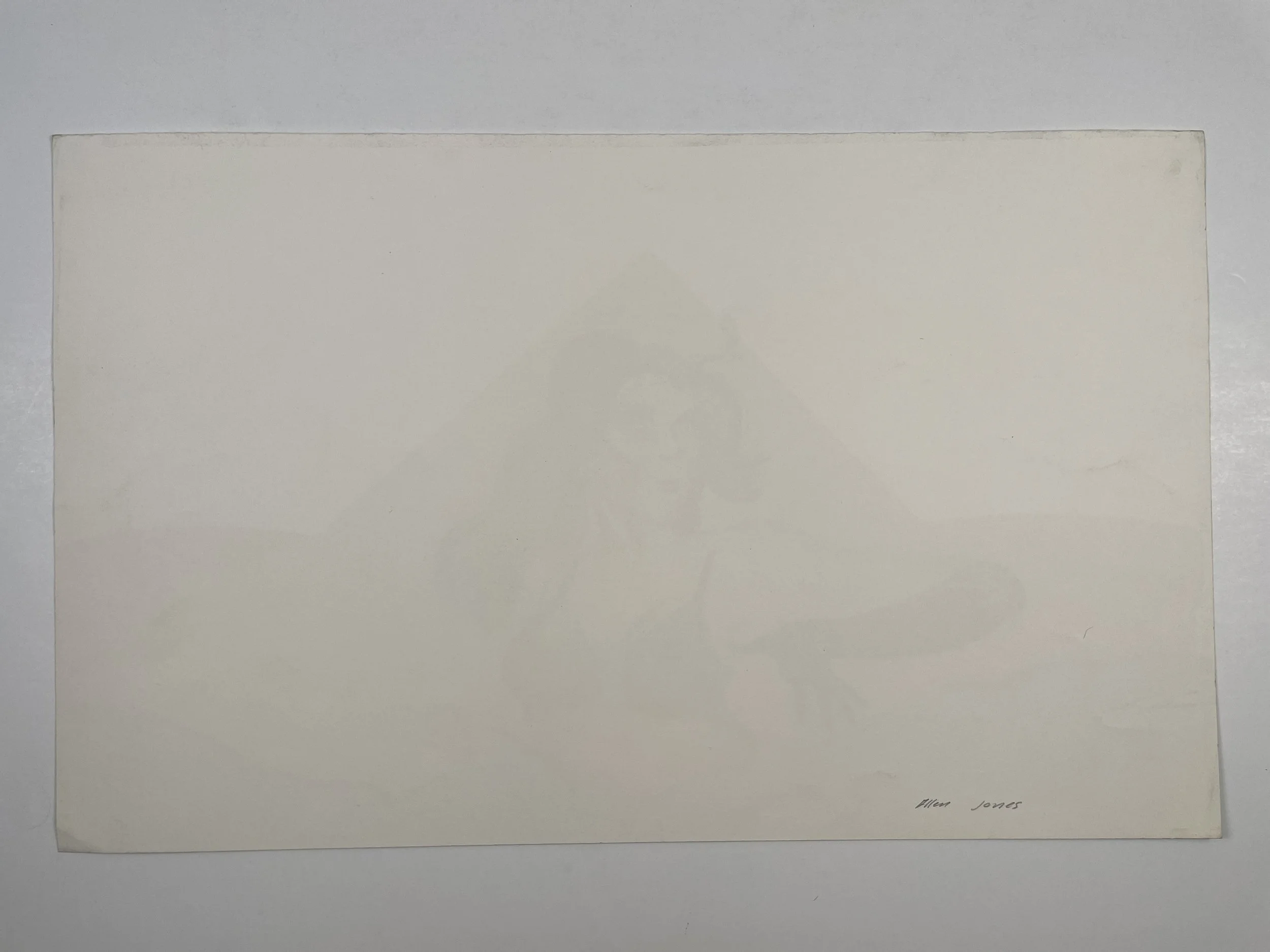
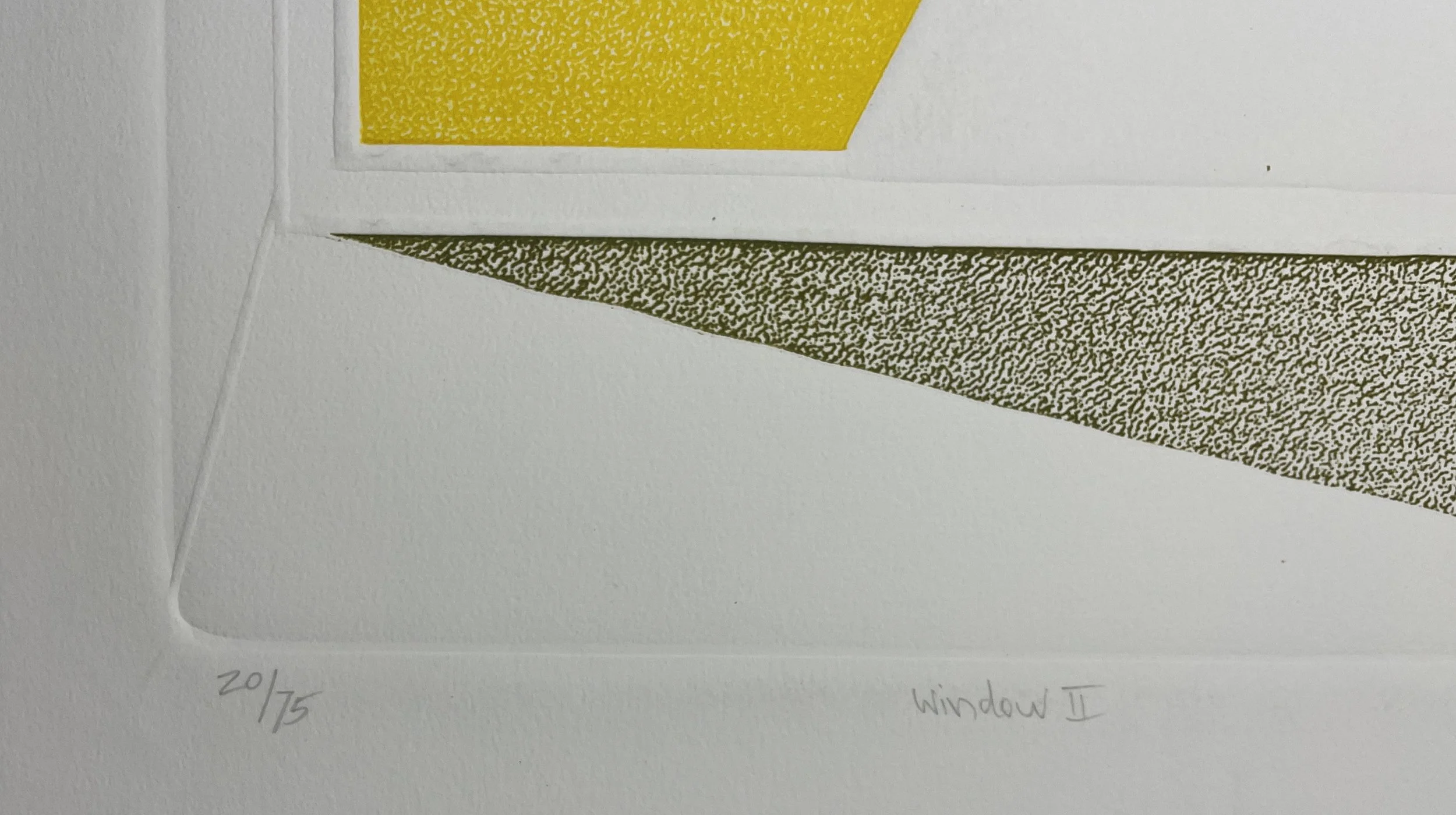
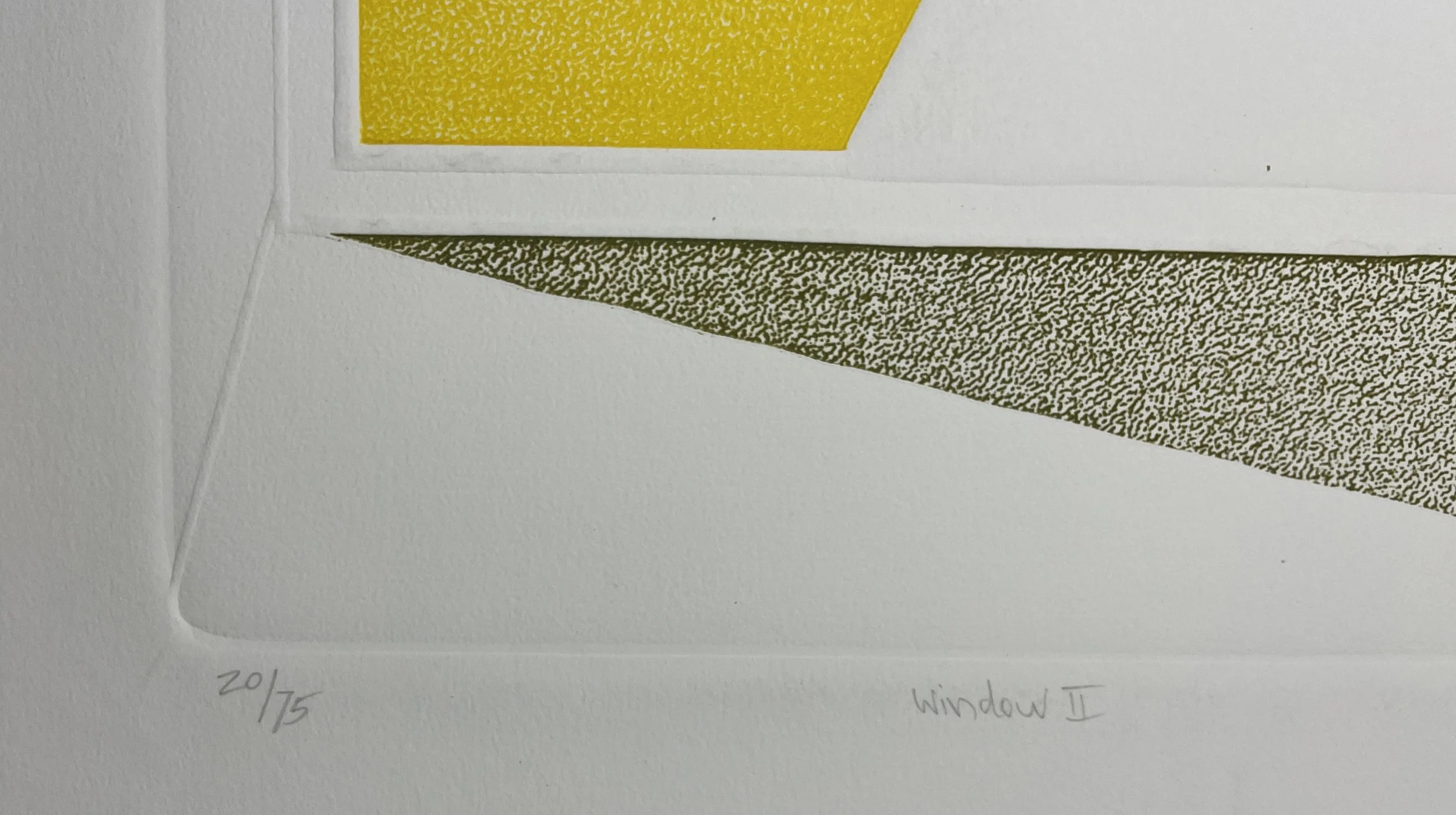
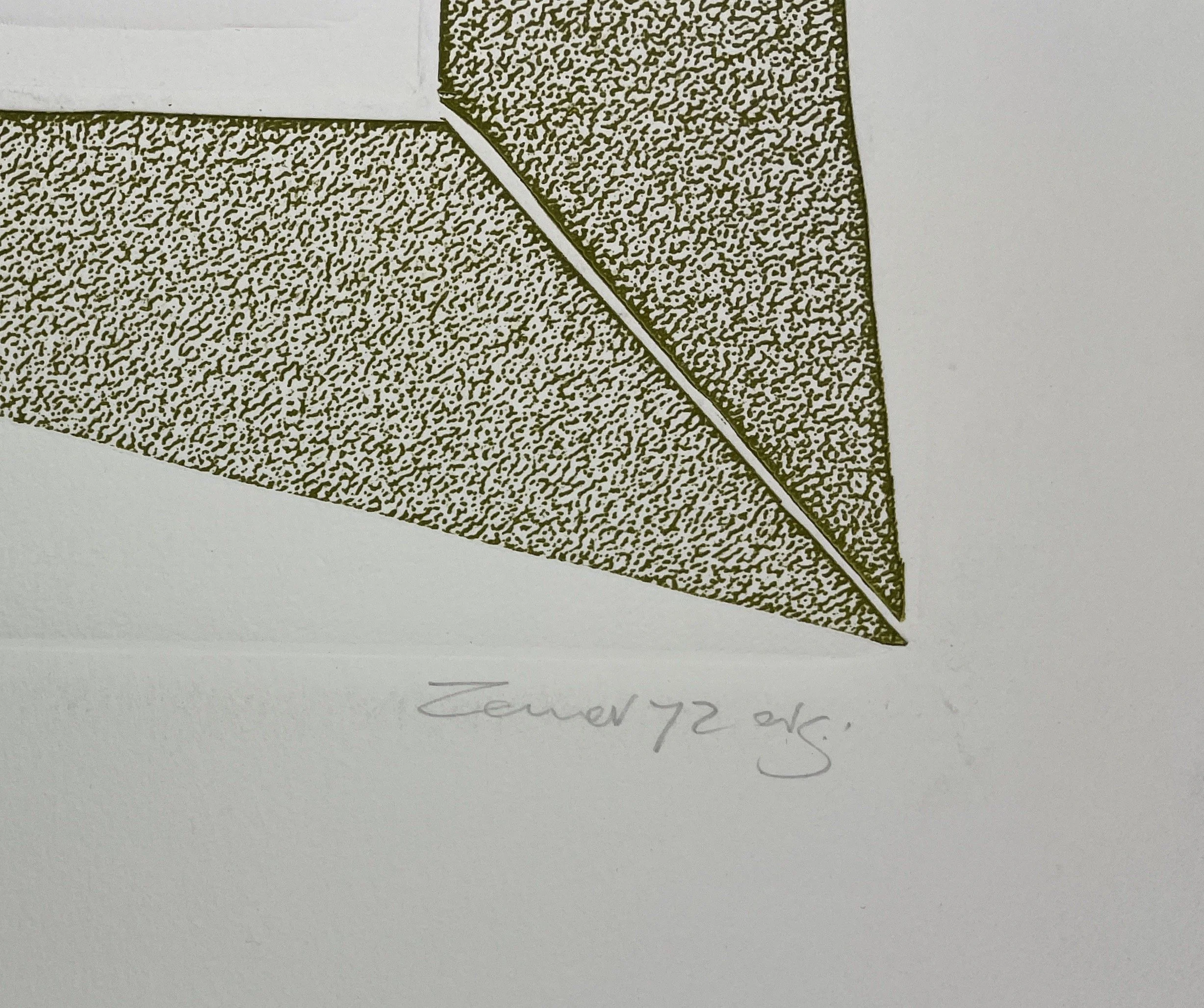
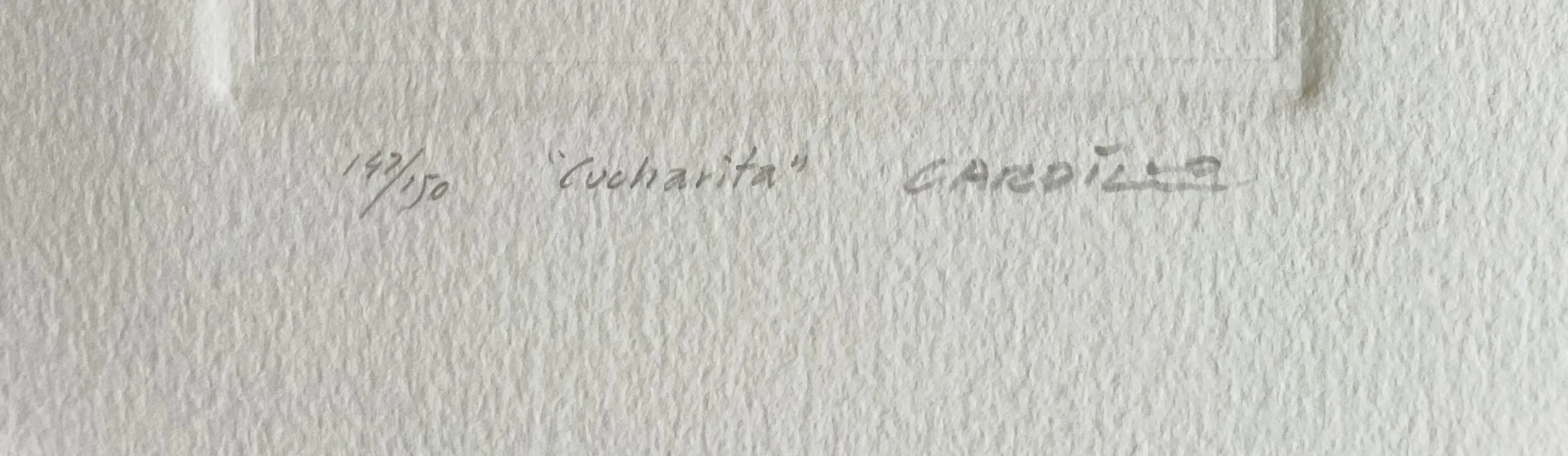
The lower margin bears the artist’s pencil signature “Clavé” and is numbered 77/99. The edition is confirmed by the publisher’s label on the verso: “Lithographie originale en 5 couleurs de A. Clavé ‘Ocre-Noir’ No 395, 1963-64,” associated with Pierre Seghers. Sheet size measures approximately 22 x 30 inches. Light foxing is visible in the margins and verso, typical for works of this period.
This lithograph exemplifies Clavé’s translation of painterly relief and dense materiality into the print medium without sacrificing depth or gravitas.
Artist Biography
Antoni Clavé (1913–2005) was born in Barcelona, Spain, and emerged as one of the most important Spanish artists working in postwar Paris. Apprenticed at thirteen as a house painter and sign writer, he attended evening classes at the Escola de Belles Arts in Barcelona while illustrating children’s magazines. By the early 1930s he was designing posters and experimenting with collage using string, printed cloth, and newspaper.
In 1939 Clavé moved to Paris, continuing illustration while developing his painting. Influenced in part by Picasso’s blue period and the broader School of Paris milieu, he exhibited at the Salon d’Automne. In 1946 he turned toward stage design, creating décor and costumes for Roland Petit’s Ballets, including Carmen (1949). By 1954 he devoted himself entirely to painting.
From the mid-1950s onward, Clavé’s work became characterized by high-relief drawing, somber tonalities, and dense impasto. After 1958 his palette grew more restrained, enriched by motifs derived from textiles and the imprint of objects pressed into surfaces. These explorations produced the heraldic and shield-like abstractions for which he became internationally recognized.
Clavé’s reputation rests on his synthesis of Spanish intensity and Parisian modernism. Associated with the École de Paris yet distinct in his material emphasis, he bridged painting, collage, printmaking, and stage design. His works are held in major museum collections including the Musée National d’Art Moderne (Paris), the Reina Sofía (Madrid), and numerous European and American institutions.
His graphic works from the 1960s, especially lithographs published by Pierre Seghers, are considered significant extensions of his painterly investigations rather than secondary reproductions. Limited editions such as 99 impressions were typical for serious European fine art publications of the period. As of 2026, Clavé maintains strong institutional standing and steady secondary-market demand, with original prints from his mature period remaining sought after by collectors of postwar European abstraction.
Antoni Clavé (1913–2005)
Ocre-Noir
1963–64
Original 5-color lithograph
Signed and numbered 77/99
22 x 30 inches
Published by Pierre Seghers
Certificate of Authentication
This certifies that Ocre-Noir is an original lithograph by Antoni Clavé (1913–2005).
Medium: Lithograph in five colors on paper
Date: 1963–64
Dimensions: Approximately 22 x 30 inches
Edition: 77/99
Signature: Hand signed in pencil by the artist
Publisher: Pierre Seghers
Provenance: Mitch Morse Gallery; Artfind Gallery, Washington DC
Guaranteed authentic as described.
Condition
Light foxing visible in margins and verso. Minor age toning consistent with works on paper from the early 1960s. Image remains strong with intact color density and no observed structural tears.
Provenance
Acquired by Mitch Morse Gallery (New York City; works sourced in NYC, United States and Europe)
Private Collection
Artfind Gallery, Washington DC (Current Owner)
Citations: Publisher label on verso; provided Clavé biography sheet; exhibition history and museum holdings from established art historical records; market ranges based on comparable Clavé 1960s lithograph sales.
Ocre-Noir, Antoni Clavé (1913–2005), 1963–64, original 5-color lithograph, 22x30 in, signed and numbered 77/99
An original 1963–64 five-color lithograph by Antoni Clavé (1913–2005), titled Ocre-Noir, signed in pencil and numbered 77/99. Measuring approximately 22 x 30 inches, this richly layered abstract composition explores deep blacks and ochres through textured forms and imprint techniques characteristic of Clavé’s mature Paris period. Published by Pierre Seghers. Light foxing consistent with age. Provenance: Mitch Morse Gallery; Artfind Gallery, Washington DC.
Artwork Description
Ocre-Noir belongs to Clavé’s powerful early-1960s body of graphic work in which he translated his heavily worked, material painting surfaces into lithography. Executed in five colors, the composition is structured in two horizontal registers, balancing dense black passages against earthy ochre grounds and muted blue accents.
The surface is alive with imprint effects, resist textures, and layered tonal veils that echo Clavé’s experiments with cloth impressions and material collage during the late 1950s. Forms appear as fragments—suggestive of heraldic shields, architectural silhouettes, and organic silhouettes—yet remain resolutely abstract. The dialogue between black mass and luminous ochre produces both weight and warmth, a signature tension in Clavé’s mature work.
The lower margin bears the artist’s pencil signature “Clavé” and is numbered 77/99. The edition is confirmed by the publisher’s label on the verso: “Lithographie originale en 5 couleurs de A. Clavé ‘Ocre-Noir’ No 395, 1963-64,” associated with Pierre Seghers. Sheet size measures approximately 22 x 30 inches. Light foxing is visible in the margins and verso, typical for works of this period.
This lithograph exemplifies Clavé’s translation of painterly relief and dense materiality into the print medium without sacrificing depth or gravitas.
Artist Biography
Antoni Clavé (1913–2005) was born in Barcelona, Spain, and emerged as one of the most important Spanish artists working in postwar Paris. Apprenticed at thirteen as a house painter and sign writer, he attended evening classes at the Escola de Belles Arts in Barcelona while illustrating children’s magazines. By the early 1930s he was designing posters and experimenting with collage using string, printed cloth, and newspaper.
In 1939 Clavé moved to Paris, continuing illustration while developing his painting. Influenced in part by Picasso’s blue period and the broader School of Paris milieu, he exhibited at the Salon d’Automne. In 1946 he turned toward stage design, creating décor and costumes for Roland Petit’s Ballets, including Carmen (1949). By 1954 he devoted himself entirely to painting.
From the mid-1950s onward, Clavé’s work became characterized by high-relief drawing, somber tonalities, and dense impasto. After 1958 his palette grew more restrained, enriched by motifs derived from textiles and the imprint of objects pressed into surfaces. These explorations produced the heraldic and shield-like abstractions for which he became internationally recognized.
Clavé’s reputation rests on his synthesis of Spanish intensity and Parisian modernism. Associated with the École de Paris yet distinct in his material emphasis, he bridged painting, collage, printmaking, and stage design. His works are held in major museum collections including the Musée National d’Art Moderne (Paris), the Reina Sofía (Madrid), and numerous European and American institutions.
His graphic works from the 1960s, especially lithographs published by Pierre Seghers, are considered significant extensions of his painterly investigations rather than secondary reproductions. Limited editions such as 99 impressions were typical for serious European fine art publications of the period. As of 2026, Clavé maintains strong institutional standing and steady secondary-market demand, with original prints from his mature period remaining sought after by collectors of postwar European abstraction.
Antoni Clavé (1913–2005)
Ocre-Noir
1963–64
Original 5-color lithograph
Signed and numbered 77/99
22 x 30 inches
Published by Pierre Seghers
Certificate of Authentication
This certifies that Ocre-Noir is an original lithograph by Antoni Clavé (1913–2005).
Medium: Lithograph in five colors on paper
Date: 1963–64
Dimensions: Approximately 22 x 30 inches
Edition: 77/99
Signature: Hand signed in pencil by the artist
Publisher: Pierre Seghers
Provenance: Mitch Morse Gallery; Artfind Gallery, Washington DC
Guaranteed authentic as described.
Condition
Light foxing visible in margins and verso. Minor age toning consistent with works on paper from the early 1960s. Image remains strong with intact color density and no observed structural tears.
Provenance
Acquired by Mitch Morse Gallery (New York City; works sourced in NYC, United States and Europe)
Private Collection
Artfind Gallery, Washington DC (Current Owner)
Citations: Publisher label on verso; provided Clavé biography sheet; exhibition history and museum holdings from established art historical records; market ranges based on comparable Clavé 1960s lithograph sales.
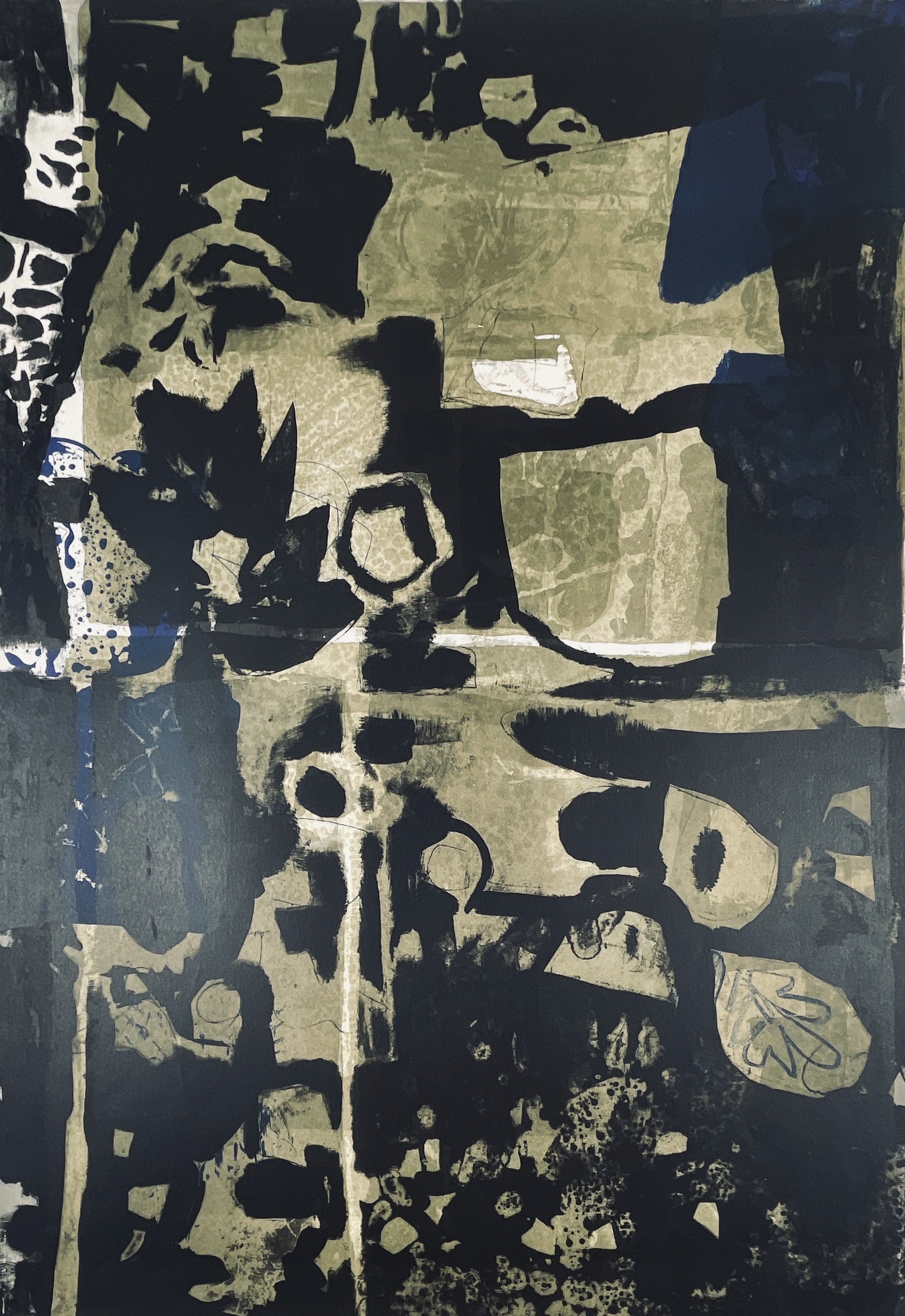 Image 1 of 7
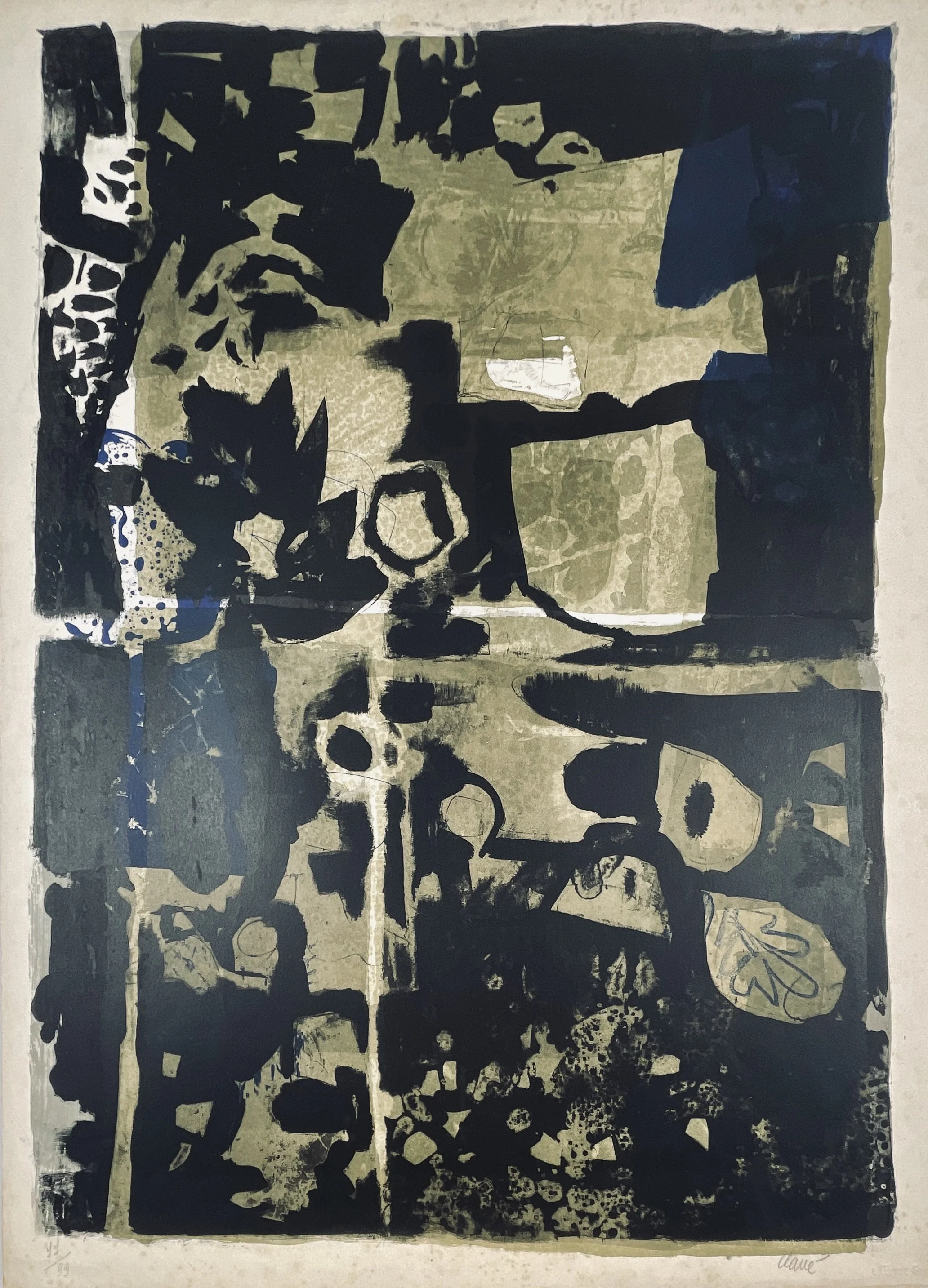 Image 2 of 7
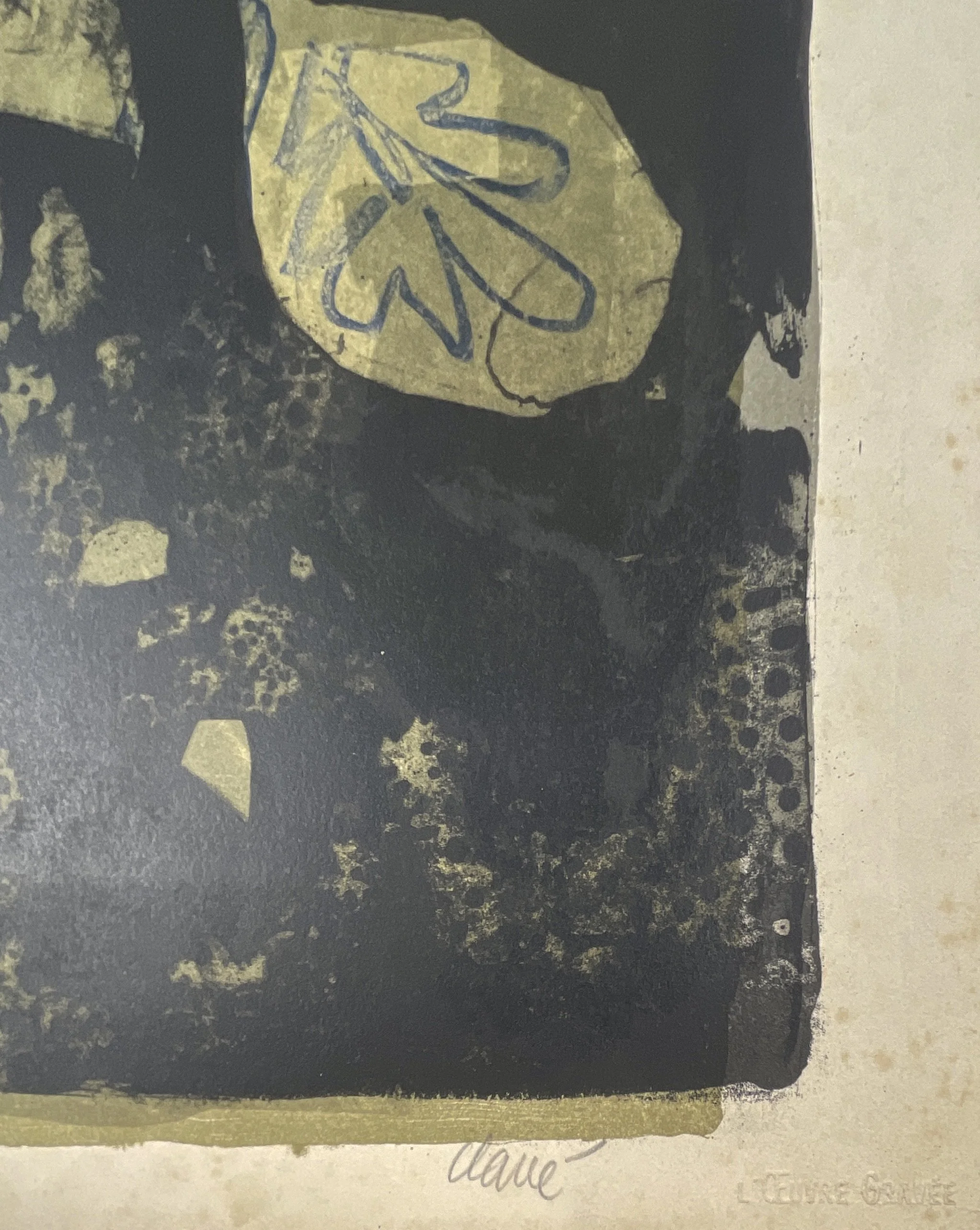 Image 3 of 7
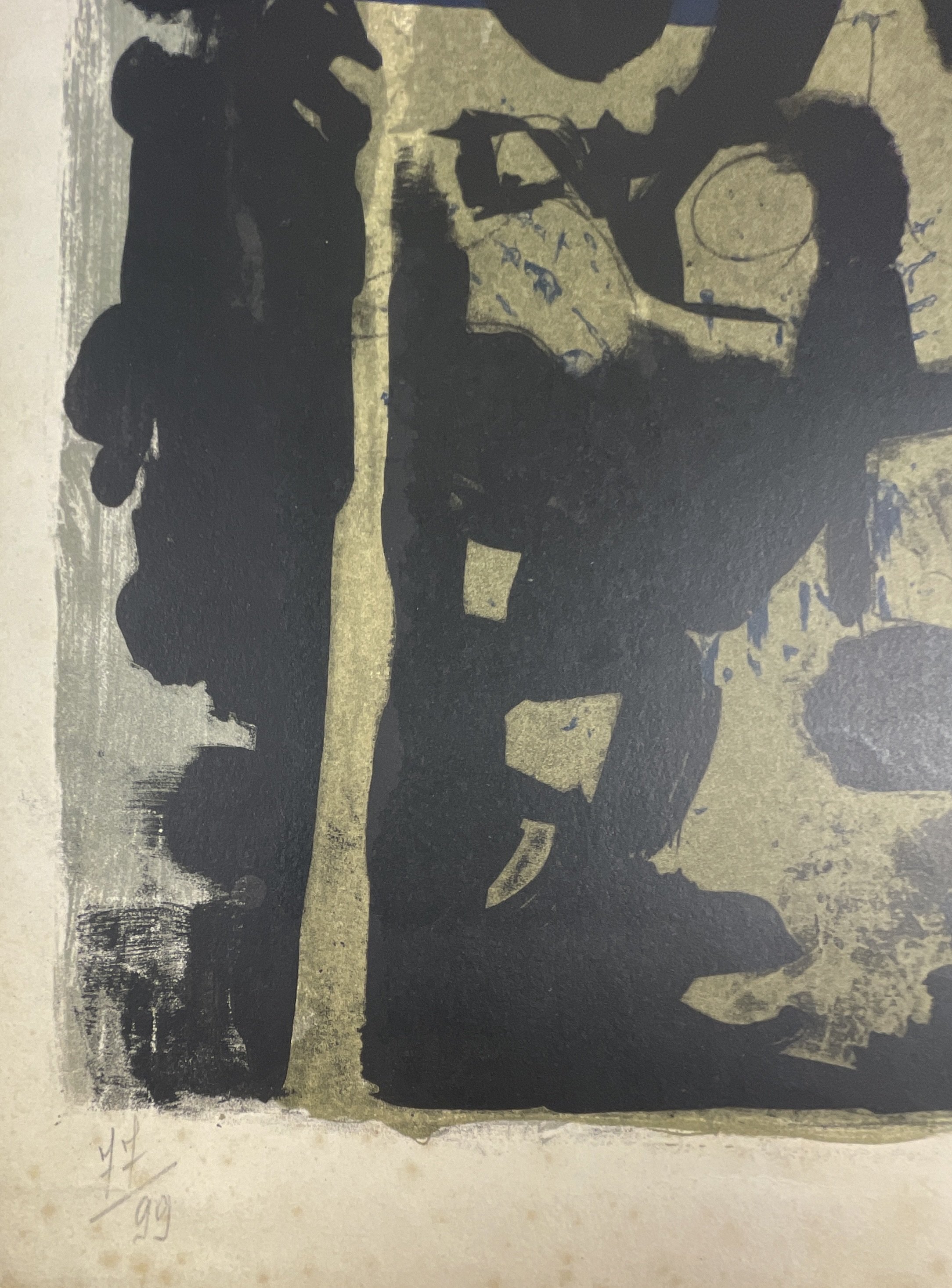 Image 4 of 7
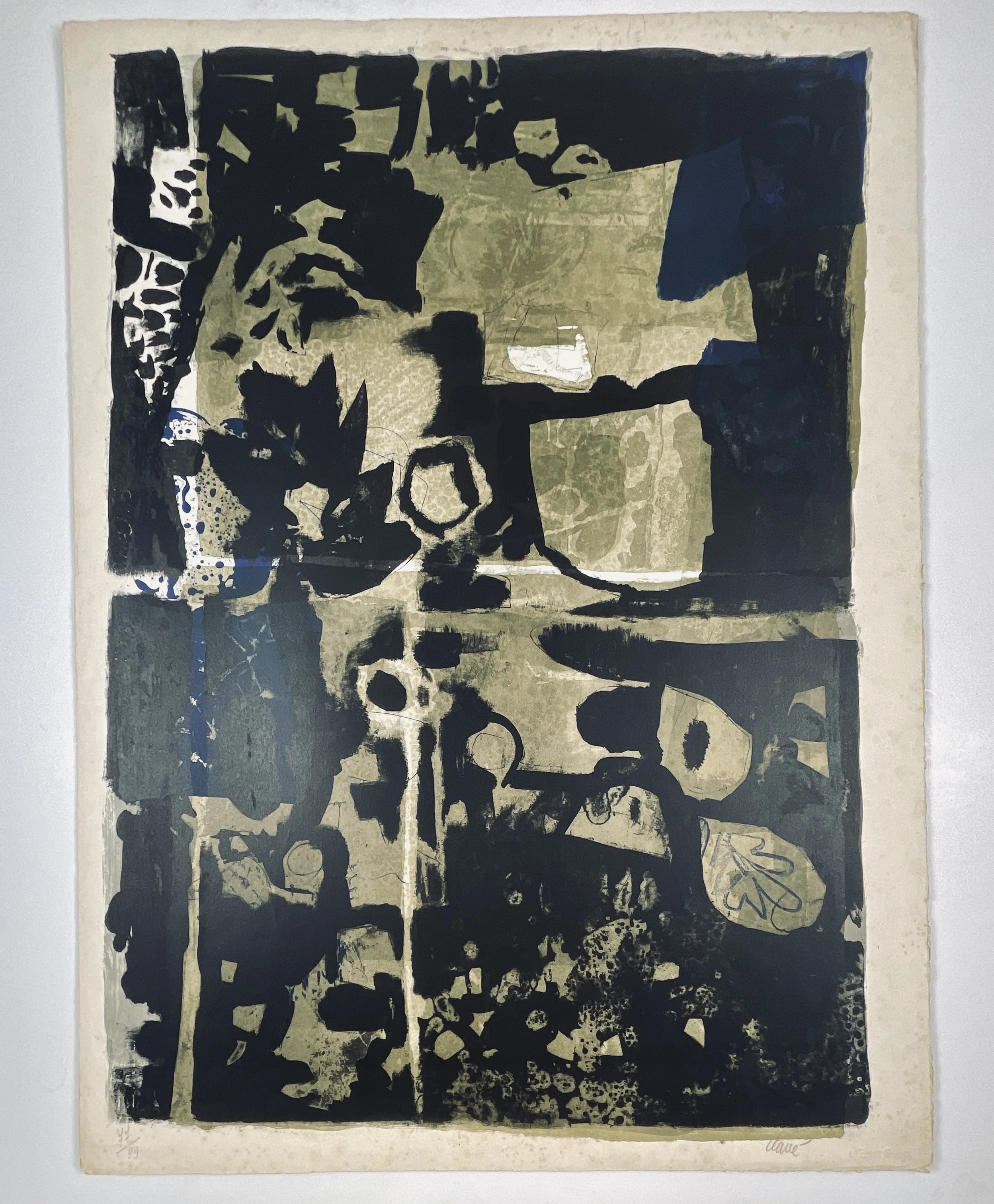 Image 5 of 7
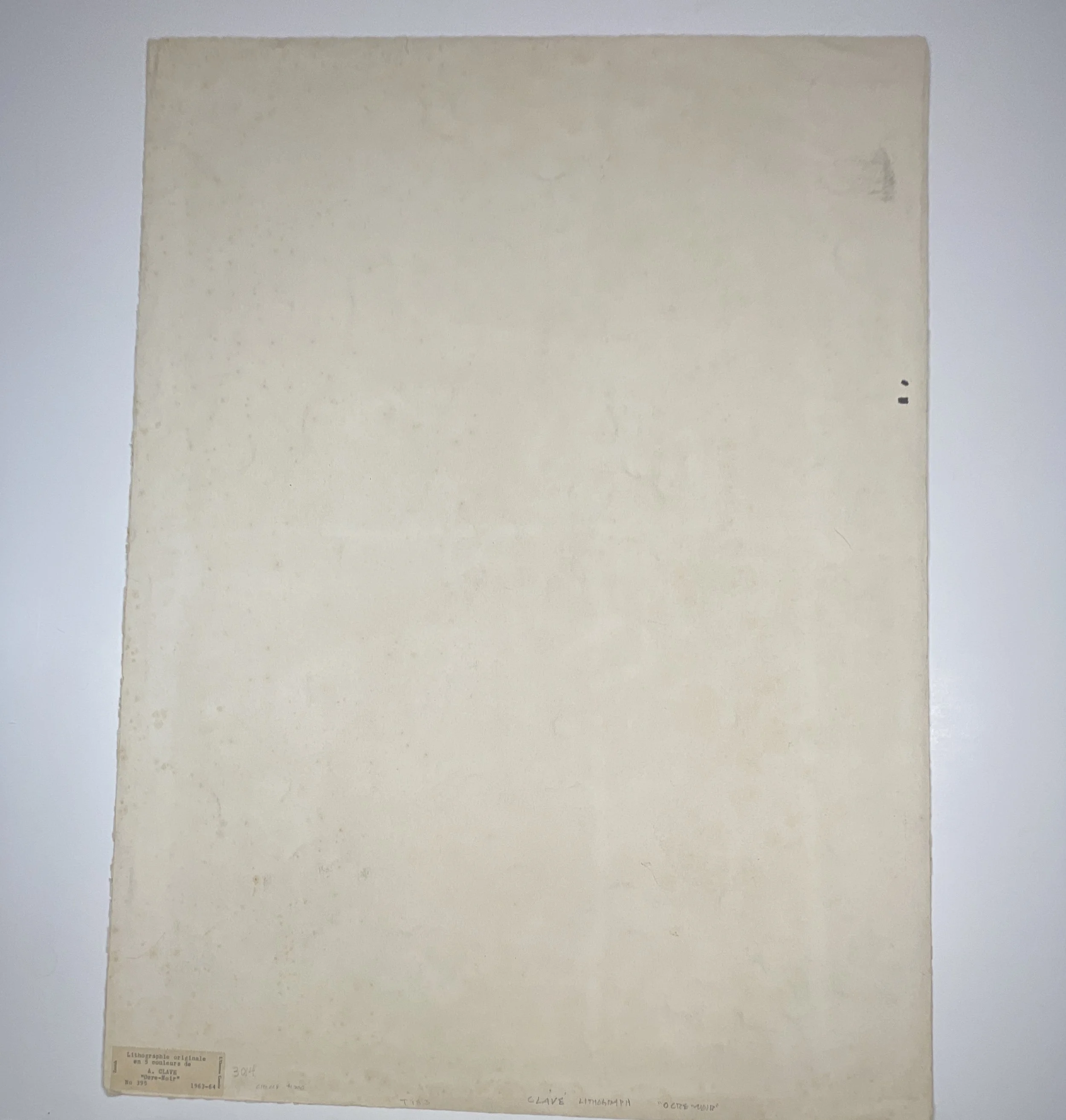 Image 6 of 7
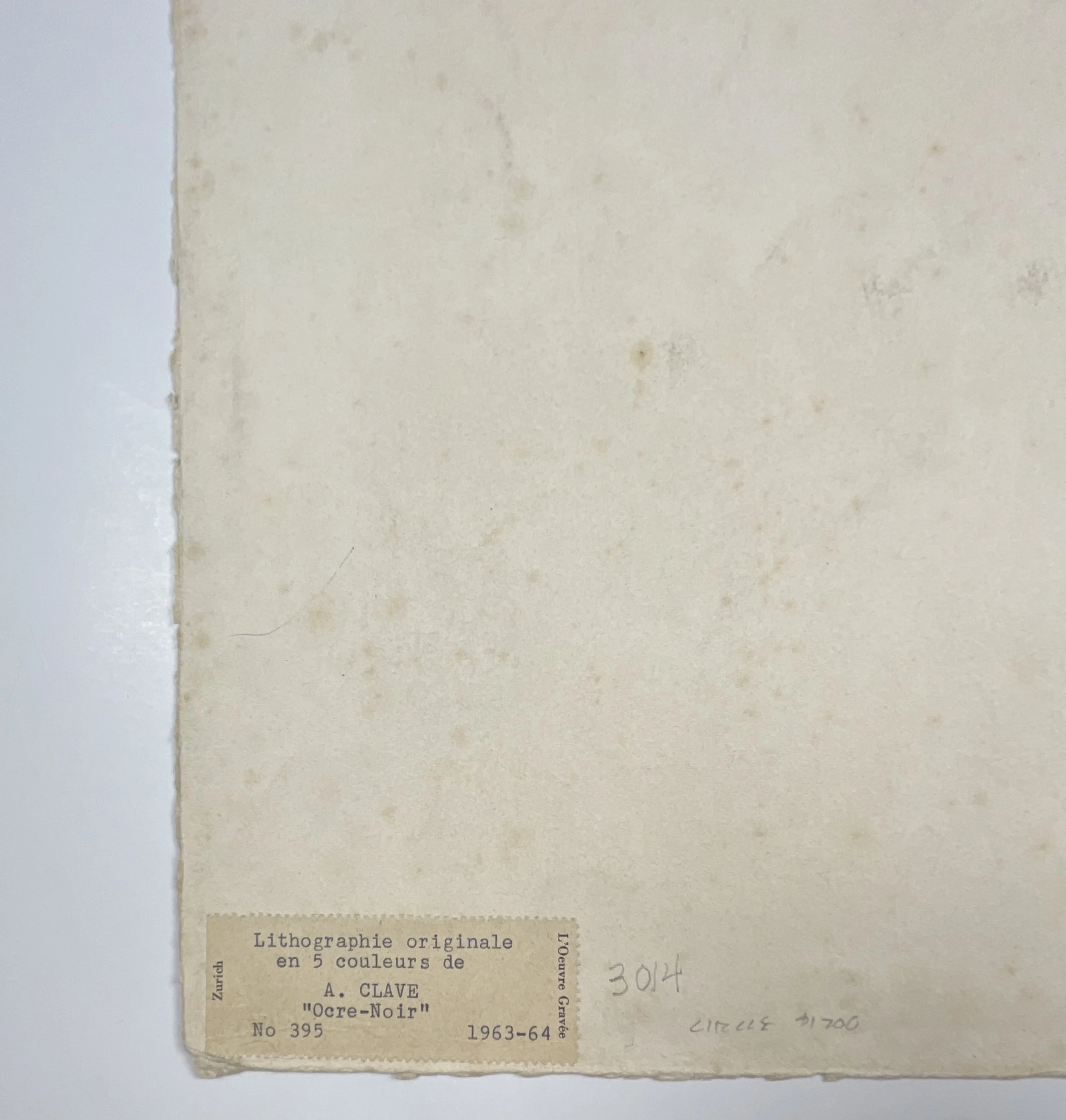 Image 7 of 7