 Image 1 of 4
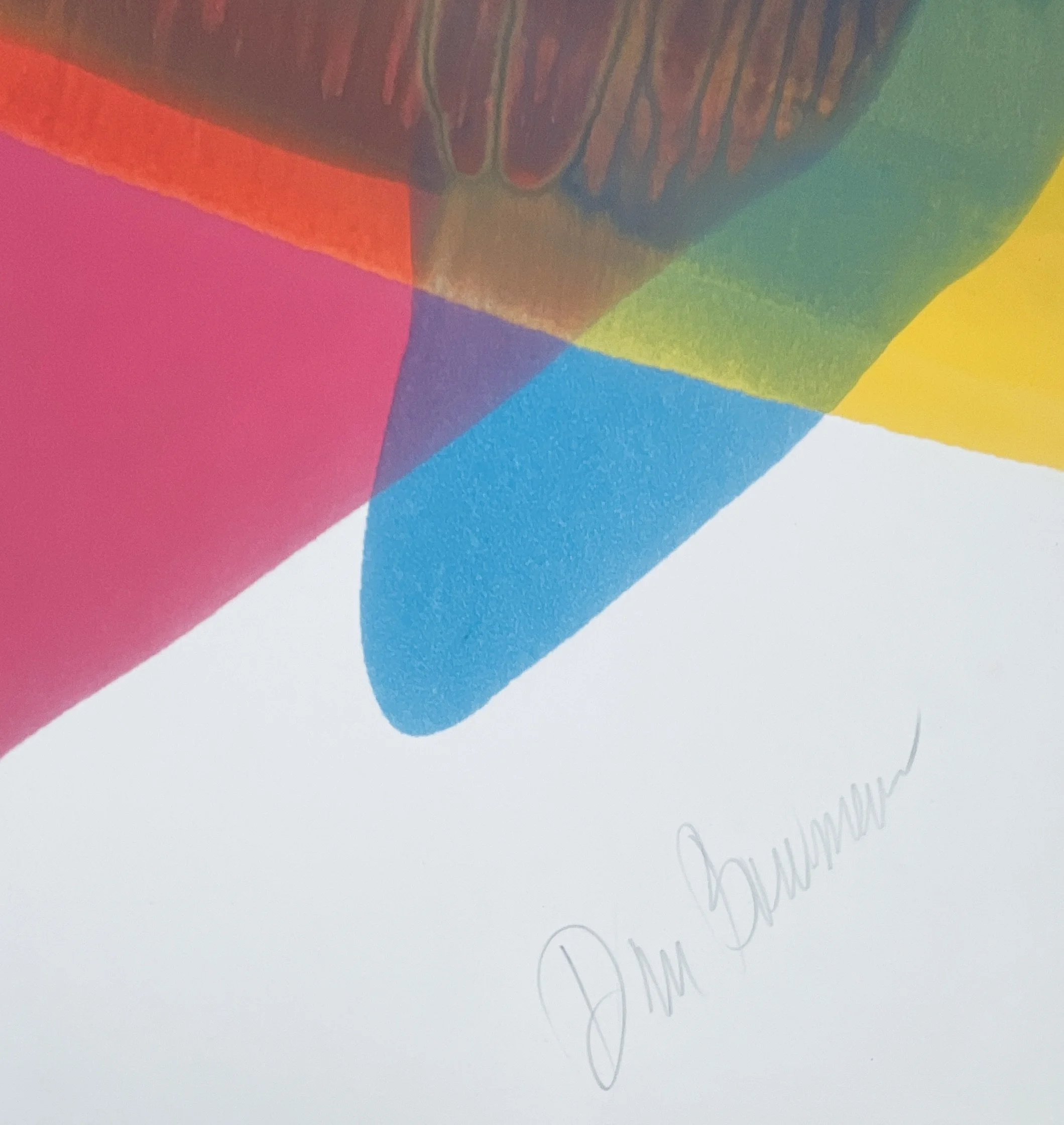 Image 2 of 4
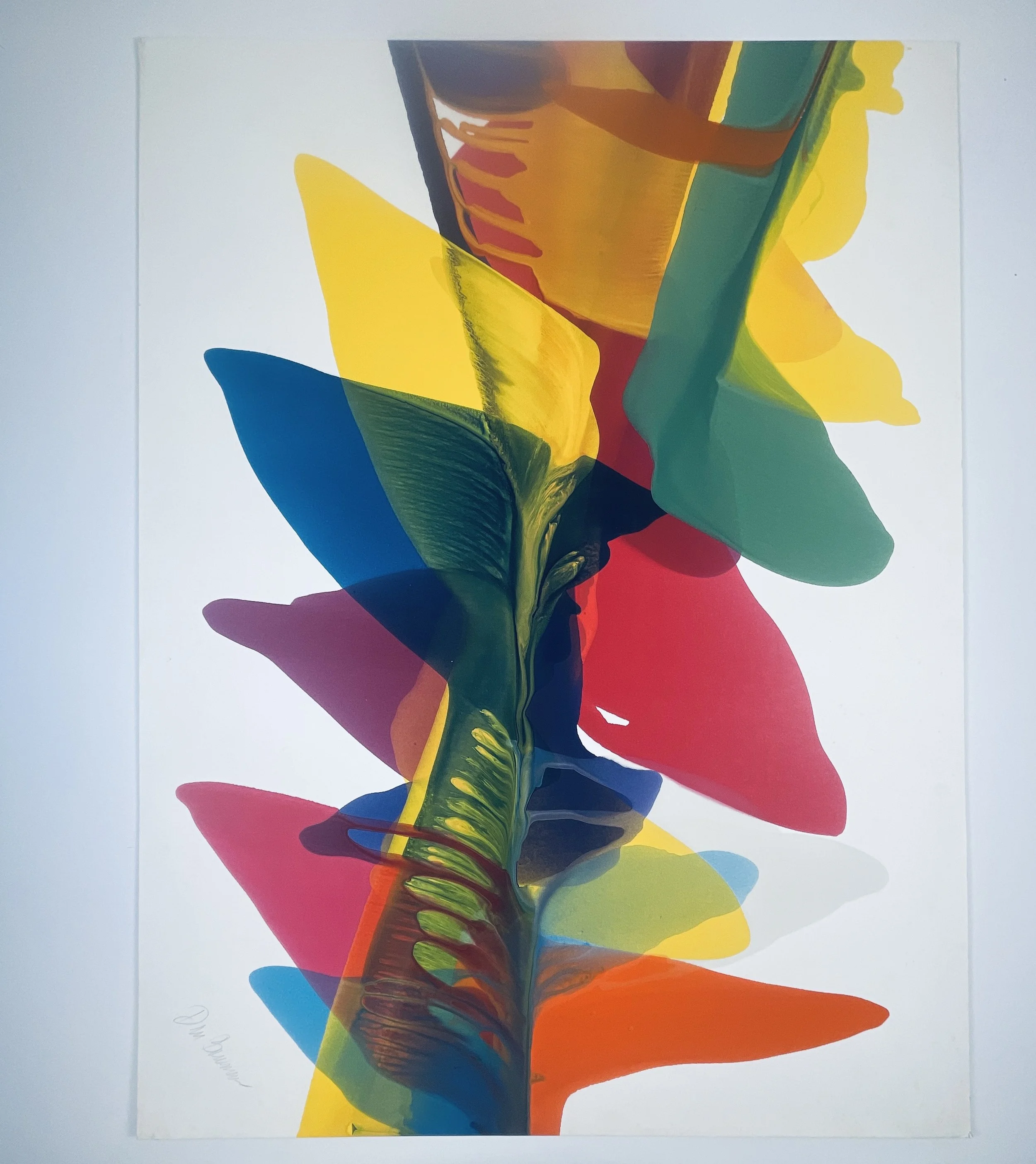 Image 3 of 4
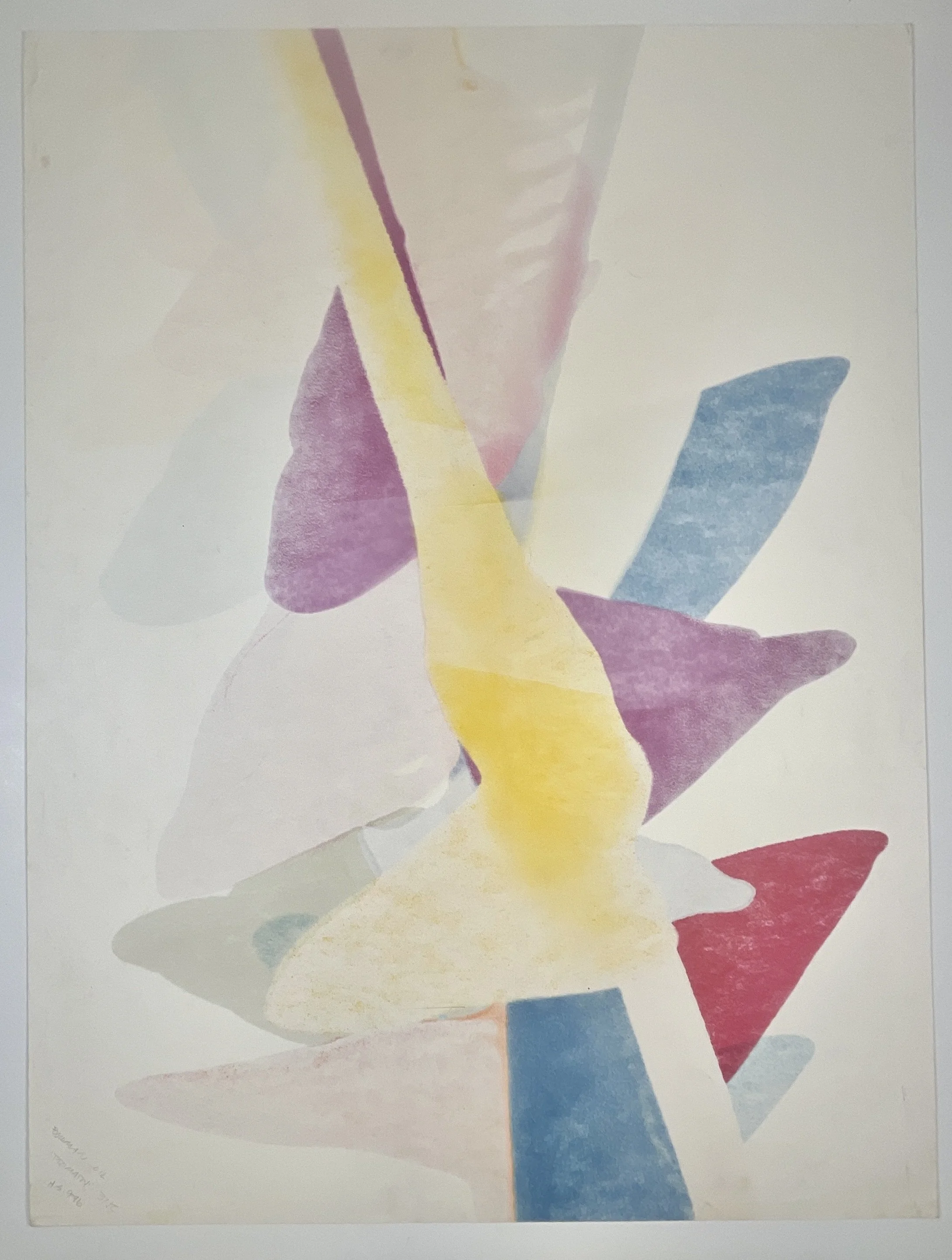 Image 4 of 4
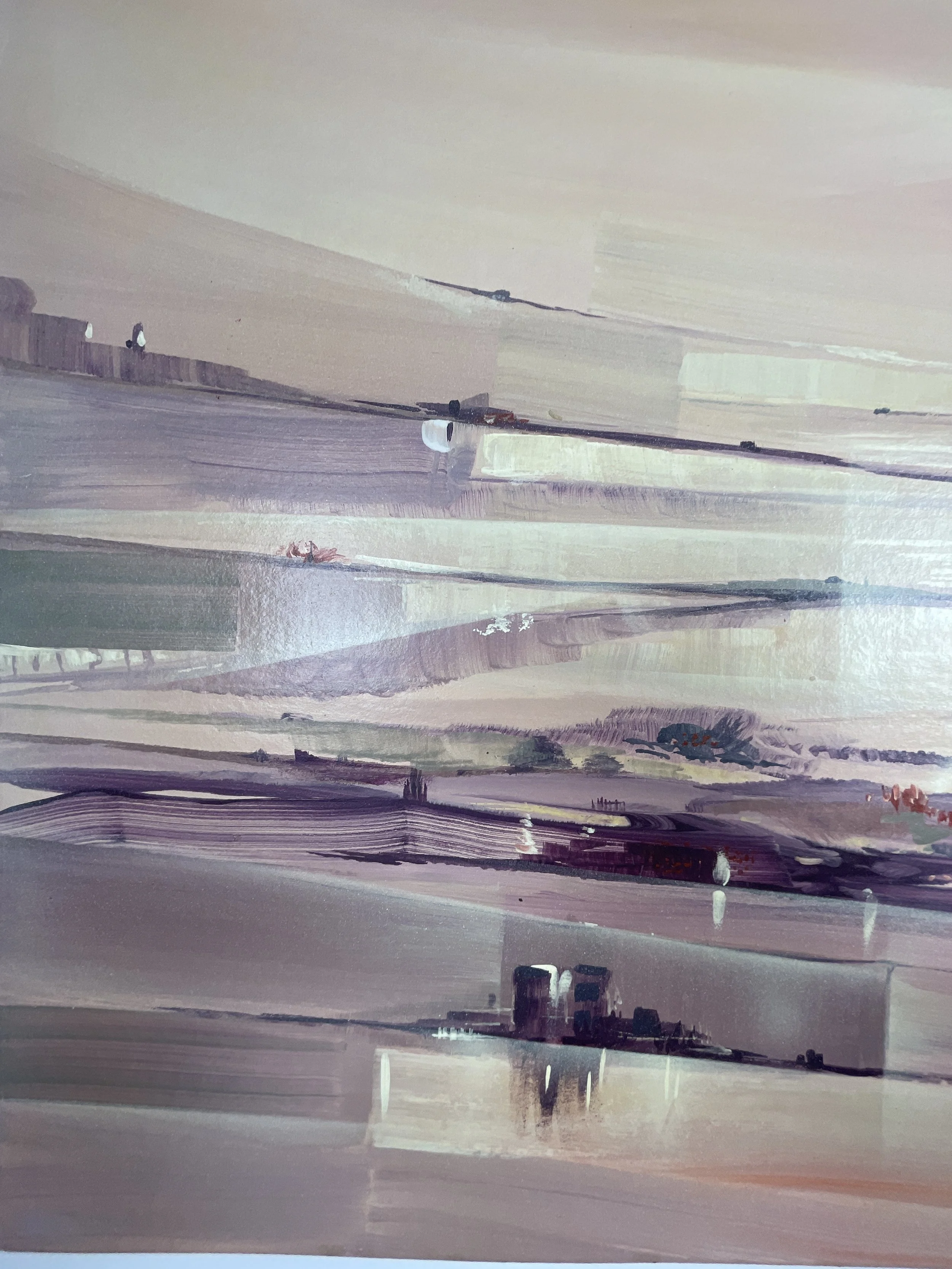
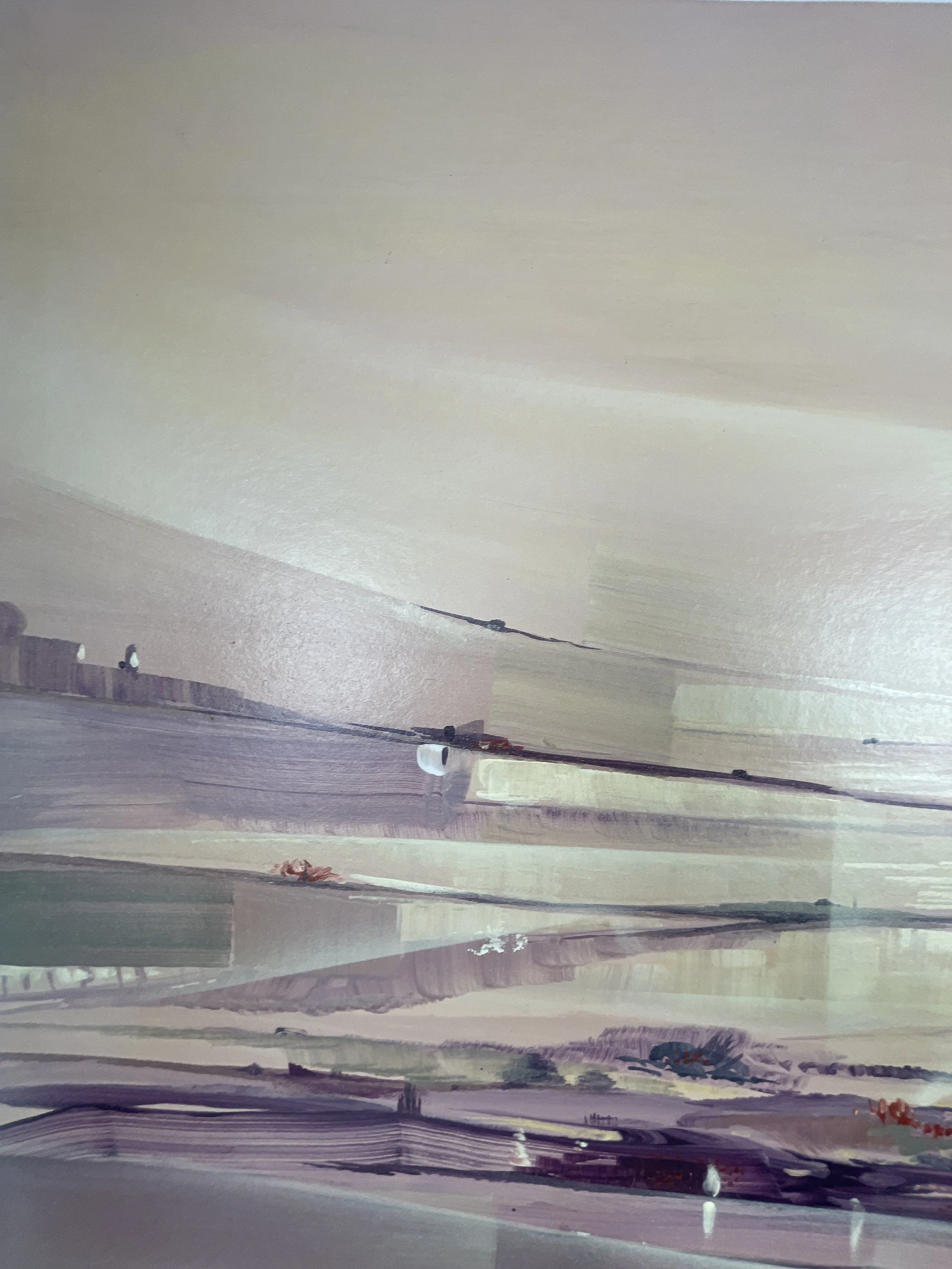
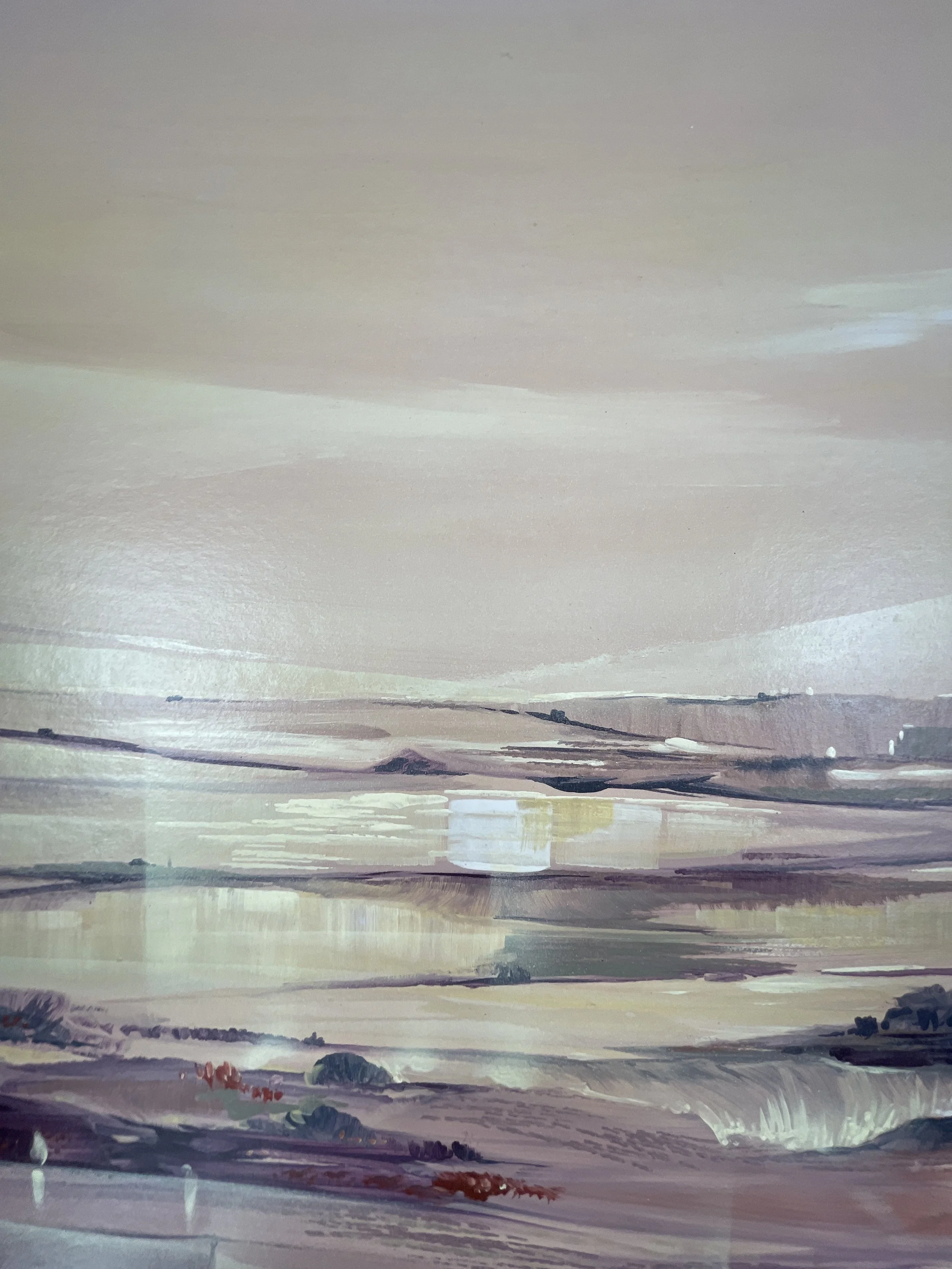
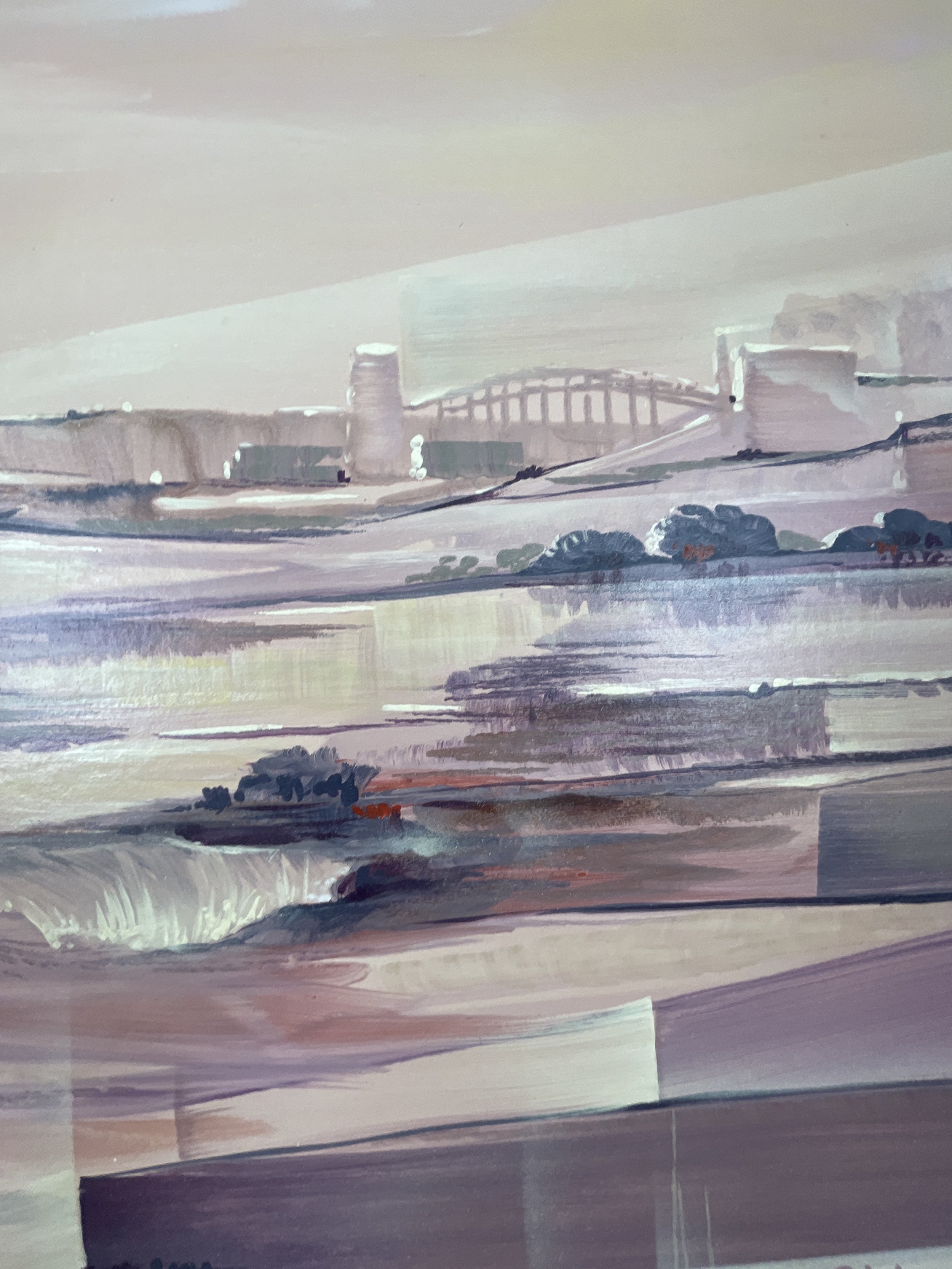
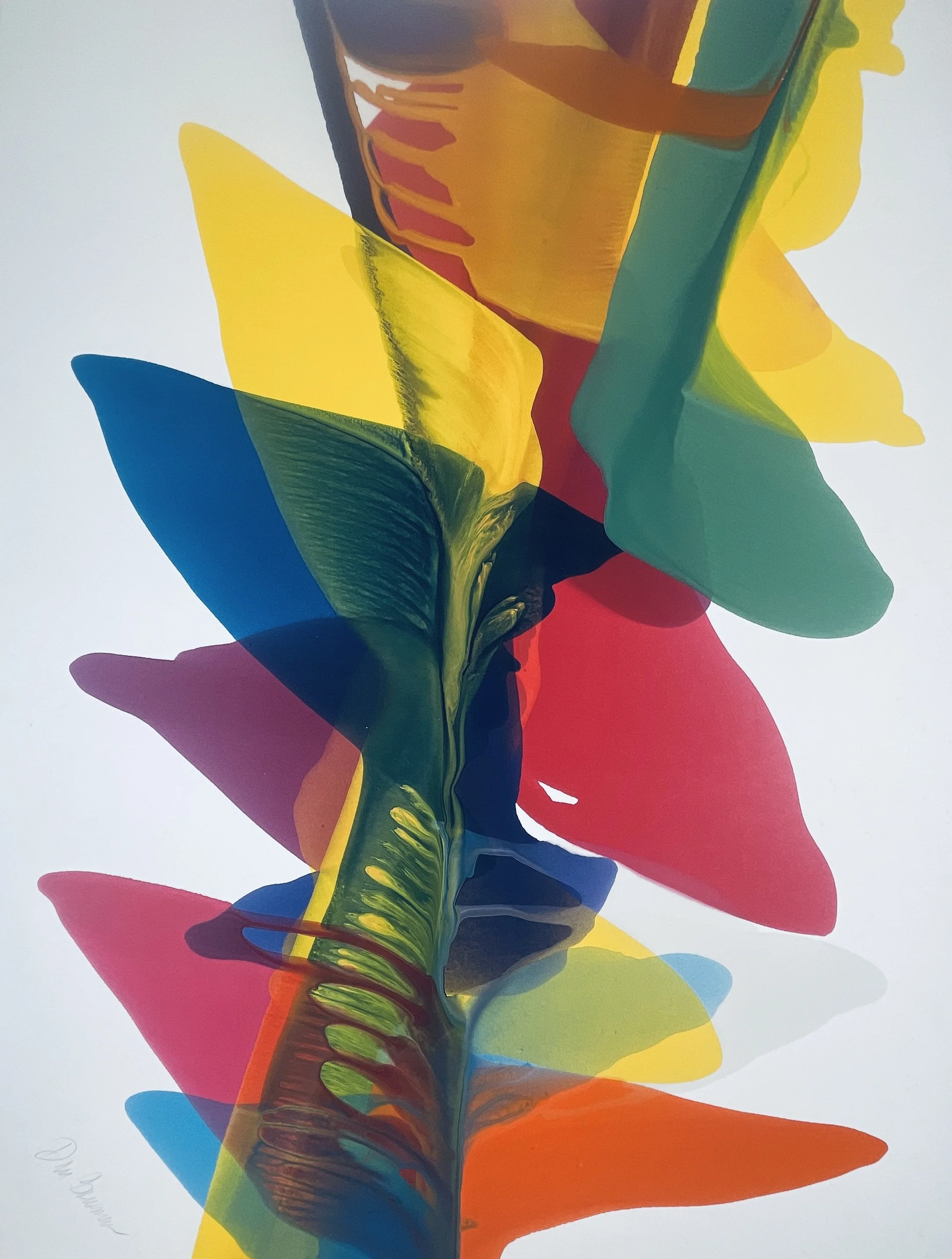
Primary, Don Bowman (b. 1934), c.1960s, oil on paper, 35 × 26 in., signed lower left; luminous flowing abstraction in layered primary colors.
A luminous mid-century abstract oil on paper by American artist Don Bowman titled Primary. Executed using Bowman’s distinctive “paint-flow” technique, the composition layers translucent reds, blues, yellows, and violets into an atmospheric field of color. Distributed through Mitch Morse Gallery’s Art Spectrum program, the work reflects the experimental energy of postwar American abstraction and Bowman’s exploration of controlled pigment movement.
Artwork Description
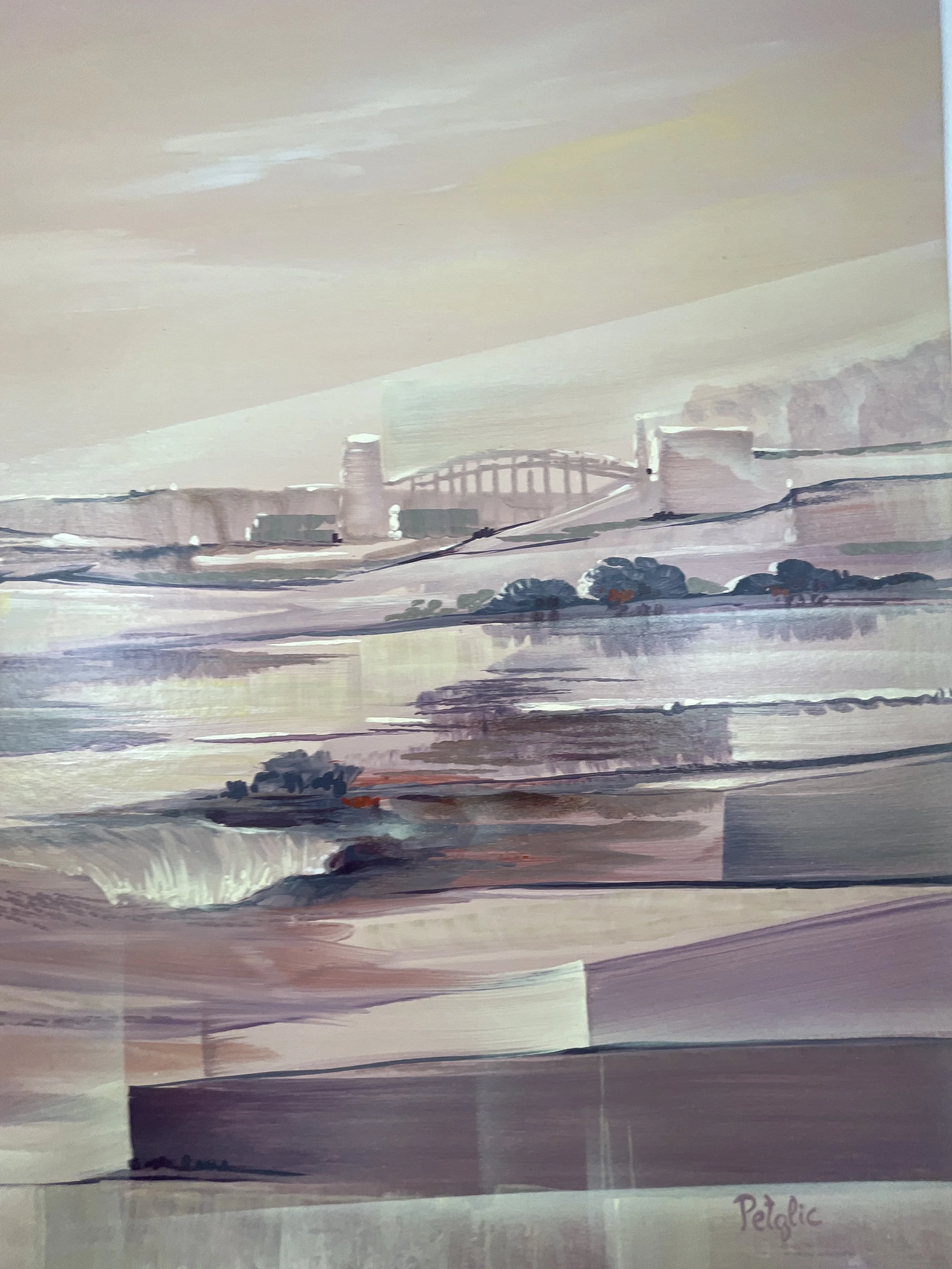
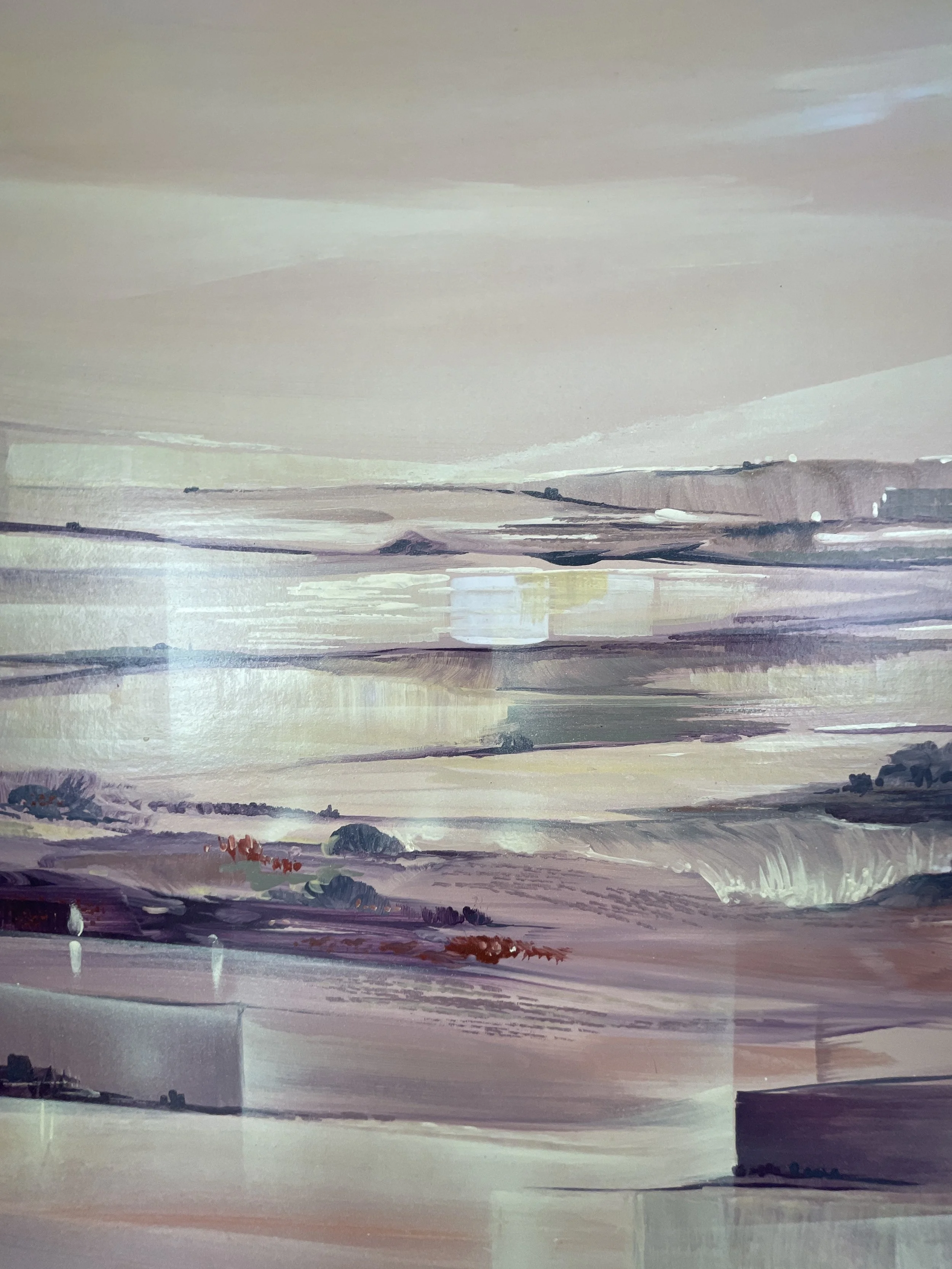
This striking abstract composition titled Primary demonstrates Don Bowman’s distinctive approach to fluid abstraction developed during the mid-twentieth century. Executed in oil on paper, the painting is built from translucent layers of pigment that intersect and dissolve across the sheet in a vertical composition of flowing color.
Soft washes of yellow, crimson, cobalt blue, violet, and pale gray drift across the surface, forming a dynamic interplay of overlapping shapes. Unlike the dense gestures often associated with Abstract Expressionism, Bowman’s approach emphasizes transparency and the physical movement of liquid paint. The pigments appear to glide across the paper, merging and separating to form organic, almost atmospheric forms.
The composition is structured around a central vertical band of color that moves through the sheet like a current. Around this axis, semi-transparent shapes in purple, red, blue, and muted green float in a delicate equilibrium. The white ground of the paper remains visible in many areas, allowing the colors to breathe and creating a sense of spatial openness.
Bowman’s process involved carefully manipulating the viscosity and direction of liquid paint. By allowing gravity and surface tension to influence the pigment’s movement, he created forms that feel both spontaneous and controlled. The softly feathered edges of color transitions and the gentle diffusion of pigment reveal the interaction between paint and paper.
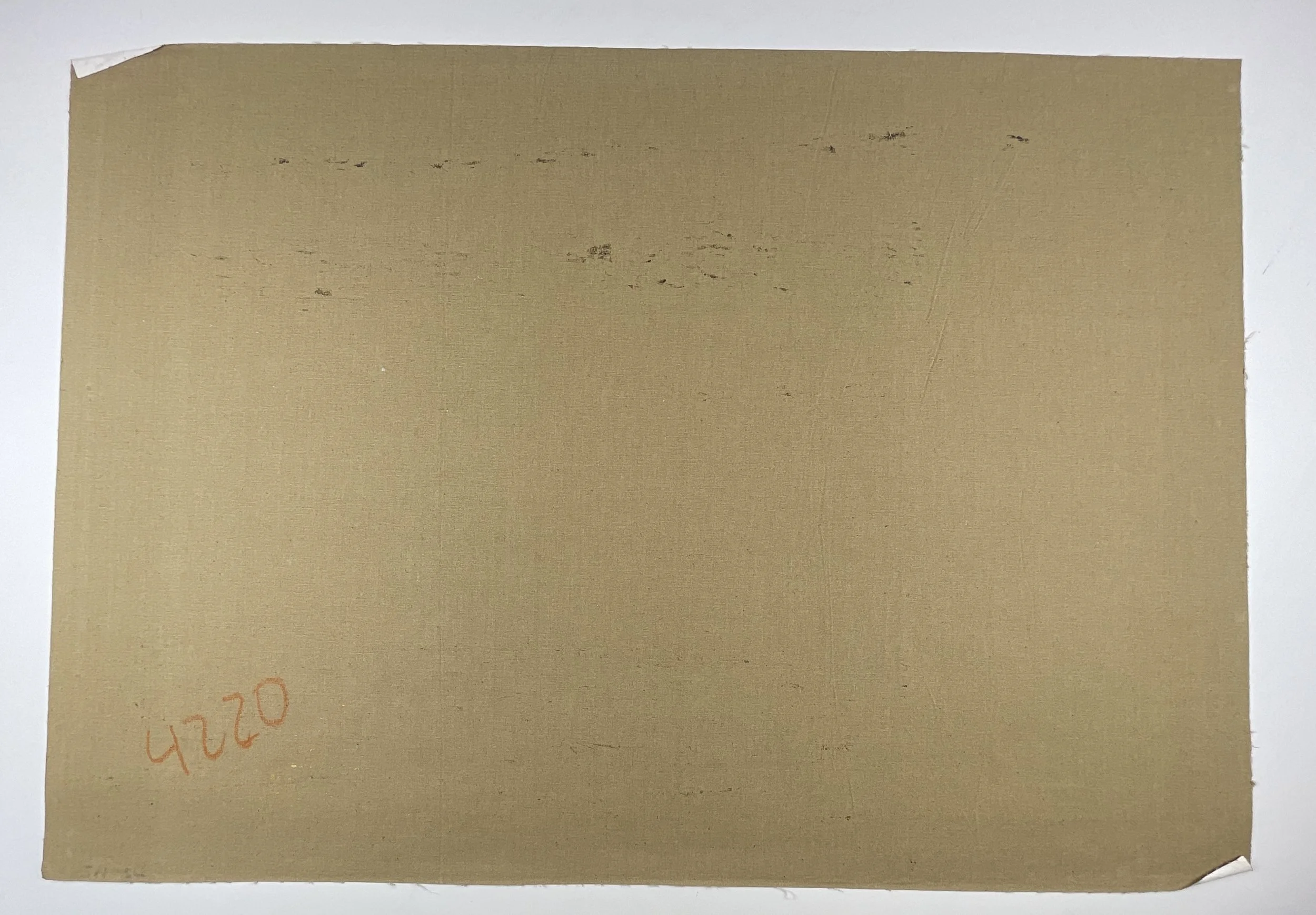
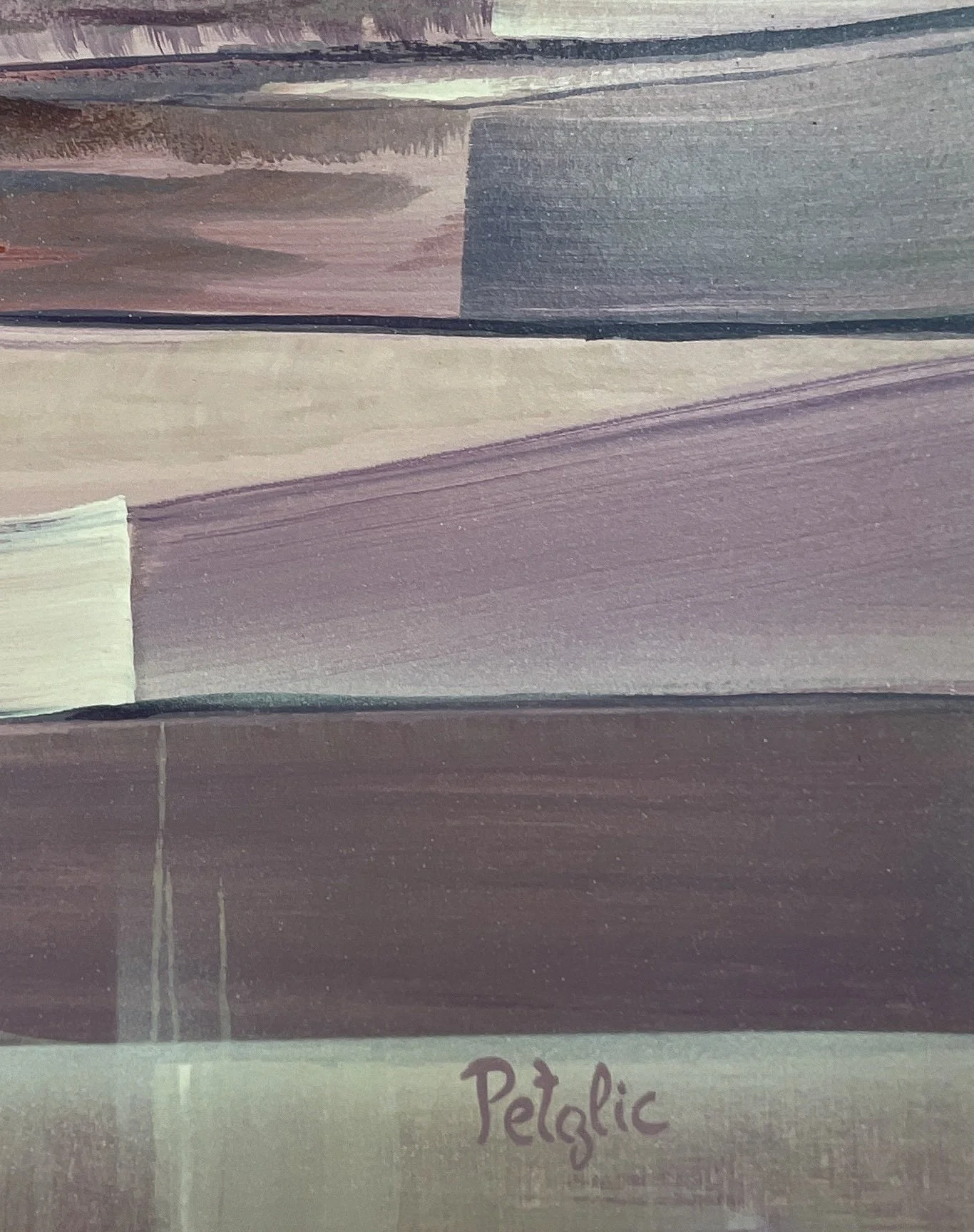
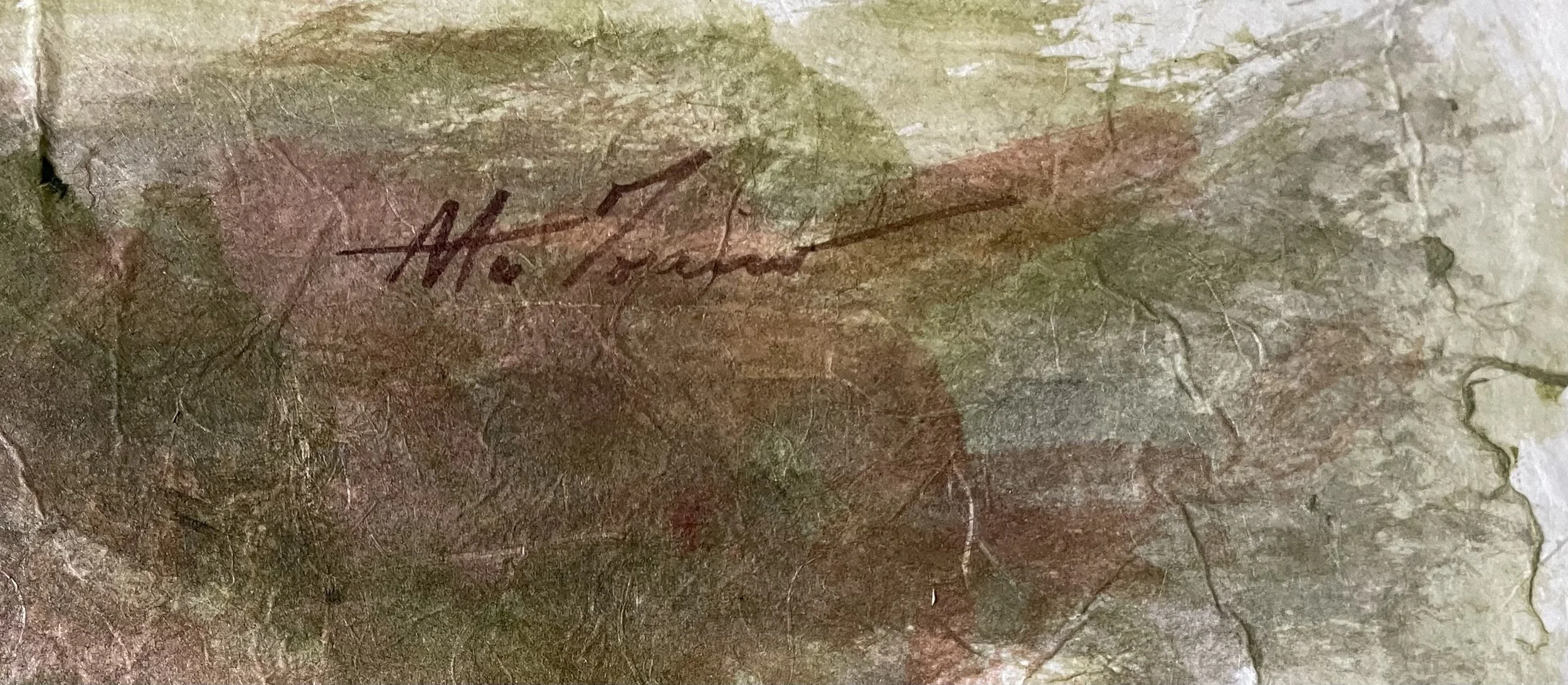
The work is signed by the artist in pencil at the lower left margin. A faint inscription reading “Primary” appears near the lower edge of the sheet, suggesting the artist’s interest in exploring the expressive relationships between fundamental color elements.
Unlike some of Bowman’s more saturated compositions, Primary demonstrates a quieter and more atmospheric side of his practice. The translucent layering and softer tonal range evoke the visual language of Color Field painting while retaining the kinetic energy of Bowman’s paint-flow method.
As with other works associated with Mitch Morse Gallery’s Art Spectrum program, this painting represents a period when galleries actively promoted innovative American abstraction. Bowman’s experimental approach to pigment flow placed him among a generation of artists exploring new ways to allow material processes to shape the image itself.
Artist Biography
Don Bowman (born 1934)
Don Bowman is an American abstract painter whose work developed during the vibrant decades of experimentation in American art following the Second World War. Born in St. Louis, Missouri in 1934, Bowman demonstrated artistic ability from an early age and pursued formal studies in art at Lincoln University in Missouri.
After completing his education, Bowman entered the professional world of visual art working across both commercial and fine art contexts. Like many artists of his generation, he balanced design and illustration work with an evolving studio practice devoted to painting and printmaking.
During the late 1950s and early 1960s Bowman became increasingly interested in the possibilities of abstraction. This was a moment when American painting was undergoing dramatic transformation, shaped by the influence of Abstract Expressionism, Color Field painting, and emerging experimental approaches to materials.
Rather than focusing on gestural brushwork alone, Bowman began developing a technique centered on the manipulation of liquid paint. By controlling the movement of pigment across paper surfaces, he created sweeping forms that appear to flow, merge, and dissolve. The resulting imagery emphasizes movement, translucency, and the interaction of color.
This innovative process involved adjusting paint viscosity and guiding the direction of pigment flow. Gravity, surface tension, and the absorbency of paper all became active participants in the creation of the image. Bowman’s compositions therefore capture both deliberate artistic intention and the natural behavior of fluid paint.
By the mid-1960s Bowman concentrated much of his work on painting and screen printing on paper. This period saw the refinement of his signature visual language: luminous layers of color drifting across the surface in fluid, organic formations.
Bowman’s work was distributed through Art Spectrum, a division of Mitch Morse Gallery Inc. in New York. Mitch Morse was a highly influential figure in the American art market, serving as an artist’s agent, publisher of original graphics, art dealer, and fine art restorer. Through this network Bowman’s works reached collectors throughout the United States and abroad.
The Art Spectrum program introduced audiences to contemporary artists experimenting with innovative techniques in printmaking and painting. Bowman’s flowing abstractions aligned with this spirit of exploration, bridging elements of Abstract Expressionism, Color Field painting, and process-based abstraction.
Works by Bowman entered a number of private collections during this period, and his paintings continue to be appreciated today for their vibrant color relationships and inventive treatment of liquid pigment. His work stands as an example of the broader movement in American art that sought to expand the expressive possibilities of paint itself.
Don Bowman (b.1934), Primary, c.1960s. Abstract oil on paper with translucent flowing pigment layers. Signed lower left. Sheet approx. 35 × 26 inches.
Certificate of Authentication
Artist: Don Bowman (American, b.1934)
Title: Primary
Medium: Oil on paper
Dimensions: 35 × 26 inches
Signature: Signed lower left
This document certifies that the above artwork is an original oil painting on paper by Don Bowman created during the mid-twentieth century using the artist’s distinctive pigment-flow abstraction technique.
Provenance: Art Spectrum, a division of Mitch Morse Gallery Inc., New York.
Current owner: Artfind Gallery, Washington DC.
Condition
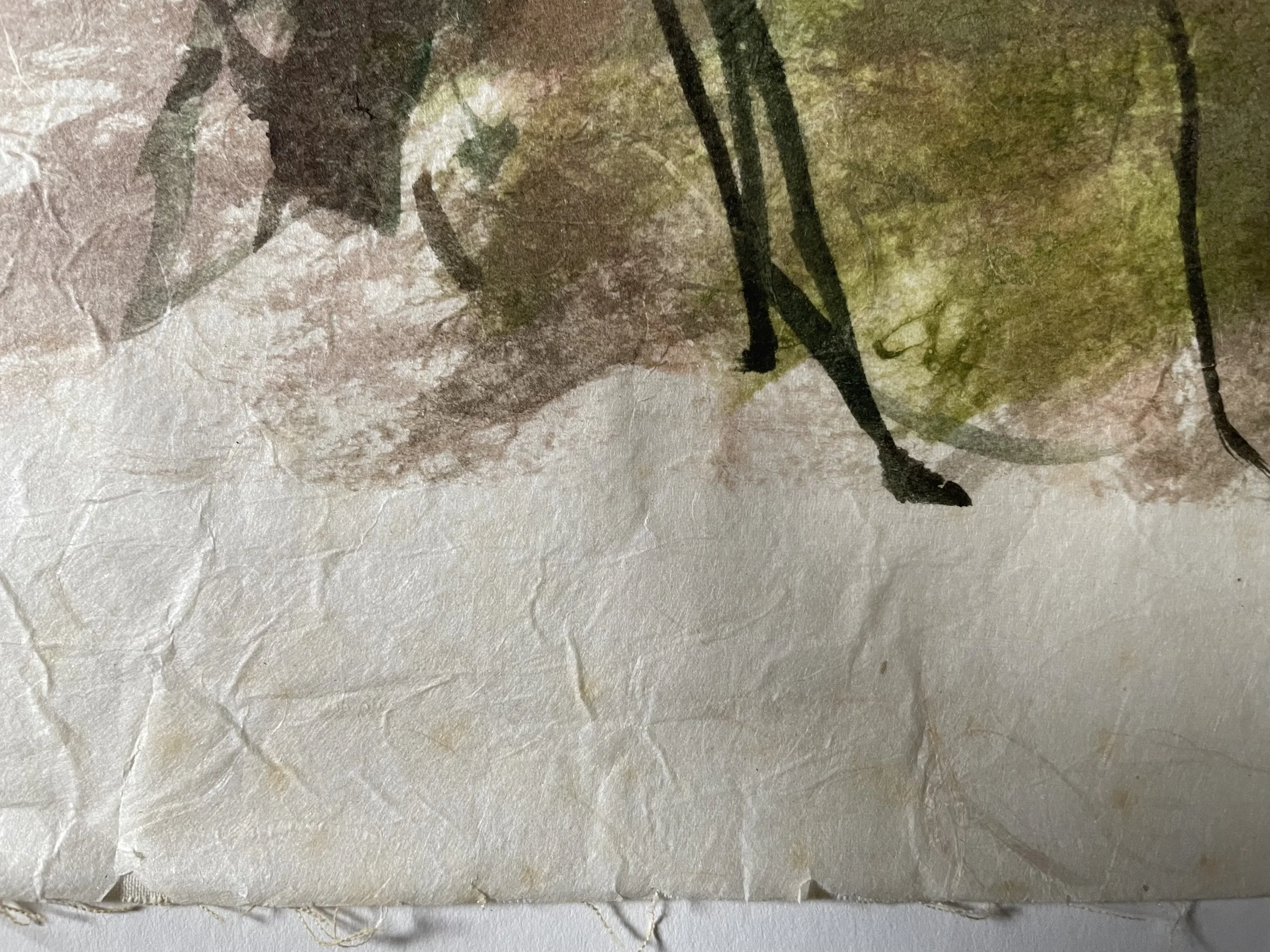
Good vintage condition. Minor age-related toning and light foxing to the paper consistent with mid-20th-century works on paper. Pigment remains stable and vibrant.
Provenance
Artist studio
Art Spectrum / Mitch Morse Gallery Inc., New York
Acquired through Mitch Morse Gallery from sources in New York, the United States, and Europe
Artfind Gallery, Washington DC (current owner)
Citations
Art Spectrum / Mitch Morse Gallery artist information sheet
Benezit Dictionary of Artists
Archives of American Art – Postwar abstraction history
Gibson, Ann. Abstract Expressionism: Other Politics
Primary, Don Bowman (b. 1934), c.1960s, oil on paper, 35 × 26 in., signed lower left; luminous flowing abstraction in layered primary colors.
A luminous mid-century abstract oil on paper by American artist Don Bowman titled Primary. Executed using Bowman’s distinctive “paint-flow” technique, the composition layers translucent reds, blues, yellows, and violets into an atmospheric field of color. Distributed through Mitch Morse Gallery’s Art Spectrum program, the work reflects the experimental energy of postwar American abstraction and Bowman’s exploration of controlled pigment movement.
Artwork Description
This striking abstract composition titled Primary demonstrates Don Bowman’s distinctive approach to fluid abstraction developed during the mid-twentieth century. Executed in oil on paper, the painting is built from translucent layers of pigment that intersect and dissolve across the sheet in a vertical composition of flowing color.
Soft washes of yellow, crimson, cobalt blue, violet, and pale gray drift across the surface, forming a dynamic interplay of overlapping shapes. Unlike the dense gestures often associated with Abstract Expressionism, Bowman’s approach emphasizes transparency and the physical movement of liquid paint. The pigments appear to glide across the paper, merging and separating to form organic, almost atmospheric forms.
The composition is structured around a central vertical band of color that moves through the sheet like a current. Around this axis, semi-transparent shapes in purple, red, blue, and muted green float in a delicate equilibrium. The white ground of the paper remains visible in many areas, allowing the colors to breathe and creating a sense of spatial openness.
Bowman’s process involved carefully manipulating the viscosity and direction of liquid paint. By allowing gravity and surface tension to influence the pigment’s movement, he created forms that feel both spontaneous and controlled. The softly feathered edges of color transitions and the gentle diffusion of pigment reveal the interaction between paint and paper.
The work is signed by the artist in pencil at the lower left margin. A faint inscription reading “Primary” appears near the lower edge of the sheet, suggesting the artist’s interest in exploring the expressive relationships between fundamental color elements.
Unlike some of Bowman’s more saturated compositions, Primary demonstrates a quieter and more atmospheric side of his practice. The translucent layering and softer tonal range evoke the visual language of Color Field painting while retaining the kinetic energy of Bowman’s paint-flow method.
As with other works associated with Mitch Morse Gallery’s Art Spectrum program, this painting represents a period when galleries actively promoted innovative American abstraction. Bowman’s experimental approach to pigment flow placed him among a generation of artists exploring new ways to allow material processes to shape the image itself.
Artist Biography
Don Bowman (born 1934)
Don Bowman is an American abstract painter whose work developed during the vibrant decades of experimentation in American art following the Second World War. Born in St. Louis, Missouri in 1934, Bowman demonstrated artistic ability from an early age and pursued formal studies in art at Lincoln University in Missouri.
After completing his education, Bowman entered the professional world of visual art working across both commercial and fine art contexts. Like many artists of his generation, he balanced design and illustration work with an evolving studio practice devoted to painting and printmaking.
During the late 1950s and early 1960s Bowman became increasingly interested in the possibilities of abstraction. This was a moment when American painting was undergoing dramatic transformation, shaped by the influence of Abstract Expressionism, Color Field painting, and emerging experimental approaches to materials.
Rather than focusing on gestural brushwork alone, Bowman began developing a technique centered on the manipulation of liquid paint. By controlling the movement of pigment across paper surfaces, he created sweeping forms that appear to flow, merge, and dissolve. The resulting imagery emphasizes movement, translucency, and the interaction of color.
This innovative process involved adjusting paint viscosity and guiding the direction of pigment flow. Gravity, surface tension, and the absorbency of paper all became active participants in the creation of the image. Bowman’s compositions therefore capture both deliberate artistic intention and the natural behavior of fluid paint.
By the mid-1960s Bowman concentrated much of his work on painting and screen printing on paper. This period saw the refinement of his signature visual language: luminous layers of color drifting across the surface in fluid, organic formations.
Bowman’s work was distributed through Art Spectrum, a division of Mitch Morse Gallery Inc. in New York. Mitch Morse was a highly influential figure in the American art market, serving as an artist’s agent, publisher of original graphics, art dealer, and fine art restorer. Through this network Bowman’s works reached collectors throughout the United States and abroad.
The Art Spectrum program introduced audiences to contemporary artists experimenting with innovative techniques in printmaking and painting. Bowman’s flowing abstractions aligned with this spirit of exploration, bridging elements of Abstract Expressionism, Color Field painting, and process-based abstraction.
Works by Bowman entered a number of private collections during this period, and his paintings continue to be appreciated today for their vibrant color relationships and inventive treatment of liquid pigment. His work stands as an example of the broader movement in American art that sought to expand the expressive possibilities of paint itself.
Don Bowman (b.1934), Primary, c.1960s. Abstract oil on paper with translucent flowing pigment layers. Signed lower left. Sheet approx. 35 × 26 inches.
Certificate of Authentication
Artist: Don Bowman (American, b.1934)
Title: Primary
Medium: Oil on paper
Dimensions: 35 × 26 inches
Signature: Signed lower left
This document certifies that the above artwork is an original oil painting on paper by Don Bowman created during the mid-twentieth century using the artist’s distinctive pigment-flow abstraction technique.
Provenance: Art Spectrum, a division of Mitch Morse Gallery Inc., New York.
Current owner: Artfind Gallery, Washington DC.
Condition
Good vintage condition. Minor age-related toning and light foxing to the paper consistent with mid-20th-century works on paper. Pigment remains stable and vibrant.
Provenance
Artist studio
Art Spectrum / Mitch Morse Gallery Inc., New York
Acquired through Mitch Morse Gallery from sources in New York, the United States, and Europe
Artfind Gallery, Washington DC (current owner)
Citations
Art Spectrum / Mitch Morse Gallery artist information sheet
Benezit Dictionary of Artists
Archives of American Art – Postwar abstraction history
Gibson, Ann. Abstract Expressionism: Other Politics