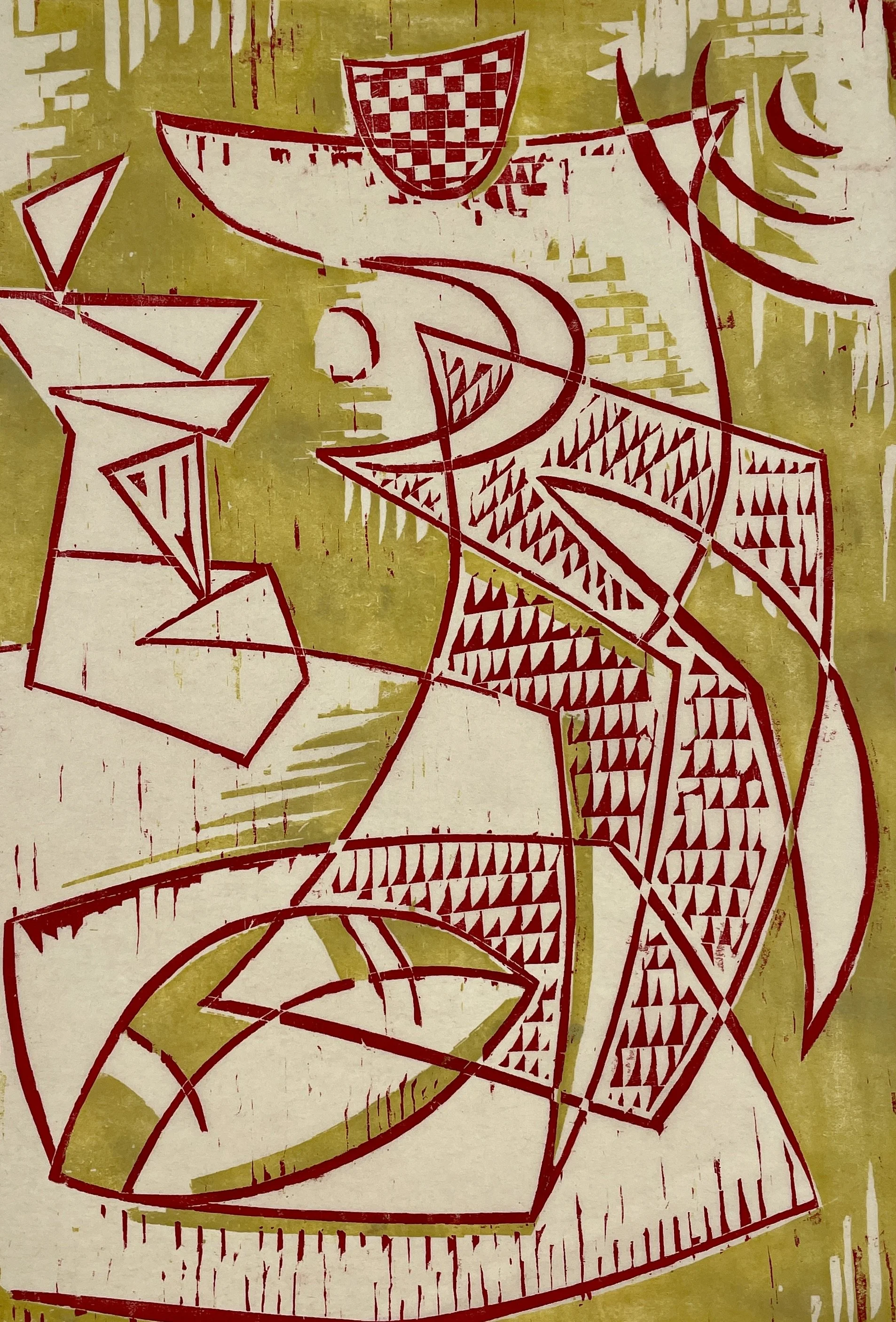
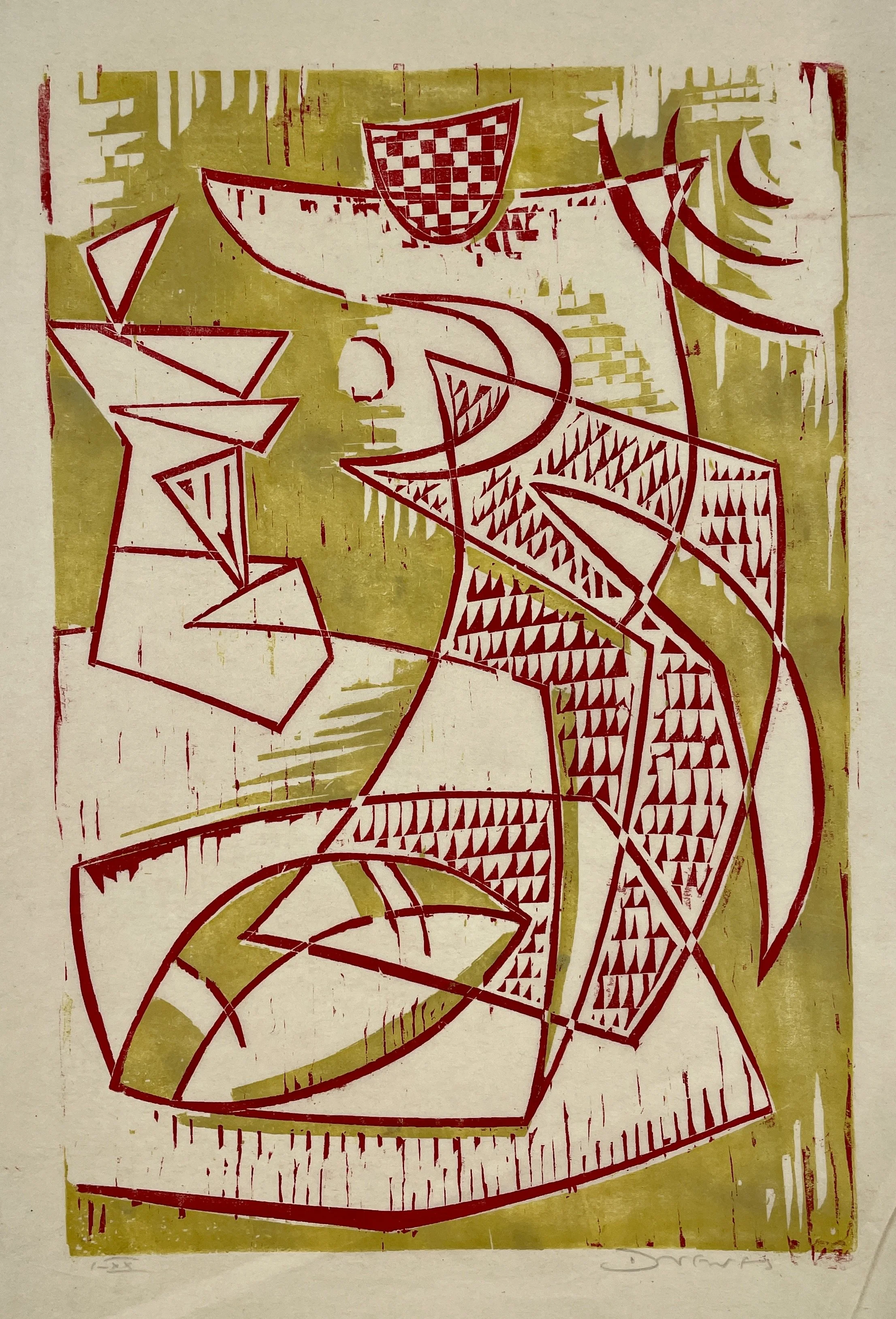
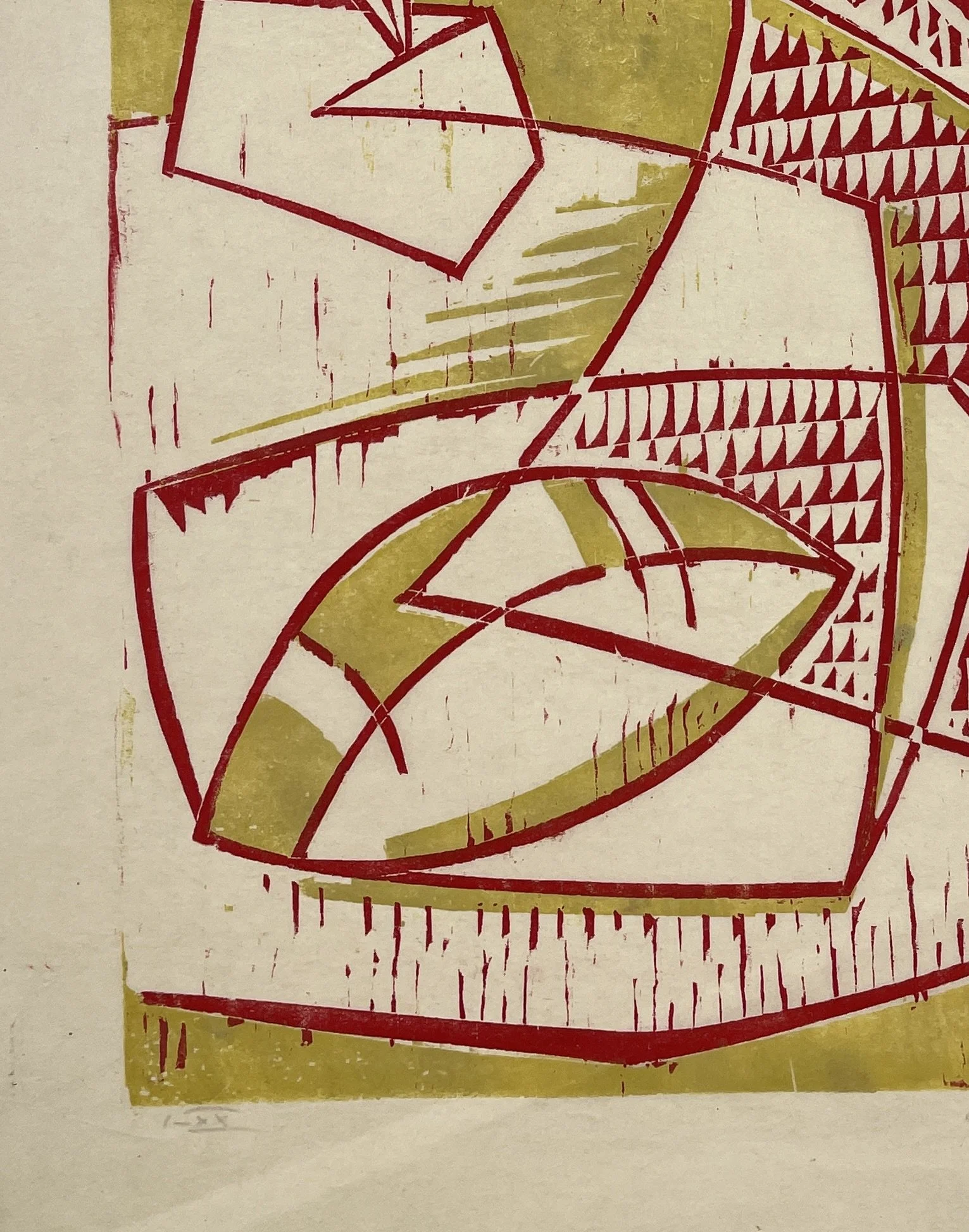
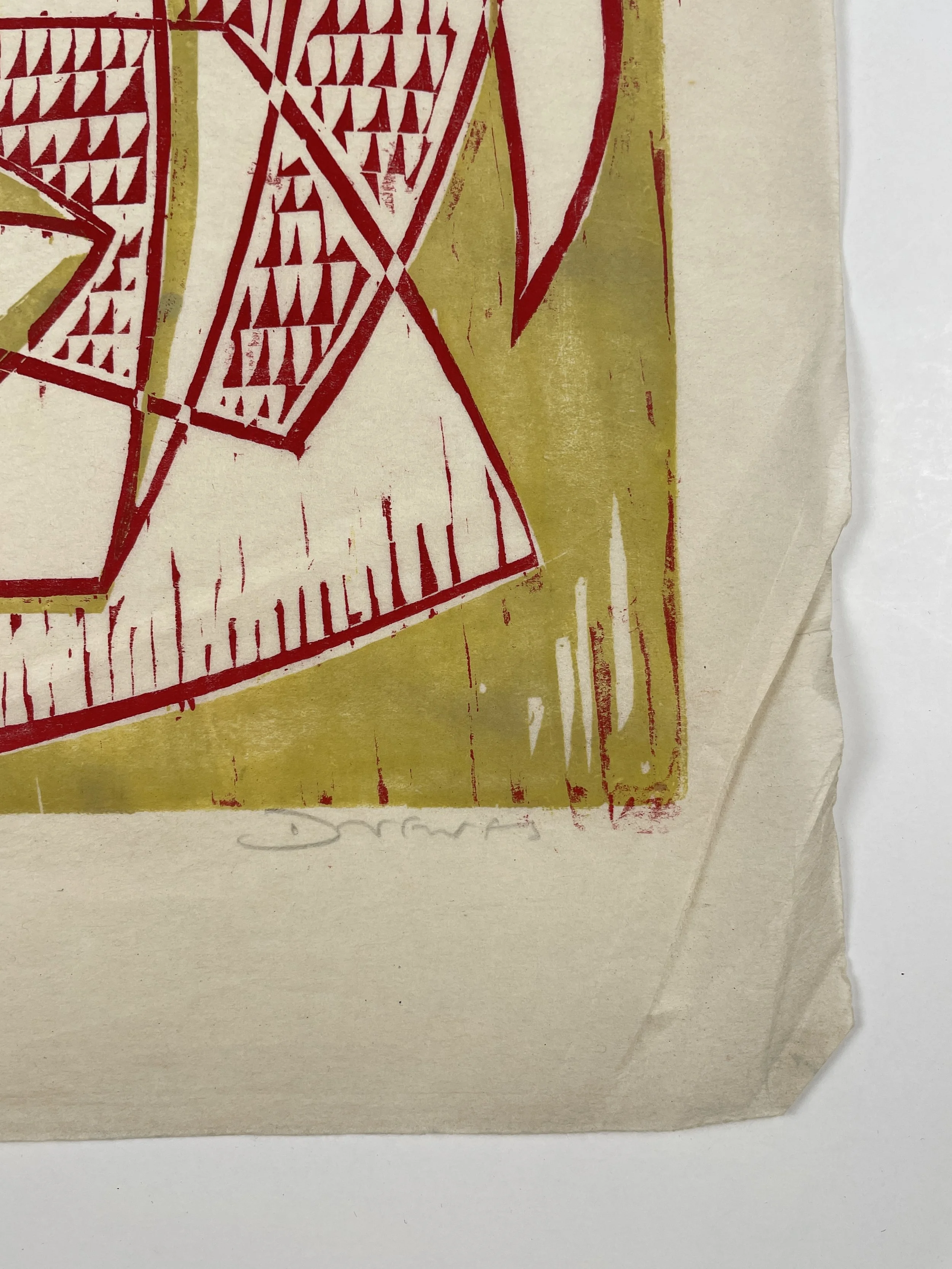
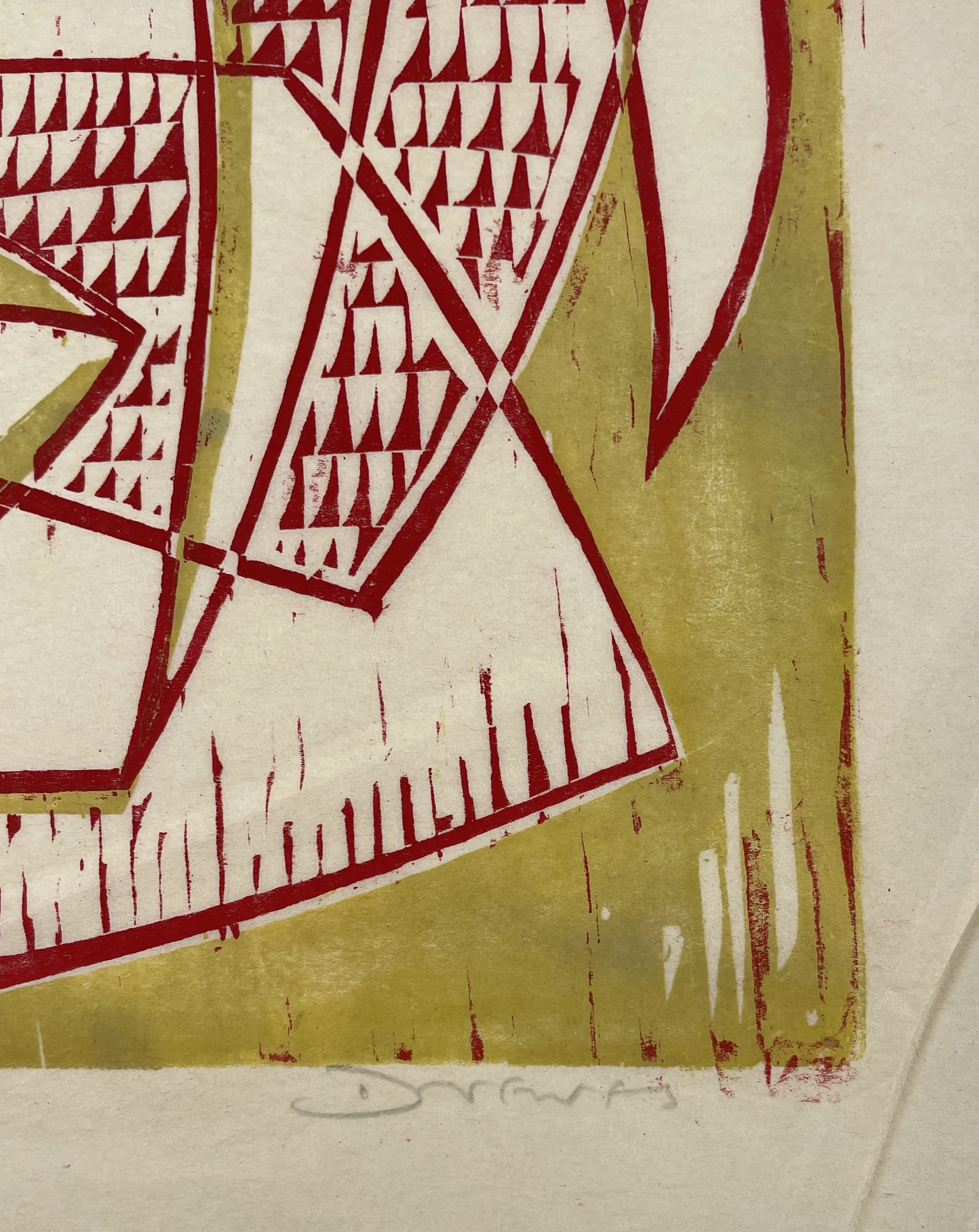
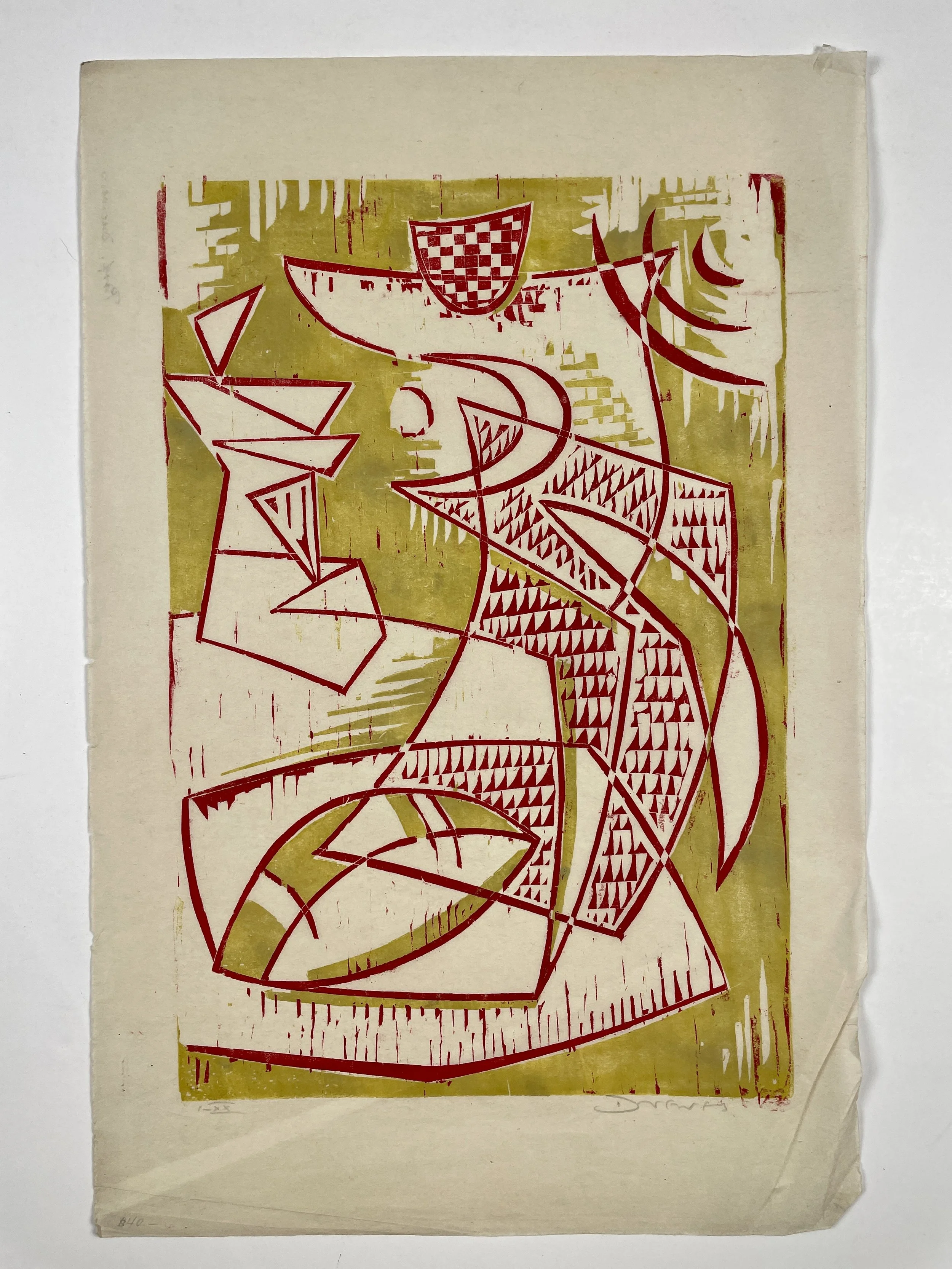
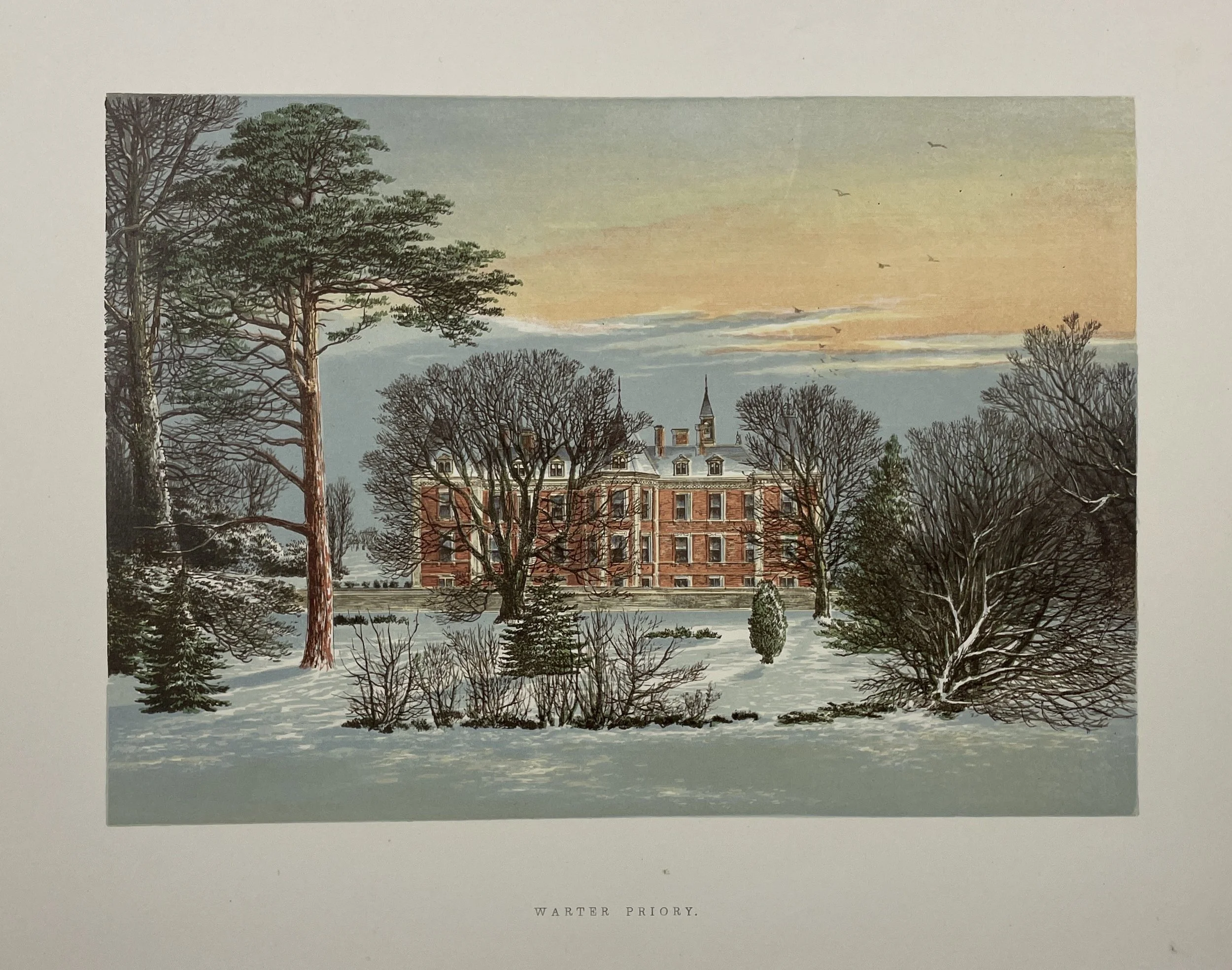
“Raby Castle,” Alexander Francis Lydon (1836–1917), c. 1880, Baxter-process colored woodblock engraving printed by Benjamin Fawcett (1808–1893), published by William Mackenzie, London; sheet 10½ × 8 in., image approx. 7¼ × 5⅛ in., unsigned as issued.
This finely detailed Victorian Baxter-process colored woodblock engraving of Raby Castle, created by illustrator Alexander Francis Lydon and printed by renowned color-printer Benjamin Fawcett, comes from the 1880 volume A Series of Picturesque Views of Seats of the Noblemen and Gentlemen of Great Britain and Ireland. Depicting one of England’s most impressive medieval fortresses—home to the powerful Neville family—this plate is highly prized by collectors of castle art, Victorian topographical prints, British architectural history, and antique color woodblock engravings.
Artwork Description
This elegant and historically rich engraving portrays Raby Castle, one of the grandest and best-preserved medieval castles in England, located in County Durham. Its massive towers, crenellated battlements, and imposing defensive walls rise dramatically from the landscape, projecting the power and heritage of the historic Neville dynasty.
In the composition, Alexander Francis Lydon captures the expansive view across rolling parkland, where a herd of grazing deer adds vitality and a sense of aristocratic tradition. Behind them, the castle’s varied towers—round, square, and octagonal—create a rhythmic skyline. Architectural details such as mullioned windows, ivy-covered stonework, and the flying flag enliven the monumental structure.
Soft, atmospheric clouds sweep across the sky, rendered in subtle gradations that complement the warm stone tones and lush green fields. The reflective water in the foreground adds a serene anchor to the composition, enhancing depth and balance.
Printed by Benjamin Fawcett using the Baxter-process, this plate was produced through multiple precisely registered woodblocks, typically eight or more, each applying transparent layers of color. This technique results in delicate shading, rich natural hues, and finely articulated architectural textures—hallmarks of the Lydon–Fawcett collaboration.
As part of William Mackenzie’s essential Picturesque Views, this engraving documents Raby Castle at its 19th-century height, serving both as an artistic achievement and as a historical record of one of Britain’s greatest fortified estates.
Artist & Printer Biographies
ALEXANDER FRANCIS LYDON (1836–1917) — Illustrator
Lydon was among Victorian Britain’s leading illustrators, admired for his precision in architectural detail, sensitive landscapes, and clear, balanced compositions. He was a longtime collaborator of printer Benjamin Fawcett and naturalist Rev. F.O. Morris, contributing to many influential 19th-century illustrated volumes. His depictions of British estates remain sought after for their historical accuracy and refined artistic quality.
BENJAMIN FAWCETT (1808–1893) — Printer
A master of Victorian color printing, Fawcett perfected adaptations of the Baxter-process, creating woodblock prints of remarkable clarity, transparency, and tonal richness. From his Driffield workshop in Yorkshire, he produced some of the most technically accomplished illustrated books of the century in collaboration with Lydon. His work stands as a testament to the peak of 19th-century color-print craftsmanship.
WILLIAM MACKENZIE — Publisher
Operating in London, Edinburgh, and Dublin, Mackenzie was known for high-quality, gilt-edged, illustrated volumes documenting natural history, geography, and British architecture. His Picturesque Views of Seats of the Noblemen and Gentlemen of Great Britain and Ireland remains a landmark visual archive of aristocratic estates during the late Victorian era.
Alexander Francis Lydon (illustrator), Benjamin Fawcett (printer), “Raby Castle,” c. 1880. Baxter-process colored woodblock engraving from Picturesque Views of Seats of the Noblemen and Gentlemen of Great Britain and Ireland. Image approx. 7¼ × 5⅛ in.; sheet 10½ × 8 in. Excellent color; crisp detail; very good vintage condition.
CERTIFICATE OF VALUE & AUTHENTICATION
For Fine Art Appraisal / Insurance / Gallery Documentation
Title: Raby Castle
Illustrator: Alexander Francis Lydon (1836–1917)
Printer: Benjamin Fawcett (1808–1893)
Publisher: William Mackenzie, London / Edinburgh / Dublin
Date: c. 1880
Medium: Baxter-process colored woodblock engraving (multi-block; approx. 8 colors)
Sheet Size: 10½ × 8 inches
Image Size: approx. 7¼ × 5⅛ inches
Condition: Very good to excellent; rich color retention; clean surface; unmatted and never framed
Current Owner: Artfind Gallery, Washington, DC
Authentication: Confirmed period impression consistent with Lydon–Fawcett technical and stylistic standards.
Provenance Chain
Published by William Mackenzie, London / Edinburgh / Dublin (c. 1880)
Private British Collection
Mitch Moore Gallery Inc., NYC (retired inventory)
Current Owner: Artfind Gallery, Washington, DC
“Raby Castle,” Alexander Francis Lydon (1836–1917), c. 1880, Baxter-process colored woodblock engraving printed by Benjamin Fawcett (1808–1893), published by William Mackenzie, London; sheet 10½ × 8 in., image approx. 7¼ × 5⅛ in., unsigned as issued.
This finely detailed Victorian Baxter-process colored woodblock engraving of Raby Castle, created by illustrator Alexander Francis Lydon and printed by renowned color-printer Benjamin Fawcett, comes from the 1880 volume A Series of Picturesque Views of Seats of the Noblemen and Gentlemen of Great Britain and Ireland. Depicting one of England’s most impressive medieval fortresses—home to the powerful Neville family—this plate is highly prized by collectors of castle art, Victorian topographical prints, British architectural history, and antique color woodblock engravings.
Artwork Description
This elegant and historically rich engraving portrays Raby Castle, one of the grandest and best-preserved medieval castles in England, located in County Durham. Its massive towers, crenellated battlements, and imposing defensive walls rise dramatically from the landscape, projecting the power and heritage of the historic Neville dynasty.
In the composition, Alexander Francis Lydon captures the expansive view across rolling parkland, where a herd of grazing deer adds vitality and a sense of aristocratic tradition. Behind them, the castle’s varied towers—round, square, and octagonal—create a rhythmic skyline. Architectural details such as mullioned windows, ivy-covered stonework, and the flying flag enliven the monumental structure.
Soft, atmospheric clouds sweep across the sky, rendered in subtle gradations that complement the warm stone tones and lush green fields. The reflective water in the foreground adds a serene anchor to the composition, enhancing depth and balance.
Printed by Benjamin Fawcett using the Baxter-process, this plate was produced through multiple precisely registered woodblocks, typically eight or more, each applying transparent layers of color. This technique results in delicate shading, rich natural hues, and finely articulated architectural textures—hallmarks of the Lydon–Fawcett collaboration.
As part of William Mackenzie’s essential Picturesque Views, this engraving documents Raby Castle at its 19th-century height, serving both as an artistic achievement and as a historical record of one of Britain’s greatest fortified estates.
Artist & Printer Biographies
ALEXANDER FRANCIS LYDON (1836–1917) — Illustrator
Lydon was among Victorian Britain’s leading illustrators, admired for his precision in architectural detail, sensitive landscapes, and clear, balanced compositions. He was a longtime collaborator of printer Benjamin Fawcett and naturalist Rev. F.O. Morris, contributing to many influential 19th-century illustrated volumes. His depictions of British estates remain sought after for their historical accuracy and refined artistic quality.
BENJAMIN FAWCETT (1808–1893) — Printer
A master of Victorian color printing, Fawcett perfected adaptations of the Baxter-process, creating woodblock prints of remarkable clarity, transparency, and tonal richness. From his Driffield workshop in Yorkshire, he produced some of the most technically accomplished illustrated books of the century in collaboration with Lydon. His work stands as a testament to the peak of 19th-century color-print craftsmanship.
WILLIAM MACKENZIE — Publisher
Operating in London, Edinburgh, and Dublin, Mackenzie was known for high-quality, gilt-edged, illustrated volumes documenting natural history, geography, and British architecture. His Picturesque Views of Seats of the Noblemen and Gentlemen of Great Britain and Ireland remains a landmark visual archive of aristocratic estates during the late Victorian era.
Alexander Francis Lydon (illustrator), Benjamin Fawcett (printer), “Raby Castle,” c. 1880. Baxter-process colored woodblock engraving from Picturesque Views of Seats of the Noblemen and Gentlemen of Great Britain and Ireland. Image approx. 7¼ × 5⅛ in.; sheet 10½ × 8 in. Excellent color; crisp detail; very good vintage condition.
CERTIFICATE OF VALUE & AUTHENTICATION
For Fine Art Appraisal / Insurance / Gallery Documentation
Title: Raby Castle
Illustrator: Alexander Francis Lydon (1836–1917)
Printer: Benjamin Fawcett (1808–1893)
Publisher: William Mackenzie, London / Edinburgh / Dublin
Date: c. 1880
Medium: Baxter-process colored woodblock engraving (multi-block; approx. 8 colors)
Sheet Size: 10½ × 8 inches
Image Size: approx. 7¼ × 5⅛ inches
Condition: Very good to excellent; rich color retention; clean surface; unmatted and never framed
Current Owner: Artfind Gallery, Washington, DC
Authentication: Confirmed period impression consistent with Lydon–Fawcett technical and stylistic standards.
Provenance Chain
Published by William Mackenzie, London / Edinburgh / Dublin (c. 1880)
Private British Collection
Mitch Moore Gallery Inc., NYC (retired inventory)
Current Owner: Artfind Gallery, Washington, DC
 Image 1 of 6
 Image 2 of 6
 Image 3 of 6
 Image 4 of 6
 Image 5 of 6
 Image 6 of 6