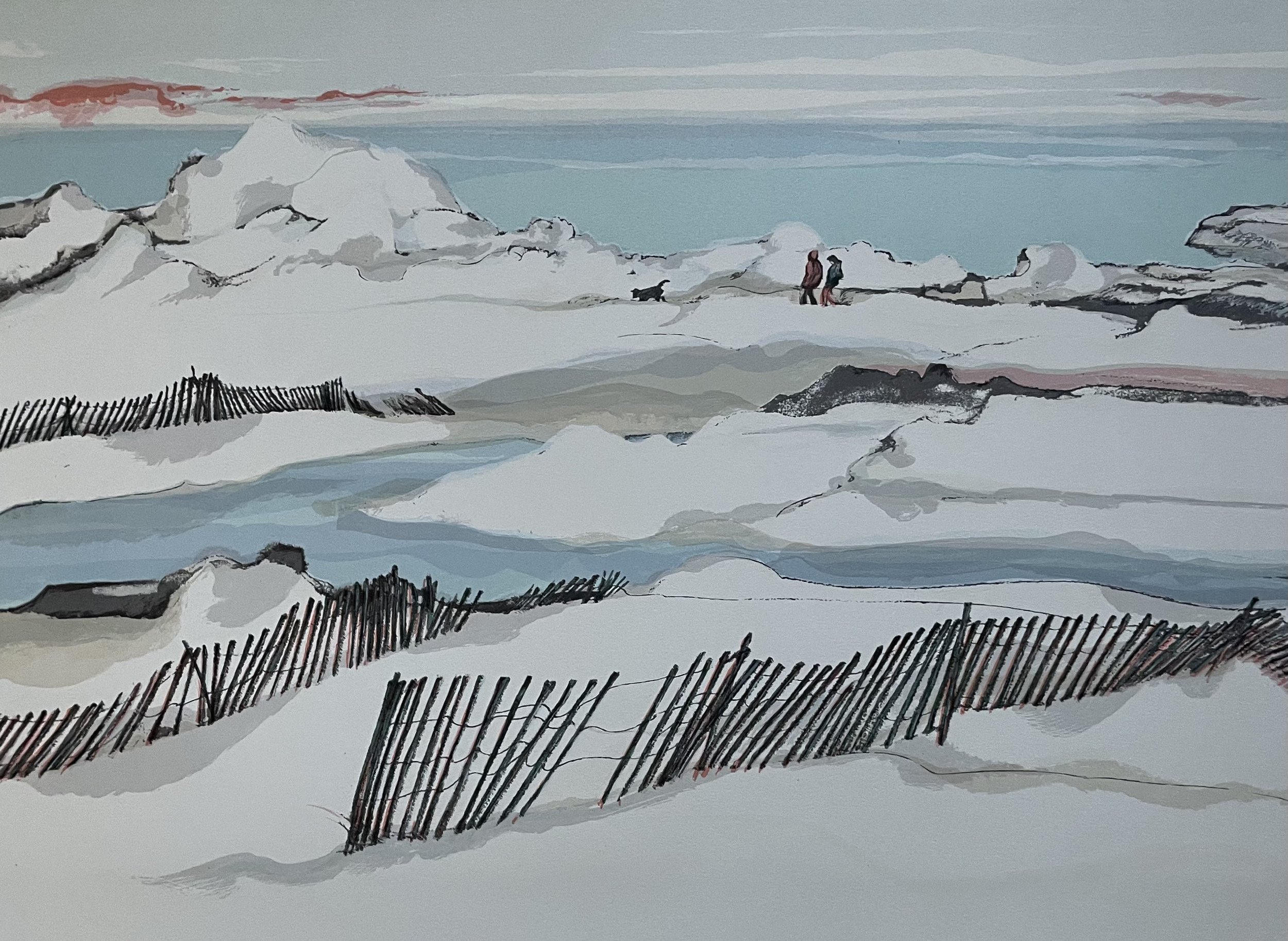
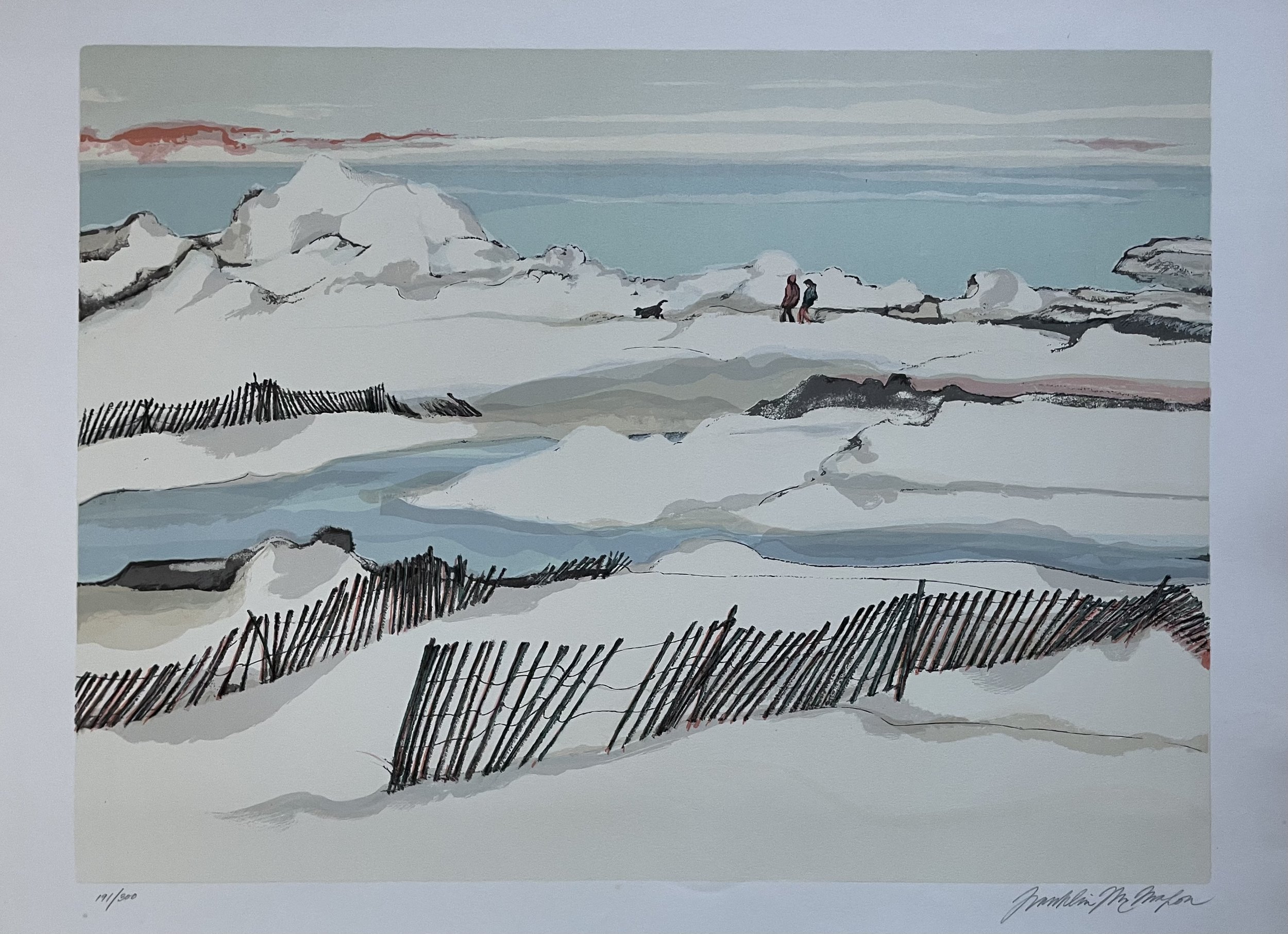
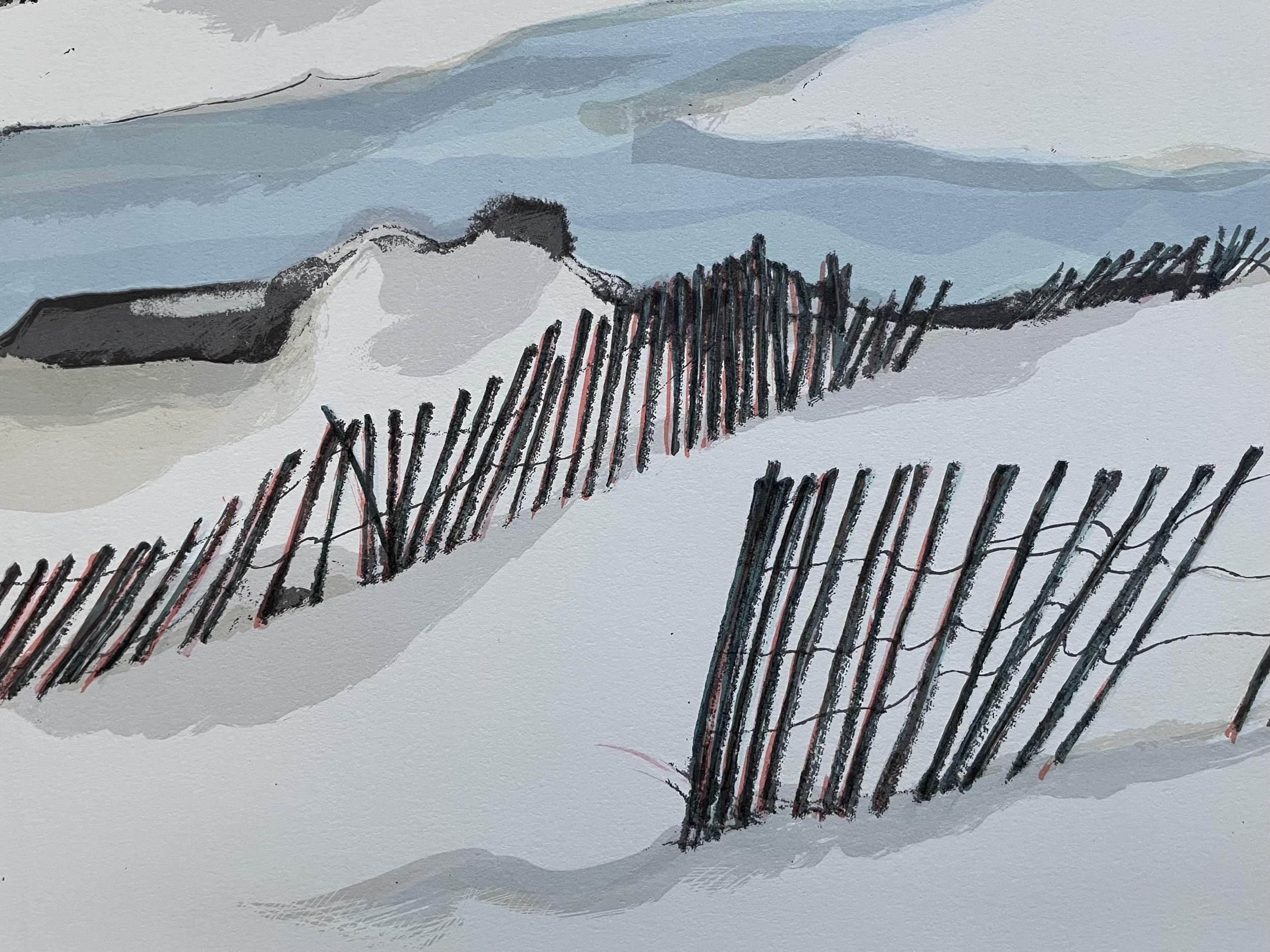
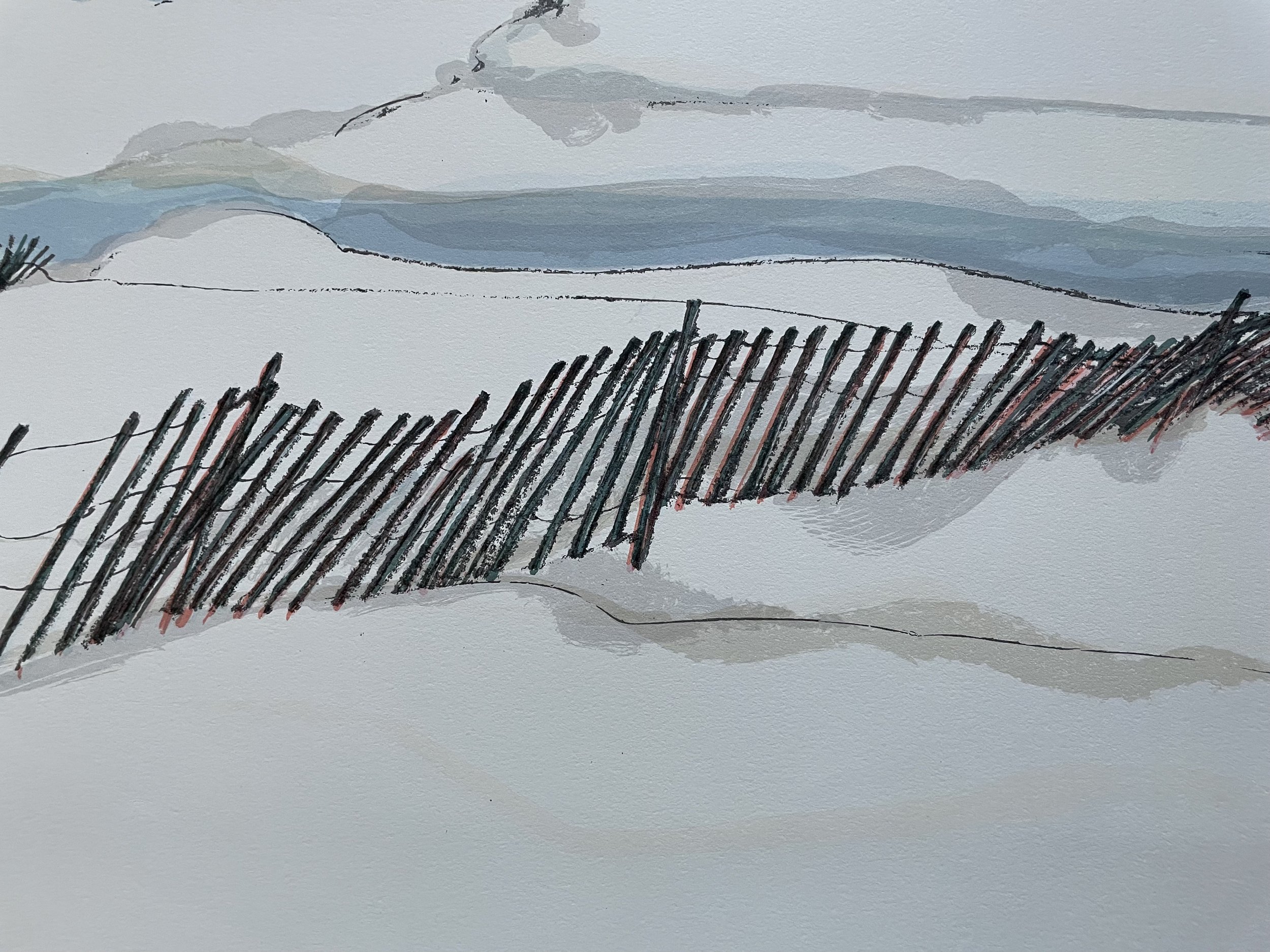
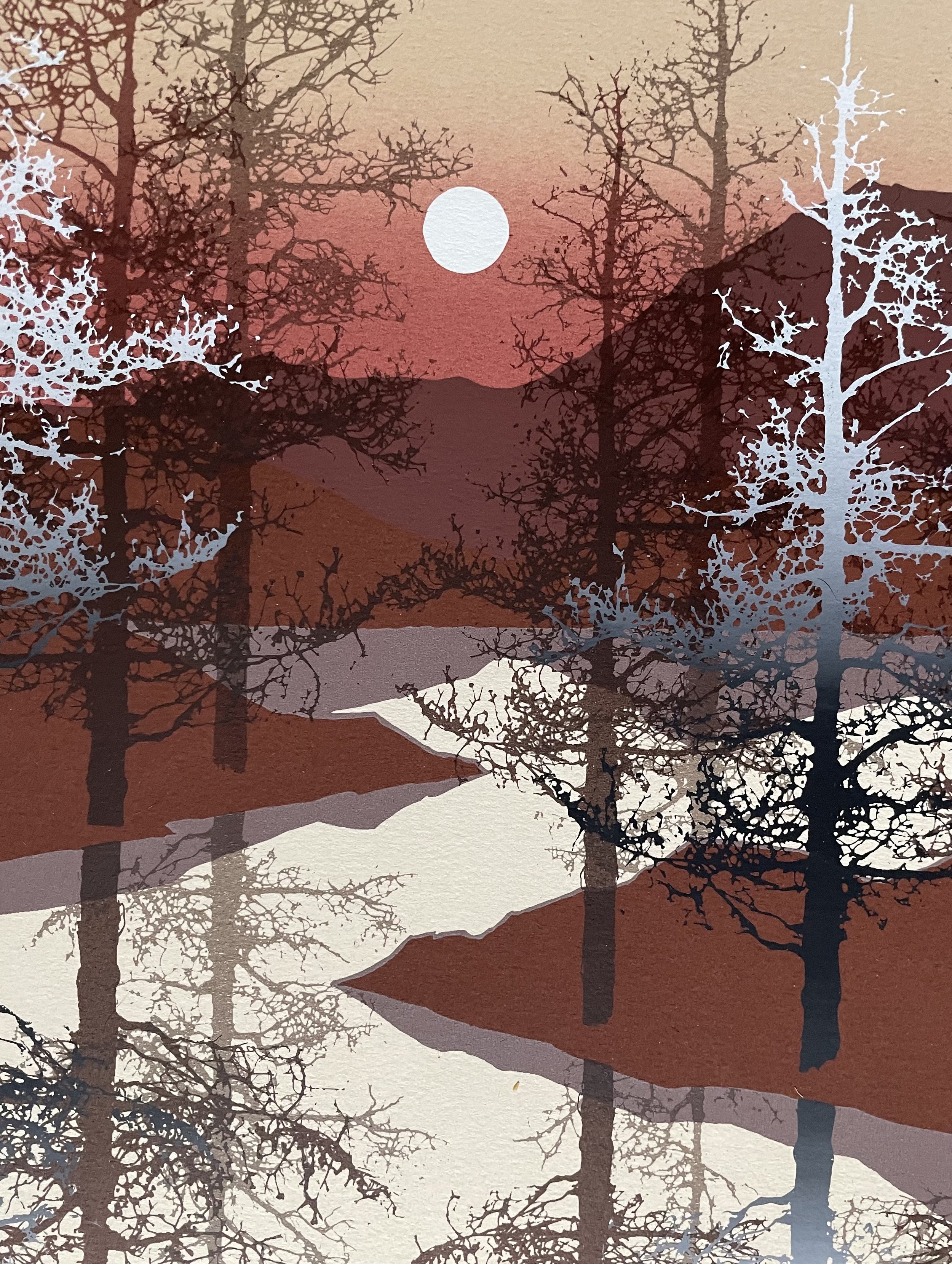
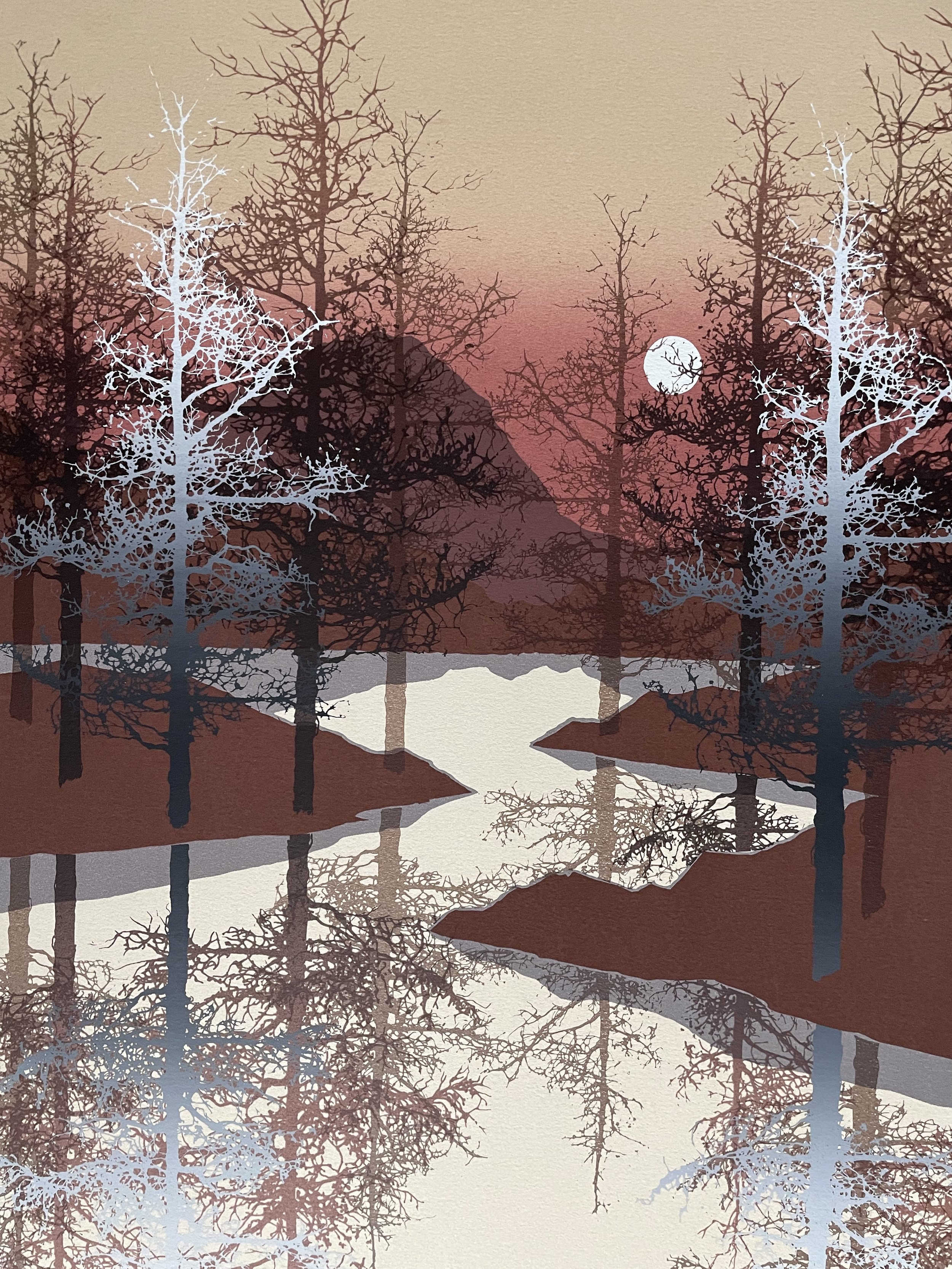
Red Barn, Armond Fields, c.1975, serigraph on paper, 33 × 26 in., hand-signed lower right, edition 49/50.
A striking limited edition serigraph by American modernist Armond Fields depicting a brilliant Midwestern red barn and wagon rendered in crisp geometric forms and luminous color. Created during the artist’s most active exhibition period of the early–mid 1970s, the print blends Pop-influenced realism with graphic design precision, transforming a rural American scene into a bold modernist composition.
Artwork Description
Red Barn is a powerful example of Armond Fields’ distinctive interpretation of American rural imagery through a modernist graphic lens. Executed as a limited edition serigraph in the mid-1970s, the composition depicts a large red barn dominating the foreground, its vivid vertical siding rendered in sharply defined planes of saturated color. A bare tree trunk rises in front of the structure, while a wooden wagon and fencing elements intersect the composition, creating a complex interplay of diagonals and horizontals.
The barn’s intense vermilion red contrasts dramatically with the cool blue sky and deep green hillside. Fields simplifies forms into clean geometric shapes, flattening perspective while retaining recognizable architectural details. The result is a stylized rural landscape that merges Pop Art clarity with the compositional discipline of modern graphic design.
The wagon structure in the right foreground introduces a rhythmic arrangement of beams, rails, and wheels that guide the viewer’s eye across the image. The distant farmhouses and rolling hills provide spatial depth but remain rendered with the same controlled graphic simplicity.
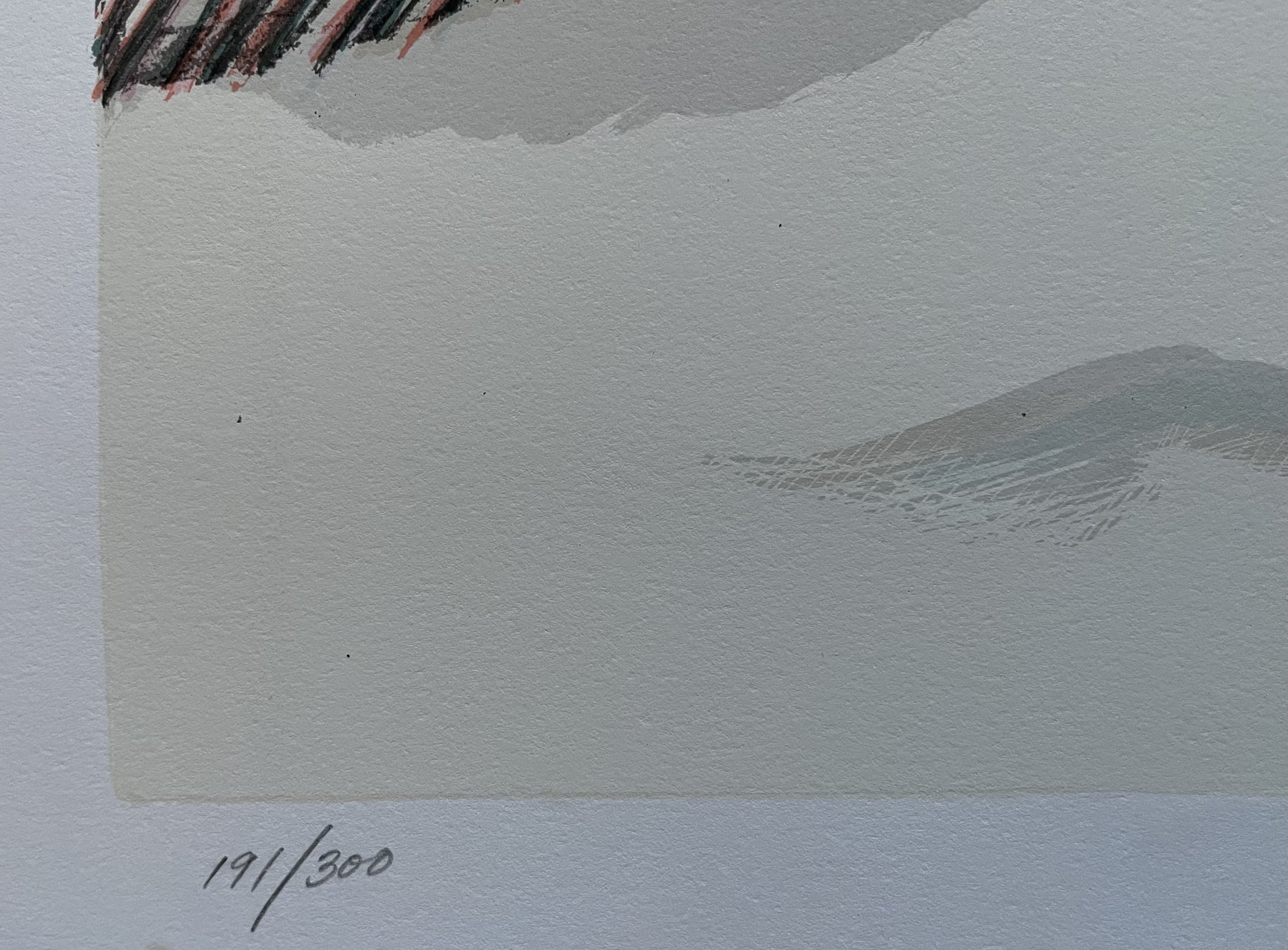
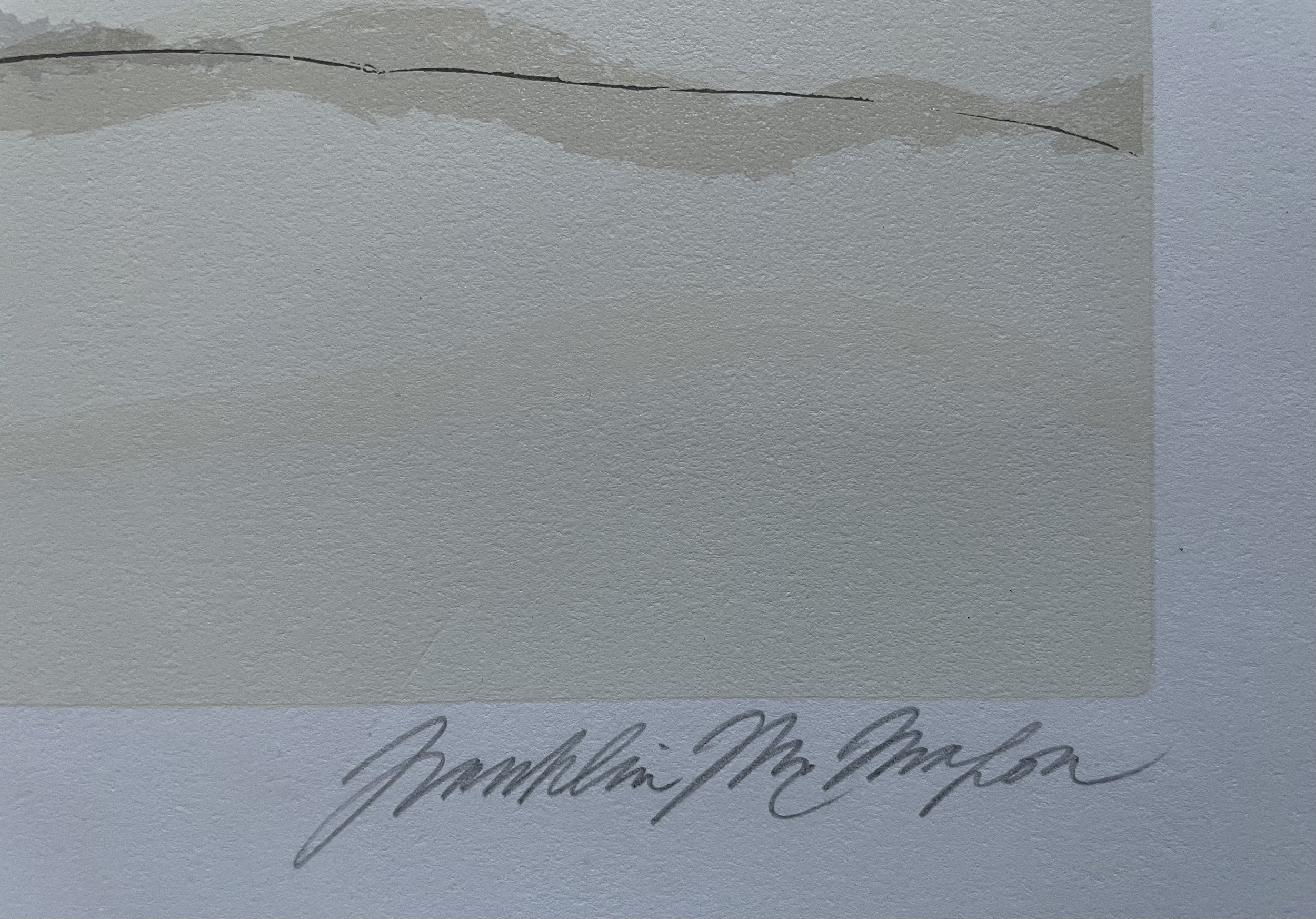
Printed as a serigraph, the work exhibits the crisp edges and smooth color fields typical of the medium. Silkscreen printing allowed Fields to achieve the intense saturation and precision that characterize his work. The image area is framed by generous margins, and the print is hand-signed in pencil by the artist at the lower right with the edition number 49/50 at lower left.
The edition size of only fifty impressions places this print among the more desirable examples of Fields’ limited edition graphic work. Produced during the early period when the artist began exhibiting widely in Los Angeles, New York, and Europe, the print reflects his transition from the business world into a full-time artistic career.
Through this work, Fields transforms an ordinary agricultural subject into a bold visual statement. The painting-like color relationships, architectural clarity, and balanced composition demonstrate his ability to merge American regional imagery with modernist design principles.
Artist Biography
Armond Fields was an American painter and printmaker whose work fused modern graphic design with stylized interpretations of rural architecture and landscape.
A native of Chicago, Fields was raised in the American Midwest, an environment whose barns, farmhouses, and open landscapes would later influence his artistic imagery. Unlike many artists who began their careers through traditional art academies alone, Fields followed a multidisciplinary path that combined academic study, professional business experience, and eventually full dedication to art.
He earned degrees from three universities: the University of Wisconsin (B.S.), the University of Illinois (M.A.), and the University of Chicago (PhD). After several successful years working in marketing and market research, Fields made a decisive life change. In 1970 he relocated to Los Angeles in order to pursue art full-time.
The early 1970s marked a period of rapid recognition for Fields. His work began appearing in solo exhibitions across the United States. Among the most notable early shows were exhibitions at Withold K Gallery in Beverly Hills (1972), Woodward Gallery in Long Beach (1973 and 1974), Cooper Gallery in Los Angeles (1973), and Lynn Kottler Gallery in New York (1974). His reputation also extended internationally with a solo exhibition at the Commonwealth Institute Gallery in Edinburgh, Scotland in 1974.
During this period Fields developed the style for which he became best known: bold serigraphs and paintings that depicted architectural forms, barns, fences, and rural structures simplified into strong graphic shapes. His compositions often feature bright, saturated colors combined with clean outlines and flattened perspective, reflecting the influence of both American Pop Art and modern graphic illustration.
Fields’ works quickly entered a number of corporate and institutional collections. These included Sam Houston University, Hal Mann Laboratories, Continental Telephone, Sears Roebuck & Company, J.D. Power & Associates, MSI International, International Industries, The Bank of Chicago, and the U.S. Consulate in Edinburgh. In addition, his work appeared in numerous private collections across twenty states and seven foreign countries.
Permanent and continuing exhibitions of Fields’ work were held at galleries including Ankrum Gallery in Los Angeles, Fine Arts Gallery in Palm Springs, Art Wagon Gallery in Scottsdale, Cooper Gallery in Los Angeles, Triforium Galleries in San Diego, Gallery Paton in Edinburgh, Vaccarino Arte Contemporanea in Florence, and Windsor Gallery in Los Angeles.
Critics and galleries noted the distinctive character of his work. Park East magazine described his prints as “striking,” while Lynn Kottler Galleries in New York praised the “exceptional delicacy of feeling and powerful visual impact.” The Commonwealth Institute in Edinburgh referred to him simply as “a superb artist.”
Fields’ limited edition serigraphs from the 1970s remain the most widely collected works from his career. They represent a moment when American regional imagery was reinterpreted through the bold visual language of modern design and Pop-era printmaking.
By combining Midwestern subject matter with modernist simplification, Fields created imagery that feels both nostalgic and contemporary. His work stands as a bridge between traditional American landscape themes and the graphic experimentation that defined printmaking during the 1970s.
Armond Fields
Red Barn
Limited edition serigraph
33 × 26 inches
Hand-signed lower right
Edition 49/50
American modernist rural landscape print, circa 1975.
Certificate of Authentication
This document certifies that the artwork titled Red Barn is an authentic limited edition serigraph created by Armond Fields.
Artist: Armond Fields
Title: Red Barn
Medium: Serigraph on paper
Dimensions: 33 × 26 inches
Edition: 49/50
Signature: Hand-signed in pencil lower right
This print originates from the artist’s limited edition series produced during the early to mid-1970s and represents an authentic example of Fields’ graphic rural landscape works.
Condition
Very good vintage condition.
Colors remain strong and vibrant. Minor age toning visible along the margins and a faint handling crease on the verso consistent with age. No major tears or restoration observed.
Provenance
Armond Fields studio / publisher, United States
Mitch Morse Gallery, New York
Acquired by Mitch Morse Gallery through sources in New York and Europe
Artfind Gallery, Washington DC (current owner)
Provenance Note: Mitch Morse Gallery Collection
This artwork originates from the inventory of Mitch Morse Gallery, a respected New York–based gallery and publisher active during the mid-to-late 20th century. Mitch Morse was an established figure in the American art market, serving as an artist’s agent, publisher of original graphics, art dealer, distributor, and fine art restorer. He was also a Design Affiliate of A.S.I.D., listed in Who’s Who in the East, and a guest lecturer in graphics at New York University, with appearances on radio and television discussing art and design.
Through his gallery and associated publishing operations, Morse acquired paintings, prints, and original works from artists and studios across New York, Europe, and international art markets, assembling a broad inventory representing a wide range of artistic traditions and mediums. Works from this collection circulated through galleries and collectors throughout the United States.
The present painting was acquired through this network and is now held in the collection of Artfind Gallery, Washington DC, continuing the documented chain of gallery provenance from Mitch Morse’s original acquisitions.
Red Barn, Armond Fields, c.1975, serigraph on paper, 33 × 26 in., hand-signed lower right, edition 49/50.
A striking limited edition serigraph by American modernist Armond Fields depicting a brilliant Midwestern red barn and wagon rendered in crisp geometric forms and luminous color. Created during the artist’s most active exhibition period of the early–mid 1970s, the print blends Pop-influenced realism with graphic design precision, transforming a rural American scene into a bold modernist composition.
Artwork Description
Red Barn is a powerful example of Armond Fields’ distinctive interpretation of American rural imagery through a modernist graphic lens. Executed as a limited edition serigraph in the mid-1970s, the composition depicts a large red barn dominating the foreground, its vivid vertical siding rendered in sharply defined planes of saturated color. A bare tree trunk rises in front of the structure, while a wooden wagon and fencing elements intersect the composition, creating a complex interplay of diagonals and horizontals.
The barn’s intense vermilion red contrasts dramatically with the cool blue sky and deep green hillside. Fields simplifies forms into clean geometric shapes, flattening perspective while retaining recognizable architectural details. The result is a stylized rural landscape that merges Pop Art clarity with the compositional discipline of modern graphic design.
The wagon structure in the right foreground introduces a rhythmic arrangement of beams, rails, and wheels that guide the viewer’s eye across the image. The distant farmhouses and rolling hills provide spatial depth but remain rendered with the same controlled graphic simplicity.
Printed as a serigraph, the work exhibits the crisp edges and smooth color fields typical of the medium. Silkscreen printing allowed Fields to achieve the intense saturation and precision that characterize his work. The image area is framed by generous margins, and the print is hand-signed in pencil by the artist at the lower right with the edition number 49/50 at lower left.
The edition size of only fifty impressions places this print among the more desirable examples of Fields’ limited edition graphic work. Produced during the early period when the artist began exhibiting widely in Los Angeles, New York, and Europe, the print reflects his transition from the business world into a full-time artistic career.
Through this work, Fields transforms an ordinary agricultural subject into a bold visual statement. The painting-like color relationships, architectural clarity, and balanced composition demonstrate his ability to merge American regional imagery with modernist design principles.
Artist Biography
Armond Fields was an American painter and printmaker whose work fused modern graphic design with stylized interpretations of rural architecture and landscape.
A native of Chicago, Fields was raised in the American Midwest, an environment whose barns, farmhouses, and open landscapes would later influence his artistic imagery. Unlike many artists who began their careers through traditional art academies alone, Fields followed a multidisciplinary path that combined academic study, professional business experience, and eventually full dedication to art.
He earned degrees from three universities: the University of Wisconsin (B.S.), the University of Illinois (M.A.), and the University of Chicago (PhD). After several successful years working in marketing and market research, Fields made a decisive life change. In 1970 he relocated to Los Angeles in order to pursue art full-time.
The early 1970s marked a period of rapid recognition for Fields. His work began appearing in solo exhibitions across the United States. Among the most notable early shows were exhibitions at Withold K Gallery in Beverly Hills (1972), Woodward Gallery in Long Beach (1973 and 1974), Cooper Gallery in Los Angeles (1973), and Lynn Kottler Gallery in New York (1974). His reputation also extended internationally with a solo exhibition at the Commonwealth Institute Gallery in Edinburgh, Scotland in 1974.
During this period Fields developed the style for which he became best known: bold serigraphs and paintings that depicted architectural forms, barns, fences, and rural structures simplified into strong graphic shapes. His compositions often feature bright, saturated colors combined with clean outlines and flattened perspective, reflecting the influence of both American Pop Art and modern graphic illustration.
Fields’ works quickly entered a number of corporate and institutional collections. These included Sam Houston University, Hal Mann Laboratories, Continental Telephone, Sears Roebuck & Company, J.D. Power & Associates, MSI International, International Industries, The Bank of Chicago, and the U.S. Consulate in Edinburgh. In addition, his work appeared in numerous private collections across twenty states and seven foreign countries.
Permanent and continuing exhibitions of Fields’ work were held at galleries including Ankrum Gallery in Los Angeles, Fine Arts Gallery in Palm Springs, Art Wagon Gallery in Scottsdale, Cooper Gallery in Los Angeles, Triforium Galleries in San Diego, Gallery Paton in Edinburgh, Vaccarino Arte Contemporanea in Florence, and Windsor Gallery in Los Angeles.
Critics and galleries noted the distinctive character of his work. Park East magazine described his prints as “striking,” while Lynn Kottler Galleries in New York praised the “exceptional delicacy of feeling and powerful visual impact.” The Commonwealth Institute in Edinburgh referred to him simply as “a superb artist.”
Fields’ limited edition serigraphs from the 1970s remain the most widely collected works from his career. They represent a moment when American regional imagery was reinterpreted through the bold visual language of modern design and Pop-era printmaking.
By combining Midwestern subject matter with modernist simplification, Fields created imagery that feels both nostalgic and contemporary. His work stands as a bridge between traditional American landscape themes and the graphic experimentation that defined printmaking during the 1970s.
Armond Fields
Red Barn
Limited edition serigraph
33 × 26 inches
Hand-signed lower right
Edition 49/50
American modernist rural landscape print, circa 1975.
Certificate of Authentication
This document certifies that the artwork titled Red Barn is an authentic limited edition serigraph created by Armond Fields.
Artist: Armond Fields
Title: Red Barn
Medium: Serigraph on paper
Dimensions: 33 × 26 inches
Edition: 49/50
Signature: Hand-signed in pencil lower right
This print originates from the artist’s limited edition series produced during the early to mid-1970s and represents an authentic example of Fields’ graphic rural landscape works.
Condition
Very good vintage condition.
Colors remain strong and vibrant. Minor age toning visible along the margins and a faint handling crease on the verso consistent with age. No major tears or restoration observed.
Provenance
Armond Fields studio / publisher, United States
Mitch Morse Gallery, New York
Acquired by Mitch Morse Gallery through sources in New York and Europe
Artfind Gallery, Washington DC (current owner)
Provenance Note: Mitch Morse Gallery Collection
This artwork originates from the inventory of Mitch Morse Gallery, a respected New York–based gallery and publisher active during the mid-to-late 20th century. Mitch Morse was an established figure in the American art market, serving as an artist’s agent, publisher of original graphics, art dealer, distributor, and fine art restorer. He was also a Design Affiliate of A.S.I.D., listed in Who’s Who in the East, and a guest lecturer in graphics at New York University, with appearances on radio and television discussing art and design.
Through his gallery and associated publishing operations, Morse acquired paintings, prints, and original works from artists and studios across New York, Europe, and international art markets, assembling a broad inventory representing a wide range of artistic traditions and mediums. Works from this collection circulated through galleries and collectors throughout the United States.
The present painting was acquired through this network and is now held in the collection of Artfind Gallery, Washington DC, continuing the documented chain of gallery provenance from Mitch Morse’s original acquisitions.
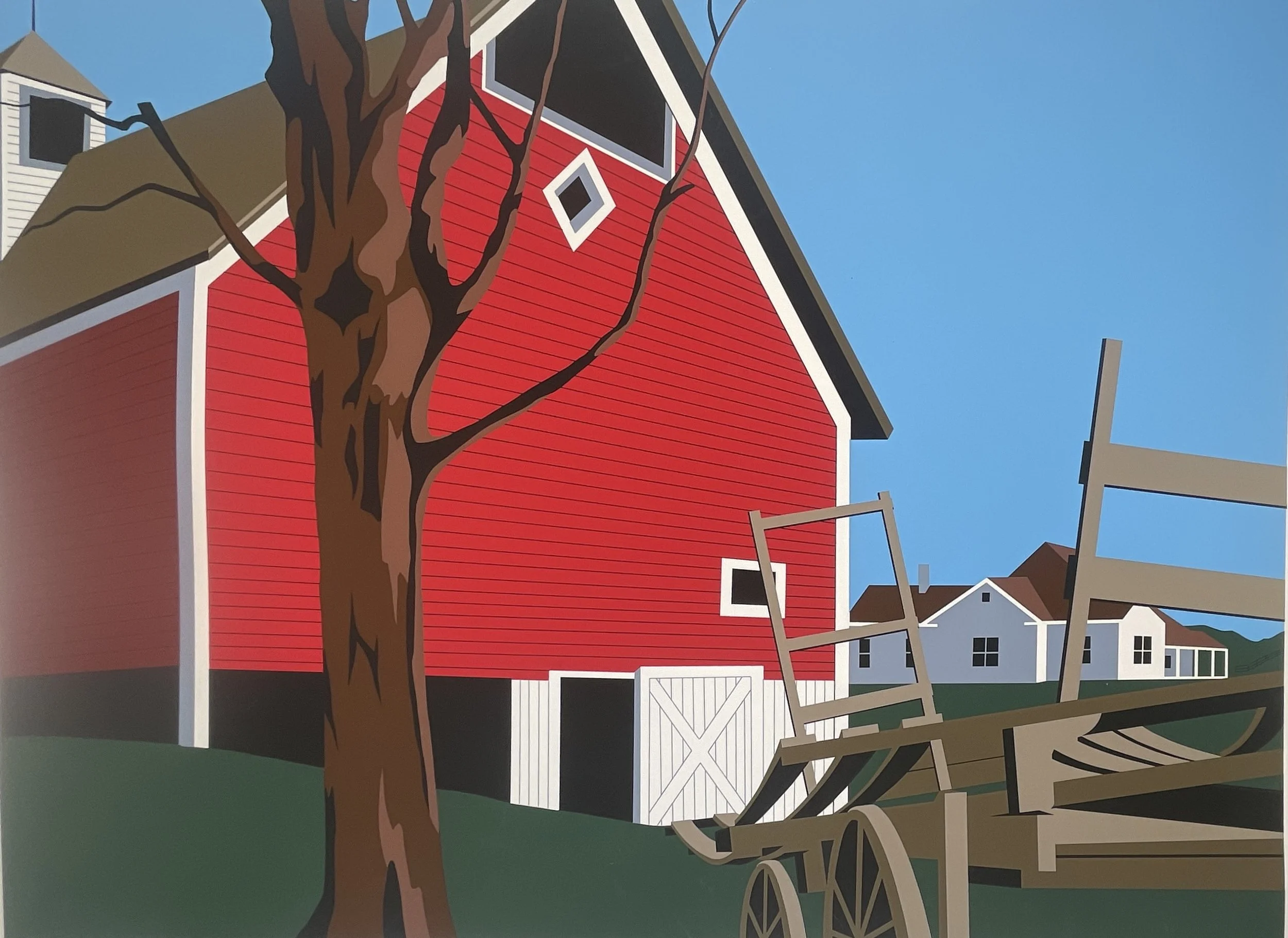 Image 1 of 6
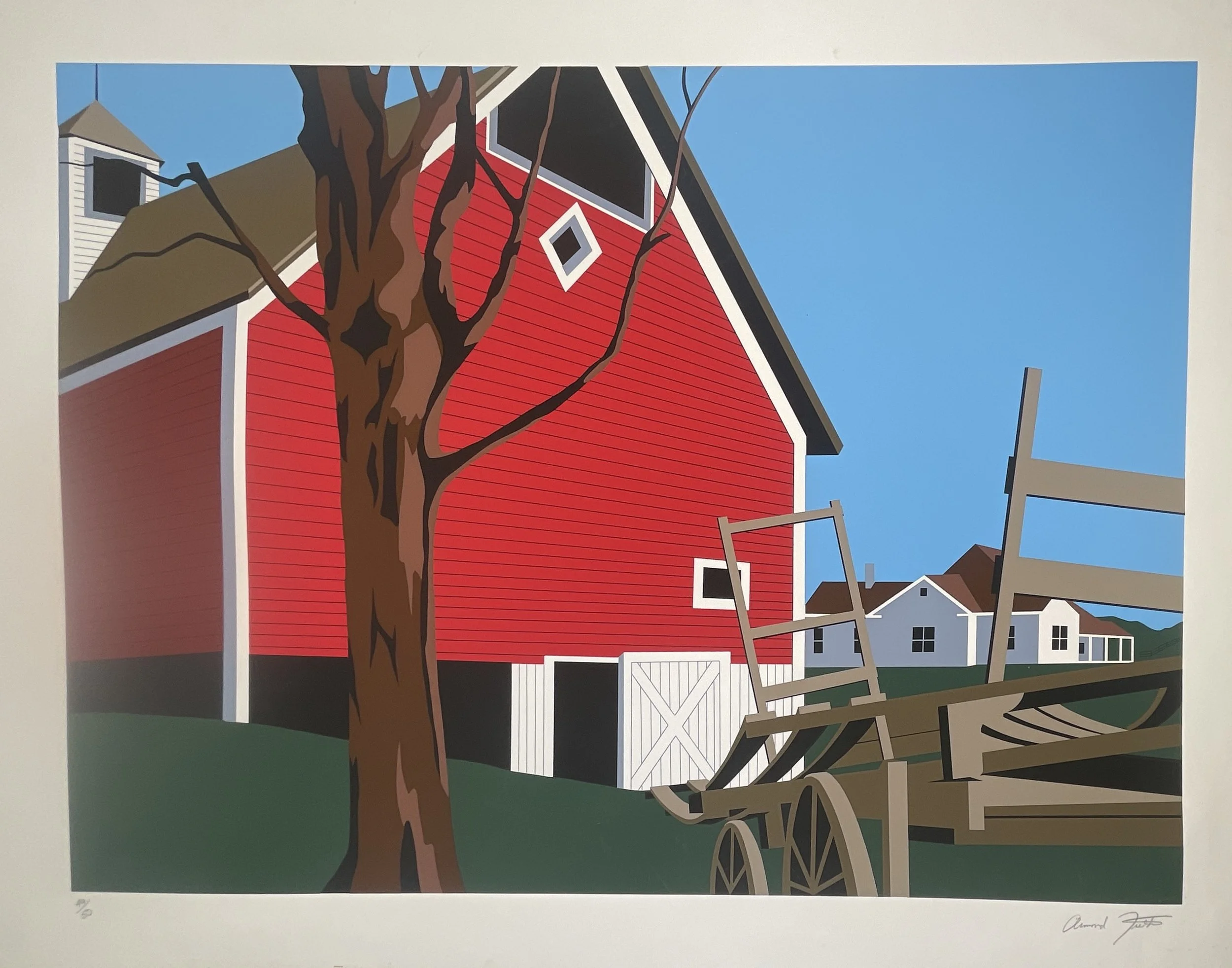 Image 2 of 6
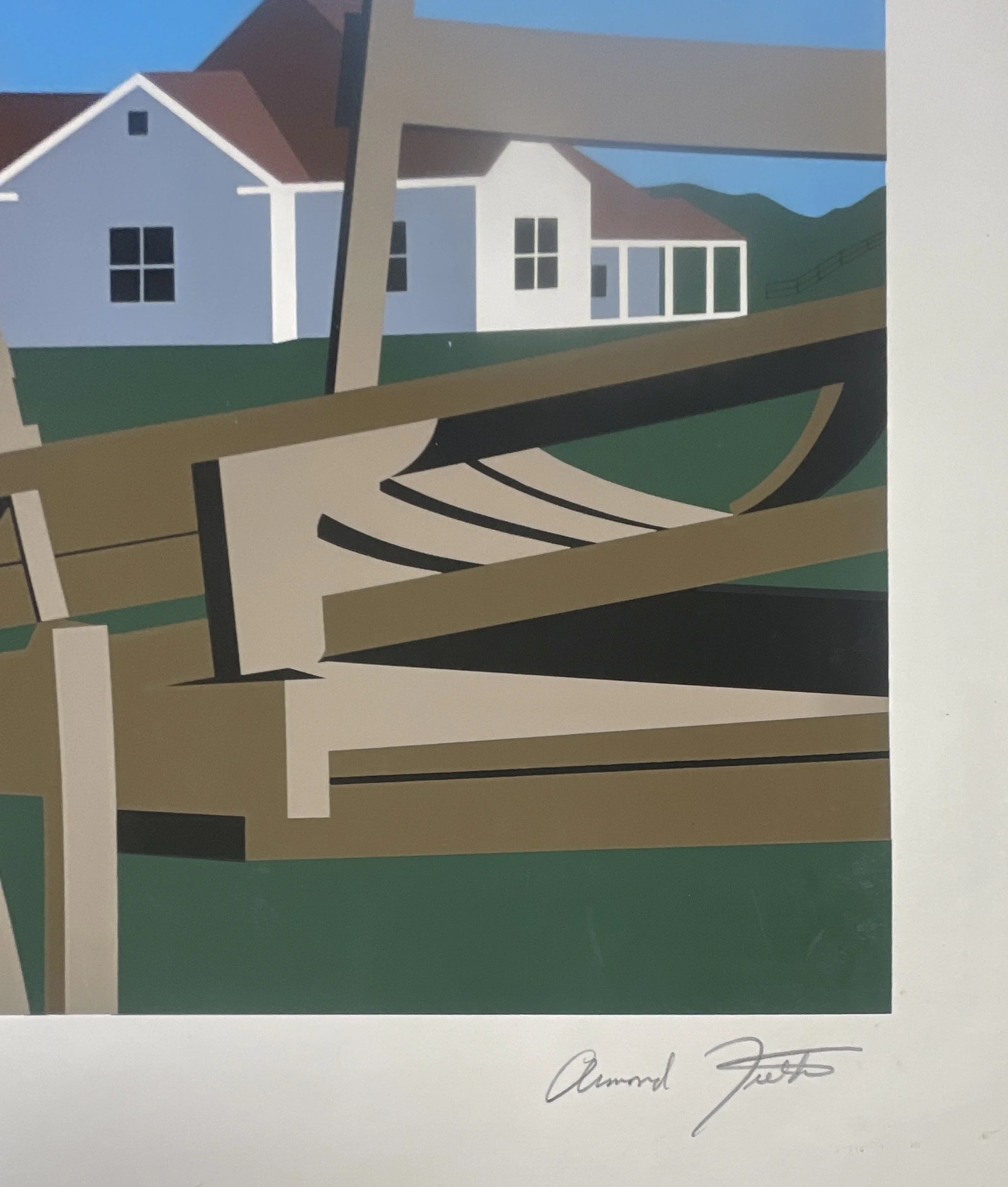 Image 3 of 6
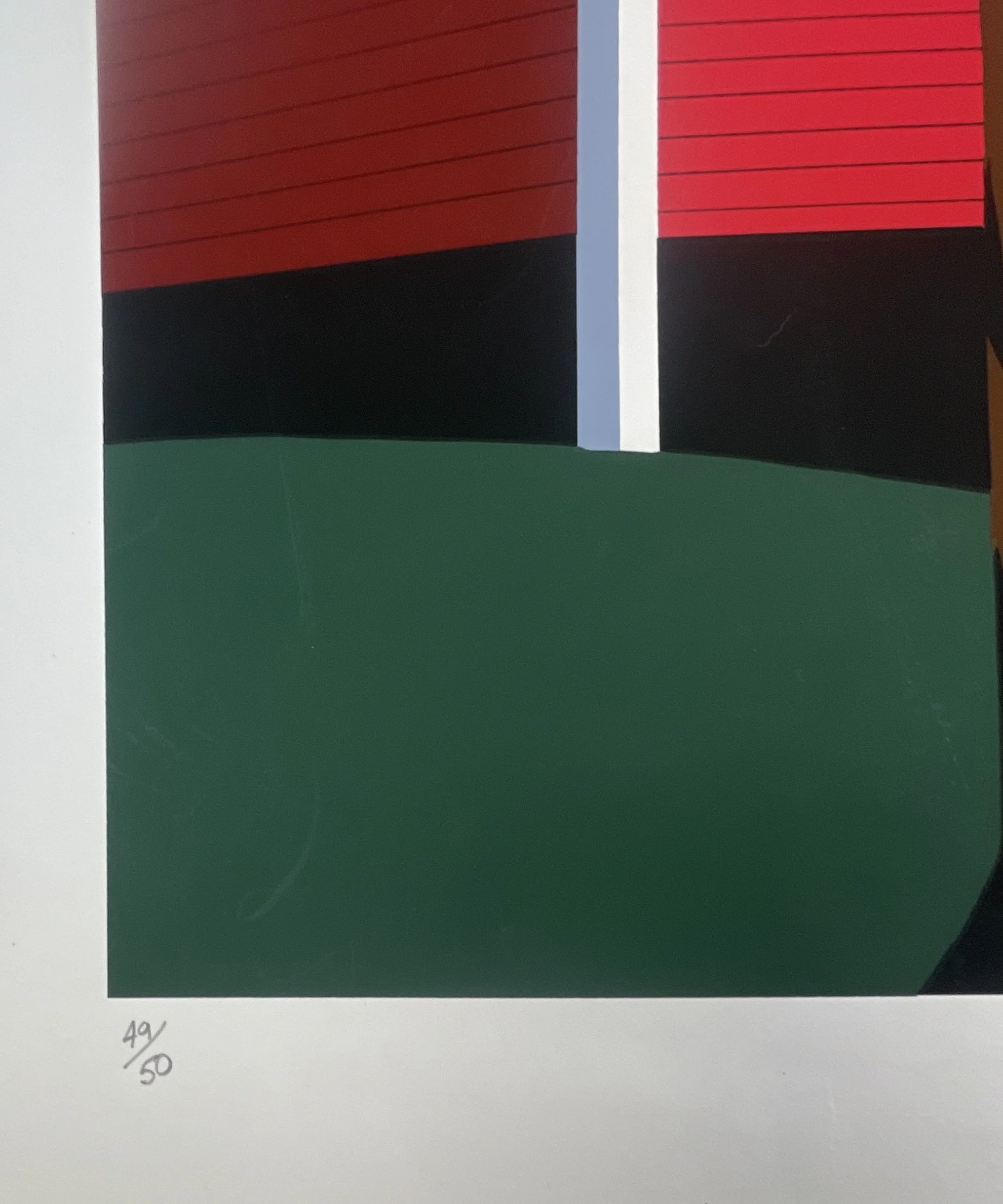 Image 4 of 6
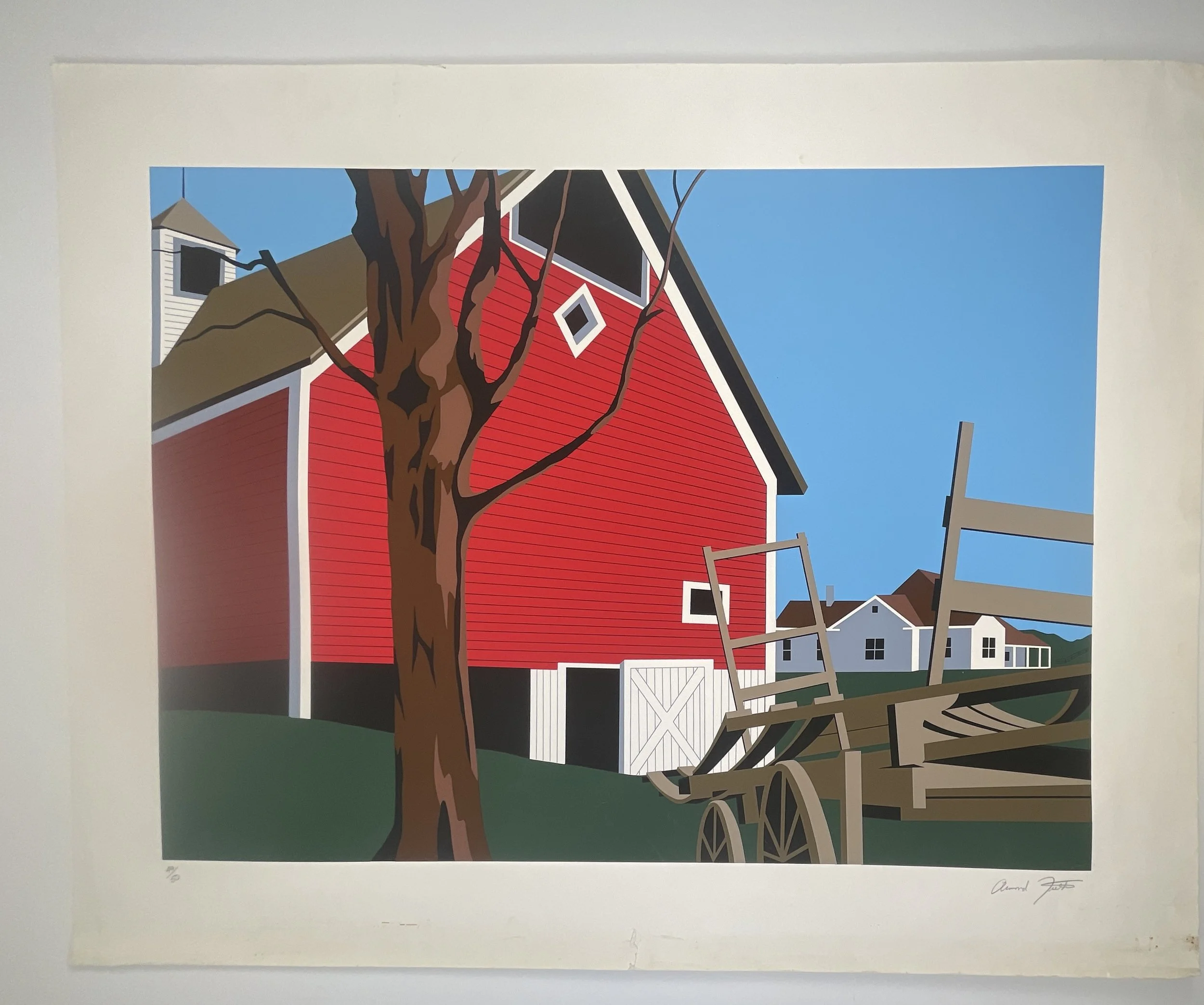 Image 5 of 6
 Image 6 of 6