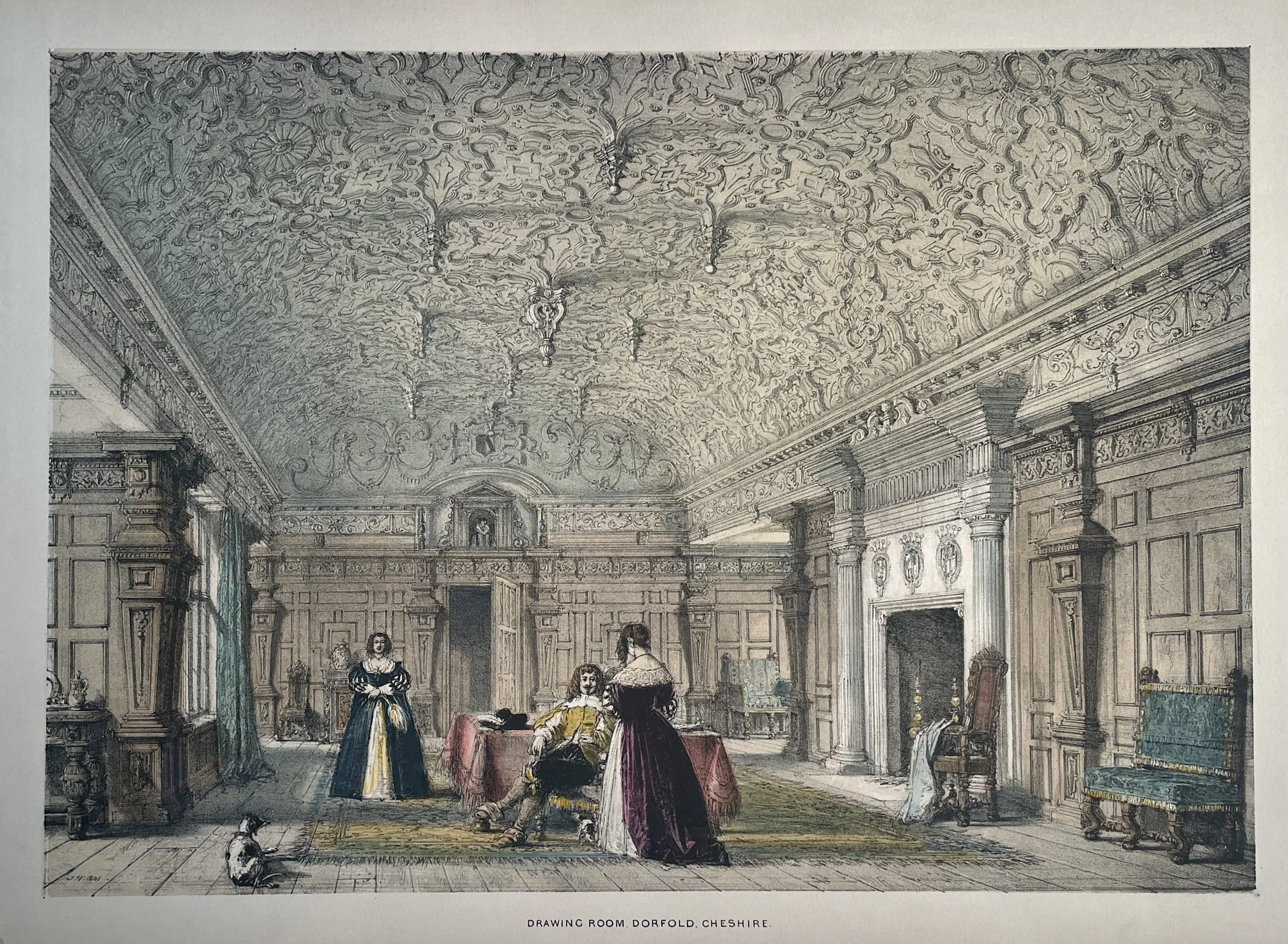
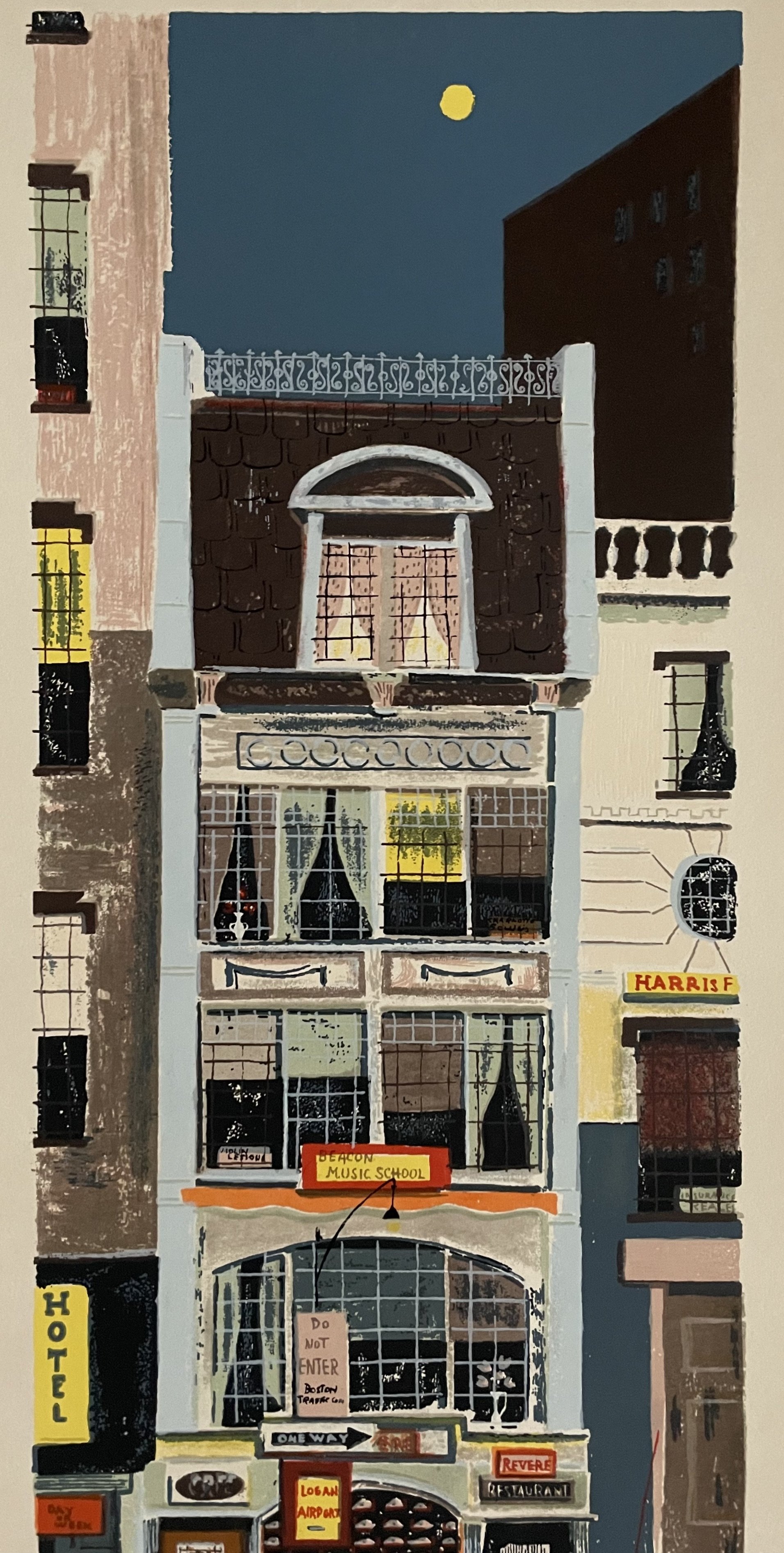
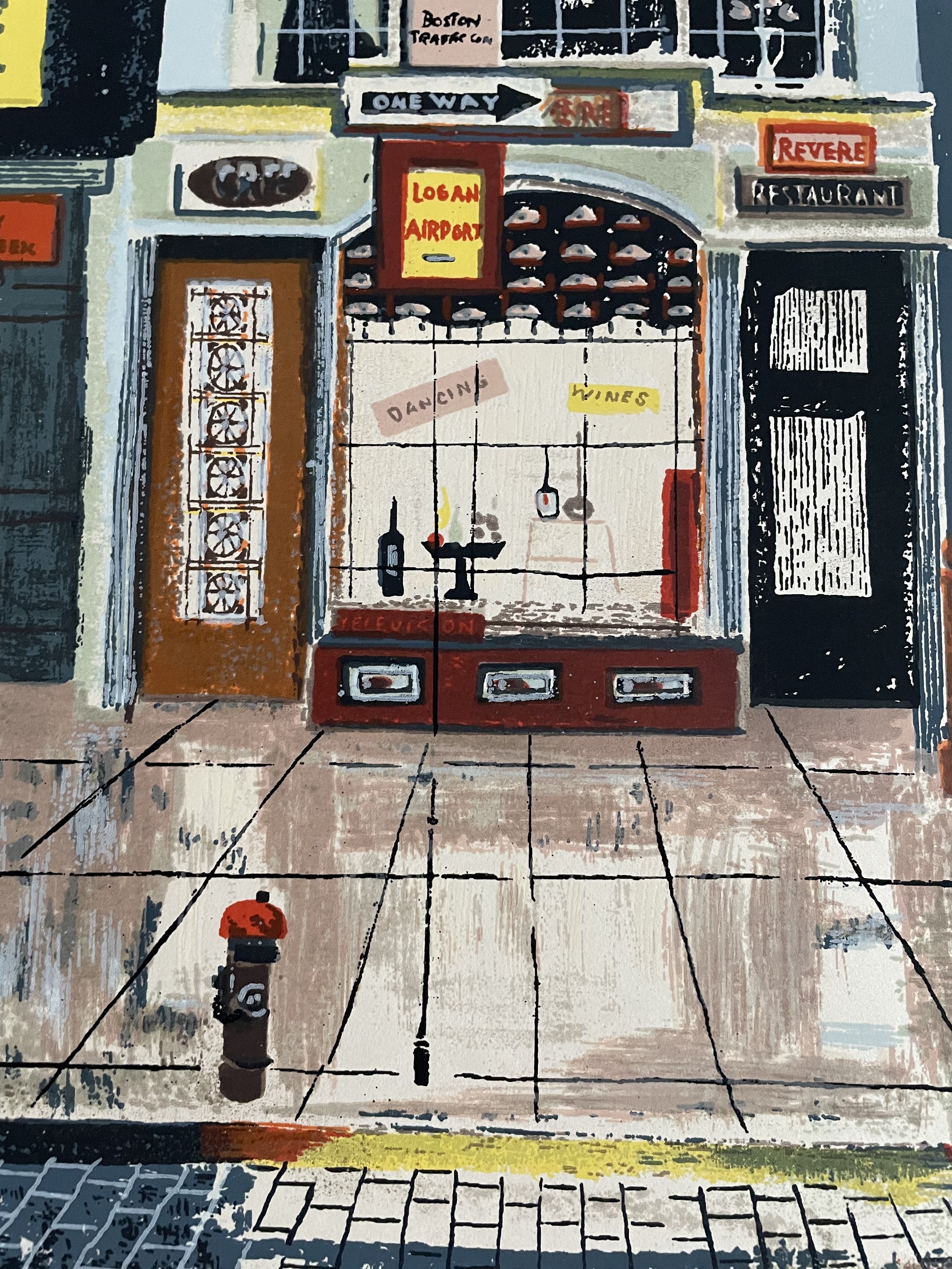
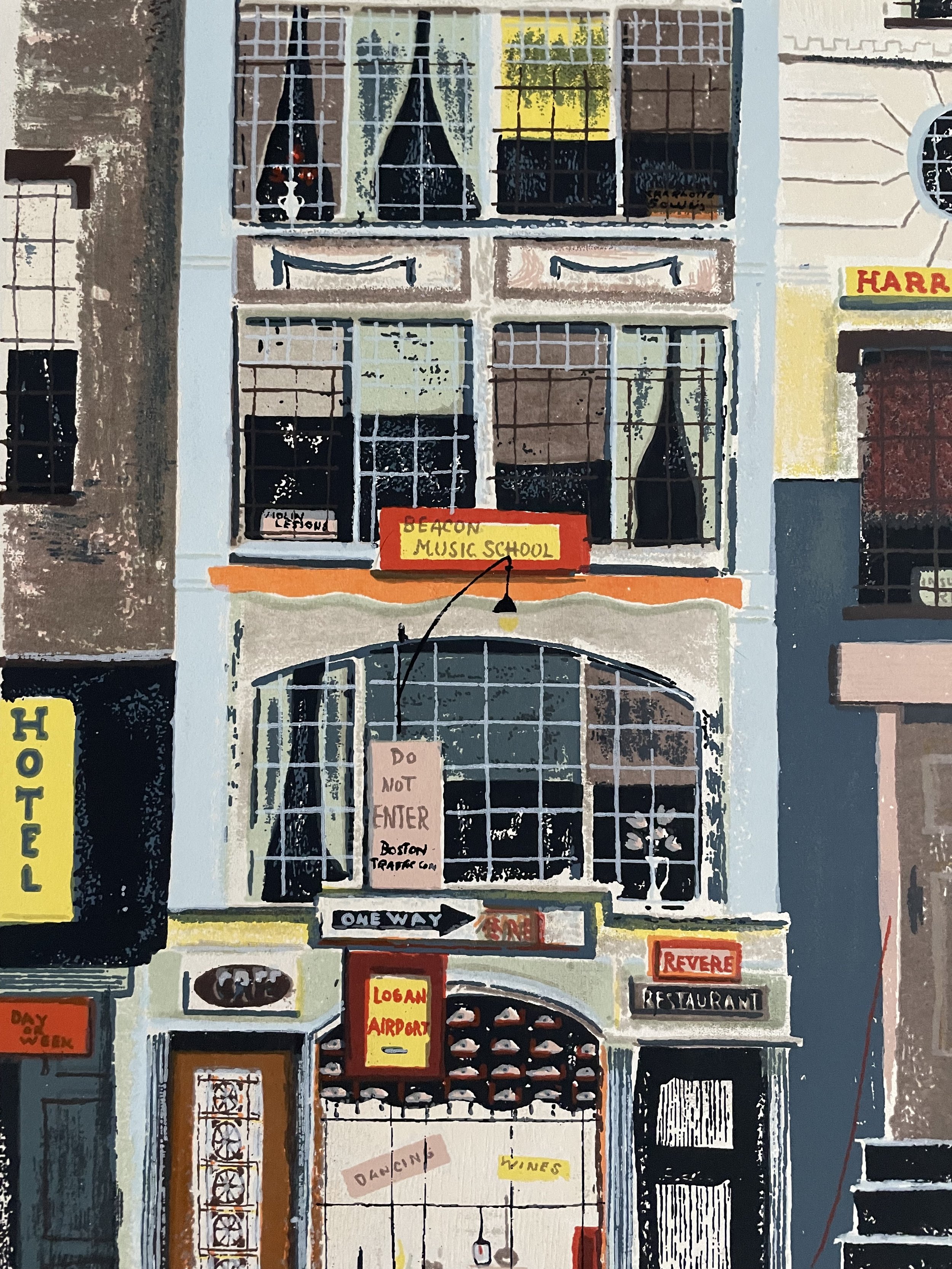
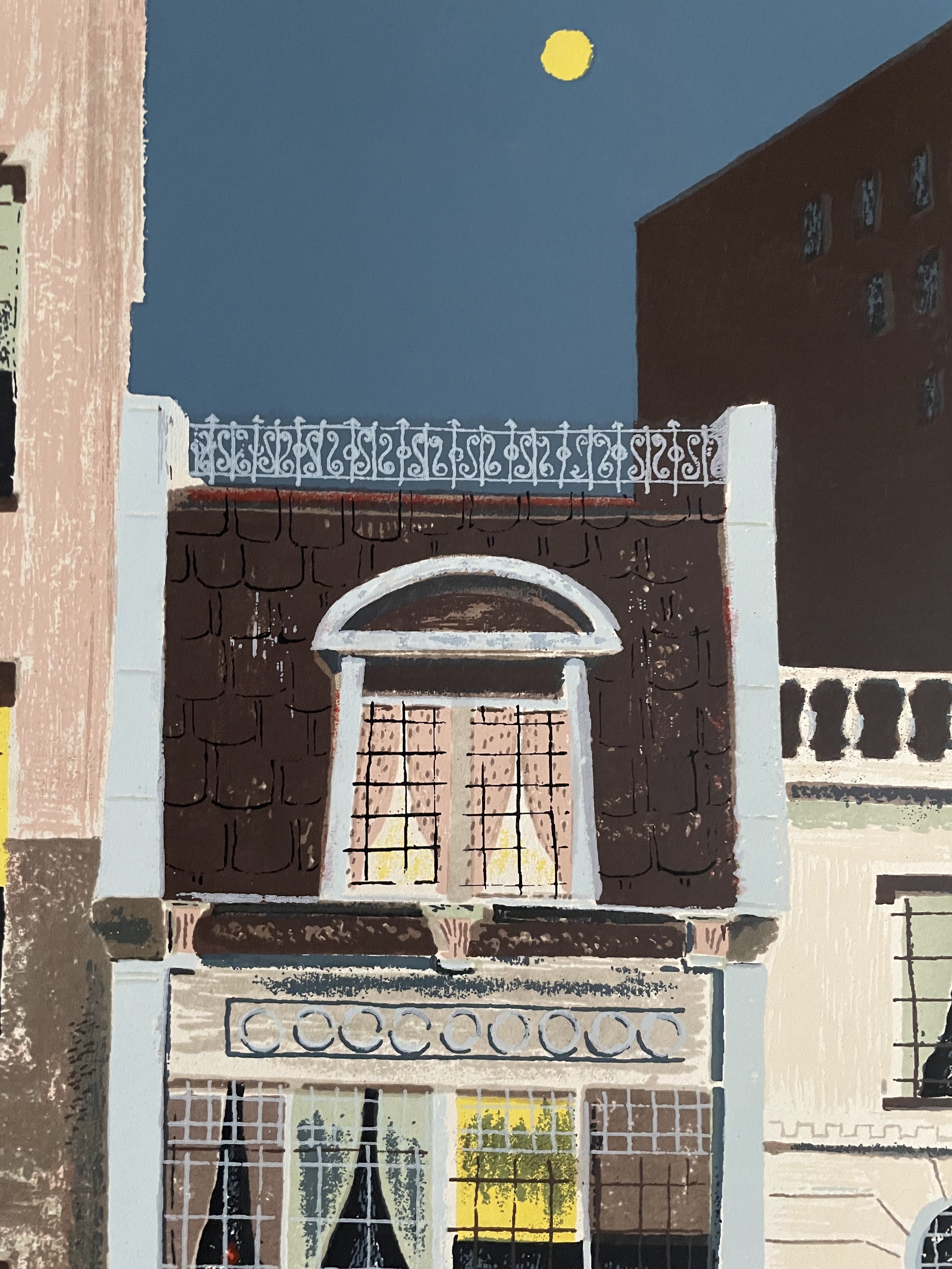
Untitled Lakeside Scene, Chinese (Suzhou School, anonymous), c. mid-20th century, hand silk embroidery on silk, 18×24 in., unsigned, master artisan work.
This exquisite vintage Chinese Suzhou hand embroidery depicts a tranquil lakeside landscape rendered entirely in silk thread. Created by a master artisan using ultra-fine, hand-split silk filaments, the scene achieves painterly depth, luminous color transitions, and subtle movement. A mid-20th-century textile artwork blending classical Chinese embroidery techniques with Impressionist atmosphere, ideal for collectors of museum-quality Asian decorative arts.
Artwork Description
This serene lakeside composition exemplifies the refined technical mastery and poetic restraint for which Suzhou (Su) embroidery is internationally celebrated. Executed entirely by hand using extraordinarily fine, split silk threads, the embroiderer layered thousands of minute stitches to achieve soft gradations of light, depth, and texture that rival painted surfaces.
The water’s surface shimmers with nuanced tonal variation, while the foliage is built through densely packed directional stitching that creates both movement and volume. Figures along the shoreline are delicately integrated into the landscape, reinforcing the contemplative rhythm of rural life. The embroidery demonstrates hallmark Suzhou techniques including random stitch layering, long-and-short stitch modulation, and subtle directional flow, allowing silk fibers to reflect light dynamically as the viewer’s perspective shifts.
Produced during the mid-20th century, a period when Suzhou embroidery workshops began adapting classical subjects to modern tastes and global markets, this work bridges traditional Chinese literati landscape aesthetics with an Impressionist sensibility. The result is a textile artwork of quiet elegance, meditative balance, and enduring craftsmanship.
Artist Biography (Suzhou School – Anonymous Master)
This work originates from the Suzhou embroidery tradition (苏绣, Su Xiu), one of China’s Four Great Embroidery Schools, with roots tracing back over two thousand years to the Jiangsu Province. Historically centered in Suzhou and its surrounding villages, the craft flourished due to the region’s silk production, scholarly culture, and refined aesthetic traditions.
Suzhou embroidery is characterized by its exceptional precision, painterly realism, and the use of silk threads split into hair-thin filaments, sometimes divided into more than sixteen strands. Artisans train from an early age, often through multi-generational workshops, mastering stitch control, tonal layering, and compositional balance over decades.
During the mid-20th century, Suzhou embroidery underwent a period of stylistic expansion. While maintaining classical techniques, artisans increasingly depicted landscapes influenced by photography, Western painting, and Impressionism, creating works intended for framed display rather than purely functional use. Many such works were exported internationally or sold through galleries specializing in fine decorative arts.
As is customary with traditional Chinese embroidery, individual artists often remained unsigned, reflecting the collective workshop tradition and cultural emphasis on craft lineage over individual authorship. Today, master-level Suzhou embroideries are recognized as museum-quality textile artworks, collected by institutions and connoisseurs worldwide for their technical brilliance and cultural significance.
Chinese School (Suzhou), Untitled Lakeside Scene, mid-20th century, hand silk embroidery on silk, 18 × 24 inches. Finely detailed landscape with figures, master-level craftsmanship.
Certificate of Value & Authentication
This artwork has been examined and authenticated as a vintage Chinese Suzhou hand embroidery, created using traditional silk embroidery techniques consistent with mid-20th-century Suzhou workshop production. Materials, stitch structure, compositional style, and craftsmanship align with documented examples of museum-recognized Suzhou embroidery. The work is attributed to an anonymous master artisan of the Suzhou School.
Provenance Chain (Collector Format)
Created by Anonymous Master, Suzhou School, Jiangsu Province, China, c. mid-20th century
Acquired through Mitch Morse Gallery, New York City, United States & Europe
Current Owner: Artfind Gallery, Washington, DC
Care & framing (important for silk)
Do not dry-mount or spray adhesive.
Use a conservation stitch mount: hand-sew the textile to a washed, unbuffered cotton or silk support stretched over acid-free board.
Glaze with UV-filtering acrylic or glass and add deep spacers so the textile never touches glazing.
Display at low light (≤50 lux), RH 45–55%, cool temps, and away from kitchens/baths (moisture/oils).
Untitled Lakeside Scene, Chinese (Suzhou School, anonymous), c. mid-20th century, hand silk embroidery on silk, 18×24 in., unsigned, master artisan work.
This exquisite vintage Chinese Suzhou hand embroidery depicts a tranquil lakeside landscape rendered entirely in silk thread. Created by a master artisan using ultra-fine, hand-split silk filaments, the scene achieves painterly depth, luminous color transitions, and subtle movement. A mid-20th-century textile artwork blending classical Chinese embroidery techniques with Impressionist atmosphere, ideal for collectors of museum-quality Asian decorative arts.
Artwork Description
This serene lakeside composition exemplifies the refined technical mastery and poetic restraint for which Suzhou (Su) embroidery is internationally celebrated. Executed entirely by hand using extraordinarily fine, split silk threads, the embroiderer layered thousands of minute stitches to achieve soft gradations of light, depth, and texture that rival painted surfaces.
The water’s surface shimmers with nuanced tonal variation, while the foliage is built through densely packed directional stitching that creates both movement and volume. Figures along the shoreline are delicately integrated into the landscape, reinforcing the contemplative rhythm of rural life. The embroidery demonstrates hallmark Suzhou techniques including random stitch layering, long-and-short stitch modulation, and subtle directional flow, allowing silk fibers to reflect light dynamically as the viewer’s perspective shifts.
Produced during the mid-20th century, a period when Suzhou embroidery workshops began adapting classical subjects to modern tastes and global markets, this work bridges traditional Chinese literati landscape aesthetics with an Impressionist sensibility. The result is a textile artwork of quiet elegance, meditative balance, and enduring craftsmanship.
Artist Biography (Suzhou School – Anonymous Master)
This work originates from the Suzhou embroidery tradition (苏绣, Su Xiu), one of China’s Four Great Embroidery Schools, with roots tracing back over two thousand years to the Jiangsu Province. Historically centered in Suzhou and its surrounding villages, the craft flourished due to the region’s silk production, scholarly culture, and refined aesthetic traditions.
Suzhou embroidery is characterized by its exceptional precision, painterly realism, and the use of silk threads split into hair-thin filaments, sometimes divided into more than sixteen strands. Artisans train from an early age, often through multi-generational workshops, mastering stitch control, tonal layering, and compositional balance over decades.
During the mid-20th century, Suzhou embroidery underwent a period of stylistic expansion. While maintaining classical techniques, artisans increasingly depicted landscapes influenced by photography, Western painting, and Impressionism, creating works intended for framed display rather than purely functional use. Many such works were exported internationally or sold through galleries specializing in fine decorative arts.
As is customary with traditional Chinese embroidery, individual artists often remained unsigned, reflecting the collective workshop tradition and cultural emphasis on craft lineage over individual authorship. Today, master-level Suzhou embroideries are recognized as museum-quality textile artworks, collected by institutions and connoisseurs worldwide for their technical brilliance and cultural significance.
Chinese School (Suzhou), Untitled Lakeside Scene, mid-20th century, hand silk embroidery on silk, 18 × 24 inches. Finely detailed landscape with figures, master-level craftsmanship.
Certificate of Value & Authentication
This artwork has been examined and authenticated as a vintage Chinese Suzhou hand embroidery, created using traditional silk embroidery techniques consistent with mid-20th-century Suzhou workshop production. Materials, stitch structure, compositional style, and craftsmanship align with documented examples of museum-recognized Suzhou embroidery. The work is attributed to an anonymous master artisan of the Suzhou School.
Provenance Chain (Collector Format)
Created by Anonymous Master, Suzhou School, Jiangsu Province, China, c. mid-20th century
Acquired through Mitch Morse Gallery, New York City, United States & Europe
Current Owner: Artfind Gallery, Washington, DC
Care & framing (important for silk)
Do not dry-mount or spray adhesive.
Use a conservation stitch mount: hand-sew the textile to a washed, unbuffered cotton or silk support stretched over acid-free board.
Glaze with UV-filtering acrylic or glass and add deep spacers so the textile never touches glazing.
Display at low light (≤50 lux), RH 45–55%, cool temps, and away from kitchens/baths (moisture/oils).
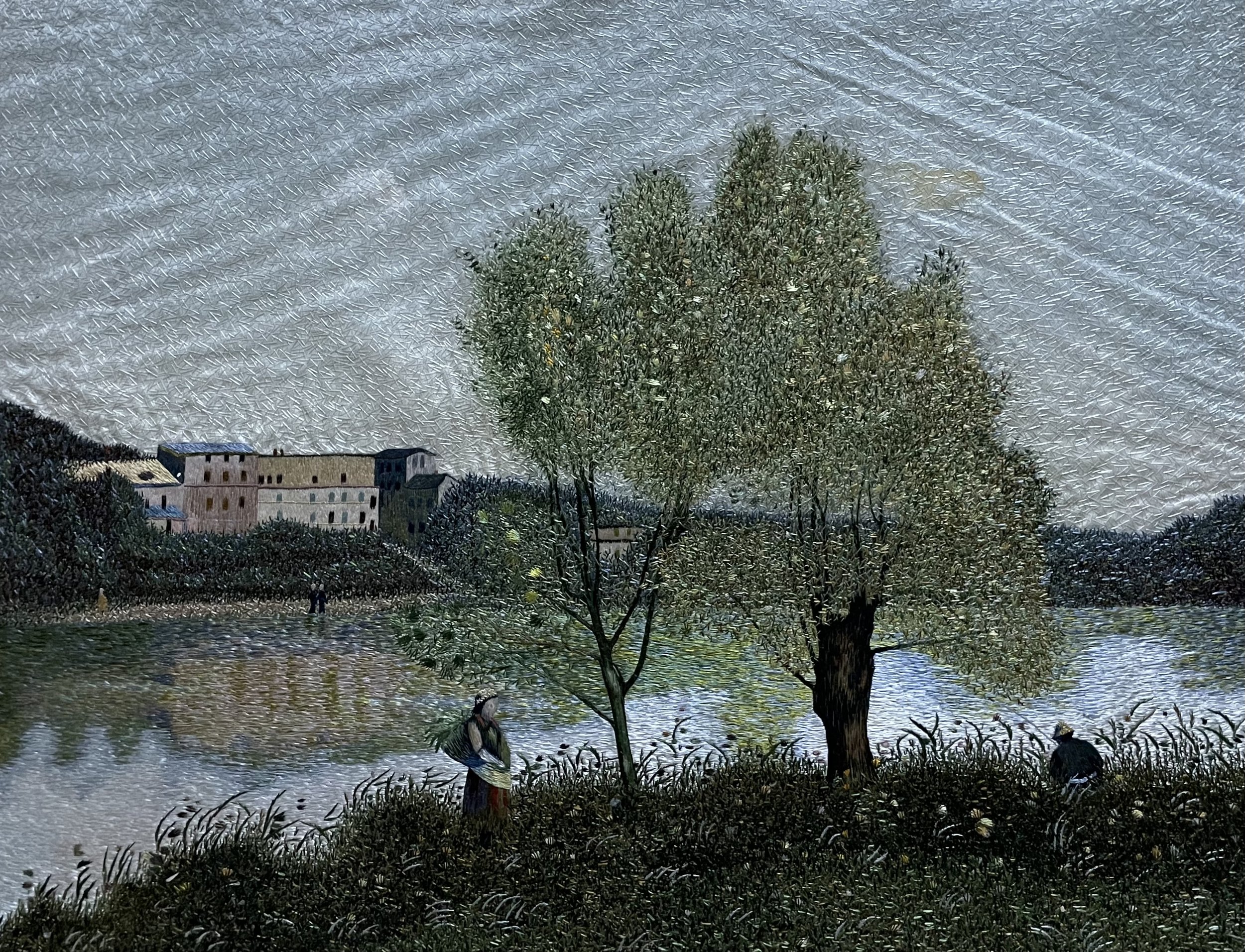 Image 1 of 12
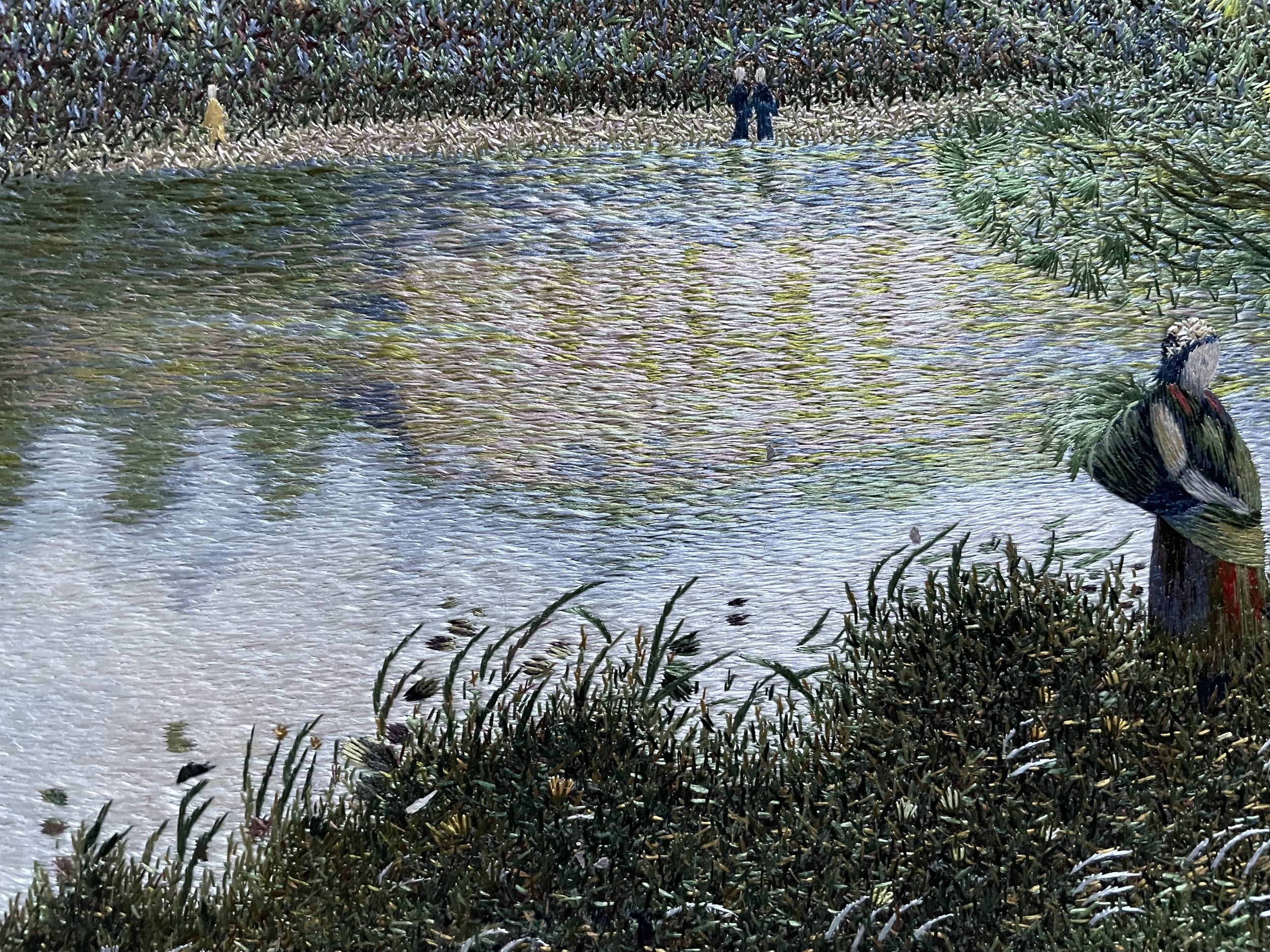 Image 2 of 12
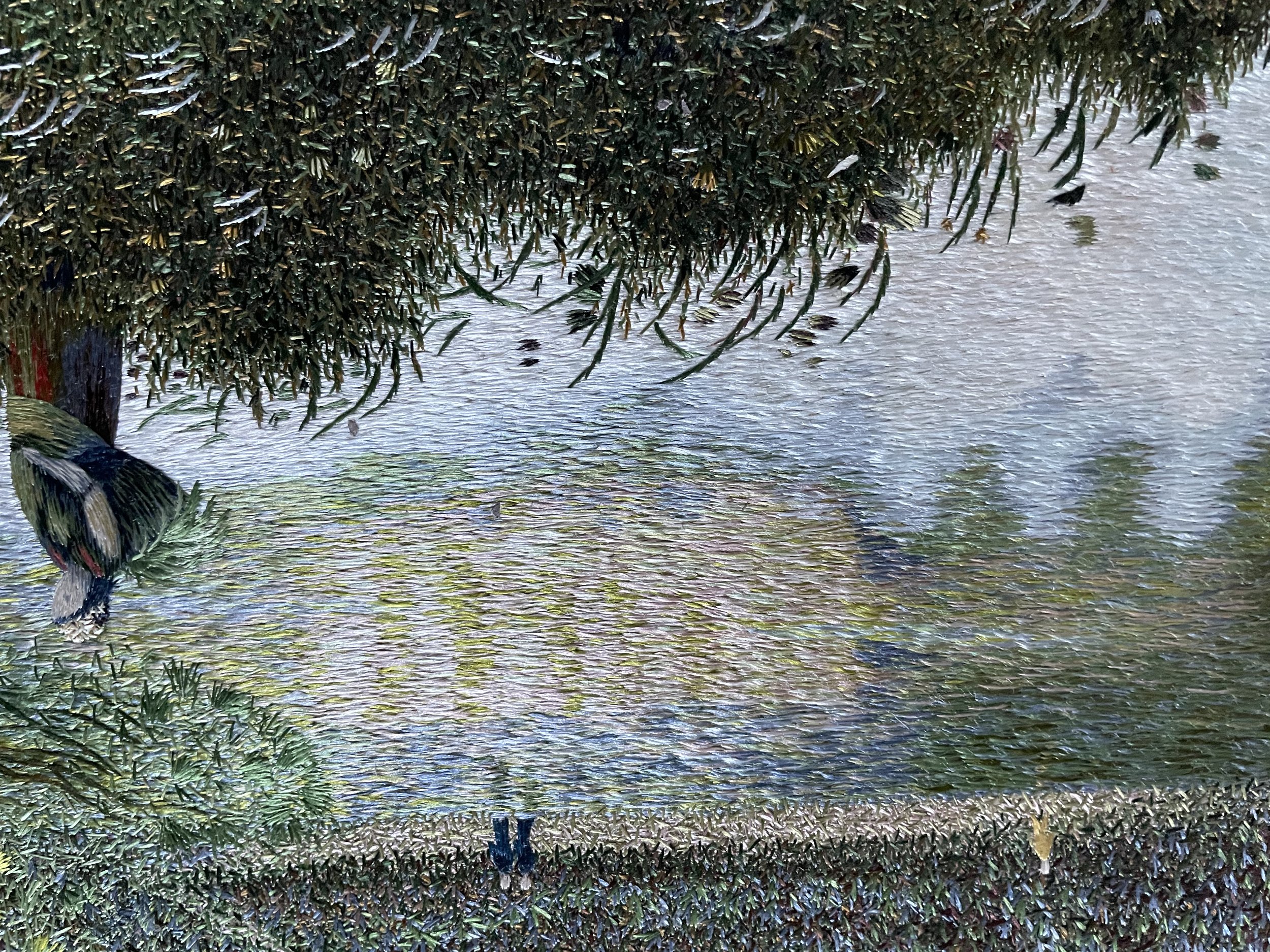 Image 3 of 12
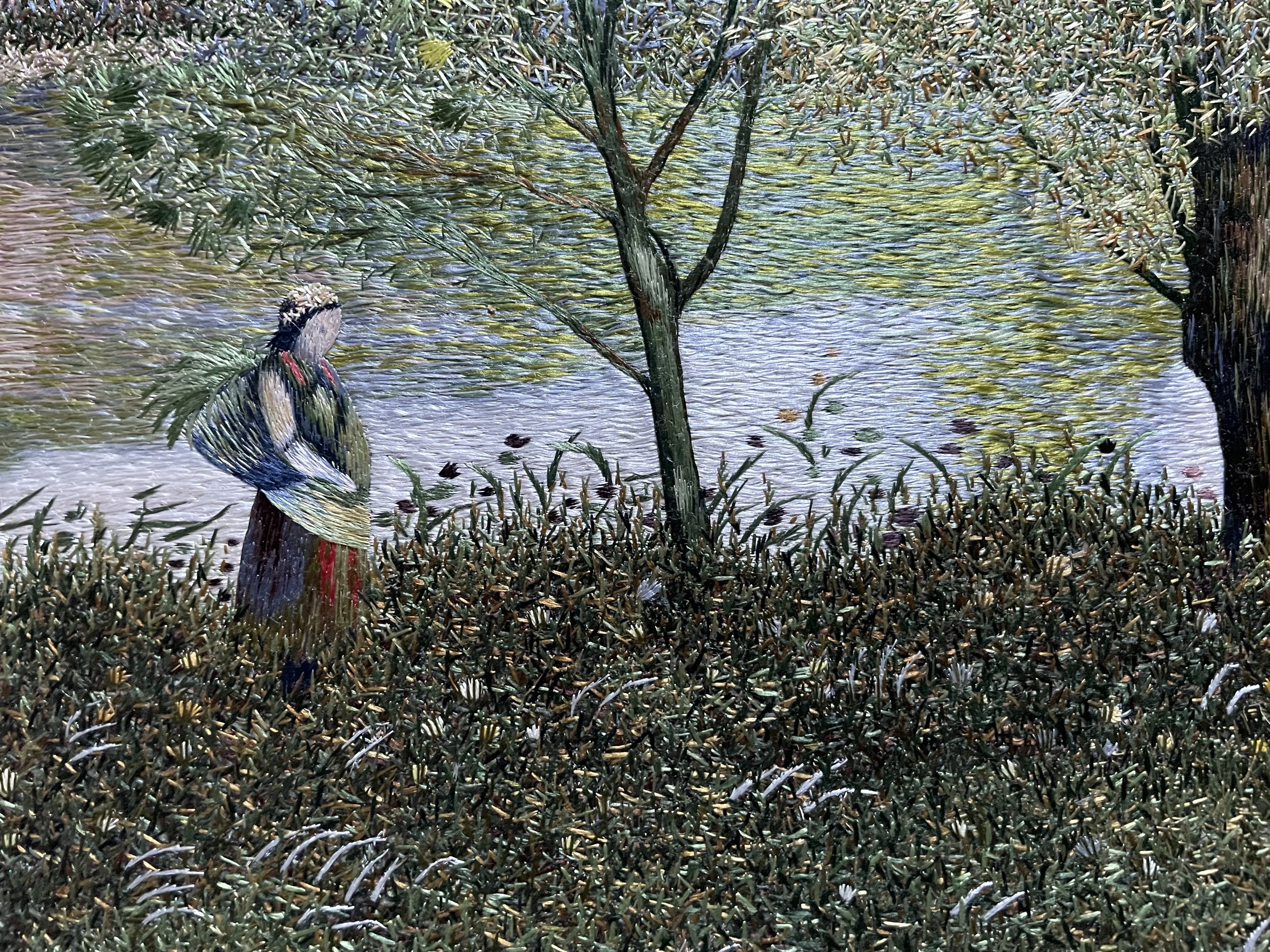 Image 4 of 12
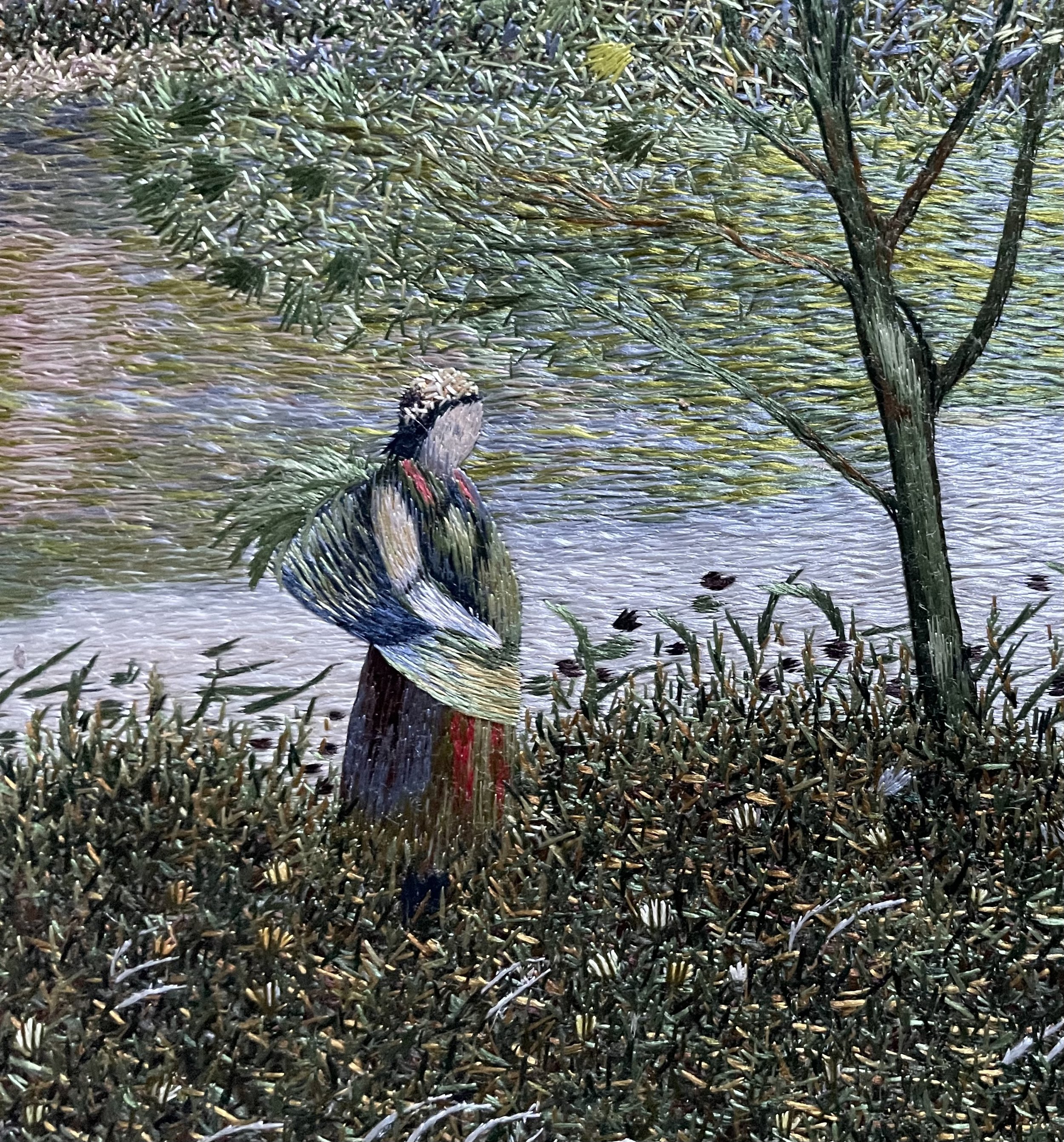 Image 5 of 12
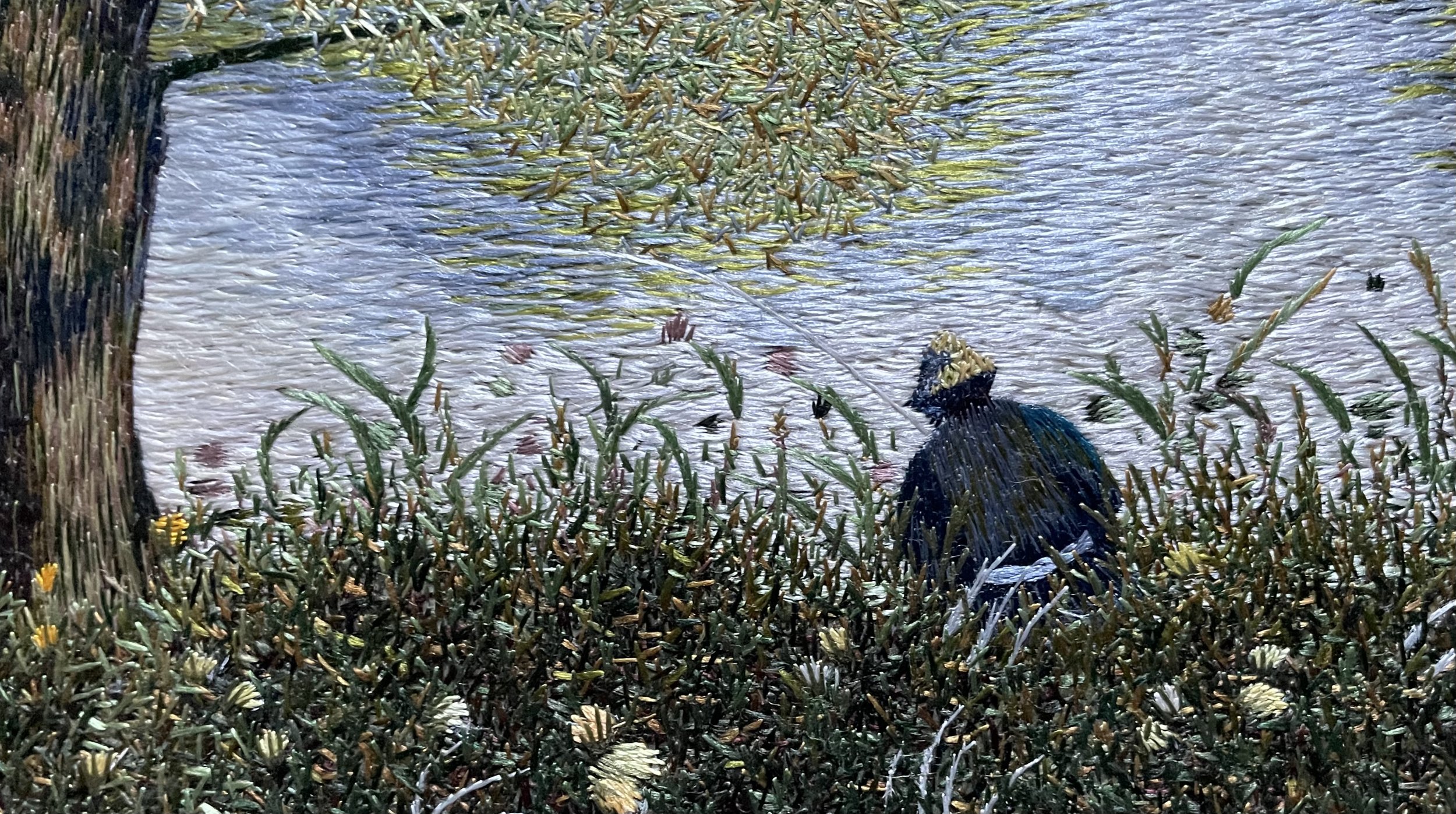 Image 6 of 12
 Image 7 of 12
 Image 8 of 12
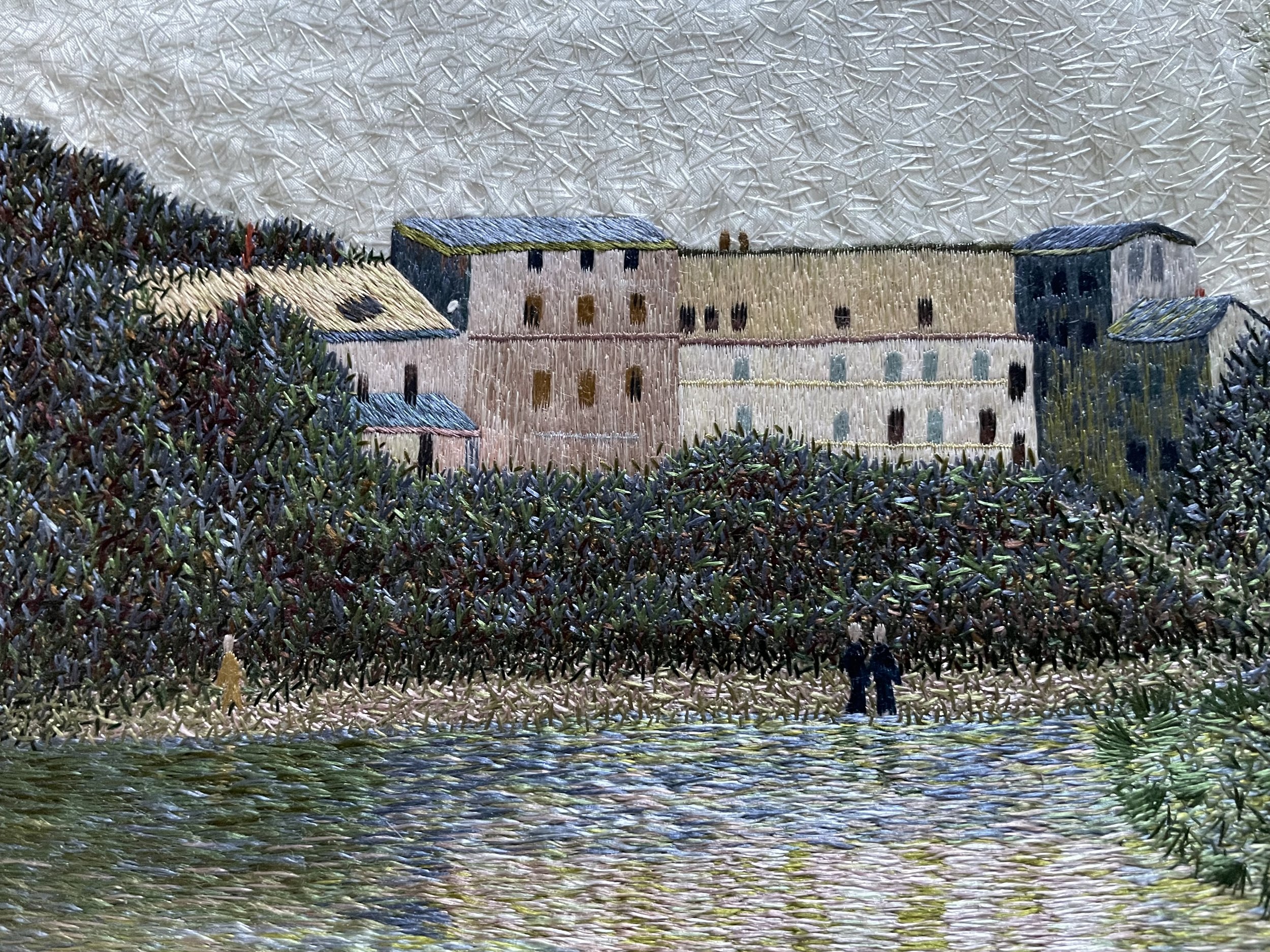 Image 9 of 12
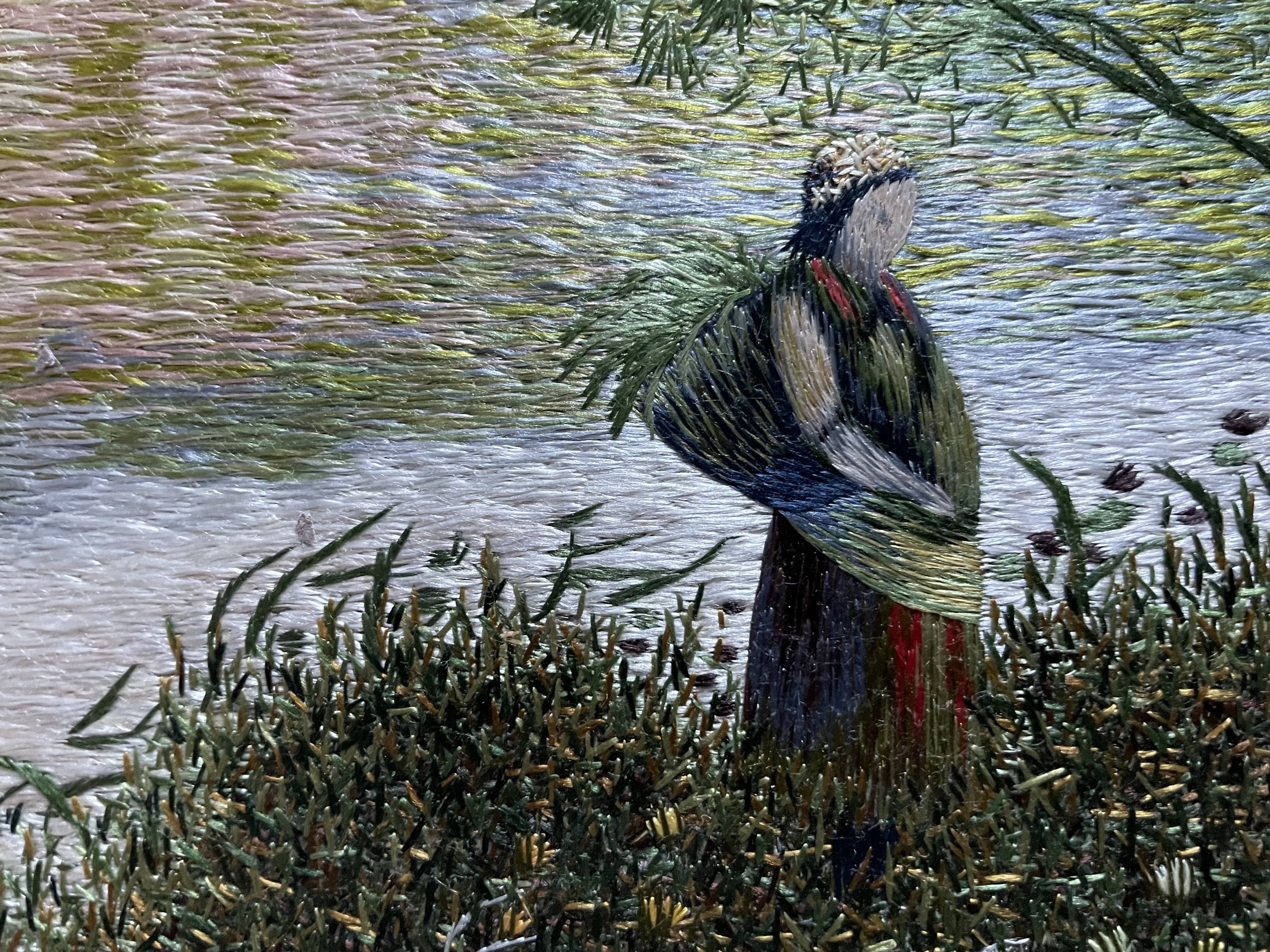 Image 10 of 12
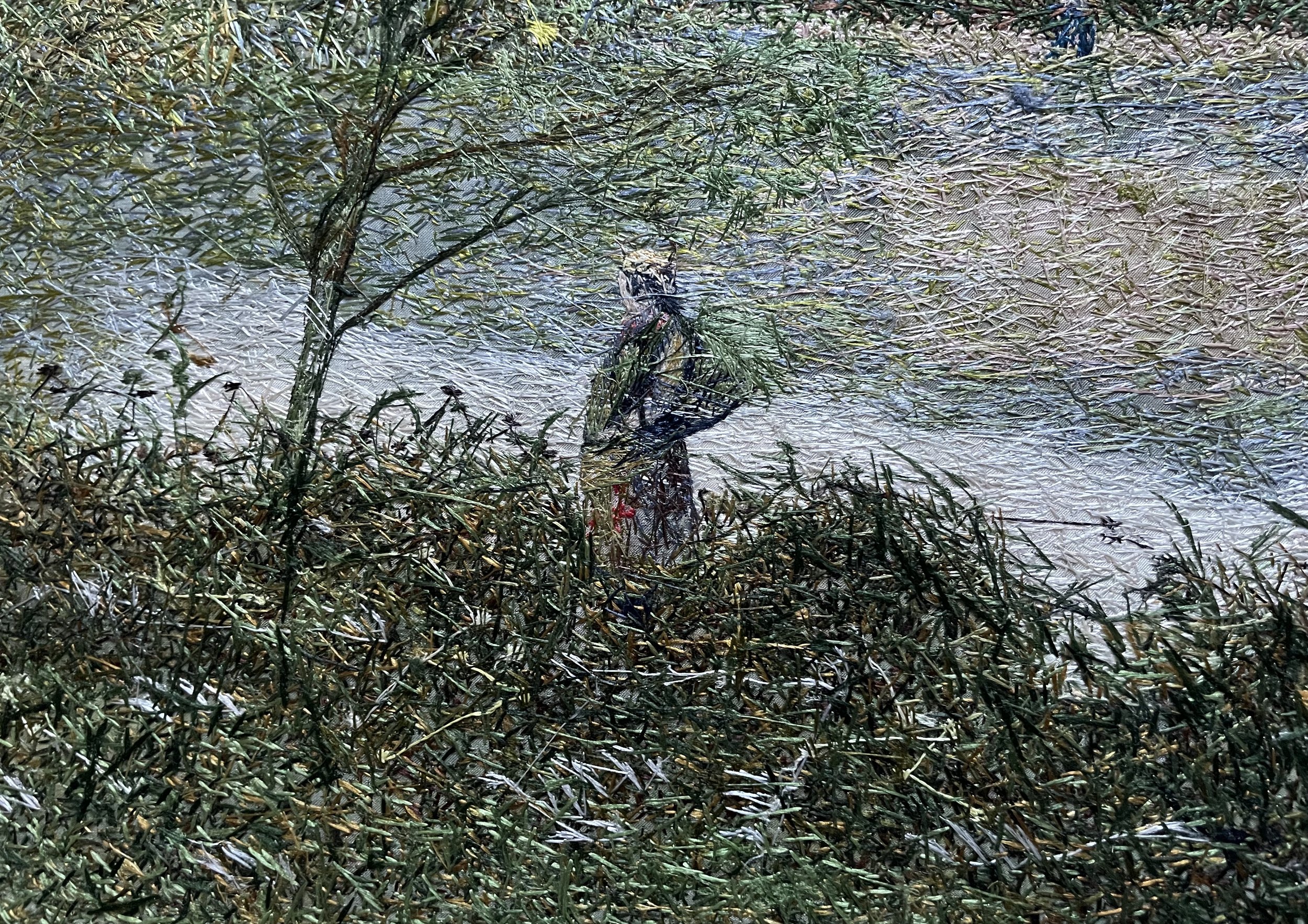 Image 11 of 12
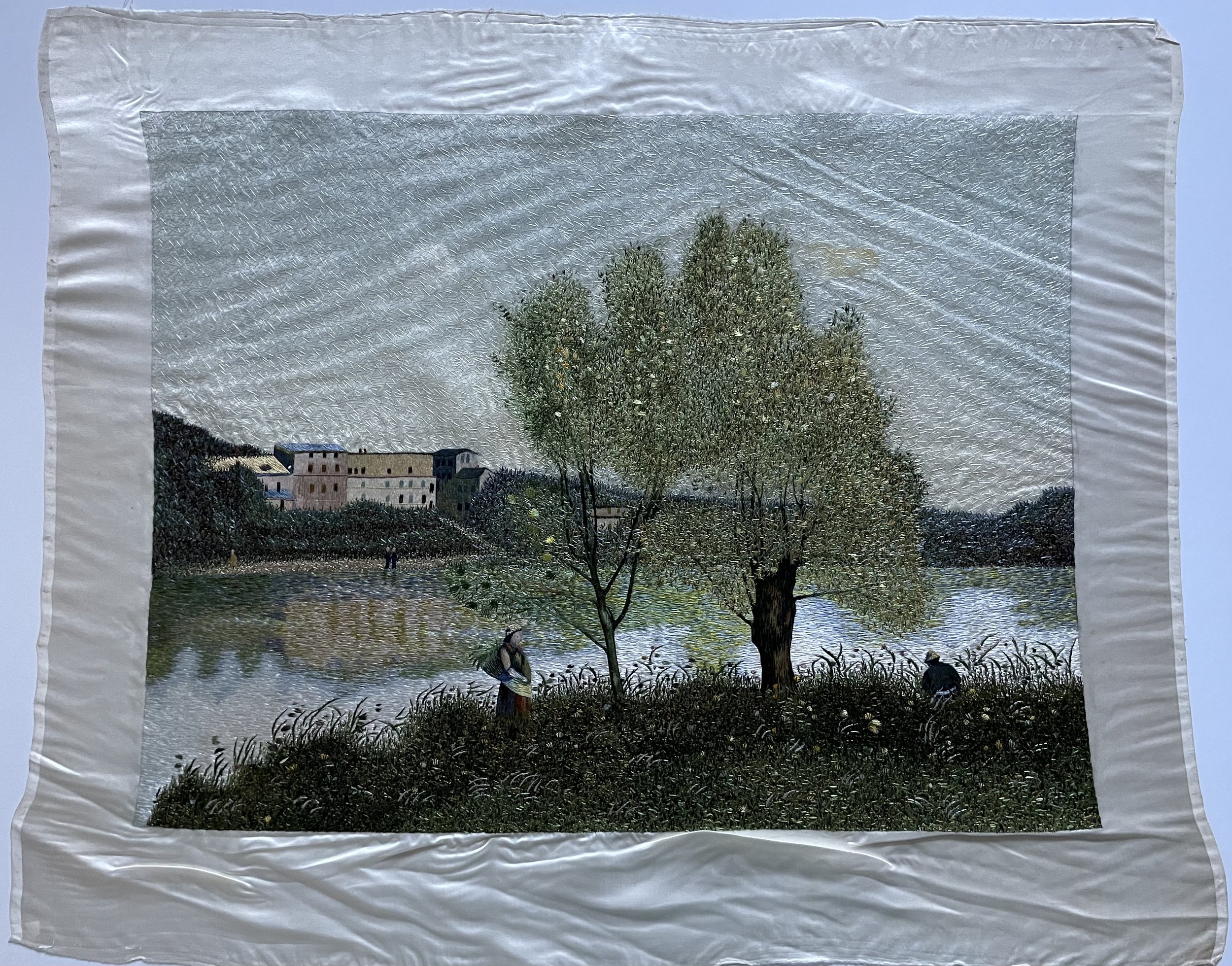 Image 12 of 12