 Image 1 of 5
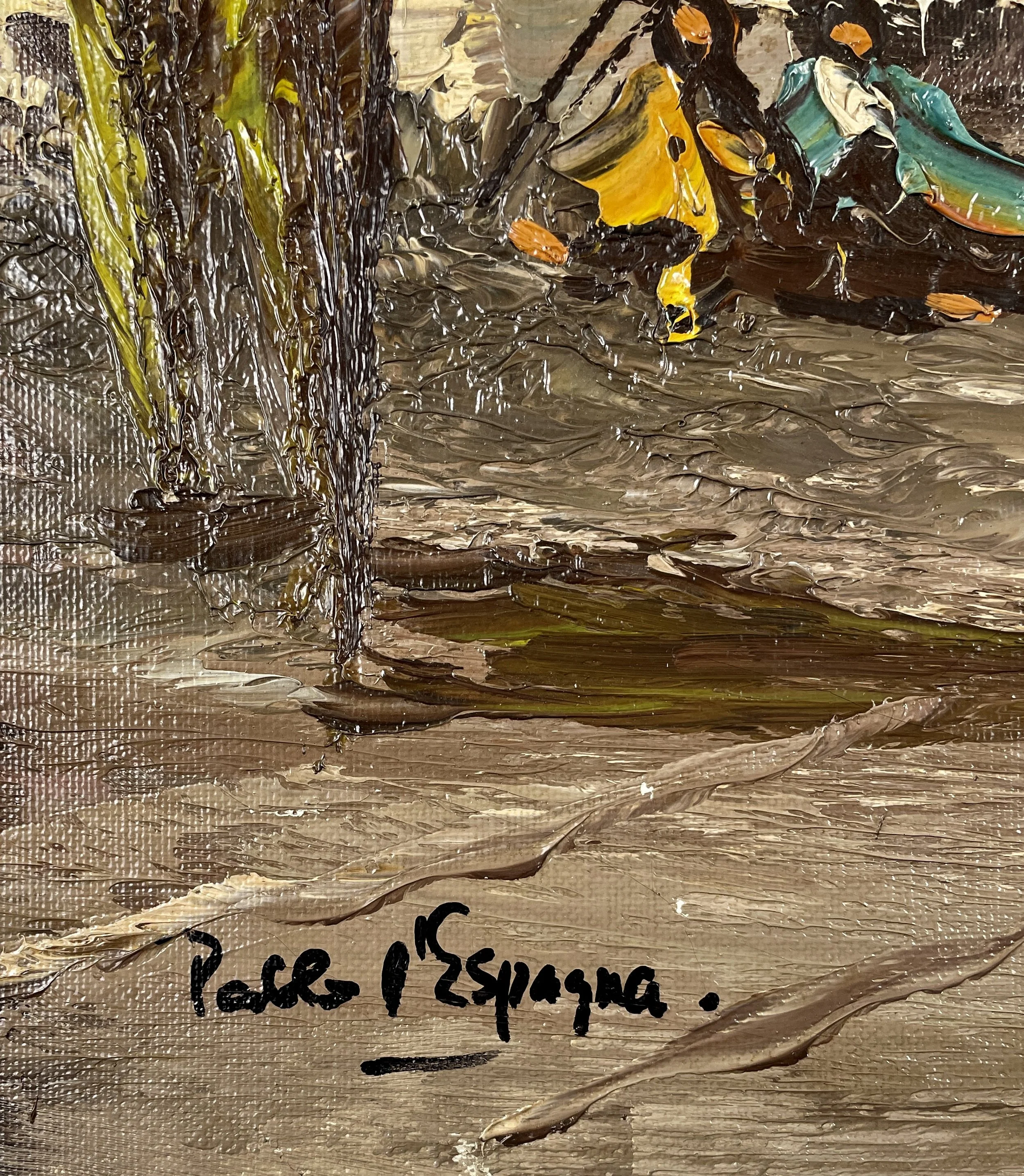 Image 2 of 5
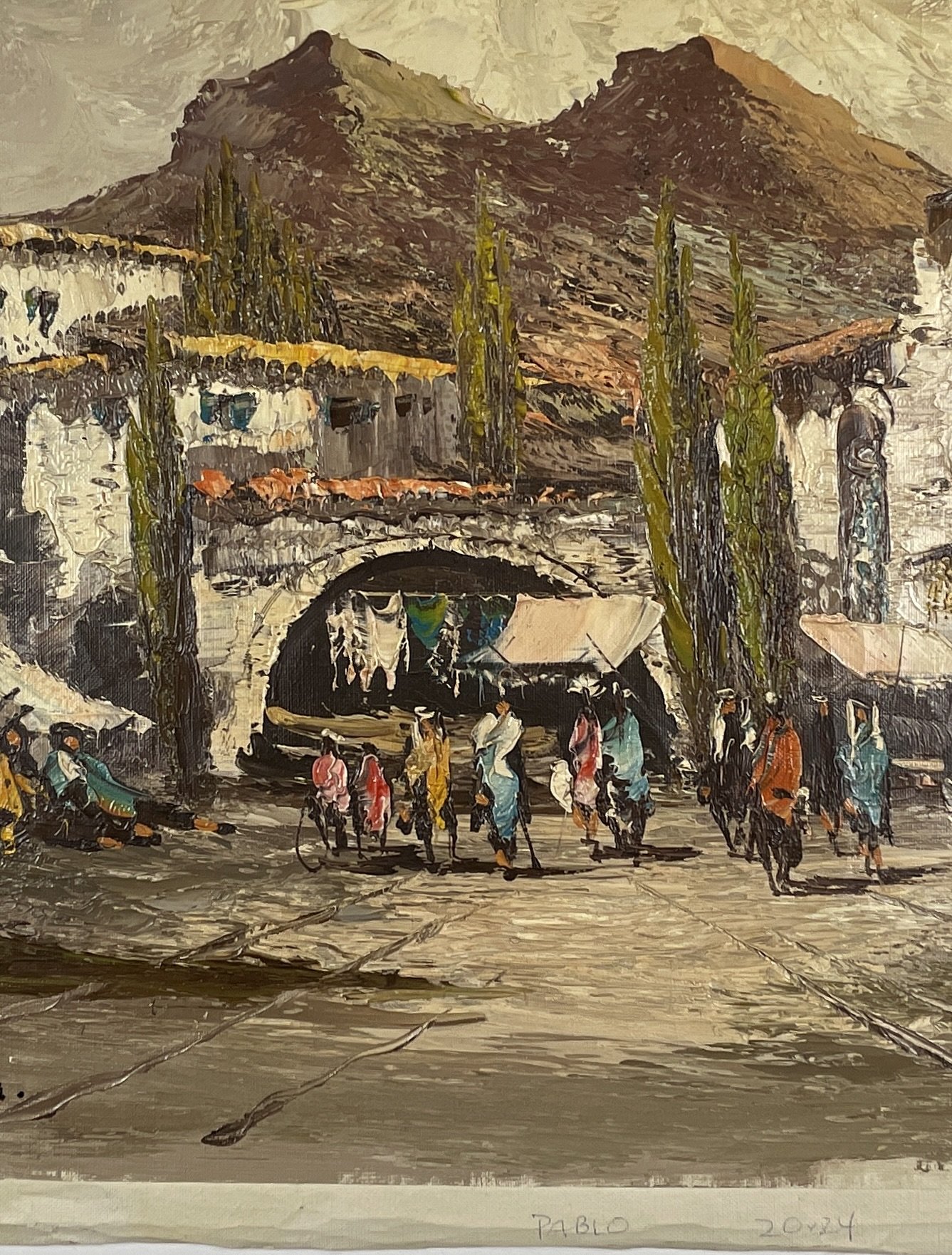 Image 3 of 5
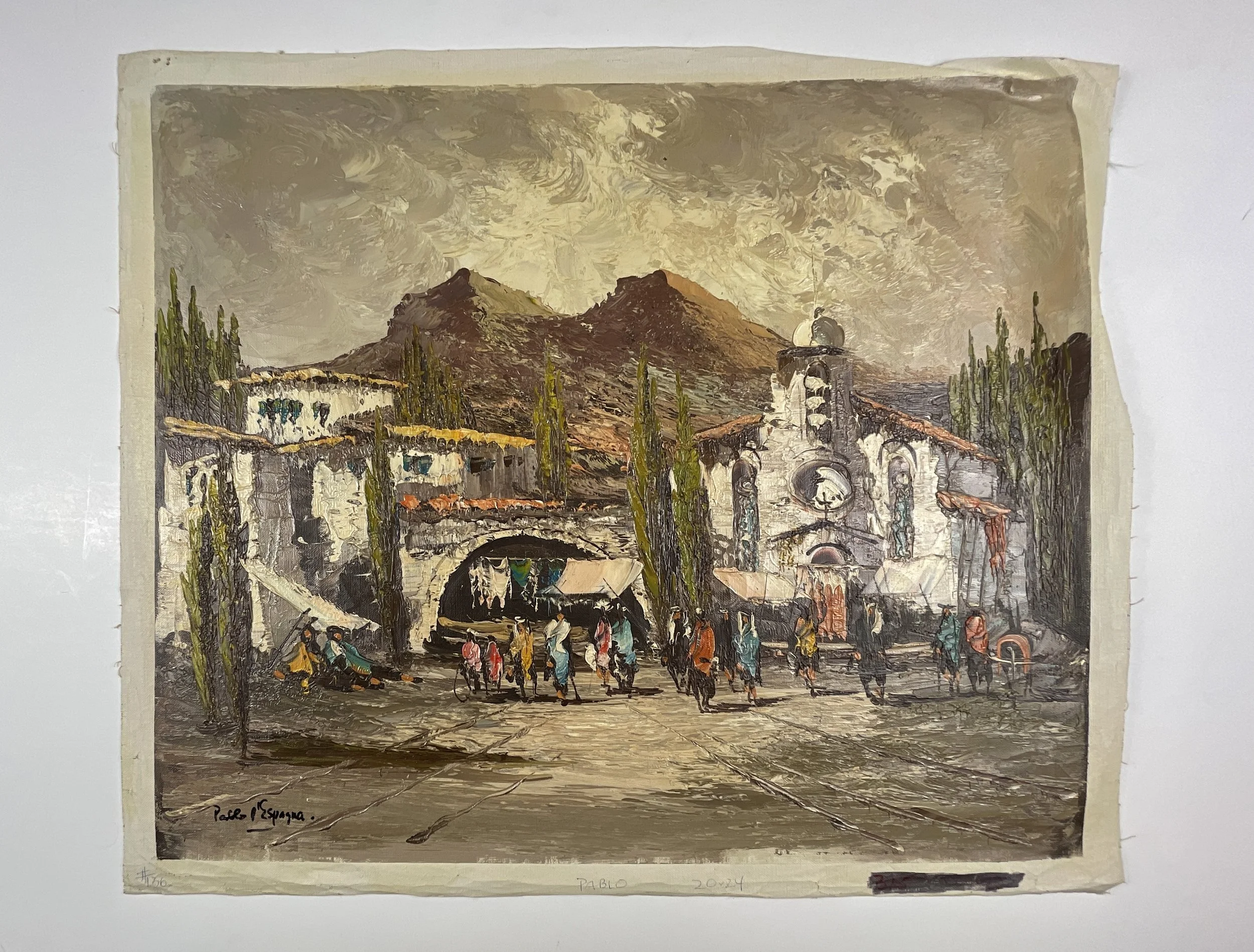 Image 4 of 5
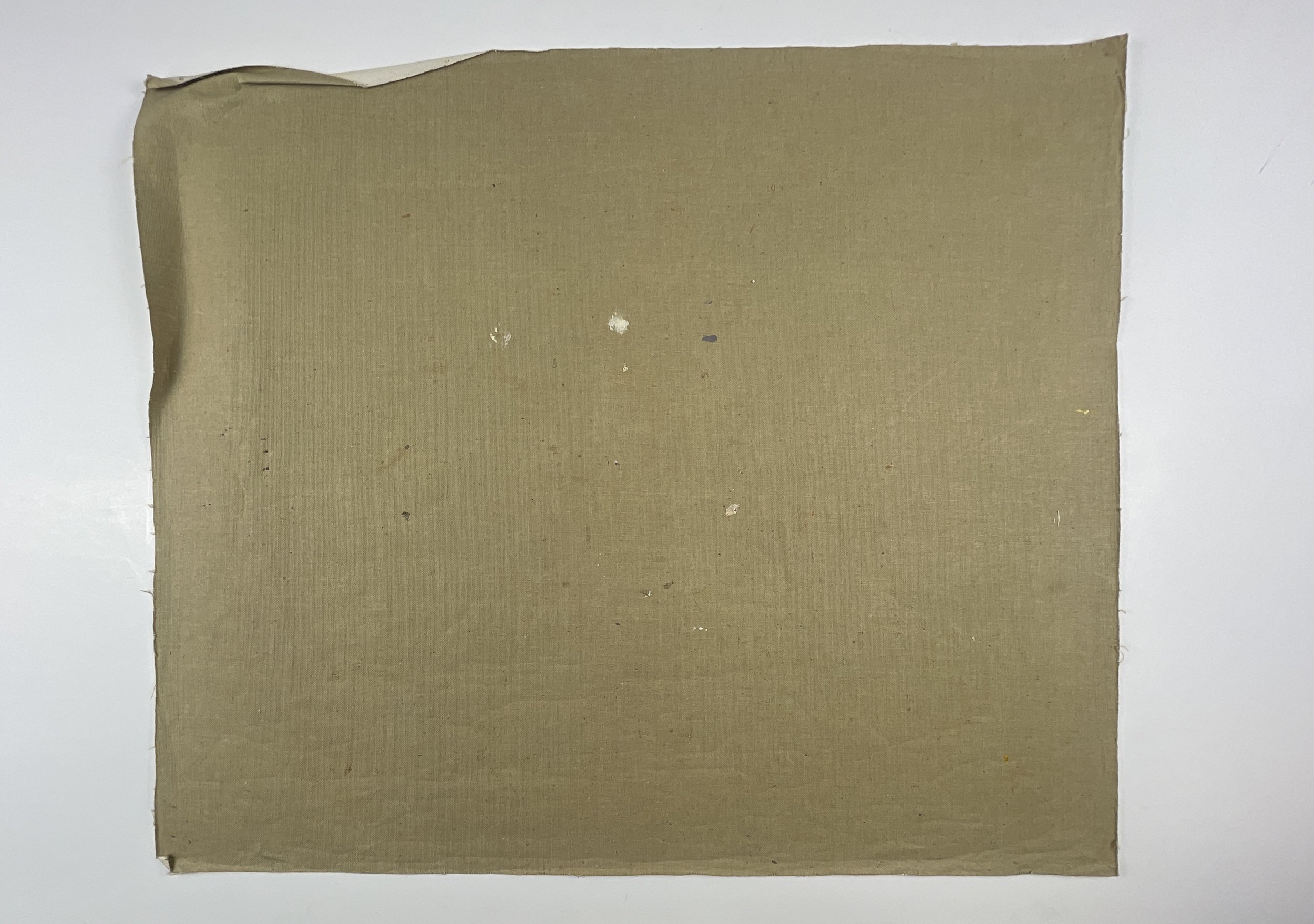 Image 5 of 5
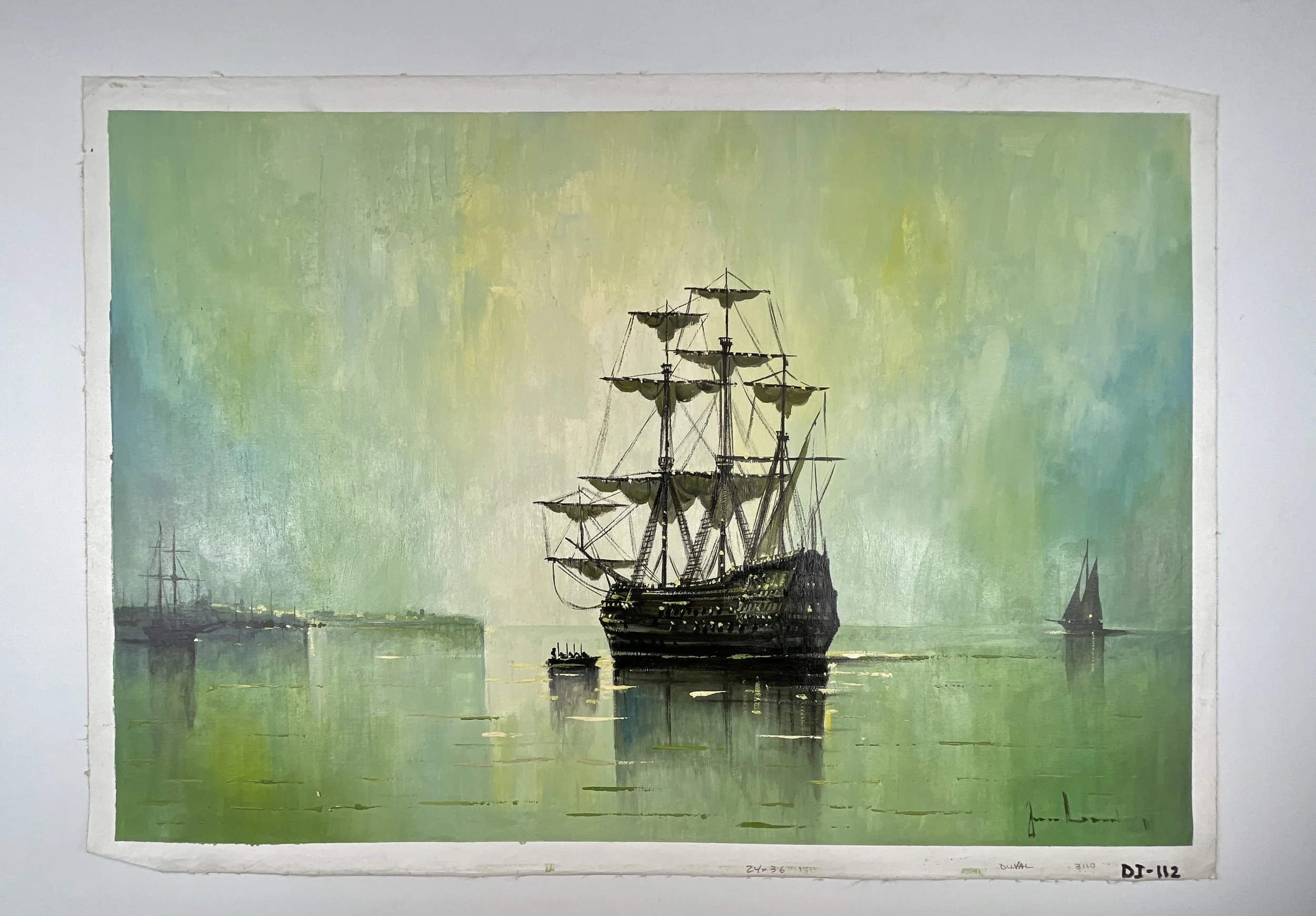
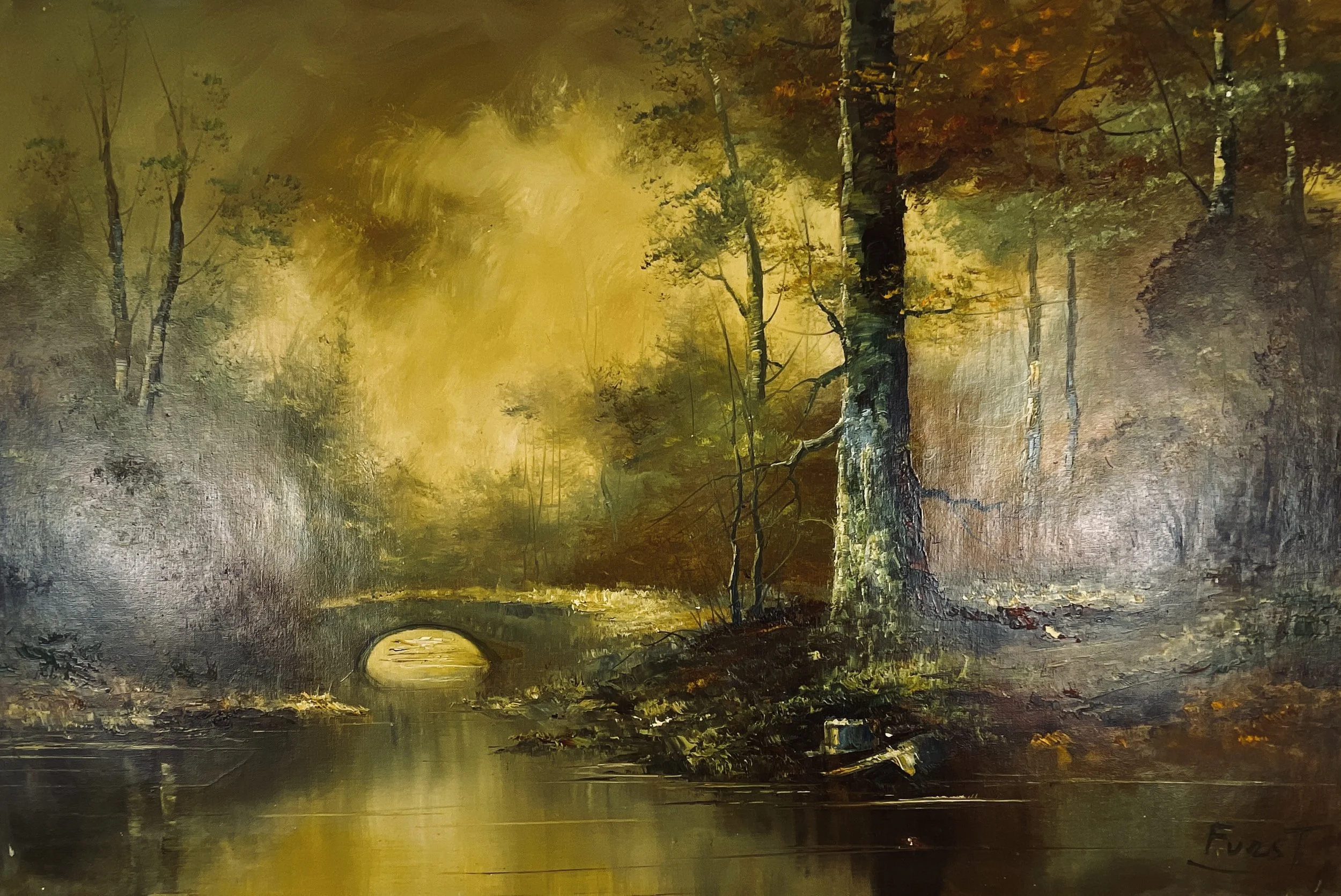
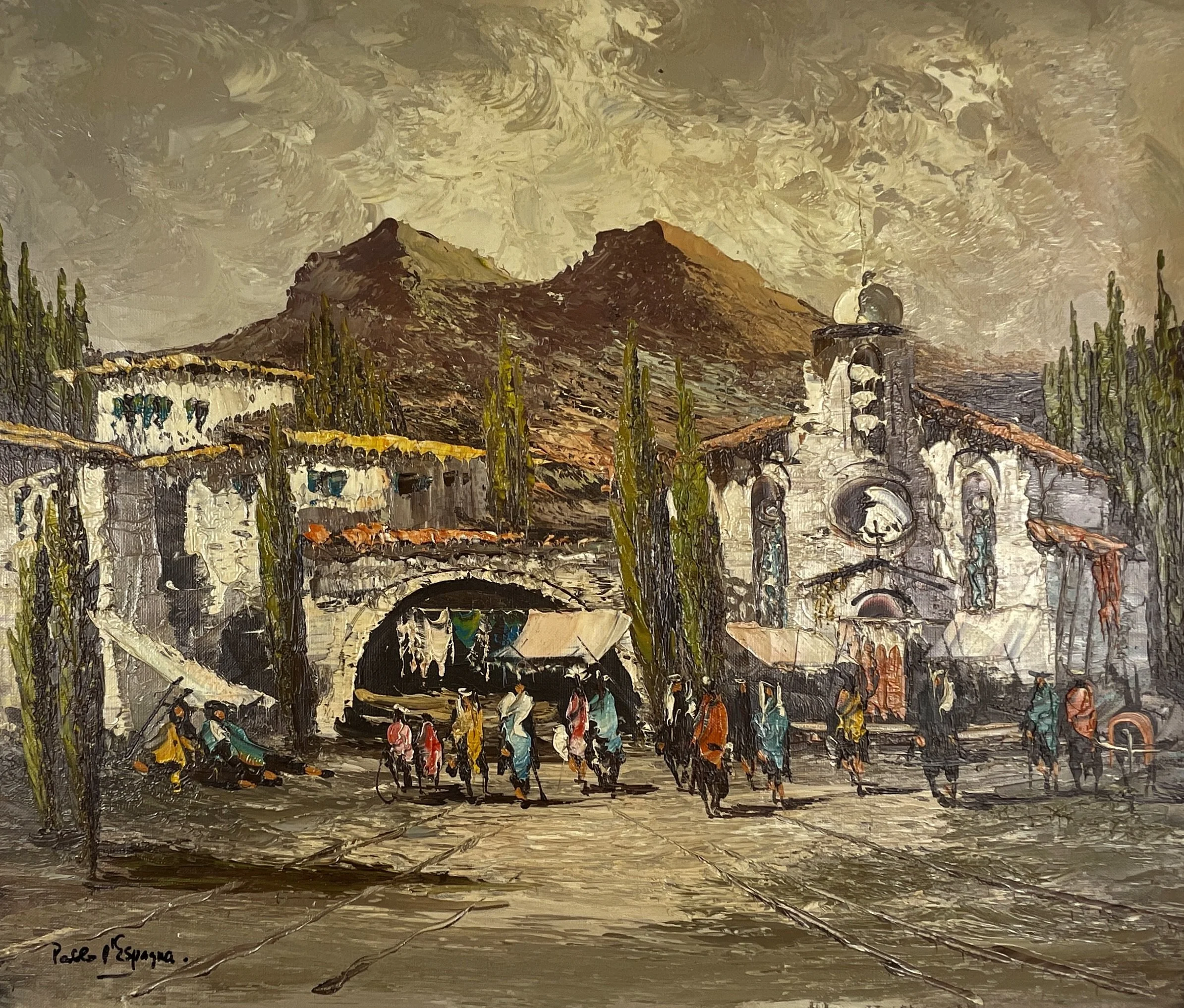
Expressive Spanish village plaza in thick impasto oil—figures, stone bridge, cypress trees, and sunlit architecture in a post-Impressionist palette; signed Pablo d’Espana; 24 × 20 original oil on canvas from the Mitch Morse Gallery provenance.
Provenance Note: Mitch Morse Gallery Collection
This artwork originates from the inventory of Mitch Morse Gallery, a respected New York–based gallery and publisher active during the mid-to-late 20th century. Mitch Morse was an established figure in the American art market, serving as an artist’s agent, publisher of original graphics, art dealer, distributor, and fine art restorer. He was also a Design Affiliate of A.S.I.D., listed in Who’s Who in the East, and a guest lecturer in graphics at New York University, with appearances on radio and television discussing art and design.
Through his gallery and associated publishing operations, Morse acquired paintings, prints, and original works from artists and studios across New York, Europe, and international art markets, assembling a broad inventory representing a wide range of artistic traditions and mediums. Works from this collection circulated through galleries and collectors throughout the United States.
The present painting was acquired through this network and is now held in the collection of Artfind Gallery, Washington DC, continuing the documented chain of gallery provenance from Mitch Morse’s original acquisitions.
Artwork Description
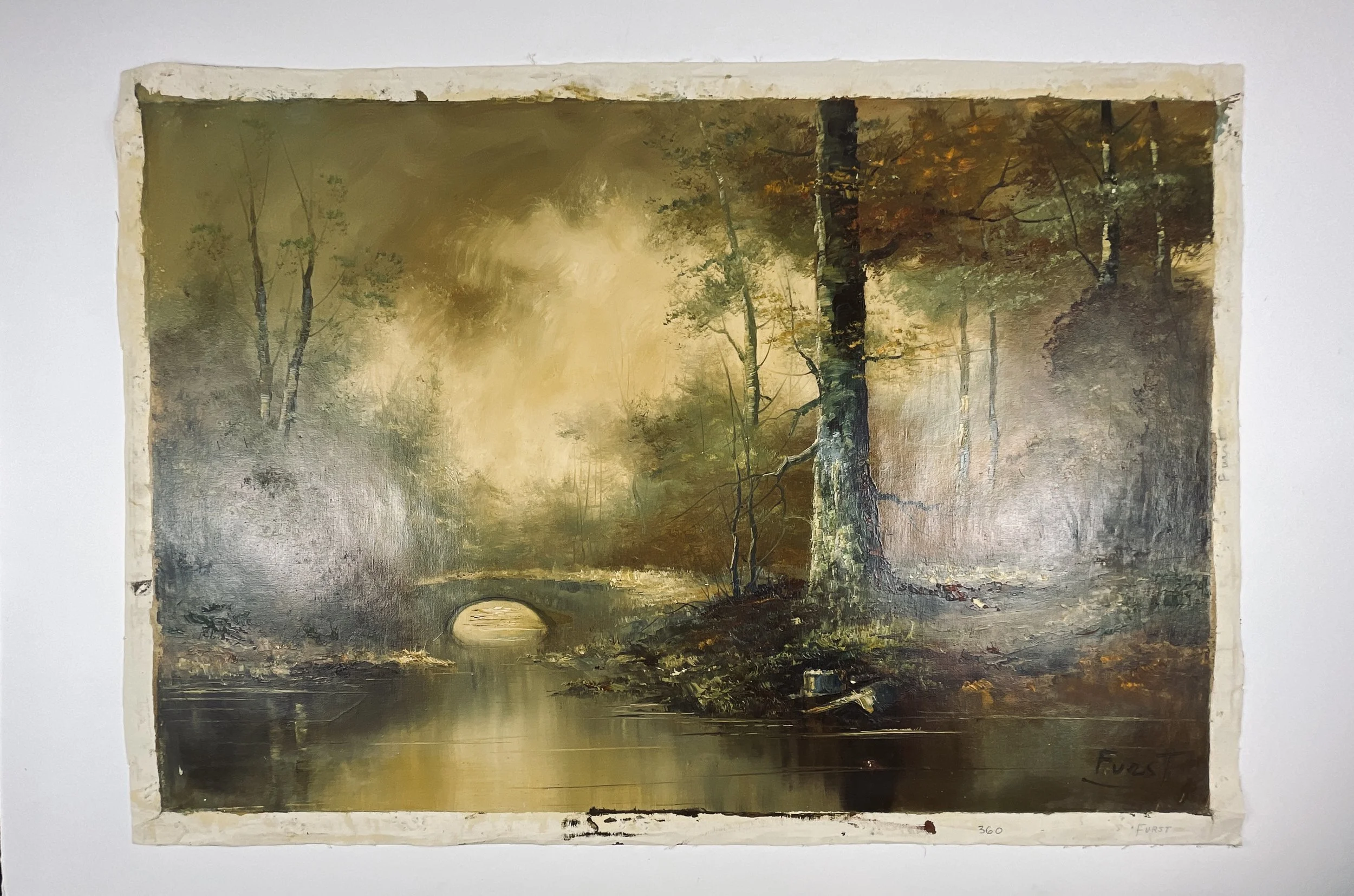
This expressive oil painting by Pablo D’Espana portrays a bustling Spanish village square set beneath dramatic mountain peaks. The composition centers on a stone bridge that leads into a small marketplace, where villagers in colorful clothing gather among stalls and architectural arches.
A church with a bell tower anchors the right side of the scene, its white façade rendered in heavy impasto and layered highlights that suggest weathered stone. To the left, whitewashed buildings with tiled roofs create a village streetscape typical of historic towns in Spain’s mountainous regions. Tall slender trees punctuate the architecture and lead the eye upward toward the rugged hills beyond.
In the foreground, figures walk across a cobblestone square, painted with quick strokes of bright pigments—reds, blues, yellows, and oranges—contrasting with the muted browns and grays of the surrounding architecture. These small figures give life and narrative to the painting while also reinforcing its scale and depth.
The sky is rendered with sweeping palette-knife strokes, creating a dramatic, swirling atmosphere above the village. D’Espana uses thick paint application throughout the work, particularly in the foreground and architectural elements, producing a sculptural surface that catches light and enhances visual movement.
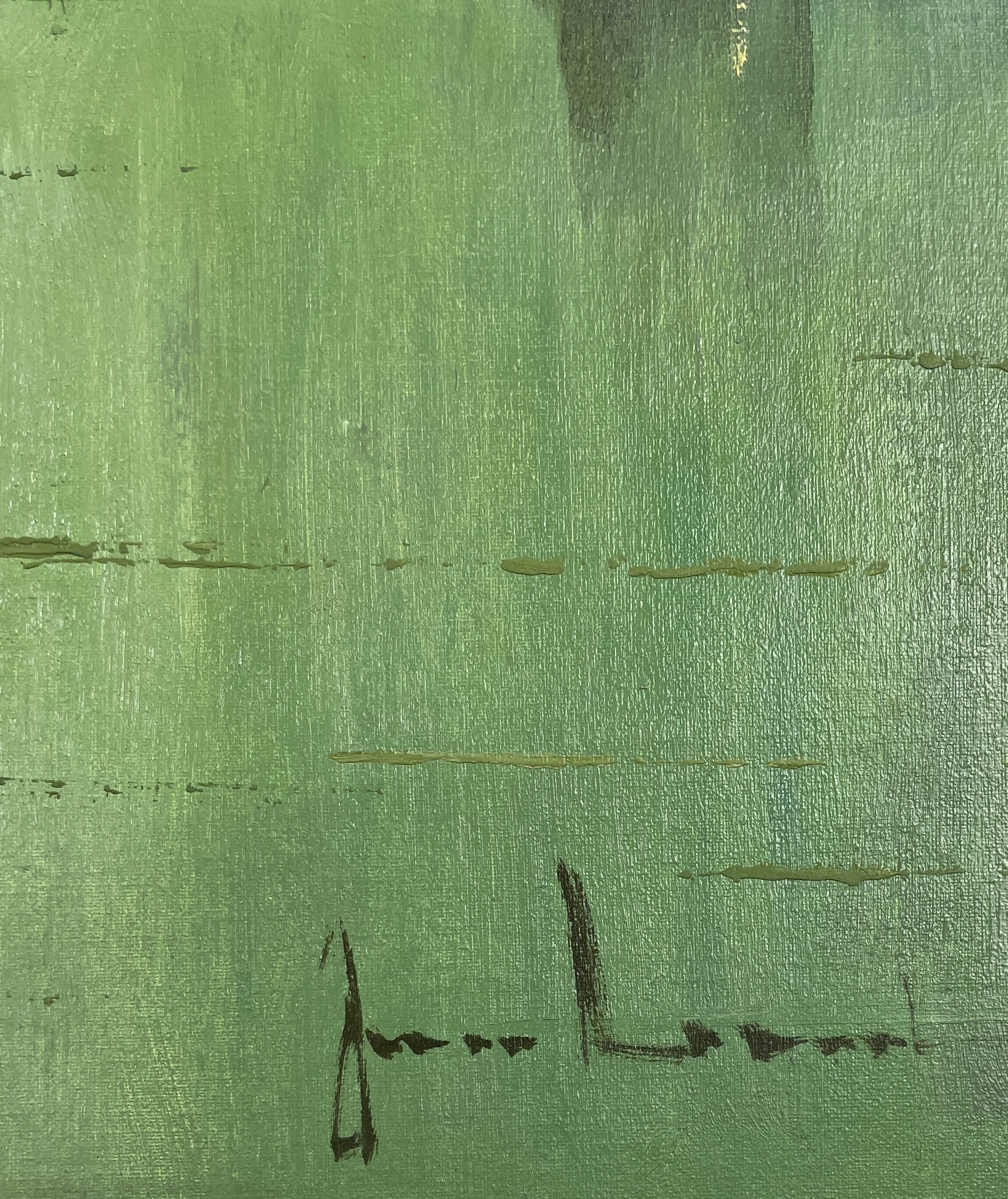
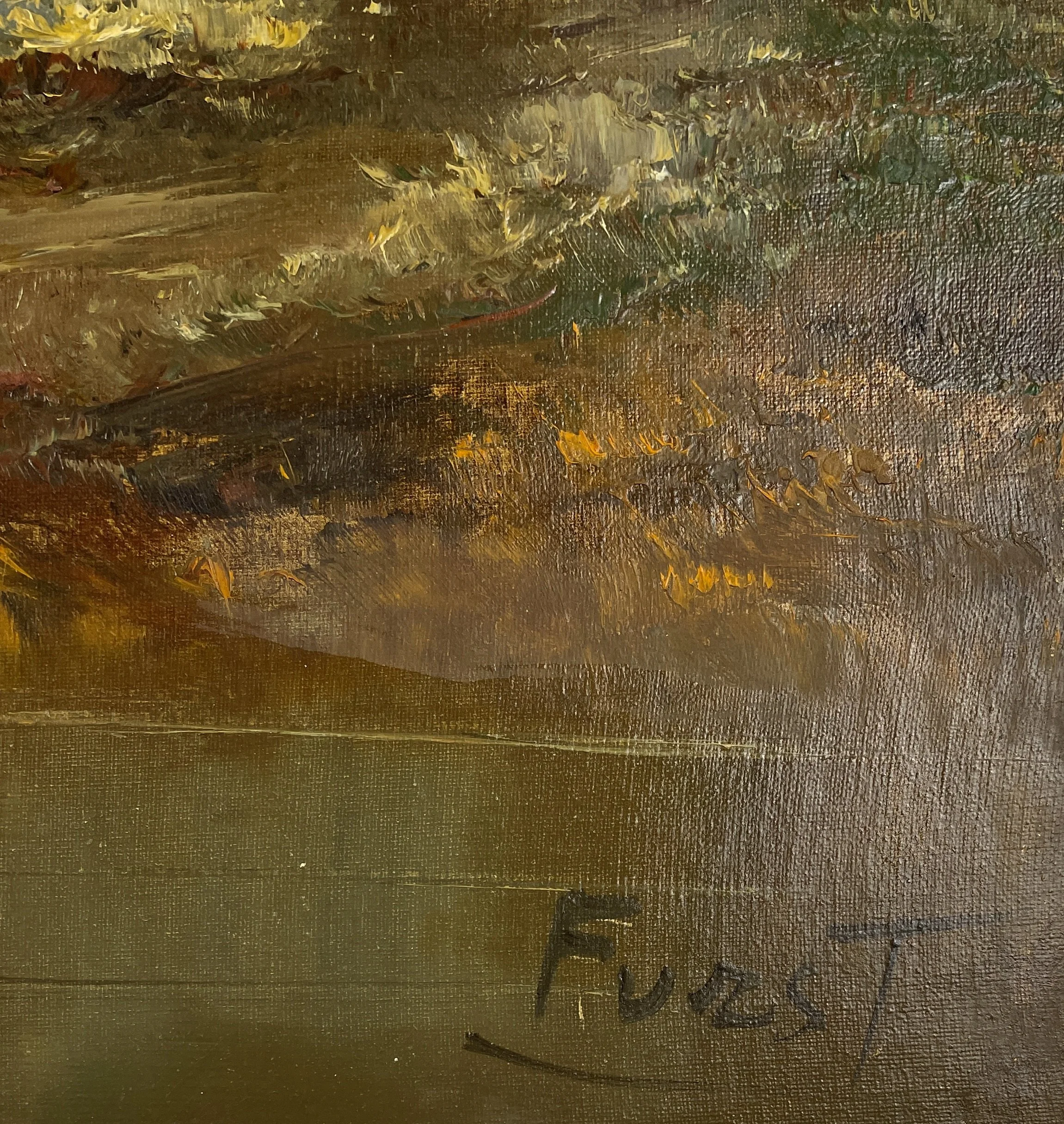
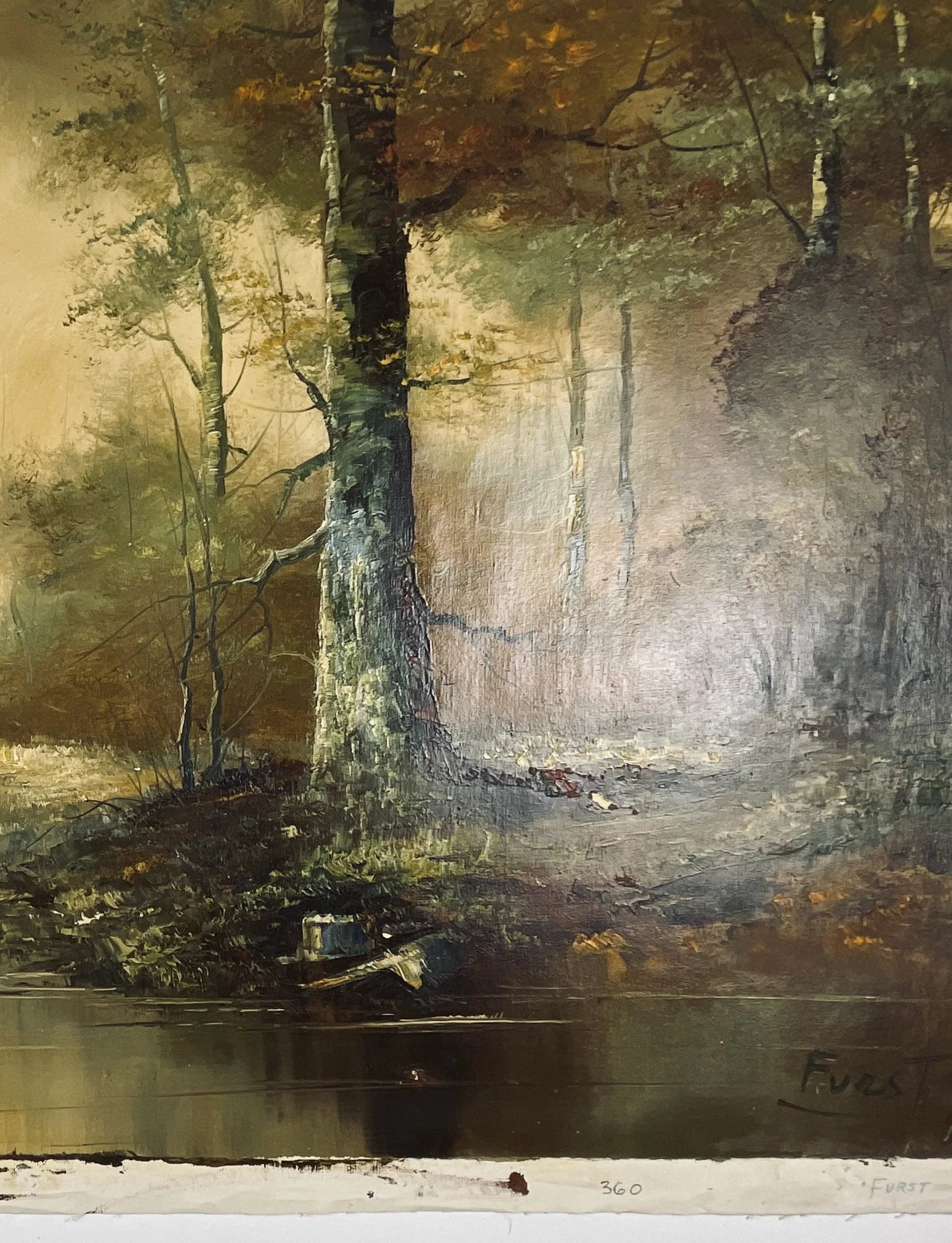
The signature “Pablo D’Espana” appears in the lower left of the composition. Along the lower margin of the canvas, studio notation reads “PABLO 20×24,” likely referencing the painting’s format or inventory designation. The unfinished edges and exposed canvas margins indicate that the work was likely intended to be framed by a gallery rather than stretched traditionally, a common practice among mid-century studio painters producing works for international dealers.
The subject matter reflects the enduring appeal of Spanish village life—markets, church squares, and communal gathering places—an artistic theme widely celebrated by European painters during the mid-20th century
Artist Biography
Pablo d’Espana (also seen as “Pablo Espana”) is a signature encountered on mid-to-late 20th-century, European-themed impasto oils—most often Spanish village streets, plazas, and harbor views—painted in an accessible post-Impressionist manner designed to read beautifully at room distance. Works under this name typically emphasize atmosphere, architecture, and daily life, with palette-knife texture and high-contrast lighting as defining features.
Online listings frequently attach a biographical narrative stating the artist was born in Vigo, Spain; studied in Madrid (often naming San Fernando) and later at an academy in Turin; and exhibited in Paris with a successful one-man show. However, those same listings conflict on key facts (including the birth year) and tend to repeat identical wording, which is a red flag for copied dealer text rather than a biography grounded in independent documentation. In the absence of verifiable institutional sources, the most responsible public-facing approach is to describe “Pablo d’Espana / Pablo Espana” as a Spanish-school identity used in the marketplace, and let the work itself—its technique, palette, and subject—carry the catalog entry.
Additional Notes: Attribution & Name Variants
Paintings signed “Pablo d’Espana” or “Pablo Espana” appear regularly in the secondary art market and are generally associated with mid-20th-century European studio painters producing Spanish village and Mediterranean scenes. The signature itself translates loosely as “Pablo of Spain,” suggesting that the name may have functioned as a professional artistic identity rather than a strict family surname.
Various resale listings attribute a biography stating the artist was born in Vigo, Spain, studied at San Fernando Academy in Madrid and later at the Turin Academy of Arts, and exhibited in Paris during the 1950s. However, these biographical notes appear primarily in dealer and resale descriptions and are not consistently supported by independent archival documentation.
Works under this signature are recognized for their expressive palette-knife technique, textured impasto surfaces, and scenes of Spanish towns, plazas, and marketplaces, reflecting the broader mid-century European tradition of atmospheric village painting that was widely exported to American galleries during the 1960s–1980s.
Collectors continue to appreciate these works for their strong decorative presence, vibrant color, and lively depictions of Mediterranean life.
Pablo d’Espana (Spanish school, active 20th century). Village Plaza, Spain (attributed). Oil impasto on canvas, 24 x 20 in. Signed lower left. Textural palette-knife village scene with figures, bridge, and mountain backdrop. Provenance: Mitch Morse Gallery, acquired in NYC/Europe; thence Artfind Gallery, Washington DC.
Certificate of Authentication
Certificate of Authenticity (COA)
Issuing Gallery: Artfind Gallery, Washington DC
Artist: Pablo d’Espana (also known in the market as Pablo Espana)
Title: Village Plaza, Spain (attributed)
Medium: Oil impasto on canvas
Dimensions: 24 in x 20 in (unframed)
Signature: Signed “Pablo d’Espana” lower left
Date: Circa 1960s–1980s (stylistic/market period estimate)
Provenance: Acquired from Mitch Morse Gallery (NYC/Europe acquisition stream); currently held by Artfind Gallery, Washington DC
Statement: In our professional opinion, this work is an authentic original oil painting consistent with works signed “Pablo d’Espana / Pablo Espana” circulating in the secondary market.
Condition
Overall: good vintage condition consistent with age and studio technique.
Surface: intentionally heavy impasto and palette-knife ridging; scattered minor surface specks visible in raking light are consistent with textured paint handling.
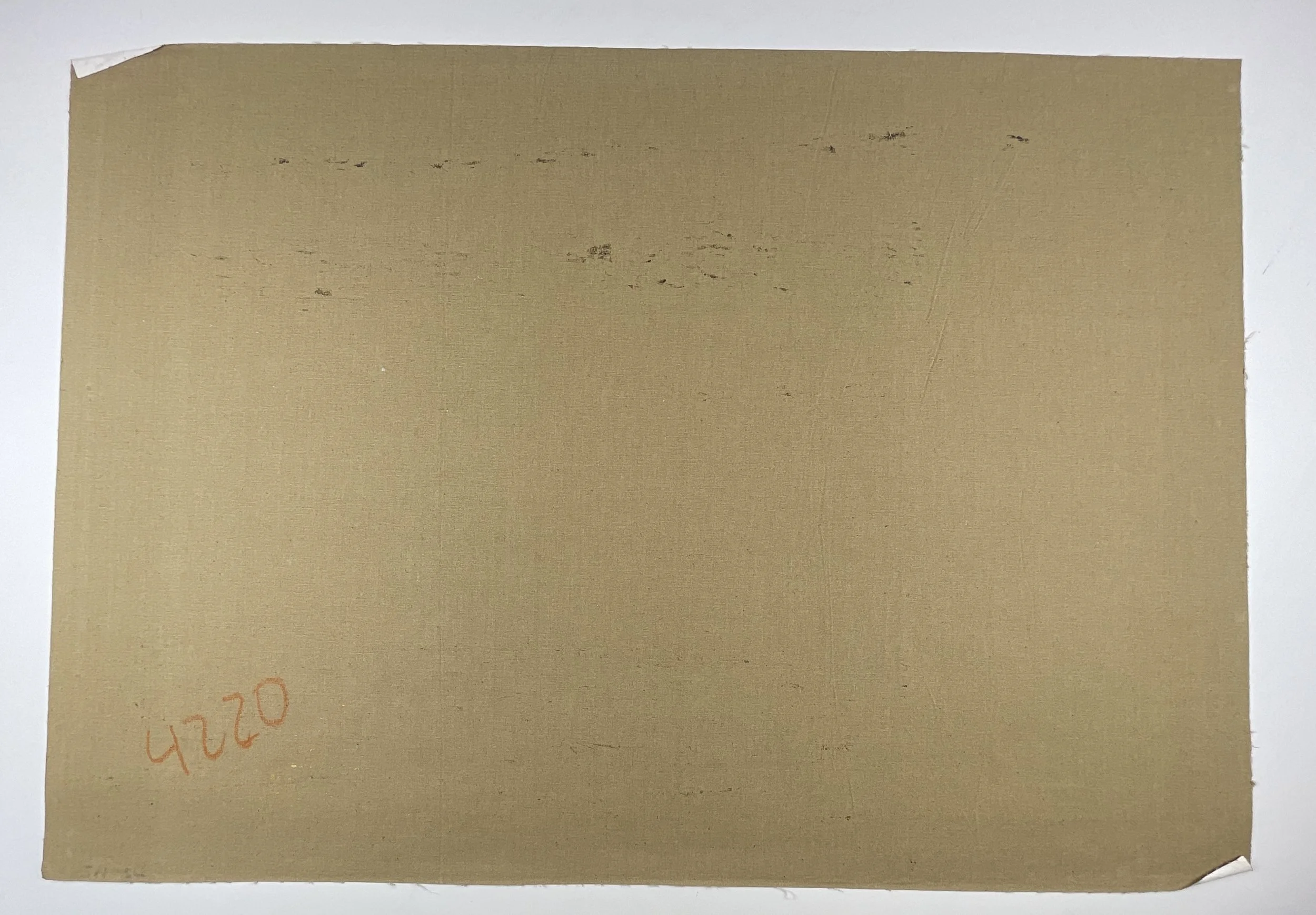
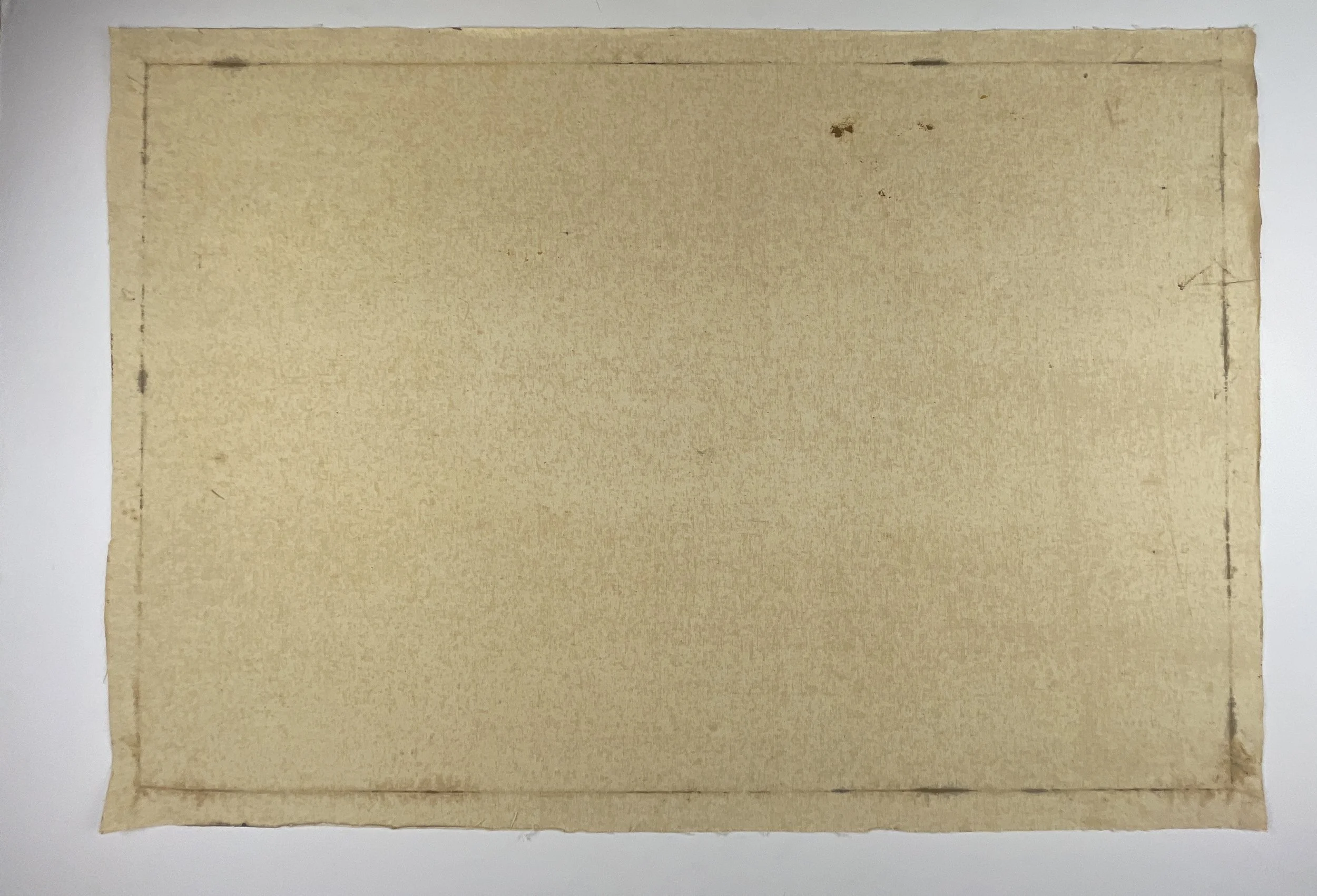
Support: canvas appears stable in the provided photos; verso shows typical age toning and handling marks.
Recommendation: if unframed, best displayed under stable humidity and away from direct sunlight; a light surface dusting by a conservator is appropriate if desired (do not abrade raised impasto).
Provenance
Mitch Morse Gallery (publisher/primary source for this collection; acquired through NYC, United States and Europe) → Artfind Gallery, Washington DC (current owner).
Expressive Spanish village plaza in thick impasto oil—figures, stone bridge, cypress trees, and sunlit architecture in a post-Impressionist palette; signed Pablo d’Espana; 24 × 20 original oil on canvas from the Mitch Morse Gallery provenance.
Provenance Note: Mitch Morse Gallery Collection
This artwork originates from the inventory of Mitch Morse Gallery, a respected New York–based gallery and publisher active during the mid-to-late 20th century. Mitch Morse was an established figure in the American art market, serving as an artist’s agent, publisher of original graphics, art dealer, distributor, and fine art restorer. He was also a Design Affiliate of A.S.I.D., listed in Who’s Who in the East, and a guest lecturer in graphics at New York University, with appearances on radio and television discussing art and design.
Through his gallery and associated publishing operations, Morse acquired paintings, prints, and original works from artists and studios across New York, Europe, and international art markets, assembling a broad inventory representing a wide range of artistic traditions and mediums. Works from this collection circulated through galleries and collectors throughout the United States.
The present painting was acquired through this network and is now held in the collection of Artfind Gallery, Washington DC, continuing the documented chain of gallery provenance from Mitch Morse’s original acquisitions.
Artwork Description
This expressive oil painting by Pablo D’Espana portrays a bustling Spanish village square set beneath dramatic mountain peaks. The composition centers on a stone bridge that leads into a small marketplace, where villagers in colorful clothing gather among stalls and architectural arches.
A church with a bell tower anchors the right side of the scene, its white façade rendered in heavy impasto and layered highlights that suggest weathered stone. To the left, whitewashed buildings with tiled roofs create a village streetscape typical of historic towns in Spain’s mountainous regions. Tall slender trees punctuate the architecture and lead the eye upward toward the rugged hills beyond.
In the foreground, figures walk across a cobblestone square, painted with quick strokes of bright pigments—reds, blues, yellows, and oranges—contrasting with the muted browns and grays of the surrounding architecture. These small figures give life and narrative to the painting while also reinforcing its scale and depth.
The sky is rendered with sweeping palette-knife strokes, creating a dramatic, swirling atmosphere above the village. D’Espana uses thick paint application throughout the work, particularly in the foreground and architectural elements, producing a sculptural surface that catches light and enhances visual movement.
The signature “Pablo D’Espana” appears in the lower left of the composition. Along the lower margin of the canvas, studio notation reads “PABLO 20×24,” likely referencing the painting’s format or inventory designation. The unfinished edges and exposed canvas margins indicate that the work was likely intended to be framed by a gallery rather than stretched traditionally, a common practice among mid-century studio painters producing works for international dealers.
The subject matter reflects the enduring appeal of Spanish village life—markets, church squares, and communal gathering places—an artistic theme widely celebrated by European painters during the mid-20th century
Artist Biography
Pablo d’Espana (also seen as “Pablo Espana”) is a signature encountered on mid-to-late 20th-century, European-themed impasto oils—most often Spanish village streets, plazas, and harbor views—painted in an accessible post-Impressionist manner designed to read beautifully at room distance. Works under this name typically emphasize atmosphere, architecture, and daily life, with palette-knife texture and high-contrast lighting as defining features.
Online listings frequently attach a biographical narrative stating the artist was born in Vigo, Spain; studied in Madrid (often naming San Fernando) and later at an academy in Turin; and exhibited in Paris with a successful one-man show. However, those same listings conflict on key facts (including the birth year) and tend to repeat identical wording, which is a red flag for copied dealer text rather than a biography grounded in independent documentation. In the absence of verifiable institutional sources, the most responsible public-facing approach is to describe “Pablo d’Espana / Pablo Espana” as a Spanish-school identity used in the marketplace, and let the work itself—its technique, palette, and subject—carry the catalog entry.
Additional Notes: Attribution & Name Variants
Paintings signed “Pablo d’Espana” or “Pablo Espana” appear regularly in the secondary art market and are generally associated with mid-20th-century European studio painters producing Spanish village and Mediterranean scenes. The signature itself translates loosely as “Pablo of Spain,” suggesting that the name may have functioned as a professional artistic identity rather than a strict family surname.
Various resale listings attribute a biography stating the artist was born in Vigo, Spain, studied at San Fernando Academy in Madrid and later at the Turin Academy of Arts, and exhibited in Paris during the 1950s. However, these biographical notes appear primarily in dealer and resale descriptions and are not consistently supported by independent archival documentation.
Works under this signature are recognized for their expressive palette-knife technique, textured impasto surfaces, and scenes of Spanish towns, plazas, and marketplaces, reflecting the broader mid-century European tradition of atmospheric village painting that was widely exported to American galleries during the 1960s–1980s.
Collectors continue to appreciate these works for their strong decorative presence, vibrant color, and lively depictions of Mediterranean life.
Pablo d’Espana (Spanish school, active 20th century). Village Plaza, Spain (attributed). Oil impasto on canvas, 24 x 20 in. Signed lower left. Textural palette-knife village scene with figures, bridge, and mountain backdrop. Provenance: Mitch Morse Gallery, acquired in NYC/Europe; thence Artfind Gallery, Washington DC.
Certificate of Authentication
Certificate of Authenticity (COA)
Issuing Gallery: Artfind Gallery, Washington DC
Artist: Pablo d’Espana (also known in the market as Pablo Espana)
Title: Village Plaza, Spain (attributed)
Medium: Oil impasto on canvas
Dimensions: 24 in x 20 in (unframed)
Signature: Signed “Pablo d’Espana” lower left
Date: Circa 1960s–1980s (stylistic/market period estimate)
Provenance: Acquired from Mitch Morse Gallery (NYC/Europe acquisition stream); currently held by Artfind Gallery, Washington DC
Statement: In our professional opinion, this work is an authentic original oil painting consistent with works signed “Pablo d’Espana / Pablo Espana” circulating in the secondary market.
Condition
Overall: good vintage condition consistent with age and studio technique.
Surface: intentionally heavy impasto and palette-knife ridging; scattered minor surface specks visible in raking light are consistent with textured paint handling.
Support: canvas appears stable in the provided photos; verso shows typical age toning and handling marks.
Recommendation: if unframed, best displayed under stable humidity and away from direct sunlight; a light surface dusting by a conservator is appropriate if desired (do not abrade raised impasto).
Provenance
Mitch Morse Gallery (publisher/primary source for this collection; acquired through NYC, United States and Europe) → Artfind Gallery, Washington DC (current owner).