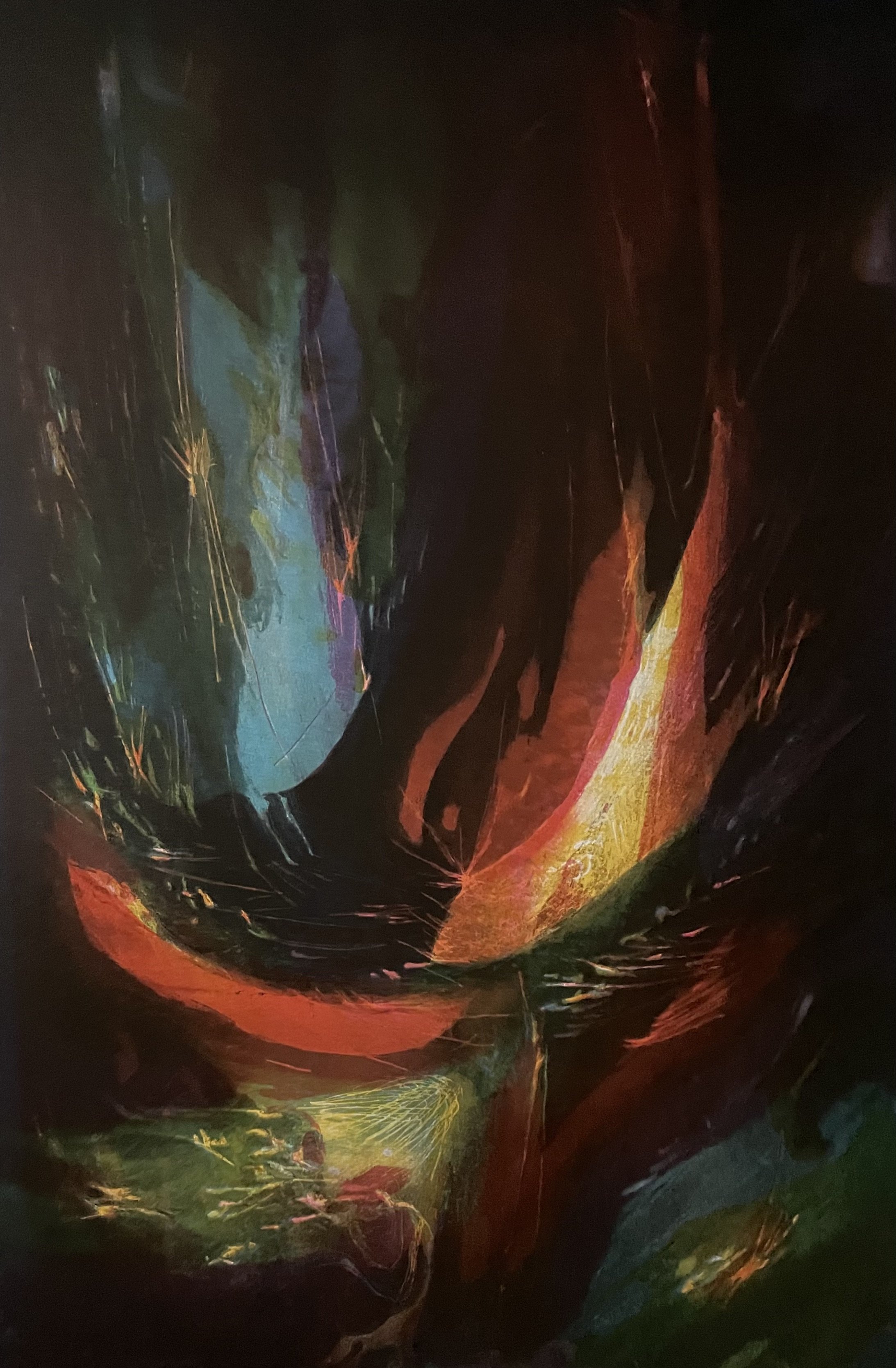
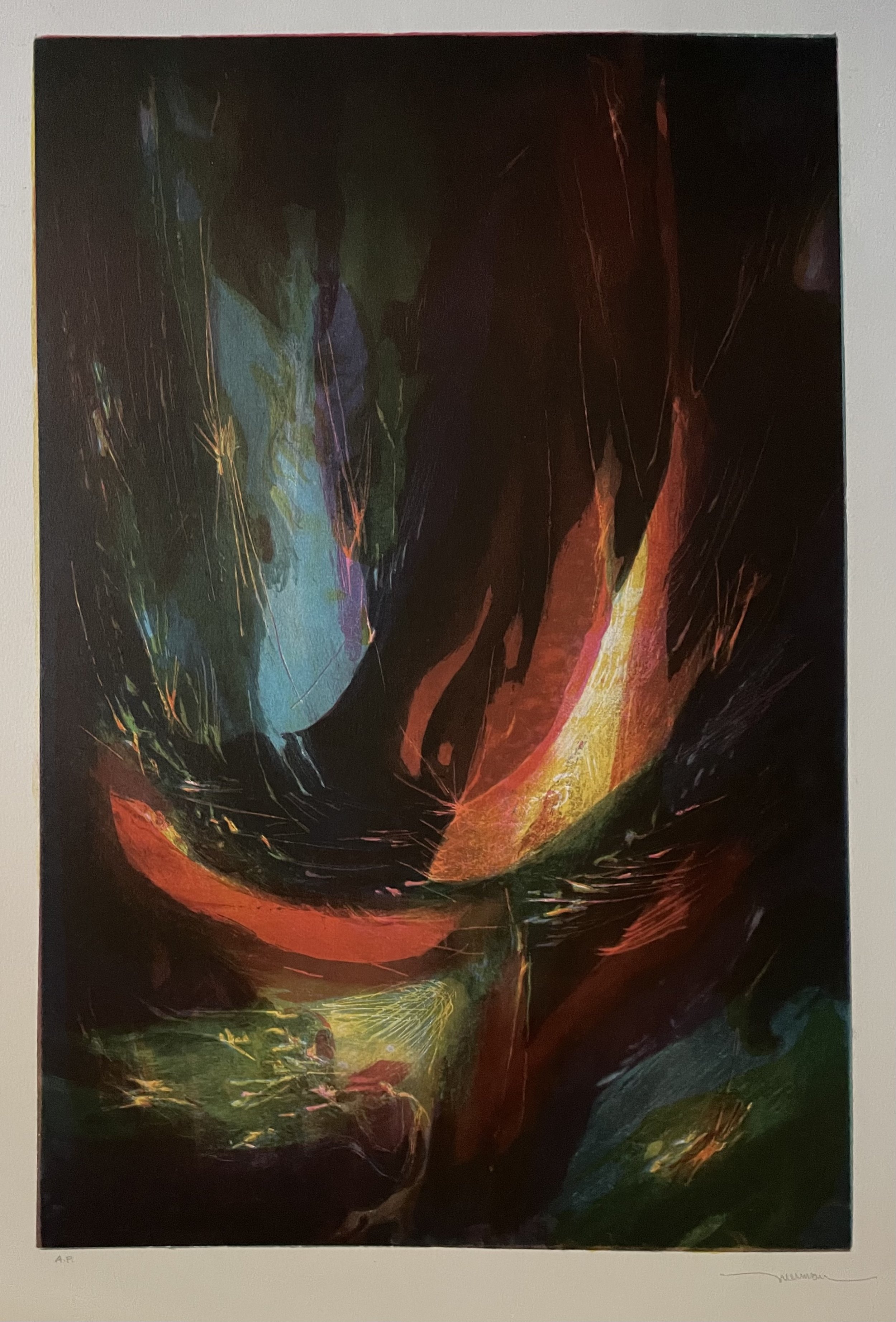
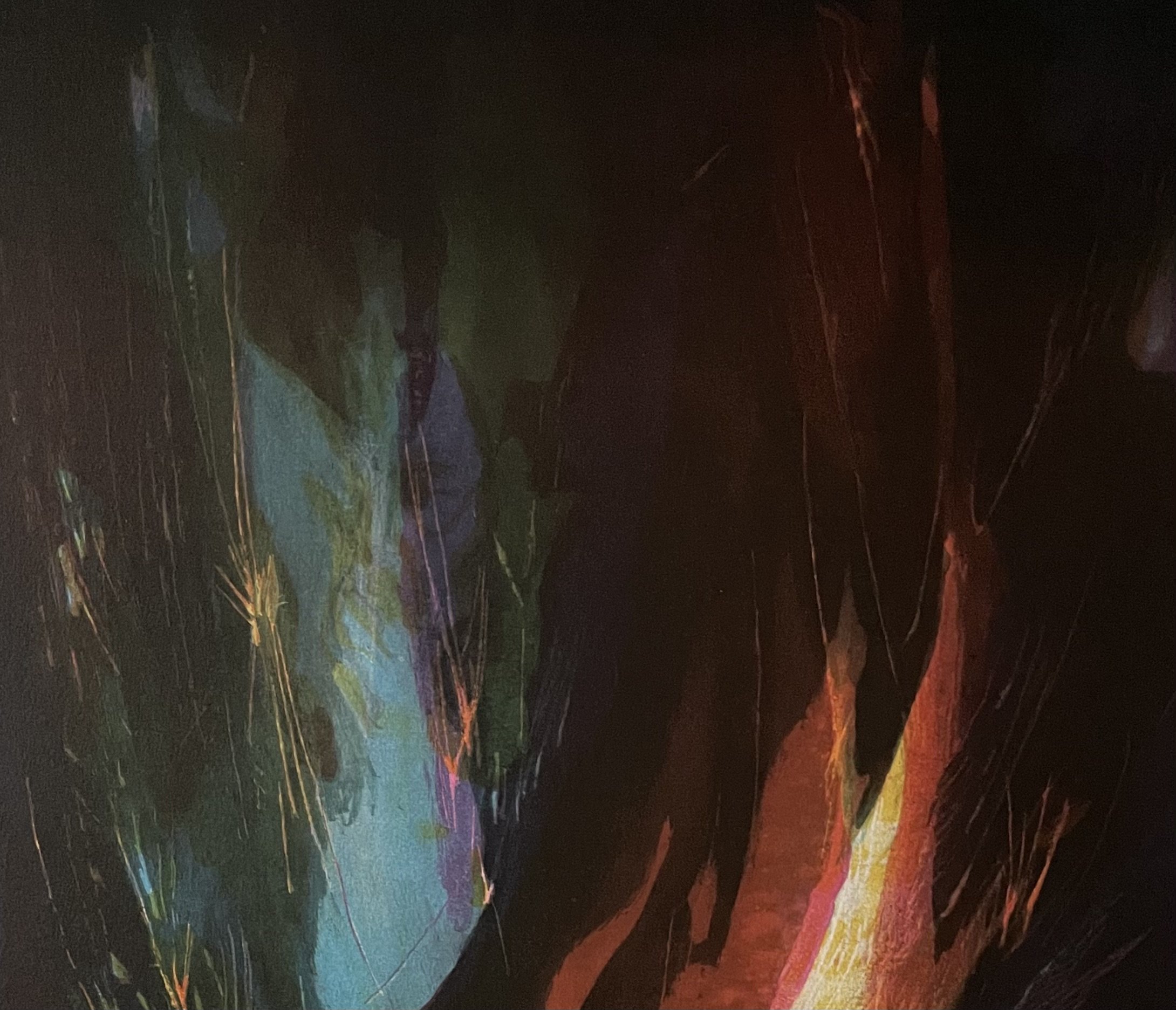
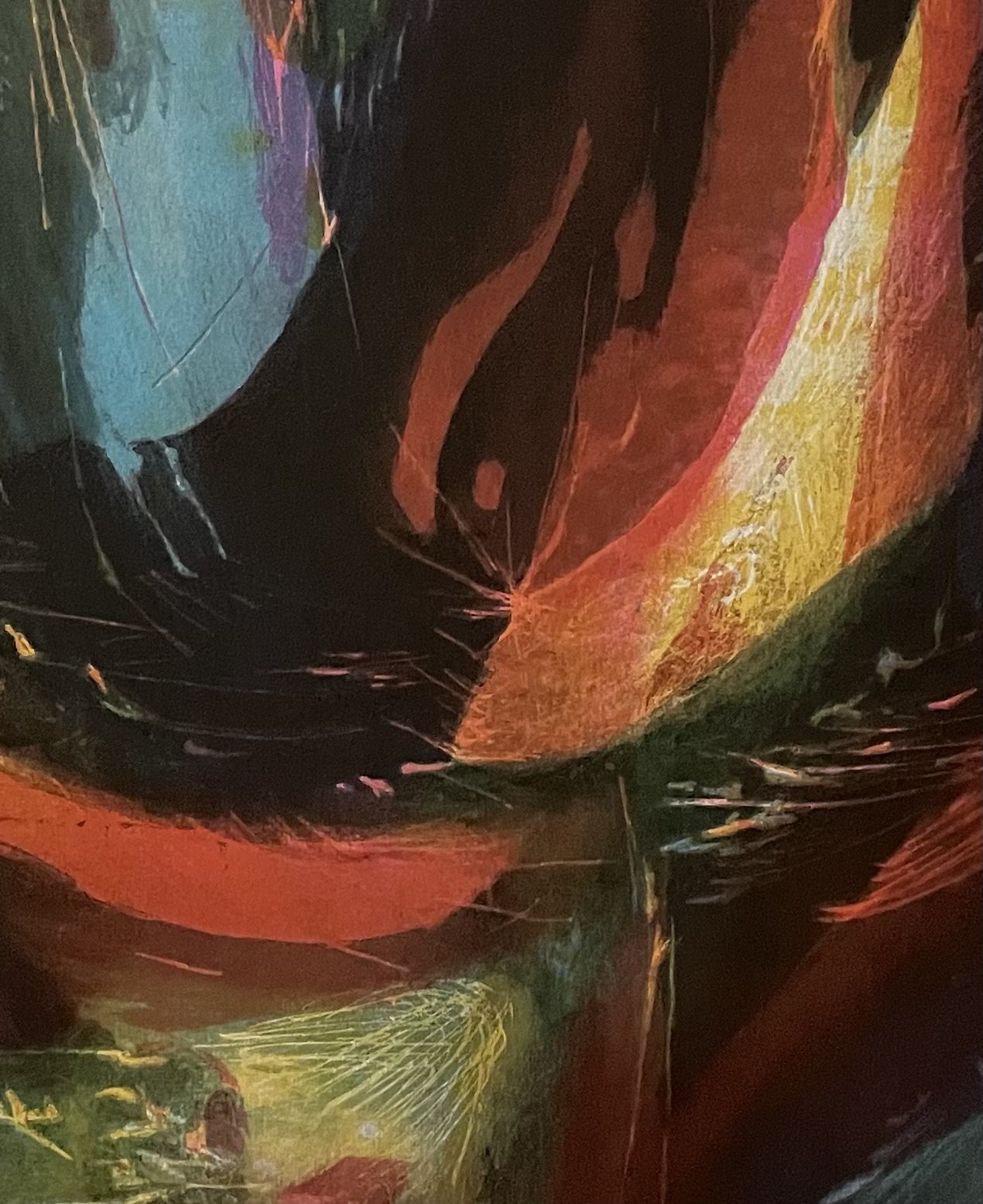
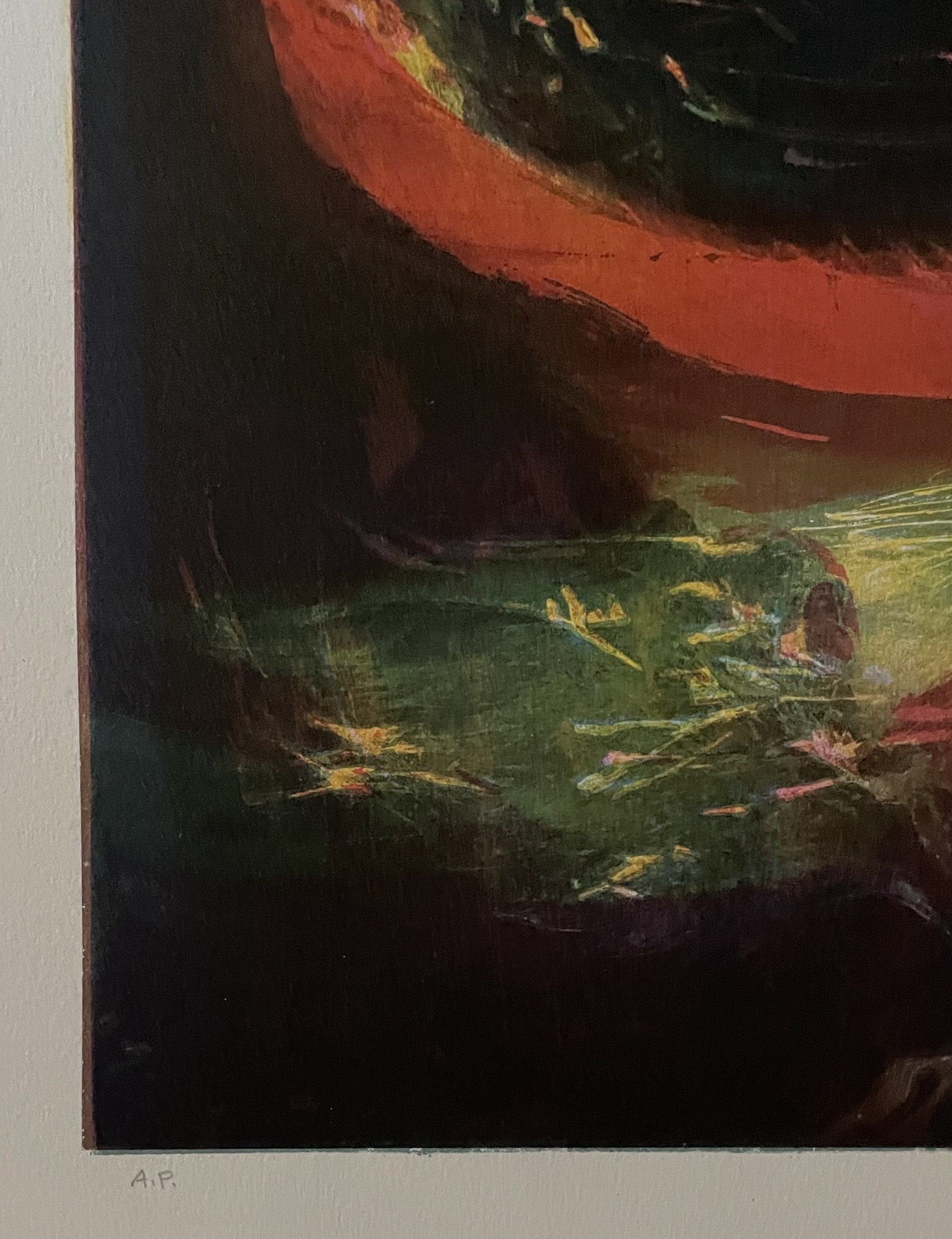
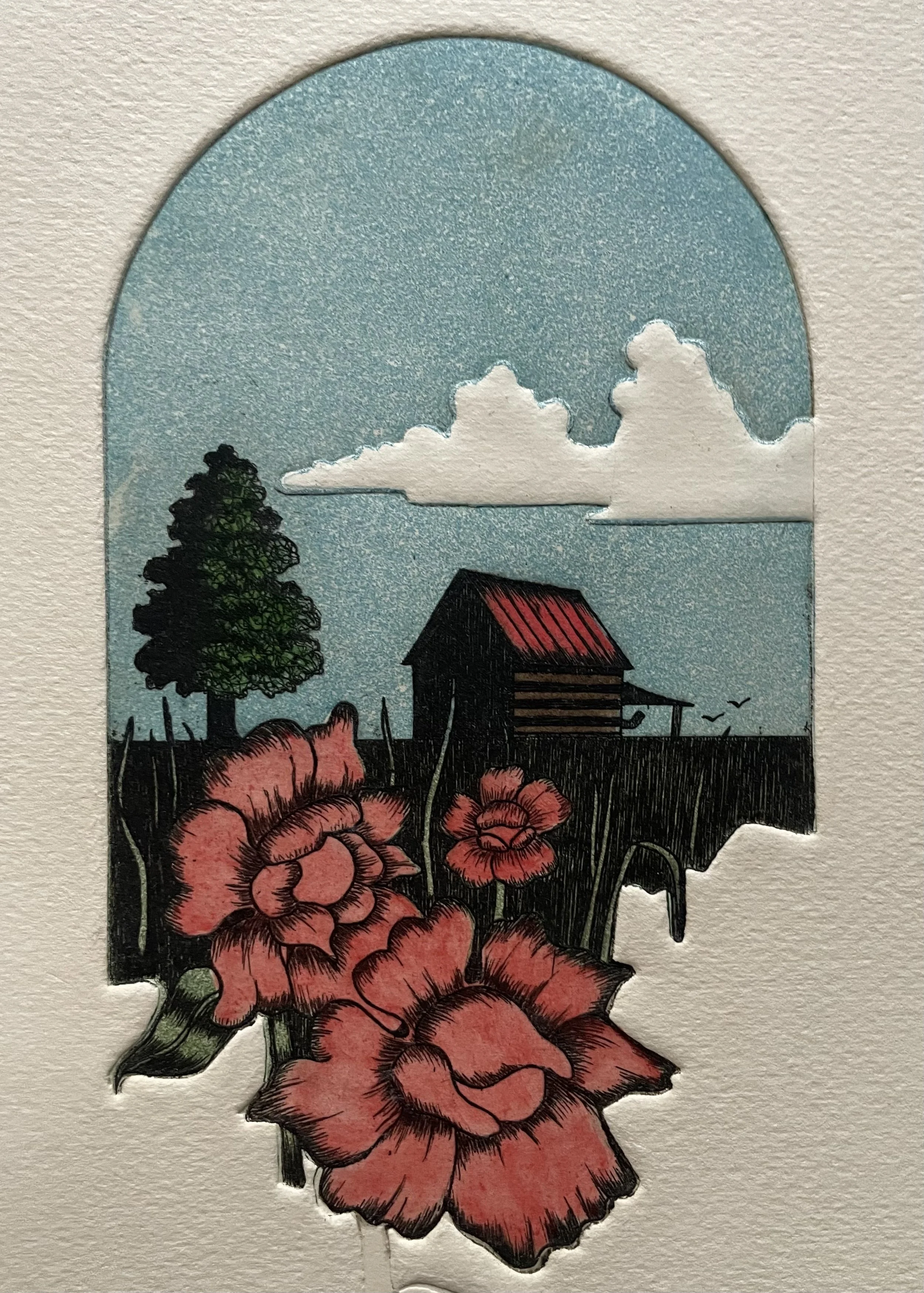
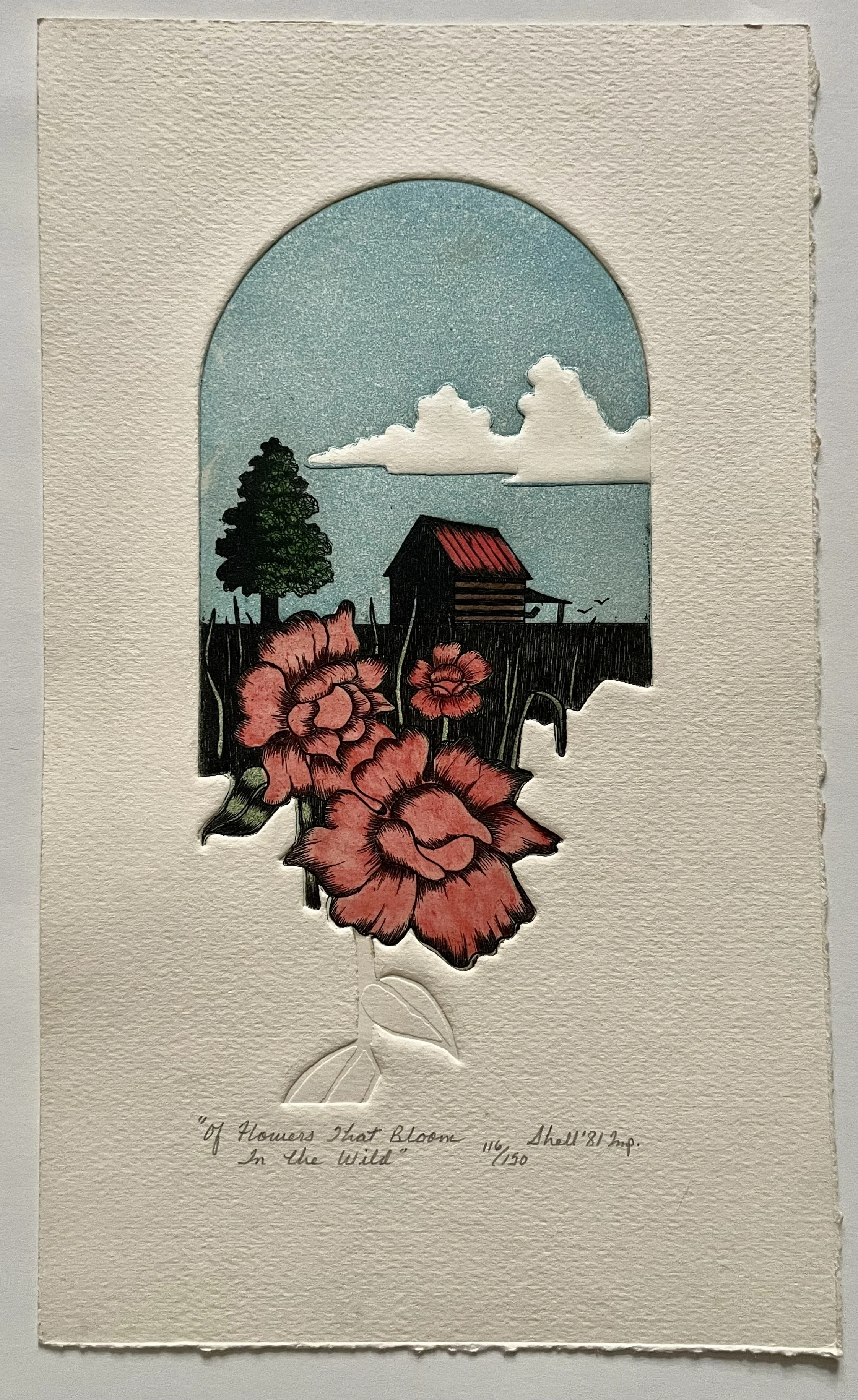
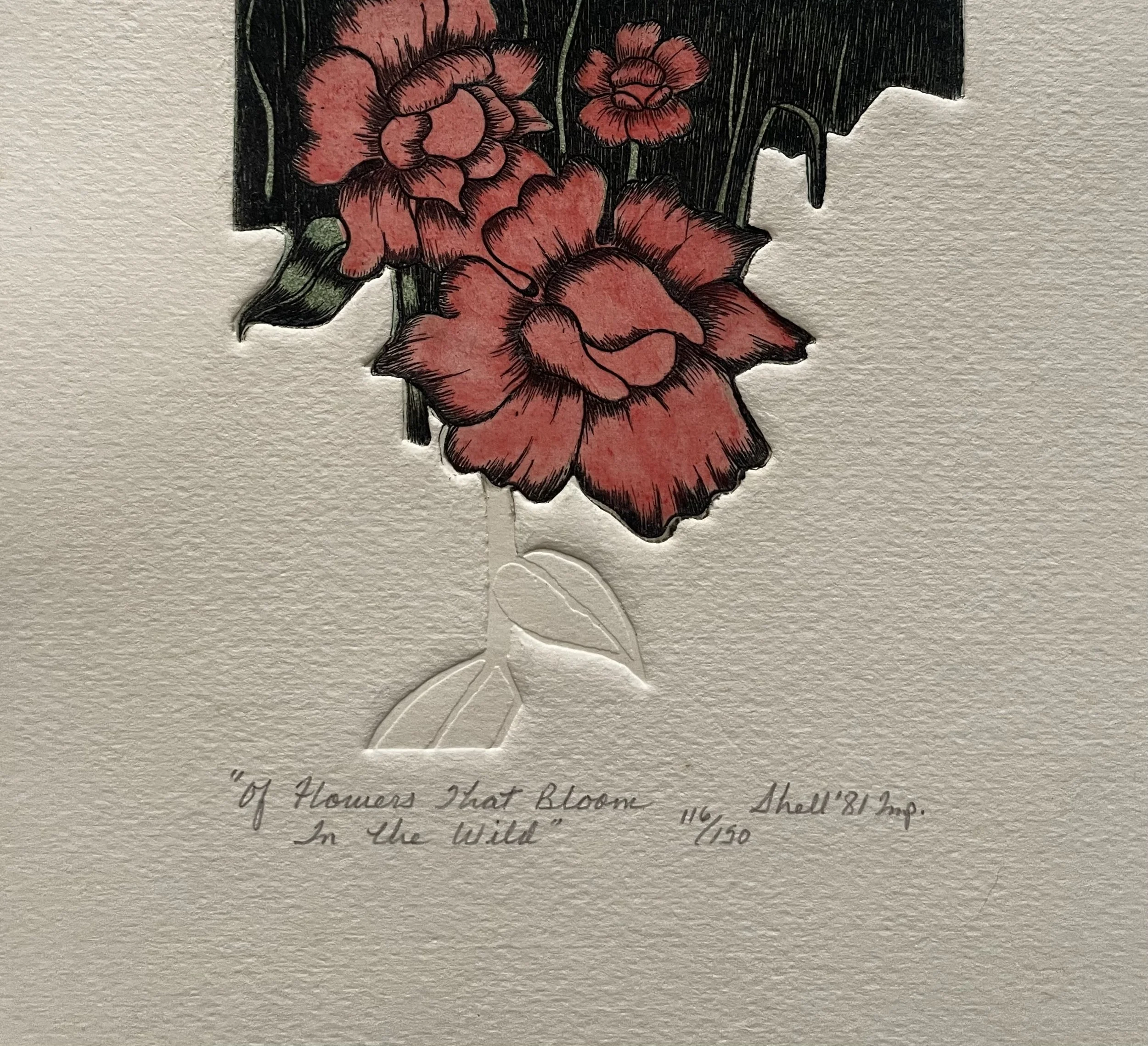
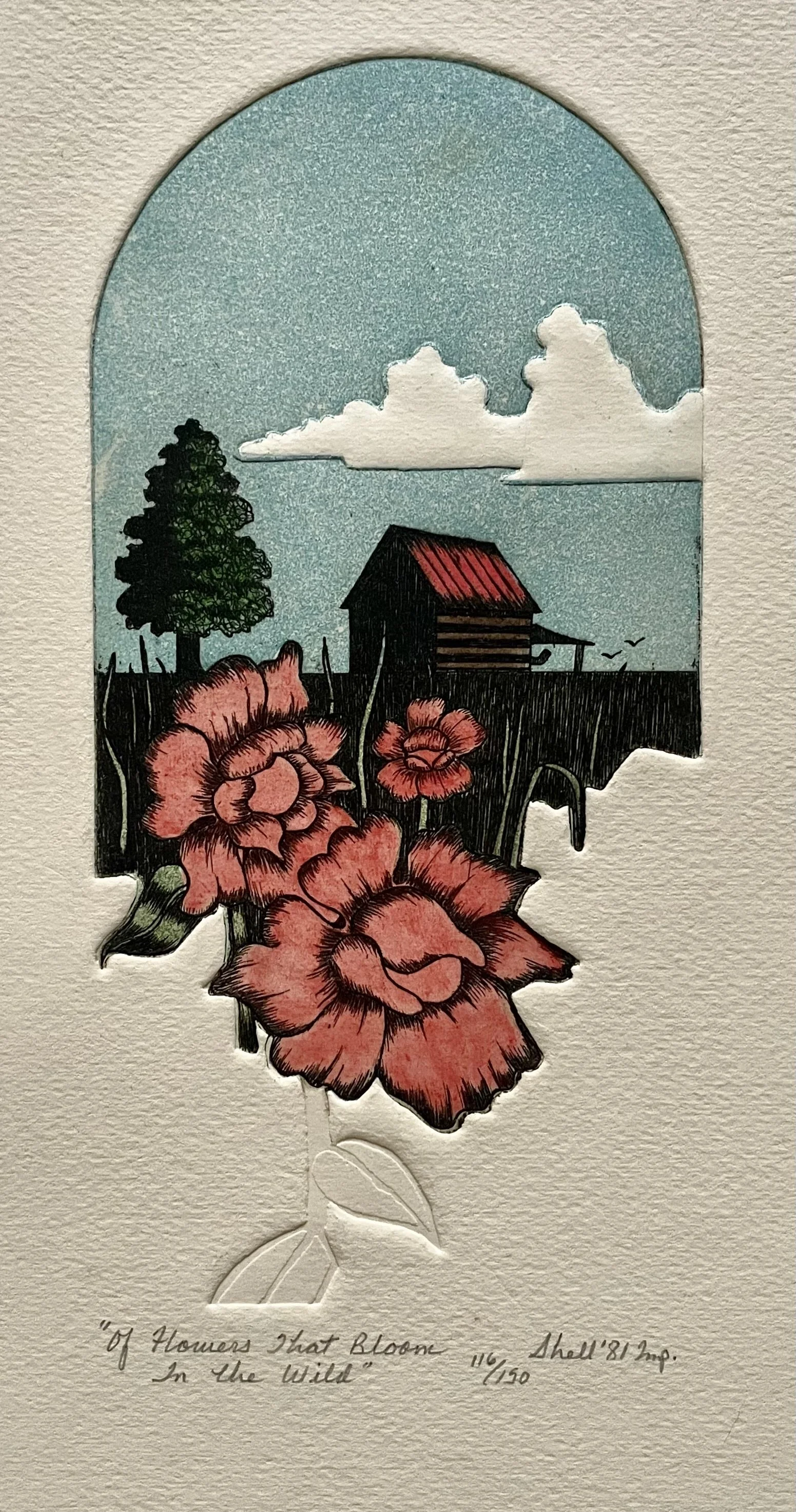
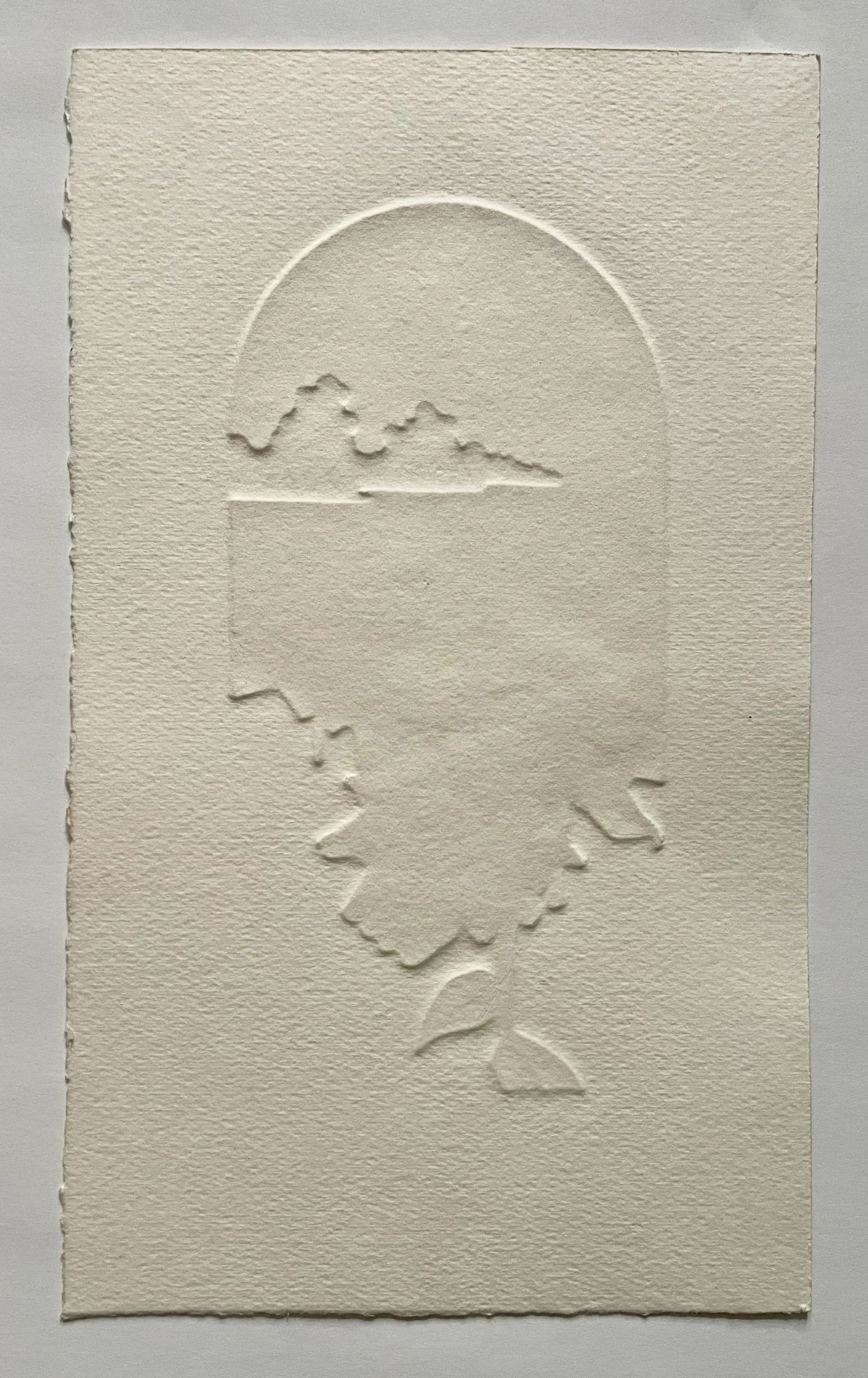
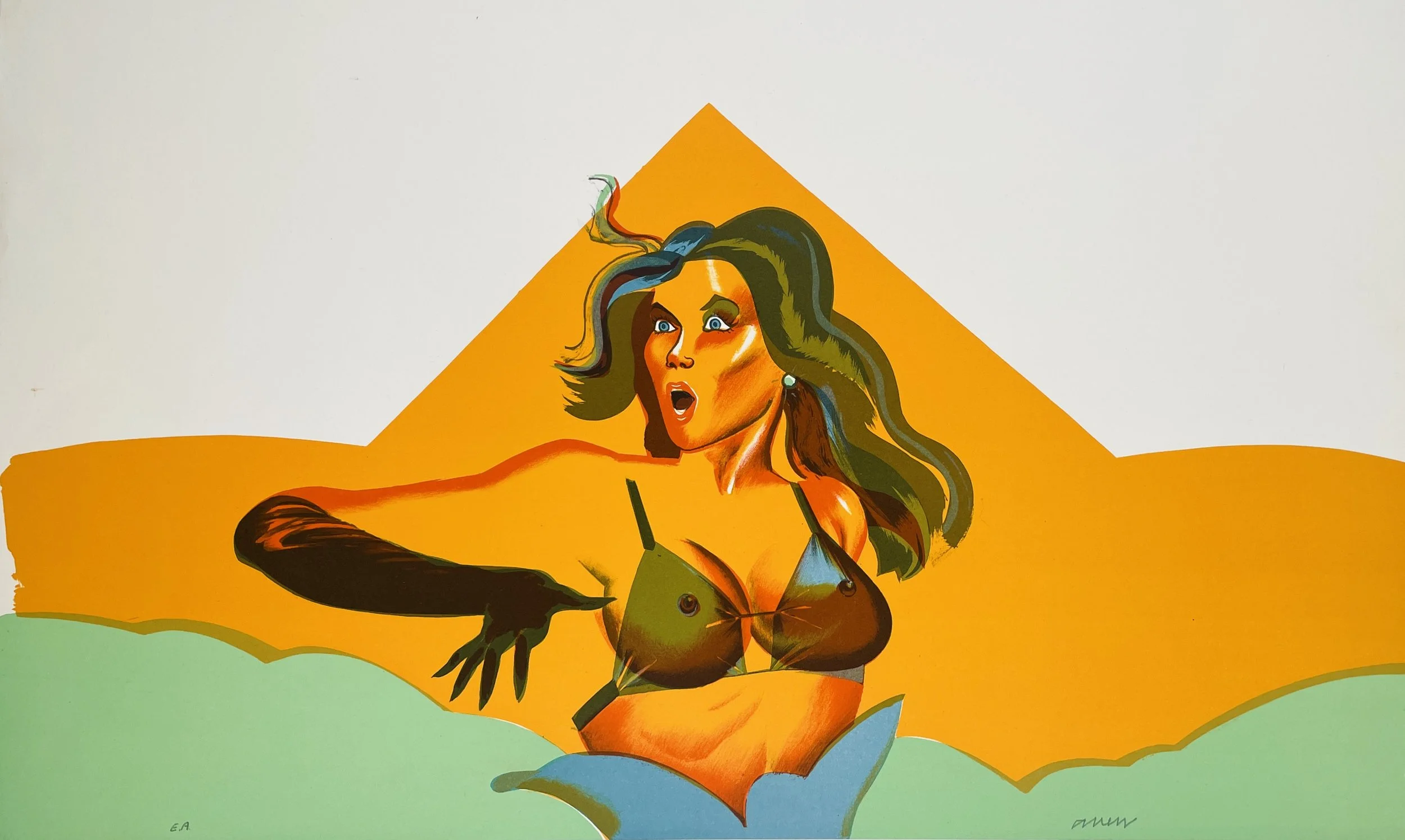
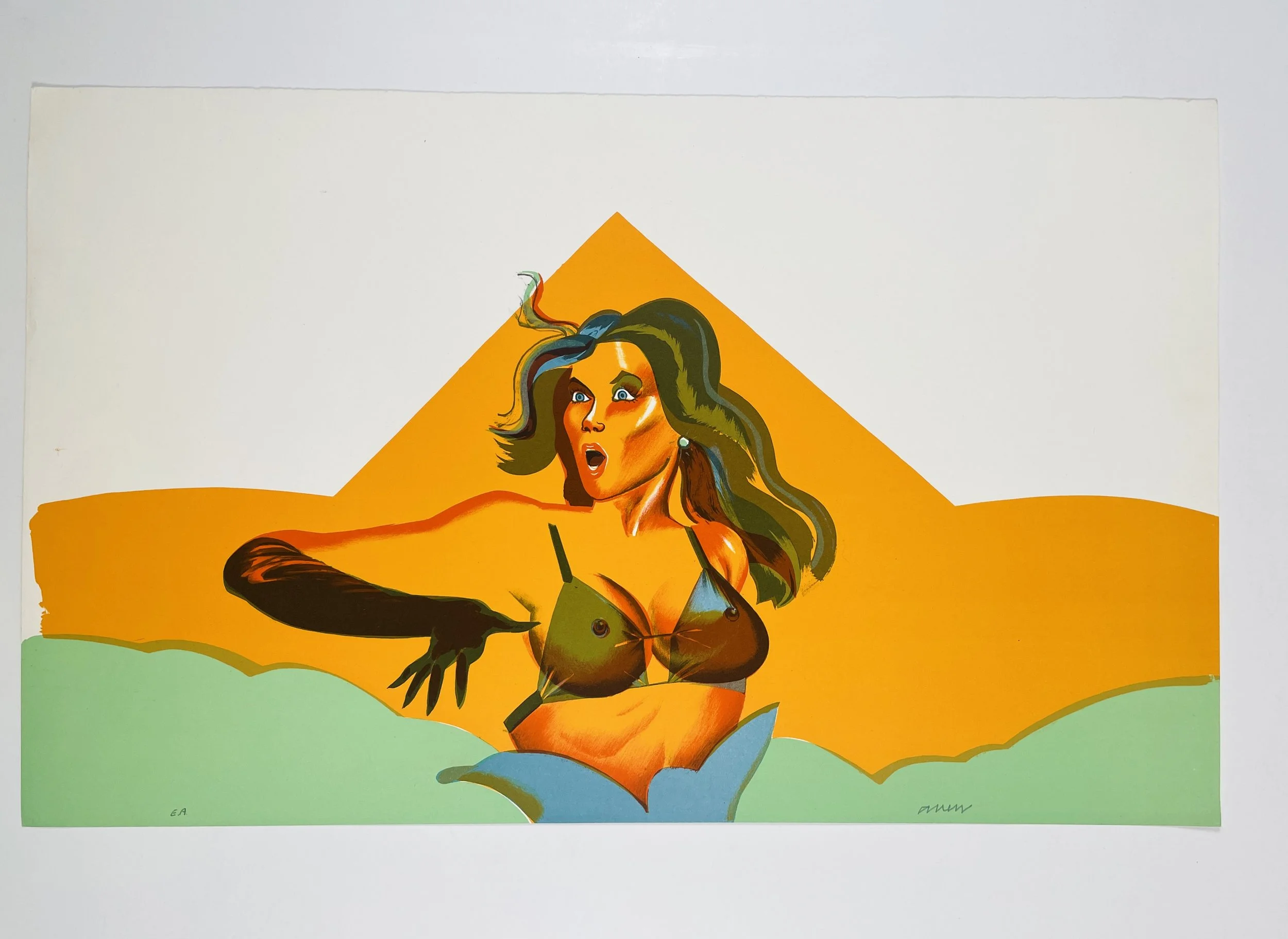
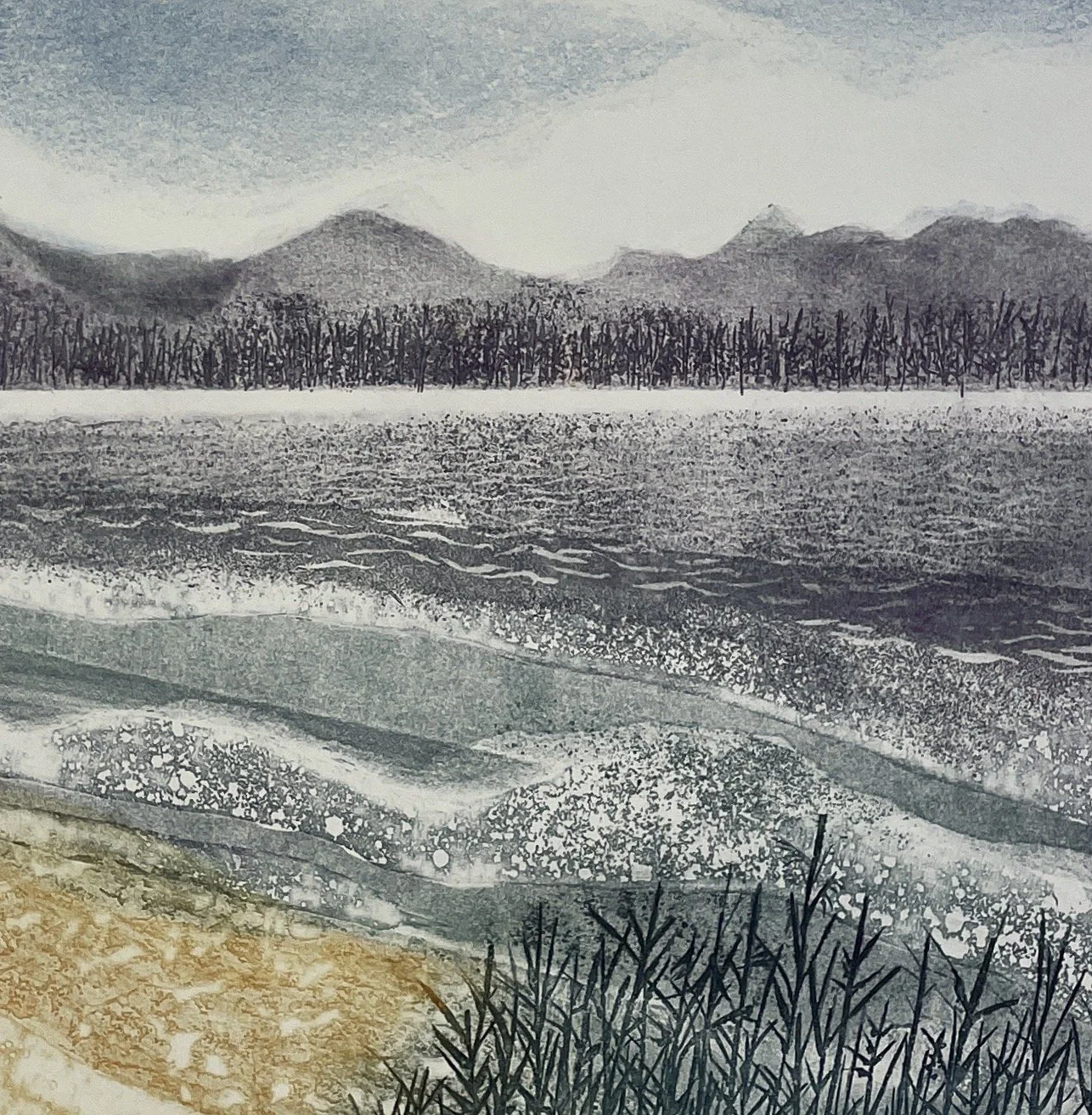
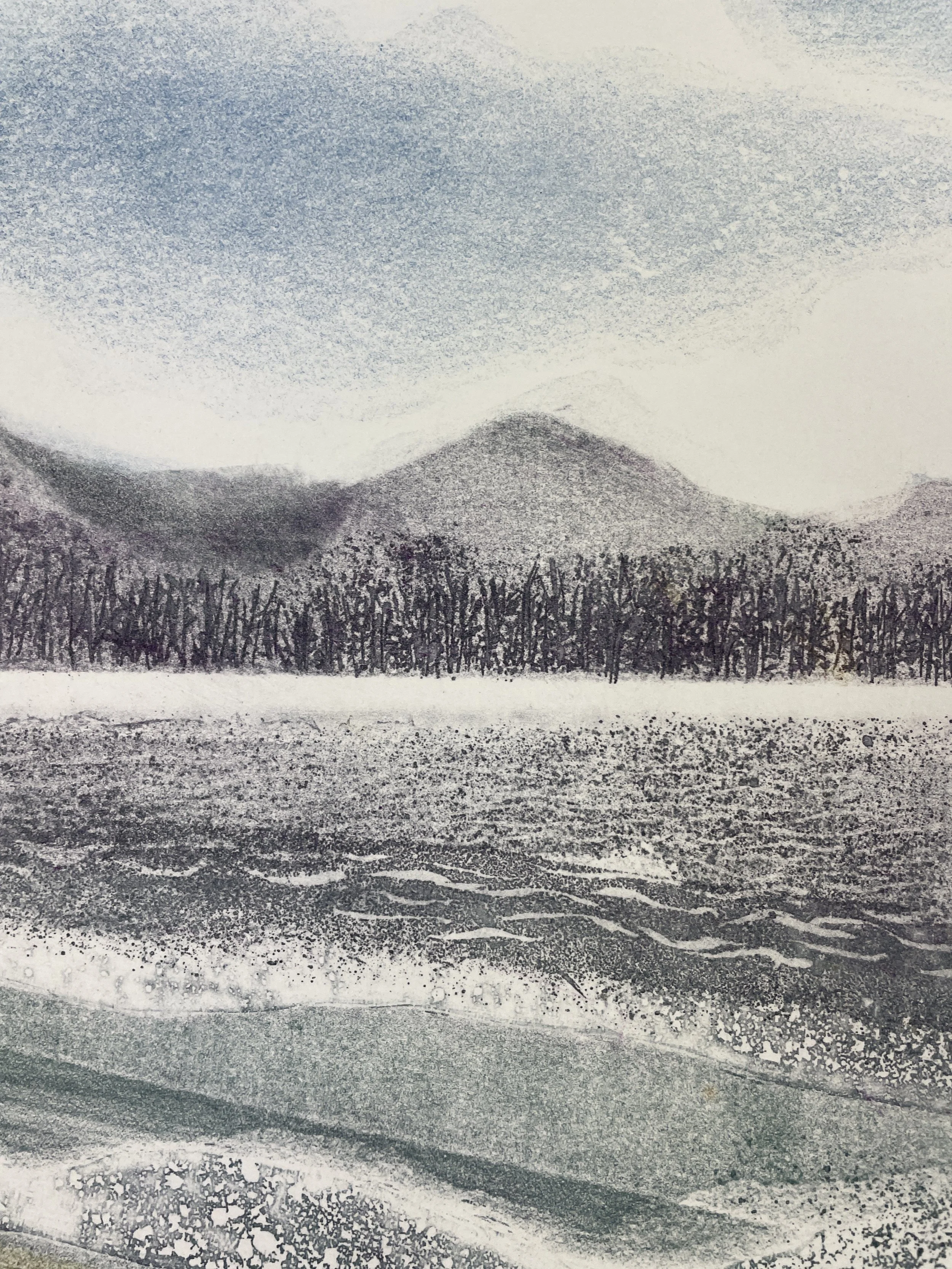
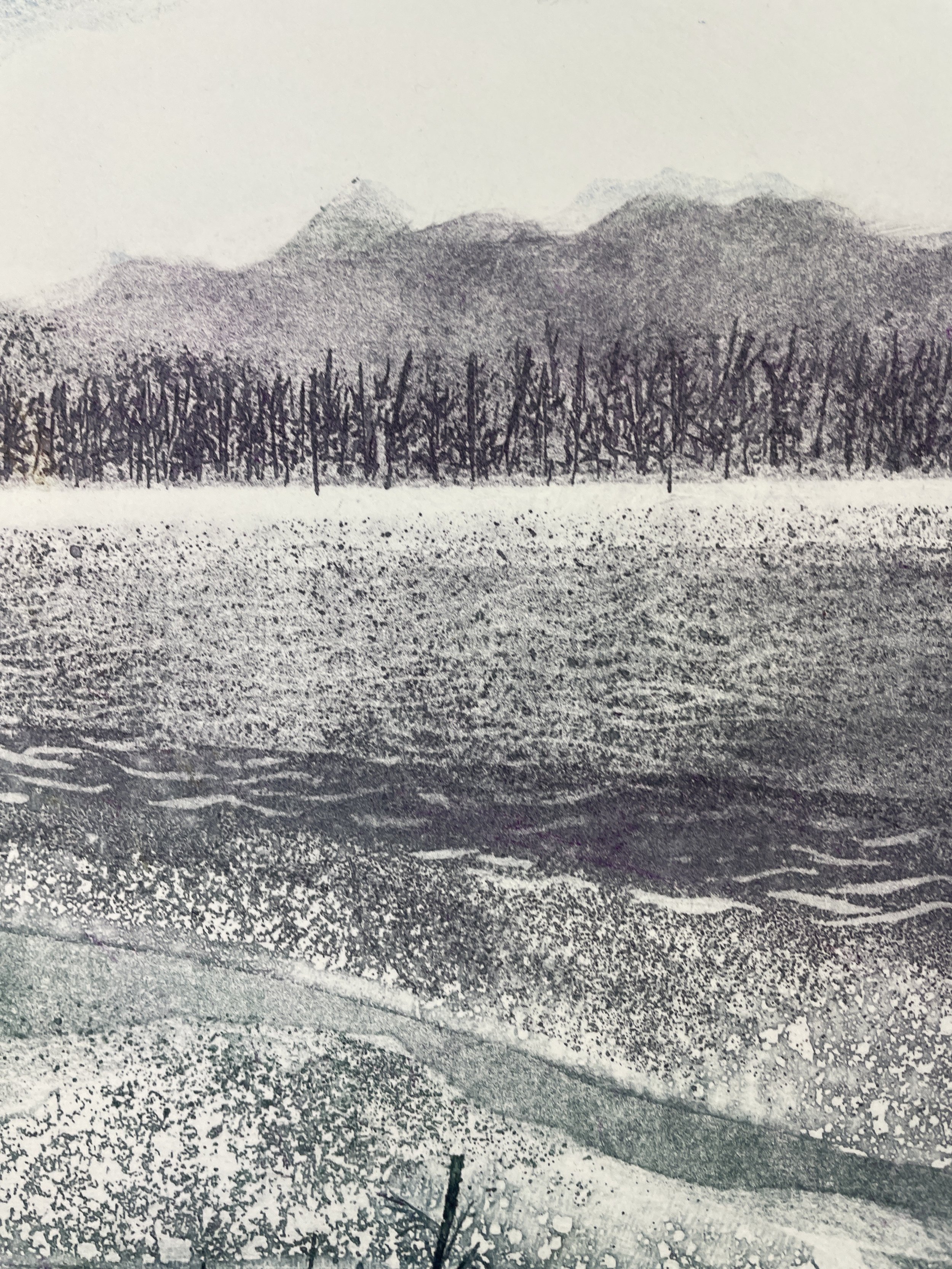
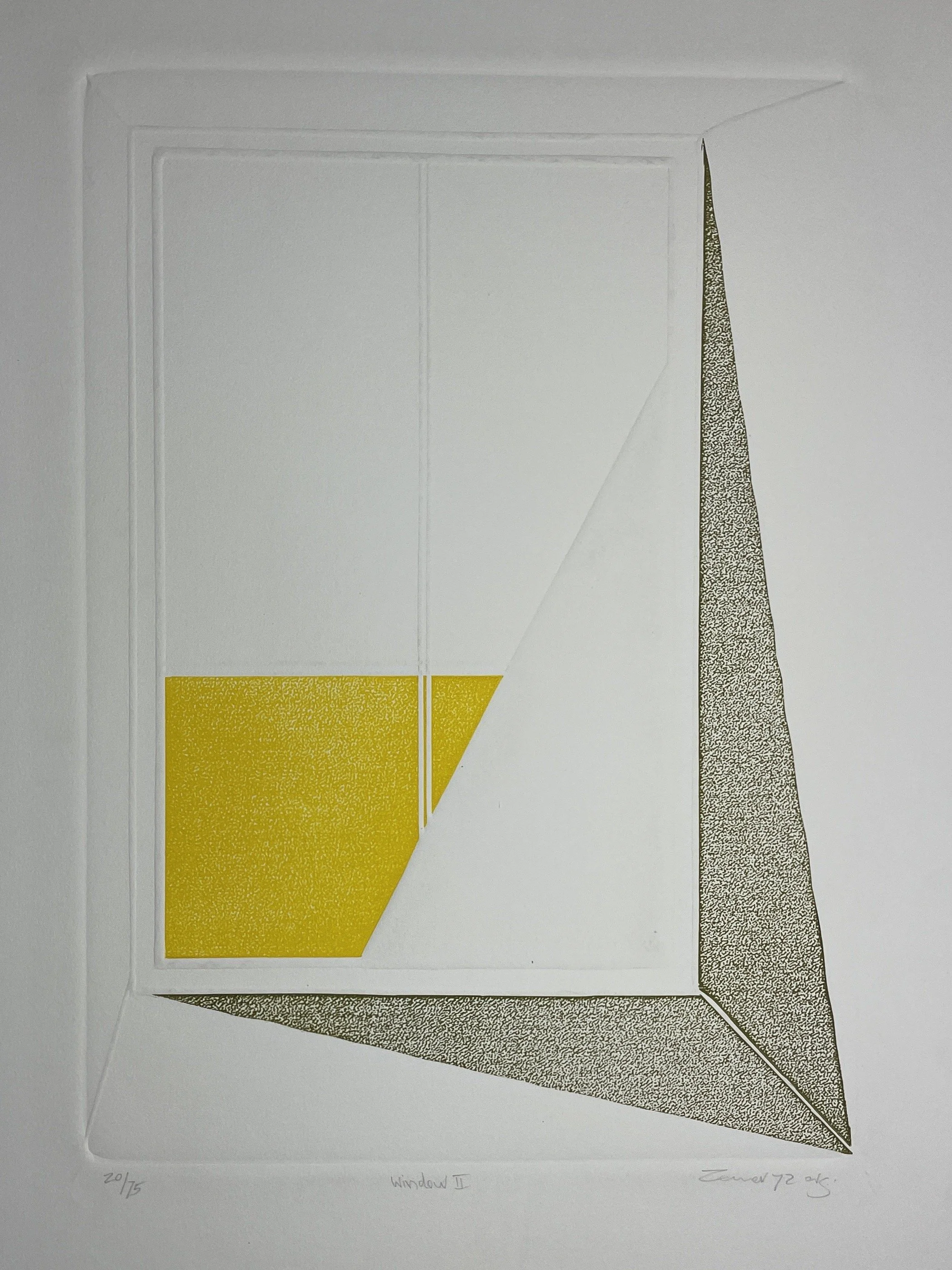
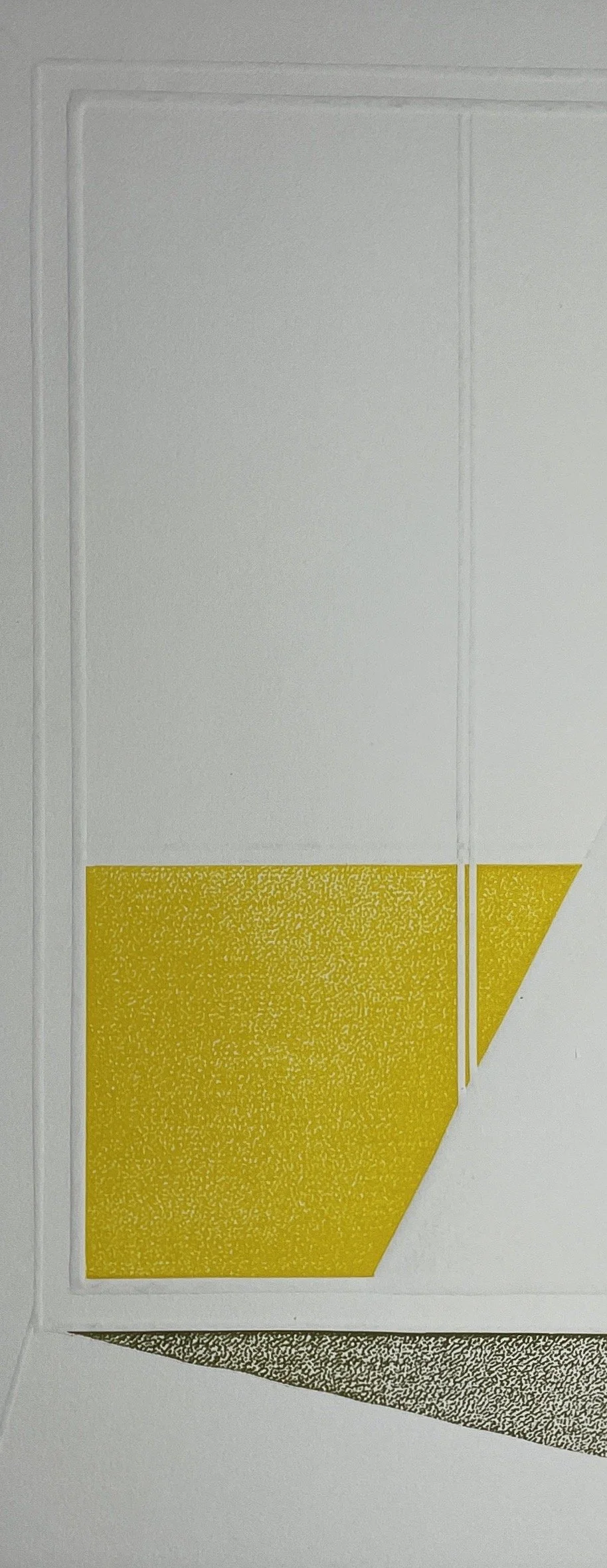
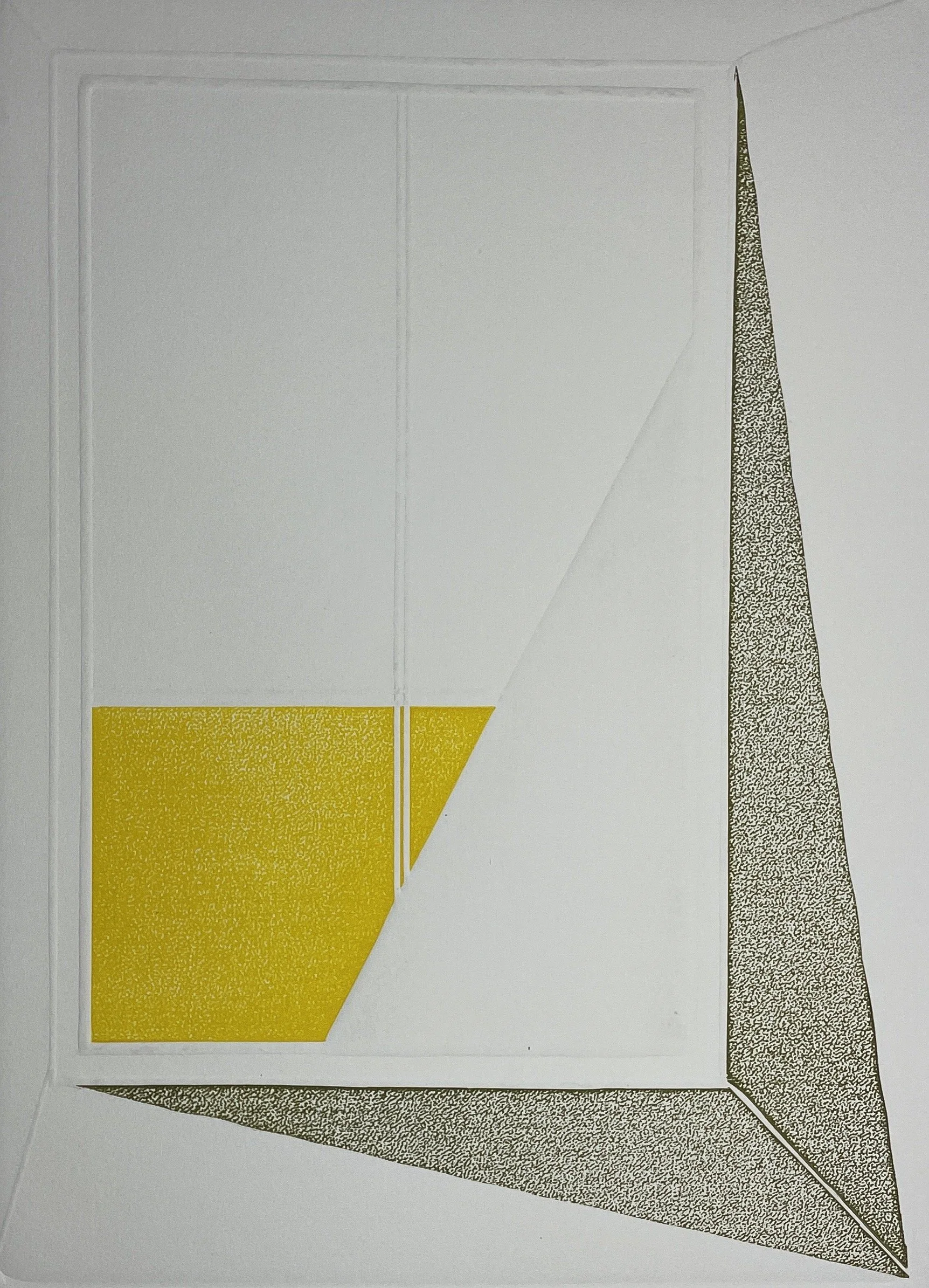
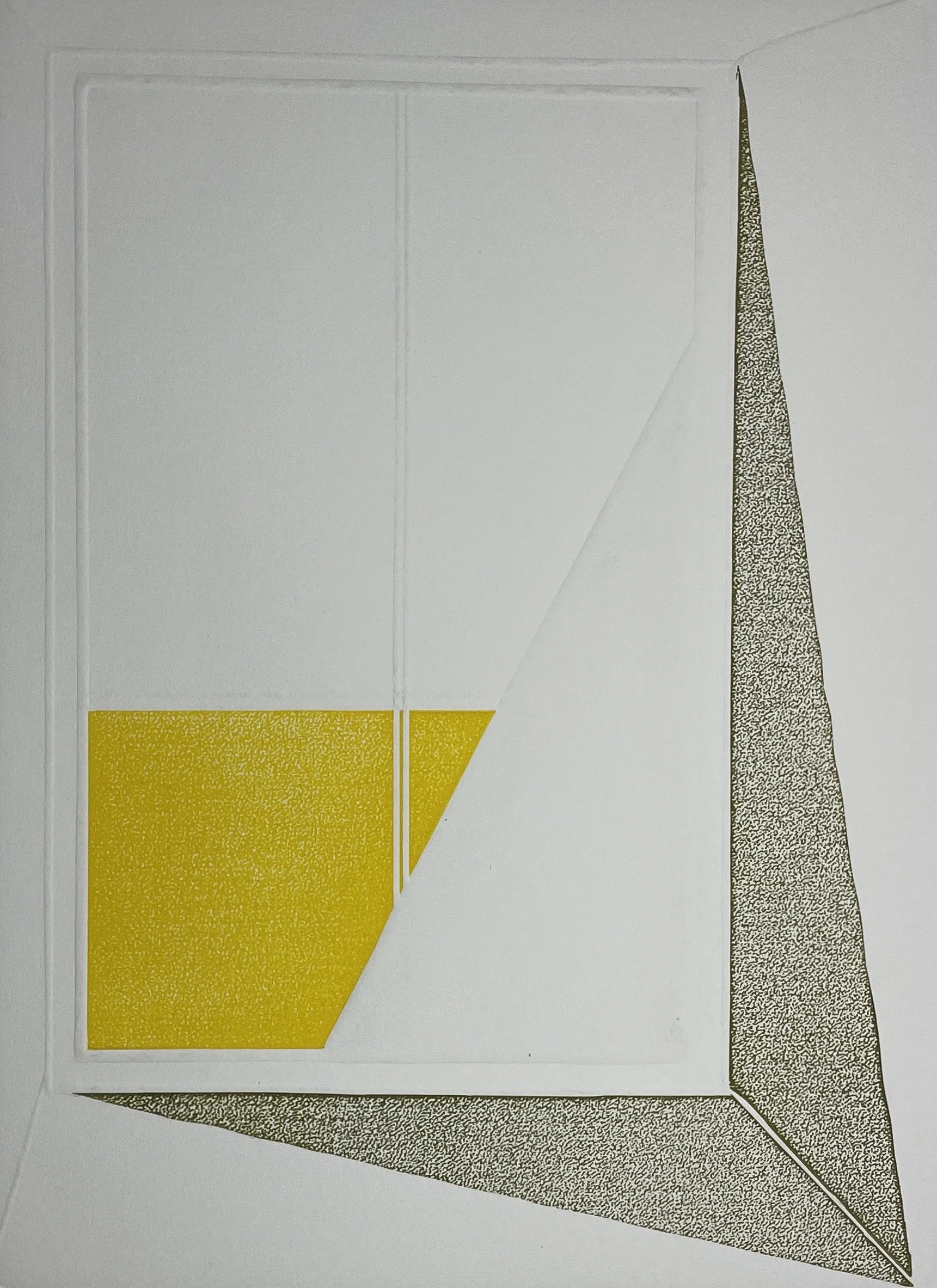
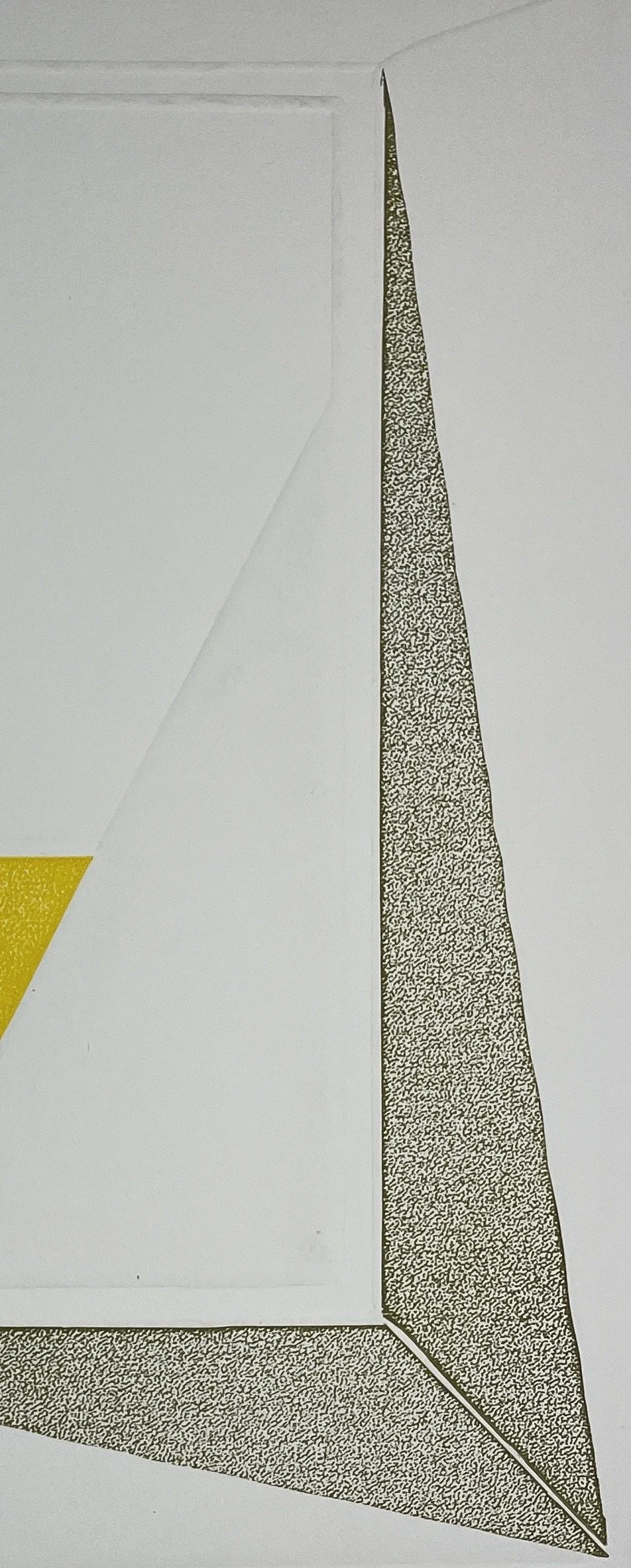
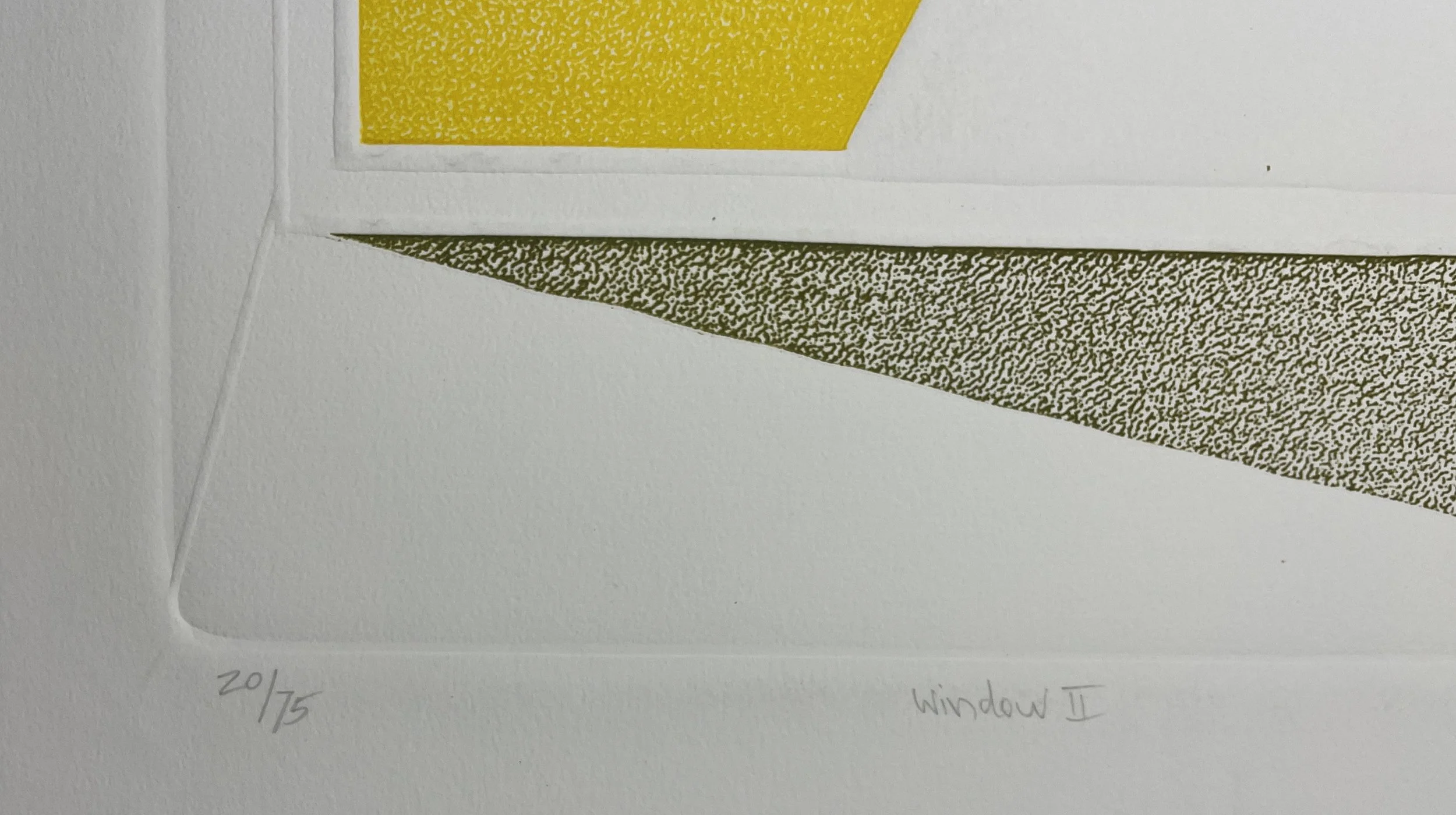
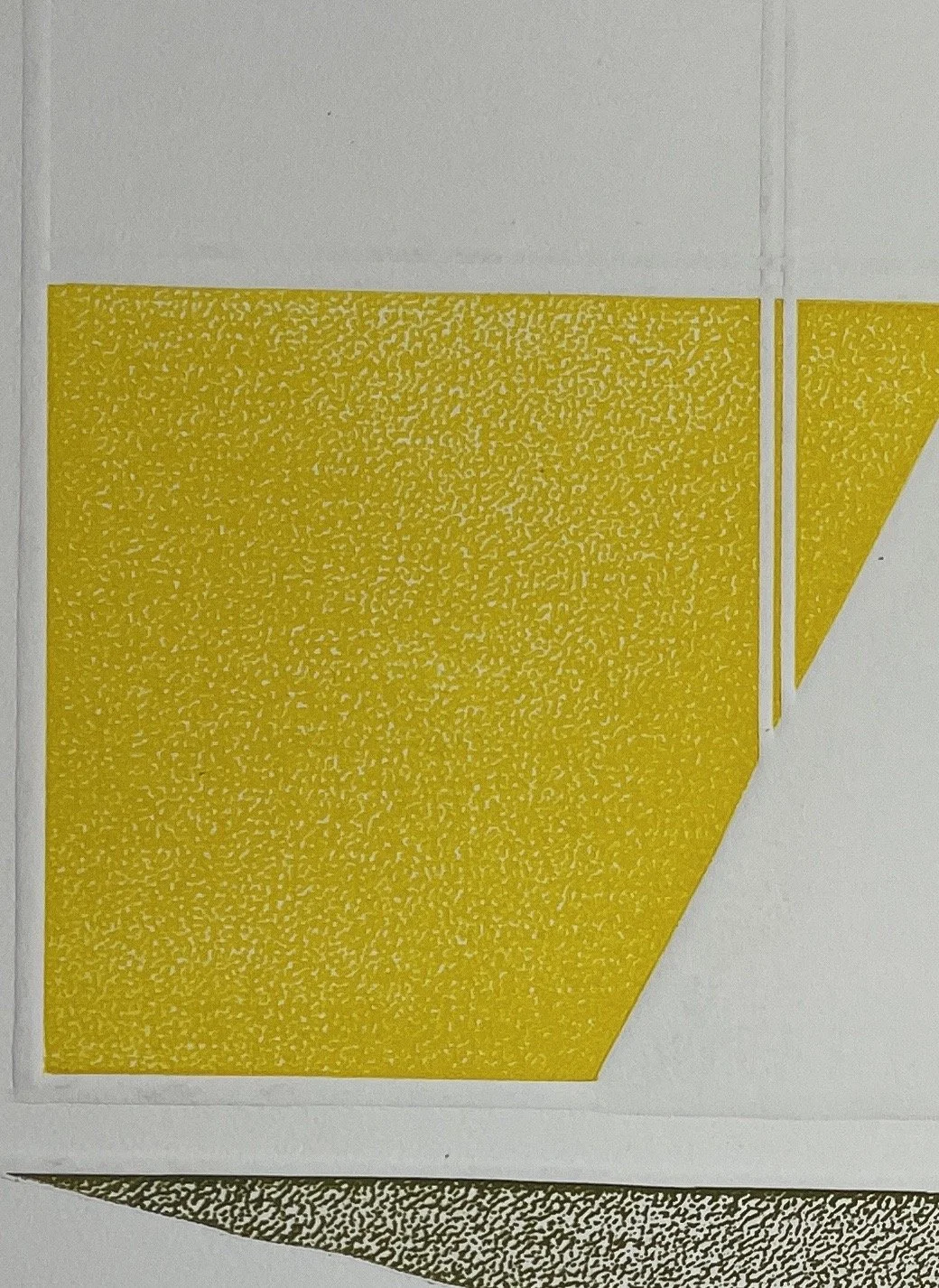
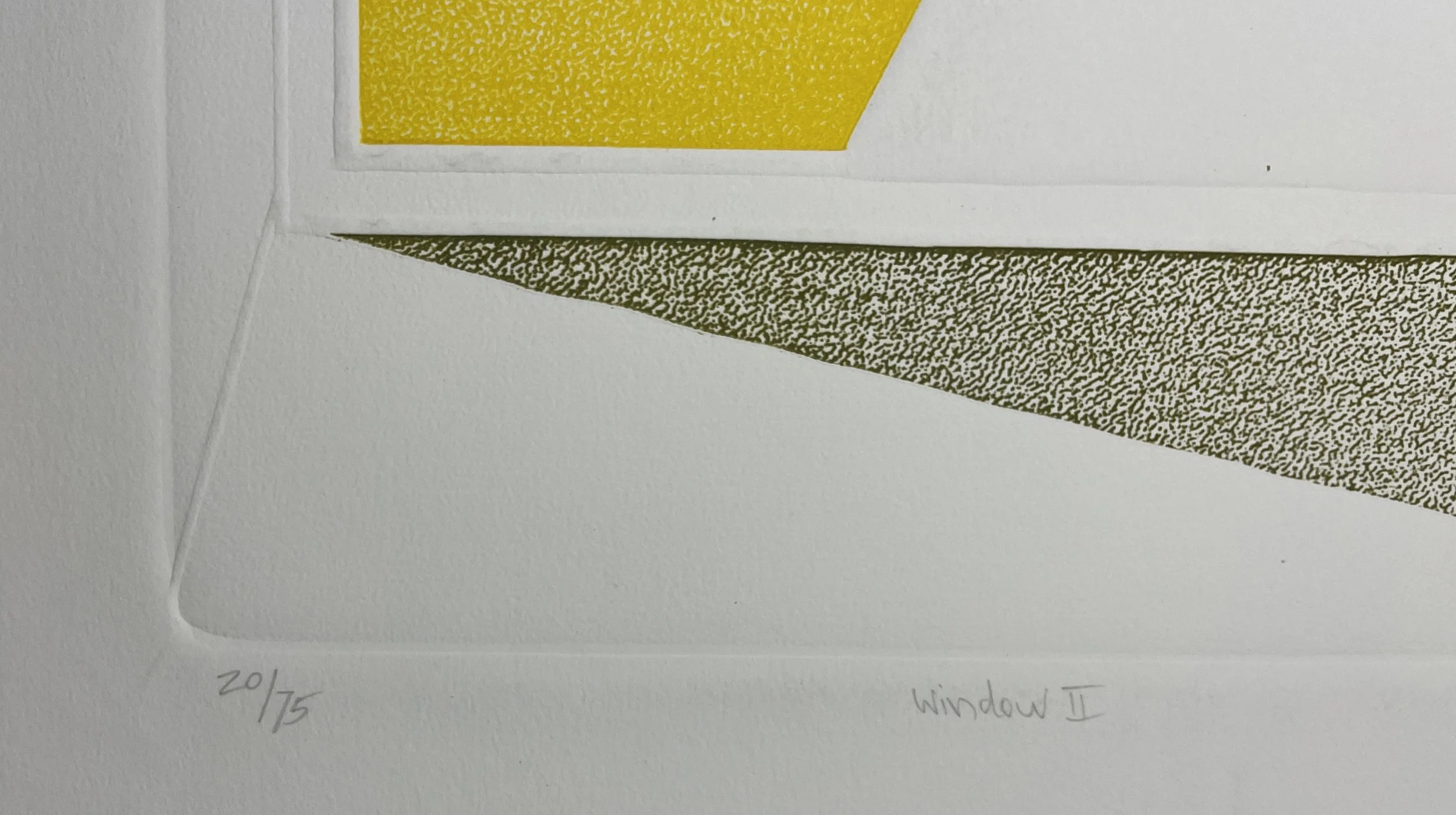
“Rosa,” Rimer Cardillo (Uruguayan, b.1944), c.1970s etching–aquatint–engraving with embossing, 11×15 in, signed & numbered 112/150.
“Rosa” is a jewel-like botanical etching by internationally renowned Uruguayan printmaker Rimer Cardillo, combining etching, aquatint, and engraving with his signature sculptural embossing. Created during his pivotal 1970s period, this 11×15 in work features a luminous blue–violet leaf whose delicate structure appears preserved like a natural relic in a recessed paper chamber. A fine signed and numbered impression from the edition 112/150, Rosa exemplifies Cardillo’s poetic blend of ecological symbolism, archaeological reference, and masterful intaglio technique—hallmarks of an artist whose works reside in MoMA, the Art Institute of Chicago, the Bibliothèque Nationale de France, and major international museums.
Description of the Artwork & Technique
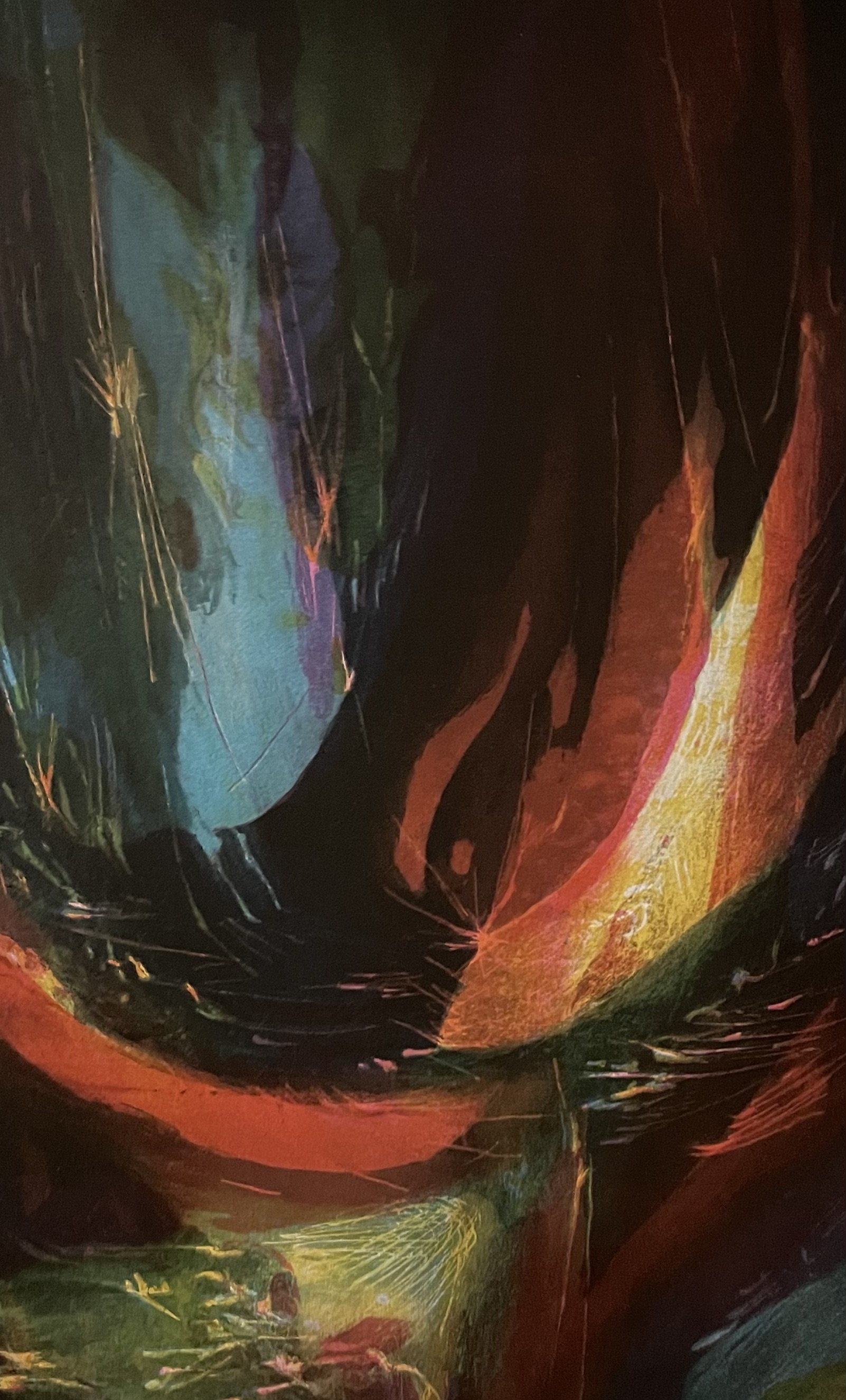
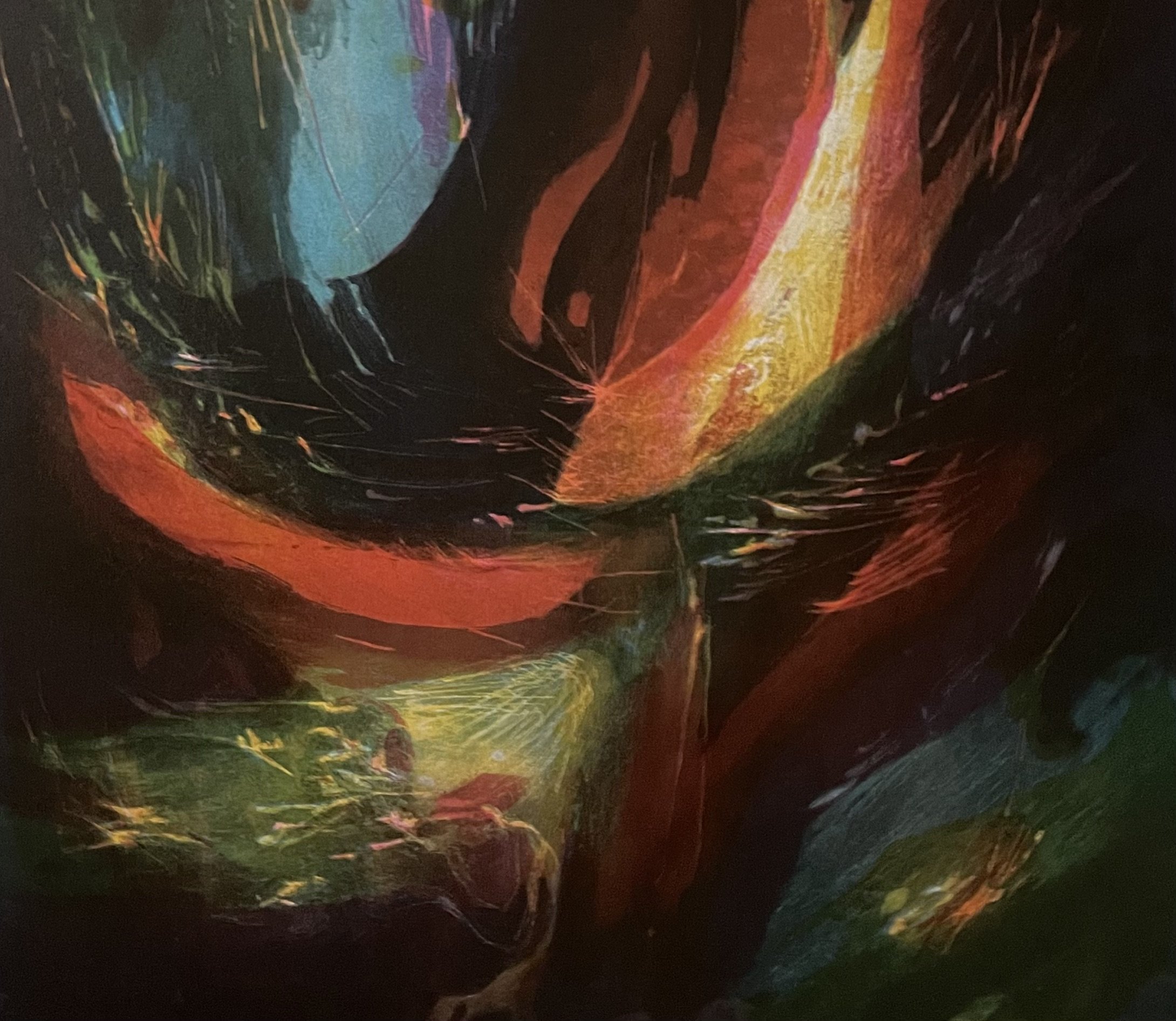
“Rosa” is part of Rimer Cardillo’s celebrated leaf reliquary series, in which botanical forms are treated as preserved artifacts—echoes of ecosystems, ancestral histories, and geographic memory. Centered within a deeply embossed rectangular field, the leaf glows with iridescent blues, violets, and hints of crimson, achieved through layered ink wiping and aquatint tonal work. Its internal vein network is defined by sharp engraved lines, while the surrounding paper surface remains pristine, creating dramatic contrast.
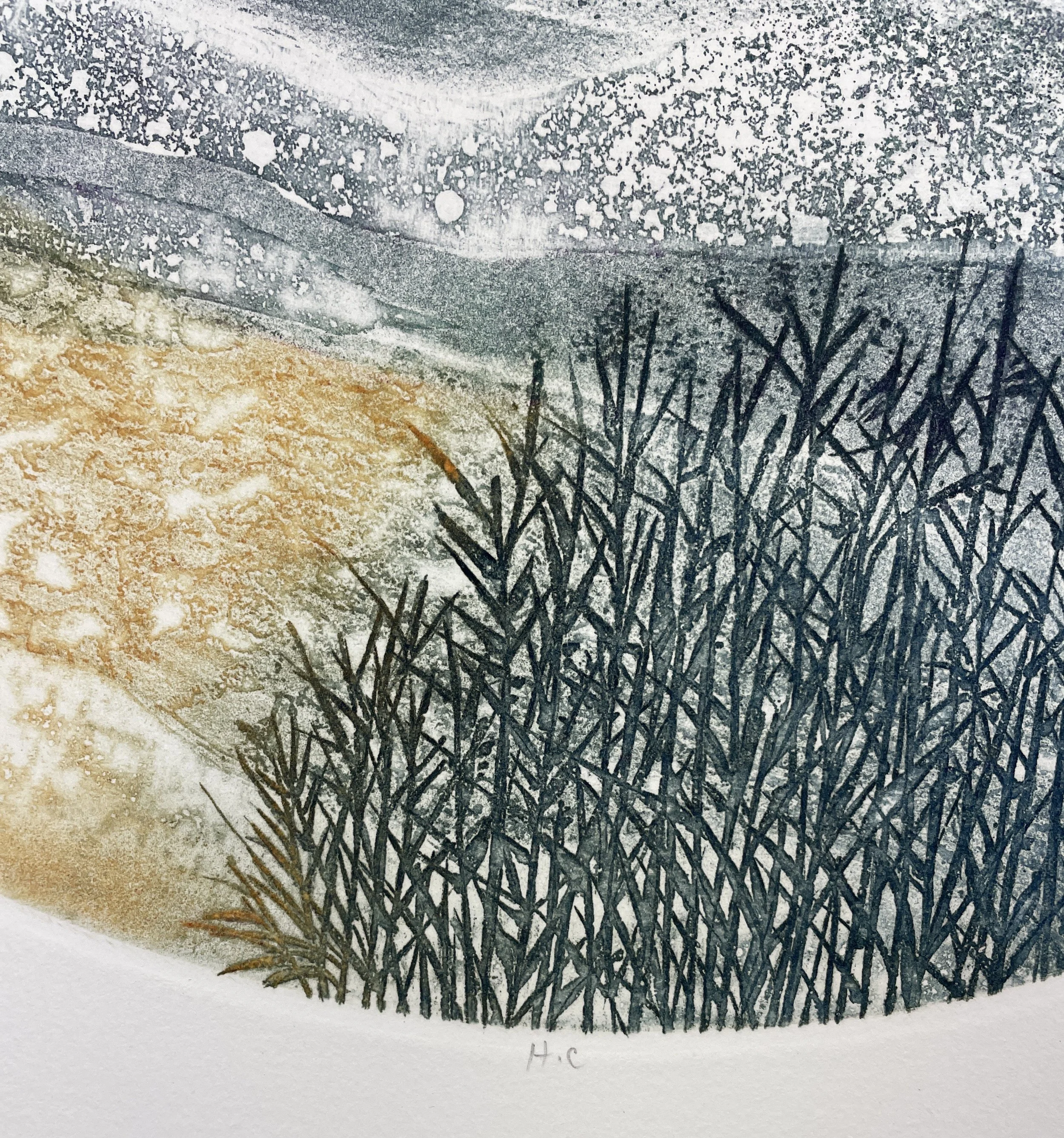
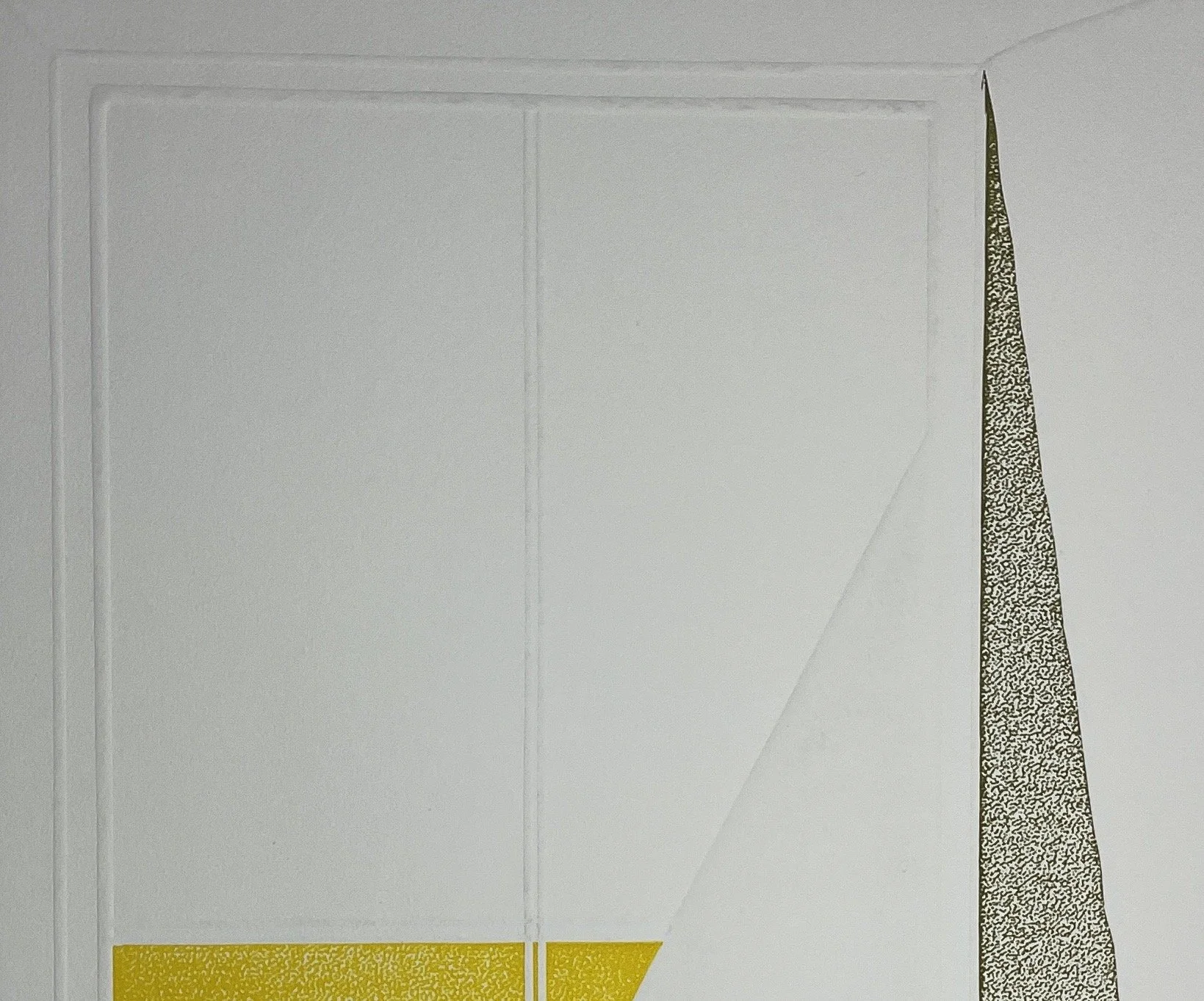
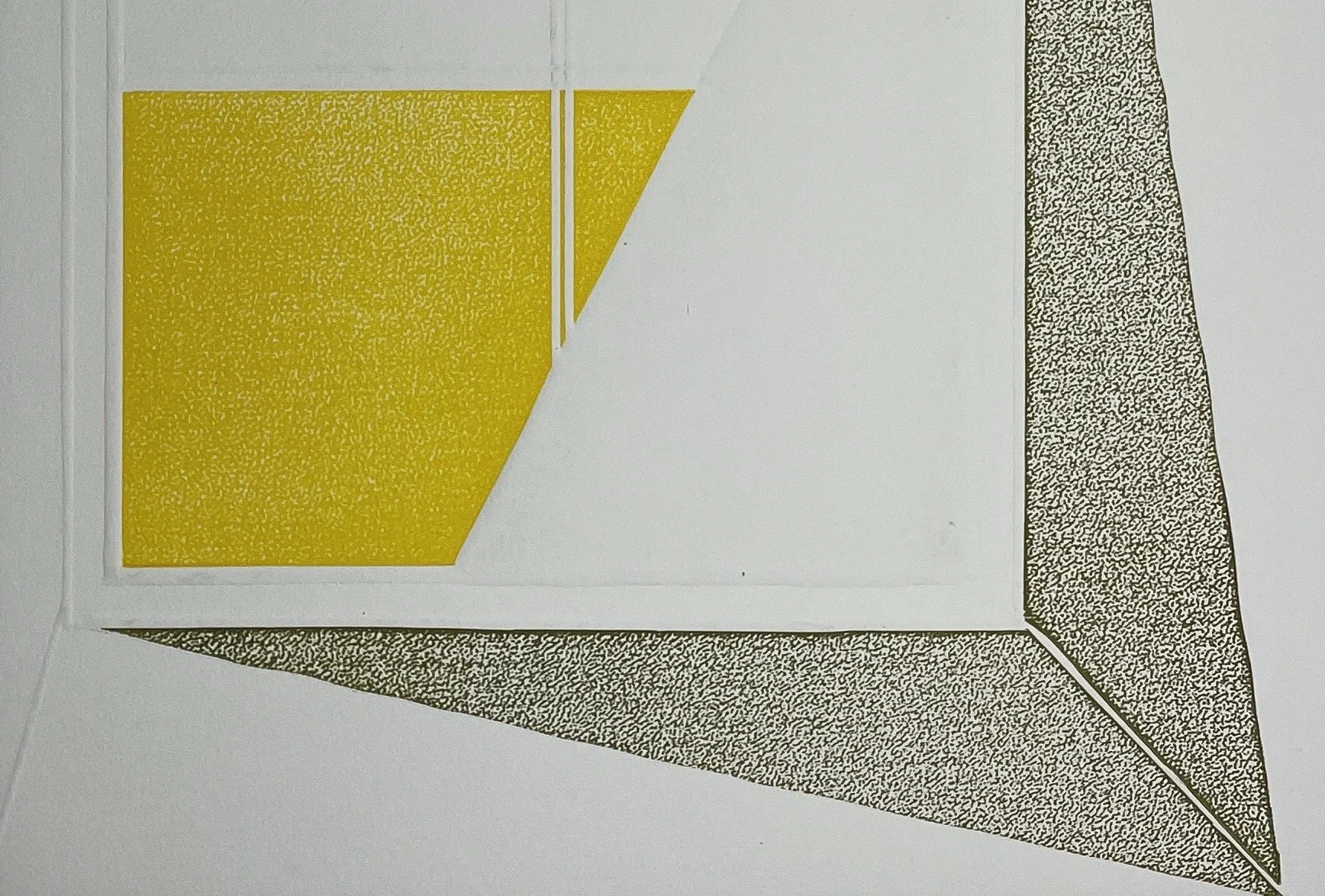
The print’s three-part technique—etching, aquatint, and engraving—allows Cardillo to build complexity in both line and texture. The embossing is not merely decorative; it transforms the paper into a sculptural vessel, elevating the leaf into a protected chamber, as though it were a specimen found in an archaeological dig or herbarium archive.
The colors and textures recall mineral deposits, dried petals, and oxidized pigments, reinforcing Cardillo’s long-standing approach to nature as an archive of memory and time. Delicate yet visually striking, Rosa is a quintessential example of the artist’s fusion of fine European printmaking disciplines with Latin American ecological and cultural sensibilities.
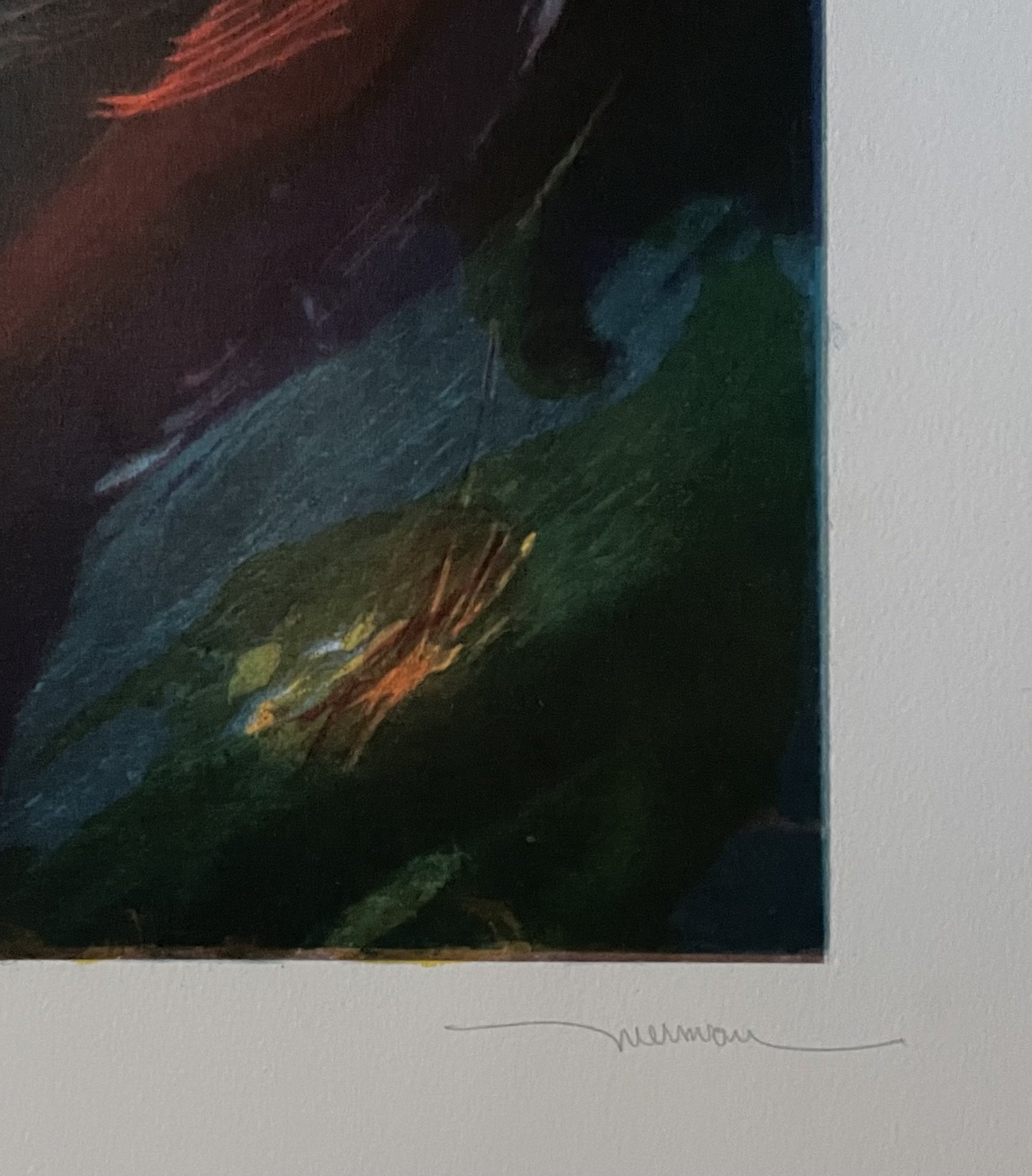
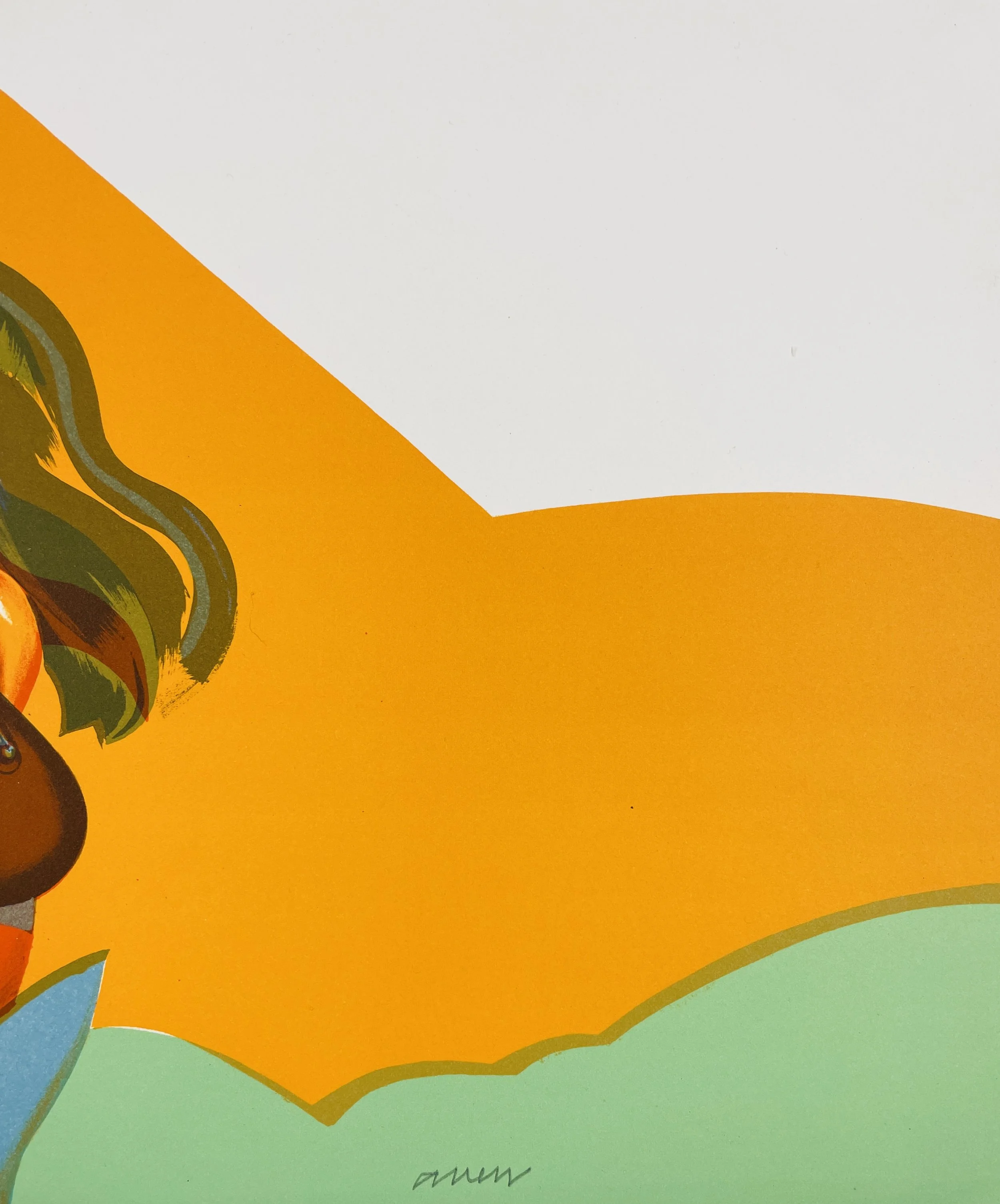
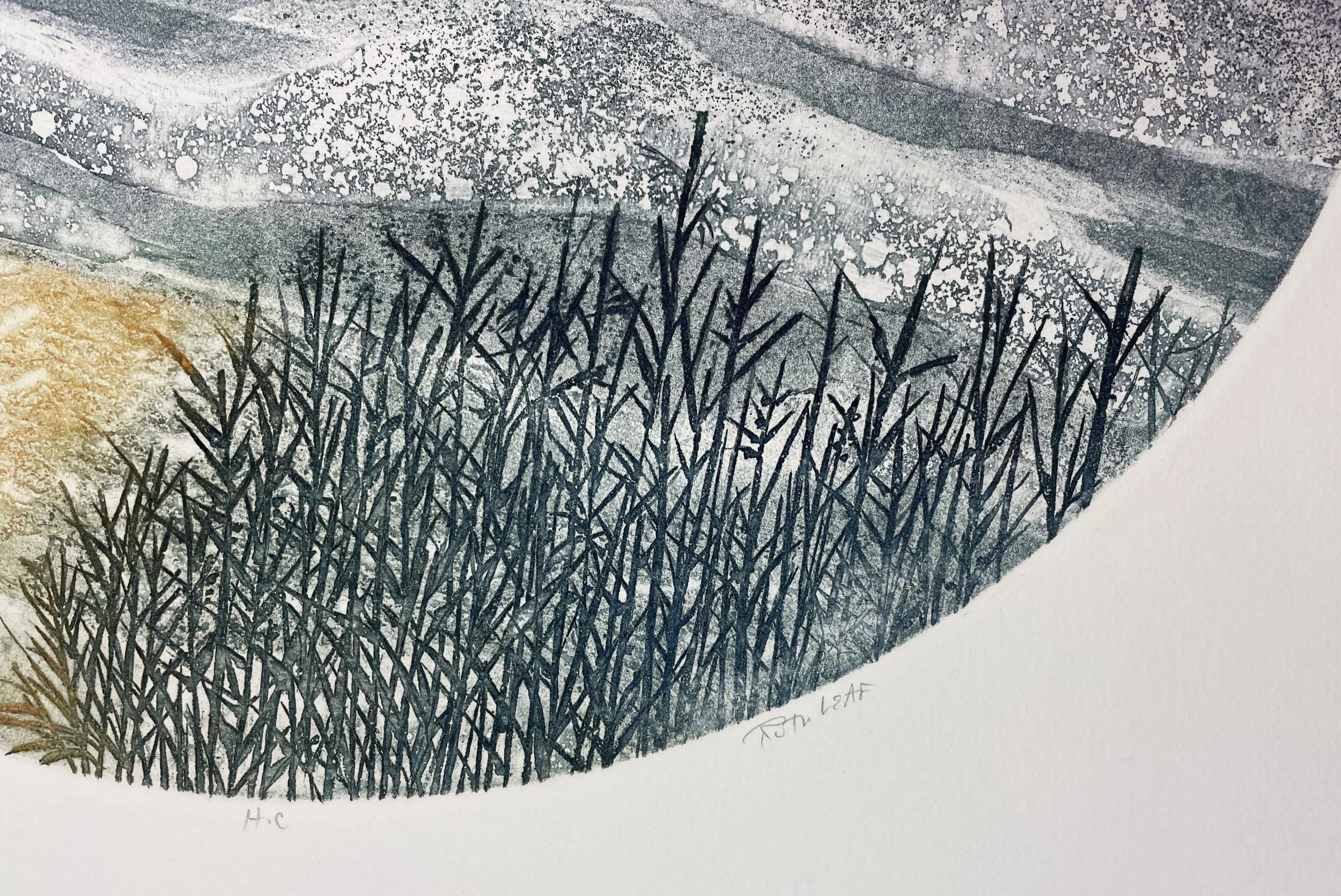
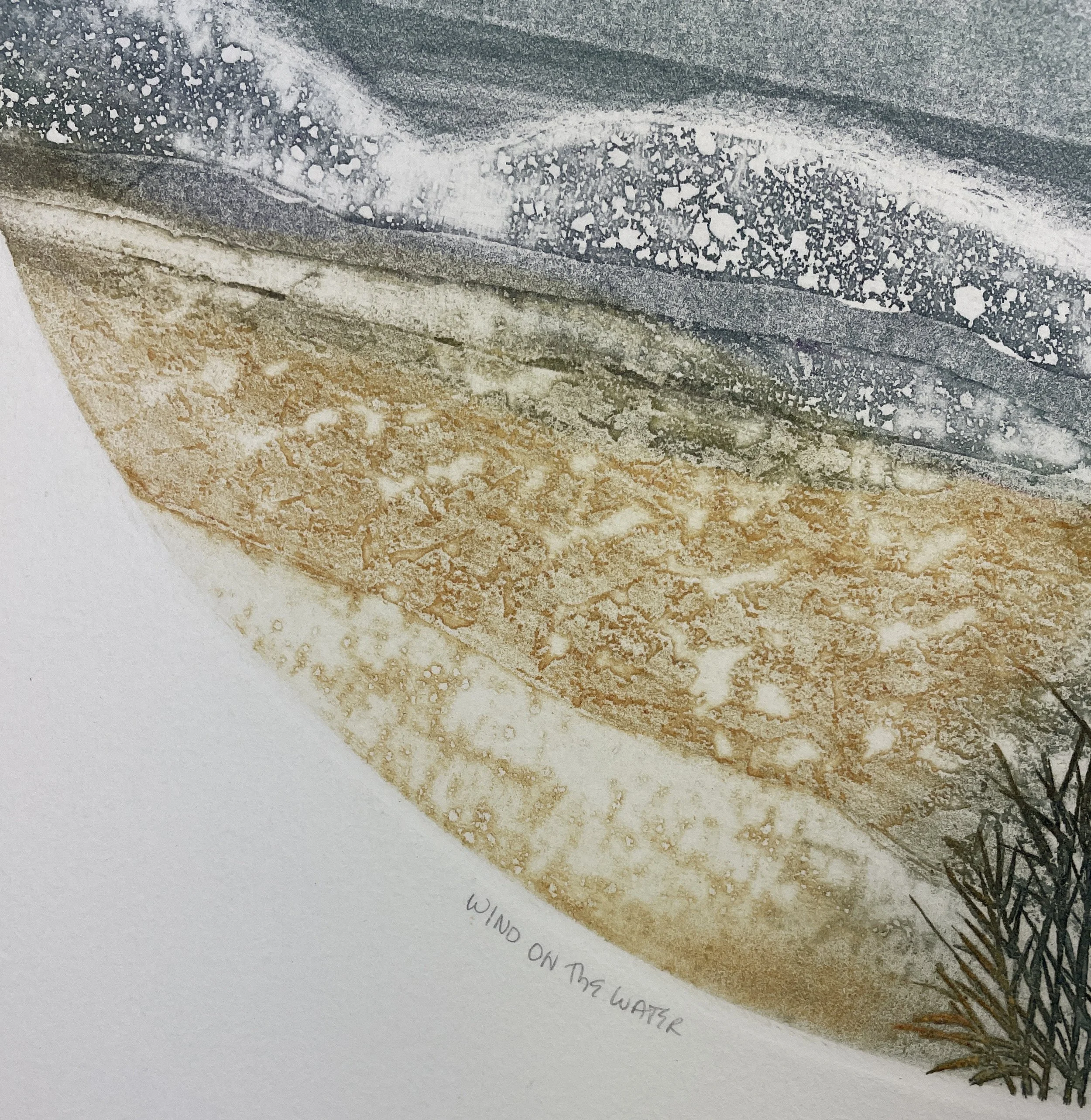
The print is signed “Cardillo”, titled “Rosa”, and numbered 112/150 in the lower margin.
Biography of Rimer Cardillo (b. 1944)
Rimer Cardillo (born August 17, 1944, in Montevideo, Uruguay) is a world-recognized printmaker, sculptor, installation artist, and educator whose work bridges ecology, archaeology, anthropology, and collective memory. With a career spanning more than five decades, Cardillo is considered one of Latin America’s most influential contemporary graphic artists.
Education & Early Formation
Cardillo earned his degree in 1968 from the National School of Fine Arts (Escuela Nacional de Bellas Artes) in Montevideo. Seeking the most rigorous technical training available at the time, he traveled to East Germany for postgraduate study (1969–1971) at:
Weißensee School of Art & Architecture, Berlin, and
Leipzig School of Graphic Art, one of the world’s leading centers for intaglio printmaking.
During these years, he mastered aquatint, engraving, embossing, mixed-plate construction, and experimental relief matrices, techniques that would define his career.
Return to Uruguay & Printmaking Activism
Through the 1970s, Cardillo became a central figure in the Montevideo Engraving Club, a cooperative that sought to democratize art by producing affordable prints and promoting political and cultural engagement through graphic arts. He trained numerous emerging artists and began developing his botanical and entomological work—the seeds of his lifelong themes of nature, land, and memory.
United States Career & Academic Influence
Cardillo relocated to the United States in 1979 and became a longtime professor at the State University of New York at New Paltz, eventually holding the title of Professor Emeritus. His printmaking studio became internationally recognized for its innovation, teaching advanced sculptural intaglio processes to hundreds of artists.
Themes & Artistic Vision
Cardillo’s work consistently engages:
Nature as archaeological record
Leaf, insect, and seed forms as memory artifacts
Pre-Hispanic iconography and earthworks
Environmental fragility and biodiversity loss
The interplay of myth, ritual, and land
His leaf series—including Rosa—reflects his fascination with small natural forms as vessels of history, identity, and environmental consciousness.
Exhibitions & Awards
Cardillo has exhibited extensively across Latin America, Europe, and the United States. Notable distinctions include:
Representative for Uruguay, Venice Biennale (2001)
Guggenheim Fellowship (1997)
Figari Award (2002) — Uruguay’s most prestigious lifetime artistic honor
Major retrospectives at the Samuel Dorsky Museum of Art (2004) and Nassau County Museum of Art (2011)
Exhibitions at the Kiscell Museum (Budapest), Art Museum of the Americas, and invited presentations at Tate Modern (London)
Collections
His work is held in major museums internationally:
MoMA, New York
Art Institute of Chicago
Bibliothèque Nationale de France
Museo Nacional de Artes Visuales, Montevideo
Cincinnati Art Museum
Allen Memorial Art Museum, Oberlin
Museo de Bellas Artes de Caracas
Art Museum of the Americas
Cardillo’s ongoing influence lies not only in his art but in his role as a teacher, cultural bridge-builder, and pioneer of ecological printmaking.
5. Concise Auction Listing
Rimer Cardillo (Uruguayan, b.1944)
Rosa, c.1970s
Etching, aquatint, engraving with embossing
Sheet: 11 × 15 in
Edition: 112/150
Signed, titled, and numbered in pencil
Condition: Excellent; crisp embossment and clean sheet
Provenance: Mitch Morse Gallery, NYC → Artfind Gallery, Washington, DC
6. Certificate of Value & Authentication
Artwork: Rosa
Artist: Rimer Cardillo
Date: c.1970s
Medium: Etching, aquatint, engraving with blind embossing
Dimensions: 11 × 15 inches
Edition: 112/150
Signature: Hand-signed “Cardillo,” titled, and numbered
Authenticity:
Signature, numbering, and stylistic features match authenticated prints from Cardillo’s leaf reliquary series.
Embossing depth, ink palette, and treatment of botanical form align with documented 1970s works.
Provenance from Mitch Morse Gallery confirms legitimate distribution channel for Cardillo pieces.
Provenance:
Rimer Cardillo (artist)
Mitch Morse Gallery, New York
Artfind Gallery, Washington, DC
Provenance Chain
Rimer Cardillo, Montevideo / New York — artist and printer
Mitch Morse Gallery, NYC — direct acquisition
Artfind Gallery, Washington, DC — current owner
“Rosa,” Rimer Cardillo (Uruguayan, b.1944), c.1970s etching–aquatint–engraving with embossing, 11×15 in, signed & numbered 112/150.
“Rosa” is a jewel-like botanical etching by internationally renowned Uruguayan printmaker Rimer Cardillo, combining etching, aquatint, and engraving with his signature sculptural embossing. Created during his pivotal 1970s period, this 11×15 in work features a luminous blue–violet leaf whose delicate structure appears preserved like a natural relic in a recessed paper chamber. A fine signed and numbered impression from the edition 112/150, Rosa exemplifies Cardillo’s poetic blend of ecological symbolism, archaeological reference, and masterful intaglio technique—hallmarks of an artist whose works reside in MoMA, the Art Institute of Chicago, the Bibliothèque Nationale de France, and major international museums.
Description of the Artwork & Technique
“Rosa” is part of Rimer Cardillo’s celebrated leaf reliquary series, in which botanical forms are treated as preserved artifacts—echoes of ecosystems, ancestral histories, and geographic memory. Centered within a deeply embossed rectangular field, the leaf glows with iridescent blues, violets, and hints of crimson, achieved through layered ink wiping and aquatint tonal work. Its internal vein network is defined by sharp engraved lines, while the surrounding paper surface remains pristine, creating dramatic contrast.
The print’s three-part technique—etching, aquatint, and engraving—allows Cardillo to build complexity in both line and texture. The embossing is not merely decorative; it transforms the paper into a sculptural vessel, elevating the leaf into a protected chamber, as though it were a specimen found in an archaeological dig or herbarium archive.
The colors and textures recall mineral deposits, dried petals, and oxidized pigments, reinforcing Cardillo’s long-standing approach to nature as an archive of memory and time. Delicate yet visually striking, Rosa is a quintessential example of the artist’s fusion of fine European printmaking disciplines with Latin American ecological and cultural sensibilities.
The print is signed “Cardillo”, titled “Rosa”, and numbered 112/150 in the lower margin.
Biography of Rimer Cardillo (b. 1944)
Rimer Cardillo (born August 17, 1944, in Montevideo, Uruguay) is a world-recognized printmaker, sculptor, installation artist, and educator whose work bridges ecology, archaeology, anthropology, and collective memory. With a career spanning more than five decades, Cardillo is considered one of Latin America’s most influential contemporary graphic artists.
Education & Early Formation
Cardillo earned his degree in 1968 from the National School of Fine Arts (Escuela Nacional de Bellas Artes) in Montevideo. Seeking the most rigorous technical training available at the time, he traveled to East Germany for postgraduate study (1969–1971) at:
Weißensee School of Art & Architecture, Berlin, and
Leipzig School of Graphic Art, one of the world’s leading centers for intaglio printmaking.
During these years, he mastered aquatint, engraving, embossing, mixed-plate construction, and experimental relief matrices, techniques that would define his career.
Return to Uruguay & Printmaking Activism
Through the 1970s, Cardillo became a central figure in the Montevideo Engraving Club, a cooperative that sought to democratize art by producing affordable prints and promoting political and cultural engagement through graphic arts. He trained numerous emerging artists and began developing his botanical and entomological work—the seeds of his lifelong themes of nature, land, and memory.
United States Career & Academic Influence
Cardillo relocated to the United States in 1979 and became a longtime professor at the State University of New York at New Paltz, eventually holding the title of Professor Emeritus. His printmaking studio became internationally recognized for its innovation, teaching advanced sculptural intaglio processes to hundreds of artists.
Themes & Artistic Vision
Cardillo’s work consistently engages:
Nature as archaeological record
Leaf, insect, and seed forms as memory artifacts
Pre-Hispanic iconography and earthworks
Environmental fragility and biodiversity loss
The interplay of myth, ritual, and land
His leaf series—including Rosa—reflects his fascination with small natural forms as vessels of history, identity, and environmental consciousness.
Exhibitions & Awards
Cardillo has exhibited extensively across Latin America, Europe, and the United States. Notable distinctions include:
Representative for Uruguay, Venice Biennale (2001)
Guggenheim Fellowship (1997)
Figari Award (2002) — Uruguay’s most prestigious lifetime artistic honor
Major retrospectives at the Samuel Dorsky Museum of Art (2004) and Nassau County Museum of Art (2011)
Exhibitions at the Kiscell Museum (Budapest), Art Museum of the Americas, and invited presentations at Tate Modern (London)
Collections
His work is held in major museums internationally:
MoMA, New York
Art Institute of Chicago
Bibliothèque Nationale de France
Museo Nacional de Artes Visuales, Montevideo
Cincinnati Art Museum
Allen Memorial Art Museum, Oberlin
Museo de Bellas Artes de Caracas
Art Museum of the Americas
Cardillo’s ongoing influence lies not only in his art but in his role as a teacher, cultural bridge-builder, and pioneer of ecological printmaking.
5. Concise Auction Listing
Rimer Cardillo (Uruguayan, b.1944)
Rosa, c.1970s
Etching, aquatint, engraving with embossing
Sheet: 11 × 15 in
Edition: 112/150
Signed, titled, and numbered in pencil
Condition: Excellent; crisp embossment and clean sheet
Provenance: Mitch Morse Gallery, NYC → Artfind Gallery, Washington, DC
6. Certificate of Value & Authentication
Artwork: Rosa
Artist: Rimer Cardillo
Date: c.1970s
Medium: Etching, aquatint, engraving with blind embossing
Dimensions: 11 × 15 inches
Edition: 112/150
Signature: Hand-signed “Cardillo,” titled, and numbered
Authenticity:
Signature, numbering, and stylistic features match authenticated prints from Cardillo’s leaf reliquary series.
Embossing depth, ink palette, and treatment of botanical form align with documented 1970s works.
Provenance from Mitch Morse Gallery confirms legitimate distribution channel for Cardillo pieces.
Provenance:
Rimer Cardillo (artist)
Mitch Morse Gallery, New York
Artfind Gallery, Washington, DC
Provenance Chain
Rimer Cardillo, Montevideo / New York — artist and printer
Mitch Morse Gallery, NYC — direct acquisition
Artfind Gallery, Washington, DC — current owner
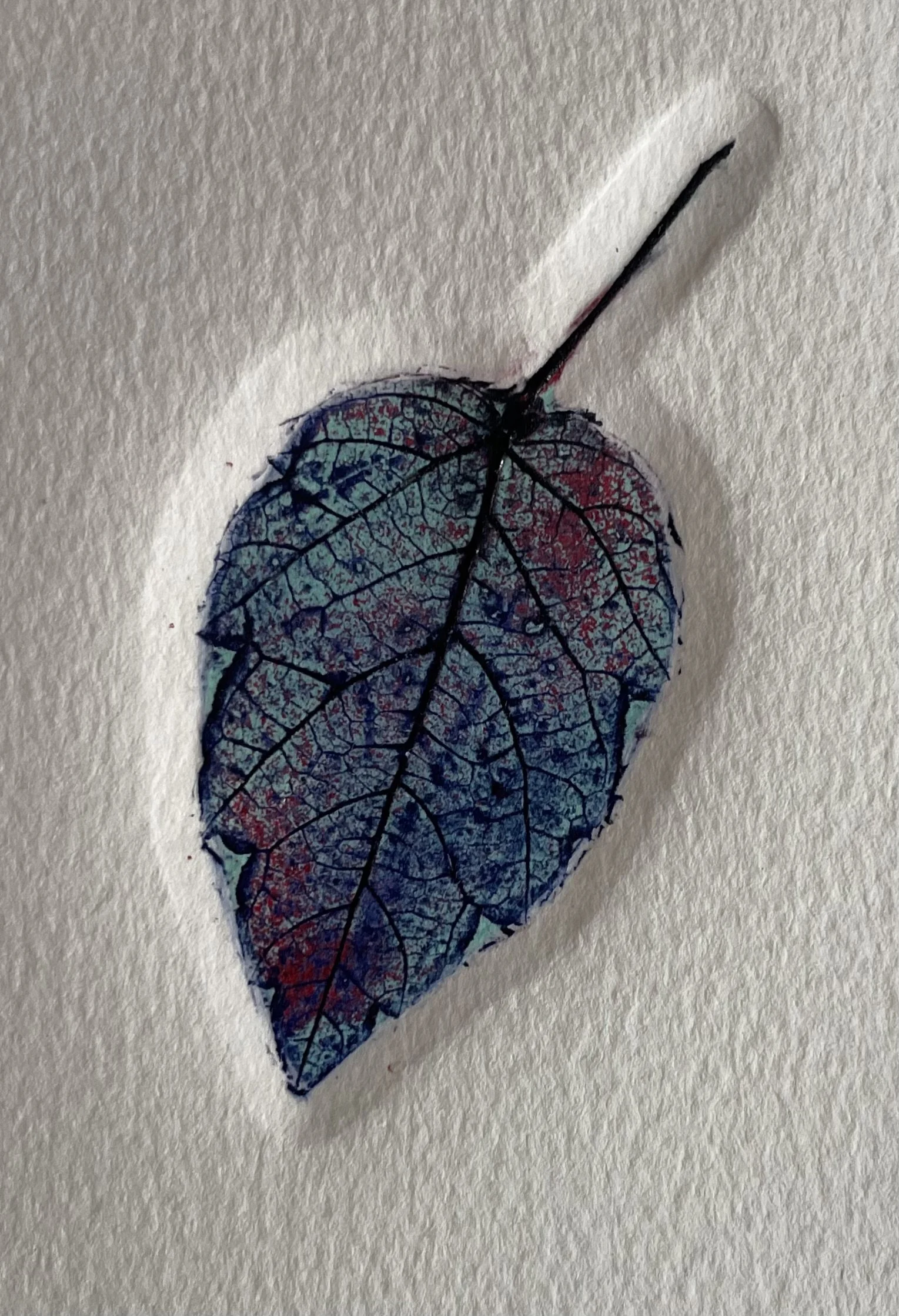 Image 1 of 5
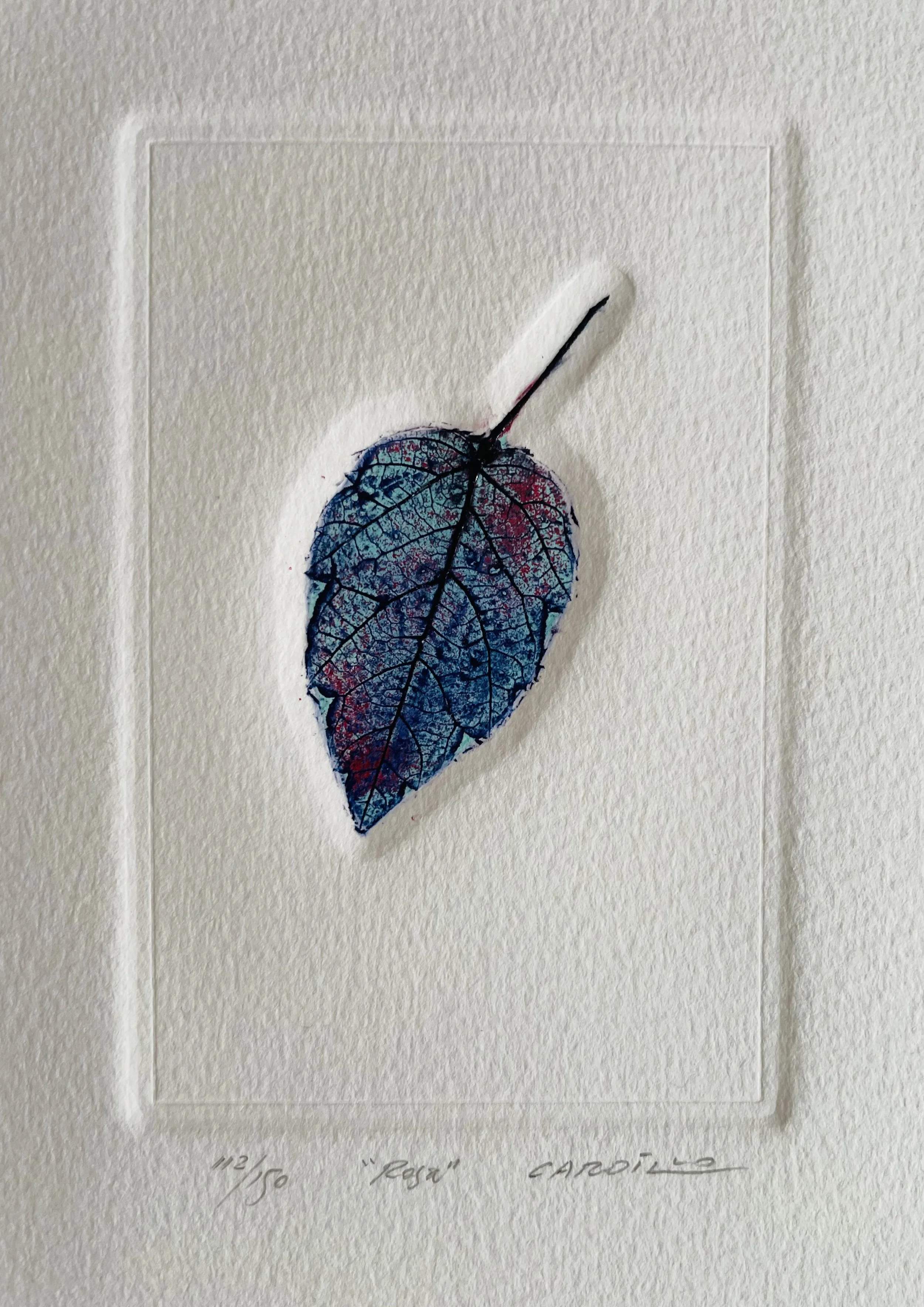 Image 2 of 5
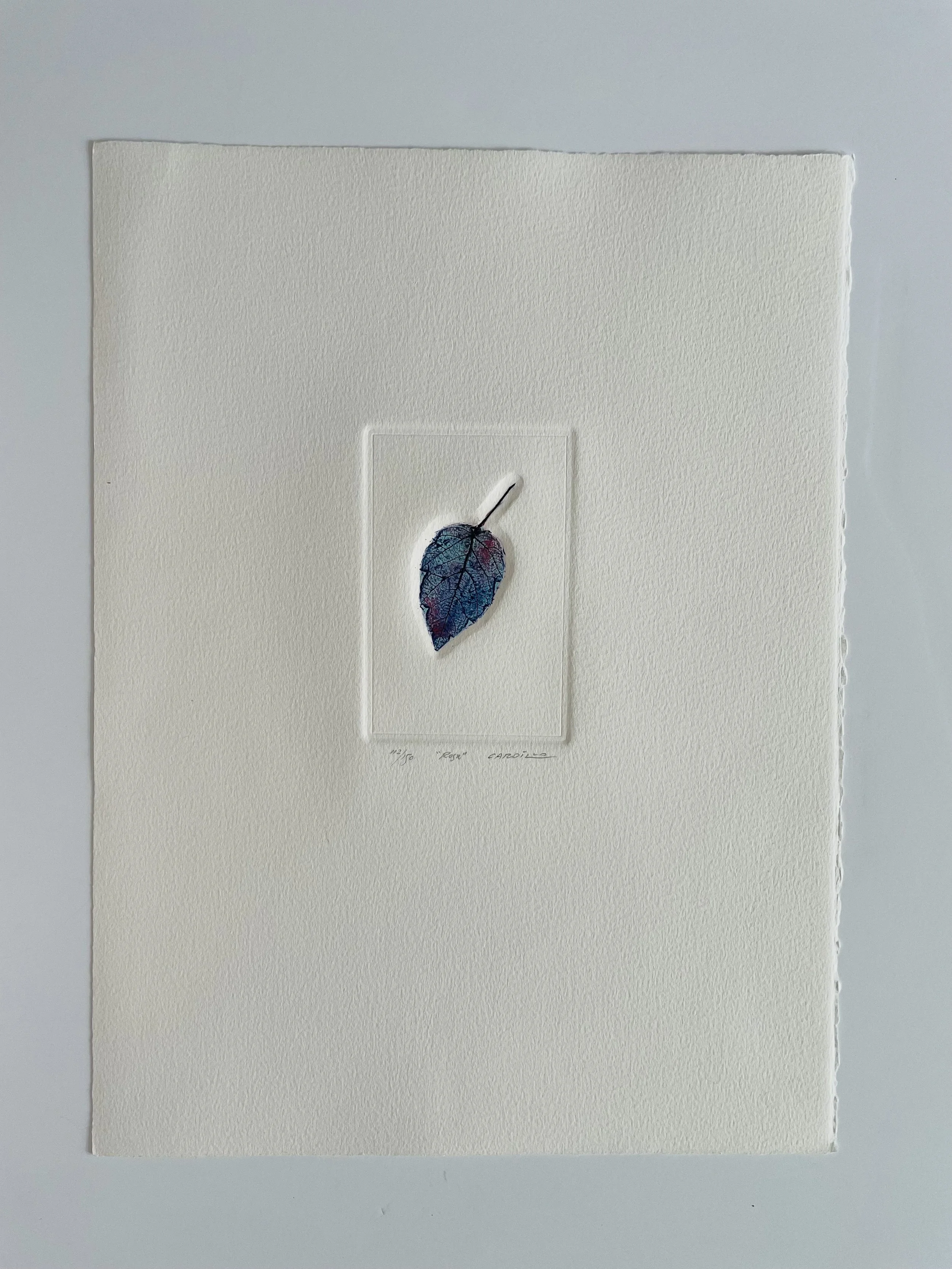 Image 3 of 5
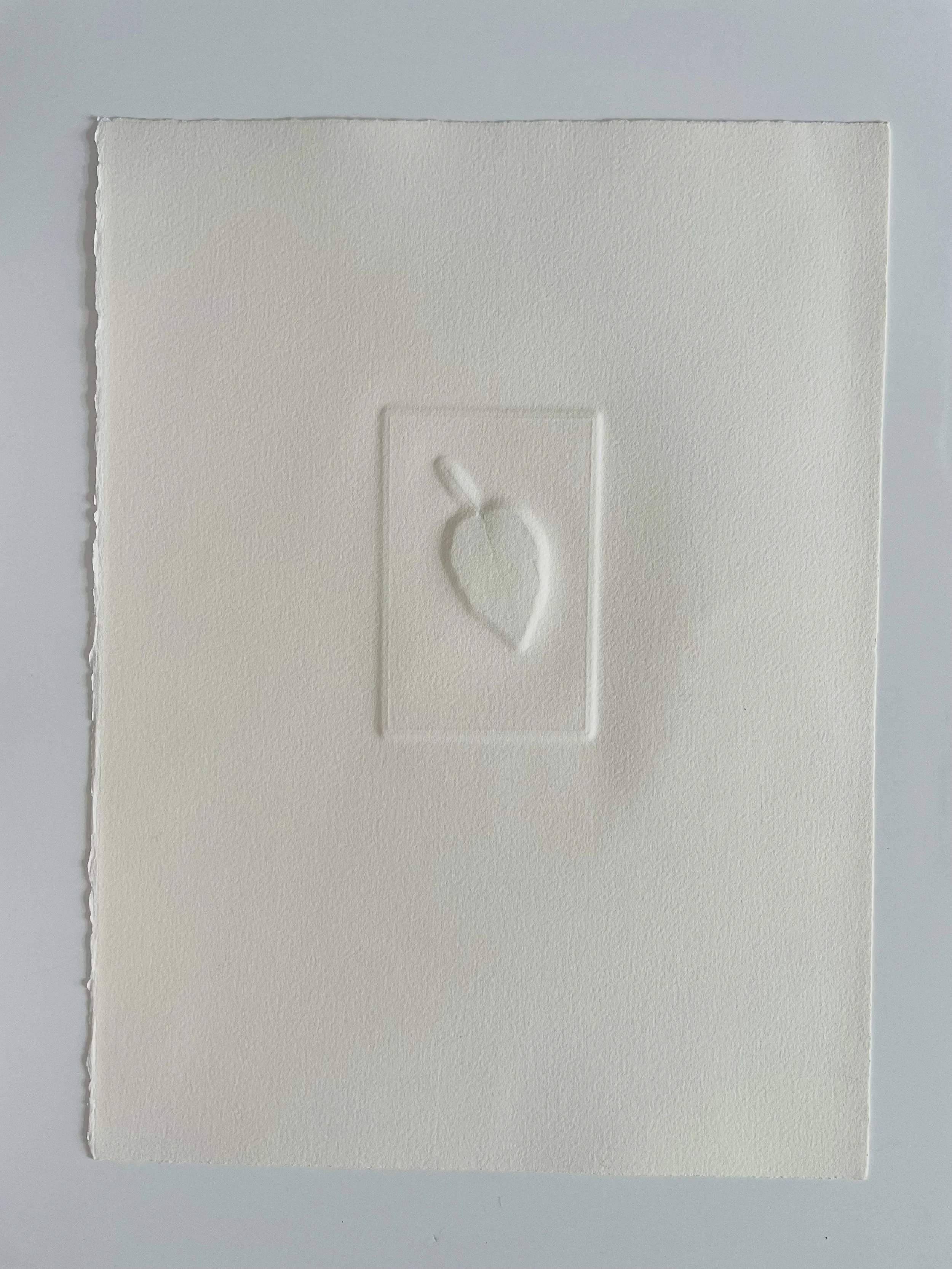 Image 4 of 5
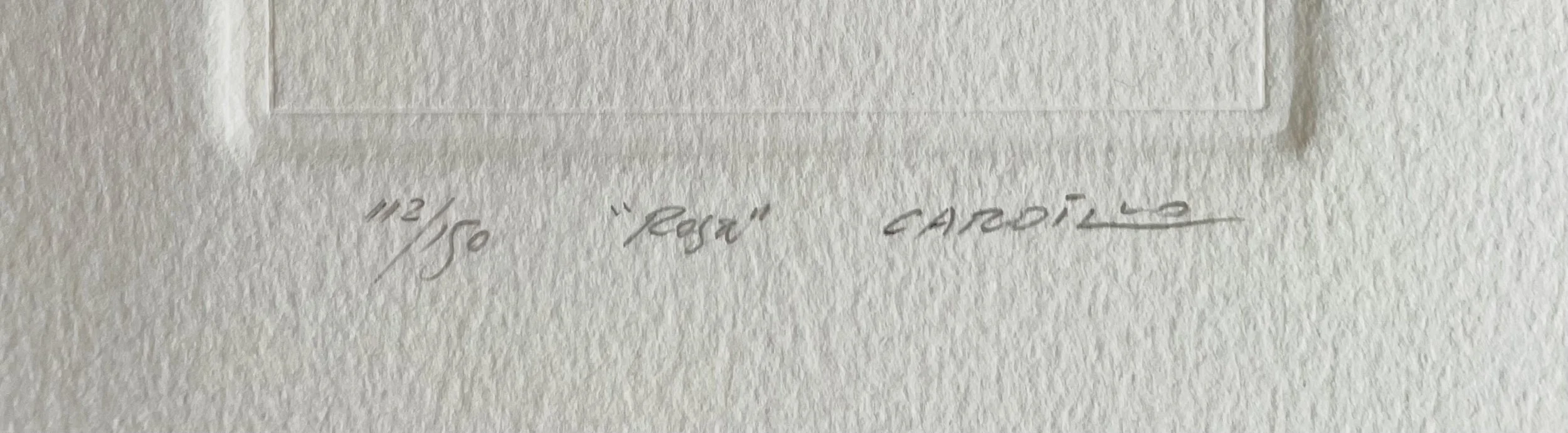 Image 5 of 5