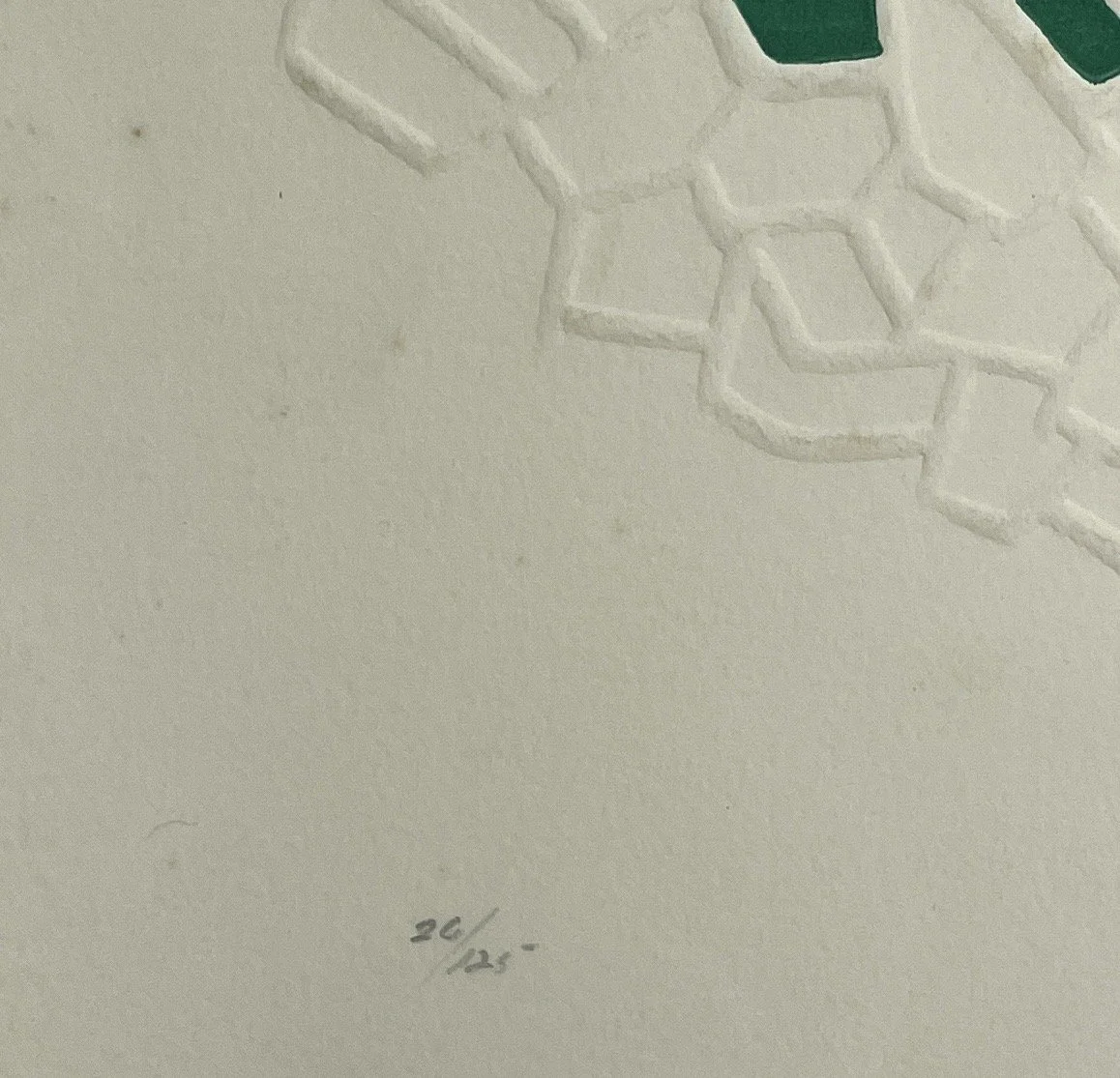
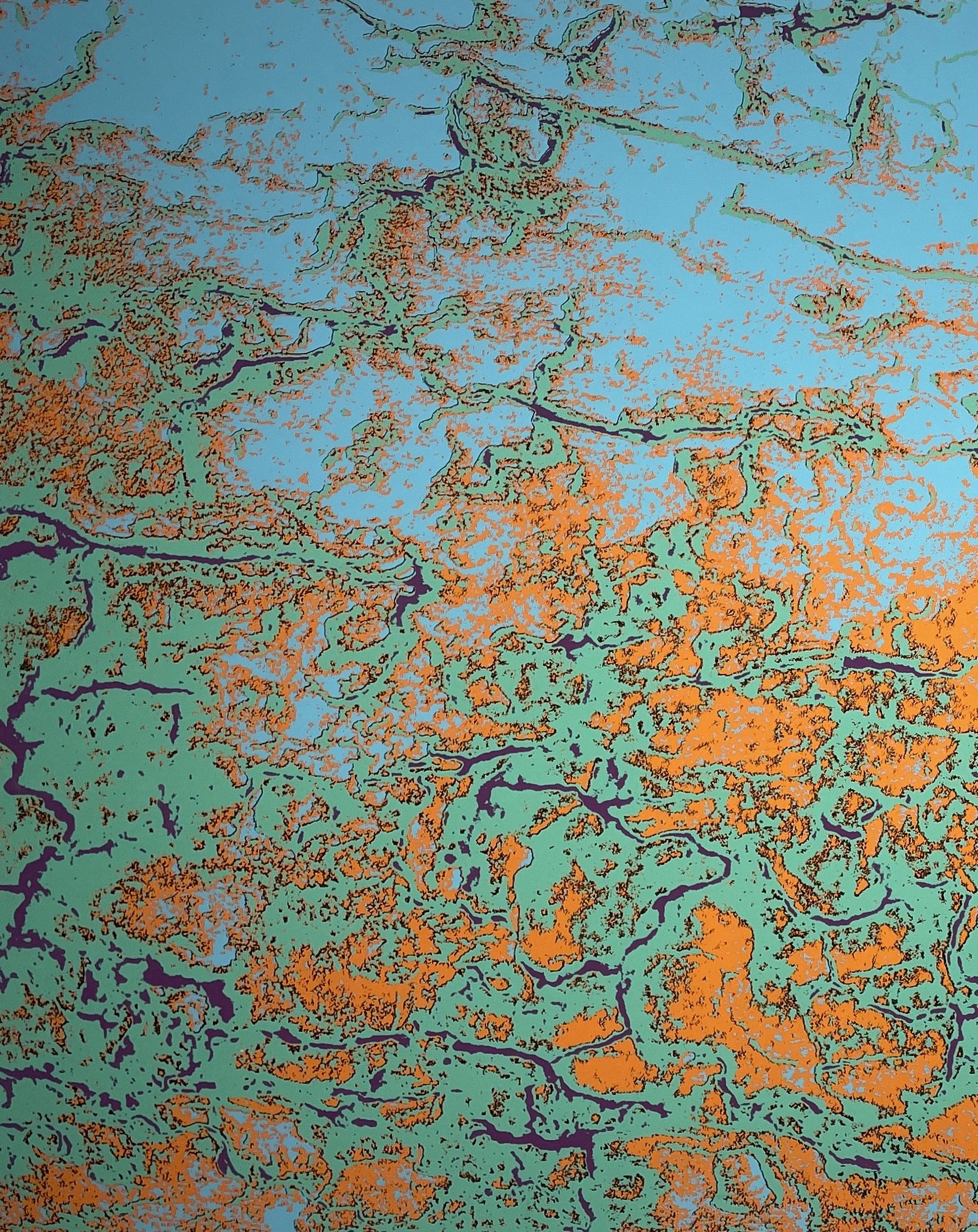
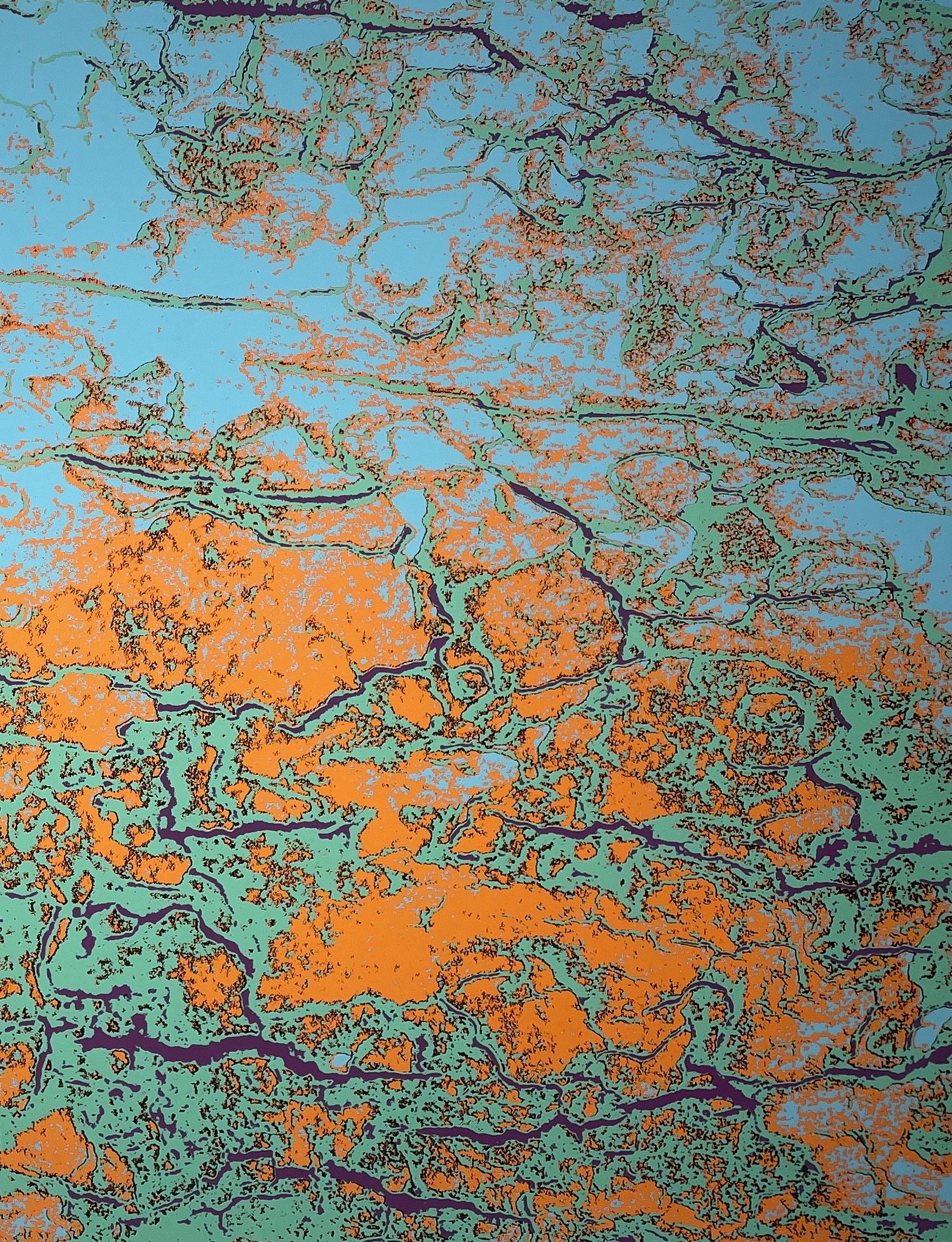
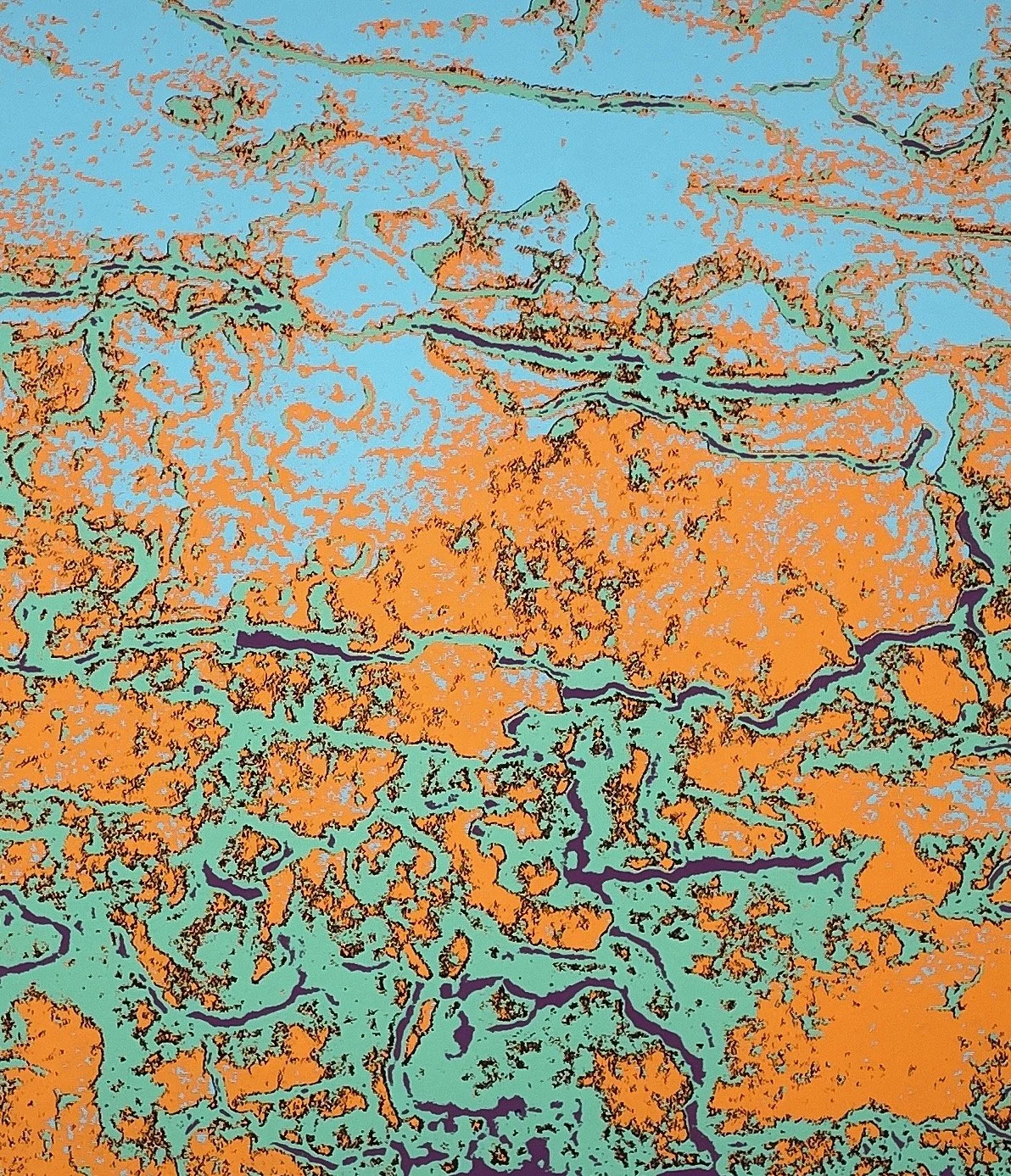
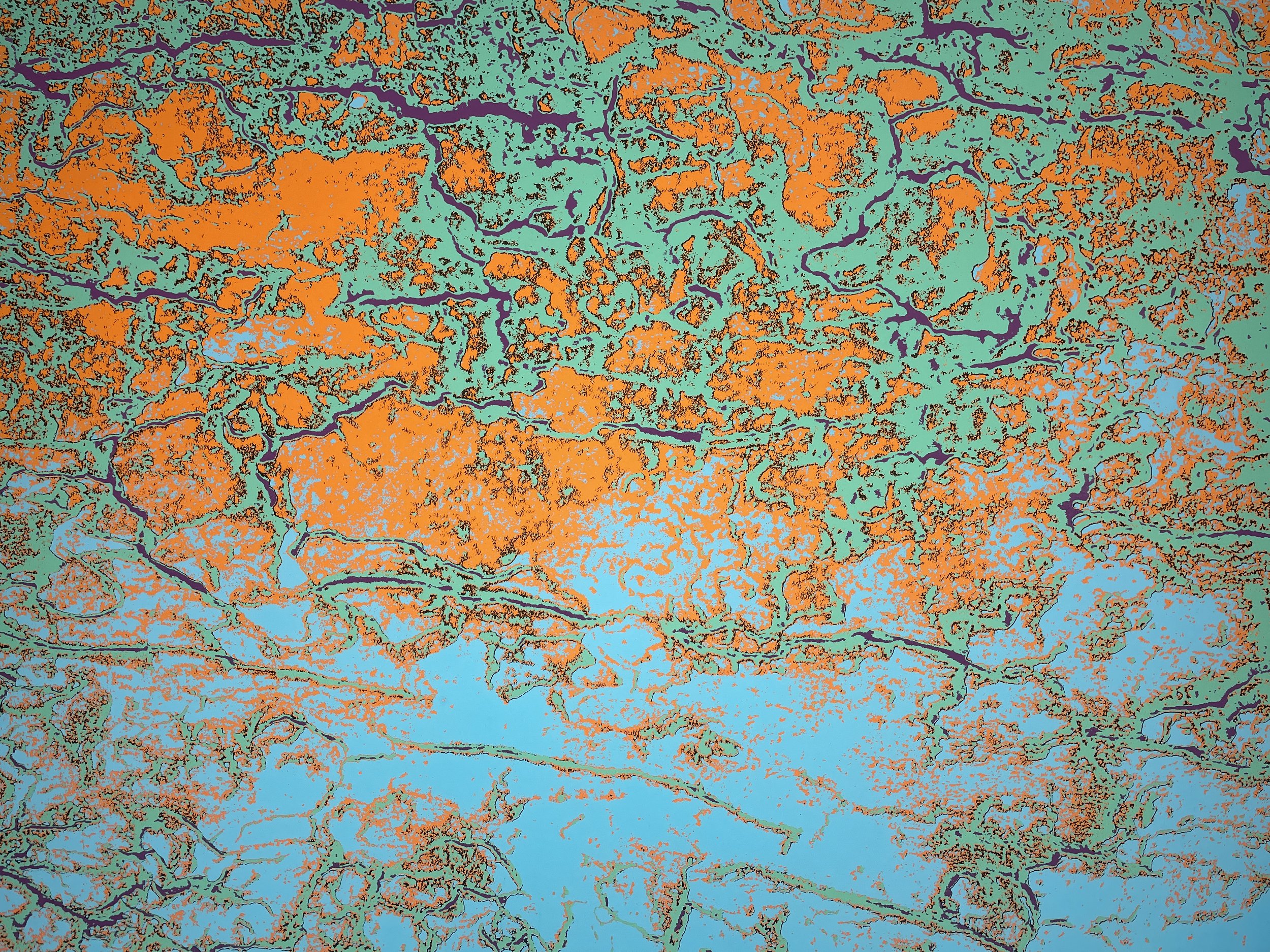
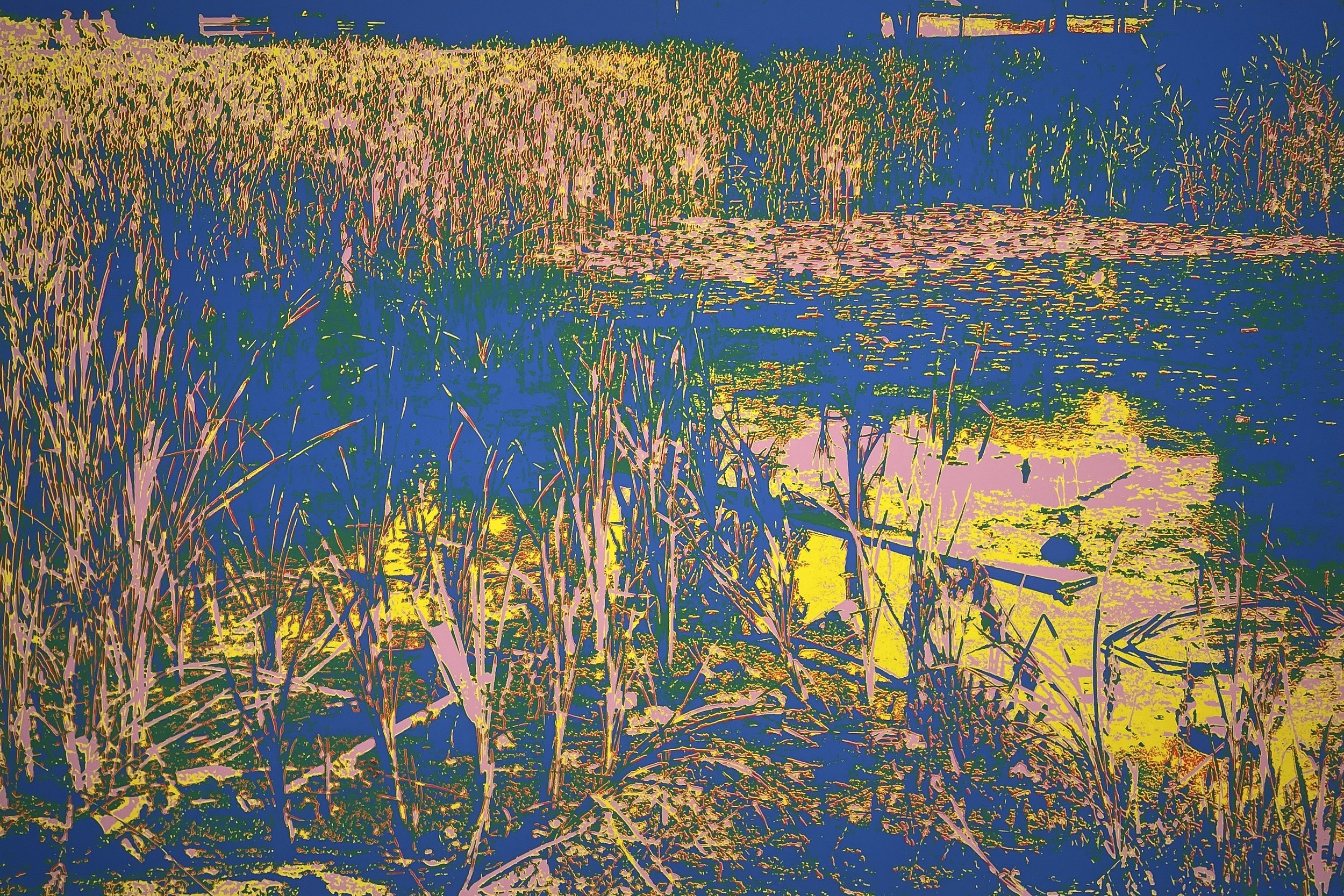
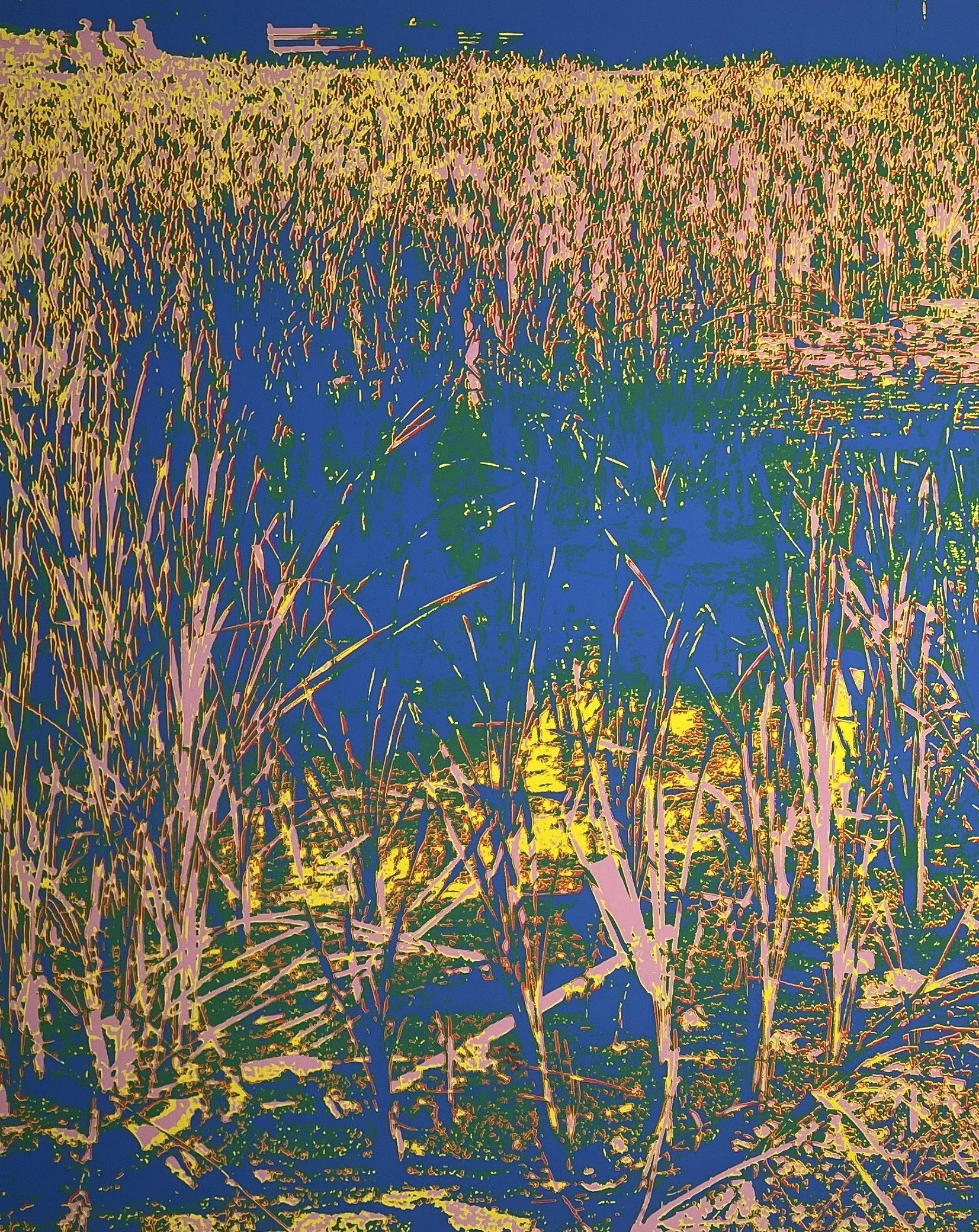
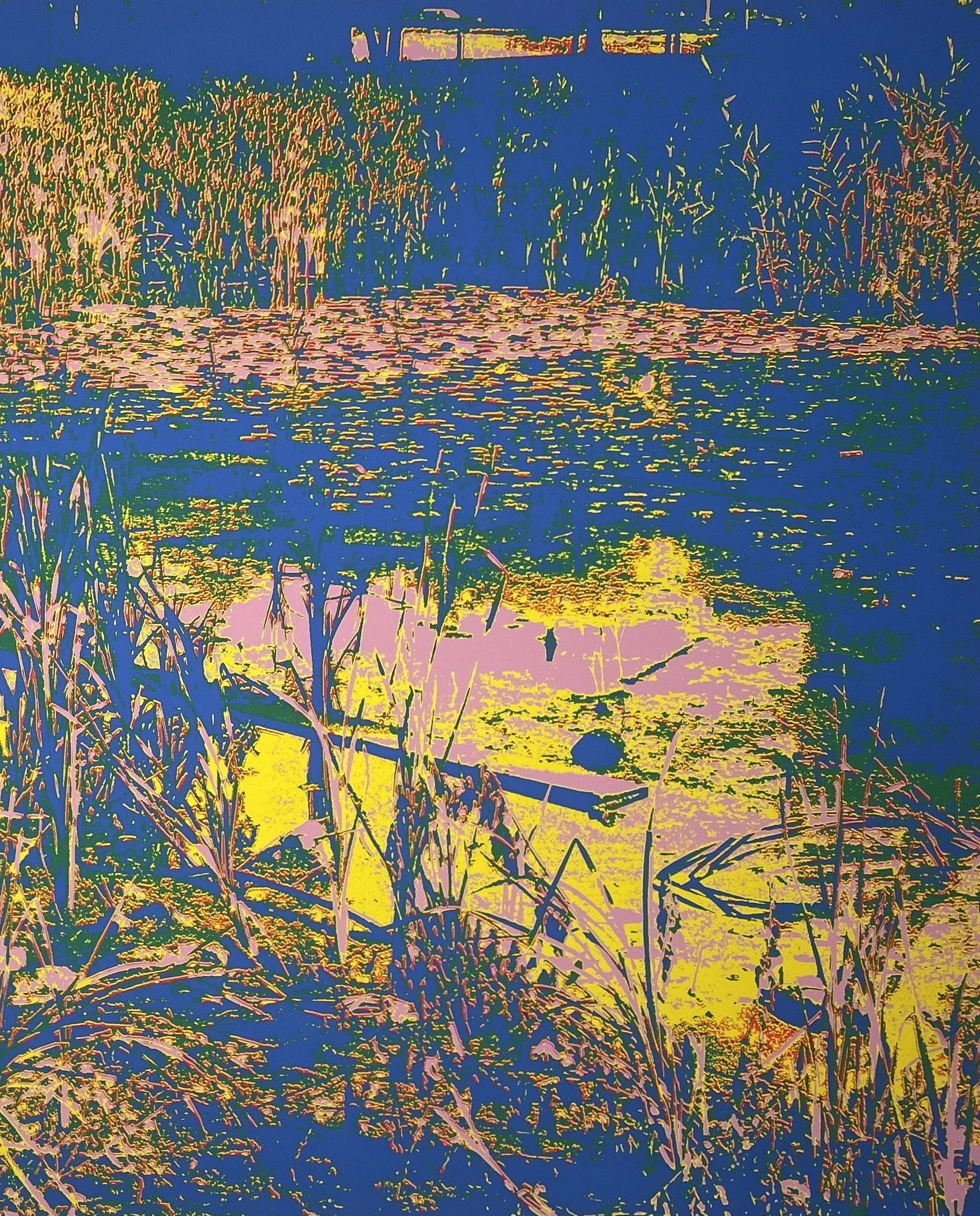
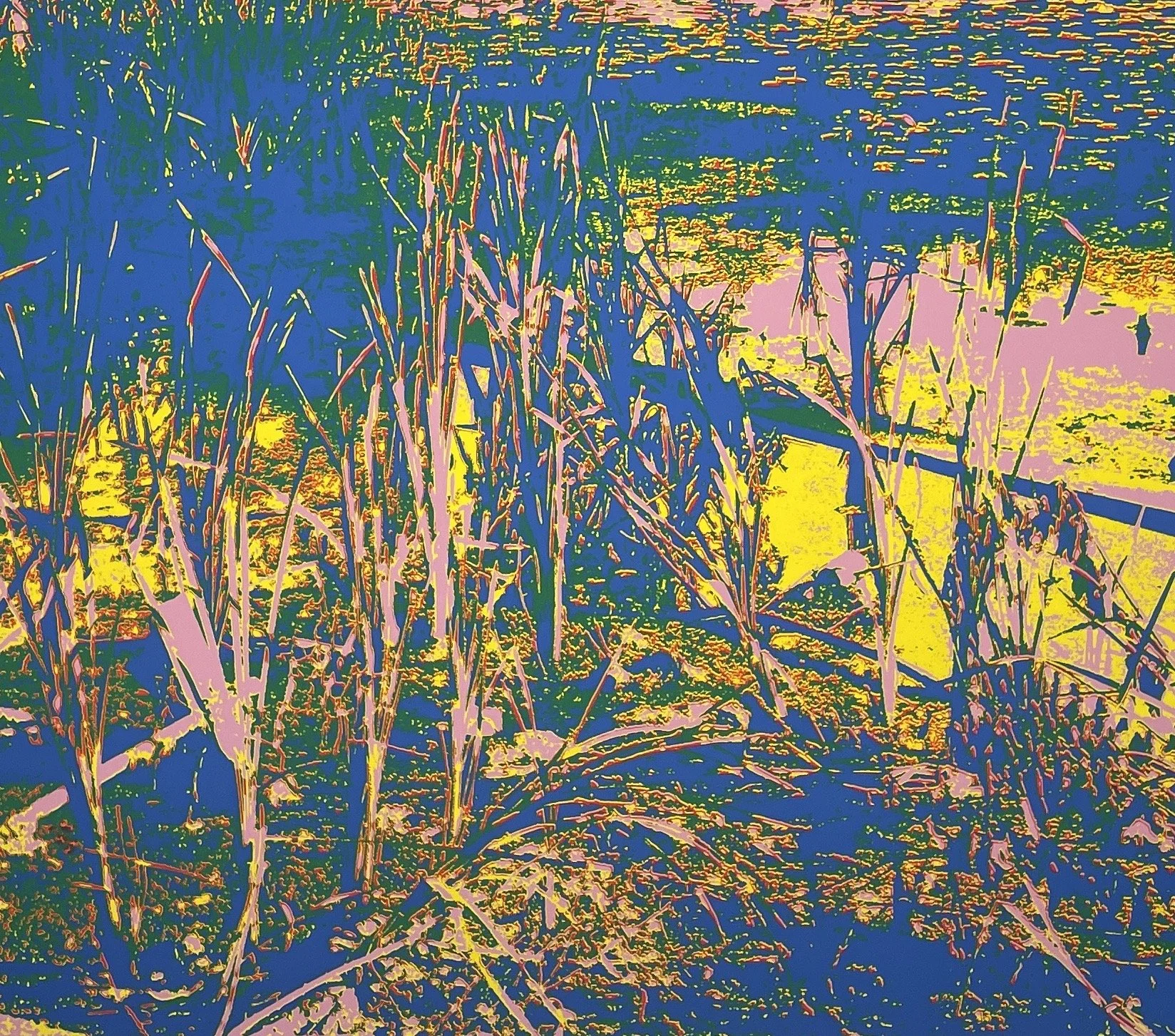
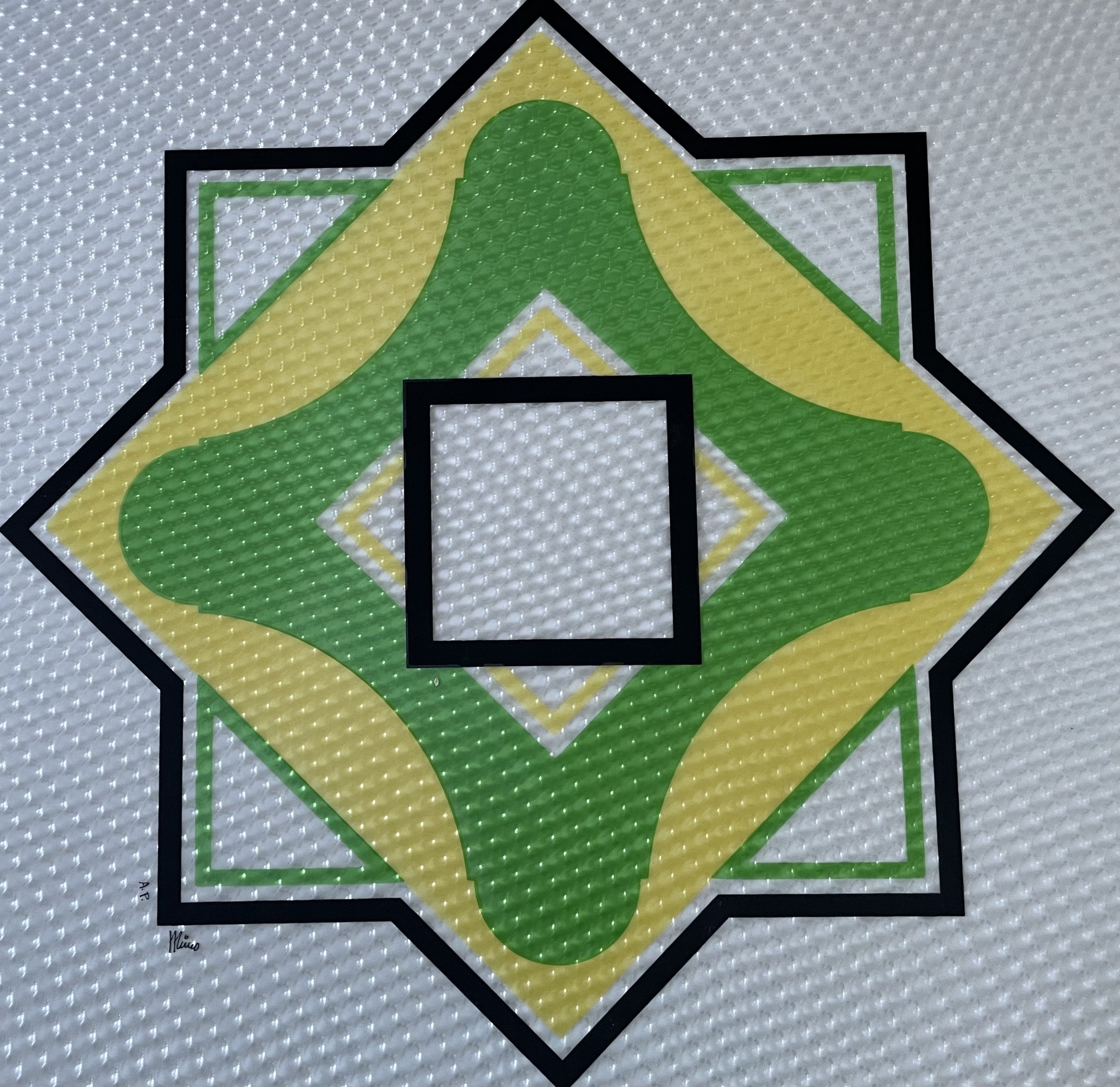
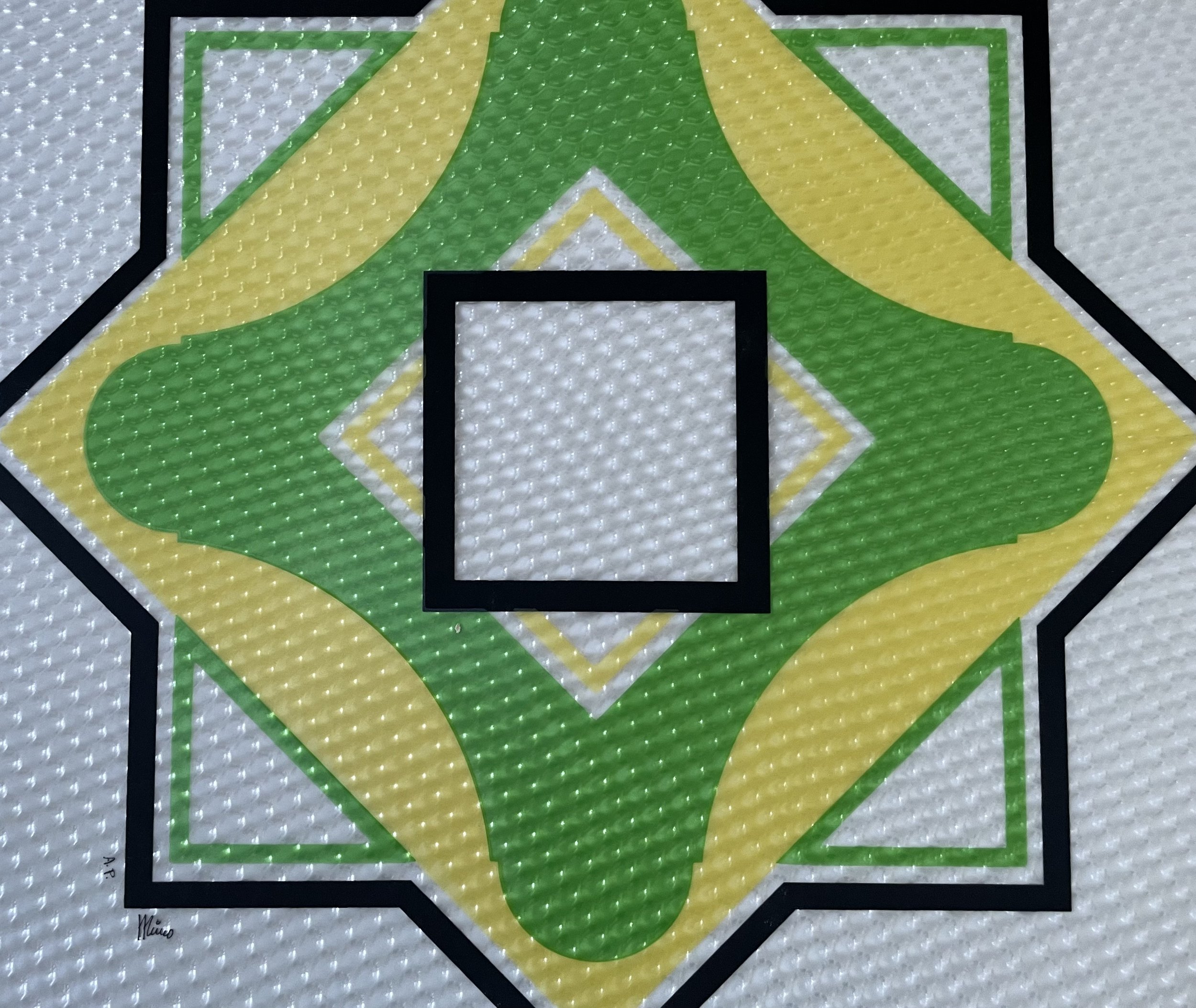
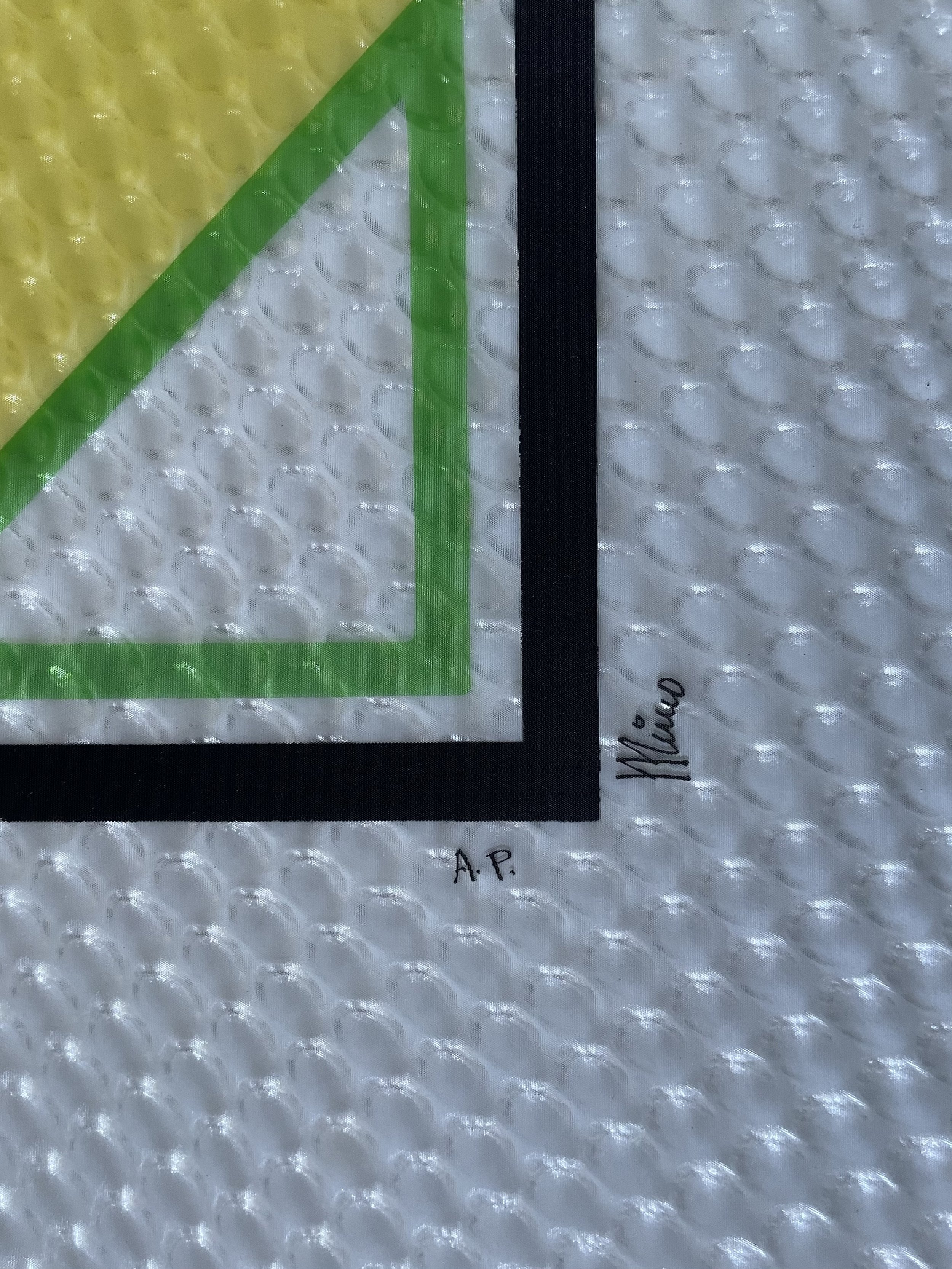
“Rotating Forms,” Boris Chezar (1913–2008), c.1970s, 22×30 in. hand-drawn intaglio serigraph, signed & numbered 26/125.

$1,550.00

Rotating Forms,” Boris Chezar (1913–2008), c.1970s, 22×30 in. hand-drawn intaglio serigraph, signed & numbered 26/125.

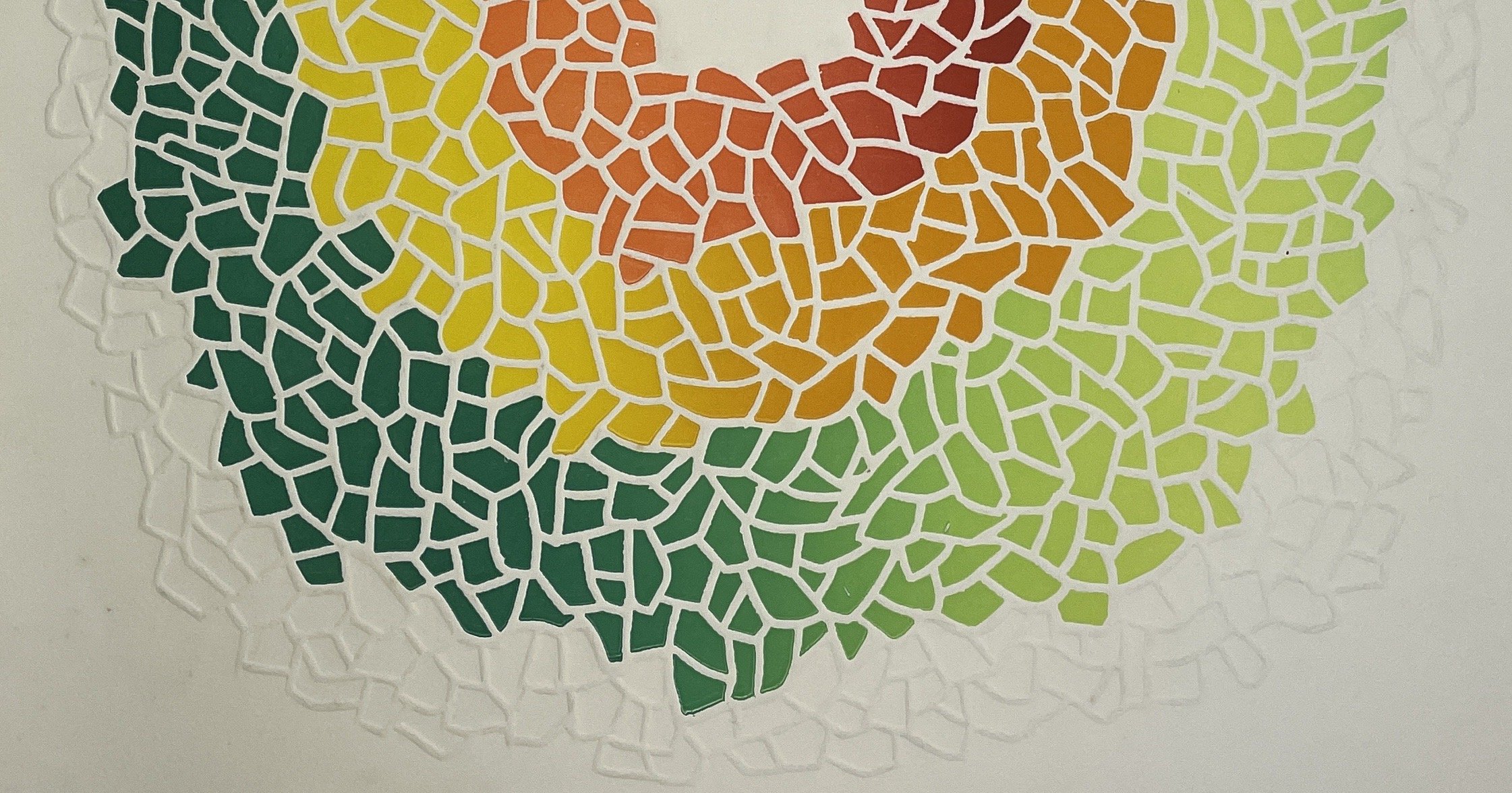
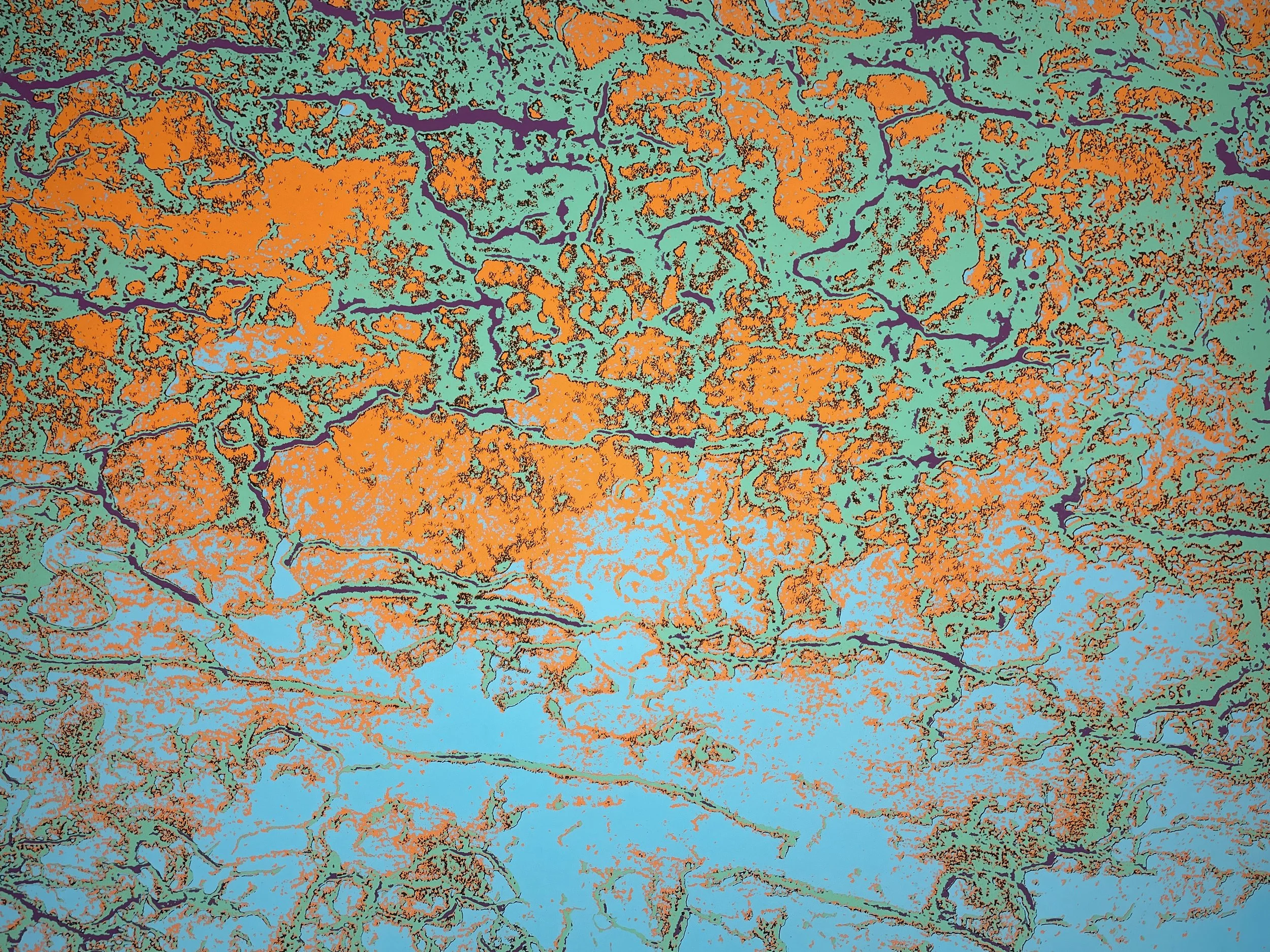
Rotating Forms is a vivid, hand-drawn intaglio serigraph by American modernist Boris Chezar (1913–2008), a celebrated painter and printmaker known for bold abstractions, dynamic color fields, and experimental techniques. This limited-edition work—numbered 26/125 and pencil-signed—features Chezar’s signature use of rhythmic geometric patterning in a radiant spectrum of greens, yellows, oranges, and reds. Printed on a full 22×30 inch sheet, it reflects Chezar’s 1970s shift toward spatial abstraction and optical motion. A striking, investment-worthy example from a sought-after period of the artist’s career.

Artwork Description

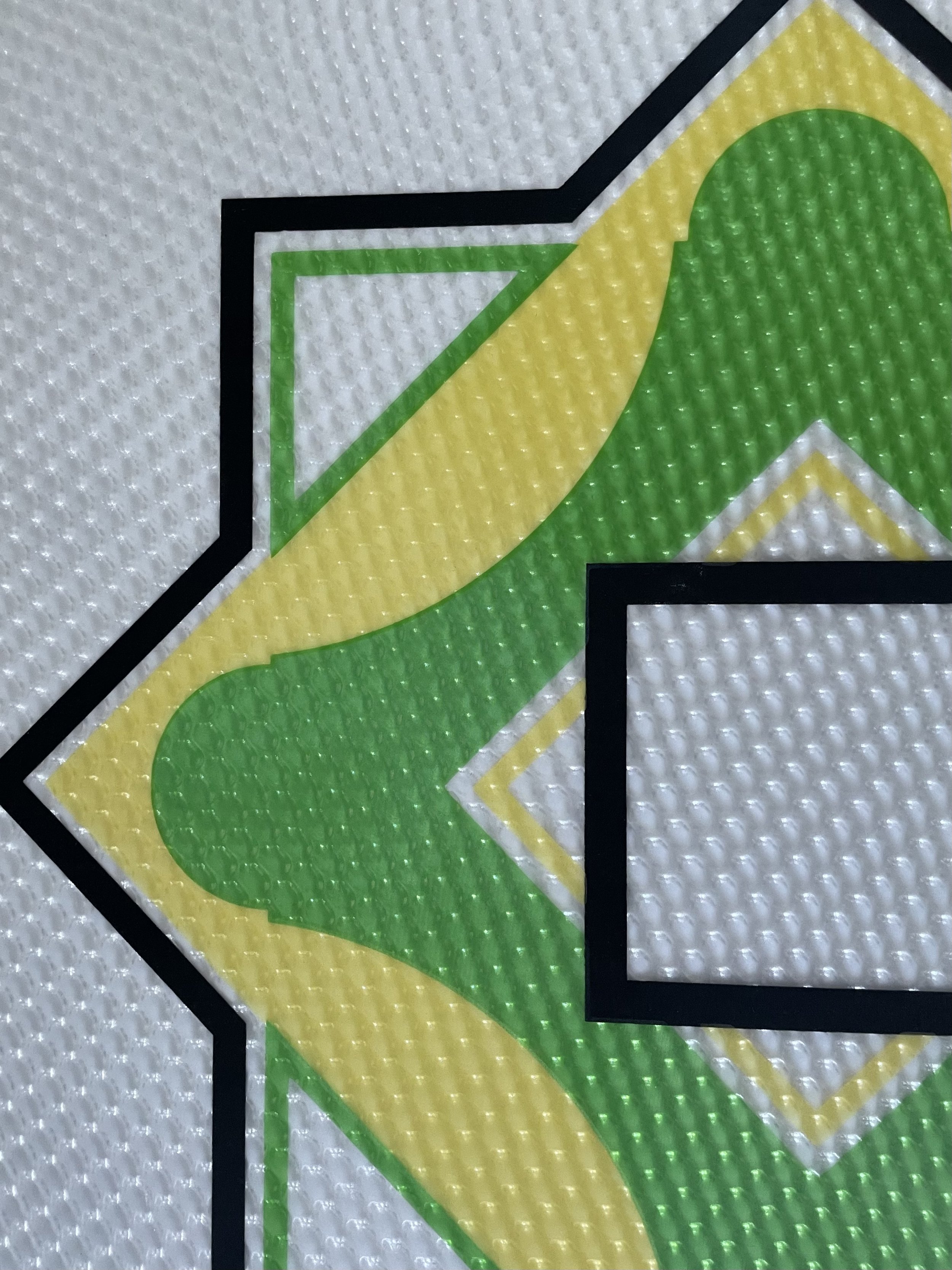
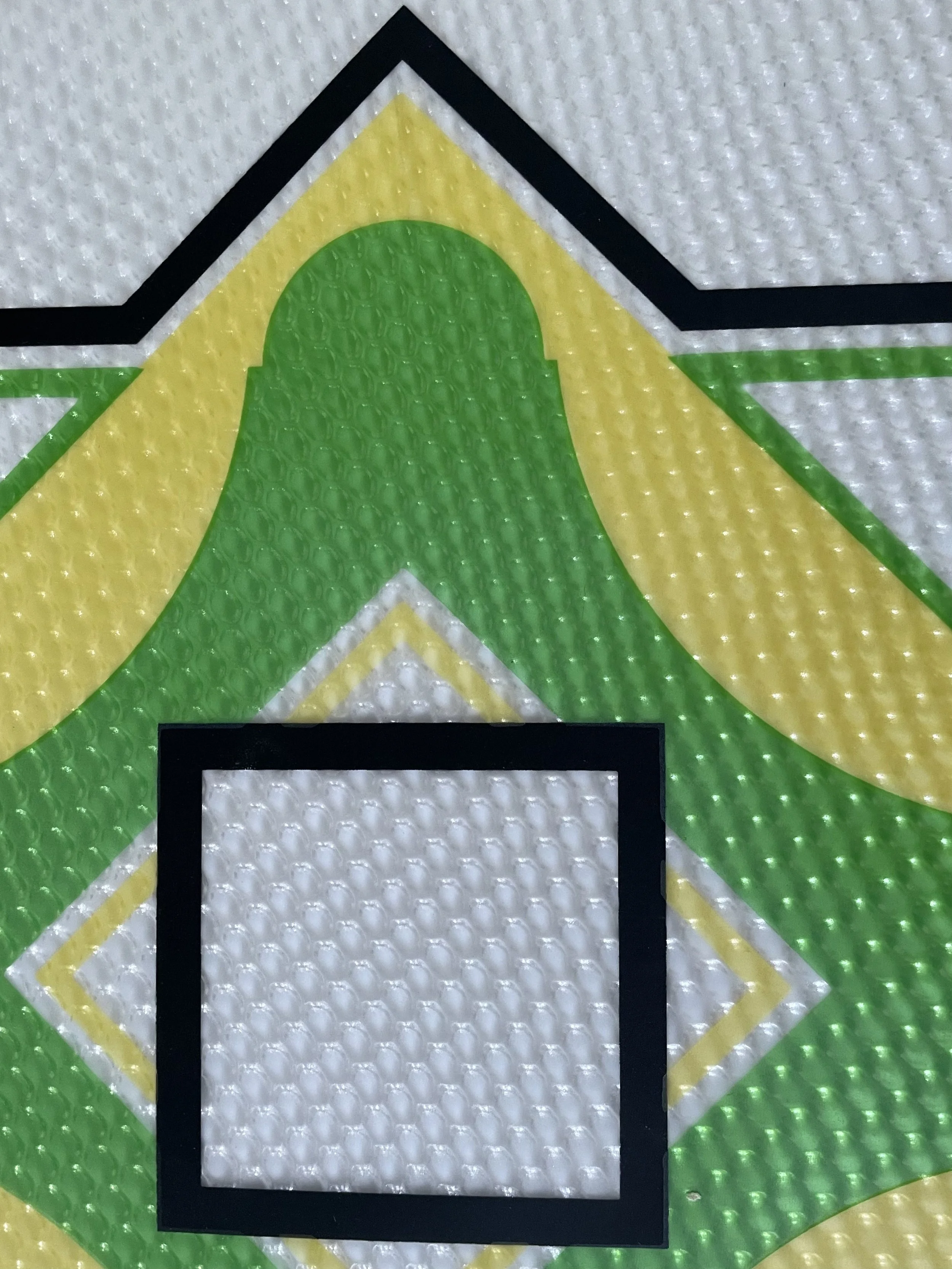
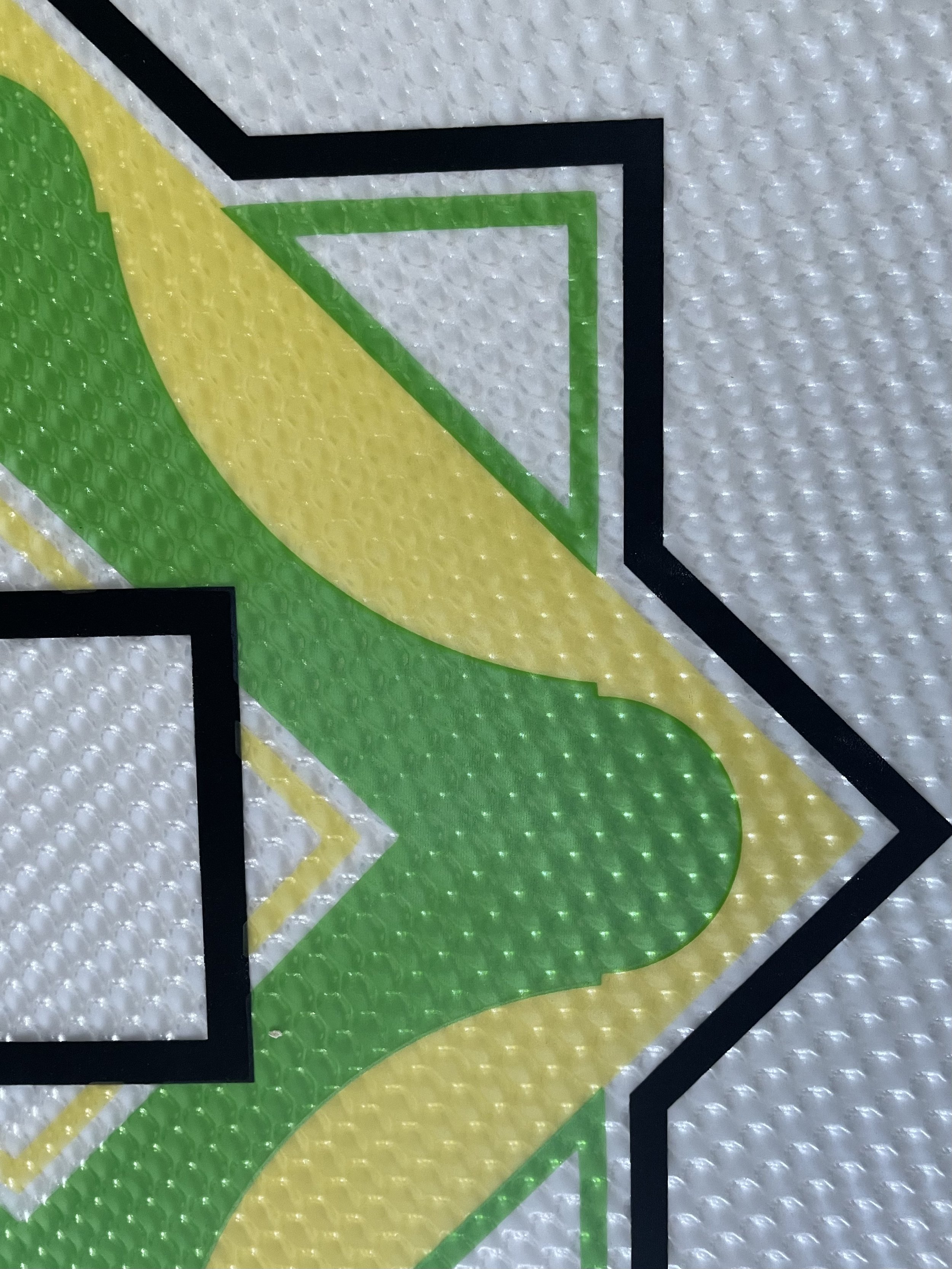
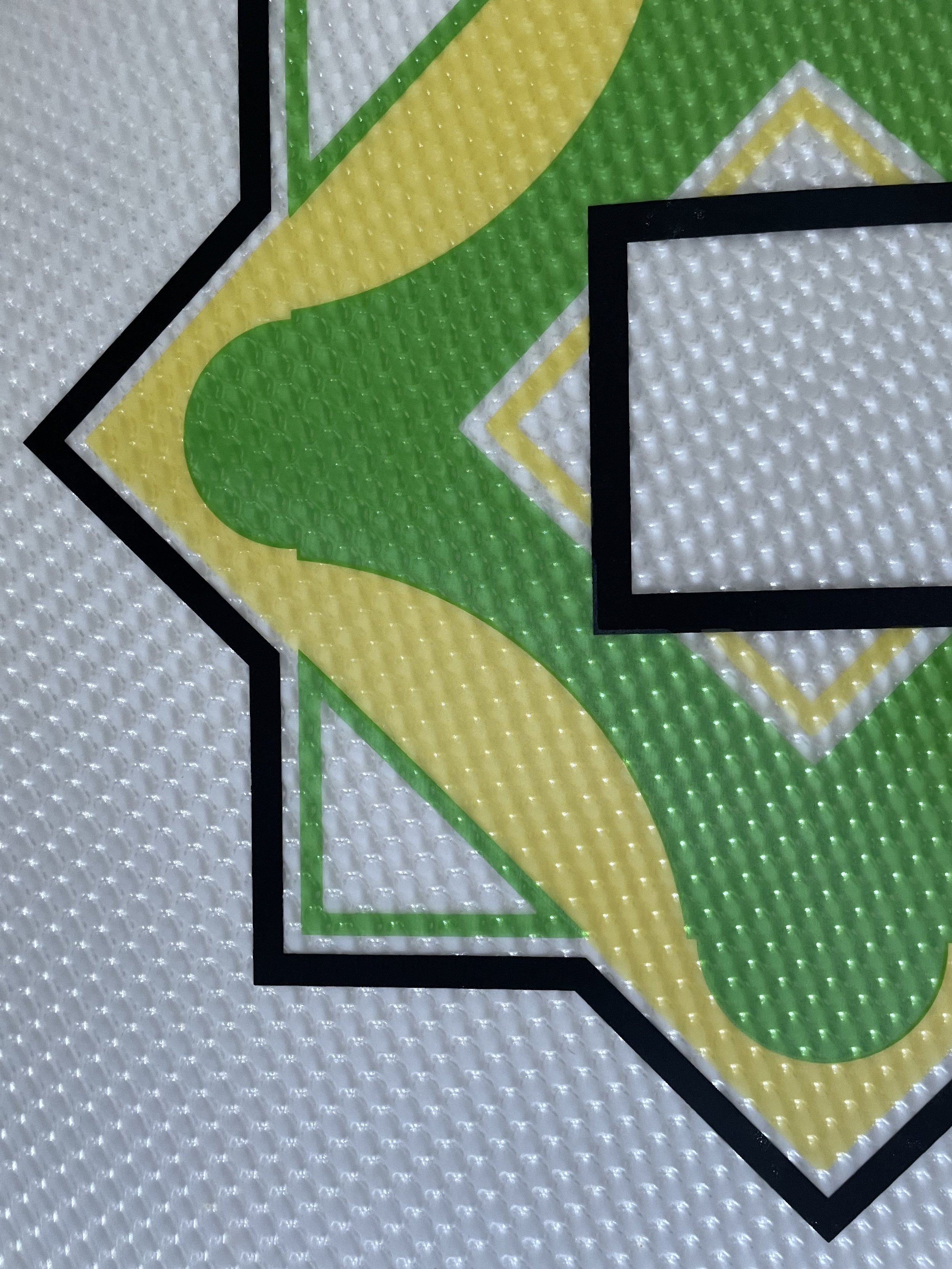
In Rotating Forms, Boris Chezar creates a swirling, mosaic-like vortex of tightly tessellated shapes radiating outward in a chromatic progression. The center glows in burnt orange and deep red, transitioning through golden yellow into bright lime and cool greens. The outermost ring dissolves into pale embossed forms that appear to float beyond the printed field—an effect unique to Chezar’s hybrid technique combining intaglio plate work, serigraph layering, and subtle blind embossing.

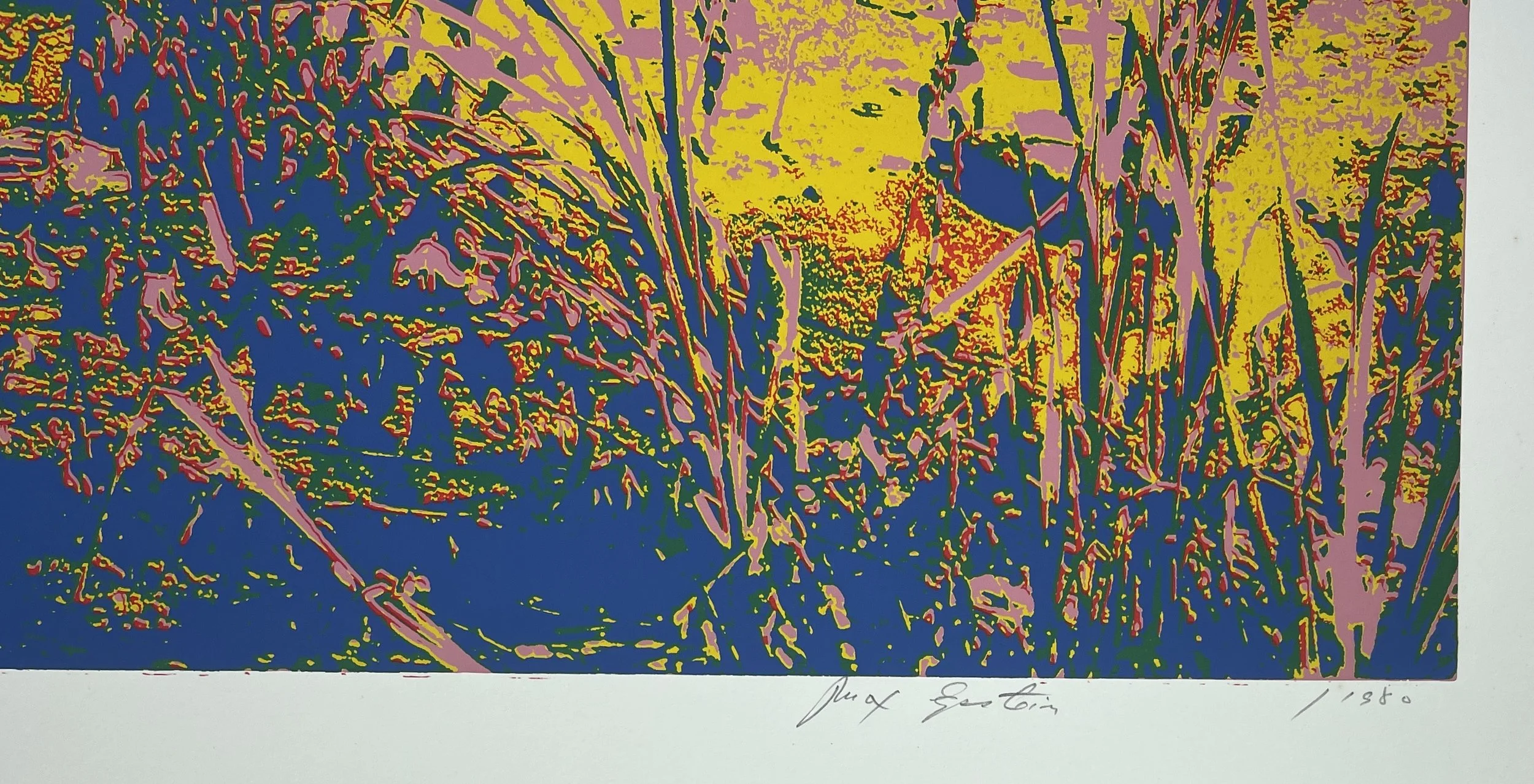
The composition suggests expansion, rotation, and organic motion—an exploration consistent with Chezar’s fascination with energy, space, and perceptual systems during the early 1970s. The print is hand-drawn, hand-pulled, and issued in a limited edition of 125, each impression individually numbered and pencil-signed “Chezar” along the lower margin.

Color saturation is exceptional, with smooth gradations and sharp edges characteristic of Chezar’s craftsmanship. The sheet remains untrimmed at 22×30 inches, ideal for museum-grade framing.

Biography of Boris Chezar

Boris Chezar (1913–2008) was an American painter, printmaker, and sculptural innovator whose career spanned more than eight decades. Born in New York City to Russian-Jewish immigrants, he began painting in adolescence and earned acceptance to The Cooper Union, where he received formal training in drawing and design.

During extensive travels in Mexico, Chezar painted alongside José Clemente Orozco, absorbing influences of Mexican muralism—bold symbolism, rhythmic form, and dramatic geometry—which later informed his abstract constructions and prints.

Chezar served in the Army Air Forces during WWII, creating large-scale murals at Ft. Dix and other installations. After the war, he joined J. Walter Thompson as a commercial artist before transitioning to a full-time career in fine art, including portraiture in pastel, charcoal, and oil. Summers were spent painting in the Catskills’ vibrant “Borscht Belt,” while winters included work aboard cruise ships as a portrait artist and instructor.

By the early 1970s, Chezar had shifted decisively into modern abstraction, producing hand-drawn serigraphs, etchings, and “space and nature” themed works, including Spark, Rotating Forms, and related series. The 1980s brought another evolution: large dimensional paintings made of cut plywood forms projecting outward from the canvas. In the 1990s, after moving to Sun City, Arizona, he developed his “Random Modalities” series, integrating the picture frame as part of the sculptural form—a technique he pursued patent protection for.

Chezar’s work has been exhibited in:

  • National Gallery (Washington, D.C.)

  • Brooklyn Museum, National Print Exhibition

  • St. Louis Art Museum

  • Center Art Gallery (NYC)

  • Wickersham Gallery (NY)

  • Boston Printmakers Exhibition

  • Philadelphia Museum of Modern Art

  • Mitch Morse Gallery (NYC)
    …and numerous university, regional, and international venues.

His career is marked by relentless innovation, a refusal to remain in one stylistic category, and a philosophy centered on the spiritual function of art. Chezar continued producing new work until shortly before his passing in 2008, at age 95.

Boris Chezar (1913–2008), Rotating Forms, c.1970s.
Hand-drawn intaglio serigraph on paper, 22×30 in., pencil-signed lower right, numbered 26/125. Vortex-like mosaic composition in radiant green, yellow, orange, and red; excellent vintage condition. From the Mitch Morse Gallery inventory, NYC.

CERTIFICATE OF VALUE & AUTHENTICATION
For Gallery, Insurance, and Collector Records

Artist: Boris Chezar (1913–2008)
Title: Rotating Forms
Date: c. early 1970s
Medium: Hand-drawn intaglio etching serigraph
Sheet Size: 22 × 30 inches
Image Characteristics: Multicolor mosaic vortex with blind embossing
Edition: 26/125
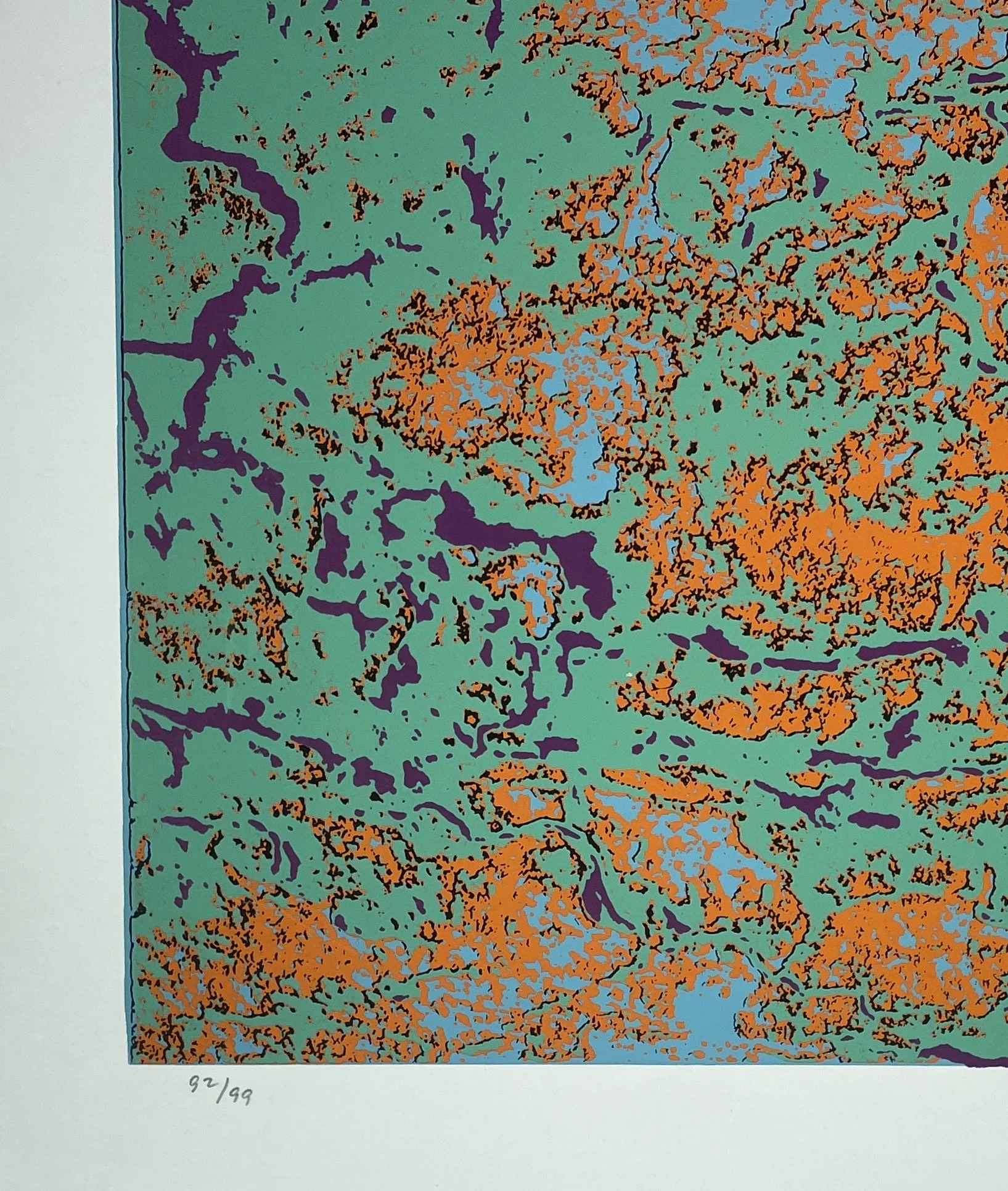
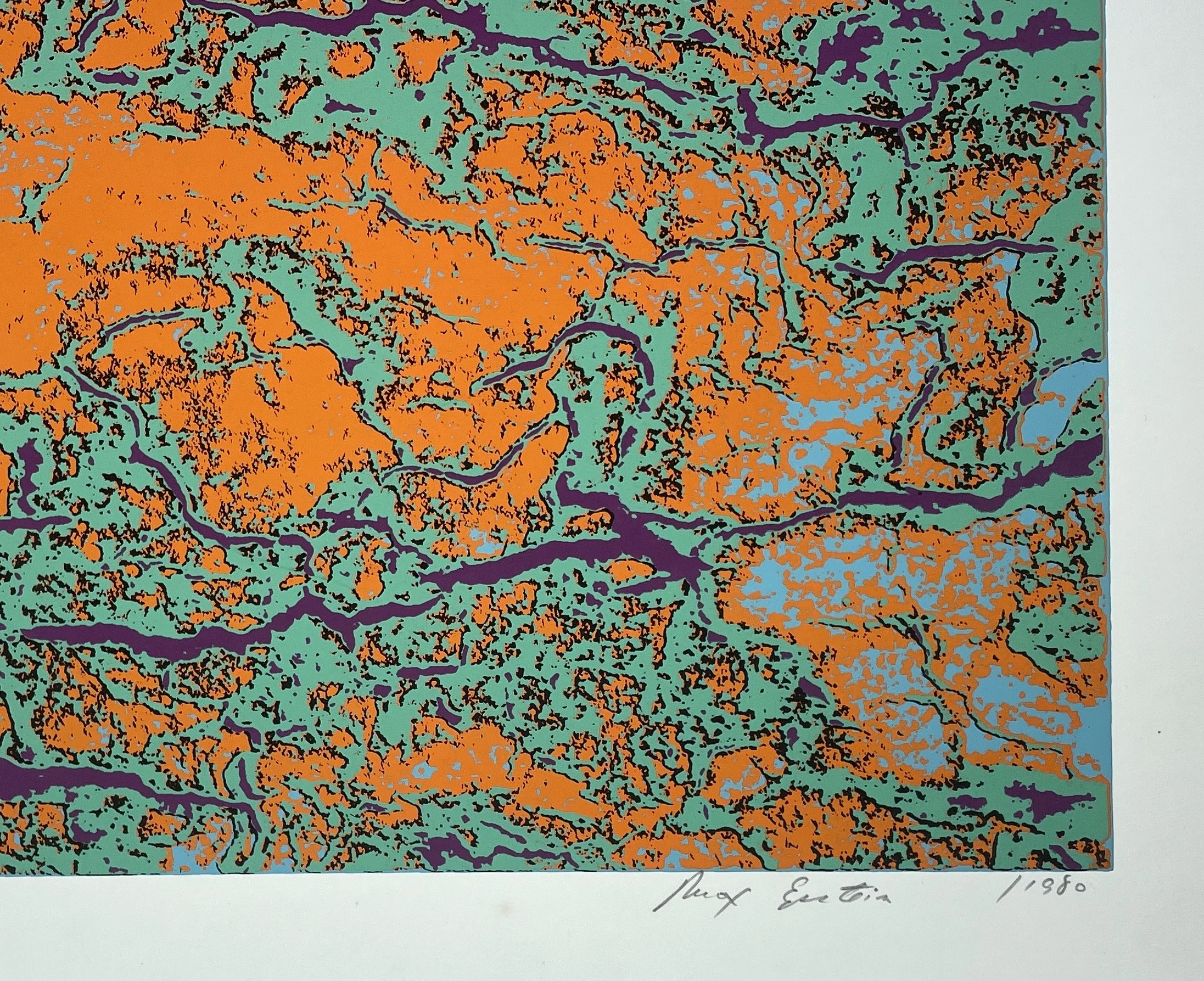
Signature: Pencil-signed “Chezar” lower right; edition number lower left
Condition: Excellent vintage condition; strong color; never framed (gallery inventory)

Provenance Chain

  1. Artist’s Studio, Boris Chezar, USA

  2. Mitch Morse Gallery, New York City

  3. Artfind Gallery, Washington, DC — Current Owner

Rotating Forms,” Boris Chezar (1913–2008), c.1970s, 22×30 in. hand-drawn intaglio serigraph, signed & numbered 26/125.

Rotating Forms is a vivid, hand-drawn intaglio serigraph by American modernist Boris Chezar (1913–2008), a celebrated painter and printmaker known for bold abstractions, dynamic color fields, and experimental techniques. This limited-edition work—numbered 26/125 and pencil-signed—features Chezar’s signature use of rhythmic geometric patterning in a radiant spectrum of greens, yellows, oranges, and reds. Printed on a full 22×30 inch sheet, it reflects Chezar’s 1970s shift toward spatial abstraction and optical motion. A striking, investment-worthy example from a sought-after period of the artist’s career.

Artwork Description

In Rotating Forms, Boris Chezar creates a swirling, mosaic-like vortex of tightly tessellated shapes radiating outward in a chromatic progression. The center glows in burnt orange and deep red, transitioning through golden yellow into bright lime and cool greens. The outermost ring dissolves into pale embossed forms that appear to float beyond the printed field—an effect unique to Chezar’s hybrid technique combining intaglio plate work, serigraph layering, and subtle blind embossing.

The composition suggests expansion, rotation, and organic motion—an exploration consistent with Chezar’s fascination with energy, space, and perceptual systems during the early 1970s. The print is hand-drawn, hand-pulled, and issued in a limited edition of 125, each impression individually numbered and pencil-signed “Chezar” along the lower margin.

Color saturation is exceptional, with smooth gradations and sharp edges characteristic of Chezar’s craftsmanship. The sheet remains untrimmed at 22×30 inches, ideal for museum-grade framing.

Biography of Boris Chezar

Boris Chezar (1913–2008) was an American painter, printmaker, and sculptural innovator whose career spanned more than eight decades. Born in New York City to Russian-Jewish immigrants, he began painting in adolescence and earned acceptance to The Cooper Union, where he received formal training in drawing and design.

During extensive travels in Mexico, Chezar painted alongside José Clemente Orozco, absorbing influences of Mexican muralism—bold symbolism, rhythmic form, and dramatic geometry—which later informed his abstract constructions and prints.

Chezar served in the Army Air Forces during WWII, creating large-scale murals at Ft. Dix and other installations. After the war, he joined J. Walter Thompson as a commercial artist before transitioning to a full-time career in fine art, including portraiture in pastel, charcoal, and oil. Summers were spent painting in the Catskills’ vibrant “Borscht Belt,” while winters included work aboard cruise ships as a portrait artist and instructor.

By the early 1970s, Chezar had shifted decisively into modern abstraction, producing hand-drawn serigraphs, etchings, and “space and nature” themed works, including Spark, Rotating Forms, and related series. The 1980s brought another evolution: large dimensional paintings made of cut plywood forms projecting outward from the canvas. In the 1990s, after moving to Sun City, Arizona, he developed his “Random Modalities” series, integrating the picture frame as part of the sculptural form—a technique he pursued patent protection for.

Chezar’s work has been exhibited in:

  • National Gallery (Washington, D.C.)

  • Brooklyn Museum, National Print Exhibition

  • St. Louis Art Museum

  • Center Art Gallery (NYC)

  • Wickersham Gallery (NY)

  • Boston Printmakers Exhibition

  • Philadelphia Museum of Modern Art

  • Mitch Morse Gallery (NYC)
    …and numerous university, regional, and international venues.

His career is marked by relentless innovation, a refusal to remain in one stylistic category, and a philosophy centered on the spiritual function of art. Chezar continued producing new work until shortly before his passing in 2008, at age 95.

Boris Chezar (1913–2008), Rotating Forms, c.1970s.
Hand-drawn intaglio serigraph on paper, 22×30 in., pencil-signed lower right, numbered 26/125. Vortex-like mosaic composition in radiant green, yellow, orange, and red; excellent vintage condition. From the Mitch Morse Gallery inventory, NYC.

CERTIFICATE OF VALUE & AUTHENTICATION
For Gallery, Insurance, and Collector Records

Artist: Boris Chezar (1913–2008)
Title: Rotating Forms
Date: c. early 1970s
Medium: Hand-drawn intaglio etching serigraph
Sheet Size: 22 × 30 inches
Image Characteristics: Multicolor mosaic vortex with blind embossing
Edition: 26/125
Signature: Pencil-signed “Chezar” lower right; edition number lower left
Condition: Excellent vintage condition; strong color; never framed (gallery inventory)

Provenance Chain

  1. Artist’s Studio, Boris Chezar, USA

  2. Mitch Morse Gallery, New York City

  3. Artfind Gallery, Washington, DC — Current Owner

“ROTATING FORMS” -

BORIS CHEZAR - Hand Drawn Intaglio Etching Serigraph - Signed & Numbered - 26/125

30 X 22 inches    Image: 27 X 18 inches

LIMITED EDITION HAND PULLED & DRAWN ORIGINAL INTAGLIO ETCHING SERIGRAPH, NUMBERED & HAND SIGNED BY ARTIST. From the retired Mitch Moore Gallery Inc, NYC. Unmatted, never framed or displayed. Image area is in very good frameable vintage condition. 

ARTISTS BIO:  BORIS CHEZAR - worked joyously every day, waking at 5 a.m. to saw wood, sketch new pieces, attend to works in progress, and make adjustments to older work. His career lasted over 80 years, up until a few months before his death on December 18, 2009. 

Boris was born in New York City in 1913, one of five sons of Russian immigrants. He began painting in his teens, and was granted acceptance to study at The Cooper Union in New York City. During extensive travels in Mexico and Nova Scotia, Boris sketched and painted the local flavor. In Mexico, he met and painted with Jose Clemente Orozco, whose style of bold symbolism would later influence some of Chezar's work. His modern abstract work began in the early 70's with painted constructions, and prints of space and nature themes. In the mid-80's he began constructing dimensional painting, some over seven feet square. In 1997, he moved to Sun City, and began the work he called "Random Modalities" where he incorporated the frame as part of the art ( a technique he has patent pending). 

During World War II, Boris served the the Army-Air Force, painting huge murals depicting inspirational military themes. After the first one he finished the commanding officers were impressed and asked him to another, 5 by 17 feet at the hospital at Ft. Dix, New Jersey. He would later boast he asked for (and received four men and two months to do the job). 

After the war, Boris began a family with his wife, Faye, as started in commercial art with J Walter Thompson. It wasn't long before he struck out on his own as a portrait artist, working in pastel, charcoal and oil. Summers were spent in the Borscht Belt of the Catskill Mountains, and during winters, Boris worked aboard cruise ships, painting portraits and giving lessons. 

Most painters, Chezar notes, develop a recognizable style that differentiates them from other artists. He, however, prefers to continually break new personal ground. Over the years, his work has evolved from watercolor landscapes to oil portraits and Wassily Kandinsky inspired abstracts. Chezar says he follows his intuition in pursuit of new techniques. "I just do what I have to do," he says. "I try not to do what others do." Some of his works are dimensional paintings composed of plywood shapes that jumped off the canvas, an approach that grew out of his love for building things. "I like the idea of discovery. It's not immediately known, but if you look at it long enough you're going to discover what it's all about," Chezar says. 

"He was always true to his art," Payne says of her father. Although his work took him away from his family a lot, Payne says she has fond memories of accompanying her father to art shows in Greenwich Village. "His work is very unique and very high quality," says Anne Madden, owner of the Blue Ibis Gallery in Ruskin. "He's a wonderful colorist and does very unique work. I've never seen anything quite like his work before."

"In a utilitarian sense, art has no value. Only in the spiritual area does it have life. It's what makes us human."-Boris Chezar

The work of Chezar has been exhibited in:

National Gallerie - Washington, D.C.

National Print Exhibition - Brooklyn Museum, N.Y.

Wickershom Gallery - New York

Center Art Gallery - New York

St. Louis Art Museum - St. Louis, Mo.

A.A.A. Galleries - New York

Boston Printmakers Exhibit - Boston, Mass.

Philadelphia Museum of Modern Art - Pa.

Duchess Community College - Purghkeepsee, N.J.

Hofstra Community College - New York

New York University - New York City, N.Y.
The Brooklyn Museum

Mitch Moore Gallery, N.Y.