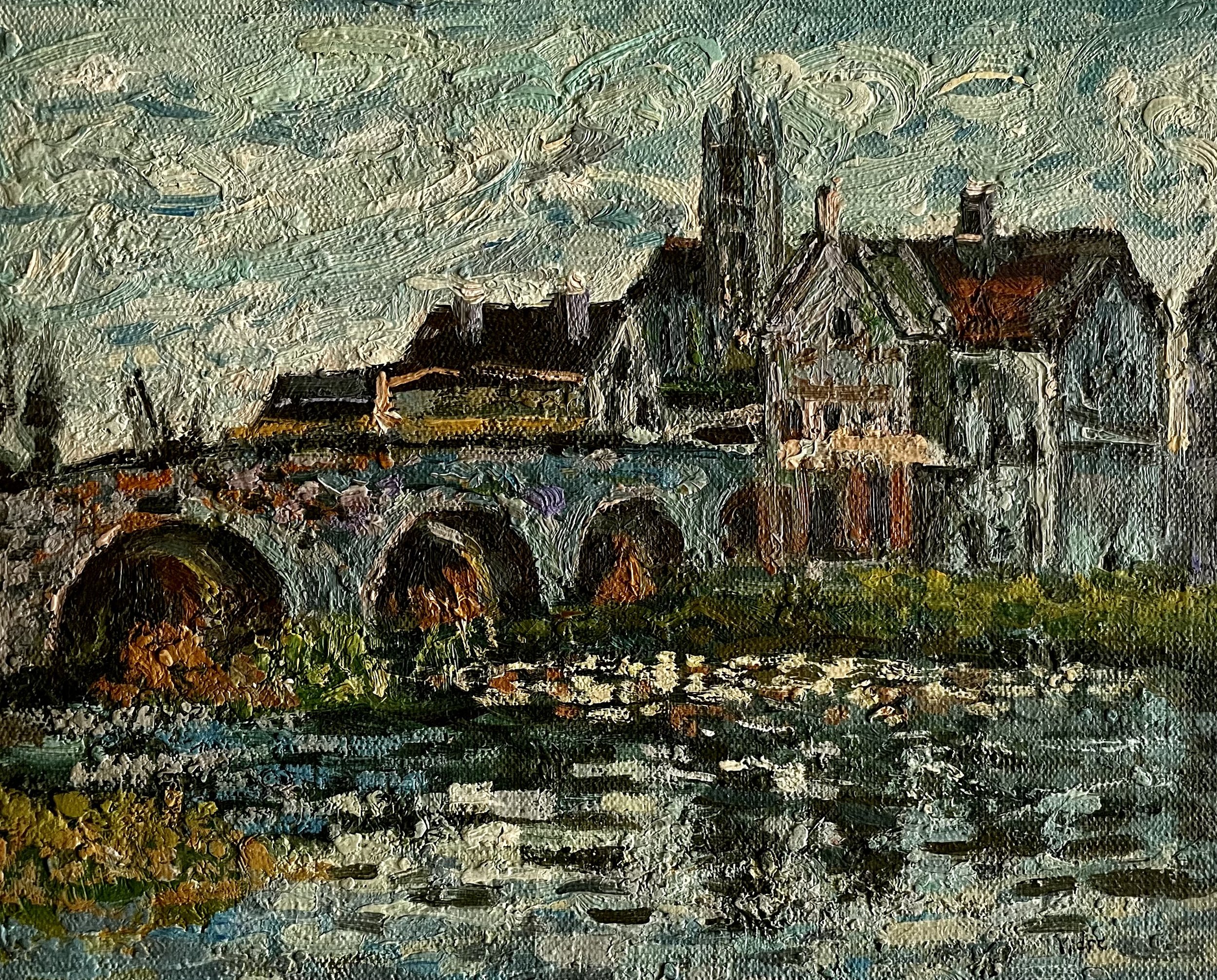
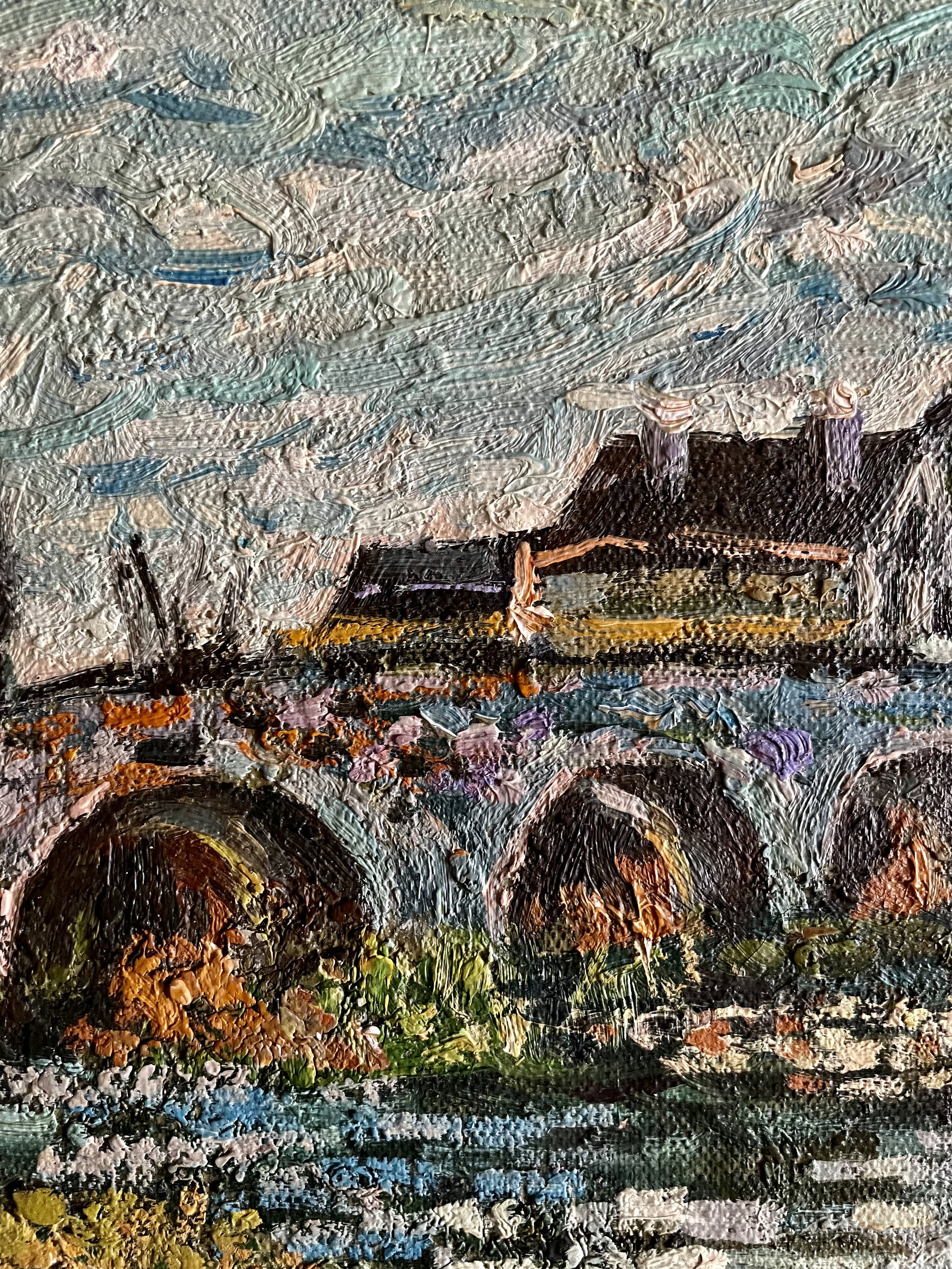
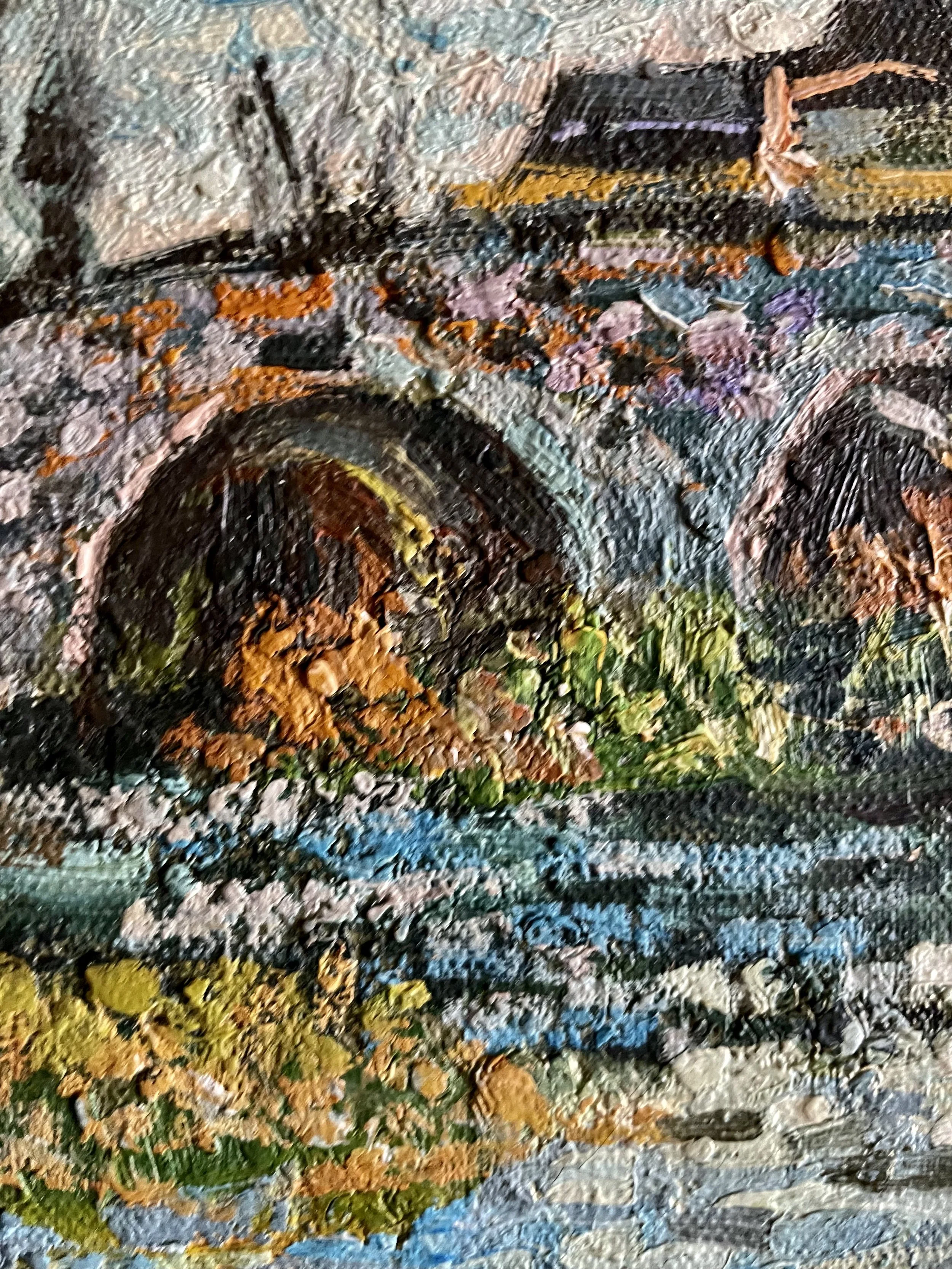
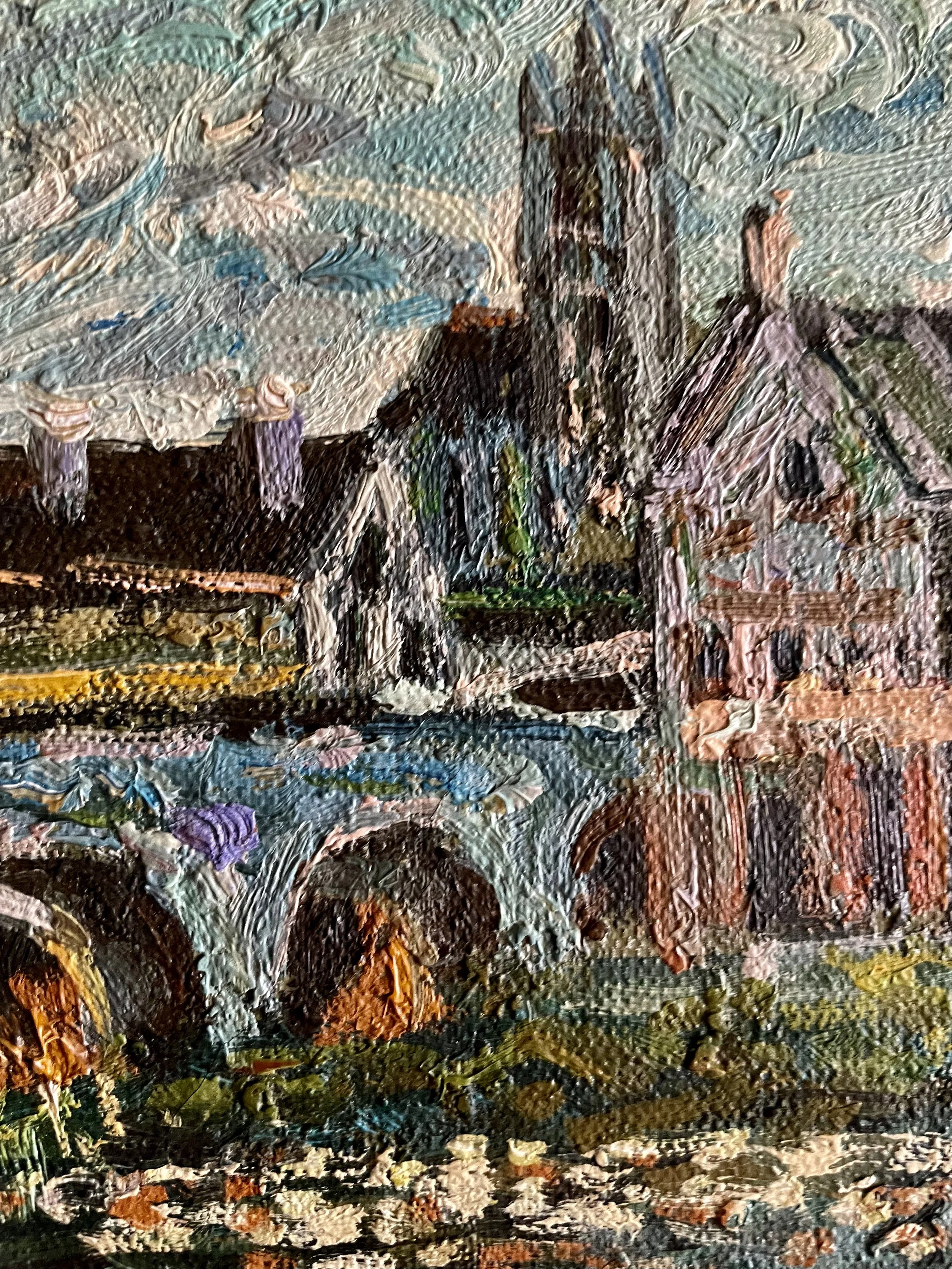
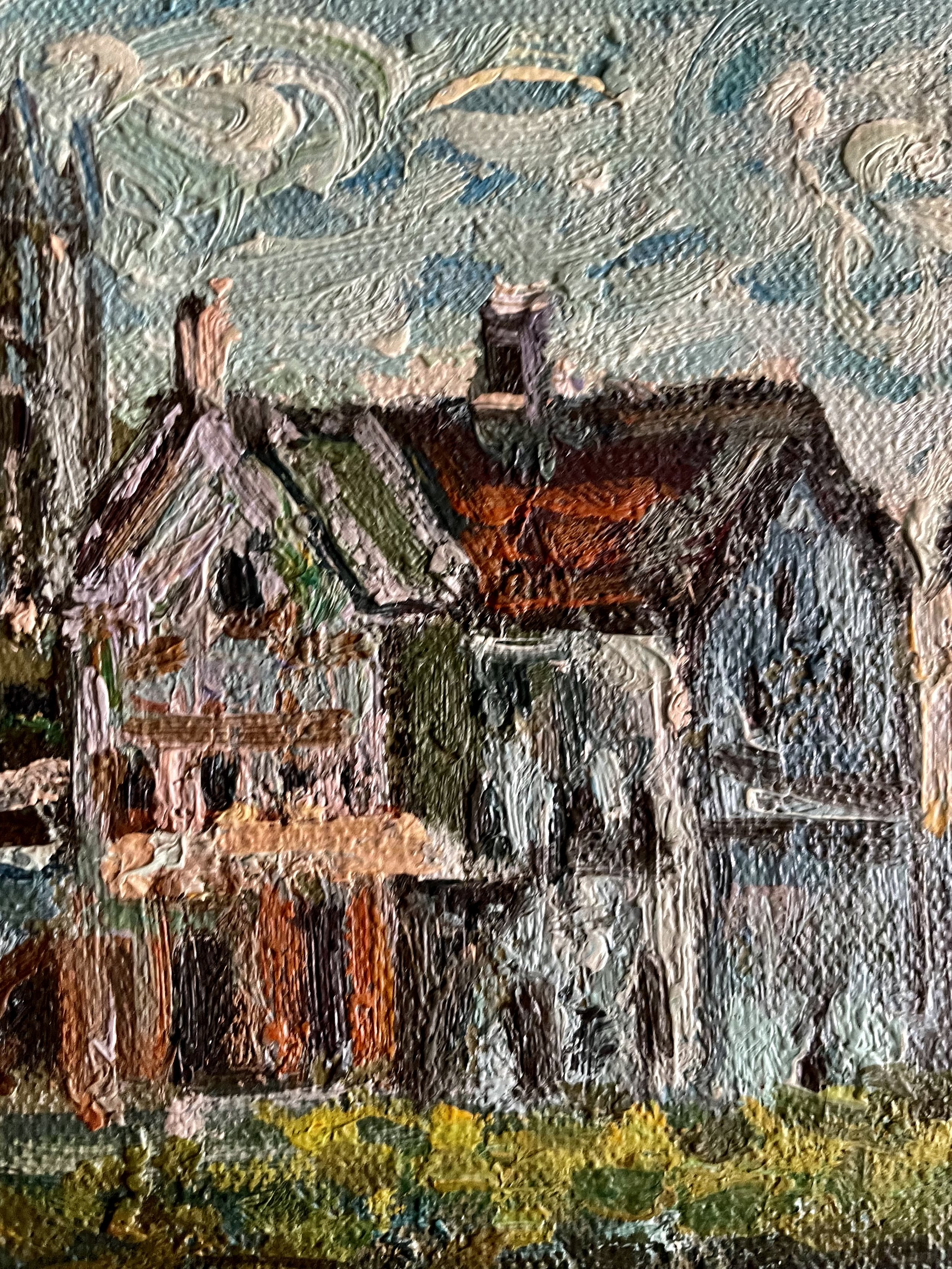
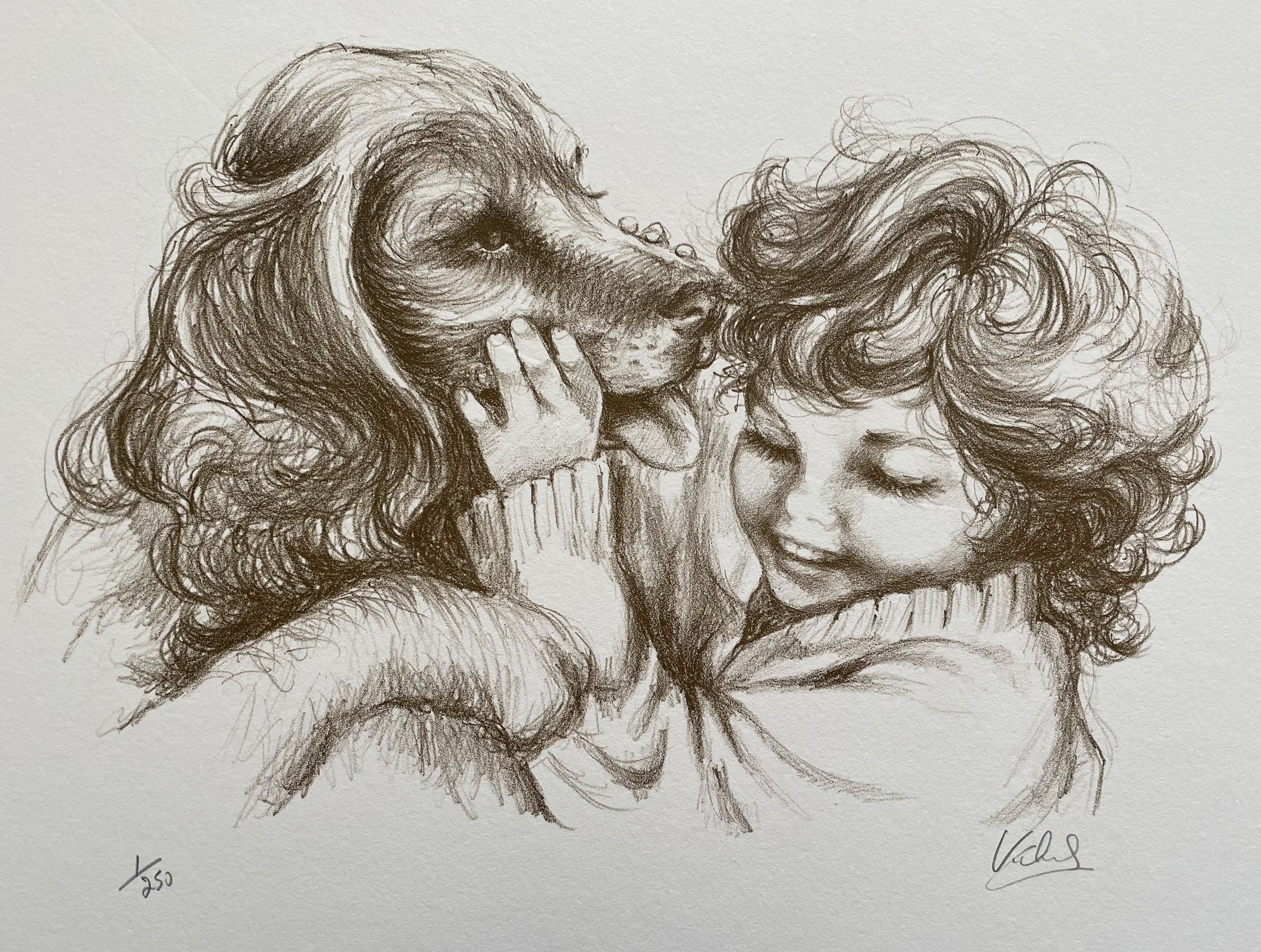
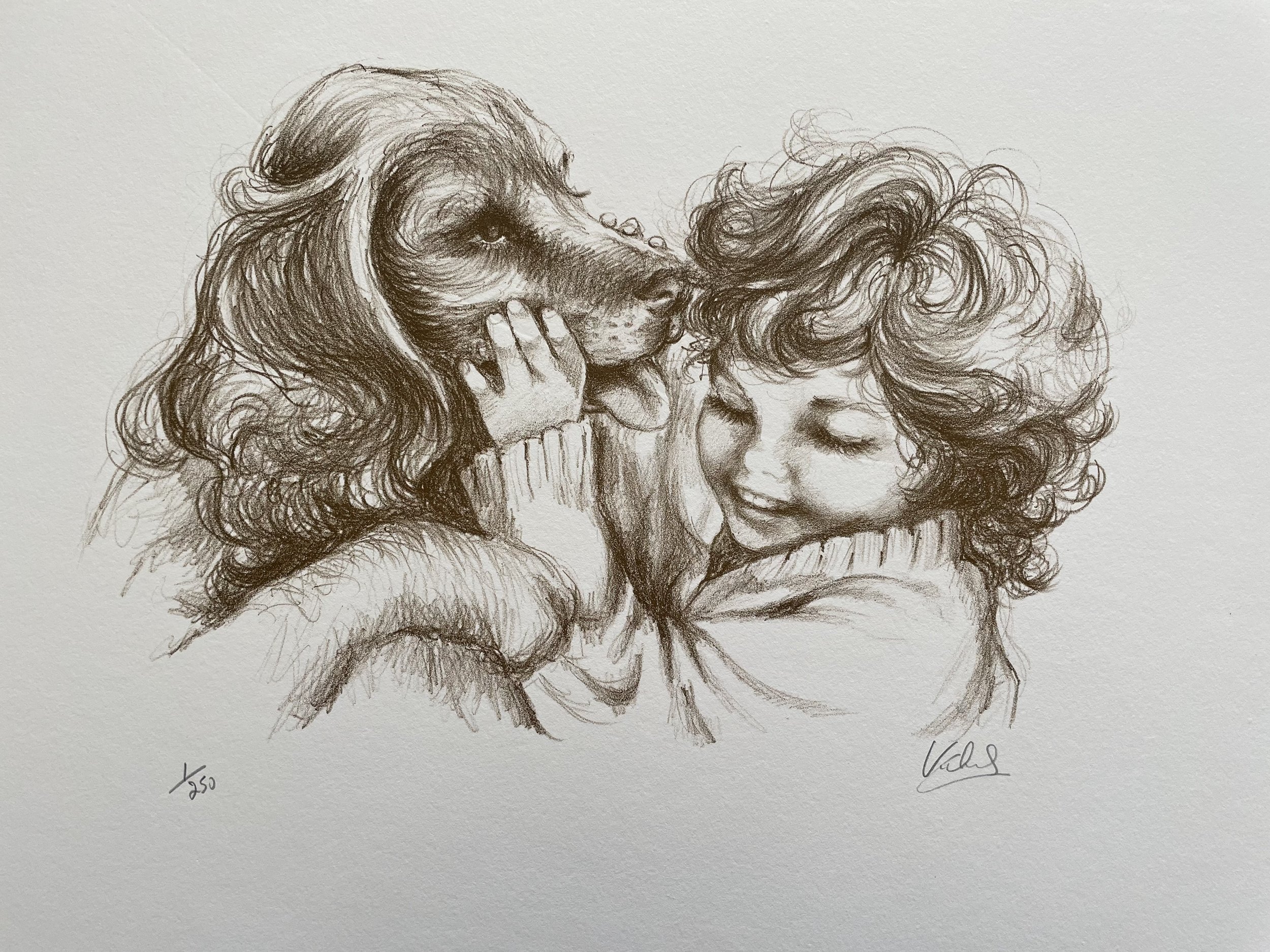
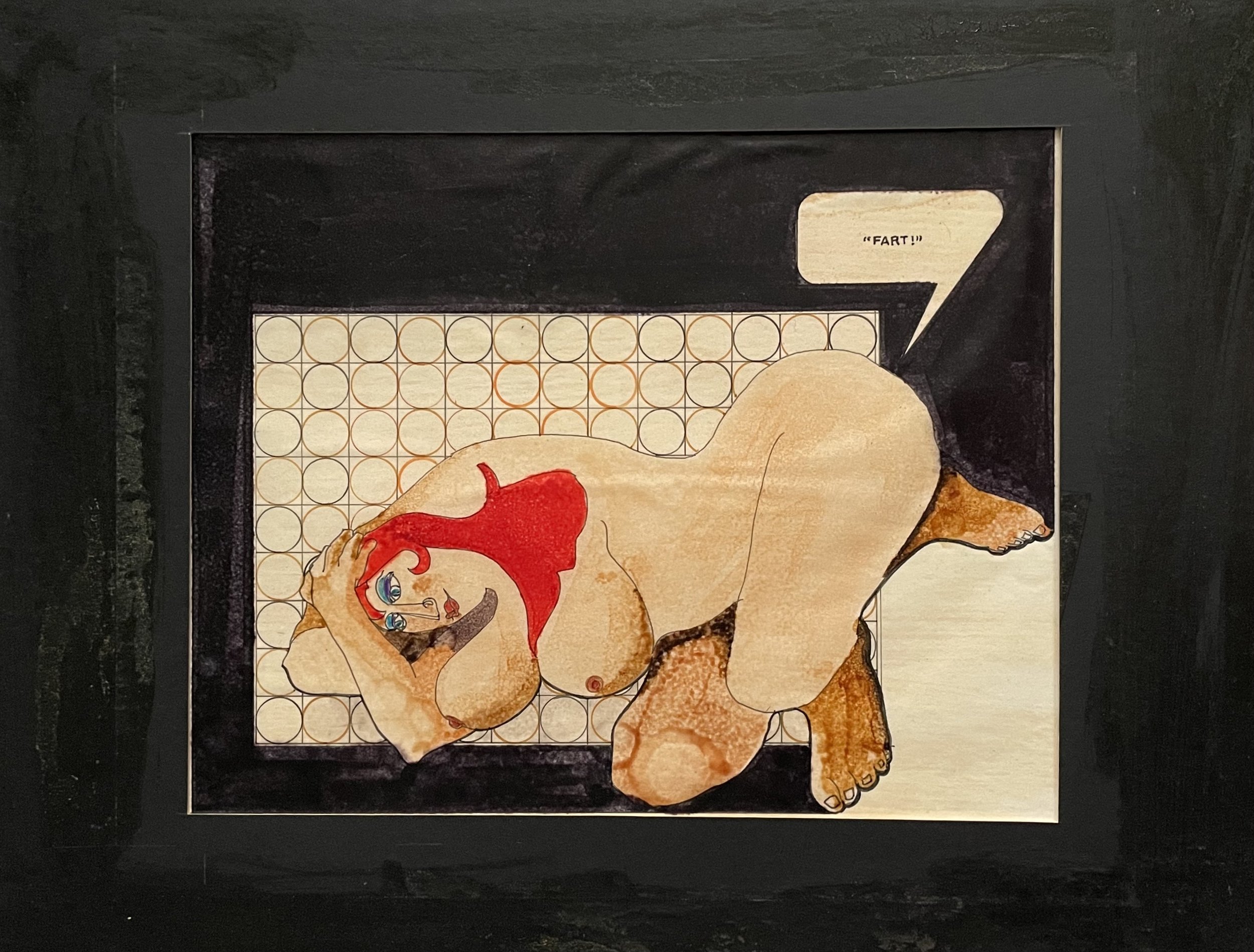
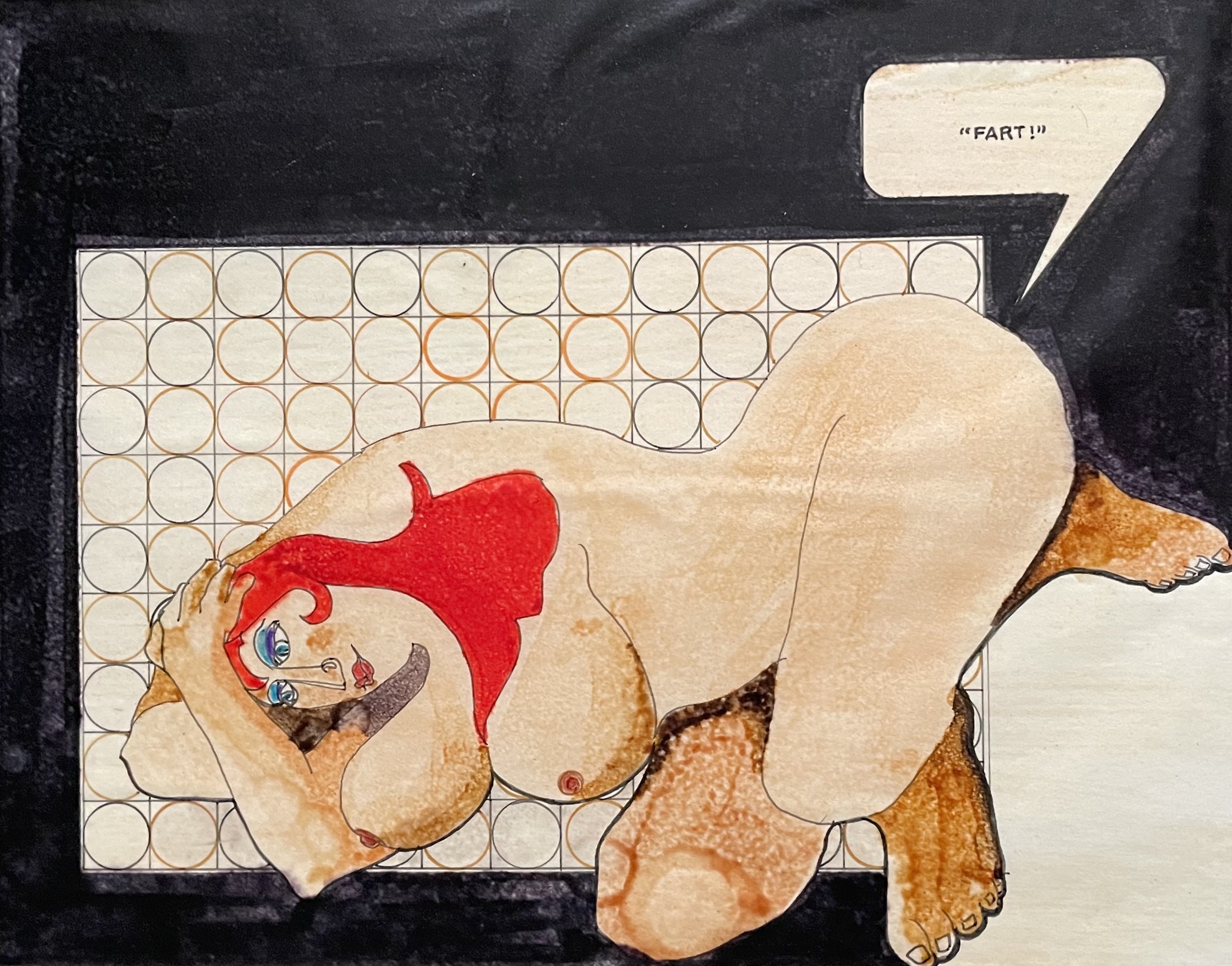
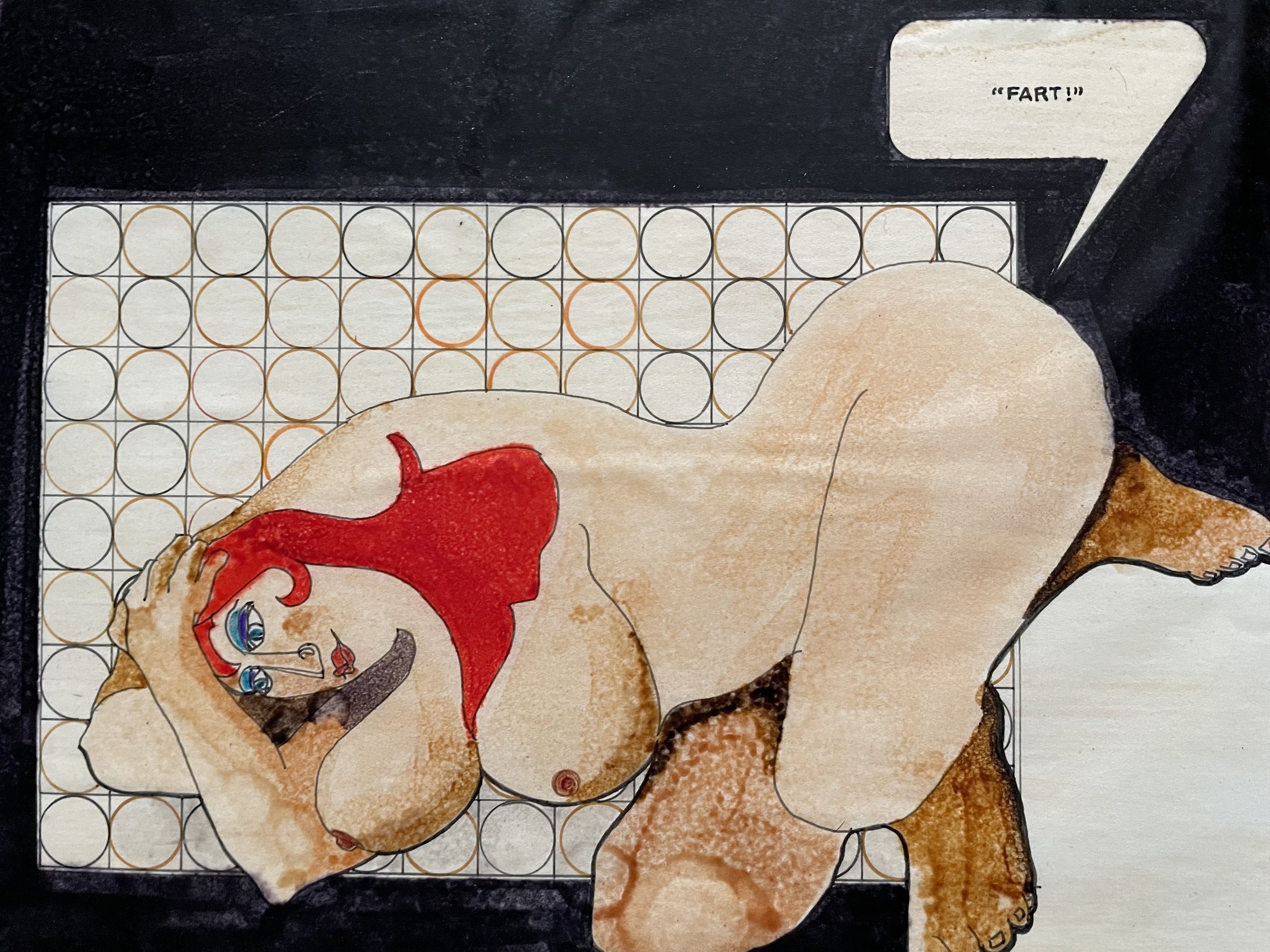
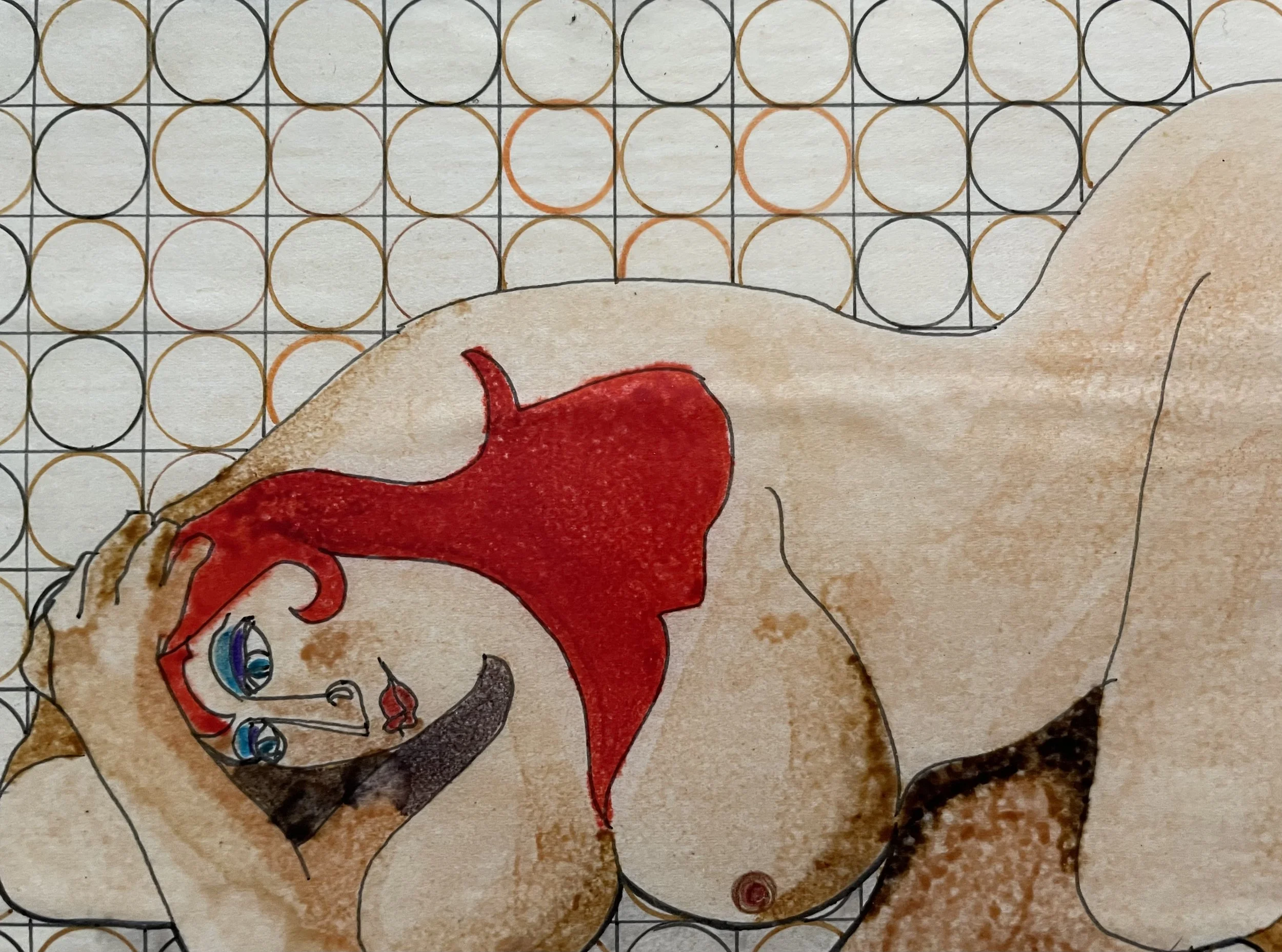
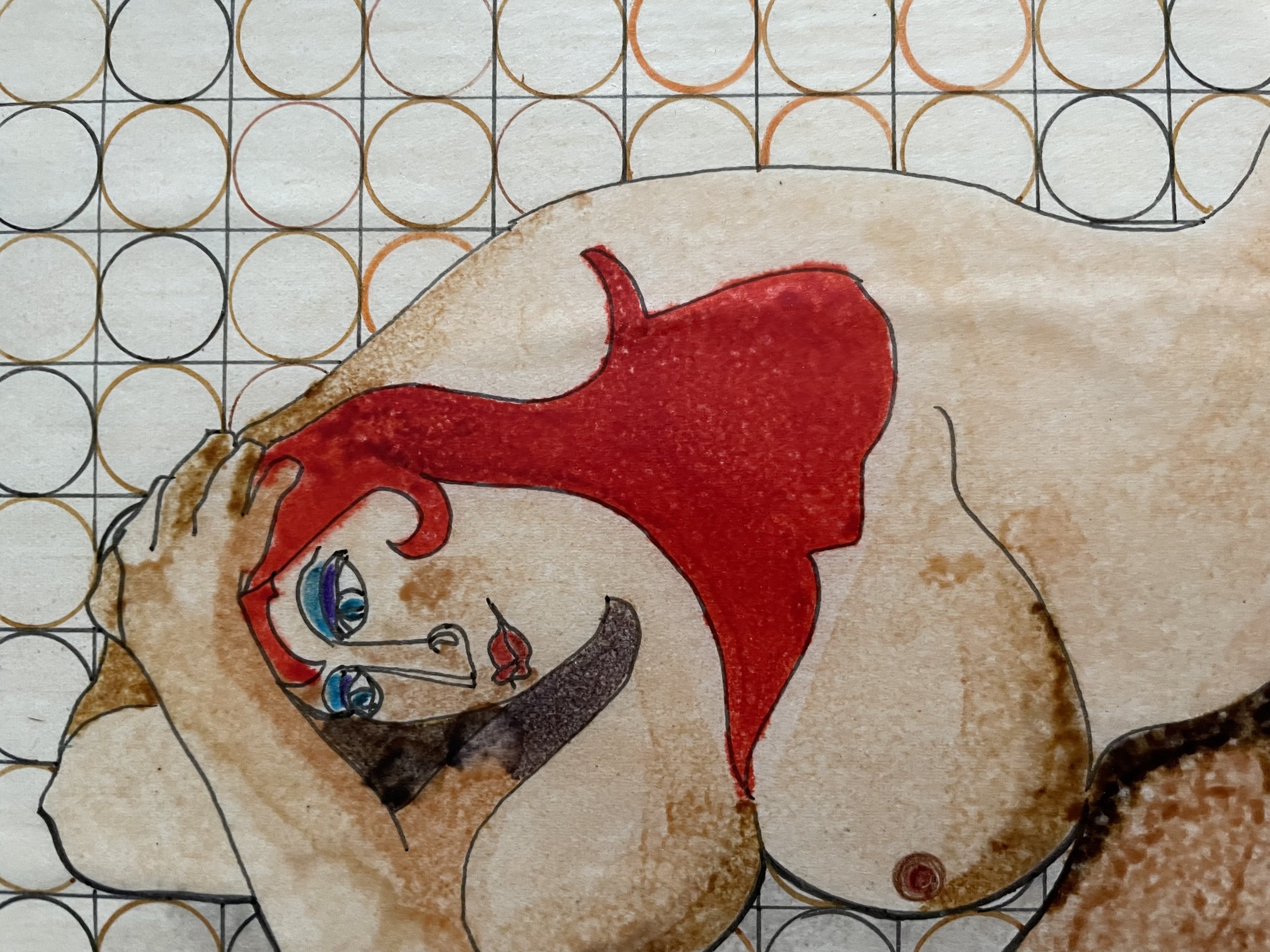
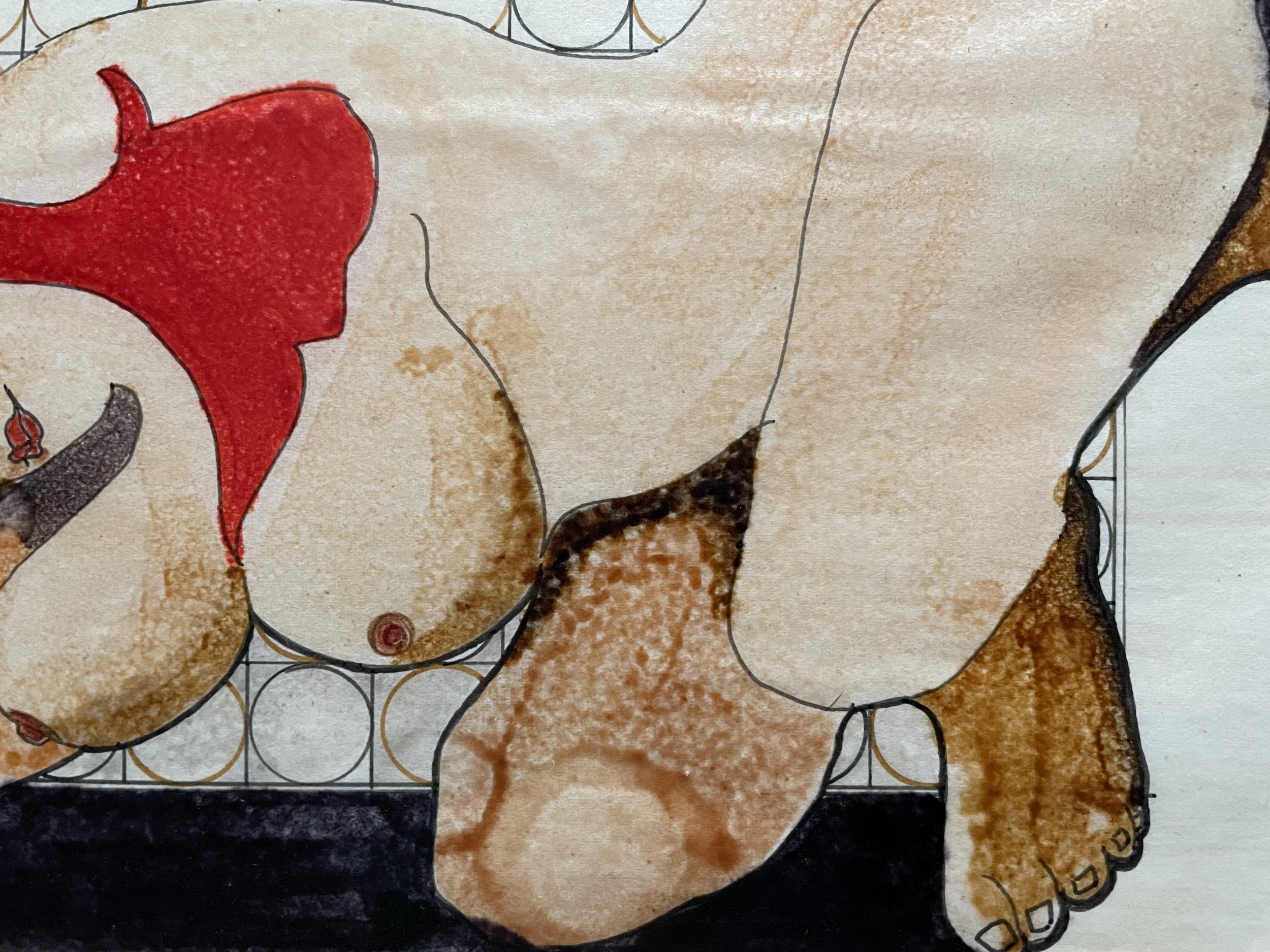
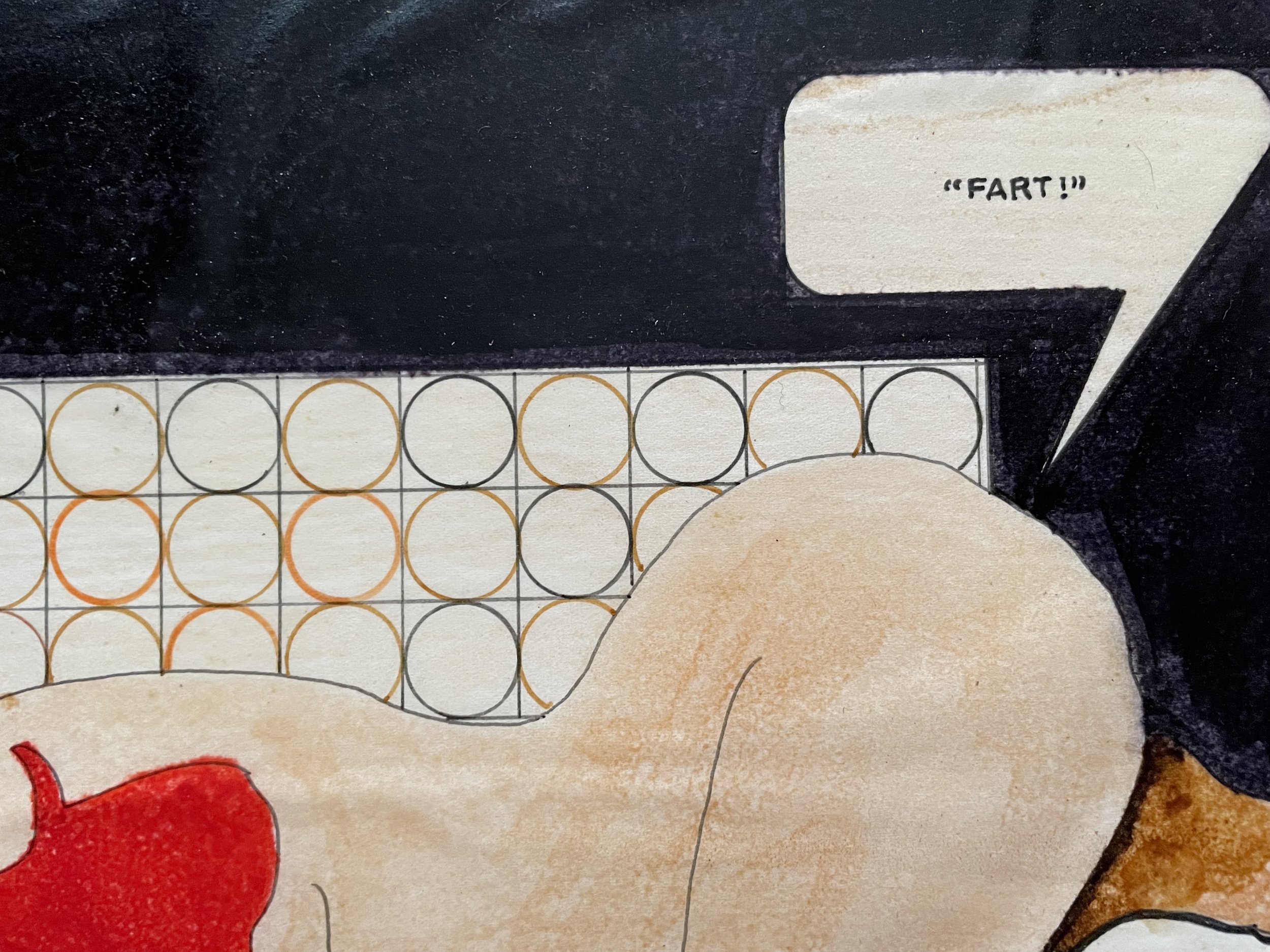
“Tenderness,” Irving Amen’s signed 1960s aquatint etching (23×17 in.), edition 177/200, depicting a mother and child with Amen’s signature humanistic warmth.
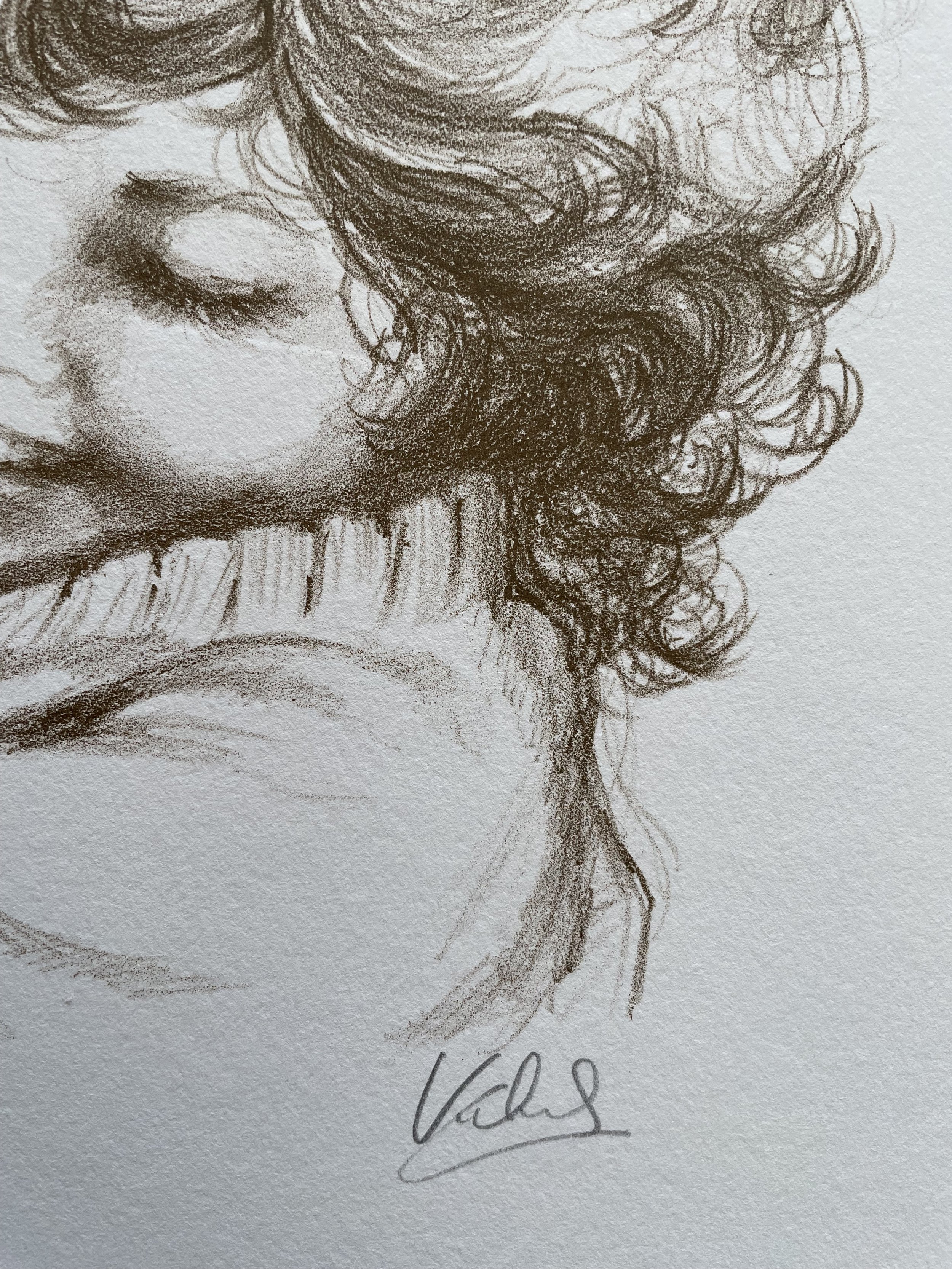
“Tenderness” is a beautiful example of Irving Amen’s deeply humanistic printmaking, created during the 1960s when his figurative etchings and aquatints reached international recognition. Signed and numbered 177/200, this 23×17-inch work showcases Amen’s unmistakable linear mastery, soft aquatint coloration, and emotional clarity.
Known for celebrating the human spirit, family bonds, and spiritual themes, Amen imbues this mother-and-child composition with intimacy and reverence. The delicate hand-coloring and careful aquatint shading illustrate his sensitivity to form, emotion, and universal connection — hallmarks of his most sought-after mid-century works.
Artwork Description
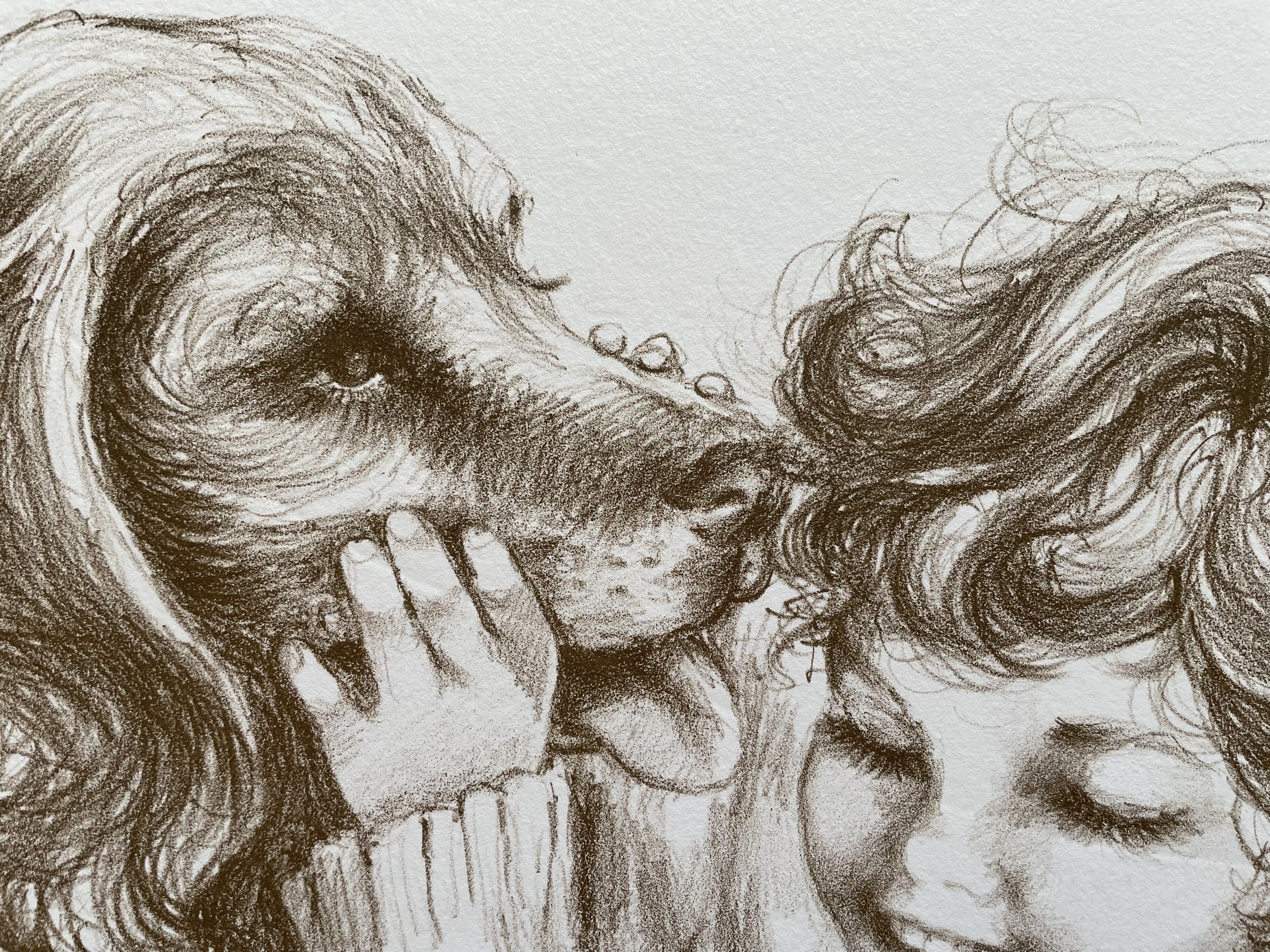
Rendered in a lyrical blend of etched line and softly modulated aquatint, “Tenderness” demonstrates Amen’s exceptional ability to combine graphic boldness with emotional delicacy. His characteristic contour lines define the figures with sculptural authority, while the pastel hand-tinted areas introduce warmth and gentle movement.
The subject — a mother tenderly holding her child — is one of Amen’s most iconic and meaningful themes. Throughout the 1950s–70s, he returned frequently to familial intimacy, continuity, and care as expressions of universal human experience.
Here, Amen’s composition offers a quiet equilibrium: the protective arc of the mother’s figure, the child’s relaxed posture, and the fine, almost calligraphic strokes that suggest both fragility and strength. The color palette — muted ochres, soft blues, warm siennas — reflects Amen’s transition from stark monochrome etchings toward works enriched by subtle tonal harmonies.
This impression retains superb line quality, clean margins, and excellent plate tone — a strong example of Amen’s mid-century printmaking.
4 ARTIST BIOGRAPHY — IRVING AMEN (1918–2011)
Irving Amen was an American printmaker, painter, sculptor, muralist, and designer whose work is celebrated for its profound humanism, expressive line, and universal themes of family, spirituality, music, and cultural identity.
Born in New York City in 1918, Amen began drawing at the age of four, and his talent was recognized early. As a teenager, he studied at the Art Students League of New York, where he developed foundational skills in graphic arts and printmaking. His studies were briefly interrupted during World War II, although even in the U.S. Army he continued to draw extensively, often producing portraits and scenes for fellow soldiers.
Following the war, Amen expanded his artistic education at the Pratt Institute and later abroad. He traveled through France, Italy, and Israel, where exposure to European masters, medieval iconography, Renaissance draftsmanship, and biblical landscapes had a lasting impact on his artistic vocabulary. His time in Italy, in particular, deepened his understanding of woodcut and etching traditions, leading to the development of the expressive contour style for which he is widely known.
Amen achieved early acclaim with exhibitions in Florence and Rome, which led to the widespread distribution of his prints in Europe and the United States. By the mid-1950s, he had established himself as a major figure in American printmaking, with solo exhibitions in New York, Washington D.C., Tel Aviv, and London.
Throughout his career, Amen was also recognized for his contributions beyond the studio:
He created a Peace Medal commemorating the end of the Vietnam War.
He designed a stained glass window for a synagogue in Jerusalem.
He illustrated several books, including the Book of Job and Ecclesiastes.
He produced murals and sculptural designs integrating his strong graphic sensibility.
Amen taught at the University of Notre Dame, the Pratt Graphic Center, and conducted workshops internationally, influencing generations of printmakers.
His work is included in the permanent collections of major institutions, including:
The Metropolitan Museum of Art (NY)
The Museum of Modern Art (NY)
The Library of Congress
Smithsonian American Art Museum
The Brooklyn Museum
National Gallery of Art, Washington D.C. (archives and prints)
Irving Amen passed away in 2011 in Boca Raton, Florida, leaving behind an extensive legacy of prints, paintings, murals, and sculpture. Today, his mid-century etchings and aquatints — especially those depicting families, musicians, and biblical figures — remain highly collectible for their warmth, emotional clarity, and enduring human resonance.
Irving Amen (1918–2011), “Tenderness,” 1960s. Aquatint etching with hand-tinting, 23×17 in., signed and numbered 177/200. Mother-and-child composition showing Amen’s signature humanistic line and emotional depth. Excellent impression.
CERTIFICATE OF VALUE & AUTHENTICATION
Artist: Irving Amen
Title:Tenderness
Date: 1960s
Medium: Aquatint Etching with Hand-coloring
Edition: 177/200 (Signed & Numbered)
Dimensions: 23 × 17 in.
Authenticity: Verified original signed and numbered impression by Irving Amen.
Condition: Excellent; rich aquatint tone; clean margins; strong line quality.
Provenance: Mitch Morse Gallery → Artfind Gallery, Washington D.C.
Prepared For: Insurance, appraisal, and archival documentation.
Provenance Chain
Artist: Irving Amen
Mitch Morse Gallery, NYC (acquisition source)
Current Owner: Artfind Gallery, Washington D.C.
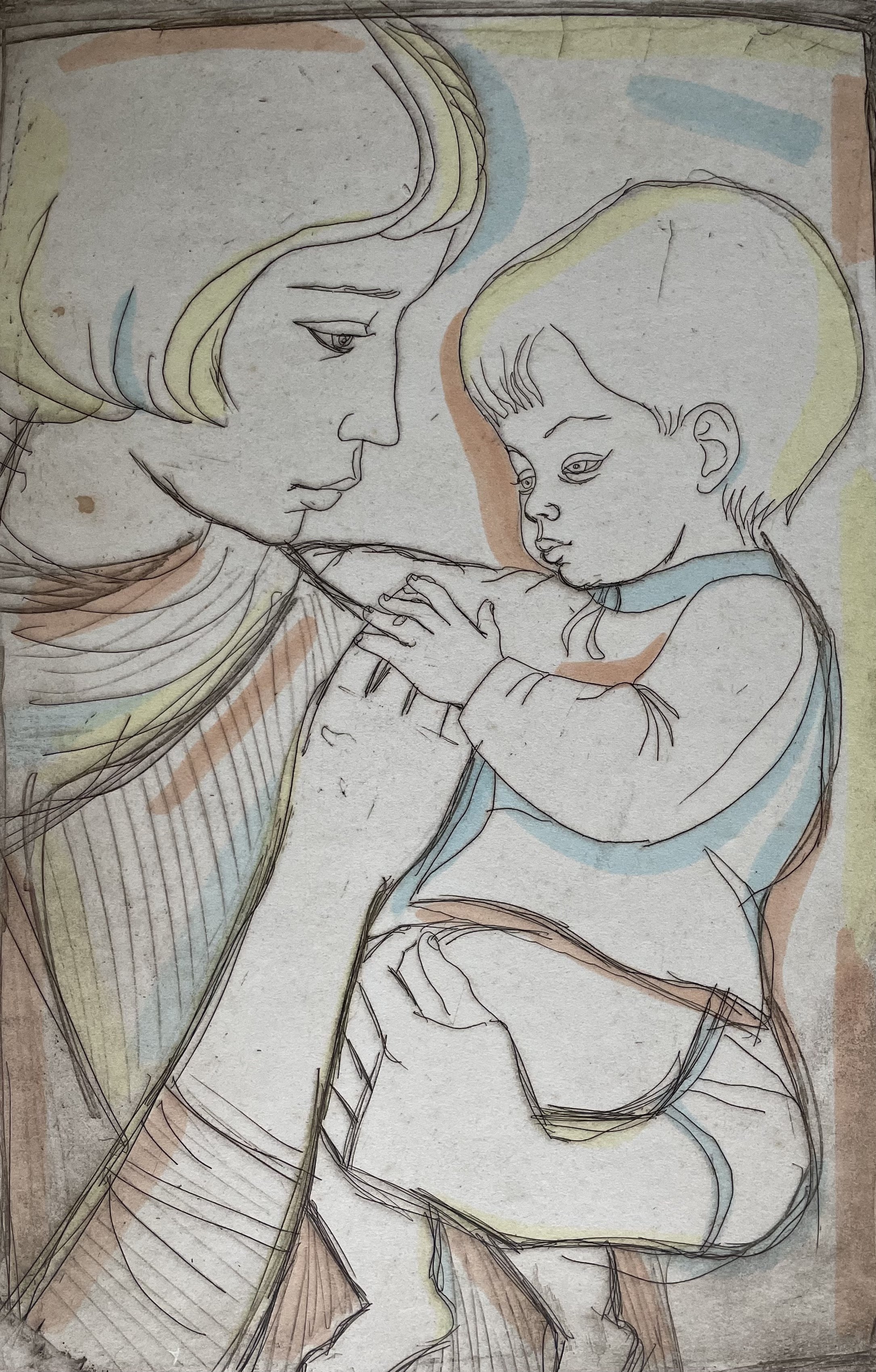 Image 1 of 8
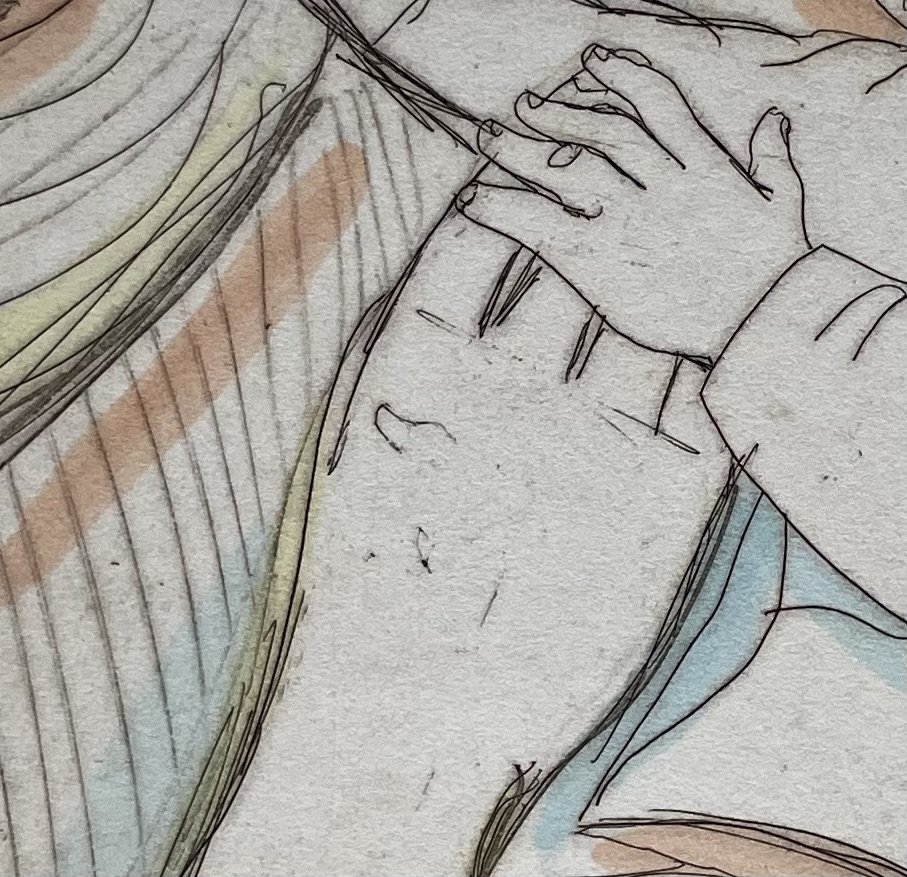 Image 2 of 8
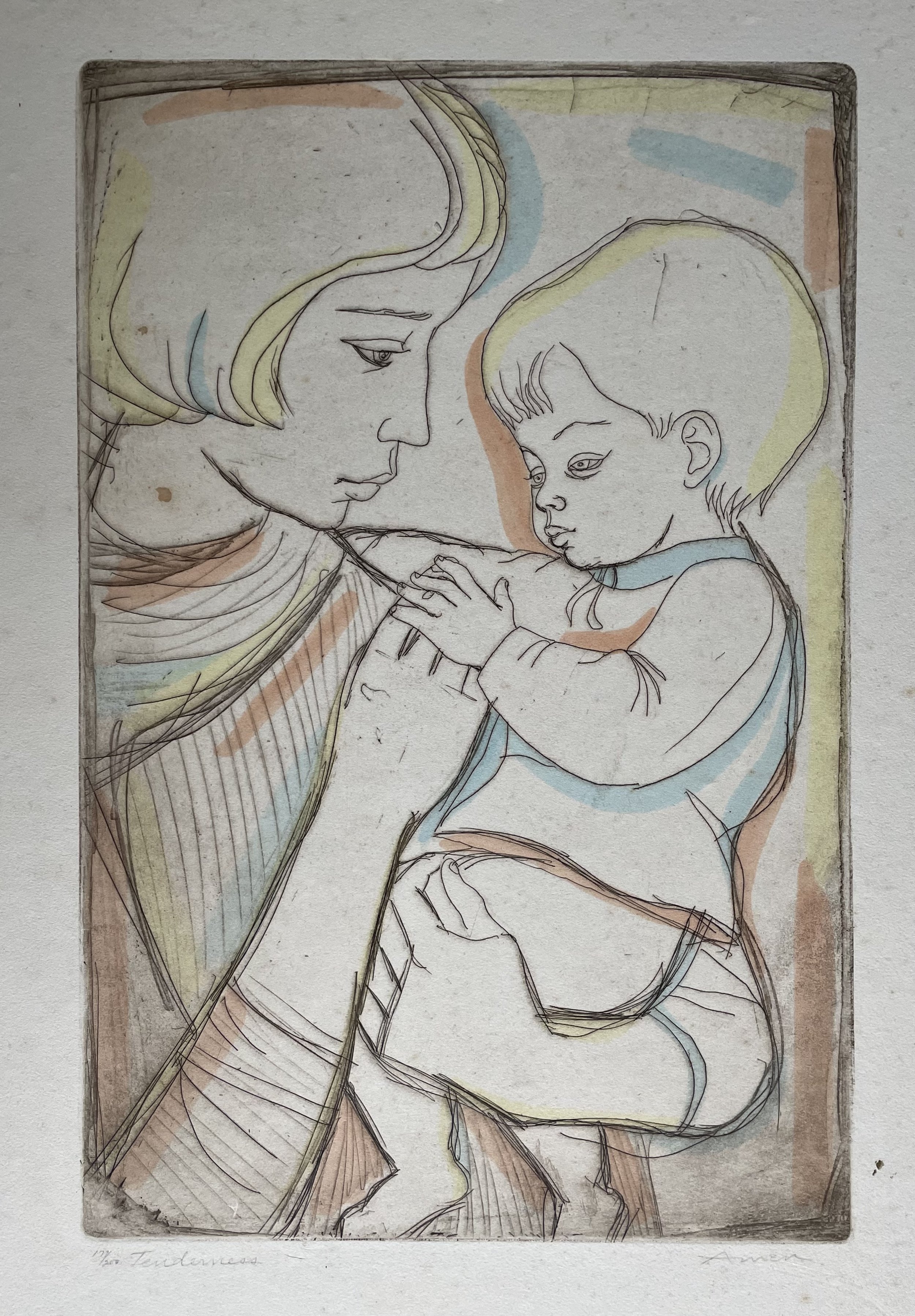 Image 3 of 8
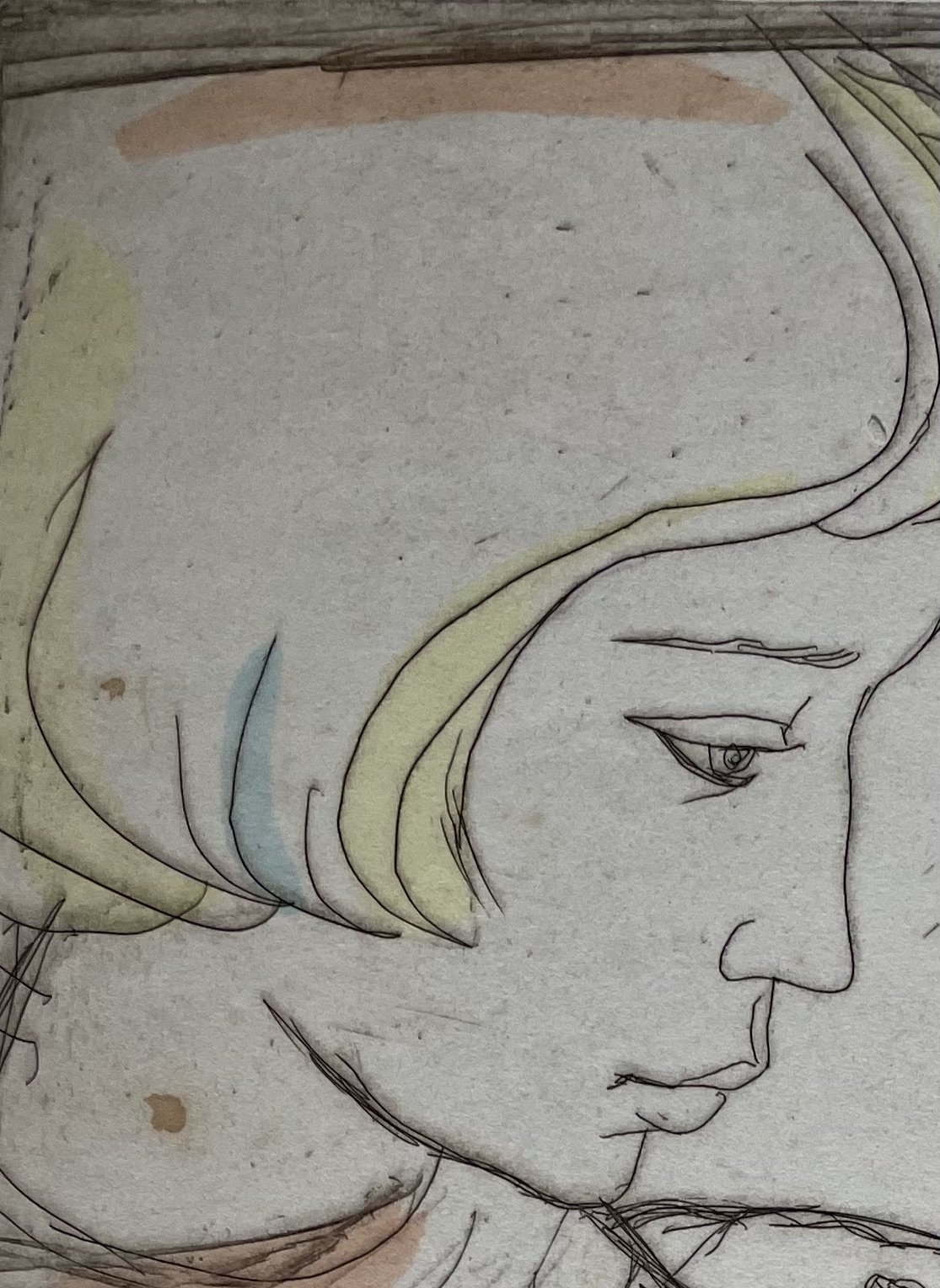 Image 4 of 8
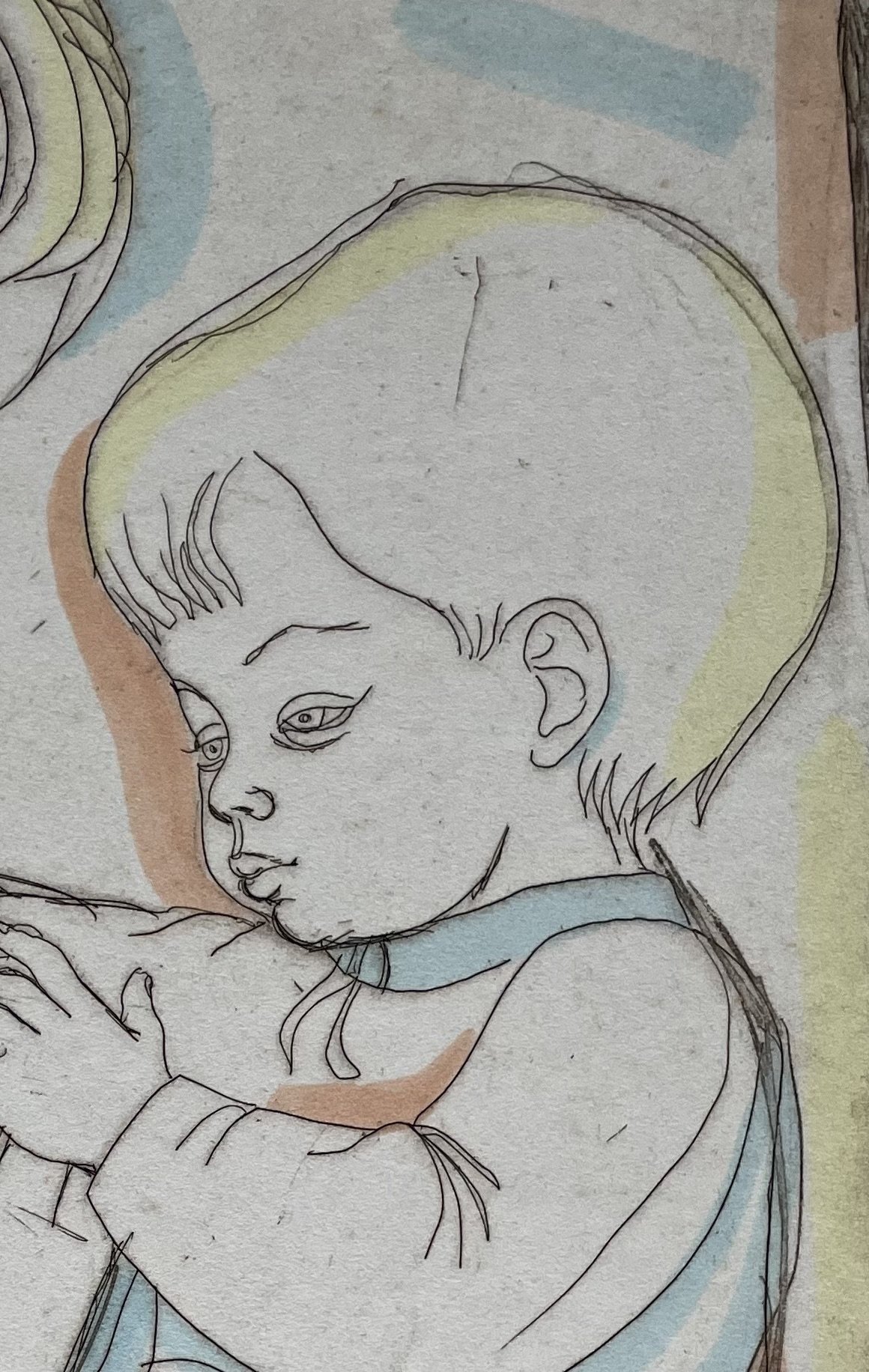 Image 5 of 8
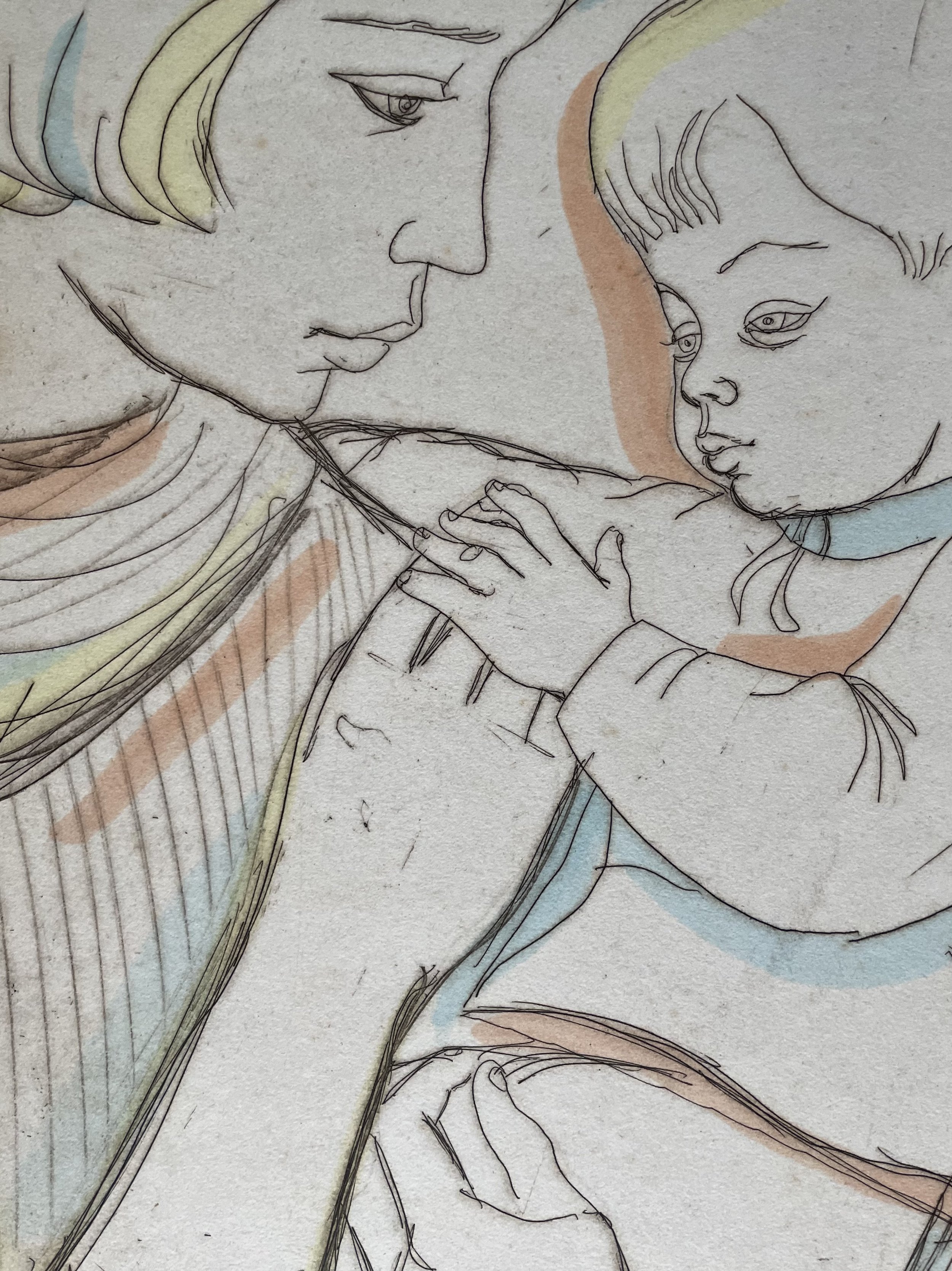 Image 6 of 8
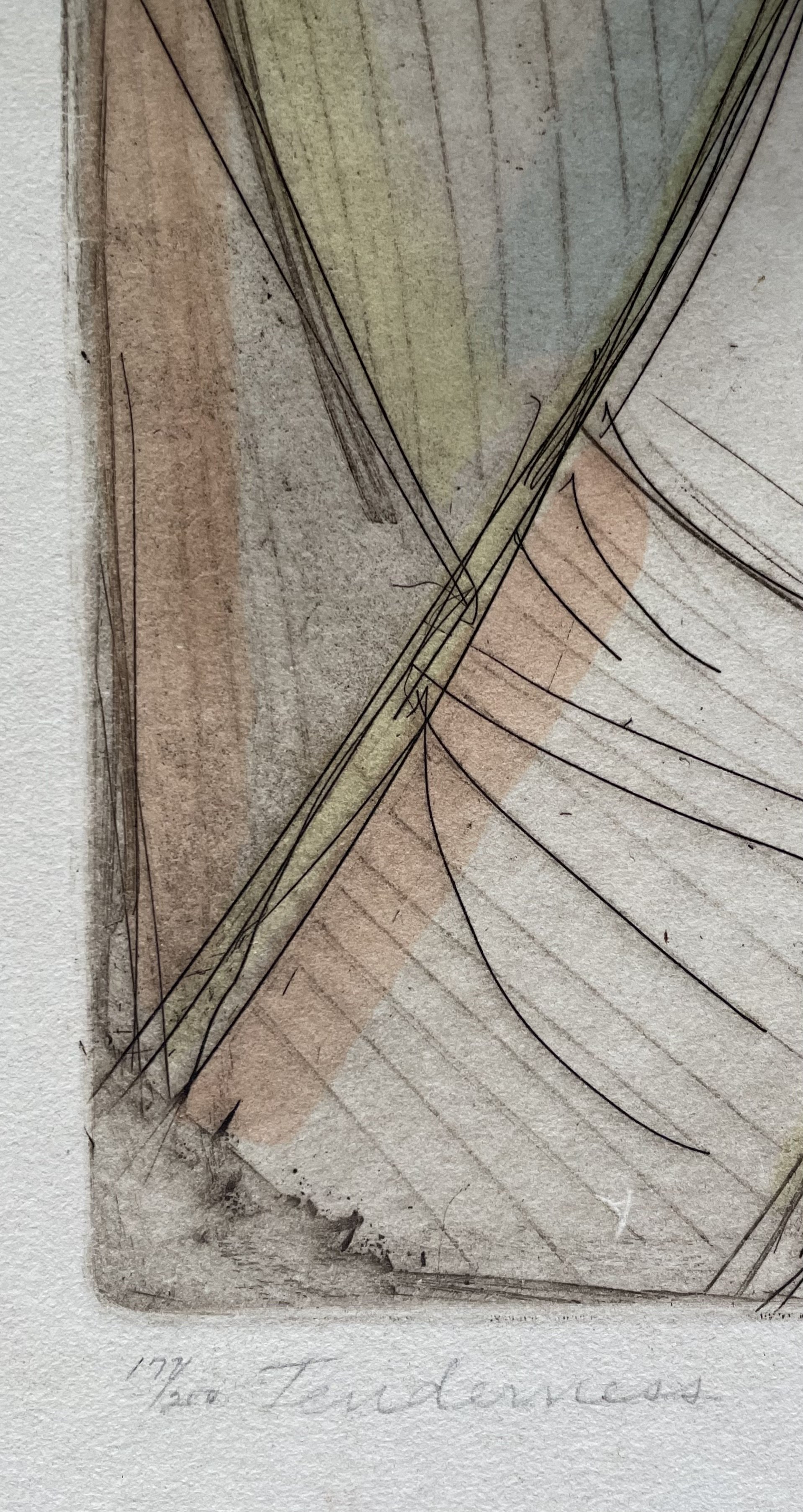 Image 7 of 8
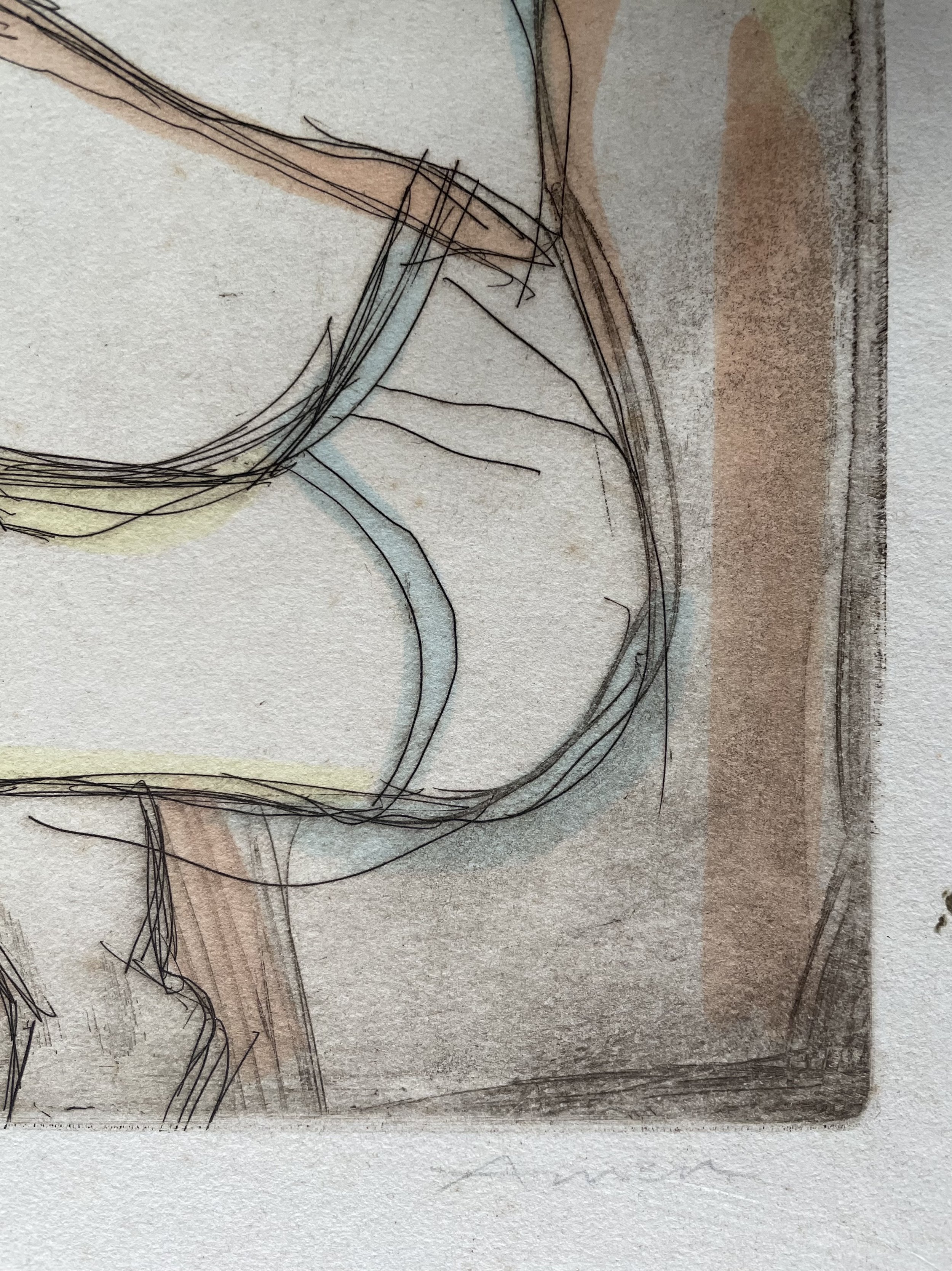 Image 8 of 8