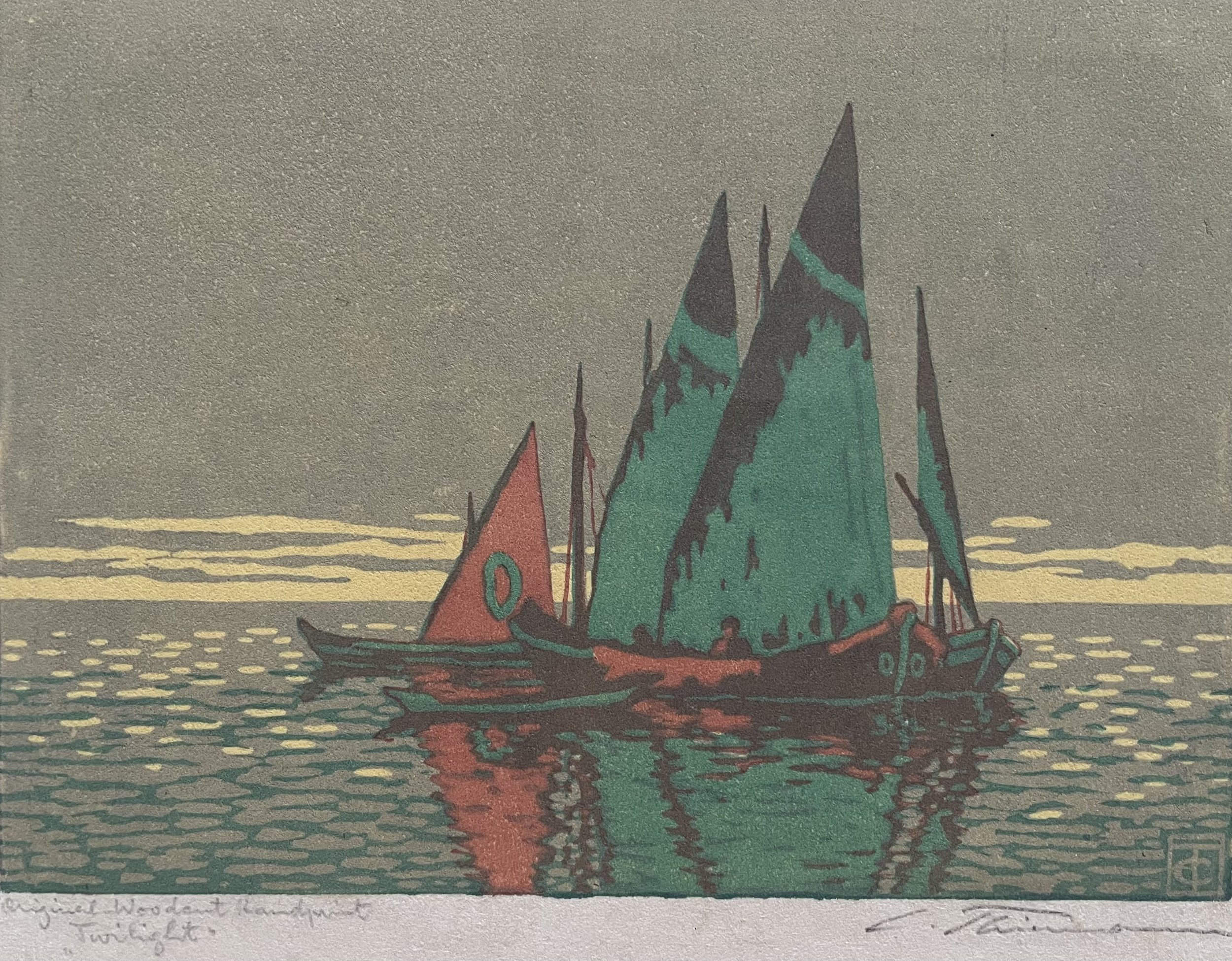
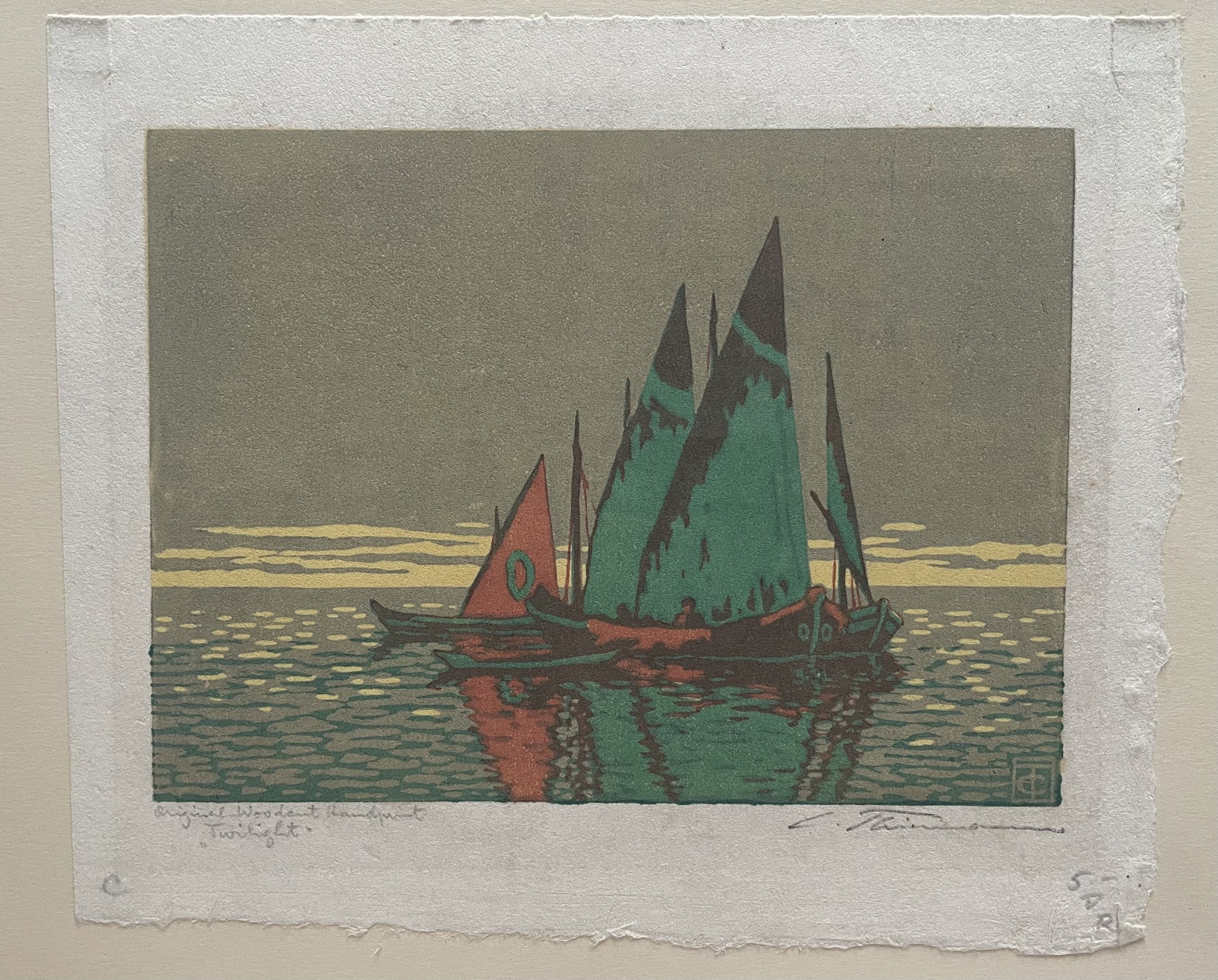
“Warter Priory,” Alexander Francis Lydon (1836–1917), c. 1880, Baxter-process colored woodblock engraving printed by Benjamin Fawcett (1808–1893), published by William Mackenzie, London; sheet 10½ × 8 in., image approx. 7¼ × 5⅛ in., unsigned as issued.
This striking Victorian Baxter-process colored woodblock engraving of Warter Priory, illustrated by Alexander Francis Lydon and printed by master color printer Benjamin Fawcett, captures the stately Yorkshire residence set in a serene winter landscape. Produced for the 1880 volume A Series of Picturesque Views of Seats of the Noblemen and Gentlemen of Great Britain and Ireland, this plate is prized by collectors of country-house art, Victorian landscape prints, seasonal architectural scenes, and 19th-century color woodblock engravings.
Artwork Description
This richly atmospheric woodblock engraving depicts Warter Priory, the distinguished Yorkshire estate historically associated with the Pennington and Wilson families. Unlike many of the series’ lush summer landscapes, this composition is set during winter, making it one of the most visually compelling and unusual plates in the Mackenzie series.
Against a softly glowing sunset sky—rendered in delicate tones of apricot, lavender, and pale gold—Alexander Francis Lydon presents the stately red-brick house framed by stark winter trees and snow-covered grounds. The structure’s symmetrical façade, dormer windows, chimneys, and central cupola rise in warm contrast to the cool palette of the frozen landscape. Bare branches, evergreen pines, and drifting snow create a sense of quiet stillness and refined elegance.
The plate was printed by Benjamin Fawcett using the Baxter-process, a sophisticated technique employing multiple carefully registered woodblocks, often eight or more, each inked with transparent color. This process gives the snow subtle shadow variations, enhances the warm glow of the sky, and brings out the crisp details of tree branches and masonry. Fawcett’s craftsmanship and Lydon’s architectural precision combine to produce an image that is both historically informative and visually lyrical.
As part of Mackenzie’s Picturesque Views, this engraving documents a grand estate later demolished in the 20th century, making the print an important visual record of a vanished property.
Artist & Printer Biographies
ALEXANDER FRANCIS LYDON (1836–1917) — Illustrator
Lydon was a leading Victorian illustrator known for his exceptional architectural drawings, precise natural landscapes, and refined drafting technique. His long collaboration with printer Benjamin Fawcett and naturalist Rev. F.O. Morris yielded some of the most beloved illustrated books of the 19th century. Lydon’s depictions of British estates—balanced in composition, atmospheric in tone, and meticulous in detail—remain highly collectible examples of Victorian topographical art.
BENJAMIN FAWCETT (1808–1893) — Printer
Fawcett was one of the foremost innovators in 19th-century color printing. Working from Driffield, Yorkshire, he adapted the Baxter-process to produce richly colored woodblock prints renowned for their transparency and precision. His partnership with Lydon spanned nearly five decades and resulted in some of the most technically impressive color illustrations of the Victorian era.
WILLIAM MACKENZIE — Publisher
A major British publisher of deluxe illustrated works, Mackenzie produced finely bound, gilt-edged volumes that documented British architecture, estates, geography, and natural history. His Picturesque Views of Seats of the Noblemen and Gentlemen of Great Britain and Ireland remains an essential visual archive of late-Victorian country houses—many of which, like Warter Priory, have since been altered or lost.
Alexander Francis Lydon (illustrator), Benjamin Fawcett (printer), “Warter Priory,” c. 1880. Baxter-process colored woodblock engraving from Picturesque Views of Seats of the Noblemen and Gentlemen of Great Britain and Ireland. Image approx. 7¼ × 5⅛ in.; sheet 10½ × 8 in. Excellent color and strong detail; very good vintage condition.
CERTIFICATE OF VALUE & AUTHENTICATION
For Fine Art Appraisal / Insurance / Gallery Documentation
Title: Warter Priory
Illustrator: Alexander Francis Lydon (1836–1917)
Printer: Benjamin Fawcett (1808–1893)
Publisher: William Mackenzie, London / Edinburgh / Dublin
Date: c. 1880
Medium: Baxter-process colored woodblock engraving (multi-block, avg. 8 colors)
Sheet Size: 10½ × 8 inches
Image Size: approx. 7¼ × 5⅛ inches
Condition: Excellent color; crisp impression; clean margins; never framed or displayed
Current Owner: Artfind Gallery, Washington, DC
Authentication: Verified Victorian printing consistent with Lydon–Fawcett production and Mackenzie publication features.
Provenance Chain (Collector Format)
Published by William Mackenzie, London / Edinburgh / Dublin (c. 1880)
Private British Collection
Mitch Moore Gallery Inc., NYC (retired inventory)
Current Owner: Artfind Gallery, Washington, DC
“Warter Priory,” Alexander Francis Lydon (1836–1917), c. 1880, Baxter-process colored woodblock engraving printed by Benjamin Fawcett (1808–1893), published by William Mackenzie, London; sheet 10½ × 8 in., image approx. 7¼ × 5⅛ in., unsigned as issued.
This striking Victorian Baxter-process colored woodblock engraving of Warter Priory, illustrated by Alexander Francis Lydon and printed by master color printer Benjamin Fawcett, captures the stately Yorkshire residence set in a serene winter landscape. Produced for the 1880 volume A Series of Picturesque Views of Seats of the Noblemen and Gentlemen of Great Britain and Ireland, this plate is prized by collectors of country-house art, Victorian landscape prints, seasonal architectural scenes, and 19th-century color woodblock engravings.
Artwork Description
This richly atmospheric woodblock engraving depicts Warter Priory, the distinguished Yorkshire estate historically associated with the Pennington and Wilson families. Unlike many of the series’ lush summer landscapes, this composition is set during winter, making it one of the most visually compelling and unusual plates in the Mackenzie series.
Against a softly glowing sunset sky—rendered in delicate tones of apricot, lavender, and pale gold—Alexander Francis Lydon presents the stately red-brick house framed by stark winter trees and snow-covered grounds. The structure’s symmetrical façade, dormer windows, chimneys, and central cupola rise in warm contrast to the cool palette of the frozen landscape. Bare branches, evergreen pines, and drifting snow create a sense of quiet stillness and refined elegance.
The plate was printed by Benjamin Fawcett using the Baxter-process, a sophisticated technique employing multiple carefully registered woodblocks, often eight or more, each inked with transparent color. This process gives the snow subtle shadow variations, enhances the warm glow of the sky, and brings out the crisp details of tree branches and masonry. Fawcett’s craftsmanship and Lydon’s architectural precision combine to produce an image that is both historically informative and visually lyrical.
As part of Mackenzie’s Picturesque Views, this engraving documents a grand estate later demolished in the 20th century, making the print an important visual record of a vanished property.
Artist & Printer Biographies
ALEXANDER FRANCIS LYDON (1836–1917) — Illustrator
Lydon was a leading Victorian illustrator known for his exceptional architectural drawings, precise natural landscapes, and refined drafting technique. His long collaboration with printer Benjamin Fawcett and naturalist Rev. F.O. Morris yielded some of the most beloved illustrated books of the 19th century. Lydon’s depictions of British estates—balanced in composition, atmospheric in tone, and meticulous in detail—remain highly collectible examples of Victorian topographical art.
BENJAMIN FAWCETT (1808–1893) — Printer
Fawcett was one of the foremost innovators in 19th-century color printing. Working from Driffield, Yorkshire, he adapted the Baxter-process to produce richly colored woodblock prints renowned for their transparency and precision. His partnership with Lydon spanned nearly five decades and resulted in some of the most technically impressive color illustrations of the Victorian era.
WILLIAM MACKENZIE — Publisher
A major British publisher of deluxe illustrated works, Mackenzie produced finely bound, gilt-edged volumes that documented British architecture, estates, geography, and natural history. His Picturesque Views of Seats of the Noblemen and Gentlemen of Great Britain and Ireland remains an essential visual archive of late-Victorian country houses—many of which, like Warter Priory, have since been altered or lost.
Alexander Francis Lydon (illustrator), Benjamin Fawcett (printer), “Warter Priory,” c. 1880. Baxter-process colored woodblock engraving from Picturesque Views of Seats of the Noblemen and Gentlemen of Great Britain and Ireland. Image approx. 7¼ × 5⅛ in.; sheet 10½ × 8 in. Excellent color and strong detail; very good vintage condition.
CERTIFICATE OF VALUE & AUTHENTICATION
For Fine Art Appraisal / Insurance / Gallery Documentation
Title: Warter Priory
Illustrator: Alexander Francis Lydon (1836–1917)
Printer: Benjamin Fawcett (1808–1893)
Publisher: William Mackenzie, London / Edinburgh / Dublin
Date: c. 1880
Medium: Baxter-process colored woodblock engraving (multi-block, avg. 8 colors)
Sheet Size: 10½ × 8 inches
Image Size: approx. 7¼ × 5⅛ inches
Condition: Excellent color; crisp impression; clean margins; never framed or displayed
Current Owner: Artfind Gallery, Washington, DC
Authentication: Verified Victorian printing consistent with Lydon–Fawcett production and Mackenzie publication features.
Provenance Chain (Collector Format)
Published by William Mackenzie, London / Edinburgh / Dublin (c. 1880)
Private British Collection
Mitch Moore Gallery Inc., NYC (retired inventory)
Current Owner: Artfind Gallery, Washington, DC
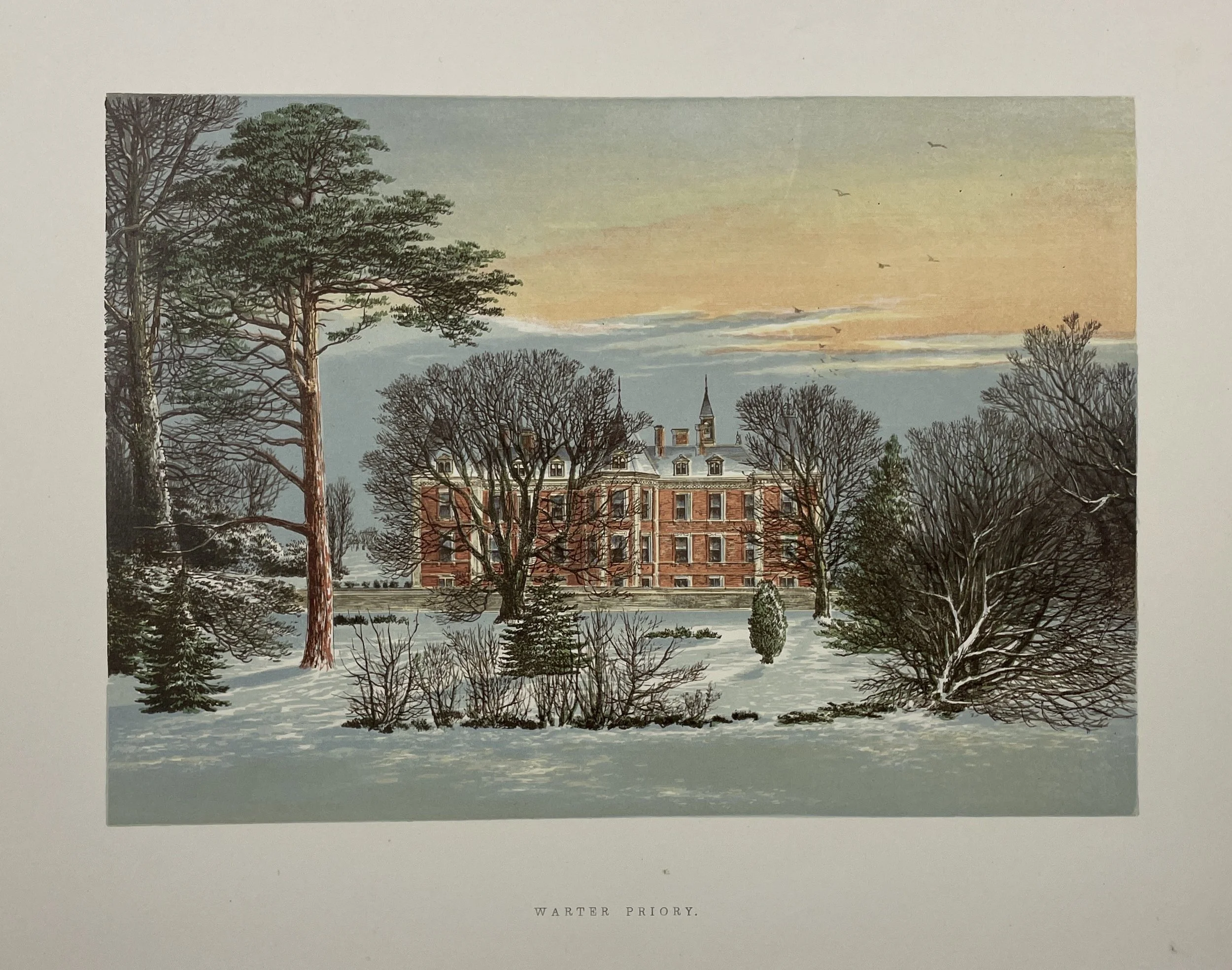 Image 1 of 7
 Image 2 of 7
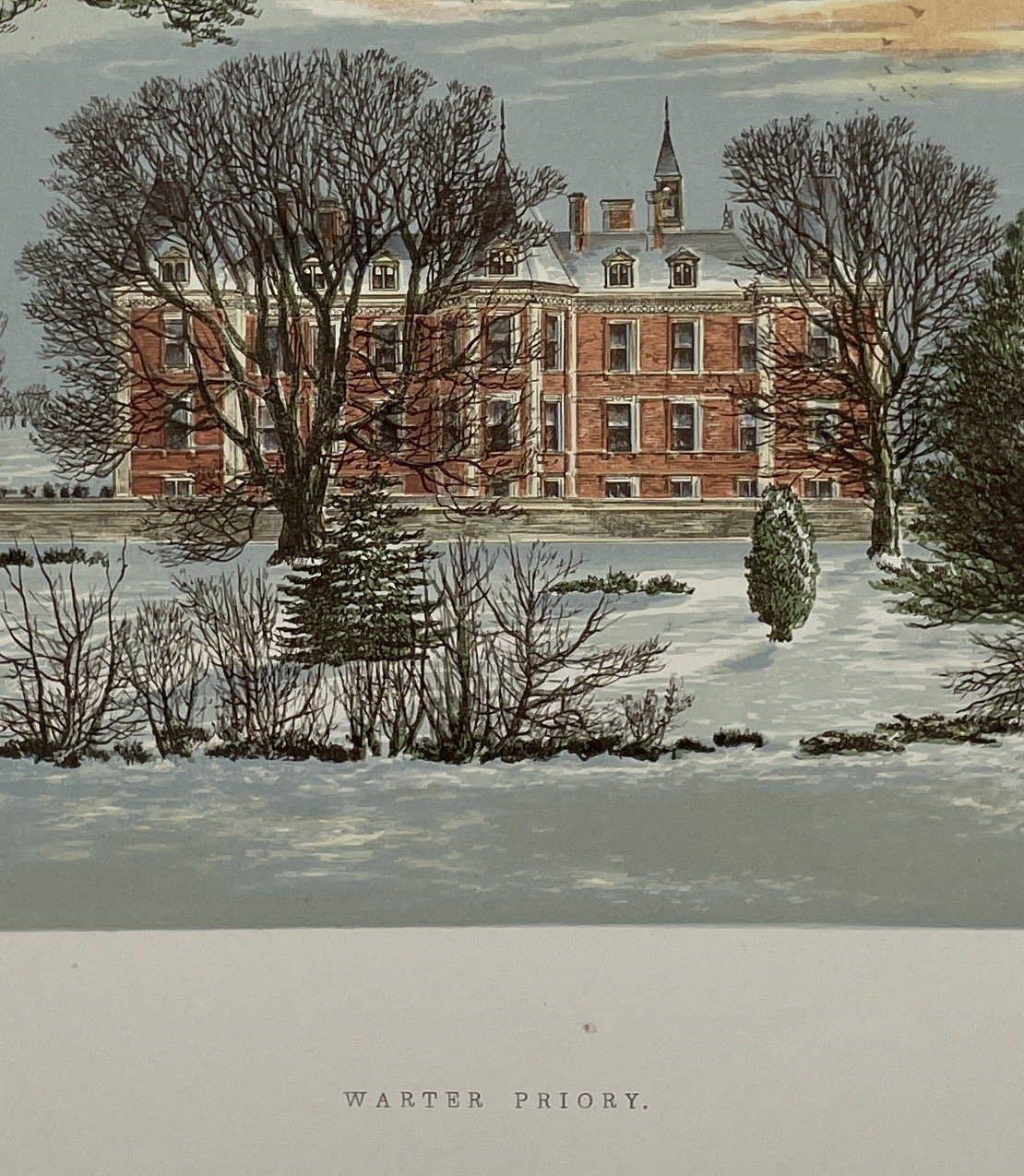 Image 3 of 7
 Image 4 of 7
 Image 5 of 7
 Image 6 of 7
 Image 7 of 7