 Image 1 of 4
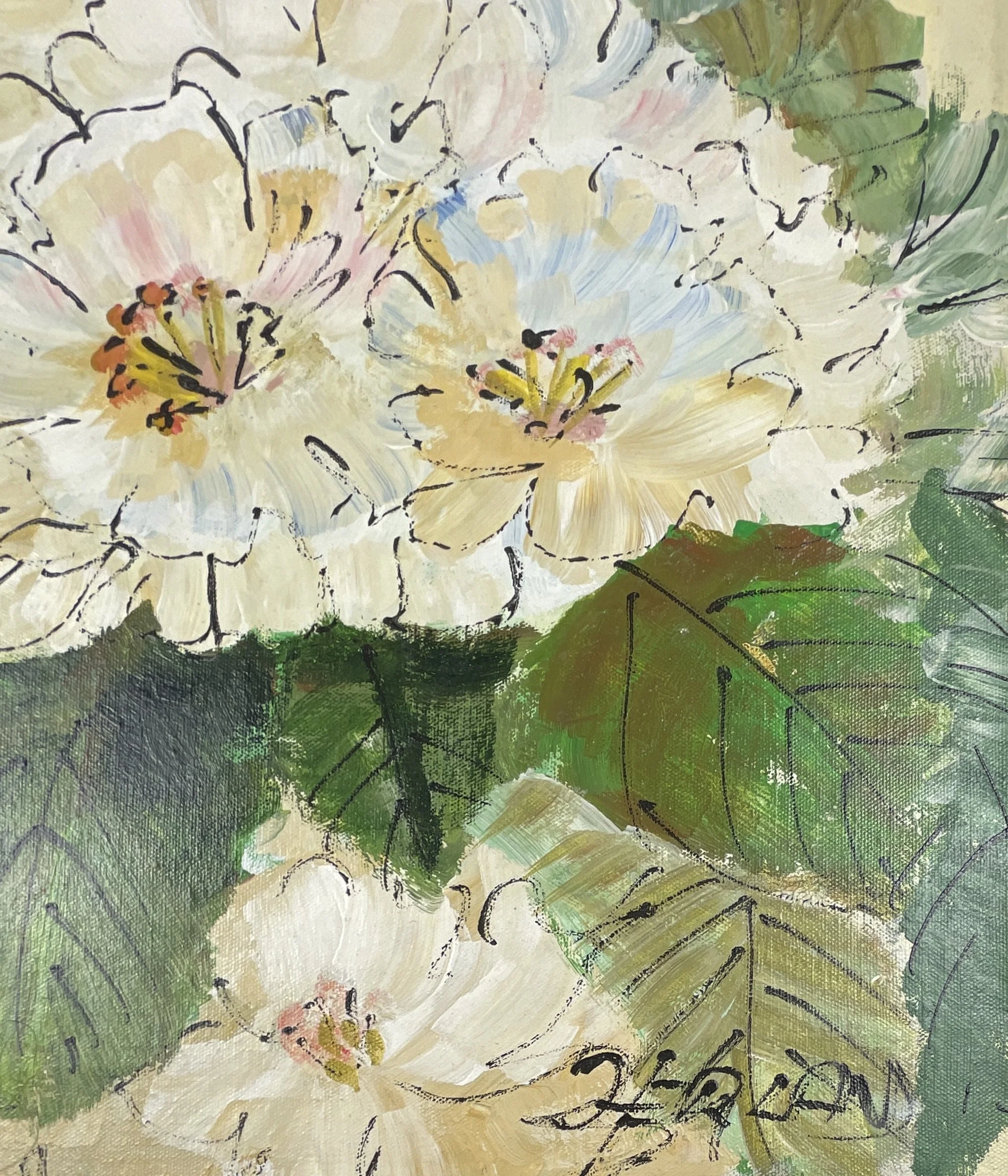 Image 2 of 4
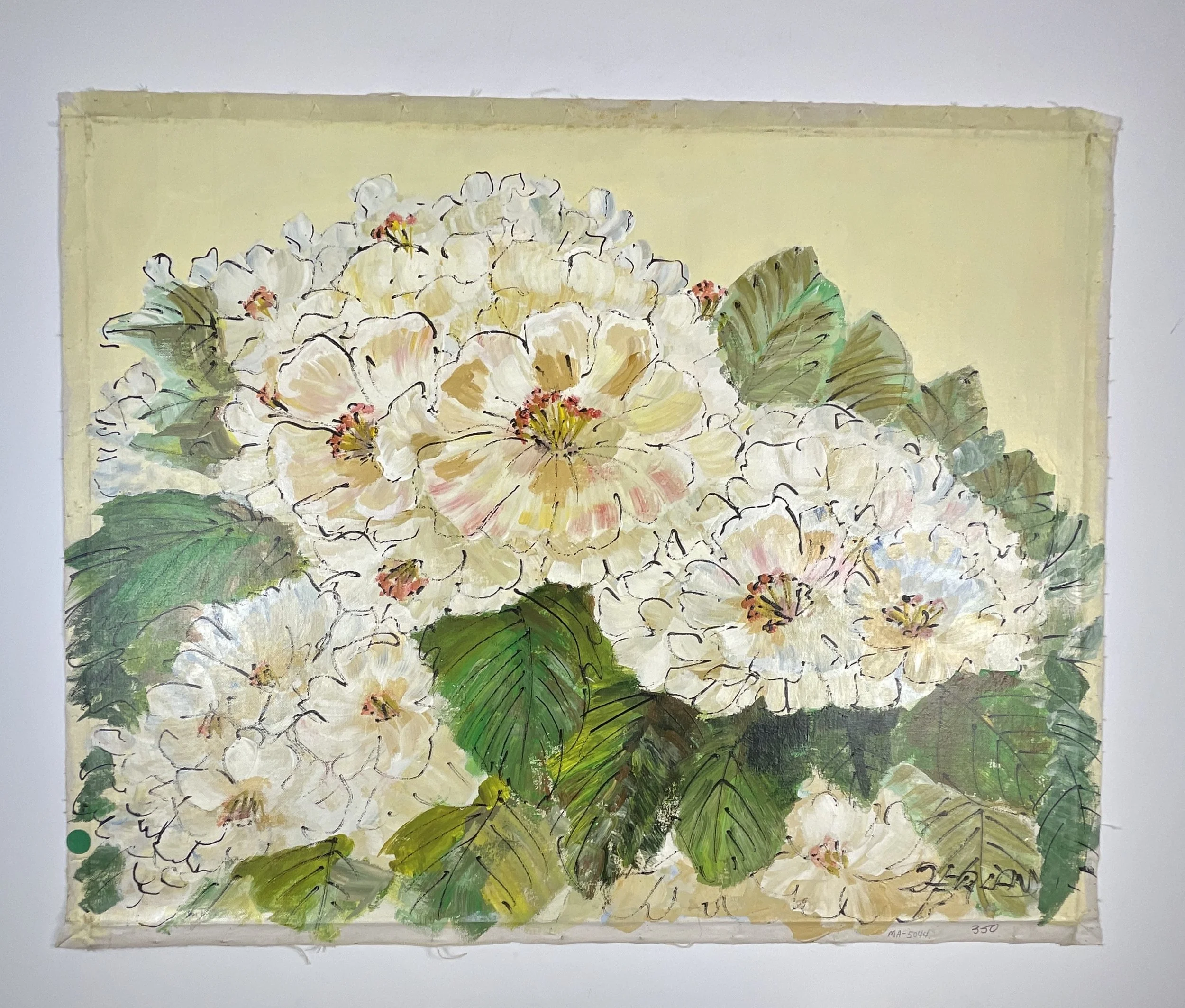 Image 3 of 4
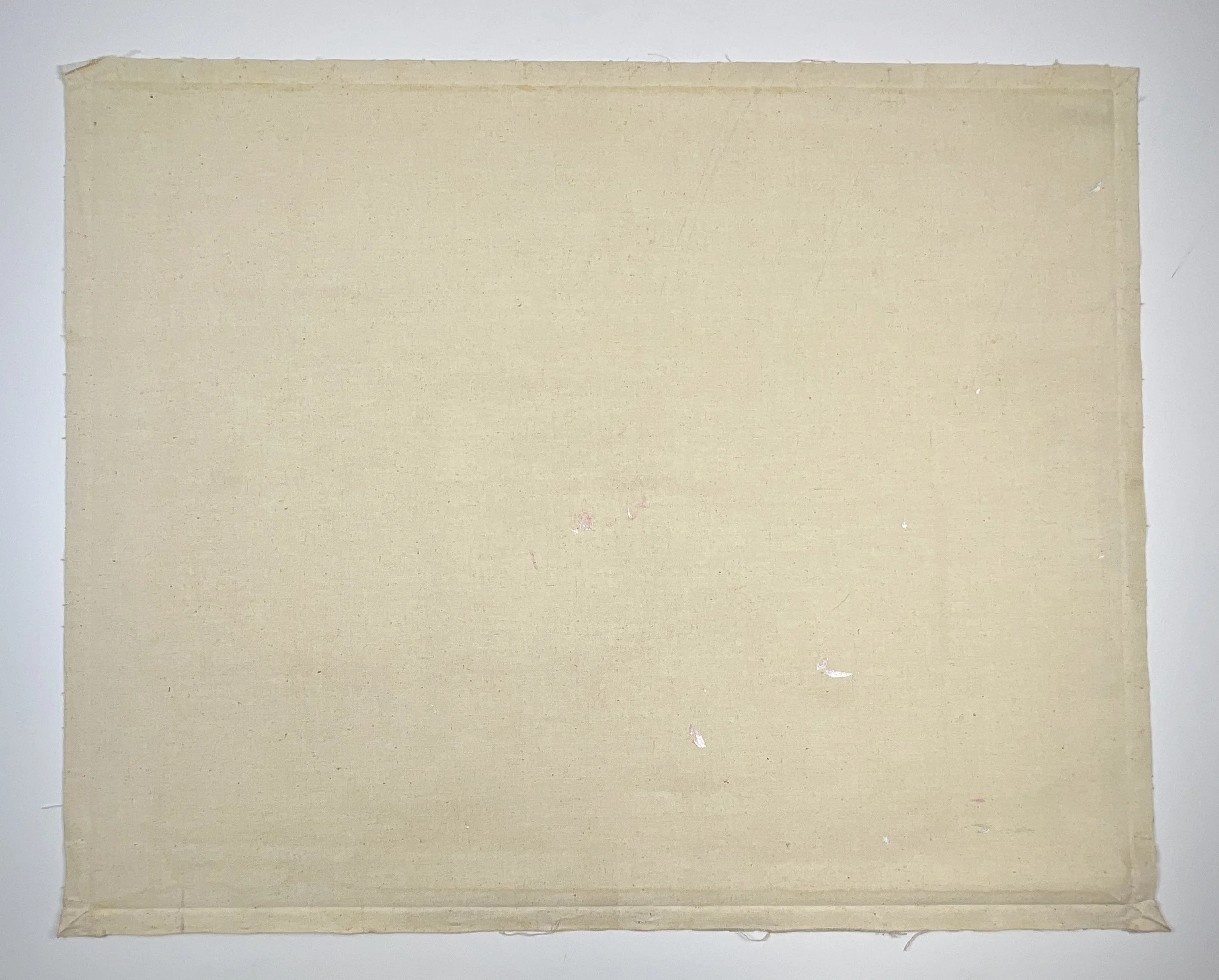 Image 4 of 4
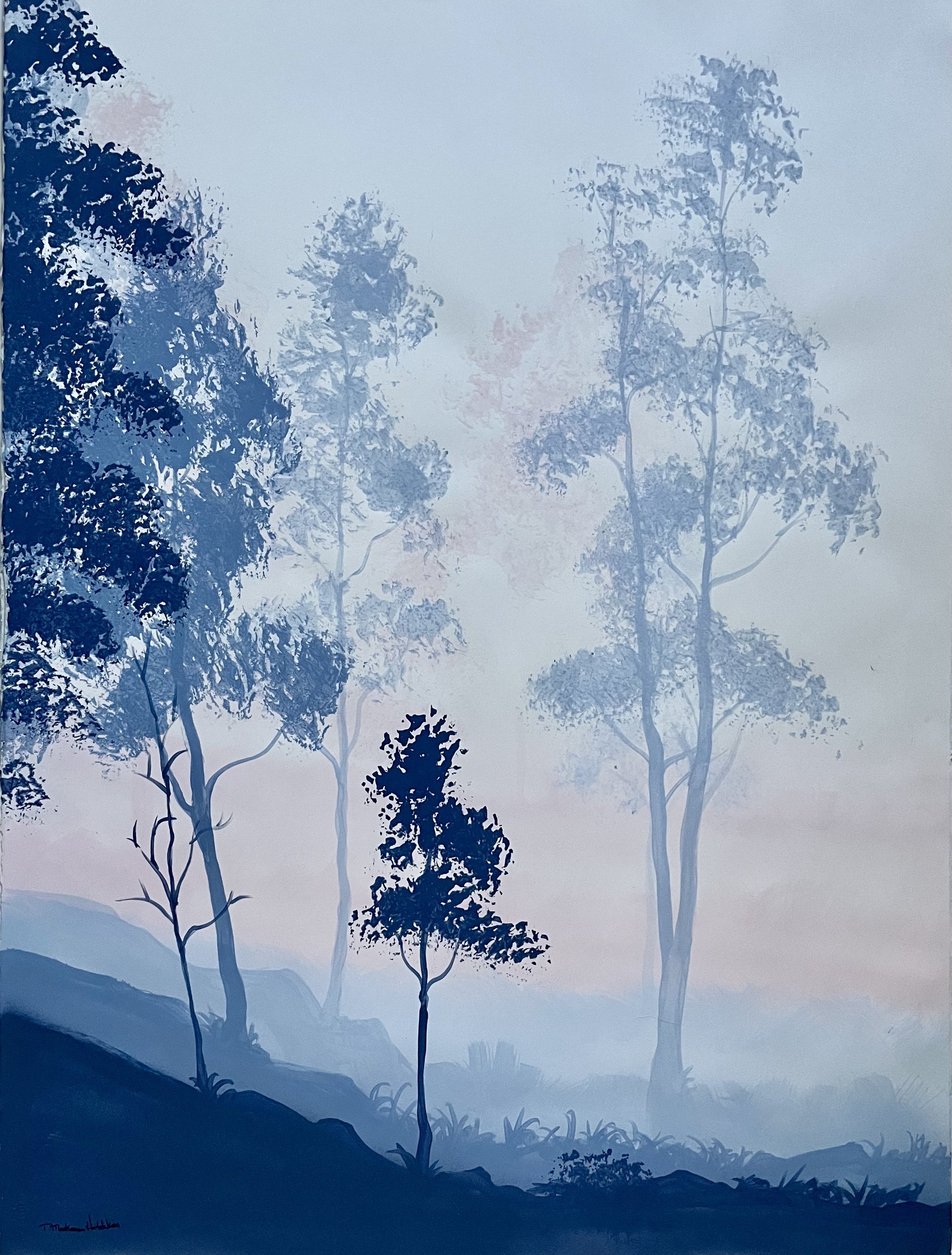
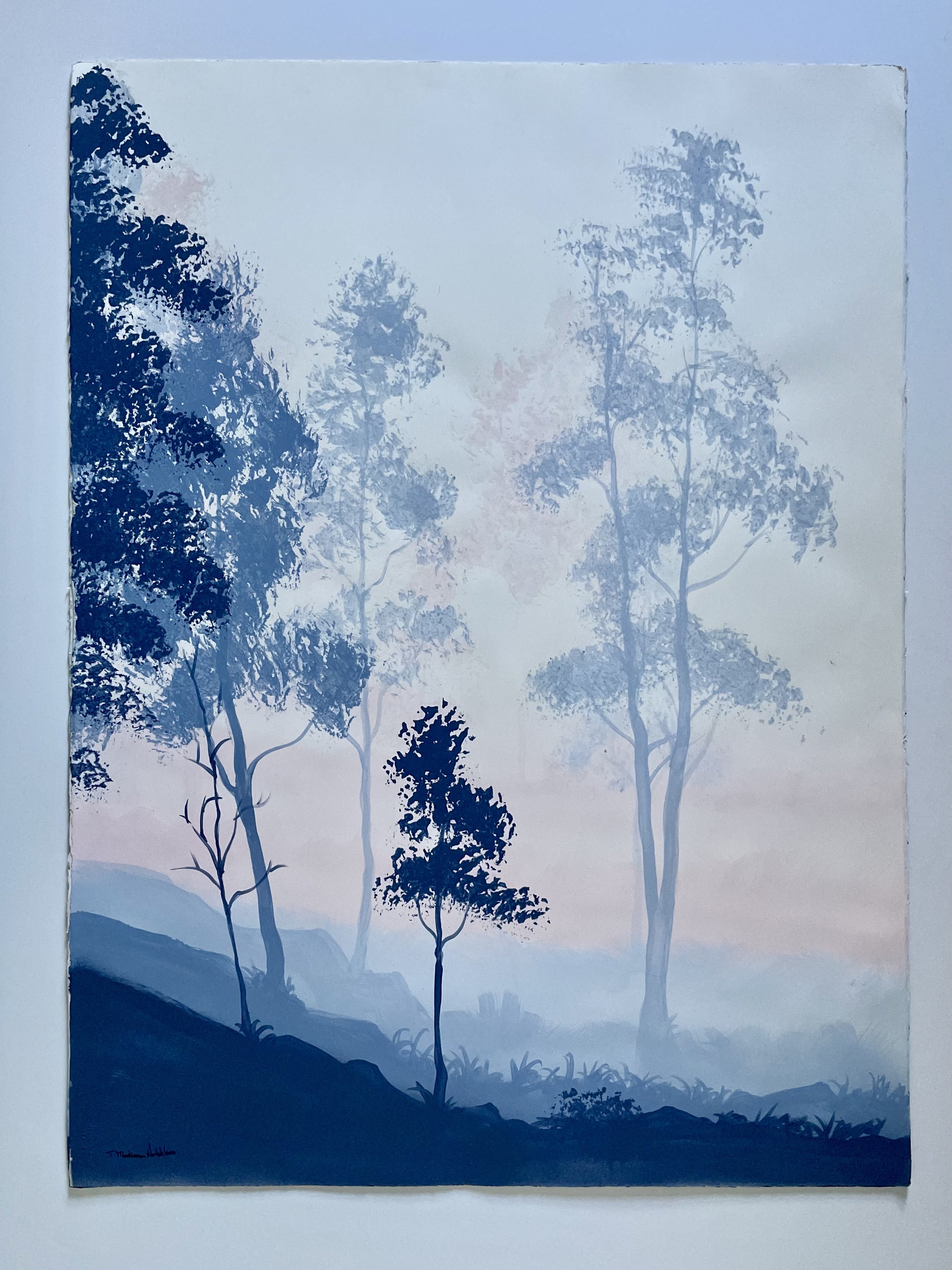
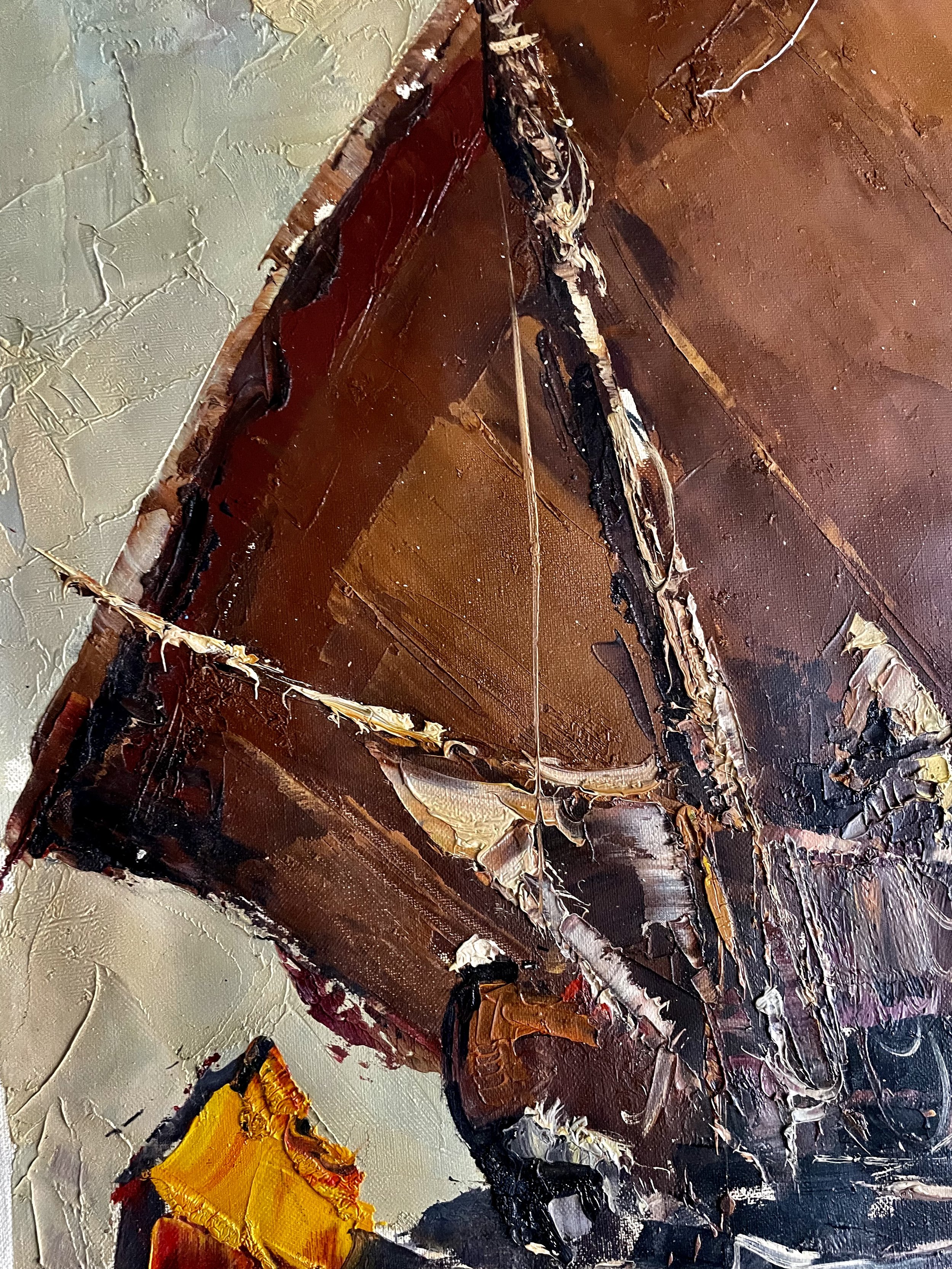
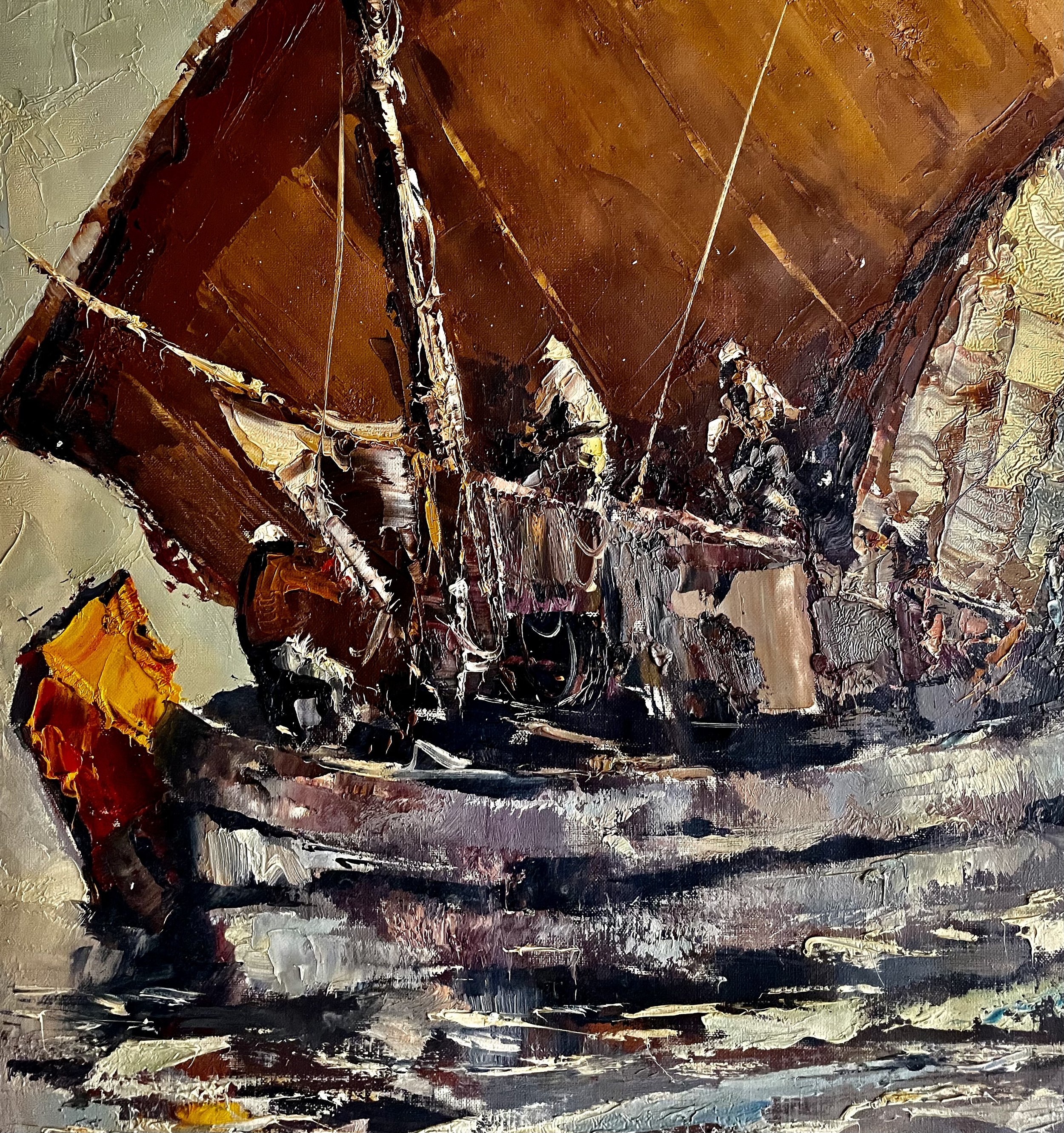
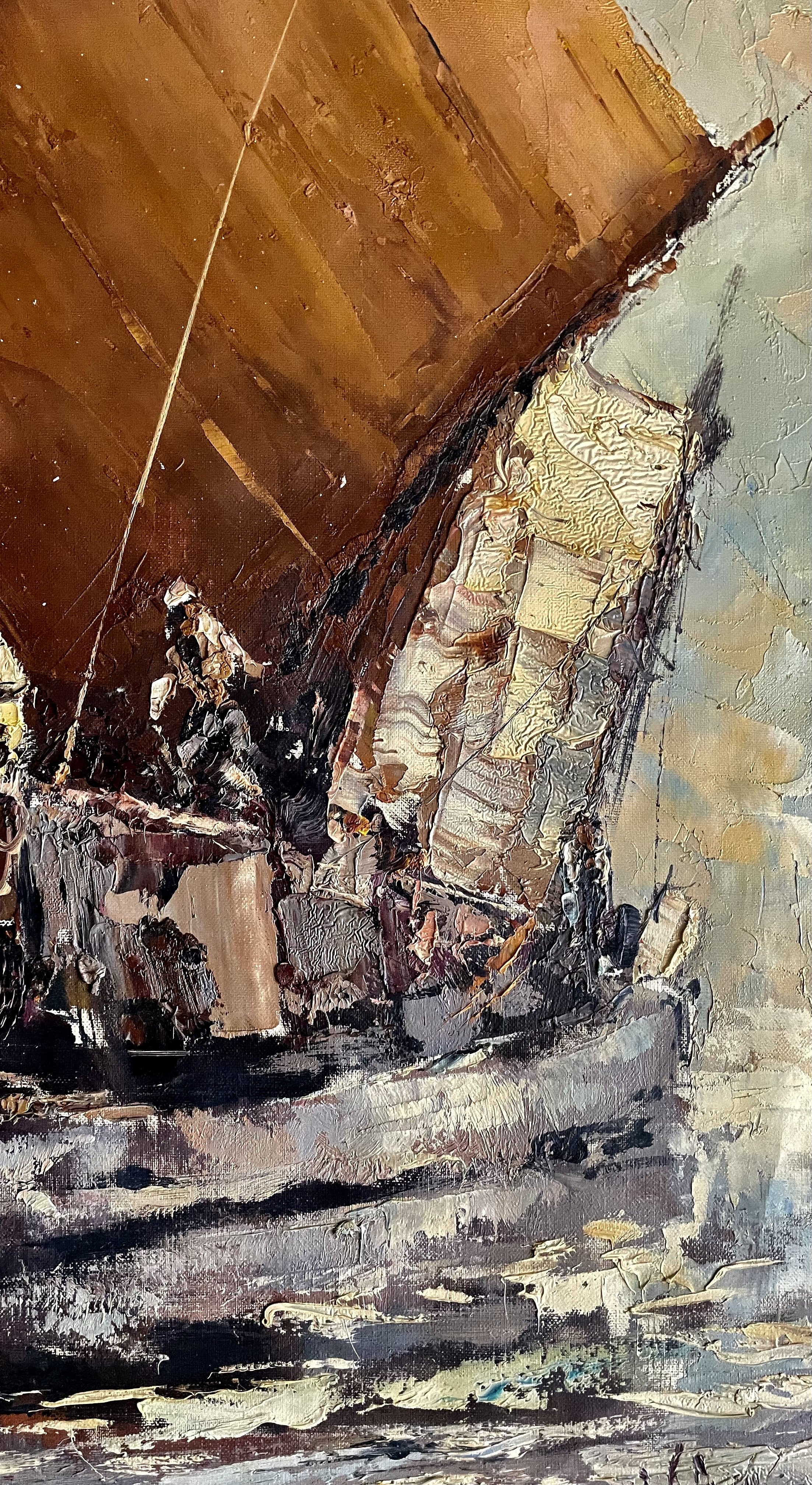
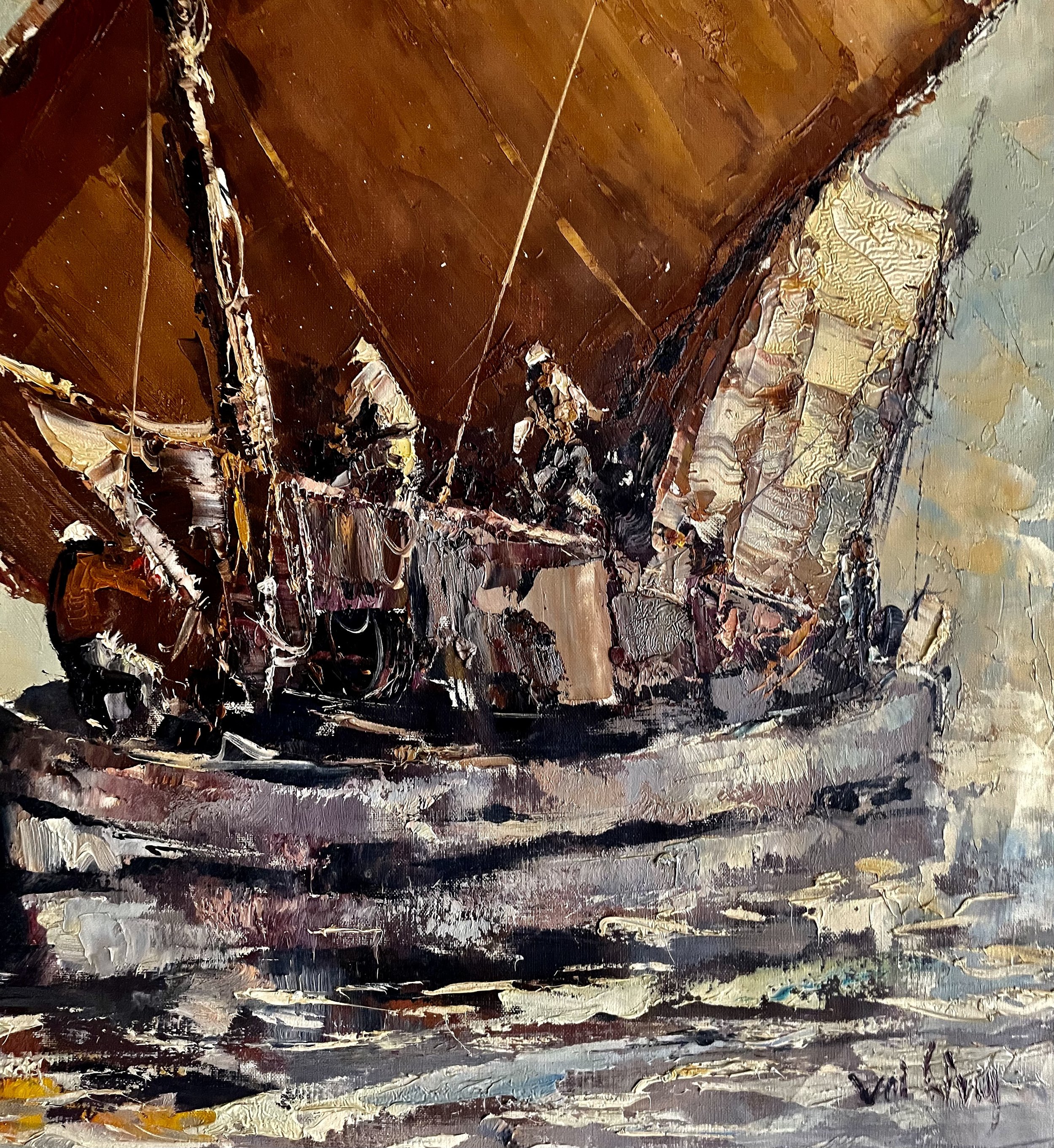
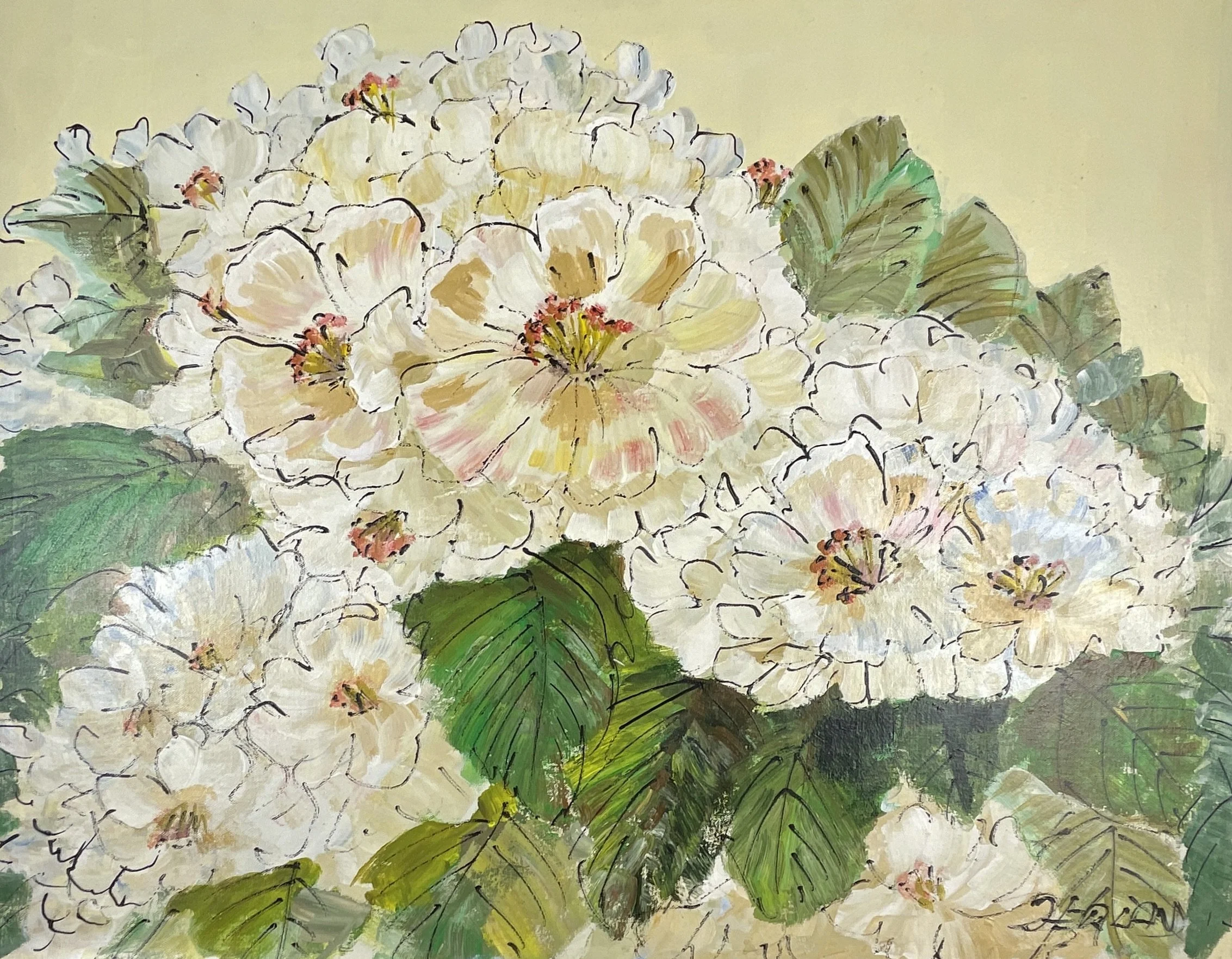
White Floral Bouquet (attributed), Jack Herland (20th century), c.1960–1975, acrylic and ink on canvas, 30 × 24 in., signed lower right.
Expressive mid-century floral painting by Jack Herland depicting white blossoms with green foliage in gestural acrylic and ink. Decorative modernist still life on canvas with lively contour drawing and luminous pastel color.
Artwork Description
This floral composition by Jack Herland presents a dense bouquet of white blossoms surrounded by broad green leaves, painted with expressive brushwork and animated by lively ink contours. The flowers appear layered and abundant, forming a soft cloud of petals that dominate the canvas while leaves fan outward beneath the bouquet.
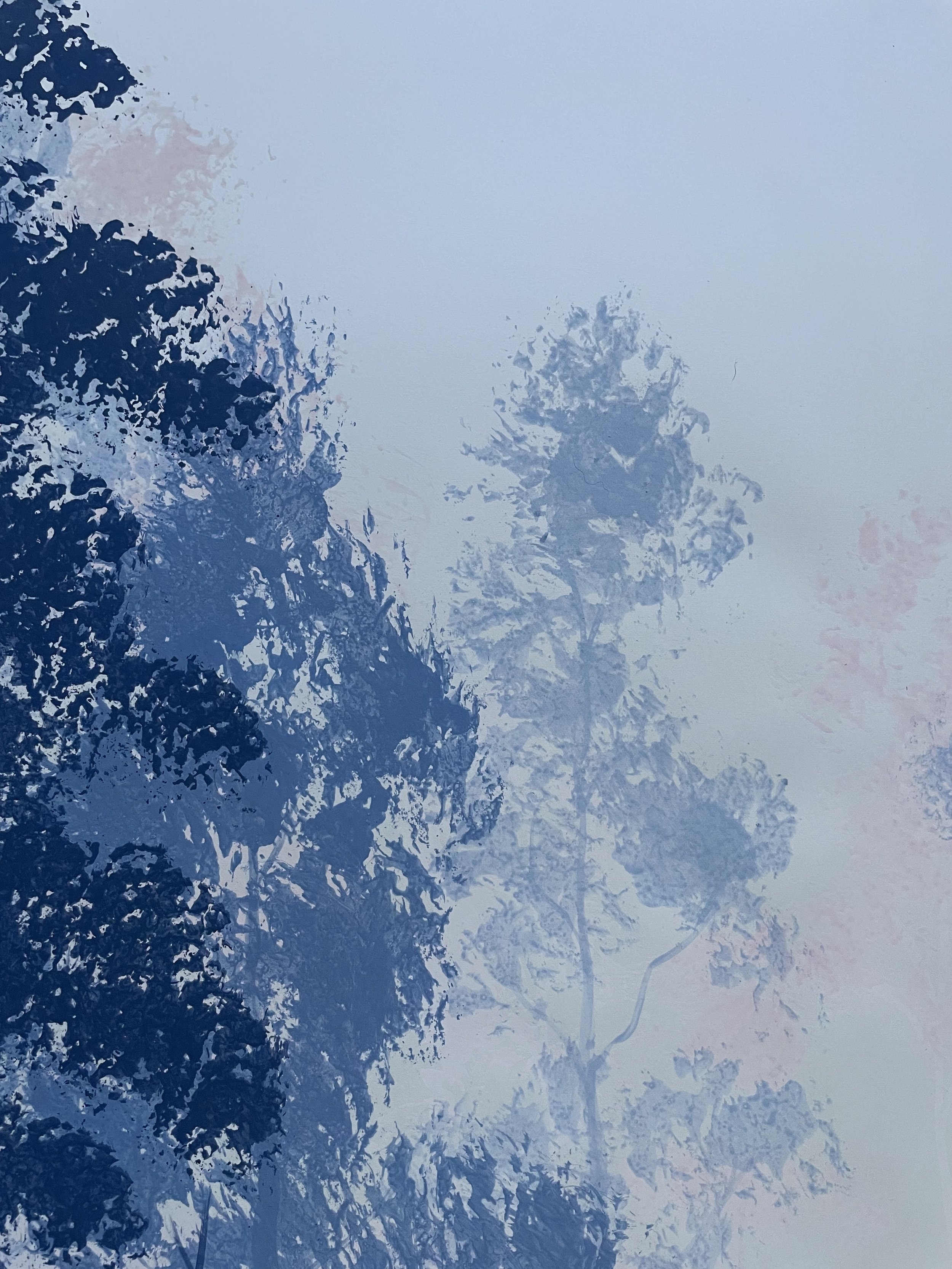
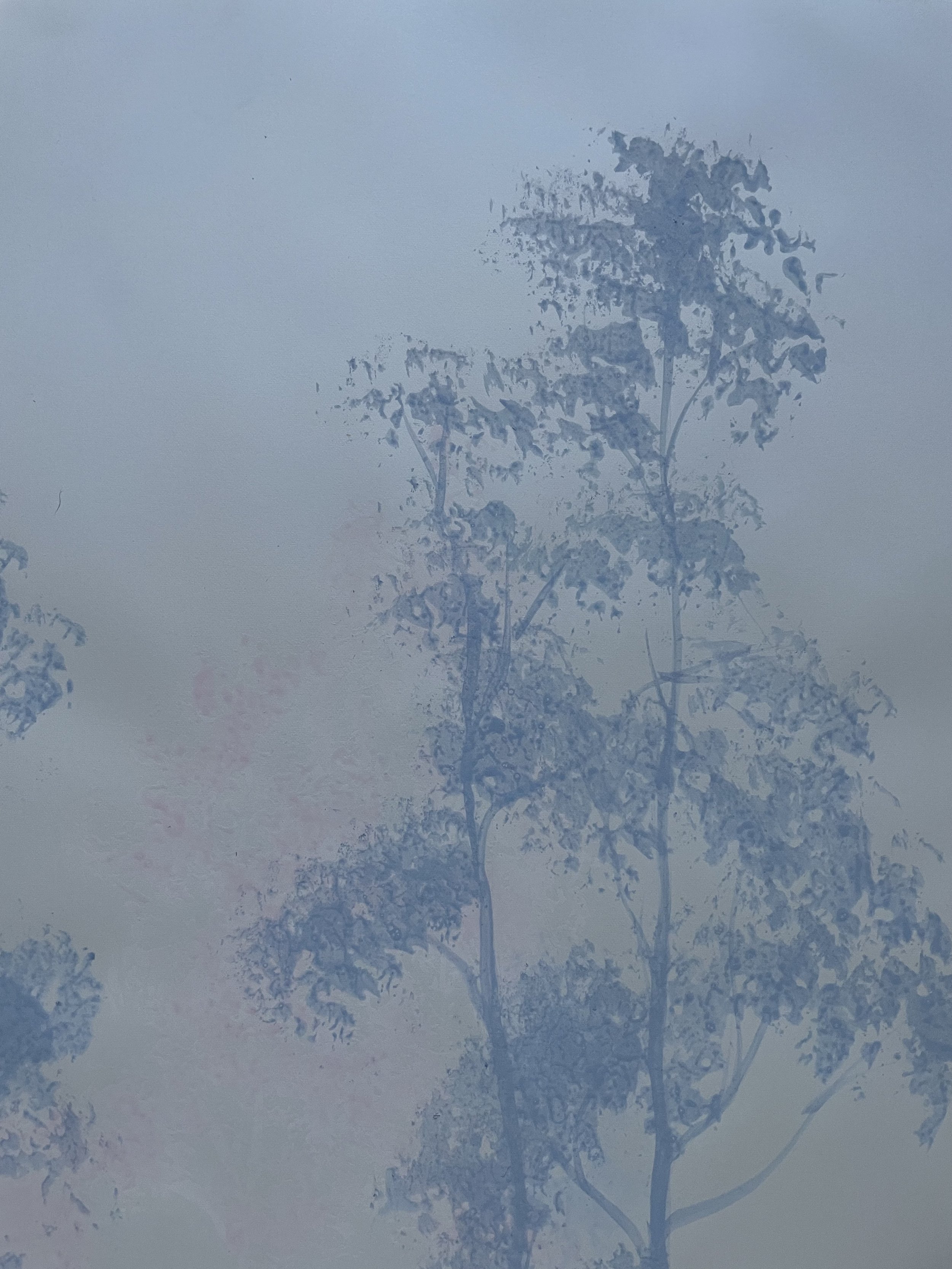
The palette is light and airy, built from whites, creams, pale yellows, and hints of soft pink and blue. These delicate tones contrast with the deeper greens of the foliage, creating a balanced composition that feels both fresh and decorative. The petals are constructed with quick painterly strokes rather than tightly modeled forms, giving the blossoms a spontaneous quality.
Over the painted surface Herland has applied loose black linework, outlining petals, leaves, and stems in sweeping strokes. These gestural contours animate the composition and provide rhythm across the canvas. The result is a hybrid visual language that merges painterly color fields with drawing-based structure.
The paint characteristics suggest acrylic as the primary medium. The colors appear luminous and matte with rapid tonal transitions typical of acrylic paint used by many mid-century artists beginning in the 1960s. The quick-drying properties of acrylic also support the layering of expressive brushwork and linear detailing visible in the work.
Herland’s floral compositions often emphasize decorative arrangement and color harmony rather than botanical accuracy. In this example the blossoms are treated as a pattern of shapes and tonal shifts, producing an image that feels both painterly and graphic. The approach reflects the influence of modernist still-life painting as well as the calligraphic brush traditions the artist encountered through his studies with Professor Wang Chi Yuan.
Signed “Herland” at the lower right, the painting demonstrates the artist’s characteristic combination of bold brushwork, graphic outlines, and vibrant floral imagery.
Artist Biography
Jack Herland was a German-born American painter and decorative artist whose career unfolded within the rich artistic environment of mid-twentieth-century New York. Born in Germany, he immigrated to the United States at the age of sixteen, where he later pursued formal training and built a career that combined painting, design work, and teaching.
Herland studied under several notable artists including John Groth and Stuart Davis. Groth was widely recognized for his expressive reportage drawings and illustrations, particularly those created during World War II. Stuart Davis, by contrast, was a pioneering figure in American modernism, known for his bold color structures, rhythmic compositions, and jazz-inspired visual language. Exposure to these influential artists introduced Herland to both expressive drawing traditions and modernist approaches to composition and color.
During World War II Herland served in the United States Army. Following the war he became associated with artists who produced hand-painted decorative gift objects, particularly glass and china. This work reinforced his sensitivity to color harmony and surface decoration—qualities that would later become central to his floral paintings.
A significant influence on Herland’s artistic development came through his study with Professor Wang Chi Yuan, a Chinese painter and scholar who introduced Western audiences to the principles of traditional Chinese brush painting. Through this training Herland developed an appreciation for expressive brush rhythm and calligraphic line. The influence is clearly visible in the sweeping black outlines that define many of his floral compositions.
Herland exhibited at a number of respected institutions including the National Arts Club in New York, the China Institute, the Hudson Museum, and Riverdale Neighborhood House. These exhibitions placed him among a network of artists engaged in exploring modernist and cross-cultural approaches to painting during the postwar period.
Beyond his studio practice, Herland also worked as a consultant and designer in the lighting industry, applying his artistic knowledge to product design and decorative form. In addition, he taught painting through adult education programs, helping introduce artistic practice to a broader public.
Herland’s work most frequently centers on floral still lifes. His paintings combine bright color, fluid outlines, and loosely structured compositions that balance decorative appeal with expressive energy. Although his work is less widely documented than that of some of his contemporaries, it represents an intriguing intersection of American modernism, decorative design traditions, and East Asian brush aesthetics.
Today his paintings are appreciated for their vibrant color, spontaneity, and connection to the lively artistic culture of mid-century New York.
Jack Herland floral still life painting, acrylic and ink on canvas, signed, expressive mid-century modern flower composition, 30 × 24 in.
Certificate of Authentication
Artist: Jack Herland
Title: White Floral Bouquet (attributed)
Medium: Acrylic and ink on canvas
Dimensions: 30 × 24 inches
Signature: Signed “Herland” lower right
Date: circa 1960–1975
This artwork is an original painting by Jack Herland based on the visible signature and stylistic characteristics consistent with the artist’s known floral compositions.
Condition
Good vintage condition overall. Canvas shows age-related wear and handling marks along the edges and verso from prior mounting or storage. Paint surface remains stable with no significant losses observed.
Provenance
Artist studio / New York region
Mitch Morse Gallery, New York (art dealer and publisher of original graphics)
Private collection, acquired through Mitch Morse Gallery
Artfind Gallery, Washington DC (current owner)
All works acquired through Mitch Morse Gallery, which sourced artworks in New York, throughout the United States, and Europe.
Provenance Note: Mitch Morse Gallery Collection
This artwork originates from the inventory of Mitch Morse Gallery, a respected New York–based gallery and publisher active during the mid-to-late 20th century. Mitch Morse was an established figure in the American art market, serving as an artist’s agent, publisher of original graphics, art dealer, distributor, and fine art restorer. He was also a Design Affiliate of A.S.I.D., listed in Who’s Who in the East, and a guest lecturer in graphics at New York University, with appearances on radio and television discussing art and design.
Through his gallery and associated publishing operations, Morse acquired paintings, prints, and original works from artists and studios across New York, Europe, and international art markets, assembling a broad inventory representing a wide range of artistic traditions and mediums. Works from this collection circulated through galleries and collectors throughout the United States.
The present painting was acquired through this network and is now held in the collection of Artfind Gallery, Washington DC, continuing the documented chain of gallery provenance from Mitch Morse’s original acquisitions.
White Floral Bouquet (attributed), Jack Herland (20th century), c.1960–1975, acrylic and ink on canvas, 30 × 24 in., signed lower right.
Expressive mid-century floral painting by Jack Herland depicting white blossoms with green foliage in gestural acrylic and ink. Decorative modernist still life on canvas with lively contour drawing and luminous pastel color.
Artwork Description
This floral composition by Jack Herland presents a dense bouquet of white blossoms surrounded by broad green leaves, painted with expressive brushwork and animated by lively ink contours. The flowers appear layered and abundant, forming a soft cloud of petals that dominate the canvas while leaves fan outward beneath the bouquet.
The palette is light and airy, built from whites, creams, pale yellows, and hints of soft pink and blue. These delicate tones contrast with the deeper greens of the foliage, creating a balanced composition that feels both fresh and decorative. The petals are constructed with quick painterly strokes rather than tightly modeled forms, giving the blossoms a spontaneous quality.
Over the painted surface Herland has applied loose black linework, outlining petals, leaves, and stems in sweeping strokes. These gestural contours animate the composition and provide rhythm across the canvas. The result is a hybrid visual language that merges painterly color fields with drawing-based structure.
The paint characteristics suggest acrylic as the primary medium. The colors appear luminous and matte with rapid tonal transitions typical of acrylic paint used by many mid-century artists beginning in the 1960s. The quick-drying properties of acrylic also support the layering of expressive brushwork and linear detailing visible in the work.
Herland’s floral compositions often emphasize decorative arrangement and color harmony rather than botanical accuracy. In this example the blossoms are treated as a pattern of shapes and tonal shifts, producing an image that feels both painterly and graphic. The approach reflects the influence of modernist still-life painting as well as the calligraphic brush traditions the artist encountered through his studies with Professor Wang Chi Yuan.
Signed “Herland” at the lower right, the painting demonstrates the artist’s characteristic combination of bold brushwork, graphic outlines, and vibrant floral imagery.
Artist Biography
Jack Herland was a German-born American painter and decorative artist whose career unfolded within the rich artistic environment of mid-twentieth-century New York. Born in Germany, he immigrated to the United States at the age of sixteen, where he later pursued formal training and built a career that combined painting, design work, and teaching.
Herland studied under several notable artists including John Groth and Stuart Davis. Groth was widely recognized for his expressive reportage drawings and illustrations, particularly those created during World War II. Stuart Davis, by contrast, was a pioneering figure in American modernism, known for his bold color structures, rhythmic compositions, and jazz-inspired visual language. Exposure to these influential artists introduced Herland to both expressive drawing traditions and modernist approaches to composition and color.
During World War II Herland served in the United States Army. Following the war he became associated with artists who produced hand-painted decorative gift objects, particularly glass and china. This work reinforced his sensitivity to color harmony and surface decoration—qualities that would later become central to his floral paintings.
A significant influence on Herland’s artistic development came through his study with Professor Wang Chi Yuan, a Chinese painter and scholar who introduced Western audiences to the principles of traditional Chinese brush painting. Through this training Herland developed an appreciation for expressive brush rhythm and calligraphic line. The influence is clearly visible in the sweeping black outlines that define many of his floral compositions.
Herland exhibited at a number of respected institutions including the National Arts Club in New York, the China Institute, the Hudson Museum, and Riverdale Neighborhood House. These exhibitions placed him among a network of artists engaged in exploring modernist and cross-cultural approaches to painting during the postwar period.
Beyond his studio practice, Herland also worked as a consultant and designer in the lighting industry, applying his artistic knowledge to product design and decorative form. In addition, he taught painting through adult education programs, helping introduce artistic practice to a broader public.
Herland’s work most frequently centers on floral still lifes. His paintings combine bright color, fluid outlines, and loosely structured compositions that balance decorative appeal with expressive energy. Although his work is less widely documented than that of some of his contemporaries, it represents an intriguing intersection of American modernism, decorative design traditions, and East Asian brush aesthetics.
Today his paintings are appreciated for their vibrant color, spontaneity, and connection to the lively artistic culture of mid-century New York.
Jack Herland floral still life painting, acrylic and ink on canvas, signed, expressive mid-century modern flower composition, 30 × 24 in.
Certificate of Authentication
Artist: Jack Herland
Title: White Floral Bouquet (attributed)
Medium: Acrylic and ink on canvas
Dimensions: 30 × 24 inches
Signature: Signed “Herland” lower right
Date: circa 1960–1975
This artwork is an original painting by Jack Herland based on the visible signature and stylistic characteristics consistent with the artist’s known floral compositions.
Condition
Good vintage condition overall. Canvas shows age-related wear and handling marks along the edges and verso from prior mounting or storage. Paint surface remains stable with no significant losses observed.
Provenance
Artist studio / New York region
Mitch Morse Gallery, New York (art dealer and publisher of original graphics)
Private collection, acquired through Mitch Morse Gallery
Artfind Gallery, Washington DC (current owner)
All works acquired through Mitch Morse Gallery, which sourced artworks in New York, throughout the United States, and Europe.
Provenance Note: Mitch Morse Gallery Collection
This artwork originates from the inventory of Mitch Morse Gallery, a respected New York–based gallery and publisher active during the mid-to-late 20th century. Mitch Morse was an established figure in the American art market, serving as an artist’s agent, publisher of original graphics, art dealer, distributor, and fine art restorer. He was also a Design Affiliate of A.S.I.D., listed in Who’s Who in the East, and a guest lecturer in graphics at New York University, with appearances on radio and television discussing art and design.
Through his gallery and associated publishing operations, Morse acquired paintings, prints, and original works from artists and studios across New York, Europe, and international art markets, assembling a broad inventory representing a wide range of artistic traditions and mediums. Works from this collection circulated through galleries and collectors throughout the United States.
The present painting was acquired through this network and is now held in the collection of Artfind Gallery, Washington DC, continuing the documented chain of gallery provenance from Mitch Morse’s original acquisitions.