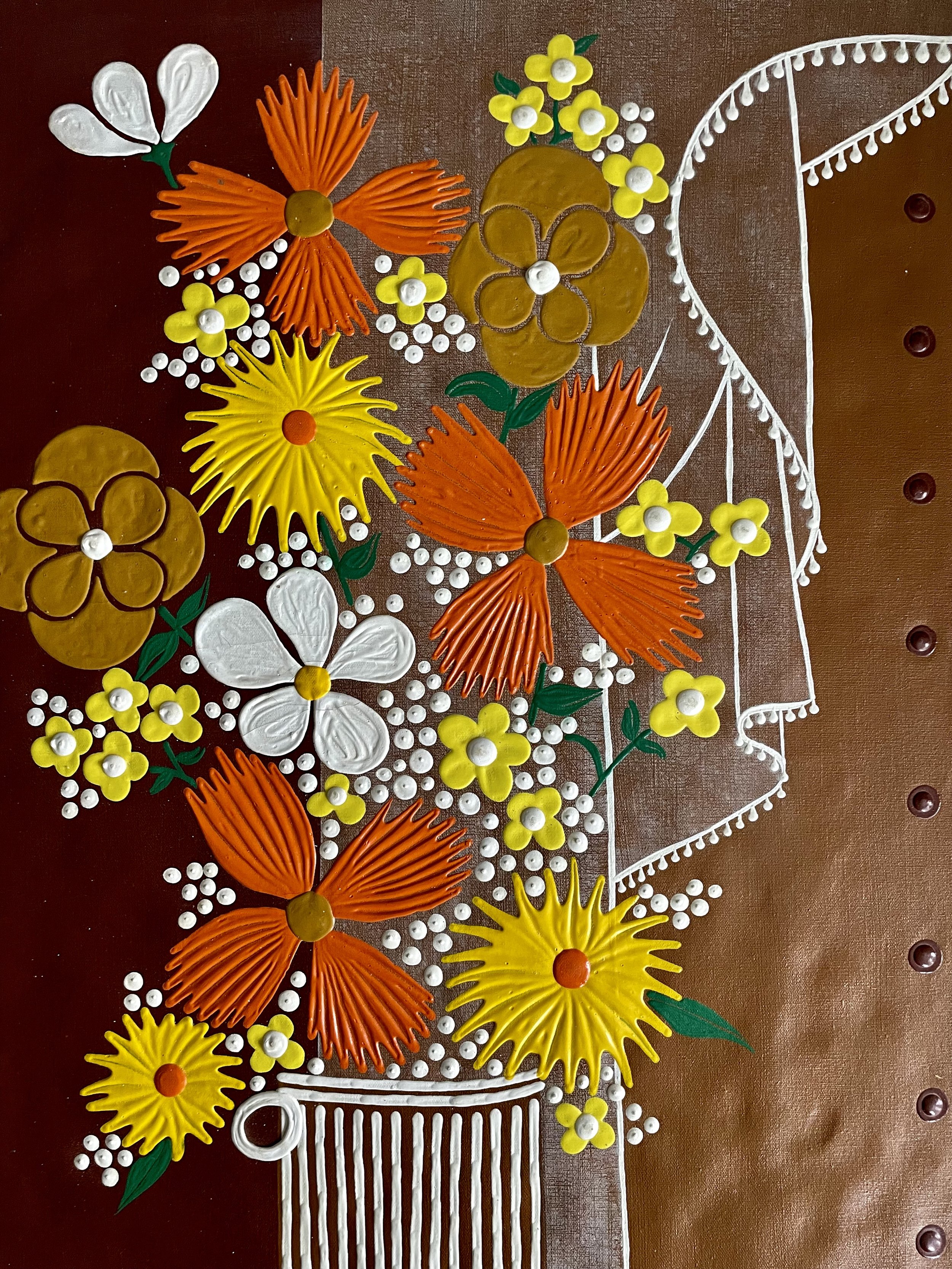
 Image 1 of 4
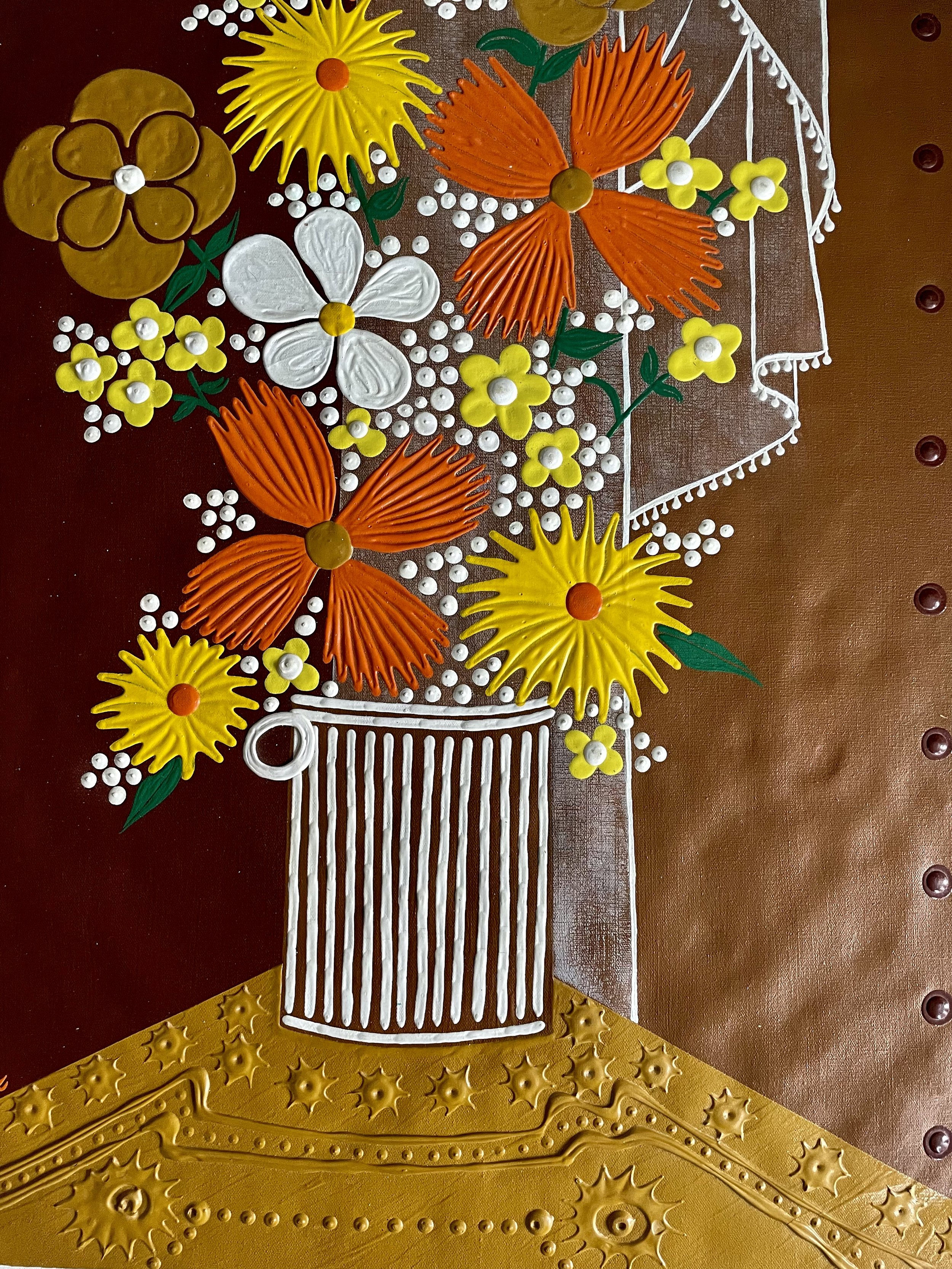
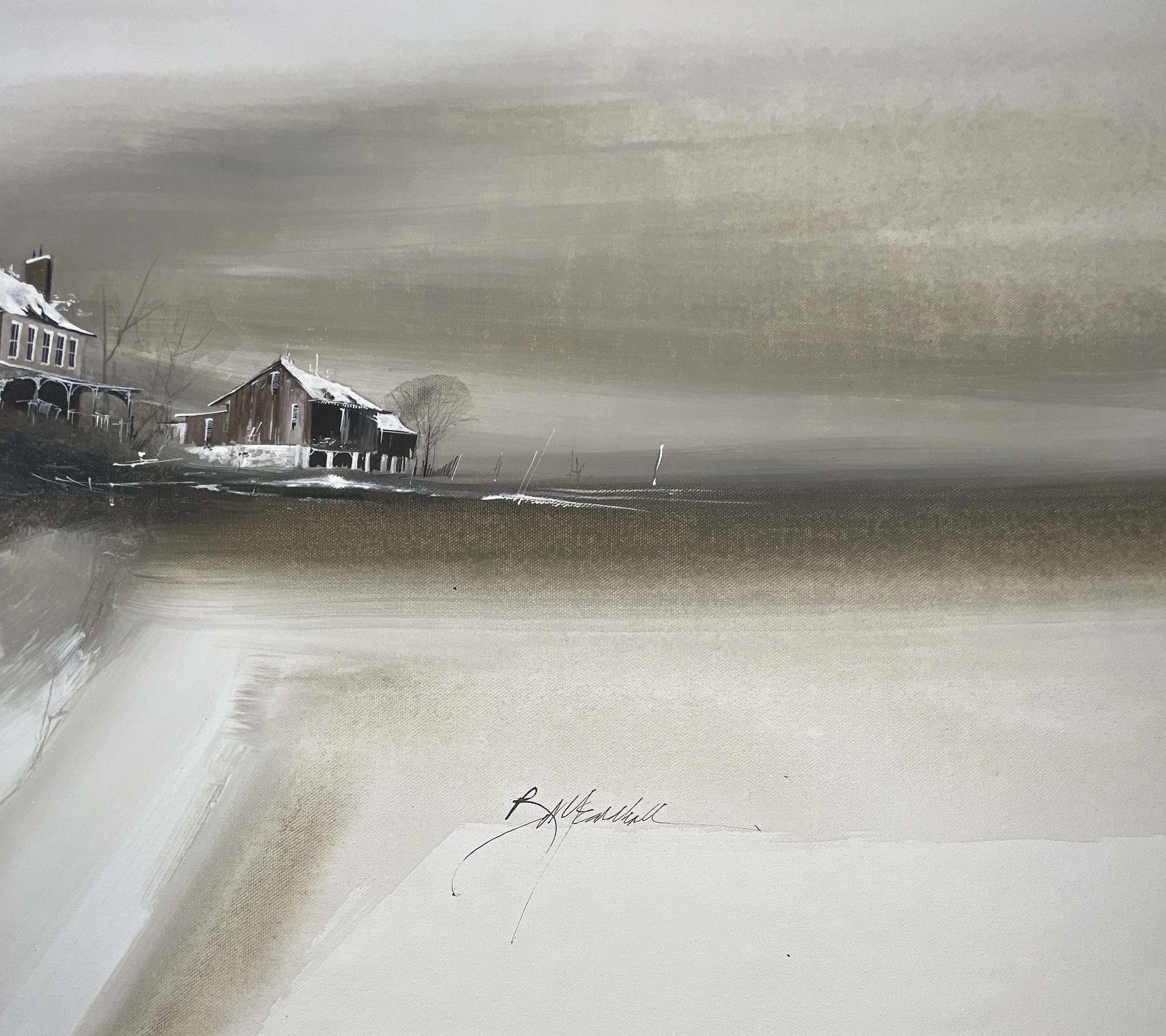 Image 2 of 4
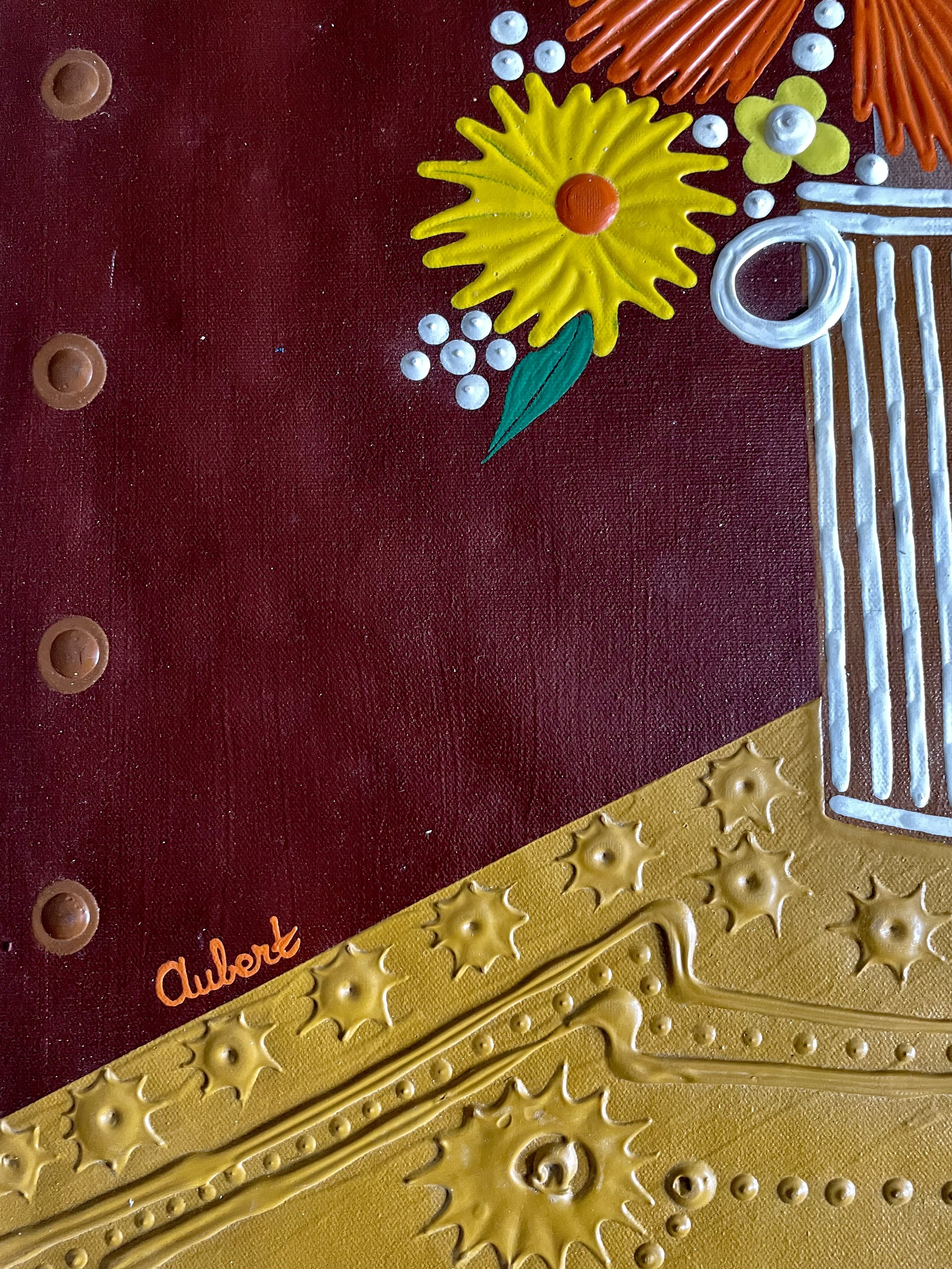
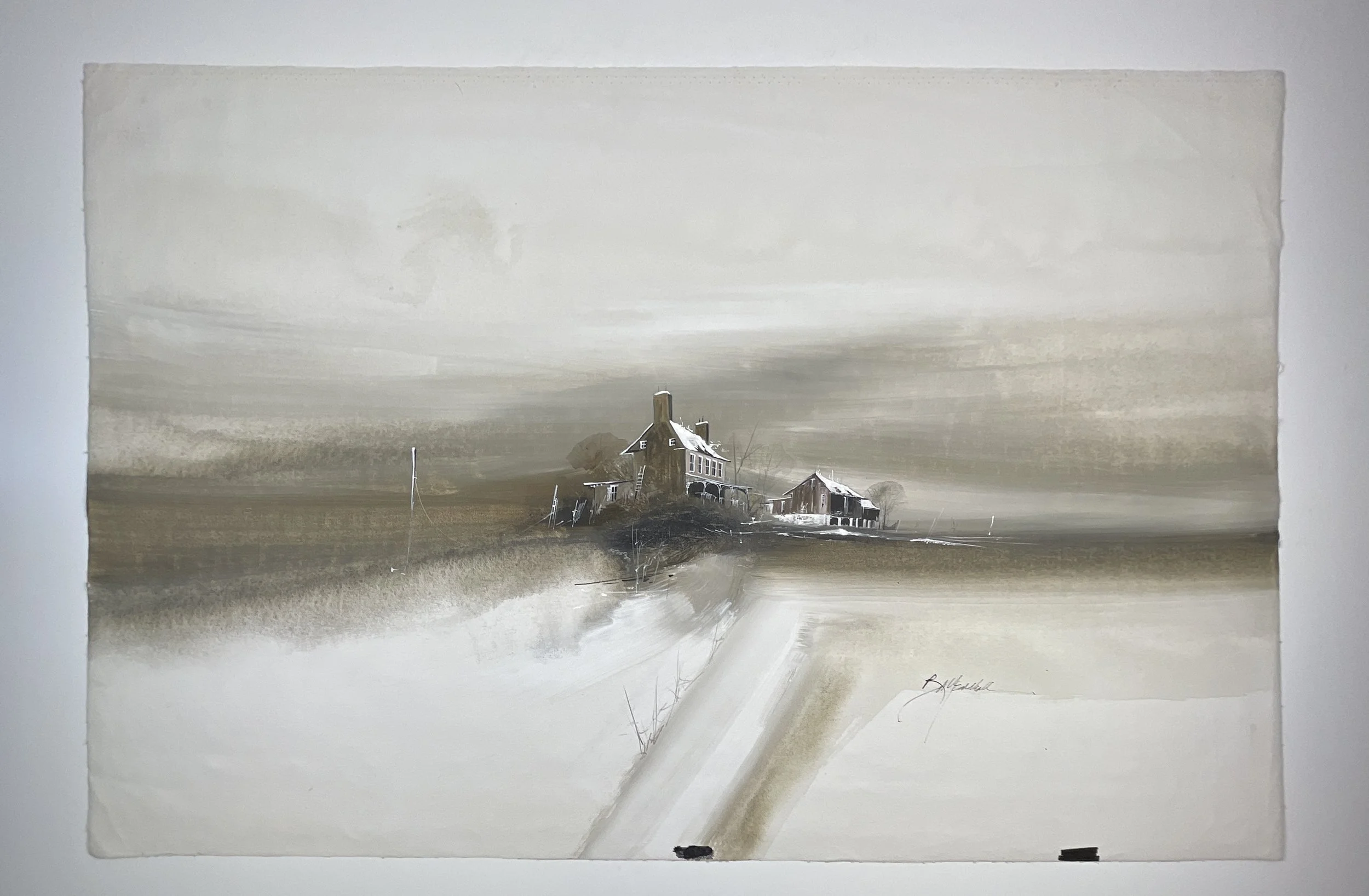 Image 3 of 4
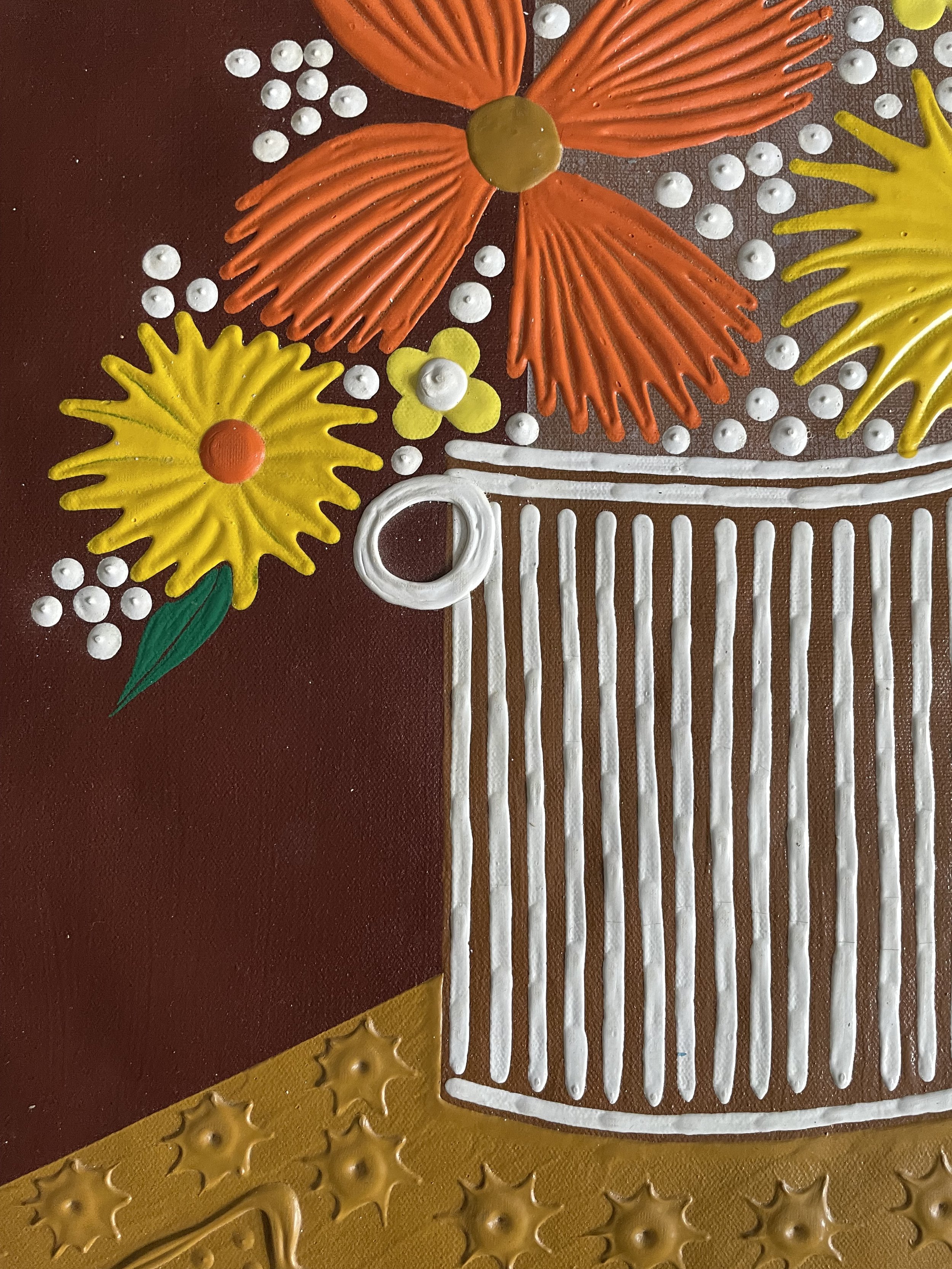
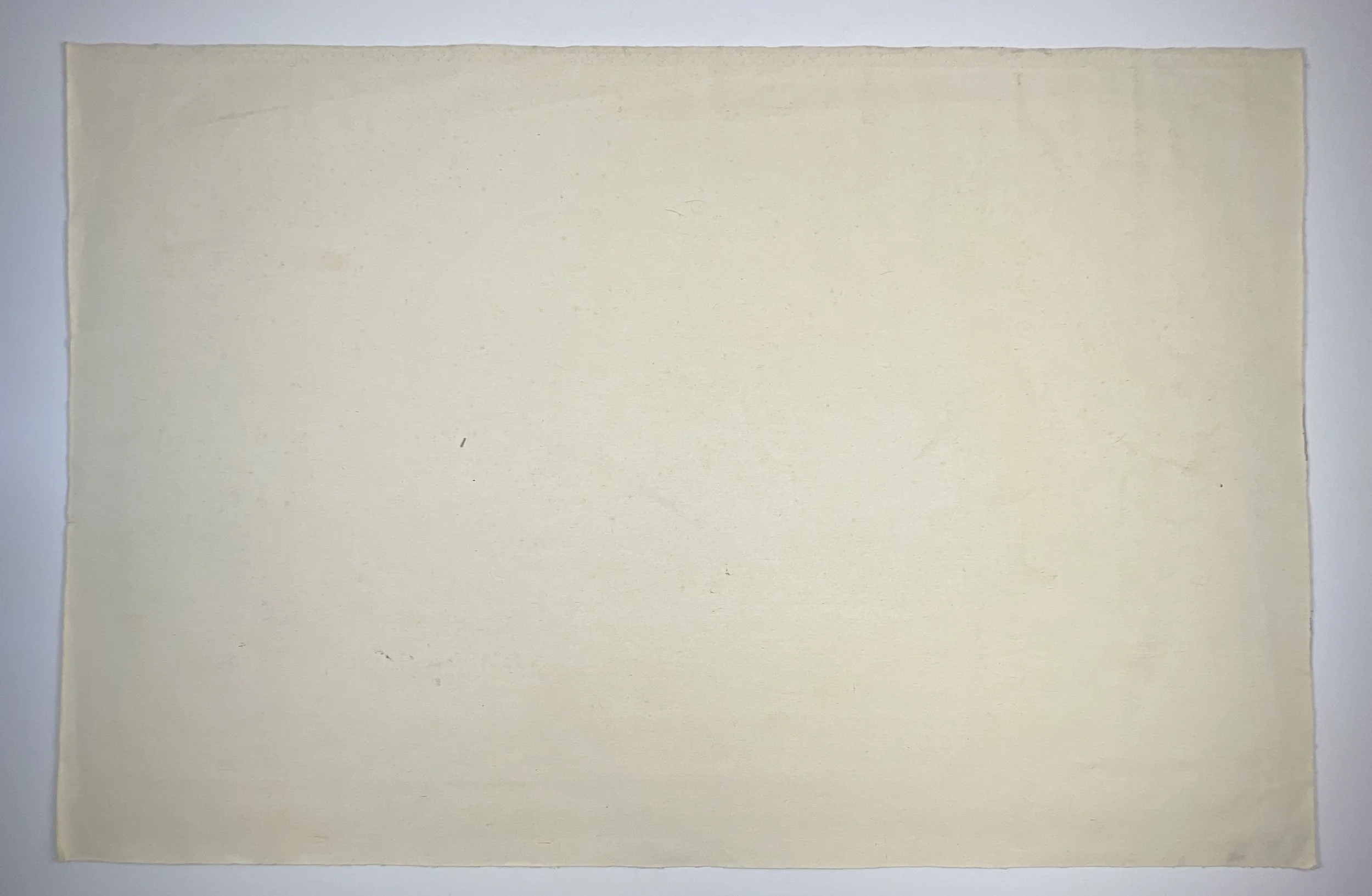 Image 4 of 4
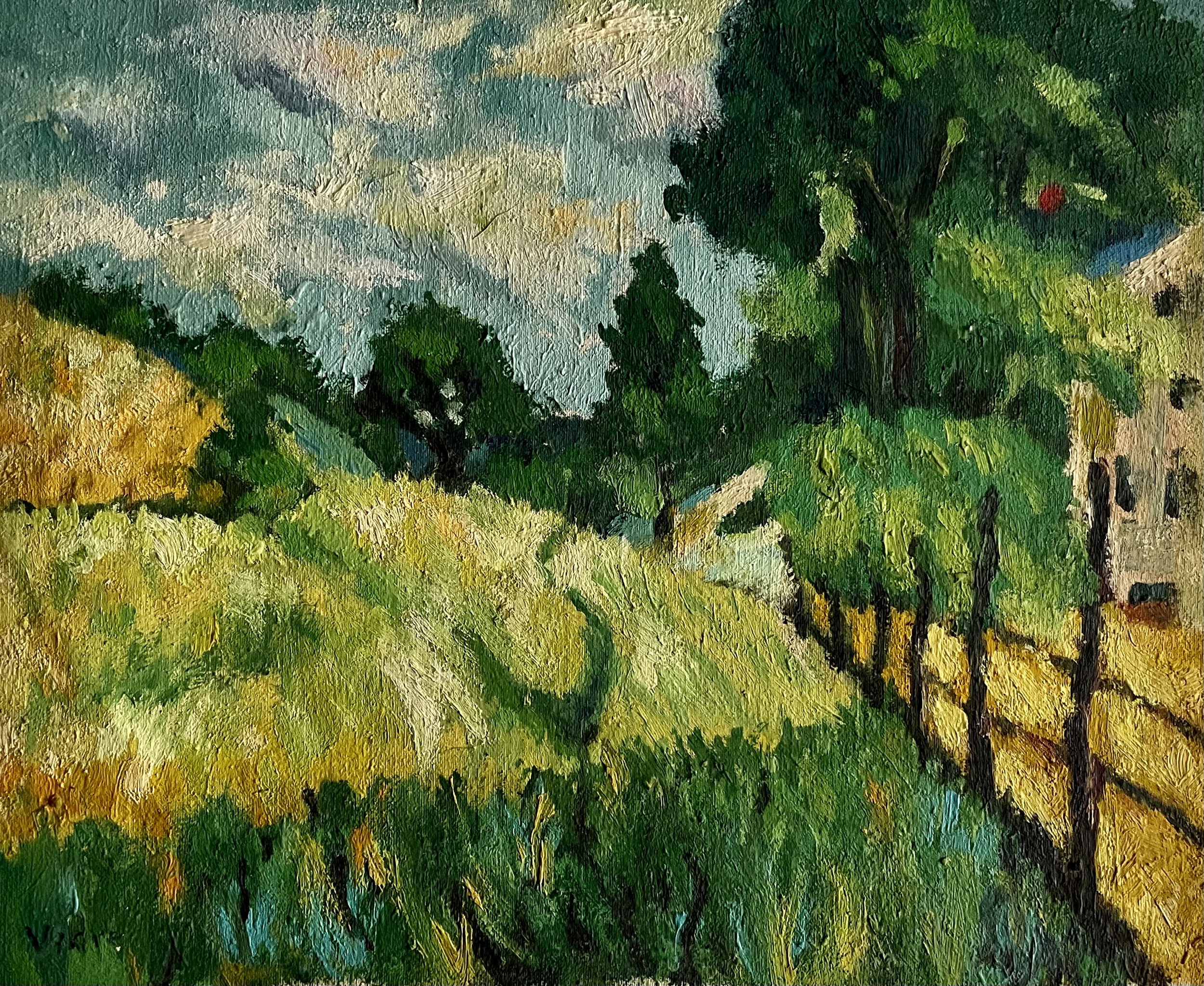
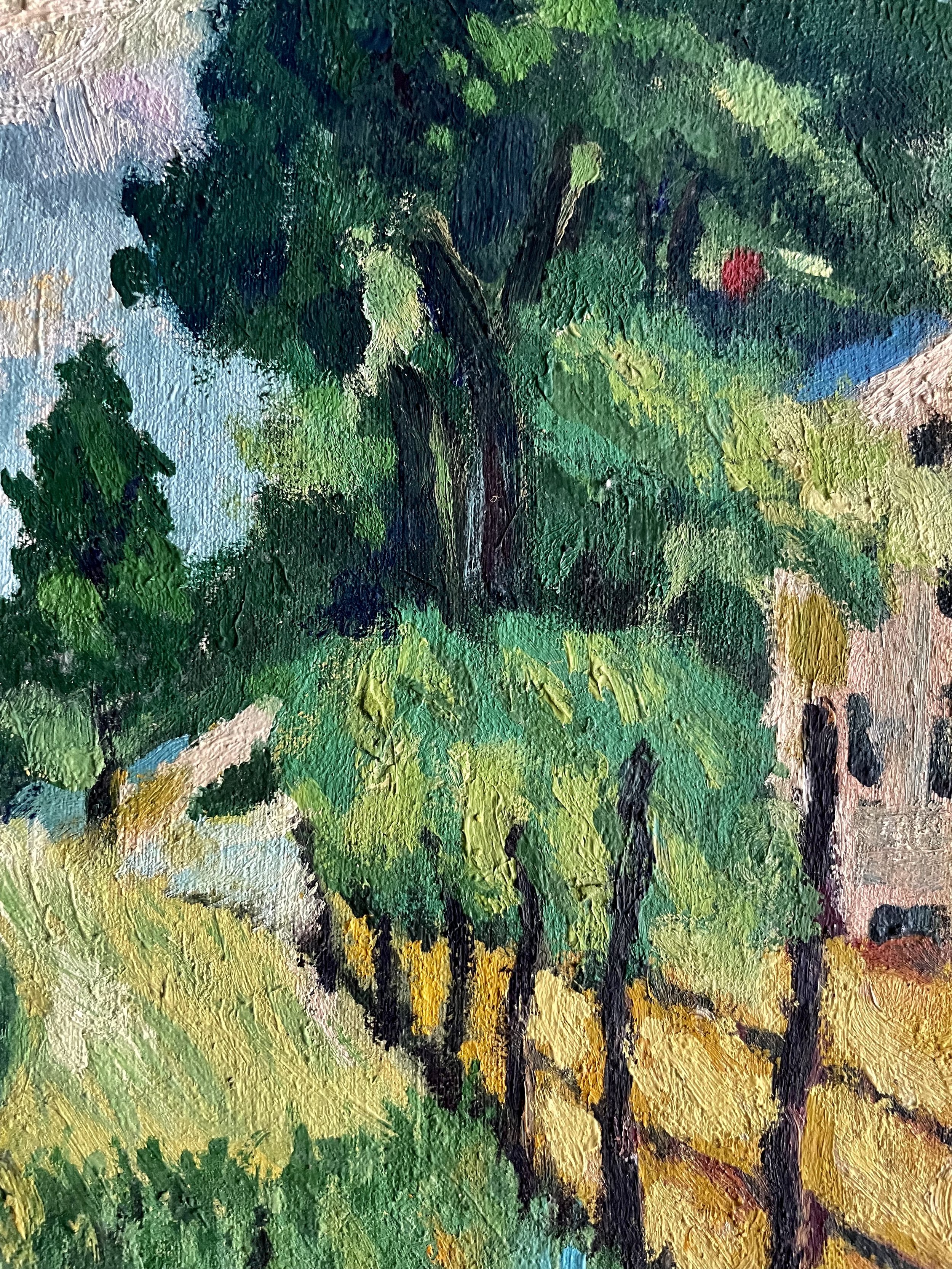
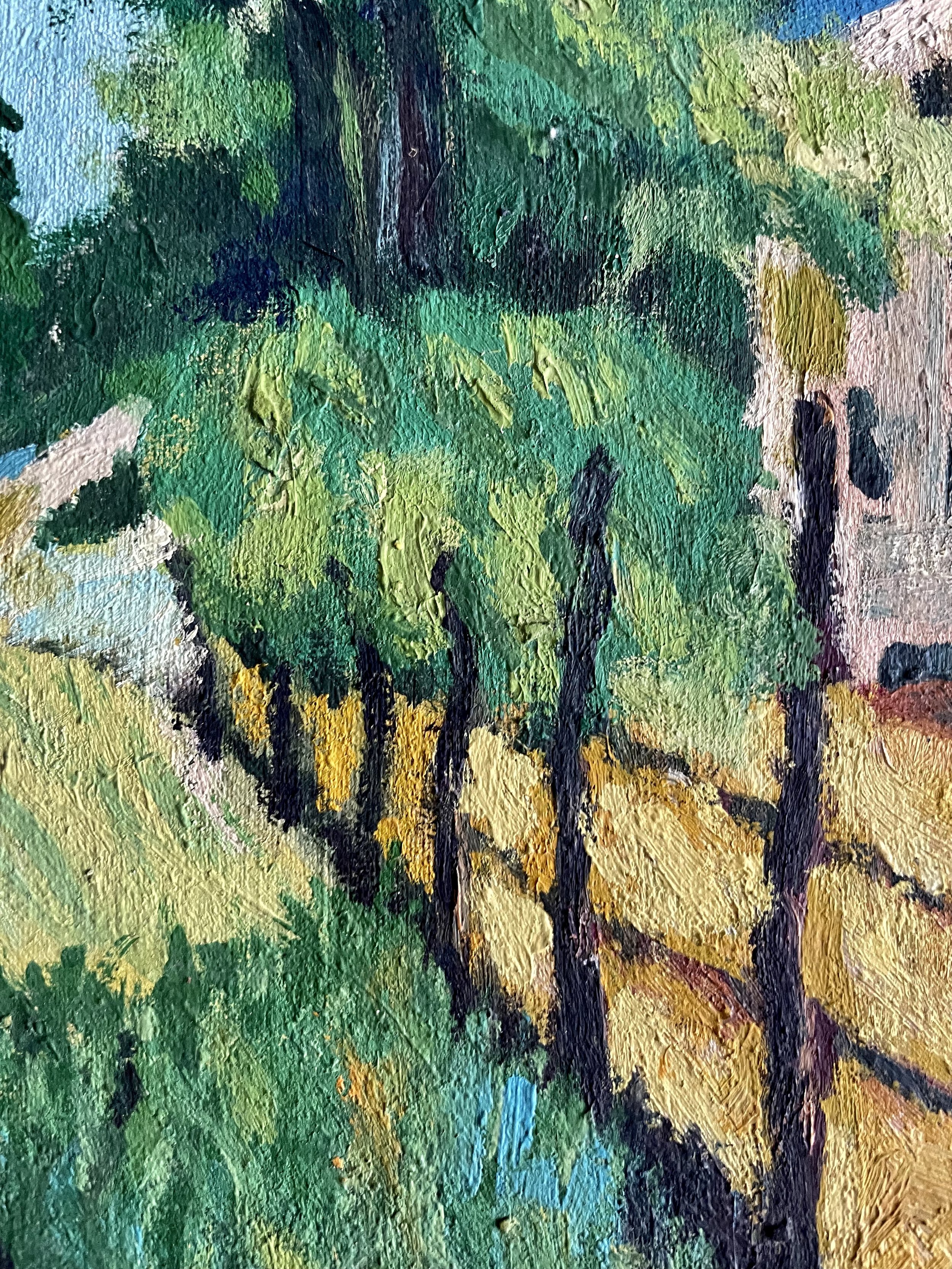
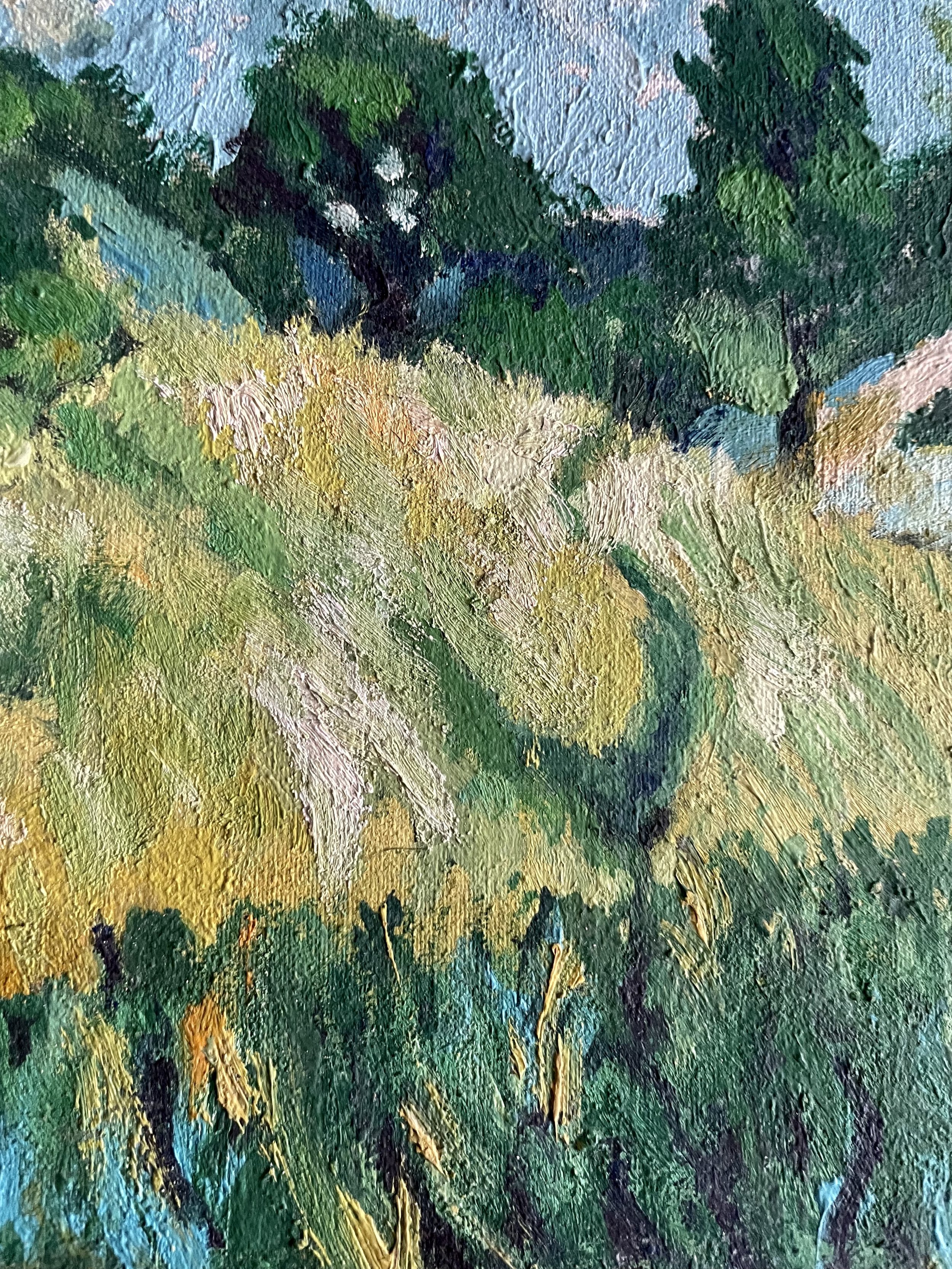
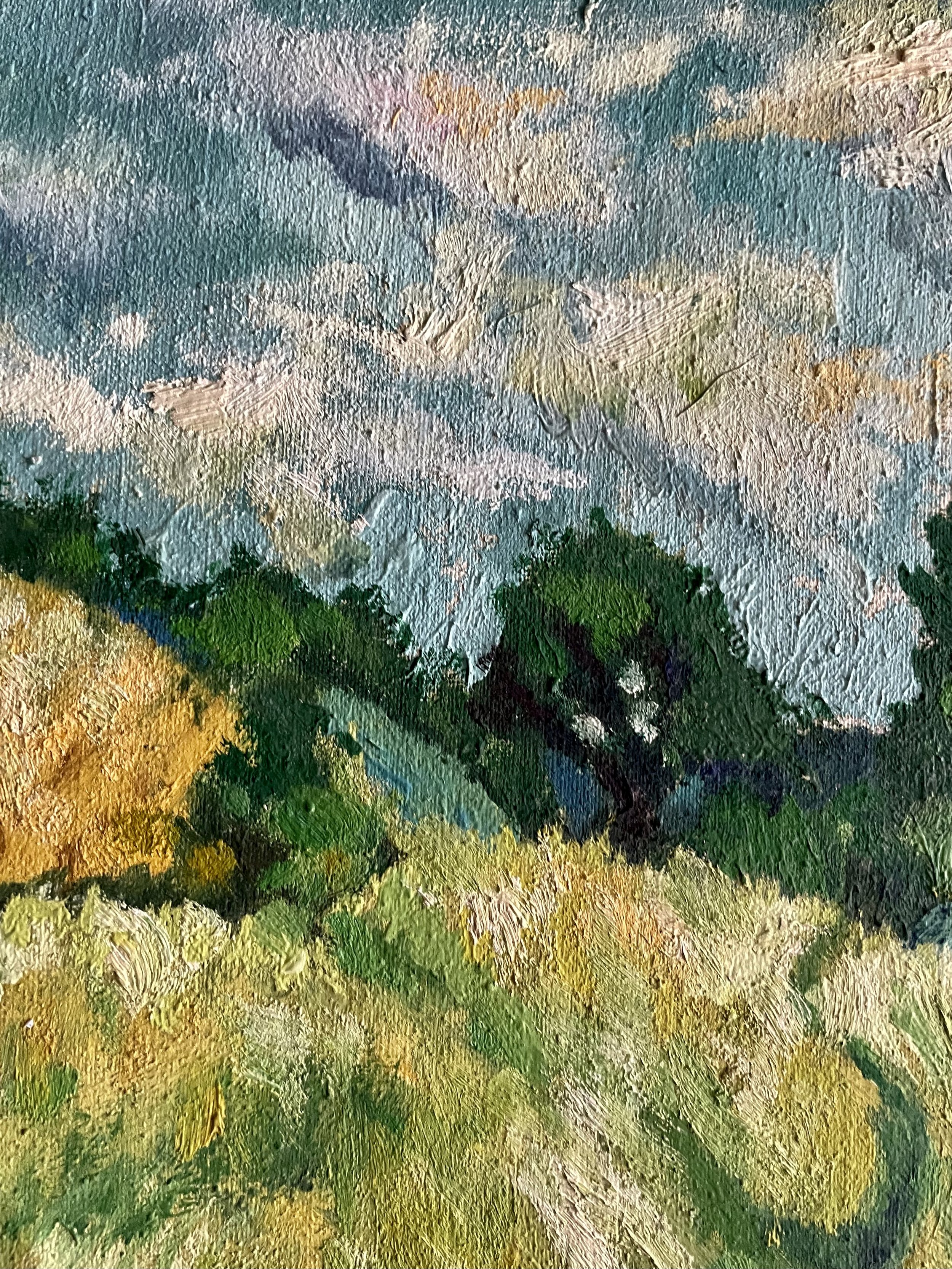
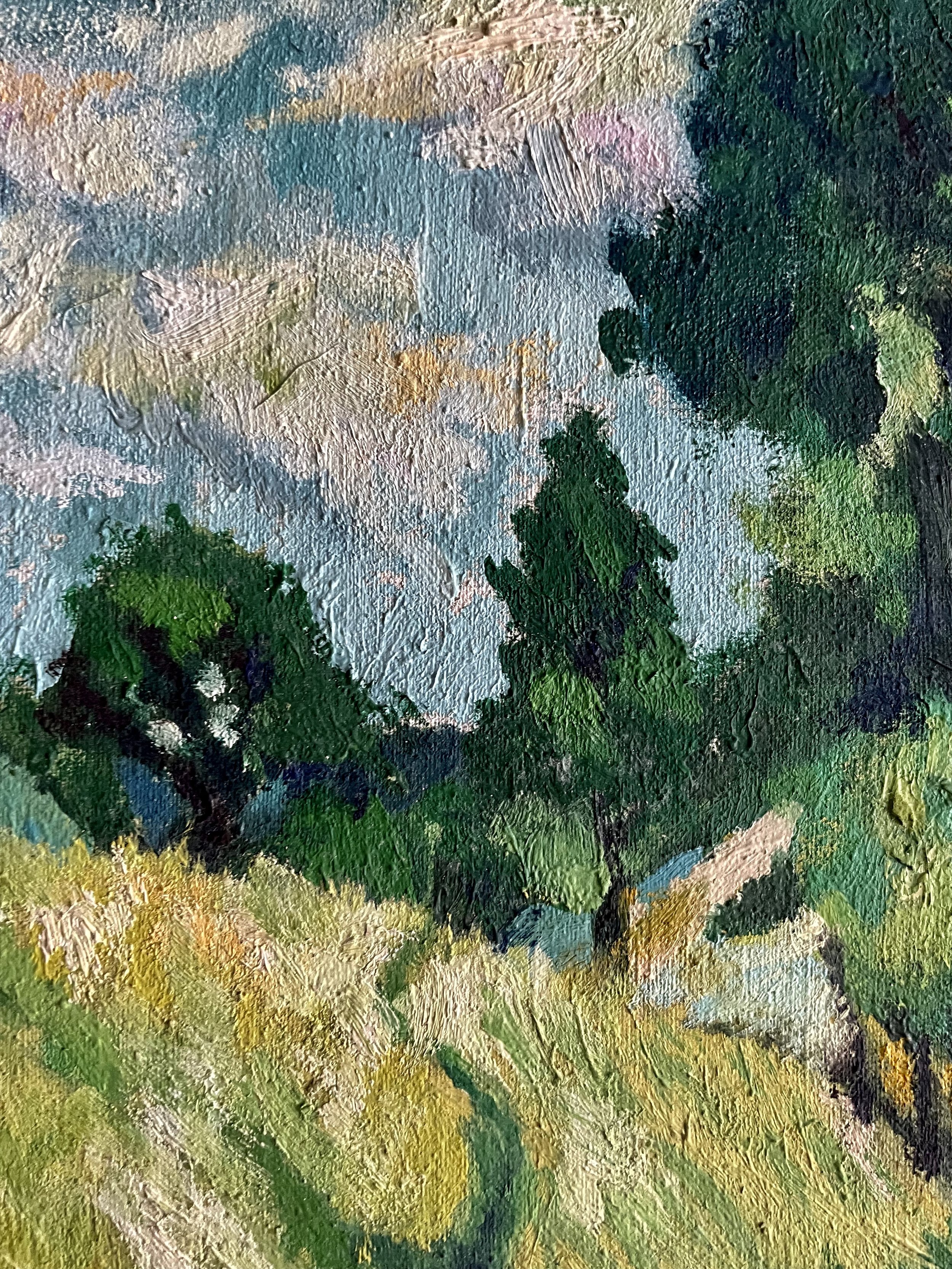
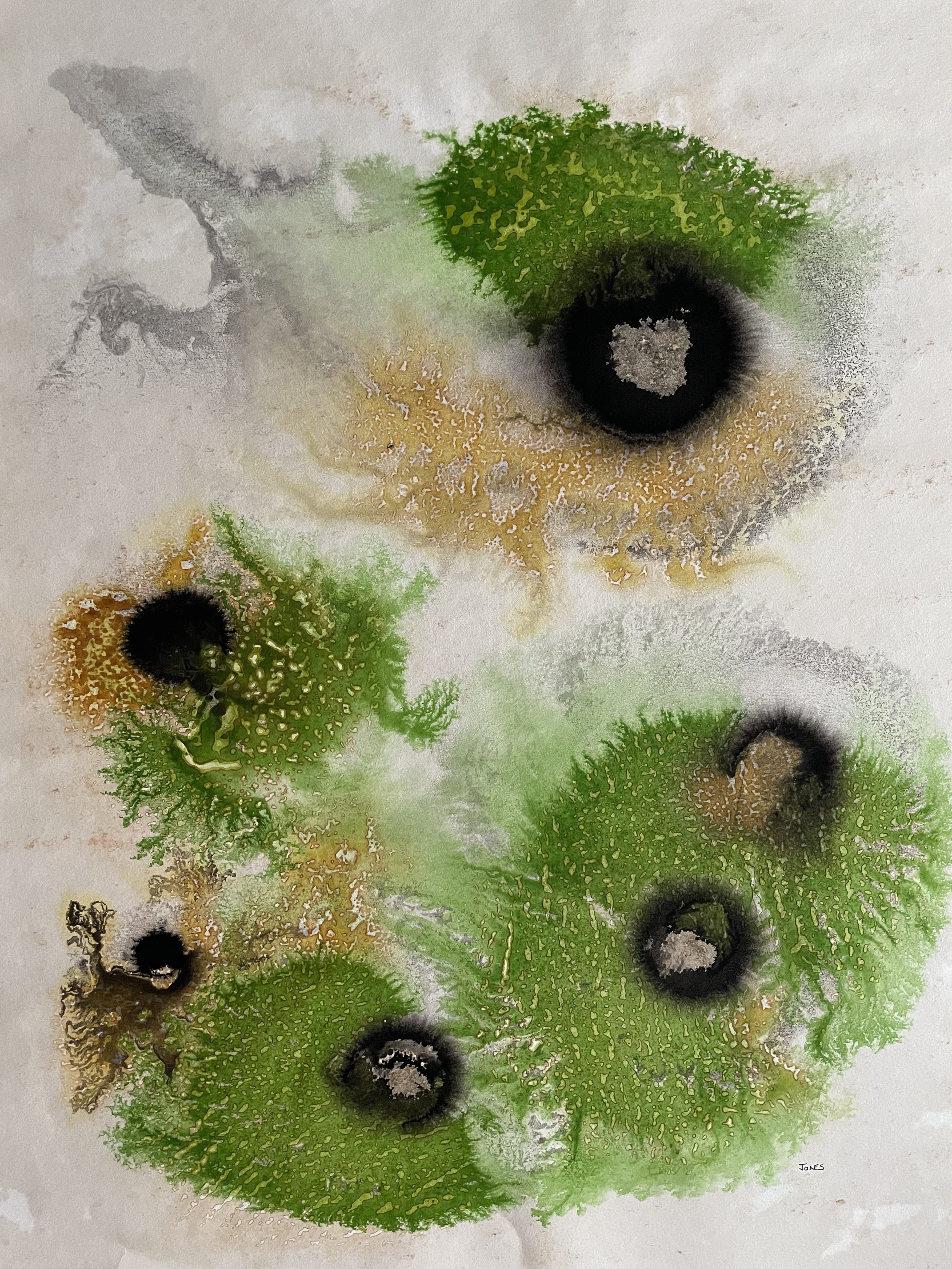
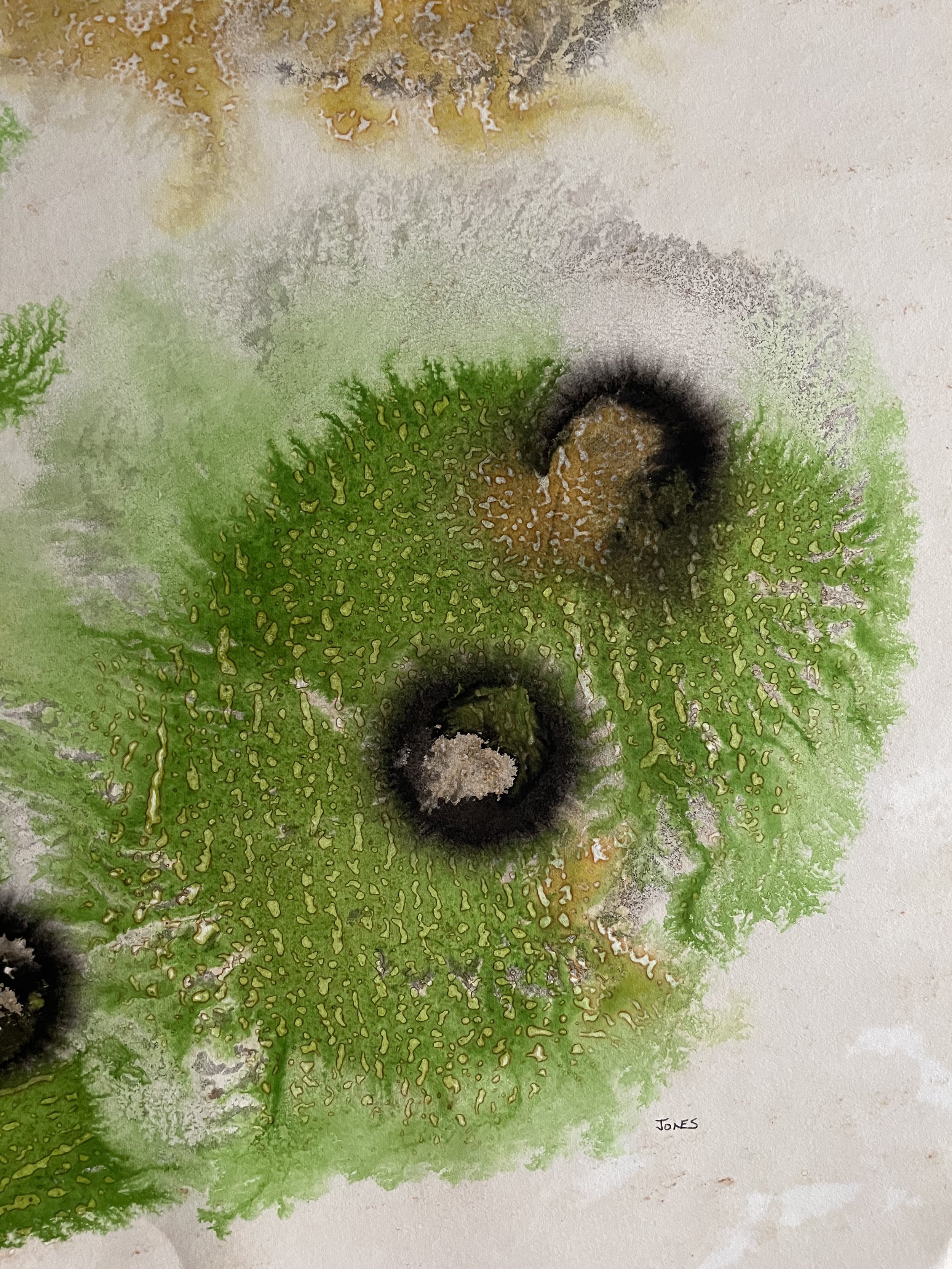
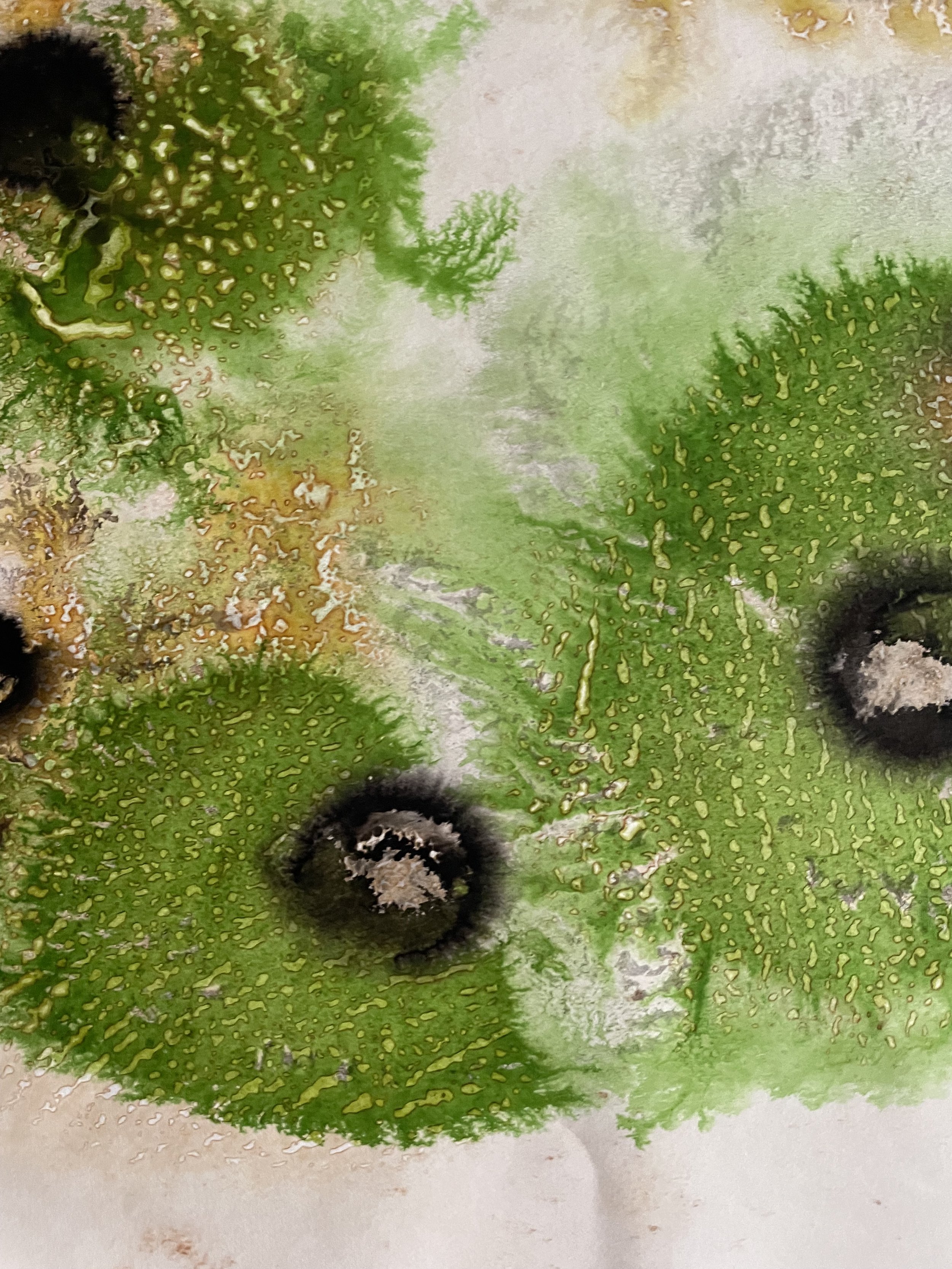
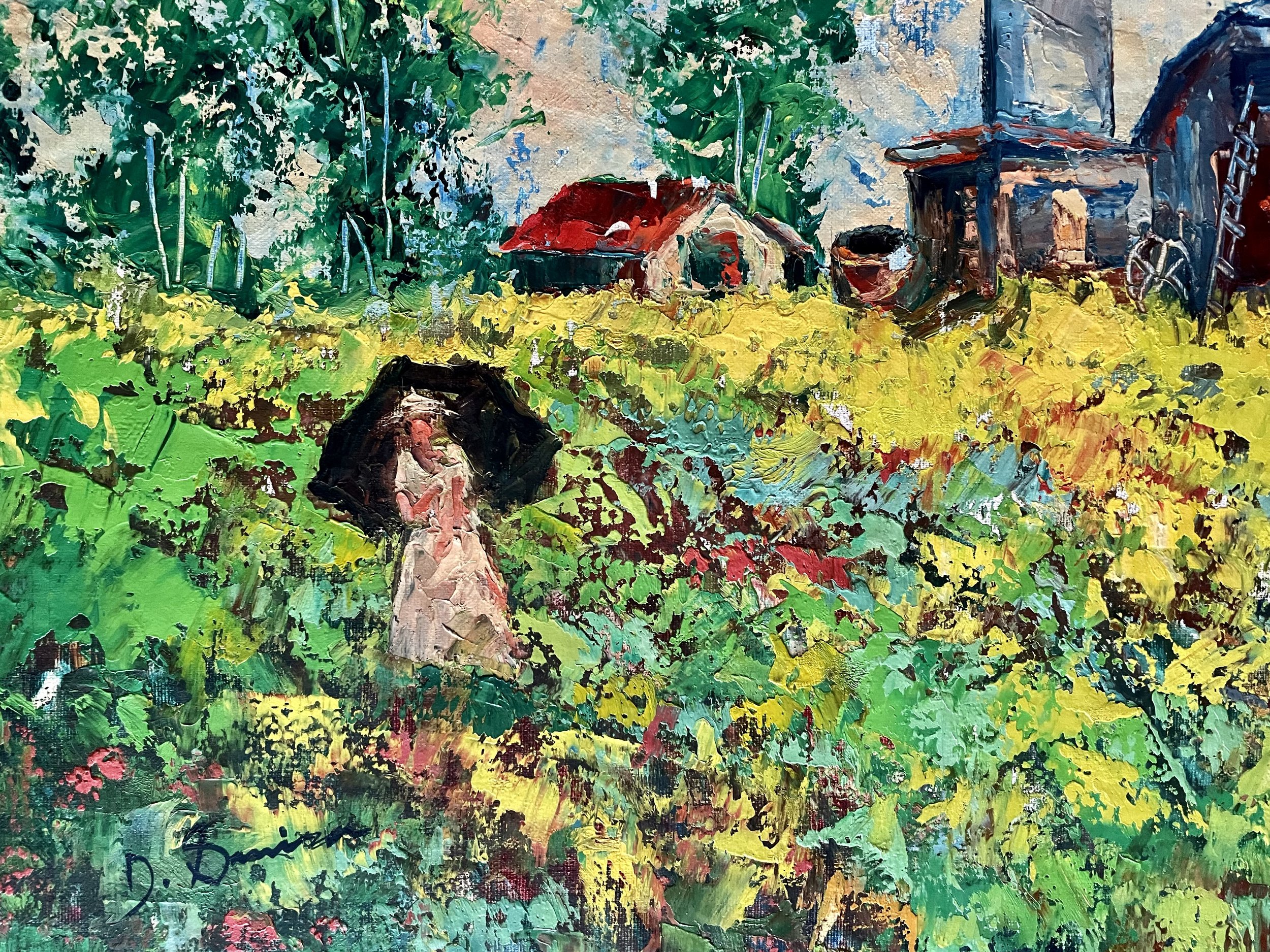
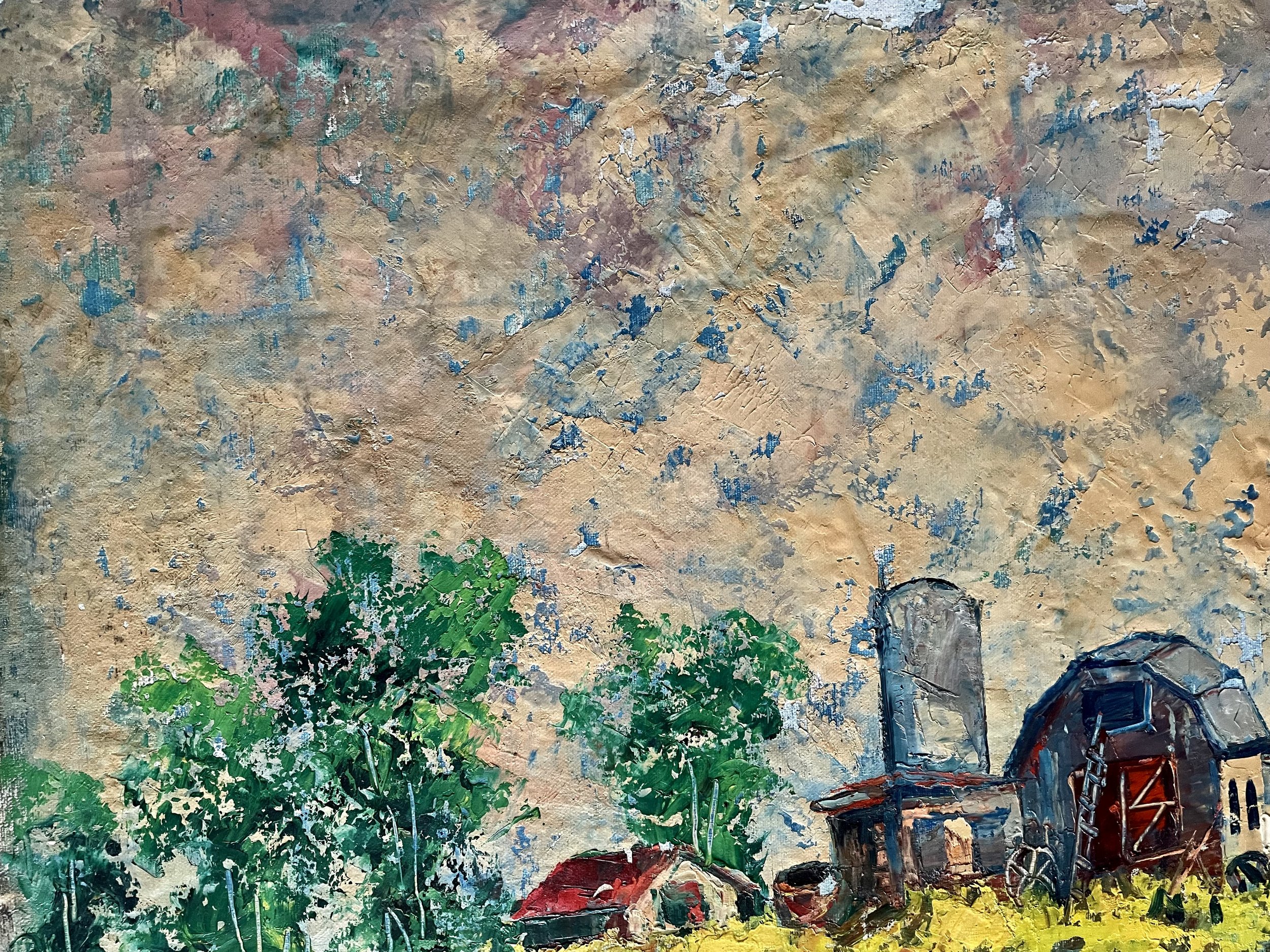
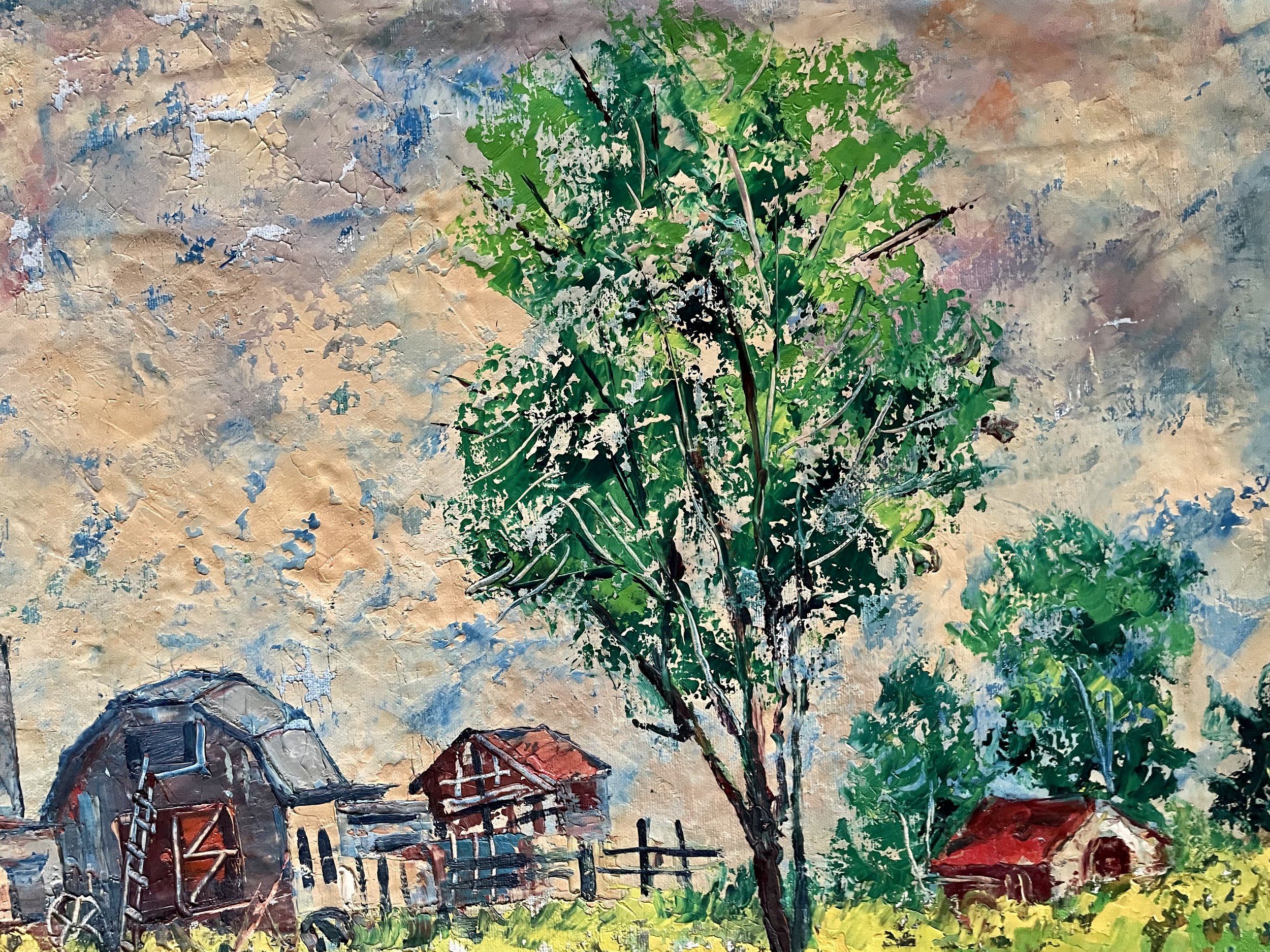
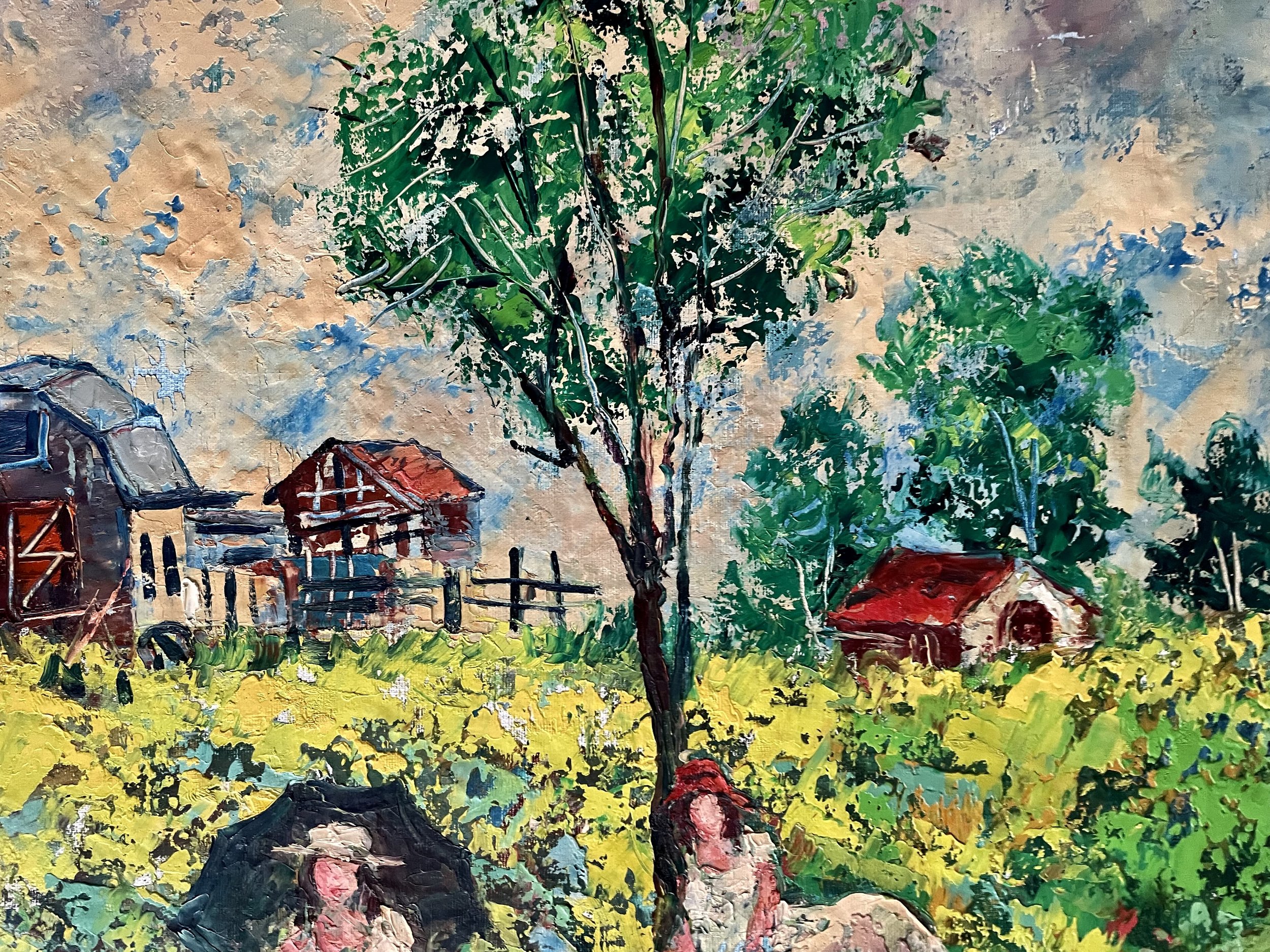
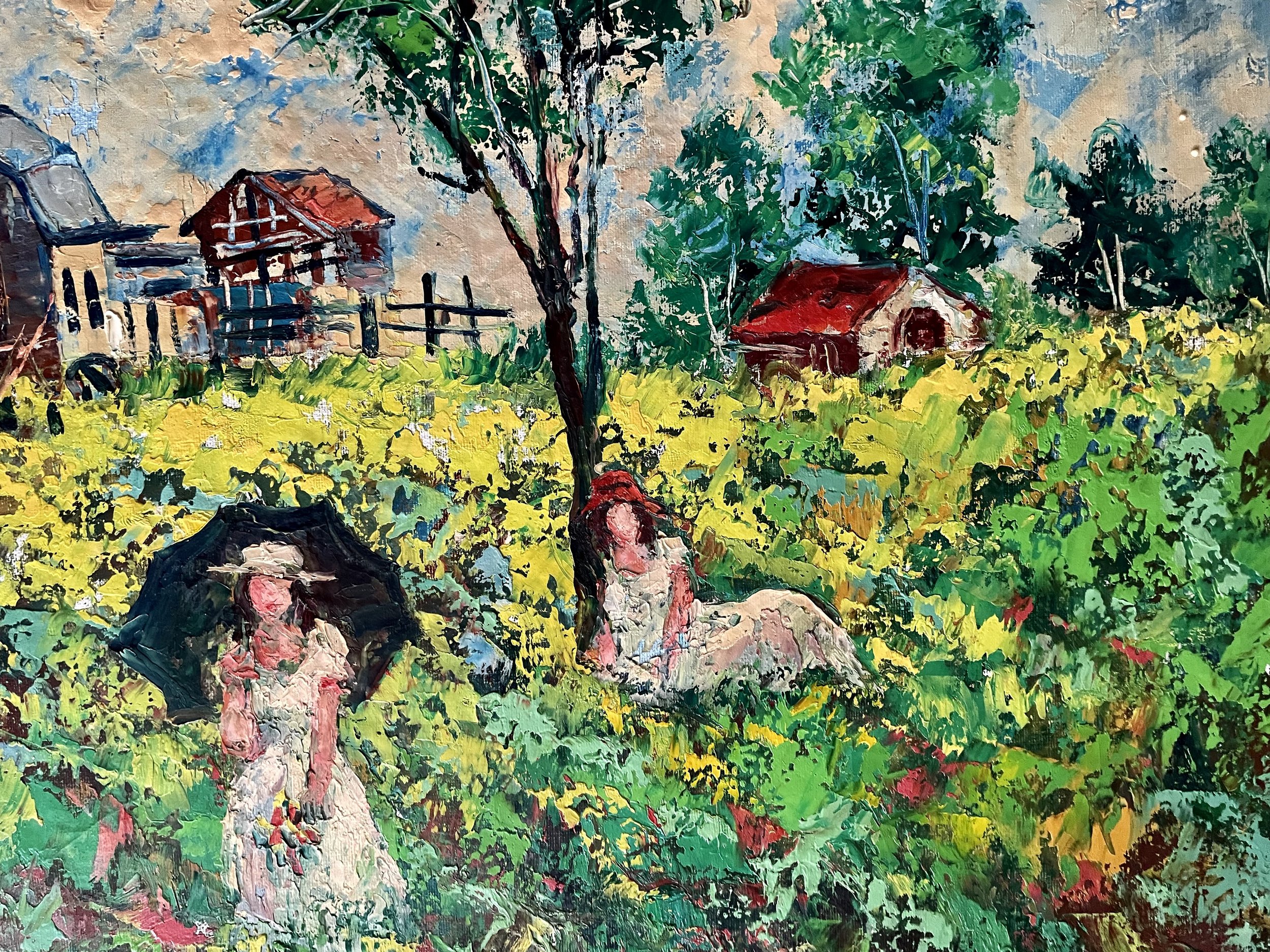
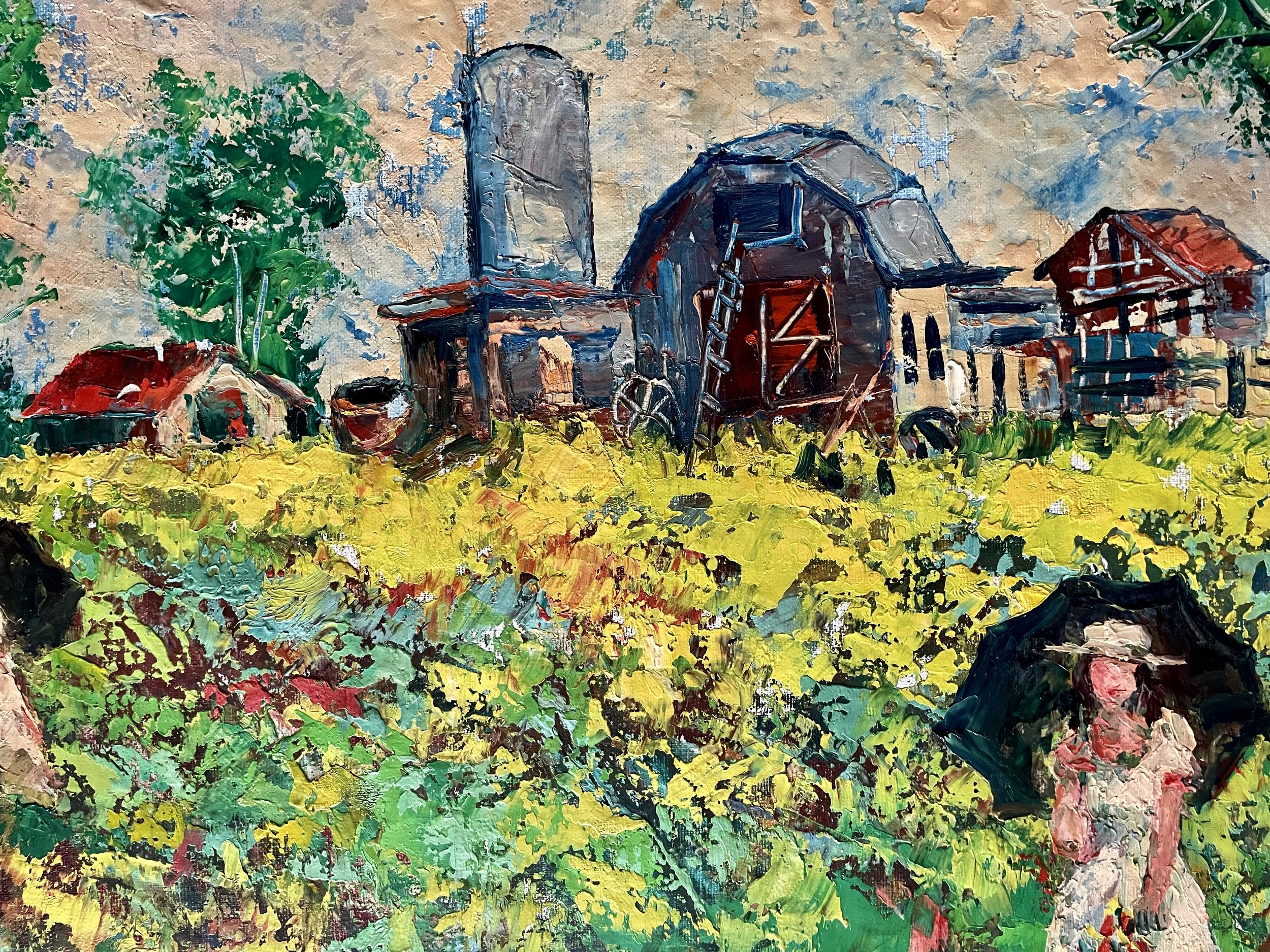
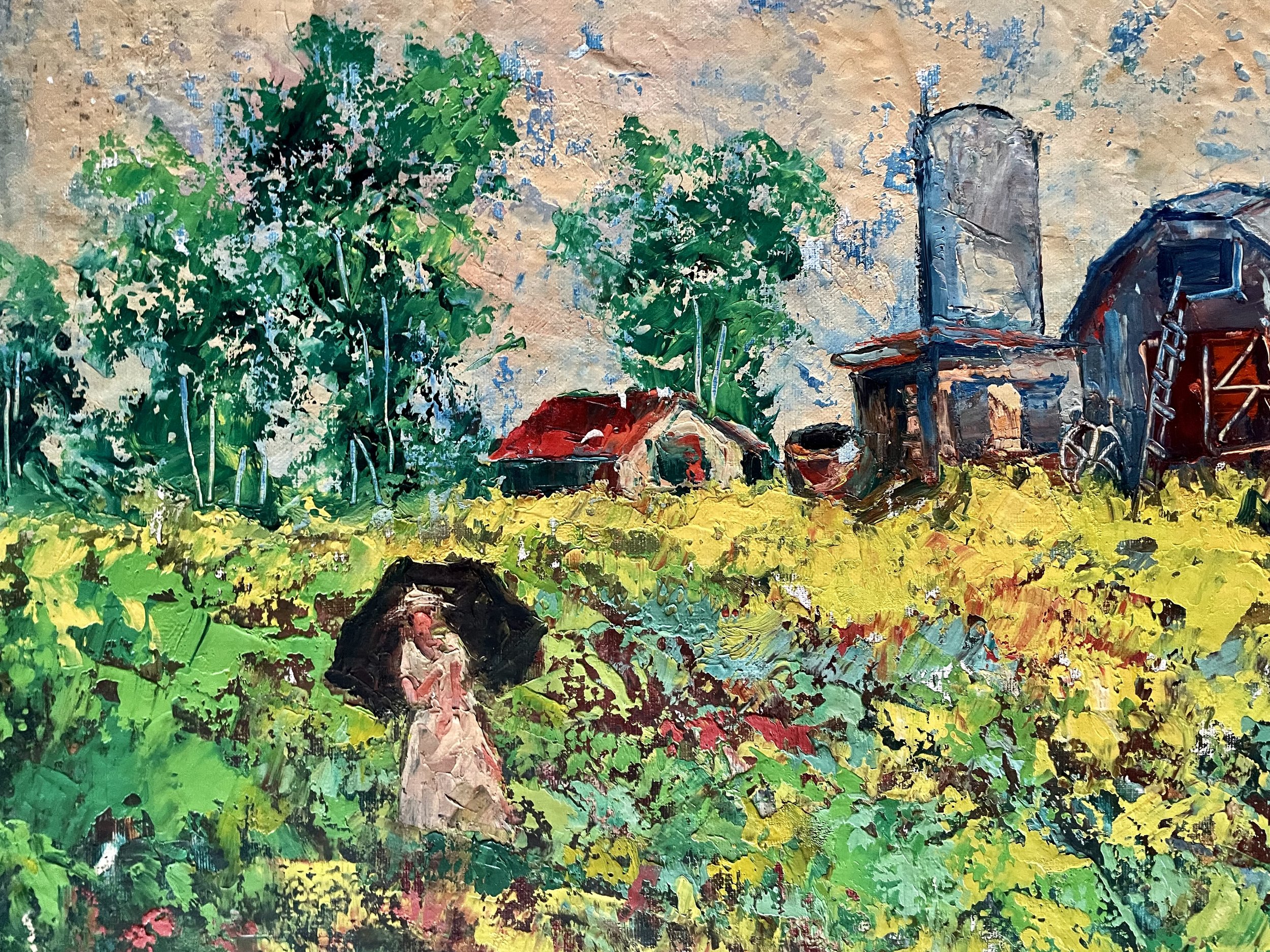
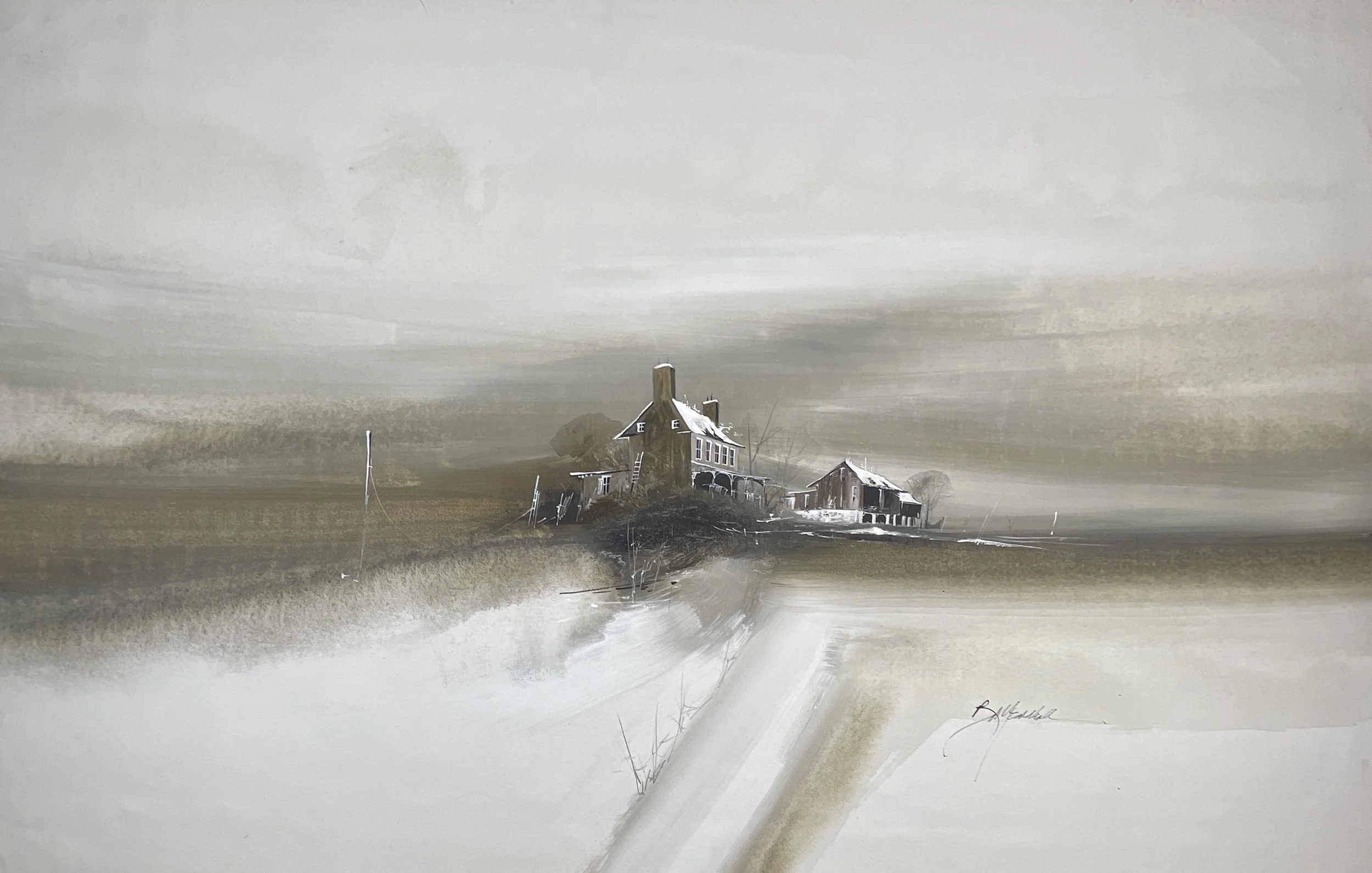
Winter Farmstead Road (attributed), Bob Yealdhall (American, b. c.1950), c.1972–1976, oil on canvas, 39 × 26 in., signed lower right.
Atmospheric winter rural landscape by Bob Yealdhall depicting a farmhouse and barn along a snow-covered road. Tonalist oil painting with muted earth palette and cinematic mood, characteristic of Yealdhall’s “realistic fantasy” architectural landscapes.
Artwork Description
This evocative rural winter landscape by Bob Yealdhall presents a quiet farmstead positioned along a narrow country road cutting through a snow-covered field. The composition is structured around the diagonal sweep of the road leading toward a cluster of buildings—a farmhouse and a barn—perched slightly above the surrounding landscape.
The painting is executed in a restrained tonal palette of muted browns, greys, and soft winter whites. Yealdhall’s approach emphasizes atmosphere rather than detail, allowing subtle tonal transitions to convey the chill and stillness of the winter landscape. Snow gathers along the rooflines and edges of the road while the distant horizon dissolves into a misty sky.
The architecture becomes the focal point of the composition. The farmhouse stands slightly elevated with a porch supported by slender posts, while a secondary structure—likely a barn or outbuilding—sits adjacent on the right. These buildings appear slightly aged and weathered, reinforcing Yealdhall’s fascination with historic or decaying architectural forms.
The road acts as both a compositional and narrative device, guiding the viewer through the foreground and into the heart of the scene. Its smooth, pale surface contrasts with the darker surrounding fields and subtly reflects the diffused light of the sky.
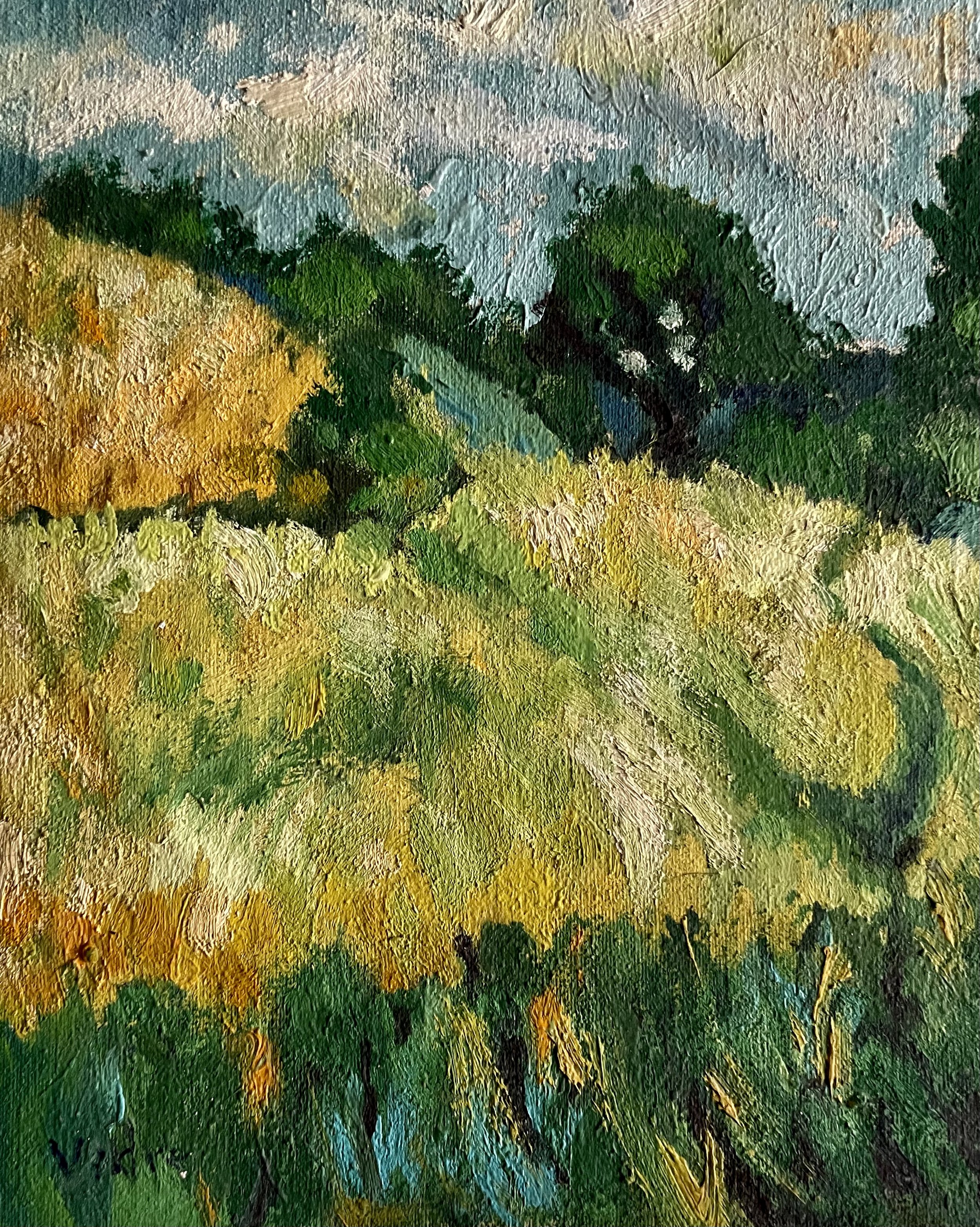
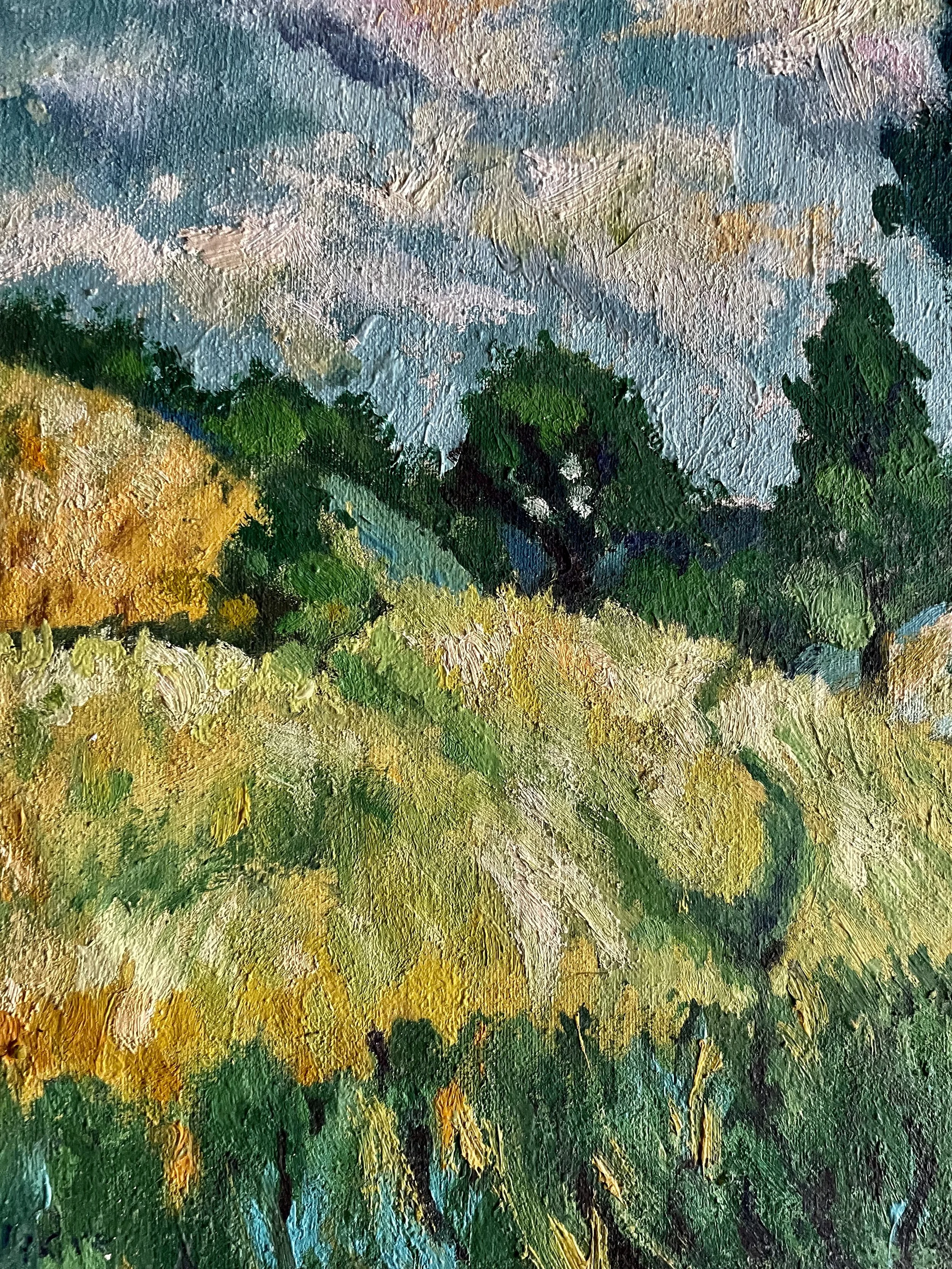
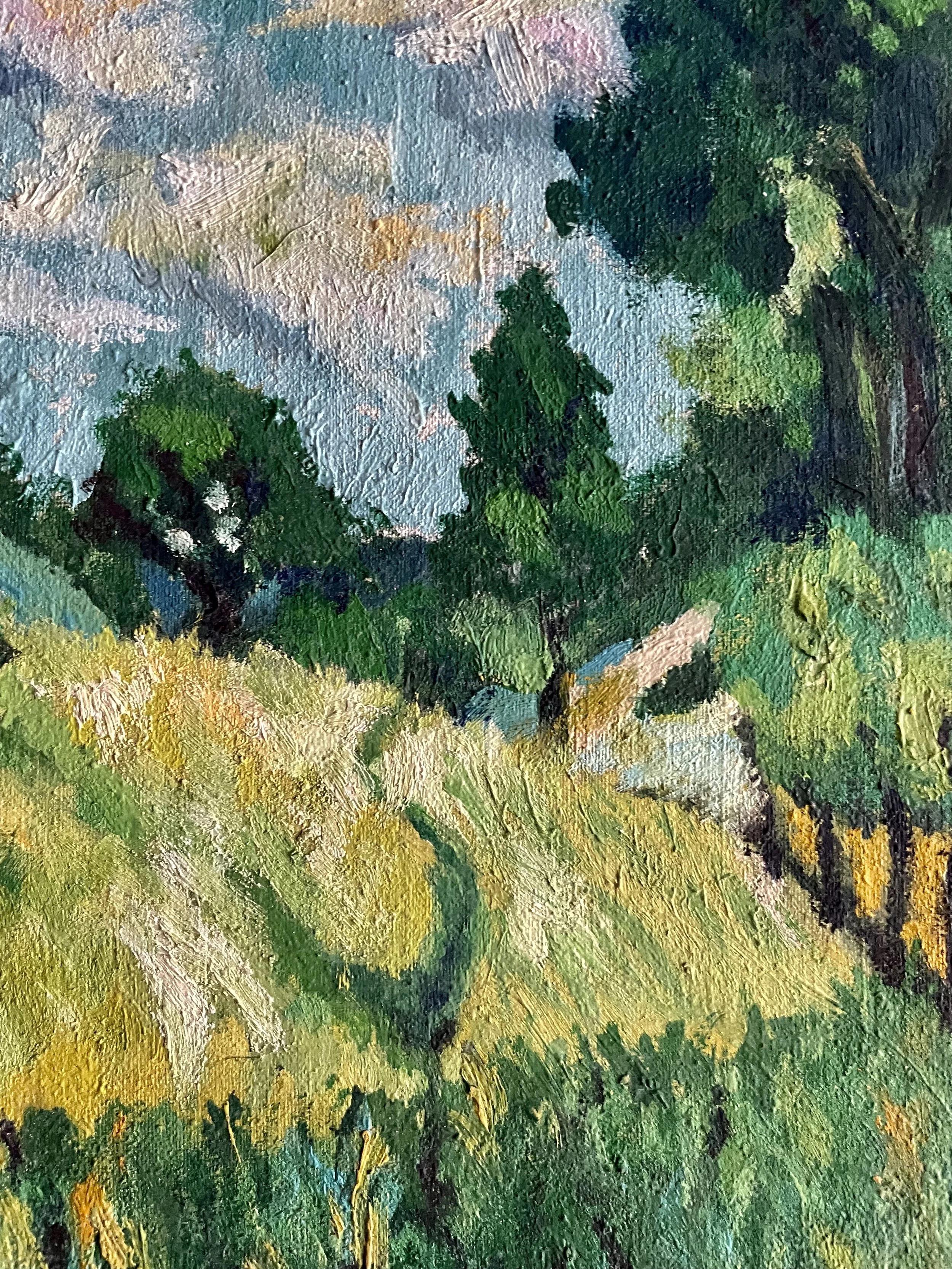
Yealdhall’s technique combines thin washes of oil paint with softly blended transitions and selective highlights applied with quick, confident strokes. The brushwork in the sky and fields is broad and atmospheric, while the structures themselves are rendered with more deliberate linear accents to define windows, rooflines, and architectural features.
The result is a painting that balances realism with mood and suggestion. The setting appears plausible yet slightly dreamlike, an effect consistent with Yealdhall’s described style of “realistic fantasy,” in which familiar rural structures are placed within subtly surreal atmospheric environments.
Signed lower right, the work exemplifies Yealdhall’s distinctive combination of architecture, landscape, and quiet narrative.
Artist Biography
Bob Yealdhall emerged during the early 1970s as one of the most promising young independent painters working in the United States. His career developed outside formal academic traditions, reflecting a fiercely individualistic approach that helped shape the distinctive character of his work.
From the beginning, Yealdhall deliberately distanced himself from established schools and prevailing artistic movements. Rather than aligning with a particular style or theoretical program, he allowed his own interests—particularly architecture, landscape, and atmospheric storytelling—to guide the development of his visual language. This independence produced paintings that critics described as belonging to a category of “realistic fantasy.”
This term aptly captures Yealdhall’s unique approach. His compositions often depict recognizable rural buildings—farmhouses, barns, and aging architectural specimens—yet these structures are placed within landscapes that possess an almost dreamlike atmosphere. Subtle distortions of space, tonal fog, and theatrical lighting lend his work a slightly surreal quality.
Yealdhall’s artistic talent was recognized unusually early. At just seventeen years old he was identified by the Hearst newspapers as one of the most promising young artistic talents in the country. As a result of this recognition he was awarded an art scholarship, although he ultimately chose not to use it, preferring to pursue his artistic development independently.
This decision reinforced his reputation as a strong individualist. Yealdhall believed artistic authenticity required independence from institutional influence and fashionable trends. His work evolved organically as he experimented with composition, architecture, and narrative landscape.
In addition to painting, Yealdhall explored other creative fields including commercial design and theatrical advertising. His involvement with theatrical advertising connected him with one of America’s most successful Broadway producers, further expanding the range of visual communication techniques influencing his paintings.
Yealdhall’s paintings quickly gained recognition in galleries across the United States. His work was exhibited in major cultural centers including New York, Washington, Denver, Phoenix, Cleveland, and Chicago. This national exposure established him as an emerging figure within the American contemporary art scene.
International opportunities soon followed. Yealdhall exhibited in London and in Kingston, Jamaica, following a showing associated with the American Embassy in 1974. These exhibitions helped introduce his work to audiences beyond the United States.
Critics often praised Yealdhall’s versatility of technique and sensitivity to mood. Reviews noted his remarkable control of form and structure, while also emphasizing his innovative use of collage-like layering and paint application that gave his works a distinctive visual character.
Another quality frequently highlighted by critics was Yealdhall’s restraint. Observers noted that the power of his compositions often lay in what he chose not to include—allowing atmosphere and suggestion to carry the narrative weight of the painting.
Beyond his technical accomplishments, Yealdhall was known as an articulate and thoughtful artist. A voracious reader and gifted storyteller, he often approached painting as a form of visual narrative. His fascination with British culture—stemming from his Lancashire-born mother and regular visits to England—also influenced the architectural sensibilities found in many of his works.
Today Yealdhall’s paintings are appreciated for their quiet intensity and atmospheric storytelling. His architectural landscapes stand as examples of a distinctive American interpretation of surreal rural imagery during the late twentieth century.
Bob Yealdhall winter farmstead landscape, oil on canvas, signed, atmospheric rural architecture scene, 39 × 26 in.
Certificate of Authentication
Artist: Bob Yealdhall
Title: Winter Farmstead Road (attributed)
Medium: Oil on canvas
Dimensions: 39 × 26 inches
Signature: Signed lower right
Date: circa 1972–1976
This artwork is an original oil painting by Bob Yealdhall based on signature verification and stylistic consistency with documented works by the artist.
Condition
Very good vintage condition. Canvas stable with minor edge wear from prior mounting or framing. Light surface patina consistent with age. No major paint loss or structural issues observed.
Provenance
Artist studio or early gallery distribution
Mitch Morse Gallery, New York (artist’s agent, publisher of original graphics, and art dealer)
Private collection acquired through Mitch Morse Gallery
Artfind Gallery, Washington DC (current owner)
All works acquired through Mitch Morse Gallery, which sourced artworks throughout New York, the United States, and Europe.
Provenance Note: Mitch Morse Gallery Collection
This artwork originates from the inventory of Mitch Morse Gallery, a respected New York–based gallery and publisher active during the mid-to-late 20th century. Mitch Morse was an established figure in the American art market, serving as an artist’s agent, publisher of original graphics, art dealer, distributor, and fine art restorer. He was also a Design Affiliate of A.S.I.D., listed in Who’s Who in the East, and a guest lecturer in graphics at New York University, with appearances on radio and television discussing art and design.
Through his gallery and associated publishing operations, Morse acquired paintings, prints, and original works from artists and studios across New York, Europe, and international art markets, assembling a broad inventory representing a wide range of artistic traditions and mediums. Works from this collection circulated through galleries and collectors throughout the United States.
The present painting was acquired through this network and is now held in the collection of Artfind Gallery, Washington DC, continuing the documented chain of gallery provenance from Mitch Morse’s original acquisitions.
Winter Farmstead Road (attributed), Bob Yealdhall (American, b. c.1950), c.1972–1976, oil on canvas, 39 × 26 in., signed lower right.
Atmospheric winter rural landscape by Bob Yealdhall depicting a farmhouse and barn along a snow-covered road. Tonalist oil painting with muted earth palette and cinematic mood, characteristic of Yealdhall’s “realistic fantasy” architectural landscapes.
Artwork Description
This evocative rural winter landscape by Bob Yealdhall presents a quiet farmstead positioned along a narrow country road cutting through a snow-covered field. The composition is structured around the diagonal sweep of the road leading toward a cluster of buildings—a farmhouse and a barn—perched slightly above the surrounding landscape.
The painting is executed in a restrained tonal palette of muted browns, greys, and soft winter whites. Yealdhall’s approach emphasizes atmosphere rather than detail, allowing subtle tonal transitions to convey the chill and stillness of the winter landscape. Snow gathers along the rooflines and edges of the road while the distant horizon dissolves into a misty sky.
The architecture becomes the focal point of the composition. The farmhouse stands slightly elevated with a porch supported by slender posts, while a secondary structure—likely a barn or outbuilding—sits adjacent on the right. These buildings appear slightly aged and weathered, reinforcing Yealdhall’s fascination with historic or decaying architectural forms.
The road acts as both a compositional and narrative device, guiding the viewer through the foreground and into the heart of the scene. Its smooth, pale surface contrasts with the darker surrounding fields and subtly reflects the diffused light of the sky.
Yealdhall’s technique combines thin washes of oil paint with softly blended transitions and selective highlights applied with quick, confident strokes. The brushwork in the sky and fields is broad and atmospheric, while the structures themselves are rendered with more deliberate linear accents to define windows, rooflines, and architectural features.
The result is a painting that balances realism with mood and suggestion. The setting appears plausible yet slightly dreamlike, an effect consistent with Yealdhall’s described style of “realistic fantasy,” in which familiar rural structures are placed within subtly surreal atmospheric environments.
Signed lower right, the work exemplifies Yealdhall’s distinctive combination of architecture, landscape, and quiet narrative.
Artist Biography
Bob Yealdhall emerged during the early 1970s as one of the most promising young independent painters working in the United States. His career developed outside formal academic traditions, reflecting a fiercely individualistic approach that helped shape the distinctive character of his work.
From the beginning, Yealdhall deliberately distanced himself from established schools and prevailing artistic movements. Rather than aligning with a particular style or theoretical program, he allowed his own interests—particularly architecture, landscape, and atmospheric storytelling—to guide the development of his visual language. This independence produced paintings that critics described as belonging to a category of “realistic fantasy.”
This term aptly captures Yealdhall’s unique approach. His compositions often depict recognizable rural buildings—farmhouses, barns, and aging architectural specimens—yet these structures are placed within landscapes that possess an almost dreamlike atmosphere. Subtle distortions of space, tonal fog, and theatrical lighting lend his work a slightly surreal quality.
Yealdhall’s artistic talent was recognized unusually early. At just seventeen years old he was identified by the Hearst newspapers as one of the most promising young artistic talents in the country. As a result of this recognition he was awarded an art scholarship, although he ultimately chose not to use it, preferring to pursue his artistic development independently.
This decision reinforced his reputation as a strong individualist. Yealdhall believed artistic authenticity required independence from institutional influence and fashionable trends. His work evolved organically as he experimented with composition, architecture, and narrative landscape.
In addition to painting, Yealdhall explored other creative fields including commercial design and theatrical advertising. His involvement with theatrical advertising connected him with one of America’s most successful Broadway producers, further expanding the range of visual communication techniques influencing his paintings.
Yealdhall’s paintings quickly gained recognition in galleries across the United States. His work was exhibited in major cultural centers including New York, Washington, Denver, Phoenix, Cleveland, and Chicago. This national exposure established him as an emerging figure within the American contemporary art scene.
International opportunities soon followed. Yealdhall exhibited in London and in Kingston, Jamaica, following a showing associated with the American Embassy in 1974. These exhibitions helped introduce his work to audiences beyond the United States.
Critics often praised Yealdhall’s versatility of technique and sensitivity to mood. Reviews noted his remarkable control of form and structure, while also emphasizing his innovative use of collage-like layering and paint application that gave his works a distinctive visual character.
Another quality frequently highlighted by critics was Yealdhall’s restraint. Observers noted that the power of his compositions often lay in what he chose not to include—allowing atmosphere and suggestion to carry the narrative weight of the painting.
Beyond his technical accomplishments, Yealdhall was known as an articulate and thoughtful artist. A voracious reader and gifted storyteller, he often approached painting as a form of visual narrative. His fascination with British culture—stemming from his Lancashire-born mother and regular visits to England—also influenced the architectural sensibilities found in many of his works.
Today Yealdhall’s paintings are appreciated for their quiet intensity and atmospheric storytelling. His architectural landscapes stand as examples of a distinctive American interpretation of surreal rural imagery during the late twentieth century.
Bob Yealdhall winter farmstead landscape, oil on canvas, signed, atmospheric rural architecture scene, 39 × 26 in.
Certificate of Authentication
Artist: Bob Yealdhall
Title: Winter Farmstead Road (attributed)
Medium: Oil on canvas
Dimensions: 39 × 26 inches
Signature: Signed lower right
Date: circa 1972–1976
This artwork is an original oil painting by Bob Yealdhall based on signature verification and stylistic consistency with documented works by the artist.
Condition
Very good vintage condition. Canvas stable with minor edge wear from prior mounting or framing. Light surface patina consistent with age. No major paint loss or structural issues observed.
Provenance
Artist studio or early gallery distribution
Mitch Morse Gallery, New York (artist’s agent, publisher of original graphics, and art dealer)
Private collection acquired through Mitch Morse Gallery
Artfind Gallery, Washington DC (current owner)
All works acquired through Mitch Morse Gallery, which sourced artworks throughout New York, the United States, and Europe.
Provenance Note: Mitch Morse Gallery Collection
This artwork originates from the inventory of Mitch Morse Gallery, a respected New York–based gallery and publisher active during the mid-to-late 20th century. Mitch Morse was an established figure in the American art market, serving as an artist’s agent, publisher of original graphics, art dealer, distributor, and fine art restorer. He was also a Design Affiliate of A.S.I.D., listed in Who’s Who in the East, and a guest lecturer in graphics at New York University, with appearances on radio and television discussing art and design.
Through his gallery and associated publishing operations, Morse acquired paintings, prints, and original works from artists and studios across New York, Europe, and international art markets, assembling a broad inventory representing a wide range of artistic traditions and mediums. Works from this collection circulated through galleries and collectors throughout the United States.
The present painting was acquired through this network and is now held in the collection of Artfind Gallery, Washington DC, continuing the documented chain of gallery provenance from Mitch Morse’s original acquisitions.