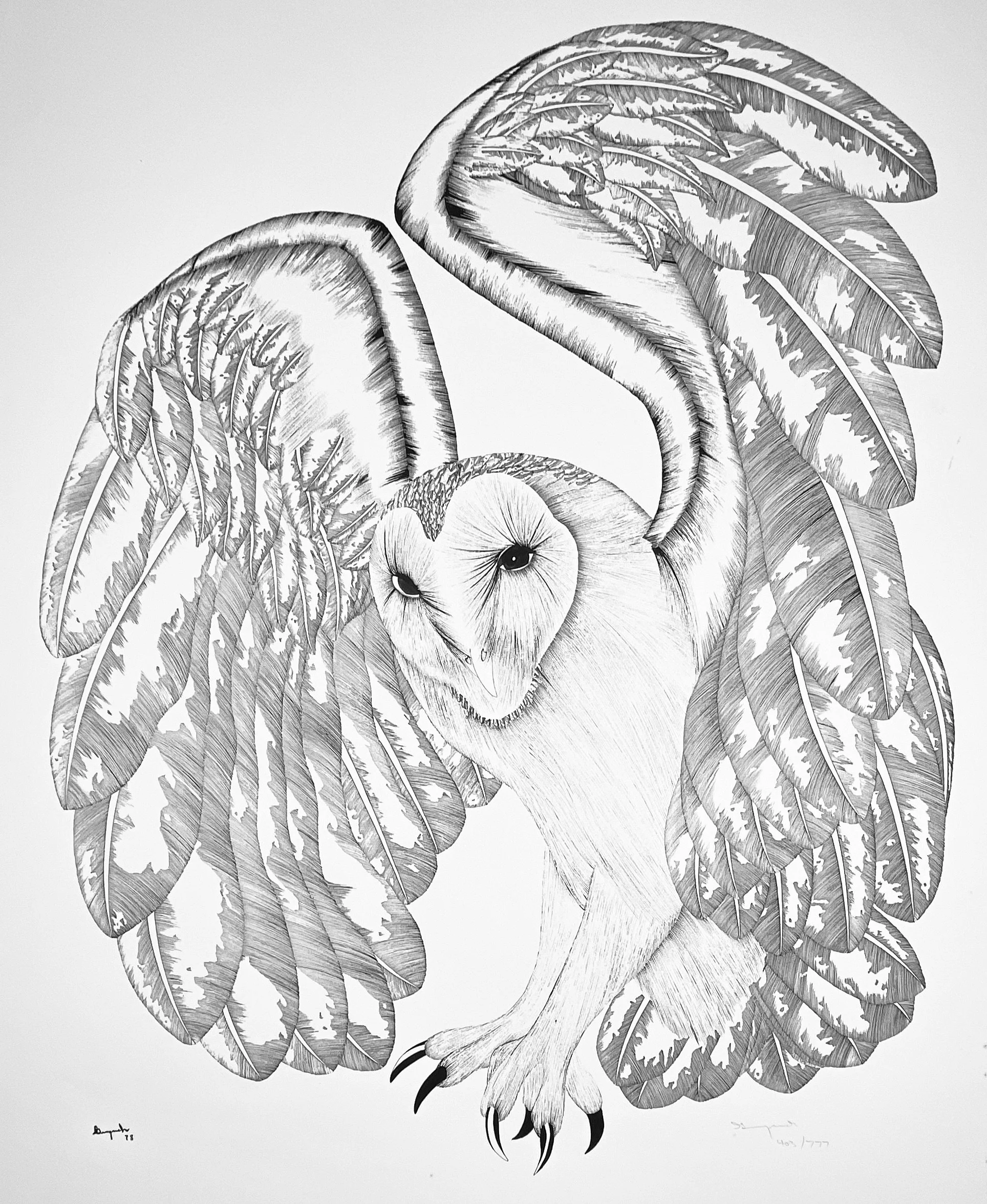
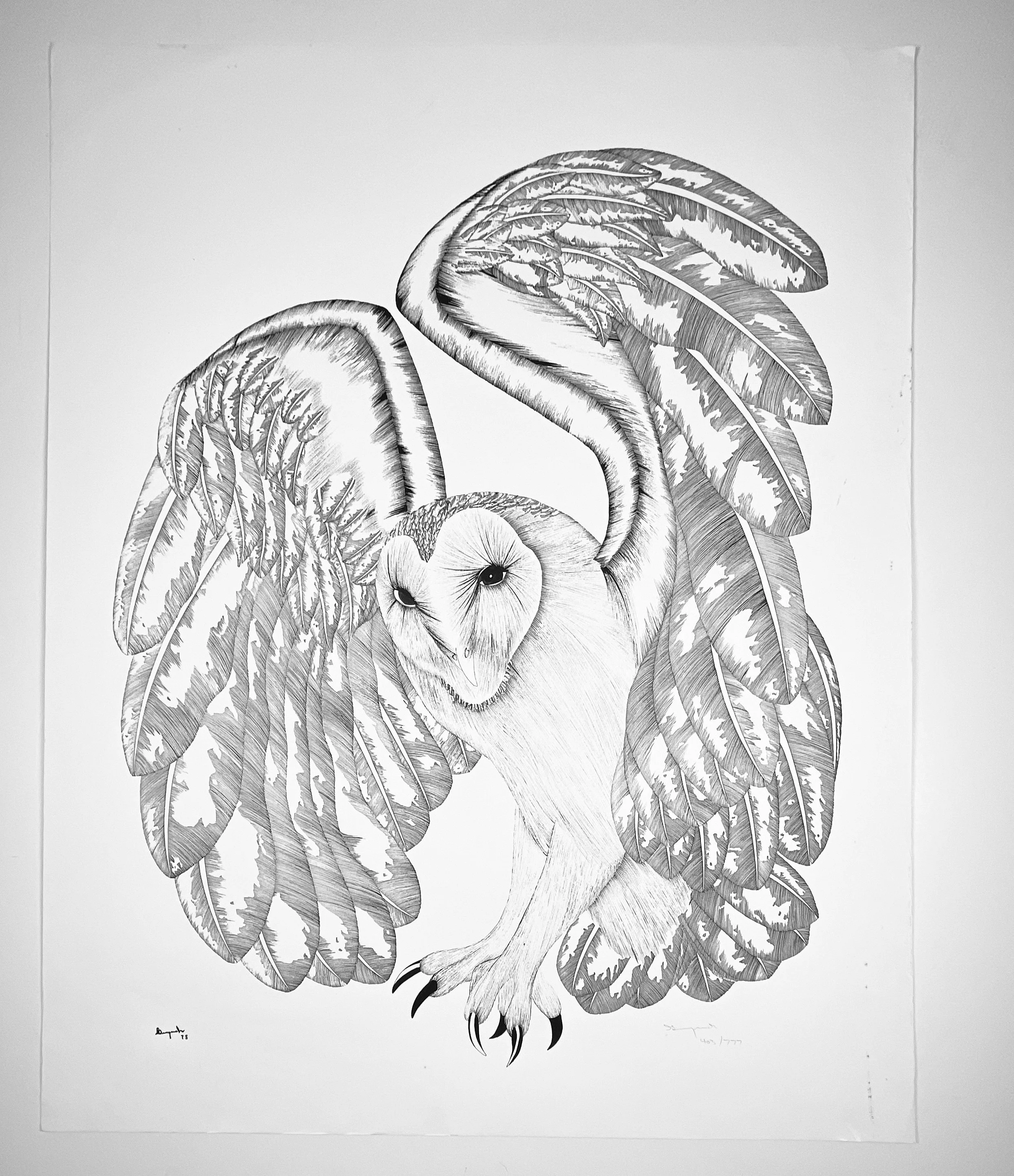
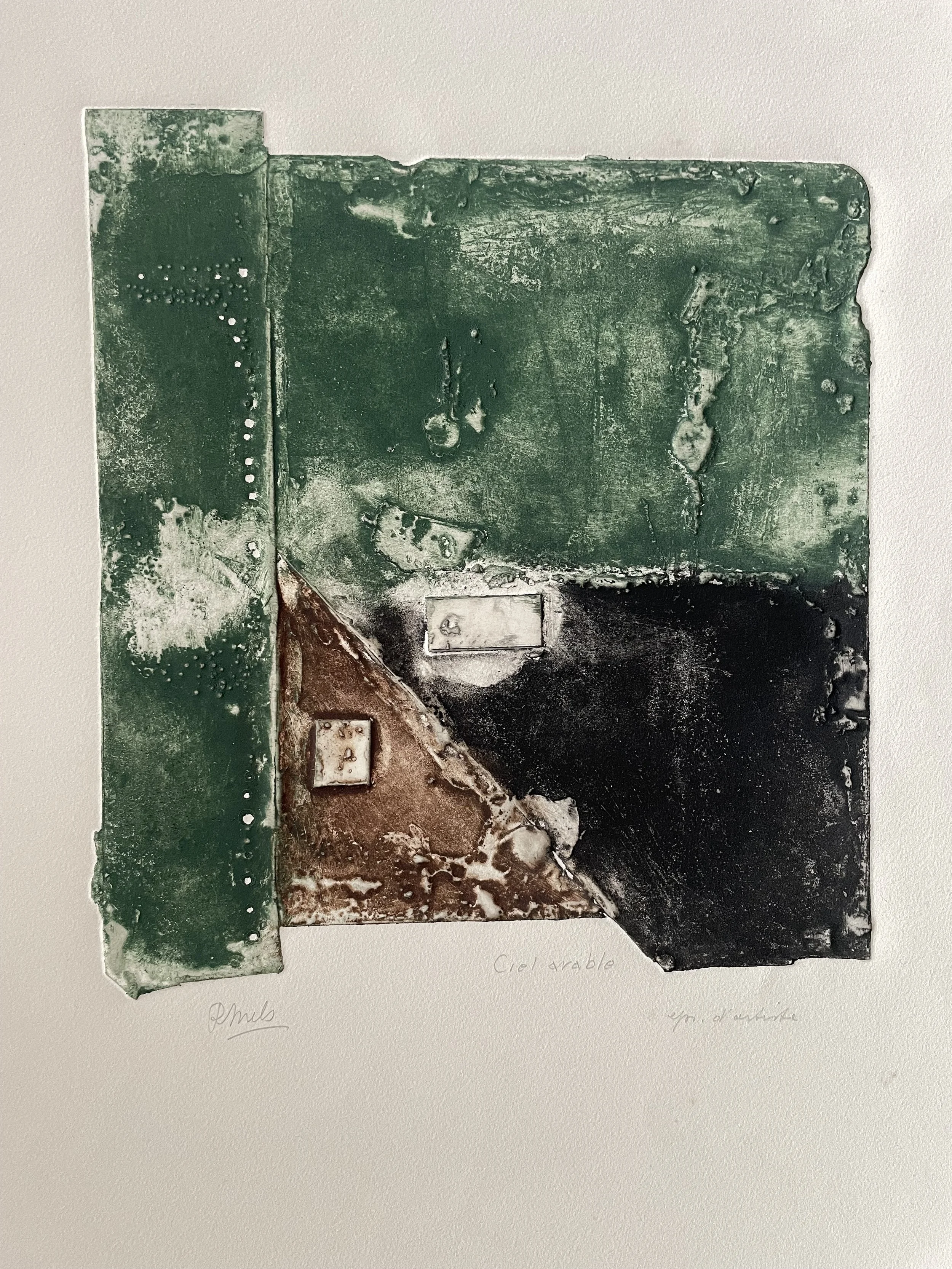
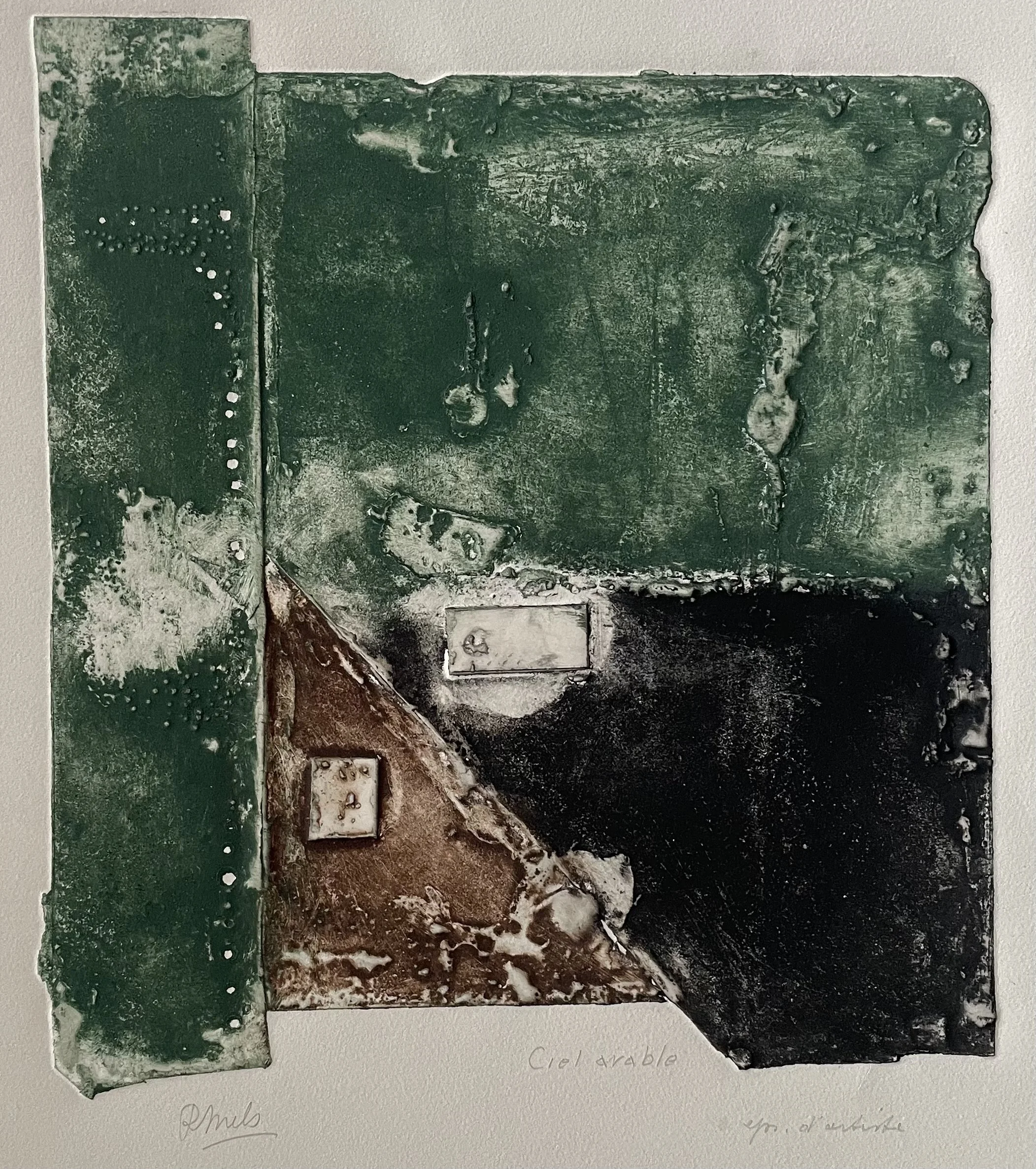
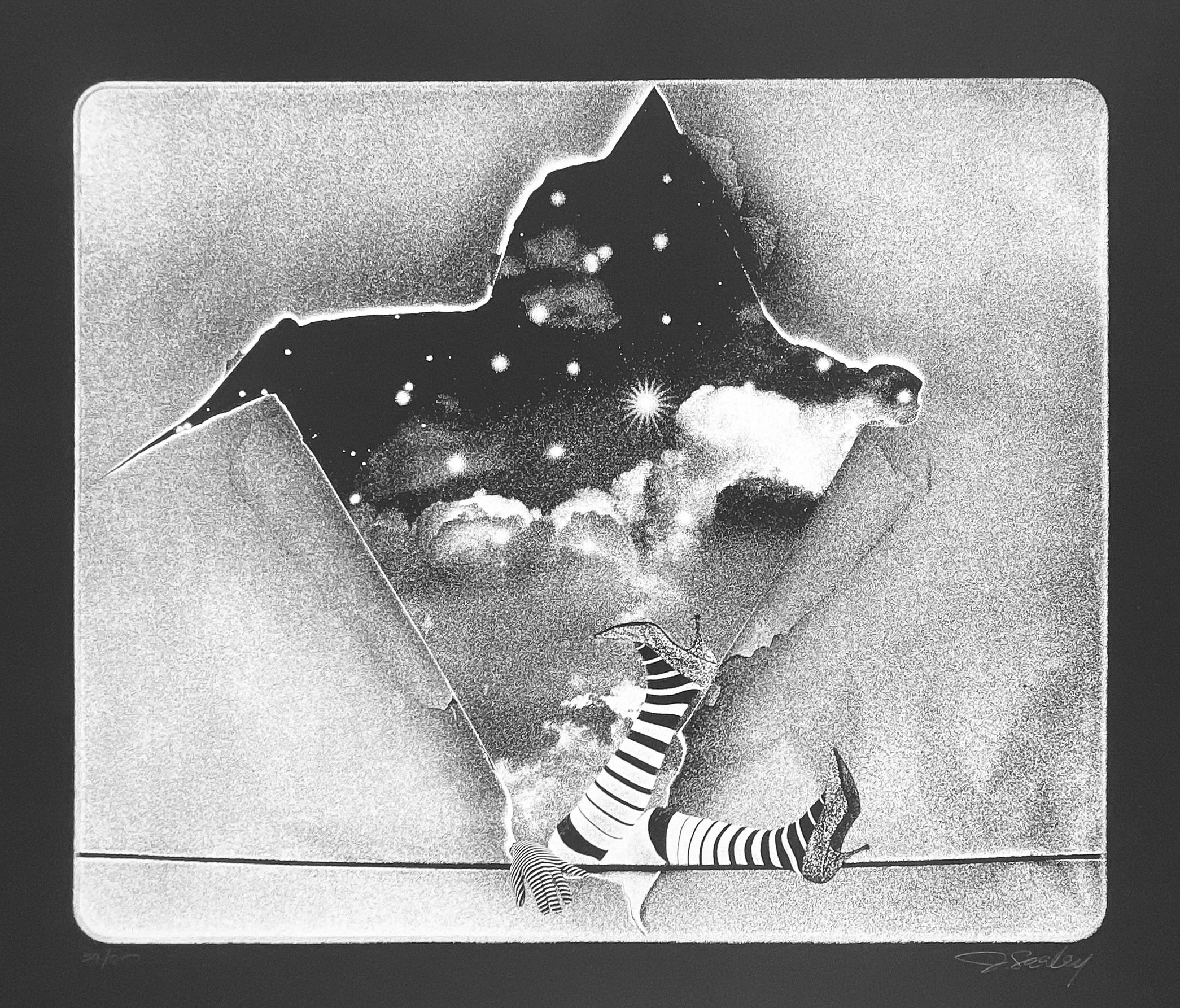
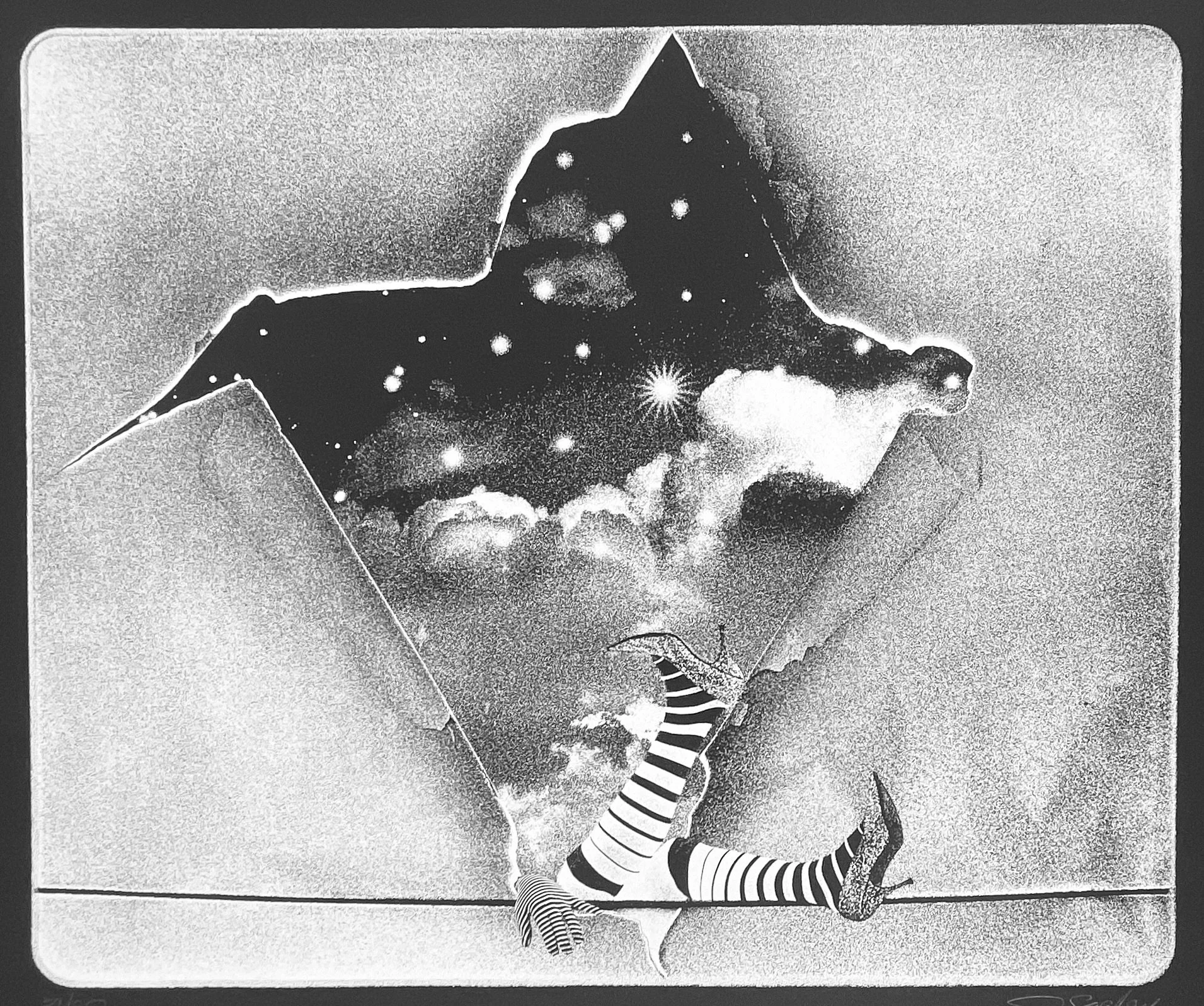
“Wood Duck, Black Tern & Short-tailed Tern,” John James Audubon (1785–1851), c.1860s chromolithograph, 12×15 in., Pl. VIII.
This original Audubon bird plate presents the Wood Duck and associated tern species in a finely colored 19th-century chromolithograph. Plate VIII exemplifies Audubon’s mastery of naturalistic composition, scientific observation, and painterly elegance, making it a prized work for collectors of ornithological art, American natural history, and early wildlife illustration.
ARTWORK DESCRIPTION
This plate, titled “Wood Duck, Black Tern & Short-tailed Tern” (Plate VIII), is a 19th-century chromolithographic interpretation after the original drawings of John James Audubon, the most influential natural history artist of the 19th century.
The composition balances multiple species within a cohesive marshland environment. The male and female Wood Duck (Aix sponsa) anchor the lower foreground, rendered with exceptional attention to plumage pattern, posture, and habitat. Above, tern species perch and glide through open space, creating a dynamic vertical rhythm that reflects Audubon’s unique ability to merge scientific clarity with painterly movement.
Executed as a chromolithograph, the image was printed using multiple lithographic stones to achieve layered color and tonal variation, a technique widely adopted in the mid-19th century to reproduce Audubon’s work for a broader audience while preserving visual richness. The soft coloration, precise linework, and naturalistic setting reflect the transitional period between hand-colored engravings and later mass-printed illustrations.
The plate is marked “PL. VIII” in Roman numerals and bears period annotations on the verso, including species identifications and an early 20th-century date, consistent with scholarly or dealer cataloging practices. No artist signature is present, as issued.
This work embodies Audubon’s lifelong mission: to depict birds from life, within their natural environments, at a scale and vitality never before achieved.
ARTIST BIOGRAPHY
John James Audubon (1785–1851)
Born: April 26, 1785, Les Cayes, Saint-Domingue (present-day Haiti)
Died: January 27, 1851, New York City, USA
John James Audubon was a French-American ornithologist, naturalist, painter, and author, best known for The Birds of America, one of the most ambitious and influential illustrated books ever produced.
Audubon was raised in France, where he studied drawing and developed an early fascination with birds and nature. In his early adulthood, he emigrated to the United States, settling initially in Pennsylvania and later traveling extensively throughout the American frontier, from the Mississippi River Valley to Florida and the Gulf Coast.
Unlike earlier natural history illustrators, Audubon insisted on drawing birds from life, often studying freshly collected specimens posed in lifelike positions using wires and supports. This approach allowed him to capture movement, behavior, and anatomical accuracy with unprecedented realism.
Audubon collaborated with master engravers and printers in Europe, most notably Robert Havell Sr. and Jr. in London, to produce The Birds of America (1827–1838), issued as hand-colored copperplate engravings. Later 19th-century editions and chromolithographic issues expanded access to his work while preserving its visual authority.
His influence extends beyond art into science and conservation. The Audubon Society, founded decades after his death, bears his name in recognition of his lasting impact on ornithology and environmental awareness.
Audubon exhibited and published internationally and was a member of several scientific societies in Europe and the United States. Today, his works reside in major museum collections worldwide, including the Smithsonian Institution, the British Museum, and the American Museum of Natural History.
John James Audubon (1785–1851)
Wood Duck, Black Tern & Short-tailed Tern (Plate VIII)
Chromolithograph after Audubon, c.1860s
12 × 15 inches
Condition consistent with age; annotated verso
Provenance: Mitch Morse Gallery; Artfind Gallery, Washington DC
CERTIFICATE OF VALUE & AUTHENTICATION
This certifies that the accompanying artwork is an authentic 19th-century chromolithographic plate after John James Audubon, depicting the Wood Duck and tern species, identified as Plate VIII. Based on stylistic, material, and printing characteristics, the work dates to the mid-19th century and is consistent with period Audubon chromolithographic editions.
Issued by: Artfind Gallery, Washington DC
PROVENANCE CHAIN (COLLECTOR FORMAT)
John James Audubon (original artwork, early 19th c.)
19th-century chromolithographic edition, Europe/USA
Mitch Morse Gallery, New York City (acquired via NYC and European sources)
Artfind Gallery, Washington DC (current owner)
“Wood Duck, Black Tern & Short-tailed Tern,” John James Audubon (1785–1851), c.1860s chromolithograph, 12×15 in., Pl. VIII.
This original Audubon bird plate presents the Wood Duck and associated tern species in a finely colored 19th-century chromolithograph. Plate VIII exemplifies Audubon’s mastery of naturalistic composition, scientific observation, and painterly elegance, making it a prized work for collectors of ornithological art, American natural history, and early wildlife illustration.
ARTWORK DESCRIPTION
This plate, titled “Wood Duck, Black Tern & Short-tailed Tern” (Plate VIII), is a 19th-century chromolithographic interpretation after the original drawings of John James Audubon, the most influential natural history artist of the 19th century.
The composition balances multiple species within a cohesive marshland environment. The male and female Wood Duck (Aix sponsa) anchor the lower foreground, rendered with exceptional attention to plumage pattern, posture, and habitat. Above, tern species perch and glide through open space, creating a dynamic vertical rhythm that reflects Audubon’s unique ability to merge scientific clarity with painterly movement.
Executed as a chromolithograph, the image was printed using multiple lithographic stones to achieve layered color and tonal variation, a technique widely adopted in the mid-19th century to reproduce Audubon’s work for a broader audience while preserving visual richness. The soft coloration, precise linework, and naturalistic setting reflect the transitional period between hand-colored engravings and later mass-printed illustrations.
The plate is marked “PL. VIII” in Roman numerals and bears period annotations on the verso, including species identifications and an early 20th-century date, consistent with scholarly or dealer cataloging practices. No artist signature is present, as issued.
This work embodies Audubon’s lifelong mission: to depict birds from life, within their natural environments, at a scale and vitality never before achieved.
ARTIST BIOGRAPHY
John James Audubon (1785–1851)
Born: April 26, 1785, Les Cayes, Saint-Domingue (present-day Haiti)
Died: January 27, 1851, New York City, USA
John James Audubon was a French-American ornithologist, naturalist, painter, and author, best known for The Birds of America, one of the most ambitious and influential illustrated books ever produced.
Audubon was raised in France, where he studied drawing and developed an early fascination with birds and nature. In his early adulthood, he emigrated to the United States, settling initially in Pennsylvania and later traveling extensively throughout the American frontier, from the Mississippi River Valley to Florida and the Gulf Coast.
Unlike earlier natural history illustrators, Audubon insisted on drawing birds from life, often studying freshly collected specimens posed in lifelike positions using wires and supports. This approach allowed him to capture movement, behavior, and anatomical accuracy with unprecedented realism.
Audubon collaborated with master engravers and printers in Europe, most notably Robert Havell Sr. and Jr. in London, to produce The Birds of America (1827–1838), issued as hand-colored copperplate engravings. Later 19th-century editions and chromolithographic issues expanded access to his work while preserving its visual authority.
His influence extends beyond art into science and conservation. The Audubon Society, founded decades after his death, bears his name in recognition of his lasting impact on ornithology and environmental awareness.
Audubon exhibited and published internationally and was a member of several scientific societies in Europe and the United States. Today, his works reside in major museum collections worldwide, including the Smithsonian Institution, the British Museum, and the American Museum of Natural History.
John James Audubon (1785–1851)
Wood Duck, Black Tern & Short-tailed Tern (Plate VIII)
Chromolithograph after Audubon, c.1860s
12 × 15 inches
Condition consistent with age; annotated verso
Provenance: Mitch Morse Gallery; Artfind Gallery, Washington DC
CERTIFICATE OF VALUE & AUTHENTICATION
This certifies that the accompanying artwork is an authentic 19th-century chromolithographic plate after John James Audubon, depicting the Wood Duck and tern species, identified as Plate VIII. Based on stylistic, material, and printing characteristics, the work dates to the mid-19th century and is consistent with period Audubon chromolithographic editions.
Issued by: Artfind Gallery, Washington DC
PROVENANCE CHAIN (COLLECTOR FORMAT)
John James Audubon (original artwork, early 19th c.)
19th-century chromolithographic edition, Europe/USA
Mitch Morse Gallery, New York City (acquired via NYC and European sources)
Artfind Gallery, Washington DC (current owner)
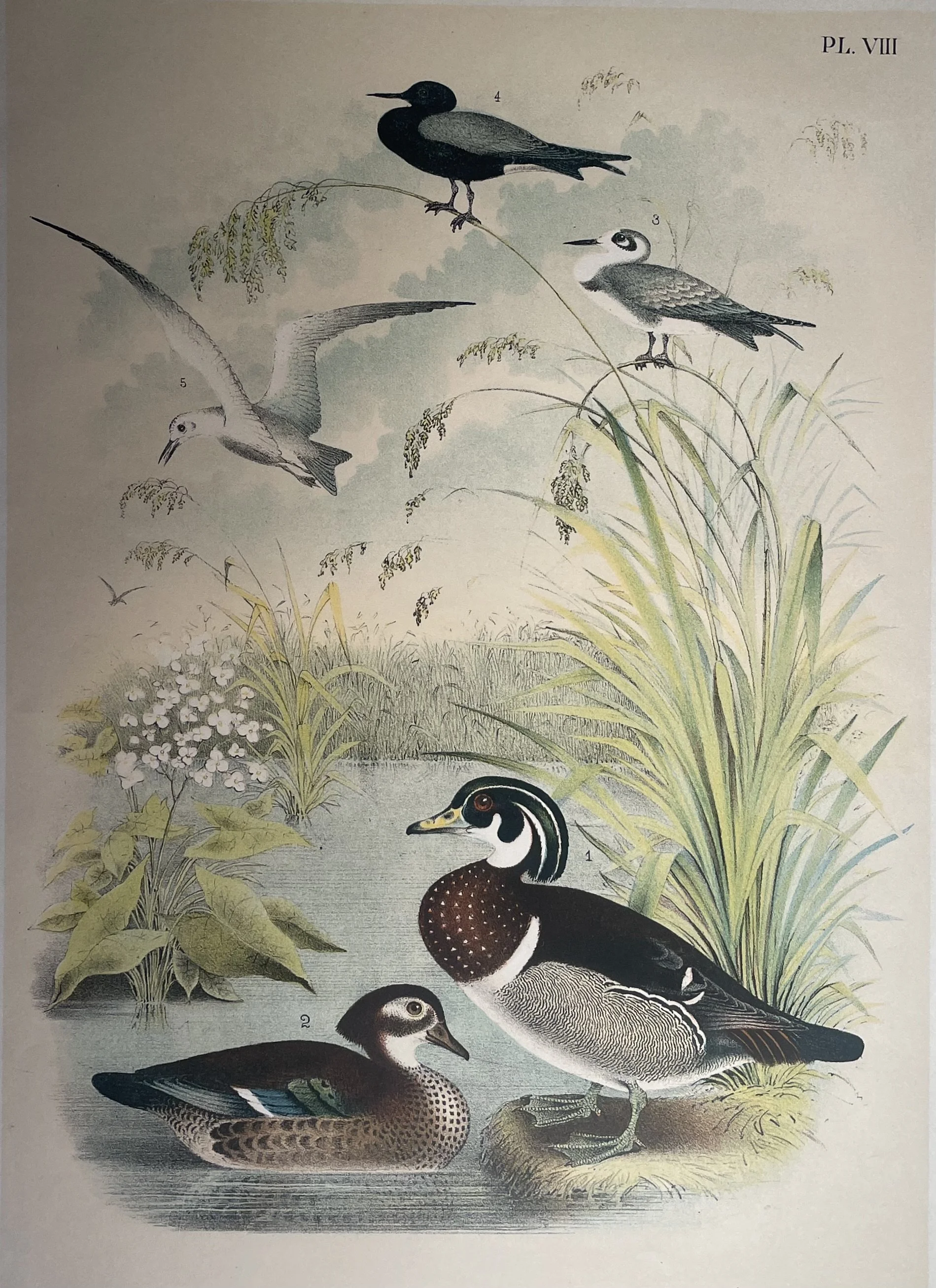 Image 1 of 6
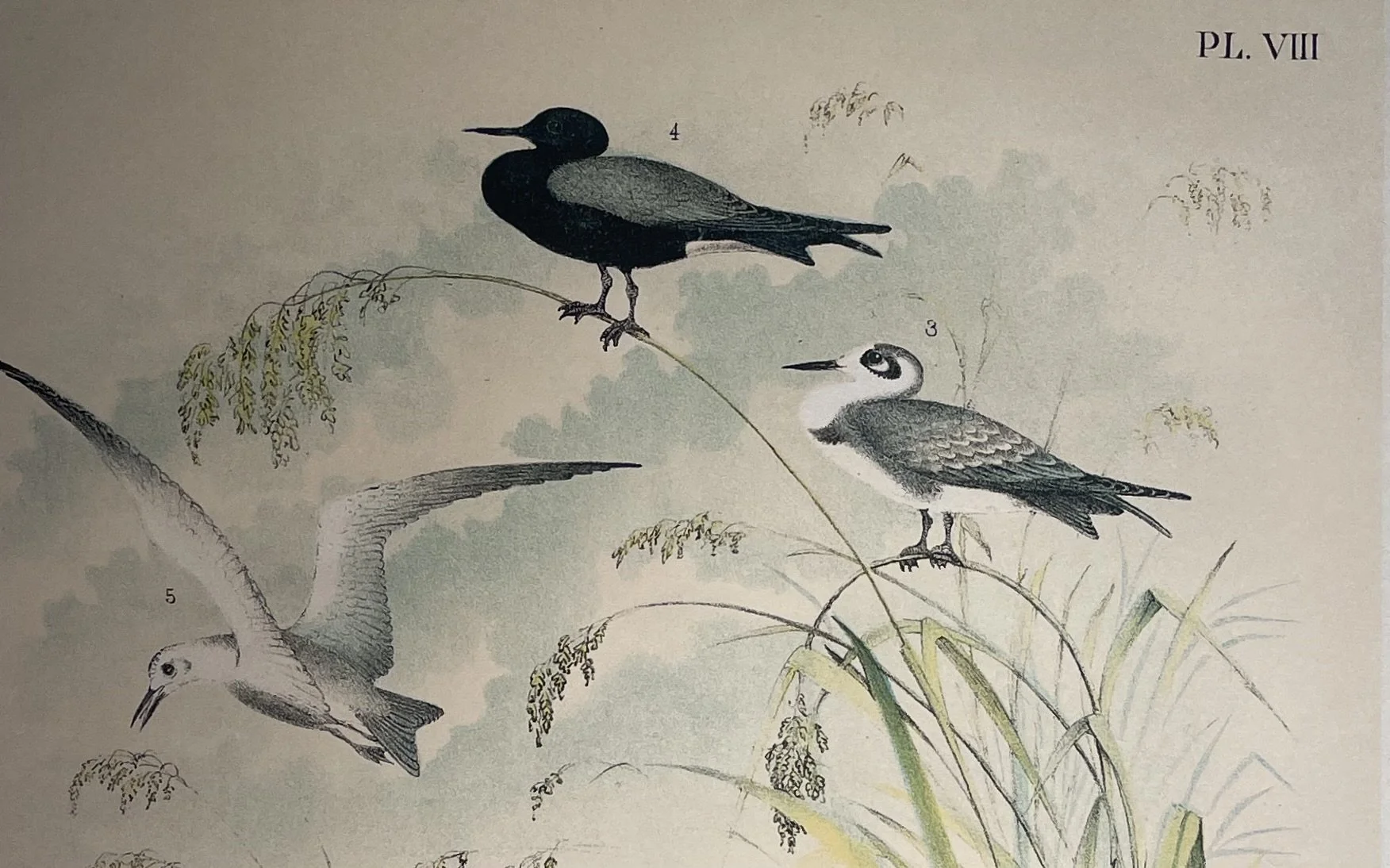 Image 2 of 6
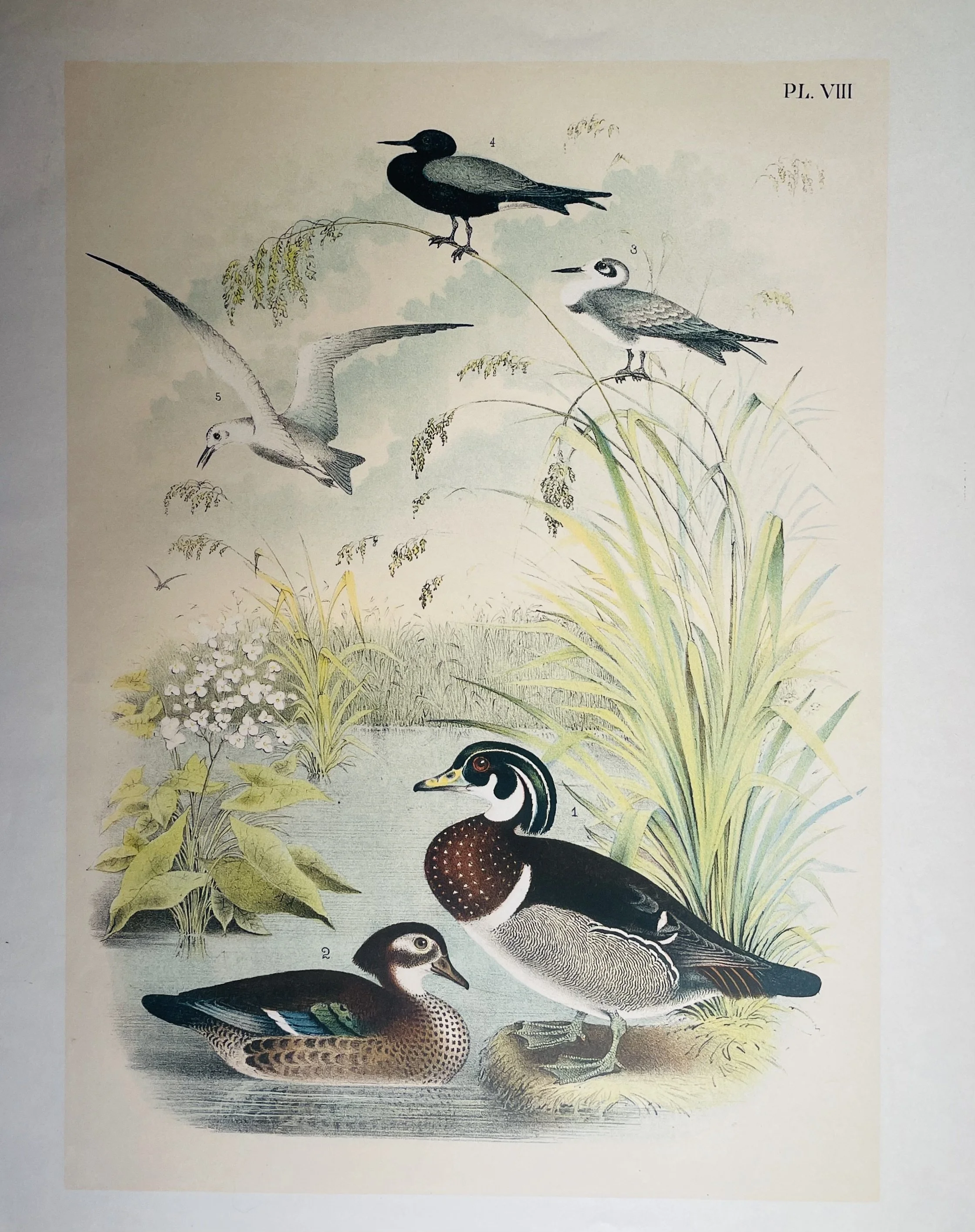 Image 3 of 6
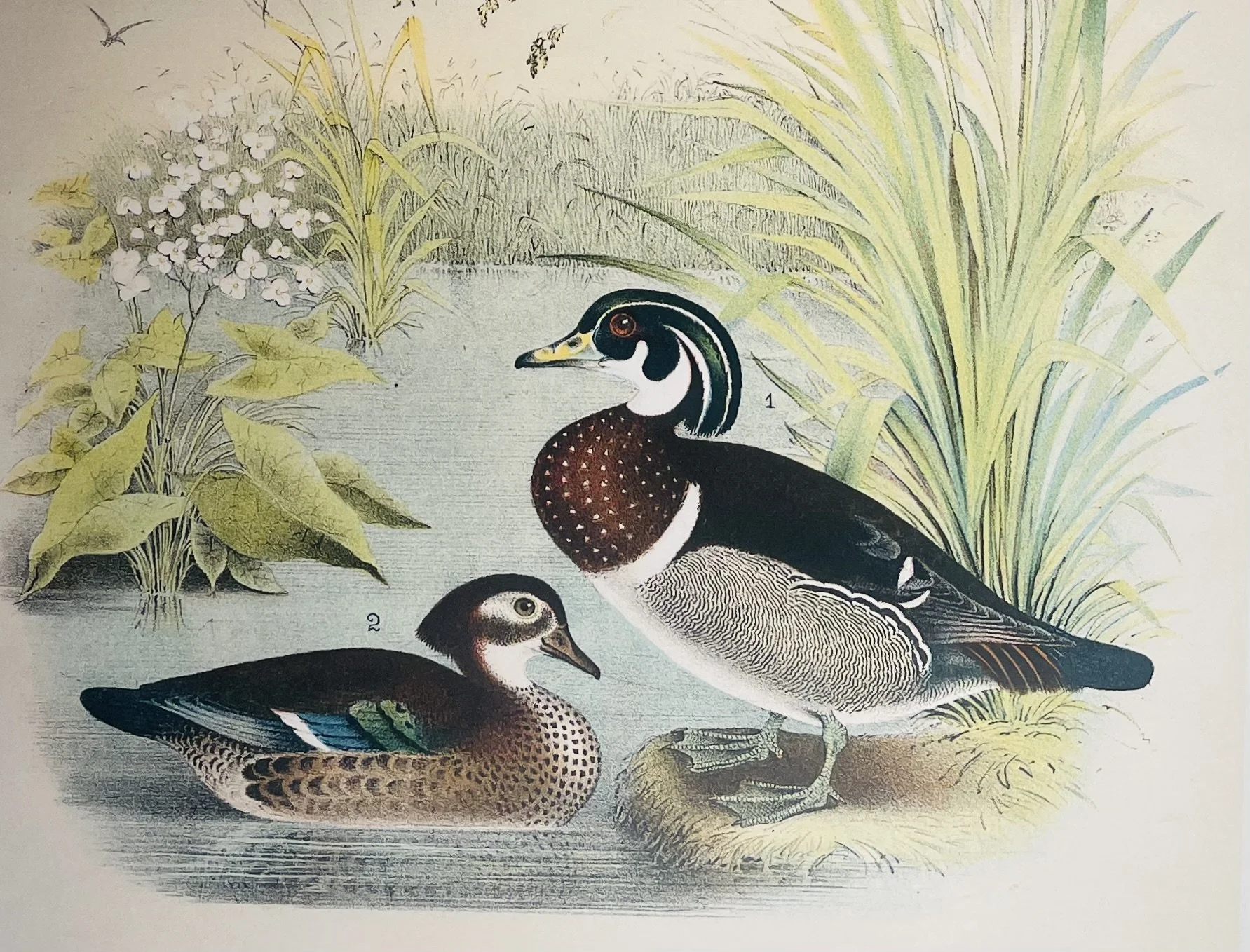 Image 4 of 6
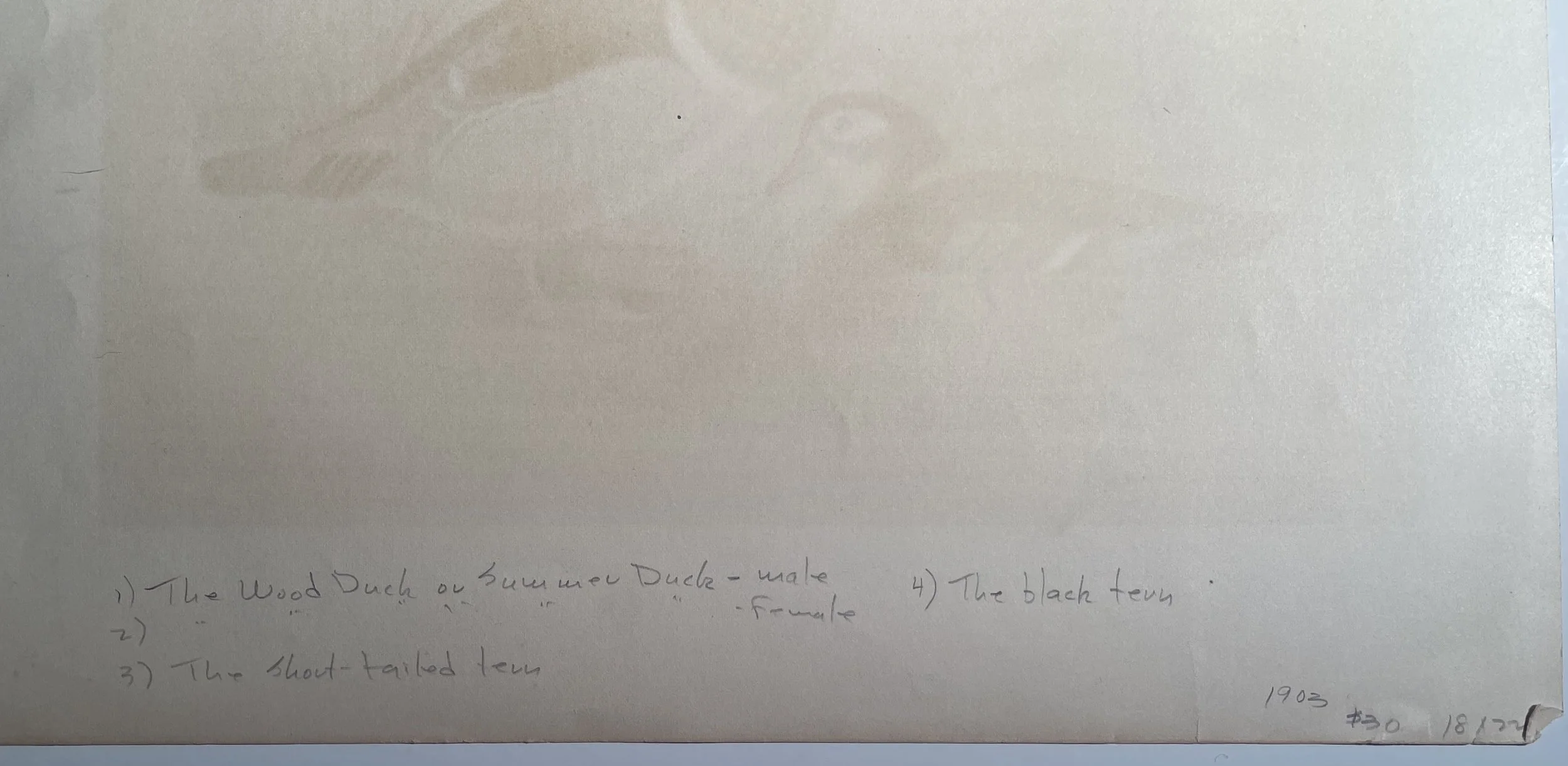 Image 5 of 6
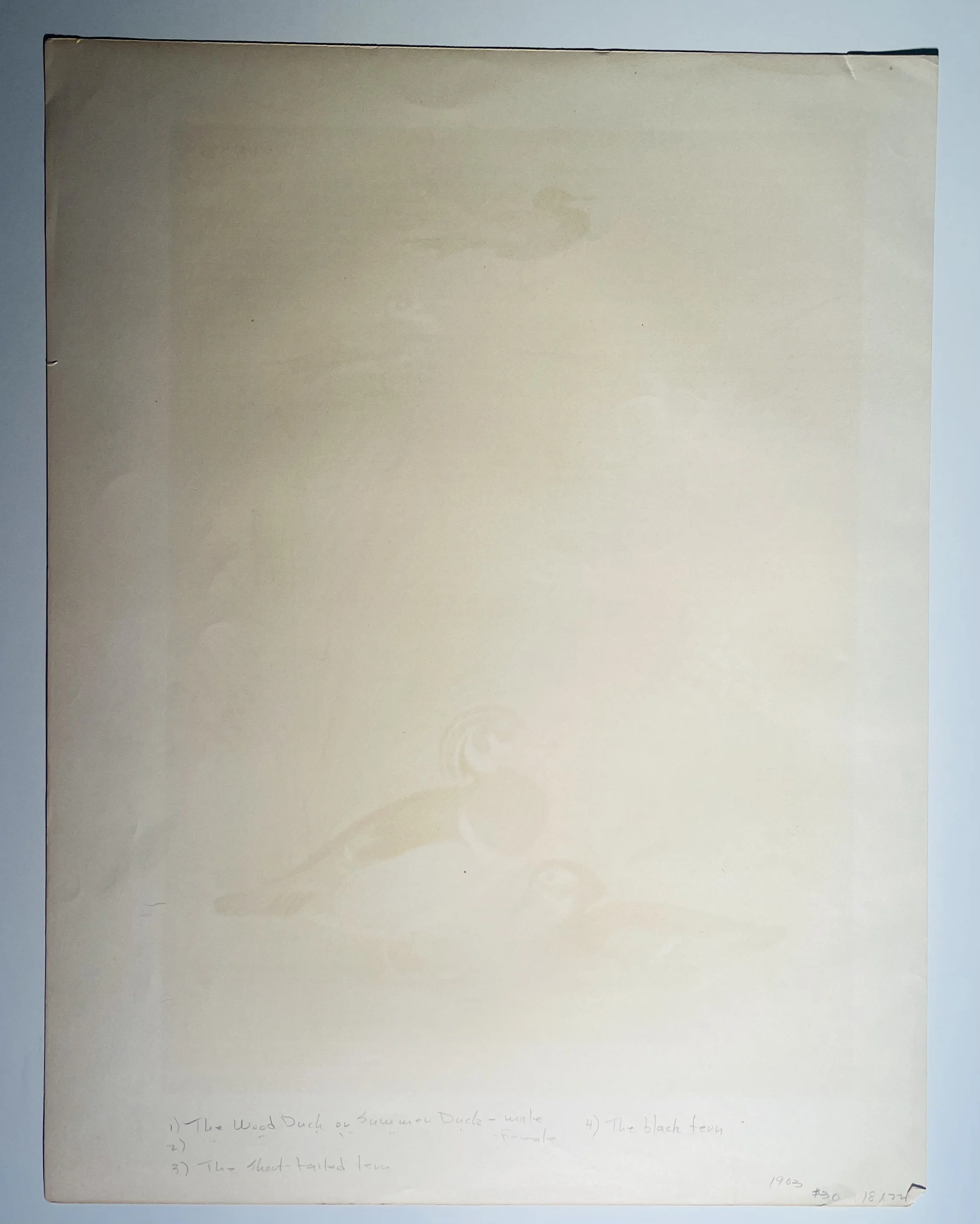 Image 6 of 6